A new study reveals restoring mangroves could save $800 million in storm damage, protect 140,000 people from flooding, and remove almost triple the amount of CO2 produced by cars in the U.S. every year.
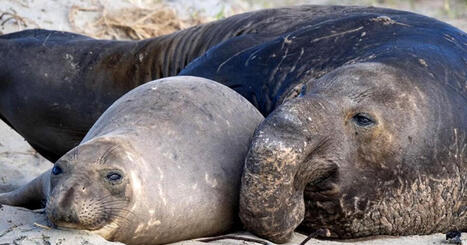
After H5N1 bird flu was detected in elephant seals gathered at Año Nuevo State Park, other marine mammals have also succumbed, including a sea otter and sea lion. So far, only animals in San Mateo County have been affected.
More than a thousand years after a ship vanished off the coast of modern-day Croatia, archaeologists have uncovered a wreck that might reshape our ideas of the medieval world.
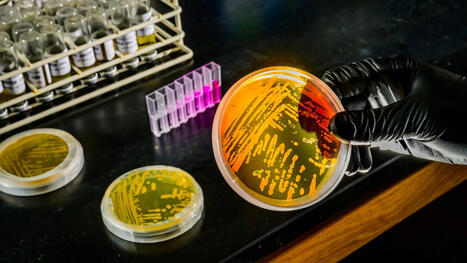
As deep-sea waters warm, scientists expected trouble for the microbes that help keep ocean chemistry in balance. Instead, researchers found that Nitrosopumilus maritimus can adapt to warmer, iron-limited conditions by using iron more efficiently. Because these microbes control key nitrogen reactions that support marine life, their adaptability could help sustain ocean productivity. In a warming world, they may play an even bigger role in shaping marine nutrient cycles.
A new study reveals restoring mangroves could save $800 million in storm damage, protect 140,000 people from flooding, and remove almost triple the amount of CO2 produced by cars in the U.S. every year.
Shifts in the Gulf Stream could help researchers predict the human-driven failure of a huge system of ocean currents known as the Atlantic Meridional Overturning Circulation.
States are preparing for, while trying to avoid, cutbacks to the water they get from the Colorado River. Here are some key things to know about this moment.
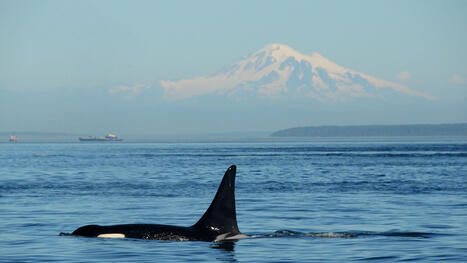
Detached orca fins scored with distinctive tooth marks suggest that killer whale cannibalism is happening — and it might explain some complex orca societies.
Carbon that has been buried in the Congo Basin's peatlands for millennia is seeping into lakes and rivers. Why this is happening remains unclear, but researchers warn that tropical peatlands could be nearing a tipping point.
Technical diver Stratis Kas is the editor-in-chief of InDEPTH and the lead author of “Close Calls.” Inspired by the need for more open conversations about near-misses, “Close Calls” shares hard-earned lessons from prominent dive industry figures, and reminds readers that even the most advanced divers make and learn from mistakes.
In this episode with Frauke Tillmans, VP of research at DAN, Stratis also discusses his experiences as an exploration diver and a storyteller in the diving community — as well as his plans to carry forward InDEPTH’s mission to expand knowledge of what’s possible underwater and to spark dialogue across the diving world.
For more information about Close Calls and Stratis’ work, visit stratiskas.com. Read InDEPTH at indepthmag.com.
0:06-0:30 Introduction 0:30-3:22 Stratis's Journey into Diving and Exploration 3:22-4:52 Genesis of "Close Calls" 4:52-11:24 Mistakes in Diving 11:24-15:50 "Close Calls" and Other Projects 15:50-18:04 Stories in "Close Calls" 18:04-20:43 Gathering Contributions from Industry Leaders 20:43-25:50 InDEPTH Magazine 25:50-27:08 Conclusion
To get content containing either thought or leadership enter:
To get content containing both thought and leadership enter:
To get content containing the expression thought leadership enter:
You can enter several keywords and you can refine them whenever you want. Our suggestion engine uses more signals but entering a few keywords here will rapidly give you great content to curate.


 Scoop.it!

 Your new post is loading...