Your new post is loading...

|
Scooped by
Grant W. Graves
Today, 7:31 PM
|
|
|
Scooped by
Grant W. Graves
Today, 7:09 PM
|
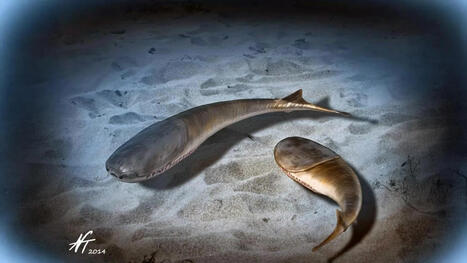
A rapid climate collapse during the Late Ordovician Mass Extinction devastated ocean life and reshuffled Earth’s ecosystems. In the aftermath, jawed vertebrates gained an unexpected edge by surviving in isolated marine refuges. Over millions of years, they diversified into many forms while competitors faded away. This ancient reset helped determine which creatures would dominate the planet ever after.
|
|
Scooped by
Grant W. Graves
Today, 6:44 PM
|
A 2016 astronaut photo of the Bahamas shows a series of luminous, rippling sandbanks partly carved out by a coral reef. The image also reveals subtle differences in the ocean's surface caused by a steep, hidden ocean drop-off.
|
|
Scooped by
Grant W. Graves
January 11, 1:04 PM
|
Claude, the California Academy of Sciences beloved reptile, died last month at age 30 from liver cancer. The Golden Gate Park science and history museum is commemorating his life with a free event.
|
|
Scooped by
Grant W. Graves
January 6, 9:33 PM
|
|
|
Scooped by
Grant W. Graves
January 6, 7:41 PM
|
|
|
Scooped by
Grant W. Graves
January 6, 7:29 PM
|
|
|
Scooped by
Grant W. Graves
January 6, 6:41 PM
|
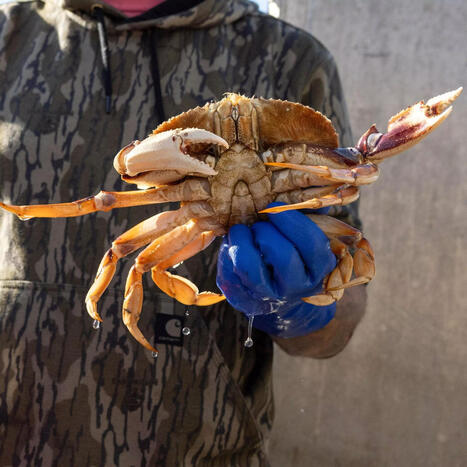
Bay Area fishermen are waiting for the weather to calm down before starting the Dungeness crab season.
|
|
Scooped by
Grant W. Graves
January 5, 5:15 PM
|
|
|
Scooped by
Grant W. Graves
January 5, 5:07 PM
|
|
|
Scooped by
Grant W. Graves
January 5, 4:54 PM
|
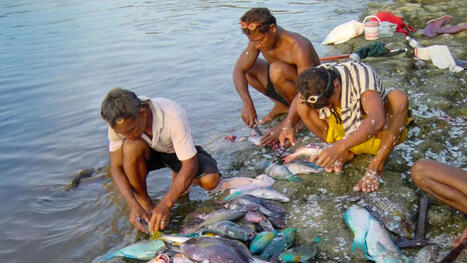
Overfished coral reefs are producing far less food than they could. Researchers found that letting reef fish populations recover could boost sustainable fish yields by nearly 50%, creating millions of extra meals each year. Countries with high hunger and nutrient deficiencies would benefit the most. Rebuilding reefs could turn ocean conservation into a powerful tool against global hunger.
|
|
Scooped by
Grant W. Graves
January 5, 3:33 AM
|
|
|
Scooped by
Grant W. Graves
January 5, 3:22 AM
|
|
|
|
Scooped by
Grant W. Graves
Today, 7:24 PM
|
|
|
Scooped by
Grant W. Graves
Today, 6:50 PM
|
Microscopic ocean algae produce a huge share of Earth’s oxygen—but they need iron to do it. New field research shows that when iron is scarce, phytoplankton waste energy and photosynthesis falters. Climate-driven changes may reduce iron delivery to the oceans, weakening the base of marine food chains. Over time, this could mean fewer krill and fewer whales, seals, and penguins.
|
|
Scooped by
Grant W. Graves
January 11, 1:09 PM
|
Here’s what to know before you head to Fisherman’s Wharf to buy live Dungeness crabs including where to go and how much they cost.
|
|
Scooped by
Grant W. Graves
January 6, 9:36 PM
|
|
|
Scooped by
Grant W. Graves
January 6, 7:55 PM
|
|
|
Scooped by
Grant W. Graves
January 6, 7:35 PM
|
|
|
Scooped by
Grant W. Graves
January 6, 7:17 PM
|
|
|
Scooped by
Grant W. Graves
January 5, 5:18 PM
|
|
|
Scooped by
Grant W. Graves
January 5, 5:11 PM
|
|
|
Scooped by
Grant W. Graves
January 5, 5:03 PM
|
|
|
Scooped by
Grant W. Graves
January 5, 4:32 PM
|
Recent fatal and nonfatal shark incidents cause alarm, but experts stress the low statistical risk and offer insight into shark behavior.
|
|
Scooped by
Grant W. Graves
January 5, 3:26 AM
|
|