 Your new post is loading...
Back pain is the second most regular side effect related explanation behind exercise based recuperation in the United States. Up to 84% of grown-ups have low back pain eventually in their lives, with sciatica influencing up to 40% of those with low back pain. The long haul result of low back pain is for the most part good, yet relentless indications influence a great many people. Sciatica represents around 5% of individuals with back pain who go on handicap, and for up to 75% of the expenses related with low back and hip pain products Noninvasive mediation, for example, non-intrusive treatment is an essential apparatus that can assume a huge part in decreasing human services costs.
What is Sciatica?
The term sciatica portrays the indications of leg pain-and potentially shivering, deadness or shortcoming that begin in the lower back and go through the butt cheek and down the expansive sciatic nerve in the back of the leg.
Sciatica is not a therapeutic finding it is an indication of a basic restorative condition, for example, a lumbar herniated circle, degenerative plate ailment, or spinal stenosis. Sciatica is frequently described by one or a mix of the following side effects:
Steady pain in just a single side of the butt cheek or leg (once in a while can happen in both legs)
Pain that is more terrible when sitting
Leg pain that is regularly portrayed as copying, shivering or singing (versus a dull hurt)
Shortcoming, deadness or trouble moving the leg or foot
A sharp pain that may make it hard to stand up or to walk
Step by Step Instructions: Treat Sciatica Symptoms Brought On By Low Back Pain
Ultrasound: Ultrasound is regularly suggested before extending of the piriformis muscle. Ultrasound is a type of profound warming in which sound waves are connected to the skin and infiltrate into the delicate tissues. Ultrasound is particularly helpful in alleviating intense scenes of pain and may upgrade tissue recuperating.
TENS: Transcutaneous Electrical Nerve Incitement Is a back treatment methodology that utilizations low voltage electric current to ease pain. TENS is viable for treatment since it causes the neighborhood arrival of neurotransmitters, for example, serotonin to obstruct the pain motions in the cerebrum.
Iontophoresis: Iontophoresis gives a methods for controlling pharmaceutical transdermally utilizing a low, guide electrical current to drive it to the included tissues of the low back. Every now and again, it is utilized to oversee mitigating drugs to nearby tissues. An auxiliary advantage for iontophoresis is the electrical current itself that can instantly decrease side effects by blocking pain receptors.
Footing table: Lumbar footing utilizing a footing table works under the hypothesis that division of the lumbar vertebrae will diminish impingement of the spinal nerves and in addition diminish weight between the circles.
Sciatic Nerve Pain: Prevention, Stretches & Exercises For Pain Relief Sciatica occurs when a person experiences feelings of numbness or tingling, which begins in the lower back region, through the buttocks, and runs down the leg—the sciatic nerve.
Nerve pain resulting from sciatica is a symptom related to an underlying condition that affects the sciatic nerve. Conditions that can lead to sciatica are a lumbar herniated disc, degenerative disc disease, and spinal stenosis.
Fortunately, physical therapy and exercises can help relieve sciatic nerve pain and improve the condition by increasing strength through stretching and aerobic techniques.
Sciatic Stretches Sciatic nerve pain stretches aim to target the muscles that lead to pain. These muscles are often tight and inflexible, so stretching can loosen the tightness and minimize pain.
Stretching the hamstring is best for dealing with sciatic nerve pain, as the sciatic nerve runs through the hamstring—this is the area behind the quadriceps, underneath your buttocks.
Here are some examples of sciatic nerve pain stretches:
Towel hamstring stretch: Lay on your back with a towel wrapped around your thigh. With your leg up in the air and your hands grasping the towel, begin to straighten the knee until a stretch is felt at the back of the thigh. Hold the position for 10 seconds and gradually begin to increase the duration of the hold.
Wall hamstring stretch: Once again, lay on the floor with your buttocks up against a wall. With one leg stretched out in front and the other up against the wall, push the knee straight until a stretch is felt.
Hamstring stretch while sitting: Sit at the edge of a chair and have one leg straight out in front of you with your heel on the floor, toes pointing upward. Sit up straight while pushing your navel towards your thigh without actually leaning over. Hold the stretch for 30 seconds and repeat three times for each leg.
Pigeon pose: Lay with your back flat on the floor, then raise your right leg up to a right angle and interlock your fingers behind the thigh. Raise you left leg, resting your right ankle on its knee, and press that knee towards your head to stretch the tiny piriformis muscle. Lower both legs then repeat on the opposite side.
Knee to opposite shoulder: Begin by lying flat on your back with your feet flexed upwards. Lift your right leg, then link your fingers around your knee and pull it gently across your body towards the opposite shoulder. Hold the position for 30 seconds before returning to the starting position and repeat the movement with your left leg.
Sitting spinal stretch: Start by sitting on the ground with your legs extended in front of you and your feet flexed upwards. Bend your right knee and cross your leg over the left, planting your right foot flat on the outside of your left knee. Turn your upper body and place your left elbow to the outside of your right knee, helping to keep your body turned towards the right. Hold this pose for 30 seconds, then return to the starting position and repeat on the left side.
Standing hamstring stretch: Place your right foot on an elevated surface either at or below hip level and flex your foot so that your toes and leg are straight. Bend forward towards your foot and reach for your toes – the further you bend the deeper the stretch. Hold this position for 30 seconds, then switch legs.
Reclining Cow’s Face Pose: Lay face-up on your back and cross your left leg over your right. Raise both legs off the floor, flexing both feet, and reach for your outer ankles to hug your legs towards your stomach. Hold for 30 seconds, then switch sides and repeat.
Low Lunge: Begin in a regular lunge position with your right leg forward and your left knee on the ground. The top of your left foot should be flat on the ground. Lift your torso slowly and rest your hands on your right thigh, then lean your hips forward to stretch the left hip flexor. Hold this pose for 30 seconds, then repeat on the other side.
Sciatica Exercises Exercising for sciatica nerve pain has been found to be more effective than simply staying in bed. Strengthening and low aerobic exercises should be your go-to, as they offer the most relief from sciatica nerve pain.
Strengthening exercises should work to strengthen the spinal column and the supporting muscles, tendons, and ligaments. This includes targeting the lower back, abdomen, glutes, and hip muscles.
Low aerobic exercises consist of walking, swimming, and pool therapies. They aim to increase fluid and nutrient exchange in order to promote a healthy environment for healing. Furthermore, low aerobic exercises work as a natural painkiller, as exercise has been shown to help alleviate pain by increasing endorphins in the body.
Speak to your physical therapist or trainer with regards to appropriate exercises to help strengthen your muscles in order to reduce sciatica nerve pain.
Other Tips To Relieve Sciatica Nerve Pain Along with stretches and exercises, there are other home remedies you can utilize in order to alleviate sciatica nerve pain.
Tips to improve sciatica nerve pain include:
- Take over-the-counter anti-inflammatory medications
- Apply hot and cold packs
- Wear a supporting lower back brace
- Get proper sleep
- Try yoga
- Quit smoking – smokers have higher incidences of back pain
- Maintain a healthy weight
- Practice maintaining proper posture
- Ensure you lift and carry objects properly
If you are on a long driving trip or flight, ensure you take plenty of moments to move around as much as possible, i.e., make stops, get up from your seat
By practicing these tips as well, you can help improve sciatica nerve pain and prevent future injury.
Related: How to get rid of sciatica pain
People who read this article benefited from… Related Reading:
Spinal stenosis causes, symptoms, natural treatment, and exercises
Exercises and tips to improve posture and alleviate back pain
Sources:
http://www.prevention.com/fitness/yoga/stretches-sciatic-nerve-pain
http://www.healthline.com/desktop-article/back-pain/sciatic-stretches
http://www.nytimes.com/health/guides/disease/sciatica/prevention-and-self-care.html
http://www.spine-health.com/wellness/exercise/sciatica-exercises-sciatica-pain-relief
Athletes are at higher risk of experiencing injuries or aggravating a previously existing condition due to the constant exposure to rigorous training and competitions. Although the lower extremities most frequently result in damage or injury, lower back complications have only been increasingly reported among the wide majority of athletes alike. Among the young college athletes and professional athletes alike, low back pain is considered to be one of the most common complaints, estimated to affect more than 30 percent of athletes at least once in their career. A wide number of back injuries can affect the athlete, including muscle spasms and stress fractures, spondylosis, spondylolisthesis, disc degeneration, facet joint arthropathy and disc issues, such as lumbar disc herniation. Lumbar disc herniation is a well-known type of injury which often causes impairing low back pain, however, it can also compress the nerve roots in the area and generate radicular pain and other symptoms along the lower extremities, such as altered sensations and muscle weakness. Furthermore, this type of injury will not only affect the athlete’s ability to perform during their specific sport or physical activity, it may also become chronic and affect the athlete in the future. Conservative treatments are frequently utilized when managing lumbar disc herniation in athletes, although surgical options may be considered if the injury is too severe. Many elite athletes often request faster recovery methods for their type of injuries and symptoms in order to minimize their time spent away from training and competition. As a result, a wide number of athletes will seek surgical alternatives earlier than recommended, provided they meet the criteria for lumbar spine surgery. The most popular surgical procedure for athletes with a low back disc herniation is the lumbar disc microdiscectomy.
Athletes who perform daily rigorous training and/or participate in regular competitions can often be at a higher risk of suffering an injury or developing an injury. Because most sports or physical activities require the repetitive and constant use of the lower extremities, experiencing a complication which affects the lower back, buttocks, thighs and even the feet of the athlete can ultimately alter their performance. Medial tibial stress syndrome, commonly referred to as shin splints, is not considered to be a medically serious condition, however, it can challenge an athlete’s performance. Approximately 5 percent of all sports injuries are diagnosed as medial tibial stress syndrome, or MTSS for short. Shin splints, or MTSS, occurs most frequently in specific groups of the athletic population, accounting for 13-20 percent of injuries in runners and up to 35 percent in military service members. Medial tibial stress syndrome is characterized as pain along the posterior-medial border of the lower half of the tibia, which is active during exercise and generally inactive during rest. Athletes describe feeling discomfort along the lower front half of the leg or shin. Palpation along the medial tibia can usually recreate the pain.
The Body’s Inner Symphony
Consider for a moment the intricacies of a musical orchestra. The average size of a full orchestra is about 100 musicians, all playing together harmoniously to create a universal rhythm and tone. If one of these instruments fails to play in tune or at the correct rhythm, it will throw off the entire song and diminish the quality of the musical experience.
No doubt, the human body trumps in complexity the most dynamic orchestra ever conducted. Muscles, joints, circulatory structures, nerve impulses all work together to create a harmonic rhythm that allows us to stay active in our life. Every individual link in the chain must do its job in perfect order to create a desired physical motion. A neurologic signal must travel from the brain into a nerve bundle that is carried to the desired area of the body, stimulating a cascade of events that ultimately creates an infinitely delicate event such as raising our arm or bending our knee. Even the smallest amount of break-down of this cascade has the ability to produce a massive negative outcome commonly known as pain.
Most people don’t associate doing a bench press or performing a burpee as a “symphony in your body”, but this is in fact what is occurring behind the sweaty t-shirt.
Now consider a doctor’s job. When somebody comes in to the office with pain, my job is to find the disruptive part of the symphony. In order for us to diagnose what is occurring incorrectly, the desire tune must be replayed…. Many times, over and over again. Timing, rhythm, quality, and quantity are all factors that must be taken into consideration, just as a conductor breaks apart a song line by line to optimize the sound quality of a song and to construct a new pattern of performance.
To summarize this metaphor: Your body is a delicate instrument. Care for it well and keep it finely tuned.
Sciatica is a frequent diagnosis among the general population of individuals who report low back pain as well as pain and discomfort along their buttocks, thighs, and legs. While these set of symptoms are the most prevalent cause for painful symptoms in the thighs of athletes and others alike, thigh pain can also be attributed to other factors and causes. As a matter of fact, injury or complications affecting the tensor fascia latae muscle found within the thigh has been known to cause issues among the population. The tensor fascia latae, or TFL, is a well-known hip muscle among healthcare professionals and rehabilitation specialists. Because of its function, this muscle may be responsible for pain and dysfunction in the lower extremities, pelvis and spine. Research studies conclude however, that this muscle is poorly understood and needs further examination. Furthermore, the majority of research which has been already conducted have in fact simplified the accurate anatomy of, not only the TFL, but also its anatomical relationship to the iliotibial band, or ITB. The TFL, or tensor fascia latae, is a complex muscle which is intricately arrangement anatomically with the ITB, or iliotibial band, and it performs various essential functions, such as allowing hip mobility as well as transmitting fascial tension through the fascia latae located in the thigh and the iliotibial band. The TFL also provides postural support during one-legged stance and limits the tensile stress on the femur caused by the combination of bodyweight, ground reaction force and how these create individual bending forces against the femur.
Sciatica is identified as a group of symptoms occurring when the sciatic nerve, found on the lumbar region of the spine, becomes irritated. The most commonly diagnosed cause of sciatic nerve irritation, or sciatica, results due to compression or impingement of a single or multiple nerve roots caused by natural spinal degeneration with age or a disc herniation in the lower back, which may occur after trauma from an injury. The symptoms of sciatica generally originate in the area of the buttock, and depending on the grade of the underlying nerve compression and inflammation, sciatic nerve irritation may radiate down the entire leg into the ankle and foot. Piriformis syndrome is a condition in which the piriformis muscle, found in the buttock region from the upper femur bone to the edge of the sacrum, or the pelvic bone below the lumbar spine, contracts and spasms causing pain and tightness as well as tingling and numbness. The symptoms of piriformis syndrome are very similar and are often closely associated with sciatica. In some cases, the condition actually causes sciatic nerve irritation. Because the sciatic nerve runs underneath or through the middle of the piriformis muscle, contraction or inflammation of the tissues in this area may compress the sciatic nerve and develop sciatica symptoms. This is one of the main reasons sciatica and piriformis syndrome are often misdiagnosed. As previously mentioned, the symptoms of sciatica and piriformis syndrome are very similar. Both cause pain, tingling and burning sensations, and/or numbness down the affected leg which can radiate down into the foot. Furthermore, this set of symptoms and the condition tend to closely correlate to biomechanical functional complications in the joints of the back and pelvis. Sciatica and piriformis syndrome may even be present simultaneously in the same person which can make telling both complications apart more difficult.
Over-exercising, lifting, bending, or twisting abruptly into awkward positions, and even driving for extended periods of time, can strain the sciatic nerve, leading to lower back pain which radiates into the back of the legs as well as other numerous symptoms, known as sciatica. Approximately 5 to 10 percent of individuals experience some form of low back pain from sciatica. Most commonly seen in people ranging from 18 to 35 years of age, the prevalence of sciatic symptoms varies tremendously from 1.6 percent throughout the general population to 43 percent in a selected working population. Unfortunately, only 30 percent of individuals suffering from sciatica seek medical attention only after experiencing these painful symptoms for a year or more. In a majority of cases, sciatica is caused by a herniated disc involving nerve root compression. Not all individuals with lower back pain have sciatica. Lower back pain could result from a variety of factors, most frequently seen in sedentary workers who sit behind a desk for an extended period of time with improper posture while not following ergonomics.
Sciatica can best be described as a group of symptoms from an injury or an underlying medical condition rather than a singular disorder. The term is used to specify symptoms of pain, tingling and numbness sensations, or weakness that often originates on the lower back and radiates through the sciatic nerve found in either leg. When it comes to sciatica, the common injuries or underlying conditions causing the symptoms differ greatly based on age. Adults under the age of 60 frequently develop sciatica as a result of a lower back, or lumbar, herniated disc, degenerative disc disease, and isthmic spondylolisthesis. Adults over the age of 60 frequently develop sciatica as a result of degenerative changes, such as lumbar spinal stenosis and degenerative spondylolisthesis. Occasionally, pregnancy, or injuries such as muscle strains and bone fractures, which may create scar tissue, can also begin to develop sciatica symptoms.
Piriformis Syndrome is a painful condition that occurs when the piriformis muscle is tight and intrudes upon the sciatic nerve in the buttocks. Piriformis Syndrome is a painful condition that occurs when the small muscle located deep within the buttocks, known as the piriformis muscle, becomes tight and intrudes upon the sciatic nerve in the buttocks. Causing pain and tenderness and sometimes numbness in the buttocks, piriformis syndrome pain may also radiate down the sufferer’s leg, and in some cases, even into the calf. The piriformis muscle performs the essential function of rotating the leg outwards. Unfortunately, once an individual has suffered from piriformis syndrome, the condition can recur periodically, usually brought on by too much exercise or sitting for a long time without stretching. Whatever the initial cause, piriformis syndrome treatment options are vital in relieving the painful symptoms and healing the condition. Hands on therapy, used with other types of treatment or on their own, these types of therapies are popular because of their effectiveness, as well as the fact they are drug-free ways to gain relief from the pain. Massage is a commonly used therapy for piriformis syndrome, as it helps increase blood flow to the area. The physical therapist can manipulate the area to relieve the tightness of the muscle.
Exercises that focus mainly on the legs moving away from the body can increase the chance for individuals to experience sciatica, especially in athletes who have weaker interior thigh muscles. Lifting is another physical activity that frequently causes sciatica. Athletes who have weaker core muscles can also increase their chance of experiencing a herniated disc while lifting. Improper lifting techniques are usually the root cause contributing to the development of this painful spinal complication. Individuals can work together with a chiropractor or physical therapist to strengthen specific regions, such as the core and inner thighs, to improve the symptoms and prevent damage or injury from future exercises. As an athlete, choosing the proper equipment for a specific sport or physical activity is essential towards improving performance and avoiding injury. Improper footwear could be causing sciatica for many athletes. An athlete’s shoes should fit properly around the foot as well as provide adequate cushioning and arch support, especially for sports or physical activities which involve plenty of running. Sciatica symptoms can be treated several ways. Using a combination of both hot and cold therapy may help ease an athlete’s symptoms of pain and discomfort from sciatica. Cold therapy helps numb the tissue as well as reduce the inflammation around the affected region. Hot therapy can help soothe muscle pain and spasms by dilating blood vessels and increasing the amount of oxygen on the affected region. It’s important to follow the appropriate measures to treat an athlete’s sciatica, allowing them to resume back to their exercise routines as soon as possible.
The sciatic nerve is the largest single nerve found within the human body, running from each side of the lumbar spine, through the area of the lumbar plexus, and trailing down into the buttocks, the back of the thigh and into the foot. Sciatica is a medical term used to define a group of symptoms rather than a single injury or condition. The most common symptom for sciatica is pain in the lower back and, although low back pain can be the result of numerous lumbar spine injuries or conditions, various other common symptoms associated with sciatica can closely suggest its presence. Often a result of damage or impingement of the sciatic nerve, many people affected with sciatica experience burning and tingling sensations along the back of the thigh, followed by numbness or cramping. People suffering from sciatica may have difficulty going through their regular activities but chiropractic care can help relieve the symptoms and treat many other underlying conditions causing the pain and discomfort. Chiropractic treatment for mild to severe cases of sciatica most frequently involves chiropractic adjustments and manual manipulations, followed by a specialized series of stretches and exercises accommodated to each individual’s level of injury or condition and its symptoms. Both of these treatments together may speed up the rehabilitation process as well as improve the health of the spine and ultimately reduce the symptoms of sciatica.
Sciatica is pain that originates when the sciatic nerve becomes irritated. Defined as a group of symptoms, sciatica ranges from mild to severe and is usually caused by a compressed nerve root in the lower or lumbar spine. Often referred to as back pain, sciatica differs because its symptoms are not limited only to the back. The sciatic nerve is the widest and longest nerve in the body, running from the lower back through the buttocks and down the legs, ending just below the knee. The sciatic nerve is in charge of controlling various of the lower leg muscles and allows this area to be sensitive to the touch.
Tingling, burning, excruciating pain. That is how some people describe sciatica. This type of pain is characterized as being caused by a spine related issue. Sciatica is described as a variety of symptoms experienced anywhere from the lower back all the way down to the ankles. The pain may originate from a single of several nerve compression conditions or injuries including a herniated disc or spinal stenosis. The symptoms of sciatica can vary from individual to individual. Sciatica usually begins with a sharp pain in the lower back but if the root of the problem is left untreated, the pinched nerve can cause additional pain in the body.
|
Lower back pain is a common symptoms frequently reported among a majority of the population in the United States. While low back pain generally resolves on its own, constant discomfort could signal the presence of a more serious injury or condition. A variety of factors can lead to spinal damage or injury, manifesting as low back pain, however, when the pain and discomfort includes tingling sensations, numbness and even burning sensations along the lower extremities, damage or injury to the sciatic nerve may have occurred. Over-exercising, lifting, bending, or twisting abruptly into awkward positions, and even driving for extended periods of time, can strain the sciatic nerve, leading to lower back pain which radiates into the back of the legs as well as other numerous symptoms, known as sciatica. Approximately 5 to 10 percent of individuals experience some form of low back pain from sciatic nerve pain. Most commonly seen in people ranging from 18 to 35 years of age, the prevalence of sciatic symptoms varies tremendously from 1.6 percent throughout the general population to 43 percent in a selected working population. Unfortunately, only 30 percent of individuals suffering from sciatica seek medical attention only after experiencing these painful symptoms for a year or more. In a majority of cases, sciatica is caused by a herniated disc involving nerve root compression.
Athletes are specially trained to exercise and compete vigorously without experiencing injury or aggravating a previously existing condition. However, accidents and direct trauma during their specific sport or physical activity can inevitably result in damage or injury to the individual. Muscle or tissue damage are common in sports and can be dealt with accordingly but when a bone fracture occurs, these may be more delicate and may require additional diagnosis and care in order to properly help an athlete recover. Among the general population of athletes, stress fractures can be a rare cause of pain, accounting for only 2 percent of all reported sports injuries. However, a considerably higher number of stress fractures are diagnosed in long distance runners and triathletes. Stress fractures occurring around the pelvis are significantly uncommon although, a majority of them are often considered a differential diagnosis when athletes, specifically long distance runners and triathletes, report hip, groin or buttock pain during and after running. Because stress fractures around the pelvic/hip region, including the sacral, pubic rami and femoral neck region, are rarely diagnosed, understanding and discussing the anatomy of the injury, their clinical presentation, diagnosis and treatment for each of these types of stress fractures is important for an athlete in order to find a solution for those who do encounter it.
Complications affecting the lumbar region of the spine can affect a wide amount of the population at least once throughout their lifetime. Low back pain is one of the most frequently reported symptoms, together with various other symptoms, causing pain and discomfort. Although low back pain can include several other symptoms, a collection of specific symptoms could signal the presence of another disorder: sciatica. Affecting millions among the American population, sciatica can be characterized within a range of minor irritation to a severe, disabling complication. Despite how frequently its diagnosed and treated, there’s an assortment of information about the condition that many individuals do not yet understand and its often a topic of confusion among the general population. First of all, sciatica can best be described as a group of symptoms from an injury or an underlying medical condition rather than a singular disorder. The term is used to specify symptoms of pain, tingling and numbness sensations, or weakness that often originates on the lower back and radiates through the sciatic nerve found in either leg.
How to Choose a Chiropractor
Chiropractic is the third largest healing profession in the country. Doctors of Chiropractic (DCs) are well-trained health care professionals. They are experts in the diagnosis, treatment, and prevention of disorders of the musculoskeletal system. This system includes your muscles and bones. Above all, these doctors are experts in the structure and function of the spine (backbone).
Selecting a chiropractic doctor is a personal choice. You may want to ask a few friends or loved ones if they know a chiropractor they like. You may also want to ask your family doctor or other health care providers for names of chiropractors or centers that offer high quality chiropractic services.
Asking questions can help you make an informed choice. You may want to meet with more than one chiropractor before you make your choice.
Questions You Can Ask
What training, licensure, and experience do you have?
Before you ask any questions, make sure that the chiropractor is licensed to practice in your state. Then find out if the DC chiropractor has an area of specialty and what that is. Also ask the chiropractor how many years of experience he or she has.
What is treatment like for people with a health problem like my own?
How often would I come in for treatment?
How long should I expect treatment to last?
Chiropractors will outline a course of treatment and goals for your health problem. The chiropractor will talk to you about how long it should take for treatment to work for you. Your chiropractor will change your treatment as needed to help you reach your treatment goals.
What treatment would you suggest for my health problem or health goals?
Chiropractors do not prescribe drugs. They do not perform surgery either. Most chiropractors will suggest an adjustment/manipulative treatment. This treatment is used to:
Bring back normal joint function
Decrease pain and nerve irritation
Increase blood flow
Reduce muscle spasms
Improve range of motion
Chiropractors may also use other treatments, such as:
Exercise therapy
Massage and other soft tissue methods
Ultrasound
Electrical muscle stimulation
Appliances (such as lower back supports)
Whichever treatment the chiropractor suggests, he or she should also tell you about the benefits and risks.
What if I need treatment beyond your scope of care?
Will you refer me to one of your contacts if needed?
You may need to get non-chiropractic treatment for your health problem. In this case, you will want your doctor to be able to refer you to other health care professionals.
Will I need to have an X-ray taken?
An X-ray is not always needed to start treatment. After going through your health history and an exam, the doctor may take an X-ray to confirm or rule out a larger health problem. An X-ray can check for conditions, such as:
Bone disease
Fracture
Dislocation
Will you suggest exercises or other steps I can take to help my health problem?
It’s key that you take an active part in your treatment and healing process. You should expect your chiropractor to give you guidelines and training. This training may include an overview of proper exercises needed to take care of your health problem. Your chiropractor may suggest that you use other home-based treatments as well. This might include putting ice or heat on a certain part of your body.
Other Points to Consider
You should expect the chiropractor’s office staff to treat you with courtesy. When you call, are they prompt and professional? Do they answer all your questions? Do they help schedule future appointments? Be sure to pay attention to how the office staff treats you. Will you be comfortable working with the chiropractor and their staff?
After asking the questions listed above and meeting the chiropractor and office staff, think about the answers you were given. Does the chiropractor’s personality and approach seem like they will work for you? If so, you should feel comfortable that you have made an informed choice.
Your Checklist
Look for a Doctor of Chiropractic that:
Is licensed in your state
Treats you with respect and professionalism
Listens to your health concerns
Answers your questions in a way that you can understand
Makes every effort to help you improve your health
Gives you advice about exercise, body mechanics, stretching, and posture to help avoid future problems
Takes X-rays only when needed and explains why they are being taken
Refers you to specialists or back to your primary doctor as needed
As you can see, there are plenty of things to think about when choosing a chiropractor. You deserve the best care possible. So do some research. And be sure to talk to different doctors. Most of all, take the time you need to make a choice you feel good about.
Sciatica is commonly described as leg pain caused by a pinched nerve in the lower back region. Although the issue usually begins in nerve roots located on either side of the lower spine, the symptoms can travel through the sciatic nerve, which runs the length of each leg from the buttock down into the foot. “The leg pain, referred to as radiculopathy, is often worse than the back pain,” stated William A. Abdu, MD, medical director of the Spine Center at Dartmouth-Hitchcock Medical Center. The most common cause for sciatica symptoms is a herniated disc. When a disc develops a tear or crack and bulges into the spinal canal, it can pinch the sciatic nerve. Generally, the symptoms can resolve within approximately 6 weeks, but for some individuals, the pain and discomfort may continue, developing into chronic symptoms. Fortunately, there are a variety of alternative treatment options available to help people suffering with these painful, sciatica symptoms. A study conducted by the Journal of Manipulative and Physiological Therapeutics in 2010 found that 60 percent of individuals diagnosed with sciatica who didn’t get relief from other therapies but then tried spinal adjustments had experienced the same degree of pain relief as individuals who had surgery.
Sciatica can be a very uncomfortable experience for many individuals. Characterized as a series of symptoms rather than a single condition, sciatica is a common type of pain affecting the sciatic nerve, the largest single nerve in the human body extending from the lower back through deep in the buttock and down into the back of each leg. It’s been reported that the immense and debilitating pain in the back and legs from sciatica can make going through your regular day difficult. Fortunately for many individuals experiencing sciatica symptoms, there are numerous remedies to treat it, however, in order to begin treatment, its essential to first diagnose the possible causes behind their sciatica. Properly identifying the source of your symptoms is the best way to manage this lower back complication and its symptoms. The presence of any of the above conditions or injuries do not necessarily suggest the development of sciatica symptoms. However, if you are experiencing any painful symptoms and suspect a possible underlying condition or injury may be causing your discomfort, its crucial for you to seek a proper diagnosis for sciatica and follow through with an appropriate treatment regimen.
Sciatica is medically defined as a set of symptoms, including radiating pain that can affect the back, hip, and outer side of the leg when the sciatic nerve, which runs down one or both legs from the lower back, becomes compressed due to injury or an underlying condition. Although the symptoms of sciatica can range from mild irritation to severe, disabling pain, the group of symptoms may flare up constantly for many individuals. It may seem like you’ve already tried all possible options to find permanent relief of your pain and discomfort caused by sciatica or other underlying low back conditions but, many individuals can achieve a pain-free lifestyle by following a few simple guidelines. Foremost, seeking immediate medical treatment after experiencing chronic sciatica symptoms should be every individual’s first course of action. Because sciatica is described as a group of symptoms rather than a single condition, it’s important for a medical professional to diagnose the individual’s source of pain and discomfort.
Sciatica is described as a group of symptoms most commonly characterized by a persistent pain along the sciatic nerve, which travels from the low back, down through the buttocks, and into the lower leg. The sciatic nerve is the longest and widest single nerve in the human body and its mainly in charge of controlling the muscles of the lower legs as well as providing sensation to the thighs, legs, and the base of the feet. While the most common symptom of sciatica includes radiating pain along the length of the sciatic nerve, the symptoms of sciatica can vary according to the affected area of the nerve. For several individuals, the signs and symptoms include mild tingling and numbness sensations, a dull ache, a burning sensation typically on one side of the body, and a pins-and-needles sensation on the toes or foot. Through chiropractic care, a chiropractor can provide non-invasive and drug-free treatment options for sciatica. The goal of chiropractic care is to restore the natural mobility of the spine as well as improving the normal function of the structures within the body while reducing pain and inflammation. Depending on the cause of sciatica, chiropractic treatment may use various treatment methods, including but not limited to spinal adjustments, ice/heat therapy, ultrasound, TENS or Transcutaneous Electrical Nerve Stimulation, and a series of rehabilitative stretches and exercises. While efficient treatment options for sciatica exist, however, it’s possible to prevent sciatica from occurring in the first place by followed a few suggestions to protect your spine and promote spinal health. Consuming a healthy diet to maintain a proper weight, regular exercise, practicing a proper posture as well as avoiding prolonged inactivity or bed rest are all efficient ways to improve the well-being of your spine and help prevent symptoms of sciatica.
Living a sedentary lifestyle, improper form or injury while participating in sports or physical activities, obesity, and age can alter the natural function of the body and lead to sciatica. Individuals who spend an extended period of time sitting, especially with an incorrect slouching posture, can increase the risk of developing spine conditions. Also, performing a sport or physical activity incorrectly can cause injury that may often result in sciatica. And last, physical changes in an individual’s body, such as obesity and/or aging, can also cause sciatica. Fortunately, there are several treatment options for individuals with sciatica symptoms. Chiropractic care for sciatica focuses on spinal adjustments and manual manipulations to gradually restore the natural condition of the spine. Alternatively, a chiropractor may also recommend strengthening exercises as a follow up treatment for sciatica. It’s important to always consult a medical professional before attempting any form of physical activity to prevent further injury for your condition.
If you have ever suffered from sciatica or sciatic nerve pain, you know it isn’t pleasant. Originating in the lower spine area, it can show up even without an injury causing it.
As an initial step, when back pain suddenly strikes, try to relax both your back and your mind; stretching exercises can help reduce sciatic pain.
Sitting and Sciatica are closely related. The discs in the spine function as cushions between the bones in the spine. These are considered to be viscoelastic. The discs contain a fluid-like substance and when sitting for extended periods of time, the liquid inside the discs is pushed out, causing them to flatten. Degeneration can magnify this. When this happens, the disc bulges and can place pressure on the spinal nerve causing the symptoms associated with sciatica. Sciatica pain can be solved by a brisk walk, take a few minutes to understand why this works and why laying down is likely the wrong move.
|


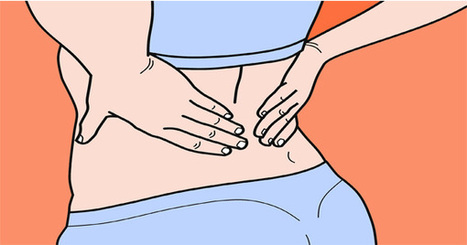









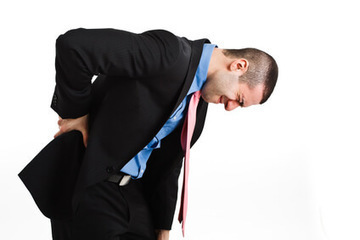



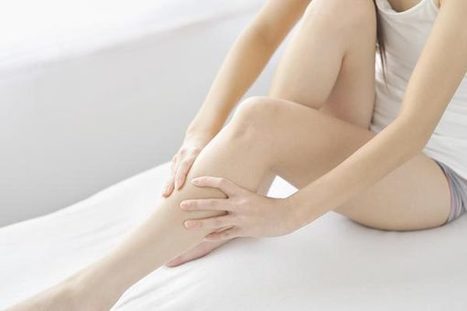








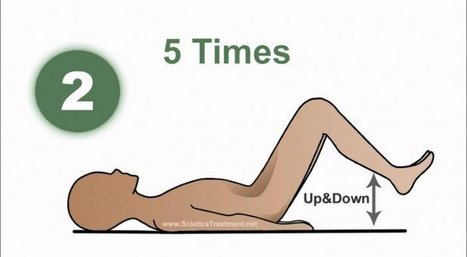







Sciatica! The scourge of the low back & debilitating pain. Up to 84% of grown-ups have low back pain eventually with sciatica.
For Answers to any questions you may have please call Dr. Jimenez at 915-850-0900