Your new post is loading...

|
Scooped by
Gilbert C FAURE
December 13, 2019 4:54 AM
|
PubMed comprises more than 30 million citations for biomedical literature from MEDLINE, life science journals, and online books. Citations may include links to full-text content from PubMed Central and publisher web sites.
|
|
Scooped by
Gilbert C FAURE
December 13, 2019 4:53 AM
|
Kolkata: Global Cancer Trust, a Kolkata based registered Non-Governmental Organisation, organised an unique interactive session with rare cancer survivors from Eastern India. The patients who have survived the rarest form of the disease shared their experience on how they were treated by the...
|
|
Scooped by
Gilbert C FAURE
November 27, 2019 4:04 AM
|
November 27, 2019: Rafael J.Grossmann, MD, FACS posted an article on LinkedIn...
|
|
Scooped by
Gilbert C FAURE
November 26, 2019 1:42 PM
|
Tens of thousands of videos on YouTube show surgeries ranging from face-lifts to knee replacements. But the content isn't vetted or curated, and some doctors say it should be.
|
|
Scooped by
Gilbert C FAURE
November 25, 2019 1:21 PM
|
Telesurgery Telesurgery is a natural extension of the skills younger physicians have learned playing videogames, which requires decoupling of the oculo–vestibular axis from the tactile–proprioceptive axis to manipulate the game consoles. From: Surgical Research, 2001 Related terms: View all Topics Learn more about Telesurgery Biomedical Imaging Role in Cellular and Molecular Diagnostics Pongali Raghavendra, Thammineni Pullaiah, in Advances in Cell and Molecular Diagnostics, 2018 4.2.17.1 Advances With the application of robotic systems, telesurgery was introduced as the surgeon could be at a site far removed from the patient. The first transatlantic surgery has been called the Lindbergh Operation. 4.2.17.1.1 Confocal Laser Endomicroscopy Confocal laser endomicroscopy is well established in most recent guidelines as an excellent choice for dysplasia surveillance in patients with ulcerative colitis instead of random biopsy with a considerable cost saving. 4.2.17.1.2 Endoscopic Ultrasound (EUS) With the advent of endoscopic ultrasound (EUS), new frontiers in gastrointestinal (GI) tumors diagnosis were gained. By combining endoscopy and ultrasound an accurate stadiation of GI cancer was possible and thanks to linear echoendoscope tissue sampling was also possible. Recently, the use of contrast-enhanced imaging and elastography increased the diagnostic performance of EUS. 4.2.17.1.3 Single-Incision Needle-Knife Biopsy The diagnostic ability of EUS–fine-needle aspiration is often limited by insufficient tissue for immunohistochemistry. Additional experiences with established endoscopic techniques to obtain tissue in submucosal tumors of the stomach were recently reported. De la Serna et al. (2013) evaluated the role of single-incision needle-knife biopsy for histopathological examination of gastric subepithelial tumors. Read full chapter Purchase book Disruptive Technologies Affecting Education and Their Implications for Curricular Redesign C. Donald Combs, Bertalan Meskó, in The Transformation of Academic Health Centers, 2015 Therapy and Follow-Up • Robotics: Robots can be used in remote surgery, surgical rehearsal in preoperative planning, intraoperative navigation, and simulation and training. One of the best examples is still the Da Vinci system, but other robots in the fields of emergency response or radiosurgery are also available. • Customized mobile applications: The number of general medical mobile apps has been increasing for years. In the near term, apps that can be personalized based on provider treatment preferences and individual patient characteristics will become more prevalent. • 3D printed biomaterials: The biotechnology industry is booming with 3D printing of living tissues, cells/drugs, bionic ears, and potentially transplantable human organs. • Artificial organs: Surgeons are already able to implant artificial skin, cartilage, synthetic windpipes, and artificial blood vessels. • Adherence control: Compliance is a crucial issue in improving patient health and decreasing the cost of delivering health care. New technological solutions, such as a pill bottle that glows blue when a medication should be taken and red when a dose is missed, are emerging. • Augmenting human capabilities: The replacement of nonfunctioning organs, or enabling certain functions of the human body, is beginning to occur. The recent use of exoskeletons as a solution for paralysis or loss of extremities is one example. • Nanorobots: Special function nanorobots will keep patient tissues safely oxygenated for up to 4 hours after a heart attack, serve as white blood cells, and remove platelets or repair damaged cells. Read full chapter Purchase book Operative (Surgical) Laparoscopy Armin Schneider, Hubertus Feussner, in Biomedical Engineering in Gastrointestinal Surgery, 2017 7.1.5.5 3D Endoscopy As endoscopy attracts increasing attention in fields like minimally invasive, computer-assisted, and telesurgery, 3D enhanced imaging and better image analysis can be advantageous and improve endoscopic technology. 3D endoscopy can help to reveal meaningful information about anatomical structures, shapes, and conditions. Further, spatial imaging allows improved distinguishing of deformations appearances and general tissue conditions, with great impact on especially surgical applications (Fig. 7.25). There are different ways to obtain 3D information from endoscopic images. On the one hand, the use of principles like optical coherence tomography can add a third dimension to acquired images (see Chapter 5.6.2: Optical Coherence Tomography). On the other hand, in what is also referred to as a 3D endoscope a pair of two optical channels is used to generate two images of the same site, but from a slightly different angle. This is similar to physiologic conditions, since human beings are able to perceive spatial depth since both eyes produce images at a slightly different angle (Figs. 7.26 and 7.27). This can be initiated by presenting to the human brain alternately images from the right (right eye) and the left side (left eye) in a rapid sequence. As long as the right image is presented to the right eye, no visual information is given to the left one (and vice versa) (see below). The images obtained in stereoscopic imaging can be displayed using either two different 2D displays, viewed separately by each of the surgeon’s eyes (e.g., in head-mounted displays) or a 3D display (Table 7.4). A 3D monitor presents, in a frequency of at least 25 Hz, the left–right images in a sequence. If the right image is shown, the left eye has to be shuttered and vice versa. Thus, the 3D display requires the use of special 3D glasses, much like in a 3D film screening. Another, even more widespread method to present 3D images is the use of polarization glasses: two images are projected onto the same display through different polarization filters. The glasses with corresponding polarization filters let only pass the light in the same polarization mode, resulting in a separation of the image for the left and the right eye (Fig. 7.28). Table 7.4. 3D viewers Head-mounted displays One display for each eye Shutter systems The image of one eye is blocked while it is presented to the other one Passive systems (a) Polarization systems (b) Interference systems (c) Color anaglyph systems (d) Chromadepth systems In the past, one of the most limiting factors to stereoscopic technology in surgical application was the surgeon‘s reluctance to employ the necessary 3D glasses. The use of such glasses can be experienced to come with a sensation of dizziness, nausea, and convulsions (visually induced motion sickness). Even heart attacks have been described after 3D visualization [4]. This is due to the fact that the human brain is very sensitive to irregularities in mistakes of the level of coherence and in differences of the stereo images in contrast, color, and brightness. Unstable positioning of the camera as well as the so-called “cross-talk” are additional factors. In the beginning of stereoscopy, these failures were poorly understood. Only step by step, were these problems overcome. Further, the wide range of high imaging modalities offering HD or even superior optics at a comparably low price, compared to 3D technology, has negatively influenced adoption [5]. Another factor limiting endostereoscopic imaging is the limitation in field of view (FOV) relative to the FOV of 2D HD endoscopy [6]. An approach toward a more application-friendly technology are autostereoscopic displays. Autostereoscopic 3D displays would offer severe improvements. They allow to output 3D data without the use of special 3D glasses, creating additional benefits like speedier diagnosis, reductions of human errors and improved training and education [7]. Autostereoscopic displays were limited by a small viewing angle and low resolution, due to spatial multiplex technology being employed. Nowadays, 3D displays with a resolution of up to 4K are available. The next step will be 8K, realizing a huge improvement of the currently available full-HD images. In a study recently published it was shown that the use of state-of-the-art 3D technology in endoscopes is actually found beneficial by surgeons. Even with the most experienced physicians, who were very skeptical toward 3D technology in the past, performance gains were observed [8]. Currently, research is being conducted on increasing the viewing angle, while maintaining or even improving the resolution. The potential is great and the field offers many chances for technological improvements and innovations to be introduced. However, the promotion of such solutions has been complicated, due to the prevailing uncertainty in industries according to the current state-of-the-art and future development of 3D display technology. Competitors in the market include Richard Wolf GmbH (Knittlingen, Germany), Olympus, and Visionsense Ltd (Philadelphia, PA, the United States) and many others. In the future, further “fine-tuning” on stereoscopic technology in general will help to underline the benefits of 3D endoscopy. In particular, research on autostereoscopic displays is required. The displays offer the possibility to boost the popularity of 3D systems in surgical application as they overcome the current necessity to use glasses. Read full chapter Purchase book Health Informatics/Health Information Technology Armin Schneider, Hubertus Feussner, in Biomedical Engineering in Gastrointestinal Surgery, 2017 12.2.3 Telesurgery The idea of teleoperation came up about 20 years ago, when the first two master–slave units (DaVinci, ZEUS) appeared on the market (see Section 10.1.2: Master-Slave Systems). In this type of surgical robot, the surgeon in his/her “cockpit” is separated from the OR table and the patient. Thus, the surgeon may be located in the United States, and the operation could be going on in Europe—this has already been demonstrated in a pioneer application in 2001 [18]. However, telesurgery still is too expensive up to now to gain a role in practical care. What weighs even more are the technical shortcomings like the high end-to-end latency and the limited availability. However, this pioneer phase will certainly be left soon [19]. It is expected from the oncoming 5G program that the specific requirements of telesurgery will be met: guaranteed and reliable availability of information from back and data bases and real-time data streams from a large variety of sources (Fig. 12.11). However, telesurgery is not only meant to be performed over large distances but even within an OR theater. Even today, the surgeon is already separated from the patient by meters while the operation is mechanically performed by a machine. In the future, the application of uncoupled robots and microsystems will require the further development of telesurgical systems that have to provide a comprehensive sensorial input. Read full chapter Purchase book Current Controversies M.A. Hafez, ... A.M. DiGioiaIII, in Surgical Treatment of Hip Arthritis, 2009 In orthopedics the use of computer-enabled technology is not confined to robotics. Computer-assisted orthopedic surgery (CAOS) has become an active field of research, development, and clinical testing that involves the use of a number of tools and actions such as preoperative planning, simulation, robotic surgery, intraoperative guidance, telesurgery, and training. Hafez and colleagues6 grouped CAOS devices on the basis of their functionality and clinical use into six categories (robotics, navigation, hybrid, templating, simulators, and telesurgery), which are then subgrouped on a technical basis. Robotics and navigation have already been used in many different clinical applications. The main difference between robotic and navigation systems is the mode of action: robotic systems involve a robotic device that can perform a part or all of the surgical procedure. In orthopedics, robotics began to be used first in the early 1990s, when ROBODOC was used for femoral canal preparation (milling) in total hip arthroplasty (THA).6a Few other robotic systems have been developed for orthopedic use and tested clinically, most notably CASPAR,7 and Acrobot.8 Robotic systems typically require preoperative CT scans and intraoperative registration to correlate the patient anatomy to preoperative images. They also need rigid fixation of the limb and the robot. On the other hand, navigation systems are passive and act as information systems guiding the surgeon and providing the information necessary to control and perform the procedure. Read full chapter Purchase book Virtual Reality and Surgery Joseph M. Rosen, ... Charles Lucey, in Surgical Research, 2001 VI. Telesurgery By using electronic information and communication technologies, surgeons can practice at a distance from a patient (13). A surgeon may telementor a student, to train and educate, or teleproctor an experienced practitioner, to evaluate and certify skills. These techniques have been successfully applied to laparoscopic hernia repairs and other teaching situations. However, questions have been raised about licensing requirements for recipient practitioners of electronically transmitted medical technology. Other concerns include the need for backup plans in the event of communication breakdown, and proper preparation prior to surgery (adequate review of medical documentation and treatment discussion). Wire transmission over 200 miles and wireless transmission greater than 50 km are the limits to performing telesurgery, due to lag-time problems and effects on coordination (telepresence). Satellite transmission cannot be used for this reason. Telesurgery is a natural extension of the skills younger physicians have learned playing videogames, which requires decoupling of the oculo–vestibular axis from the tactile–proprioceptive axis to manipulate the game consoles. Telepresence surgery attempts to transform the remote feeling of laparoscopic surgery into the more natural feeling of open surgery. With the SRI system (SRI International, Menlo Park, CA), the surgeon views a 3D image from a minimally invasive procedure, which portrays organs and instruments as if the operative field was fully open. The surgeon sits at a console, inside or outside the operating suite, while an assistant stays with the patient, and receives tactile feedback from the instrument tips. Using this technology the following procedures have been demonstrated with animals: gastrostomy and closure, gastric resection, bowel anastomosis, liver laceration suture, liver lobe resection, splenectomy, aortic graft replacement, and arteriotomy repair (13). Technology can compensate for human limitations of hand positioning (200 μm), intention tremor, and eye saccade motion (13). The Hunter telepresence system for opthalmological surgery tracks the motion of the eye. It increases instrument scale such that 1 cm of hand motion equals 10 μm of laser movement. Videoimages magnify retina vessels to the size of fingers. Digital signal processing and filtering remove hand tremor. By using these techniques, the limits of human accuracy are improved from 200 to 10 μm. Read full chapter Purchase book Ethics, Obligations, and Health Informatics for Clinicians David Wiljer, Anupam Thakur, in Health Professionals' Education in the Age of Clinical Information Systems, Mobile Computing and Social Networks, 2017 Ethical Aspects of Telemedicine and Tele-Education With the advent of the digital age, healthcare delivery has moved from clinical settings to ubiquitous ones such as homes and communities. Telemedicine is the use of information technology in healthcare provision with a clinician as one of its participants. Telehealth involves broader applications including health promotion. Technology bridges the gap between the users. The applications range from video-link and telephone, to remotely run clinics and telesurgeries done distantly [58]. This has helped in increasing access to health care providers, efficient service delivery with fewer resources, quality improvement, and decreased costs. Researchers have noted that this also led to a personalized approach to health care, which can be considered empowering [58]. Telemedicine plays an important role in equitable distribution of healthcare resources. One of the ethical issues related to telemedicine applications is that of their design, and especially their user-friendliness. The traditional model of care relies on face-to-face contact between the patient and the clinician whereas in telemedicine, the clinical encounter is in virtual space. The risk of missing important subtle visual cues during a clinical encounter, the individual’s familiarity (or lack of) with new technology influencing the activity, and reliance on data rather than ‘living and breathing patients’ as sources of information for the healthcare professional have emerged as ethical concerns when it comes to making autonomous choices about their healthcare. At the same time, huge strides made by telemedicine in accessing quality healthcare has promoted “informed autonomy,” where increased access to information can enable decision making by patients [58]. From the perspective of HCP education, the issue of telemedicine once again points to the importance of developing the professional identity of students who have the competencies and capabilities to practice not only in person, but also in digital realms. Does one have the same identity and approaches as a “digital” HCP? What are the issues related to practice in the digital realm without physical boarders and how does one manage the issues that surface. For example, issues related to cross-border involvement, jurisdictions of practice, who is liable, which codes of ethics are applicable, and what is permissible by the regulatory and professional bodies that oversee different professions. In HCP education, it is important to consider ethical issues of telemedicine and other digital realms of practice. Digital and online consultations are emerging in many domains of HCP practice. Students should be introduced to key concepts as part of their training and professional identity formation. One important example is the issue about confidentiality in the virtual environment. Patients may be reluctant to give information for good clinical care unless they are assured of its confidentiality. Sharing of information about the technology being used is vital so that the patient is fully aware and understands the functions and usage. Particular attention should also be paid to design issues to minimize chances of design flaws affecting assessment, interventions, and clinical outcomes. Another important area of development is training and mastery in communication techniques used in the digital world. For example, telemedicine consultations in psychiatry involve working with patients, carers, and health teams in the digital space. Mental state examination during an assessment on a screen is not the same as a traditional face-to-face clinical interview. A study identified specific domains of competency including technical skills, assessment skills; relational skills and communication; collaborative and interprofessional skills among other competencies [59]. Read full chapter Purchase book Volume II Philip W. Smith, John B. Hanks, in Endocrinology: Adult and Pediatric (Seventh Edition), 2016 Robotically Assisted Endoscopic Adrenalectomy Robotically assisted surgery remains a fairly recent development in adrenal surgery, but experience is growing and the technology is available at an increasing number of centers. Robotic computer-assisted telemanipulation systems were developed to overcome some of the limitations of standard laparoendoscopic techniques and to facilitate surgeon hand motions in limited operating spaces. The surgeon operates from a remote console, and hand motions are reproduced in scaled proportion through robotically controlled microwrist instruments inserted through the body wall. Purported advantages of robotically assisted laparoscopic surgery over conventional laparoscopy include hand motions intuitive even to the nonlaparoscopic surgeon,31 7 degrees of freedom of motion (compared to 4 degrees with standard laparoscopy), three-dimensional image projection, tremor suppression, motion scaling, and the potential to perform remote “telesurgery.” Robotic approaches have been applied in a wide variety of urologic, cardiothoracic, gynecologic, and general surgical procedures. The first report of robotic adrenalectomy was by Piazza and associates in 1999.32 Hanly and colleagues reported 30 robotic adrenalectomies without any conversions to open procedures.33 They felt that the robotic system permitted improved identification and control of the multiple adrenal arteries. Several reports have compared robotic to laparoscopic adrenalectomy. No difference was found in perioperative quality-of-life measures between laparoscopic and robotic adrenalectomy.34 More recently, a retrospective review of prospectively collected data compared 50 patients undergoing robotic unilateral adrenalectomy to 59 patients undergoing standard laparoscopic unilateral transperitoneal adrenalectomy.35 They found that the robotic approach was associated with lower blood loss but longer operative times early in their series. Interestingly, they reported a learning curve of 20 robotic adrenalectomies, after which the difference in operative time was absent. Furthermore, operative times were not affected by obesity or large tumors in the robotic group, while these factors led to significantly longer operative times in the laparoscopic group. Conversion rate, morbidity, and hospital stay were similar between groups. Robotically assisted surgery also has been applied to the posterior retroperitoneal endoscopic approach, with Dr. Perrier’s group reporting their first 30 such procedures with no conversions to an open approach and minimal morbidity, consistent with that seen during the traditional endoscopic approach.36 Limitations of robotics and robotic adrenalectomy include the high cost of permanent equipment and semireusable instruments, the absence of good data for benefit compared to standard laparoscopy, the learning curve, and the lack of tactile feedback to the surgeon. While enthusiasts of this technique feel that it offers benefit over standard endoscopic adrenalectomy, meaningful improvement in results have been difficult to demonstrate, which likely reflects that laparoscopic adrenalectomy already is a well-developed, safe, and effective procedure. The role of robotics in adrenalectomy, and endocrine surgery in general, continues to be evaluated. The Da Vinci Robotic Surgical System (Intuitive Surgical, Sun Valley, California) is the primary robotic surgery system currently in use and consists of a robotic manipulator and a remote console, where the first operator is seated during the procedure. Once pneumoperitoneum is created by either the Veress needle or the Hasson technique, trocars are placed and the robot arms are connected. Next, the operating surgeon controls the robot at the console, while the first assistant handles the laparoscopic instruments inserted through one or two accessory trocars. Right adrenalectomy is performed with the patient in the left lateral decubitus position. The first port, a 12-mm camera port, is placed midway between the umbilicus and the right costal margin. Two robotic instrument ports, both 8 mm, are then placed along a line 2 fingerbreadths from the costal margin. A 10-mm liver retraction port is placed in the midline in the epigastrium. A 10-mm accessory port (fifth trocar) may be placed in the right abdomen, through which the assistant can use a clip applier if that modality is employed to control the adrenal vein. Left adrenalectomy is performed with the patient in the right lateral decubitus position. Positioning is the mirror image of that for the right adrenalectomy described earlier. The role of the assistant at the operating table is to change the robotic instruments as necessary, to use the clip applier for ligation of the adrenal vein, and to manipulate the suction. Otherwise, the sequential steps for dissection and excision of the gland are the same as those for a lateral transperitoneal adrenalectomy by traditional laparoscopic techniques described previously. Read full chapter Purchase book Information and Communication Technologies and Global Health Challenges M.A. Gutierrez, ... M.S. Rebelo, in Global Health Informatics, 2017 Telemedicine To write about telemedicine is a complex task, since the concept of the telemedicine encompasses a wide variety of activities. World Health Organization (WHO) defines telemedicine (Telematics, 1998) as “the delivery of healthcare services, where distance is a critical factor, by all healthcare professionals using information and communications technologies for the exchange of valid information for diagnosis, treatment and prevention of disease and injuries, research and evaluation, and for the continuing education of healthcare providers, all in the interests of advancing the health of individuals and their communities “. This is a broad definition that encompasses several “tele” concepts as teleeducation in medicine and teleradiology. It is important to note that this definition is not perfect, since it does not restrict the manner in which data is exchanged (e.g., an exchange of e-mails can be considered telemedicine?), nor mention the safety aspects for the exchange of data (as encryption and authentication of the participants). The common point among the different telemedicine definitions is that the participants must be separated geographically and some form of IT is used to exchange data. Telemedicine can occur between two health professionals (e.g., to get a second opinion), between a patient and a health professional (teleconsultation), or between different health professionals as in the discussion of clinical cases and teaching medicine (teleeducation and teleclass). Other forms of telemedicine are performing remote diagnostics (remote diagnostics), remote monitoring (telemonitoring) and performing surgeries remotely (telesurgery). The type of interaction between the participants is done through electronic media such as video, image, audio, chat, whiteboard, desktop sharing, e-mail, SMS, among others. The communication between the participants can be synchronous or asynchronous. In the synchronous communication the exchange of messages is immediate or with little delay, as in video conversations. In asynchronous communication, message exchange occurs with a variable time interval, such as the exchange of emails. The asynchronous communication generally demands less computational resources (lower bandwidth, network quality lower and lower processing capacity) while synchronously requires more technology and infrastructure. Telemedicine is described in the literature as a potential source of several benefits, including: ▪ improvement in the quality of medical care in remote locations (such as rural areas) or difficult to access (Kolbe et al., 2015); ▪ possibility to discuss cases in a collaborative network (Coppola et al., 2016); ▪ improved quality of care in developing countries, where there is a shortage or a nonhomogeneous distribution of qualified professionals (Kashif Mirza et al., 2008; Pagni et al., 2011); ▪ service outsourcing, e.g., the writing of reports remotely (Dixon and FitzGerald, 2008; Wong et al., 2005; Kangarloo et al., 2000) or with the use of Intensive Care Units surveillance centers (Kumar et al., 2013a), reducing costs; ▪ improving patient education and empowering patients to manage their own health (Paré et al., 2007). Reducing costs through telemedicine use has not been proven yet, since the results published in the literature are very heterogeneous and use different calculation methodologies (de la Torre-Díez et al., 2015; Ward et al., 2014; Kumar et al., 2013a). These problems are partly due to the variety of activities that comprise telemedicine, which hampers a general comparison between telemedicine solutions. According to the Global Observatory for eHealth series report (Ryu, 2012), teleradiology is the modality with the highest proportion of services established in the world (33% in 2010), followed by telepathology (17%), teledermatology (16%), and telepsychiatry (13%). Developing countries are some of the major beneficiaries of Telemedicine. These countries have several limitations (financial, infrastructure, training, distance) that make Telemedicine a good candidate to improve local healthcare services. For this reason, there are various initiatives of nongovernmental organizations and humanitarian groups for deployment of Telemedicine solutions to low-income countries. One of the oldest initiative is the Swinfen Charitable Trust, which offers a free second opinion service to developing countries since 1998 (Carr and Wootton, 2013). Volunteers answer queries using an asynchronous Web system (Store-And-Forward, SAF), which works as follows: (1) a new case is submitted by the referent (doctor or healthcare professional) that may include images; (2) next, a coordinator analyzes the submission, checking the quality and relevance of data and redirects the request to a chosen specialist; (3) the system notifies the specialist and awaits for an answer. If there is no specialist answer in a maximum of 48 hours, the coordinator redirects the case to another expert; (4) the specialist answers the question and the system notifies the referent that the answer is available; and (5) the referent reads the answer. The technology used is simple and requires only Internet access and a Web browser, which can be the reason for the system’s longevity. On the other hand the system is apparently underused, since it has been used at an average of 20 medical cases per month (in 2900 consultations until 2012). The causes for this low utilization are discussed by Wootton (2008), which cites as possibilities: (1) depreciation of the service for being free; (2) cultural problems preventing asking for help; (3) not choosing appropriate specialists; (4) lack of time in the referent activities to request for help; and (5) reluctance to ask for assistance to a foreign country. Similar numbers (16 cases per month) were obtained by an equivalent system, operated by Médicins Sans Frontières (Halton et al., 2014). Saliba et al. (2012) cite the lack of trust between professionals from different countries as a possible cause. Developing countries receive international support from several humanitarian telehealth networks, which include (Scott and Mars, 2015): Réseau en Afrique Francophone pour la Télémédecine (RAFT) Network; PAN African e-Network; Swinfen Charitable Trust; Africa Teledermatology Project; Institute of Tropical Medicine (TM) Telemedicine; Pacific Island Health Care (PIHC) Project; Partners Online Specialty Consultations; Balkans e-Health Network; and Teletrauma. There are several factors that can hinder the implementation of Telemedicine (Weinstein et al., 2014; Saliba et al., 2012): ▪ Legal factors. The laws of the country must determine: the mandatory documentation for Telemedicine; the quality assurance of services (e.g., audit, certification, and hospital credentialing); the need of informed consent; determination of liability for specialist and referent in case of negligence; recognition of the role of health workers in another country or state (work permit); the appropriate jurisdiction for participants from other countries; to maintain confidentiality and security of patient data; laws regulating telemedicine service reimbursement. ▪ Sustainability factors. As stated earlier the cost-effectiveness of telemedicine was not proved yet. There are also many pilot programs that did not go beyond their original funding, indicating that sustainability is an important issue. Financing can be provided by the government (regionally (Marcolino et al., 2013), country-wide (Sutton, 2011), or in international collaborative projects (Köhler et al., 2005)), nonprofit (Halton et al., 2014), private investment (Muehlberg et al., 2015), or a mixture of those (Bediang et al., 2014). Another important issue is the integration of telemedicine services within mainstream health systems to achieve scalability and sustainability. When applicable, it is necessary to create a business plan for sustainability that could invest on (1) gap service coverage; (2) urgent service coverage; (3) mandate services; and (4) video-enabled multisite group chart rounds, for example (Masi et al., 2012). ▪ Cultural and language factors. The difference in language can lead to misinterpretation of situations causing difficulties in meetings or erroneous decisions. Cultural issues can cause lack of confidence in the opinion of a foreigner. ▪ Contextual factors. Endemic diseases may be unknown to the remote expert, leading to misconduct. Certain laboratory/imaging tests may be incompatible with local conditions (too costly or unavailable). There may be infrastructure problems, such as lack of electricity and limited network availability, which affect telemedicine services. There may be resistance to change and to the adoption of new technologies. Another important topic for telemedicine is to provide healthcare access to rural areas. There are well-succeeded initiatives to attend rural areas both in developed and in development countries (Hess et al., 2005; Mariño et al., 2016; Qin et al., 2013; Duchesne et al., 2008; Versleijen et al., 2015; Kolbe et al., 2015). The reason why there are many successful deployments may be because rural areas are better controlled environment, where it is possible to adapt the local routine and the developed technologies to better serve the specific local. On the other side, generalized approaches (such as at national level initiatives) may not be suited for particular settings. Challenges Among the several challenges for telemedicine, we can mention: ▪ Legal. (1) Reimbursement by services; (2) liability of the participants, in case of negligence; (3) mandatory informed consent; (4) minimal required documentation; (5) audit, certification, and credentialing. ▪ Sustainability. (1) There is still no proof that telemedicine is cost effective; (2) Developing countries need governmental assistance to maintain telemedicine programs. ▪ Culture/language. Solutions must cope with different cultures and languages. ▪ Regional factors. Solutions must be able to deal with limitations such as shortage of energy, limited training, high turnover, endemic diseases, unavailability of certain medical procedures (e.g., troponin results or cardiac ultrasound), among others. The sustainability issue seems to be the most important because it will direct the investments on telemedicine and allow the development of real and durable solutions. We believe the legal problems will be solved when telemedicine is perceived by the population as an important asset for the quality of healthcare delivery. The use of smartphone applicative for healthcare, e.g., is requiring the positioning of government and health societies creating a common understanding on the subject. Cultural and language issues can be solved with proper training, and regional factors can be softened by developing robust applications and frameworks. Read full chapter Purchase book
|
|
Scooped by
Gilbert C FAURE
November 25, 2019 1:20 PM
|
Robots are offering assistance to more surgical procedures, as the technology develops and providers get funding and consolidate.
|
|
Scooped by
Gilbert C FAURE
November 17, 2019 5:36 AM
|
Find out about how medical robots are set to transform healthcare – and how talking to a medical robot may help diagnose a hidden illness...
|
|
Scooped by
Gilbert C FAURE
November 8, 2019 1:43 PM
|
Vascular surgery is a surgery for management of disorders of the arterial, venous, and lymphatic systems, exclusive of the arteries.To create a minimally invasive surgical option for aortic pathology led to the development of laparoscopic aortic surgery or Robotics in Vascular Surgery.
|
|
Scooped by
Gilbert C FAURE
November 8, 2019 1:42 PM
|
The Society of European Robotic Gynaecological Surgery (SERGS) aims at developing a European consensus on core components of a curriculum for training and asses...
|
|
Scooped by
Gilbert C FAURE
October 3, 2019 4:53 AM
|
La plateforme d'apprentissage de la chirurgie avec la réalité virtuelle, Fundamental VR, vient de s'améliorer en proposant notamment un retour haptique.
|
|
Scooped by
Gilbert C FAURE
September 27, 2019 2:32 PM
|
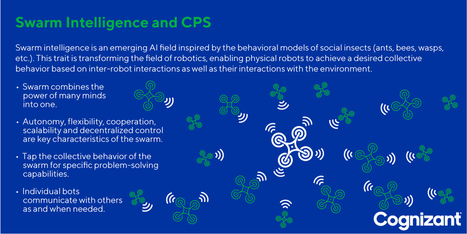
A convergence of technologies has brought us to the brink of a future long imagined: systems that can make decisions, communicate and act on their own. While their potential is nearly limitless, cyber-physical systems (CPS) are in their infancy.
|
|
Scooped by
Gilbert C FAURE
September 16, 2019 9:02 AM
|
This textbook covers all fields of surgery that currently use robotic platforms to facilitate a minimally-invasive approach to procedures.In addition to the background, training, and economics of rob...
|
|
Scooped by
Gilbert C FAURE
September 9, 2019 2:07 PM
|
Robot‐assisted kidney transplantation (RAKT) is being increasingly performed in selected Centres with extensive experience in robotic surgery and kidney transplantation [1‐3]. Several surgica
|
|
|
Scooped by
Gilbert C FAURE
December 13, 2019 4:54 AM
|
Many of us have grown up on a steady diet of science fiction, both in the form of literature and film. As a direct consequence, we have been familiar with the concept of the Robot for some time now.However, what we have known robots to do in books and movies has increasingly moved from…...
|
|
Scooped by
Gilbert C FAURE
November 27, 2019 4:04 AM
|
Training magazine’s Innovations in Training is Feb. 26 - 28, following the Training 2020 Conference. Experience how innovative training leaders are applying cutting-edge approaches to learning in the digital enterprise at this immersive learning event at sites throughout Orlando.
|
|
Scooped by
Gilbert C FAURE
November 27, 2019 4:03 AM
|
ASA and CAE Healthcare today announced the release of the final two training modules of Anesthesia SimSTAT, their first of its kind virtual simulation program. The new modules, designed for the PACU and labor and delivery unit, are the last in a suite of five innovative training modules.
|
|
Scooped by
Gilbert C FAURE
November 25, 2019 1:23 PM
|
PubMed comprises more than 30 million citations for biomedical literature from MEDLINE, life science journals, and online books. Citations may include links to full-text content from PubMed Central and publisher web sites.
|
|
Scooped by
Gilbert C FAURE
November 25, 2019 1:20 PM
|
Purpose of reviewNontechnical skills are being increasingly recognized as a core reason of surgical errors. Combined with the changing nature of surgical training, there has therefore been an increase in nontechnical skill research in the literature.
|
|
Scooped by
Gilbert C FAURE
November 17, 2019 5:38 AM
|
Surgical robots are among the top technologies to be discussed at the Healthcare Robotics Engineering Forum on Dec. 9-10, 2019, in Santa Clara, Calif.
|
|
Scooped by
Gilbert C FAURE
November 8, 2019 1:45 PM
|
Introduction and objectives The possibility of performing remote-surgery has been the goal to achieve, since the early development of the first surgical robotic platforms. This systematic review aims...
|
|
Scooped by
Gilbert C FAURE
November 8, 2019 1:43 PM
|
wce 2019 outcomes of residents following participation in annual robotic training course, study on comparison of performance using robotics in surgery, effect of robotic training course on performance, early introduction to robotic surgery...
|
|
Scooped by
Gilbert C FAURE
October 7, 2019 1:35 PM
|
Erectile dysfunction is one of the important morbidities following the radical prostatectomy (RP) surgeries. The goal of this research is to investigate the contribution of intraoperative neuromonitorisation method (IONM) on postoperative erectile function in patients who underwent...
|
|
Scooped by
Gilbert C FAURE
October 3, 2019 4:40 AM
|
|
|
Scooped by
Gilbert C FAURE
September 16, 2019 9:03 AM
|
Up to a fifth of surgeons in the UK (19%), U.S (20%) and Germany (15%) predict they are likely to retire early because of the physical strain of conducting minimal access/keyhole surgical procedures, according to a survey of over 450 surgeons across Europe and the U.S.
|
|
Scooped by
Gilbert C FAURE
September 16, 2019 9:01 AM
|
PubMed comprises more than 30 million citations for biomedical literature from MEDLINE, life science journals, and online books. Citations may include links to full-text content from PubMed Central and publisher web sites.
|




 Scoop.it!