



An inspiration for Spain’s May 15 movement, the sociologist is skeptical about chances for change
Get Started for FREE
Sign up with Facebook Sign up with X
I don't have a Facebook or a X account


 Your new post is loading... Your new post is loading...
 Scoop.it!
An inspiration for Spain’s May 15 movement, the sociologist is skeptical about chances for change 
No comment yet.
Sign up to comment
Scoop.it!
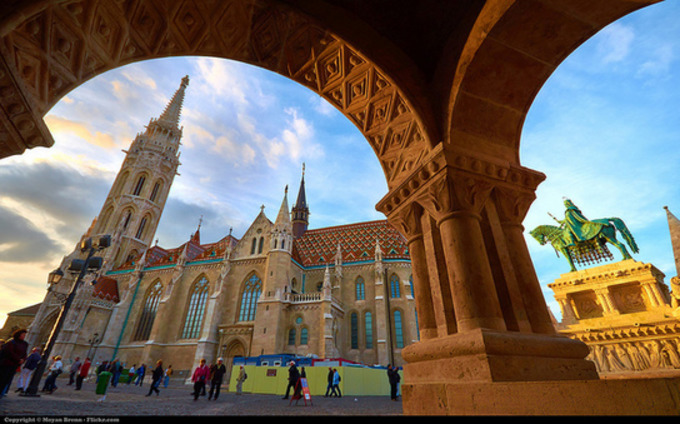
The Hungarian Government, led by the Prime Minister Vicktor Orban has made waves for its authoritarian tendencies and stated ambition to create an 'illiberal' democracy. In response to the governme...
Scoop.it!
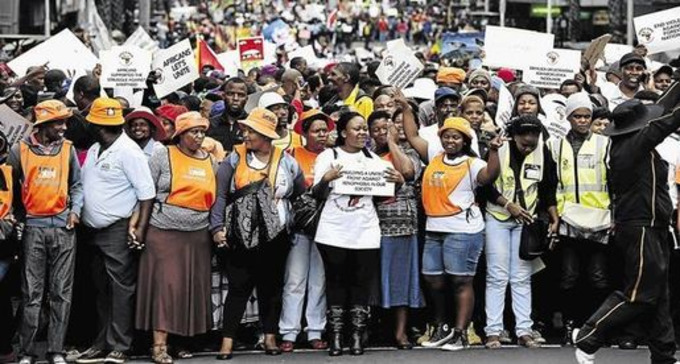
The Rand Daily Mail – The National Conversation in opinion pieces from Times Media newspapers
Scoop.it!
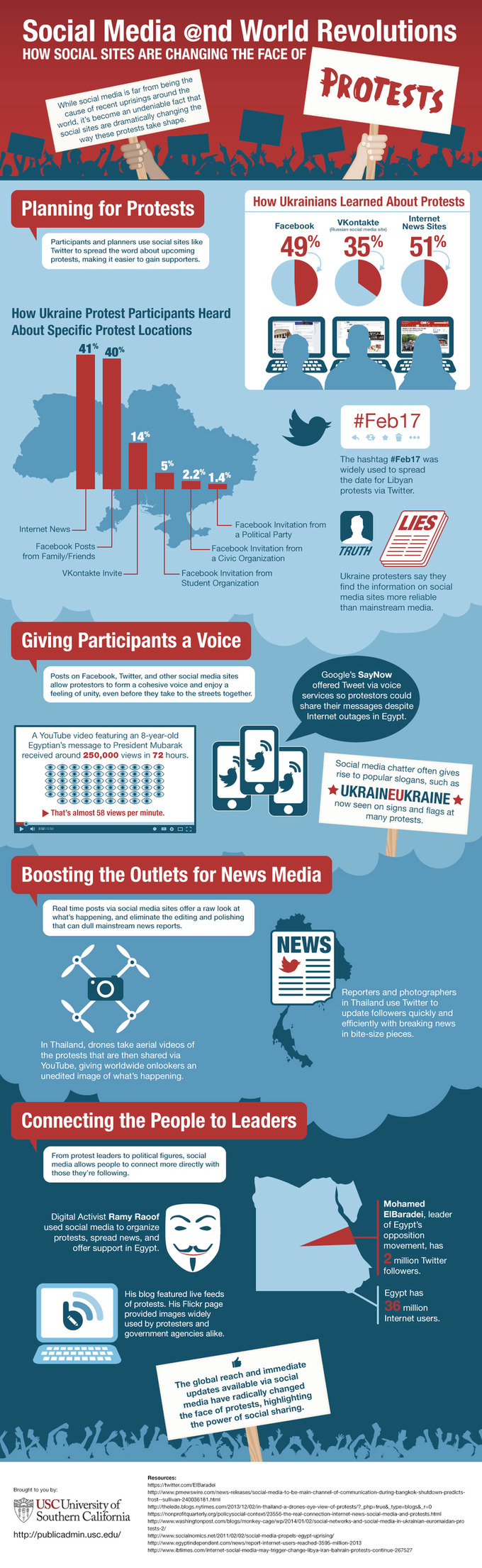
graphic, Protests and uprisings across the world offer insight into the changing relationship between leaders and the public worldwide. There is no better tool than social media for experiencing and understanding these events.
Scoop.it!

For years, the internet's biggest players have hoarded your personal data and sold it for billions. Now, a band of angry startups is demanding privacy and aiming to overhaul the social-media business forever.
Scoop.it!

Physical mobility is one of the greatest challenges of market accessibility facing citizens in the Gulf region; however, new technologies flattened time and
Scoop.it!

25 Points to Ponder about Social Media: Quick, Tweet me a Revolution– Chawm Ganguly
Scoop.it!

On Saturday, November 30, 2014, an Egyptian judge dropped all charges against former Egyptian strongman Hosni Mubarak. Mubarak, with US government military and political support, had presided over nearly three decades of martial law and repression.
Scoop.it!
Versobooks.com | Globe and Mail hails Revolution in the Age of Social Media as "smart" and "curious"
Linda Herrera's Revolution in the Age of Social Media: The Egyptian Popular Insurrection and the Internet, released just last week, garners high praise from the Globe and Mail's Simon Lewsen. In Lewsen's review, where he analyzes the positive but more oftentimes hotly-debated relationship between social media and activism, he calls Herrera's writing "expansive and curious" and "a smart approach" to a complicated subject.
Scoop.it!
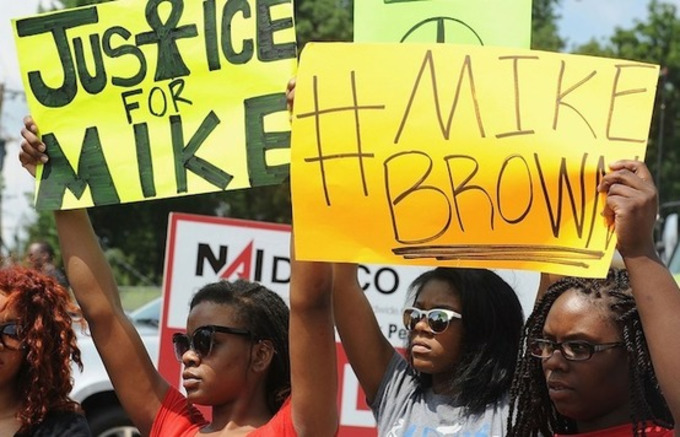
When we hear the word revolution, one usually tends to think of images of rioting, unrest and utter chaos. But a revolutioncan also mean a break from traditional thinking; a revamp of the way we view things, accept stated norms and conduct ourselves. At this very moment, there is a national and global revolution taking place concerning a host of issues: how we gather news and information, the way we disseminate that information, rights of civilians, police (mis)conduct, freedom to assemble, the right of self-expression, the Israel-Gaza conflict, militarization of police, war and much more. And what is one main underlying thread among all of these shifts in public opinion? Young people.
Scoop.it!
Check out the powerful ways social media has been used to create change around the world.
Scoop.it!
Social media has grown to much more than an avenue for teenage ramblings about what they had for dinner. Here are 5 essential tips to follow to become a trul... (Its for the USA but still....I think social media is here to stay!
Scoop.it!

From Egypt to Ukraine, Social Media Now Allows You to Share Revolution Institutional Investor (subscription) (Just as, in a different context, the groundbreaking 2008 Obama campaign drummed up support from young voters through shiny, cost-effective...
Scoop.it!
“There have been heated debates on the left over the last few years on the role of the internet and social media through web based communication (WBC). In an article in International Socialism two years ago Jonny Jones reviewed these debates and correctly highlighted the dangers of overestimating the impact of social media on social movements. While new information and communication technologies, including social media, have undoubtedly aided the organisational efforts of social movements, they have not created them-and it would be technologically deterministic to put the cart before the horse in assessing their value. Writing from a Marxist perspective against “techno-centrism”, a leading academic on social media, Christian Fuchs, has criticised explanations of rebellions in which social media is perceived as the engine, claiming it to represent a “fetishism of things…a deterministic instrumental ideology that substitutes thinking about society with a focus on technology”.
Scoop.it!

The world is in turmoil. Shocking images and videos of conflict from Caracas to Kiev seem all too familiar, echoing the uprisings in Egypt and dozens of other visions of tumult. One of the key elements that unites these various revolutionary movements is the impact of social media. These powerful paths for connectivity have played a significant role in the destabilizing of authoritarian regimes. Yet with the power of social media come the perils of espionage and the temptation of apathy.
Scoop.it!

Thanks to Christina Henderson, co-chair of the Women of Color Network, for creating this great recap of this well-attended event during Week of WIN! (missed @WINonline's #winwoc event on social media?
Scoop.it!

Indian Express
Scoop.it!

Manchester is the home of invention. We might not have thought of the new social media digital apprenticeship programme first but we have a number of other world firsts. We made the first computer, we were the home of the industrial revolution, our universities found world first’s in new materials like Graphene.
Scoop.it!

The truth, as always, is more complicated. An increasing number of services allow people to share images, videos, and other miscellanies without requiring them to actually communicate with other users. Conversations aren’t limited to so-called social networks, but that doesn’t mean that the comments section of a news article could be considered a cousin to Facebook, does it? And what of companies like LinkedIn or Twitter, which depend on the activities of hundreds of millions of people but are used primarily as professional or information networks instead of casually social tools?
Scoop.it!

But today, a fervent group of conservatives — bloggers, pundits, activists and even members of Congress — is harnessing the power of the Internet, determined to tell the story of the current budget showdown on its terms.
|

Curated by jean lievens
Economist, specialized in political economy and peer-to-peer dynamics; core member of the P2P Foundation
Other Topics

Anders en beter
Met P2P voorbij markt en staat: voor een progressieve coalitie rond de commons. Met nieuws over op p2p gebaseerde praktijken en hoe de overheid, de politiek en de zakenwereld ermee (kunnen) omgaan...

money money money
on money and what it is

music-all
From the Great White Way to the West-End and beyond

Peer2Politics
on peer-to-peer dynamics in politics, the economy and organizations

real utopias
Not TINA (There Is No Alternative) but TAPAS: THERE ARE PLENTY OF ALTERNATIVES
|




