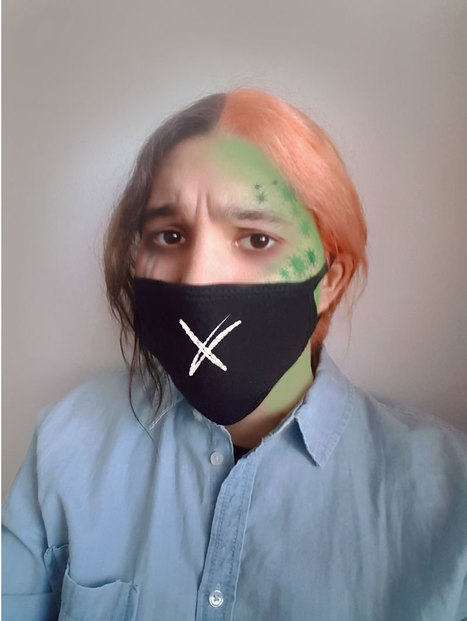
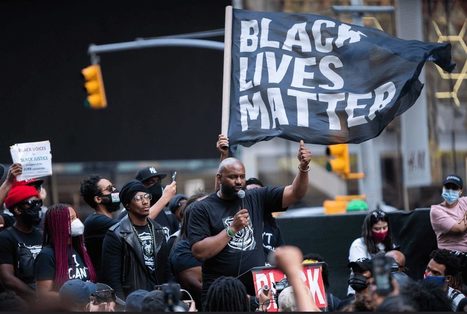
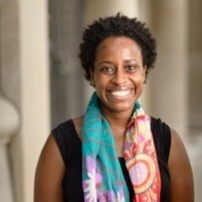
Khadija Mohammed and Barbara Becnel shared their experiences of racism and their thoughts on how we can embed system change in our society during our ‘Critical Conversations on Racism’ webinar, on 25 June, supported by the Scottish Funding Council
UK Research and Innovation (UKRI) has published its first set of harmonised diversity data for all seven research councils for the past five academic years. It will continue to publish this data annually, replacing the previous approach (PDF, 885KB) that saw councils publish individual datasets.
The dataset contains data on four protected characteristics (sex, age, ethnicity, disability) for
Principal Investigator (PI) and Co-Investigator grant applicants and awardees
he proportion of Black, Asian and Minority Ethnic students enrolled in UK HE in 2018/19 drops from 24.81% at undergraduate level to 18.07% at postgraduate research level (excluding enrolments where ethnicity is unknown).
Between 2016/17 – 2018/19 there was an average growth of 0.13% in the proportion of BAME PGRs. At that rate of growth, it would take 51.8 years for BAME participation in postgraduate research to reach the equivalent proportion at undergraduate level.
In 2018/19, 48.19% of BAME PGRs received no award or financial backing for their tuition fee, as compared with 32.66% of White PGRs.
A selection of temporarily free scholarship from Project MUSE publishers on the history of structural racism in the United States and how the country can realize anti-racist reform.
Lockdown is an opportunity for the mainstream population to better understand the lives of asylum seekers and refugees. Our collective work reveals many “small acts” of artistic resistance and creative resilience to marginalisation, as well as myriad practical and creative expressions of solidarity. We are and will continue chronicling the dark and light side of Covid-19 so contact us if you want to share your experiences
This online digital library maps visually racial discrimination in the state by using the example of urban property ownership . it has maps and source materials relating to
Racial covenants which were tools used by real estate developers to prevent people of colour from buying or occupying property. Content includes stories documenting real the human cost of this shocking policy on households.
The University of Minnesota Press is committed to challenging white supremacy, police violence, and unequal access to criminal justice, education, and resources in Minnesota, the United States, and throughout the world. To promote understanding and action for change, this collection of antiracist books is available to all to read online for free through August 31, 2020. Read a statement from the Press here.
To learn more about other Press works, sign up for E-News.
In recent years, there has been an increase in focus on the University culture in relation to inequalities experienced by Black and Minority Ethnic (BAME) students and staff. It is timely and crucial for a journal such as this one to critically explore the key cultural Higher Education issues of our time.
#AllStoriesAreImportant We are living through an unprecedented period in our history with the COVID-19 pandemic of 2020. Coronavirus has had an impact on how we launch of a project to collect BAME experiences
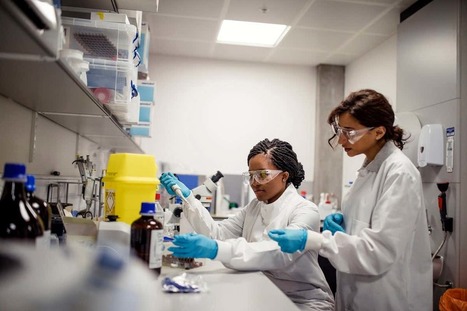
People from minority backgrounds are underrepresented in science, and face funding disparities and outright racism. Tying funding to institutions being more inclusive could help
The work of social and behavioral scientists is crucial in helping to dismantle mechanisms of discrimination, oppression, and violence and create a radically improved society. This collection shares freely accessible articles to support researchers in future scholarship and amplify their critical work; educators as they discuss the impacts of systemic racism with students; and policymakers and advocates in their fight to make sweeping reform
“Do Black Lives Matter in Europe?” Monday, June 15 | 7:00am PST / 10:00am EST / 15:00 BST / 16:00 CET Watch the webinar recording here The webinar focuses on recent incidents of state-sponsored violence towards Black individuals in the United States and Europe and related protests and demonstrations. How do we make sense
New from Smithsonian’s National Museum of African American History and Culture
a site which is designed to provide free access to tools and resources to help teachers, parents individuals talk about race and racial prejudice in society these include videos and written resources . Topics covered include the historical origins of discrimination, whiteness and privilege, bias and how to be antiracist
Listen and subscribe to a new podcast series that shares some of the most innovative contemporary approaches to decolonising museums so that we are all empowered and inspired to learn and experiment.
To get content containing either thought or leadership enter:
To get content containing both thought and leadership enter:
To get content containing the expression thought leadership enter:
You can enter several keywords and you can refine them whenever you want. Our suggestion engine uses more signals but entering a few keywords here will rapidly give you great content to curate.





 Your new post is loading...
 Scoop.it!