 Your new post is loading...
Abstract Welcome. I'm Dr. Alex Jimenez, and I'm excited to share some insights from the forefront of regenerative medicine. In this educational post, we'll explore the sophisticated science and practical applications of Platelet-Rich Plasma (PRP) and specialized peptides. Our journey will take us from the fundamental principles of cellular biology to the advanced clinical techniques we use daily at our clinic. We will discuss the meticulous process of preparing PRP, emphasizing the critical steps required to ensure its purity and efficacy. Furthermore, we'll examine how we combine PRP with targeted peptide therapies to amplify the body's innate healing capabilities, particularly for musculoskeletal conditions and aesthetic rejuvenation. This discussion will be framed within the context of our integrative care model at Injury Medical Clinic, where we merge chiropractic, functional medicine, and medical oversight to create comprehensive, patient-centered treatment plans. Join me as we uncover how these evidence-based therapies are revolutionizing our approach to health and wellness. As a practitioner with a diverse background spanning chiropractic, advanced practice nursing, and functional medicine, I've always been driven by a singular goal: to find the most effective, evidence-based paths to healing for my patients. My journey has led me deep into the world of regenerative medicine, a field that harnesses the body's own remarkable ability to repair and restore itself. At Injury Medical Clinic, our philosophy is built on an integrative, multidisciplinary foundation. We believe that true healing is rarely achieved through a single modality. That's why I work in close collaboration with our medical director, Dr. Maria Guadalupe Cardenas, MD. With over four decades of experience as a board-certified internist, Dr. Cardenas provides invaluable medical oversight and contributes her profound expertise to our patient care strategies. This partnership between a doctor of chiropractic (DC) and a medical doctor (MD) is the cornerstone of our practice, allowing us to offer a uniquely comprehensive spectrum of care. Our team synergizes chiropractic adjustments, medical diagnostics, functional medicine protocols, rehabilitation, and cutting-edge regenerative therapies to address the root cause of our patients' health issues, not just the symptoms. Today, I want to take you inside one of the most exciting areas of our practice: the application of platelet-rich plasma (PRP) and peptides. We'll look at the latest research and discuss the "why" behind the techniques we employ. This isn't just about a procedure; it's about understanding and optimizing the body's own healing architecture at a cellular level. The Art and Science of PRP Preparation: A Meticulous Process One of the foundational therapies in our regenerative toolkit is platelet-rich plasma, or PRP. The concept is elegantly simple: concentrate the healing factors found in a patient's own blood and reintroduce them to an area of injury or degeneration to accelerate repair. However, the success of this therapy hinges on the meticulousness of the preparation process. It’s a perfect example of where science meets clinical art. The journey begins with a standard blood draw. This blood is then placed into a specialized tube containing an anticoagulant to prevent clotting and, crucially, a thixotropic separator gel. This gel is the key to isolating the different components of the blood through centrifugation. The Centrifugation Cascade: Isolating the "Liquid Gold" When we spin the blood in a centrifuge, the forces separate the components based on their density: -
Red Blood Cells (Erythrocytes): Being the densest, they are forced to the very bottom of the tube. -
Separator Gel: This gel settles into a layer just above the red blood cells, forming a physical barrier. -
The Buffy Coat: Directly on top of the gel lies a thin, whitish layer. This is the "buffy coat," and it is rich in platelets and white blood cells (leukocytes). -
Platelet-Poor Plasma (PPP): The top layer is the plasma, which has a lower concentration of platelets. The goal is to harvest the plasma layer that is richest in platelets—the PRP. This is where technique becomes paramount. The concentration of platelets in PRP can be 3 to 5 times greater than in normal blood, and it's this concentration that delivers the therapeutic power. These platelets are tiny, anucleated cell fragments that act as first responders to injury. When activated, they release a host of growth factors, which are signaling proteins that orchestrate the entire healing cascade. These include: -
Platelet-Derived Growth Factor (PDGF): Stimulates cell replication and angiogenesis (the formation of new blood vessels). -
Transforming Growth Factor-Beta (TGF-β): Promotes the synthesis of the extracellular matrix, the scaffolding upon which new tissue is built. -
Vascular Endothelial Growth Factor (VEGF): A potent stimulator of new blood vessel formation, which is crucial for delivering oxygen and nutrients to the healing tissue. -
Epidermal Growth Factor (EGF): Stimulates cell growth and differentiation. The Critical Step: Avoiding Contamination During the extraction process, we use a sterile syringe to carefully draw the plasma from above the separator gel. One of the most critical rules we follow is to avoid touching the gel separator with the needle tip. Why is this so important? The gel is a physical barrier. If the needle touches or punctures it, two problems can arise. First, it can disrupt the carefully formed layers, allowing red blood cells to leak back into the plasma. This contaminates the PRP, as red blood cells can induce an inflammatory response when injected into tissues like a joint or the skin. If this happens, the sample must be re-spun, which costs time and can potentially damage the delicate platelets. Second, and more subtly, touching the gel can agitate the buffy coat in a way that doesn't yield the optimal platelet concentration. The goal is to get the highest concentration of platelets without excess red or white blood cells (depending on the specific application). It’s a delicate balance. Our technique involves keeping the needle tip just above the gel layer and using the syringe's vacuum to draw plasma up. This ensures we are harvesting pure, potent PRP, which we often refer to as "liquid gold" for its incredible healing potential. Synergistic Healing: Combining PRP with Advanced Peptides While PRP is a powerful standalone therapy, modern research has shown that its effects can be significantly amplified by combining it with peptides. Peptides are short chains of amino acids that act as signaling molecules in the body. They are highly specific and can be designed to target particular cellular functions, making them a perfect complement to the broad-spectrum healing signals released by PRP. A recent case in our clinic on July 19, 2026, perfectly illustrates this synergy. A patient was receiving PRP injections for scalp rejuvenation to address hair thinning. After the PRP was meticulously injected into the targeted areas of the scalp, we applied a specialized peptide serum. Why This Combination Works -
Opening the Channels: The PRP injections, administered with a fine needle, create micro-channels in the skin. This process, often part of microneedling, primes the tissue. The PRP itself begins the inflammatory and signaling cascade for healing. -
Delivering the Reinforcements: Immediately following the PRP, we massaged a peptide serum into the same area. The micro-channels created by the needles allow the peptides to penetrate deeply into the dermis, reaching the hair follicles and surrounding cells far more effectively than a simple topical application. -
Targeted Signaling: The peptides we use in this context are often selected for their specific ability to support hair follicle health. For example, copper peptides like GHK-Cu have been shown to stimulate hair growth by enlarging the follicle and prolonging the anagen (growth) phase of the hair cycle (Pickart & Margolina, 2018). These peptides provide a direct, targeted signal that complements the general regenerative environment created by the PRP's growth factors. The sensation described by the patient during this procedure—a temporary feeling of a "tension headache" or localized pressure on the scalp—is a normal physiological response. The injection of fluid creates temporary pressure, and the activation of platelets initiates a mild, controlled inflammatory response, which is the first step in any healing process. This sensation typically resolves within minutes, as the fluid is absorbed and the initial inflammatory signals subside. The gentle massage used to work the peptides into the scalp not only enhances absorption but also provides a soothing sensation, turning a clinical procedure into a more comfortable therapeutic experience. The Role of Integrative Chiropractic Care in Regenerative Medicine So, where does chiropractic care fit into this high-tech world of cellular medicine? This is a question I am passionate about because the connection is fundamental to our integrative model. Chiropractic care is centered on the principle that the body's structure, particularly the spine, profoundly influences its function. The nervous system, which is housed and protected by the spine, is the master controller of all bodily functions, including healing and regeneration. If there is a structural imbalance or misalignment—what we call a vertebral subluxation—it can create interference in the nervous system. This nerve interference can manifest in several ways that directly impact the success of regenerative therapies: -
Impaired Blood Flow: Misalignments in the cervical spine (neck) or lumbar spine (lower back) can affect the autonomic nervous system pathways that regulate blood vessel constriction and dilation. Poor blood flow to an injured area, whether it's a knee joint or a shoulder tendon, means that the healing factors from a PRP injection cannot be effectively supported by the body’s own nutrient and oxygen delivery systems. -
Chronic Inflammation: Structural stress leads to chronic mechanical strain on muscles, ligaments, and joints. This low-grade physical stress perpetuates a state of chronic inflammation, which depletes the body's healing resources and can create an unfavorable environment for regenerative treatments to take hold. -
Faulty Biomechanics: If we inject PRP into a knee joint suffering from osteoarthritis but fail to address the faulty biomechanics (e.g., a pelvic imbalance or foot overpronation) that caused the excessive wear and tear in the first place, the regenerative therapy is, at best, a temporary fix. The underlying structural problem will continue to damage the joint. This is why, at our clinic, chiropractic care is not separate from regenerative medicine; it is an integral part of it. Before a patient receives a PRP injection for knee pain, we conduct a thorough biomechanical assessment. We use chiropractic adjustments to restore proper alignment to the spine and pelvis, which ensures balanced weight distribution through the lower extremities. We may incorporate rehabilitation exercises to correct muscle imbalances and improve movement patterns. By addressing the structural and neurological foundation first, we create an optimal physiological environment for the PRP to work its magic. The chiropractic adjustment improves nerve function and blood flow, reduces systemic inflammation, and corrects the mechanical stresses that were causing the problem. In this optimized state, the PRP can stimulate cellular repair much more effectively, leading to more profound and longer-lasting results. This is the essence of true integrative care. Expanding the Applications: From Joints to Aesthetics The versatility of PRP and peptide therapy is one of its most compelling attributes. The same principles we apply to a damaged joint can be adapted for aesthetic and dermatological applications. For example, any leftover PRP from a treatment session doesn't need to be discarded. We can compound it into a personalized cosmetic cream. Specialized carrier creams, like those from Pro-Cell Therapies, are designed to stabilize the platelets and growth factors, allowing the patient to continue the regenerative process at home. By applying this PRP-infused cream, the patient provides their skin with a continuous supply of growth factors that stimulate collagen and elastin production, improve skin texture, and reduce the appearance of fine lines. This extends the benefits of the in-clinic treatment and represents a truly personalized approach to skincare. This is a powerful demonstration of our commitment to using every available resource for the patient's benefit. It’s about thinking holistically and creatively to maximize healing outcomes, whether the goal is to walk without pain or to rejuvenate one's appearance. As we continue to explore the vast potential of regenerative medicine, one thing remains clear: the most powerful healing tool we have is the human body itself. Our role as clinicians is to understand its intricate systems and use evidence-based therapies to remove interferences and provide the right signals to unlock that innate healing power. Through our integrated approach, combining the structural expertise of chiropractic, the diagnostic acumen of internal medicine, and the cellular precision of regenerative therapies, we are helping our patients not just manage their conditions, but truly heal and thrive. Why Choose Functional Medicine—The "Why" Explained | El Paso, TX References -
Pickart, L., & Margolina, A. (2018). Regenerative and protective actions of the GHK-Cu peptide in the light of the new gene data. International Journal of Molecular Sciences, 19(7), 1987. https://doi.org/10.3390/ijms19071987 General Disclaimer * The information herein is not intended to replace a one-on-one relationship with a qualified healthcare professional or licensed physician and is not medical advice. We encourage you to make healthcare decisions based on your research and partnership with a qualified healthcare professional. Our information scope is limited to chiropractic, musculoskeletal, and physical medicine, as well as wellness, sensitive health issues, and functional medicine articles, topics, and discussions. We provide and facilitate clinical collaboration with specialists across disciplines. Each specialist is governed by their professional scope of practice and the jurisdiction in which they are licensed. We utilize functional health and wellness protocols to treat and support care for musculoskeletal injuries or disorders. Our videos, posts, topics, subjects, and insights cover clinical matters and issues that directly or indirectly support our clinical scope of practice. Our office has made a reasonable effort to provide supportive citations and identify relevant research studies for our posts. We provide copies of supporting research studies upon request to regulatory boards and the public. We are here to help you and your family. Blessings Dr. Alex Jimenez, DC, MSACP, APRN, FNP-BC*, CCST, IFMCP, CFMP, ATN email: coach@elpasofunctionalmedicine.com
Multidisciplinary Licensing & Board Certifications:
Licensed as a Doctor of Chiropractic (DC) in Texas & New Mexico*
Texas DC License #: TX5807, Verified: TX5807
New Mexico DC License #: NM-DC2182, Verified: NM-DC2182 Multi-State Advanced Practice Registered Nurse (APRN*) in Texas & Multi-States
Multi-State Compact APRN License by Endorsement (42 States)
Texas APRN License #: 1191402, Verified: 1191402 *
Florida APRN License #: 11043890, Verified: APRN11043890 *
New York APRN License #: N25929, Verified: APRN-N25929*
License Verification Link: Nursys License Verifier
* Prescriptive Authority Authorized ANCC FNP-BC: Board Certified Nurse Practitioner*
Compact Status: Multi-State License: Authorized to Practice in 40 States* Graduate with Honors: ICHS: MSN-FNP (Family Nurse Practitioner Program)
Degree Granted. Master's in Family Practice MSN Diploma (Cum Laude)
Dr. Alex Jimenez, DC, APRN, FNP-BC*, CFMP, IFMCP, ATN, CCST
My Digital Business Card
Dr. Maria Cardenas, MD
(Board Certified in Internal Medicine)
Medical Director & Collaborative Physician
NPI # 1164426749
MD License #: J2933
Abstract In this educational post, I walk you through how we use modern, evidence-based laser therapy safely and effectively for spine and joint pain in a multidisciplinary, medically directed chiropractic setting. I explain why patient comfort and positioning matter, how we calibrate and dose based on energy density, and how robotic and handheld laser delivery can be combined to target joints, fascia, and trigger points in a single, seamless workflow. I then map the mechanisms of action across acute and chronic timelines—highlighting neuromodulation, inflammatory modulation, microcirculation, and mitochondrial responses—and present how these physiologic changes integrate with chiropractic care, functional medicine, rehabilitation, and orthobiologic strategies such as platelet-rich plasma (PRP). Throughout this post, I showcase how our team at Injury Medical Clinic PA (Mission Plaza Injury Medical Clinic) in El Paso, Texas, aligns chiropractic care (Dr. Alex Jimenez, DC, APRN, FNP-BC, CFMP, IFMCP, ATN, CCST) with the medical direction and collaborative care of Dr. Maria Guadalupe Cardenas, MD (Board Certified in Internal Medicine; NPI #1164426749; Texas MD License #J2933), ensuring safety, dosing precision, and excellent clinical outcomes through a fully integrated model. Introduction to Our Integrative Model of Laser and Chiropractic Care I am Dr. Alex Jimenez, DC, APRN, FNP-BC, CFMP, IFMCP, ATN, CCST. In our El Paso practice, Injury Medical Clinic PA (also known as Mission Plaza Injury Medical Clinic), we use a comprehensive, integrative model to help patients recover from acute injuries, chronic musculoskeletal pain, and functional limitations. I serve as your integrative chiropractor and functional medicine practitioner, and I work closely with our medical director and collaborative physician, Dr. Maria Guadalupe Cardenas, MD—board-certified in internal medicine with more than 40 years of experience. Dr. Cardenas oversees medical protocols, safety criteria, and clinical appropriateness. Together, we coordinate chiropractic adjustments, spinal stabilization, laser therapy, rehabilitative exercises, functional medicine protocols, and, when indicated, personal injury care pathways and orthobiologic options. Our aim is simple: deliver safe, individualized, and evidence-informed care that reduces pain, restores function, and addresses the underlying drivers of musculoskeletal dysfunction. This post outlines how we implement multi-wavelength, multi-mode laser therapy within this framework, why we calibrate to energy density, how we combine robotic and handheld delivery, and where chiropractic, rehab, and functional medicine fit to enhance results. Patient Comfort and Safety First: Setting Up Laser Therapy the Right Way In our clinic, patient comfort is not an afterthought—it is the foundation of dosing precision and safety. Key steps we take: -
Prioritize comfort and immobility: For lumbar treatment, I position the patient prone and expose the target area directly. Because laser dosing hinges on distance, angle, and coverage, even small movements can shift the therapeutic field. A comfortable setup reduces motion and ensures the laser’s geometry stays true. -
Ensure direct-to-skin delivery when required: Handpiece delivery is typically applied directly to the skin to reduce scattering and optimize coupling. Robotic delivery can be positioned several inches above the skin based on the device’s collimation and focal design. -
Align the beam precisely: We use a standardized ruler or spacer to maintain a consistent focal distance—often near 5–7 inches for certain robotic heads—so energy deposition remains accurate across the treatment field. -
Define the treatment field: Before activating, I zero the X and Y axes on the robot, center over the symptomatic focus, and expand the field to include the source of pain and the relevant connective tissue. This clinical multimodal field coverage is essential for addressing regional interdependence—how joints, fascia, and neuromuscular elements interplay to sustain pain. Why this matters physiologically: -
Stable geometry preserves the intended energy density in joules/cm² at depth. -
Good coupling (direct skin contact with the handpiece; proper focal distance for the robot) reduces superficial reflections and optimizes photon flux into target tissues. -
Broader field coverage addresses not just the painful "bullseye" but also the dysfunctional tissues that perpetuate nociception and impaired biomechanics. Calibrating Dose by Energy Density: Why Joules per cm² Matter Dosing laser therapy is not a guessing game. We target energy density—measured in joules per square centimeter—because tissue responses are dose-dependent and depth-dependent. -
Typical therapeutic window: For many musculoskeletal applications, we aim for approximately 4–10 J/cm² at the surface, adjusting for condition, chronicity, and tissue depth, with parameter sets derived from clinical guidelines and the photobiomodulation literature (Anders et al., 2021; WALT, 2023). -
Why not just total joules? Total joules ignore area size and beam distribution. Two treatments with identical total joules delivered over vastly different areas will not produce the same biological effect. Energy density aligns dose to tissue exposure and is the relevant clinical metric (Chung et al., 2012). -
Software-driven recalibration: When we enlarge or shrink the X-Y area on the robot, software automatically recalculates treatment time to maintain the target J/cm²—minimizing human error and ensuring reproducible dosing. -
Avoiding bio-inhibition: Excessive energy in a single region can lead to bio-inhibitory effects (related to the Arndt-Schulz principle), especially if heat builds up or tissue saturation exceeds mitochondrial and enzymatic capacity (Bjordal et al., 2006). When we need to deliver more total energy to a joint, we distribute the dose around the target: anterior-posterior or medial-lateral fields rather than endlessly stacking energy on one spot. Combining Robotic Coverage and Handheld Precision in One Session The synergy of robotic and handheld delivery allows us to treat the global field and the focal source concurrently. -
Robotic delivery: Covers a carefully bounded field with consistent distance, angle, and scanning pattern. This is excellent for facet-mediated low back pain, broad paraspinal involvement, and large joint regions like the knee or shoulder girdle. -
Handheld delivery: Provides precise dosing to trigger points, tendon entheses, joint lines, and nerve tunnels. For patients with focal tenderness—“cooked meat” nodules compared to “raw meat” soft tissue—this hand-guided contact allows us to modulate the densest nociceptive nodes. -
Separate channels: Running robot and handpiece on separate channels lets us superimpose global and focal dosing without exceeding local tolerances. The result is a more complete neuromusculoskeletal intervention in a single visit. Physiologic rationale: -
The broader field influences regional hyperalgesia, microcirculation, and lymphatic clearance, while focal points directly modulate trigger point nociception, dysfunctional motor endplates, and focal tendon or capsule irritability (Dompe et al., 2020). -
This mirrors how we adjust and rehabilitate functionally: stabilize the region, mobilize key joints, and desensitize the focal generators of pain. Understanding Wavelengths, Pulsing, and Tissue Comfort We often use dual wavelengths—commonly near 808 nm (continuous or modulated) and 905 nm (superpulsed). Each wavelength interacts differently with chromophores and tissue depths. -
808 nm: Absorbed by cytochrome c oxidase and other chromophores, supports mitochondrial signaling, ATP production, and nitric oxide-mediated vasodilation (Karu, 1999; Hamblin, 2017). -
905 nm superpulsed: High peak power in ultrashort pulses drives deeper photon penetration while allowing off-times for thermal relaxation. This supports energy delivery without excessively raising skin temperature, thereby preserving comfort and safety (Anders et al., 2021). Why short pulses matter: -
Short, high-peak pulses “punch” energy into tissue while pauses allow time for dissipation and cellular absorption, preventing discomfort and reducing thermal risk. If a patient feels heat at the surface, it often indicates suboptimal wavelength selection, poor coupling, or too-high average power for the target tissue. Acute vs. Chronic Mechanisms: A Physiological Time Course Laser therapy is not a single-effect modality; it engages layered mechanisms that unfold over minutes to days. Immediate to early responses (minutes to hours): -
Neuromodulation of small-diameter afferents: Rapid shifts in nociceptor thresholds and conduction, potentially mediated by TRP channels and membrane potential effects, may reduce pain perception (Chung et al., 2012). -
Microcirculatory enhancement: Increased nitric oxide signaling promotes vasodilation and improved perfusion, thereby aiding oxygenation and metabolite clearance. -
Edema modulation: Improved lymphatic tone can reduce acute swelling and pressure, lowering mechanosensory drive. Intermediate responses (hours to days): -
Mitochondrial upregulation: Photons stimulate cytochrome c oxidase, accelerating electron transport and ATP production. This supports reparative biosynthesis, ion pump recovery, and cellular resilience (Hamblin, 2017). -
Inflammatory modulation: Downregulation of COX-2/PGE2, balanced cytokine profiles, and changes in oxidative stress signaling shift the tissue milieu away from persistent nociception (Bjordal et al., 2006). -
Muscle tone normalization: Trigger point sensitivity often diminishes over days, enabling better recruitment patterns in rehab. Longer-term adaptations (days to weeks): -
Matrix remodeling: Improved fibroblast activity and collagen alignment may enhance tendon and fascial resilience (Dompe et al., 2020). -
Neuroplastic change: As pain decreases and function improves, we reinforce healthy movement patterns through rehabilitation, motor control training, and progressive loading—cementing gains in everyday function. Integrating Chiropractic Adjustments and Rehabilitation Laser therapy softens the physiologic “terrain,” but biomechanics must be corrected to sustain results. This is where chiropractic and rehab integrate seamlessly. What I do as your chiropractor: -
Segmental assessment and targeted adjustments: I identify dysfunctional motion segments (e.g., lumbar facets L4-L5) and apply precise, low-amplitude, high-velocity adjustments or gentle mobilization to restore joint play and reduce nociceptive drive. -
Neuromotor re-education: Corrective exercises and stabilization drills re-pattern movement. If laser reduces pain and tone, patients can engage more fully, accelerating motor learning. Why this combination works: -
Pain reduction and improved tissue metabolism from laser therapy create a “window” for effective adjustment and motor control training. -
Restored motion reduces localized overload and shear, which in turn reduces the triggers for recurrent inflammation and pain. Functional Medicine Synergy: Optimizing the Healing Terrain As a CFMP and IFMCP practitioner, I layer functional medicine to address systemic influences on musculoskeletal healing. Key focus areas: -
Metabolic health: Insulin resistance and poor glycemic control impair collagen crosslinking, tendon healing, and cartilage metabolism. We target nutrition, sleep, and movement behaviors to improve insulin sensitivity. -
Mitochondrial support: When clinically appropriate, we consider nutrients like CoQ10, magnesium, carnitine, creatine, and targeted polyphenols to bolster energy metabolism. We tailor these to medication profiles (e.g., coenzyme Q10 when statins are in use) and laboratory findings (Hamblin, 2017). -
Inflammation resolution: Omega-3 fatty acids, phytonutrient-dense diets, and gut barrier support can modulate systemic cytokine load, aiding local tissue responses to laser and rehab. Medical Oversight and Clinical Governance With Dr. Cardenas Dr. Maria Guadalupe Cardenas, MD, brings decades of internal medicine expertise to our clinic. She: -
Reviews care plans for patients with complex comorbidities, polypharmacy, or cardiovascular risks. -
Guides timing and integration of laser with injections, imaging, and medical therapies. -
Oversees safety screening and contraindication checks. Our collaborative process: -
Chiropractic and rehab decisions are integrated with medical considerations. For example, in patients on anticoagulants, we select non-compressive techniques and adjust the intensity of manual care. -
For orthobiologics, we schedule laser pre-conditioning sessions to “prep the soil,” align day-of parameters with procedural goals, and implement post-injection laser timelines to support tissue remodeling—while ensuring we do not blunt intended inflammatory phases. Orthobiologics, PRP, and Laser: A Coordinated Protocol Photobiomodulation pairs naturally with PRP and similar orthobiologics when dosed thoughtfully. A practical sequence: -
Pre-procedure priming: 2–3 laser sessions in the 7–14 days before PRP can improve local circulation, reduce baseline nociception and muscle guarding, and prepare the microenvironment for cell signaling. -
Day-of adjustment: We use settings designed to support perfusion and cellular energetics without disrupting the beneficial initial inflammatory signaling of PRP. Proper parameter selection is key. -
Post-procedure sequence: Approximately 6 sessions over 2–3 weeks to enhance mitochondrial function, modulate excessive inflammation, and support matrix remodeling. Clinical reasoning: -
We respect the pro-inflammatory window for PRP (often lasting 7–10 days). Our parameters are selected to enhance cellular energetics and perfusion without compromising the signaling required for regenerative cascades. The literature on photobiomodulation and orthobiologics continues to evolve; our dosing aligns with emerging consensus and device-specific protocols, under Dr. Cardenas’s medical oversight and within evidence-informed bounds (Andia & Maffulli, 2017; Hamblin, 2017). Protocols for Acute and Chronic Conditions Dose scheduling makes a difference. The effects are cumulative. -
Acute conditions: Typically aim for about 6 sessions rapidly—often every 24–48 hours—such as Monday-Wednesday-Friday for two weeks. Early neuromodulation and edema control expedite functional gains. -
Chronic conditions: Target 12 sessions over 4 weeks (3 per week when feasible). Patients often notice benefit after 3–5 sessions, but we encourage completing the full series to consolidate mitochondrial and matrix-level changes. We deliver these in packages to ensure continuity of care and adherence. Stopping after early improvement risks regression because neuroinflammation and faulty motor patterns can rebound without sufficient reinforcement. Spine and Joint Examples: Low Back, Knee, and Trigger Points Low back pain with facet involvement: -
Set prone, expose lumbar region, confirm focal tenderness (e.g., L4-L5). -
Robotic field: Center on the symptomatic facet complex and expand to include paraspinals and thoracolumbar fascia. -
Handheld: Add targeted dosing to the joint line, periarticular capsule, and hyperirritable trigger points in QL, multifidus, or gluteal referral zones. -
Chiropractic: Mobilize/adjust restricted segments and incorporate hip hinge retraining, diaphragmatic breathing, and lumbopelvic stabilization. -
Outcome rationale: Combined approach reduces nociception, restores segmental mechanics, and rebalances load transfer across the lumbopelvic girdle. Knee osteoarthritis: -
Avoid purely anterior delivery with an extended knee to minimize reflection off the patella. -
Position in flexion to open the joint; treat medial and lateral compartments, posterior capsule, and periarticular soft tissue with appropriate energy density per compartment. -
Distribute energy around the joint to avoid localized overexposure, and pair with strengthening of quadriceps, hip abductors, and calf complex. -
Expectations: Laser can reduce pain and improve function; it does not regrow cartilage. In bone-on-bone end-stage OA, our goals are symptom control, gait normalization, and strength preservation while evaluating candidacy and timing for surgical options if needed (Bjordal et al., 2007). Trigger points: -
Identify “cooked meat” nodules by palpation for taut bands and local twitch responses. -
Use handheld contact dosing for precision and combine with stretching, ischemic compression, or dry needling as appropriate. -
Follow with motor control drills to prevent recurrence from poor movement patterns. Fractures and Bone Healing: Practical Considerations While much of the laser literature centers on soft tissue, there is an evolving (and device- and jurisdiction-specific) conversation about bone healing. -
Early-phase support: In carefully selected cases and in accordance with regulatory guidance, early application within the first 7–10 days may support the inflammatory and reparative milieu. We do this under strict medical oversight with documented consent and appropriate precautions, and we align dosing with device indications. -
Nonunion: The evidence is mixed, and we consider adjuncts such as low-intensity pulsed ultrasound, mechanical stability optimization, and metabolic assessment. We assess each case with imaging and a multidisciplinary plan. Safety, Durability, and Patient Experience -
Comfort: Most patients feel little to no heat. Some report mild warmth or tingling; this is typically normal and dose-related. We continuously validate comfort and adjust parameters as needed. -
Device reliability: Modern systems are robust and, when necessary, serviced in the field by trained technicians. Our protocols include routine calibration checks to maintain dosing accuracy. -
Onset of relief: Some patients notice improvement within hours, with a common window around 4–6 hours post-treatment as neuromodulatory and microcirculatory effects accrue. Deeper functional changes emerge with cumulative sessions and integrated rehab. How Integrative Chiropractic Care Fits in the Complete Plan Laser therapy is a powerful tool, but it is not a standalone cure-all. Our integrated plan typically includes: -
Chiropractic care: Restores joint mechanics, reduces nociceptive input, and improves sensorimotor integration. -
Rehabilitation: Builds durable neuromotor patterns and tissue capacity—strength, endurance, and elasticity—to sustain pain relief. -
Functional medicine: Optimizes the systemic environment for healing—mitochondrial health, glycemic control, micronutrient sufficiency, and inflammation resolution. -
Medical oversight: Ensures safety, rational sequencing with injections or surgeries, and alignment with comorbidities and medications. -
Personal injury pathways: For trauma cases, we coordinate imaging, documentation, and interdisciplinary care to comply with legal and insurance requirements while prioritizing clinical outcomes. Clinical Observations From Our Practice Across thousands of clinical encounters, I consistently observe: -
When we dose based on energy density and distribute energy across functional fields (not just pain points), patients experience faster, more durable relief. -
Pairing laser with adjustments and stabilization yields greater ROM gains per session and lowers recurrence rates. -
In metabolic dysfunction (e.g., insulin resistance), adding nutritional and mitochondrial support enhances the sustainability of pain reductions and functional improvements. -
In PRP cases, pre-procedure priming and post-procedure photobiomodulation frequently translate to smoother recoveries and earlier return to activity, especially when matched with a graded loading program. Putting It All Together: A Sample Patient Journey -
Visit 1: Assessment with chiropractic exam and medical screening. Baseline movement screen, pain mapping, and laser eligibility check. The first laser session focused on the regional field with handheld trigger-point add-ons. Gentle mobilization if appropriate. -
Visit 2–6 (acute) or 2–12 (chronic): Continue laser on a 3x/week cadence. Progress chiropractic adjustments as tolerance improves. Begin corrective exercises emphasizing breathing mechanics, spine-hip dissociation, and isometric strength. Initiate functional medicine basics (sleep hygiene, anti-inflammatory nutrition, hydration). -
Weeks 3–6: Transition toward higher-level rehab—eccentric loading, tempo control, and dynamic balance. Taper the laser as pain and function stabilize. Address workplace or sport-specific ergonomics. -
Maintenance (as needed): For degenerative conditions, consider periodic laser sessions and an at-home program to maintain gains, with periodic chiropractic reassessment for relapses or new stressors. Final Thoughts: Precision, Teamwork, and Patient-Centered Care Laser therapy’s promise lies in precise dosing, thoughtful timing, and integration with chiropractic, rehab, and functional medicine under medical oversight. By prioritizing comfort, calibrating energy density, distributing dose across functional fields, and coordinating with Dr. Cardenas’s medical direction, we deliver care that is both modern and human—safe, personalized, and grounded in evidence. If you are navigating spine or joint pain and want an integrative path forward—one that blends advanced laser technology, chiropractic expertise, rehabilitation, and functional medicine within a medically supervised clinic—we are here to help in El Paso. How can Chiropractic Care transform pain into relief | El Paso, TX References -
Anders, J. J., Lanzafame, R. J., & Arany, P. R. (2021). Low-level light/laser therapy versus photobiomodulation therapy: The semantics will not influence clinical outcomes or scientific understanding. Photobiomodulation, Photomedicine, and Laser Surgery, 39(5), 333–335. https://doi.org/10.1089/photob.2021.0001 -
Andia, I., & Maffulli, N. (2017). New biotechnologies for musculoskeletal injuries. Surgical Technology International, 30, 409–416. https://surgicaltechnology.com -
Bjordal, J. M., Johnson, M. I., Iversen, V., Aimbire, F., & Lopes-Martins, R. Á. B. (2006). Low-level laser therapy in acute pain: A systematic review of possible mechanisms of action and clinical effects in randomized placebo-controlled trials. Photomedicine and Laser Surgery, 24(2), 158–168. https://doi.org/10.1089/pho.2006.24.158 -
Bjordal, J. M., Couppe, C., Chow, R. T., Tuner, J., & Ljunggren, E. A. (2007). A systematic review of low-level laser therapy with location-specific doses for pain from chronic joint disorders. Australian Journal of Physiotherapy, 53(4), 225–233. https://doi.org/10.1016/S0004-9514(07)70005-0 -
Chung, H., Dai, T., Sharma, S. K., Huang, Y.-Y., Carroll, J. D., & Hamblin, M. R. (2012). The nuts and bolts of low-level laser (light) therapy. Annals of Biomedical Engineering, 40(2), 516–533. https://doi.org/10.1007/s10439-011-0454-7 -
Dompe, C., Moncrieff, L., Matys, J., et al. (2020). Photobiomodulation—Underlying mechanism and clinical applications. Journal of Clinical Medicine, 9(6), 1724. https://doi.org/10.3390/jcm9061724 -
Hamblin, M. R. (2017). Mechanisms and applications of the anti-inflammatory effects of photobiomodulation. AIMS Biophysics, 4(3), 337–361. https://doi.org/10.3934/biophy.2017.3.337 -
World Association for Laser Therapy (WALT). (2023). Recommended treatment doses for low-level laser therapy. https://waltpbm.org
General Disclaimer * The information herein is not intended to replace a one-on-one relationship with a qualified healthcare professional or licensed physician and is not medical advice. We encourage you to make healthcare decisions based on your research and partnership with a qualified healthcare professional. Our information scope is limited to chiropractic, musculoskeletal, and physical medicine, as well as wellness, sensitive health issues, and functional medicine articles, topics, and discussions. We provide and facilitate clinical collaboration with specialists across disciplines. Each specialist is governed by their professional scope of practice and the jurisdiction in which they are licensed. We utilize functional health and wellness protocols to treat and support care for musculoskeletal injuries or disorders. Our videos, posts, topics, subjects, and insights cover clinical matters and issues that directly or indirectly support our clinical scope of practice. Our office has made a reasonable effort to provide supportive citations and identify relevant research studies for our posts. We provide copies of supporting research studies upon request to regulatory boards and the public. We are here to help you and your family. Blessings Dr. Alex Jimenez, DC, MSACP, APRN, FNP-BC*, CCST, IFMCP, CFMP, ATN email: coach@elpasofunctionalmedicine.com
Multidisciplinary Licensing & Board Certifications:
Licensed as a Doctor of Chiropractic (DC) in Texas & New Mexico*
Texas DC License #: TX5807, Verified: TX5807
New Mexico DC License #: NM-DC2182, Verified: NM-DC2182 Multi-State Advanced Practice Registered Nurse (APRN*) in Texas & Multi-States
Multi-State Compact APRN License by Endorsement (42 States)
Texas APRN License #: 1191402, Verified: 1191402 *
Florida APRN License #: 11043890, Verified: APRN11043890 *
New York APRN License #: N25929, Verified: APRN-N25929*
License Verification Link: Nursys License Verifier
* Prescriptive Authority Authorized ANCC FNP-BC: Board Certified Nurse Practitioner*
Compact Status: Multi-State License: Authorized to Practice in 40 States* Graduate with Honors: ICHS: MSN-FNP (Family Nurse Practitioner Program)
Degree Granted. Master's in Family Practice MSN Diploma (Cum Laude)
Dr. Alex Jimenez, DC, APRN, FNP-BC*, CFMP, IFMCP, ATN, CCST
My Digital Business Card
Dr. Maria Cardenas, MD
(Board Certified in Internal Medicine)
Medical Director & Collaborative Physician
NPI # 1164426749
MD License #: J2933
Abstract I am Dr. Alexander Jimenez, DC, APRN, FNP-BC, CFMP, IFMCP, ATN, CCST. In this educational post, I guide you through a modern, evidence-based approach to female hormone pellet insertion and whole-person hormone optimization. I explain a refined, atraumatic technique using a blunt, conical two-piece trocar that lays pellets rather than plunges them; show precise anatomical landmarks; and cover sterile preparation, anesthesia, incision, delivery, and closure with steri-strips. I unpack the physiology of tissue trauma and wound healing, and explain why these procedural refinements reduce pain, bruising, and exudate. I then broaden the lens to hormone pellet therapy for active and sedentary patients, detailing how cardiac output, perfusion, and metabolic demand shape pellet longevity and dosing intervals. I address reproductive planning, PMDD care, PCOS management, hysterectomy scenarios, and men’s fertility considerations with exogenous testosterone. Throughout, I integrate chiropractic care principles—biomechanics, fascial dynamics, autonomic balance, and neuromuscular control—into peri-procedural and longitudinal plans to optimize outcomes. Clinical observations from my El Paso practice support these recommendations, and I highlight leading researchers’ work with APA-7 citations and linked references. Introduction: Why Atraumatic, Evidence-Based Pellet Care Matters Over decades in integrative practice, I have seen small refinements translate into large gains—less pain, fewer complications, faster recovery, and cleaner scars. Female pellet placement in the upper outer gluteal subcutaneous fat can be comfortable, predictable, and clean when we respect tissue biomechanics and wound physiology. Newer blunt, conical trocars separate fibers rather than cut them, lowering shear stress, preserving microvasculature, and attenuating the inflammatory cascade driven by IL-6, TNF-α, prostaglandins, and histamine (Stecco, 2015; Shah & Foreman, 2020). My goal is to show you, step by step, how atraumatic technique and integrative chiropractic care create a calmer tissue milieu, better steri-strip performance, and smoother healing—while aligning hormone therapy with physiology, safety, and patient goals. Key takeaways -
A conical-blunt-tip trocar reduces cutting and shearing, thereby lowering nociception, bruising, and exudate (Shah & Foreman, 2020). -
Pellet laydown (not plunging) minimizes tissue trauma and lateral migration (Mazzocca et al., 2018). -
Targeting the upper outer gluteal subcutaneous fat avoids high-friction and high-sweat zones, improving comfort and steri-strip adherence. -
A lidocaine wheal plus a 45-degree infiltration bathes the subcutaneous track and reduces procedural pain. -
Steri-strips function as external sutures; T-taped pressure bandages protect the closure. -
Integrative chiropractic care stabilizes lumbopelvic mechanics, modulates fascia, enhances autonomic balance, and supports wound and tissue repair. Female Pellet Insertion Technique: Step-by-Step and Physiologic Rationale I prefer a two-piece trocar system with a blunt, conical tip. The conical tip spreads rather than slices collagen and elastin fibers, reducing the longitudinal disruption that fuels inflammatory signaling and vascular permeability (Stecco, 2015; Shah & Foreman, 2020). This lower-trauma entry preserves microcirculation, reduces bruising, and keeps the superficial and deep fascia layers more intact. Landmarking: Why the upper outer gluteal region -
Sufficient adipose buffers pellets and disperses pressure. -
Placement inside clothing tan lines avoids shear from waistbands and seams. -
Avoids coccygeal sweat and pressure zones that irritate closures. -
Stays away from the lateral IT band, a high-tension fascial region that often prolongs pain. Tactile precision with needle-as-ruler I use the lidocaine syringe and needle as a physical landmark because the needle length equals the trocar length. I place the needle tip where pellets should reside, lay it back, and mark the hub as the incision site. This aligns incision, track, and final pocket—crucial for lean females with narrower adipose windows. Sterile skin prep: chlorhexidine’s persistence I choose chlorhexidine over alcohol for skin antisepsis because chlorhexidine binds to the stratum corneum and maintains antimicrobial activity for hours, reducing infection risk while we work within a small incision (Maiwald & Chan, 2012). Forming the wheal and bathing the corridor -
I raise a lidocaine wheal intradermally at the incision site to desensitize the edges and make the scalpel entry painless. -
Then I infiltrate at a 45-degree angle into the subcutaneous plane, advancing and withdrawing to uniformly bathe the corridor. If lidocaine tracks externally along the skin, the infiltration is too superficial. Atraumatic entry and pellet laydown -
I make a small incision (about 1 cm), then gently bury the conical tip through the superficial fascia into the adipose tissue, feeling a subtle give. -
A small gauze sits under the trocar to catch oozing. -
Using forceps, I load pellets into the inner guide chamber. If estrogen were indicated, I would sequence it appropriately; in many female cases, testosterone pellets are placed conservatively and individually titrated. -
I insert the inner guide and feel slight resistance. This is the critical moment: instead of plunging, I anchor the inner guide with my thumb and gently retract the outer cannula. Pellets are laid down into the pocket rather than driven into tissue planes. Why laydown works Plunging increases local trauma and can drive pellets unpredictably, promoting micro-tears, lateral migration, and fluid collections. Laydown placement reduces shear and friction, yields cleaner pockets, and lowers exudate, supporting steri-strip adherence and early healing (Mazzocca et al., 2018; Hickner & Schreiber, 2020). Closure: steri-strips as external sutures and T-taping -
I treat steri-strips like sutures: adhere one side, approximate skin edges, and secure firmly to maintain edge apposition. -
A folded pressure bandage sits over the closure to compress and limit oozing. -
I tape in a T configuration, anchoring one side and crossing over, so patients can remove the pressure dressing later without pulling off the steri-strips. Aftercare: minimization of shear and moisture -
Keep steri-strips in place for at least 3 days; ideally, allow them to detach naturally in the shower. -
Remove the pressure bandage later the same day or the next morning. -
Avoid hot tubs, tub baths, and swimming for 3 days; moisture macerates edges and undermines adhesion. -
Limit excessive glute flexion, deep squats, sprints, and horseback riding for 3 days. -
Monitor for signs of a rare infection: expanding redness, fever, or escalating pain warrant prompt evaluation. Physiologic basis for these steps Minimizing moisture and mechanical stress supports keratinocyte migration and collagen deposition, helping the wound progress efficiently from the inflammatory to the proliferative phase (Shah & Foreman, 2020). Gentle compression and brief rest stabilize microvasculature and reduce interstitial fluid accumulation. Clinical observations from El Paso Across my clinics, lean female patients do well with careful landmarking in the upper outer gluteal fat, chlorhexidine prep, and conical entry. Consistently, we see: -
Lower immediate pain scores -
Minimal drainage -
Better early mobility without tugging -
Fewer inflammatory flares compared to lateral IT band or near-coccyx placements I reinforce these strategies and share patient education on my platforms: -
Clinical insights: https://dralexjimenez.com/ -
Community guidance: https://www.elpasochiropractorblog.com/ -
Professional updates: https://www.linkedin.com/in/dralexjimenez/ Integrative Chiropractic Care: Biomechanics, Fascia, and Autonomic Balance Hormone pellet insertion and optimization respond to the body's mechanical and neural context. I integrate chiropractic care to reduce tissue stress on the site, enhance perfusion, and support systemic healing. Spine-pelvis mechanics and neuromuscular control -
I assess lumbopelvic alignment and gait; malalignment increases tensile load across the upper outer glute fascia and raises shear on the pellet pocket. -
I use gentle lumbopelvic mobilizations and neuromuscular activation (glute medius, deep external rotators) to stabilize the hip complex, reduce friction over the insertion tract, and normalize motion during walking and sitting. -
Patients learn hip hinge mechanics and ergonomic sitting to avoid direct pressure during the first week. Fascial modulation and soft tissue care -
After day 3–5, I add low-load, long-duration stretching for lateral hip fascia and gentle instrument-assisted myofascial techniques away from the site to maintain glide without disturbing early collagen cross-linking. -
For chronic lateral hip tightness, I employ graded myofascial decompression (cupping) in non-adjacent areas to improve circulation and lymphatic flow, avoiding direct suction over the fresh incision. Autonomic regulation for healing -
A high sympathetic tone elevates cortisol, impairs sleep, and increases inflammatory signaling. Precise spinal adjustments, rib cage mobilization, and diaphragmatic breathing training nudge physiology toward parasympathetic dominance, improving HRV, sleep quality, and recovery capacity (Martínez-Martínez et al., 2018; Haavik & Murphy, 2012). Nutrition and metabolic support -
I emphasize omega-3s, polyphenols, and adequate protein intake to support collagen synthesis and tissue repair (Calder, 2020). -
I coordinate vitamin D, zinc, and magnesium when indicated to support keratinocyte function, collagen maturation, and neuromuscular relaxation. Activity progression -
Days 1–3: walking only; avoid deep squats, lunges, sprints, horseback riding. -
Days 4–7: light mobility drills and low-impact cardio, guided by site comfort. -
After day 7: resume training as pain allows, with attention to gluteal symmetry and pelvic stability. Cardiac Output, Perfusion, and Pellet Longevity: A Systems Lens The cardiac output (CO) lens helps anticipate pellet intervals. CO equals stroke volume (SV) × heart rate (HR). Higher CO increases systemic blood flow, which can accelerate hormone diffusion and hepatic clearance. Active patients with robust CO often experience shorter intervals between pellets due to faster utilization and receptor cycling. Sedentary patients may feel a longer benefit window. Evidence snapshot -
Training elevates SV and CO through cardiac remodeling; higher perfusion modifies pharmacokinetics by increasing hepatic and renal blood flow (Lavie et al., 2015; Gruzdeva et al., 2020). -
Mitochondrial adaptations from exercise may accelerate steroid receptor signaling and downstream metabolic rate, subtly shaping symptom trajectories (Naclerio et al., 2021). Clinical timelines -
Many patients feel effects by around day 10 post-insertion, reflecting local healing, perfusion stabilization, and receptor engagement. -
Athletes may prefer reinsertion approximately every 3 months; typical ranges are 3–4 months, titrated by symptoms and labs. Placement Strategy and Practical Technique for Pellets We prefer posterolateral gluteal/upper-hip adipose tissue near the iliac crest, lateral to the sacrum, and away from neurovascular bundles. This stable compartment minimizes migration and shear from sitting. We alternate sides to distribute tissue stress and reduce scar accumulation. Procedure overview -
Local anesthesia: a small subcutaneous wheal to numb the tract—most patients feel a brief anesthetic prick. -
Micro-incision: narrow, linear opening matching the trocar diameter. -
Controlled subcutaneous track: shallow, not intramuscular. -
Pellet deposition: sequential placements along the same track (shish kebab style) or parallel micro-tracks when dosing requires distribution. -
Compression and closure: manual pressure; steri-strips as sutures or a single absorbable suture if needed; sterile dressing; and clear aftercare. Clinical considerations -
Arms are avoided due to thinner subcutaneous compartments and higher shear. -
In “love handle” adiposity, I select zones with even fat distribution to reduce palpable nodules and improve comfort. Needle Anxiety and Trauma-Informed Care For patients with needle anxiety, I prioritize psychological safety: -
Calm environment: clear step-by-step guidance and steady, confident communication. -
Sensory modulation: breathing techniques, distraction, soft lighting, and comfortable positioning. -
Local anesthesia only: I rely on local numbing and non-pharmacologic calming unless individualized plans warrant sedatives. Routine benzodiazepines are not part of my standard flow due to safety and monitoring requirements. Why this works Anxiety amplifies pain via central sensitization; a calm milieu lowers sympathetic tone, reducing perceived discomfort and post-procedural soreness. Dignity and clarity build trust and often eliminate the need for sedatives. Early Effects: Metabolic, Cognitive, and Musculoskeletal Changes Within 10–14 days, many patients report: -
Improved body composition through enhanced lipolysis and better insulin signaling. -
Clearer cognition and more stable mood via neurosteroid modulation of synaptic plasticity and neuroinflammation pathways. -
Increased lean mass and strength aid spinal stability and pain mitigation. Physiologic underpinnings -
Androgens upregulate mTOR signaling, promoting protein synthesis and satellite cell activation in skeletal muscle (Kraemer & Ratamess, 2005). -
Hormones regulate hormone-sensitive lipase, thereby improving fat mobilization, especially from visceral fat (Singhal et al., 2022). -
Neurosteroid signaling influences GABAergic tone and neurotrophic support, contributing to sharper focus and resilient mood (Brinton et al., 2015). Clinical observations As strength increases—particularly in the gluteals and paraspinals—patients often report improved tolerance to low back pain and greater daily capacity. Couples frequently note enhanced intimacy and quality of life as pain drops and energy rises, especially when hormone therapy is paired with rehabilitative exercise and chiropractic care. Precision Dosing and Monitoring: Sex-Specific and Lifestyle-Informed Dosing is individualized. For women with low androgen states (e.g., perimenopause), carefully titrated testosterone pellets may be considered with vigilant monitoring for symptom relief, virilization risk, and lipid changes. For men, pellets aim to restore eugonadal ranges and support mood, sexual function, and muscle integrity—always within a safety framework. Key principles -
Start low to moderate; titrate based on symptoms, labs, and function. -
Respect cardiac output and training status. -
Monitor hematocrit, lipids, liver enzymes, PSA (men), SHBG, and comprehensive metabolic panel. -
Adjust intervals: athletes often prefer ≈3 months; many patients do well at 3–4 months based on felt taper. Why these steps are used Hematologic monitoring prevents erythrocytosis; lipid monitoring ensures cardiovascular neutrality or benefit; PSA monitoring supports prostate safety; symptom-based titration honors receptor sensitivity, downstream enzymatic conversion (e.g., aromatase), and individual pharmacokinetics. Reproductive Planning, PMDD, PCOS, and Hysterectomy Scenarios Exogenous testosterone and fertility in men Exogenous testosterone suppresses the HPG axis, reducing GnRH, LH, and FSH, which lowers intratesticular testosterone and spermatogenesis. Men planning children within 12–18 months should avoid suppressive testosterone therapies; alternatives like clomiphene citrate or hCG can preserve or stimulate endogenous gonadotropins when clinically appropriate (Corona et al., 2016; Patel et al., 2019). Women on contraception and PMDD Combined oral contraceptives suppress ovulation but can leave mood fluctuations due to progestin androgenicity differences. For PMDD, targeted SSRI use (e.g., luteal-phase sertraline) is well supported and can reduce irritability and dysphoria; concurrently, I evaluate micronutrient status, thyroid function, and cortisol to bolster resilience (Freeman, 2017; Epperson et al., 2012; Lopez et al., 2016). PCOS management PCOS involves hyperandrogenism, ovulatory dysfunction, and insulin resistance. I do not add testosterone to PCOS. Instead, I reduce androgen excess, support ovulation, and improve insulin sensitivity with metformin, combined hormonal contraceptives, and anti-androgens (e.g., spironolactone) where indicated, alongside lifestyle care; inositol supplementation is promising for ovulatory function (Legro et al., 2013; Teede et al., 2018; Unfer et al., 2017). If fertility is desired, letrozole is first-line for ovulation induction in collaboration with reproductive endocrinology (Legro et al., 2014). Hysterectomy scenarios -
Partial hysterectomy (uterus removed, ovaries preserved) maintains ovarian steroidogenesis until natural menopause. -
Total hysterectomy with bilateral oophorectomy triggers surgical menopause—prompt hormone therapy can mitigate rapid bone loss, vasomotor symptoms, and neurocognitive changes, barring contraindications (The NAMS, 2023; Rocca et al., 2007). Endometrial protection and progesterone reasoning For women with a uterus on estrogen therapy, progesterone protects the endometrium from unopposed estrogen. If persistent spotting or thickening occurs, a progesterone withdrawal cycle is intentionally induced to promote shedding and prevent hyperplasia (Fritz & Speroff, 2011). Safety, Aftercare, and Follow-Up Cadence Immediately post-insertion -
Expect mild swelling or tenderness for 1–3 days. -
Keep the area clean and dry during the first 24 hours; showering is typically fine afterward with intact dressing. -
Avoid vigorous glute training for several days. Ten-day mark -
Most patients notice improvements in mood, energy, and body composition. -
Reinforce hydration, protein intake, and sleep hygiene to maximize anabolic signaling. Follow-up cadence -
Reassessment at 4–6 weeks to evaluate trajectory and tolerability. -
Labs at 8–12 weeks initially, then each cycle once stable. Laboratory Precision Beyond a Single Hormone Fatigue, low libido, and cognitive drag are multifactorial. I evaluate: -
Thyroid axis: TSH, free T4, free T3, because low T3 conversion can mimic hypogonadal fatigue. -
Iron handling: CBC, ferritin, transferrin saturation; iron deficiency impairs oxygen delivery and mitochondrial output. -
SHBG: determines free hormone bioavailability; high SHBG can mask low free hormone levels despite normal total hormone levels. -
Cortisol rhythm: serum/salivary profiles; comprehensive steroid mapping is useful in complex cases. -
Metabolic markers: fasting insulin, HbA1c, lipids, hs-CRP, and vitamin D. Why this matters Hormone signaling depends on receptor sensitivity, cofactors, and tissue milieu. Optimizing thyroid and iron status often reduces the required sex steroid dose and improves satisfaction. Whole-Person Metabolic Care: From Lifestyle to Modern Medications Lifestyle foundations—movement, sleep, nutrition, stress—remain non-negotiable. When appropriate, modern therapies complement lifestyle: -
SGLT2 inhibitors lower glucose, reduce heart failure events, and slow CKD progression (Zinman et al., 2015; Wiviott et al., 2019; Heerspink et al., 2020). -
GLP-1 receptor agonists enhance insulin secretion, reduce appetite, and promote weight loss with cardiovascular benefits (Marso et al., 2016; Wilding et al., 2021). -
Metformin improves hepatic insulin sensitivity and remains foundational in many metabolic protocols (UKPDS Group, 1998). Chiropractic integration enhances medication effects by improving mechanical efficiency, autonomic tone, and exercise adherence, reducing systemic inflammation, and stabilizing metabolic signals. Clinical Protocol: From Consult to Confidence -
Assess physiology: SV, HR, estimated CO, training status -
Calibrate dose: labs, symptoms, body composition, guide pellet quantity -
Select site: lateral gluteal/upper hip adipose; alternate sides -
Prepare mind and body: trauma-informed environment, local anesthesia, clear steps -
Insert and secure: micro-incision, conical-tip track, laydown pellets, steri-strips, T-taped pressure bandage -
Aftercare: brief activity modifications, hydration, protein, sleep, wound care -
Integrate rehab: chiropractic alignment, soft tissue work, neuromuscular re-education, graded strength -
Monitor and iterate: 4–6 week check, labs each cycle, adjust intervals for athletes (≈3 months) vs typical (3–4 months) -
Sustain: reinforce nutrition, stress regulation, and movement quality to minimize pharmaceutical reliance What Makes This Approach a Game Changer -
Reduced tissue trauma produces cleaner wounds, less fluid, and faster comfort. -
Predictable pellet placement lowers migration and inflammatory flares. -
Strong steri-strip performance refines scars and minimizes edge separation. -
Integrated chiropractic strategies correct mechanics and autonomic function, reducing chronic site irritation. Limitations and Special Considerations -
Very-low-adipose individuals require meticulous landmarking and patient selection. -
Coagulopathy or anticoagulant therapy requires tailored compression and observation protocols. -
Adhesive sensitivities may require alternative closure or barrier films. -
Oncology or complex immunology patients require team clearance and careful coordination. Clinical Reflections from My Practice Across thousands of encounters, I see consistent patterns: -
When hormones restore anabolic balance, chiropractic adjustments hold longer because soft tissues stabilize more effectively. -
Chronic low back pain often improves faster when gluteal strength and paraspinal endurance rise, reducing compensations and shear. -
Family dynamics frequently transform—energy and mood lift, couples reconnect, and multigenerational engagement expands—when physiology and movement align. Conclusion: Clean Technique, Clear Physiology, Integrated Care Shifting from cutting-plunge to blunt conical laydown for pellets seems minor but yields meaningful clinical impact: calmer tissues, cleaner closures, and smoother recovery. By respecting fascial biomechanics, minimizing shear, and supporting healing with strong closure and sensible aftercare, we achieve more predictable outcomes. Integrating chiropractic care—aligning lumbopelvic mechanics, modulating fascia, and enhancing autonomic balance—extends these gains. In my El Paso practice, this approach reliably reduces complications and improves satisfaction. Anchored by leading research and precise patient education, female pellet insertion and hormone optimization become cleaner, calmer, and more effective. Hormonal Disbalances in Men "This is Why" Part 2 | El Paso, TX References -
Chlorhexidine in preoperative skin antisepsis: Addressing efficacy and persistence (Maiwald, M., & Chan, E. S. Y., 2012). Journal of Antimicrobial Chemotherapy, 67(2), 247–253. https://doi.org/10.1093/jac/dkr444 -
Fascia and its role in movement and pain (Stecco, C., 2015). Springer. https://doi.org/10.1007/978-3-319-21861-4 -
The inflammatory response to soft-tissue injury: Mechanisms and modulation (Mazzocca, A. D., McCarthy, M. B., & Beitzel, K., 2018). The American Journal of Sports Medicine, 46(7), 1817–1830. https://doi.org/10.1177/0363546518771501 -
Acute wound healing physiology and clinical implications for minor procedures (Shah, M., & Foreman, D. M., 2020). In StatPearls. StatPearls Publishing. -
Primary care procedural pearls: Minimizing tissue trauma and optimizing closure (Hickner, J., & Schreiber, M., 2020). American Family Physician, 102(6), 338–345. -
Dietary omega-3 fatty acids and inflammation in clinical practice (Calder, P. C., 2020). Nutrition Reviews, 78(10), 748–766. https://doi.org/10.1093/nutrit/nuaa064 -
Exercise and the Heart: Remodeling, Performance, and Clinical Outcomes (Lavie, C. J., Arena, R., Swift, D. L., Johannsen, N., Sui, X., Lee, D. C., & Blair, S. N., 2015). Circulation. -
Pharmacokinetics in Cardiometabolic States: Blood Flow, Clearance, and Clinical Implications (Gruzdeva, O., Uchasova, E., Dyleva, Y., Beloglazova, I., & Akbasheva, O., 2020). Current Cardiology Reports. -
Hormonal Factors in Muscle Hypertrophy and Strength (Kraemer, W. J., & Ratamess, N. A., 2005). Strength and Conditioning Journal. -
Neurosteroids and Brain Health: Estrogens, Androgens, and Cognitive Aging (Brinton, R. D., Yao, J., Yin, F., Mack, W. J., & Cadenas, E., 2015). Nature Reviews Neurology. -
Adipose Biology and Hormone-Sensitive Lipase in Metabolic Regulation (Singhal, G., et al., 2022). Nature Metabolism. -
Hypogonadism and fertility: Effect of testosterone therapy (Corona, G., Isidori, A. M., Araujo, A., et al., 2016). Andrology, 4(6), 1084–1092. -
Fertility-preserving management of hypogonadism (Patel, A. S., Leong, J. Y., Ramos, L., & Ramasamy, R., 2019). The Journal of Urology, 202(4), 732–740. -
Premenstrual dysphoric disorder: Evidence-based treatments and neurobiology (Epperson, C. N., Steiner, M., Hartlage, S. A., et al., 2012). Current Opinion in Psychiatry, 25(6), 536–542. -
Treatment of premenstrual dysphoric disorder with SSRIs (Freeman, E. W., 2017). Current Psychiatry Reports, 19(10), 83. -
Oral contraceptives and mood (Lopez, L. M., Kaptein, A. A., Helmerhorst, F. M., et al., 2016). Cochrane Database of Systematic Reviews, (3), CD006433. -
Clinical Gynecologic Endocrinology and Infertility (Fritz, M. A., & Speroff, L., 2011). Lippincott Williams & Wilkins. -
Menopause hormone therapy position statement (The North American Menopause Society, 2023). Menopause, 30(9), 1017–1044. -
Oophorectomy and neurologic health (Rocca, W. A., et al., 2007). Neurology, 69(11), 1074–1083. -
Diagnosis and treatment of PCOS (Legro, R. S., Arslanian, S. A., Ehrmann, D. A., et al., 2013). The Journal of Clinical Endocrinology & Metabolism, 98(12), 4565–4592. -
International PCOS guideline (Teede, H. J., Misso, M. L., Costello, M. F., et al., 2018). Human Reproduction, 33(9), 1602–1618. -
Letrozole vs clomiphene for infertility in PCOS (Legro, R. S., et al., 2014). The New England Journal of Medicine, 371(2), 119–129. -
The role of spinal manipulation in motor control and pain (Haavik, H., & Murphy, B., 2012). Journal of Electromyography and Kinesiology, 22(5), 782–791. -
Autonomic modulation and manual therapy (Martínez-Martínez, J. M., et al., 2018). Global Advances in Health and Medicine. -
SGLT2 inhibition and cardiovascular outcomes in diabetes (Zinman, B., et al., 2015). New England Journal of Medicine. -
Dapagliflozin and cardiovascular outcomes (Wiviott, S. D., et al., 2019). New England Journal of Medicine. -
Dapagliflozin in CKD: renal outcomes (Heerspink, H. J. L., et al., 2020). New England Journal of Medicine. -
Semaglutide and cardiovascular outcomes (Marso, S. P., et al., 2016). New England Journal of Medicine. -
Semaglutide in obesity (Wilding, J. P. H., et al., 2021). New England Journal of Medicine. -
Metformin and long-term diabetes outcomes (UKPDS Group, 1998). The Lancet. The information herein is not intended to replace a one-on-one relationship with a qualified healthcare professional or licensed physician and is not medical advice. We encourage you to make healthcare decisions based on your research and partnership with a qualified healthcare professional. Our information scope is limited to chiropractic, musculoskeletal, and physical medicine, as well as wellness, sensitive health issues, and functional medicine articles, topics, and discussions. We provide and facilitate clinical collaboration with specialists across disciplines. Each specialist is governed by their professional scope of practice and the jurisdiction in which they are licensed. We utilize functional health and wellness protocols to treat and support care for musculoskeletal injuries or disorders. Our videos, posts, topics, subjects, and insights cover clinical matters and issues that directly or indirectly support our clinical scope of practice. Our office has made a reasonable effort to provide supportive citations and identify relevant research studies for our posts. We provide copies of supporting research studies upon request to regulatory boards and the public. We are here to help you and your family. Blessings Dr. Alex Jimenez, DC, MSACP, APRN, FNP-BC*, CCST, IFMCP, CFMP, ATN email: coach@elpasofunctionalmedicine.com
Multidisciplinary Licensing & Board Certifications:
Licensed as a Doctor of Chiropractic (DC) in Texas & New Mexico*
Texas DC License #: TX5807, Verified: TX5807
New Mexico DC License #: NM-DC2182, Verified: NM-DC2182 Multi-State Advanced Practice Registered Nurse (APRN*) in Texas & Multi-States
Multi-State Compact APRN License by Endorsement (42 States)
Texas APRN License #: 1191402, Verified: 1191402 *
Florida APRN License #: 11043890, Verified: APRN11043890 *
New York APRN License #: N25929, Verified: APRN-N25929*
License Verification Link: Nursys License Verifier
* Prescriptive Authority Authorized ANCC FNP-BC: Board Certified Nurse Practitioner*
Compact Status: Multi-State License: Authorized to Practice in 40 States* Graduate with Honors: ICHS: MSN-FNP (Family Nurse Practitioner Program)
Degree Granted. Master's in Family Practice MSN Diploma (Cum Laude)
Dr. Alex Jimenez, DC, APRN, FNP-BC*, CFMP, IFMCP, ATN, CCST
My Digital Business Card
Poor posture usually does not begin with a single major injury or a bad day. It often develops slowly through daily habits that seem harmless at first. Many people spend hours sitting at desks, looking down at phones, driving, or leaning forward at computers. Over time, these repeated positions can make slouching feel easier than sitting or standing tall. What starts as a comfort habit can become a long-term pattern that affects the neck, shoulders, back, hips, and even breathing. Poor posture is strongly linked with prolonged sitting, device use, weak support muscles, fatigue, and poorly designed workstations. It can also lead to pain, headaches, reduced mobility, and muscle imbalance if it is not addressed (Better Health Channel, n.d.; Brown University Health, 2024; Harvard Health Publishing, 2025a, 2025b). A common reason posture declines is the modern sedentary lifestyle. Sitting for long periods weakens the muscles that help hold the body upright, especially the core, upper back, and glutes. Harvard Health explains that poor posture often stems from working at a computer, slouching on a couch, or looking down at a smartphone. These habits can overstretch and weaken muscles in the upper back while shortening muscles in the chest and front of the shoulders. As a result, the shoulders round forward, and the head begins to drift forward (Harvard Health Publishing, 2025a). Technology has made this problem worse. Smartphones, tablets, and laptops often place the head and neck in a forward position for long periods. Brown University Health lists looking down at a phone or tablet for extended periods as a major cause of poor posture. OrthoCarolina also notes that technology use leads to hunched positions and forward head posture commonly. This pattern is often called "text neck" or "tech neck," and it places extra strain on the neck, upper back, and shoulders (Brown University Health, 2024; OrthoCarolina, 2025; Aligned Modern Health, 2025). Stress plays a role, too. When people are under stress, they tend to tighten their shoulders, jaw, chest, and upper back without realizing it. These tension patterns pull the body out of neutral alignment, making upright posture harder to maintain. OrthoCarolina and Aligned Modern Health both describe stress-related tension as a factor contributing to poor posture and changes in spinal alignment over time (OrthoCarolina, 2025; Aligned Modern Health, 2025). Another problem is that the body adapts. Better Health Channel explains that bad habits such as slouching and inactivity can cause muscle fatigue and tension, which can eventually lead to poor posture. Harvard Health adds that prolonged bad habits create muscle weakness and imbalances that place stress on the neck, low back, and shoulders. In other words, the body begins to treat poor alignment as its new normal. The muscles that should support an upright posture become weak, while the muscles that keep the body curled forward become tighter and more dominant (Better Health Channel, n.d.; Harvard Health Publishing, 2025b). This is why poor posture can feel comfortable at first. Slumping may temporarily reduce effort because the body relies on ligaments and passive tissues rather than strong supporting muscles. However, that "comfort" usually comes at a cost. Over time, the body becomes less efficient, less balanced, and more painful. Brown University Health notes that weak muscles, fatigue, poor ergonomics, injuries, repetitive motions, and carrying heavy bags can all contribute to bad posture. These factors often work together rather than alone (Brown University Health, 2024). Common poor posture habits include: -
Rounded shoulders -
Forward head posture -
Slouching while sitting -
Leaning to one side -
Arching the lower back too much -
Standing with the pelvis out of balance -
Looking down at a screen for long periods These posture patterns can lead to symptoms such as: -
Neck pain -
Upper and lower back pain -
Tension headaches -
Muscle fatigue -
Stiffness -
Reduced range of motion -
Numbness or tingling in some cases -
Trouble breathing deeply when the chest stays collapsed Harvard Health reports that poor posture can contribute to back and neck pain, headaches, difficulty breathing, and difficulty walking. Brown University Health also notes that better posture helps reduce pressure on the diaphragm, making deeper breathing easier, and can reduce headache-related tension (Harvard Health Publishing, 2025a; Brown University Health, 2024). Good posture is not about looking stiff or military straight. It is about balanced alignment and efficient muscle support. Harvard Health describes healthy posture as depending on proper movement and alignment of the hips, spine, neck, and jaw, as well as the surrounding muscles that support them. Good posture also helps the body conserve energy because the muscles and joints work together more efficiently rather than fighting each other (Harvard Health Publishing, 2025b; Aligned Modern Health, 2025). This is where integrative chiropractic care can be useful. Instead of just telling someone to "sit up straight," integrative chiropractic care examines why posture changed in the first place. A chiropractic evaluation may include spinal alignment, joint movement, muscle imbalances, daily habits, work ergonomics, past injuries, lifestyle stress, and activity level. According to Dr. Alexander Jimenez's publicly available clinical materials, his practice uses a functional, integrative, patient-focused model that aims to understand root causes and treat patients holistically rather than merely chasing symptoms. His clinic also describes combining chiropractic adjustments with functional medicine, rehabilitation, and whole-person assessment (DrAlexJimenez.com, 2026a, 2026b). Clinical observations shared through Dr. Jimenez's posture-related public materials emphasize that many patients with rounded shoulders, "tech neck," weak cores, headaches, stiffness, and low back pain do better when care is not limited to a single treatment. His published posture resources describe a broader approach that combines spinal care, movement correction, exercises, ergonomic guidance, and nurse practitioner-level whole-person assessment. This aligns with the idea of integrative chiropractic care: correct the mechanical problem, reduce tension, strengthen supporting muscles, and help the patient change the habits that caused the issue (DrAlexJimenez.com, 2025a; DrAlexJimenez.com, 2026b). Chiropractic adjustments are one part of that process. OAA Orthopaedic Specialists explains that chiropractic adjustments use controlled force on specific spinal joints to restore motion and alignment. Their posture article states that restricted joints can limit movement and encourage compensation patterns, while adjustments can improve joint mobility, reduce uneven spinal stress, and support more natural upright posture. The same source also notes that poor posture often leads to muscle imbalances, in which some muscles become tight and overworked while others weaken (OAA Orthopaedic Specialists, 2025). Soft tissue care is another important part of posture correction. When muscles in the chest, neck, hips, and upper shoulders stay tight, they pull the body out of alignment. Releasing tension in these areas can make it easier for the body to accept a better position. Integrative chiropractic care often includes manual muscle work, mobility work, stretching, and corrective exercises. Dr. Jimenez's public practice description also highlights rehabilitation systems, mobility training, and wellness-based support as part of his model of care (DrAlexJimenez.com, 2026a). Ergonomic education matters just as much as treatment. A person can achieve good adjustment, but if they return to a poor workstation setup and spend 10 more hours leaning over a screen, the same pattern may return. Brown University Health lists poor ergonomics as a key cause of bad posture. Harvard Health recommends moving around regularly because holding any position too long can lead to pain, muscle fatigue, and slouching. Better Health Channel also recommends exercise, stretching, ergonomic furniture, and paying attention to how the body feels (Brown University Health, 2024; Harvard Health Publishing, 2025b; Better Health Channel, n.d.). Helpful posture recovery strategies often include: -
Taking movement breaks every 20 to 30 minutes -
Raising screens to eye level -
Keeping shoulders relaxed instead of shrugged -
Strengthening the core, glutes, and upper back -
Stretching the chest and hip flexors -
Learning chin tuck and scapular control exercises -
Improving breathing mechanics -
Using supportive seating and workstation setup -
Reducing one-sided carrying habits -
Managing stress and muscle tension Harvard Health specifically recommends strengthening the upper back, chest, and core, and reducing activities that contributed to poor posture in the first place. This is important because posture improves best when treatment and habit change happen together (Harvard Health Publishing, 2025a). The long-term goal is not perfection. The goal is better alignment, less strain, easier movement, and fewer pain patterns. Good posture should feel strong, natural, and sustainable. When a patient receives integrative chiropractic care, the focus is not only on the spine itself, but on the full chain of causes: joint restriction, muscle tension, weak stabilizers, poor body mechanics, stress, inactivity, and work habits. That root-cause approach gives patients a better chance of lasting results instead of short-term relief alone (OAA Orthopaedic Specialists, 2025; DrAlexJimenez.com, 2026a). In simple terms, people develop poor posture because the body follows repeated behavior. If someone spends enough time sitting, scrolling, slouching, bracing under stress, and avoiding movement, the body adapts to that pattern. Muscles tighten in the wrong places, weaken in the right places, and poor alignment starts to feel normal. Integrative chiropractic care helps restore joint motion, reduce muscle tension, improve body awareness, and teach better movement and ergonomic habits. When these steps are combined, posture can improve to be more comfortable, more functional, and more likely to last (Harvard Health Publishing, 2025a, 2025b; Better Health Channel, n.d.; DrAlexJimenez.com, 2025a, 2026a). Correct Bad Posture with Custom *FOOT ORTHOTICS* | El Paso, TX References Aligned Modern Health. (2025). How chiropractic care improves posture and alignment Better Health Channel. (n.d.). Posture Brown University Health. (2024). Posture and how it affects your health DrAlexJimenez.com. (2025a). Physical activities to improve posture with chiropractic support DrAlexJimenez.com. (2026a). El Paso, TX chiropractor Dr. Alex Jimenez DC | Personal injury specialist DrAlexJimenez.com. (2026b). Posture correction chiropractic therapy for everyone Harvard Health Publishing. (2025a, January 9). Is it too late to save your posture? Harvard Health Publishing. (2025b). In a slump? Fix your posture OAA Orthopaedic Specialists. (2025). Poor posture? 3 ways chiropractic adjustments can help you stand tall OrthoCarolina. (2025). The importance of proper posture to prevent back and neck pain The information herein is not intended to replace a one-on-one relationship with a qualified healthcare professional or licensed physician and is not medical advice. We encourage you to make healthcare decisions based on your research and partnership with a qualified healthcare professional. Our information scope is limited to chiropractic, musculoskeletal, and physical medicine, as well as wellness, sensitive health issues, and functional medicine articles, topics, and discussions. We provide and facilitate clinical collaboration with specialists across disciplines. Each specialist is governed by their professional scope of practice and the jurisdiction in which they are licensed. We utilize functional health and wellness protocols to treat and support care for musculoskeletal injuries or disorders. Our videos, posts, topics, subjects, and insights cover clinical matters and issues that directly or indirectly support our clinical scope of practice. Our office has made a reasonable effort to provide supportive citations and identify relevant research studies for our posts. We provide copies of supporting research studies upon request to regulatory boards and the public. We are here to help you and your family. Blessings Dr. Alex Jimenez, DC, MSACP, APRN, FNP-BC*, CCST, IFMCP, CFMP, ATN email: coach@elpasofunctionalmedicine.com
Multidisciplinary Licensing & Board Certifications:
Licensed as a Doctor of Chiropractic (DC) in Texas & New Mexico*
Texas DC License #: TX5807, Verified: TX5807
New Mexico DC License #: NM-DC2182, Verified: NM-DC2182 Multi-State Advanced Practice Registered Nurse (APRN*) in Texas & Multi-States
Multi-State Compact APRN License by Endorsement (42 States)
Texas APRN License #: 1191402, Verified: 1191402 *
Florida APRN License #: 11043890, Verified: APRN11043890 *
New York APRN License #: N25929, Verified: APRN-N25929*
License Verification Link: Nursys License Verifier
* Prescriptive Authority Authorized ANCC FNP-BC: Board Certified Nurse Practitioner*
Compact Status: Multi-State License: Authorized to Practice in 40 States* Graduate with Honors: ICHS: MSN-FNP (Family Nurse Practitioner Program)
Degree Granted. Master's in Family Practice MSN Diploma (Cum Laude)
Dr. Alex Jimenez, DC, APRN, FNP-BC*, CFMP, IFMCP, ATN, CCST
My Digital Business Card
Pain in the front of the hip (often felt in the “hip crease”) or the front of the thigh can be frustrating because it may originate from multiple sites. Sometimes it is truly a muscle or tendon problem (such as a hip flexor strain). At other times, the pain originates from the hip joint, the lower back, or a nerve. This article breaks down: -
Which muscles are considered “anterior” (front) hip and leg muscles -
What they do during walking, running, and everyday life -
Why do they get tight, irritated, or injured -
How to tell “muscle pain” from something deeper -
How integrative chiropractic care can help—especially when pain keeps coming back What “anterior hip and leg muscles” means “Anterior” simply means front side. In the hip and leg, this usually includes muscles that: -
Lift the knee (hip flexion) -
Help you step forward and climb stairs -
Straighten the knee (knee extension) -
Control pelvic position so your low back and hips don’t overwork Clinically, most discussions of “front hip pain” focus on the hip flexors and the anterior thigh (quadriceps region). The main anterior hip muscles (the hip flexors) Iliopsoas (psoas + iliacus) The iliopsoas is often described as the primary hip flexor. It helps bring your thigh toward your chest and stabilizes your trunk during movement. When it is irritated, you may experience a deep ache in the front of the hip, especially after activity or prolonged sitting. Common clues it’s involved: -
Pain in the front hip crease -
Discomfort with leg lifting (stairs, stepping up) -
Tightness after sitting for a long time -
Pain with running, kicking, jumping, or repeated hip flexion Rectus femoris (part of the quadriceps) This muscle is significant because it crosses both the hip and the knee. That means it can: This is why sprinting, kicking, and fast direction changes can overload it. Sartorius The sartorius runs diagonally across the front of the thigh. It assists with hip flexion and helps coordinate complex movements (such as stepping over an object or crossing your leg). Tensor fasciae latae (TFL) The TFL helps control the hip during walking/running and connects to the iliotibial band. When it overworks (often because other stabilizers are weak), it can contribute to front- and side-hip tightness. Quick takeaway:Your “hip flexors” are not just one muscle. They’re a team, and pain often happens when the team is unbalanced. The anterior thigh muscles (front of the thigh) The primary group here is the quadriceps, which straightens the knee and helps control the body during walking, stair climbing, and squatting. Quadriceps muscles: -
Rectus femoris -
Vastus lateralis -
Vastus medialis -
Vastus intermedius These muscles: -
Help you stand up from a chair -
Control the knee when you walk downhill -
Absorb force when you land or decelerate -
Support the knee in sports with lots of stopping/starting The anterior lower-leg muscles (front of the shin) If your pain is more in the front of the shin or top of the foot, the “anterior compartment” of the lower leg matters most. Key muscles include: -
Tibialis anterior (pulls the foot upward—dorsiflexion) -
Extensor hallucis longus (extends the big toe) -
Extensor digitorum longus (extends the toes) These muscles are heavily involved in: -
Walking (clearing the foot so you don’t trip) -
Running (controlling foot strike) -
Going downhill (eccentric control) Overuse here can contribute to anterior shin pain patterns, and, in rare cases, compartmental pressure problems can become urgent. Why the front hip and leg muscles sometimes hurt sometimes Anterior hip and leg pain usually comes from one (or a combination) of these buckets: Overuse and repetitive strain A classic cause is doing “too much, too soon,” especially with: -
Running mileage spikes -
Hills or speed work -
High-rep kicking, sprinting, jumping -
New gym programs with lots of squats/lunges Overuse can irritate: -
Tendons (tendinopathy/tendonitis patterns) -
Muscle tissue (tightness, trigger points) -
The hip flexor “attachment zone” at the front of the hip Prolonged sitting and “always-short” hip flexors Sitting keeps the hip in a flexed position for extended periods. Many people notice: -
Hip crease tightness after driving or desk work -
Pain when standing up straight after sitting -
A feeling that the hip “won’t extend” smoothly This doesn’t mean sitting automatically “ruins” your hips. But it can contribute to a pattern where: -
Hip flexors feel tight and overactive -
Glutes and deep core stabilizers aren’t “turning on” well -
The pelvis tips forward more easily (anterior pelvic tilt) -
The low back and hip flexors share too much workload Iliopsoas irritation (iliopsoas syndrome/tendonitis) Iliopsoas irritation is commonly described as pain in the front of the hip that can worsen with hip flexion and, in some cases, with certain strengthening movements. Home programs often emphasize progressive strengthening and controlled loading, rather than stretching alone. Muscle strain (a true “pull”) A muscle strain is an injury to a muscle or tendon that can range from mild overstretching to partial tearing. Acute strains often respond to early protective strategies and then to progressive rehabilitation. Common strain situations: -
Sprinting (rectus femoris or hip flexor) -
Kicking -
Slipping and catching yourself -
Sudden acceleration/deceleration Hip joint causes that feel like “front hip muscle pain” This is a major reason anterior hip pain gets confusing. According to family medicine guidance, anterior hip pain can come from: -
Extra-articular causes (like hip flexor injury) -
Intra-articular causes (hip joint issues like labral tears or femoroacetabular impingement) -
Referred causes (abdomen/pelvis or lumbar spine) Examples: -
Femoroacetabular impingement (FAI): often gradual, worse with hip flexion/rotation, common in young athletic adults -
Labral tear: may include clicking/catching/popping, often tied to sports or repetitive movement -
Hip osteoarthritis: more common with age, stiffness, and reduced range of motion Low back or nerve referral Sometimes the front thigh hurts because the lumbar spine or a nerve is irritated. A careful exam (and sometimes imaging) is important when symptoms don’t match a straightforward muscle problem. How to tell “muscle/tendon pain” from “joint/other pain” Here are practical patterns clinicians use. Patterns that suggest hip flexor or tendon involvement -
Pain increases with resisted hip flexion (lifting the knee against resistance) -
Tenderness in the front hip or near bony landmarks -
Pain after running/kicking/jumping -
Stiffness and discomfort after prolonged sitting Patterns that suggest a hip joint source -
Pain deep in the groin/anterior hip with hip rotation -
Clicking/catching/popping (especially with sports like hockey, soccer, dance, gymnastics) -
Symptoms that persist despite good rehab, or that worsen with certain ranges of motion Red flags (don’t “stretch it out” first) Get evaluated urgently if you have: -
Inability to bear weight after trauma -
Fever, unexplained illness, or severe night pain -
Significant weakness, foot drop, or progressive numbness -
Severe shin pain with tight swelling and worsening neurologic symptoms (rare but important) Why these muscles get tight and weak at the same time A common pattern is overactivity + poor support. When the deep core and glutes don’t stabilize well, the body may compensate with: -
Tight hip flexors -
Increased low-back motion -
Overworked quads during stairs/squats -
Altered stride length and mechanics Dr. Alexander Jimenez emphasizes a recurring clinical pattern in many back-and-hip pain cases: weak core stabilizers, poor hip mobility, spinal misalignment, and compensatory habits. He notes that exercise is more effective when alignment and joint motion are addressed first. What usually helps (home + rehab basics) If the pain is more “acute” (sudden strain feeling) Early care often includes: -
Relative rest (avoid the painful trigger) -
Ice in short bouts (especially early) -
Compression/elevation when swelling is present -
Gradual return with controlled motion and strengthening If the pain is more “chronic” (weeks to months) Chronic anterior hip pain often improves with: -
Progressive strengthening (glutes + core + hip flexors) -
Mobility work for the hip joint (without forcing pain) -
Technique changes (running form, squat depth, workload) -
Breaking up sitting time during the day Simple, practical exercises are often used in rehab (Choose pain-free ranges. Stop if symptoms spike.) -
Glute bridge (build hip extension strength) -
Side-lying hip abduction (glute med stability) -
Hip flexor isometrics (gentle strengthening without aggressive motion) -
Controlled hip flexor stretching (not aggressive pulling) -
Squat pattern retraining (only if it stays controlled and pain-free) How integrative chiropractic care can help anterior hip and leg pain When anterior hip pain keeps returning, it’s often because the issue is not just “a tight muscle.” It may be a combination of: -
Joint stiffness (hip, pelvis, lumbar spine) -
Muscle imbalance (hip flexors vs. glutes/core) -
Movement pattern problems (stride, squat, pelvic control) -
Poor workload management (training spikes, repetitive strain) The “integrative” approach aims to address both the structure and the function. Step 1: A clear evaluation (to find the real driver) A strong clinical workup commonly includes: -
History of training/sitting/work demands -
Hip range-of-motion testing and symptom reproduction -
Strength testing (hip flexors, quads, glutes, core) -
Gait assessment (stride length, pelvic drop, trunk lean) -
Screening for lumbar referral and red flags Step 2: Restore mobility where motion is limited If the hip, pelvis, or lumbar spine is stiff, the body often “borrows motion” from somewhere else. That can overload the hip flexors and quads. Chiropractic and manual therapy strategies may include: -
Joint mobilization/manipulation (spine/pelvis/hip region when appropriate) -
Soft tissue therapies for muscle tone and trigger points -
Movement re-education (so new motion actually “sticks”) Step 3: Pair manual care with strengthening (the part that prevents recurrence) Manual work can help you move with less guarding, but long-term change usually requires strength and control. Dr. Jimenez’s clinical content highlights combining: -
Alignment and joint motion support -
Manual therapy options -
Rehabilitative exercises (stretching, strengthening, range-of-motion) -
Core/glute strengthening to unload overworked hip flexors Step 4: Integrate “NP-level” oversight when needed Some hip pain needs additional medical decision-making: -
When imaging is appropriate -
When inflammation or systemic issues are suspected -
When symptoms suggest joint pathology or stress fracture risk -
When coordination with other specialists is needed That dual-lens approach (joint mechanics + medical screening) is part of why integrative models can be useful for stubborn anterior hip pain patterns. A prevention plan that actually fits real life If your anterior hip or thigh pain tends to flare repeatedly, prevention usually comes down to these habits: Daily habits -
Stand up and move briefly every 30–60 minutes if you sit a lot -
Add a short hip mobility routine you can repeat consistently -
Don’t “stretch hard” into sharp front-hip pain—use control instead Training habits -
Increase running or lifting volume gradually -
Treat pain during sprinting/kicking/jumping as a signal to scale back -
Strengthen glutes and core so hip flexors don’t do everything Movement habits -
Squat only through ranges you can control -
Keep technique clean before adding load -
If pain rises after exercise, adjust form, volume, or get assessed Bottom line The anterior hip and leg muscles (hip flexors, quadriceps, and the front shin muscles) perform substantial work every day—lifting the leg, stabilizing the pelvis, controlling the knee, and clearing the foot during gait. They often hurt when they are: -
Overused (too much training too fast) -
Kept in shortened positions for long periods (prolonged sitting) -
Forced to compensate for weak glutes/core or limited hip mobility -
Actually, not the true source (hip joint, low back, or referral pain) Integrative chiropractic care can be helpful when it: -
Identifies the real driver (not just “tightness”) -
Restores joint mobility and reduces protective muscle guarding -
Builds a rehab plan around strength, control, and technique -
Uses medical screening/imaging referral when the pattern suggests a deeper issue References The information herein is not intended to replace a one-on-one relationship with a qualified healthcare professional or licensed physician and is not medical advice. We encourage you to make healthcare decisions based on your research and partnership with a qualified healthcare professional. Our information scope is limited to chiropractic, musculoskeletal, and physical medicine, as well as wellness, sensitive health issues, and functional medicine articles, topics, and discussions. We provide and present clinical collaboration with specialists from various disciplines. Each specialist is governed by their professional scope of practice and the jurisdiction in which they are licensed to practice. We utilize functional health and wellness protocols to treat and support care for musculoskeletal injuries or disorders. Our videos, posts, topics, subjects, and insights cover clinical matters and issues that directly or indirectly support our clinical scope of practice. Our office has made a reasonable effort to provide supportive citations and identify relevant research studies for our posts. We provide copies of supporting research studies upon request to regulatory boards and the public. We are here to help you and your family. Blessings Dr. Alex Jimenez DC, MSACP, APRN, FNP-BC*, CCST, IFMCP, CFMP, ATN email: coach@elpasofunctionalmedicine.com
Multidisciplinary Licensing & Board Certifications:
Licensed as a Doctor of Chiropractic (DC) in Texas & New Mexico*
Texas DC License #: TX5807, Verified: TX5807
New Mexico DC License #: NM-DC2182, Verified: NM-DC2182 Multi-State Advanced Practice Registered Nurse (APRN*) in Texas & Multi-States
Multi-State Compact APRN License by Endorsement (42 States)
Texas APRN License #: 1191402, Verified: 1191402 *
Florida APRN License #: 11043890, Verified: APRN11043890 *
New York APRN License #: N25929, Verified: APRN-N25929*
License Verification Link: Nursys License Verifier
* Prescriptive Authority Authorized ANCC FNP-BC: Board Certified Nurse Practitioner*
Compact Status: Multi-State License: Authorized to Practice in 40 States* Graduate with Honors: ICHS: MSN-FNP (Family Nurse Practitioner Program)
Degree Granted. Master’s in Family Practice MSN Diploma (Cum Laude)
Dr. Alex Jimenez, DC, APRN, FNP-BC*, CFMP, IFMCP, ATN, CCST
My Digital Business Card
Posture is not just about “standing up straight.” It affects how you move, breathe, balance, and even how much pain you feel every day. Research from Harvard Health shows that good posture helps you balance your weight, reduces joint strain, and can lower injury risk during exercise (Harvard Health Publishing, 2017). Harvard Health notes that strengthening and stretching the upper back, chest, and core muscles are key steps in correcting poor posture (Harvard Health Publishing, 2025).Harvard Health Poor posture is linked to: -
Neck, shoulder, and low back pain -
Headaches and fatigue -
Decreased balance and stability -
Breathing problems and reduced lung capacity (Harvard Health Publishing, 2023) Harvard Health The good news: it’s not too late to improve your posture at any age. Regular, targeted exercises, plus smart daily habits, can retrain your muscles and nervous system for better alignment (Harvard Health Publishing, 2025; Verywell Health, 2025).Harvard Health+1 The Core Ideas Behind Better Posture Most posture programs focus on three main pillars: -
Strength – especially in the core, back, and shoulders -
Mobility and flexibility – especially in the chest, hips, and spine -
Body awareness – noticing when you are slouching and knowing how to correct it Healthline and Medical News Today both highlight combinations of strengthening and stretching—such as planks, bridges, Cat-Cow, chest openers, and hip stretches—as effective tools for improving posture (Cronkleton, 2025; Medical News Today, 2019).Healthline+1 Dr. Alexander Jimenez, DC, APRN, FNP-BC, emphasizes a similar approach in his clinic: dynamic posture (how you move) depends on core control, hip strength, and mid-back mobility working together, not just “sitting up straight” for short bursts (Jimenez, 2025a). El Paso, TX Doctor Of Chiropractic Key Muscle Groups for Posture To improve posture, it helps to understand which muscles you’re training: -
Core -
Back and shoulders -
Hips and glutes Everyday exercises that strengthen the abdomen, back, and glutes help the spine resist injury and maintain better alignment (Jimenez, 2021; Texas Spine & Sports Therapy Center, 2022).El Paso, TX Doctor Of Chiropractic+1 Core and Back Strengthening Exercises for Better Posture 1. Planks (Front and Side Planks) Healthline, Planet Fitness, and several posture-focused clinics highlight planks as one of the best core exercises for posture because they train deep stabilizing muscles rather than just surface abs (Cronkleton, 2025; Planet Fitness, 2024).Healthline+1 How to do a basic forearm plank: -
Start on your forearms and toes. -
Keep your body in a straight line from head to heels. -
Pull your belly button gently toward your spine. -
Avoid letting your hips sag or pike up. Beginner goal: Side plank variation: -
Lie on your side, prop up on your forearm. -
Stack your feet and lift your hips. -
Keep your shoulder over your elbow. Why it help posture: -
Builds deep core strength to support the spine. -
Improves lateral stability, preventing collapse to one side when standing or walking. 2. Bird-Dog Bird-Dog is commonly recommended by physical therapists and posture experts to train spinal stability and coordination (Illinois Back Pain Center, 2024; Primal Physical Therapy, 2025). Illinois Back Institute+1 How to do it: -
Start on hands and knees, wrists under shoulders, knees under hips. -
Tighten your core gently. -
Reach your right arm forward and your left leg back. -
Keep your hips level and avoid arching your lower back. -
Hold briefly, then switch sides. Beginner goal: Why it helps posture: 3. Glute Bridges Glute bridges show up in many posture progrowerams because strong glutes help stabilize the pelvis and reduce stress on the low back (Healthline, 2025; Medical News Today, 2019). Healthline+1 How to do it: -
Lie on your back, knees bent, feet flat, and hip-width apart. -
Press through your heels, squeeze your glutes, and lift your hips. -
Avoid arching your low back too much; think “rib cage down.” -
Hold for 2–3 seconds, then slowly lower. Beginner goal: Why it helps posture: -
Strengthens glutes and hamstrings so your lower back doesn’t have to do all the work. -
Supports pelvic alignment for standing, walking, and lifting. 4. Rows, Wall Slides, and Scapular Squeezes Harvard Health suggests shoulder-blade squeezes and rowing movements to improve upper-back strength, which is essential for pulling the shoulders out of a rounded position (Harvard Health Publishing, 2025).Harvard Health Simple back-strength routine: -
Band Rows or Cable Rows -
Wall Slides -
Stand with your back against a wall, elbows bent like a “goal post.” -
Slide arms up and down while keeping them and your back gently against the wall. -
8–10 reps, 2–3 sets. -
Scapular Squeezes Why they help posture: Flexibility and Mobility: Stretches for Posture 1. Cat-Cow Cat-Cow, a yoga-based motion, is recommended by Healthline and others to improve spinal mobility and reduce stiffness (Cronkleton, 2025; Healthline, 2017). Healthline+1 How to do it: -
Start on hands and knees. -
Inhale: drop your belly, lift your chest and tailbone (Cow). -
Exhale: round your spine, tuck your tailbone and chin (Cat). -
Move slowly with your breath. Goal: Why it helps posture: 2. Chin Tucks and Chest Openers Chin tucks and chest stretches are often used to correct forward head posture and tight chest muscles (Harvard Health Publishing, 2024; Verywell Health, 2025). Harvard Health+1 Chin Tuck: -
Sit or stand tall. -
Gently draw your chin straight back (like making a “double chin”). -
Keep your eyes level, not looking down. -
Hold 5 seconds, relax. Goal: Chest Opener (Doorway Stretch): Why they help posture: 3. Hip Flexor and Hamstring Stretches Tight hips and hamstrings can tilt the pelvis and change spinal alignment, making it harder to stand tall (Primal Physical Therapy, 2025; Texas Spine & Sports Therapy Center, 2021). Primal Physical Therapy+1 Useful stretches: -
Half-kneeling hip flexor stretch -
Seated or standing hamstring stretch -
Figure 4 stretch for the deep hip rotators Goal: Mind–Body Activities for Posture: Yoga, Pilates, and Tai Chi Many clinics and posture resources highlight yoga and Pilates as top activities to improve posture because they combine strength, flexibility, and body awareness (Illinois Back Pain Center, 2024; Harvard Health Publishing, 2024). Illinois Back Institute+1 Yoga for Posture Healthline and Medical News Today list several yoga poses that support posture: Mountain Pose, Cat-Cow, Downward Dog, and Bridge pose (Cronkleton, 2025; Medical News Today, 2019).Healthline+1 Helpful yoga poses: -
Mountain Pose (Tadasana) – Teaches stacked alignment from feet to head. -
Downward Dog – Opens shoulders, hamstrings, and calves. -
Child’s Pose – Gently stretches the spine. -
Warrior Poses – Build leg and hip strength with alignment awareness. Pilates for Core and Spine Control Pilates focuses on core strength, alignment, and controlled movement. Articles from Pilates and orthopedic centers explain that strengthening the core improves posture and even walking mechanics (Illinois Bone & Joint Institute, 2019).Illinois Bone & Joint Institute Common Pilates-style moves: Tai Chi and Gentle Mind–Body Work Harvard Health and other authors note that tai chi and similar mind–body exercises support posture by improving balance, coordination, and body awareness (Harvard Health Publishing, 2024; Illinois Back Pain Center, 2024). Harvard Health+1 Benefits of these mind–body practices: -
Teach you to move with an upright spine. -
Train balance and coordination. -
Reduce stress, which can reduce muscle tension that worsens posture. General Fitness That Supports Posture Posture does not improve only with isolated exercises. Full-body movement matters, too. Harvard Health notes that overall strength training and staying active are simple steps to better posture (Harvard Health Publishing, 2024). Harvard Health Posture-friendly activities include: -
Walking – Teaches rhythmic, upright movement. -
Swimming – Strengthens the back and shoulders with low impact. -
Dancing – Builds coordination, core control, and body awareness. -
Cycling or elliptical – When done with good form, it can build leg and hip strength. Low-impact cardio can also improve circulation, reduce stiffness, and support better responses to chiropractic and rehab treatments (Thrive Chiropractic & Wellness, n.d.).Texas Medical Institute How Integrative Chiropractic Care Helps Posture 1. Assessment of Static and Dynamic Posture Chiropractors who focus on posture often: -
Analyze how you sit, stand, and walk. -
Look at head-over-rib-over-pelvis alignment. -
Perform movement screens like squats, lunges, and step-downs. -
Use imaging when needed (X-rays, MRI) to see structural issues. Total Health Clinics explains that chiropractors use spinal adjustments, postural exercises, and education to correct misalignments and improve posture (Total Health Clinics, 2024). totalhealthclinics.com Dr. Jimenez describes a similar process in his “dynamic posture” work: history, posture photos, movement tests, and targeted strength and mobility screens to find what is really driving poor posture (Jimenez, 2025a). El Paso, TX Doctor Of Chiropractic 2. Chiropractic Adjustments and Soft-Tissue Care Chiropractic adjustments can: -
Improve joint motion in the spine and ribs. -
Reduce nerve irritation and muscle guarding. -
Help reset muscle activation patterns around the spine. Chiropractic posture articles note that when spinal joints move more freely, it becomes easier to maintain a neutral, upright posture and perform corrective exercises without pain (Advanced Spine and Posture, 2022; Total Health Clinics, 2024). totalhealthclinics.com+1 Soft-tissue techniques may include: -
Myofascial release for tight chest and neck muscles. -
Trigger point work in the mid-back and shoulders. -
Gentle stretching of hip flexors and hamstrings. 3. Corrective Exercise Programs Many chiropractic clinics now blend adjustments with exercise programs. For example: -
Core and hip strengthening (planks, bridges, bird-dog) -
Mid-back activation (wall angels, rows, scapular squeezes) -
Mobility drills (Cat-Cow, thoracic rotations, hip openers) Dr. Jimenez’s clinical articles highlight “big four” training: core control, hip strength, mid-back mobility, and ankle motion to restore dynamic posture and prevent flare-ups (Jimenez, 2025a; Jimenez, 2022). El Paso, TX Doctor Of Chiropractic+1 He also emphasizes teaching patients to engage their core properly so the trunk supports the spine during daily tasks such as lifting, pushing, and walking (Jimenez, 2023a; Jimenez, 2022). El Paso, TX Doctor Of Chiropractic+1 The Nurse Practitioner’s Role in Postural Health When posture care is integrated with a nurse practitioner (NP), patients get a more complete approach to health. As a dual-licensed chiropractor and family nurse practitioner, Dr. Jimenez’s work is a good example of how this combined perspective looks in practice (A4M, n.d.; Jimenez, 2025b). American Academy of Anti Aging Medicine+1 How a Nurse Practitioner Can Help -
Holistic medical review -
Screens for conditions that can worsen posture, like osteoporosis, arthritis, neurological issues, or chronic inflammation. -
Reviews medications that might affect balance, muscle tone, or fatigue. -
Exercise prescriptions and referrals -
Recommends safe activity levels for people with heart disease, diabetes, or other chronic conditions. -
Coordinates with physical therapists, chiropractors, and trainers when more support is needed. -
Ergonomic and lifestyle coaching -
Advises on workstation setups, footwear, sleep positions, and daily movement breaks. -
Helps patients build realistic routines that fit work and family life. -
Pain and symptom management -
May prescribe medications when necessary. -
Helps taper unnecessary medications as posture, strength, and function improve. Dr. Jimenez uses this dual-scope approach to connect musculoskeletal care (like spinal alignment and core rehab) with medical drivers of pain, nutrition, and general wellness, so posture work is part of a bigger plan rather than a stand-alone fix (Jimenez, 2025b; Jimenez, 2024). El Paso, TX Doctor Of Chiropractic+1 A Simple Weekly Posture Plan Always talk with your healthcare provider before starting a new program, especially if you have pain, a recent surgery, or a chronic illness. Here is an example of how someone might combine exercises, chiropractic care, and NP guidance over a week. This is not a prescription—just a sample structure. Daily Micro-Habits (5–10 minutes) 3 Days per Week: Strength and Stability -
Core & back: -
Upper back & shoulders: Goal: 2–3 sets of 8–15 reps, depending on level. 2–3 Days per Week: Mind–Body and Mobility -
20–40 minutes of: -
Yoga (including Mountain Pose, Cat-Cow, gentle flows) -
Pilates-style core work -
Or tai chi / gentle mind–body class -
5–10 minutes of: Weekly or As Recommended: Integrative Care Visits When to Seek Professional Help You should seek care from a chiropractor, NP, or other healthcare professional if: -
Posture-related pain is constant, severe, or worsening. -
You have numbness, tingling, or weakness in your arms or legs. -
You notice rapid height loss or a strong forward curve in the upper back. -
You have a history of fractures, cancer, or serious illness. A combined team—integrative chiropractic care plus nurse practitioner support—can: -
Rule out serious problems. -
Create a safe, step-by-step plan. -
Help you stay accountable and adjust your program as your body changes. Final Thoughts Improving posture is not about forcing yourself to sit all day stiffly. It’s about: -
Building strength in your core, back, shoulders, and hips. -
Gaining flexibility in your spine, chest, and hips. -
Training your brain and body to move with better alignment—at your desk, in the gym, and in real life. Exercises like planks, Bird-Dog, glute bridges, Cat-Cow, chin tucks, and chest openers, combined with mind–body work like yoga, Pilates, and tai chi, create a strong foundation. Evidence from posture research, physical therapy, and chiropractic practice supports this blended approach (Cronkleton, 2025; Primal Physical Therapy, 2025; Harvard Health Publishing, 2025; Jimenez, 2025a). El Paso, TX Doctor Of Chiropractic+3Healthline+3Primal Physical Therapy+3 When you add integrative chiropractic care and nurse practitioner guidance, posture work becomes part of an overall health plan—one that looks at your muscles, joints, nerves, lifestyle, and long-term goals. Movement as Medicine | El Paso, Tx References Healthline. (2025, April 14). 12 exercises to improve your posture. Harvard Health Publishing. (2017, January 24). Why good posture matters. Harvard Health Publishing. (2024, February 1). Get out of your slump. Harvard Health Publishing. (2025, January 9). Is it too late to save your posture?. Harvard Health Publishing. (n.d.). In a slump? Fix your posture. Illinois Back Pain Center. (2024, July 22). Activities that can improve your posture. The Woodlands Sports Medicine Centre. (2019, November 13). 10 exercises to improve posture and relieve lower back pain. Texas Spine & Sports Therapy Center. (2021, August 31). 5 muscle strengthening exercises to do at home for posture. Primal Physical Therapy. (2025, September 2). 6 best physical therapy posture exercises. Medical News Today. (2019). Exercises and tips to improve your posture. Verywell Health. (2025). 11 tips to improve and correct bad posture, plus exercises to try. Total Health Clinics. (2024, September 7). Chiropractic approaches to improving posture. Thrive Chiropractic & Wellness. (n.d.). Quality chiropractic care & exercises for low back pain. Alter Chiropractic. (n.d.). 7 ways to improve posture naturally. Advanced Spine and Posture. (n.d.). Poor posture and chiropractic adjustments. Tooele Chiropractic. (n.d.). Physical activities that complement chiropractic care. Barrington Orthopedic Specialists. (n.d.). Three simple exercises you can do at work to improve your posture. Planet Fitness. (n.d.). 3 gym exercises to improve posture. Healthline. (2017, December 11). 7 morning stretches for perfect posture. Fitness Education. (n.d.). Exercises to improve posture. Fitness Stack Exchange. (n.d.). How to retain a proper posture when sitting, standing, walking. Total Health Clinics. (n.d.). Chiropractic and posture: Improving alignment for a pain-free life. Jimenez, A. (2025a). Dynamic posture for real life: Move better, hurt less. Jimenez, A. (2021). Everyday exercises to strengthen the spine. Jimenez, A. (2022). Rehabilitation exercise program: Maintain posture and strength. Jimenez, A. (2023a). Engaging the core: EP chiropractic clinic. Jimenez, A. (2023b). Incorporating chair abdominal exercises for a stronger core. Jimenez, A. (2024). Good posture and back pain: How to prevent it. American Academy of Anti-Aging Medicine (A4M). (n.d.). Alex Jimenez – Injury Medical & Chiropractic Clinic, El Paso, TX. El Paso, TX Doctor of Chiropractic. (n.d.). DrAlexJimenez.com homepage. The information herein is not intended to replace a one-on-one relationship with a qualified healthcare professional or licensed physician and is not medical advice. We encourage you to make healthcare decisions based on your research and partnership with a qualified healthcare professional. Our information scope is limited to chiropractic, musculoskeletal, and physical medicine, as well as wellness, sensitive health issues, and functional medicine articles, topics, and discussions. We provide and present clinical collaboration with specialists from various disciplines. Each specialist is governed by their professional scope of practice and the jurisdiction in which they are licensed to practice. We utilize functional health and wellness protocols to treat and support care for musculoskeletal injuries or disorders. Our videos, posts, topics, subjects, and insights cover clinical matters and issues that directly or indirectly support our clinical scope of practice. Our office has made a reasonable effort to provide supportive citations and to identify relevant research studies that support our posts. We provide copies of supporting research studies upon request to regulatory boards and the public. We understand that we cover matters that require an additional explanation of how they may assist in a particular care plan or treatment protocol. To discuss the subject matter above further, please contact Dr. Alex Jimenez or us at 915-50-0900. Dr. Alex Jimenez, DC, MSACP, CCST, IFMCP*, CIFM*, ATN* Email: coach@elpasofunctionalmedicine.com Licensed in: Texas & New Mexico*
Key takeaways -
Mild TBIs can cause lasting changes in balance and postural control by disrupting the visual, vestibular (inner ear), and body-position (proprioceptive) systems. (Brain Injury Canada, n.d.; BIAA, n.d.) Brain Injury Canada+1 -
Severe TBIs may trigger abnormal posturing—decorticate (arms flexed, legs extended) or decerebrate (arms and legs extended)—a medical emergency. (Cleveland Clinic, 2023; Mount Sinai, n.d.; UF Health, n.d.) UF Health+3Cleveland Clinic+3Mount Sinai Health System+3 -
Neck and upper-back (cervical) injuries often accompany TBIs, contributing to headaches, dizziness, and poor alignment; treating the cervical spine can improve symptoms. (Morin et al., 2016; King et al., 2019; Coffeng et al., 2020) PMC+2PMC+2 -
Integrative chiropractic care, including spinal adjustments, soft-tissue therapy, graded vestibular-ocular drills, and movement retraining, can support recovery when coordinated with medical care. (Mucha et al., 2014; HML Functional Care, n.d.; Dr. Jimenez, 2025) PMC+2HML Functional Care+2 How TBIs change posture—mild to severe Mild TBI: subtle but stubborn balance problems After a concussion (mild TBI), many people look “normal” but still feel unsteady, dizzy, or off-balance, especially with fast turns, busy visuals (like a grocery aisle), or sports. These issues arise because the brain must blend information from vision, the vestibular system (inner ears), and proprioception (joint/skin feedback). A concussion can disrupt one or more of these inputs or the brain networks that integrate them, producing postural-control deficits that can persist for weeks to months—and in some, longer. (Brain Injury Canada, n.d.; Buckley et al., 2016; Sosnoff et al., 2011) Brain Injury Canada+2PMC+2 Common signs include: -
Swaying with eyes closed or on foam, tandem stance difficulty -
Head turns or busy environments can cause dizziness -
Headaches or neck pain after screen time or reading Research shows that postural control remains altered after concussion, and quiet-stance and walking measures can detect lingering impairment. (Buckley et al., 2016; Sosnoff et al., 2011) PMC+1 Severe TBI: abnormal posturing is an emergency With severe brain injury, the brain’s control centers can be so disrupted that the body assumes rigid, involuntary positions: -
Decorticate posturing: arms flexed toward the chest, legs extended and rigid. -
Decerebrate posturing: all limbs extended, often more serious. Either posture in an unconscious, unresponsive person demands immediate emergency care. (Cleveland Clinic, 2023; Mount Sinai, n.d.; UF Health, n.d.; Flint Rehab, n.d.) Flint Rehab+4Cleveland Clinic+4Mount Sinai Health System+4 Why posture suffers after TBI: the three-system model (plus the neck) Your body stays upright by fusing signals from: -
Eyes (vision) for orientation, -
The vestibular system for head movement and spatial awareness, and -
Proprioception from skin, muscles, and joints. A mild TBI can disrupt any of these inputs or the brain networks that integrate them, leading to gait instability, sway, and poor dynamic posture—especially in dual-task (walking and thinking) or visually complex situations. (Brain Injury Canada, n.d.; BIAA, n.d.) Brain Injury Canada+1 The often-missed link: the cervical spine Many concussions include whiplash-type forces. Injury to the upper cervical spine can cause neck pain, cervicogenic headaches, dizziness, and impaired head-on-body awareness—all of which degrade balance. Studies show cervical musculoskeletal and sensorimotor impairments can persist after concussion, even when other symptoms fade. Early acute neck pain predicts more persistent post-concussion complaints. (Morin et al., 2016; Coffeng et al., 2020; Galea et al., 2022; Treleaven, 1994) PubMed+3PMC+3BioMed Central+3 Abnormal posturing (decorticate vs decerebrate): what to know -
Decorticate: arms flexed, wrists/fingers flexed, legs extended, toes pointed—often indicates damage affecting the cerebral cortex, thalamus, or upper midbrain. (Cleveland Clinic, 2023) Cleveland Clinic -
Decerebrate: arms and legs extended, wrists pronated, jaw clenched—often suggests damage lower in the brainstem and may signal a more serious injury. (Mount Sinai, n.d.; UF Health, n.d.) Mount Sinai Health System+1 -
Action step: If someone is unconscious and shows either of these postures, call emergency services. (Cleveland Clinic, 2023; Mount Sinai, n.d.; UF Health, n.d.) UF Health+3Cleveland Clinic+3Mount Sinai Health System+3 Symptoms that connect TBI, posture, and the neck -
Headaches that worsen with upright time or screen use -
Dizziness, lightheadedness, motion sensitivity -
Neck pain, stiffness, “heavy head” -
Visual strain, difficulty focusing, or reading intolerance -
Unsteady gait, knee/hip “drift,” poor single-leg balance These symptoms often reflect a combined brain–vestibular–cervical problem. Recognizing all three speeds of recovery. (Morin et al., 2016; King et al., 2019; Brain Injury Canada, n.d.) PMC+2PMC+2 How clinicians evaluate posture after TBI (simplest → most advanced) Screening & bedside tests (simple, office-based) -
Symptom checklists and history (headache, dizziness, neck pain, visual strain). -
Orthostatic vitals, ocular range of motion, Romberg, tandem stance, and single-leg stance. -
BESS / M-BESS (Balance Error Scoring System): quick static balance scoring; inexpensive and often used post-concussion. (Bell et al., 2011; Atrium Health BESS manual; NCAA BESS manual) PMC+2Atrium Health+2 -
VOMS (Vestibular/Ocular Motor Screening): checks smooth pursuits, saccades, convergence, VOR, visual motion sensitivity; sensitive to concussion-related vestibular/oculomotor issues. (Mucha et al., 2014; Health.mil, 2020) PMC+1 Functional measures (moderate) -
Gait analysis (tandem gait, head turns while walking, dual-task walking). -
Instrumented balance (wearables/accelerometers) and computerized posturography for sway profiles. (BESS literature overview) Archives PMR Specialized vestibular/ocular testing (advanced) -
Videonystagmography (VNG), video head-impulse testing (vHIT), caloric testing, dynamic visual acuity, optokinetic stimulation—to map vestibular deficits driving postural problems. (VOMS literature and military guidance, as part of comprehensive vestibular work-ups) PMC+1 Imaging & neurodiagnostics (as indicated) -
CT (acute bleeding or skull fracture suspicion); -
MRI (structural injury); advanced MRI (e.g., DTI) for white-matter changes in select cases; -
Cervical imaging is performed when red flags or focal deficits suggest the presence of neck pathology. (Clinical standards implied across concussion guidelines; see Buckley et al., 2016, for lingering deficits prompting further work-up.) PMC Chiropractic integrative care: a coordinated plan for posture and brain–neck recovery Important: Chiropractic care is not a replacement for emergency medicine or needed neurological care. It can play a supportive role in a coordinated, interdisciplinary plan, especially in mild TBI or the post-acute phase, when serious issues have been ruled out and the goals are focused on posture, balance, and symptom relief. (Mucha et al., 2014; Brain Injury Canada, n.d.) PMC+1 Core elements -
Thorough triage and safety screen -
Cervical spine care for alignment and sensorimotor control -
Gentle, targeted spinal adjustments or mobilization (as appropriate), plus soft-tissue therapy to reduce nociceptive drive and restore segmental motion. -
Cervical proprioceptive retraining: laser-pointer head-repositioning drills, deep neck flexor endurance, scapular control. These methods aim to improve head–neck awareness, alleviate headaches and dizziness, and stabilize posture. Evidence supports persistent cervical sensorimotor deficits after mTBI that benefit from focused care. (Morin et al., 2016; Galea et al., 2022) PMC+1 -
Vestibular/ocular rehabilitation and graded exposure -
Based on VOMS and functional testing: smooth pursuit and saccade drills, vestibulo-ocular reflex (VOR x1/x2), gaze stability, convergence training, and visual motion sensitivity desensitization. These aim to reduce dizziness and improve gaze–posture coupling. (Mucha et al., 2014; Health.mil, 2020) PMC+1 -
Movement therapy for dynamic posture -
Progressive balance (narrow base, foam, head turns), gait with head motion, core/hip/ankle control, and dual-task drills to restore real-world postural control. (Ustinova et al., 2014; Brain Injury Canada, n.d.) ResearchGate+1 -
Lifestyle & recovery support -
Sleep, hydration, graded activity, and nutrition to lower neuro-inflammation and support healing. (Pinnacle Health Chiro, n.d.; HML Functional Care, n.d.) pinnaclehealthchiro.com+1 Potential mechanisms for improvement -
Reducing painful cervical input can decrease sensory conflict, thereby lowering dizziness/headaches, and allowing for better multisensory integration for improved posture. (Morin et al., 2016; Coffeng et al., 2020) PMC+1 -
Restoring segmental mobility and proprioception may help recalibrate head–neck–eye coordination, which is critical for balance. (Galea et al., 2022; Treleaven, 1994) PubMed+1 -
Graded vestibular/ocular drills improve gaze stability, reducing symptom provocation during movement and enabling safer posture control. (Mucha et al., 2014) PMC Note: Some clinics and authors also propose that improved spinal mechanics may enhance blood flow and cerebrospinal fluid dynamics; these ideas are hypothesized in clinical blogs and require more high-quality research. They can be considered as adjunct concepts alongside established vestibular/cervical rehabilitation. (Northwest Florida Physicians Group, n.d.) northwestfloridaphysiciansgroup.com Dr. Alexander Jimenez’s dual-scope perspective (DC, APRN, FNP-BC) In El Paso, Dr. Alexander Jimenez practices a dual-scope, integrative model that combines family practice nurse practitioner training with chiropractic care. His published materials emphasize: -
Gentle spinal and postural care to reduce nervous-system load, -
Targeted movement retraining for balance and gait, -
Vestibular/ocular drills when indicated, -
Team-based care with imaging and referrals for red flags. (Jimenez, 2025; Jimenez, 2025b) El Paso, TX Doctor Of Chiropractic+1 His pages also highlight how dynamic posture relies on good alignment and coordinated sensorimotor control, which is especially relevant after TBI. (Jimenez, 2025c) El Paso, TX Doctor Of Chiropractic
Professional background and credentials appear on LinkedIn and clinic pages. (Jimenez, 2025d; A4M profile) LinkedIn+1
A practical, step-by-step recovery roadmap Step 1 — Medical safety first Step 2 — Comprehensive evaluation -
History: injury details, neck symptoms, triggers. -
Screen: BESS/M-BESS, VOMS, tandem gait, head-turn walking. (Bell et al., 2011; Mucha et al., 2014) PMC+1 -
Neck exam: joint motion, deep neck flexor endurance, sensorimotor tests. (Galea et al., 2022) PubMed Step 3 — Build your plan (typical clinic approach) -
Cervical care (gentle mobilization/adjustments as appropriate), soft-tissue work. -
Vestibular/ocular rehab (gaze stability, pursuits, saccades, convergence). -
Movement retraining (balance progressions, dual-task walking, core/hip/ankle control). -
Education (activity pacing, sleep, nutrition). (Mucha et al., 2014; Ustinova et al., 2014; Jimenez, 2025b) PMC+2ResearchGate+2 Step 4 — Progress with metrics -
Track BESS/M-BESS, VOMS symptom scores, tandem gait time, head-turn walking tolerance, return-to-work/sport milestones. (Bell et al., 2011; Mucha et al., 2014) PMC+1 Step 5 — Maintain -
Keep posture drills, neck proprioception, and periodic tune-ups to prevent relapse—especially if you work at a desk or drive long hours. (Jimenez, 2025c) El Paso, TX Doctor Of Chiropractic FAQs Q: Can posture improve even months after a concussion?
A: Often yes. Studies show lingering deficits in postural control can be identified and treated with targeted rehab. (Buckley et al., 2016; Sosnoff et al., 2011) PMC+1
Q: Why do screens or grocery stores make dizziness worse?
A: Busy visuals challenge visual–vestibular integration; after concussion, the brain may over-rely on vision and under-use other systems, upsetting posture. Graded visual motion exposure and VOR training help. (Mucha et al., 2014; Health.mil, 2020) PMC+1
Q: Is chiropractic safe after TBI?
A: With proper screening, gentle, individually tailored care—including mobilization or adjustments as appropriate, soft-tissue work, and vestibular/ocular and movement therapies—can complement medical management. Red flags require medical referral. (Mucha et al., 2014; Jimenez, 2025b) PMC+1
Personal Injury Rehabilitation | El Paso, Tx References -
Bell, D. R., Guskiewicz, K. M., Clark, M. A., & Padua, D. A. (2011). Systematic review of the Balance Error Scoring System (BESS). Journal of Athletic Training. https://pmc.ncbi.nlm.nih.gov/articles/PMC3445164/ PMC -
Brain Injury Association of America. (n.d.). Factors associated with sitting and standing balance. https://biausa.org/professionals/research/tbi-model-systems/factors-associated-with-sitting-and-standing-balance Brain Injury Association of America -
Brain Injury Canada. (n.d.). Mobility. https://braininjurycanada.ca/en/effects-brain-injury/physical/mobility/ Brain Injury Canada -
Buckley, T. A., et al. (2016). Postural control deficits identify lingering post-concussion impairments. Clinical Journal of Sport Medicine (summary). https://pmc.ncbi.nlm.nih.gov/articles/PMC6191989/ PMC -
Cleveland Clinic. (2023). Decorticate posturing. https://my.clevelandclinic.org/health/symptoms/24969-decorticate-posturing Cleveland Clinic -
Coffeng, S. M., et al. (2020). Patients with mild traumatic brain injury and acute neck pain… BMC Neurology. https://bmcneurol.biomedcentral.com/articles/10.1186/s12883-020-01887-x BioMed Central -
Flint Rehab. (n.d.). Posturing after brain injury explained: Decerebrate vs decorticate. https://www.flintrehab.com/posturing-brain-injury/ Flint Rehab -
Galea, O., et al. (2022). Cervical musculoskeletal and sensorimotor impairments post-mTBI. Musculoskeletal Science and Practice. https://pubmed.ncbi.nlm.nih.gov/34847469/ PubMed -
Health.mil. (2020). Vestibular/Ocular Motor Screening (VOMS). https://health.mil/Reference-Center/Publications/2020/07/31/Vestibular-Ocular-Motor-Screening-VOMS Health.mil -
HML Functional Care. (n.d.). How chiropractic neurology supports brain healing. https://hmlfunctionalcare.com/how-chiropractic-neurology-supports-brain-healing/ HML Functional Care -
Jimenez, A. (2025a). Traumatic brain injury: Understanding the long-term effects. https://dralexjimenez.com/traumatic-brain-injury-understanding-the-long-term-effects/ El Paso, TX Doctor Of Chiropractic -
Jimenez, A. (2025b). Finding hidden TBI symptoms: Signs you might miss. https://dralexjimenez.com/finding-hidden-tbi-symptoms-signs-you-might-miss/ El Paso, TX Doctor Of Chiropractic -
Jimenez, A. (2025c). Dynamic posture for real life: Move better, hurt less. https://dralexjimenez.com/dynamic-posture-for-real-life-move-better-hurt-less/ El Paso, TX Doctor Of Chiropractic -
Jimenez, A. (LinkedIn profile). (n.d.). https://www.linkedin.com/in/dralexjimenez LinkedIn -
King, J. A., et al. (2019). Frequency of primary neck pain in mTBI. PM&R. https://pmc.ncbi.nlm.nih.gov/articles/PMC6930963/ PMC -
Morin, M., et al. (2016). Cervical spine involvement in mild traumatic brain injury. The Open Neurology Journal. https://pmc.ncbi.nlm.nih.gov/articles/PMC4977400/ PMC -
Mount Sinai. (n.d.). Decorticate posture information. https://www.mountsinai.org/health-library/symptoms/decorticate-posture Mount Sinai Health System -
Mount Sinai. (n.d.). Decerebrate posture information. https://www.mountsinai.org/health-library/symptoms/decerebrate-posture Mount Sinai Health System -
Mucha, A., Collins, M. W., et al. (2014). A brief Vestibular/Ocular Motor Screening (VOMS) assessment… American Journal of Sports Medicine. https://pmc.ncbi.nlm.nih.gov/articles/PMC4209316/ PMC -
Northwest Florida Physicians Group. (n.d.). Using chiropractic care to treat traumatic brain injuries. https://northwestfloridaphysiciansgroup.com/using-chiropractic-care-to-treat-traumatic-brain-injuries/ northwestfloridaphysiciansgroup.com -
Pinnacle Health Chiropractic. (n.d.). Six ways chiropractic care supports healing after TBI. https://www.pinnaclehealthchiro.com/blog/six-ways-chiropractic-care-supports-healing-after-tbi pinnaclehealthchiro.com -
Sosnoff, J. J., et al. (2011). Previous mTBI and postural-control deficits. Journal of Athletic Training (review on PMC). https://pmc.ncbi.nlm.nih.gov/articles/PMC3017494/ PMC -
UF Health. (n.d.). Decerebrate posture. https://ufhealth.org/conditions-and-treatments/decerebrate-posture UF Health -
Ustinova, K. I., et al. (2014). Physical therapy for correcting postural and coordination deficits in mild-to-moderate TBI. Physiotherapy Theory and Practice (ResearchGate abstract). https://www.researchgate.net/publication/264429455_Physical_therapy_for_correcting_postural_and_coordination_deficits_in_patients_with_mild-to-moderate_traumatic_brain_injury ResearchGate General Disclaimer * The information herein is not intended to replace a one-on-one relationship with a qualified healthcare professional or licensed physician and is not medical advice. We encourage you to make healthcare decisions based on your research and partnership with a qualified healthcare professional. Our information scope is limited to chiropractic, musculoskeletal, and physical medicine, as well as wellness, sensitive health issues, and functional medicine articles, topics, and discussions. We provide and present clinical collaboration with specialists from various disciplines. Each specialist is governed by their professional scope of practice and the jurisdiction in which they are licensed to practice. We utilize functional health and wellness protocols to treat and support care for musculoskeletal injuries or disorders. Our videos, posts, topics, subjects, and insights cover clinical matters and issues that directly or indirectly support our clinical scope of practice. Our office has made a reasonable effort to provide supportive citations and to identify relevant research studies that support our posts. We provide copies of supporting research studies upon request to regulatory boards and the public. We understand that we cover matters that require an additional explanation of how they may assist in a particular care plan or treatment protocol. To discuss the subject matter above further, please contact Dr. Alex Jimenez or us at 915-50-0900. Dr. Alex Jimenez, DC, MSACP, CCST, IFMCP*, CIFM*, ATN* Email: coach@elpasofunctionalmedicine.com Licensed in: Texas & New Mexico*
Driving is a daily necessity for many people, but long hours behind the wheel can take a toll on the body. Sitting for extended periods in one position places stress on the spine, hips, shoulders, and neck. Poor driving posture can lead to back pain, fatigue, reduced focus, and even accidents. Chiropractic and integrative care provide a multi-faceted solution to these problems by improving spinal alignment, strengthening supporting muscles, and teaching ergonomic strategies that make driving safer and more comfortable. Clinics such as Dr. Alexander Jimenez’s in El Paso, Texas, demonstrate how chiropractic care, functional medicine, and integrative therapies can be combined for long-term health, injury prevention, and recovery after road-related strain or accidents. The Strain of Driving on the Spine Driving posture differs from regular sitting. The hands are forward on the wheel, the legs are extended for pedals, and the body is exposed to constant vibration and micro-movements of the car. This creates unique stress on the spine. Over time, these stresses can cause: -
Lumbar (low back) pain -
Tightness in the shoulders and neck -
Nerve irritation from poor alignment -
Circulation issues from prolonged sitting According to research from Dallas Accident and Injury Rehab (n.d.), drivers often position their seats incorrectly, which increases spinal strain and fatigue, resulting in discomfort and reduced concentration while driving. Small adjustments—like seat distance, steering wheel angle, and lumbar support—can make a large difference in spinal health. How Chiropractic Adjustments Improve Driving Posture Chiropractic care addresses underlying spinal misalignments that contribute to poor posture and discomfort while driving. Adjustments restore motion to restricted joints, reduce nerve irritation, and allow muscles to relax. ChiroFirst Redding (n.d.) notes that regular adjustments help long-distance drivers maintain spinal balance, reduce fatigue, and improve focus. This aligns with Dr. Jimenez’s clinical observations in El Paso, where patients recovering from work, sports, or motor vehicle accidents (MVAs) often experience poor posture and pain when driving. By correcting misalignments, chiropractic care helps restore balance and improve driving tolerance. Ergonomic Recommendations for Drivers In addition to spinal adjustments, chiropractors provide personalized ergonomic advice to prevent posture-related strain. These include: -
Seat positioning: Adjust the seat distance and angle to keep your knees slightly bent and your hips supported. -
Lumbar support: Using cushions or built-in supports to maintain natural spinal curves. -
Frequent breaks: Stopping every 1–2 hours to stretch and walk. -
Mirror adjustments: Ensuring mirrors can be seen without slouching. SpineStop (n.d.) explains that drivers who make these ergonomic changes after chiropractic care are more comfortable and less likely to develop post-driving stiffness. Dr. Jimenez often integrates ergonomic teaching with diagnostic imaging to identify underlying spinal problems, then creates personalized recommendations that fit each patient’s vehicle setup. Strengthening Supportive Muscles Through Exercise Poor driving posture does not only depend on alignment—it also relates to muscle weakness. Weak core and back muscles fail to support the spine during long drives, leading to fatigue and slouching. Elite Spine Houston (n.d.) emphasizes that chiropractic care combined with targeted exercise helps strengthen supportive muscles, making posture more natural and less tiring. At Dr. Jimenez’s clinic, patients recovering from MVAs or workplace injuries undergo rehabilitation programs that include: This dual-scope approach improves both strength and function, reducing the likelihood of recurring pain. Complementary Therapies for Better Driving Health Integrative care combines chiropractic adjustments with therapies that address the health of muscles, joints, and the nervous system. Common complementary treatments include: -
Massage therapy: Relieves muscle tension caused by long hours behind the wheel. -
Acupuncture Restores energy flow and reduces pain associated with chronic postural stress. -
Nutritional support: Reduces inflammation that contributes to musculoskeletal discomfort. -
Breathing and stress management techniques: Help reduce muscle guarding caused by anxiety (Chiro Studio Cocoa, n.d.). Spring Hill Premier Chiro (n.d.) emphasizes that preventing back pain during driving requires a comprehensive plan—encompassing stretches, breaks, and complementary therapies, as well as adjustments. Dr. Jimenez uses these approaches to help El Paso patients recover naturally while preventing long-term problems. He emphasizes the combination of chiropractic care with functional medicine and advanced imaging to ensure patients receive the right care for their injuries. Clinical Insights from Dr. Alexander Jimenez Dr. Alexander Jimenez, DC, APRN, FNP-BC, practices in El Paso with a unique dual-scope role, serving as both a chiropractor and a nurse practitioner. His clinic treats injuries from motor vehicle accidents, sports, and workplace trauma. Clinical observations show that patients with driving-related back pain often have underlying misalignments revealed through advanced neuromusculoskeletal imaging. His integrative method includes: -
Dual-scope diagnosis: Assessing patients with both chiropractic and medical evaluation. -
Advanced imaging: Identifying hidden injuries that affect driving posture. -
Injury documentation: Providing medical-legal support for patients in personal injury cases. -
Comprehensive treatment: Using chiropractic, massage, acupuncture, exercise therapy, and nutrition for complete recovery. Through this system, patients not only recover from pain but also learn strategies for safer, more comfortable driving. Long-Term Benefits of Chiropractic and Integrative Driving Care When posture and spinal alignment are corrected, drivers experience: -
Less back and neck pain -
Improved focus and reaction time -
Reduced risk of accidents caused by discomfort or distraction -
Greater endurance during long drives -
Prevention of chronic musculoskeletal issues According to Well Chiropractic (n.d.), drivers who follow chiropractic and ergonomic recommendations enjoy better long-term health, mobility, and quality of life. For Dr. Jimenez’s patients in El Paso, the goal is not only immediate relief but also long-term resilience. By combining chiropractic care, functional medicine, and complementary therapies, individuals gain the tools to maintain better posture, drive comfortably, and prevent future problems. Conclusion Driving is an unavoidable part of life, but it does not have to mean constant discomfort or risk. Chiropractic and integrative care offer a multifaceted approach to enhancing driving posture through spinal adjustments, ergonomic recommendations, muscle-strengthening exercises, and complementary therapies. Dr. Jimenez’s clinic in El Paso serves as a model of how integrative care can go beyond symptom relief, helping individuals recover from injuries, prevent chronic conditions, and achieve safer and more enjoyable driving. The Science of Motion "Chiropractic Care" | El Paso, Tx References General Disclaimer * The information herein is not intended to replace a one-on-one relationship with a qualified healthcare professional or licensed physician and is not medical advice. We encourage you to make healthcare decisions based on your research and partnership with a qualified healthcare professional. Our information scope is limited to chiropractic, musculoskeletal, and physical medicine, as well as wellness, sensitive health issues, and functional medicine articles, topics, and discussions. We provide and present clinical collaboration with specialists from various disciplines. Each specialist is governed by their professional scope of practice and the jurisdiction in which they are licensed to practice. We utilize functional health and wellness protocols to treat and support care for injuries or disorders affecting the musculoskeletal system. Our videos, posts, topics, subjects, and insights cover clinical matters and issues that relate to and directly or indirectly support our clinical scope of practice. Our office has made a reasonable attempt to provide supportive citations and identified relevant research studies that support our posts. We provide copies of supporting research studies upon request to regulatory boards and the public. We understand that we cover matters that require an additional explanation of how they may assist in a particular care plan or treatment protocol. To discuss the subject matter above further, please contact Dr. Alex Jimenez or us at 915-50-0900. Dr. Alex Jimenez, DC, MSACP, CCST, IFMCP*, CIFM*, ATN* Email: coach@elpasofunctionalmedicine.com Licensed in: Texas & New Mexico*
Chronic low back pain affects millions of people worldwide and is one of the most common reasons for seeking medical attention. Among the many causes of back pain is a lesser-known but significant condition called iliac crest pain syndrome (ICPS). This syndrome originates from the iliac crest—the top border of the pelvic bone—and often involves injury to the iliolumbar ligament, which stabilizes the connection between the lumbar spine and the pelvis. Pain in this region can radiate to the hips, abdomen, or thighs, making daily activities such as walking, lifting, or even sitting uncomfortable. Back muscle spasms can worsen iliac crest pain by creating imbalances, instability, or further strain on nearby ligaments. Over time, this can lead to a cycle of pain and dysfunction that requires more than just pain medication to manage. Chiropractic care, combined with integrative therapies such as massage, acupuncture, and targeted exercise, offers an effective approach to managing and relieving iliac crest pain syndrome. This article will break down the condition, its causes, and how comprehensive treatment can help individuals return to optimal function while preventing long-term complications. What Is Iliac Crest Pain Syndrome? The iliac crest is the curved ridge at the top of the pelvis that many people can feel when placing their hands on their hips. Iliac crest pain syndrome occurs when there is irritation or injury around this area, often linked to problems with the iliolumbar ligament. The iliolumbar ligament plays a key role in stabilizing the lower back, connecting the spine to the pelvis. When it becomes strained or damaged, chronic pain can develop along the iliac crest, sometimes radiating into the buttocks or groin 【Verywell Health, 2023†source】. Many cases of iliac crest pain are related to overuse injuries, poor posture, repetitive lifting, or trauma. Athletes, workers with physically demanding jobs, and individuals recovering from motor vehicle accidents are especially at risk 【Medical News Today, 2018†source】. Causes of Iliac Crest Pain There are several underlying factors that contribute to iliac crest pain syndrome: -
Iliolumbar ligament strain or tear – Injuries to this ligament can destabilize the spine-pelvis connection 【Physio-Pedia, 2024†source】. -
Back muscle spasms – Tightening of the quadratus lumborum or surrounding muscles can pull unevenly on the pelvis, worsening pain 【PMC, 2024†source】. -
Sacroiliac joint dysfunction – Misalignment or irritation of the SI joint can cause pain that radiates along the iliac crest 【Spinal Backrack, 2023†source】. -
Overuse or repetitive strain – Lifting, twisting, or poor ergonomics can cause chronic stress on the ligament and surrounding structures 【WebMD, 2022†source】. -
Pregnancy and childbirth – Hormonal changes and pelvic stress can increase susceptibility to iliac crest pain 【WebMD, 2022†source】. Patients often report tenderness when pressure is applied along the iliac crest, especially near the posterior iliac spine. This symptom is one of the hallmarks of ICPS 【Aesthetics and Medical Lasers, 2023†source】. The Role of Back Muscle Spasms Muscle spasms in the lumbar spine and hips often accompany iliac crest pain. Spasms are involuntary contractions of muscles that can be triggered by injury, poor posture, or nerve irritation. In ICPS, spasms of the quadratus lumborum or surrounding muscles may: -
Pull the pelvis out of alignment -
Cause instability in the lower spine -
Increase strain on the iliolumbar ligament -
Create radiating pain into the hips, thighs, or abdomen Studies suggest that muscle spasms not only contribute to pain but may also signal underlying spinal instability 【PMC, 2024†source】. These spasms can perpetuate the pain cycle if left untreated. How Chiropractic Care Helps with Iliac Crest Pain Chiropractic care is one of the most effective approaches for addressing iliac crest pain syndrome because it directly targets spinal and pelvic alignment. Chiropractors use specific adjustments to restore mobility in the lumbar spine and sacroiliac joint, reduce ligament strain, and improve overall biomechanics. Benefits of Chiropractic Care: -
Improved joint alignment – Correcting misalignments reduces pressure on the iliolumbar ligament 【Miami Chiropractors, 2023†source】. -
Reduced muscle spasms – Adjustments calm overactive muscles, decreasing pain and stiffness 【Precision Pain Care, 2023†source】. -
Enhanced range of motion – Patients often report greater mobility in the hips and lower back 【Miami Chiropractors, 2023†source】. -
Stabilization of the SI joint – Adjustments can relieve sacroiliitis-related pain 【Gonstead Chiropractic Center, 2023†source】. By restoring proper function, chiropractic treatment not only addresses current pain but also prevents future flare-ups 【Binns Family Chiropractic, 2023†source】. Integrative Approaches for Iliac Crest Pain A single treatment is rarely enough for chronic iliac crest pain. This is where integrative medicine—the combination of multiple evidence-based therapies—comes in. Massage Therapy Massage helps reduce muscle tension, break up scar tissue, and improve circulation in the lower back and hips. This relaxation decreases pressure on the iliolumbar ligament and supports spinal stability. Acupuncture Research shows acupuncture may relieve SI joint and iliac crest pain by stimulating nerve pathways, reducing inflammation, and promoting healing 【Healthline, 2023†source】. Targeted Exercise Physical therapy and chiropractic-guided exercise focus on strengthening the core, gluteal, and back muscles, which support the pelvis and spine. These exercises reduce the likelihood of recurrent spasms 【Spinal Backrack, 2023†source】. Complementary Therapies Techniques such as prolotherapy and TENS (transcutaneous electrical nerve stimulation) can also play a role in managing stubborn iliac crest pain 【Dr. Justin Dean, 2023†source】. Dr. Alexander Jimenez’s Clinical Insights Dr. Alexander Jimenez, DC, APRN, FNP-BC, is a chiropractor and nurse practitioner in El Paso, Texas, who specializes in treating patients with work injuries, sports trauma, personal injuries, and motor vehicle accidents. His dual-scope practice allows him to diagnose conditions both from a chiropractic and medical perspective. Diagnostic Approach Dr. Jimenez emphasizes the importance of advanced imaging and functional assessments. These tools help identify not only ligament or joint injuries but also subtle biomechanical imbalances that contribute to iliac crest pain 【Dr. Alex Jimenez, 2025†source】. Dual-Scope Skills What sets Dr. Jimenez apart is his ability to: -
Provide chiropractic adjustments to restore function -
Order imaging studies to confirm ligament or disc damage -
Develop rehabilitation plans combining exercise, massage, and integrative care -
Handle medical-legal paperwork in personal injury cases, ensuring proper documentation for patients navigating both health and legal systems 【LinkedIn – Dr. Alex Jimenez, 2025†source】 Integrative Healing By combining chiropractic with integrative therapies, Dr. Jimenez addresses the root causes of pain rather than simply masking symptoms. His patients benefit from natural healing approaches that reduce long-term reliance on pain medications and improve overall wellness. Comprehensive Rehabilitation Strategy An effective plan for managing iliac crest pain syndrome should: -
Stabilize the spine and pelvis with chiropractic adjustments -
Calm muscle spasms through massage, stretching, and modalities -
Restore function with targeted strengthening of core and hip muscles -
Reduce inflammation with acupuncture or complementary approaches -
Document injuries for medical and legal purposes in personal injury contexts This combination provides a whole-body recovery pathway, addressing physical, neurological, and structural components of iliac crest pain. Conclusion Iliac crest pain syndrome is a complex but treatable condition. Originating from the iliolumbar ligament and often worsened by muscle spasms or SI joint dysfunction, it requires a comprehensive and personalized approach to care. Chiropractic adjustments, integrative therapies, and guided exercise work together to relieve pain, restore mobility, and prevent chronic complications. Clinicians like Dr. Alexander Jimenez demonstrate how dual-scope expertise in chiropractic and nurse practitioner care can make a profound difference for patients. By addressing both the medical and biomechanical aspects of injury—along with legal-medical documentation—patients receive the most complete care possible. Ultimately, the strength of an integrative approach lies in combining therapies that address different aspects of neuromusculoskeletal health, giving patients the best chance at long-term recovery and improved quality of life. Enhance your lifestyle today! *Chiropractic Care* | El Paso, Tx References General Disclaimer * The information herein is not intended to replace a one-on-one relationship with a qualified healthcare professional or licensed physician and is not medical advice. We encourage you to make healthcare decisions based on your research and partnership with a qualified healthcare professional. Our information scope is limited to chiropractic, musculoskeletal, and physical medicine, as well as wellness, sensitive health issues, and functional medicine articles, topics, and discussions. We provide and present clinical collaboration with specialists from various disciplines. Each specialist is governed by their professional scope of practice and the jurisdiction in which they are licensed to practice. We utilize functional health and wellness protocols to treat and support care for injuries or disorders affecting the musculoskeletal system. Our videos, posts, topics, subjects, and insights cover clinical matters and issues that relate to and directly or indirectly support our clinical scope of practice. Our office has made a reasonable attempt to provide supportive citations and identified relevant research studies that support our posts. We provide copies of supporting research studies upon request to regulatory boards and the public. We understand that we cover matters that require an additional explanation of how they may assist in a particular care plan or treatment protocol. To discuss the subject matter above further, please contact Dr. Alex Jimenez or us at 915-50-0900. Dr. Alex Jimenez, DC, MSACP, CCST, IFMCP*, CIFM*, ATN* Email: coach@elpasofunctionalmedicine.com Licensed in: Texas & New Mexico*
Discover effective ways to maintain good posture for improved back health and reduce back pain in your daily routine. Chiropractic Care: A Solution for Low Back Pain and Posture Improvement Key Points - Prevalence of Low Back Pain: Low back pain affects millions globally and is a leading cause of disability, with research suggesting up to 84% of people experience it at some point (Hoy et al., 2012).
- Chiropractic Effectiveness: Evidence suggests that chiropractic care, particularly spinal manipulation, may provide short-term relief for both acute and chronic low back pain, although effects can vary (Mayer et al., 2010; Park et al., 2022).
- Posture’s Role: Poor posture is a potential risk factor for low back pain, and chiropractic adjustments may help improve spinal alignment and posture (Saxton, 1988).
- Multidisciplinary Approach: Combining chiropractic care with exercise, education, and other therapies seems to enhance outcomes for chronic low back pain (Karppinen et al., 2011).
- Personal Injury Expertise: In El Paso, Dr. Alexander Jimenez uses advanced diagnostics to tailor chiropractic care for personal injury cases, aiding recovery from back pain.
- Controversy and Caution: While chiropractic care is widely used, its long-term efficacy and optimal application remain debated, requiring personalized consultation with healthcare professionals.
Understanding Low Back Pain Low back pain is a common condition that can make daily activities, such as sitting, standing, or even sleeping, a challenge. It’s often caused by muscle strains, herniated discs, or degenerative conditions, but poor posture can sneakily add to the problem. Imagine your spine as the foundation of a house—if it’s not aligned properly, the whole structure feels the strain! The lumbar spine, made up of five vertebrae (L1-L5), supports your upper body and allows movement, but when it’s stressed by bad posture or injury, pain can become a constant companion. Chiropractic Care: A Non-Invasive Option Chiropractic care focuses on aligning the spine through manual adjustments, aiming to alleviate pain and enhance overall function. Think of chiropractors as the body’s mechanics, fine-tuning your spine to get you moving smoothly again. Research suggests that spinal manipulation can offer short-term relief for low back pain, particularly when combined with exercise or education. However, the benefits may vary, and it’s not a one-size-fits-all fix, so consulting a professional is key. Posture and Pain: The Connection Slouching over your phone or desk might feel comfortable in the moment, but it’s like asking your spine to carry a backpack full of bricks! Poor posture can strain the lumbar spine, resulting in chronic pain over time. Chiropractic care can help by correcting misalignments and teaching you proper posture techniques to help you stand tall. Postural assessments, such as those using a plumb line or photogrammetry, help identify imbalances that chiropractic adjustments can address, potentially reducing pain and improving your posture. Comprehensive Care for Lasting Relief Managing low back pain often requires a team effort. Chiropractic care can be effectively paired with physical therapy, exercise, or cognitive behavioral therapy for enhanced results. For example, exercises that strengthen your core can support your spine, much like reinforcing the foundation of that house we mentioned earlier. In cases of chronic pain or degenerative disc disease, a personalized combination of treatments tailored to your specific needs can make a significant difference. Personal Injury and Chiropractic Expertise If you’ve been in an accident, low back pain can be a major hurdle. In El Paso, Dr. Alexander Jimenez stands out for his expertise in handling personal injury cases. Using advanced imaging and diagnostics, he connects injuries to precise treatments, helping patients recover while also supporting legal documentation. It’s like having a detective and a doctor in one, ensuring your spine gets the care it needs while navigating the complexities of injury claims. Consult a Professional While chiropractic care shows promise for alleviating low back pain and improving posture, it’s not a magic bullet. Always consult a healthcare provider to create a plan that’s right for you. Your spine deserves the best care, so don’t hesitate to seek expert advice! General Disclaimer * The information herein is not intended to replace a one-on-one relationship with a qualified health care professional, licensed physician, and is not medical advice. We encourage you to make your own health care decisions based on your research and partnership with a qualified health care professional. Our information scope is limited to chiropractic, musculoskeletal, physical medicines, wellness, sensitive health issues, functional medicine articles, topics, and discussions. We provide and present clinical collaboration with specialists from a wide array of disciplines. Each specialist is governed by their professional scope of practice and their jurisdiction of licensure. We use functional health & wellness protocols to treat and support care for the injuries or disorders of the musculoskeletal system. Our videos, posts, topics, subjects, and insights cover clinical matters, issues, and topics that relate to and support, directly or indirectly, our clinical scope of practice.* Our office has made a reasonable attempt to provide supportive citations and has identified the relevant research study or studies supporting our posts. We provide copies of supporting research studies available to regulatory boards and the public upon request. We understand that we cover matters that require an additional explanation of how it may assist in a particular care plan or treatment protocol; therefore, to further discuss the subject matter above, please feel free to ask Dr. Alex Jimenez or contact us at 915-850-0900. Dr. Alex Jimenez DC, MSACP, CCST, IFMCP*, CIFM*, ATN* email: coach@elpasofunctionalmedicine.com Licensed in: Texas & New Mexico*
Integrative Recovery After Motor Vehicle Accidents: Chiropractic, Acupuncture, and Nurse Practitioner Care Motor vehicle accidents (MVAs) can result in significant physical trauma. From whiplash and spinal misalignments to nerve damage and soft tissue injuries, car crashes can cause long-term pain and dysfunction if not treated correctly. However, healing is possible with integrative care. By combining chiropractic adjustments, acupuncture, massage therapy, and medical support from nurse practitioners, patients benefit from a comprehensive, whole-person approach to recovery. This blog examines how musculoskeletal and nerve injuries occur during car accidents and how integrative healthcare—especially as delivered by dual-scope experts like Dr. Alexander Jimenez, DC, APRN, FNP-BC—can expedite healing and prevent chronic issues. Common Injuries After Motor Vehicle Accidents When a car crash occurs, the sudden force of impact affects multiple body systems. Even in minor fender-benders, the musculoskeletal system—comprising bones, joints, muscles, ligaments, and nerves—can suffer trauma. Common Auto Accident Injuries: -
Whiplash (neck strain from rapid back-and-forth motion) -
Ligament sprains and muscle strains (especially in the neck, shoulders, and lower back) -
Fractures and dislocations -
Herniated or bulging discs -
Soft tissue inflammation -
Nerve compression or injury -
Spinal misalignments (subluxations) In rollover accidents, passengers may experience multiple injuries at once, including traumatic brain injuries, facial trauma, and complex spinal damage (Siegfried & Jensen, n.d.; MVM Law, n.d.). Soft tissue injuries, like whiplash and muscular strain, are among the most frequently reported, especially in low-speed collisions. These injuries often cause delayed symptoms that worsen over time if left untreated (Novus Spine Center, n.d.). 📚 Aguiar Injury Lawyers
📚 PMC
📚 Sterling Med Group
📚 Kraft & Associates
📚 David Bryant Law How MVAs Damage the Musculoskeletal and Nervous Systems Car accidents involve rapid acceleration and deceleration that the body isn't built to absorb. As a result, the spine and surrounding tissues can be subjected to intense biomechanical stress. Injury Mechanisms: -
Whiplash strains the cervical ligaments and nerves -
Disc injuries can cause nerve root compression and radiating pain -
Joint misalignments may alter posture and biomechanics -
Myofascial trauma contributes to chronic tightness and inflammation -
Peripheral nerve trauma may lead to numbness, tingling, or weakness Even when X-rays show no fractures, underlying nerve injuries may exist. For example, brachial plexus injuries can lead to loss of function in the arms or shoulders (University of Michigan, n.d.). 📚 Law.USNews.com
📚 Oklahoma Lawyer
📚 Alexander Orthopaedics Chiropractic Care for Auto Injuries Chiropractic care plays a foundational role in restoring spinal alignment, relieving pain, and improving range of motion after an accident. Chiropractors specialize in assessing misalignments that often follow trauma, particularly in the neck and back. Chiropractic Benefits: -
Reduces inflammation and muscle tension -
Improves spinal alignment and posture -
Alleviates nerve compression -
Enhances range of motion -
Facilitates long-term healing Manual adjustments, traction therapy, and spinal decompression are commonly used techniques for post-accident patients. Dr. Alexander Jimenez, a dual-licensed chiropractor and nurse practitioner in El Paso, utilizes these methods in conjunction with diagnostic imaging to tailor care to each individual. 📚 BlueQ Health
📚 Physmed.com
📚 Cedar Park Chiro
📚 Hogan Chiropractic
📚 Rebound Clinics DMV Acupuncture and Massage Therapy for Post-Accident Pain Acupuncture and massage therapy are key modalities in integrative care. Acupuncture promotes healing by stimulating specific points along energy meridians, while massage therapy supports soft tissue recovery. Clinical Benefits: -
Stimulates blood flow and reduces swelling -
Modulates pain signals via endorphin release -
Loosens tight muscles and fascia -
Improves mobility and circulation -
Accelerates tissue regeneration Acupuncture is especially effective for treating pain, inflammation, and nerve-related conditions, such as sciatica and tension headaches following a motor vehicle accident (MVA). 📚 MGF Chiro
📚 Governor's Park Chiropractic
📚 Dr. Mills Chiropractic
📚 Fleetwood Surrey Physio
📚 Evolved Health Chiropractic Nurse Practitioners and Clinical Oversight in Recovery Nurse practitioners (NPs) play a vital role in overseeing patient care after an accident. They provide diagnostic evaluations, order imaging, prescribe medications, and coordinate therapies with chiropractors and physical therapists. Their Role Includes: -
Initial assessment and differential diagnosis -
Coordinating imaging, such as MRI or CT scans -
Managing inflammation and pain -
Documenting injuries for personal injury claims -
Monitoring recovery progress Dr. Alexander Jimenez's dual certification as a chiropractor and nurse practitioner allows him to perform both structural adjustments and clinical evaluations, ensuring that care is both biomechanically and medically sound. 📚 Physicians Group LLC
📚 Medicine.umich.edu
📚 Chiromed.com
📚 International College of Health Sciences Dr. Alexander Jimenez's Dual-Scope Approach to Injury Recovery Dr. Alexander Jimenez, DC, APRN, FNP-BC, offers a unique dual-scope practice that combines chiropractic precision with advanced medical care. He is one of the few clinicians in the country with credentials in both chiropractic and family nurse practice, which allows him to manage personal injury cases with comprehensive oversight. His Strengths Include: -
Advanced diagnostics: Imaging interpretation, lab testing, orthopedic assessments -
Legal documentation: Expert medical records for personal injury attorneys -
Integrated therapy: Chiropractic, rehab, acupuncture, clinical nutrition -
Patient education: Recovery planning, prevention, and lifestyle coaching His practice in El Paso, Texas, is a model of integrative care for post-accident recovery, serving both local patients and those involved in complex litigation involving injuries. 📚 Dr. Alex Jimenez – Official Site
📚 Personal Injury Doctor Group
📚 LinkedIn – Dr. Alex Jimenez Legal-Medical Integration for Personal Injury Cases One major challenge MVA patients face is navigating the insurance and legal systems while recovering from their injuries. That's where integrative providers like Dr. Jimenez shine. Legal-Medical Synergy: -
Accurate documentation for lawyers and courts -
CPT/ICD coding and injury mapping -
Timely referrals to specialists, imaging, or orthopedics -
Treatment timelines to support claims and patient compliance Because untreated injuries can have long-term consequences, early intervention from legally savvy providers supports both medical recovery and legal justice. 📚 Dignity Health
📚 ScienceDirect A Holistic Path to Recovery By blending chiropractic, acupuncture, massage therapy, and nurse practitioner care, integrative medicine addresses not only symptoms but also the root causes of pain and dysfunction. Core Benefits of Integrative MVA Recovery: -
Decreased reliance on medications -
Faster healing through tissue-specific care -
Personalized rehab and functional support -
Whole-body alignment and nervous system balance -
Legal-medical alignment for optimal case outcomes Patients in El Paso and beyond who work with dual-scope providers, such as Dr. Jimenez, receive a treatment plan that bridges traditional and alternative medicine, resulting in faster and more comprehensive healing. 📚 Monitto Chiropractic
📚 Robert F. Mancuso, MD Final Thoughts Motor vehicle accidents can leave a lasting impact on your body, especially if musculoskeletal and nerve injuries go untreated. However, healing is possible when care is guided by an integrative team. By working with a provider like Dr. Alexander Jimenez, who bridges chiropractic care, nurse practitioner expertise, acupuncture, and legal-medical documentation, patients can achieve recovery that is not only faster but also more comprehensive. Tina's Journey to Pain Relief Through Chiropractic Care References Aguiar Injury Lawyers. (n.d.). Most common car accident injuries in Louisville. Alexander Orthopaedics. (n.d.). Common car accident injuries. BlueQ Health. (n.d.). Crash course in healing: Chiropractic for auto injury recovery. Cedar Park Chiropractic. (n.d.). Chiropractic car accident treatment. Chiromed. (n.d.). Chiropractic and nurse practitioner for injury recovery. Dignity Health. (n.d.). Car accident injuries. Dr. Mills Chiropractic. (n.d.). Acupuncture for car accident injuries. Evolved Health Chiropractic. (n.d.). The role of massage therapy in chiropractic care for athletes. Fleetwood Surrey Physio. (n.d.). 6 types of therapy you may need after an auto accident. Governor’s Park Chiropractic. (n.d.). Acupuncture for treating car accident injuries. Hogan Chiropractic. (2024, October 31). See a chiropractor after auto accident. International College of Health Sciences. (n.d.). Healthcare career paths: Exploring diverse roles in nursing and sonography. Kraft & Associates. (n.d.). Common injuries from car accidents. Medicine at Michigan. (n.d.). Nurse practitioners and physician assistants. MGF Chiropractic. (n.d.). Acupuncture for auto accident injury treatment. Monitto Chiropractic. (n.d.). Seven ways your body is affected by a car accident. MVM Law. (n.d.). What happens to your body in a rollover accident?. National Center for Biotechnology Information. (2011). Musculoskeletal injuries associated with road traffic accidents. National Center for Biotechnology Information. (2021). Frequency and consequences of musculoskeletal injuries. Novus Spine Center. (n.d.). Types of pain following an accident. Oklahoma Personal Injury Lawyers. (n.d.). Soft tissue injuries often suffered in car accidents. Personal Injury Doctor Group. (n.d.). Dr. Alexander Jimenez. Physicians Group LLC. (n.d.). The role of nurse practitioners in managing auto injuries. Physmed. (n.d.). Chiropractic care for auto accidents. Rebound Clinics DMV. (n.d.). Accident and injury care. Robert F. Mancuso, MD. (n.d.). Health and fitness services. ScienceDirect. (2024). Spinal cord stimulation for pain management. Siegfried & Jensen. (n.d.). Injuries common in rollover accidents. Sterling Medical Group. (n.d.). Car accident injuries. U.S. News – Law. (n.d.). Common car accident injuries overview. The information herein is not intended to replace a one-on-one relationship with a qualified healthcare professional or licensed physician and is not medical advice. We encourage you to make healthcare decisions based on your research and partnership with a qualified healthcare professional. Our information scope is limited to chiropractic, musculoskeletal, and physical medicine, as well as wellness, sensitive health issues, and functional medicine articles, topics, and discussions. We provide and present clinical collaboration with specialists from various disciplines. Each specialist is governed by their professional scope of practice and the jurisdiction in which they are licensed to practice. We utilize functional health and wellness protocols to treat and support care for injuries or disorders affecting the musculoskeletal system. Our videos, posts, topics, subjects, and insights cover clinical matters, issues, and topics that relate to and directly or indirectly support our clinical scope of practice. Our office has made a reasonable attempt to provide supportive citations and identified relevant research studies that support our posts. We provide copies of supporting research studies upon request to regulatory boards and the public. We understand that we cover matters that require an additional explanation of how they may assist in a particular care plan or treatment protocol. To discuss the subject matter above further, please contact Dr. Alex Jimenez or us at 915-50-0900. Dr. Alex Jimenez, DC, MSACP, CCST, IFMCP*, CIFM*, ATN* Email: coach@elpasofunctionalmedicine.com Licensed in: Texas & New Mexico*
What is the body's center of gravity to understand and maintain a healthy posture and balance? Center of Gravity The human center of gravity, or COG, also known as the center of mass, with the two terms being interchangeable, is where the body's weight appears to be concentrated. It's a point in space where the entire body's mass can be concentrated. When standing upright, the COG is generally located behind the navel and in front of the sacrum, around the level of the second vertebra. (Le Huec, J. 2011) The center of gravity is related to posture, including issues such as swayback, the design of posture exercise programs, and much more. - Gravity is a downward pull or force the Earth exerts on the body, creating weight. (NASA, 2013)
- The center of gravity (COG) is where a body’s weight is equally balanced in all directions. (Physiopedia, 2025)
- When the COG is defined, it is done from the reference of a static, standing position.
- Because the body is in motion when we change positions, the COG is located in a new position with each new position.
- The center of gravity is the point around which all the parts balance, which may be inside or outside the body.
- Even slight changes in position can change where the COG is. (Physiopedia, 2025)
Key aspects of the COG Location - When standing upright, the COG is typically found at the second vertebral level, behind the navel and in front of the sacrum. (Le Huec, J. 2011)
Shifting COG - The COG can shift depending on body position, posture, and movements like bending forward or backward. (Physiopedia, 2025)
Balance Impact - The relationship between the COG and the base of support (the area of the body in contact with the ground) is fundamental to maintaining balance.
Variations - There can be variations in the COG location based on factors like gender (men tend to have a slightly higher COG), body shape, and even conditions like obesity or chronic low back pain. (Physiopedia, 2025)
Biomechanics - Understanding the COG is crucial in biomechanics and movement analysis, as it's an index of total body motion and how the body responds to external forces.
The Human Center The center of gravity is the point at which the body’s mass is equally balanced. This point changes depending on one’s position: - Arms up/down
- Leaning
- Turning
With strength and flexibility training, the human body can change its center of gravity, as gymnasts and dancers do. - When standing, the center of gravity is normally located behind the navel and in front of the sacrum bone (made up of five vertebrae fused vertically) at about the second vertebra level. (Hasegawa K. et al., 2022)
- Because the body has moving parts, its overall shape changes every time it moves. Carrying something like a suitcase or grocery bag or wearing a backpack adds weight to some areas but not others, changing the center of gravity as it does.
- The center of gravity is a continually changing point inside or outside the body that represents where the weight or mass of the rest of the body is equally balanced in every direction.
- This point can and does change based on what is being carried and how it is carried, as well as body position and movements.
Chronic Lower Back Pain - A study in the Journal of Back and Musculoskeletal Rehabilitation found that individuals with chronic lower back pain tend to have their center of gravity located excessively towards the back. (Kim D. H., Park J. K., & Jeong M. K. 2014)
- In the study, the individuals had decreased low back strength upon extension and a reduced normal low back curve.
- The researchers found that those with chronic lower back pain whose center of gravity was too far back may need physical therapy to retrain the body to overcome strength and balance challenges to re-establish and maintain a healthy posture.
Injury Medical Chiropractic and Functional Medicine Clinic As a Family Practice Nurse Practitioner, Dr. Jimenez combines advanced medical expertise with chiropractic care to address various conditions. Our clinic integrates Functional Medicine, Acupuncture, Electro-Acupuncture, and Sports Medicine to create customized care plans that promote natural healing, mobility, and long-term wellness. By focusing on flexibility, agility, and strength, we empower patients to thrive, regardless of age or health challenges. At El Paso’s Chiropractic Rehabilitation Clinic & Integrated Medicine Center, we passionately focus on treating patients after injuries and chronic pain syndromes. We focus on improving your ability through flexibility, mobility, and agility programs tailored for all age groups and disabilities. We use in-person and virtual health coaching and comprehensive care plans to ensure every patient’s personalized care and wellness outcomes. General Disclaimer * The information herein is not intended to replace a one-on-one relationship with a qualified healthcare professional or licensed physician and is not medical advice. We encourage you to make healthcare decisions based on your research and partnership with a qualified healthcare professional. Our information scope is limited to chiropractic, musculoskeletal, and physical medicines, wellness, sensitive health issues, functional medicine articles, topics, and discussions. We provide and present clinical collaboration with specialists from various disciplines. Each specialist is governed by their professional scope of practice and their jurisdiction of licensure. We use functional health & wellness protocols to treat and support care for the injuries or disorders of the musculoskeletal system. Our videos, posts, topics, subjects, and insights cover clinical matters, issues, and topics that relate to and directly or indirectly support our clinical scope of practice. Our office has reasonably attempted to provide supportive citations and identified the relevant research studies or studies supporting our posts. We provide copies of supporting research studies that are available to regulatory boards and the public upon request. We understand that we cover matters that require an additional explanation of how they may assist in a particular care plan or treatment protocol. To discuss the subject matter above further, please contact Dr. Alex Jimenez or us at 915-50-0900. Dr. Alex Jimenez DC, MSACP, CCST, IFMCP*, CIFM*, ATN* email: coach@elpasofunctionalmedicine.com Licensed in: Texas & New Mexico* References Le Huec, J. C., Saddiki, R., Franke, J., Rigal, J., & Aunoble, S. (2011). Equilibrium of the human body and the gravity line: the basics. European spine journal: official publication of the European Spine Society, the European Spinal Deformity Society, and the European Section of the Cervical Spine Research Society, 20 Suppl 5(Suppl 5), 558–563. https://doi.org/10.1007/s00586-011-1939-7 NASA. Jet Propulsion Laboratory, California Institute of Technology. (2013). What is gravity? Retrieved from https://gracefo.jpl.nasa.gov/news/5/what-is-gravity/ Physiopedia. (2025). Centre of gravity. https://www.physio-pedia.com/Centre_of_Gravity Hasegawa, K., Amabile, C., Nesme, M., & Dubousset, J. (2022). Gravity center estimation for evaluation of standing whole body compensation using virtual barycentremetry based on biplanar slot-scanning stereoradiography - validation by simultaneous force plate measurement. BMC musculoskeletal disorders, 23(1), 22. https://doi.org/10.1186/s12891-021-04948-5 Kim, D. H., Park, J. K., & Jeong, M. K. (2014). Influences of posterior-located center of gravity on lumbar extension strength, balance, and lumbar lordosis in chronic low back pain. Journal of Back and Musculoskeletal Rehabilitation, 27(2), 231–237. https://doi.org/10.3233/BMR-130442
Could making their own cervical neck roll help relieve pain and improve sleep for individuals who have neck pain after sleeping or during sleep? Sleep Cervical Neck Roll Neck pain can lead to sleep loss, leading to various health problems. Neck pain and everything that comes with it can limit the ability to work, drive, or sleep normally. A cervical roll may be one way to keep your neck in the optimal position while sleeping. Many with neck pain require extra support from their pillow, which a cervical pillow can provide. For individuals who develop neck pain, a visit to a chiropractic physical therapist can help manage symptoms. Treatments and modalities like traction may be necessary to relieve pressure on cervical nerves. (Gudavalli M. R. et al., 2015) Steps to self-manage neck pain may include performing specific neck exercises and maintaining proper posture (Hesby B. B. et al., 2019). Using the right pillow with the right support can help keep the neck in correct alignment, decrease or eliminate neck pain, and get you back to normal activities. Neck Support During Sleep The neck comprises seven vertebrae bones, normally forming a slight curve called lordosis. Maintaining a forward curve in the neck is important when treating neck pain, as it can help relieve pressure on spinal discs and nerves. A cervical roll, also known as a neck roll or cervical pillow, is a small pillow placed in the pillowcase that supports the neck while sleeping. The cervical roll provides the right amount of support for the neck and maintains alignment while lying down. (Gross A. R. et al., 2013) - Individuals can purchase a cervical roll online or at a store or pharmacy.
- Individuals can also contact a physical therapist to help them obtain a cervical roll.
Making Your Own Making a cervical roll is simple to do. Here's how: - Using a hand towel.
- Fold it in half.
- Slide the towel into the pillowcase along the lower edge.
- Be sure the towel is tucked in so it doesn't slip out.
- Individuals can place tape around it so it stays in the rolled shape.
The towel roll will also help support the neck when lying on one side or the other, filling in the space between the head and shoulder. Sleeping on the stomach is usually not recommended for neck pain. Exercise and postural correction training are essential components of treatment for neck pain, and finding the right sleeping posture can help quickly eliminate pain. (Harvard Publishing, 2022) If neck pain persists, worsens, or is accompanied by arm weakness or numbness and tingling, a visit to a healthcare provider may be necessary to assess the cause. A visit to a local chiropractic physical therapist can also help. They can immediately show you how to treat neck pain. Injury Medical Chiropractic & Functional Medicine Clinic A cervical roll can give your neck the right support while sleeping. This can help you quickly and safely manage neck pain and return to your previous level of function. Injury Medical Chiropractic and Functional Medicine Clinic works with primary healthcare providers and specialists to develop an optimal health and wellness solution. We focus on what works for you to relieve pain, restore function, and prevent injury. Regarding musculoskeletal pain, specialists like chiropractors, acupuncturists, and massage therapists can help mitigate the pain through spinal adjustments that help the body realign itself. They can also work with other medical professionals to integrate a treatment plan to resolve musculoskeletal issues. General Disclaimer * The information herein is not intended to replace a one-on-one relationship with a qualified healthcare professional or licensed physician and is not medical advice. We encourage you to make healthcare decisions based on your research and partnership with a qualified healthcare professional. Our information scope is limited to chiropractic, musculoskeletal, physical medicines, wellness, sensitive health issues, functional medicine articles, topics, and discussions. We provide and present clinical collaboration with specialists from various disciplines. Each specialist is governed by their professional scope of practice and their jurisdiction of licensure. We use functional health & wellness protocols to treat and support care for the injuries or disorders of the musculoskeletal system. Our videos, posts, topics, subjects, and insights cover clinical matters, issues, and topics that relate to and directly or indirectly support our clinical scope of practice. Our office has reasonably attempted to provide supportive citations and identified the relevant research studies or studies supporting our posts. We provide copies of supporting research studies available to regulatory boards and the public upon request. We understand that we cover matters that require an additional explanation of how they may assist in a particular care plan or treatment protocol. To discuss the subject matter above further, please contact Dr. Alex Jimenez or us at 915-50-0900. Dr. Alex Jimenez DC, MSACP, CCST, IFMCP*, CIFM*, ATN* email: coach@elpasofunctionalmedicine.com Licensed in: Texas & New Mexico* References Gudavalli, M. R., Salsbury, S. A., Vining, R. D., Long, C. R., Corber, L., Patwardhan, A. G., & Goertz, C. M. (2015). Development of an attention-touch control for manual cervical distraction: a pilot randomized clinical trial for patients with neck pain. Trials, 16, 259. https://doi.org/10.1186/s13063-015-0770-6 Hesby, B. B., Hartvigsen, J., Rasmussen, H., & Kjaer, P. (2019). Electronic measures of movement impairment, repositioning, and posture in people with and without neck pain-a systematic review. Systematic reviews, 8(1), 220. https://doi.org/10.1186/s13643-019-1125-2 Gross, A. R., Kaplan, F., Huang, S., Khan, M., Santaguida, P. L., Carlesso, L. C., Macdermid, J. C., Walton, D. M., Kenardy, J., Söderlund, A., Verhagen, A., & Hartvigsen, J. (2013). Psychological Care, Patient Education, Orthotics, Ergonomics, and Prevention Strategies for Neck Pain: A Systematic Overview Update as Part of the ICON Project. The open orthopaedics journal, 7, 530–561. https://doi.org/10.2174/1874325001307010530 Harvard Health Publishing. (2022). Say "good night" to neck pain. https://www.health.harvard.edu/pain/say-good-night-to-neck-pain
|
Poor posture can start as a small habit. Maybe the head leans forward while using a phone. Maybe the shoulders round during long desk hours. Maybe the low back stays slouched while driving. Over time, these small positions can place stress on the muscles, ligaments, discs, joints, and nerves of the spine. When posture stays poor for weeks, months, or years, the body may begin to adapt. Some muscles become weak. Others become tight and shortened. Ligaments may become overstretched or irritated. Tiny tissue injuries, often called microtears, can develop in areas under constant strain. This can make it harder to stand tall, move well, and hold proper spinal alignment. That is why posture care is not only about “standing up straight.” For many people, posture problems also involve pain, inflammation, tissue damage, nerve irritation, and poor movement patterns. A combined care plan may help, as each therapy addresses a different aspect of the problem. Chiropractic care and spinal decompression can support better structure and movement. Regenerative therapies such as Platelet-Rich Plasma (PRP), Platelet-Free Plasma (PFP), and Micro-Fragmented Adipose Tissue (mFAT) may support the repair of damaged tissues. Shockwave therapy and MLS laser therapy may help improve the healing environment. Rehabilitation helps the body relearn how to maintain better posture. These therapies do not “fix posture” by themselves. They create the mechanical and biological environment the body needs to heal, strengthen, and function better. Why Poor Posture Can Become Painful The spine is designed to move. It is also designed to carry the body with balanced curves. When posture is poor, the spine may lose some of that balance. Forward head posture, rounded shoulders, and slouched sitting can increase stress on the neck, upper back, low back, and hips. Poor posture can lead to: - Tight chest, neck, hip, and low back muscles
- Weak upper back, core, and glute muscles
- Irritated spinal joints
- Stressed ligaments
- Disc pressure
- Pinched or irritated nerves
- Headaches, neck pain, back pain, or sciatica
- Trouble holding good alignment for long periods
A study on postural kyphosis found that a combination of thoracic chiropractic manipulation with stretching and strengthening produced the greatest improvement in posture compared with either method alone (Branco & Moodley, 2016). This supports a simple but important idea: posture usually improves best when structure, movement, and muscle control are addressed together. The Role of Chiropractic Care Integrative chiropractic care focuses on how the spine and joints move. When joints are restricted, irritated, or misaligned, muscles often tighten to protect the area. This can worsen posture because the body starts to “guard” rather than move freely. Chiropractic adjustments may help by: - Restoring joint motion
- Reducing mechanical stress
- Improving spinal alignment
- Helping the nervous system communicate more clearly
- Making rehab exercises easier to perform
- Supporting better movement patterns
Chiropractic care does not replace regenerative medicine. It works with it. Regenerative care may support tissue healing, while chiropractic care may help improve mobility and alignment. Together, they can address both the “hardware” and the “healing environment” of the spine. Apex Biologix notes that regenerative therapies can fit well within chiropractic practices because many chiropractic patients have both mechanical dysfunction and tissue compromise, including problems in the ligaments, tendons, fascia, cartilage, and muscles (Apex Biologix, 2026). PRP, PFP, and mFAT: Supporting the Tissues That Hold the Spine Together The spine is not held together by bones alone. Ligaments, tendons, fascia, muscles, discs, and joint capsules all help maintain stability. When posture stays poor for a long time, these tissues may become irritated, overstretched, or weakened. Regenerative medicine focuses on supporting the body’s natural repair process. Common regenerative options include: - Platelet-Rich Plasma (PRP): Uses a concentration of the patient’s own platelets. Platelets contain growth factors that may support tissue repair.
- Platelet-Free Plasma (PFP): A plasma-based biologic option that may support healing pathways depending on how it is prepared and used.
- Micro-Fragmented Adipose Tissue (mFAT): Uses processed adipose tissue that may provide a natural scaffold and signaling support for injured tissues.
PRP has been studied for chronic low back pain, and research suggests it may improve pain in some patients during the first several months after treatment (Singjie et al., 2023). PRP is not a magic solution, and results can vary. However, in the right patient, it may help support irritated spinal tissues that have not responded well to standard care alone. For posture-related spine problems, the goal is not only pain relief. The goal is to help the spine become more stable, better supported, and easier to retrain. Spinal Decompression: Reducing Pressure on Irritated Structures Spinal decompression is a gentle stretching therapy. It is often used when discs, joints, or nerves are under pressure. Poor posture can increase disc stress, especially in the neck and low back. Over time, this may contribute to bulging discs, nerve irritation, or sciatica. Spinal decompression may help by: - Reducing pressure on spinal discs
- Helping irritated nerves calm down
- Improving space between spinal structures
- Supporting better movement
- Making rehab more comfortable
Research on non-surgical spinal decompression and traction suggests these methods may help improve pain, disability, and function in some patients with disc-related low back problems (Amjad et al., 2022). Decompression is usually most helpful when it is part of a larger plan that includes posture correction, strengthening, and proper clinical evaluation. Epidural Spinal Injections: Calming Severe Nerve Inflammation Sometimes posture problems are not only muscle and joint problems. If a disc or inflamed spinal structure irritates a nerve, pain can travel into the arm or leg. In the low back, this may feel like sciatica. In the neck, it may cause arm pain, numbness, or tingling. Epidural spinal injections are usually reserved for more serious nerve inflammation. Their goal is to calm the irritated nerve so the patient can move, sleep, and participate in rehabilitation. A 2024 review found that epidural steroid injections may provide short- to medium-term relief for sciatica caused by lumbar disc herniation (Zhang et al., 2024). These injections do not rebuild posture on their own. They may create a window of pain relief, allowing the patient to begin the work of recovery. Shockwave Therapy: Priming the Tissue Shockwave therapy uses acoustic energy to stimulate injured tissues. In posture-related spine care, it may be used around tendons, ligaments, fascia, and painful soft tissue areas. It is often described as a way to “prime” tissue before or after regenerative treatment. Shockwave therapy may help: - Increase local blood flow
- Stimulate collagen activity
- Break down scar-like tissue
- Improve tissue remodeling
- Reduce pain signals in some cases
Ospina Medical describes shockwave therapy as a treatment that can improve circulation, support collagen and tissue regeneration, and prepare the local environment after PRP or stem cell procedures (Ospina Medical, 2025). Carolina Nonsurgical Orthopedics also describes PRP and shockwave therapy as a paired approach in which PRP provides biologic growth factors, and shockwave provides mechanical stimulation (Carolina Nonsurgical Orthopedics, n.d.). MLS Laser Therapy: Supporting Cellular Repair and Calming Inflammation MLS laser therapy is a form of photobiomodulation. It uses light energy to support cellular activity. After regenerative procedures, laser therapy may help reduce swelling, calm inflammation, and support tissue repair. MLS laser therapy may help by: - Supporting cellular energy production
- Reducing inflammation
- Improving oxygen delivery
- Decreasing swelling after procedures
- Helping painful tissues recover more comfortably
Cutting Edge Lasers describes MLS laser therapy as a non-invasive option used in regenerative spine care because it may reduce inflammation, improve circulation, and promote tissue repair at the cellular level (Cutting Edge Lasers, 2025). Ospina Medical also notes that laser therapy may support ATP production, reduce swelling, improve oxygen delivery, and provide gentle pain relief after regenerative procedures (Ospina Medical, 2025). Why a Multidisciplinary Team Matters Posture problems can involve many layers. A person may have spinal joint restriction, disc pressure, muscle weakness, nerve inflammation, poor ergonomics, and ligament damage simultaneously. One treatment alone may not be enough. At Injury Medical Clinic PA in El Paso, Texas, the practice model described by Dr. Alexander Jimenez, DC, APRN, FNP-BC, CCST, CFMP, IFMCP, ATN, integrates chiropractic care, functional medicine, personal injury care, rehabilitation, and related services. Dr. Jimenez’s clinical observations often focus on the connection between movement, posture, injury recovery, inflammation, and whole-body function (Jimenez, n.d.-a; Jimenez, n.d.-b). The practice also lists Dr. Maria Guadalupe Cardenas, MD, board-certified in internal medicine, as medical director and collaborative physician. The practice profile lists Dr. Cardenas with over 40 years of experience as an internist, NPI #1164426749, and Texas MD License #J2933 (Jimenez, 2026). This type of setup is common in integrative and injury care clinics, where medical direction works alongside chiropractic and rehabilitation care. In this model: - Dr. Cardenas provides medical oversight through an internal medicine lens.
- Dr. Jimenez provides chiropractic, functional medicine, and injury-focused clinical leadership.
- Rehabilitation helps restore strength, mobility, balance, and posture control.
- Functional medicine considers inflammation, nutrition, recovery, and whole-body stress.
- Personal injury care supports documentation, treatment planning, and recovery after accidents.
This team approach matters because posture problems are rarely just “bad habits.” They often reflect deeper mechanical and biological stress. What a Combined Posture Recovery Plan May Include A posture-focused care plan may include: - A full history and physical exam
- Posture and movement testing
- Neurological screening when nerve symptoms are present
- Imaging or referrals when needed
- Chiropractic adjustments
- Spinal decompression
- PRP, PFP, or mFAT when tissue support is appropriate
- Epidural spinal injections for severe nerve inflammation
- Shockwave therapy
- MLS laser therapy
- Corrective exercise and rehab
- Ergonomic coaching
- Nutrition and functional medicine support
The goal is to reduce pain, improve spinal motion, support damaged tissues, and help the body learn better alignment. Why Rehab Still Matters Regenerative therapies may support healing. Chiropractic care may improve motion. Decompression may reduce pressure. Laser and shockwave may support the local tissue environment. But posture still requires training. The body must relearn how to sit, stand, lift, walk, and move. This is where rehabilitation becomes essential. Rehab may include: - Core strengthening
- Neck and upper back strengthening
- Hip and glute strengthening
- Chest and hip flexor stretching
- Balance training
- Breathing exercises
- Walking and mobility work
- Desk and driving posture changes
Without rehab, the body may return to the same old patterns. With rehab, the improved alignment is more likely to become natural. Final Thoughts Poor posture is not just a cosmetic issue. It can create real stress on the spine, muscles, ligaments, discs, and nerves. Over time, this stress may lead to pain, stiffness, inflammation, and tissue damage. A multidisciplinary plan can help because it addresses the problem from multiple angles. Chiropractic care supports alignment and joint motion. Spinal decompression reduces pressure. Regenerative therapies may support damaged ligaments and spinal tissues. Epidural injections may calm severe nerve inflammation. Shockwave and MLS laser therapy may improve the healing environment. Rehabilitation teaches the body how to hold better posture again. The key message is simple: these treatments do not fix posture on their own. They help create the conditions your body needs to heal, strengthen, and move better. For patients in El Paso dealing with posture problems, chronic neck pain, back pain, sciatica, or injury-related spinal dysfunction, a coordinated team approach may offer a more complete path forward. Unlocking Pain Relief: How We Assess Motion to Alleviate Pain | El Paso, TX References Apex Biologix. (2026, February 13). Why regenerative therapies belong in chiropractic practices. Branco, K. C., & Moodley, M. (2016). Chiropractic manipulative therapy of the thoracic spine in combination with stretch and strengthening exercises, in improving postural kyphosis in woman. Health SA Gesondheid, 21, 303–308. Carolina Nonsurgical Orthopedics. (n.d.). PRP combined with shockwave therapy (ESWT + EPAT). Cutting Edge Lasers. (2025, October 1). The role of MLS laser therapy in regenerative spine care: A Q&A with Matthias Wiederholz, MD. Jimenez, A. (n.d.-a). Dr. Alex Jimenez, DC, APRN, FNP-BC, IFMCP, CFMP. Jimenez, A. (n.d.-b). Dr. Alexander Jimenez, DC, APRN, FNP-BC, IFMCP, CFMP. Jimenez, A. (2026). Dr. Maria Cardenas, MD: Board Certified Internal Medicine Specialist. Ospina Medical. (2025, August 29). Boosting PRP & stem cell results with laser and shockwave therapy. Singjie, L. C., et al. (2023). The potency of platelet-rich plasma for chronic low back pain. Zhang, J., et al. (2024). Efficacy of epidural steroid injection in the treatment of sciatica secondary to lumbar disc herniation. General Disclaimer * The information herein is not intended to replace a one-on-one relationship with a qualified healthcare professional or licensed physician and is not medical advice. We encourage you to make healthcare decisions based on your research and partnership with a qualified healthcare professional. Our information scope is limited to chiropractic, musculoskeletal, and physical medicine, as well as wellness, sensitive health issues, and functional medicine articles, topics, and discussions. We provide and facilitate clinical collaboration with specialists across disciplines. Each specialist is governed by their professional scope of practice and the jurisdiction in which they are licensed. We utilize functional health and wellness protocols to treat and support care for musculoskeletal injuries or disorders. Our videos, posts, topics, subjects, and insights cover clinical matters and issues that directly or indirectly support our clinical scope of practice. Our office has made a reasonable effort to provide supportive citations and identify relevant research studies for our posts. We provide copies of supporting research studies upon request to regulatory boards and the public. We are here to help you and your family. Blessings Dr. Alex Jimenez, DC, MSACP, APRN, FNP-BC*, CCST, IFMCP, CFMP, ATN email: coach@elpasofunctionalmedicine.com
Multidisciplinary Licensing & Board Certifications:
Licensed as a Doctor of Chiropractic (DC) in Texas & New Mexico*
Texas DC License #: TX5807, Verified: TX5807
New Mexico DC License #: NM-DC2182, Verified: NM-DC2182 Multi-State Advanced Practice Registered Nurse (APRN*) in Texas & Multi-States
Multi-State Compact APRN License by Endorsement (42 States)
Texas APRN License #: 1191402, Verified: 1191402 *
Florida APRN License #: 11043890, Verified: APRN11043890 *
New York APRN License #: N25929, Verified: APRN-N25929*
License Verification Link: Nursys License Verifier
* Prescriptive Authority Authorized ANCC FNP-BC: Board Certified Nurse Practitioner*
Compact Status: Multi-State License: Authorized to Practice in 40 States* Graduate with Honors: ICHS: MSN-FNP (Family Nurse Practitioner Program)
Degree Granted. Master's in Family Practice MSN Diploma (Cum Laude)
Dr. Alex Jimenez, DC, APRN, FNP-BC*, CFMP, IFMCP, ATN, CCST
My Digital Business Card
Dr. Maria Cardenas, MD
(Board Certified in Internal Medicine)
Medical Director & Collaborative Physician
NPI # 1164426749
MD License #: J2933
Abstract In our ongoing journey to understand and harness the body's innate healing mechanisms, we turn our focus to one of the most exciting frontiers in regenerative medicine: Platelet-Rich Plasma (PRP) therapy. This post explores the intricate biology of platelets, the powerhouse cells at the heart of PRP. We will delve into the science behind how these tiny cellular fragments orchestrate a complex healing symphony by releasing a potent cocktail of growth factors, cytokines, and other bioactive molecules. We'll examine key players such as platelet-derived growth factor (PDGF) and transforming growth factor-beta (TGF-β) and understand their roles in cell signaling, tissue regeneration, and modulation of inflammation. Furthermore, we will discuss the crucial concept of PRP "dosing"—how platelet concentration directly affects therapeutic outcomes, particularly in promoting angiogenesis (the formation of new blood vessels). Finally, we will integrate this advanced biological understanding with the principles of integrative chiropractic care, illustrating how a holistic approach that combines targeted regenerative therapies with foundational musculoskeletal support can create a powerful synergy for optimal healing and long-term wellness. As a clinician and researcher dedicated to integrative and functional medicine, I am constantly amazed by the human body's profound capacity for self-repair. My work at our clinics, which you can learn more about on my professional site and chiropractic blog, centers on leveraging this innate intelligence. One of the most powerful tools in our regenerative medicine toolkit is Platelet-Rich Plasma (PRP). Today, I want to take you on a scientific journey, moving beyond the surface-level understanding of PRP to explore the very essence of how it works. We will examine the latest evidence-based research from leading experts in the field to better understand the sophisticated biological processes at play. Understanding the Core of PRP: The Mighty Platelet When we talk about PRP, we are focusing on a highly concentrated solution of platelets derived from a patient's own blood. While whole blood contains red cells, white cells, and plasma, our primary interest here is platelets. Why? Because these small, anuclear cell fragments are not just for clotting; they are miniature warehouses of powerful biological instructions. The therapeutic benefit of PRP stems from what happens when these platelets are activated. Upon injection into an injured area, the local environment—particularly exposure to collagen—triggers them to degranulate. This is a crucial event where they release the contents of their internal storage units, known as granules. There are three main types of granules within each platelet: -
Alpha Granules: These are the most abundant and, from a regenerative standpoint, the most important. They house the majority of the growth factors and proteins that orchestrate the healing cascade. -
Dense Granules (or Delta Granules): These release smaller molecules like serotonin, ADP, and calcium, which amplify platelet aggregation and modulate local immune responses. -
Lysosomes: These contain enzymes that help break down damaged tissue and cellular debris, essentially cleaning up the injury site to make way for new, healthy tissue. A single platelet can contain between 50 and 80 alpha granules, each packed with hundreds of distinct proteins. This release of bioactive molecules is the "short biologic dose" that kickstarts a much longer and more complex healing process. The Significance of Platelet "Dosing" and Quality The concept that "more is better" holds significant weight in PRP therapy. The variability in clinical outcomes that we sometimes see can often be traced back to the final platelet concentration, or "dose," administered to the patient. A higher concentration of platelets means a greater payload of growth factors and cytokines is delivered to the injury site, amplifying the biological signal for repair. This is where the concept of reticulated platelets becomes incredibly important. These are "younger," more robust platelets that have recently been released from the bone marrow, typically within the last 24 to 72 hours. They are denser and contain more alpha granules than their older counterparts. Advanced processing techniques, such as double-spin centrifugation, are designed to selectively harvest these denser, more potent platelets, thereby maximizing the therapeutic potential of the PRP preparation. As a clinician, my goal is always to create a PRP product with the highest possible concentration of these biologically active platelets to ensure a more powerful and predictable healing response. Unlocking Vitality: Chiropractic Wisdom and the Science of Functional Healing References -
Dhillon, R. S., Schwarz, E. M., & Maloney, M. D. (2012). Platelet-rich plasma in orthopaedics: a critical review. The Journal of the American Academy of Orthopaedic Surgeons, 20(10), 670-682. -
Andia, I., & Maffulli, N. (2013). Platelet-rich plasma for management of tendon injuries and osteoarthritis. Sports Medicine and Arthroscopy Review, 21(4), 185-199. -
Mazzocca, A. D., McCarthy, M. B., Chowaniec, D. M., Cote, M. P., Romeo, A. A., Bradley, J. P., ... & Beitzel, K. (2012). The positive effects of different platelet-rich plasma methods on human muscle, bone, and tendon cells. The American Journal of Sports Medicine, 40(8), 1742-1749. -
Arguelles, D., Garcia-Jurado, G., & Follonier, B. (2017). The role of platelet-derived growth factors in the modulation of the wound healing process. Wound Repair and Regeneration, 25(3), 395-406. -
Zhang, J., & Wang, J. H. C. (2014). Platelet-rich plasma (PRP) for the treatment of sports injuries. Molecular and Cellular Therapies, 2(1), 1-8. -
Gullì, M., Sebastiani, M., & Lazzaro, A. (2020). The role of macrophages in the pathogenesis of osteoarthritis. Arthritis Research & Therapy, 22(1), 1-13. -
Anitua, E., Sanchez, M., Nurden, A. T., Nurden, P., Orive, G., & Andia, I. (2006). New insights into and novel applications for platelet-rich fibrin therapies. Trends in Biotechnology, 24(5), 227-234. The information herein is not intended to replace a one-on-one relationship with a qualified healthcare professional or licensed physician and is not medical advice. We encourage you to make healthcare decisions based on your research and partnership with a qualified healthcare professional. Our information scope is limited to chiropractic, musculoskeletal, and physical medicine, as well as wellness, sensitive health issues, and functional medicine articles, topics, and discussions. We provide and facilitate clinical collaboration with specialists across disciplines. Each specialist is governed by their professional scope of practice and the jurisdiction in which they are licensed. We utilize functional health and wellness protocols to treat and support care for musculoskeletal injuries or disorders. Our videos, posts, topics, subjects, and insights cover clinical matters and issues that directly or indirectly support our clinical scope of practice. Our office has made a reasonable effort to provide supportive citations and identify relevant research studies for our posts. We provide copies of supporting research studies upon request to regulatory boards and the public. We are here to help you and your family. Blessings Dr. Alex Jimenez, DC, MSACP, APRN, FNP-BC*, CCST, IFMCP, CFMP, ATN email: coach@elpasofunctionalmedicine.com
Multidisciplinary Licensing & Board Certifications:
Licensed as a Doctor of Chiropractic (DC) in Texas & New Mexico*
Texas DC License #: TX5807, Verified: TX5807
New Mexico DC License #: NM-DC2182, Verified: NM-DC2182 Multi-State Advanced Practice Registered Nurse (APRN*) in Texas & Multi-States
Multi-State Compact APRN License by Endorsement (42 States)
Texas APRN License #: 1191402, Verified: 1191402 *
Florida APRN License #: 11043890, Verified: APRN11043890 *
New York APRN License #: N25929, Verified: APRN-N25929*
License Verification Link: Nursys License Verifier
* Prescriptive Authority Authorized ANCC FNP-BC: Board Certified Nurse Practitioner*
Compact Status: Multi-State License: Authorized to Practice in 40 States* Graduate with Honors: ICHS: MSN-FNP (Family Nurse Practitioner Program)
Degree Granted. Master's in Family Practice MSN Diploma (Cum Laude)
Dr. Alex Jimenez, DC, APRN, FNP-BC*, CFMP, IFMCP, ATN, CCST
My Digital Business Card
Poor posture is not always just a habit. Sometimes it is driven by pain, weakness, joint stress, disc wear, shoulder dysfunction, or ligament instability. That is why some people keep trying stretches, posture braces, or reminders to sit up straight, yet they still fall back into the same painful position. Platelet-Rich Plasma, or PRP, therapy may help in these cases by treating some of the musculoskeletal problems that make good posture hard to maintain. Still, PRP is not a stand-alone cure for posture. It works best as one part of a larger treatment plan that also includes movement retraining, chiropractic care, rehabilitation, and lifestyle support (Akeda et al., 2019; Johns Hopkins Medicine, n.d.; ALL WELL Scoliosis Centre, n.d.). What Is PRP Therapy? PRP therapy uses a small sample of a patient's own blood. That blood is spun in a centrifuge so the platelets become more concentrated. Platelets are important because they contain growth factors and signaling proteins that help tissue repair and healing. After the PRP is prepared, it is injected into the injured or painful area, such as a tendon, ligament, joint, or, in selected spine-related cases, tissue around a painful structure. The goal is not to mask pain for a few hours. The goal is to support the body's repair response in damaged tissue (Johns Hopkins Medicine, n.d.; Washington University Orthopedics, n.d.). Research on PRP is still developing, especially in spine care. A 2019 review on chronic low back pain found that PRP showed promise for disc-related back pain, with studies reporting reduced pain and possible biologic effects on disc tissue. At the same time, the review also noted that stronger large-scale clinical studies are still needed. That is an important point: PRP is promising, but it should be presented honestly rather than as a miracle fix (Akeda et al., 2019). Why Posture Problems Often Have a Pain and Stability Component Good posture depends on more than willpower. It depends on the ability of the spine, shoulders, hips, muscles, ligaments, and nervous system to work together with comfort and control. When the neck, upper back, lower back, or shoulders hurt, people often shift into protective positions. Over time, those positions can become the body's normal pattern. Posture experts also note that posture is heavily shaped by repetition. If a person keeps sitting, standing, or moving in a poor pattern for most of the day, exercise alone may not fully correct it (ALL WELL Scoliosis Centre, n.d.; Aligned Modern Health, n.d.). Poor posture can also be linked with musculoskeletal imbalances, reduced mobility, muscle fatigue, and spinal stress. Chiropractic sources commonly describe posture care as a process involving alignment work, soft-tissue support, exercise, and ergonomic education, rather than a single treatment. In other words, posture correction usually requires both structural care and movement retraining (Aligned Modern Health, n.d.; Integrity Chiropractic & Wellness, n.d.). How PRP May Help Posture Indirectly PRP does not teach someone to sit, stand, or lift correctly. What it may do is improve the painful or unstable tissue problem that keeps pulling the posture in the wrong direction. When that pain or instability improves, better posture becomes easier to practice and maintain. PRP may support posture-related recovery in several ways: - It may reduce chronic pain in the neck, back, or shoulders.
- It may help calm inflammation in injured tendons and joints.
- It may support healing in ligaments and tendons that help hold the body upright.
- It may help selected patients with disc-related pain or degeneration.
- It may improve movement quality by reducing the pain that causes guarded or collapsed positions.
This is why PRP can matter for posture. A person with painful shoulder dysfunction may round forward. A person with chronic back pain may avoid extension and lose neutral spinal control. A person with irritated spinal structures may move in a stiff, guarded way. If PRP helps reduce pain and supports tissue healing, those posture-limiting patterns may become easier to change (Princeton Sports and Family Medicine, n.d.; Akeda et al., 2019; Riverside Health, 2025). There is also a practical reason PRP is discussed in posture-related care. It is often considered after conservative care has not brought lasting results. Washington University Orthopedics states that PRP is commonly used when other traditional treatments, such as rest, medication, steroid injections, or physical therapy, have failed. Health Coach Clinic and Desert Spine and Sports Physicians similarly describe PRP as a non-surgical option for people with mild-to-moderate wear, chronic pain, or selected spine and joint conditions who want to avoid surgery (Washington University Orthopedics, n.d.; Desert Spine and Sports Physicians, 2025; Health Coach Clinic, n.d.). What PRP Does Not Do PRP has limits, and those limits matter in posture care. PRP does not: - Automatically retrain daily posture habits
- Replace corrective exercise
- Replace ergonomic changes
- Replace chiropractic or rehabilitation care
- Work equally well for every patient or every diagnosis
- Produce instant results in most cases
That last point is especially important. Posture is partly a tissue issue and partly a nervous system and habit issue. If someone receives PRP for a painful tendon, joint, or spinal structure but continues spending long hours in the same harmful positions, the body can drift back into the same posture pattern. The research and educational material reviewed here support a balanced view: PRP may improve the injury or instability, but habit-based posture change still needs active retraining (ALL WELL Scoliosis Centre, n.d.; Johns Hopkins Medicine, n.d.; Riverside Health, 2025). Why an Integrative Chiropractic Clinic Makes Sense This is where an integrative clinic can be especially helpful. A good posture plan often needs more than one tool. Chiropractic care can help improve joint motion, alignment, and comfort. Corrective rehabilitation can help retrain movement patterns. Soft tissue work can reduce tension. A medically trained provider can help evaluate whether inflammation, degeneration, hormone issues, nutrition, weight changes, or other health factors are slowing healing. Corrective exercise programs can then reinforce the new movement pattern (Aligned Modern Health, n.d.; Integrity Chiropractic & Wellness, n.d.; Virginia Sport & Spine Institute, n.d.). Dr. Alexander Jimenez's public educational materials describe this kind of multimodal model. On his public website, he presents a dual-scope approach that blends chiropractic care with family nurse practitioner medicine, functional medicine, rehabilitation, and integrative therapies. His recent public PRP education also emphasizes that regenerative care may work best when paired with diagnosis, imaging-guided precision, nutrition, rehabilitation planning, and recovery monitoring, rather than used as a stand-alone shot. He also links posture improvement to the restoration of mechanics, movement quality, and whole-body function. These are clinical observations and practice descriptions, but they fit well with the broader idea that posture correction usually works best when structural care and habit retraining are combined (Dr. Alex Jimenez, n.d.; Jimenez, 2026). In a team setting like the one described in Dr. Jimenez's materials, different professionals can contribute to posture care: - A chiropractor can address joint motion, spinal mechanics, and movement restrictions.
- An APRN or FNP-BC can evaluate broader health factors, diagnostics, and treatment planning.
- A CFMP or functional medicine-focused provider can look at inflammation, recovery, and nutritional support.
- Rehab staff can teach corrective exercise, stability work, and posture retraining.
- Specialized staff can help monitor progress and adjust the plan as the patient improves.
That type of collaboration is valuable because posture problems often stem from multiple causes (Dr. Alex Jimenez, n.d.; Health Coach Clinic, n.d.). Who May Be a Good Candidate for PRP in Posture-Related Care? A patient may be a better candidate for PRP when posture problems are linked with an identifiable musculoskeletal issue such as: - Chronic tendon or ligament injury
- Shoulder pain or rotator cuff dysfunction
- Facet, sacroiliac, or selected disc-related pain
- Mild-to-moderate degenerative changes
- Ongoing pain that has not fully improved with physical therapy, rest, or medication
- A desire to try a non-surgical option
Candidates also need realistic expectations. PRP is generally described as low risk because it uses the patient's own blood, but soreness, bruising, bleeding, infection, tissue injury, and nerve injury are still possible. Johns Hopkins and Washington University both note that PRP is promising but remains investigational for many musculoskeletal uses, and that insurance coverage is often limited (Johns Hopkins Medicine, n.d.; Washington University Orthopedics, n.d.; Desert Spine and Sports Physicians, 2025). What Recovery Usually Looks Like Recovery after PRP is usually gradual, not instant. Washington University notes that patients may experience more pain initially during the early inflammatory phase, and that it can take weeks to assess the response and months for a full recovery, depending on the tissue involved. Rehabilitation is commonly reintroduced as healing progresses. Riverside Health also notes that PRP tends to work best when paired with physical therapy, joint stabilization exercises, weight management, and healthy lifestyle changes. That supports the idea that PRP can open the door for better posture, but exercise and movement retraining help keep that door open (Washington University Orthopedics, n.d.; Riverside Health, 2025). Final Thoughts PRP therapy can help with posture problems indirectly, not by forcing the body into better alignment, but by improving the painful or unstable musculoskeletal issues that make good posture difficult. It may reduce inflammation, support healing in tendons and ligaments, and help selected patients with spine- or shoulder-related pain. But posture is also a learned movement pattern. That means the best results usually come when PRP is combined with chiropractic care, corrective exercise, ergonomic coaching, and a broader medical and functional evaluation when needed. For patients whose posture is being driven by pain, degeneration, or instability, this kind of comprehensive non-surgical plan may offer a more lasting path forward (Akeda et al., 2019; Aligned Modern Health, n.d.; Dr. Alex Jimenez, n.d.). How can Chiropractic Care transform pain into relief | El Paso, TX Reference Akeda, K., Yamada, J., Linn, E. T., Sudo, A., & Masuda, K. (2019). Platelet-rich plasma in the management of chronic low back pain: A critical review Journal of Pain Research, 12, 753-767. ALL WELL Scoliosis Centre. (n.d.). Can posture really change? How repetition retrains the brain and spine Aligned Modern Health. (n.d.). How chiropractic care helps improve posture Desert Spine and Sports Physicians. (2025, April 21). Who is a good candidate for PRP therapy? Dr. Alex Jimenez. (n.d.). Posture correction chiropractic therapy for everyone Dr. Alex Jimenez. (n.d.). Regenerative medicine at Injury Medical Chiropractic overview Dr. Alex Jimenez. (n.d.). Understanding poor posture to improve alignment Dr. Alex Jimenez. (n.d.). Why choose our clinical team? Health Coach Clinic. (n.d.). PRP therapy for spine pain relief and healing Health Coach Clinic. (n.d.). Regenerative medicine and integrative chiropractic approaches Integrity Chiropractic & Wellness. (n.d.). Effective ways a chiropractor can help with fixing posture Johns Hopkins Medicine. (n.d.). Platelet-rich plasma (PRP) injections Princeton Sports and Family Medicine. (n.d.). Shoulder salvation: Exploring platelet-rich plasma (PRP) therapy for rotator cuff injuries Riverside Health. (2025, July 30). Platelet-rich plasma (PRP) therapy: A non-surgical option for chronic pain Virginia Sport & Spine Institute. (n.d.). Overview of services Washington University Orthopedics. (n.d.). Platelet-Rich Plasma (PRP) treatment The information herein is not intended to replace a one-on-one relationship with a qualified healthcare professional or licensed physician and is not medical advice. We encourage you to make healthcare decisions based on your research and partnership with a qualified healthcare professional. Our information scope is limited to chiropractic, musculoskeletal, and physical medicine, as well as wellness, sensitive health issues, and functional medicine articles, topics, and discussions. We provide and facilitate clinical collaboration with specialists across disciplines. Each specialist is governed by their professional scope of practice and the jurisdiction in which they are licensed. We utilize functional health and wellness protocols to treat and support care for musculoskeletal injuries or disorders. Our videos, posts, topics, subjects, and insights cover clinical matters and issues that directly or indirectly support our clinical scope of practice. Our office has made a reasonable effort to provide supportive citations and identify relevant research studies for our posts. We provide copies of supporting research studies upon request to regulatory boards and the public. We are here to help you and your family. Blessings Dr. Alex Jimenez, DC, MSACP, APRN, FNP-BC*, CCST, IFMCP, CFMP, ATN email: coach@elpasofunctionalmedicine.com
Multidisciplinary Licensing & Board Certifications:
Licensed as a Doctor of Chiropractic (DC) in Texas & New Mexico*
Texas DC License #: TX5807, Verified: TX5807
New Mexico DC License #: NM-DC2182, Verified: NM-DC2182 Multi-State Advanced Practice Registered Nurse (APRN*) in Texas & Multi-States
Multi-State Compact APRN License by Endorsement (42 States)
Texas APRN License #: 1191402, Verified: 1191402 *
Florida APRN License #: 11043890, Verified: APRN11043890 *
New York APRN License #: N25929, Verified: APRN-N25929*
License Verification Link: Nursys License Verifier
* Prescriptive Authority Authorized ANCC FNP-BC: Board Certified Nurse Practitioner*
Compact Status: Multi-State License: Authorized to Practice in 40 States* Graduate with Honors: ICHS: MSN-FNP (Family Nurse Practitioner Program)
Degree Granted. Master's in Family Practice MSN Diploma (Cum Laude)
Dr. Alex Jimenez, DC, APRN, FNP-BC*, CFMP, IFMCP, ATN, CCST
My Digital Business Card
Poor posture isn’t just a “looks” issue. It can change how well you breathe and how smoothly your digestion works. When you slouch or hunch forward, your rib cage and belly space get smaller. That can limit how well your diaphragm moves, make breathing shallower, and increase pressure on your stomach and intestines. Over time, this pattern can contribute to symptoms like shortness of breath, low energy, heartburn/acid reflux (GERD), bloating, and constipation. In my clinic, I often explain this as a “stacking” problem: your head, ribs, and pelvis stop lining up. The nervous system and the breathing muscles then have to work harder, and the abdomen stays compressed—especially if you sit like this for hours each day. This is one reason an integrative chiropractic approach often focuses on posture, rib mobility, breathing mechanics, and movement habits—not just pain relief. Why Slouching Can Make Breathing Feel Harder Your diaphragm needs room to move Your diaphragm is your main breathing muscle. It sits under your lungs and moves down as you inhale to draw in air. When you slump, your chest “caves” and your belly area tightens. This can reduce diaphragm mobility and chest expansion, leading to shallower breaths. Research also shows that forward head posture and increased upper-back rounding (kyphosis) can alter breathing mechanics, including the way the diaphragm functions. Slouching shifts you into “neck breathing” When posture collapses, people often start using “helper” breathing muscles in the neck, shoulders, and upper chest more than they should. That can feel like tightness, frequent sighing, or the sense that you can’t take a full breath. Dr. Jimenez’s clinical posts also describe this chest-dominant pattern and how rounded shoulders/forward head posture can reinforce it over time. Common posture patterns linked with shallow breathing: -
Rounded shoulders -
Forward head carriage (head drifting in front of shoulders) -
Rib cage stuck “down and in” -
Sitting with the pelvis tucked under (slumped low back) How Poor Posture Can Affect Digestion Digestion is not only about what you eat. It’s also about pressure, movement, and “space” inside the abdomen. Slouching increases abdominal pressure and can push stomach contents upward—one reason it may trigger heartburn and reflux. It can also slow intestinal function, contributing to constipation in some people. UCLA Health notes that slouched posture can slow digestion and put pressure on the abdomen, which may trigger heartburn and acid reflux.
Harvard Health also discusses breathing difficulties and other issues linked with poor posture.
Slouching during or after meals can worsen reflux If you fold forward right after eating (or eat while hunched over), you may increase pressure around the stomach and the valve area between the esophagus and stomach. That pressure can make reflux more likely—especially if you already have GERD triggers (large meals, late meals, certain foods, alcohol, etc.). Compression can slow normal “gut movement” Your intestines move food along through wave-like contractions. When your belly is constantly compressed, you may not move as freely, breathe as deeply, or activate your core as easily. Some posture-focused clinical sources describe this as an environment where digestion becomes more sluggish. Digestive symptoms people often connect to slouching: -
Heartburn/acid reflux (GERD) -
Bloating after meals -
Feeling “full” too quickly -
Constipation or slower bowel movements The “Breathing–Digestion” Link: Why These Problems Often Show Up Together Breathing and digestion are closely tied because: -
The diaphragm helps manage pressure in the abdomen. -
Breathing affects the nervous system, including “rest-and-digest” signaling. -
Posture controls the shape of your rib cage and belly, which in turn affects airflow and organ space. Several posture-and-breathing resources describe how slouching can compress the digestive tract and alter breathing patterns, potentially worsening reflux and gut discomfort. In Dr. Jimenez’s clinical writing, posture patterns such as forward head posture, rounded shoulders, and rib stiffness are commonly noted in patients who report reflux, bloating, or IBS-type symptoms—especially when stress and shallow breathing are present. What “Restricted Breathing” Can Feel Like in Real Life People don’t always describe it as “I can’t breathe.” They might say: -
“My chest feels tight when I sit.” -
“I yawn a lot or sigh a lot.” -
“I feel winded going up stairs.” -
“My neck and shoulders feel tense when I’m stressed.” -
“I can’t get a deep breath unless I stand up straight.” Poor posture has been linked with breathing difficulties in general health guidance, and research on head/neck posture shows measurable effects on respiratory mechanics. What “Compressed Digestion” Can Feel Like Posture-related digestive strain can show up as: -
Heartburn that’s worse when sitting slumped -
Reflux that’s worse after big meals or late meals -
Bloating that improves when you stand and walk -
Constipation that seems tied to sitting all day How Integrative Chiropractic Care May Help Important note: Chiropractic care is not a replacement for medical care when you have significant GERD, unexplained weight loss, black stools, vomiting blood, severe belly pain, or trouble swallowing. Those can be urgent red flags. That said, an integrative chiropractic plan can support posture-related breathing and digestion issues by improving how your body moves and stacks. Restoring spinal and rib mechanics When the mid-back and ribs are stiff, the rib cage may not expand well. Chiropractic and manual therapy approaches often aim to improve mobility in restricted spinal or rib segments. Dr. Jimenez describes goals like improving motion in stiff spine/rib segments and supporting posture so the diaphragm can move more freely. Reducing the “forward head + rounded shoulder” pattern Forward head posture and rounded shoulders can lead to upper-chest breathing and increased neck tension. A posture plan may include: -
Thoracic (mid-back) mobility work -
Scapular (shoulder blade) control -
Chest/neck soft-tissue release -
Strengthening of postural muscles Supporting nervous system balance Many integrative clinics discuss the relationship between spinal mechanics and autonomic balance (“fight-or-flight” vs “rest-and-digest”). Dr. Jimenez specifically notes the goal of facilitating more balanced autonomic tone, which may support motility and secretions in some patients as part of a broader plan. Practical Posture Fixes You Can Start Today These are simple changes that often help people feel a difference quickly—especially with desk work and phone use. Quick posture check (30 seconds) -
Feet flat, weight even -
Pelvis neutral (not tucked under) -
Ribs stacked over pelvis (not flared up or collapsed down) -
Shoulders relaxed (not shrugged forward) -
Ears over shoulders (not head-forward) Micro-breaks (the “2–2–2 rule”) Every 30–60 minutes: -
2 minutes stand and walk -
2 deep breaths (slow nasal inhale, slow exhale) -
2 posture reps (shoulder blade squeeze or wall-stand reset) This combats the “long sitting” effect described in posture and breathing guidance. Breathing Drills That Pair Well With Posture Correction 90/90 breathing (great if you’re a chronic sloucher) -
Lie on your back with your calves on a chair (hips and knees at 90 degrees) -
One hand on lower ribs, one on belly -
Inhale quietly through your nose, feel your ribs expand -
Long exhale (like fogging a mirror), let ribs soften down -
5 slow breaths This helps many people relearn diaphragm-led breathing rather than neck breathing. Seated “stack and breathe” (easy at work) -
Sit tall, ribs over pelvis -
Keep chin level (don’t poke forward) -
4-second inhale through the nose -
6-second exhale through nose or pursed lips -
Repeat for 1–2 minutes Meal Posture Tips to Reduce Reflux and Support Digestion If reflux or post-meal bloating is part of your day, posture during eating matters. Try this: -
Sit upright with support behind your low back -
Keep shoulders relaxed and chest open -
Take smaller bites and chew fully -
After meals, take a 10–15 minute easy walk (if able) -
Avoid slumping on the couch right after eating Some posture-and-digestion resources also emphasize that alignment can affect swallowing, reflux, and digestive comfort. When to Get Checked (Don’t Ignore These) Seek medical evaluation promptly if you have: -
Trouble swallowing, choking, or food sticking -
Unexplained weight loss -
Black/tarry stools, vomiting blood, or severe abdominal pain -
Chest pain or shortness of breath that’s new or severe -
Persistent reflux symptoms that don’t improve Bringing It All Together: A Simple Plan If you want the shortest path to improvement, focus on stacking, breathing, and movement. A realistic weekly starter plan: -
Daily: 2–3 posture resets + 2 minutes of slow breathing -
3–4 days/week: mid-back mobility + scapular strength -
After meals: avoid slumping; walk 10 minutes when possible -
If symptoms persist: consider an integrative evaluation (posture, ribs, breathing pattern, digestive triggers) In Dr. Jimenez’s clinical approach, the goal is often to reduce restrictions (spine/ribs/soft tissue), restore breathing mechanics, improve functional movement, and coordinate care when GI symptoms need medical workup—especially when posture, reflux, and stress patterns overlap. El Paso, TX Chiropractic Alignment References The information herein is not intended to replace a one-on-one relationship with a qualified healthcare professional or licensed physician and is not medical advice. We encourage you to make healthcare decisions based on your research and partnership with a qualified healthcare professional. Our information scope is limited to chiropractic, musculoskeletal, and physical medicine, as well as wellness, sensitive health issues, and functional medicine articles, topics, and discussions. We provide and facilitate clinical collaboration with specialists across disciplines. Each specialist is governed by their professional scope of practice and the jurisdiction in which they are licensed to practice. We utilize functional health and wellness protocols to treat and support care for musculoskeletal injuries or disorders. Our videos, posts, topics, subjects, and insights cover clinical matters and issues that directly or indirectly support our clinical scope of practice. Our office has made a reasonable effort to provide supportive citations and identify relevant research studies for our posts. We provide copies of supporting research studies upon request to regulatory boards and the public. We are here to help you and your family. Blessings Dr. Alex Jimenez, DC, MSACP, APRN, FNP-BC*, CCST, IFMCP, CFMP, ATN email: coach@elpasofunctionalmedicine.com
Multidisciplinary Licensing & Board Certifications:
Licensed as a Doctor of Chiropractic (DC) in Texas & New Mexico*
Texas DC License #: TX5807, Verified: TX5807
New Mexico DC License #: NM-DC2182, Verified: NM-DC2182 Multi-State Advanced Practice Registered Nurse (APRN*) in Texas & Multi-States
Multi-State Compact APRN License by Endorsement (42 States)
Texas APRN License #: 1191402, Verified: 1191402 *
Florida APRN License #: 11043890, Verified: APRN11043890 *
New York APRN License #: N25929, Verified: APRN-N25929*
License Verification Link: Nursys License Verifier
* Prescriptive Authority Authorized ANCC FNP-BC: Board Certified Nurse Practitioner*
Compact Status: Multi-State License: Authorized to Practice in 40 States* Graduate with Honors: ICHS: MSN-FNP (Family Nurse Practitioner Program)
Degree Granted. Master’s in Family Practice MSN Diploma (Cum Laude)
Dr. Alex Jimenez, DC, APRN, FNP-BC*, CFMP, IFMCP, ATN, CCST
My Digital Business Card
If your back pain ramps up the longer you sit, you’re not imagining it. Sitting is a static load—your muscles hold you in place, your joints don’t get the normal “motion nutrition” they need, and your spine can drift into a slumped shape that increases strain over time. Many people in El Paso work desk-heavy jobs, so this is one of the most common questions I hear in the clinic. The good news: you usually don’t need a “perfect posture” or a fancy setup to feel better. You need frequent small movement, basic ergonomic upgrades, and a simple plan to restore mobility and strength—especially in your hips, core, and upper back. (Texas Health, 2024; Colorado Pain Care, n.d.). Why sitting can make back pain worse (even if you “sit straight”) Your spine is built for variety—standing, walking, bending, reaching, rotating. When you sit for long stretches: -
Your lower back can lose its natural inward curve (especially if you slump), altering how forces are distributed through discs and joints. -
Your hip flexors shorten and tighten, and that can affect how your pelvis and low back move when you stand up. -
Your glutes and core “check out”, so your lower back may do more work than it should. -
Blood flow and normal joint motion decrease, which can lead to stiffness and that “locked up” feeling as the day goes on. Dr. Alexander Jimenez, DC, APRN, FNP-BC, often emphasizes that desk pain is rarely just one thing. It’s usually a mix of prolonged sitting, poor workstation fit, tight hips/hamstrings, and weak stabilizers, which is why the fix is also a mix—movement, ergonomics, mobility, and strengthening. First: make sure it’s not a “red flag” problem Most desk-related back pain improves with conservative care. But you should seek medical evaluation urgently if you have symptoms like: -
New bowel/bladder control problems -
Numbness in the groin/saddle area -
Significant leg weakness, worsening numbness/tingling, or severe radiating pain -
Fever, unexplained weight loss, history of cancer, or pain after significant trauma -
Pain that keeps worsening or doesn’t improve after about a week or two of self-care These are common “time to call a doctor” warning signs discussed by spine and academic medical centers. The #1 habit that usually changes everything: the 30-minute reset You don’t need a big workout at work. You need micro-movement—often. Many clinical education sources recommend changing position frequently, often every 30 minutes (even if it’s only for a short time). Try this simple rule Every 30 minutes: do one of these for 30–90 seconds: -
Stand and take 10–20 steps -
Do 5 slow back bends (standing, hands on hips, gentle) -
Do 5–8 shoulder rolls + 5 chin tucks -
Do a 20–30 second hip flexor stretch (each side) -
Do 5–10 sit-to-stands (slow, controlled) Even “fidgeting” and position changes help, because your spine prefers variety to stillness. El Paso clinic-style tip: If your schedule is packed, attach movement to habits: every email you send, every phone call, every time you refill water—stand up first. Fix your workstation (without overcomplicating it) Screen height: stop craning your neck Your monitor should be positioned so you’re not looking down all day—this reduces neck/upper back strain that often feeds into low back tension. Quick check: When you look straight ahead, your eyes should land near the top third of the screen. Chair + lumbar support: support the curve you actually have You don’t need the fanciest chair. You need: This is a core theme in both mainstream posture guidance and Dr. Jimenez’s ergonomic chair education. Feet supported (this matters more than people think) If your feet dangle, your pelvis often tilts, and your lower back pays for it. Use a footrest, a sturdy box, or a stack of books. Dr. Jimenez frequently recommends practical supports, such as footrests and portable lumbar supports, to reduce strain during sitting. Keyboard/mouse: keep elbows close Reaching forward all day pulls you into a rounded posture. Keep elbows near your sides and wrists neutral when possible. “Active sitting” options (if you hate standard chairs) You don’t have to use these all day. Even 10–30 minutes at a time can break up the pattern. Options commonly discussed in spine ergonomics include: -
Standing desk (or a converter) -
Exercise/stability ball (short doses) -
Kneeling chair -
Ergonomic stool -
Reclined setup with proper support (for some people) These alternatives are widely discussed as ways to reduce slumping and promote movement, but they still work best when you change positions often. Desk stretches that help most people (5 minutes total) When your back hurts from sitting, the tightness is often in the hips, hip flexors, hamstrings, chest, and upper back, not just your low back. Here’s a simple “minimum effective dose” routine: Do this 1–2x during your workday -
Hip flexor stretch (each side, 20–30 sec) -
Seated or standing thoracic extension (5 slow reps) -
Seated figure-4 stretch (each side, 20–30 sec) -
Neck reset: chin tucks (5 reps) + gentle neck stretch (10–20 sec) -
Seated twist (each side, 15–20 sec) If you want follow-along demonstrations, physical therapy and clinician-led videos cover desk-based back pain strategies and simple movement resets. Strengthen what supports your spine (so pain doesn’t keep returning) Stretching helps you feel better. Strength helps you stay better. Many back pain resources emphasize that consistent core and hip strength support the spine and reduce recurrence. Start with this simple plan (10 minutes, 3–4 days/week) Pick 3–4 exercises: -
Glute bridges – 2 sets of 8–12 -
Bird-dog – 2 sets of 6–10 per side -
Dead bug – 2 sets of 6–10 per side -
Side plank (modified on knees if needed) – 2 sets of 15–30 seconds -
Sit-to-stand – 2 sets of 8–12 Keep everything pain-free and controlled. If leg symptoms worsen (shooting pain, increasing numbness/tingling), pause and get evaluated. Dr. Jimenez also frequently connects back pain patterns to tight hips/hamstrings and weak stabilizers, recommending a combined mobility + strength approach rather than “just cracking the back.” Quick relief tools: heat, cold, and “resetting” the day These don’t fix the root cause, but they can reduce pain enough to help you move. -
Heat can relax tight muscles before stretching -
Cold can calm irritated areas after a flare -
Some clinics also recommend supports/cushions and posture resets for long sitting days When to consider physical therapy, chiropractic care, or integrated care in El Paso If your pain keeps recurring, you’re missing work, or you can’t find a routine that sticks, it’s smart to get a personalized plan. Physical therapy Physical therapy commonly focuses on safe stretching, conditioning, strengthening, movement retraining, and education—especially helpful for desk-related pain patterns. El Paso Manual Physical Therapy emphasizes helping people stay active and avoid unnecessary procedures, and they publish educational resources and videos for back pain and posture. Chiropractic care (especially when combined with rehab) Many people do best when care goes beyond quick adjustments and includes: -
Ergonomic coaching -
Mobility work + soft tissue strategies -
Progressive strengthening/home exercise -
Coordination with PT or medical providers when needed Local El Paso clinics describe multi-modal plans that may include adjustments, decompression approaches, and rehab-style guidance. Safety note: chiropractic care is generally considered safe when performed by a licensed professional for the right person, but it is not appropriate for everyone. It’s reasonable to ask about risks, benefits, and whether your history includes conditions that change what’s recommended. Spinal decompression Dr. Jimenez often discusses decompression therapy as one option for certain disc and posture-related cases, usually as part of a broader plan (movement + strengthening + ergonomics), not as a stand-alone “magic fix.” Some local clinics describe decompression as a gentle traction-based approach aimed at reducing pressure on discs and nerves, typically alongside other conservative care. How to choose the “right” provider (so you don’t waste time) Look for a clinician or clinic that: -
Screens for red flags and does a real exam -
Explains what they think is happening in plain language -
Gives you a home plan (not just in-office care) -
Tracks progress and adjusts the plan -
Coordinates care if you need imaging, meds, or specialist input Whether it’s PT, chiropractic, or integrated care, the best outcomes usually come from a plan you can repeat at home. A realistic “desk job back pain” daily plan (copy/paste) Morning (3–5 minutes) -
10 bodyweight squats or sit-to-stands -
30 sec hip flexor stretch each side -
5 slow shoulder rolls + 5 chin tucks Workday -
Set a timer: move every 30 minutes (30–90 seconds) -
Midday: 2-minute walk + 5 gentle back bends -
If you can: take 1–2 calls standing/walking After work (8–12 minutes, 3–4 days/week) If pain spikes Key takeaways -
Desk pain usually worsens because sitting is static, and your spine needs variety. -
The fastest improvement often comes from micro-breaks every 30 minutes, not from a single long stretch session. -
Basic ergonomics, hip mobility, and core/glute strength are the long-term solutions. -
If symptoms are severe, worsening, or include red flags—get evaluated. -
In El Paso, consider clinics that offer integrated care (exercise, ergonomics, and hands-on treatment when appropriate). References Ask Doctor Jo. (n.d.). Relieve back pain & fatigue at your desk[Video]. YouTube. Chiro Desert. (n.d.). Back pain El Paso TX. Chiro Desert. Chiro Desert. (n.d.). Chiropractic care: Back pain. Chiro Desert. Colorado Pain Care. (n.d.). Prolonged sitting & back pain. Colorado Pain Care. El Paso Manual Physical Therapy. (n.d.). How to fix lower back pain[Video]. YouTube. Experience Senara. (n.d.). Surviving your desk job: Tips to avoid back pain. Experience Senara. Florida Medical Clinic. (2024, February 8). Top 5 orthopedic tips for maintaining a healthy spine. Florida Medical Clinic. GoodRx Health. (n.d.). 7 ways to fix lower back pain from sitting. GoodRx. HH Health. (n.d.). 7 ways to improve your spine health while working a desk job. HH Health. Jimenez, A. (2025, April 17). El Paso, TX Doctor of Chiropractic. DrAlexJimenez.com. Jimenez, A. (n.d.). Dr. Alexander Jimenez DC, APRN, FNP-BC, IFMCP, CFMP (LinkedIn profile). LinkedIn. Right Way Chiropractic. (n.d.). Back pain. Right Way Chiropractic. Right Way Chiropractic. (n.d.). Chiropractic adjustments. Right Way Chiropractic. Southwest Chiropractors. (n.d.). Lower back pain relief (category page). Southwest Chiropractors. SpineAZ. (2019, February 13). 5 unusual office chair solutions to help your back. SpineAZ. Sydney West Physio. (2024, March 5). 5 effective tips to reduce back pain from your office job. Sydney West Physio. Texas Health. (2022, July 28). The important role of posture in back health. Texas Health. University of Maryland Medical System. (n.d.). Conditions treated (UM Spine Network). UMMS. West Texas Chiropractic Center. (2020, June 25). Chiropractic better than medical care alone for back pain. West Texas Chiropractic Center. Zachary Lovato, DO (El Paso Spine). (n.d.). Dr. Zachary Lovato | Orthopedic spine surgeon (site homepage). El Paso Spine. 585 Chiropractor. (2025, March 31). What to do after a chiropractic appointment: Tips for maximizing your recovery . 585 Chiropractor. YouTube. (n.d.). Video (ID: YrpnRGuISnY)[Video]. YouTube. (Video page could not be fetched in this session.) YouTube. (n.d.). Video (ID: wrYZlE6G-m8)[Video]. YouTube. (Video page could not be fetched in this session.) YouTube. (n.d.). I’m serious, 99% of back pain is caused by THIS.[Video]. YouTube. The information herein is not intended to replace a one-on-one relationship with a qualified healthcare professional or licensed physician and is not medical advice. We encourage you to make healthcare decisions based on your research and partnership with a qualified healthcare professional. Our information scope is limited to chiropractic, musculoskeletal, and physical medicine, as well as wellness, sensitive health issues, and functional medicine articles, topics, and discussions. We provide and present clinical collaboration with specialists from various disciplines. Each specialist is governed by their professional scope of practice and the jurisdiction in which they are licensed to practice. We utilize functional health and wellness protocols to treat and support care for musculoskeletal injuries or disorders. Our videos, posts, topics, subjects, and insights cover clinical matters and issues that directly or indirectly support our clinical scope of practice. Our office has made a reasonable effort to provide supportive citations and to identify relevant research studies that support our posts. We provide copies of supporting research studies upon request to regulatory boards and the public. We understand that we cover matters that require an additional explanation of how they may assist in a particular care plan or treatment protocol. To discuss the subject matter above further, please contact Dr. Alex Jimenez or us at 915-50-0900. Dr. Alex Jimenez, DC, MSACP, CCST, IFMCP*, CIFM*, ATN* Email: coach@elpasofunctionalmedicine.com Licensed in: Texas & New Mexico*
After a traumatic brain injury (TBI) or concussion, even simple posture changes can feel hard. Many people notice new neck pain, tight shoulders, a rounded posture, and difficulty maintaining balance. Gentle posture exercises can support early recovery, especially when they focus on the neck, core, and trunk. This article explains: -
Why posture often changes after a TBI -
Gentle neck stretches, like chin tucks and side bends -
Core and trunk exercises such as seated marching, lateral trunk flexion, and seated trunk extension -
Basic balance and coordination drills -
How to stay safe and avoid overdoing it -
How integrative chiropractic care and nurse practitioners work together to support recovery Always get clearance from a medical professional before starting any new exercise program, especially after a head injury. How TBI Affects Posture, Balance, and the Neck A TBI can disrupt how the brain communicates with muscles and joints. This can affect posture and balance in several ways: -
Neck muscles tighten to protect the head -
Shoulder and upper back muscles overwork -
Core muscles weaken or “forget” how to fire correctly -
Balance reactions slow down, making standing and walking feel less steady Rehabilitation programs for TBI often include both physical and cognitive exercises to help the brain heal and to retrain posture and movement (Illinois Department of Central Management Services [CMS], 2025; Flint Rehab, 2023). Illinois CMS+1 Common posture-related symptoms after TBI include: -
Forward head posture (head stuck out in front of the body) -
Rounded shoulders and upper back -
Neck pain, stiffness, and headaches -
Feeling “off balance” when standing or turning the head -
Fatigue when sitting upright for long periods Gentle, well-chosen neck and trunk exercises can begin to restore alignment, build strength, and reduce discomfort when performed slowly and safely (Flint Rehab, 2023; Neofect, 2020). Flint Rehab+1 Safety First: How to Exercise After a TBI Posture exercises can help, but safety must come first. Check with your provider if you have: -
Recent or worsening headaches -
Dizziness or vertigo -
Vision changes -
Nausea or vomiting -
New weakness, numbness, or tingling -
History of neck fracture, instability, or severe disc problems Many rehabilitation programs recommend that early TBI exercises be supervised and then progressed step-by-step for safety and effectiveness (CMS, 2025; Mayo Clinic, 2024). Illinois CMS+1 General safety rules: -
Move slowly and gently -
Stop right away if you feel sharp pain, spinning, or strong nausea -
Breathe steadily; do not hold your breath -
Keep your movements in a pain-free range -
Use a stable chair with a backrest when needed -
Have someone nearby if you are at risk of falling If anything feels “off,” contact your healthcare provider before continuing. Gentle Neck Posture Exercises After TBI Many people with TBI develop forward head posture or neck tightness. Simple, gentle stretches can help ease tension and bring the head back over the shoulders (Healthline, 2022). Healthline Chin Tucks (Seated or Standing) Goal: Strengthen deep neck flexors and reduce forward head posture. How to do it: -
Sit or stand tall with your back supported if needed. -
Look straight ahead at eye level. -
Gently draw your chin straight back, like you are making a “double chin.” -
Do not tip your head up or down; the motion is straight back. -
Hold 3–5 seconds, then relax. Repetitions: Side Bends (Lateral Neck Stretch) Goal: Reduce tightness along the sides of the neck and shoulders. How to do it: -
Sit tall with feet flat on the floor. -
Slowly tilt your right ear toward your right shoulder. -
Keep both shoulders relaxed and down. -
Stop when you feel a gentle stretch on the left side of your neck. -
Hold 10–20 seconds, then slowly return to the center. -
Repeat to the other side. Tips: -
Do not force the stretch. -
If your provider approves, you may lightly rest your hand on the side of the head for a very gentle extra stretch. Gentle Neck Rotation Goal: Improve neck mobility for looking side-to-side. How to do it: -
Sit tall and relax your shoulders. -
Slowly turn your head to the right as if looking over your shoulder. -
Stop when you feel a comfortable stretch. -
Hold 5–10 seconds, then return to center. -
Repeat to the left side. Stop and call your provider if: -
Your pain rapidly increases -
You feel strong dizziness, visual changes, or a feeling of spinning These neck exercises match many concussion and neck-pain recommendations, which focus on slow, controlled movements in a pain-free range (Healthline, 2022; Flint Rehab, 2023). Healthline+1 Core and Trunk Posture Exercises for Early TBI Recovery Core and trunk muscles help hold your body upright. When they are weak or uncoordinated after a TBI, it becomes harder to sit or stand straight without fatigue. Early-stage exercises often start in sitting so they are safer for people with balance issues (CMS, 2025; Flint Rehab, 2023). Illinois CMS+1 Below are some gentle options commonly used in TBI recovery programs. Seated Marching Goal: Wake up hip flexors and core muscles while practicing upright posture. How to do it: -
Sit near the front of a sturdy chair with your back straight. -
Hold the sides of the chair if needed for support. -
Lift one knee a few inches like you are marching in place. -
Lower that foot and switch to the other side. -
Keep your trunk tall and avoid leaning back or sideways. Repetitions: Lateral Trunk Flexion (Side Bends in Sitting) Goal: Activate side abdominal muscles and improve control when reaching. How to do it: -
Sit tall with feet flat on the floor. -
Place your hands on your thighs or cross them over your chest. -
Slowly lean your trunk to the right as if reaching toward the floor, keeping your sit bones on the chair. -
Return to the center, then lean to the left. -
Move slowly and keep breathing. Repetitions: Seated Trunk Extension Goal: Strengthen the muscles that hold your spine upright. How to do it: -
Sit tall with your back against the chair. -
Gently lean your upper body slightly forward, keeping your spine straight. -
Then press your chest up and “grow tall,” gently squeezing your shoulder blades back and down. -
Hold for 3–5 seconds, then relax. Repetitions: These types of seated marching, lateral trunk flexion, and trunk extension are commonly listed as effective early exercises for TBI rehabilitation and posture support (CMS, 2025). Illinois CMS Balance and Weight-Shift Exercises for Postural Control Good posture is not only about muscles—it is also about your balance system. After a TBI, balance can be affected by changes in vision, inner ear function, or the way the brain uses sensory information (Neofect, 2020; Mayo Clinic, 2024). Neofect+1 Simple balance and posture drills may include: Rehabilitation programs emphasize that balance exercises should match your ability level and may start in sitting before progressing to standing or walking (Neofect, 2020). Neofect Breathing and Relaxation to Support Posture Many people with TBI hold their breath or clamp down their muscles when they feel unsteady, which can increase neck and back tension. Gentle breathing and relaxation can help the spine and nervous system reset. Try the following: -
Sit or lie comfortably with good support. -
Place one hand on your chest and one on your belly. -
Breathe in through your nose for 3–4 seconds, feeling your belly rise. -
Breathe out slowly through your mouth for 4–6 seconds. -
Repeat for 5–10 breaths. Yoga-based poses and breathing strategies are sometimes used in TBI rehab to improve posture awareness, core strength, and relaxation (Flint Rehab, 2022). Flint Rehab A Sample Early-Stage Posture Routine (With Medical Clearance) This is a general example of how these exercises might be combined. Your own routine should be customized by a physical therapist, chiropractor, or other qualified provider. Warm-up (5–10 minutes) Neck posture work -
Chin tucks – 1–2 sets of 5–10 -
Side bends – 2–3 stretches per side -
Gentle neck rotations – 5 per side if tolerated Core and trunk -
Seated marching – 10 marches per side -
Lateral trunk flexion – 8–10 per side -
Seated trunk extension – 8–12 repetitions Balance and weight shifts -
Seated weight shifts – 10 to each side -
Sit-to-stand practice – 5–10 times, holding onto armrests if needed Cool-down Stop if you feel intense pain, a spinning sensation, or any new neurologic symptoms and contact your provider. How Integrative Chiropractic Care Supports Posture After TBI Integrative chiropractic care looks at the whole person—spine, nervous system, muscles, and daily function. For people with TBI, chiropractors may: -
Evaluate spinal alignment, especially in the neck and upper back -
Check joint motion in the spine and ribs -
Assess posture, gait, and balance -
Coordinate with physical therapy, neurology, and other specialists Chiropractic adjustments aim to restore normal joint motion and reduce irritation in the nervous system. This can support better posture and may ease symptoms like neck pain, headaches, or dizziness that are related to musculoskeletal dysfunction (Calibration Mansfield, 2023; Northwest Florida Physicians Group, 2022; Pinnacle Health Chiropractic, 2020). Calibration Brain & Body+2Northwest Florida Physicians Group+2 In the clinical experience of Dr. Alexander Jimenez, DC, APRN, FNP-BC, careful spinal and postural assessment is especially important after head and neck trauma. His integrative approach often includes: -
Spinal and extremity adjustments tailored to the patient’s tolerance -
Soft tissue therapy for tight neck and shoulder muscles -
Postural training and home exercises -
Coordination with imaging, neurology, and rehabilitation professionals as needed El Paso, TX Doctor Of Chiropractic Because every TBI is different, any chiropractic plan should be customized, progress slowly, and be closely coordinated with the broader medical team. The Nurse Practitioner’s Role in TBI Posture and Exercise Care Nurse practitioners (NPs) play a key role in TBI care and recovery. In complex trauma teams, NPs often help coordinate care, educate patients and families, monitor for complications, and support long-term rehabilitation goals (NursingCenter, 2000; Mayo Clinic, 2024). NursingCenter+1 In the context of posture and exercise, a nurse practitioner may: -
Evaluate overall medical stability -
Check blood pressure, heart rate, and other vital signs -
Screen for red flags like worsening headaches, seizures, or neurologic changes -
Coordinate referrals -
Physical therapy for detailed exercise programming -
Chiropractic or integrative care for spinal and musculoskeletal issues -
Neurology, vision therapy, or vestibular therapy when needed -
Educate the patient and family -
Explain safe activity levels and pacing -
Review proper form for basic home exercises -
Teach how to watch for delayed symptoms, such as severe fatigue or mood changes -
Monitor medications and symptoms -
Adjust medications that may affect balance or alertness -
Track pain, sleep, mood, and cognitive function Dr. Jimenez’s dual training as a chiropractor and nurse practitioner allows him to combine spine-focused manual care with holistic medical management, which can be especially helpful for people recovering from TBI who need coordinated guidance in both areas. El Paso, TX Doctor Of Chiropractic Putting It All Together: Team-Based TBI Posture Recovery Posture recovery after TBI is rarely a quick fix. Instead, it becomes a step-by-step process that works best when your care team collaborates. A strong team might include: -
A nurse practitioner for medical oversight and coordination -
An integrative chiropractor for spinal and musculoskeletal care -
A physical therapist for detailed exercise and balance training -
An occupational therapist for posture in daily activities, work, and self-care -
A neuropsychologist or speech therapist for cognitive and emotional support when needed With this kind of collaborative approach, gentle neck stretches, seated trunk exercises, and balance training can be safely woven into your daily life. Over time, these movements help retrain the brain and body to work together again, supporting better posture, comfort, and confidence. When to Seek Immediate Medical Help Call emergency services or seek urgent care if you have any of the following: -
Sudden, severe headache that is different from usual -
Repeated vomiting -
Seizures -
Weakness or numbness on one side of the body -
Slurred speech or confusion that rapidly worsens -
Loss of consciousness These can be signs of a serious complication and should not be treated with home exercises alone (Mayo Clinic, 2024). Mayo Clinic Final Thoughts Gentle posture exercises—like chin tucks, side bends, seated marching, lateral trunk flexion, and seated trunk extension—can play a meaningful role in early TBI recovery. When used carefully, they help: -
Reduce neck tension and forward head posture -
Wake up core and trunk muscles -
Improve balance and body awareness -
Support safer movement in daily life But they are only one piece of the recovery plan. Integrative chiropractic care can address spinal alignment and musculoskeletal issues, while nurse practitioners help coordinate the big picture, monitor for complications, and guide you through each phase of healing. With slow progress, good communication, and a team that understands brain and spine recovery, you can take safe steps toward better posture and function after a TBI. References CMS. (2025). Traumatic brain injury recovery. Illinois Department of Central Management Services. Illinois CMS Flint Rehab. (2023). Traumatic brain injury recovery exercises: 20 best TBI exercises. Flint Rehab Healthline. (2022). Forward head posture: Exercises and stretches to try. Healthline Neofect. (2020). 10 exercises to improve balance after brain injury. Neofect Calibration Mansfield Chiropractic. (2023). How can integrative chiropractic care help with traumatic brain injuries?. Calibration Brain & Body Northwest Florida Physicians Group. (2022). Using chiropractic care to treat traumatic brain injuries. Northwest Florida Physicians Group Pinnacle Health Chiropractic. (2020). Six ways chiropractic care supports healing after TBI. Pinnacle Health Chiropractic NursingCenter. (2000). Neurotrauma—The role of the nurse practitioner in traumatic brain injury. NursingCenter Mayo Clinic. (2024). Traumatic brain injury: Diagnosis & treatment. Mayo Clinic Jimenez, A. (n.d.). El Paso, TX chiropractor Dr. Alex Jimenez DC | Personal injury specialist. El Paso, TX Doctor Of Chiropractic General Disclaimer * The information herein is not intended to replace a one-on-one relationship with a qualified healthcare professional or licensed physician and is not medical advice. We encourage you to make healthcare decisions based on your research and partnership with a qualified healthcare professional. Our information scope is limited to chiropractic, musculoskeletal, and physical medicine, as well as wellness, sensitive health issues, and functional medicine articles, topics, and discussions. We provide and present clinical collaboration with specialists from various disciplines. Each specialist is governed by their professional scope of practice and the jurisdiction in which they are licensed to practice. We utilize functional health and wellness protocols to treat and support care for musculoskeletal injuries or disorders. Our videos, posts, topics, subjects, and insights cover clinical matters and issues that directly or indirectly support our clinical scope of practice. Our office has made a reasonable effort to provide supportive citations and to identify relevant research studies that support our posts. We provide copies of supporting research studies upon request to regulatory boards and the public. We understand that we cover matters that require an additional explanation of how they may assist in a particular care plan or treatment protocol. To discuss the subject matter above further, please contact Dr. Alex Jimenez or us at 915-50-0900. Dr. Alex Jimenez, DC, MSACP, CCST, IFMCP*, CIFM*, ATN* Email: coach@elpasofunctionalmedicine.com Licensed in: Texas & New Mexico*
What Is Dynamic Posture? Dynamic posture is how your body keeps balance and alignment while you move—for example, when you walk, run, lift, reach, or play sports. Your muscles, joints, and nervous system work together to keep your head, ribs, pelvis, and feet lined up as forces change with every step. Static posture refers to how your body is positioned when you are still, such as when you sit, stand, or sleep (MedlinePlus, 2025; Cleveland Clinic, n.d.). MedlinePlus+1 Good dynamic posture helps you move with less effort. It spreads the load across the body in a safe way, so no single joint or muscle takes too much stress. Over time, this lowers the risk of sprains, strains, tendinopathy, and back or neck pain (MedlinePlus, 2025). MedlinePlus Dynamic vs. Static Posture—Why Both Matter -
Static posture is your “default” alignment in still positions (sitting, standing, sleeping). -
Dynamic posture is your alignment during motion, when forces change second by second (MedlinePlus, 2025; Cleveland Clinic, n.d.). MedlinePlus+1 In daily life, these two feed each other. Static habits (like slouching at a desk) can weaken key muscles and stiffen joints. Then, when you move, your dynamic posture breaks down faster. On the flip side, smart movement practice can “teach” better alignment that carries over into sitting and standing. Why Dynamic Posture Is Essential for Healthy Movement -
Stability with mobility. Good dynamic posture keeps your center of mass over your base of support as you walk, climb, or pivot. Your deep core, glutes, and mid-back muscles brace at the right time, while other muscles move you forward. -
Efficient load transfer. When your spine is stacked and your hips and ankles track well, ground-reaction forces flow through your skeleton and soft tissues safely. That means less overload to your knees, hips, and back. -
Lower injury risk. Better alignment during motion can reduce abnormal joint shear and muscle strain, which helps prevent overuse injuries and flare-ups. -
Better balance and coordination. The visual, vestibular (inner ear), and proprioceptive systems work together with your muscles and joints to keep you upright and steady—especially during quick changes in direction (Cleveland Clinic, 2025). Cleveland Clinic The Science (In Plain Language) Think of your body as a team: -
Sensors (eyes, inner ears, joint and muscle receptors) tell your brain where you are in space. -
The controller (your brain and spinal cord) plans the next move. -
Effectors (muscles and tendons) create force at the right time and in the right amount. -
Skeleton and joints guide the force along safe paths. When the team is in sync, you get smooth, efficient movement. When one part is off—tight hip flexors, weak glutes, a stiff ankle, poor core timing—dynamic posture suffers. The body then finds “work-arounds” (like arching your low back or tipping your head forward) that can create pain over time (MedlinePlus, 2025). MedlinePlus Common Dynamic Posture Breakdowns (and What They Feel Like) -
Forward head + rounded shoulders. Too much screen time can cause neck and upper-back ache, tension headaches, and shoulder impingement symptoms. -
Anterior pelvic tilt. Tight hip flexors + weak glutes/abs can cause low-back tightness with running or standing. -
Knee valgus (knees cave in). Poor hip control; linked to patellofemoral pain and increased ACL risk in cutting sports. -
Limited ankle dorsiflexion. Stiff ankles force the foot to collapse or the knee to drift, stressing shins, knees, and hips. -
Asymmetrical trunk lean. A “protective” lean when one hip is weak or painful; it increases spinal load on one side. These patterns usually show up during movement—squatting, stepping down stairs, carrying loads, or after long periods of sitting. How Chiropractic-Integrated Care Improves Dynamic Posture A modern chiropractic and integrative approach aims to align, mobilize, and retrain your body so you move well in real life, not just on the table. Key elements include: -
Precision assessment. -
Posture and movement screens (squat, lunge, step, gait). -
Range of motion and joint play testing. -
Neuromuscular control checks (balance, single-leg stance, core activation). -
Imaging only when clinically indicated (e.g., trauma, red flags, persistent pain) to clarify structural issues and guide care (Dr. Jimenez, various posts). El Paso, TX Doctor Of Chiropractic+2El Paso, TX Doctor Of Chiropractic+2 -
Spinal and extremity adjustments.
Gentle, targeted manipulation can restore joint motion, reduce pain, and reset motor patterns. By improving joint mobility and muscle balance, adjustments support more efficient alignment and movement patterns (Harrison Integrative, 2025; Texas Medical Institute, 2023). Harrison Integrative+1 -
Soft-tissue therapy.
Techniques for tight or overactive muscles (e.g., upper traps, hip flexors) help release tension and improve muscle balance—key for dynamic posture (Texas Medical Institute, 2023). Texas Medical Institute -
Spinal decompression when appropriate.
For disc-related or compressive issues, decompression can reduce pain, improve joint function, and make movement feel more natural—often increasing flexibility and range of motion (Harrison Integrative, 2025). Harrison Integrative -
Corrective exercise + neuromuscular retraining.
Targeted drills strengthen weak links (deep core, glute medius, mid-back), stretch tight tissues (pecs, hip flexors), and retrain timing and control for real-life tasks (PTSMC/StartPTNow, n.d.; NYDNRehab, n.d.). startptnow.com+1 -
Ergonomics and lifestyle coaching.
Small daily changes—such as screen height, chair fit, and walking breaks—build the base for better dynamic posture (MedlinePlus, 2025). MedlinePlus Dr. Alexander Jimenez’s Dual-Scope Approach in El Paso (DC + APRN, FNP-BC) In El Paso, Dr. Alexander Jimenez, DC, APRN, FNP-BC, offers a dual-scope model that blends chiropractic care and nurse practitioner medical practice. His clinic routinely sees patients after work injuries, sports injuries, personal injuries, and motor vehicle accidents (MVAs). The team focuses on: -
Thorough diagnosis: history, exam, movement testing, and advanced imaging (when needed), such as X-ray, MRI, or DMX, to clarify structural problems that may be driving poor dynamic posture (Dr. Jimenez, 2021–2025). El Paso, TX Doctor Of Chiropractic+2El Paso, TX Doctor Of Chiropractic+2 -
Integrated treatment plans: spinal and extremity adjustments, soft-tissue care, decompression, acupuncture, therapeutic exercise, and functional medicine support to reduce inflammation and improve recovery after injuries (Dr. Jimenez, 2025). El Paso, TX Doctor Of Chiropractic -
Legal-medical documentation: precise documentation for PI and workers’ compensation cases (diagnoses, imaging reports, impairment measures, care plans, and progress notes) to coordinate with attorneys and insurers (Dr. Jimenez, 2025). El Paso, TX Doctor Of Chiropractic+2El Paso, TX Doctor Of Chiropractic+2 -
Return-to-work and return-to-sport: graded, objective milestones that link symptom relief to function (Dr. Jimenez, 2025). El Paso, TX Doctor Of Chiropractic+1 This integrated process helps patients restore alignment, regain motion, and retrain movement patterns so dynamic posture improves for the long term. How a Clinician Evaluates Dynamic Posture (Step by Step) -
History & goals. Pain triggers, work tasks, sports needs, and prior injuries. -
Static posture snapshot. Head-to-toe stack: head over ribs, ribs over pelvis, pelvis over feet. -
Movement screen. -
Gait: step width, foot progression, arm swing. -
Squat/lunge/step-down: knee tracking, trunk control, ankle motion. -
Reach/carry: spine position under load. -
Targeted tests. Single-leg balance, heel-to-toe walk, core endurance (dead bug variations), hip abductor endurance. -
Joint mobility tests. Cervical, thoracic, lumbar, hip, and ankle range; segmental restrictions. -
Imaging (as indicated). Red flags or persistent pain may call for X-ray/CT/MRI to guide care (Dr. Jimenez, 2021–2025). El Paso, TX Doctor Of Chiropractic+1 Corrective Exercise: A Simple Starter Circuit (10–12 Minutes) Do 3–4 days per week. Move slowly, breathe, and keep alignment. Stop if symptoms worsen. -
Chin tucks (postero-deep neck flexors): 2×10 slow reps. -
Wall angels (mid-back/shoulders): 2×10 slow reps. -
Cat-cow (spinal mobility): 2×10 reps. -
Hip-flexor stretch (half-kneel): 2×30 sec each side. -
Shoulder blade squeezes (scapular retraction): 2×10 with 5-sec hold. -
Front plank (brace without back sag): 2×20–45 sec holds.
(PTSMC/StartPTNow, n.d.). startptnow.com Tip: If you sit a lot, add calf stretches and ankle dorsiflexion drills to help knee and hip tracking during walking and squats. Movement Habits That Upgrade Dynamic Posture -
Walk every hour. Two to five minutes resets your spine and hips (MedlinePlus, 2025). MedlinePlus -
“Ribs over pelvis” cue. Keep lower ribs stacked over the pelvis during most tasks. -
Neutral head. Think “ears over shoulders,” not chin up or down. -
Hip-hinge for lifting. Shift hips back, keep spine long, and push through feet. -
Ankle rockers before activity. 30–60 seconds of ankle pumps improve gait and squat depth. -
Mix static and dynamic breaks. Alternate sitting, standing, and moving every 30–60 minutes (MedlinePlus, 2025). MedlinePlus When Spinal Decompression Helps If disc pressure or nerve irritation limits your movement, decompression can reduce pain and muscle guarding. When pain decreases, your body moves more naturally, making retraining posture easier. Many patients report better joint function and flexibility after a short decompression series (Harrison Integrative, 2025). Harrison Integrative A Four-Week Dynamic Posture Plan Goal: Restore mobility, build control, and apply it to daily tasks. Week 1: Reset & Awareness -
Daily micro-breaks: 2–5 minutes of walking every hour. -
Mobility: cat-cow, thoracic extensions over a towel roll, ankle rocks (2×10). -
Activation: chin tucks, scapular squeezes, glute bridges (2×10). -
Cue: “Ribs over pelvis” during chores and desk work. Week 2: Strengthen the Links -
Add side-lying clam shells (glute medius), bird dog (core/hip), and band pull-aparts (mid-back), 2–3×/week. -
Carry practice: 2×20–30 meters of suitcase carries with a light dumbbell; keep ribs stacked and shoulders level. Week 3: Balance & Control -
Single-leg balance (eyes open, then eyes closed): 3×20–30 seconds each side. -
Step-down practice: small step, knee tracks over second toe, trunk tall, 2×8 each side. -
Add light tempo squats (3 seconds down, 1 up) 2×8, focusing on knee and ankle alignment. Week 4: Integrate into Real Life -
Perform a hip-hinge lift with household items, focusing on maintaining spine neutrality and glute drive. -
Brisk walks or intervals (as tolerated) with tall posture and arm swing. -
Sport-specific prep: gentle shuffles, skips, or light jog with posture cues. If pain persists >2–3 weeks, or you have numbness, weakness, night pain, fever, or trauma, seek qualified care. Imaging or decompression may be appropriate depending on findings (Dr. Jimenez, 2021–2025; MedlinePlus, 2025). El Paso, TX Doctor Of Chiropractic+1 After an MVA, Work Injury, or Sports Injury: What Care Looks Like in Dr. Jimenez’s Clinic (El Paso) -
Immediate evaluation and documentation. Mechanism of injury, pain behavior, red flags, functional limits, and job/sport demands. -
Diagnostic assessments. Posture and movement testing, neurological checks, and advanced imaging (X-ray/MRI/DMX) are used if indicated to guide a safe plan (Dr. Jimenez, 2021–2025). El Paso, TX Doctor Of Chiropractic+1 -
Integrated care plan. Adjustments, soft-tissue therapy, decompression as needed, and progressive exercise to restore safe load transfer and movement control (Dr. Jimenez, 2025; Harrison Integrative, 2025). El Paso, TX Doctor Of Chiropractic+1 -
Legal-medical support. Accurate charting (diagnoses, objective measures, imaging summaries, impairment ratings if appropriate), consistent progress updates, and collaboration with attorneys and insurers to support claims and safe return to work/sport (Dr. Jimenez, 2025). El Paso, TX Doctor Of Chiropractic+1 -
Return-to-work/sport stages. Pain control → mobility → strength → endurance → job/sport skills, verified with objective tests (Dr. Jimenez, 2025). El Paso, TX Doctor Of Chiropractic This dual-scope pathway is designed to reduce pain, improve dynamic posture, and speed functional recovery—while also meeting medical and legal standards common in PI and workers’ compensation cases in Texas (Dr. Jimenez, 2025). El Paso, TX Doctor Of Chiropractic Simple Daily Checklist (Keep It on Your Phone) -
Head over shoulders; shoulders over hips; weight balanced over feet. -
Take a walk break every hour. -
Do 3–5 minutes of mobility (cat-cow, thoracic openers, ankle rocks). -
Choose hip-hinge for lifting and split-stance for reaching. -
Practice one balance drill (single-leg stance) once per day. -
Recover: sleep 7–9 hours, hydrate, and eat protein and produce. FAQs Is there one “perfect” posture?
No. Bodies vary. Aim for comfortable alignment that supports your tasks. Keep moving—variety beats rigidity (Cleveland Clinic, n.d.). Cleveland Clinic Can exercises alone fix posture?
Exercises help a lot, but results are best when you also address joint motion, soft-tissue limits, habits, and ergonomics (StartPTNow; MedlinePlus, 2025). startptnow.com+1 When do I need imaging?
When red flags or trauma are present, or when pain persists despite care. Imaging helps clarify the structural picture to guide treatment (Dr. Jimenez, 2021–2025). El Paso, TX Doctor Of Chiropractic+1 What if my work is very sedentary?
Plan movement “snacks,” adjust workstation height, and use cues like “ribs over pelvis.” Consider a sit-stand setup and walking breaks (MedlinePlus, 2025). MedlinePlus Do videos help me learn?
Yes—visual demos make drills easier to follow. See the video resources in the reference list. Conclusion Dynamic posture is more than “standing straight.” It’s how you stay aligned while you move. When your joints are mobile, your muscles are balanced, and your brain-body timing is on point, your body shares load safely and performs better with less pain. An integrated chiropractic approach—like the dual-scope model led by Dr. Alexander Jimenez in El Paso—can align stiff joints, calm painful tissues, and retrain the way you move, so your posture holds up in real life: at work, in sport, and after injury. With a few daily habits plus the right care plan, you can build posture that moves with you. Reduce Excessive *FOOT PRONATION & POSTURE* with Custom Foot Orthotics | El Paso, TX References -
Cleveland Clinic. (n.d.). What is proper posture? -
Cleveland Clinic. (2025, May 27). Balance problems: Symptoms, causes & treatment. -
Dizon, R. (n.d.). Posture perfect: Effective exercises and stretches to stand tall. Physical Therapy & Sports Medicine Center. -
Harrison Integrative Wellness Center. (2025). How spinal decompression can improve flexibility and range of motion. -
Harrison Integrative Wellness Center. (2025). How do chiropractic adjustments improve posture?. -
Massapequa Pain Management & Rehabilitation. (n.d.). Static posture vs dynamic posture. -
MedlinePlus. (2025, September 8). Guide to good posture. U.S. National Library of Medicine. -
NYDNRehab. (n.d.). Static vs dynamic posture and how to improve both. -
Texas Medical Institute. (2023, September 1). Chiropractic and posture: Improving alignment for a pain-free life. -
YouTube. (n.d.). Dynamic posture explained (video). -
YouTube. (n.d.). Posture exercises and stretches (video). -
Jimenez, A. (2025). Safe chiropractic care in El Paso: What to expect. -
Jimenez, A. (2025). Auto accident legal support and chiropractic care. -
Jimenez, A. (2025). Chiropractic treatment benefits and techniques after an MVA. -
Jimenez, A. (2025). Chiropractic and nurse practitioner for injury recovery. -
Jimenez, A. (2021). Spinal imaging: Back pain clinic expectations. -
Jimenez, A. (2019). Why do I need an X-ray or MRI for lower back pain?. -
Jimenez, A. (2018). Spine trauma imaging diagnostics evaluation. -
Jimenez, A. (2018). Imaging diagnostics of abnormalities of the spine. General Disclaimer * The information herein is not intended to replace a one-on-one relationship with a qualified healthcare professional or licensed physician and is not medical advice. We encourage you to make healthcare decisions based on your research and partnership with a qualified healthcare professional. Our information scope is limited to chiropractic, musculoskeletal, and physical medicine, as well as wellness, sensitive health issues, and functional medicine articles, topics, and discussions. We provide and present clinical collaboration with specialists from various disciplines. Each specialist is governed by their professional scope of practice and the jurisdiction in which they are licensed to practice. We utilize functional health and wellness protocols to treat and support care for injuries or disorders affecting the musculoskeletal system. Our videos, posts, topics, subjects, and insights cover clinical matters and issues that relate to and directly or indirectly support our clinical scope of practice. Our office has made a reasonable attempt to provide supportive citations and identified relevant research studies that support our posts. We provide copies of supporting research studies upon request to regulatory boards and the public. We understand that we cover matters that require an additional explanation of how they may assist in a particular care plan or treatment protocol. To discuss the subject matter above further, please contact Dr. Alex Jimenez or us at 915-50-0900. Dr. Alex Jimenez, DC, MSACP, CCST, IFMCP*, CIFM*, ATN* Email: coach@elpasofunctionalmedicine.com Licensed in: Texas & New Mexico*
Chiropractic care has expanded far beyond traditional back and neck adjustments. Today, integrative chiropractic care combines chiropractic treatment with other therapies like massage, acupuncture, targeted exercise, nutrition counseling, and advanced imaging. Many people considering this care in El Paso wonder about its scope, effectiveness, safety, and costs. Below, we answer the most common questions with insights from research and the clinical experience of Dr. Alexander Jimenez, DC, APRN, FNP-BC, a dual-licensed chiropractor and nurse practitioner who treats patients with personal injury, sports, work, and motor vehicle accident (MVA) trauma. Is It Effective for More Than Just Back and Neck Pain? Yes. While chiropractic care is well known for addressing back and neck pain, integrative chiropractic medicine treats a much wider range of conditions. Patients often report improvements in joint stiffness, posture, mobility, digestive health, headaches, dizziness, and even allergy symptoms after treatment (Integrative Chiropractic Center, n.d.). Dr. Jimenez observes that musculoskeletal injuries often overlap with nerve and systemic conditions. For example, whiplash from an MVA can contribute not only to neck pain but also to migraines and jaw dysfunction. By combining chiropractic adjustments with targeted therapies, his clinic supports both immediate pain relief and long-term wellness (Jimenez, n.d.). What Techniques Are Used? Integrative chiropractic goes beyond adjustments. Techniques include: -
Manual spinal adjustments for alignment and nerve flow. -
Flexion-distraction therapy for herniated discs and sciatica (Mile High Spine, n.d.). -
Massage therapy to relax muscles and improve circulation. -
Acupuncture for pain and stress reduction. -
Targeted exercise and rehabilitation plans to restore strength and mobility. -
Nutritional and lifestyle guidance to reduce inflammation and promote healing. -
Advanced imaging and diagnostics, such as MRIs or digital motion X-rays, for accurate assessment. This multimodal approach allows providers to tailor care to the whole person, not just their symptoms. Can Integrative Chiropractic Help with Chronic or Severe Pain? Yes. Chronic and severe pain often involves multiple systems—muscles, joints, nerves, and even stress responses. Integrative chiropractic care addresses these layers through customized treatment. For example, patients with long-term back pain may benefit from adjustments for spinal alignment, acupuncture for nerve irritation, massage for muscle tension, and functional rehabilitation to prevent recurrence (DE Integrative Healthcare, n.d.). Dr. Jimenez’s dual-scope expertise means he can evaluate pain through both chiropractic and medical perspectives, offering advanced diagnostics and collaborative care when necessary (Jimenez, n.d.). Is It Safe for Specific Populations? Chiropractic care is considered safe for most populations, including children, older adults, and pregnant individuals, when provided by a licensed professional. Adjustments are modified for safety—gentle mobilization techniques for seniors, specialized prenatal tables for expecting mothers, and light adjustments for children (NJ Spine Doc, n.d.). Dr. Jimenez emphasizes the importance of thorough assessments before treatment, especially for patients with conditions such as osteoporosis, arthritis, or those undergoing post-surgical recovery. His clinic integrates imaging and medical review to ensure safe, individualized care. Can It Help with Migraines, Dizziness, or Allergies? Yes. Research and clinical reports show that chiropractic care may help reduce migraine frequency, improve balance in cases of dizziness, and ease allergy symptoms by optimizing nervous system function (Pivotal Chiropractic, n.d.). At Dr. Jimenez’s El Paso clinic, patients recovering from MVAs frequently present with cervicogenic dizziness and migraine-like headaches. Through spinal adjustments, posture correction, and supportive therapies, patients often experience relief and improved quality of life. How Much Does Integrative Chiropractic Care Cost? Costs vary depending on the clinic, location, and therapies included. A single session may range from $50 to $200, while integrative programs that include acupuncture, massage, or rehab may cost more (Chiro Whole Health, n.d.). Dr. Jimenez’s clinic provides transparent pricing, often bundling chiropractic adjustments with therapy packages. This helps patients recovering from injuries—especially those involved in personal injury or workers’ compensation claims—coordinate financial and legal aspects of care. Do You Accept Insurance? Many integrative chiropractic clinics accept insurance, although coverage varies depending on the plan. Medicare, personal injury protection (PIP), and some private insurers often cover chiropractic care (Integrative Services, n.d.). Dr. Jimenez’s office works with insurance companies and attorneys in personal injury cases. His team provides documentation, imaging reports, and treatment records that support both medical recovery and legal claims. Patients are encouraged to verify benefits before beginning care. What Should Be Expected on the First Visit? On the first visit, patients can expect: -
A comprehensive health history review. -
Posture, mobility, and neurological exams. -
Diagnostic imaging if needed (X-ray, MRI, DMX). -
A discussion of treatment goals and individualized plans (Reno Spine Care, n.d.). Dr. Jimenez stresses that this dual-scope assessment allows him to correlate chiropractic findings with broader medical evaluations, ensuring nothing is overlooked. Is Treatment Ongoing? Yes, but it varies. Acute injuries may require multiple visits per week at first, followed by tapering sessions. Chronic conditions often benefit from ongoing maintenance care, combining adjustments with exercise and lifestyle support (Integrative Services, n.d.). Dr. Jimenez’s team educates patients on self-management strategies, reducing reliance on long-term clinic visits while empowering them to sustain results. How Do I Choose the Right Integrative Chiropractor in El Paso? Choosing the right chiropractor involves research and trust. Experts recommend: -
Checking credentials, licensing, and dual expertise (Healthgrades, n.d.). -
Reviewing patient testimonials and online ratings. -
Asking about experience with specific conditions or injuries. -
Ensuring the chiropractor offers integrative services beyond adjustments. -
Meeting the doctor to assess communication style and comfort (Pivotal Chiropractic, n.d.). In El Paso, Dr. Jimenez stands out for his dual licensure (DC, APRN, FNP-BC) and extensive experience in injury medicine, sports rehab, and integrative care. What Other Expertise Does the Doctor Have? Dr. Jimenez combines chiropractic care with medical nurse practitioner skills. His clinic provides: -
Advanced diagnostic imaging to identify hidden injuries. -
Comprehensive care for MVAs, workplace injuries, and sports trauma. -
Legal-medical documentation for personal injury cases. -
Integrative therapies include chiropractic adjustments, massage therapy, acupuncture, exercise rehabilitation, and nutritional counseling (Jimenez, n.d.). This dual approach ensures patients receive both natural healing and medically aligned care, bridging the gap between chiropractic and conventional medicine. Conclusion Integrative chiropractic care addresses far more than back and neck pain. It combines chiropractic adjustments with massage, acupuncture, exercise, and medical assessments to help patients manage chronic conditions, recover from injuries, and prevent long-term health issues. For those in El Paso, Dr. Alexander Jimenez’s clinic provides a comprehensive, dual-scope approach, offering both healing and documentation support for personal injury and rehabilitation cases. Chiropractic Care: The Natural Way to Recover from Injuries | El Paso, TX References General Disclaimer * The information herein is not intended to replace a one-on-one relationship with a qualified healthcare professional or licensed physician and is not medical advice. We encourage you to make healthcare decisions based on your research and partnership with a qualified healthcare professional. Our information scope is limited to chiropractic, musculoskeletal, and physical medicine, as well as wellness, sensitive health issues, and functional medicine articles, topics, and discussions. We provide and present clinical collaboration with specialists from various disciplines. Each specialist is governed by their professional scope of practice and the jurisdiction in which they are licensed to practice. We utilize functional health and wellness protocols to treat and support care for injuries or disorders affecting the musculoskeletal system. Our videos, posts, topics, subjects, and insights cover clinical matters and issues that relate to and directly or indirectly support our clinical scope of practice. Our office has made a reasonable attempt to provide supportive citations and identified relevant research studies that support our posts. We provide copies of supporting research studies upon request to regulatory boards and the public. We understand that we cover matters that require an additional explanation of how they may assist in a particular care plan or treatment protocol. To discuss the subject matter above further, please contact Dr. Alex Jimenez or us at 915-50-0900. Dr. Alex Jimenez, DC, MSACP, CCST, IFMCP*, CIFM*, ATN* Email: coach@elpasofunctionalmedicine.com Licensed in: Texas & New Mexico*
Chiropractic care is changing. While manual adjustments and traditional hands-on techniques remain essential, today’s chiropractors are blending advanced technology with their clinical expertise to assess posture, diagnose conditions, and deliver highly personalized care. These modern tools not only enhance treatment accuracy but also offer patients better insights into their posture and musculoskeletal health. One of the biggest shifts in chiropractic care is how technology is improving posture assessment and treatment outcomes. From 3D scanning and posture-correcting devices to virtual reality and smart posture apps, these tools are becoming a regular part of modern chiropractic clinics. Why Posture Matters in Chiropractic Care Posture plays a major role in spinal alignment, muscle balance, and overall health. Poor posture can contribute to back pain, neck tension, headaches, and nerve issues. It can also increase the risk of injuries over time. Chiropractors have long emphasized the importance of posture. Now, they’re using innovative technologies to see posture imbalances more clearly and correct them more effectively. According to Dr. Alexander Jimenez, DC, APRN, FNP-BC—a dual-licensed chiropractor and nurse practitioner in El Paso—“Postural health is the gateway to uncovering deeper musculoskeletal and neurological dysfunctions, especially in patients recovering from motor vehicle, work, or sports injuries” (Jimenez, 2024). 3D Scanning: A Clearer View of Postural Alignment 3D body scanning is one of the most advanced posture assessment tools used in chiropractic clinics today. With a quick scan, chiropractors can get a full three-dimensional view of a patient’s posture. This technology helps identify imbalances in the spine, shoulders, hips, and knees with great accuracy. 3D scanners allow chiropractors to: -
Detect posture misalignments early -
Track treatment progress over time -
Educate patients using detailed visual reports A recent article notes that 3D scanning systems “detect abnormalities with exceptional precision,” helping chiropractors provide more targeted care (Visbody, 2024). In Dr. Jimenez’s practice, 3D imaging is integrated with functional assessments to show how posture affects movement, nerve function, and injury recovery (Jimenez, 2024). Smart Posture Apps and AI Assistants Mobile apps like PostureAI are also making waves. These tools use a smartphone’s camera and artificial intelligence (AI) to evaluate posture in real time. The app guides users through assessments and provides suggestions for posture correction (Apple App Store, 2024). Other posture-tracking systems like Posture iQ also use intelligent software to analyze the body’s positioning and offer clear, easy-to-understand visual feedback (Alterna Health Solutions, 2024). These tools empower patients to participate actively in their own care and monitor their posture habits between visits. Dr. Jimenez explains that “technology bridges the gap between clinic and home, allowing patients to reinforce what we address in-office with supportive posture strategies at home” (Jimenez, 2024). Chiropractic BioPhysics (CBP) and Digital X-Ray Systems Chiropractic BioPhysics (CBP) is a specialized technique that combines spinal adjustments with postural rehab. CBP-certified chiropractors use digital X-rays, posture analysis software, and spinal modeling tools to customize care plans. This method is supported by advanced diagnostics and shows how spinal curves affect biomechanics and nerve flow. With the help of technology, CBP practitioners can make precise changes to spinal alignment (Square One Health, 2024). Dr. Jimenez uses CBP protocols to help patients recovering from car accidents or work-related injuries achieve better outcomes. “Proper spinal correction reduces strain on injured tissues and allows the nervous system to recover more efficiently,” he says (Jimenez, 2024). Posture Correctors and Wearable Sensors Posture-correcting devices, like wearable harnesses or smart sensors, gently guide users to sit and stand correctly. Some sensors vibrate to alert you when you slouch. These devices are easy to wear under clothing and sync with mobile apps to track posture throughout the day. Posture sensors can provide: A recent article reviewed the pros and cons of these tools and found them helpful when used with professional guidance (Unity Chiropractic & Wellness, 2024). However, Dr. Jimenez cautions that “while helpful, these devices work best when combined with chiropractic evaluations, exercise rehab, and lifestyle coaching” (Jimenez, 2024). Surface EMG Scans: Measuring Muscle Activity Surface electromyography (sEMG) scans help chiropractors measure how muscles fire and respond to spinal stress. This non-invasive scan places small sensors on the skin to track muscle tension. sEMG scans can: -
Identify muscle imbalances -
Show areas of stress and fatigue -
Track changes during care Research shows that sEMG is a valuable tool for patient education and long-term tracking (Insight CLA, 2024). Dr. Jimenez integrates sEMG with spinal scans to diagnose neuromuscular dysfunction, especially after motor vehicle accidents or repetitive motion injuries. “These tools help uncover root causes of pain and postural issues,” he explains (Jimenez, 2024). Virtual Reality (VR) for Posture Training and Relaxation Virtual reality (VR) is being used in chiropractic settings to relax patients during treatment, simulate movements, and teach posture exercises in a more immersive way. VR devices can: -
Help patients visualize proper posture -
Engage users in guided rehab routines -
Reduce anxiety during adjustments VR tools have been shown to accelerate healing and improve patient participation in wellness programs (Faster Capital, 2024). According to Dr. Jimenez, “VR helps patients rewire postural habits by immersing them in an environment where they can practice and reinforce proper spinal movement patterns” (Jimenez, 2024). Chiropractic Technology for Personal Injury and Rehabilitation Dr. Alexander Jimenez’s clinic is a leader in combining high-tech diagnostics with integrative care. Based in El Paso, he specializes in helping patients recover from: -
Motor vehicle accidents -
Workplace injuries -
Sports-related traumas -
Personal injury cases With his dual-scope credentials as a chiropractor and nurse practitioner, Dr. Jimenez offers both musculoskeletal and medical evaluations. His approach includes: -
Detailed history-taking and postural assessments -
Imaging such as digital X-rays and 3D scans -
Neurological evaluations -
Legal documentation for personal injury cases This dual-scope care model allows him to treat the injury while managing pain, rehabilitation, and the legal paperwork needed for insurance or court claims. “Every personal injury case is unique. Technology allows me to document the full extent of damage, correlate findings across multiple systems, and ensure patients receive the care and legal support they deserve,” says Dr. Jimenez (Jimenez, 2024). Integrative Care: Combining Chiropractic, Massage, Acupuncture, and Rehab Postural issues are rarely isolated. They often result from muscle tightness, nerve tension, joint restriction, and poor movement habits. That's why Dr. Jimenez’s clinic also includes: -
Chiropractic adjustments to realign the spine -
Massage therapy to release tension and increase circulation -
Acupuncture to reduce inflammation and restore energy flow -
Physical rehabilitation to retrain posture and build strength This integrated model promotes natural healing and helps prevent long-term complications like chronic pain, mobility loss, and nerve damage. “Posture is both physical and neurological. We must treat the body as a whole to get the best recovery,” Dr. Jimenez explains (Jimenez, 2024). Limitations and Responsible Use of Posture Technology While posture technology offers exciting advancements, it’s important to remember these tools support—rather than replace—clinical judgment. Chiropractors, especially those like Dr. Jimenez with advanced training, interpret data, customize care plans, and guide patients through recovery safely. Devices can give false reassurance or raise alarms if used without expert supervision. Always consult a licensed provider to determine the most appropriate treatment strategy for your unique needs. Final Thoughts: The Future of Chiropractic Posture Care Technology is rapidly changing how chiropractors evaluate and treat posture-related problems. From 3D scans and wearable sensors to VR-based rehab tools, modern chiropractic care is more accurate, engaging, and results-driven than ever before. Dr. Alexander Jimenez’s approach blends the best of both worlds—evidence-based technology and hands-on healing—to restore function and improve the quality of life for injury patients in El Paso and beyond. Whether you’ve been injured in a car crash, have job-related back pain, or just want to improve your posture and health, chiropractic care with advanced tools can help you recover faster and feel better naturally. Beyond Medicine: The Power of Chiropractic Care | El Paso, Tx References General Disclaimer * The information herein is not intended to replace a one-on-one relationship with a qualified healthcare professional or licensed physician and is not medical advice. We encourage you to make healthcare decisions based on your research and partnership with a qualified healthcare professional. Our information scope is limited to chiropractic, musculoskeletal, and physical medicine, as well as wellness, sensitive health issues, and functional medicine articles, topics, and discussions. We provide and present clinical collaboration with specialists from various disciplines. Each specialist is governed by their professional scope of practice and the jurisdiction in which they are licensed to practice. We utilize functional health and wellness protocols to treat and support care for injuries or disorders affecting the musculoskeletal system. Our videos, posts, topics, subjects, and insights cover clinical matters and issues that relate to and directly or indirectly support our clinical scope of practice. Our office has made a reasonable attempt to provide supportive citations and identified relevant research studies that support our posts. We provide copies of supporting research studies upon request to regulatory boards and the public. We understand that we cover matters that require an additional explanation of how they may assist in a particular care plan or treatment protocol. To discuss the subject matter above further, please contact Dr. Alex Jimenez or us at 915-50-0900. Dr. Alex Jimenez, DC, MSACP, CCST, IFMCP*, CIFM*, ATN* Email: coach@elpasofunctionalmedicine.com Licensed in: Texas & New Mexico*
Introduction: Rain and the Rise of Low-Speed Collisions Rainy weather may seem harmless compared to major storms or icy roads, but it plays a major role in increasing the risk of car accidents—especially minor, low-speed collisions. These types of crashes may not result in totaled cars or ambulance rides, but they can quietly lead to serious health concerns. One of the most overlooked outcomes of these accidents is spinal misalignment or soft tissue injuries that affect your back, neck, and nervous system. These injuries may not exhibit symptoms immediately, but can lead to chronic pain, stiffness, and a decreased quality of life. When rain falls, it alters driving conditions in ways that are easy to underestimate. Wet roads, reduced visibility, and slower reaction times can create a chain reaction that leads to fender benders, rear-end accidents, and sudden braking. Even though these collisions are often considered “minor,” they carry real risks for your body—especially the spine and surrounding soft tissues. Understanding the science behind rainy weather accidents and how they can affect your spinal health is the first step to staying safe on the road and protecting your long-term well-being. Chicago Lawyer, n.d. Why Rainy Weather Creates Hazardous Driving Conditions When it rains, roads don’t just get wet—they get slippery and unpredictable. Rain mixes with oil, dust, and debris on the road surface, forming a slick film that decreases tire traction. As a result, cars are more likely to skid, hydroplane, or lose control when turning or braking. Drivers must rely more on their brakes and less on natural road friction to stop the vehicle, which increases stopping distances and the chances of rear-end collisions. Another problem is reduced visibility. Heavy rain or fog can block a driver’s view of the road, traffic signals, or other cars. Windshield wipers and defrosters can only do so much when rain is coming down hard. During such conditions, even the most alert driver may struggle to react in time to avoid a collision. According to the Texas Department of Insurance, rainy weather conditions also affect a driver's ability to spot hazards early, plan safe maneuvers, and maintain a safe distance—all of which are key for accident prevention in everyday traffic situations. TDI, n.d. How Minor Collisions Cause Spinal Misalignment Minor car accidents in the rain often involve quick stops, low-speed rear-end impacts, or glancing blows in parking lots. While they might not cause major external damage, the forces at play can be enough to jerk the body suddenly—especially the neck and spine. This motion is what leads to whiplash, spinal misalignment, and soft tissue damage. Even a collision at just 5 to 10 mph can cause enough force to shift the vertebrae in your spine or strain muscles, tendons, and ligaments. Misalignment occurs when one or more vertebrae are pushed out of their natural position. This affects not only your posture but also the function of nearby nerves and muscles. According to Springs Auto, these misalignments can reduce your vehicle’s safety and fuel efficiency—implying that your car and your body both suffer when accidents occur in poor weather conditions. And unlike dents or cracked bumpers, spinal misalignments can't be seen with the naked eye. They require proper evaluation from specialists like chiropractors or integrative medicine providers. Springs Auto, n.d. Soft Tissue Injuries After Minor Accidents in Rain Soft tissues—like muscles, tendons, and ligaments—act as support structures for the spine and other joints. When a low-speed accident happens, these tissues can stretch or tear under pressure. The sudden jolt during impact can cause microscopic damage or inflammation, which may not be noticeable until hours or even days later. Common symptoms of soft tissue injury include: -
Stiffness and limited range of motion -
Pain in the neck, shoulders, or back -
Swelling or bruising -
Muscle spasms or tenderness These injuries often fly under the radar because they don’t involve broken bones or cuts. However, they can lead to long-term problems if not treated early. Rain increases the likelihood of such injuries due to the higher rate of minor crashes and abrupt vehicle stops. Knowles Law Firm, n.d. Dr. Alexander Jimenez’s Clinical Insights on Spinal and Soft Tissue Injury Dr. Alexander Jimenez, a chiropractor and nurse practitioner in El Paso, specializes in evaluating and treating individuals who have been in auto accidents, particularly those affected by rainy weather-related crashes. With a dual-scope background in chiropractic care and family practice medicine, Dr. Jimenez uniquely integrates advanced diagnostic imaging, lab testing, and physical exams to determine the full extent of spinal injuries. He focuses on what’s called “dual diagnosis”—identifying both the structural misalignment and the medical conditions that result from it. For example, a patient might have spinal misalignment that triggers headaches or arm numbness. Dr. Jimenez uses imaging tools such as X-rays, MRIs, and digital motion studies to determine how much spinal function has been compromised. His approach is to find the root cause of the injury rather than just treat the symptoms. He also ensures legal documentation is properly managed for patients involved in personal injury claims, which can be vital in cases that go to court or require insurance settlements. Jimenez, n.d. Why Chiropractic and Integrative Medicine Matter After a Rainy Weather Accident After a minor accident in the rain, it’s easy to brush off symptoms as temporary soreness. But if spinal misalignment or soft tissue damage is left untreated, it can lead to chronic pain, posture issues, and nerve compression. Chiropractic care focuses on restoring proper alignment to the spine using gentle adjustments. These adjustments help relieve pressure on nerves, improve mobility, and reduce pain. Integrative medicine adds another layer by addressing inflammation, muscle tension, and stress through treatments like physical therapy, nutrition, acupuncture, or manual soft tissue therapy. Dr. Jimenez’s clinic combines both approaches. Patients receive spinal evaluations, therapeutic exercises, and holistic care that supports both physical healing and nervous system balance. This approach not only speeds up recovery but also prevents long-term disability or degeneration of spinal joints. LinkedIn – Dr. Alex Jimenez Legal and Medical Importance of Documentation After Rain-Related Accidents Even in a low-speed crash, it’s important to get medical attention and proper documentation. Insurance companies often minimize minor accidents, making it harder for patients to get compensation. A doctor or chiropractor who understands the legal-medical process can make a big difference. Dr. Jimenez and his team prepare detailed reports, including: These reports are used by attorneys to support personal injury claims and help prove that the accident led to real health consequences. The earlier this documentation is started, the stronger your case and care outcomes will be. South Sound Law Group, n.d. Conclusion: Stay Safe and Get Checked Rain may be a part of everyday life, but that doesn’t mean its impact on your health should be ignored. Wet weather increases your chances of a minor crash, and those accidents often carry hidden injuries—especially to the spine and soft tissues. If you’ve been in a fender bender on a rainy day and are feeling soreness, stiffness, or discomfort, don’t wait it out. These could be signs of spinal misalignment or soft tissue strain that will worsen over time if left untreated. Seeing a healthcare provider like Dr. Alexander Jimenez—who understands both the medical and legal sides of personal injury care—can help you recover fully and avoid chronic pain. Early evaluation, chiropractic care, and integrative treatment are your best defense against the long-term effects of rainy-day accidents. Chiropractic: The Secret to Unlocking Mobility | El Paso, Tx References -
Chicago Lawyer. (n.d.). Understanding the impact of weather on low-speed collisions. Chicago Injury Law Blog. -
Texas Department of Insurance. (n.d.). Driving in bad weather. Texas Department of Insurance. -
Springs Auto. (n.d.). How weather conditions affect your vehicle’s alignment. -
Knowles Law Firm. (n.d.). How weather can impact driving safety. -
South Sound Law Group. (n.d.). The impact of road conditions on motor vehicle accident claims: Navigating legal complexities. -
Jimenez, A. (n.d.). Clinical insights and chiropractic-integrative care for personal injury. DrAlexJimenez.com. -
Jimenez, A. (n.d.). LinkedIn profile. General Disclaimer * The information herein is not intended to replace a one-on-one relationship with a qualified healthcare professional or licensed physician and is not medical advice. We encourage you to make healthcare decisions based on your research and partnership with a qualified healthcare professional. Our information scope is limited to chiropractic, musculoskeletal, and physical medicine, as well as wellness, sensitive health issues, and functional medicine articles, topics, and discussions. We provide and present clinical collaboration with specialists from various disciplines. Each specialist is governed by their professional scope of practice and the jurisdiction in which they are licensed to practice. We utilize functional health and wellness protocols to treat and support care for injuries or disorders affecting the musculoskeletal system. Our videos, posts, topics, subjects, and insights cover clinical matters, issues, and topics that relate to and directly or indirectly support our clinical scope of practice. Our office has made a reasonable attempt to provide supportive citations and identified relevant research studies that support our posts. We provide copies of supporting research studies upon request to regulatory boards and the public. We understand that we cover matters that require an additional explanation of how they may assist in a particular care plan or treatment protocol. To discuss the subject matter above further, please contact Dr. Alex Jimenez or us at 915-50-0900. Dr. Alex Jimenez, DC, MSACP, CCST, IFMCP*, CIFM*, ATN* Email: coach@elpasofunctionalmedicine.com Licensed in: Texas & New Mexico*
Introduction: The Hidden Cost of Motor Vehicle Accidents Motor vehicle accidents (MVAs) are often associated with immediate injuries like broken bones or cuts. Still, many victims don’t realize the long-term impact these collisions can have on posture, spinal alignment, and nerve health. Even seemingly minor accidents can result in chronic pain, stiffness, and reduced mobility due to how the body absorbs the shock of impact. When a collision occurs, the body is often thrown forward and backward quickly, a motion that especially affects the head, neck, and spine. This sudden movement creates trauma in soft tissues, including muscles, tendons, and ligaments, and can set the stage for postural issues and long-term disability if left untreated (HealthDirect, 2024). Understanding Whiplash and Its Role in Postural Dysfunction Whiplash is one of the most common injuries sustained during an auto accident. It occurs when the head is suddenly jerked back and forth, leading to overstretching of the neck's muscles and ligaments. While whiplash symptoms may appear within hours, some people experience a delayed onset of pain and stiffness. If left untreated, this trauma can contribute to abnormal neck positioning. One of them is forward head posture—a condition in which the head juts out in front of the shoulders, disrupting spinal balance and muscle coordination. (Atlas Spine Care, 2024). Over time, forward head posture can put excess strain on the cervical spine and upper back, leading to tension headaches, nerve impingement, and restricted range of motion. Clinicians like Dr. Alexander Jimenez in El Paso have noted a pattern of such injuries correlating with misaligned vertebrae and soft tissue disruption, which often require both medical and chiropractic evaluations for accurate diagnosis and care. How MVAs Lead to Muscle Imbalance and Forward Head Posture When the neck muscles are injured, the body tries to compensate. Muscles in the upper back, such as the rhomboids and trapezius, may weaken, while muscles in the front of the neck or chest become tight. This imbalance contributes to poor posture and can even alter how a person walks or stands. According to the Chiropractor of St. Louis blog, this process happens because of how “phasic and postural muscles” respond to trauma; phasic muscles become inhibited while postural muscles become overly active (Chiropractor of St. Louis, 2024). Dr. Jimenez’s dual licensure as both a Doctor of Chiropractic and a Nurse Practitioner enables him to comprehensively assess muscle imbalances. His clinical findings often include weakened scapular stabilizers, which contribute to rounded shoulders and slumped posture—a frequent outcome in patients recovering from even low-speed collisions. Spinal Misalignments and Nerve Damage Post-Collision MVAs can also lead to spinal misalignments—shifts in the vertebrae that put pressure on nerves and discs. These misalignments, or subluxations, are not always visible on traditional X-rays but can be confirmed using advanced imaging techniques, such as digital motion X-ray (DMX) or magnetic resonance imaging (MRI). As noted in a publication by Team Allied, spinal misalignments can lead to pain, reduced flexibility, and even nerve damage if left untreated (Team Allied, 2024). A study presented by Michigan Auto Law explains that nerve impingement resulting from disc herniation or fractured vertebrae can lead to symptoms like tingling, numbness, and radiating pain (Michigan Auto Law, 2025). These types of injuries require accurate correlation with clinical findings, a process in which Dr. Jimenez specializes, ensuring both the therapeutic and legal aspects of injury documentation are fulfilled. Delayed Symptoms: The Silent Progression of Postural Deformity Many postural issues do not become apparent until weeks or even months after an accident. Symptoms such as persistent back pain, limited neck motion, or spinal curvature—like kyphosis or scoliosis—may develop gradually. According to Bryant Personal Injury Center, conditions like kyphosis (a hunchback posture) can result from repeated strain and muscle weakness triggered by whiplash and poor recovery practices (Bryant PSC, 2024). In El Paso, Dr. Jimenez frequently evaluates patients who show progressive postural changes over time, often backed by objective findings from diagnostic imaging, range-of-motion assessments, and postural analysis systems. The Impact on Flexibility, Mobility, and Daily Functioning When the spine is misaligned or soft tissue is damaged, the body begins to lose flexibility and range of motion. This can make everyday tasks, such as sitting at a desk, walking, or turning the head while driving, difficult and painful. According to The Neck and Back Clinics, delayed symptoms of injury, such as stiffness, spasms, or nerve tingling, can reduce spinal mobility and make recovery more challenging when treatment is delayed. (The Neck and Back Clinics, 2024). Spasms and inflammation can also limit the range of motion. As Impact Medical Group notes, even a mild collision can create muscle spasms in the back due to inflammation and pressure on the nerves (Impact Medical Group, 2024). For victims who don’t seek care early, this loss of movement can result in chronic stiffness and reduced participation in physical activities. Clinical Evidence and Imaging: What Dr. Alexander Jimenez Sees In his El Paso-based clinic, Dr. Alexander Jimenez employs a multimodal assessment approach to identify spinal and postural damage following a motor vehicle accident (MVA). This includes the use of advanced imaging techniques, such as DMX and MRIs, to pinpoint ligamentous injuries, subtle subluxations, and disc degeneration that standard imaging may miss (Jimenez, n.d.). His clinical rationale involves correlating a patient’s physical symptoms with biomechanical imaging and neurological tests to determine the full extent of the injury. Many of Dr. Jimenez’s patients suffer from myofascial strain, cervical instability, or thoracic outlet syndrome (TOS), which are conditions directly linked to poor posture and trauma. His role as both a chiropractor and a family nurse practitioner allows him to evaluate these cases with a dual perspective—treating pain and dysfunction while documenting injuries for legal and insurance purposes (Personal Injury Doctor Group, n.d.). Legal and Therapeutic Implications: Dual-Scope Care in El Paso One major advantage of working with a dual-licensed provider like Dr. Jimenez is that injured individuals receive not only comprehensive care but also proper injury documentation for personal injury claims, in Texas, where post-MVA lawsuits and insurance processes can be complex, having a healthcare provider who understands both treatment and legal compliance is critical. Dr. Jimenez provides clinical correlations between a patient’s injury, objective findings, and advanced imaging to meet evidentiary standards. His dual-scope authority ensures patients receive necessary treatments while their injuries are properly recorded for attorneys and adjusters. He also collaborates with other specialists when surgical consultation or long-term care planning is required. Preventative and Restorative Measures After an Accident Posture correction after a motor vehicle accident is not just about pain relief—it’s about preventing long-term complications. If untreated, poor posture can evolve into spinal deformities, joint degeneration, and chronic pain. As explained by Heritage Hospitals, long-term posture issues can even contribute to cardiovascular strain, digestive problems, and decreased lung capacity (Heritage Hospitals, 2024). Treatment typically includes chiropractic adjustments, physical therapy, posture training, ergonomic adjustments, and neuromuscular reeducation. Dr. Jimenez’s clinic offers a comprehensive approach to helping patients regain their posture and mobility by combining functional medicine, spinal care, and neuromuscular retraining. Step-by-Step Guide to Posture Recovery Following an MVA -
Seek Immediate Evaluation
Even if you feel fine, schedule a post-accident assessment with a provider experienced in spinal trauma. Early detection is key to preventing postural decline (Fletcher Law, 2024). -
Get Diagnostic Imaging
Ask your provider to order imaging studies that include DMX or MRI if ligament damage or nerve compression is suspected. -
Begin Chiropractic or Physical Therapy
Begin spinal alignment and muscle re-education therapies immediately. Delay can result in compensation patterns and further injury. -
Commit to At-Home Posture Exercises
Daily movements, such as chin tucks, wall angels, and thoracic extensions, can gradually restore alignment. -
Modify Your Work and Driving Posture
Use ergonomic chairs, lumbar cushions, and headrests. As Impact Medical Group highlights, poor driving posture alone can aggravate injuries (Impact Medical Group, 2024). -
Work with a Dual-Scope Practitioner
Seek care from providers like Dr. Jimenez who understand both rehabilitative medicine and personal injury law. Conclusion: Why Early Intervention Matters Postural damage from car accidents is real, impactful, and often misunderstood. From whiplash to chronic spinal misalignments, MVAs can set off a chain reaction of musculoskeletal issues that affect daily life. With the help of integrative care and early diagnostics, patients can avoid long-term suffering. Dr. Alexander Jimenez stands at the forefront of post-traumatic spinal recovery in El Paso, offering both compassionate care and expert documentation. Whether you're seeking relief from back spasms or trying to restore your posture after an accident, his approach ensures you're seen, treated, and protected. References General Disclaimer * The information herein is not intended to replace a one-on-one relationship with a qualified healthcare professional or licensed physician and is not medical advice. We encourage you to make healthcare decisions based on your research and partnership with a qualified healthcare professional. Our information scope is limited to chiropractic, musculoskeletal, and physical medicine, as well as wellness, sensitive health issues, and functional medicine articles, topics, and discussions. We provide and present clinical collaboration with specialists from various disciplines. Each specialist is governed by their professional scope of practice and the jurisdiction in which they are licensed to practice. We utilize functional health and wellness protocols to treat and support care for injuries or disorders affecting the musculoskeletal system. Our videos, posts, topics, subjects, and insights cover clinical matters, issues, and topics that relate to and directly or indirectly support our clinical scope of practice. Our office has made a reasonable attempt to provide supportive citations and identified relevant research studies that support our posts. We provide copies of supporting research studies upon request to regulatory boards and the public. We understand that we cover matters that require an additional explanation of how they may assist in a particular care plan or treatment protocol. To discuss the subject matter above further, please contact Dr. Alex Jimenez or us at 915-50-0900. Dr. Alex Jimenez, DC, MSACP, CCST, IFMCP*, CIFM*, ATN* Email: coach@elpasofunctionalmedicine.com Licensed in: Texas & New Mexico*
Can postural assessments help identify problems with how a person stands or sits, which can lead to various musculoskeletal issues? Postural Assessment Proper posture is an exercise in which the muscles support the skeleton in a comfortable, stable, and efficient alignment. Healthy posture is present when the body is still and when moving. However, numerous factors can affect and hinder posture. These include daily wear and tear, injury, illness, or a condition. A posture assessment is a process that identifies posture issues and their root causes, often using visual and palpation techniques, and can help determine appropriate treatment or exercises. (Science Direct, 2007) Visual Assessment - Observing the body's alignment and symmetry from different angles (anterior, posterior, and lateral views).
Palpation Movement Analysis - Assessing how a person moves and if there are any limitations or compensations. (Physiopedia, 2025)
Importance and Benefits Early Identification - Helps identify potential problems early, before they become more serious.
Targeted Treatment - Allows for the development of personalized treatment plans to address specific postural issues.
Injury Prevention - It can help prevent injuries by addressing underlying postural imbalances.
Postural Assessment Tools Some tools used include: Basic Assessment Stand Upright - The patient stands with their feet shoulder-width apart, arms relaxed at their sides, and looks straight ahead. (Science Direct, 2007)
Alignment Observation - Head: Is the head aligned over the shoulders, forward, or tilted?
- Shoulders: Are the shoulders level, or are they rounded forward?
- Back: Is the back straight, or is there excessive curvature (kyphosis or lordosis)?
- Pelvis: Is the pelvis level or tilted forward or backward?
- Knees: Are the knees straight or slightly bent?
- Feet: Are the feet flat on the ground, or is there excessive arch or pronation?
Palpate for Muscle Imbalances Consider the Patient's Activity Level and History Wall Test - The patient stands against a wall with their feet shoulder-width apart and heels about 6 inches from the baseboard.
- If they have good posture, their ears will be vertically aligned with their shoulders, and their head will be no more than three finger widths from the wall. (Physiopedia, 2025)
Postural Issues Examples Rounded Shoulders (Hyperkyphosis) - Forward rounding of the upper back.
Forward Head Posture - Head positioned too far forward.
Lordosis - Excessive inward curve of the lower back.
Flat Back - Reduced natural curve of the lower back.
Muscle Imbalances Professionals Who Can Perform a Posture Assessment Physiotherapists - Professionals trained in assessing and treating musculoskeletal problems.
Chiropractors - Professionals who focus on the spine and nervous system.
Fitness Professionals - Personal trainers or other fitness professionals can use posture assessments to help clients improve their posture and movement.
Ergonomists - Professionals who specialize in designing workspaces and environments to promote good posture and reduce strain.
Injury Medical Chiropractic & Functional Medicine Clinic Talk to a healthcare provider to learn what interventions would help the most. Injury Medical Chiropractic and Functional Medicine Clinic works with primary healthcare providers and specialists to develop an optimal health and wellness solution. We focus on what works for you to relieve pain, restore function, and prevent injury. Regarding musculoskeletal pain, specialists like chiropractors, acupuncturists, and massage therapists can help mitigate the pain through spinal adjustments that help the body realign itself. They can also work with other medical professionals to integrate a treatment plan to resolve musculoskeletal issues. General Disclaimer * The information herein is not intended to replace a one-on-one relationship with a qualified healthcare professional or licensed physician and is not medical advice. We encourage you to make healthcare decisions based on your research and partnership with a qualified healthcare professional. Our information scope is limited to chiropractic, musculoskeletal, and physical medicines, wellness, sensitive health issues, functional medicine articles, topics, and discussions. We provide and present clinical collaboration with specialists from various disciplines. Each specialist is governed by their professional scope of practice and their jurisdiction of licensure. We use functional health & wellness protocols to treat and support care for the injuries or disorders of the musculoskeletal system. Our videos, posts, topics, subjects, and insights cover clinical matters, issues, and topics that relate to and directly or indirectly support our clinical scope of practice. Our office has reasonably attempted to provide supportive citations and identified the relevant research studies or studies supporting our posts. We provide copies of supporting research studies available to regulatory boards and the public upon request. We understand that we cover matters that require an additional explanation of how they may assist in a particular care plan or treatment protocol. To discuss the subject matter above further, please contact Dr. Alex Jimenez or us at 915-50-0900. Dr. Alex Jimenez DC, MSACP, CCST, IFMCP*, CIFM*, ATN* email: coach@elpasofunctionalmedicine.com Licensed in: Texas & New Mexico* References ScienceDirect. (2007). Postural Assessment - an Overview. Evidence-Based Manual Medicine, 2007. https://www.sciencedirect.com/topics/medicine-and-dentistry/postural-assessment#recommended-publications Singla, D., & Veqar, Z. (2014). Methods of postural assessment used for sports persons. Journal of clinical and diagnostic research: JCDR, 8(4), LE01–LE4. https://doi.org/10.7860/JCDR/2014/6836.4266 Du, S. H., Zhang, Y. H., Yang, Q. H., Wang, Y. C., Fang, Y., & Wang, X. Q. (2023). Spinal posture assessment and low back pain. EFORT open reviews, 8(9), 708–718. https://doi.org/10.1530/EOR-23-0025 Physiopedia. (2025). Sports Screening: Postural Assessment. https://www.physio-pedia.com/Sports_Screening:_Postural_Assessment#:~:text=Postural%20assessment%20as%20part%20of,tone%20can%20cause%20postural%20faults.
|




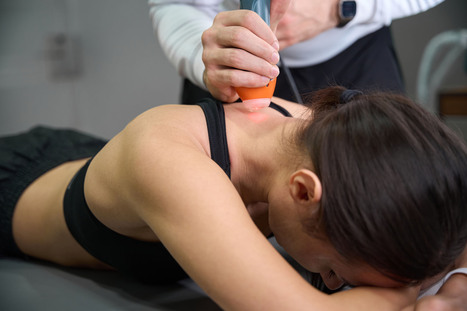








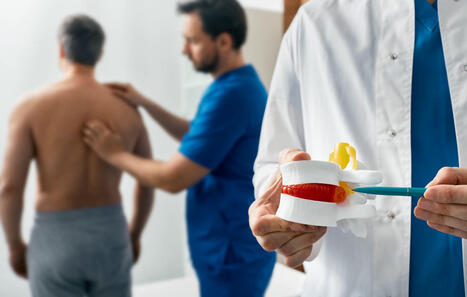





Uncover the impact of Chiropractic Technology Advancements on improving posture and supporting patient recovery effectively. For answers to any questions you may have, call 915-850-0900 or 915-412-6677