 Your new post is loading...
Usain Bolt has been declared the “fastest man in the world.” While this hasn’t always been technically true, he has won so consistently at the 100 meter distance throughout his career that the nickname “lightning bolt” seems like a pretty good fit. He has won 6 Olympic gold medals, never placing for silver or bronze. In other world championships, he has collected 8 first place wins and 2 second place finishes. During his time competing In youth championships, he regularly took first place, rarely second, and never third. For the tiny island nation of Jamaica, Usain Bolt is a hero. He’s confident. “I told you all I was going to be No. 1, and I did just that.” While he’s a supremely confident competitor, he’s also humble and cordial. “Manners is the key thing,” said Bolt. “Say, for instance, when you’re growing up, you’re walking down the street, you’ve got to tell everybody good morning. Everybody. You can’t pass one person.” But his success on the track and his international stardom has not come without challenges. As a young man, Bolt suffered from scoliosis. “When I was younger, the scoliosis wasn’t really a problem. But you grow and it gets worse. My spine was really curved bad. The early part of my career, when we didn’t really know much about it, it really hampered me because I got injured every year.” Instead of using a brace or enduring dangerous surgery to correct the abnormal curvature of his spine, Usain Bolt used chiropractic treatments. “I’ve worked hard over the years. I’ve been injured and I’ve worked hard through it, and I’ve made it.” Bolt uses chiropractic not only to bounce back more quickly from injuries, but also to enhance his performance while healthy. “As long as I’m in great shape, nobody beats me, for sure.” Dr. Michael Douglas has worked with Bolt for many years. As founder of three South Florida Douglas Rapid Rehab Centers, he is also the Jamaican Olympic Team’s official chiropractor. He has held that position since 1996 and retains a certificate in Chiropractic Neurology. He combines traditional chiropractic techniques with sports injury rehabilitation to keep the Jamaican team in top condition. Like all world champions, Usain Bolt realizes that his work is never done. “For me, I’m focused on what I want to do. I know what I need to do to be a champion, so I’m working on it.” For Usain Bolt, chiropractic care has been—and continues to be—an essential part of his overall strategy for remaining healthy and competing successfully.
There are a wide variety of factors which can cause headaches. The most common reason for headaches, especially tension headaches, is muscle tension and tightness. The frequent tightness which occurs during a headache can be experienced all over the head and neck, feeling almost as though there is a rubber band around the head, according to reports of many individuals. The tension and tightening of the muscles is largely due to poor posture where the muscles are trying to adapt to the constraints which are being placed on them. Poor posture over time leads to shortening of the muscles and irritation of the structures surrounding the spine, particularly the spinal discs. It’s this specific shortening of the tissues that causes the rubber band feeling on the head, or tension headaches. Most often, this form of pain and discomfort is felt at the base of the skull. The longer the individual sits in an improper position, the longer the tension and tightness of the muscles will last and worsen, causing longer lasting and worse headaches. The difficulty with improper postures is that they are mostly involuntary in their movements. If you are an individual who stresses frequently, it’s not uncommon for the shoulders to rise up to their ears. The person may not even realize they’re practicing this posture until they take a deep breath and relax, an action many take longer to realize. The shoulders may have been up for a majority of the day, meaning the muscles were being overworked in an inappropriate position, and chances are the individual won’t correct their posture until the headache has started.
According to Nathan Wei, MD, Director of The Arthritis and Osteoporosis Center of Maryland in Frederick, Maryland, an individual’s recommended sleeping posture largely depends on where their arthritis originated. For example, someone suffering from arthritis on their knees may sleep in a different position from someone who has arthritis on their neck. Based on where the individual experiences the most pain and discomfort from their arthritis, there are several sleeping posture suggestions to best accommodate the sleeping needs of a majority of individuals. For individuals suffering from arthritis on their neck, the first priority is to use some kind of neck-support pillow. These are commonly known to be shaped like an arch which can offer additional support than a traditional pillow. When we sleep, the neck can involuntarily end up in an awkward position, stretching and straining the muscles and other tissues surrounding the cervical spine. Although the brain responds by moving the body when it senses a disruption within itself, the smallest amount of time in an incorrect sleeping posture can greatly aggravate an individual’s arthritis symptoms. By utilizing a specialized pillow designed to properly support the neck during sleep, arthritis sufferers as well as other people can benefit from less stress being placed against their neck. “Oftentimes, a traditional pillow won’t be nearly enough to support the neck,” stated Dr. Wei.
According to Sleep Disorders and Sleep Deprivation, human beings spend approximately 33 percent of their lives sleeping. This amounts to about one third of an individual’s life, roughly the eight hours per day we need to function properly. Because of this, neck pain and other symptoms present during sleep should be considered a priority. Poor neck posture can result in constant stress being placed on the complex structures of the neck which can ultimately lead to complications, causing pain or an increase in symptoms that can lower the chance of improvement. In healthy individuals during sleep, the neck is at an increased risk of damage or injury when the soft tissues become overly relaxed, resulting in strain from poorly controlled movements and improper support while sleeping. For individuals with previous neck disorders, the risk is combined with muscle and other tissue weakness that may have been stretched before. Improper sleeping posture is described as a form of continuous stress which can lead to neck pain, shoulder pain and headaches. An individual who sleeps on their back with a pillow that is too high, forcing the head forward can create a disruption of the natural curvature in the neck. This position hyperflexes the neck, stretching the muscles, ligaments, and other tissues in the back of the neck. The longer a person sleeps this way, the more damage can be caused, further aggravating neck pain and other sleeping complications.
Neck pain may occur as a result of various activities that add extra strain on your neck. An abundance of individuals frequently report feeling pain at the base of their skull and down into their shoulders, or they also often describe feeling a knot in their neck and stiffness. Many others also experience headaches along with their other symptoms. Severe cases of neck pain can impair a person’s ability to move their head and can even become serious enough to greatly restrict the individual’s ability to function to their fullest capacity, especially during the job. If your neck pain worsens by the end of a long work day, it may be due to all the excess stress being placed on your neck while working. Consistently prolonged activities can affect bones, muscles, ligaments, tendons, joints and other tissues in the region of the cervical spine. Activities that cause these complications, for example, include an improper posture while sitting at a desk, incorrect lifting techniques, and repetitive movements of the arms and upper body. Holding your head forward to read a computer screen, a posture best referred to as forward head posture, is one of the most common types of improper postures. Research shows that simply using a computer for an extended period of time can cause or even aggravate neck pain. Also, when doing heavy lifting at work, the neck is as much at risk for damage or injury due to incorrect lifting techniques as the back. Furthermore, overusing the arms and upper body repeatedly can irritate their surrounding tissues, leading to degeneration or wear and tear damage. Regardless of your job, ergonomics can help protect your neck from damage or injury. Ergonomics is the science of fitting a work environment to the job in a manner that is best fitting to the individual’s overall well being. For instance, if you work by a desk at a computer station, ergonomics takes into consideration how your desk, chair, and computer monitor should be positioned to reduce the stress on your neck and body. If you work in an industrial setting, ergonomics may involve teaching you about the most appropriate lifting techniques as well as using heavy equipment.
Forward head posture is the most common form of improper posture responsible for neck and shoulder pain in many individuals. The head weighs nearly the same as a bowling ball. When the head is placed in a further forward position than normal, it adds an increasingly greater force on the neck, much like when you hold a bowling ball away from you, it’s more difficult to hold it. The supplementary force from a forward head posture adds even more stress on the cervical spine and increases the demands on the surrounding muscles which function to hold the head upright. Imagine the effects of the increased and sustained efforts from these muscles on the rest of your body. The improper posture can often cause restrictions in blood flow that cause a decrease of oxygen and energy delivery which can impede waste removal. The neck ultimately suffers, causing stiffness as well as trigger points that attribute to the well-known symptoms of head and neck pain along with discomfort on other parts of the body. The increased tightness resulting from forward head postures can contribute to nerve compression as numerous nerves pass through the surrounding muscles. Because these specific nerves also run down into the arm, any type of neck complication can cause pain, tingling, and numbness on the shoulder, elbow, wrist, and fingers. Furthermore, rounded shoulders from an improper posture can create a variety of shoulder complications. As the shoulder blades move forward, they restraint the space the rotator cuff tendons have between two of the bones found in the shoulder. The space restriction can lead to compression of the cuff tendons, occasionally causing tears.
“There is not a lot of science behind sleep as a major cause of back pain,” states Santhosh Thomas, DO, a spine specialist with the Cleveland Clinic and associate medical director of the Richard E. Jacobs Medical Center in Avon, Ohio. However, experts do claim that individuals with sleep problems experience more complications regarding back pain. According to the National Sleep Foundation, pain in turn can affect the quality of an individual’s sleep, leading to a lighter sleep state and more frequent waking throughout the night. Sleeping on your stomach is one of the most common sleep position which can aggravate back pain. “Typically, sleeping on your stomach can flatten the natural curve of the spine, putting some additional strain on your back muscles,” Santhosh Thomas said. “Plus, stomach sleeping means that your neck is rotated, which can actually result in back pain between the shoulders,” added Paul Grous, MSPT, a physical therapist and spine specialist with Good Sheppard Penn Partners in greater Philadelphia. While several sleep positions can create back complications, the source of many individuals’ back pain and symptoms is frequently caused by their daily activities or a lack of it. It is believed that the biggest factor contributing to the development of back complications among the general population is the amount of time people spend sitting during their waking hours in an improper posture. Sitting for extended periods of time behind a desk in a slouched posture with a rounded back can strain as well as increase the pressure on the structures surrounding the spine. During daylight hours, its essential to stand, walk, or stretch as often as possible and practice good posture when standing and sitting to help ease back pain at night.
Many individuals participate in some form of physical activity or sport to achieve their own personal fitness goals. Actively engaging in exercise offers many benefits, from strengthening the bones and muscles and controlling weight to reducing the risk of cardiovascular disease but, unfortunately for many individuals, injuries can frequently occur. The truth is, exercising with an improper posture can cause a wide variety of complications on the spine, knees, hips and shoulders, including numerous structural issues such as muscle tightness, joint pain and the potential increase of injuries. Many individuals struggle to correct and maintain a proper posture, as a matter of fact, most adults tend to walk with their shoulders slumped while staring at the ground. Improper posture can result in a range of health complications, most commonly causing an increase in low back pain, neck pain, headaches and restricted mobility for many individuals due to the excess curvature of the spine. As a result, body mechanics may also be affected, leading to potential gait and walking complications. Furthermore, in more advanced cases, poor posture can also result in decreased lung capacity and digestion issues.
If you're sick of slouching at your desk or at home, correcting yourself can be near impossible. However, there are a host of new smart wearables that can help you correct your posture and improve your health. These wearables do work. It truley helps change your habbits.
|
Sitting for extended periods of time while hunching over a desk can cause discomfort, numbness and spine misalignment over time if the improper posture is not corrected. Holding the body upright can also further increase pressure and tension in muscles, ligaments, joints, and other tissues surrounding the spine. A sedentary lifestyle where the individual doesn’t take frequent breaks throughout their workday to stand and stretch can gradually lead to cardiovascular disease due to the decreased blood flow, tightened hip flexors, shortened hamstrings, pinched nerves and many other physical injuries and/or conditions in the long run. Aches and pains on the body, particularly around the spine, herniated discs, nerve complications and painful joints are direct results of working while sitting in an improper posture for prolonged hours of the day. When you're in a seated position, a lot of pressure is being placed directly on the spine and its surrounding structures. Our bodies were designed to stand upright and maintaining a seated position can be physically stressful. "The weight is distributed while in a standing position," explained Kelly McGonigal, Ph.D., a health psychologist at Stanford University and a leading expert in neck and back pain, “That's not the case with sitting. McGonigal added, "When you sit, you distort the natural curve of the spine, which means your back muscles have to do something to hold your back in shape because you're no longer using the natural curves of the spine to lift yourself up against gravity." Approximately 80 percent of individuals in the United States alone may experience some form of chronic pain in their lifetime. Ultimately, working on a sitting position for extended periods of time per day is putting a tremendous mental and physical stress on our bodies.
From childhood to adulthood, people are taught about the importance of maintaining a healthy lifestyle through good nutrition and fitness methods. An individual’s overall wellness depends on how well they choose to listen to their bodies and follow the healthiest techniques they’ve learned throughout their days. But, what happens when after a long night of rest, you wake of feeling pain, despite maintaining a balanced nutrition and achieving your fitness goals? Foremost, a proper posture is characterized by the natural alignment of the head and neck with the rest of the spine, even during sleep. If an individual is using multiple pillows to rest their head on at night, this can be fairly difficult to accomplish. The neck may be tilted or twisted this way for prolonged periods of time throughout the night, causing the muscles, ligaments, and other tissues surrounding the neck to painfully stretch and strain. Instead, the individual should use a single pillow beneath the head to maintain correct spinal alignment. Ultimately, the best overall sleep posture is one that promotes a balanced spine and proper alignment. There are three common sleeping positions; side, back and stomach sleeping. Back and side sleeping can achieve the required spinal alignment to avoid injury, the development of conditions and other complications by adjusting pillow posture.
Occasionally, people may wake up with neck pain from sleeping in an awkward position throughout the night. While often regarded as a common issue that is nothing more than irritating, the symptom of neck pain associated with incorrect sleeping posture can be extremely painful. During deep sleep, the head can drop into a position which may place unnecessary amounts of stress on the neck muscles and other surrounding tissues of the cervical spine. After some time in an uncomfortable position, the brain is capable of sensing this disruption where it will then command your body to reposition itself in order for the neck to get some relief. Alternatively, many people can also choose to ignore the agitation, aggravating the strain on the neck further. Consequently, neck pain the following morning is the most common outcome. While there’s a variety of methods to prevent neck pain as well as a variety of treatments for individuals with other neck complications, if you’re already experiencing neck pain symptoms, there’s several simple solutions you can follow before you receive medical attention to find relief for your neck pain. If the individual experiences neck pain as a result of improper sleeping posture or from other sleep complications on a regular basis, it’s crucial for the individual so seek immediate medical attention to properly diagnose any possible injuries or underlying conditions the person might have and follow through with an appropriate treatment to help restore the individual’s natural state of being as well as improve their overall wellness to ensure them a good night’s sleep.
According to Steven Park, MD, author of Sleep, Interrupted and clinical assistant professor of otolaryngology at New York Medical College in Valhalla, N.Y., sleeping posture can affect an individual’s quality of sleep and overall health. Park explained that fatigue, sleep apnea, headaches, heartburn, and back pain are several of the most common complaints that can be aggravated as a result of improper sleep posture and a bad night’s rest. But, when it comes to sleeping on your side, stomach, or back, which is the best sleep position? Additionally, if the certain sleep position one currently favors is not the best for their health, many individuals frequently question whether switching to another position may offer better health benefits for them. “You’re naturally going to gravitate toward a position that you feel best sleeping in,” Steven Park stated. Also, individuals will generally choose their preferred sleep posture based on how well they’re able to breathe in that position. “The smaller the airway in your throat becomes at night, the more likely it is you’re going to sleep on your stomach,” Park added. Back sleeping is not recommended for individuals who snore or for those with sleep apnea. Individuals with these complications should preferably sleep on their side because it can help maintain their airways open. Research suggest that sleeping on the left side can relieve heartburn symptoms while right side sleeping can worsen them. Left side sleeping is also recommended during pregnancy as it can improve circulation to the heart, which is good for both mom and baby. Steven Park advices that people may attempt to experiment with different sleeping postures but he strongly suggested against switching from the individual’s natural sleep position unless a previously diagnosed or currently identified health condition demands it.
When an individual maintains a proper posture, the muscles and other tissues supporting the structure of the neck and back remain strong while the spine preserves its natural and healthy alignment. Studies have previously concluded that good posture can help you have more energy, less stress, as well as prevent fatigue. As a matter of fact, good posture is crucial if you want to maintain an ideal physical fitness. Ultimately, a proper posture is a sign of good health. If you have bad posture, not only will it create spine complications along with pain and discomfort in the present, but gradually, improper posture can have negative effects later in life if not corrected in time. One of the most distinguished negative effects associated among individuals with improper posture includes a change in the spinal curve. The spine is naturally designed to have a slight S-shaped curvature, however, after an extended period of time practicing incorrect posture when sitting or standing, the spine is put under a tremendous amount of pressure. This occurs because the spine is repeatedly being forced into an unnatural position. The altered spinal curve can not only lead to chronic pain and discomfort, but it can impede the spine from naturally absorbing shock as well as maintain proper balance.
Millions of Americans are encountered with some form of pain on their back and spine. There are a wide variety of factors that could lead to these well-known symptoms of pain, however, many individuals can reduce or even eliminate their back pain through a series of simple steps. Experts at the Interventional Pain Management Center, or IPMC, a multi-site clinical practice based in New Jersey, is currently evaluating several basic methods that may help alleviate chronic back pain among the general population. Foremost, one of the first recommendations discussed by the experts included improving posture, or the position in which an individual stands and moves around. “Proper posture contributes greatly to the relief or elimination of back pain,” quoted a spokesperson for the Interventional Pain Management Center. “The spine is stronger and more stable when one practices healthy posture.” When an individual slouches or stoops, the improper posture can cause the muscles, ligaments and other tissues that support the complex structures of the spine to become misaligned, straining to provide balance to the body. This straining is what often leads to pain on the back, neck, and shoulders. The spine has a natural S-shaped curve which functions to absorb shock, maintain balance, and allow range of motion, and in order to maintain those natural curves, proper posture is essential.
In today’s society, its easy to identify a strong, confident individual by the way they carry themselves. From strong leaders to popular group members, we can look at many of these people and see their confidence. Aside from personality, there’s one main factor that commonly defines these individuals; posture. The body language we display to others is a powerful source of communication. Posture can say more about an individual than words. An upright posture can be a subtle signal of self-assurance to everyone around you, but more importantly, a proper posture reveals health from within. Good posture is an essential component of your health. The spine is the key to a strong and healthy posture. Hippocrates, the father of modern medicine quoted, “Look first to the spine for the cause of all disease.” For many years now, it’s been acknowledged that spinal health can therefore influence your overall health. The spine, also referred to as the vertebral column or spinal column, is composed of a series of bones called vertebrae which are stacked one upon another. The spine functions to protect the spinal cord as well as to provide overall support to the structures of the body, allowing you to stand upright, bend, and twist.
A South Florida chiropractor continues to draw attention for his invention that helps people who constantly bury their heads in their cellphones. Dean Fishman, a Weston resident who practices in Plantation, was featured in the Wall Street Journal’s “Aches and Claims” health column on May 24. The article noted that Fishman, who trademarked the term “Text Neck” in 2009, now has a patented phone app that warns users when they drop their head – causing neck pain and headaches as well as early onset of arthritis, arm pain, gastrointestinal and breathing problems – as they view their phone. The app works without interruption of other functions on the phone by having a green face, which is located in the top corner of the device, meaning users are viewing their phones with good posture; a red face means that they need to make an adjustment to “anatomical neutral,” which is defined as having the ears over the shoulders and the shoulders over the hips.
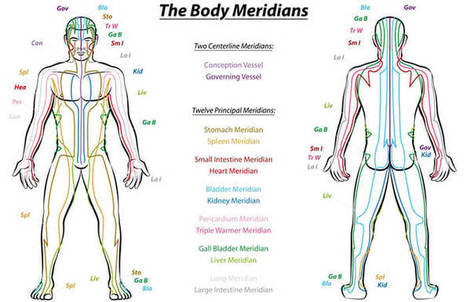
Modern Science has proved what Ancient Healing Traditions have always known about Meridians. Learn how these Energetic Pathways are vital to your Health.
|






















Story Told. Athletes at the highest levels have understood for centuries how unencumbered motion is a paramount secret to their success. Today, the highest performing athletes are seeking out experts in bio-mechanical sciences to help keep their bodies performing at high levels thought the on and off season. Usain Bolt is another example of the type of athlete willing to seek out the best quality care in joint health. To reach the highest competitive levels it takes the teamwork of multiple sciences working in tandem to assist in these dreams. Orthopedist, Chiropractor, Physical Therapist and other related bio-mechanical sciences are collaborating for the betterment of simple dreams all the way to Olympic Dreams.