Your new post is loading...
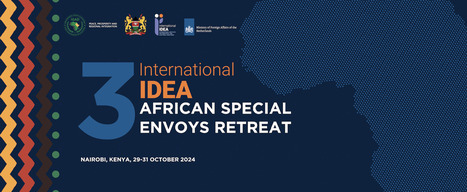
International IDEA's third retreat for African regional economic communities in Nairobi 29 October 2024 - 31 October 2024 International IDEA 3rd African special envoys retreat-Nairobi-29-31 October 2024 As part of the operationalization of the Regional Mechanism on Support to Inclusive Constitutional Transitions (RMSICT), International IDEA is organizing – in partnership with the Government of Kenya and the Intergovernmental Authority on Development (IGAD), its 3rd Annual Retreat for African Regional Economic Communities (RECs) Special Envoys and High Officials in Nairobi, Kenya from 29 to 31 October 2024. This retreat, like the preceding ones held in Banjul, Gambia in 2022, and in Abuja, Nigeria in 2023 respectively, is designed to be a reflective forum, where constitution building and peace building professionals, as well as senior officials from governments and regional multilateral organizations, engage in strategic conversations on crises of democratic constitutional order in Africa. The retreat provides an opportunity for them to consider how corrective mechanisms have worked based on experience. The theme of the 3rd annual retreat is “Addressing Challenges to Democratic Governance in Africa”. Participants will deliberate on these issues from their different experiences in dealing with and understanding complex constitutional transitions and Unconstitutional Change of Governments (UCGs). The Special Envoys Retreat will bring together around 50 participants including Representatives of the Government of Kenya, Heads of Regional Economic Communities, The AU High Representative on Silencing the Guns, Representatives and Resource persons from AUC and RECs, , Senior Officials from African Countries, Academics, Think Thanks, Representatives of Civil Societies Organizations, Representatives from the Netherlands Ministry of Foreign Affairs and Netherlands Ambassadors, Representatives from International IDEA partners such as the European Union, USAID and others. The African Special Envoys Retreat is supported by a fund from the Netherlands Ministry of Foreign Affairs.
Speakers Kevin Casas-Zamora Secretary-General Roba Sharamo Director for Africa and West Asia Gram Matenga Regional Head of Programmes, Africa and West Asia Olufunto Akinduro Senior Adviser, Electoral Processes, Africa and West Asia Abdalla Hamdok Former Prime Minister, Republic of Sudan H.E. Amb. Jelte van Wieren Africa Director, Netherlands Ministry of Foreign Affairs H.E. Dr Workneh Gebeyehu Executive Secretary, IGAD H. E Musalia Mudavadi Minister of Foreign and Diaspora Affairs, Government of Kenya Event partners Related Events Dakar, Senegal Working Session on Constitution-Building and Revision Processes in Transitional, Fragile, Post-conflict and Conflict Environments Banjul, Gambia Brainstorming session on "Constitution-Building Process and Transitional Justice: Comparative Experiences from Africa" Nairobi, Kenya Launching event of The State of Local Democratic Governance in Kenya Maseru, Lesotho Gender and social inclusion policy and electoral law reform workshop
November 3, 2024 NEWS On October 17, the World Movement for Democracy held a press conference in Johannesburg, South Africa, to announce the 2024 Democracy Courage Tributes, which will be presented at the 12th Global Assembly of the World Movement, to take place from November 20-22. This year’s tributes will honor the courageous work of Ukrainian civil society, the pro-democracy movement in Venezuela, Palestinian civil society, and the Ugandan LGBTIQ+ movement. Selected by the Steering Committee of the World Movement, the Democracy Courage Tributes give special recognition to the extraordinary efforts of groups and movements working under particularly difficult circumstances. Previous recipients include advocates for the rule of law in Africa, artists fighting for freedom of expression in Cuba, and the women-led human rights movement in Afghanistan. Learn more about the 12th Global Assembly here.
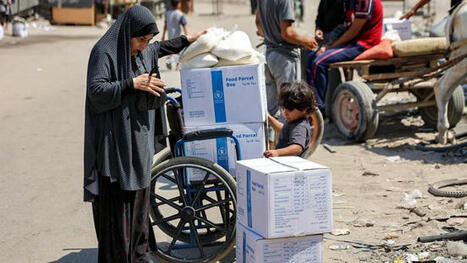
OPINION: The Palestinian economy is tethered to aid packages and an uneven trade relationship with its occupier, perpetuating a cycle of vulnerability, writes Mariam Jooma Carikci. A woman and boy stand next to a wheelchair loaded with humanitarian aid packages provided by the United Nations Relief and Works Agency for Palestine Refugees (UNRWA) in central Gaza City. File picture: Omar AL-QATTAA / AFP Will the whiny socialist kids please stop throwing tantrums about a global system that’s functioning just fine, thank you? That’s essentially the gist of Kevin Bloom’s article in The Daily Maverick, where he dismisses the critiques of the upcoming World Movement for Democracy conference as nothing more than a fit of "incandescent rage". His piece, titled Global Democracy Conference in SA Dodges Trump Bullet Fired by an Irate Zwelinzima Vavi, seems to imply that any criticism of this US-state-sponsored event — which is, let’s remember, designed to further the national interests of the US and its corporate backers — should just be swept aside. After all, who needs pesky questions about the role of NGOs in a system built on corporate exploitation and ongoing genocide? As a journalist, though, Bloom’s evidence for his argument is embarrassingly weak. It’s underwhelming at best and frankly doesn’t even begin to tackle the real issues at play. From the outset, he describes the South African Federation of Trade Unions (SAFTU)’s statement as the rantings of an individual — Zwelinzima Vavi — even though the statement was an individual pronouncement but a collective statement endorsed by the 21 organisations that make up the second-largest trade union collective in the country, representing something close to a million workers across South Africa. (COSATU, the largest trade union federation in SA, has withdrawn from the conference in protest.) The personalisation of the issue as Vavi’s — a "past-his-sell-by-date" socialist — is, in my view, not a matter of writing style but a deliberate attempt to dismiss any critiques of the pertinent matter of SA NGOs’ relationship with the US military-industrial complex as ridiculous. So ridiculous, in fact, that the claims might as well be seen as coming from children. This is the inference we get from the way Bloom justifies the normalcy of US national security personnel being part of the NED. After quoting the NED’s description of its members, which does include national security figures, the author’s condescension is clear: “Of course, it would have been nice had NED not mentioned ‘national security.’ But this was clearly a conference for adults, who knew the world for what it was.” Aren’t we lucky to have the adults in the room steering us minors away from wayward thoughts like: What is a foreign government-funded organisation, whose co-founder called it an instrument of the CIA, doing holding a conference on democracy in a country that produced figures like Nelson Mandela? (Let’s not forget, it was the CIA that actually tipped off the Apartheid Security Police about Mandela’s whereabouts, leading to his arrest and imprisonment.) Is it to remind us, girls and boys, that no matter how many times we appeal to international law via the UN or the ICJ, we will not have understood the meaning of ‘democracy’? That the magic wand of freedom can only be waved by the American Godfather (pun intended)? I wonder how the wise adults would receive a Russian state-backed ‘NGO’ hosting a conference on democracy. Safe to say, The Daily Maverick would hardly be cheerleading for such a scenario. Much has been written about the links between the National Endowment for Democracy, which essentially funds the WMD Conferences, and US intelligence agencies — what Bloom accuses Vavi of as "sleight of hand" through association. Less is known publicly about the overlap between the NED and AIPAC, the American Israel Public Affairs Committee, considered to be the most important lobby group in US politics, essentially the lobby that can make or break presidential careers. High-ranking members of AIPAC have been influential in shaping NED policy, aligning US strategic goals with the maintenance of Israeli supremacy over the Middle East. Kenneth Wollack, for example, was AIPAC’s Legislative Director (1973–1980) and played an instrumental role in legalising the mechanisms for U.S.-Israel ties. Wollack also held a senior position on the Middle East Strategy Task Force and is a member of the George W. Bush Institute's Advisory Council on Human Freedom. More importantly, since 2021, Kenneth Wollack has held the position of Chairperson of the NED. Moreover, the NGO representatives slated to speak at the WMD conference are not only funded by the NED but also share the ideological consensus that considers democracy and neoliberalism inseparable from human progress. This is reflected in the links between NED/WMD-sponsored ‘civil society’ organisations and institutions like the World Economic Forum and the Council on Foreign Relations (CFR). The CFR is a highly influential think tank, whose current Chairman, David Rubinstein, is also the co-founder of the Carlyle Group, which manages $447 billion in assets, including large sectors of oil and gas investments in North Africa and the Middle East. Essentially, the critique of the WMD conference is not that the local participants are CIA agents working under the guise of South African interests, but the acute conflation of private corporate interests with what are portrayed as neutral concepts of ‘human rights’ and ‘democracy.’ By doing so, local NGOs actually work to strengthen the global status quo rather than challenge it. While NGOs are, by their very nature, outside of the state in challenging the trespasses of the state against citizens, they also have the potential to neutralise structural change by atomising rights to the individual (such as women’s rights, human rights, environmental rights). The individual is seen as a consumer of services with rights that will check the producer of such services, rather than a citizenry involved in the creation of meaningful change that would benefit a collective nation, regardless of their class status. In the case of Palestine, funding for organisations that do not espouse the two-state solution or challenge the right of Israel to exist in its current form of illegal settlements are readily defunded and, worse still, placed on the U.S. list of sponsors of terrorism. Arundhati Roy captures the depoliticisation of activism that dulls the edges of resistance when she says, “NGOs give the impression that they’re filling the gaps created by the withdrawal of the state, but really they’re there to manage dissent.” Neoliberalism, with its emphasis on market-driven policies, privatisation, and individualism, has had a profound impact on Palestinian society. In the wake of the Oslo Accords in the 1990s, neoliberal economic policies were introduced into the West Bank and Gaza Strip under the guise of economic development. International donors and financial institutions like the World Bank and the International Monetary Fund (IMF) promoted a framework that emphasised entrepreneurship, microfinance, and private sector growth as tools for "peace-building." While these initiatives were presented as mechanisms for economic empowerment, they came with significant costs to collective solidarity against occupation. The focus on individual economic advancement undermined collective political mobilization. For instance, microfinance programs encouraged Palestinians to prioritise personal financial success over broader struggles for liberation. This atomisation of Palestinian society diluted the grassroots movements that had been central to resisting Israeli occupation. Investment in judiciary and legalities of human rights in the West Bank creates a mirage of a state when, in effect, the Occupied Territories have no semblance of autonomy from the Israeli regime. Even in Israeli jails, Palestinians are separated from each other to limit a collective consciousness of struggle against the colonial occupation system, to the extent that they become focused on the well-being of their own individual families left behind. The Palestinian Authority’s complicity in the Israeli occupation has enabled the Israelis to extract much from Palestinian land without having to be responsible for Palestinian welfare. Services like health, education, and poverty alleviation have been made the responsibility of the PA in the absence of a Palestinian treasury or independent legal status. Moreover, neoliberal policies entrench economic dependency on international donors and Israel. The Palestinian economy is tethered to aid packages and an uneven trade relationship with its occupier, perpetuating a cycle of vulnerability. This dependency weakens the capacity of Palestinians to build an independent economic foundation that could support sustained resistance. International NGO emphasis on good governance, accountability, and state-building in Palestine is not only laughable but a violent reminder of the hypocrisy of the global unipolar order that undermines the national liberation project. As Khalidi and Samour describe the Palestine Reform and Development Plan developed by the PA’s Fayyad government in collaboration with donors: “Underlying its (law and order) technical, neutral vocabulary is the desire to escape politics, and indeed the very political nature of the question of Palestine. The statehood program encourages the idea that citizens may have to acquiesce in occupation but will not be deprived of the benefits of smoother-running traffic, a liberal education, investor-friendly institutions, efficient public service delivery, and, for the middle class, access to luxury hotel chains.” NGOs have been co-opting revolutionary symbols like Mandela and Malcolm X by using their images or names to legitimise their work or gain funding, even when their missions may not align with the radical ideals these figures represented. By associating themselves with these iconic symbols, NGOs tap into their moral authority and public appeal, making their causes seem more credible or worthy of support (think of the names Ahmed Kathrada and Desmond Tutu). But this diverts attention from the deeper structural issues these revolutionaries fought against, such as inequality and systemic oppression, focusing instead on less confrontational, more palatable initiatives that don’t challenge the status quo. In doing so, NGOs inadvertently or purposefully water down the revolutionary spirit to maintain their relevance in a neoliberal framework. Bloom signs off his opinion piece with quotes from the NGO’s statement on their commitment to highlighting the situation in Palestine (as if people needed any more evidence of Israeli massacres of Palestinians that have continued unabated for more than a year). I think the words of the prolific Palestinian poet Mahmoud Darwish, who was fond of reading his poetry in public spaces, encapsulate the essence of how real revolution and political change are made: “It is true that Gaza has its special circumstances and its own revolutionary traditions. But its secret is not a mystery: Its resistance is popular and firmly joined together and knows what it wants (it wants to expel the enemy out of its clothes). The relationship of resistance to the people is that of skin to bones and not a teacher to students. Resistance in Gaza did not turn into a profession or an institution. It did not accept anyone’s tutelage and did not leave its fate hinging on anyone’s signature or stamp. It does not care that much if we know its name, picture, or eloquence. It did not believe that it was material for media. It did not prepare for cameras and did not put smiling paste on its face. Neither does it want that, nor we.” * Mariam Jooma Carikci is a researcher at the Media Review Network. She is the author of Kurdistan: Achievable Reality of Political Mirage? ** The views expressed do not necessarily reflect the views of IOL or Independent Media.
As the host of the latest forum, South Africa must speak against the politicisation of the democratic movement and play a leading role in advancing the interest of indigenous people and get rid of actors acting on the whims of imperialism, says the writer. By Sikho Matiwane South Africa is playing host to the 12th Global Assembly of the World Movement for Democracy from November 20-22, 2024. This year marks 25 years since the first Global Assembly was held in Delhi, India. While the theme suggests that, the forum is about “Revitalising Democracy and building resilience and innovation, with narratives such as fighting for more free, just and inclusive societies;” the experiences of countries in the Global South tell a different reality. The democratic project has little to do with freedom of choice and diversity of ideas but the desire to dominate and manipulate the Global majority into submission under Western ideals and norms. Democracy, once regarded as universal ideals of good governance, was hijacked by imperialist powers and weaponised by powerful interests to advance selfish neo-colonial domination of countries in the Global South. The admission by the founding president of the National Endowment for Democracy (NED) that “a lot of what we do today was done covertly 25 years ago by the CIA” is an indictment of “Western democracy” and the role of state and non-state operatives advancing imperialism in the guise of democracy. Democratic norms became synonymous with western interests selectively approved and applied in different parts of the world for selfish gain. Unpopular governments and systems were installed in the Global South to bring them under western influence eroding the legitimacy of democracy itself. For democracy to thrive, the relationship between states must be based on equality, mutual respect and non-interference. Countries should have the freedom and liberty to choose their development paths without interference and reference to other societies. Global values should represent the diversity of values, cultures and still leave room for innovation. Despite the supposed triumph of democracy after the cold war, decades of western prescribed democratic ideals and models in the Global South have delivered little to celebrate about. They have failed to deliver justice, equality, development and human rights to the world majority. In fact, the supposed model has entrenched political corruption, polarized societies and caused social inequalities and political instability in many countries. In the same vein, countries like China have managed to prioritise economic growth and development paths outside of western liberal democratic principles with much success compared to the majority in the Global South who are trapped in underdevelopment in pursuit of the elusive and contradictory western prescribed democracy. Developing countries in Africa can learn from the Asian tigers like Singapore who have combined state intervention with capitalist policies that serve the development interests of the country. Resource rich countries like Saudi Arabia have utilized their resources for national development outside of western democratic control. While political freedoms are paramount in any society, it must be a homegrown process borne out of legitimate concerns and needs of a particular society in context. Therefore, as delegates gather in South Africa to consider the state of democracy, a critical assessment of what democracy entails, including non-western perspectives must be taken into consideration. There is no shortage of knowledge and ideas on how societies in the Global South want to be organised and what issues they prioritise. Non-western concepts of democracy often emphasise indigenous cultural values, economic justice and communal decision-making rather than the competitive and adversarial political processes advanced by western democracies. Developing countries in the Global South should therefore reclaim their democratic space by prioritizing their autonomy and local contexts in the democratizing process. The process must be homegrown and inclusive and be separated by geopolitical interests. Devolving democratic power to local communities provides a strong foundation for democratic resilience where communal harmony and economic growth remain key priorities. Developing countries can learn from each other’s experiences to drive their own agenda and shed off foreign agenda’s from the democratic process. This can be done through active civic education and a bottom-up approach to establish and maintain democratic institutions. South Africa should advance and play its role in the democratic movement by empowering grassroots and community groups and integrate them into the political structure by supporting and promoting patriotism and national values to safeguard against foreign manipulation in the name of democracy. Peer learning and exchanges could also advance African democratic processes as some countries have served as beacons of democracy in the African continent without heavy reliance on western influence. These include Ghana, South Africa, Botswana, Cape Verde and Namibia. These countries, including South Africa, have shown that Democracy can be built from within, despite challenging contexts and geopolitical pressures. The 12th Global Assembly of the World Movement for Democracy therefore comes at a critical time in global history, as countries in the Global South have become aware of how global politics affects their livelihoods. The hypocrisy and double standards are glaring. The democratic movement falls short of African and Global South expectations. It calls for a new conversation on what interests are served by the existing actors. As the host of the latest forum, South Africa must speak against the politicisation of the democratic movement and play a leading role in advancing the interest of indigenous people and get rid of actors acting on the whims of imperialism. * Sikho Matiwane is a seasoned entrepreneur and diplomatic commentator with a specialisation in international relations and geopolitics. ** The views expressed do not necessarily reflect the views of IOL or Independent Media.
Wiping out online dissent For the first time in 10 years, China shared its designation as the world’s worst environment for internet freedom with a second country: Myanmar. Conditions there deteriorated to their lowest point in the history of FOTN. Since seizing power in a 2021 coup, Myanmar’s military has conducted a brutally violent crackdown on dissent and imprisoned thousands of people in retaliation for their online speech, all while building a mass censorship and surveillance regime to suppress the activities of civilian prodemocracy activists and armed resistance groups. In May 2024, the military introduced new censorship technology to block most VPNs, cutting residents off from tools they had relied on to safely and securely bypass internet controls. At the same time, Beijing has persisted in its effort to isolate China’s domestic internet from the rest of the world, blocking international traffic to some government websites and imposing huge fines on people using VPNs. The Chinese government also continued to systematically repress dissent, for example by censoring online discussion about activist and journalist Sun Lin, who died in November 2023 after police beat him in apparent retaliation for his social media posts about protests against Chinese Communist Party (CCP) leader Xi Jinping. Well beyond the world’s worst environments, many people faced harsh repercussions for expressing themselves online. In at least 56 of the 72 countries covered by FOTN, internet users were arrested due to their political, social, or religious expression. A Thai prodemocracy activist was sentenced to 25 years in prison in March 2024, having been convicted under the country’s repressive lèse-majesté law for 18 posts about the monarchy on the social media platform X. Cubanauthorities sentenced a woman to 15 years in prison for sedition and “enemy propaganda” after she shared images of protests on social media, including a video recording of police attacking demonstrators. In Pakistan, a court sentenced a 22-year-old student to death on blasphemy charges for preparing pictures and videos that denigrated the prophet Muhammad, and sentenced a 17-year-old to life in prison for sharing them on WhatsApp. Authorities around the world limited access to online spaces that people used to consume news, connect with loved ones, and mobilize for political and social change. Governments in at least 41 countries blocked websites that hosted political, social, and religious speech during the report’s June 2023 to May 2024 coverage period. In Kyrgyzstan, the government blocked the website of the independent media outlet Kloop after it reported on an imprisoned opposition figure’s allegations of torture in detention. Authorities later ordered a full liquidation of the umbrella organization that runs the outlet, further reducing people’s access to investigative reporting on government corruption and rights abuses. In at least 25 countries, governments restricted access to entire social media and communication platforms. French authorities ordered the blocking of TikTok in the French Pacific territory of New Caledonia to curb protests by members of the Kanak community, the island’s Indigenous people, that grew violent in May 2024 amid dissatisfaction with proposed electoral reforms.
October 18, 2024 PRESS RELEASE Johannesburg – The World Movement for Democracy will host its 12th Global Assembly in Johannesburg, South Africa, from November 20-22, 2024, marking the 30th anniversary of South Africa’s democracy. Under the theme “Revitalizing Democracy: Reflection, Resilience, and Innovation,” the Global Assembly will bring together over 500 civil society, political, labor, and business leaders along with activists, and thinkers from nearly 100 countries to reflect on democratic achievements of the past 30 years and project the democratic ambitions of this global community of action. At the Global Assembly, the World Movement for Democracy will also present its 2024 Democracy Courage Tributes to recognize the bravery of democracy movements around the world. This year’s tributes will honor the courageous work of Palestinian civil society, the Ugandan LGBTIQ+ movement, pro-democracy advocates in Venezuela, and Ukrainian civil society. Nobel Peace Laurate and Chairperson of the World Movement’s Steering Committee Maria Ressa emphasized the significance of this moment. “2024 is a tipping point year for democracy,” Ressa noted. “Over 60 countries have held elections, with some defending democracy successfully, while others have seen a rise in authoritarianism. We meet in South Africa in November to find inspiration, learn from each other, and build the future we want.” The Global Assembly holds special historical significance as it coincides with the 30th anniversary of South Africa’s first non-racial elections, a milestone that ended apartheid and began the country’s democratic journey. Participants will draw lessons from South Africa’s experience, particularly its ability to uphold democratic principles and institutions amidst challenges. It is also timely for South Africa to host the Global Assembly this November. This year’s elections and the formation of the Government of National Unity highlight the strength of South African democracy. While celebrating this proud moment, South African democracy advocates will share insights with global delegates on pressing issues such as public service delivery, countering corruption, and protecting marginalized groups. To reflect on South Africa’s 30-year democratic journey and to inspire the global community of democracy advocates in today’s difficult political environment, leading democracy voices, seasoned experts, and emerging leaders from around the world will speak at the Global Assembly. They include: - Maria Ressa, 2021 Nobel Peace Laureate, Founder and CEO of Rappler, Philippines
- Moncef Marzouki, former President of Tunisia
- Aisha Yesufu, #BringBackOurGirls, Nigeria
- Oleskandra Matviychuk, 2022 Nobel Peace Laureate, Center for Civil Liberties, Ukraine
- Mathews Phosa, South Africa
- Roelf Meyer, South Africa
- Mbali Ntuli, Ground Work Collective, South Africa
- Rekgotsofetse Chikane, University of the Witwatersrand, South Africa
- Neeshan Balton, Ahmed Kathrada Foundation, South Africa
- Janet Jobson, Desmond and Leah Tutu Legacy Foundation, South Africa
South African government officials and representatives from major political parties in the country are also expected to participate in the Global Assembly. The Global Assembly is taking place at a consequential time, as we face immense challenges to democracy around the world, including deepening political polarization, weakening of independent democratic institutions, attacks on pluralism and tolerance, the use of modern technologies to suppress and surveil populations, and economic insecurity, to name but a few. This period of war and conflict, whether in Palestine, Ukraine, Sudan, or Burma, among others, has resulted in the death of tens of thousands and the dislocation of millions more. We all must work to end war and conflict, and establish lasting peace based on democratic values and principles. Even in democratic countries, norms and values that underpin freedom need to be defended. Independent institutions must be protected. Democracy cannot be taken for granted anywhere. The event is organized in collaboration with South African partners, including the Ahmed Kathrada Foundation (AKF), Defend Our Democracy (DOD), Desmond and Leah Tutu Legacy Foundation, Human Rights Institute of South Africa (HURISA), In Transformation Initiative (ITI). About the World Movement for Democracy: The World Movement for Democracy, established in 1999, is a global network of individuals and organizations committed to promoting democracy. The Washington, DC – based National Endowment for Democracy serves as the World Movement’s secretariat. The third Global Assembly of the World Movement was held in Durban, South Africa, in 2004 to commemorate the 10th anniversary of South Africa’s democracy. For more information about the World Movement please visit www.movedemocracy.org. Media Contact: Carolyn Stewart | carolyns@ned.org | +1 (202) 492-5306
October 15, 2024 NEWS On October 6, Tunisia held elections, which resulted in President Kais Saied’s reelection. Since his self-coup in July 2021, President Saied has systematically undermined the system of checks and balances, taking control of the legislative and judicial bodies, while shutting down other important democratic institutions in the country. In this report, Middle East Democracy Center (MEDC) highlights how Saied’s regime has further repressed freedom of expression in the country by introducing legislation such as Decree No. 54, to silence civil society, independent media, and dissent voices. MEDC urges the Tunisian government to release those imprisoned for peaceful expression and revoke laws restricting free speech. MEDC also calls on the international community to prioritize the importance of free expression and the protection of the civic space in bilateral and multilateral meetings with Tunisian counterparts. Access the full report here. On July 25, 2021, Tunisian President Kais Saied seized extensive powers for himself and started a sweeping crackdown on dissent that continues to this day. Saied has since systematically eliminated or neutralized institutions that could check his power and his government has arrested or harassed scores of activists, artists, journalists, lawyers, and opposition politicians. Meanwhile, Saied and his allies, both inside and outside of the government, have ratcheted up a demagogic campaign against migrants, black Tunisians, and other marginalized communities. The result is a wide-ranging campaign that is not only undoing Tunisia’s gains in free expression since the 2011 revolution, but also attacking Tunisia’s heterogenous cultural and social life in the name of defending national identity. Undoing the damage to free expression in Tunisia requires policymakers to understand the roots of the crackdown, which was enabled in part by weak institutions, political paraly- sis, and far reaching legislation such as the anti-terrorism bill of 2015 that pitted free ex- pression against national security in public discourse — all factors which preceded Saied’s election in 2019. Reversing the current trends on free expression requires robust pushback from Tunisia’s diverse civil society; it also requires the international community to sup- port democratic institution building, prioritize free expression, and stand in solidarity with Tunisia’s civil society and cultural communities. Even as Saied’s crackdown extends further, there are indications that its scope has galvanized civil society to push back. But the international community, including the United States and European Union member states, have continued to prioritize anti-terrorism and, increasingly, anti-migration poli- cies in their relationship with Tunisia. Policymakers should instead center civil society and free expression, along with the robust checks and balances and democratic institu- tions that enable them, as bedrocks for their bilateral relationships and regional security. Access the full report here.
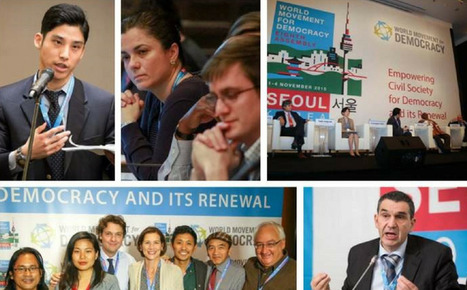
The World Movement for Democracy is a “network of networks” that connects and unites people and organizations around the world who are working on a daily basis to promote democratic values and build and strengthen democratic institutions in their respective countries. The Movement, for which National Endowment for Democracy serves as the secretariat, is directed by an international Steering Committee of distinguished democratic activists and thinkers, chaired by co-founder and CEO of Rappler and 2021 Nobel Peace Prize winner Maria Ressa. It has held 11 World Assemblies funded mostly with non-public funding. The 11th Global Assembly of the World Movement took place on October 25-27, 2022, in Taipei, Taiwan. The Assembly served as a forum for democrats around the world to exchange their understanding of today’s challenges and their potential solutions, and build new strategic partnerships with others. VISIT THE WORLD MOVEMENT FOR DEMOCRACY’S SITE
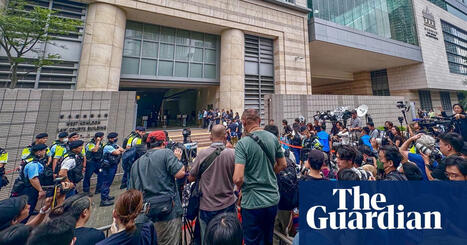
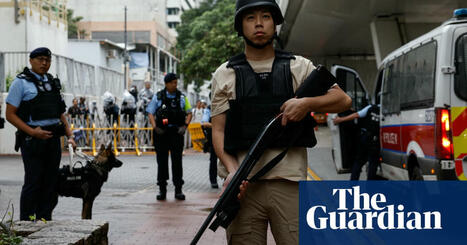
HK47: dozens of pro-democracy activists jailed in Hong Kong’s largest national security trial Members of ‘Hong Kong 47’ – charged in 2021 over involvement in pre-election primary – sentenced to between four and 10 years Tue 19 Nov 2024 12.29 GMT Dozens of Hong Kong’s most prominent pro-democracy figures have been jailed – one for 10 years – in the territory’s largest national security trial, after a prosecution that has been widely criticised as politically motivated. Those jailed are among 47 people, known as the “Hong Kong 47”, who were charged in 2021 under the punitive national security law (NSL) with conspiracy to commit subversion over their involvement in pre-election primaries held in 2020 before the Hong Kong general election. Most have already spent more than three years in jail, but none were released on Tuesday. The group are some of the most public faces of the resistance to a Beijing-led crackdown on dissent and political freedom in Hong Kong, which has left the city with almost no active opposition. The 47 were activists, legislators, campaigners and councillors from the pro-democracy camp of Hong Kong’s previously vibrant political scene. Their sentences were quickly condemned by democratic governments, including the US, and human rights groups, but the Chinese and Hong Kong governments defended the prosecutions. Hong Kong’s security secretary, Chris Tang, said the sentences “reflected the severity of the crime”, but did not rule out the government appealing against individual sentences after further examination. Beijing accused critics of “desecrating” the spirit of the rule of law. Benny Tai, a legal academic and activist, who pleaded guilty, received the longest sentence – 10 years in jail, reduced from 15 for pleading guilty – for his role as an organiser of the primaries. Tai’s sentence is the longest to be handed out since the NSL was passed in mid-2020. He was accused of masterminding a plan for the city’s pro-democracy camp to win a majority in the city’s general election, and then block bills and eventually force the dissolution of the legislature and resignation of the chief executive. Police watch closely as people arrive at West Kowloon magistrates court in Hong Kong for the sentencing. Photograph: Chan Long Hei/AP The three government-picked judges overseeing the case ruled this plan was a violation of Hong Kong’s mini-constitution, the basic law, and an act of conspiracy to commit subversion under the NSL. Joshua Wong, one of the most public faces of the 2019 protest movement, was sentenced to four years and eight months, reduced by a third for pleading guilty. The court said he was an “active participant” in the primaries plan and “not of good character” because of his previous convictions. Wong is already in jail serving sentences for other protest-related charges, but the judges said the additional sentence “would not have a crushing effect on him”. The pro-democracy activist Joshua Wong outside the legislative council building in Hong Kong in 2019. He was sentenced to more than four years. Photograph: Kin Cheung/AP The second longest sentence, seven years and nine months, was given to a young Hong Kong activist, Owen Chow. The former politicians Au Nok-hin, Andrew Chiu and Ben Chung were identified as key organisers alongside Tai, but their sentences were reduced by at least 50% after they acted as witnesses for the prosecution. Claudia Mo, 67, a popular former legislator who pleaded guilty, received one of the shortest sentences: four years and two months. The judges took into account her public service but said she was still an “active participant”. Of the 47, 31 pleaded guilty, and two were acquitted at trial. The 14 who were convicted after pleading not guilty were given harsher sentences. Gordon Ng, an Australian-Hong Kong dual national, was sentenced to seven years and three months. After the sentencing, Australia’s foreign minister, Penny Wong, said Australia was “gravely concerned” about Ng’s sentence, and had expressed its “strong objections to the Chinese and Hong Kong authorities on the continuing broad application of national security legislation”. Armed police stand guard as a prison van arrives at the West Kowloon magistrates courts building. Photograph: Tyrone Siu/Reuters The former Stand News journalist Gwyneth Ho was sentenced to seven years in jail. Ho, who had intended to run in the elections as a candidate, had pleaded not guilty. Just hours after the sentencing, Ho published a lengthy statement to social media, saying she had been prosecuted for participating in “the last free and fair election in Hong Kong”. She said: “Behind the rhetoric of secession, collusion with foreign forces etc, our true crime for Beijing is that we were not content with playing along in manipulated elections.” She said the case marked a “turning point” when Hong Kong was seen as a lost cause, but she urged supporters to push back against authoritarianism, saying: “Prove to the world at every possible moment, no matter how small, that democracy is worth fighting for.” Trial of the ‘Hong Kong 47’ symbolises China’s attempts to dissolve civil society The case is the largest, by number of defendants, since the NSL was passed. The 47 were arrested in early 2021 in a series of dawn raids on homes and offices that shocked the city, followed by a lengthy judge-only trial that drew accusations of denial of procedural fairness. There has been intense public interest in the trial in Hong Kong. The queue for the public to get inside the West Kowloon magistrates court started over the weekend and numbered several hundred people by Tuesday, mostly local supporters and friends but also western diplomats. Some local peoplewho had been in line for a day or more were accused by bystanders of being paid to queue and take a seat ticket but not go into court, a practice that has come under increasing scrutiny for political cases. On Tuesday morning, busloads of police patrolled and ushered the crowd into a line that stretched down the block and folded back on itself. Officers were seen searching several people and took at least two away. Dennis, a former district councillor, lined up at 4am to support the convicted activists, many of them his friends. He had been able to visit some of of them in jail over the years. “I think quite a number of them are quite depressed about their future. So I think I have to come and give a little support,” he said. Towards the front of the queue, Jerome Lau, 74, said he had visited many of his jailed friends in Stanley prison. “Just for me to wake up early on a rainy day, compared to what they’re suffering inside the prison, it’s nothing at all.” Diplomats queue outside the West Kowloon magistrates court in Hong Kong Photograph: Peter Parks/AFP/Getty Images China and Hong Kong say the security law restored order after the 2019 protests and have warned other countries against “interference”. Hundreds of pro-democracy activists have been arrested under the NSL, and more than 150 have been charged. On Wednesday, the jailed media tycoon and pro-democracy activist Jimmy Lai will also testify in his national security trial, breaking the silence he has kept over five previous trials and almost four years in jail. The collusion charges against Lai – the founder of the now-closed popular Chinese-language tabloid Apple Daily – revolve around articles by the newspaper supporting the pro-democracy protests and criticising Beijing’s leadership. Lai has pleaded not guilty. With Agence France-Presse This is what we're up against A media ecosystem dominated by a handful of billionaire owners. Bad actors spreading disinformation online to fuel intolerance. Teams of lawyers from the rich and powerful trying to stop us publishing stories they don’t want you to see. Lobby groups with opaque funding who are determined to undermine facts about the climate emergency and other established science. Authoritarian states with no regard for the freedom of the press. *** But we have something powerful on our side. We’ve got you. This is why we're inviting you to access our brilliant, investigative journalism with exclusive digital extras to unlock: 1. Unlimited articles in our app 2. Ad-free reading on all your devices 3. Exclusive newsletter for supporters, sent every week from the Guardian newsroom 4. Far fewer asks for support 5. Full access to the Guardian Feast app The Guardian is funded by readers like you in South Africa and the only person who decides what we publish is our editor.
Illustrative image | Saftu leader Zwelinzima Vavi (left) used the election of Donald Trump (right) as part of his argument against the US organisers of a global conference on democracy set to be hosted in South Africa, demanding that local organisations boycott the event. (Photos from left: OJ Koloti / Gallo Images | Jerome Favre / EPA-EFE | Chip Somodevilla / Getty Images) Scheduled to kick off on 20 November in Johannesburg, the 12th Global Assembly of the World Movement for Democracy had been waiting for months to welcome 600 civil society activists from 100 countries. But on 9 November, just four days after US voters had elected Donald Trump as president, the local hosts came under fire for affiliating themselves with the American organisers. Things got heated, of course — and yet the resolution was classically South African. From the tone of the opening paragraph, it was clear that Zwelinzima Vavi was angry. By the final paragraph, five pages down – where he ended his screed with the observation that the United States government had abrogated its right to lecture anyone about “democracy” – it was clear, a little more to the point, that he was incandescent with rage. And on a surface reading at least, he appeared to have good reason. Vavi, the labour movement stalwart who made his name during South Africa’s transition to democracy, had offered a version of our new reality as a species that was nothing if not partially true. In that sense, in the face of the unprecedented threat to the global democratic order, he was only doing what the rest of us could ever hope to do. As the current general secretary of the South African Federation of Trade Unions (Saftu), Vavi was channelling his rage (in an original version of the screed, sent as a letter on 9 November 2024) at the executive director of the Ahmed Kathrada Foundation, Neeshan Balton. What he wanted to know was whether Balton’s organisation, founded by one of South Africa’s greatest struggle icons, would remain “complicit in the US imperial agenda” through its participation in the 12th Global Assembly of the World Movement for Democracy, scheduled to take place in Johannesburg from 20–22 November. According to Vavi, it was no secret that the “discredited conduit” of US imperialism at the conference was the National Endowment for Democracy (NED), a bipartisan non-profit organisation – funded largely by the US Congress – that was acting as its main organiser. “One local host — Mistra, the Mapungubwe Institute for Strategic Reflection —has withdrawn,” Vavi wrote. “Saftu is calling on the Kathrada Foundation to withdraw, too.” A few thousand words later, after offering a narrative and so-called evidence in support of the alleged “fact” of NED’s role as a proxy for the CIA, he concluded with a deft sleight of hand: “In other words, we see ordinary South Africans, Africans and the whole world rising to say to Donald Trump: we reject your proto-fascist version of ‘democracy’, we reject your leadership in the Axis of Genocide, and we reject US imperialism.” The “true” parts, in Daily Maverick’s estimation, were the parts about Trump. Vavi had written that the US president-elect was about to summon a full-scale climate apocalypse through an anticipated withdrawal from United Nations climate negotiations and an authorisation of “massive fossil fuel extraction by Big Oil”; that a global trade war would ensue “once Trump imposes the promised illegal tariffs on imports”; and that the horrific dispossession and suffering of Palestinians was “suddenly now so much more stressed thanks to Trump”. Sleight of hand The apparent sleight of hand, of course – so delicate in our age of rage as to pass almost unnoticed – was the conflation of NED with Trump, the CIA and the US government, in general. And yet running as a slow and steady hum in the background, in the form of another thread that was essentially true, was the historical role of the nations of the Global South as the victims of US imperialism. From Guatemala, Costa Rica, Indonesia and British Guiana in the 1950s and ’60s, to Bolivia, Zaire, Angola and Grenada in the 1970s and ’80s, to Somalia, Haiti, Afghanistan and Libya from the 1990s to the present, Vavi enumerated a long list of nations that had sustained an “attempted or successful overthrow” by the US government since the end of World War 2. “In the context of Trump’s victory,” he wrote, now extending his ire further afield than Balton, “it is therefore scandalous that the Ahmed Kathrada Foundation, the Desmond and Leah Tutu Foundation, and Defend Our Democracy have unwittingly, we hope, chosen to align themselves with the NED.” But was it unwitting? Did the bearers of the legacies of Kathrada and Tutu know something that Vavi didn’t? Or was Mistra, overseen by the redoubtable struggle veteran Joel Netshitenzhe, correct for pulling out? On 13 November 2024, a week before the conference was scheduled to kick off, Daily Maverick put the questions to the respective parties. Balton replied almost immediately, telling us that he would “not accede” to Vavi’s request, and guaranteeing that a full response would be forthcoming that same night from all the local hosts. As promised, at around 10pm, the media release landed. Signed by 15 local participants, including – aside from the aforementioned – Freedom Under Law, the Human Rights Institute of South Africa and the Rivonia Circle, the release noted that the Global Assembly of the World Movement for Democracy was scheduled to attract 600 civil society activists from 100 nations, “many of whom are actively involved in varied struggles against repression, undemocratic rule and autocratic regimes in their respective countries”. To the question of Palestine, which Vavi had held out as his strongest argument that there would be differences only in degree between the outgoing administration of Biden-Harris and the incoming administration of Trump, the signatories were impressively forceful. “We commit ourselves to highlighting the desperate plight of the Palestinian people, activists, humanitarian aid workers, journalists and political prisoners at the Global Assembly,” they noted. “We will use the Global Assembly to draw attention to the genocide and atrocities taking place in Palestine, Lebanon and the wider Middle East, as well Sudan, the DRC and in other conflicts around the world. We will denounce threats to genuine democracy and peace, including from the United States and others, as we have always done in the past, and will continue to do in the future.” From Mistra, meanwhile, Daily Maverick had heard nothing at the time of writing. And as for the NED, the most pertinent response to our questions came in the form of the rebuttal to Vavi’s accusations about the CIA. “As a publicly funded NGO that supports democracy in non-democratic states,” Daily Maverick was informed, “NED is often the target of attacks for its mission and work. NED is an independent non-profit dedicated to advancing democratic ideals worldwide. We are not an arm of the US government, nor do we carry out its policies. Our focus is on supporting civil society, political parties, trade unions, and the many institutions that empower people to make their voices heard… “Our board, which is bipartisan and independently appointed, includes representatives from public policy, business, labour, academia and national security.” Of course, it would have been nice had NED not mentioned “national security”. But this was clearly a conference for adults, who knew the world for what it was. And in that light, as representatives of the hosting country, there was no better sign-off than the last word from the South African NGOs. “Our view is that South Africans should utilise the Global Assembly to highlight the plight of peoples around the world,” they averred. “We should also learn from the struggles and experiences of those who have gained credibility from years of fighting for their causes. For us there is more to gain from attending and participating in the Global Assembly than from boycotting it.” DM
SACP denounces World Movement for Democracy's Global Assembly in SA SACP | 20 November 2024 This is because imperialist US-funded CIA-linked NED is behind it, says Party South African Communist Party SACP denounces imperialist-buttressed “global assembly” cloaked in the name of democracy and served by the notorious United States’ NED at its core as the Secretariat Wednesday, 20 November 2024: - The South African Communist Party (SACP) denounces the hosting of the so-called “World Movement for Democracy’s 12th Global Assembly” in South Africa from 20 to 22 November 2024 organised under the guise of commemorating 30 years of South Africa’s democracy and celebrating democratic resilience and innovation. Formed in 1999 with significant backing from the United States, primarily through the imperialist regime’s National Endowment for Democracy (NED), the network called the “World Movement for Democracy” is regarded by many progressive and revolutionary working-class movements across the world as inherently part of the apparatus aligned with the United States’ foreign policy interests, as opposed to genuine democratic principles. The imperialist United States-funded NED is embedded in a wider agenda that includes machinations against national democratic sovereignty of different nations. This agenda is often hidden under events objectives such as “building greater unity of effort to counter the challenges facing democracy around the world today”. The NED is notorious for being a tool used to advance the imperialist agenda of counter-revolution, spearheaded for decades by the United States' Central Intelligence Agency (CIA) across various global regions. The CIA’s widely published history of undermining genuine struggles for liberation, including our own struggle against colonial and apartheid oppression, exposes the sinister intentions behind NED co-ordinated “global assemblies”. The NED was formed in 1983 under the direction of the United States government to carry forward a part of the CIA’s counter-revolutionary activities in targeted countries and national democracies through the so-called “soft power”. Cloaked in the language of democracy, the NED is notorious for co-ordinating and channelling resources and other forms of support for collaborators who are available to the highest bidders as part of the political economy of their activities and events they are engaged in. This agenda involves interference in the national democratic processes of countries in which targeted governing parties refuse to bow to imperialist dictates. It is this same imperialist-funded NED that sits at the heart of the so-called World Movement for Democracy’s 12th Global Assembly, serving as its Secretariat and disguised as support for democracy. The SACP reminds the world of the widely documented notorious role played by both the CIA and the NED in subverting legitimate governments and instigating destabilisation of national democratic processes in targeted countries under the pretext of promoting democratic ideals. From orchestrating coups in South America, to supporting puppet regimes in different global regions, the United States through its repressive and manipulative apparatus has relentlessly pursued the imperialist goal of global dominance. The CIA has been implicated in countless regime-change operations in different global regions and countering our South African liberation struggle, with the imperialist regime of the United States labelling our just struggle as a terrorist programme. We will not forget that the United States regime listed a number of our liberation struggle stalwarts as terrorists. President Nelson Mandela was included in the United States “list of terrorists” before he became our country’s first ever democratically elected President in April 1994. As if that were not enough, the United States maintained Mandela’s name on its “terrorist list” for years, even after he became South Africa’s President following our hard-won democratic breakthrough in April 1994. Listing those fighting for national democratic sovereignty and self-determination and their movements as “terrorists” and embarking on counter-revolutionary activities against them is part of what the imperialist United States regime calls a “world movement for democracy”. The imperialist regime pursues this agenda through its repressive and manipulative apparatuses, such as the CIA, the NED and embedded media outlets. The activities of various components of the imperialist United States apparatus, such as the NED, are known to include interference in the internal affairs of other nations under the guise of supporting democracy. This includes funding conformist or right-wing opposition groups. It was one of the factors at play in recent elections, including post-election destabilisation, in different global regions, Southern Africa and South America included. Progressive forces in South Africa and worldwide, especially revolutionary forces, must remain vigilant. Gatherings, events and other activities buttressed by imperialist forces and resources, regardless of the glowing facade they are cloaked in, are far from innocent in their essence. Statement issued by the SACP, 20 November 2024
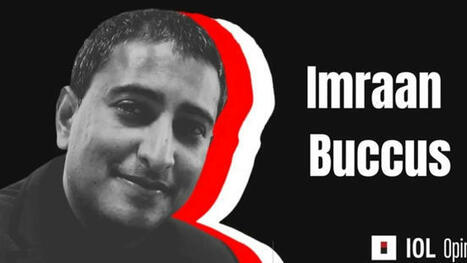
The geopolitical climate has been tense in recent years, largely due to the rise of China as a major economic power and the Russian invasion of Ukraine. Published Nov 19, 2024 This so-called ‘’democracy support’’ led to a deepened crisis for the very people the NED claimed to support. The geopolitical climate has been tense in recent years, largely due to the rise of China as a major economic power and the Russian invasion of Ukraine. The recent election of Donald Trump can only inflame the situation. In these choppy waters South African civil society faces a critical question: Should our civil society remain genuinely non-aligned, or will we allow ourselves to be drawn into escalating global tensions? As the National Endowment for Democracy (NED) prepares to hold a conference in Johannesburg under the banner of “democracy” from 20 to 22 November this question has become pressing. Since the end of apartheid South Africa’s foreign policy has leaned towards non-alignment. The Non-Aligned Movement(NAM) was born out of a shared commitment to autonomy among states in the Global South and South Africa has remained loyal to non-alignment as a principle. Yet, today, non-alignment faces new threats as various foreign powers seek influence in Africa through soft power, financial support, and, as in this case, “democracy” initiatives. The NED is far from an innocuous NGO. While it frames itself as promoting democracy, the reality is more complicated. Established in 1983 under the Reagan administration, the NED has functioned as an instrument of US foreign policy, stepping in where the CIA left off in meddling in the political landscapes of other nations. The organisation operates through grants to civil society organisations, opposition groups, and media outlets, especially in countries where governments challenge Western interests. In Bolivia, for instance, the NED funded opposition groups that opposed former President Evo Morales. Morales, an Indigenous leader and vocal advocate for Bolivian sovereignty, implemented policies that redirected the nation’s natural resources toward domestic needs, defying multinational corporations that had previously dominated the landscape. His administration’s policies on lithium—a strategic resource for tech industries—put Bolivia on a collision course with the US. Under pressure and with backing from right-wing factions aligned with US interests, Morales was ousted, despite winning his election. His removal, framed by his detractors as a necessity for democracy, turned out to be a blatant example of foreign interference aimed at serving the interests of outside powers. In Haiti, another painful example, the NED funded opposition groups against President Jean-Bertrand Aristide. Aristide’s leadership, rooted in social justice and economic independence, made him a champion of the poor but an adversary to the Haitian elite and US interests. Aristide’s opposition to neo-liberal policies and his demand for reparations for slavery from France set him at odds with powerful stakeholders. By supporting anti-Aristide factions, the NED contributed to a coup that forced him out and sent Haiti spiralling further into poverty and political instability. This so-called “democracy support” led to a deepened crisis for the very people the NED claimed to support. In Venezuela the NED supported opposition groups challenging Hugo Chávez, who sought to control Venezuela’s oil resources and reject foreign dominance. While the NED framed its actions as support for Venezuelan democracy, it effectively weakened the nation’s sovereignty and fuelled unrest in pursuit of regime change—a regime change that would favour US access to Venezuela’s oil reserves. Nicaragua provides yet another example of the NED’s influence in destabilising governments that do not align with US interests. For years, the NED has provided funding to opposition groups in Nicaragua, particularly under the leadership of Daniel Ortega. Ortega’s Sandinista government, originally supported by a popular movement, pursued policies aimed at redistributing wealth, challenging foreign control of Nicaraguan resources, and maintaining an independent stance in foreign policy. In response, the NED financed groups that opposed Ortega, including those involved in protests that escalated into violent confrontations in 2018. The opposition, though portrayed as pro-democracy, sought to bring down the government through means that undermined Nicaragua’s sovereignty and stability. These are just a few of the many examples that illustrate a troubling pattern. In each case, the NED has cloaked its intentions in the language of democracy and freedom while supporting the destabilisation of elected governments that resist Western hegemony. It is no wonder, then, that the NED’s upcoming conference in Johannesburg has raised concerns among organisations committed to non-alignment and autonomy. Two of the hosts of the conference, the Mapungubwe Institute for Strategic Reflection (MISTRA) and the Ronnie Mamoepa Foundation, have pulled out in the face of growing opposition. The South African Federation of Trade Unions (Saftu) has demanded that two other host organisations, the Ahmed Kathrada Foundation and Defend our Democracy, do the same. The Congress of South African Trade Unions (Cosatu) has also come out strongly against the conference, as have pro-Palestine organisations, including Boycott, Disinvestment and Sanctions (BDS). There is also deep opposition to the conference among the wider left, including the ANC aligned left and the independent left. Ronnie Kasrils was the first major public figure to come out against the conference but left Whatsapp groups have been ablaze across the usual sectarian divisions. Unfortunately there is now bitter division between the trade union movement and the NGOs that have not withdrawn from the conference. There is a similarly bitter division against the key personalities involved in the conference, such as Mark Heywood and Rekgotsofetse Chikane. Heywood was a leading figure in the Treatment Action Campaign which was strongly supported by the trade union movement and this breakdown can only weaken civil society. Heywood will find the doors to the trade union and social movement offices firmly closed to any future entreaties. Moreover this conference can only inflame the tendency among the more paranoid elements in the ANC to assume that civil society critique and activism is driven by Western imperialism even in cases where it is plainly not. This conference will fuel that paranoia making it more difficult for civil society and government to engage in good faith. South Africa must and should engage with the international community. No country exists in a vacuum, and our economy and people require robust international relationships. But there is a critical difference between building civil society partnerships that respect our autonomy and falling under the sway of foreign agendas that undermine it. A truly non-aligned foreign policy means refusing to be co-opted into the agendas of all the global superpowers, whether the US, China, or Russia and civil society should also remain independent. South African civil society should be loyal to the South African people and should refuse all attempts to be captured by foreign powers. Collaborating with the US government organisation that has been involved in a long list of coups and other regime change operations against democratically elected governments is a very serious error of judgment. This conference has already done serious damage to the unity and credibility of South African civil society and the organisations that have not yet withdrawn need to urgently reconsider their position. * Dr Buccus is a political analyst ** The views expressed do not necessarily reflect the views of IOL or Independent Media.
We, the undersigned civil society organisations in South Africa and individuals, will be participating in the 12th Global Assembly of the World Movement for Democracy to be held between 20-22 November 2024 in Gauteng, South Africa. The Global Assembly will attract over 600 civil society activists and leaders from 100 countries, many of whom are actively involved in varied struggles against repression, undemocratic rule and autocratic regimes in their respective countries. Many of these activists are engaged in day-to-day struggles to advance democracy, human rights and freedoms in their home countries, including minority rights where such minority communities are victims of discrimination, violent repression and oppression.
We consider the Global Assembly as an opportunity to engage with these activists and leaders, learn from their experiences of struggles for democracy and human rights and pledge solidarity with their struggles, where appropriate and possible. The Global Assembly takes place in the context of a world where right-wing movements and political conservatism have been growing, posing a threat to democracy globally. This forum and others must be seen as a place where discussion and response to these issues
is promoted and supported. At the Global Assembly, we will showcase the strength of our democracy since 1994. We
will critically examine the threats and challenges that we face in strengthening our democratic institutions and culture. We will, among other issues, articulate our concerns relating to inequality, poverty, hunger, gender-based violence, joblessness, state capture
and corruption in our country.
We have noted the publicly expressed objections from some South African civil society activists regarding the part-funding of the Global Assembly by the US-based National Endowment for Democracy (NED). Their concerns relate to the reported involvement of US security agencies in undermining democracies and legitimate governments in the past and present, particularly in the developing world. They perceive the Global Assembly as
an imperialist project aimed at weakening democracy in countries around the world, including South Africa. We are grateful that they have voiced their concerns publicly, but we do not share their
views about the Global Assembly. We are acutely mindful of and remain committed to our historical values and principles rooted in our struggle for liberation in our country.
We have and always will retain our organisational independence in our affairs and activities and will be guided by our democratic ethos and backgrounds during our engagements with our counterparts at the Global Assembly. We commit ourselves to highlighting the desperate plight of the Palestinian people,
activists, humanitarian aid workers, journalists and political prisoners at the Global Assembly. We will use the Global Assembly to draw attention to the genocide and atrocities taking place in Palestine, Lebanon and the wider Middle East, as well Sudan,
the DRC and in other conflicts around the world. We will denounce threats to genuine democracy and peace, including from the United States and others, as we have always done in the past, and will continue to do in the future. Our solidarity with the Palestinian struggle for peace, freedom and democracy remains stronger than ever before and we will champion their cause at the Global Assembly and beyond. We will never compromise the right of the Palestinian people to national self determination and freedom, and we will campaign ceaselessly to end the occupation of
Palestine by the Zionist-apartheid state of Israel.
We call on all state and non-state actors engaged in armed conflicts in the world, and particularly in Palestine, to comply fully with their obligations in terms of the Geneva Conventions, international law and international humanitarian law. We applaud our government for lodging the “Application of the Convention on the Prevention and Punishment of the Crime of Genocide in the Gaza Strip (South Africa v. Israel)” before the International Court of Justice (ICJ) and filing the subsequent “Memorial” against Israel at the ICJ. We call on the ICJ to expedite its proceedings in this
matter to hold Israel accountable for its brutal and genocidal actions. There is a wide array of civil society groups, including our own government, that are making significant contributions to the growing worldwide solidarity movement with the people of Palestine. The efforts of each group are and should be valued and respected by all.
Our view is that South Africans should utilise the Global Assembly to highlight the plight of peoples around the world who suffer under the yoke of oppression and to pledge solidarity with them. We should also learn from the struggles and experiences of those
who have gained credibility from years of fighting for their causes. For us there is more to gain from attending and participating in the Global Assembly than from boycotting it
SIGNED BY:
Ahmed Kathrada Foundation
Be the Future Foundation
Campaign On Digital Ethics (CODE)
Centre for Good Governance and Social Justice NPC
Defend our Democracy
Freedom Under Law
Human Rights Institute of South Africa
In Transformation Initiative
Kuhlase Disability Center NPO
Mark Heywood
Msunduzi Association of Residents Ratepayers and Civics
National Youth Coalition
Phoenix Settlement Trust
Rivonia Circle
The Desmond and Leah Tutu Foundation To endorse this statement, click here: https://forms.gle/kxa9gU6Z5bBnKTMw8 For media enquiries, call:
071 037 6138 or 083 278 8832
|
Under the theme "Transforming Political Campaigns: How AI and Big Data Amplify Voter Engagement and Shape Political Campaigns in Africa" International IDEA Political Participation and Representation Programme is sponsoring the International Political Campaigns Expo which will be held in Cape Town, South Africa from the 24 to the 26 January 2024. IPE2024 is a dynamic platform where African political parties, election management bodies, astute campaign managers, tech visionaries, and academics in the political campaign space converge to delve into the profound impact of Artificial Intelligence (AI) and Big Data on African political campaigns. The African political campaign landscape is diverse, encompassing a wide range of challenges and opportunities. While elections are crucial to democratic processes, they often face hurdles related to accessibility, transparency, and voter engagement. Political campaigns in Africa require innovative solutions to address these challenges and enhance the democratic experience for citizens. The theme for IPE 2024 is timely and pertinent. This theme serves as a clarion call for innovation in the African political campaign landscape, underscoring the profound impact of AI and Big Data in redefining voter engagement and reshaping campaign strategies, and the trickle-down effects of such interventions EVENT PROGRAMME - Day 1 EVENT PROGRAMME - Day 2 Transforming Political Campaigns: How AI and Big Data Amplify Voter Engagement and Shape Political Campaigns in Africa Speakers Roba Sharamo Director for Africa and West Asia Gram Matenga Regional Head of Programmes, Africa and West Asia Alberto Fernandez Gibaja Head of Programme, Digitalization and Democracy Agenda items Master of Ceremony: Violet Gonda, International journalist and IPE24 Director of Partnerships & Stakeholder Management
08:00 - 08:20 Registration Opens
Attendees will check in and receive event materials.
08:20 – 08:30 Opening Remarks - International IDEA
- African Union Political Affairs, Peace and Security (AUPAS)
- International Political Campaign Expo Convener and Host.
08:30 – 08:40 Welcome Address
08:40 – 09:10 Keynote Address
09:10 - 10:50 Heads of State Panel Leadership and Technology: The Transformative Role of Technology in Political Participation.
Facilitator: Brian Kagoro
Panellists: Six African Presidents 10:50 – 11:05 Break: A networking opportunity for attendees to mingle and refresh. 11:05 – 12:35 AI in Political Campaigns Panel
Exploring the Pivotal Role of Artificial Intelligence in Shaping Modern Political Campaigns.
Facilitator: Abisola Owolawi
Panellists: Professor Rachel K. Gibson, Philip Thigo 12:35 - 12:50 Pop-Up Pitches (Session 1)
Three swift pitches highlighting innovative solutions in political technology and strategies. 12:50 – 14: 20 AI & Big Data in Political Campaigns
From Traditional to Technological: AI and Data’s Paradigm Shift in Campaigning.
Facilitator: Dr Momar Dieng
Panellists: Professor Deborah Hughes Hallett, Gbenga Sesan, Professor Robert Mattes 14:20 – 15:00 Lunch Break: Time for attendees to enjoy a meal, explore food stalls, and continue networking. 15:00 – 15:15 Pop-Up Pitches
The final session of pitches, offering glimpses into state-of-the-art campaign solutions and techniques. 15:15– 16:45 AI and Political Communication
Political Communication in the AI Era: Navigating Truth and Deception.
Facilitator: Dr. Sithembile Mbete
Panellists: Commissioner Dr Solomon Dersso, Dr Delta Ndou, Paul Ndiho 16:45 – 17:00 Pop-Up Pitches
A trio of pitches showcasing the newest and most impactful political tools and methodologies. 17:00 – 18:30 Regulating AI in Political Campaigns
Adaptive Regulatory Frameworks: Ensuring that Regulations can Evolve as AI Technology Advances.
Facilitator: Mosuthu Moepya (IEC Chairperson),
Panellists: Alberto Fernández Gibaja (Senior Advisor, Digitalisation, International IDEA), Professor Attahiru Mohammadu Jega (former IEC - Nigeria), 18:30-18:35 Closing Remarks
Gram Matenga - International IDEA 19:30- 21:00 Cocktail/Reception
Topic: Future Synergies of Political Campaigns and AI
Facilitator: Barry Manandi
Afrobarometer’s Dr Boniface Dulani in conversation with African Head of State reflecting on the day’s insights and looking ahead to the future synergies of political campaigns and AI.
NETWORKING EVENING Speakers Roba Sharamo Director for Africa and West Asia Alberto Fernandez Gibaja Head of Programme, Digitalization and Democracy
Policymakers, the tech industry, and civil society should work together to address the global decline in internet freedom. The following recommendations lay out strategies that policymakers, regulators, donor institutions, and private companies can adopt to advance human rights online and prevent or mitigate the internet’s contribution to broader societal harms. While reversing the global decline in internet freedom will require the participation of a range of stakeholders, governments and companies should actively partner with civil society, which has always been at the forefront in raising awareness of key problems and identifying remedies with which to address them. 1. Promote Freedom of Expression and Access to Information Freedom of expression online is increasingly under attack as governments shut off internet connectivity, block social media platforms, or restrict access to websites that host political, social, and religious speech. Protecting freedom of expression will require strong legal and regulatory safeguards for digital communications and access to information. Governments Governments should maintain access to internet services, digital platforms, and anticensorship technology, particularly during elections, protests, and periods of unrest or conflict. Imposing outright or arbitrary bans on social media and messaging platforms unduly restricts free expression and access to information. Governments should address any legitimate risks posed by these platforms through existing democratic mechanisms, such as regulatory action, security audits, parliamentary scrutiny, and legislation passed in consultation with civil society. Other methods to address legitimate security problems include strengthening legal requirements for platform transparency, data privacy, cybersecurity, and responsibility for mandatory human rights due diligence and risk assessments. Any legal restrictions for online content should adhere to international human rights standards of legality, necessity, and proportionality, and include robust oversight, transparency, and consultation with civil society and the private sector. Legal frameworks addressing online content should uphold internationally recognized human rights and establish special obligations for companies that are tailored to their size and services, incentivize platforms to improve their own standards, and require human rights due diligence and reporting. Such obligations should prioritize transparency across core products and practices, including content moderation, recommendation and algorithmic systems, collection and use of data, and political and targeted advertising. Laws should ensure that vetted researchers are able to access platform data in a privacy-protecting way, allowing them to provide insights for policy development and civil society’s broader analysis and advocacy efforts. Safe-harbor protections for intermediaries should remain in place for most of the user-generated and third-party content appearing on platforms, so as not to encourage these companies to impose excessive restrictions that inhibit free expression. Laws should also reserve final decisions on the legality and removal of content for the judiciary. Independent regulators with sufficient resources and expertise should be empowered to oversee the implementation of laws, conduct audits, and ensure compliance. Provisions in the European Union’s Digital Services Act—notably its transparency requirements, data accessibility for researchers, a coregulatory form of enforcement, and algorithmic accountability—offer a promising model for content-related laws. Companies Companies should commit to respecting the rights of people who use their platforms or services, and to addressing any adverse impact that their products might have on human rights. The Global Network Initiative’s Principles provide concrete recommendations on how to do so. Companies should support the accessibility of anticensorship technologies, including by making them more affordable, and resist government orders to shut down internet connectivity or ban digital services. Service providers should use all available legal channels to challenge content removal requests—whether official or informal—that would violate international human rights standards, particularly when they relate to the accounts of human rights defenders, civil society activists, journalists, or other at-risk individuals. If companies cannot resist such demands in full, they should ensure that any restrictions or disruptions are as limited as possible in duration, geographic scope, and type of content affected. Companies should thoroughly document government demands internally and notify people who use their platforms as to why connectivity or content may be restricted, especially in countries where government actions lack transparency. When faced with a choice between a ban of their services and complying with censorship orders, companies should bring strategic legal cases that challenge government overreach, in consultation or partnership with civil society. 2. Defend Information Integrity The potential consequences of false, misleading, and incendiary content are especially grave during election periods, underscoring the need to protect information integrity. Efforts to address the problem should start well before campaigning begins and continue long after the last vote is cast. Governments Governments should adopt a whole-of-society approach to fostering a high-quality, diverse, and trustworthy information space. The Global Declaration on Information Integrity Online identifies best practices for safeguarding the information ecosystem, to which governments should adhere. For example, the declaration highlights the need to protect freedom of expression and address false or misleading information that targets and affects women, LGBT+ people, people with disabilities, and Indigenous people. It also underscores the importance of working with other initiatives designed to enhance information integrity, such as the Forum on Information and Democracy. Laws aimed at increasing platform responsibility as described above—such as those that boost transparency, provide platform data to vetted researchers, and safeguard free expression—are pivotal to countering threats to information integrity. Governments should also support independent online media and empower ordinary people with the tools they need to identify false or misleading information and to navigate complex media environments. They should proactively and directly engage with their constituencies to disseminate credible information and build trust. In addition, election management bodies and/or government officials should seek out trusted community messengers from specific populations who can share reliable information. Governments should support the work of independent civil society organizations that conduct fact-checking efforts, civic education initiatives, and digital literacy training, as well as those that focus on human rights and democracy work more broadly. Governments should set strong rules on how generative artificial intelligence (AI) can be used in political campaigns. Policymakers should require the labeling of campaign advertisements featuring AI-generated images, audio, or video. Policymakers should also evaluate how to prohibit the use of AI-generated media for manipulative or deceptive purposes in online campaigning, for example to fabricate statements by a political opponent. In the United States, Congress should direct the Federal Election Commission to pursue rulemaking to this effect, in line with the Federal Communications Commission’s pending rulemaking on AI use in campaign advertisements that appear in broadcast media. Companies The private sector has a responsibility to ensure that its products contribute to, and do not undermine, a diverse and reliable information space. Companies should invest in staff tasked with work related to public policy, information integrity, trust and safety, and human rights, including teams of regional and country specialists. These teams should collaborate closely with civil society groups around the world to understand the local impact of their companies’ products. Without such expertise, the private sector is ill-equipped to address harassment, abuse, and false and misleading information that can have serious offline consequences. Social media firms should also develop mechanisms for and expand researchers’ access to platform data, allowing for independent analysis of harassment, disinformation campaigns, and other trends online. Companies should continue to develop effective methods to watermark AI-generated content, which entails the use of a cryptographic signature. While not a silver-bullet solution, watermarking could be useful when combined with other labeling of AI-generated media for individual awareness, as well as coordination with civil society, academia, and technical experts on industry standards for documenting the provenance of specific content. When assessing how to appropriately enhance content provenance, companies should consider privacy risks for human rights defenders and other vulnerable users. As more government agencies, such as technical regulators and election management bodies, seek to engage with technology firms, companies should tailor their engagement based on an assessment of whether the bodies operate independently and without political interference, in consultation with in-country civil society. Companies should specifically adopt processes and procedures to ensure that engagement does not undermine free expression, access to information, due process, and other fundamental rights. For example, formal and informal demands for content removal should be thoroughly documented and evaluated to determine whether they are sufficiently protecting human rights. To combat political violence and support free and fair elections more broadly, technology platforms should develop standards for threat assessment and crisis planning. This includes addressing threats against election workers and responding to false election-related claims by promoting accurate information and meaningfully engaging with civil society, fact-checkers, and, as appropriate, election management bodies and government officials. Companies should dedicate adequate resources to both preelection and postelection activities, and ensure the smooth operation of escalation channels. 3. Combat Disproportionate Government Surveillance Governments worldwide have passed disproportionate surveillance laws and can access a booming commercial market for surveillance tools, giving them the capacity to monitor the private communications of individuals inside and beyond their borders in violation of international human rights standards. The lack of data privacy safeguards in the United States and around the world exacerbates the harms of excessive government surveillance. Governments Government surveillance programs should adhere to the International Principles on the Application of Human Rights to Communications Surveillance, a framework agreed upon by a broad consortium of civil society groups, industry leaders, and scholars. The principles, which state that all communications surveillance must be legal, necessary, and proportionate, should also be applied to AI-driven and biometric surveillance technologies, targeted surveillance tools like commercial spyware and extraction software, and open-source intelligence methods such as social media monitoring. In the United States, lawmakers should reform or repeal existing surveillance laws and practices, including Section 702 of the Foreign Intelligence Surveillance Act and Executive Order 12333, to better align them with these standards. Broad powers under Section 702 and Executive Order 12333 have allowed US government agencies to collect and access Americans’ personal data without meaningful transparency or oversight. Congress should also close a legal loophole that allows US government agencies to purchase personal data from commercial brokers rather than obtaining a warrant. Policymakers should refrain from mandating the introduction of “back doors” to digital devices and services, requiring that messages be traceable, or reducing intermediary liability protections for providers of end-to-end encryption. Weakening encryption would endanger the lives of activists, journalists, members of marginalized communities, and ordinary people around the world. Governments should restrict the export of surveillance technologies of concern, including commercial spyware, and should solicit input from civil society when considering how to strengthen export controls to protect human rights. The US Commerce Department’s Bureau of Industry and Security has taken several important steps to this effect, including adding commercial spyware firms to its Entity List—which subjects them to specific export restrictions—and initiating regular civil society consultations. The US Congress should pass legislation to codify provisions of Executive Order 14093 that prohibit the operational use of commercial spyware products by federal agencies. The US government should continue to lead the international community in its efforts to combat the abuse of commercial spyware by encouraging signatories to the Joint Statement on Efforts to Counter the Proliferation and Misuse of Commercial Spyware to follow through on their commitments. Like-minded democracies, in Europe and elsewhere, should follow suit, including through the Pall Mall Process led by the United Kingdom and France, among other forums. Bold action from these democracies would be an important step in combating spyware purveyors’ irresponsible global trade. Companies Companies should mainstream end-to-end encryption in their products, support anonymity software, and uphold other robust security protocols, including by notifying victims of surveillance abuses and resisting government requests to provide special decryption access. Companies should also resist government data requests that contravene international human rights standards or lack a valid judicial warrant. Digital platforms should use all available legal channels to challenge such problematic requests from state agencies, whether they are official or informal, especially when they relate to the accounts of human rights defenders, civil society activists, journalists, or other at-risk individuals. Businesses exporting surveillance and censorship technologies that could be used to commit human rights abuses should report publicly and annually on the human rights–related due diligence they are conducting before making sales, the due diligence obligations they are requiring from their resellers and distributors, and their efforts to identify requests from customers that suggest the technologies may be used for repressive purposes. The reports should include a list of countries to which they have sold such technologies. These businesses should also adhere to obligations and responsibilities outlined in the UN Guiding Principles on Business and Human Rights. 4. Safeguard Personal Data Comprehensive data-protection regulations and industry policies on data protection are essential for upholding privacy and other human rights online, but they require careful crafting to ensure that they do not contribute to internet fragmentation—the siloing of the global internet into nation-based segments—and cannot be used by governments to undermine privacy and other fundamental freedoms. Governments Democracies should collaborate to create interoperable privacy regimes that comprehensively safeguard user information, while also allowing data to flow across borders to and from jurisdictions with similar levels of protection. Individuals should be given control over their information, including the right to access it, delete it, and easily transfer it to providers of their choosing. Laws should include guardrails that limit the ways in which private companies can use personal data for AI development and in their AI systems, including algorithmic recommendations. Governments should ensure that independent regulators and oversight mechanisms have the ability, resources, and expertise to ensure foreign and domestic companies’ compliance with updated privacy, nondiscrimination, and consumer-protection laws. The US Congress should urgently pass a comprehensive federal law on data privacy that includes data minimization, the principle that personal information should only be collected and stored to the extent necessary for a specific purpose, and purpose limitation, the principle that personal data gathered for one purpose should not later be used for another. This is especially relevant for discussions around generative AI and other technologies that depend on harvesting information online without people’s consent. In the absence of congressional action, the US Federal Trade Commission (FTC) has been working to develop new regulations on commercial surveillance and data security. While an Advance Notice of Proposed Rulemaking was announced over two years ago, the process is still ongoing. The commission should continue to pursue enforcement of existing rules to hold companies accountable, and Congress should ensure that the FTC has sufficient resources to finalize and enforce meaningful new regulations related to data protection. Companies Companies should minimize the collection of personal information, such as health, biometric, and location data, and limit how third parties can access and use it. Companies should also clearly explain to people who use their services what data are being collected and for what purpose, including what information may be collected from user prompts to generative AI services. Finally, companies should ensure that people who use their services have control over their own information, including the right to access it, delete it, and prevent it from affecting an algorithm’s behavior. 5. Protect a Free and Open Internet A successful defense of the free, open, and interoperable internet will depend on international cooperation and a shared vision for global internet freedom. If democracies live up to their own values at home, they will serve as more credible advocates for internet freedom abroad. Governments Governments should ensure that digital diplomacy is coordinated among fellow democracies and promotes the protection of internationally recognized human rights. They should identify and utilize regional multilateral forums that are strategically placed to advance the principles of a free and open internet. Democracies should also facilitate dialogue among national policymakers and regulators, allowing them to share best practices and strengthen joint engagement at international standards-setting bodies. The multistakeholder model of internet governance, which is essential for the functioning of the global internet and helps constrain the influence of authoritarian regimes on internet freedom, should be protected at multilateral forums and initiatives, including through the United Nations’ Global Digital Compact. Governments should renew the mandate of the Internet Governance Forum and its regional iterations during the forthcoming World Summit on Information Society+20 Review in 2025 and help ensure that civil society can meaningfully participate in these discussions. The Freedom Online Coalition (FOC) should improve its name recognition and its ability to drive diplomatic coordination and global action. The body should more proactively articulate the benefits of a free and open internet to other governments and be more publicly and privately vocal about threats and opportunities for human rights online. The FOC should also create an internal mechanism by which member states’ laws, policies, and activities can be evaluated to ensure that they align with the coalition’s principles. Finally, the FOC should continue to diversify and expand its advisory network. Governments should establish internet freedom programming as a vital component of their democracy assistance strategies, incorporating funding for cybersecurity and digital hygiene into their projects. Program beneficiaries should receive support for open-source and user-friendly technologies that will help them circumvent government censorship, protect themselves against surveillance, and overcome restrictions on connectivity. When new and emerging technologies, such as generative AI, are harnessed for programming, they should be deployed in a rights-respecting way. Democracies should coordinate to ensure that perpetrators who direct or engage in reprisals against people for their online speech face meaningful accountability. This could include imposing targeted sanctions or blocking or revoking visas. Sanctions against state entities should be crafted to minimize their impact on ordinary citizens, and when broad-based sanctions are imposed, democratic governments should carve out exemptions for internet services when relevant. Governments should advocate for the immediate, unconditional release of those imprisoned or detained for online expression that is protected under international human rights standards. Governments should incorporate these cases, in addition to broader internet freedom concerns, into bilateral and multilateral engagement with perpetrator states. Companies Companies should engage in continuous dialogue with civil society to understand the effects of their policies and products. They should seek out local expertise on the political and cultural context in markets where they have a presence or where their products are widely used, especially in repressive settings that present unique human rights challenges. Consultations with civil society groups should inform companies’ decisions to operate in a particular country, their approach to local content moderation, and their development of policies and practices—particularly during elections or crisis events, when managing government requests, and when working to counter online harms. Prior to launching new internet-related or AI services or expanding them to a new market, companies should conduct and publish human rights impact assessments to fully illuminate the ways in which their products and actions might affect rights including freedom of expression, freedom from discrimination, and privacy. Finally, when complying with sanctions and anti–money laundering regulations, companies should coordinate with democratic governments to ensure that their risk mitigation efforts are not negatively and needlessly affecting civilians who have not themselves been sanctioned.
It is history that will judge them — not by the events they attend or the awards they give out but by the systems they protect — or fail to dismantle, says the writer. It should come as no surprise that the Ahmed Kathrada Foundation and other South African NGOs have aligned themselves with the National Endowment for Democracy (NED). This moment represents the culmination of decades of ideological compromise and a creeping dependency on foreign funding. The outrage over the NED’s upcoming conference, scheduled for 20 to 22 November 2024 at The Sandton Convention Centre, is understandable. But it also arrives too late to reverse the damage. The warning signs were always there, evident to those who were willing to look. Yet, civil society chose comfort, and its leaders dismissed or derided those who risked their personal security to challenge the slow decay. The NED’s Influence and Early Footprint in South Africa The NED’s global track record has been extensively documented. Across continents, it has destabilised democracies, facilitated coups, and entrenched neoliberal agendas. Operating under the pretence of democracy promotion, it has served as a vehicle for US imperialism. In South Africa, the playbook is all too familiar. The NED’s involvement here stretches back decades, its influence quietly spreading through partnerships with NGOs, think tanks, and the media. The NED’s presence in South Africa began during apartheid, laying the groundwork for its ongoing influence. In 1987, the NED funded the Institute for a Democratic Alternative in South Africa (IDASA), an organisation formed to promote dialogue between the apartheid regime and its critics. At first glance, IDASA appeared to be a progressive effort to transition the country toward democracy. In reality, its approach ensured that this transition remained favourable to Western interests. Framing democracy as a process that premised in free-market policies and global capitalist integration, IDASA subtly aligned the anti-apartheid movement with the neoliberal values that continue to dominate South Africa’s post-apartheid political economy. This initial foothold allowed the NED to entrench itself into the deep DNA of South Africa’s civil society after 1994. The organisation shifted its focus to funding NGOs, think tanks, and academic projects, surreptitiously shaping the country’s democratic institutions in ways that ensured alignment with Western geopolitical goals. Decades later, this legacy persists, with the NED still operating through partnerships that steer public discourse and influence civil society agendas. Ignored Warnings and Ideological Betrayals When the NED was founded in 1983 under the Reagan administration, its purpose was clear. Designed to take over many of the CIA’s covert operations, it adopted a public façade of supporting civil society while advancing American hegemony. In Nicaragua, the NED funded right-wing groups to destabilise the Sandinista government, culminating in an attempted coup in 2018. In Ukraine, its financing of over 65 organisations laid the groundwork for the Maidan protests in 2013, a key step toward NATO expansion and civil unrest. South Africa’s inclusion in the NED’s web is no coincidence. With its mineral wealth, strategic position on the continent, and ties to BRICS, the country is a critical target for Western powers. Instead of through military aggression the NED has embedded itself here by co-opting civil society. Its money has bought influence in NGOs, think tanks, and media outlets, ensuring narratives favourable to the West dominate while local sovereignty is steadily eroded. For years, activists have raised the alarm about the creeping influence of Western funding in South Africa, myself included. The backlash to these warnings was often fierce. When I publicly criticised Daily Maverick, over a decade ago, for its alignment with Western intelligence interests, I was met with swift hostility. My critique was dismissed as a conspiracy theory, even though the evidence of foreign funding shaping its editorial narratives was undeniable. Today, the same patterns continue, with platforms like Daily Maverick strategically reinforcing neoliberal agendas while side-lining dissenting voices. This reluctance to engage with criticism has extended beyond the media. When our social justice advocacy group, Media for Justice, called out Western mining companies for gross mistreatment of both the environment and communities living in the ambit of mines, joining communities and filming their struggles for months on end, exposing their transgressions globally via video evidence, Eusebius Mckaiser famously dismissed it as “white madam township tourism.” Rather than address the legitimate concerns raised, critics reduced our self-funded activism to caricature, revealing a civil society more interested in protecting its reputation than addressing systemic issues. I mention my personal run-ins with NED-affiliated entities because they illustrated to me, back then, the depth of this issue. The efforts of Media for Justice to highlight environmental and community abuses by Western mining companies were met with resistance and sneering dismissal. These types of responses revealed a civil society increasingly unwilling to address systemic issues, instead opting to protect its foreign funding scheme through soft politics and smearing the reputations of detractors. Mark Heywood, a well-known figure in South African civil society, epitomises this ideological betrayal. As a self-styled activist and founder of Chapter 27, Heywood has built a reputation on fighting corruption and defending democracy. Yet his willingness to collaborate with the NED reveals a perceptible hypocrisy. While he publicly decries the erosion of democratic values, his association with an organisation that has actively undermined democracies worldwide tells a different story. Heywood’s selective outrage — focused on left-leaning Black political corruption while turning a blind eye to systemic issues — mirrors the broader failures of South African civil society. Performative Activism and Media Manipulation The Ahmed Kathrada Foundation’s participation in the NED conference is equally telling. Known for symbolic gestures, the foundation has prioritised media-friendly acts over substantive engagement. It once awarded Chester Missing for his takedown of racist musician Steve Hofmeyr, a move that gained widespread praise but tackled racism on superficial terms. In contrast, my exposure of High Court Judge Mabel Jansen’s systemic racism — a case that highlighted structural inequality and deep racism within South Africa’s judiciary — was co-opted by them in a shallow display of performative activism. They totally circumvented any mention of my long campaign calling for an investigation into her public utterances and trial biases. Later, I was excluded from their forums on racism, though I was well known for my anti-racism work, because I addressed it as a systemic and structural issue rather than a matter of individual prejudice and identity. The Desmond and Leah Tutu Foundation, another participant in the NED conference, similarly lends its moral credibility to an organisation whose track record is entirely at odds with the values it claims to uphold. Participating in the conference not only aligns the foundation with imperialist agendas but also erodes what many have seen as the hard-won legacies of Archbishop Tutu and his fight for justice and equality. (Many others though, speculate that Tutu was himself was part of the problem created by NED infiltration into the handover politics, including the failed Truth and Reconciliation project.) This preference for post 94 performative activism has allowed foreign entities like the NED to thrive. Civil society’s fixation on individuals, rather than systems, has weakened its ability to resist ideological infiltration. The participation of these organisations in the NED conference isn’t an anomaly—it’s the natural outcome of years of ideological drift. South Africa: A Strategic Target Media Interference The relentless attacks on the Independent Media Group must also be seen as part of this broader strategy. The group, which has consistently challenged dominant neoliberal narratives, has been on the receiving end of a sustained campaign to discredit and marginalise it. These attacks, funded and supported by the same networks tied to Western interests, aim to suppress dissenting voices and amplify those aligned with imperialist agendas. Independent Media’s coverage of issues like BRICS cooperation, land reform, and the Western role in global inequality has made it a target. Yet, instead of supporting one of the few platforms willing to challenge the neoliberal orthodoxy, much of South Africa’s civil society has remained silent—or worse, complicit in its demonisation. Acknowledging this attack is vital for understanding the broader mechanisms of NED-style influence. South Africa’s political and economic significance makes it a prime target for NED operations. With BRICS gaining influence and South Africa asserting itself on the global stage, Western powers are eager to reassert control. The NED’s conference, held under the Orwellian banner of “Revitalising Democracy,” is part of this effort. It is not about strengthening democracy but about creating the conditions for intervention — political, economic, or otherwise — should South Africa stray too far from the neoliberal order. Civil society’s complicity in this process is more than concerning. Through avariciously aligning themselves with the NED, organisations like the Ahmed Kathrada Foundation, the Desmond and Leah Tutu Foundation, and Defend Our Democracy are paving the way for foreign manipulation. Their selective focus on corruption within leftist movements, while ignoring conservative liberal authoritarianism and structural inequality, serves imperialist interests far more effectively than they might admit. And the Arts... NED funding and its affiliated networks have not only infiltrated civil society and media but also extended their influence to the arts, shaping narratives that align with neoliberal and imperialist agendas. Filmmaker Rehad Desai, a notable beneficiary of funding linked to these networks, has used works like Miners Shot Down and Everything Must Fall to present skewed accounts of South Africa's contemporary political history. While these films purport to champion the struggles of the oppressed, they conspicuously shield white capital and South African elites, placing blame narrowly on government factions while leaving corporate complicity and systemic neoliberal exploitation untouched. Even more obnoxious is Desai’s exclusion of Black African perspectives, particularly those of Black women, from his storytelling. This deliberate omission reinforces entrenched hierarchies and reduces the richness of grassroots struggles to one-dimensional narratives crafted for global consumption. His wilful prioritising of the optics of activism over substantive engagement with the oppressed puts profits and Western palatability above authentic representation, further entrenching the very systems it claims to critique. Confronting NED Influence The outrage over the NED’s conference, while welcome, must go further. Civil society has to confront its own role in enabling foreign influence. This means rejecting the shallow, performative activism that has allowed imperialist forces to flourish and rebuilding movements grounded in genuine accountability and independence. Organisations like the Ahmed Kathrada Foundation, the Desmond and Leah Tutu Foundation, Defend our Democracy, Rivonia Circle and Mark Heywood, amongst others, won't ask themselves the hard questions about their complicity. They are no longer concerned about honouring the legacies of those who fought for liberation, or the reality that they are betraying them. However, it is history that will judge them — not by the events they attend or the awards they give out but by the systems they protect — or fail to dismantle. * Gillian Schutte is a film-maker, social justice and race-justice activist and public intellectual. ** The views expressed do not necessarily reflect the views of Independent Media or IOL.
Internet freedom under fire Retaliatory violence for online expression from both state and nonstate actors, as well as deteriorating conditions during armed conflicts, drove several score declines during the coverage period. In a record 43 countries, people were physically attacked or killed in reprisal for their online activities. In Iraq, where journalists, activists, and bloggers face routine violence, kidnappings, and even assassinations in retaliation for online speech, a prominent civil society activist was murdered in October 2023 by an unknown assailant after his Facebook posts encouraged Iraqis to engage in protests. A Belarusian online journalist reported being tortured by authorities in December due to his connection to one of the hundreds of independent news outlets that the government deems “extremist.” Armed conflicts were made even more dangerous by a lack of access to information and essential services. Internet shutdowns during fighting in Sudan, Ethiopia, Myanmar, the Gaza Strip, and Nagorno-Karabakh plunged people into information vacuums, prevented journalists from sharing reports about human rights abuses, and hampered the provision of desperately needed humanitarian aid. Amid the civil war in Sudan between the paramilitary Rapid Support Forces (RSF) and the regular Sudanese Armed Forces (SAF), the RSF captured internet service providers’ data centers in Khartoum and cut off internet access across the country in February. The shutdown disrupted humanitarian groups’ ability to deliver food, medicine, and medical equipment. Forces vying for control during wartime also retaliated directly against people who reported on or discussed the conflicts online. Both the RSF and the SAF in Sudan tortured journalists and other civilians in response to perceived criticism on digital platforms. During the Azerbaijani military’s offensive in Nagorno-Karabakh in September 2023, authorities in Baku detained several people for a month, including former diplomat Eman Ibrahimov, because of social media posts that criticized the operation or called for a peaceful resolution of the conflict. Palestinian journalists in the Gaza Strip attempt to connect to the internet. Armed conflicts around the world were made even more dangerous by restrictions on connectivity. (Photo credit: Said Khatib/AFP via Getty Images) The impact of the devastating war between Israel and the militant group Hamas reverberated around the world. (Israel and the Israeli-occupied Palestinian territories are not among the 72 countries covered by FOTN.) People in several countries, including Bahrain, Saudi Arabia, and Singapore, faced repercussions for expressing their views about the conflict online. In Jordan, dozens of users were arrested between October and November 2023 under the country’s repressive new cybercrime law for their posts criticizing the Jordanian government’s relationship with Israel or calling for protests in support of the Palestinian cause. More broadly, independent researchers documented a surge of antisemitic and anti-Muslim hate speech online, a proliferation of false and misleading content about the conflict, and an increase in disproportionate restrictions on pro-Palestinian and other Palestine-related content by Facebook’s and Instagram’s moderation systems. Elections focus attention on a trust deficit in the information space In 2024, FOTN’s indicators assessing limits on content—including website blocking, disproportionate content removal, censorship laws, self-censorship practices, content manipulation, and constraints on information diversity—dropped to their lowest average score in more than 10 years, excluding the two countries that were covered for the first time in this edition. Today’s information space contributes to and is degraded by many of the same challenges affecting human society more broadly: rising political polarization, a chilling of civic participation, partisan efforts to undermine confidence in elections, and a long-term erosion of trust in democratic institutions. These problems have interfered with people’s fundamental rights to seek, receive, and impart diverse information, form opinions, and express themselves online. Today’s information space contributes to and is degraded by many of the same challenges affecting human society more broadly. As voters around the world headed to the polls in 2024, the preexisting threats to the information space only grew more acute. Freedom House and other commentators had warned that a perfect storm of challenges could prove disastrous for information integrity during the year. Generative AI has become more accessible, lowering the barrier of entry for those seeking to create false and misleading information. Many social media companies have laid off the very teams that were dedicated to advancing trust, safety, and human rights online. These warning signs served as a catalyst for efforts aimed at rebuilding confidence in online information during the coverage period. Policymakers, tech companies, and civil society groups experimented with ways to strengthen platform governance, boost digital literacy, and incentivize more responsible online behavior. Some initiatives showed promise, though it is still too early to assess their efficacy. Others failed to adequately protect internet freedom while attempting to address false, misleading, and incendiary content. To foster an online environment that offers high-quality, diverse, and trustworthy information, successful policies must include robust protections for free expression and other fundamental rights.
November 3, 2024 NEWS In 2024, internet freedom declined globally for the 14th consecutive year, as censorship, unreliable information, and restricted transparency posed severe challenges to voters during election cycles. According to the 2024 Freedom on the Net (FOTN) report, in at least 25 of the 41 FOTN countries that held elections censorship tactics were used to constrain the opposition’s ability to reach voters, reduce access to reliable information, and suppress voters’ concerns. Additionally, decreased transparency on major social media platforms chilled the efforts of independent media groups to shed light on election-related manipulation. Free expression online faced heightened risks, with severe prison sentences and escalating violence threatening those voicing dissent. This report also provides recommendations on safeguarding digital communications and access to information. Access the full report here. Key Findings Global internet freedom declined for the 14th consecutive year. Protections for human rights online diminished in 27 of the 72 countries covered by Freedom on the Net (FOTN), with 18 earning improvements. Kyrgyzstan received this year’s sharpest downgrade, as President Sadyr Japarov intensified his efforts to silence digital media and suppress online organizing. China shared its designation as the world’s worst environment for internet freedom with Myanmar, where the military regime imposed a new censorship system that ratcheted up restrictions on virtual private networks (VPNs). At the other end of the spectrum, Iceland maintained its status as the freest online environment, and Zambia secured the largest score improvement. For the first time in 2024, FOTN assessed conditions in Chile and the Netherlands, both of which showcased strong safeguards for human rights online. Free expression online was imperiled by severe prison terms and escalating violence. In three-quarters of the countries covered by FOTN, internet users faced arrest for nonviolent expression, at times leading to draconian prison sentences exceeding 10 years. People were physically attacked or killed in retaliation for their online activities in a record high of at least 43 countries. Internet shutdowns and reprisals for online speech created even more perilous environments for people affected by several major armed conflicts around the world. Censorship and content manipulation were combined to sway elections, undermining voters’ ability to make informed decisions, fully participate in the electoral process, and have their voices heard. Voters in at least 25 of the 41 FOTN countries that held or prepared for nationwide elections during the coverage period contended with a censored information space. In many countries, technical censorship was used to constrain the opposition’s ability to reach voters, reduce access to reliable reporting, or quell concerns about voting irregularities. In at least 21 of the 41 countries, progovernment commentators manipulated online information, often stoking doubt about the integrity of the forthcoming results and seeding long-term mistrust in democratic institutions. In addition, interference from governments and a reduction in transparency mechanisms on major social media platforms chilled the efforts of independent researchers and media groups to shed light on election-related influence operations. In more than half of the FOTN countries that held or prepared for elections, governments took steps aimed at addressing information integrity, with mixed results for human rights online. The interventions included enforcing rules related to online content, supporting fact-checking and digital literacy initiatives, and passing new guidelines to limit the use of generative artificial intelligence (AI) in campaigning. The impact on internet freedom depended on the extent to which each effort prioritized transparency, civil society expertise, democratic oversight, and international human rights standards. Examples from South Africa, Taiwan, and the European Union served as the most promising models. Building a trustworthy online environment requires a renewed and sustained commitment to internet freedom. This year, FOTN indicators assessing limits on content dropped to their lowest average score in more than a decade, excluding the two countries covered in this edition for the first time—an indication that online censorship and manipulation are growing ever more extreme. The lack of access to a high-quality, reliable, and diverse information space has impeded people’s ability to form and express their views, engage productively in their communities, and advocate for government and company accountability. Policy interventions designed to protect information integrity can help build confidence in the online environment, provided they are anchored in free expression and other fundamental rights. Responses that fail to incorporate those principles will only hasten the global decline in internet freedom and democracy more broadly. The Struggle for Trust Online A rapid series of consequential elections have reshaped the global information environment over the past year. Technical censorship curbed many opposition parties’ ability to reach supporters and suppressed access to independent reporting about the electoral process. False claims of voter fraud and a rise in harassment of election administrators threatened public confidence in the integrity of balloting procedures. Partisan efforts to delegitimize independent fact-checkers and researchers chilled their essential work. As a result, more than a billion voters had to make major decisions about their future while navigating a censored, distorted, and unreliable information space. These trends contributed to the 14th consecutive year of decline in global internet freedom. Of the 72 countries covered by Freedom on the Net 2024, conditions for human rights online deteriorated in 27, and 18 countries registered overall gains. The year’s largest decline occurred in Kyrgyzstan, followed by Azerbaijan, Belarus, Iraq, and Zimbabwe. Conversely, Zambia earned the largest improvement, as space for online activism opened. In more than three-fourths of the countries covered by the project, people faced arrest for expressing their political, social, and religious views online, while people were met with physical violence related to their online activities in a record high of at least 43 countries.
October 15, 2024 NEWS The problem of technology-facilitated gender-based violence (TFGBV) is a global challenge that threatens women’s full participation in politics. Women political leaders don’t have a centralized platform to report the abuse they face or receive the necessary support to keep them safe and able to continue their work. In response to this challenge, the National Democratic Institute (NDI) is developing the Rapid Online Support and Assistance Mechanism (ROSA), a new tool to address this issue. Launched at the UN General Assembly and Forum on Internet Freedom in Africa, ROSA will be operational in early 2025. It will offer immediate assistance and financial support to women facing TFGBV and establish a survivor-led steering committee to guide its development. Learn more here. Two years ago, NDI held a series of discussions with women political leaders around the world and asked them what steps could be taken to address the gendered violence they face online. The effort validated that technology-facilitated gender-based violence (TFGBV) is a global challenge and a threat to the full participation of women in politics. It also recognized that TFGBV is a personal challenge to every woman in political and public life. Political women don’t have a centralized place to report the abuse they face, making technology companies aware of harms, or receiving the support necessary to keep them safe and able to continue their work. NDI is launching a new effort to change that. This week at the UN General Assembly and at the Forum on Internet Freedom in Africa, NDI leaders kicked off the development of the Rapid Online Support and Assistance Mechanism (ROSA), a first-of-its-kind rapid response tool. In early 2025, in coordination with pirth.org and Freedom House, ROSA will be available to support women in politics and public life who experience TFGBV. Pirth.org, a new, survivor-founded personalized resource and reporting platform designed to address online violence globally, and Freedom House, the leading provider of emergency financial assistance to at-risk human rights defenders globally, have joined NDI to create this new mechanism. Over the next three months, NDI will engage stakeholders to ensure the assistance mechanism is responsive to the needs of political women experiencing TFGBV globally while simultaneously enlisting the support of allies to make the mechanism globally available when launched. U.S. Ambassador-at-Large for Global Women’s Issues Geeta Rao Gupta kicked off the announcement of ROSA on the sidelines of the UN General Assembly. At the event, Susan Markam, NDI’s acting director of Gender, Women and Democracy, participated on a panel with Alex Robinson, Gender-based violence Technical Advisor at the United Nations Population Fund, Alicia Herbert, Special Envoy for Gender Equality for the UK government, Barbara Curran, Director General for Social and Economic Development for the government of Canada, and Nina Santos, Lead Expert on Information Integrity and Inequalities at Fundacion Multitudes. In Dakar, Senegal, NDI’s implementation of ROSA began immediately with a conversation led by Moira Whelan, NDI’s director of Democracy and Technology, alongside representatives of Freedom House, pirth.org and Pollicy, an Africa-based feminist data collective, as well as political women themselves at the foremost convening of digital rights activists hosted by CIPESA. When operational, the survivor-centered global mechanism will: -
Offer immediate practical assistance through a digital platform for women in politics and public life who experience TFGBV, as well as the opportunity to seek financial assistance where needed; -
Establish a Steering Committee of TFGBV survivors from around the world and experts on technology and TFGBV to guide NDI in developing the survivor-centered, evidence-based mechanism and share it with survivors in their own networks; and -
Enhance the connections between organizations working on gender-based violence, digital security, and civic technology. The tool will build on NDI’s decades of work, making the political space more inclusive. NDI first began to advocate to end all forms of violence against women in politics and public life through the launch of the #NotTheCost campaign in 2016. In 2019, NDI published the Tweets that Chill report, which provided evidence that TFGBV creates a “chilling effect” that drives politically active women offline and in some cases out of the political realm entirely. In the context of both concerns about rising authoritarianism and the global pandemic, NDI led programs to map the weaponization of online violence and gendered information manipulation against politically active women and developed guidance on how to counter its intentional use by state-based actors. In 2022, NDI published a multi-stakeholder list of interventions that technology companies, governments, CSOs, and the media can use to make meaningful progress to counter TFGBV, as well as creating a database of 573 interventions developed and implemented around the world. By providing a comprehensive, coordinated response to the online violence faced by women in politics and public life around the world, ROSA is a critical next step in ending TFGBV and enabling the full participation of women in political life. NDI will continue to work on this vital issue and be responsive to the needs of women political leaders around the world. Authors: Susan Markham, Acting Director of the Gender, Women and Democracy team and Moira Whelan, Director of the Democracy and Technology team The new Rapid Online Support tool is made possible through the U.S. State Department’s Office of Global Women’s Issues Supporting Women in Facing Technology-Facilitated Gender-Based Violence (SWIFT) award as part of the White House’s Women Leading Effective and Accountable Democracy in the Digital Age (Women LEAD) initiative. Related Stories/Resources: Ending Online Violence Against Women in Politics Women’s Political Leadership: A Founding Focus Women in Tanzania Striding Towards Reform
October 15, 2024 NEWS In recent years, there has been a surge in the development and deployment of algorithmic-driven biometric surveillance, specifically facial and emotion recognition. Governments around the world have used these new technologies to crack down on independent and dissident voices. These control mechanisms are fundamentally incompatible with democracy and human rights, threatening the civic freedoms of all, especially marginalized groups and civil society. The European Center for Not-for-Profit Law (ECNL) recently published a report outlining tactics and strategies for civil society to address the challenges posed by biometric surveillance. ECNL recommendations for effective advocacy efforts include gathering evidence about how biometric surveillance impacts communities, by listening and learning from first-hand accounts and experiences. Read the full report here. Biometric surveillance has become ubiquitous since governments have started collecting physiological data such as fingerprints. In recent years, we’ve seen a surge in the development and deployment of algorithmic-driven biometric surveillance, specifically facial and emotion recognition. Yet these systems are fundamentally incompatible with democracy and human rights, threatening the civic freedoms of all, especially marginalised groups and civil society. Against the backdrop of shrinking civic space around the world, it’s paramount to collectively stand up against this threat. By focusing not on the technology itself, but on the harms it causes to civil society and affected communities, we can stop the use of biometric surveillance in the public space – and avoid amplifying and exacerbating structural discrimination, monitoring, targeting, and oppression of marginalised groups. Based on feedback from our partners at the Global Expert Hub on AML/CFT, we learned that there is still a great need to map the ecosystem of what tactics and strategies civil society organisations (CSOs) use to push back against biometric surveillance, so that more CSOs, especially those that represent marginalised groups and don’t typically engage in digital rights, can take action in their respective contexts. We define biometric mass surveillance as the deployment of AI-driven “smart cameras” that can collect and analyse biometric data (e.g. faceprints) on indefinite or large numbers of people in public places.1 These cameras can conduct remote biometric identification (RBI) to identify individuals at a distance by comparing their unique biometric features with a database. Law enforcement typically uses RBI either in real-time (live recognition) or post-time (retrospective recognition based on prior video footage). We conducted virtual consultations with 11 digital rights experts who, through their CSOs, have conducted successful campaigns against biometric surveillance across Europe, the United States, Latin America, and Occupied Palestinian Territory. We learned about the advocacy strategies they used in their campaigns and received advice and recommendations for CSOs looking to launch campaigns of their own. These consultations, along with our own experience and desk research about the policy positions, campaigns, and litigation regarding biometric surveillance, informed our report. In our report, we detail a multifaceted approach to pushing back against biometric surveillance. Specifically, we highlight key tactics to achieve this through policy advocacy, evidence collection, strategic litigation, coalition and capacity building, company and investor engagement, and awareness campaigns including through creative media outlets and art. We also spotlight two case studies of successful campaigns against biometric surveillance, led by SHARE Foundation in Serbia and Amnesty International in Occupied Palestinian Territory. This report serves as an initial blueprint for CSOs worldwide to act against biometric surveillance in their communities. We intend for this to be a live document, to be updated with new case studies, tactics, and campaigns based on community and civil society feedback. Read the full report here.
US says 14 protesters have been jailed for ‘peacefully participating in political activities’ that should have been allowed Hong Kong rejects western criticism of democracy activists’ convictions This article is more than 5 months old US says 14 protesters have been jailed for ‘peacefully participating in political activities’ that should have been allowed Fri 31 May 2024 17.49 BST The Hong Kong government has rejected western criticism of the conviction of 14 pro-democracy activists for subversion, calling it “untruthful, slandering and smearing”. The US said on Friday it was “deeply concerned” about the guilty verdicts announced in the national security law trial of the activists in Hong Kong. The state department said the 14 activists had been subjected to “politically motivated prosecution and jailed simply for peacefully participating in political activities” that should have been protected under the basic law, which was supposed to guarantee a degree of autonomy for Hong Kong when it came under Beijing’s rule in 1997. “Instead of imposing harsh sentences that would further erode confidence in Hong Kong’s judicial system, Hong Kong authorities should immediately release these unjustly detained individuals,” a state department statementsaid. “We urge [China’s] government and Hong Kong authorities to uphold Hong Kong’s judicial independence, cease the use of vague national security laws to curb peaceful dissent, and restore the openness that was so crucial to Hong Kong’s vitality and competitiveness as an international business hub.” 'We see everyone's love': acquitted defendants after Hong Kong national security trial – video The statement announced new visa restrictions on Chinese and Hong Kong officials deemed to be responsible for implementing the national security law, which was introduced in 2020 after mass protests. The Hong Kong authorities said “the so-called sanctions” had the ring of “despicable political manipulation”, and defended the conduct of the trial. “The proven offence was aimed at undermining, destroying or overthrowing the existing political system,” a government statement said. “Such criminal acts endangering national security had nothing to do with the so-called fight for democracy and human rights.” The convictions were imposed in the biggest trial so far of activists charged under the national security law. Two other defendants were acquitted, the first acquittals under the law. The 16 defendants were drawn from a total of 47 arrested in January 2021 for helping organise an informal primary election the previous year, aimed at producing pro-democracy candidates for Hong Kong’s parliament. The legislative elections were eventually held in December 2021 after the election laws were changed so that only candidates deemed by the state to be “patriots” could run for office. When Hong Kong, a former British colony, was returned to Chinese rule, Beijing promised that its western-style civil liberties would be preserved for 50 years. However, in 2019 mass protests erupted against Chinese encroachment on Hong Kong’s rights, most immediately an extradition law, that Hong Kong residents feared could expose them to the Chinese judicial system. The demonstrations were met with a police crackdown and the passing of the national security law in June 2020. This is what we're up against A media ecosystem dominated by a handful of billionaire owners. Bad actors spreading disinformation online to fuel intolerance. Teams of lawyers from the rich and powerful trying to stop us publishing stories they don’t want you to see. Lobby groups with opaque funding who are determined to undermine facts about the climate emergency and other established science. Authoritarian states with no regard for the freedom of the press. *** But we have something powerful on our side. We’ve got you. This is why we're inviting you to access our brilliant, investigative journalism with exclusive digital extras to unlock: 1. Unlimited articles in our app 2. Ad-free reading on all your devices 3. Exclusive newsletter for supporters, sent every week from the Guardian newsroom 4. Far fewer asks for support 5. Full access to the Guardian Feast app The Guardian is funded by readers like you in South Africa and the only person who decides what we publish is our editor.
Human rights groups concerned after handing down of sentences of up to 10 years Hong Kong held its largest national security trial. Photograph: Tyrone Siu/Reuters International outrage over sentencing of 45 pro-democracy activists in Hong Kong Human rights groups concerned after handing down of sentences of up to 10 years Tue 19 Nov 2024 15.34 GMT Governments and human rights groups have expressed concern and outrage at the sentencing of 45 pro-democracy activists in Hong Kong after the city’s largest national security trial. On Tuesday, a court handed down sentences, ranging from four years and two months to 10 years, to activists, former legislators, councillors and academics, who with two people acquitted in May made up a group known as the Hong Kong 47. The activists had been arrested in 2021 under the city’s national security law (NSL) for their participation in an unofficial primary election that was held in July 2020, weeks after the NSL had been imposed by Beijing in response to months of pro-democracy protests. More than 600,000 people participated in the unofficial vote. A spokesperson for the US consulate in Hong Kong said that the US “strongly condemns” the sentences, adding that the defendants were “aggressively prosecuted and jailed for peacefully participating in normal political activity”. Benny Tai, a legal academic and activist who pleaded guilty, was sentenced to 10 years in jail for his role as an organiser of the primaries. Tai’s is the longest sentence handed out so far under the NSL, which was introduced by Beijing on 30 June 2020. Tai was accused of being the “mastermind” behind a plan for the city’s pro-democracy camp to win a majority in the upcoming legislative council election, and then block bills and eventually force the dissolution of the legislature and resignation of the chief executive. Joshua Wong, a student leader of the 2014 umbrella movement who was once the most recognisable face of the pro-democracy camp, was sentenced to four years and eight months in prison. He received a sentence reduction for pleading guilty. The court said he was an “active participant” in the primaries plan, and “not of good character” because of his previous protest-related convictions. The 28-year-old reportedly shouted “I love Hong Kong” as he left the dock on Tuesday. Western governments, human rights organisations and legal groups have criticised the prosecution since it began, characterising it as a politically motivated attack on the pro-democracy opposition. Maya Wang, associate China director at Human Rights Watch, said the sentences “reflect just how fast Hong Kong’s civil liberties and judicial independence have nosedived in the past four years”, while Hong Kong’s last British governor, Chris Patten, called them a “sham”. “The sentencing of 45 of the 47 Hong Kong democrats is not only an affront to the people of Hong Kong, but those who value rights and freedoms around the world,” Patten said. “These brave individuals were an integral part of defining the pro-democracy movement in Hong Kong, and were peacefully supported by thousands through votes.” Catherine West, the UK’s minister for the Indo-Pacific, said: “Today’s sentencing is a clear demonstration of the Hong Kong authorities’ use of the NSL to criminalise political dissent. Those sentenced today were exercising their right to freedom of speech, of assembly and of political participation.” The trial was overseen by three government-picked judges without a jury – one of the many provisions of the NSL that critics have described as punitive and antithetical to the rule of law in Hong Kong. Anna Kwok, the executive director of the US-based Hong Kong Democracy Council, condemned the sentencing as “a hostile demonstration of determined repression against Hongkongers who dare to stand up and speak out for their rights”. The Australian-Hong Kong dual-national Gordon Ng, among 16 of the 47 defendants to plead not guilty, was sentenced to more than seven years. Australia’s foreign minister, Penny Wong, said her government was “gravely concerned” about Ng’s sentence, and had expressed its “strong objections to the Chinese and Hong Kong authorities on the continuing broad application of national security legislation”. Jonathan Sumption, a leading British judge who in June quit Hong Kong’s judiciary in protest at the activists’ convictions, said the sentences were “not surprising”. “The real outrage is their conviction in the first place,” Lord Sumption said. “These people were respectable politicians, journalists, academics and trade unionists, lawfully campaigning for a majority of the elective seats in the legislative council with a view to obtaining faster progress towards universal suffrage, something which is stated in the basic law to be the ultimate aim.” The basic law is Hong Kong’s mini-constitution. Beijing rejected western criticism, which it said “seriously desecrates and tramples on the spirit of the rule of law”. The Chinese foreign ministry said that it supported Hong Kong, was safeguarding national security and that “no one should be allowed to use democracy as a pretext to escape law and break justice”. Of the 47, 31 had pleaded guilty, and two were acquitted at trial. Most have spent more than three years in jail already. Those who pleaded not guilty were given harsher sentences. The former Stand News journalist Gwyneth Ho, who pleaded not guilty, was sentenced to seven years in jail. She ran as a candidate in the 2020 unofficial primary. Shortly after the sentencing, Ho published a statement on social media, saying she had been prosecuted for participating in “the last free and fair election in Hong Kong”. She said: “Behind the rhetoric of secession, collusion with foreign forces, etc, our true crime for Beijing is that we were not content with playing along in manipulated elections.” Ho said the case marked a “turning point” when Hong Kong was seen as a lost cause, but she urged supporters to push back against authoritarianism. “Prove to the world at every possible moment, no matter how small, that democracy is worth fighting for,” she said. Additional reporting and research by Jason Tzu Kuan Lu This is what we're up against A media ecosystem dominated by a handful of billionaire owners. Bad actors spreading disinformation online to fuel intolerance. Teams of lawyers from the rich and powerful trying to stop us publishing stories they don’t want you to see. Lobby groups with opaque funding who are determined to undermine facts about the climate emergency and other established science. Authoritarian states with no regard for the freedom of the press. *** But we have something powerful on our side. We’ve got you. This is why we're inviting you to access our brilliant, investigative journalism with exclusive digital extras to unlock: 1. Unlimited articles in our app 2. Ad-free reading on all your devices 3. Exclusive newsletter for supporters, sent every week from the Guardian newsroom 4. Far fewer asks for support 5. Full access to the Guardian Feast app The Guardian is funded by readers like you in South Africa and the only person who decides what we publish is our editor. If you can, please support us on a monthly basis. It takes less than a minute to set up, and you can rest assured that you’re making a big impact every single month in support of open, independent journalism. Thank you.
Tensions continued to rise over US funding of the Global Assembly of the World Movement for Democracy, which kicked off in Johannesburg on Wednesday. Tutu sister organisations at odds over global democracy conference Leah and Archbishop Desmond Tutu at Spier Wine Farm in Stellenbosch in 2005. (Photo: Karina Turok) As the Global Assembly of the World Movement for Democracy kicked off in Johannesburg on Wednesday, tensions continued to rise over its US funding. A statement sent out at almost 1am on Wednesday made the announcement: Mamphela Ramphele, the chair of the Archbishop Tutu Intellectual Property Trust, was demanding the withdrawal of all Tutu-related association with the Global Assembly of the World Movement for Democracy (WMD). A lawyer’s letter had been sent to the Desmond and Leah Tutu Legacy Foundation on Tuesday — effectively pitting two Tutu sister organisations against each other. While the Tutu Foundation is the custodian of the legacy of the Tutus, the Tutu Intellectual Property Trust is the custodian of all IP related to Desmond and Leah Tutu. On Wednesday afternoon, Daily Maverick learned that the Tutu Foundation had been left with no option but to comply with Ramphele’s demand and withdraw from the event. It is the latest episode in the controversy that has swirled around the global democracy summit, slated to host 500 civil society activists from 100 countries in Johannesburg this week. Among the keynote speakers are Filipino editor Maria Ressa, the 2021 Nobel Peace Prize laureate who also serves as the Global Assembly’s secretariat chair, and Cosatu president Zingiswa Losi. The crux of the issue: the conference is partly organised and funded by the US National Endowment for Democracy (NED), a bipartisan (created jointly by Republicans and Democrats) non-profit institution which receives funding from the US Congress to support “democratic goals” around the world. As Daily Maverick reported last week, critics like trade unionist Zwelinzima Vavi have objected to the involvement of NED on the grounds that — in Vavi’s words — it is a “soft-power manipulation” instrument on the part of the US government, aimed at “advancing the US foreign policy agenda for over 40 years”. Others in civil society maintain that this posture is simplistic and point to the role played by NED in funding key projects to uphold South African democracy. Activist Mark Heywood (a former Maverick Citizen editor) told Daily Maverick that the opposition to the conference, which has been amplified by media outlets like Iqbal Surve’s IOL, resembled a “disinformation campaign”. Tutu v Tutu The disagreement between those tasked with upholding Desmond Tutu’s reputation on the issue of whether to support the democracy conference spilt into the public domain late on Tuesday with the leaking of the lawyer’s letter by the Ramphele camp from the Tutu IP Trust. The letter, sent by the law firm Spoor & Fisher, demanded that the Tutu Foundation “withdraws from the WMD Assembly entirely and in any manner whatsoever, and does not use any of the Tutu IP, including but not limited to the Archbishop’s name, image and likeness, in relation to the WMD Assembly, in any manner whatsoever”. The specific concern appeared to be around a travelling exhibition on the late Tutu which was on show at the conference, and the possibility that the Tutu Foundation’s participation would be seen to give legitimacy to the US’s complicity in Israel’s war on Gaza as a result of the involvement of NED. The chair of the Archbishop Tutu Intellectual Property Trust, Dr Mamphela Ramphele. (Photo: ER Lombard / Gallo Images) The lawyer’s letter stated: “Our client is of the view that [the Tutu exhibition at the conference] will lack the appropriate context, and that there is a very real risk that the exhibit will be perceived as lending legitimacy to the NED and the policies it perpetuates.” Ramphele approached lawyers after the refusal of the Desmond and Leah Tutu Foundation to withdraw from the event. In a letter sent to the Tutu IP Trust by Tutu Foundation CEO Janet Jobson, the foundation wrote: “We fully understand the call for protest action against the US for its complicity in the Gazan genocide; and join in this condemnation. However, we feel that the target of this action against the Global Assembly, which is a platform in which the vast majority of participants, and the most prominent contributors to the programme, are courageous democracy activists from around the world, is misplaced.” Jobson’s letter pointed out that the conference included a delegation from Palestine “who have been outspoken advocates against the genocide”, including the leaders of Gaza-based NGOs. It also noted that the NED “should rightly receive criticism where it has played a problematic role in promoting US imperial interests abroad — just as any US government-affiliated funding does (including the support for the very effective HIV/Aids work done through funding from PEPFAR created by George W Bush, of which our partner organisation the Desmond Tutu Health Foundation receives significant funding)”. Janet Jobson at The Gathering Twenty Twenty-Four Election Edition at the Cape Town International Convention Centre on 14 March 2024. (Photo: Shelley Christians) Jobson went on to cite numerous NED-supported projects in South Africa of which Tutu strongly approved, however, including the early days of Idasa (the Institute for Democratic Alternatives in South Africa), the Martin Luther King/Albert Luthuli Centre for Transformation, and the Empowering for Reconciliation with Justice initiative. She wrote: “While there is much to criticise the NED for in its actions around the world, it is important to also acknowledge that they played a role in supporting some key organisations during South Africa’s struggle for liberation — organisations that were both directly and indirectly connected with Archbishop Desmond Tutu.” Jobson argued too that it would be “incredibly hypocritical” of the Tutu Foundation to withdraw from the Global Assembly being chaired by Nobel Laureate Maria Ressa — because Ressa is giving this year’s Tutu Peace Lecture, “as a beacon of courage in standing up for democracy and peace”. Tutu Foundation left with no choice but to withdraw On Wednesday, Daily Maverick reliably learnt the Tutu Foundation would withdraw from the Global Assembly. Heywood told Daily Maverick that the withdrawal of the Tutu Foundation was “very disappointing”, and suggested that the Tutu IP Trust had “succumbed to a disinformation campaign”. He added that he was glad to see that Cosatu leader Losi had not done so. “This is a gathering of activists from 100 countries. Many of them are on the front line of struggles risking their lives and freedom. This is a time when we need maximum global solidarity and engagement,” said Heywood. “This morning, in the opening plenary, I spoke out against the USA, against the genocide, and I called for solidarity, including with people in the USA preparing to resist Trump. The Palestinians here, including a person who fled Gaza when his home was bombed, welcomed and were deeply moved by our solidarity.” Heywood concluded: “Much more will be achieved by engaging this conference than by boycotting it.” DM
We don’t yet know what will happen at the NED conference, on and off the official program. But clear lines have been drawn before it starts, and there has been widespread discussion of the NED and a growing understanding of local collaboration with Western interests, writes Roscoe Palm. Published Nov 19, 2024 After its decision to remain non-aligned in the war between Russia and Ukraine, South Africa came under intense and at times frenzied pressure from the United States, including via its white-run local media and NGO proxies in South Africa. That pressure escalated, tremendously, when South Africa had the temerity to charge Israel with genocide at the International Court of Justice. Its membership and influence in BRICS (Brazil, Russia, India, China, and South Africa) has fuelled the fire of Western hostility. This week that pressure will be ratcheted up several notches as a major civil society conference organized and funded by the National Endowment for Democracy (NED) will be held in Johannesburg from 20 to 22 November. Dubbed the 12th Global Assembly of the World Movement for Democracy, the conference aims to bring influential South African NGOs and personalities into the orbit of the NED and to present the US as a democratic force holding the line against authoritarian rivals. The history of the NED’s support for coups against elected governments is well known in South Africa, where former Haitian president Jean-Bertrand Aristide found sanctuary after he was deposed by a US backed coup in 2004. Opposition from trade unions and the Left There has been stiff opposition to the NED conference led by the two major trade union federations, the Congress of South African Trade Unions (Cosatu) and the South African Federation of Trade Unions (Saftu). Both federations have come out very strongly against the conference calling for a boycott. Individual unions, such as the South African Clothing and Textile Workers’ Union (Sactwu) have taken similar positions, as have leading figures in the South African left such as former guerilla leader Ronnie Kasrils. Palestine solidarity organizations have taken a similar position. As a result of this pressure several of the NGOs initially scheduled to attend the NED conference have pulled out. The growing pressure from the US to whip South Africa into line on geopolitical questions has mostly been channelled through local Western aligned media and NGO projects. In March 2024, just before the watershed South African elections the following month, The Brenthurst Foundation, co-hosting with the Konrad Adenauer Stiftung and the National Endowment for Democracy-funded World Liberty Congress, brought together over fifty political and civil society leaders. Among them were figures like Viktor Yushchenko, former President of Ukraine and leader of the Orange Revolution, and Leopoldo López, a US-educated scion of the Venezuelan political elite who specializes in moving cryptocurrency to support political causes friendly to the US regime. The gathering was less about promoting democracy and more about consolidating influence. Held in the part of the South African parliamentary precinct that wasn’t burned to a crisp in an arson attack in January 2022, it aimed to set fire to South Africa’s aspirations for a multipolar world. In 2023, the same group had gathered in Gdańsk, ostensibly to combat the rise of authoritarianism. Their true agenda was far more calculated: to strategize the reshaping of political landscapes in key regions, with a keen eye on South Africa. In 2002, The Brenthurst Foundation inaugurated the first of many annual events called “The Tswalu Dialogues”. These were multi-day retreats, with leaders of governments and US and Nato aligned think tanks and personnel. The Brenthurst Foundation is an alliance between white South African capital in the form of the Oppenheimer family and Western interests, with strong ties to Nato and the US and UK military. General Richard Myers, a former Chairman of the Joint Chiefs of Staff of the United States, serves on its Advisory Board. Its director, Greg Mills, is a Senior Associate Fellow and Advisory Board Member of the Royal United Services Institute, the world’s oldest military think tank. Mills was also a special advisor to the Nato Commander of the Ninth International Security Assistance Force David Richards as they stomped their way through an illegal invasion of Afghanistan. Mills is also ‘editor at large’ at the Daily Maverick, the white dominated and stridently Western-aligned online publication. Emphasis on the Ukraine Crisis A notable aspect of both the Brenthurst and NED conferences is their concerted emphasis on the Ukraine crisis. The gatherings have centered discussions on supporting Ukraine in its conflict with Russia, framing it as a pivotal struggle between democracy and authoritarianism. The presentation of the situation in Ukraine as the great moral issue of our time has not been matched by any concern for the situation in Gaza. The NED conference, perhaps in response to rising pressure, has given a 15-minute slot to discuss Palestine in its three-day program, without noting who will speak. The local backdrop to the NED conference that will run this week is a South Africa reeling from a seismic political shift. The once-dominant African National Congress (ANC) fell to an unprecedented 40% in the polls in May, necessitating a government of national unity. Having failed to deliver meaningful change while austerity, inflation and inequality bite, voters punished the ANC, who then chose to forge a bond with an unlikely political partner. This coalition, essentially a marriage of convenience between the liberal faction within the ANC and the Democratic Alliance (DA), represents a significant realignment. The white dominated and often hysterical pro-West DA, known for its pro-business, neoliberal stance, now holds considerable influence in shaping the nation’s policy trajectory. Those who wish South Africa to fall into line behind the West sense a moment of opportunity. A local white run online media project recently reported, gleefully, that white South African oligarch, Johann Rupert, met with President-elect Donald Trump at Mar-a-Lago, and organized an ad-hoc call with South African president Cyril Ramaphosa. Following the standard playbook, a reliably pro-Western media has been established in South Africa to amplify and support the work of organizations like the Brenthurst Foundation and the NED. There is an ecosystem of white run media projects openly aligned to Western interests. The most influential is the Daily Maverick, an online publication that is a reliable and strident stenographer of Western interests. Drawing parallels, we can look to historical examples like La Prensa, a Nicaraguan newspaper. During the 1980s, La Prensa was widely regarded as a mouthpiece for U.S. interests amid the Sandinista revolution and played a significant role in disseminating narratives that opposed the Sandinista government, aligning with U.S. efforts to influence Nicaraguan politics. The NED’s Role in Influencing Media Professor of Sociology at the University of California and author William I. Robinson outlines the infocomplex that captured one of Nicaragua’s foremost publications, “La Prensa” and the key role played by the NED in putting the imperial thumb on the democratic scale in that country. “Despite the emphasis on externally based propaganda, the CIA, the USIA (United States Information Agency), and the NED maintained a foothold in the internal opposition media outlets throughout the 1980s, the most important of these being La Prensa. Given its prominence for the United States as a leading symbol of the anti-Sandinista campaign, that La Prensa’s publisher went on to become the presidential candidate for the UNO coalition should come as no surprise. The United States had to generate an image of La Prensa as a struggling ‘independent’ news outlet defending freedom and democracy in the face of Sandinista repression.” One NED document exclaimed “the history of La Prensa is one of struggle, courage and, at times, tragedy, parallel to that endured by the country and the people of Nicaragua. While La Prensa is by no means the sole key to a political opening in Nicaragua, it is probably true that without La Prensa a meaningful political opening cannot occur.” Of course, there was nothing ‘independent’ about La Prensa. It was funded by the United States and functioned as an important outlet inside Nicaragua for the U.S. war and as an official organ of the internal opposition. At an NED board meeting in that year Gershman called the “victory of the democratic opposition in Nicaragua… a tremendous victory for the Endowment as well.” The NED continues to fund right-wing media in Nicaragua today. Similarly, the Daily Maverick’s coverage of geopolitical affairs is dominated by individuals associated with the Brenthurst Foundation and other Western-aligned entities, most notably the Director of the Brenthurst Foundation, Greg Mills. Its editorial line is relentlessly pro-West and its aggressively pro-West editor, Branko Brkic, not only attended the Gdansk conference as a delegate but signed on to its declaration. He was also a delegate at the Cape Town conference Brkic and will also be a speaker at the NED conference. Creating liberal consensus and unsubstantiated narratives The Daily Maverick has often gone beyond expressing pro-West opinion and degenerated into trading in geopolitical conspiracies. It convinced a large swathe of opinion that South Africa was selling arms to Russia, based on the uncritical reception of an unevidenced and now debunked allegation by the US Ambassador to South Africa Reuben E. Brigety II. It gave space to people who alleged, again without any evidence, that South Africa was bribed by Iran to take Israel to the International Court of Justice. It also claimed, once again without providing any evidence, that a now defunct and largely black edited rival left leaning publication, New Fame, was a propaganda operation for Russia and China. It seems clear that the first two conspiracy theories were ‘whispered’ by US officials of some kind. The conspiracy theory about New Frame was derived from an article in New Lines, a US government funded magazine in Washington with many former intelligence people working at the institute that puts the magazine out. Unsurprisingly, as opposition to the NED conference escalated, it was the Daily Maverick that came out to launder the NED’s history and minimize its role as an arm of the US government. A recent piece in the Daily Maverick twice dismissed Saftu General Secretary Zwelinzima Vavi’s objections to the NED’s conference as a “screed” in the first four paragraphs, minimizing real concerns but turning the volume up on the angry black man trope. When the writer, Kevin Bloom, asked for comment from the NED, they responded with a blanket reassurance, which the writer took as the end of any need for debate. Bloom previously published a now wholly discredited story about a grand cabal of ANC politicians Africa forming four crime cartels that looted South African energy state owned enterprise Eskom. Other publications declined to publish based on unevidenced ‘intelligence’ produced and provided by a former apartheid operative. While the Daily Maverick sneered at Vavi and the growing left opposition to the NED conference, it simply ignored the wealth of information about the well-documented role of the NED in US-backed regime change operations, information that has been widely shared in trade unions and other left spaces in South Africa in the lead up to the conference, information that Bloom and the Daily Maverick must have seen. The NED as a regime change operation This includes the fact that Carl Gershman, the president of NED from 1983 to 2021 said that “It would be terrible for democratic groups around the world to be seen as subsidized by the CIA. We saw that in the 60’s, and that’s why it has been discontinued. We have not had the capability of doing this, and that’s why the endowment was created.” Allen Weinstein, the co- founder of the NED, said “A lot of what we [the NED] do today was done covertly 25 years ago by the CIA.” The NED is often referred to as ‘a second CIA’. Many examples of the NED’s role in US-backed regime change and other operations have also been shared. Some of the examples given have included: Bolivia: Support to opposition groups leading to the ousting of President Evo Morales, who had nationalized key industries to benefit the indigenous population. Haiti: Funding opposition groups against President Jean-Bertrand Aristide, who was later ousted under controversial circumstances. As part of the destabilization campaign after his election, funding was channelled to various “civil society groups.“ One such anti-Aristide organization was the Democratic Convergence (CD). Founded just months after Jean-Bertrand Aristide’s election victory in 2000, the NED financed this coalition of 200 political entities seeking to overthrow his government. Led by former Port-au-Prince mayor Evans Paul, the CD included among its members industrialists, bankers, importers, media professionals, and intellectuals. Nicaragua: Funding civil society groups critical of President Daniel Ortega, contributing to unrest and challenges to his administration. South Africa: During the transition from apartheid, influencing economic policies toward neoliberalism, potentially limiting radical economic transformation. The NED also funded “The Continent,” a WhatsApp-based publication via the Mail and Guardian’s Adamela Trust. This grant has since been erased from the NED’s grants awarded page, but it is still available on the internet archive. Ukraine: Involvement in the Maidan protests, influencing political shifts that heightened tensions with Russia. It was reported that the NED deleted all public records of grants given to Ukrainian programs between 2014 and 2022. An archived webpage showed 334 grants worth $22,394,281 that are now absent from the site, ostensibly to conceal the NED’s involvement in Ukrainian nationalist groups. Venezuela: Supporting opposition movements against Presidents Hugo Chávez and Nicolás Maduro, raising concerns about undermining democratically elected leaders. None of this made it into Bloom’s article in the Daily Maverick. The NED conference has provoked the most direct and united opposition against the ongoing attempts to manufacture consent for Western hegemony in South Africa for many years. However, dissent comes at a price. In the past, people who have challenged the presentation of the West as a shining city on the hill to which we should all show uncritical loyalty have faced vicious smear campaigns. The Carrot and Stick of Funding That is the stick. And then there’s the carrot of funding and partnerships in the desert of funding for NGOs. The NED operates best in an environment where funding is scarce. These NGOs who will take part in the conference are not necessarily there because they agree with the philosophical undergirding of the imperial project - manifest destiny through the expansion of its military, economic, and cultural influence. Some are just trying to survive and will take funding and networking opportunities where they can. Some attendees, like the Rivonia Circle, are natural bedfellows to the NED agenda. The Rivonia Circle is the backroom think tank of the new Oppenheimer-funded liberal political party Rise Mzansi. It managed to mobilize massive funding and to win outsized media coverage before the election in May but suffered an unqualified electoral failure. The rationale for the attendance of other NGOs, such as the Ahmed Kathrada Foundation, are harder to understand. One wonders what Ahmed Kathrada, a Communist and close comrade of Nelson Mandela, would make of a foundation in his name supporting an event that is supported by the US intelligence and military machine. It was, after all, the CIA who gave the apartheid government the whereabouts of Nelson Mandela. We don’t yet know what will happen at the NED conference, on and off the official program. But clear lines have been drawn before it starts, and there has been widespread discussion of the NED and a growing understanding of local collaboration with Western interests. It seems that the decision to host the NED conference in Johannesburg has backfired. * Roscoe Palm is a councillor in the City of Cape Town for the GOOD Party. ** The views expressed do not necessarily reflect the views of IOL or Independent Media.
JOIN OUR NETWORK The World Movement for Democracy is a global networks of individuals, organizations, regional and thematic networks who share the principles, values, and aspirations of our Founding Statement. Together, we confront the challenges facing democracy today. GLOBAL PARTICIPANTS Region: Africa Asia Central / Eastern Europe Eurasia Global Latin America / Caribbean Middle East / North Africa North America Western Europe Country: Afghanistan Algeria Angola Argentina Armenia azerbaijan Bahrain Bangladesh Belarus Bolivia Topics: Civic Education, Conflict Resolution, Democracy Funding, Democratic Ideas & Values, Digital Space & Security, Economic Development & Democracy, Elections, Environmental Rights, Freedom of Association, Freedom of Expression. Type Individual Network Organization De Freitas, Mercedes (Venezuela) Bihus, Denys (Ukraine) Nkurunziza, Joseph Ryarasa (Rwanda) Boroumand, Ladan (Iran) ArtLords (Afghanistan) Taiwan Foundation for Democracy Global Digital Policy Incubator at Stanford University Lubiche, Noutcha Issoy Prudence (Cameroon) Mars, Louis-Henri (Haiti) Syndicat des Travailleurs aux Services des Droits Humains (Rwanda) Ojo, Edetaen (Nigeria) Transparencia Electoral de América latina (Argentina) Kayes, Shahed (Bangladesh) Karanja, Moses (Kenya) Rwanda Civil Society Platform National Endowment for Democracy (United States) Egyptian Association for Community Participation Enhancement (Egypt) Maghreb Economic Forum (Tunisia) Ziarul de Garda (Moldova) International Center for Not-for-Profit Law (United States) Jennische, Erik (Sweden) EG Justice (Equatorial Guinea) Office of the United Nations High Commissioner for Human Rights (Switzerland) Ghana Center for Democratic Development (Ghana) Network for Solidarity, Empowerment and Transformation for All (Cameroon) Legal and human Rights Center (Tanzania) Democracy Today (Armenia) Instituto Centroamericano de Estudios Fiscales (ICEFI) Arab Association For Enlightened Muslim Educators (Jordan) Ramasoota, Pirongrong (Thailand) Naymote Partners for Democratic Development (Liberia) Kowsar, Nikahang Civil Rights Defenders (Sweden) Network of Democrats in the Arab World (Jordan) Organization For Youth and Elections in Botswana (Botswana) Aware Girls (Pakistan) Society for Democratic Initiatives (Sierra Leone) Leaders of Tomorrow (Jordan) CLEEN Foundation Some, Kounkine Augustin (Burkina Faso) Center for Justice and International Law (CEJIL) Ismail, Saba (Pakistan) Academy of Political Education of Mongolia (Mongolia) Democracy Tech Squad / Tuwindi (Mali) Crude Accountability Mallory, Knodel (Kenya) Romero, Gina (Colombia) Pollak, Sophie Leah (United Kingdom) Center for International Private Enterprise (United States) Youth Initiative for Human Rights (Serbia) Rencontre Pour La Paix et Les Droits de L’Homme (Congo) Latin American and Caribbean Network for Democracy (REDLAD) Crimean Human Rights Group (Ukraine) Lopes, Lais (Brazil) Qendra Kosovare për Studime të Sigurisë (Kosovo) Ndzi, Divine Njamsi Vietnamese Overseas Initiative for Conscience Empowerment (VOICE) Gender Centre for Empowering Development (Ghana) Pellon, Maria Gabriela (Argentina) Civil Association for Equality and Justice (Argentina) Indonesian Centre for Law and Policy Studies (Indonesia) Association des Jeunes Diplômes et des Volontaires pour le progrès de la Guinée (Guinea) Filimbi (Democratic Republic Of Congo) Balaban, Mykola (Ukraine) Brkan, Darko (Bosnia and Herzegovina) El Mahdi, Abdel-Rahman (Sudan) Geybulla Kurtulus, Arzu (Azerbaijan) RAPPLER (The Philippines) Antonijevic, Milan (Serbia) Groupe Lotus in Democratic Republic of Congo African Governance Architecture (AGA) Secretariat, African Union Commission (Ethiopia) Action d’Assistance des Jeunes Vulnérables pour le Développement (Burundi) Center for Support of International Protection (Kyrgyzstan) Al Quds Center for Political Studies (Jordan) Belady (Egypt) Chachava, Ketevan (Georgia) African Democracy Forum Educational Society of Malopolska (Poland) El Centro de Capacitación y Promoción de la Democracia (El Salvador) Nigeria Network of NGOs Transitional Justice Working Group (South Korea) Mitić, Anita (Serbia) Nshimirimana, Vital (Burundi) Helsinki Foundation for Human Rights (HRHF) Mohsin, Kadhim Hailan (Iraq) Adrian, Tamara (Venezuela) Benabdallaoui, Mokhtar (Morocco) Gatavu, Audace (Burundi) Diario de Cuba (Cuba) Oduro, Franklin (Ghana) Punjab Lok Sujag (Pakistan) reAcción Paraguay Zin, Min (Burma) Baeyens, Angelita (United States) Transparencia Electoral (Argentina) Women Journalists Without Chains (Yemen) Uwizera, Amiel (Burundi) Maximilienne Chantal, Ngo MBE (Cameroon) DefendDefenders Central Tibetan Administration Centro de Investigación y Capacitación de Emprendedores Sociales (Argentina) Fondation Espoir (Hope Foundation) C4Center (Malaysia) Tumushabe, Godber (Uganda) Damascus Center for Human Rights Studies (Syria) Moroz, Vitalii (Ukraine) Union of Informed Citizens (Armenia) Alkhawaja, Maryam (Bahrain) Harymurti, Bambang (Indonesia) Ngo Mbe, Maximilienne (Cameroon) Réseau des Défenseurs des Droits Humains en Afrique Centrale (Cameroon) Constitution and Reform Education Consortium (CRECO) Centro para la Apertura y el Desarrollo de América Latina (Argentina) Commonwealth Human Rights Initiative Supriadi, Ichal BEOG NEERE (Burkina Faso) Basement Cultural Foundation (Yemen) Scholars at Risk Fundación Paz y Reconciliación (PARES) (Colombia) Media Legal Defence Initiative (United Kingdom) Civil Society Initiative (CSI) (Iraq) Fundacja Edukacja dla Demokracji (Poland) Kharashvili, Iulia (Georgia) Soh, Changrok (South Korea) Kazakhstan International Bureau for Human Rights and the Rule of Law Cardenal, Juan Pablo (Spain) Chapter Four Uganda Center for Research, Transparency and Accountability (Serbia) Centro de Documentación de Honduras (Honduras) Tahle Itoe, Mukete (Cameroon) Munawaroh, Alissa (Indonesia) Mengesha, Simegnish “Lily” (Ethiopia) Guatemala Visible (GV) Jarrah, Sameer (Jordan) Institute for Human Rights and Development in Africa (IHRDA) Human Rights Center Viasna (Belarus) Women’s Democracy Network-Uganda Chapter The 101 Percent (Thailand) GLOBSEC Human Rights Working Group (Indonesia) Georgian Institute of Politics Konan Montresor Niyongabo, Jean Baptiste (Burundi) Woods, Samuel (Liberia) Radio RAJ (Algeria) Penaranda, Raul (Bolivia) PLAYDOO- CI (Cote d’Ivoire) Fundación Nueva Generación Argentina (Argentina) Civic Space Institute Alhendal, Nowaf Sultan (Kuwait) Subornogram Foundation (Bangladesh) Kadau, Memory Pamella (Zimbabwe) Ada Sokolovic (Bosnia and Herzegovina) Prague Civil Society Centre (Czech Republic) Daudzai, Asadullah (Afghanistan) World Uyghur Congress (China) Action for Peace and Development (Burundi) Triangle Women (Burma) Hamzawy, Amr (Egypt) MADA Center (Morocco) Paez, Belen Maria (Ecuador) Antelava, Natalia (Georgia) Djingarey, Maiga (Mali) Journal of Democracy (United States) Cambodian Human Rights Action Coalition (Cambodia) The Hurford Foundation (United States) AFRIEL Youth Network (Sri Lanka) Partners West Africa Sénégal Marques de Morais, Rafael (Angola) Citizenship Studies Information Action (Brazil) Sukyte, Dovile (Lithuania) Ernest T.L Dorley Lois Chinedu Citizen Voice and Actions Organization Lee, Sook Jong (South Korea)
|