


From
www
Airlines have removed nearly two million seats from flights over the month, data from Cirium shows.


 Your new post is loading...


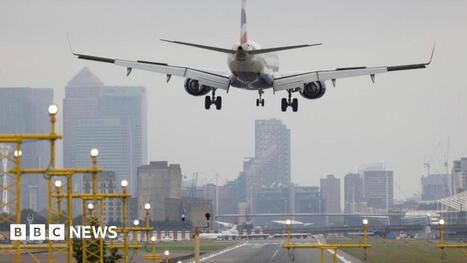
















Evidence of the global aviation market reacting to the possibility of shortages of aviation fuel with airlines removing nearly 2 million seats from sale in May. However large that may sound, it only represents around 1% of the total capacity in the market and hasn't as yet seen many UK-based flights cut. The majority seats have been shed at Istanbul and Munich and reflect the fact that these airports are increasingly known as 'hubs' for other routes.