


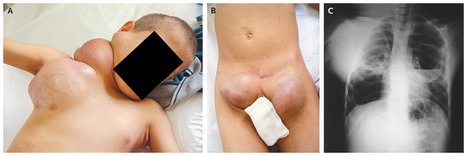

Chronic #Granulomatous Disease Associated with Common Variable #Immunodeficiency (#CVID) http://t.co/efWD57jCfr #PI #immunology

 Your new post is loading...
 Your new post is loading...
Your new post is loading...
 Scoop.it!
Chronic #Granulomatous Disease Associated with Common Variable #Immunodeficiency (#CVID) http://t.co/efWD57jCfr #PI #immunology 
No comment yet.
Sign up to comment
Scoop.it!

Adjuvants play an important part in vaccines, as they can enhance and shape antigen-specific immune responses. This Review discusses the benefits of adjuvants and recent advances in understanding their mechanisms of action.
Alfredo Corell's insight:
Vaccines containing novel adjuvant formulations are increasingly reaching advanced development and licensing stages, providing new tools to fill previously unmet clinical needs. However, many adjuvants fail during product development owing to factors such as manufacturability, stability, lack of effectiveness, unacceptable levels of tolerability or safety concerns. This Review outlines the potential benefits of adjuvants in current and future vaccines and describes the importance of formulation and mechanisms of action of adjuvants. Moreover, we emphasize safety considerations and other crucial aspects in the clinical development of effective adjuvants that will help facilitate effective next-generation vaccines against devastating infectious diseases.
Scoop.it!

#Immunology: New Diagnostic Criteria for Common Variable Immunodeficiency (#CVID): IV or SubQ #Immunoglobulin? http://t.co/hQSMeiFj8y … #PI
Alfredo Corell's insight:
Summary
Common variable immune deficiency (CVID) is the most frequent symptomatic primary immune deficiency in adults. The standard of care is intravenous immunoglobulin (IVIG) or subcutaneous immunoglobulin (scIG) therapy. The cause of CVID is currently unknown, and there is no universally accepted definition of CVID. This creates problems in determining which patients will benefit from IVIG/scIG treatment. In this paper, we review the difficulties with the commonly used European Society of Immune Deficiencies (ESID) and the Pan American Group for Immune Deficiency (PAGID) definition of CVID. We propose new criteria for the diagnosis of CVID, which are based on recent scientific discoveries. Improved diagnostic precision will assist with treatment decisions including IVIG/scIG replacement. We suggest that asymptomatic patients with mild hypogammaglobulinaemia are termed hypogammaglobulinaemia of uncertain significance (HGUS). These patients require long-term follow-up, as some will evolve into CVID.
Scoop.it!
Alfredo Corell's insight:
Conclusions
TREC NBS in California has achieved early diagnosis of SCID and other conditions with T-cell lymphopenia, facilitating management and optimizing outcomes. Furthermore, NBS has revealed the incidence, causes, and follow-up of T-cell lymphopenia in a large diverse population.
Scoop.it!

The Global Health Program at the Council on Foreign Relations has been tracking news reports since 2008 to produce an interactive map that plots global outbreaks of diseases that are easily prevented by inexpensive and effective vaccines.
Alfredo Corell's insight:
Take a look a the map how much does this anti-vaccine foolish cost???
Scoop.it!

Actualidad, noticias, información sobre la gripe.
Alfredo Corell's insight:
Todo lo que necesitamos saber sobre la gripe en esta página del Grupo de Estudio de la Gripe
Scoop.it!
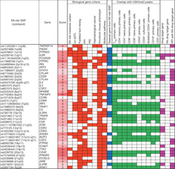
A major challenge in human genetics is to devise a systematic strategy to integrate disease-associated variants with diverse genomic and biological data sets to provide insight into disease pathogenesis and guide drug discovery for complex traits...
Alfredo Corell's insight:
Scoop.it!
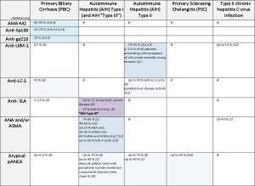
Liver Disease Diagnostics: Antibody-Based Diagnosis of Autoimmune Liver Disease For the launch of our Liver-9-Line immunoblot test (to our press release “Liver Disease Diagnostics by Immunoblot” of May 16, 2011), I dug through a pile of literature...
Scoop.it!
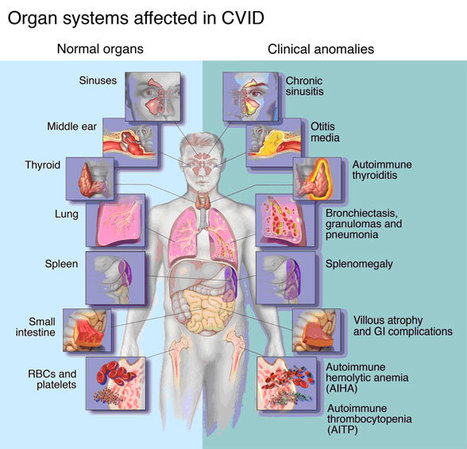
Researchers discovered that a mutation in the NFKB2 gene impairs a protein from functioning properly, which interferes with the body's ability to make antibodies and fight infection.
Alfredo Corell's insight:
Am J Hum Genet. 2013 Nov 7;93(5):812-24. doi: 10.1016/j.ajhg.2013.09.009. Epub 2013 Oct 17.Germline Mutations in NFKB2 Implicate the Noncanonical NF-κB Pathway in the Pathogenesis of Common Variable Immunodeficiency.Chen K, Coonrod EM, Kumánovics A, Franks ZF, Durtschi JD, Margraf RL, Wu W, Heikal NM, Augustine NH, Ridge PG, Hill HR, Jorde LB, Weyrich AS,Zimmerman GA, Gundlapalli AV, Bohnsack JF, Voelkerding KV. CONCLUSION:These findings describe germline mutations in NFKB2 and establish the noncanonical NF-κB signaling pathway as a genetic etiology for this primary immunodeficiency syndrome.
Scoop.it!
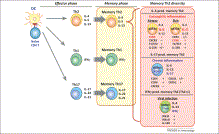
Trends in Immunology, 11 December 2013
AuthorsYusuke Endo,Kiyoshi Hirahara,Ryoji Yagi,Damon J. Tumes,Toshinori Nakayama
Alfredo Corell's insight:
Immunological memory is a hallmark of adaptive immunity. Memory CD4 T helper (Th) cells are central to acquired immunity, and vaccines for infectious diseases are developed based on this concept. However, memory Th cells also play a critical role in the pathogenesis of various chronic inflammatory diseases, including asthma. We refer to these populations as ‘pathogenic memory Th cells.’ Here, we review recent developments highlighting the functions and characteristics of several pathogenic memory type Th2 cell subsets in allergic inflammation. Also discussed are the similarities and differences between pathogenic memory Th2 cells and recently identified type 2 innate lymphoid cells (ILC2), focusing on cytokine production and phenotypic profiles.
Scoop.it!

El Grupo Español de Inmunoterapia (GEIT) celebra su primera reunión el próximo 10 de diciembre. Será en el... http://t.co/QoU1YNYvzU
Alfredo Corell's insight:
Enlace al poster con los detalles de la reunión:
Scoop.it!

T Cell Immunotherapy Show Promising Results For Leukemia
Alfredo Corell's insight:
Link to Video-Lecture: http://www.youtube.com/watch?v=1sA_oz_1P5E
Annu Rev Med. 2013 Nov 20. Chimeric Antigen Receptor Therapy for Cancer.Barrett DM, Singh N, Porter DL, Grupp SA, June CH.Review in Advance first posted online on November 20, 2013. (Changes may still occur before final publication print.)DOI: 10.1146/annurev-med-060512-150254 direct link to the Journal:http://www.annualreviews.org/doi/pdf/10.1146/annurev-med-060512-150254
Scoop.it!

RedOrbit
Alfredo Corell's insight:
Both patients had been suffering from the blood cancer Hodgkin’s lymphoma, and after other cancer treatments had proven unsuccessful, the doctors transplanted healthy bone marrow into the patients. The hope was the transplant would help purge cancerous blood cells in favor of healthy cells, but the dangerous procedure involved a weakening of the immune system and carried with it a 15 to 20 percent chance of death.
|
Scoop.it!

PLOS ONE: an inclusive, peer-reviewed, open-access resource from the PUBLIC LIBRARY OF SCIENCE. Reports of well-performed scientific studies from all disciplines freely available to the whole world.
Alfredo Corell's insight:
About half of all subjects with common variable immune deficiency (CVID) are afflicted with inflammatory complications including hematologic autoimmunity, granulomatous infiltrations, interstitial lung disease, lymphoid hyperplasia and/or gastrointestinal inflammatory disease. The pathogenesis of these conditions is poorly understood but singly and in aggregate, these lead to significantly increased (11 fold) morbidity and mortality, not experienced by CVID subjects without these complications. To explore the dysregulated networks in these subjects, we applied whole blood transcriptional profiling to 91 CVID subjects, 47 with inflammatory conditions and 44 without, in comparison to subjects with XLA and healthy controls. As compared to other CVID subjects, males with XLA or healthy controls, the signature of CVID subjects with inflammatory complications was distinguished by a marked up-regulation of IFN responsive genes. Chronic up-regulation of IFN pathways is known to occur in autoimmune disease due to activation of TLRs and other still unclarified cytoplasmic sensors. As subjects with inflammatory complications were also more likely to be lymphopenic, have reduced B cell numbers, and a greater reduction of B, T and plasma cell networks, we suggest that more impaired adaptive immunity in these subjects may lead to chronic activation of innate IFN pathways in response to environmental antigens. The unbiased use of whole blood transcriptome analysis may provides a tool for distinguishing CVID subjects who are at risk for increased morbidity and earlier mortality. As more effective therapeutic options are developed, whole blood transcriptome analyses could also provide an efficient means of monitoring the effects of treatment of the inflammatory phenotype.
Scoop.it!

Researchers have deployed a potential new weapon against HIV – a combination therapy that targets HIV-infected cells that standard therapies cannot kill.
Alfredo Corell's insight:
Author Summary
Antiretroviral therapy (ART) improves the quality of life for HIV infected individuals. However, ART is currently a lifelong commitment because HIV persists during treatment despite being suppressed below detection. If therapy is stopped, the HIV reappears. A concerted effort is ongoing to develop new eradication therapies to prevent virus rebound, but there are challenges to be overcome. Our work is a major step forward in this process. We measured persistent HIV throughout the body during ART using bone marrow/liver/thymus (BLT) humanized mice, a model validated to study HIV persistence. HIV infected BLT mice were treated with tenofovir, emtricitabine and raltegravir. Despite documented tissue penetration by these drugs, we found that HIV expression persists in cells isolated from all the tissues analyzed (bone marrow, thymus, spleen, lymph nodes, liver, lung, intestines and peripheral blood cells). We therefore complemented ART with an immunotoxin that specifically kills HIV expressing cells while leaving other cells untouched. Our results demonstrate a dramatic reduction in persistent HIV throughout the body resulting from the killing of virus producing cells. Thus, our study provides new insights into the locations of HIV persistence during ART and a demonstration that persistent HIV can be successfully targeted inside the body. Link to PLOs journal: http://www.plospathogens.org/article/info%3Adoi%2F10.1371%2Fjournal.ppat.1003872
Scoop.it!
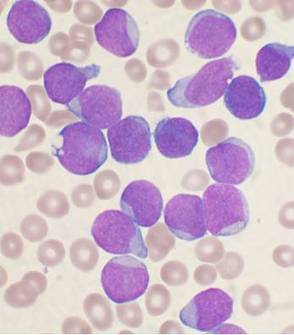
Scientists have discovered a genetic signature that implicates a key mechanism in the immune system as a driving force for a type of childhood leukaemia.
Alfredo Corell's insight:
Nature Genetics access: http://www.nature.com/ng/journal/vaop/ncurrent/full/ng.2874.html
Scoop.it!
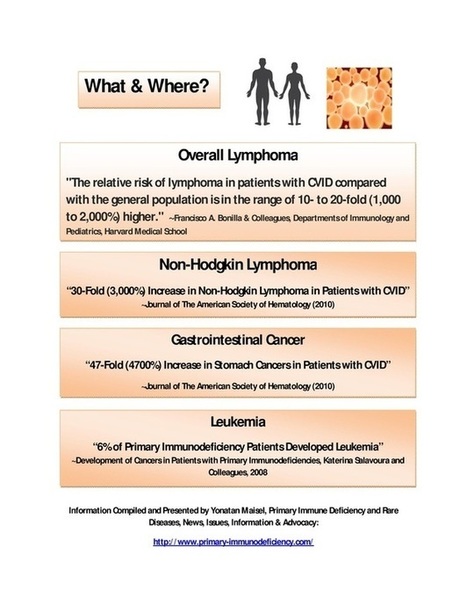
In November 2013, I wrote and posted on this site my original article Primary Immunodeficiency: Malignancy and Associated Mortality in These Genetic Disorders . The article has since been viewed over...
Alfredo Corell's insight:
A simple infographic about the malignancies more frecuent in patients with CVID by Yoni Maisel.
Scoop.it!

España registró en 2013 un total de 1.655 donantes de órganos y se llevaron a cabo 4.279 trasplantes de órganos, lo que supone un "récord histórico" en los 25 años de funcionamiento de la Organización Nacional de Trasplantes (ONT).
Alfredo Corell's insight:
"No queremos 'clicks' en Twiter o Facebook, lo que necesitamos son donantes reales y comprometidos con salvar vidas", ha señalado Matesanz, en relación a la nueva normativa que regula la promoción de la donación, y evita campañas para un paciente concreto. En este sentido, ha asegurado que en caso de que éstas se produzcan "no se trata de actuar contra nadie" sino lograr dar un "mensaje adecuado" y que la persona que se hace donante "sepa a qué se compromete".
Scoop.it!
Alfredo Corell's insight:
The Journal of Allergy and Clinical Immunology
High-throughput TCR sequencing of rare immune disorders has demonstrated that quantitative TCR diversity can appear normal despite qualitative changes in repertoire and strongly suggests that in human subjects RAG enzymatic function might be necessary for normal CDR3 junctional diversity.
Scoop.it!

Tregitope applications may include any of the autoimmune diseases that are currently treated almost exclusively with intravenous immunoglobulin G (IVIG), such as Chronic Inflammatory Demyelinating Polyneuropathy (CIDP) and Multifocal Motor Neuropathy (MMN), as well as gene therapy and allergy where Tregitopes may provide a means of inducing antigen-specific tolerance.
Alfredo Corell's insight:
Link to the journal: http://www.hindawi.com/journals/jir/2013/493138/ Download pdf: http://downloads.hindawi.com/journals/cdi/2013/493138.pdf
Scoop.it!
Alfredo Corell's insight:
Autoimmunity Reviews
Volume 12, Issue 11, September 2013, Pages 1076–1084 Benedetta Marigliano, Alessandra Soriano, Domenico Margiotta, Marta Vadacca, Antonella AfeltraAbstract The lungs are frequently involved in Connective Tissue Diseases (CTDs). Interstitial lung disease (ILD) is one of the most common pleuropulmonary manifestations that affects prognosis significantly. In practice, rheumatologists and other physicians tend to underestimate the impact of CTD-ILDs and diagnose respiratory impairment when it has reached an irreversible fibrotic stage. Early investigation, through clinical evidence, imaging and – in certain cases – lung biopsy, is therefore warranted in order to detect a possible ILD at a reversible initial inflammatory stage. In this review, we focus on lung injury during CTDs, with particular attention to ILDs, and examine their prevalence, clinical manifestations and histological patterns, as well as therapeutic approaches and known complications till date. Although several therapeutic agents have been approved, the best treatment is still not certain and additional trials are required, which demand more knowledge of pulmonary involvement in CTDs. Our central aim is therefore to document the impact that lung damage has on CTDs. We will mainly focus on Rheumatoid Arthritis (RA), which – unlike other rheumatic disorders – resembles Idiopathic Pulmonary Fibrosis (IPF) in numerous aspects.

Gilbert C FAURE's curator insight,
December 15, 2013 11:32 AM
rheumatoid lung is histologicaly frequent according to some autopsy studies but seldomly clinically diagnosed already 4 pages of scoops related to rheumatoid arthritis http://www.scoop.it/t/rheumatology-rhumatologie?q=rheumatoid+art
Scoop.it!
Infographic about cancer immunotherapy and how the immune system can be harnessed to conquer many types of cancer.
Scoop.it!
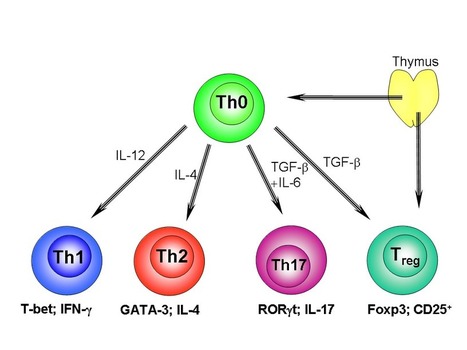
Here we report that proliferation of Treg cells after TCR stimulation is impaired in subjects with relapsing-remitting multiple sclerosis (RRMS) because of altered interleukin-2 (IL-2) secretion and IL-2 receptor (IL-2R)-signal ... Via Krishan Maggon
Alfredo Corell's insight:
Original article: http://www.nature.com/nm/journal/vaop/ncurrent/full/nm.3411.html NATURE MEDICINE | LETTER Regulatory T cell proliferative potential is impaired in human autoimmune diseaseFortunata Carbone,Veronica De Rosa,Pietro B Carrieri,Silvana Montella,Dario Bruzzese,Antonio Porcellini,Claudio Procaccini,Antonio La Cava& Giuseppe Matarese
Scoop.it!
San Francisco Chronicle
Alfredo Corell's insight:
Eight of the nine boys registered to date in the new trial are alive and well, with functioning immune systems and free of infections associated with SCID-X1, between nine and 36 months following treatment, according to Sung-Yun Pai, MD, a pediatric hematologist-oncologist from Dana-Farber/Boston Children's Cancer and Blood Disorders Center. She presented the findings at the 55th annual meeting of the American Society of Hematology on behalf of the Transatlantic Gene Therapy Consortium (TAGTC). The investigators continue to monitor the children for signs of treatment-associated leukemia, which developed three to five years post-treatment in the prior trial. They point to surrogate biological markers that give them hope the viral vector used to deliver the new treatment is safe.
Scoop.it!
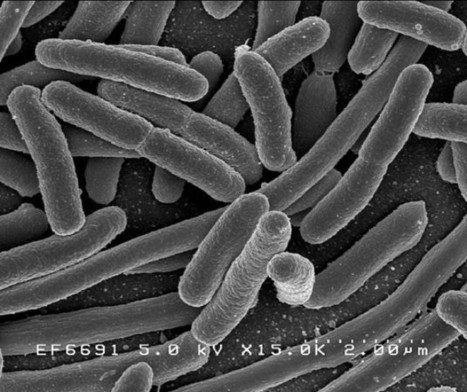
New study that identifies a possible causative link between gut microbiota and sex hormone production that may drive protection from autoimmunity.
Alfredo Corell's insight:
Science. 2013 Mar 1;339(6123):1084-8. doi: 10.1126/science.1233521. Epub 2013 Jan 17.Sex differences in the gut microbiome drive hormone-dependent regulation of autoimmunity.Markle JG, Frank DN, Mortin-Toth S, Robertson CE, Feazel LM, Rolle-Kampczyk U, von Bergen M, McCoy KD, Macpherson AJ, Danska JS.Source
Program in Genetics and Genome Biology, Hospital for Sick Children Research Institute, Toronto, Ontario, Canada. AbstractMicrobial exposures and sex hormones exert potent effects on autoimmune diseases, many of which are more prevalent in women. We demonstrate that early-life microbial exposures determine sex hormone levels and modify progression to autoimmunity in the nonobese diabetic (NOD) mouse model of type 1 diabetes (T1D). Colonization by commensal microbes elevated serum testosterone and protected NOD males from T1D. Transfer of gut microbiota from adult males to immature females altered the recipient's microbiota, resulting in elevated testosterone and metabolomic changes, reduced islet inflammation and autoantibody production, and robust T1D protection. These effects were dependent on androgen receptor activity. Thus, the commensal microbial community alters sex hormone levels and regulates autoimmune disease fate in individuals with high genetic risk.
|




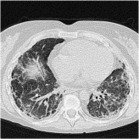




Chronic granulomatous disease associated with common variable immunodeficiency (GD-CVID), although well documented, is rare. Granulomatous lesions can affect several organs and are histologically indistinguishable from sarcoidosis.
Clinical casesCase 1: A 39-year-old male patient with CVID, asymptomatic although with thrombocytopenia and mediastinal-hilar adenopathies. GD-CVID was diagnosed by bone marrow biopsy. Progressive clinical and radiological improvement was obtained with corticotherapy.
Case 2: A 38-year-old male patient with CVID, suffered from asthenia, anorexia, myalgia, lower limbs edemas, and dry cough. He had mediastinal and bilateral hilar adenopathies within which biopsy revealed non-necrotizing granulomatous infiltrate. A spontaneous resolution was detected after 9 months of evolution.
ConclusionGD-CVID is rare and can mimetize other pathologies, namely, sarcoidosis; it should therefore be publicized and discussed so that it becomes a general clinical knowledge.