Immunology
199.2K views | +23 today
Immunology
Teaching and Learning Immunology. Information you never would have searched for!
Your new post is loading...
Scooped by Gilbert C FAURE
June 1, 2018 2:47 PM
Scoop.it!

Frontiers | Emerging Functions of Regulatory T Cells in Tissue Homeostasis | Immunology

Frontiers | Emerging Functions of Regulatory T Cells in Tissue Homeostasis | Immunology | Immunology | Scoop.it
CD4+Foxp3+ Regulatory T-cells (Tregs) are a unique subset of helper T-cells, which regulate immune response and establish peripheral tolerance. Tregs not only maintain the tone and tenor of an immune response by dominant tolerance, but in recent years have also been identified as key players in resolving tissue inflammation and as mediators of tissue healing. Apart from being diverse in their origin (thymic and peripheral) and location (lymphoid and tissue resident), Tregs are also phenotypically heterogeneous as per the orientation of ongoing immune response. In this review, we discuss the recent advances in the field of Treg biology in general, and non-lymphoid and tissue resident Tregs in particular. We elaborate upon well-known visceral adipose tissue, colon, skin and tumor infiltrating Tregs and newly identified tissue Treg populations as in lungs, skeletal muscle, placenta and other tissues. Our attempt is to differentiate Tregs based on distinctive properties of their location, origin, ligand specificity, chemotaxis and specific suppressive mechanisms. Despite ever expanding roles in maintaining systemic homeostasis, Tregs are employed by large varieties of tumors to dampen anti-tumor immunity. Thus, a comprehensive understanding of Treg biology in the context of inflammation can be instrumental in effectively managing tissue transplantation, autoimmunity and anti-tumor immune responses.
No comment yet.
Suggested by Société Francaise d'Immunologie
November 21, 2017 1:16 PM
Scoop.it!

Reciprocal Expression of IL-35 and IL-10 Defines Two Distinct Effector Treg Subsets that Are Required for Maintenance of Immune Tolerance

Reciprocal Expression of IL-35 and IL-10 Defines Two Distinct Effector Treg Subsets that Are Required for Maintenance of Immune Tolerance | Immunology | Scoop.it
Producing suppressive cytokines is a key molecular mechanism for Tregs to conduct
long-range suppressive functions. Wei et al. demonstrated that effector Tregs can
be diversified into two functionally distinct subsets based on IL-35 and IL-10 expression
that work in a complementary way to maintain immune tolerance.
No comment yet.
Suggested by LIGHTING
July 3, 2017 2:07 AM
Scoop.it!

Frontiers | Induced Regulatory T Cells Superimpose Their Suppressive Capacity with Effector T Cells in Lymph Nodes via Antigen-Specific S1p1-Dependent Egress Blockage | Immunology

Regulatory T cells (Tregs) restrict over-exuberant lymphocyte activation. While close proximity between Tregs and their suppression targets is important for optimal inhibition, and literature indicates that draining lymph nodes may serve as a prime location for the suppression, signaling details orchestrating this event are not fully characterized. Using a protocol to enable peripheral generation of inducible antigen-specific Tregs (asTregs) to control allergen-induced asthma, we have identified an antigen-specific mechanism that locks asTregs within hilar LNs which in turn suppresses airway inflammation. The suppressive asTregs, upon antigen stimulation in the lymph node, downregulate S1p1 (Sphingosine-1-phosphate receptor 1) egress receptor expression. These asTregs in turn mediate the downregulation of the same receptor on incoming effector T cells. Therefore, asTregs and effector T cells are locked in these draining lymph nodes for prolonged interactions. Disruption of individual steps of this retention sequence abolishes the inflammation controlled by asTregs. Collectively, this study identifies a new requirement of spatial congregation with their suppression targets essential for asTreg functions, and suggests therapeutic programs via Treg traffic control.
No comment yet.
Scooped by Gilbert C FAURE
May 26, 2017 1:31 AM
Scoop.it!

New hair growth mechanism discovered

New hair growth mechanism discovered | Immunology | Scoop.it
In experiments in mice, UC San Francisco researchers have discovered that regulatory T cells (Tregs; pronounced "tee-regs"), a type of immune cell generally associated with controlling inflammation, directly trigger ste
No comment yet.
Suggested by Société Francaise d'Immunologie
May 29, 2016 12:00 PM
Scoop.it!

Helios-deficient Tregs and antitumor immunity [Immunology and Inflammation]

Expression of the transcription factor Helios by Tregs ensures stable expression of a suppressive and anergic phenotype in the face of intense inflammatory responses, whereas Helios-deficient Tregs display diminished lineage stability, reduced...
No comment yet.
Suggested by Société Francaise d'Immunologie
November 5, 2015 2:53 PM
Scoop.it!

Inflammation-associated genes: risks and benefits to Foxp3+ regulatory T-cell function - O'Connor - 2015 - Immunology - Wiley Online Library

Inflammation-associated genes: risks and benefits to Foxp3+ regulatory T-cell function - O'Connor - 2015 - Immunology - Wiley Online Library | Immunology | Scoop.it
RT @britsocimm: "Foxp3+ Tregs acquire a capacity for pro-inflammatory cytokine production". http://t.co/9yAbUrlUW2 #immunology http://t.co/…
Gilbert C FAURE's insight:
Summary

Foxp3+ regulatory T (Treg) cells prevent the development of autoimmunity and immunopathology, as well as maintaining homeostasis and tolerance to commensal microorganisms. The suppressive activity of Treg cells is their defining characteristic, generating great interest in their therapeutic potential. However, suppressive and effector functions are not entirely exclusive. Considerable evidence points to the ability of supposedly anti-inflammatory Foxp3-expressing Treg cells to also express transcription factors that have been characterized as cardinal drivers of T effector cell function. We will consider the mounting evidence that Treg cells can function in non-suppressive capacities and review the impetus for this functional change, its relevance to developing immune and autoimmune responses and its significance to the development of Treg-based therapies.

No comment yet.
Scooped by Gilbert C FAURE
September 20, 2015 10:16 AM
Scoop.it!

Multifaceted role of β-arrestins in inflammation and disease - Nature.com

Multifaceted role of β-arrestins in inflammation and disease Nature.com Furthermore, TGFβ-mediated induction of regulatory T cells (Tregs) was found to be impaired in β-arrestin2 knockout mice in both in vitro polarization assays and secondary...
Gilbert C FAURE's insight:

Arrestins are intracellular scaffolding proteins known to regulate a range of biochemical processes including G protein-coupled receptor (GPCR) desensitization, signal attenuation, receptor turnover and downstream signaling cascades. Their roles in regulation of signaling network have lately been extended to receptors outside of the GPCR family, demonstrating their roles as important scaffolding proteins in various physiological processes including proliferation, differentiation and apoptosis. Recent studies have demonstrated a critical role for arrestins in immunological processes including key functions in inflammatory signaling pathways. In this review, we provide a comprehensive analysis of the different functions of the arrestin family of proteins especially related to immunity and inflammatory diseases.

No comment yet.
Scooped by Gilbert C FAURE
August 31, 2015 8:43 AM
Scoop.it!

Frontiers | Regulatory T Cells: Serious Contenders in the Promise for Immunological Tolerance in Transplantation | Immunological Tolerance

Regulatory T cells (Tregs) play an important role in immunoregulation and have been shown in animal models to promote transplantation tolerance and curb autoimmunity following their adoptive transfer.
No comment yet.
Rescooped by Gilbert C FAURE from Cancer Immunotherapy Review and Collection
July 28, 2015 12:02 PM
Scoop.it!

Immunology and Cell Biology - Controversies concerning thymus-derived T cells: fundamental issues and a new perspective - Nature.com

Immunology and Cell Biology - Controversies concerning thymus-derived T cells: fundamental issues and a new perspective - Nature.com | Immunology | Scoop.it

Immunology and Cell Biology 


Abstract

Thymus-derived regulatory T cells (Tregs) are considered to be a distinct T-cell lineage that is genetically programmed and specialised for immunosuppression. This perspective is based on the key evidence that CD25+ Tregs emigrate to neonatal spleen a few days later than other T cells and that thymectomy of 3-day-old mice depletes Tregs only, causing autoimmune diseases. Although widely believed, the evidence has never been reproduced as originally reported, and some studies indicate that Tregs exist in neonates. Thus we examine the consequences of the controversial evidence, revisit the fundamental issues of Tregs and thereby reveal the overlooked relationship of T-cell activation and Foxp3-mediated control of the T-cell system. Here we provide a new model of Tregs and Foxp3, a feedback control perspective, which views Tregs as a component of the system that controls T-cell activation, rather than as a distinct genetically programmed lineage. This perspective provides new insights into the roles of self-reactivity, T cell–antigen-presenting cell interaction and T-cell activation in Foxp3-mediated immune regulation.


Via Krishan Maggon
Gilbert C FAURE's insight:

OPEN PAPER

Krishan Maggon 's curator insight, July 28, 2015 11:31 AM

Immunology and Cell Biology advance online publication 28 July 2015; doi: 10.1038/icb.2015.65

Controversies concerning thymus-derived regulatory T cells: fundamental issues and a new perspective
OPEN

Masahiro Ono1,2 and Reiko J Tanaka3

1Department of Life Sciences, Faculty of Natural Sciences, Imperial College London, London, UK2Immunobiology Section, Institute of Child Health, University College London, London, UK3Department of Bioengineering, Imperial College London, London, UK

Correspondence: Dr M Ono, Department of Life Sciences, Faculty of Natural Sciences, Imperial College London, Room 605, Sir Alexander Fleming Building, South Kensington Campus, Exhibition Road, London SW7 2AZ, UK. E-mail: m.ono@imperial.ac.uk

Received 29 December 2014; Revised 5 June 2015; Accepted 9 June 2015
Advance online publication 28 July 2015

Scooped by Gilbert C FAURE
January 18, 2015 5:21 AM
Scoop.it!

Frontiers | The Environment of Regulatory T Cell Biology: Cytokines, Metabolites and the Microbiome | T Cell Biology

Regulatory T cells (Tregs) are suppressive T cells that have an essential role in maintaining the balance between immune activation and tolerance. Their development, either in the thymus, periphery...
Gilbert C FAURE's insight:

... or experimentally in vitro, and stability and function all depend on the right mix of environmental stimuli. This review focuses on the effects of cytokines, metabolites and the microbiome on Treg biology. The role of cytokines secreted by innate and adaptive immune cells in directing Treg development and shaping their function is well established. New and emerging data suggest that metabolites, such as retinoic acid, and microbial products, such as short chain fatty acids, also have a critical role in guiding the functional specialization of Tregs. Overall, the complex interaction between distinct environmental stimuli results in unique, and in some cases tissue-specific, tolerogenic environments. Understanding the conditions that favour Treg induction, accumulation and function is critical to defining the pathophysiology of many immune mediated diseases and to developing new therapeutic interventions.

No comment yet.
Scooped by Gilbert C FAURE
December 20, 2014 2:41 AM
Scoop.it!

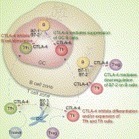
Regulatory T Cells Control Antigen-Specific Expansion of Tfh Cell Number and Humoral Immune Responses via the Coreceptor CTLA-4: Immunity

Regulatory T Cells Control Antigen-Specific Expansion of Tfh Cell Number and Humoral Immune Responses via the Coreceptor CTLA-4: Immunity | Immunology | Scoop.it
Tregs Control Antigen-Specific Expansion of Tfh Cell Number and Humoral Immune Responses via CTLA-4 #OA @ImmunityCP http://t.co/m8NfHU4dT3
Gilbert C FAURE's insight:
Highlights•Short-term Treg cell depletion enhances primary and secondary antibody production•Depletion of Treg cells can either enhance or inhibit antigen-specific Tfh cell formation•Deletion or blockade of Treg cell CTLA-4 enhances Tfh cell formation, IL-4 production, and IgE•Tfr cells possess similar in vitro suppressive CTLA-4 function to Treg cells
No comment yet.
Scooped by Gilbert C FAURE
November 30, 2014 2:07 PM
Scoop.it!

Frontiers | Human Gamma Delta T Regulatory Cells in Cancer: Fact or Fiction? | T Cell Biology

While gamma delta T cell (γδTc) anticancer immunotherapies are being developed, recent reports suggest a regulatory role for γδTc tumor infiltrating lymphocytes (TIL). This mini-review surveys avai...
Gilbert C FAURE's insight:

While gamma delta T cell (γδTc) anticancer immunotherapies are being developed, recent reports suggest a regulatory role for γδTc tumor-infiltrating lymphocytes. This mini-review surveys available evidence, determines strengths and weaknesses thereof and suggest directions for further exploration. We focus on human γδTc, as mouse and human γδTc repertoires differ. Regulatory γδTc are defined and compared to conventional Tregs and their roles in health and disease (focusing in on cancer) are discussed. We contrast the suggested regulatory roles for γδTc in breast and colorectal cancer with their cytotoxic capabilities in other malignancies, emphasizing the context dependence of γδTc functional plasticity. Since γδTc can be induced to exhibit regulatory properties (in some cases reversible), we carefully scrutinize experimental procedures in published reports. As γδTc garner increasing interest for their therapeutic potential, it is critical that we appreciate the full extent of their role(s) and interactions with other cell types in both the circulation and the tumor microenvironment. A comprehensive understanding will enable manipulation of γδTc to improve anti-tumor efficacy and patient outcomes.

  
No comment yet.
Scooped by Gilbert C FAURE
December 6, 2013 2:08 PM
Scoop.it!

New research implicates immune system cells in muscle healing - Medical Xpress

New research implicates immune system cells in muscle healing - Medical Xpress | Immunology | Scoop.it
New research implicates immune system cells in muscle healing Medical Xpress According to genome-wide expression analysis, different Treg populations are distributed in space according to their similarity: The position of the novel muscle Treg...
Gilbert C FAURE's insight:

D Mathis lab and Tregs

No comment yet.
Scooped by Gilbert C FAURE
December 18, 2017 11:16 AM
Scoop.it!

High-resolution repertoire analysis of Tfr and Tfh cells reveals unexpectedly high diversities indicating a bystander activation of follicular T cells

bioRxiv - the preprint server for biology, operated by Cold Spring Harbor Laboratory, a research and educational institution
Gilbert C FAURE's insight:
Abstract T follicular helper (Tfh) and regulatory (Tfr) cells regulate B cell activation and ultimately antibody production. While concordant results show that Tfh cells are specific for the immunizing antigens, limited and even controversial results have been reported regarding the specificity of Tfr cells. Here we used high-throughput T cell receptor (TCR) sequencing to address this issue. We observed that although the Tfh- and Tfr-cell repertoires are less diverse than those of effector (Teff) and regulatory T (Treg) cells, they still represent thousands of clonotypes after immunization with a single antigen. T-cell receptor beta variable (TRBV) gene usage distinguishes both follicular T cells (Tfol) from non-Tfol cells, as well as helper (Teff and Tfh) vs. regulatory (Treg and Tfr) cells. Analysis of the sharing of clonotypes between samples revealed that a specific response to the immunizing antigen can only be detected in Tfh cells immunized with a non-self-antigen and Tfr cells immunized with a self-antigen. Finally, the Tfr TCR repertoire is more similar to that of Tregs than to that of Tfh or Teff cells. Altogether, our results highlight a bystander Tfol-cell activation during antigenic response in the germinal centres and support the Treg cell origin of Tfr cells.
No comment yet.
Suggested by LIGHTING
August 25, 2017 9:06 AM
Scoop.it!

Control of Regulatory T Cell Differentiation by the Transcription Factors Thpok and LRF

Control of Regulatory T Cell Differentiation by the Transcription Factors Thpok and LRF | Immunology | Scoop.it
The CD4+ lineage–specific transcription factor Thpok is required for intrathymic CD4+ T cell differentiation and, together with its homolog LRF, supports CD4+ T cell helper effector responses. However, it is not known whether these factors are needed for the regulatory T cell (Treg) arm of MHC class II responses. In this study, by inactivating in mice the genes encoding both factors in differentiated Tregs, we show that Thpok and LRF are redundantly required to maintain the size and functions of the postthymic Treg pool. They support IL-2–mediated gene expression and the functions of the Treg-specific factor Foxp3. Accordingly, Treg-specific disruption of Thpok and Lrf causes a lethal inflammatory syndrome similar to that resulting from Treg deficiency. Unlike in conventional T cells, Thpok and LRF functions in Tregs are not mediated by their repression of the transcription factor Runx3. Additionally, we found that Thpok is needed for the differentiation of thymic Treg precursors, an observation in line with the fact that Foxp3+ Tregs are CD4+ cells. Thus, a common Thpok-LRF node supports both helper and regulatory arms of MHC class II responses.

This article is featured in In This Issue , p.[1529][1]

[1]: /lookup/volpage/199/1529
No comment yet.
Rescooped by Gilbert C FAURE from Antiviral New Drugs Review and Collection
May 26, 2017 3:26 AM
Scoop.it!

Increased peripheral CD4+ regulatory T cells persist after successful direct-acting antiviral treatment of chronic hepatitis C

Increased peripheral CD4+ regulatory T cells persist after successful direct-acting antiviral treatment of chronic hepatitis C | Immunology | Scoop.it
Presence of immunosuppresive Tregs could contribute to complications after #HCV cure with #DAA, as infections
https://t.co/j2X43Z1Mb7

Via Krishan Maggon
No comment yet.
Rescooped by Gilbert C FAURE from Autoimmune diseases (Lupus, RA), Vaccines and Stem Cell Therapies Highlights
June 12, 2016 7:45 AM
Scoop.it!

Epicutaneous immunotherapy induces gastrointestinal LAP+ Tregs and prevents food-induced anaphylaxis - Journal of Allergy and Clinical Immunology

Epicutaneous immunotherapy induces gastrointestinal LAP+ Tregs and prevents food-induced anaphylaxis - Journal of Allergy and Clinical Immunology | Immunology | Scoop.it
Epicutaneous #immunotherapy induces gastrointestinal LAP+ Tregs and prevents food-induced #anaphylaxis https://t.co/4noEzH4vFQ

Conclusions Our data highlights the immune communication between skin and gastrointestinal tract, and identifies novel mechanisms by which epicutaneous tolerance can suppress food-induced anaphylaxis. 

 Key words: Epicutaneous immunotherapy, oral immunotherapy, food allergy, regulatory T cells, mast cells

Via Krishan Maggon
Krishan Maggon 's curator insight, June 12, 2016 6:35 AM
Leticia Tordesillas, PhD, Lucie Mondoulet, PhD, Ana Belen Blazquez, PhD, Pierre-Henri Benhamou, PhD, Hugh A. Sampson, MD, M. Cecilia Berin, PhD
Scooped by Gilbert C FAURE
February 16, 2016 3:49 AM
Scoop.it!

Foxp3+ Treg-derived IL-35 limits anti-tumor T cell immunity | NIHilist's Immunology

Foxp3+ Treg-derived IL-35 limits anti-tumor T cell immunity | NIHilist's Immunology | Immunology | Scoop.it

Treg derived IL-35 limits anti-tumor T cell immunity

Gilbert C FAURE's insight:

In summary, this study indicate the following scenario: certain tumors recruit Tregs. These Tregs secrete IL-35 and inhibit recruitment of effector T cells and/or contributes to their exhaustion. Blocking of IL-35 could provide immunotherapeutic benefit (interestingly, it appears that IL-35 does not synergize with anti-PD1 treatment in tumor models discussed in this paper).

No comment yet.
Scooped by Gilbert C FAURE
September 28, 2015 9:53 AM
Scoop.it!

MALT1 is an intrinsic regulator of regulatory T cells - Nature.com

MALT1 is an intrinsic regulator of regulatory T cells - Nature.com | Immunology | Scoop.it
Cell death and differentiation is a monthly research journal focused on the exciting field of programmed cell death and apoptosis.


OPEN PAPER

also http://www.scoop.it/t/immunology?q=malt1


Gilbert C FAURE's insight:

Regulatory T cells (Tregs) are crucial for the maintenance of immunological self-tolerance and their absence or dysfunction can lead to autoimmunity. However, the molecular pathways that govern Treg biology remain obscure. In this study, we show that the nuclear factor-κB signalling mediator mucosa-associated lymphoid tissue lymphoma translocation protein 1 (MALT1) is an important novel regulator of both Tregs originating in the thymus (‘natural’ or nTregs) and Tregs induced to differentiate from naive thymocyte helper (Th) cells in the periphery (‘induced’ or iTregs). Our examination of mice deficient for MALT1 revealed that these mutants have a reduced number of total Tregs. In young Malt1−/− mice, nTregs are totally absent and iTreg are diminished in the periphery. Interestingly, total Treg numbers increase in older Malt1−/− mice as well as in Malt1−/− mice subjected to experimentally induced inflammation. iTregs isolated from WTand Malt1−/− mice were indistinguishable with respect to their ability to suppress the activities of effector T cells, but Malt1−/− iTregs expressed higher levels of Toll-like receptor (TLR) 2. Treatment of WT and Malt1−/− Th cells in vitro with the TLR2 ligand Pam3Cys strongly enhanced the induction and proliferation of Malt1−/− iTregs. Our data suggest that MALT1 supports nTreg development in the thymus but suppresses iTreg induction in the periphery during inflammation. Our data position MALT1 as a key molecule that contributes to immune tolerance at steady-state while facilitating immune reactivity under stress conditions.

No comment yet.
Scooped by Marcelo de Carvalho Bittencourt
September 18, 2015 12:02 PM
Scoop.it!

Immunology and Cell Biology - Controversies concerning thymus-derived regulatory T cells: fundamental issues and a new perspective

Immunology and Cell Biology - Controversies concerning thymus-derived regulatory T cells: fundamental issues and a new perspective | Immunology | Scoop.it
Thymus-derived regulatory T cells (Tregs) are considered to be a distinct T-cell lineage that is genetically programmed and specialised for immunosuppression. This perspective is based on the key evidence that CD25+ Tregs emigrate to neonatal spleen a few days later than other T cells and that thymectomy of 3-day-old mice depletes Tregs only, causing autoimmune diseases. Although widely believed, the evidence has never been reproduced as originally reported, and some studies indicate that Tregs exist in neonates. Thus we examine the consequences of the controversial evidence, revisit the fundamental issues of Tregs and thereby reveal the overlooked relationship of T-cell activation and Foxp3-mediated control of the T-cell system. Here we provide a new model of Tregs and Foxp3, a feedback control perspective, which views Tregs as a component of the system that controls T-cell activation, rather than as a distinct genetically programmed lineage.
No comment yet.
Scooped by Gilbert C FAURE
August 18, 2015 2:10 PM
Scoop.it!

Lysosomal-associated Transmembrane Protein 4B (LAPTM4B) Decreases Transforming Growth Factor β1 (TGF-β1) Production in Human Regulatory T Cells

LAPTM4B Decreases TGF-{beta}1 Production in Tregs [Immunology] http://t.co/kINO2YId8s #JBCTCB
Gilbert C FAURE's insight:
Abstract

Production of active TGF-β1 is one mechanism by which human regulatory T cells (Tregs) suppress immune responses. This production is regulated by glycoprotein A repetitions predominant (GARP), a transmembrane protein present on stimulated Tregs but not on other T lymphocytes (Th and CTLs). GARP forms disulfide bonds with proTGF-β1, favors its cleavage into latent inactive TGF-β1, induces the secretion and surface presentation of GARP·latent TGF-β1 complexes, and is required for activation of the cytokine in Tregs. We explored whether additional Treg-specific protein(s) associated with GARP·TGF-β1 complexes regulate TGF-β1 production in Tregs. We searched for such proteins by yeast two-hybrid assay, using GARP as a bait to screen a human Treg cDNA library. We identified lysosomal-associated transmembrane protein 4B (LAPTM4B), which interacts with GARP in mammalian cells and is expressed at higher levels in Tregs than in Th cells. LAPTM4B decreases cleavage of proTGF-β1, secretion of soluble latent TGF-β1, and surface presentation of GARP·TGF-β1 complexes by Tregs but does not contribute to TGF-β1 activation. Therefore, LAPTM4B binds to GARP and is a negative regulator of TGF-β1 production in human Tregs. It may play a role in the control of immune responses by decreasing Treg immunosuppression.

No comment yet.
Scooped by Gilbert C FAURE
May 12, 2015 2:33 PM
Scoop.it!

Frontiers | Regulatory T-Cells at the Interface between Human Host and Pathogens in Infectious Diseases and Vaccination | Microbial Immunology

Regulatory T-cells (Tregs) act at the interface of host and pathogen interactions in human infectious diseases. Tregs are induced by a wide range of pathogens, but distinct effects of Tregs have be...
Gilbert C FAURE's insight:

Regulatory T-cells (Tregs) act at the interface of host and pathogen interactions in human infectious diseases. Tregs are induced by a wide range of pathogens, but distinct effects of Tregs have been demonstrated for different pathogens and in different stages of infection. Moreover, Tregs that are induced by a specific pathogen may non-specifically suppress immunity against other microbes and parasites. Thus, Treg effects need to be assessed not only in homologous but also in heterologous infections and vaccinations. Though Tregs protect the human host against excessive inflammation, they probably also increase the risk of pathogen persistence and chronic disease, and the possibility of disease reactivation later in life. Mycobacterium leprae and Mycobacterium tuberculosis, causing leprosy and tuberculosis, respectively, are among the most ancient microbes known to mankind, and are master manipulators of the immune system toward tolerance and pathogen persistence. The majority of mycobacterial infections occur in settings co-endemic for viral, parasitic, and (other) bacterial coinfections. In this paper, we discuss recent insights in the activation and activity of Tregs in human infectious diseases, with emphasis on early, late, and non-specific effects in disease, coinfections, and vaccination. We highlight mycobacterial infections as important models of modulation of host responses and vaccine-induced immunity by Tregs.

No comment yet.
Scooped by Gilbert C FAURE
January 15, 2015 4:57 AM
Scoop.it!

Controlling the fire — tissue-specific mechanisms of effector regulatory T ... - Nature.com

Controlling the fire — tissue-specific mechanisms of effector regulatory T ...
Nature.com
Since these observations, the differentiation, mode of action and potential clinical utility of Tregs have been the focus of intense investigation.
Gilbert C FAURE's insight:

Regulatory T cells have essential roles in regulating immune responses and limiting inappropriate inflammation. Evidence now indicates that to achieve this function, regulatory T cells must be able to migrate to the most appropriate locations within both lymphoid and non-lymphoid organs. This function is achieved via the spatiotemporally controlled expression of adhesion molecules and chemokine receptors, varying according to the developmental stage of the regulatory T cell and the location and environment where they undergo activation. In this Review, we summarise information on the roles of adhesion molecules and chemokine receptors in mediating regulatory T-cell migration and function throughout the body under homeostatic and inflammatory conditions. In addition, we review recent studies that have used in vivo imaging to examine the actions of regulatory T cells in vivo, in lymph nodes, in the microvasculature and in the interstitium of peripheral organs. These studies reveal that the capacity of regulatory T cells to undergo selective migration serves a critical role in their ability to suppress immune responses. As such, the cellular and molecular requirements of regulatory T-cell migration need to be completely understood to enable the most effective use of these cells in clinical settings.

No comment yet.
Suggested by Société Francaise d'Immunologie
December 13, 2014 4:40 AM
Scoop.it!

CD28-CD80 Interactions Control Regulatory T Cell Motility and Immunological Synapse Formation [IMMUNE REGULATION]

Regulatory T cells (Tregs) are essential for tolerance to self and environmental Ags, acting in part by downmodulating costimulatory molecules on the surface of dendritic cells (DCs) and altering naive CD4 T cell–DC interactions.
Gilbert C FAURE's insight:

Regulatory T cells (Tregs) are essential for tolerance to self and environmental Ags, acting in part by downmodulating costimulatory molecules on the surface of dendritic cells (DCs) and altering naive CD4 T cell–DC interactions. In this study, we show that Tregs form stable conjugates with DCs before, but not after, they decrease surface expression of the costimulatory molecule CD80 on the DCs.

No comment yet.
Scooped by Gilbert C FAURE
July 15, 2014 2:08 PM
Scoop.it!

High frequency of Treg cells associated with HCC - Healio

High frequency of Treg cells associated with HCC - Healio | Immunology | Scoop.it
High frequency of Treg cells associated with HCC Healio “Nevertheless, more well-designed clinical studies still need to be done to elucidate the exact relationship between Tregs and tumor development, and not only the frequency of Tregs either in...
No comment yet.