Your new post is loading...

|
Scooped by
I2BC Paris-Saclay
July 2, 2024 10:14 AM
|
Hundreds of antimicrobial peptides create a selective barrier for insect gut symbionts
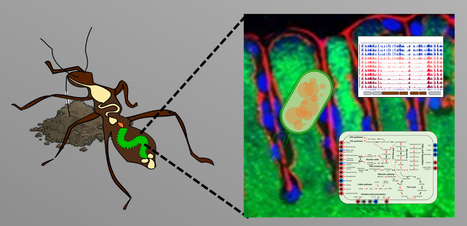
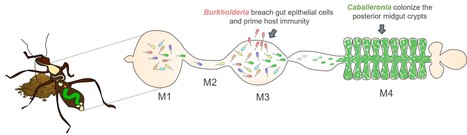
Antimicrobial peptides shape the gut microbiota biogeography in insects. The microbioata is usually not homogeneously dispersed in the animal gut but spatially structured in microenvironments. The microbiota in the gut of the bean bug Riptortus pedestris displays a sharp divide between the anterior and posterior midgut with a multispecies bacterial community in the anterior region and a specific, mono-species Caballeronia symbiont population in the posterior region. In this collaborative work between I2BC teams, the Next-generation sequencing plateform, the scanning electron microscopy plateform of MICALIS and a team from the AIST, Sapporo Japan, we found that this insect deploys in the midgut an arsenal of several hundreds of antimicrobial peptides. These peptides have antimicrobial activity against diverse bacteria but posterior midgut symbionts have elevated resistance while mutants of these symbionts in resistance genes have reduced capacity to colonize the posterior midgut. The peptides create thus a selective environment restricting the type of bacteria from the anterior midgut microbiota that have a chance to establish in the posterior midgut. This finding highlights a mechanism that contributes in the construction of an exclusive niche for beneficial gut symbionts. More information: https://www.pnas.org/doi/10.1073/pnas.2401802121 Contact: Peter Mergaert peter.mergaert@i2bc.paris-saclay.fr
|
|
Scooped by
I2BC Paris-Saclay
March 25, 2024 6:16 AM
|
Cooperation between two modes for DNA replication initiation in the archaeon Thermococcus barophilus
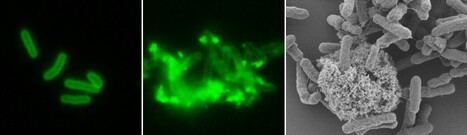
Demonstration that diverse physiological states influence the mode of DNA replication initiation in the archaeon Thermococcus. The mechanisms underpinning the replication of genomic DNA have recently been challenged in Archaea. Indeed, the lack of origin of replication has no deleterious effect on growth, suggesting that replication initiation relies on homologous recombination. Recombination-dependent replication (RDR) appears to be based on the recombinase RadA, which is of absolute requirement when no initiation origins are detected. The origin of this flexibility in the initiation of replication and the extent to which it is used in nature are yet to be understood. We combined deep sequencing and genetics to elucidate the dynamics of oriC utilization according to growth phases. We discovered that in Thermococcus barophilus, the use of oriC diminishes from the lag to the middle of the log phase, and subsequently increases gradually upon entering the stationary phase. Although oriC demonstrates no indispensability, RadA does exhibit essentiality. Notably, a knockdown mutant strain provides confirmation of the pivotal role of RadA in RDR for the first time. Thus, we demonstrate the existence of a tight combination between oriC utilization and homologous recombination to initiate DNA replication along the growth phases. Overall, this study demonstrates how diverse physiological states can influence the initiation of DNA replication, offering insights into how environmental sensing might impact this fundamental mechanism of life. More information: https://pubmed.ncbi.nlm.nih.gov/38421162/ Contact: Jacques OBERTO <jacques.oberto@i2bc.paris-saclay.fr>
|
|
Scooped by
I2BC Paris-Saclay
February 19, 2024 10:25 AM
|
EMBO conference "Molecular Biology of Archaea" 23-27th of june 2024 in Palaiseau (near Paris)!
The registration in now open for the next EMBO conference "Molecular Biology of Archaea" that will take place near Paris (Palaiseau) on 23-27th of june 2024! Archaea are fascinating organisms with a bacteria-like morphology, but information-processing systems that are homologous to eukaryotic counterparts, for instance replication, transcription and translation. Recently, novel groups of archaea (e.g. Asgard archaea) have been discovered that represent the closest living relatives to eukaryotes and shed new light on their evolution. Archaeal research has led to seminal change-of-concept mechanistic discoveries in the area of molecular biology, and many studies are currently aiming to unravel the global environmental impact of archaea. Their viruses have a remarkable diversity of morphotypes, exceeding that of bacterial or eukaryotic viruses.The EMBO Workshop on Molecular biology of Archaea will cover cutting-edge research in various fields with a focus on archaeal molecular biology, evolution, and ecology and their interconnections. The proposed talks will present data at different scales ranging from single molecule and structural studies to archaeal physiology, metabolism and ecological impact. This is of high interest as molecular studies of archaea are a very active field, reflecting the wealth of metagenomics information revealing novel biology that can now be addressed by the latest experimental and computational techniques. all information: https://meetings.embo.org/event/24-archaea contact: Tamara BASTA-LE BERRE <tamara.basta@i2bc.paris-saclay.fr>
|
|
Scooped by
I2BC Paris-Saclay
February 19, 2024 10:14 AM
|
Transposon sequencing reveals genes enabling insect gut colonization by the symbiont Caballeronia insecticola
High-througput genetic screens with Tn-seq in an insect gut bacterium reveals gut-derived nutrients consumed by the symbiont. Caballeronia insecticola is a bacterium belonging to the Burkholderia sensu lato, able to colonize multiple environments like soils and the gut of the bean bug Riptortus pedestris. We constructed a saturated Himar1 mariner transposon library and revealed by transposon-sequencing (Tn-seq) that 498 protein-coding genes constitute the essential genome of C. insecticola for growth in free-living conditions. By comparing essential gene sets of C. insecticola and seven related Burkholderia s.l. strains, only 120 common genes were identified indicating that a large part of the essential genome is strain-specific. In order to reproduce specific nutritional conditions that are present in the gut of R. pedestris, we grew the mutant library in minimal media supplemented with candidate gut nutrients and identified several condition-dependent fitness-defect genes by Tn-seq. To validate the robustness of the approach, insertion mutants in six fitness genes were constructed and their growth-deficiency in media supplemented with the corresponding nutrient was confirmed. The mutants were further tested for their efficiency in R. pedestris gut colonization, confirming that gluconeogenic carbon sources, taurine and inositol, are nutrients consumed by the symbiont in the gut. Thus, our study provides insights about specific contributions provided by the insect host to the bacterial symbiont. More information: https://doi.org/10.1093/ismeco/ycad001 Contact: Peter MERGAERT <peter.mergaert@i2bc.paris-saclay.fr>
|
|
Scooped by
I2BC Paris-Saclay
December 27, 2023 7:57 AM
|
First anti-CRISPR protein that inhibits the CRISPR-Cas defense system in Clostridioides difficile
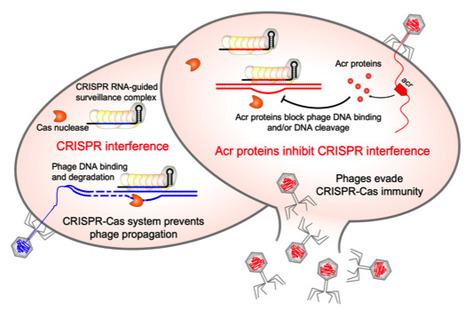
CRISPR-Cas adaptive immunity defends prokaryotes against their viruses named phages. In response, phages have evolved counter defense strategies to fight back. This study describes the identification of a phage protein to evade CRISPR-Cas immunity in a human pathogen Clostridioides difficile. Clostridioides difficile is the widespread anaerobic spore-forming bacterium that is a major cause of potentially lethal nosocomial infections associated with antibiotic therapy worldwide. Due to the increase in severe forms associated with a strong inflammatory response and higher recurrence rates, a current imperative is to develop synergistic and alternative treatments of C. difficile infections. In particular, phage therapy is regarded as a potential substitute for existing antimicrobial treatments. However, it faces challenges because C. difficile have highly active CRISPR-Cas immunity, which may be a specific adaptation to phage-rich and highly crowded gut environment. To overcome this defense, C. difficile phages must employ anti-CRISPR mechanisms. Here, we present the first anti-CRISPR protein that inhibits the CRISPR-Cas defense system in this pathogen. Our work offers insights into the interactions between C. difficile and its phages, paving the way for future CRISPR-based applications and development of effective phage therapy strategies combined with the engineering of virulent C. difficile infecting phages. More information: doi: 10.1128/msphere.00401-23 Contact: Olga SOUTOURINA <olga.soutourina@i2bc.paris-saclay.fr>
|
|
Scooped by
I2BC Paris-Saclay
October 23, 2023 4:31 AM
|
Visites Insolites du CNRS
As part of the 4th edition of the Visites Insolites du CNRS, the "Molecular Microbiology of Actinobacteria" team (I2BC, Microbiology Department) welcomed members of the public to its laboratory on 11 and 12 october.
Using five interactive workshops, participants were able to find out how experiments are done in a microbiology lab, observe different species of bacteria under the microscope and carry out a DNA extraction. They also learned how new antibiotics are discovered and what mechanisms bacteria develop to become resistant to antibiotics. Finally, they were able to learn about synthetic biology and invent the antibiotics of tomorrow using Duplo bricks!
|
|
Scooped by
I2BC Paris-Saclay
October 23, 2023 4:12 AM
|
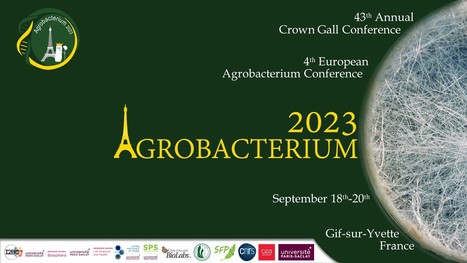
I2BC hosted Agrobacterium2023 from the 18th to the 20th of September. Agrobacterium2023 is a joint event of the 43rd American Crown Gall Meeting and the 4th European Agrobacterium Conference. This meeting brought together scientists from Europe, the USA, and China working in all aspects of Agrobacterium biology, from basic science to applied fields in agronomy and genome editing technologies. The meeting also welcomed students from the Master Plant Sciences program at the University Paris-Saclay.
|
|
Scooped by
I2BC Paris-Saclay
September 19, 2023 10:23 AM
|
Discriminating Susceptibility of Xanthine Oxidoreductase Family to Metals
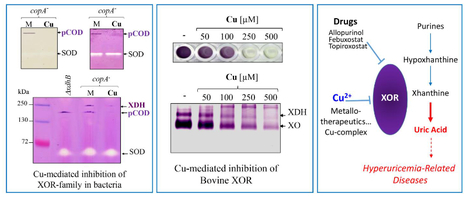
Copper as an inhibitor of the Xanthine Oxidoreductase family in purple bacteria and mammals, highlighting its potential use in metal-based therapeutics against hyperuricemia and gout arthritis. The xanthine oxidoreductases (XORs) family are metal-containing enzymes that use the molybdenum cofactor (Moco), 2Fe-2S clusters, and Flavin adenine dinucleotide (FAD) for their catalytic activity. This large molybdoenzymes family includes xanthine, aldehyde and CO-dehydrogenases. XORs are widely distributed from bacteria to humans due to their key roles in the catabolism of purines, aldehydes, drugs, and xenobiotics, as well as interconversions between CO and CO2. Assessing the effect of excess metals on Rubrivivax gelatinosus bacterium, we found that exposure to copper (Cu) or cadmium (Cd) caused a dramatic decrease in the activity of a high molecular weight soluble complex exhibiting nitroblue-tetrazolium reductase activity. Mass spectrometry and genetic analyses showed that the complex corresponds to a putative CO-dehydrogenase (pCOD). Using mutants that accumulate either Cu+ or Cd2+ in the cytoplasm, we show that Cu+ or Cd2+ are potent inhibitors of XORs (pCOD and the xanthine dehydrogenase) in vivo. This is the first in vivo demonstration that Cu+ affects Moco containing enzymes. The specific inhibitory effect of these compounds on the XORs activity is further supported in vitro by direct addition of competing metals to protein extracts. Moreover, emphasis is given on the inhibiting effect of Cu on Bovine XOR, showing that the XORs family could be a common target of Cu. Given the conservation of XORs structure and function across the tree of life, we anticipate that our findings could be transferable to other XORs and organisms. More information: https://doi.org/10.1128/spectrum.04814-22 Contact: Soufian OUCHANE <soufian.ouchane@i2bc.paris-saclay.fr>
|
|
Scooped by
I2BC Paris-Saclay
June 16, 2023 9:41 AM
|
Genome analysis of a variant of Streptomyces coelicolor M145 with high lipid content and poor ability to synthetize antibiotic
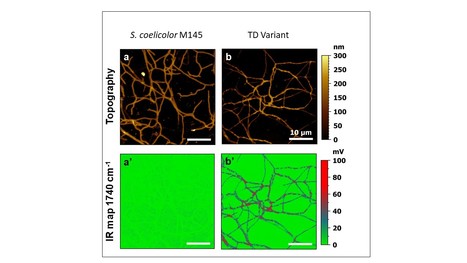
The analysis of the genome of a variant of S. coelicolor M145 that does not produce antibiotics anymore and has a high total lipid content led to the identification of several genes whose deletion likely contributes in these unexpected features. Streptomyces coelicolor M145 is a model strain extensively studied to elucidate the regulation of antibiotic biosynthesis in Streptomyces species. This strain produces abundantly the blue polyketide antibiotic actinorhodin (ACT) and has a low total lipid content. Since both processes require acetylCoA availability and as the glyoxylate cycle is known to play a role in the assimilation of acetylCoA resulting from the degradation of fatty acids, we attempted to delete the gene encoding the isocitrate lyase (sco0982), an enzyme of the glyoxylate cycle. During this process, authentic deletion mutants of sco0982 were obtained as well as a variant of S. coelicolor, called TD, which produces 7 to 15 fold less ACT and has triacylglycerol and phosphatidylethanolamine content 3 fold higher than that of the original strain. The genome of the TD variant was sequenced and the analysis of its genomic sequence revealed the existence of deletions of different sizes accompanied by the massive loss of 60 of the 90 insertion sequences detected in this strain and by the disappearance of 704 genes (9% of the total number of genes). Some deletions include genes whose absence could contribute to the high total lipid content of this variant that requires high acetylCoA availability. Among these, one can mention genes encoding enzymes of the TCA and glyoxylate cycles, enzymes involved in the assimilation of nitrogen as well as enzymes belonging to some pathways directing the biosynthesis of antibiotics of the polyketide family as well as of trehalose. The generation of the TD variant is due to an high genetic instability that is thought to result from high oxidative stress. The plausible initial cause(s) of the existence of a high oxidative stress are discussed. In any case, the characteristics of this S. coelicolor variant are consistent with the previously reported negative correlation existing between total lipid content and antibiotic production in Streptomyces species. More information: https://www.mdpi.com/2076-2607/11/6/1470 Contact: Marie-Joëlle Virolle <marie-joelle.virolle@i2bc.paris-saclay.fr>
|
|
Scooped by
I2BC Paris-Saclay
June 16, 2023 9:23 AM
|
The complex regulation of competence in Staphylococcus aureus under microaerobic conditions
Where, when and how does Staphylococcus aureus acquire new antibiotic resistance genes ? According to the World Health Organization (WHO), antimicrobial resistance (AMR) is one of the top 10 global public health threats facing humanity. In Europe, the health burden of antibiotic resistant bacteria is comparable to that of influenza, tuberculosis and HIV/AIDS combined and can be considered as a “hidden pandemic”.
Horizontal Gene Transfer (HGT), which can be defined as the transfer of genetic sequences between organisms with no parent-offspring relationship, is essential for the acquisition of new antibiotic resistance genes. Natural Transformation, one of the three main HGT mechanisms in bacteria, ensures the binding, internalization and homologous recombination within the host chromosome of exogenous sequences present in the environment. Importantly, in order to perform natural transformation, bacteria need to enter a differentiated state, called Genetic Competence. Many human pathogenic bacteria have the ability to induce genetic competence for natural transformation. Importantly, the human pathogen Staphylococcus aureus ability to induce competence have recently been characterized.
In this study, we designed a new protocol proving S. aureus ability to very efficiently induce competence and transformation. Taking advantage of this protocol, we characterized the three central competence regulators, all essential but playing different roles. Finally, we demonstrated that oxygen rarefaction was an important environmental stress for the induction of competence. This last result is not trivial considering that S. aureus encounters such microaerobic conditions during infection. More information: https://www.nature.com/articles/s42003-023-04892-1 Contact: Nicolas Mirouze <nicolas.mirouze@i2bc.paris-saclay.fr>
|
|
Scooped by
I2BC Paris-Saclay
May 17, 2023 11:47 AM
|
Dissimilar gene repertoires of Dickeya solani involved in the colonization of lesions and roots of Solanum tuberosum
High Throughput Screening Reveals genes involved in pre-symptomatic colonization of potato roots by a bacterial pathogen. Dickeya and Pectobacterium species are necrotrophic pathogens that macerate stems (blackleg disease) and tubers (soft rot disease) of Solanum tuberosum. They proliferate by exploiting plant cell remains. They also colonize roots, even if no symptoms are observed. The genes involved in pre-symptomatic root colonization are poorly understood. Here, transposon-sequencing (Tn-seq) analysis of Dickeya solani living in macerated tissues revealed 126 genes important for competitive colonization of tuber lesions and 207 for stem lesions, including 96 genes common to both conditions. In root colonization, Tn-seq highlighted 83 genes, all different from those in stem and tuber lesion conditions. This work revealed novel traits and pathways important for understanding how the D. solani pathogen efficiently survives on roots, persists in the environment, and colonizes progeny tubers. More information: https://doi.org/10.3389/fpls.2023.1154110 Contact: Denis Faure <denis.faure@i2bc.paris-saclay.fr>
|
|
Scooped by
I2BC Paris-Saclay
March 17, 2023 12:17 PM
|
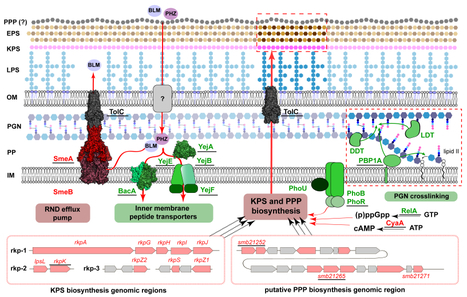
Dual-uptake mode of the antibiotic phazolicin by Gram-negative bacteria prevents resistance acquisition
Genetic screens and transposon sequencing have revealed multiple bacterial envelope functions in Sinorhizobium meliloti that contribute to the uptake efficiency of the ribosome-inhibiting antimicrobial peptide phazolicin, explaining why resistance to this molecule is improbable. Many bacteria produce antimicrobial peptides to eliminate competitors and create an exclusive niche. These peptides act by either membrane disruption or by inhibiting essential intracellular processes. The Achilles heel of the latter type of antimicrobials is their dependence on transporters to enter the susceptible cells because transporter inactivation is sufficient to obtain resistance. Here, we show that a rhizobial ribosome-targeting peptide phazolicin (PHZ) uses two different transporters, BacA and YejABEF, to get into the cells of a symbiotic bacterium Sinorhizobium meliloti. This dual entry mode dramatically reduces the probability of the appearance of PHZ-resistant mutants. Since these transporters are also crucial for S. meliloti symbiotic association with host plants, their inactivation in natural settings is strongly disfavoured, making PHZ an attractive lead for the development of biocontrol agents for agriculture. More: https://journals.asm.org/doi/10.1128/mbio.00217-23 Contact: Peter Mergaert <peter.mergaert@i2bc.paris-saclay.fr>
|
|
Scooped by
I2BC Paris-Saclay
February 17, 2023 5:50 AM
|
A paralog of Pcc1 is the fifth core subunit of the KEOPS tRNA modifying complex in Archaea
Discovery of the fifth subunit of the archaeal KEOPS complex involved in the synthesis of a key tRNA modification in Archaea. In Archaea and Eukaryotes, the synthesis of a universal tRNA modification, N6-threonyl-carbamoyl adenosine (t6A), is catalyzed by the KEOPS complex composed of Kae1, Bud32, Cgi121 and Pcc1. A fifth subunit, Gon7, is found only in Fungi and Metazoa. Here, we identify and characterize a fifth KEOPS subunit in Archaea. This protein, dubbed Pcc2, is a paralog of Pcc1 and is widely conserved in Archaea. Pcc1 and Pcc2 form a heterodimer in solution, and show modest sequence conservation but very high structural similarity. The five-subunit archaeal KEOPS does not form dimers but retains robust tRNA binding and t6A synthetic activity. Pcc2 can substitute for Pcc1 but the resulting KEOPS complex is inactive, suggesting a distinct function for the two paralogs. Comparative sequence and structure analyses point to a possible evolutionary link between archaeal Pcc2 and eukaryotic Gon7. Our work indicates that Pcc2 regulates the oligomeric state of the KEOPS complex, a feature that seems to be conserved from Archaea to Eukaryotes. More information: https://rdcu.be/c4BFl Contact: Tamara Basta <tamara.basta@i2bc.paris-saclay.fr>
|
|
|
Scooped by
I2BC Paris-Saclay
March 25, 2024 9:58 AM
|
Members of gut microbiota prime insect immunity
Burkholderia bacteria from the gut microbiota in the bean bug insect can cross the epithelium of the gut and trigger a protective systemic immune response that has no adverse effects on the insect fitness but confers a general protection against pathogens. Insects lack acquired immunity and were thought to have no immune memory, but recent studies reported a phenomenon called immune priming, wherein sub-lethal dose of pathogens or non-pathogenic microbes stimulate immunity and prevent subsequential pathogen infection. Although the evidence for insect immune priming is accumulating, the underlying mechanisms are still unclear. The bean bug Riptortus pedestris acquires its gut microbiota from ambient soil and spatially structures them into a multispecies and variable community in the anterior midgut and a specific, mono-species Caballeronia symbiont population in the posterior region. We demonstrate that some particular Burkholderia strains colonizing the anterior midgut, stimulate systemic immunity by penetrating gut epithelia and migrating into the hemolymph. This hemolymph colonization and activated immunity, consisting of a humoral and a cellular response, has no negative effect on the host fitness, but on the contrary protected the insect from subsequent infection by pathogenic bacteria. Interruption of contact between the Burkholderia and epithelia of the gut weakened the host immunity back to pre-infection levels and made the insects again vulnerable to microbial infection, demonstrating that persistent acquisition of environmental bacteria is important to maintain an efficient immunity. This suggests that priming is only activated when it might be most helpful, e.g. when pathogen encounters are most likely in a microbially rich environment. Together, these findings not only highlight a role of environmental microbes in shaping insect immunity but also put a new, symbiotic perspective on bacterial intestinal barrier breaching and hemolymph colonization, which has been generally viewed only as a pathogenic phenomenon. More information: https://doi.org/10.1073/pnas.2315540121 Contact : Peter MERGAERT <peter.mergaert@i2bc.paris-saclay.fr>
|
|
Scooped by
I2BC Paris-Saclay
March 18, 2024 11:38 AM
|
"Jeudis de la Recherche" at I2BC
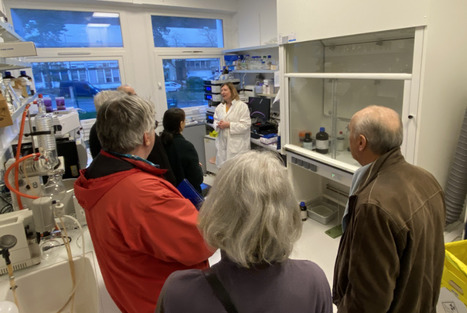
As part of the "Jeudis de la Recherche" organized by the COMPAS (Paris-Saclay University), the CNRS and the town of Gif sur Yvette, Sylvie Lautru's team (I2BC, Microbiology Department) welcomed around twenty people to take part in 5 workshops on the theme of "Antibiotics and the microbial response: a never-ending battle". Thanks to the very interactive format, participants who were very interested in this topical issue, asked many questions and exchanged a lot with the research team. https://www.ville-gif.fr/215/que-faire-a-gif/culture/conferences/jeudis-de-la-recherche.htm
|
|
Scooped by
I2BC Paris-Saclay
February 19, 2024 10:19 AM
|
Prize "Relève de l'étoile" for the excellence of the research work carried out by Alexia Royer
Alexia Royer received the prize "Relève de l'étoile" for her article “Clostridioides difficile S-Layer Protein A (SlpA) Serves as a General Phage Receptor” published in Microbiology Spectrum in February 2023. Antibiotics have been used for more than 80 years to treat bacterial infections, but bacteria have developed resistance to these treatments, making them difficult to eradicate. One of the side effects of antibiotics is that they tend to kill a broad spectrum of bacteria, including “good bacteria” important for the proper functioning of the human body. The resulting bacterial imbalance, called dysbiosis, will open the door to opportunistic bacteria such as Clostridioides difficile. This bacterium is the main cause of severe diarrhea in industrialized countries. As the infection is now treated with antibiotics, which are themselves responsible for the infection, many relapses are reported. In the laboratories of Professor Louis-Charles Fortier and Professor Olga Soutourina, we are interested in phage therapy, which is a treatment based on the use of bacteria-killing viruses called bacteriophages. Phages have the advantage of being specific and targeting a species or a few bacterial strains unlike antibiotics. Thus, they could be used as an alternative or complementary therapy to antibiotics to treat patients in therapeutic failure. The key step to set up a phage therapy is to understand the mechanism of recognition of the bacteria by phages. For a phage to attack and kill a bacterium, it must first attach to a receptor on its surface. In the article, we identified the SlpA protein as the receptor on the surface of the bacteria that is targeted by phages. We have shown that the infection specificity of phages is linked to the presence of different forms of SlpA, called isoforms, each strain expressing one isoform. We also identified a domain of SlpA, named D2, playing a role in receptor recognition by certain phages. These data are essential because they improve our understanding of phage/bacteria interactions and make phage therapy possible one day against C. difficile infections. https://frq.gouv.qc.ca/histoire-et-rapport/releve-etoile-jacques-genest-decembre-2023/ Alexia ROYER <alexia.royer@i2bc.paris-saclay.fr>
|
|
Scooped by
I2BC Paris-Saclay
February 19, 2024 10:10 AM
|
The stringent response is strongly activated in the high antibiotic producer, Streptomyces coelicolor
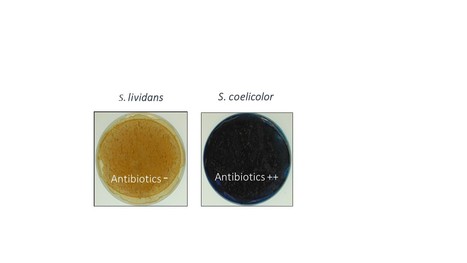
The stringent response controls positively antibiotic biosynthesis. Antibiotics are thus part of the stringent response. In most bacteria, the stringent response (SR) was initially characterized as a response to nitrogen (N) limitation resulting into the depletion of aminoacylated tRNAs leading to the stalling of ribosomes on mRNA. The recruitment of the ppGpp synthetase, RelA, at the stalled ribosomes activates (p)ppGpp synthesis from GTP. ppGpp that is the mediator of the SR controls negatively, at the transcriptional and translational levels, the expression of most ribosomal proteins leading to the down regulation of the translational process and thus of growth.
The model strains Streptomyces coelicolor (SC) and Streptomyces lividans (SL), strong and weak producers of the same antibiotics, respectively, were grown in condition of phosphate (Pi) limitation or proficiency and the abundance of proteins of their translational apparatus was compared. This study revealed that the expression of RelA was induced in Pi limitation suggesting that, besides N limitation, Pi limitation also contributes to the triggering of the SR. Interestingly, most proteins of the translational apparatus had a similar or slightly higher abundance in SL than in SC, in Pi limitation whereas most of these proteins were far more abundant in SL than in SC, in Pi proficiency. This indicated an alleviation of the SR in Pi proficiency in SL, but not in SC. This suggested an alteration of Pi up-take and/or Pi-mediated regulation in SC whose molecular basis remain to be elucidated.
Interestingly, the production of specialized metabolites in SC (CDA, RED and ACT) is usually concomitant of phases of growth slow down and it is known that ppGpp controls positively the expression of their biosynthetic pathways. Their production could thus be considered as part of the SR. Indeed, these metabolites were proposed to regulate negatively, through different processes, the energetic metabolism and thus the generation of ATP, in SC, a process that might contribute to the slower growth rate of SC compared to SL. More information: https://www.sciencedirect.com/science/article/pii/S0923250823001547?via%3Dihub Contact: Marie-Joëlle VIROLLE <marie-joelle.virolle@i2bc.paris-saclay.fr>
|
|
Scooped by
I2BC Paris-Saclay
December 1, 2023 8:47 AM
|
Natural transformation and cell division delay in competent Staphylococcus aureus
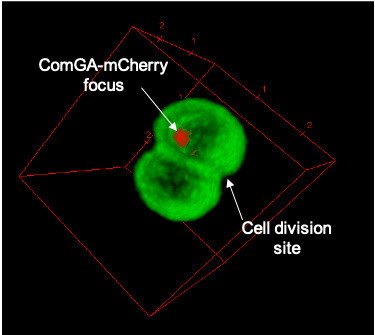
We hypothesize that S. aureus competent cells would initiate and then block cell division to ensure the success of natural transformation before the final constriction of the cytokinetic ring.. Genetic competence for natural transformation, considered one of the three main mechanisms leading to horizontal gene transfer in bacteria, is able to promote evolution, through genomic plasticity, and foster antibiotic resistance and virulence factors spreading. Conserved machinery and actors required to perform natural transformation have been shown to accumulate at different cellular localizations depending on the model organism considered. In this study, we investigate the transformation apparatus composition, localization, and dynamics in the human pathogen Staphylococcus aureus. We particularly show that most of the natural transformation actors co-localize in clusters. We also reveal that the localization of natural transformation proteins is dynamic, following the cell cycle. Ultimately, the natural transformation apparatus is preferentially established in the vicinity of the division septum. All these results demonstrate that DNA binding, uptake, and recombination are spatially and temporally coordinated to ensure S. aureus natural transformation. Finally, we hypothesize that S. aureus competent cells would initiate and then block cell division to ensure the success of natural transformation before the final constriction of the cytokinetic ring. More information: https://journals.asm.org/doi/10.1128/spectrum.02807-23 Contact: Nicolas MIROUZE <nicolas.mirouze@i2bc.paris-saclay.fr>
|
|
Scooped by
I2BC Paris-Saclay
October 23, 2023 4:29 AM
|
On Saturday 7 and Sunday 8 October 2023, the Department of Microbiology of I2BC participated to the Fête de la Science in the Village des Sciences in Gif sur Yvette and the Faculté des Sciences in Orsay.
Various workshops and games enabled the public to discover that bacteria appeared long before the dinosaurs, that they are everywhere, and that they provide many beneficial services. They were able to learn that there are bacteria even in the clouds, that they help us to produce our everyday food and that some even help plants to grow.
|
|
Scooped by
I2BC Paris-Saclay
September 19, 2023 10:31 AM
|
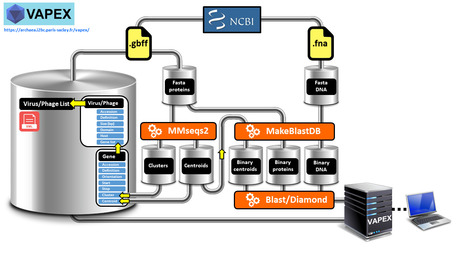
New virus/phage synteny web server: https://archaea.i2bc.paris-saclay.fr/vapex/
VAPEX creates fully resolved synteny maps of all natural and user-submitted virus and phage genomes. Studying the genetic makeup of viruses and phages through genome analysis is crucial for comprehending their function in causing diseases, progressing medicine, tracing their evolutionary history, monitoring the environment, and creating innovative biotechnologies. However, accessing the necessary data can be challenging due to a lack of dedicated comparative genomic tools and viral and phage databases, which are often outdated. Moreover, many wet bench experimentalists may not have the computational proficiency required to manipulate large amounts of genomic data.We have developed VAPEX (Virus And Phage EXplorer), a web server which is supported by a database and features a user-friendly web interface. This tool enables users to easily perform various genomic analysis queries on all natural viruses and phages that have been fully sequenced and are listed in the NCBI compendium. VAPEX therefore excels in producing visual depictions of fully resolved synteny maps, which is one of its key strengths. VAPEX has the ability to exhibit a vast array of orthologous gene classes simultaneously through the use of symbolic representation. Additionally, VAPEX can fully analyze user-submitted viral and phage genomes, including those that have not yet been annotated. More information: https://doi.org/10.1093/bioinformatics/btad528 Contact: Jacques OBERTO <jacques.oberto@i2bc.paris-saclay.fr>
|
|
Scooped by
I2BC Paris-Saclay
August 9, 2023 4:06 AM
|
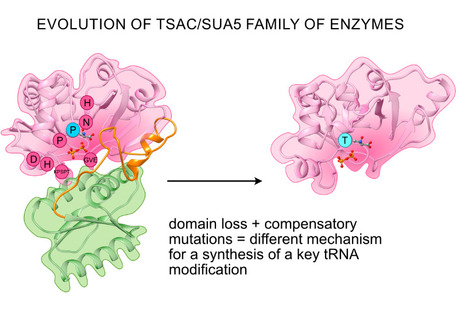
The universal Sua5/TsaC family evolved different mechanisms for the synthesis of a key tRNA modification
TsaC/Sua5 family of enzymes catalyzes the first step in the synthesis of N6-threonylcarbamoyl adenosine (t6A) one of few truly ubiquitous tRNA modifications important for translation accuracy. TsaC is a single domain protein while Sua5 proteins contains a TsaC-like domain and an additional SUA5 domain of unknown function. The emergence of these two proteins and their respective mechanisms for t6A synthesis remain poorly understood. Here, we performed phylogenetic and comparative sequence and structure analysis of TsaC and Sua5 proteins. We confirm that this family is ubiquitous but the co-occurrence of both variants in the same organism is rare and unstable. We further find that obligate symbionts are the only organisms lacking sua5 or tsaC genes. The data suggest that Sua5 was the ancestral version of the enzyme while TsaC arose via loss of the SUA5 domain that occurred multiple times in course of evolution. Multiple losses of one of the two variants in combination with horizontal gene transfers along a large range of phylogenetic distances explains the present day patchy distribution of Sua5 and TsaC. The loss of the SUA5 domain triggered adaptive mutations affecting the substrate binding in TsaC proteins. Finally, we identified atypical Sua5 proteins in Archaeoglobi archaea that seem to be in the process of losing the SUA5 domain through progressive gene erosion. Together, our study uncovers the evolutionary path for emergence of these homologous isofunctional enzymes and lays the groundwork for future experimental studies on the function of TsaC/Sua5 proteins in maintaining faithful translation. More information: https://www.frontiersin.org/articles/10.3389/fmicb.2023.1204045/full Contact: Tamara Basta-Le Berre <tamara.basta@i2bc.paris-saclay.fr>
|
|
Scooped by
I2BC Paris-Saclay
June 16, 2023 9:31 AM
|
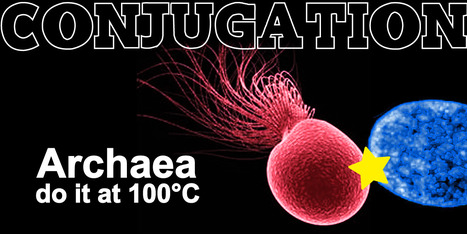
Archaeal conjugation at 100°C
Double world record: first experimental report of archaeal conjugation & first experimental evidence of conjugation at 100°C. Conjugative plasmids are self-transmissible mobile genetic elements which transfer DNA between host cells via Type IV Secretion Systems (T4SS). While T4SS-mediated conjugation has been well-studied in diderm bacteria, information from monoderm bacteria remains sparse, and even less is known for the Archaea, largely due to their limited genetic accessibility. To date, only one family of conjugative plasmids has been described in Archaea, with all representatives coming from the Sulfolobales order of Crenarchaeota. Here we present the first self-transmissible plasmid identified in a Euryarchaeon, Thermococcus sp. 33-3. The 103 kbp plasmid, pT33-3, has left evidence of its past transfer in CRISPR-spacers throughout the Thermococcales order, and encodes virB4/trbE and virD4/traG homologues characteristic of T4SS. Using genetic techniques, we demonstrate that pT33-3 is a bona fide conjugative plasmid, with transmissibility being plasmid-encoded, requiring cell-to-cell contact, and dependent upon proteins constituting canonical T4SS. pT33-3 transfers under laboratory conditions to various Thermococcales, and transconjugants propagate at 100°C. Using pT33-3, we developed a genetic toolkit which allows modification of phylogenetically diverse Archaeal genomes. We demonstrate pT33-3–mediated plasmid mobilization and subsequent targeted genome modification in previously untransformable Thermococcales species, and extend this process to interphylum transfer to a Crenarchaeon. More information: https://www.nature.com/articles/s41564-023-01387-x Contact: Jacques Oberto <jacques.oberto@i2bc.paris-saclay.fr>
|
|
Scooped by
I2BC Paris-Saclay
May 17, 2023 11:54 AM
|
4th European Agrobacterium conference 2023 - I2BC - Gif-sur-Yvette Registration open
|
|
Scooped by
I2BC Paris-Saclay
May 5, 2023 10:09 AM
|
Symposium "Environment and Host Microbiomes - Functional Interactions"
Bringing together researchers working on fundamental, translational and clinical research in the field of “Microbiota”. The symposium is organized by the GS LSH and the OI MICROBES on Wednesday, May 31, 2023 at Henri Moissan, and aims to bring together researchers from different fields (basic research, translational and clinical research) working on the topic of “Microbiota”. The objective of the symposium is to provide the opportunity to the different communities to know each other and to initiate collaborations in the future. Registration is free but mandatory: https://www.universite-paris-saclay.fr/actualites/environment-and-host-microbiomes-functional-interactions Young researchers (PhD students and Post-Doc) are invited to present their research as a poster (abstract to be submitted before May 5, 2023 online: https://cirrus.universite-paris-saclay.fr/s/58tPW6HpnS2Fbz8) Contact: Peter MERGAERT <peter.mergaert@i2bc.paris-saclay.fr>
|
|
Scooped by
I2BC Paris-Saclay
March 17, 2023 11:59 AM
|
Metabolic Adjustments in Response to ATP Spilling by the synthetic protein DX in a Streptomyces strain
The small synthetic protein DX constitutes an efficient biotechnological tool to enhance antibiotic production in some Streptomyces species. Since in Streptomyces species antibiotic production is known to be triggered in condition of phosphate limitation, condition that is correlated with a low ATP content, we assessed the effects of a systematic ATP degradation on specialized and primary metabolisms of various Streptomyces species. To do so the gene encoding the small synthetic protein DX, that has high affinity for ATP and dephosphorylates ATP into ADP, was cloned in an integrative vector under the control of a strong promoter. This construct and the empty vector were introduced into Streptomyces albogriseolus / viridodiastaticus yielding A37 and A36, respectively. A37 yielded higher biomass than A36 indicating that the DX-mediated ATP degradation resulted into a stimulation of the metabolism. The comparative analysis of the metabolomes of A36 and A37 revealed that A37 had a lower content in glycolytic and Tricarboxylic Acid Cycle intermediates as well as in amino acids than A36, these metabolites being consumed for biomass generation in A37. In contrast, the abundance of other molecules indicative either of energetic stress (ADP, AMP, UMP, ornithine and thymine), of activation (NAD and threonic acid) or inhibition (citramalic acid, fatty acids, TAG and L-alanine) of the oxidative metabolism, was higher in A37 than in A36. Furthermore, polycyclic aromatic polyketide antibiotics belonging to the angucycline family and thought to have a negative impact on respiration were also more abundantly produced by A37 than by A36. This comparative analysis thus revealed the occurrence in A37 of antagonistic metabolic strategies, namely activation and slowing down of oxidative metabolism and respiration, to maintain the cellular energetic homeostasis. This study thus demonstrated that DX constitutes an efficient biotechnological tool to enhance the expression of the specialized metabolic pathways present in the Streptomyces genomes that may include cryptic pathways. More: https://www.frontiersin.org/articles/10.3389/fcell.2023.1129009/full Contact: Marie-Joëlle Virolle <marie-joelle.virolle@i2bc.paris-saclay.fr>
|