Your new post is loading...
Celebration of World Interfaith Harmony Week at the African Union FEBRUARY 2023 Delegates gather at the Nelson Mandela Hall at the African Union Commission. The Peacemakers Network joined several of its members at the Celebration of the World Interfaith Harmony Week held at the African Union Headquarters in Addis Ababa, Ethiopia. The event brought together 350 participants, including religious, spiritual, and traditional leaders, policymakers, and representatives from the African Union and UN agencies, to discuss the role of religious communities in Africa towards advancing peace, human dignity, the preservation of the environment, sustainability, and freedom of religion and belief. The gathering was organized by the Inter-Religious Council of Ethiopia in partnership with United Religions Initiative Africa, G20 Interfaith Forum, AU-Citizens and Diaspora Directorate, AU-ECOSOCC& AU Interfaith Dialogue Forum, with aims to foster mutual understanding and cooperation among people of diverse religions, spiritual expressions, and indigenous traditions. Network Secretariat meets with Ms. Hazel Dixon and Ms. Malaz Yousif of the African Union’s Citizens and Diaspora Directorate. Network Executive Director, Dr. Mohamed Elsanousi moderated a panel discussion on “Building Harmony Around Shared Religious Concerns,” focusing on the role of religious leaders and actors from religious communities and faith-based organizations in sharing best practices, shaping global policy agendas, and promoting a culture of peace and human dignity. Dr. Elsanousi also participated in discussion on the role of religion in conflict resolution and peacebuilding. This event was not only a celebration of Interfaith Harmony Week, but an opportunity for religious and traditional actors from across the region to discuss key global policy issues of interest. As an outcome of the meeting, practical policy recommendations were made to the African Union. About World Interfaith Harmony Week World Interfaith Harmony Week is an annual event observed during the first week of February, after UN General Assembly designation in 2010. The General Assembly pointed out that mutual understanding and interreligious dialogue constitute important dimensions of a culture of peace and established World Interfaith Harmony Week as a way to promote harmony between all people regardless of their faith. Recognizing the imperative need for dialogue among different faiths and religions to enhance mutual understanding, harmony and cooperation among people, the General Assembly encourages all States to spread the message of interfaith harmony and goodwill in the world’s churches, mosques, synagogues, temples and other places of worship during that week, on a voluntary basis and according to their own religious traditions or convictions. Contact Network for Religious and Traditional Peacemakers
P.O. Box 210
FI-00131 Helsinki
Finland
Uniting Faith and Action in Kigali, Rwanda Uniting Faith and Action in Kigali, Rwanda In the vibrant city of Kigali, Rwanda, a groundbreaking event is on the horizon. From November 8–9, 2023, the African Union Commission's Civil Society and Diaspora Directorate (AUC-CIDO) has convened the African Union Interfaith Dialogue Forum (IFDF). This forum, under the timely theme "Faith in Harvest: Sowing Seeds of Climate Resilience," is set to unite a diverse range of religious leaders, policymakers, and experts with a noble and urgent cause: combating the effects of climate change through the power of interfaith dialogue and action. KAICIID's Pivotal Engagement The International Dialogue Centre - KAICIID stands at the forefront of this endeavour. Since 2014, KAICIID has been the backbone of technical and operational support for the AU-IFDF, leveraging its unique position as an intergovernmental organization that embodies the collaboration of states and a spectrum of religious traditions. KAICIID’s role transcends the conventional; it is an orchestrator of unity, bringing to the table the invaluable perspectives of those often unheard. Its dual governance structure, inclusive of a Council of Parties composed of member states and a Board of Directors constituted by religious figures, serves as a testament to its commitment to impartiality and breadth in addressing issues critical to humanity’s shared future. The Intersections of Climate Resilience and Faith As the world grapples with climate change, Africa bears a disproportionate burden; it accounts for only 4% of global carbon emissions yet suffers the most from climate change. From intensifying weather patterns to declining agricultural productivity and water scarcity, the continent faces monumental challenges. The IFDF Assembly 2023 seeks to tap into the influential capacity of faith communities to foster resilience and spearhead sustainable practices. KAICIID’s participation in the IFDF4 is particularly timely. The conference will not only be a hub for dialogue but will also serve as a platform for showcasing the impactful work of the World Resources Institute (WRI) in collaboration with KAICIID to improve food security, emphasizing the potential of religious leaders to drive significant social transformation. Strengthening the Fabric of Climate Action The forum aims to construct a mosaic of knowledge exchange, empowerment, networking, and policy advocacy. The objectives are clear: to enlighten and equip faith leaders and stakeholders to become champions of climate action and to nurture networks that fortify efforts toward sustainable agriculture and climate advocacy. Expectations are set high for the IFDF Assembly. Outcomes sought include tangible, actionable recommendations to confront climate-related challenges and fortified alliances that will endure beyond the forum, seeding ongoing support and knowledge sharing. Looking Ahead In Kigali, a city that symbolizes rebirth and relentless progress, the General Assembly will also oversee the election of five new members to the IFDF Steering Committee, thereby infusing new vigor into the forum's leadership. High-level national policymakers, including the governors of Rwanda’s provinces, will grace the event, reflecting the profound commitment at the highest levels of governance. As the world’s gaze turns towards Rwanda in November, KAICIID's engagement in the IFDF4 is poised to catalyze a shift in how religious communities can stand at the vanguard of climate resilience. With the collective power of 55 African member states, interreligious councils, and faith-based organizations, KAICIID is set to play an integral role in this tapestry of change, weaving together faith and climate action to harvest a future of hope and sustainability for Africa and beyond. As the participants gather under the banner of shared humanity and stewardship of the earth, the spirit of "Faith in Harvest" will resonate beyond the halls of the forum, a beacon of collective resolve to sow the seeds for a greener, more resilient Africa.
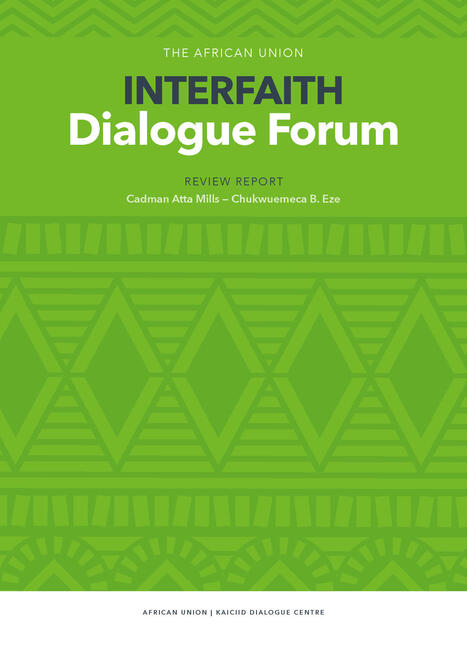
The African Union Interfaith Dialogue Forum (AU-IFDF) was developed as an African Union Programme by the Citizens & Diaspora Directorate (CIDO). The 1st Interfaith Dialogue Forum was launched in Abuja, Nigeria in 2010 under the theme “Advancing Justice, Peace, Security and Development in Africa: Harnessing the Power of Religious Communities in Africa.” The aim of the AU-IFDF is to create a continent-wide inclusive and representative body of faith-based organizations (FBOs) and to harness their efforts to support AU programmes and activities. The African Union Interfaith Dialogue Forum Review Report (AU-IFDF) (EN) The African Union Interfaith Dialogue Forum (AU-IFDF) was developed as an African Union Programme by the Citizens & Diaspora Directorate (CIDO). The 1st Interfaith Dialogue Forum was launched in Abuja, Nigeria in 2010 under the theme “Advancing Justice, Peace, Security and Development in Africa: Harnessing the Power of Religious Communities in Africa.” The aim of the AU-IFDF is to create a continent-wide inclusive and representative body of faith-based organizations (FBOs) and to harness their efforts to support AU programmes and activities. Specifically, the AU-IFDF contributes the AU's role in conflict prevention and peacebuilding. Through the advocacy and promotion of a common understanding of interfaith dialogue, informing its members of the development agenda and environmental protection, and engaging in humanitarian action, AU-IFDF contributes to the promotion of human rights, and championing the causes of youth, women and children. This document is a Report of an independent review the AU-IFDF, with an emphasis on the activities of its Steering Committee in facilitating the representation and impact of the FBOs in AU decisions and structures.
World Interfaith Harmony Week is a UN resolution for a worldwide week of interfaith harmony proposed in 2010 by King Abdullah II and Prince Ghazi bin Muhammad of Jordan. The World Interfaith Harmony Week falls in the first week of February of every year and aims to promote harmony between all people regardless of their faith.
World Interfaith Harmony Week 7 languages World Interfaith Harmony Week Award in Amman, Jordan, on April 17, 2016 World Interfaith Harmony Week is a UN resolution for a worldwide week of interfaith harmony proposed in 2010 by King Abdullah II and Prince Ghazi bin Muhammad of Jordan. The World Interfaith Harmony Week falls in the first week of February of every year[1][2] and aims to promote harmony between all people regardless of their faith. Introduction On September 23, 2010, King Abdullah II of Jordan proposed a World Interfaith Harmony Week at the Plenary Session of the 65th United Nations General Assembly in New York City. In the speech King Abdullah said: - It is [also] essential to resist forces of division that spread misunderstanding and mistrust especially among peoples of different religions. The fact is, humanity everywhere is bound together, not only by mutual interests, but by shared commandments to love God and neighbour; to love the good and neighbour. This week, my delegation, with the support of our friends on every continent, will introduce a draft resolution for an annual World Interfaith Harmony Week. What we are proposing is a special week, during which the world's people, in their own places of worship, could express the teachings of their own faith about tolerance, respect for the other and peace. I hope this resolution will have your support.[3]
On October 20, 2010, Prince Ghazi bin Muhammad of Jordan, Special Advisor and Personal Envoy to the King Abdullah II and author of the resolution, presented the proposal for a World Interfaith Harmony Week before the UN General Assembly in New York where it was adopted unanimously.[4][5] The basis for the World Interfaith Harmony Week is the A Common Word Initiative which was authored by Prince Ghazi bin Muhammad and released in 2007. The A Common Word Initiative and the World Interfaith Harmony Week stem from the idea that humanity is bound together by the two shared commandments of 'Love of God and Love of the Neighbor' or 'Love of the Good and Love of the Neighbor'. In his speech at the UN General Assembly, Prince Ghazi of Jordan stated that the aim of the Interfaith Harmony Week would be fulfilled by: - permanently and regularly encouraging the silent majority of preachers to declare themselves for peace and harmony and providing a ready-made vehicle for them to do so … if preachers and teachers commit themselves on the record once a year to peace and harmony, this means that when the next interreligious crisis or provocation occurs, they cannot then relapse into parochial fear and mistrust, and will be more likely to resist the winds of popular demagoguery[6]
The draft resolution A/65/L5 titled the World Interfaith Harmony Week put forth by Jordan was sponsored by 29 co-sponsors - Albania, Azerbaijan, Bahrain, Bangladesh, Costa Rica, the Dominican Republic, Egypt, El Salvador, Georgia, Guatemala, Guyana, Honduras, Kazakhstan, Kuwait, Liberia, Libya, Mauritius, Morocco, Oman, Paraguay, Qatar, the Russian Federation, Saudi Arabia, Tanzania, Tunisia, Turkey, the United Arab Emirates, Uruguay and Yemen. Text of the Resolution The UN resolution on the World Interfaith Harmony Week states:[7] - The General Assembly,
- Recalling its resolutions 53/243 of 6 October 1999 on the declaration and programme of action relating to a culture of peace; 57/6 of November 2002 concerning the promotion of a culture of peace and non-violence; 58/128 of 19 December 2003 on the promotion of religious and cultural understanding, harmony and cooperation; 64/164 of 18 December 2009 on the elimination of all forms of intolerance and discrimination based on religion or belief;
- 64/81 of 7 December 2009 on the promotion of interreligious and intercultural dialogue, understanding and cooperation for peace, and 64/14 of 10 November 2009 on the Alliance of Civilizations. Recognising the imperative need for dialogue among different faiths and religions in enhancing mutual understanding, harmony and cooperation among people. Recalling with appreciation various global, regional and sub-regional initiatives on mutual understanding and interfaith harmony including, inter alia, the Tripartite Forum for Interfaith Cooperation for Peace, and the “A Common Word”.
- Recognising that the moral imperatives of all religions, convictions, and beliefs call for peace, tolerance, and mutual understanding:
- Reaffirms that mutual understanding and inter-religious dialogue constitute important dimensions of a culture of peace.
- Proclaims the first week of February of every year the World Interfaith Harmony Week between all religions, faiths and beliefs.
- Encourages all States to support, on a voluntary basis, the spread of the message of interfaith harmony and goodwill in the world’s churches, mosques, synagogues, temples and other places of worship during that week based on Love of God and Love of the Neighbour, or based on Love of the Good and Love of the Neighbour, each according to their own religious traditions or convictions.
- Requests the secretary general to keep the General Assembly informed of the implementation of the present resolution.
Annual Events and Prizes Organisation from around the world are invited to set up events promoting interfaith harmony, with the added incentive of 3 annual prizes sponsored by the King of Jordan, in the amount of $25000, $15000 and $5000 with a corresponding gold, silver and bronze model. The prize, personally presented by the King at a ceremony in Amman, is awarded based on a decision of a jury composed, among other personalities, of Princess Areej Ghazi and Patriarch Theophilus of Jerusalem. Since 2013, the winners have been: - 2013: Interfaith Mediation Centre, Kaduna
- 2014: First Prize - United Nations Interfaith Harmony Partners – Zamboanga – Silsilah Dialogue Movement
- 2014: Second Prize - Mohd. Abdul Saeed Khan alias Saeed Khan Falahi of Shahjahanpur, Uttar Pradesh, India.
- 2015: Universal Interfaith Peace Mission
- 2015: Third Prize - Toronto World Interfaith Harmony Week Steering Committee
- 2016: Euclid University
In popular culture In February 2015, British singer-songwriter and composer Sami Yusuf released "The Gift of Love", he called an "Interfaith anthem" to coincide with World Interfaith Harmony Week. The music video was filmed in Jordan (at Petra, at the baptism site of Jesus, Wadi Rum) and in holy sites in Jerusalem.[8] See also References External links
The General Assembly today adopted three resolutions on the culture of peace, highlighting the need to foster interreligious and cultural dialogue, temper social media and bolster education in efforts to prevent future clashes between and within societies. General Assembly Adopts Three Resolutions on Culture of Peace, Highlighting Need to Foster Interreligious Dialogue, Moderate Social Media The General Assembly today adopted three resolutions on the culture of peace, highlighting the need to foster interreligious and cultural dialogue, temper social media and bolster education in efforts to prevent future clashes between and within societies. Introducing a draft on “Promotion of interreligious and intercultural dialogue, understanding and cooperation for peace”, the Philippines’ representative said the resolution aimed to promote interreligious and intercultural dialogue in achieving peace and stability as well as strengthen constructive dialogue across divergent divides. The resolution also stresses the important role the United Nations Educational, Scientific and Cultural Organization (UNESCO) and the United National Alliance of Civilizations play in promoting interreligious and intercultural dialogue at all levels, he said. Bangladesh’s delegate, introducing a text on “Follow‑up to the Declaration and Programme of Action on a Culture of Peace”, noted that it welcomes the High‑level Forum on Culture of Peace held on 13 September 2019, the twentieth anniversary of the adoption of the Declaration and Programme of Action. The Declaration and Programme of Action on a Culture of Peace continues to find relevance across the three pillars of the United Nations in addressing contemporary global challenges, he said. A final text designates 20 July as World Chess Day, marking the date in 1924 when the International Chess Federation was established in Paris. Introducing that draft, Armenia’s delegate observed that the game can transcend national boundaries and break down racial, political and social barriers. Armenia, he added, has one of the highest numbers of chess grandmasters per capita in the world, having embraced chess as an academic subject in schools. “One of the most important and enduring lessons that chess can offer is teaching respect,” he said. Addressing the drafts, delegates warned that clashing cultures are a growing reality in numerous societies, with antisemitism resurfacing and Islamophobia becoming more pervasive. Libya’s representative pointed to waves of violence, displacement, death and destruction due to increases in violent extremism, terrorism and hatred. “It is sad to see flagrant and daily violations of human rights,” he said. They also observed that the international community today is facing more complex challenges undermining the culture of peace than in the past, including religious tensions and violence. Kuwait’s representative observed that violent extremism is used as a mode of expression on social networks, stressing that the international community must ban content inciting extremism and terrorism. Also arguing that social media platforms can threaten the culture of peace, Saudi Arabia’s delegate emphasized that using digital messages constructively can achieve the opposite result. Echoing that sentiment, Ecuador’s representative emphasized that the more such media are used to disseminate hate speech the more people must use positive digital missives to counter them. Several speakers emphasized the importance of quality education and dialogue as tools to forge peaceful understanding between countries and societies. Interreligious and intercultural dialogues with faith leaders, civil society and academia are important for building intellectual and moral solidarity, India’s delegate said. Home to a significant number of practitioners of practically every major religion in the world, his country is a narrative of conversations between different civilizations, he said. The Assembly decided to postpone action on a draft titled “Investigation into the conditions and circumstances resulting in the tragic death of Dag Hammarskjöld and of the members of the party accompanying him,” noting that it contains a programme budget implication. Adoption of the resolution will take place once the Fifth Committee (Administrative and Budgetary) has considered the matter later this month. The Assembly also decided to reschedule its consideration of the “Report of the Credentials Committee” and “Election of members of the Organizational Committee of the Peacebuilding Commission” from Monday, 16 December to Wednesday, 18 December. The Assembly had before it two reports of the Secretary‑General on "A world against violence and violent extremism," (document A/74/195) and "Promotion of a culture of peace and interreligious and intercultural dialogue, understanding and cooperation for peace (document A/74/476). Also speaking today were the representatives of Sweden, Saint Kitts and Nevis, Thailand (on behalf of the Association of Southeast Asian Nations), Venezuela, United Arab Emirates, Maldives, Cuba, Morocco, Panama, Pakistan, Brunei Darussalam, Azerbaijan, Canada, Nicaragua and United States, as well as an observer for the Holy See. The Assembly will meet again at 3 p.m., on 12 December to consider the reports of its First Committee (Disarmament and International Security). Introduction of Draft Resolutions OLOF SKOOG (Sweden) introduced draft resolution titled “Investigation into the conditions and circumstances resulting in the tragic death of Dag Hammarskjöld and of the members of the party accompanying him,” (document A/74/L.20). He noted that the Secretary‑General’s Eminent Person, in his latest report, concludes that it remains plausible that an external attack or threat was a cause of the crash. There are specific matters that warrant further follow‑up. Operative paragraph 1 requests the Secretary‑General to reappoint the Eminent Person to continue his work. This extensive investigation benefits immensely from continuity. No one is better placed than Chief Justice Mohamed Chande Othman to continue and conclude the investigation, he said, requesting that the Eminent Person draw conclusions from the investigation by the end of the Assembly’s seventy‑fifth session. This will require the full cooperation of Member States, he continued, noting that operative paragraph 3 specifically requests those Member States referred in the report to cooperate with and assist the Eminent Person fully. That includes appointing without delay independent and high‑ranking officials to conduct a dedicated internal review of their intelligence, security and defence archives to determine whether relevant information exists. Operative paragraph 4 calls on Member States to encourage all actors to ensure that any relevant records related to the death of Mr. Hammarskjöld and the staff accompanying him are made available for review by the Eminent Person. Since the resolution contains a small programme budget implication, adoption will take place once the Fifth Committee (Administrative and Budgetary) has considered the matter later in the month, he said. RABAB FATIMA (Bangladesh), introducing the draft resolution titled “Follow‑up to the Declaration and Programme of Action on a Culture of Peace” (document A/74/L.23), said the text welcomes the High‑level Forum on Culture of Peace held on 13 September 2019, the twentieth anniversary of the adoption of the Declaration and Programme of Action. Bangladesh appreciates that the Declaration and Programme of Action on a Culture of Peace continues to find relevance across the three pillars of the United Nations in addressing contemporary global challenges. It further appreciates that the High‑level Forum provided an opportunity for Member States, United Nations entities, civil society, non‑governmental organizations and other stakeholders to exchange ideas and make suggestions on how to build on and further promote the culture of peace in the twenty‑first century. Finally, the text notes its support for Member States in promoting the culture of peace at the national level. MHER MARGARYAN (Armenia), introducing draft resolution titled “World Chess Day” (document A/74/L.24), said that the text designates 20 July as World Chess Day to mark the date of establishment of the International Chess Federation in 1924 in Paris. One of the oldest and most popular mental games in history, chess is an established part of modern‑day culture. The draft reflects on the transformative power of chess in helping transcend national boundaries and break down racial, political and social barriers. The text also recognizes the important opportunities offered by chess in the implementation of the 2030 Agenda for Sustainable Development, including in strengthening education and health, promoting empowerment of women and girls, fostering solidarity, cooperation and peace. In Armenia, chess is regarded as an essential part of the culture. Armenia has one of the highest numbers of chess grandmasters per capita in the world, having embraced chess as an academic subject in schools. “One of the most important and enduring lessons that chess can offer is teaching respect,” he added. KIRA CHRISTIANNE DANGANAN AZUCENA (Philippines), introducing the draft resolution titled “Promotion of interreligious and intercultural dialogue, understanding and cooperation for peace” (document L/74/L.25), said that the international community is experiencing a growing trend of xenophobia and religious intolerance, underpinned by the politics of identity, as well as the emergence of extremist ideologies. There was a time when terror was the weapon of the weak against the strong in fights for freedom and justice. Today, terror is pursued for itself. It is not a means but the end that terrorism seeks: a society built on fear where every person is afraid of another. This annual resolution is more relevant than ever and has two aims: to promote interreligious and intercultural dialogue to achieve peace and stability, and to strengthen the mechanism that promises constructive dialogue across the most divergent divides, she said. The Philippines strived to use the objectives of this resolution by maintaining an open, inclusive and transparent approach during the negotiation process. An example of this is operative paragraph 9, which appreciates the landmark initiative to open up the Kartarpur Sahib Corridor and welcomes the agreement achieved between Pakistan and India in record time. The resolution also stresses the important role of United Nations Educational, Scientific and Cultural Organization (UNESCO) and the invaluable contributions of the United National Alliance of Civilizations in promoting interreligious and intercultural dialogue at all levels. Statements SAM TERENCE CONDOR (Saint Kitts and Nevis), speaking on behalf of the Caribbean Community (CARICOM), said the international community is living in an era of increasing globalization and deepening interdependence. As CARICOM itself is the essence of cultural diversity, it recognizes the importance of promoting interreligious and intercultural dialogue, believing that peaceful resolution of conflicts and differences is crucial to social and economic development, security and stability. However, disparities among and within countries remain a global concern, he said, pointing out that poverty and social income inequality persist, causing growing resentment and intolerance. The 2030 Agenda will need to address increasing inequalities between countries, ensuring that globalization benefits all countries and not just a selected few. The United Nations must be a force for equality and fairness in the context of an inequitable system of globalization, working to ensure that rules apply evenly, effectively and consistently among all actors in the global family. VITAVAS SRIVIHOK (Thailand), speaking on behalf of the Association of Southeast Asian Nations (ASEAN), said that ASEAN continues to advance the vision the association had when it was founded 52 years ago: to have an integrated, peaceful and stable community throughout the region which enjoys prosperity, lasting peace and stability. The association’s decision‑making process has been carried out in the ASEAN way: completed with the consensus of all 10 member countries. The ASEAN way has worked to expand peace and stability in the region, and it carries out the same process with its dialogue partners to within the region and beyond its borders. ASEAN continues to engage in meaningful dialogue with its external partners through ASEAN‑led mechanisms, such as the Preventive Diplomacy and Confidence‑Building Measures under the ASEAN Regional Forum, he continued. ASEAN also supports the Security Council’s women, peace and security agenda and multi‑stakeholder initiatives. For example, the ASEAN Youth Volunteer Programme helps foster a culture of peace through the active participation of women and youth. ASEAN believes that the promotion of cooperation on sustainable development also helps foster a culture of peace, he said. CARLOS RON MARTÍNEZ, Vice Minister for Foreign Affairs for North America of Venezuela, said that building and strengthening a culture of peace calls for real commitment from the international community. This must go beyond occasional speeches to real action. Achieving solidarity with the most vulnerable people is essential in this regard. “We must understand each other and recognize each other without judging each other,” he added. A world of peace will only be possible when social justice, health, food and dignity are accessible to all people regardless of their social class, gender or any other construct. Venezuela rejects xenophobia and discrimination. Political will and dialogue without exclusion and under equal conditions will allow people to feel like real actors of change in the world, he continued. Venezuela has made major contributions to multilateralism, cooperation and solidarity. This has been recognized by various States, social movements and academics. The country remains involved in initiatives that promote economic solidarity, self‑determination and peaceful coexistence. Venezuela is also dedicated to establishing a judicial system that strengthens peace, integrity and the rule of law. He condemned the illegal implementation of unilateral coercive measures by the United States against his country. “They are criminal and inhumane collective punishment,” he said, demanding such measures be lifted immediately. FAHAD M.E.H.A. MOHAMMAD (Kuwait) said the international community today is facing more complex challenges undermining the culture of peace than in the past, including religious tensions and violence, which exacerbate conflicts worldwide. Noting that violent extremism is sometimes used as a mode of expression on social networks, he stressed that the international community must make greater efforts to combat this, banning content that incites extremism and terrorism. Adding that there can be no peace without development and no development without peace, he pointed to the need for a culture of peace in achieving the Sustainable Development Goals. SAUD HAMAD GHANEM HAMAD ALSHAMSI (United Arab Emirates) said his country declared this year one of tolerance, which was followed by the first visit Pope Francis has made to the Emirates. On the culture of peace, he said his country believes in the importance of engaging youth in processes aimed at stability as well as international peace and security. Next week, the Emirates will host a conference in partnership with the United Nations Office of Counter‑Terrorism that focuses on strengthening the role of young people in combating extremism. Adding that stability and co‑existence must not overlook the important role of women, he said his country is also holding a series of discussions to study the role of women in post‑conflict reconstruction. AHMED NASIR (Maldives) said that education is a key element in cultivating and nurturing a culture of peace. Despite much progress in that regard, there are still some 262 million children worldwide who do not go to school. Inequality remains one of the biggest obstacles to creating a culture of peace. For decades, Maldivians who lived in islands outside of the greater Malé region have not had the same level of development or access to the same basic resources. They have not been accorded the same level of priority in policymaking circles. The current Government is committed to implementing a decentralization policy aimed at rectifying this. The Declaration and Programme of Action on a culture of peace rightly identifies Governments, civil society, media and individuals as key actors for its effective implementation. Moreover, he said that without adequate regulation, social media has become a tool to spread populist rhetoric, political extremism, racism, xenophobia and falsehoods. “We call on social media companies to take more responsibility, especially in monitoring divisive content,” he said. Mr. ALMABROK (Libya) said the world is witnessing waves of violence, displacement, death and destruction, due to an increase of violent extremism, terrorism and hatred. The root causes are poverty, unemployment, impunity and marginalization. “It is sad to see flagrant and daily violations of human rights,” he said, calling on all countries to work together to provide greater resources and the courage to put an end to these violations. Peace can only exist where there is justice. He expressed concern that unregulated social media is exposing young people to extremist ideology. Member States should demonstrate a collective will to resolve conflict and war and refrain from interfering in the internal affairs of sovereign States. Respect for cultural and religious diversity is also important. ANA SILVIA RODRÍGUEZ ABASCAL (Cuba), warning that the world today produces more bullets than books, stressed that so long as nuclear deterrence is used as a method to contain war, human beings will not enjoy a culture of peace. There can be no peace without full respect for the sovereignty and territorial integrity of States and the self‑determination of peoples. The use of unilateral coercive measures as a foreign policy tool must cease. Ending the economic, commercial and financial blockade imposed by the United States against Cuba would be an action in favor of peace. There is no culture of peace when the United States launches a new slander campaign to discredit Cuba, she stressed. MOHAMMED SALEM M. AL ASSIRI (Saudi Arabia) noted that promotion of a culture of peace and the importance of dialogue has steadily gained wider support in the international community. With adoption of the 2030 Agenda, the link between peace and development has also become abundantly clear. Threatening the culture of peace are social media platforms leading to hatred, violence and even terrorism, he said, adding that the opposite happens when such media are used constructively. He stated the need to enhance global understanding of religious diversity, which would have a positive impact on achieving development goals. He also pointed to the important role youth play in identifying challenges to peace as well as solutions to conflict, stressing that their voices should be heard and recommendations translated into concrete actions. LUIS GALLEGOS CHIRIBOGA (Ecuador) said the international community will begin its countdown for the 2030 Agenda in 2020, but questioned how peace could be achieved without development or how development could occur without a culture of peace. During the interactive dialogue held during the High‑level Forum in September, it was concluded that digital media could be weapons but also major tools in promoting peace and stability. The more such media are used to disseminate hate speech the more people must use the same media to counter this, he said, adding that peace calls for renewed daily commitments and efforts. Hate cannot be fought with more hate but through institutions and the creation of a permanent culture of peace. OMAR KADIRI (Morocco) said that strengthening multilateralism is key to dealing with the myriad issues the world currently faces. Morocco is a crucible of different cultures and has long promoted dialogue between people of different religions. Its many mosques and synagogues are evidence of Morocco’s commitment to harmony and respect for diversity. Education is a fundamental tool in fighting discrimination, hate and extremism. Morocco’s education system promotes human rights, he said, commending also UNESCO’s role in promoting tolerance worldwide. Underscoring the peaceful elements of Islam, he referenced an institution set up to train preachers from several Arab, European and African countries. Morocco attaches great importance to fighting discrimination, Islamophobia, antisemitism, xenophobia and all kinds of hatred. ISBETH LISBETH QUIEL MURCIA (Panama) said her country remains committed to global efforts to combat radicalization through education and awareness‑building. As a country with a large youth population, Panama has invested in social development so that young people can fully realize their possibilities. Panama also recognizes the role of sport in combating extremist ideology. “We welcome the efforts of the United Nations to encourage interreligious dialogue as one of the pillars of inclusion, peace and development,” she continued. Emphasizing the need to reduce hate speech and extremist content available online, she said that Panama focuses its resources on promoting economic and social wellbeing. Peace is the foundation for development and quality education is a critical tool to ensure that violence does not become “the new normal”, she said. MUNIR AKRAM (Pakistan) warned that the clash of cultures and religions is a growing reality in numerous countries and societies, with antisemitism resurfacing and Islamophobia becoming even more pervasive. The war on terror, following the 11 September 2001 terrorist attacks in the United States, has turned into a war on Islam. Today, Islamophobia has assumed a deadly dimension in India. The mothership of governing Bharatiya Janata Party is the Rashtriya Swayamsevak Sangh, a fascist organization created almost 100 years ago by the founder who advocated “cleansing” of Muslims and other minorities from India’s “Aryan” Hindu population. In several parts of India, the plan for ethnic cleansing is being implemented. The annexation of Jammu and Kashmir and the obliteration of its identity is a primary objective of that Government, which on 5 August unilaterally and illegally changed two articles in the Indian Constitution to eliminate Jammu and Kashmir’s special and autonomous status, in a bid to transform a Muslim‑majority state into a Hindu‑majority territory. Ms. ANNUAR (Brunei Darussalam), associating herself with ASEAN, stressed the importance of investing in youth as active agents in building a peaceful world, noting that Bruneians are taught from a young age the value of respecting their elders, family, neighbors and people from all walks of life, regardless of race, gender, religion or culture. Providing high‑quality education and skills development to youth is a top priority on the national agenda, 2035 National Vision. Cultivating interreligious and intercultural dialogue and understanding is also a key component of the country’s multi‑faith and diverse community. She added that Brunei actively participates in global interfaith dialogues and conferences, acknowledging the contributions of the United Nations Alliance of Civilizations — among them the United Nations Plan of Action to Safeguard Religious Sites — as well as those of the UNESCO as the lead agency for the International Decade for the Rapprochement of Cultures. YASHAR ALIYEV (Azerbaijan) said that the Baku Process has proved itself as one of the leading international platforms to foster dialogue and cultural diversity. Its important role was emphasized by the Secretary‑General in his report to the Assembly’s seventy‑second session and most recently, in the outcome documents of the eighteenth Summit of Heads of State and Government of the Non‑Aligned Movement, held on 25 to 26 October in Azerbaijan. An integral part of the Baku Process is the World Forum on Intercultural Dialogue, organized biennially by Azerbaijan since 2011 in partnership with UNESCO, the Alliance of Civilizations, the World Tourism Organization, the Council of Europe and the Islamic Educational, Scientific and Cultural Organization. The fifth World Forum on Intercultural Dialogue, which took place this May in Baku, focused on dialogue as an instrument for action against discrimination, inequality and violent conflict. In November, Azerbaijan hosted the second Summit of World Religious Leaders, which drew participants from about 70 countries, and adopted the Baku Declaration at its outcome. The outcome emphasized the role of religious leaders in promoting inter-religious and intercultural dialogue. PAULOMI TRIPATHI (India) stressed the need to galvanize efforts to use quality education and sustainable development as tools for addressing vulnerabilities. “Implementation of the 2030 Agenda is pivotal in this regard,” she said. Interreligious and intercultural dialogues through engagement of faith leaders, civil society and academia are important for building intellectual and moral solidarity. Home to a very significant number of practitioners of practically every major religion in the world, India is a narrative of conversations between different civilizations. “We, in India, understand the importance of building alliances between religions, cultures and ethnic groups,” she said, adding: “We have always supported all efforts to build bridges of understanding between nations, peoples, religions and cultures across the world.” India remains deeply committed to implementing the culture of peace agenda. KRISTIN EMILY JANSON (Canada) said that meaningful dialogue across cultural and religious identities is not an abstract idea for Canadians but a daily reality at the grassroots level between neighbors, families, students and colleagues. In the resolution on World Chess Day, her delegation supported inclusion of language recognizing the importance of equal opportunities for women and girls in sport and recreational activities. Her delegation is also pleased that the resolution on follow‑up to the Declaration and Program of Action on a Culture of Peace continues to recognize the role of women and youth in building a culture of peace, as well as in the prevention of conflicts and post‑conflict situations. Turning to the resolution on promotion of interreligious and intercultural dialogue, understanding and cooperation for peace that calls for reconciliation as key to a culture of peace, she noted that Canada’s past is not free from conflict. Canada’s ongoing national reconciliation process aims to renew Canada’s relationship with indigenous peoples. Today, voices of hate and exclusion are actively undermining a culture of peace, she warned, calling for a redoubling of efforts to stop that. JAIME HERMIDA CASTILLO (Nicaragua) said that the world continues to witness constant violations of international law, including the overthrow of both undemocratic and legitimate Governments. The international order must become one in which there is respect for co‑existence, and conflicts and disputes among or within nations are peacefully resolved. Nicaragua is currently implementing a national development strategy, which includes an early warning system to detect signs of violence or risk. Adding that the United Nations must play a role in ensuring respect, understanding, security and sovereignty, he said that promoting a culture of peace means reaffirming peoples’ independence and right to self‑determination in creating a better world. Action The representative of Armenia, explaining his position on draft resolution “L.25”, said that education and human rights education are key to preventing discrimination. He regretted that proposals made by Armenia to include language on education were not included in the draft text. Intercultural cohesion is not possible amid gross violations of human rights and the silencing of dissenting voices. In organizing international events on multilateralism, due regard should be given to the host country’s record on human rights. For that reason, Armenia disassociates itself from preambular paragraph 31. The Assembly then adopted draft resolutions “L.23”, “L.24” and “L.25” without a vote. The representative of Azerbaijan, in explanation of vote on “L.25”, welcomed that some of the proposals put forward by his delegation had been considered while also expressing regret that others had not been. Azerbaijan’s position on preambular paragraph 26 was been explained in detail during the Assembly’s 15 April 2018 meeting. He said there is nothing surprising about the unethical comments made by the delegate of Armenia. Armenia should learn lessons from its efforts to blackmail during negotiations on the draft. Armenia continues to disregard the culture of peace altogether and has demonstrated that prospects for its constructive engagement remain elusive. The representative of the United States, addressing resolutions “L.25, L.24 and L.25”, referred the Assembly to a statement his delegation made on 21 November about its position regarding the 2030 Agenda. On “L.25”, he further said that his delegation disassociated itself from operative paragraph 13, stressing that protection for both expression and belief must be respected in any meaningful dialogue. FREDRIK HANSEN, observer for the Holy See, reiterated its long‑standing commitment to the promotion of interreligious and intercultural dialogue as important components to creating peace. It is important this agenda item is reviewed annually by the Assembly. Among the new elements in this year’s resolution, the Holy See welcomes the reference to the document, Human Fraternity for World Peace and Living Together. Signed by Pope Francis and Ahmad Al‑Tayyeb, the Grand Imam of Al‑Azhar, on 4 February 2019 in Abu Dhabi, this document explicitly recognizes how fruitful exchange and dialogue contribute to “the widespread promotion of a culture of tolerance, acceptance of others and of living together peacefully.” The Holy See is also very pleased to see the resolution mention the “initiative to open up the Kartarpur Sahib Corridor in the spirit of interfaith harmony and peaceful neighbourhood” and the agreement between the Governments of India and Pakistan to allow visa‑free access to pilgrims of all faiths. He commended the delegations of India and Pakistan for reaching consensus on this paragraph.
The Parliament of the World’s Religions is a partner in the observance of World Interfaith Harmony Week (WIHW). Join the Parliament of the World’s Religions in observing the yearly commemoration of interfaith harmony in the world. What is World Interfaith Harmony Week? World Interfaith Harmony Week is based on UN World Interfaith Harmony Week The Parliament of the World’s Religions is a partner in the observance of World Interfaith Harmony Week (WIHW). Join the Parliament of the World’s Religions in observing the yearly commemoration of interfaith harmony in the world. World Interfaith Harmony Week is based on UNGA Resolution A/65/PV.34 for a worldwide week of interfaith harmony. It was proposed in 2010 by HM King Abdullah II and HRH Prince Ghazi bin Muhammad of Jordan. All around the world, organizations and individuals host events during the first week of February to help neighbors of different faiths get to know each other and build a foundation for more peaceful and friendly communities. World Interfaith Harmony Week encourages grassroots events that link people together in a global wave of understanding, respect, and action. World Interfaith Harmony Week provides a platform—one week in a year—when all interfaith groups and other groups of goodwill can show the world what a powerful movement they are. At the Parliament of the World’s Religions, we believe that observing World Interfaith Harmony Week and helping individuals host events in celebration is an extension of our mission to cultivate harmony among the world’s religious and spiritual communities and foster their engagement with the world and its guiding institutions in order to achieve a just, peaceful and sustainable world. Get Involved! Related Posts Winners of the 2023 H.M. King Abdullah II World Interfaith Harmony Week Prize Announced Interfaith Harmony & Environmental Justice: A World Interfaith Harmony Week Webinar The World Interfaith Harmony Week Reports Deadline is Coming! Join Parliament Trustees for Webinar on “Interfaith Harmony & Environmental Justice” 4422 N. Ravenswood Ave #1030
Chicago, IL 60640
(312) 629-2990 LAND ACKNOWLEDGMENT The Parliament of the World's Religions acknowledges it is situated on the traditional homelands of the Bodéwadmik (Potawatomi), Hoocąk (Winnebago/Ho’Chunk), Jiwere (Otoe), Nutachi (Missouria), and Baxoje (Iowas); Kiash Matchitiwuk (Menominee); Meshkwahkîha (Meskwaki); Asâkîwaki (Sauk); Myaamiaki (Miami), Waayaahtanwaki (Wea), and Peeyankihšiaki (Piankashaw); Kiikaapoi (Kickapoo); Inoka (Illini Confederacy); Anishinaabeg (Ojibwe), and Odawak (Odawa). PoWR recognizes the region we now call Chicago remains home to a diversity of Indigenous peoples today and this land upon which we walk, live, and play continues to be Indigenous land. © 2024 Parliament of the World’s Religions ® Parliament of the World's Religions name and logo are trademarks of the Parliament of the World's Religions.
UNAOC aims to improve understanding and cooperation among nations and peoples across cultures and to reduce polarization at local and global levels. It helps develop more inclusive societies, in which diversity is experienced as an asset. Together as #OneHumanity As our world faces a global human crisis, we are reminded every day of our common fragility and our interconnected fate. There is no alternative to standing together in unity and solidarity in inclusive societies. With its motto, "Many Cultures, One Humanity," UNAOC embraces and promotes cultural diversity, religious pluralism and mutual respect. UNAOC High Representative's Remarks UNAOC Press Statements Read the Latest News Flash We are #OneHumanityLa-Liga Joins #OneHumanity July 18, 2024 July 17, 2024 July 3, 2024 July 1, 2024 June 24, 2024 June 9, 2024 May 9, 2024 May 1, 2024 May 1, 2024 May 1, 2024 April 23, 2024 April 22, 2024 UNAOC High Representative's Blog In his blog, Mr. Miguel Ángel Moratinos, UNAOC High Representative, regularly shares his vision for the work of UNAOC, as well as his thoughts, ideas, and observations about current global events. How to Get Involved UNAOC is the premier global platform for intercultural dialogue, understanding and cooperation. Learn how you can support UNAOC in a variety of ways. Footer UNAOC on Twitter - RT @InterInnovHub: As we wrap up our #YouthDayhighlights, we celebrate the many more organizations supported by IIH that are dedicat… https://t.co/LQjKA1tkx2
6 days ago - RT @InterInnovHub: @StreetProject1 from Nigeria galvanizes #youth from over ethnic groups in in co-creating theatre & ra… https://t.co/tk04qtzCEW
6 days ago - RT @InterInnovHub: Argentina-based @FundEncontrarse uses live music, games, humour & audiovisual technologies to encourage #youth in… https://t.co/BI00cZuo0C
6 days ago
PLURAL+, a joint initiative of the United Nations Alliance of Civilizations & IOM, is a youth video festival on migration, diversity & social inclusion. Join the 2024 PLURAL+ Youth Video Festival PLURAL+ Youth Video Festival is a joint initiative of the United Nations Alliance of Civilizations (UNAOC) and the International Organization for Migration (IOM) that invites the world’s youth to submit original and creative videos focusing on the themes of migration, diversity and social inclusion. By supporting the distribution of youth-produced media, PLURAL+ recognizes youth as powerful agents of positive social change in a world often characterized by intolerance, and cultural and religious divisions. PLURAL+ Videos View recognized videos from past and present PLURAL+ Youth Video Festivals, chosen by an international jury and partners from thousands of submissions from around the globe. PLURAL+ News Read the latest updates about the annual PLURAL+ Youth Video Festival. Watch videos of past ceremonies, get to know the PLURAL+ recipients, stay tuned for upcoming announcements, and more!
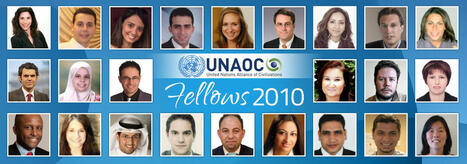
UNAOC Fellowship aims to foster intercultural exchange and interfaith understanding by engaging with emerging leaders and young professionals from Europe, North America, the Middle East and North Africa. The Fellowship Programme In 2010, the UNAOC launched the Fellowship Programme based on the notion that intercultural dialogue and mutual cooperation can build bridges of understanding between different cultures and societies. Framed around two-week exchange trips between young civil society leaders from Europe and North-America (EUNA) and the Middle East and North-Africa (MENA), the programme sends participants from each geographic cluster to visit their counterparts’ region and experience cultural immersion while interacting with a wide range of local actors and partners. Every country-visit is designed to provide participants with crucial comprehension tools to help them understand the plurality and complexity of their surroundings… Learn More The Selection Process Participants are selected for their potential in shaping opinion and taking strong initiatives within their community. In their applications, candidates have to demonstrate a strong interest – backed by concrete ideas – to engage with peers and partners from the countries they are going to visit, and propose positive and innovative models of intercultural cooperation. Candidates have to show a level of professional accomplishment in intercultural dialogue and in the theme chosen by UNAOC, through their involvement in politics, civil society, media, local community organizations, faith-based associations, grassroots initiatives, academia, think-tanks, arts, and other fields relevant to the objectives of the UNAOC Fellowship. Learn More The Alumni Network Since its creation in 2010, 20 cohorts have traveled with the Fellowship Programme across the Middle East, North Africa, Europe and the U.S. Two cohorts participated in the virtual edition due to the COVID-19 pandemic. Today, a total of 269 young civil society leaders from 50 states have joined the Fellowship Alumni Network. From grassroots organizations to official institutions, UNAOC Fellowship Alumni are professionally involved across the world in a wide spectrum of activities such as arts, conflict resolution, counter-terrorism, culture, education, global health, governance, human rights, international law, media, migration, new technologies, peacebuilding, sustainable development, sports, women empowerment, youth empowerment and many more.
EDIN - "Empowering Dialogue and Interfaith Networks" Peer-to-Peer Capacity-Building Training between Young Religious Leaders and Young Media Makers UNAOC EDIN – “Empowering Dialogue and Interfaith Networks” You are here: Home / What We Do / EDIN – “Empowering Dialogue and Interfaith Networks” EDIN – “Empowering Dialogue and Interfaith Networks” Peer-to-Peer Capacity-Building Training between Young Religious Leaders and Young Media Makers UNAOC is implementing EDIN – “Empowering Dialogue and Interfaith Networks” – a pilot project, launched in January 2021 by UNAOC and the United Nations Office of Counter-Terrorism and the United Nations Counter-Terrorism Center (UNOCT/UNCCT). Through this project, UNAOC and UNOCT/UNCCT aim to provide young religious leaders, representatives of faith-based organizations and young media makers with a peer-to-peer learning space and build their capacity to prevent sectarian violence and counter-terrorist narratives, using efficient communication tools and strategies to reach their community. A series of capacity-building activities enhance participants’ competencies that help to debunk hateful discourse and promote inter-religious understanding as key to social cohesion. Participants work on creating and implementing social media campaigns targeting various audiences across Europe, the Middle East and North Africa. Their campaigns aim to highlight positive examples of peaceful coexistence and interfaith harmony among three Abrahamic faiths and celebrate diversity, promote inclusion and tolerance, address radicalization, hate speech, prejudices and biases, extremist views about ‘the other’ and related violence. They offer counter-narratives that will help build respect and mutual understanding, and celebrate shared values between the faiths, fostering social cohesion within societies. As one of the outcomes of the project, young religious leaders and media makers will become better equipped to advocate for stronger collaboration between media professionals, religious leaders, and policymakers in the field of interfaith and interreligious dialogue. EDIN’s participants are 11 females and 9 males of the ages of 20 to 35 from Europe and MENA regions (Bosnia and Herzegovina, Egypt, France, Germany, Ireland, Italy, Lebanon, Norway, Saudi Arabia, UK and Ukraine). The first edition of the pilot project focuses on Christianity, Judaism and Islam. Subsequent iterations of the project may expand to other religions, faiths or regions of the world. View the Microsite of EDIN – “Empowering Dialogue and Interfaith Networks”
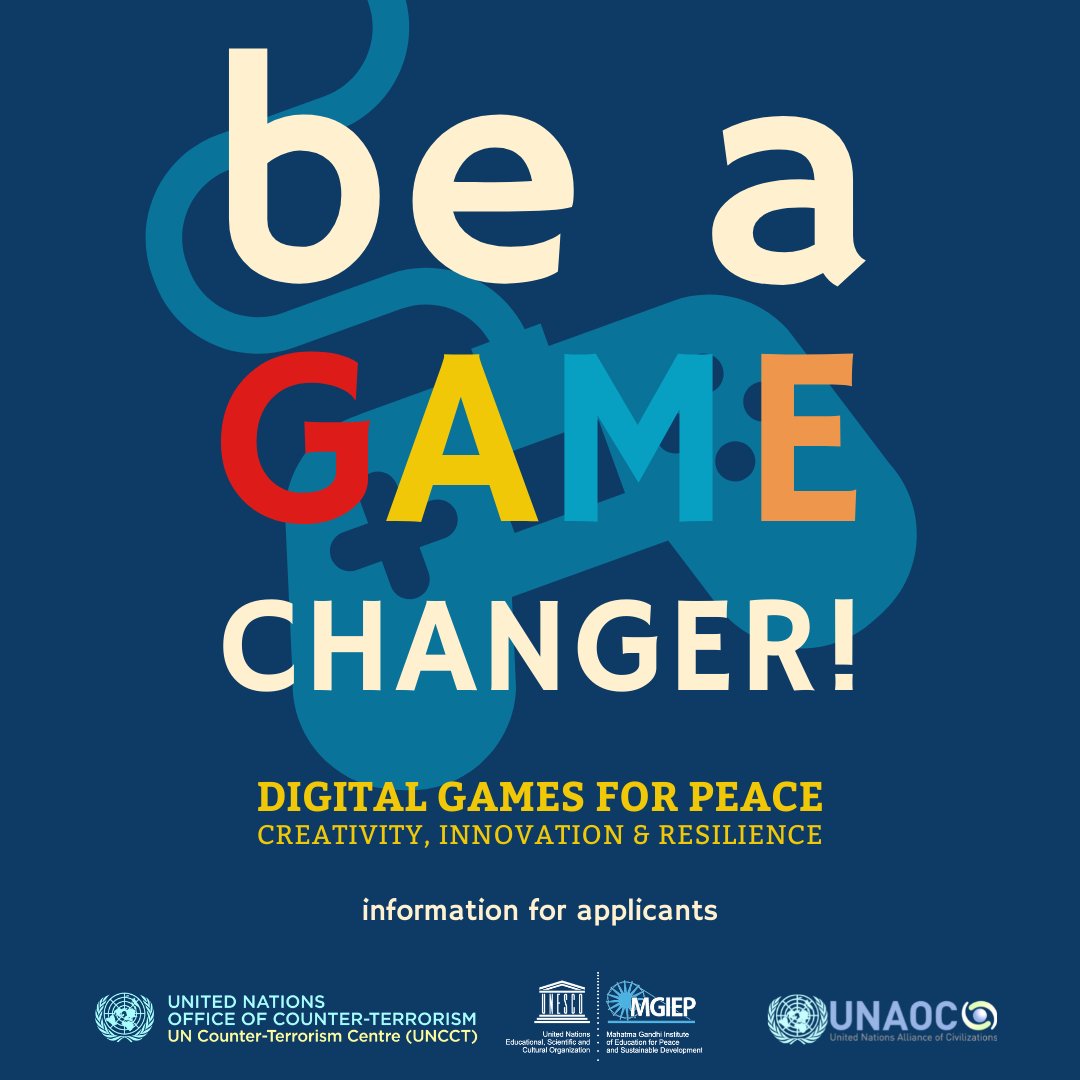
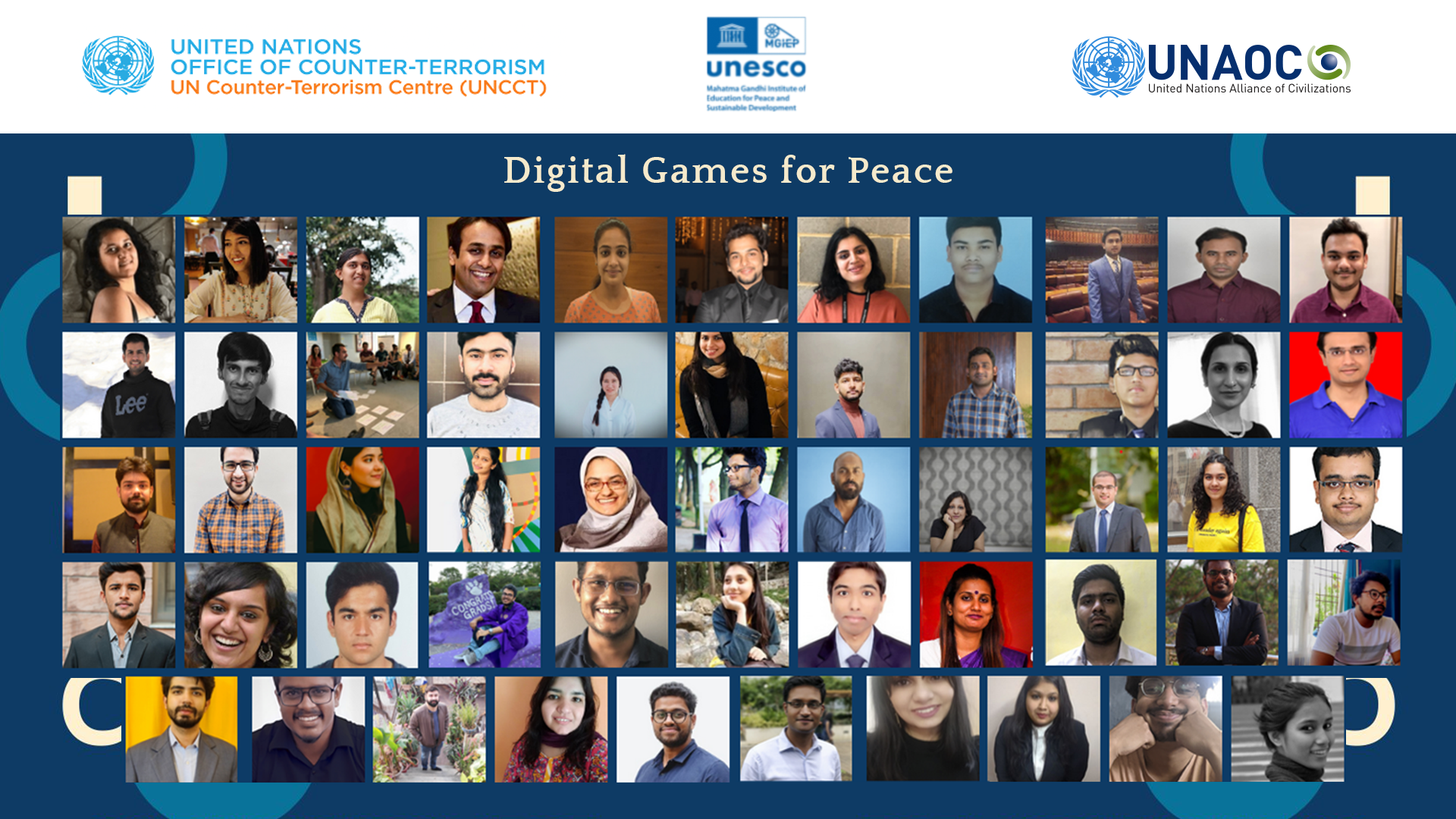
Digital Games for Peace Challenge A partnership between UNAOC, UNESCO, the Mahatma Gandhi Institute of Education for Peace and Sustainable Development Digital Games for Peace: Intercultural dialogue and socio-emotional competencies for peacebuilding Digital Games for Peace Challenge A partnership between UNAOC, UNESCO, the Mahatma Gandhi Institute of Education for Peace and Sustainable Development (MGIEP), the UN Office of Counter-Terrorism and its Counter-Terrorism Centre (UNOCT/UNCCT), and Rubika, the Digital Games for Peace Challenge is an initiative that aims to support young people in co-designing and co-creating games that can be used as pedagogical tools for transferring, enhancing, and developing skills and competencies for intercultural dialogue and social and emotional learning to prevent violent extremism. Increasingly, studies show that games are not just fun but educational and pedagogical methods to teach pertinent competencies such as mindfulness, empathy, compassion, critical thinking, conflict resolution, collaboration, and intercultural competence. They harness the power of play to transcend national boundaries, flatten hierarchies across individuals and cultures, summon emotions, and hone problem-solving skills. For youth, motivation, social embeddedness, engagement, and a passion for a cause are fundamental, all of which can be promoted through digital games. UNAOC, UNESCO MGIEP, and UNOCT/UNCCT are members of the Global Coalition on Youth, Peace and Security (GCYPS). Moreover, Youth engagement is a priority area within the UN Global Counter-Terrorism Strategy and the Plan of Action to Prevent Violent Extremism. This new joint initiative will directly contribute to the implementation of Security Council Resolutions 2250 (2015), 2419 (2018), and 2535 (2020) on Youth, Peace and Security, as well as to Pillar 5 of the UN Youth Strategy, Youth 2030, and the UN Secretary-General’s Plan of Action to Prevent Violent Extremism, which calls for the increased participation of young people in peacebuilding efforts. AIM Through an innovation lens and creative approach, the objective of this initiative is to strengthen the positive role of young people in preventing violent extremism (PVE), while contributing to peacebuilding through intercultural and interfaith dialogue, as well as developing socio-emotional competencies. AUDIENCE The project targets young women and men from the South East Asia region (India, Sri Lanka, Bangladesh, Myanmar, Pakistan, and Afghanistan) between 18 and 34 years old interested in participating in the development of games for social good. Those include young game developers, youth organizations, young peacebuilders, and other relevant professional and civil society organizations, such as academia, students, designers, and researchers. THE PROGRAMME The project is comprised of two phases: Boot Camp
Out of 100 applications from 6 South Asian countries, 57 young people were selected to critically review existing game-based methodologies, while improving their capacities on intercultural dialogue, social and emotional learning, game-based learning, and prevention of violent extremism. Remix Challenge
22 youth with highly interdisciplinary backgrounds were selected based on their participation in the online engagement phase and tasked with re-imagining and remixing an existing game for PVE context. Here, they were to lead the charge and apply their skills to conceptualize and create designs for conscious video games from scratch. Four impactful game ideas were developed with mentorship support of experts in the field. Slate, AllHere, DiverCity and Reverse are the game concepts that were born out of this process. The gamechangers created wholly innovative game ideas, each with a complete curriculum guide to build skills and competencies of intercultural dialogue and social emotional learning to prevent violent extremism.
Launch In February 2022, all four games were presented to the public during a virtual launch event. The presentations were followed by a panel discussion on Games in the 21st Century Classroom, hosted by veterans, experts, and stakeholders with diverse perspectives on the topic.
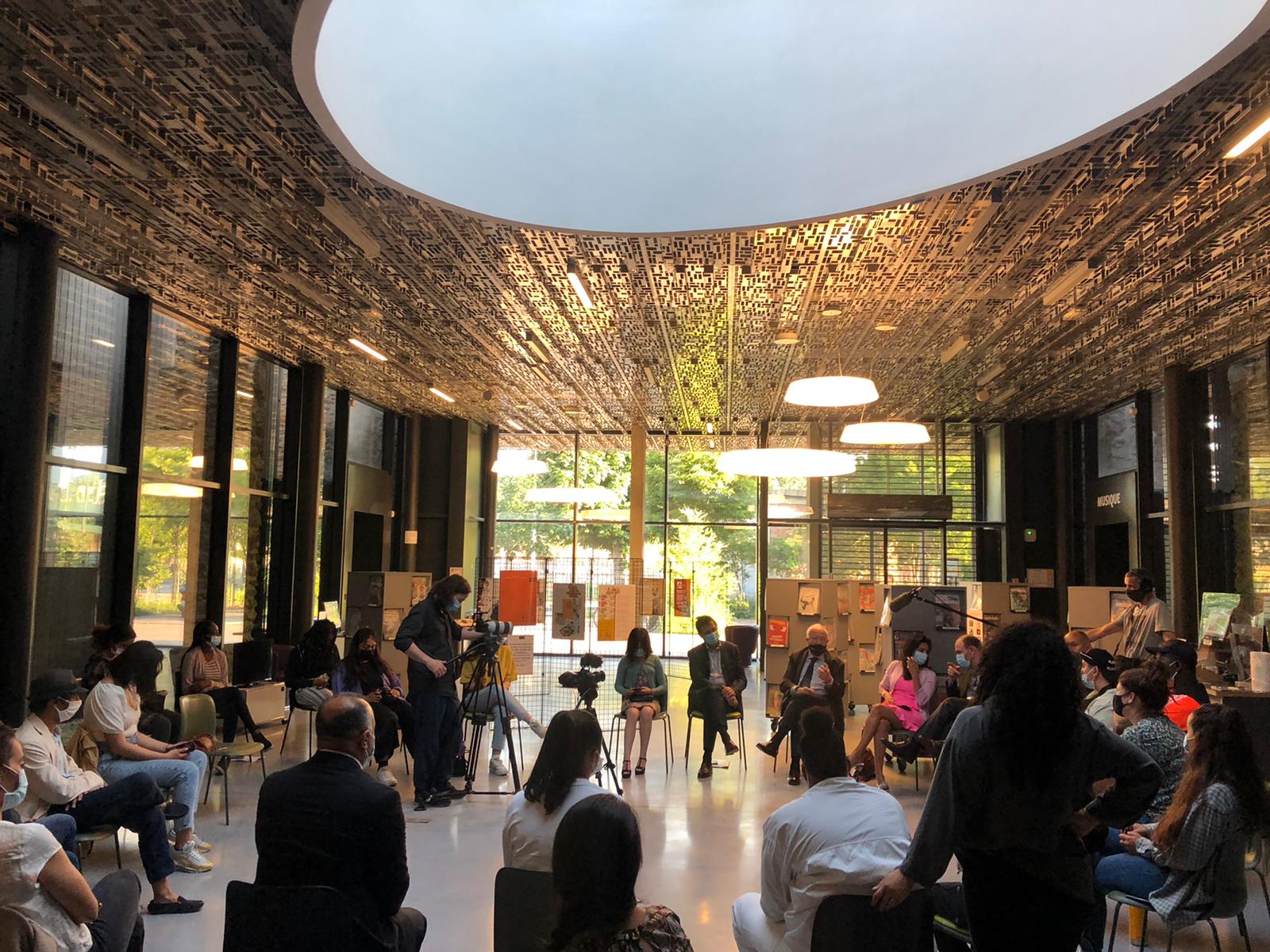
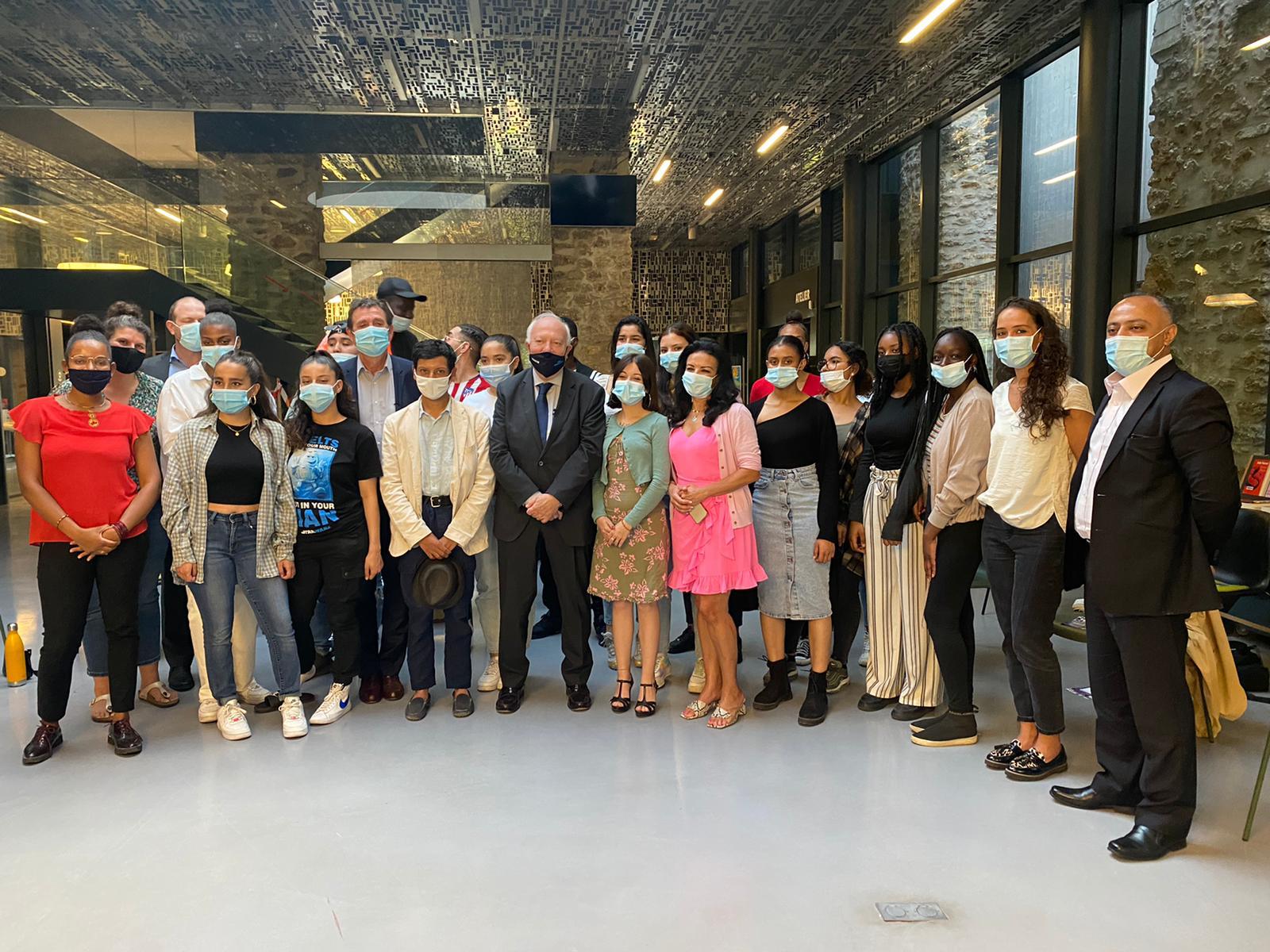
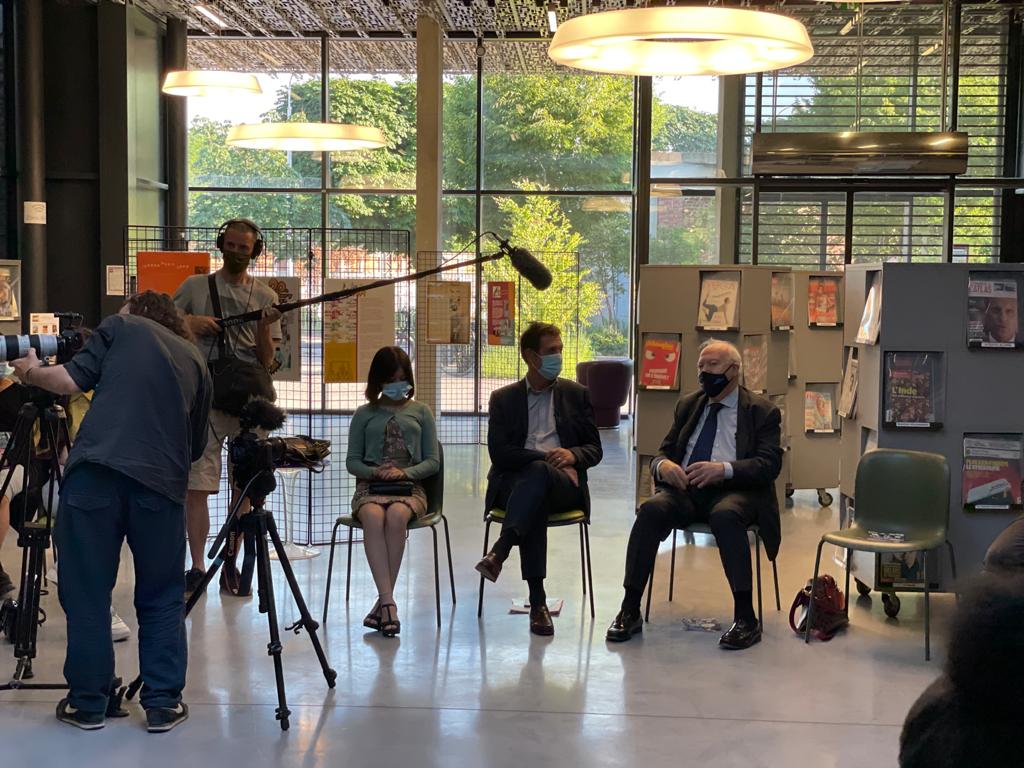
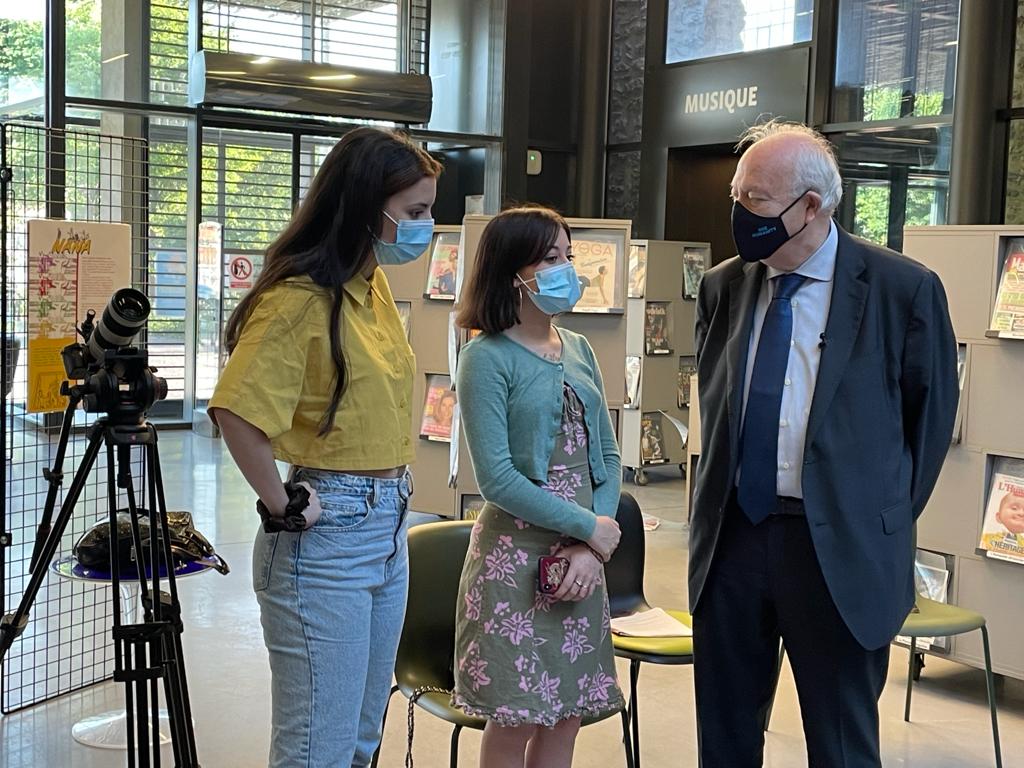
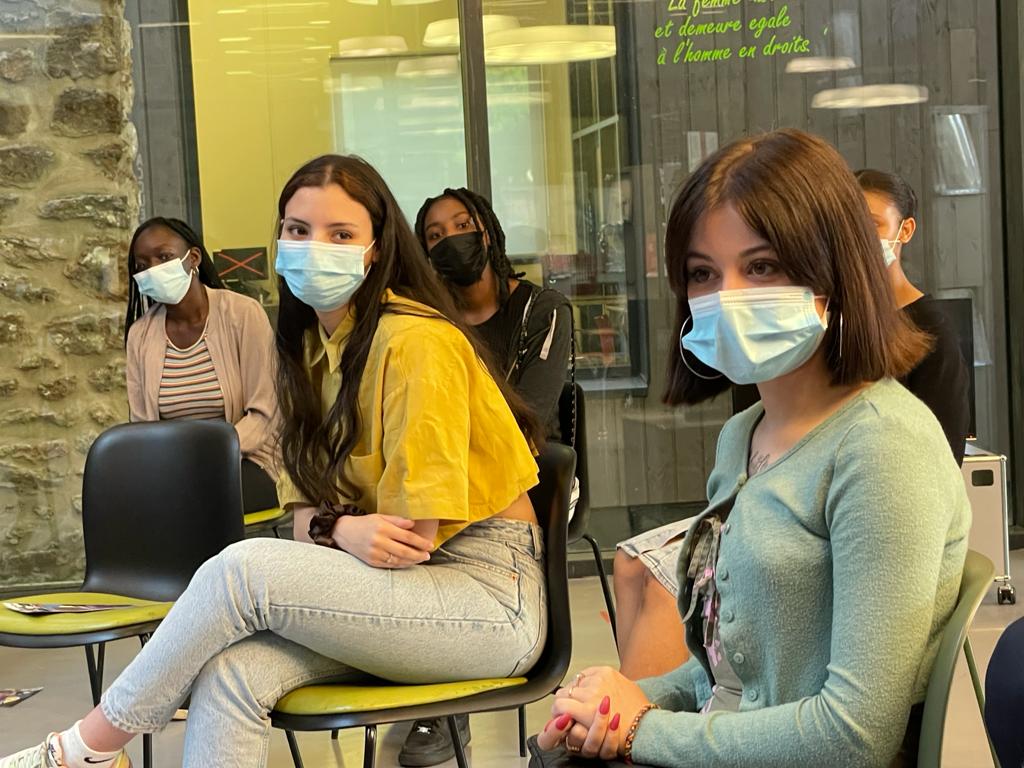
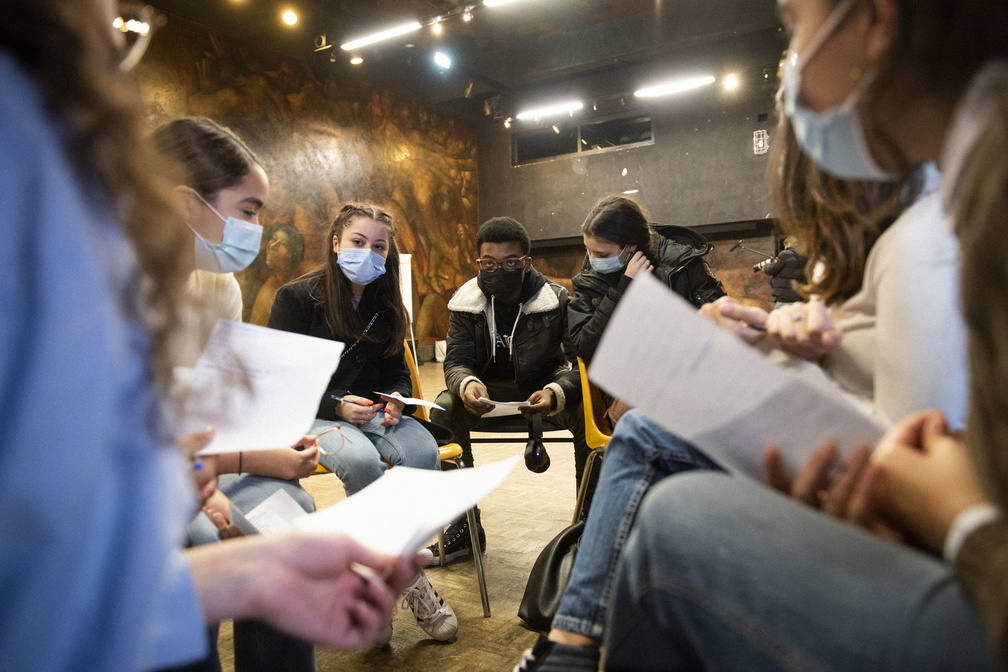
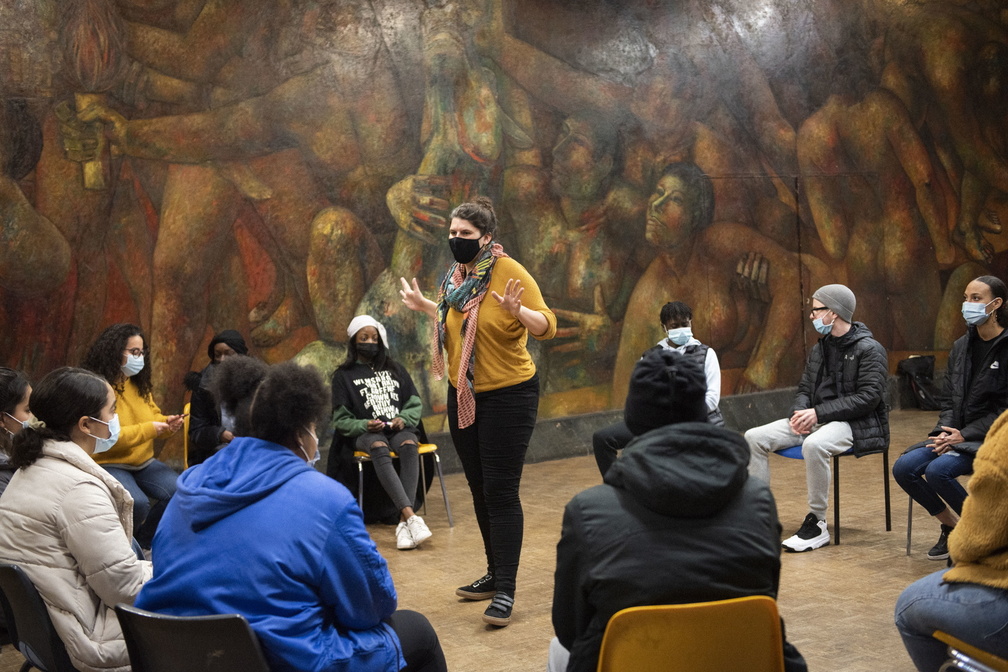
A project of UNAOC in collaboration with the municipality of La Courneuve, France UNAOC is committed to engaging with municipalities in the frontlines of A project of UNAOC in collaboration with the municipality of La Courneuve, France UNAOC is committed to engaging with municipalities in the frontlines of challenges linked to intercultural and interreligious tensions that may erupt within diverse communities. Implemented in collaboration with the municipality of La Courneuve (Paris area, France), the project “News Generation Against Hate” empowers young people to combat misinformation, hate speech, and stereotypes by promoting multiculturalism and interreligious understanding in the media. Only a ten-minute train ride from Paris, La Courneuve counts fewer than 45,000 residents of more than 80 nationalities, ethnic and religious backgrounds, about a third of them under 25 years old. It is a melting pot where youth from Europe, the Middle East, North Africa, sub-Saharan Africa, South Asia, and more live together and interact daily. With this new initiative in partnership with La Courneuve, UNAOC offers workshops and capacity-building training and activities to youth living in La Courneuve from diverse religious and cultural backgrounds and equips them with the tools to deconstruct stereotypes affecting their communities and causing tensions. News Generation Against Hate empowers local youth actors and provides them with the knowledge and tools to tackle the pressing social issues of our time. Goal The project News Generation Against Hate aims to engage forty youth from La Courneuve between the ages of 15 and 25 to help them deconstruct stereotypes rooted in the lack of knowledge of diverse cultures and religions. Through workshops and capacity-building activities, participants acquire storytelling techniques and competencies to promote multiculturalism and interreligious understanding. Moreover, through the production of media content such as videos and radio podcasts, participants learn to recognize and address misinformation and discrimination in the media. Together they produce alternative narratives and multimedia content covering local and national issues related to multiculturalism and interreligious understanding.
News Generation Against Hate participants after an intervention by French boxing champion and author Ms. Aya Cissoko.
Objectives With the project News Generation Against Hate, UNAOC and La Courneuve provide a platform for youth participants to: - Learn about the negative stereotypes affecting the diverse communities living together in La Courneuve and ways to deconstruct them to reduce tensions.
- Learn to recognize and address misinformation and discrimination in the media, particularly when rooted in the lack of knowledge of diverse religions and cultures.
- Acquire media literacy competencies and storytelling techniques to promote multiculturalism and interreligious understanding in the media.
- Develop skills for the independent production of media content such as videos, radio podcasts, and articles to create alternative narratives and foster interreligious and intercultural dialogue and understanding.
Programme Components Phase 1: Intercultural and Interreligious Dialogue Workshops
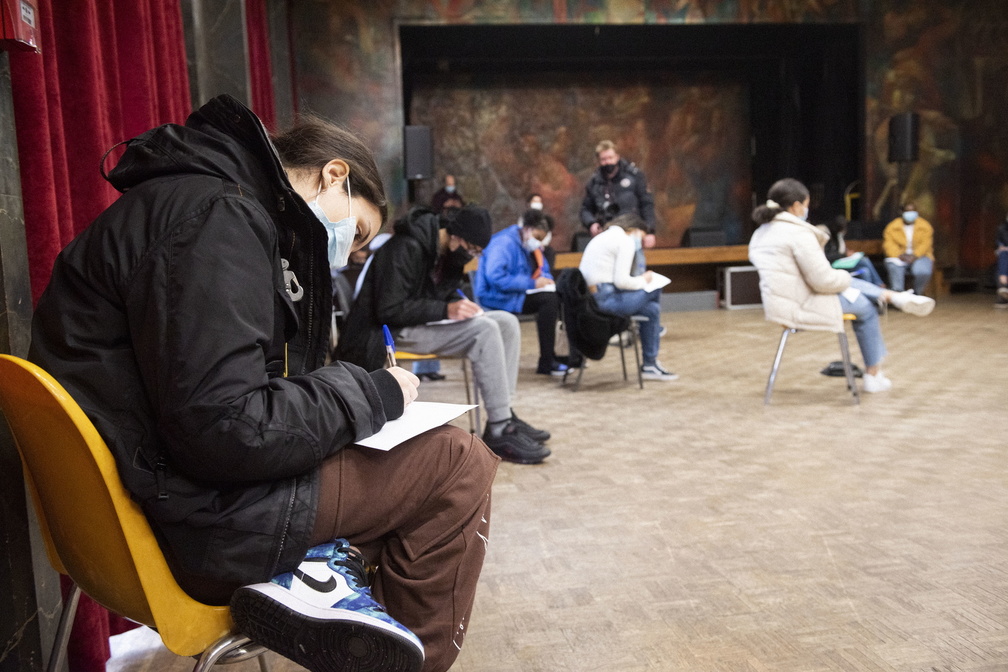
Participants engage in a series of workshops developed by UNAOC, La Courneuve, and expert facilitators to gain competencies on themes related to multiculturalism and interreligious understanding and ways to promote it within their communities. They also learn to identify misinformation and stereotypes related to cultures and religions in the media and ways to debunk them. Workshops include interventions by renowned professionals who specialize in these issues. Phase 2: Media Literacy Workshops
Participants are introduced to different media platforms and formats, such as broadcast, radio, online and offline press, etc., to learn about the specificities of each medium, best practices, and different storytelling techniques. Workshops also involve interventions by renowned professionals who specialize in these issues. Phase 3: Design and Production of Alternative Narratives
Participants choose a format for their project and work closely in groups of two to four to draft, design, and produce media content about local and/or national issues related to multiculturalism and interreligious understanding. Phase 4: Best Practices and Final Event
Participants present their media productions and share their experiences and lessons learned during a public event organized in La Courneuve. They also engage in conversations with peers and community members about good practices to deconstruct stereotypes and promote multiculturalism and interreligious dialogue. Finally, they share recommendations with local representatives and municipalities on ways to educate younger generations about intercultural and interreligious understanding and engage them in promoting dialogue. A team of local reporters follows participating youth throughout the project to produce a documentary about the programme.
Learn about the United Nations Alliance of Civilizations' (UNAOC) projects and initiatives on media, migration, youth, and education. The UNAOC Fellowship Programme The Fellowship Programme promotes intercultural and interfaith understanding by engaging young civil society leaders from Europe, North America (EUNA), the Middle East and North Africa (MENA). Organized around two-week exchange trips between EUNA and MENA countries, the Fellowship Programme sends participants from each geographic area to their counterparts’ region. The initiative aims at challenging perceptions and deconstructing stereotypes. Throughout their journey, UNAOC Fellows interact with a wide range of local stakeholders. Together, they explore opportunities for intercultural collaboration and exchange ideas and good practices on how to address current global challenges. Learn More The Intercultural Innovation Hub (IIH) The Intercultural Innovation Hub (IIH, formerly known as IIA), a long-standing partnership between UNAOC and BMW Group, and supported by Accenture, recognizes and strengthens innovative grassroots projects that foster intercultural dialogue and inclusive societies around the world. As we grapple with global challenges, fostering diversity and inclusion is key. Through the Intercultural Innovation Hub we connect people and cultures, empower grassroots organizations, and elevate intercultural innovation. Learn More PLURAL+ Youth Video Festival PLURAL+ Youth Video Festival is a joint initiative of UNAOC and the International Organization for Migration (IOM). The Festival invites the world’s youth to submit original and creative videos focusing on pressing social issues, including migration, diversity, social inclusion, and the prevention of xenophobia. By supporting the global distribution of youth-produced media, PLURAL+ recognizes youth as powerful agents of positive social change in a world often characterized by intolerance and cultural divisions. With increasing interest and participation each year since 2009, PLURAL+ has become a premier global platform for youth media distribution. Learn More Youth Solidarity Fund The Youth Solidarity Fund (YSF) provides seed funding to youth-led organizations that propose projects with innovative and effective approaches to intercultural and interfaith dialogue. The funded initiatives are youth-led and youth-focused but have an impact on entire communities. The Fund also links small scale and local work to larger movements for social and global change, to promote peacebuilding as well as to influence policymaking. In addition to the funding, UNAOC offers technical support and capacity- building to YSF recipient organizations and, when needed, assists with advocacy, financial management, media relations, networking, monitoring, evaluation, and sustainability. Learn More Young Peacebuilders The UNAOC Young Peacebuilders programme is a peace education initiative that is designed to support young people in gaining skills that can enhance their positive role in issues of peace and security and in preventing violent conflict. It also brings visibility to actions initiated by young people towards peace and the promotion of diversity and dialogue. UNAOC intends to implement this programme in different regions of the world to grow and strengthen the global movement of young peacebuilders, with the goal of integrating them in governmental peace processes and policies. Learn More Intercultural Leaders Recognizing the role of alumni in the implementation of its mandate and broader outreach, UNAOC created Intercultural Leaders in partnership with BMW Group, an exclusive skill and knowledge-sharing web platform, where over 600 alumni of UNAOC programmes and projects, professionals from partner organizations, and a group of mentors collaborate by exchanging knowledge, best practices, and expertise on addressing cross-cultural tensions. By providing this platform to facilitate networking and relationship building, UNAOC is able to assist its alumni in developing increased capacity to sustain their work. Promoting the values that underpin Intercultural Leaders also enhances UNAOC’s role as a convener, catalyst, and thought leader. Learn More
|
Faiths Gather with the African Union to Celebrate Interfaith HarmonyApril 15, 2024 View Fullscreen... Faiths Gather with the African Union to Celebrate Interfaith Harmony April 15, 2024
HOME WHO WE ARE Promoting Africa’s growth and economic development by championing citizen inclusion and increased cooperation and integration of African states. About the African Union Overview Member States Constitutive Act AU Symbols & Anthem AU Languages AU Holidays AU Handbook AU Structure &... Interfaith Dialogue Forum HideAfrican Union Interfaith Dialogue Forum - Hashtag and slogan: “Inspiring Interfaith collaboration for a brighter tomorrow” #Interfaith4peaceinAfrica
- Mandate: Ensure religions and faith-based entities are fully engaged in supporting peace, and human rights in the attainment of inclusive development in Africa. Furthermore, building synergies and supporting linkages between religious leaders, FBOs, policy makers, women and youth in the continent to support its sustainable development and achieving the aspirations of the African Union Agenda 2063
HideImportant Facts - An Initiative created to bridge the gap and create spaces for discussion, fostering ideas and knowledge among religious leaders and policymakers on sustainable development issues in Africa
- Bottom-up approach to peacebuilding and sustainable development
- Founded in 2010 in Abuja Nigeria and convened under the auspices of the AU in partnership with the African Council of Religious Leaders and Faith-Based Organizations from Africa
- The IFDF’s key governing body is the Steering Committee that takes lead on all activities linked to the initiative. The SC has 2mrepresetattives from the 5 regions In Africa and 2 youth representatives
- Developed as an AU program of the Civil Society and Diaspora Directorate
- KAICIID joined as a key partner to the initiative in 2016
- Has held 4 forums discussing relevant issues related to Africa's development advancing justice peace and security in Africa
- Inclusive development should include the involvement of all key figures in society, especially religious leaders, women and youth
HideActivities - Interfaith/Interreligious Dialogue: Uniting different beliefs and faiths around Africa on issues related to peace and security, women and youth, politics and governance and sharing good practices and experiences from around Africa
- Contributing to Policies and Frameworks: Conducting relevant research and ensuring that religious institutes' perspectives and voices are incorporated in Agenda 2063 as well as their active involvement in existing AU frameworks and initiatives.
- Raising Awareness/Advocacy: Conduct relevant online and offline campaigns to raise awareness of the importance of the role of religious leaders in sustainable peace and development showcasing the successes and impact that can be achieved in Interreligious Dialogue (IRD) and Conflict Early Warning Early Response (CEWER)
- Capacity Building: Capacitate religious leaders and actors in keys skills to continue work and impact within communities i.e. communications, project management, resource mobilization and advocacy training etc.
- Fostering Partnerships & Mobilizing Resources: Building a strong coalition of faith leaders and organizations as well as partners working towards integrating Intra and interfaith approaches to peacebuilding, governance and achieving Agenda 2063
- Building Cohesive Communities: Through activities on the ground, ensure the role of women, youth, religious and traditional leaders representing different faiths and backgrounds are included within development activities. Encouraging holistic approaches that includes the participation of all members of the community.
Citizens and Diaspora Directorate (CIDO) Topic Resources 2nd Extraordinary Session of the 2nd Permanent General Assembly of the Economic Social and Cultural Council (ECOSOCC) Report on the Outcomes of the Civil Society Organisations (CSOs) Consultation in Maseru on the Implementation of the Livingstone Formula About the African Union An Integrated, Prosperous and Peaceful Africa, driven by its own citizens and representing a dynamic force in the global arena. African Union Headquarters
P.O. Box 3243, Roosvelt Street W21K19
Addis Ababa, Ethiopia
Tel: +251 11 551 77 00
Fax: +251 11 551 78 44
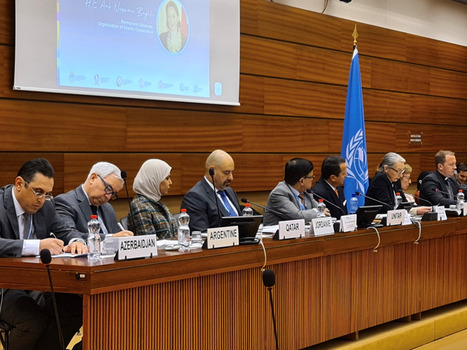
10 February 2023, Geneva, Switzerland- The latest annual edition of the Geneva Interfaith Dialogue, hosted by UNITAR in collaboration with the Permanent Mission of the Hashemite Kingdom of Jordan to the United Nations in Geneva, took place in early February. The event convened a diverse panel of Ambassadors, high-level representatives of the world's major faiths, and the International Geneva community to engage on the links between faith, politics, and society. UNITAR AROUND THE WORLD Leaflet | Produced by United Nations Geospatial USER LOGIN - Home
- About UNITAR
- News and Stories
- UNITAR Co-Hosts the 8th Geneva Interfaith Dialogue with the Permanent Mission of Jordan
UNITAR CO-HOSTS THE 8TH GENEVA INTERFAITH DIALOGUE WITH THE PERMANENT MISSION OF JORDAN 10 February 2023, Geneva, Switzerland- The latest annual edition of the Geneva Interfaith Dialogue, hosted by UNITAR in collaboration with the Permanent Mission of the Hashemite Kingdom of Jordan to the United Nations in Geneva, took place in early February. The event convened a diverse panel of Ambassadors, high-level representatives of the world's major faiths, and the International Geneva community to engage on the links between faith, politics, and society. The Annual Geneva Interfaith Dialogue serves the purpose of commemorating World Interfaith Harmony Week, established in 2010 by UN General Assembly Resolution 65/5, to raise awareness about the value of interfaith dialogue while facilitating the exchange of best practices on how different faiths can contribute to harmony, peace, sustainable development, and towards building more inclusive communities. This year's event gathered 89 participants in person and over 80 attending via Webex. The eighth Annual Geneva Interfaith Dialogue brought together the following speakers: Amb. Walid Khalid Obeidat, Permanent Representative of Jordan, Amb. Hend Abdalrahman Al-Muftah, Permanent Representative of the State of Qatar, Rev. David Putzer, Deputy Permanent Observer of the Holy See, Ambassador Marie-Thérèse Pictet-Althann, Permanent Observer of the Sovereign Order of Malta, Amb. Nassima Baghli, Permanent Observer of the Organization of Islamic Cooperation, Amb. Federico Villegas, Permanent Representative of Argentina, Amb. Galib Israfilov, Permanent Representative of Azerbaijan, and Amb. Rhoda Jackson Chairperson, Chairperson of the United Nations Christian Association. The Permanent Representative of Jordan opened the conference by highlighting the importance of interfaith dialogue, saying, "This interfaith gathering fills me with hope because our faith stands in contrast against the darkness of our times." Mr Nikhil Seth, UN Assistant Secretary-General and Executive Director of UNITAR, emphasized the importance of having an open and deep conversation at the United Nations on topics of faith, multilateralism, and public policy as they "are the crucial ingredients for effective engagements... because most of the crises we see today are self-inflicted wounds and we must find ways to heal them..." The event itself consisted of two separate panel discussions. The first panel was entitled "Faith and Multilateralism," and the second "Fatih and Public Policy, " each preluded by a brief presentation on the topic by Mr Alex Mejia, Director of the UNITAR Division for People and Social Inclusion. FAITH AND MULTILATERALISM Interfaith dialogue and an environment of mutual understanding and respect are vital in maintaining a healthy approach to multilateralism. The representative of Qatar emphasized this point when "we as individuals uphold faith, morals, and respect of different religions. We live together by respecting each other, which will pave the way to understand one another better and lay the foundation for long-standing cooperation for generations to come." Faith and multilateralism are increasingly relevant in solving the issues that our world is facing. The Permanent Observer of the Organization of Islamic Cooperation indicated that "faith and multilateralism are increasingly linked because all religions are compelled to feelings of compassion and empathy with others while also advocating for peace and co-existence between peoples and nations." The vital role faith plays in multilateralism was expanded by the representative of the Holy See, who shared his vision of how a fragmented multilateral system could impact marginalized members of our society. He mentioned how faith is essential in "highlighting the deficiencies within the multilateral system by providing an effective avenue for solving the issues of our day." The connection between humanitarian work and multilateralism was another critical point during the panel discussion. The representative of the Sovereign Order of Malta said these two aspects are interconnected, especially in matters relating to interfaith dialogue, as they allow for an "exchange of information and best practices while contributing to the following fields: global displacement, humanitarian assistance, global health, human rights, social justice, and integration." FAITH AND PUBLIC POLICY The Permanent Representative of Jordan opened the second panel, explaining why his Nation put such a resolution forward in the first place and why they hold interfaith dialogue so important. "The tenants of faith are what guide us when assisting those in need," he stated, explaining how his Nation integrates elements of interfaith dialogue and shared understanding when providing solutions to Jordan's diverse community. The importance given to interfaith communication and collaboration within the realm of public policy was made clear during the panel The Representative of Argentina stated, "for Argentina, interfaith dialogue is part of our nature because our identity is not only shaped by the identity of our culture but also the diversity of faith." Likewise, the Permanent Representative of Azerbaijan highlighted the linkages between faith and state governance by explaining that "state governance cannot be pursued in isolation of the religious situation in the country without proper context of the religious values." The United Nations Christian Association Chairperson reminded the audience, "what affects one, affects all," and stressed the importance of finding inclusive and collaborative solutions to challenges that face our community, specifically those that exasperate inequality, such as the impact of the Covid19 Pandemic and the Climate Crisis. CONCLUDING REMARKS At the end of the conference, the Chairperson of the Board of Trustees of UNITAR, Amb. Luis Gallegos echoed how these profound discussions will go beyond the bounds of the conference room to impact people's lives for generations to come. He said, "the fragmentation of multilateralism, as expressed by the Secretary-General, should motivate us to look for a culture of peace, understanding, and dialogue as mechanisms to reach consensus and agreements that will benefit the world's population." The 9th Geneva Interfaith Dialogue will occur at the Palais des Nations in February 2024. To watch the proceedings of this event, please watch the video below.
February 1-7 of each year has been designated World Interfaith Harmony Week by the United Nations. It was launched in February 2011 to promote harmony among people of different faiths at a time when interreligious conflict is claiming lives and livelihoods all over the world. World Interfaith Harmony Week-February 1-7 World Interfaith Harmony Week is devoted to strengthening the ideals of peace, within and among all nations and peoples. Seeds of Peace Pakistan celebrates World Interfaith Harmony Week February 1-7 of each year has been designated World Interfaith Harmony Week by the United Nations. It was launched in February 2011 to promote harmony among people of different faiths at a time when interreligious conflict is claiming lives and livelihoods all over the world. United Religions Initiative (URI) invites you to join our hundreds of interfaith Cooperation Circles (CCs) worldwide in taking action this year to build peace. 2024 Participation: To submit a CC event for WIHW click here to fill out a short form and be added to URI's 2024 event listing. Looking for ideas? Consult the Ideas for celebrating WIHW. Also, to register your event to qualify for H M King Abdullah II of Jordan Prize for Harmony Week, please click here. A few URI Cooperation Circles were winners in past years. InterFaith Works and Women Transcending Boundaries, two URI North America groups, celebrate WIHW 2017 with "Love is the Answer" - a message of harmony and tolerance showcasing the many faith traditions in Central New York. Activities from the URI community in support of World Interfaith Harmony Week throughout the years. URI is a registered 501(c)(3) with consultative status with the United Nations Economic and Social Council. URI's efficiency is rewarded with the highest rating (★★★★) on Charity Navigator. ©2024 United Religions Initiative. All Rights Reserved. United Religions Initiative 1009 General Kennedy Ave San Francisco, CA 94129 USA +1 415 561 2300 Footer
Intercultural Leaders, a project of the UN Alliance of Civilizations (UNAOC) in partnership with the BMW Group, is an exclusive skills & knowledge-sharing platform for civil society organizations and young leaders that work on addressing cross-cultural tensions. -
Intercultural Leaders, a project of the United Nations Alliance of Civilizations (UNAOC) in partnership with the BMW Group, is an exclusive skills & knowledge-sharing platform for civil society organizations and young leaders that work on addressing cross-cultural tensions. LOGIN FEATURED LEADERS MOHAMMED ALMAHDI Chairman and Founder of Shift Foundation, Young Peacebuilders Programme Mohammed Almahdi, a 26 year-old activist, filmmaker, journalist and Chairman & Founder of Shift Foundation where he and his team screening Yemeni and international films in educational and cultural... MOHAMMAD ELSHWADFY A young Egyptian physician specialized in Cardiology who is passionate about Intercultural Dialogue and conflict resolution beside medicine. UNAOC PROJECT: Intercultural Innovation Award (IIA) UNAOC PROJECT: Intercultural Innovation Award (IIA) RECENT OPPORTUNITIES -
The UNESCO Youth Climate Action Network (YoU-CAN) is conducting a Study on “Youth Challenges and Actions in the Climate Crisis”, composed of […] -
Are you a talented and highly qualified professional looking to start a career as an international civil servant with […] SUCCESS STORIES -
“Since I began my school journey, I have suffered a lot. I felt a hostile environment for critical thinkers, for […] -
1. On behalf of Cultural Infusion and Diversity Atlas, CEO and Founder Peter Mousaferiadis, received the Silver Medal for the 2021 […]
YSF provides seed funding to outstanding youth initiatives that promote long-term constructive relationships between people from diverse cultures. Programme Overview
The Youth Solidarity Fund (YSF) supports youth-led organizations that foster peaceful and inclusive societies. Seed funding is given to projects, for and by young people that demonstrate innovative and effective approaches to intercultural or interfaith dialogue. UNAOC additionally offers capacity-building support to help youth-led organizations strengthen the implementation of their projects. Established in 2008, YSF responded to calls for action made by young civil society leaders worldwide on the importance of establishing funding mechanisms for youth-led organizations. Today, YSF is more relevant than ever. As the global agenda increasingly speaks of youth’s participation and contribution to peace, development and security, it is critical to listen and respond with funding and partnership opportunities. The funded projects are youth-led and youth-focused. The age definition used by UNAOC to characterize youth is an individual between the ages of 18 and 35. While the projects target mainly young people, they have an impact on entire communities, often involving religious or political leaders, policy-makers, educational institutions and media organizations. Youth Solidarity Fund – 10th Edition Lately, the world has been experiencing a surge of stigma and hostility. Incidents of discrimination and hate speech escalated globally, deepening the divides between communities even further. The world today is home to the largest youth generation in history, a population that suffers disproportionately from the effects of violence, conflict, poverty and the pandemic. Despite the pandemic and many obstacles and challenges, young people continue to find ways to engage, support one another and demand and drive change. Some 1.8 billion young people that fall into this demographic present an enormous source of innovation and potential to drive a positive social change. A growing number of them are increasingly engaged in activities aiming to transform the world around them to make it more peaceful and inclusive. This has been recognized by the United Nations’ Youth, Peace and Security agenda, through the Security Council resolutions 2250 (2015), 2419 (2018) and 2535 (2020), which are focusing on youth as agents of change and key actors in powerful social movements. In line with these recent achievements that recognize the important role of young people in fostering peace, the Youth Solidarity Fund (YSF) seeks to invest in the agency and the capacity of young people to develop and implement their projects addressing the root causes of intolerance and discrimination and promoting inclusion and respect for diversity. YSF is the bridge between formal and informal structures, supporting young people to engage through on-the-ground avenues while providing space and opportunities to engage with decision-makers at the policy level. YSF continues to support youth-led civil society organizations, with a particular focus on the role of young people in promoting peace and preventing violent extremism. YSF does so by providing the partnership, mentorship, and financial means to help young people implement activities that prevent violent conflict, promote peace and social inclusion. YSF functions as a small grant-making mechanism for youth to develop their own ideas on strengthening community resilience against violent extremism conducive to terrorism. UNAOC believes that young people are uniquely placed to counter and prevent violent extremism within their communities based on their valuable insights, influence, and credibility. A critical part of YSF is a comprehensive capacity building and mentorship support provided to the grant recipients. Organizations that will be awarded with the seed funding for their projects will also take part in structured capacity development program, consisting of workshops and regular mentoring sessions. Through tailor-made mentorship, the workshops will offer know-how on diverse topics, including organizational development, sustainability and personal safety in the field. Additionally, the program also provides grant recipients an opportunity to network with their peers and build connections to the international community. In April 2023, UNAOC opens a call for project proposals for the 10th edition of the Youth Solidarity Fund. YSF welcomes proposals that support young people as they take up the causes of cultural and religious pluralism, peace, and mutual respect. Proposals addressing the increased stigma and discrimination of young people and their communities exacerbated by the COVID-19 pandemic, as well as proposals focusing on promoting respect for other religions and cultures, the right of human beings to practice their faith in safety and peace, and efforts to combat extremist ideologies and narratives are highly encouraged. Youth Solidarity Fund Recipients Around the World Impact Since 2008, UNAOC has launched nine YSF editions and provided funding to youth-led organizations based in Africa, the Americas, Asia and Europe. To date, a total of 73 projects in over 42 states have been funded, representing a total of $2.49 million in investments. In total, more than 1.7 million direct and indirect beneficiaries have been impacted over the past fifteen years. “UNAOC through the Youth Solidarity Fund has provided our organization with capacity development and mentorship that increased our capacity to mobilize resources, apply best practices and sustainable models.” Nthabiseng Modjadji Project Coordinator – Breaking Down Borders Africa Toolkit Series (South Africa), 2021 YSF Recipient The projects funded by YSF target young people from various backgrounds: students, marginalized youth, minorities, youth in rural or urban areas, youth in conflict or post-conflict situations, artists and activists. The youth-led organizations employ creative methodologies to break stereotypes, improve intercultural relations and promote a culture of peace, including: - Educational activities, ranging from one-day awareness raising sessions to week-long trainings, peer-education activities, summer camps, as well as development of educational materials and tools and creation of networks of student leaders and youth clubs;
- Arts and sports as tools to address conflict in a non-violent way, to promote inter-community understanding and to raise-awareness about the dangers of sectarianism, extremism and radicalization;
- Media and social-media campaigns, video production for advocacy purposes and radio series to promote messages of tolerance and peace;
- Creative settings that facilitate intercultural dialogue, interfaith understanding, sharing of experiences and learning from each other in order to bring meaningful change to their society.
“YSF is a great partner to youth to deconstruct the structural and cultural inequalities and lack of opportunities youth face in our societies. By involving youth in the processes of peace building and creating opportunities to develop crucial skills, YSF empowers youth to realise their fullest potentials. And, YSF understands that this is not only benefiting the youth but the society at large.” Sivatharsini Raveendran Project Coordinator (Sri Lanka), 2019 YSF Recipient
Resource Bank Documents Youth Solidarity Fund Brochure
Evaluation Report of UNAOC’s Youth Solidarity Fund Projects 2016-2017
The Intercultural Innovation Award, a partnership between UNAOC and the BMW Group, aims to support the most innovative grassroots projects that encourage intercultural dialogue and cooperation around the world. MISSION OUR MISSION IS TO CONNECT, EMPOWER AND ELEVATE We… - CONNECT people and cultures by building an ever-growing community of intercultural change-makers and fostering dialogue on a local, regional and global level.
- EMPOWER grassroots organizations by enabling them to reach their full potential, so they can contribute to a more just and inclusive society.
- ELEVATE and scale up social innovations by offering holistic and long-lasting support to organizations who want to expand their range of action.
WHERE DO WE COME FROM? The partnership between the United Nations Alliance of Civilizations (UNAOC) and the BMW Group started in 2011 as an initiative to recognize grassroots projects promoting intercultural dialogue. WHERE ARE WE NOW? Today, it is a lot more than that and has grown to a full-scale support programme with an associated community. With this holistic approach the initiative has even more impact on the organizations‘ development and therefore on social change itself. BENEFITS The initiative has evolved from an award to a full-scale programme which offers holistic support to up to 10 carefully selected organizations each cycle. We promote innovative social projects that connect people and cultures. With the Sustainable Developments Goals always in mind, one of our main objectives is to successfully scale up these projects. Recipients will benefit from a comprehensive one-year capacity-building program aimed at strengthening their work. The support program will consist of funding, training and capacity-building, mentoring and opportunities to participate in global and regional events. Support will also be provided to successful projects so that they can be replicated in other contexts or settings where they might be relevant. A detailed needs assessment will be conducted in conjunction with each of the recipients. UNAOC and the BMW Group, with the support of Accenture, will then mobilize resources to help those projects achieve their goals. After one year, a comprehensive evaluation will be performed in order to assess the impact of the programme on successful projects.
Empowering Dialogue and Interfaith Networks EDINEmpowering Dialogue
and Interfaith Networks Peer-to-Peer Capacity-Building Training Between Young Religious Leaders and Young Media Makers -
My Lebanon (لبناني أنا) -
One for All, All for One (Eine inklusive Gesellschaft werden) -
Shield Your Sprouts A Change of Heart is a podcast series that focuses on the stories of extremist hatred and intolerance, from the very people who have (...) The Distant Yet So Close campaign seeks to raise awareness of the multicultural and interfaith diversity of Ukraine (...) We too often bear witness to violence on the basis of religious beliefs and public expressions of faith. And sometimes, asking people to(...) Over the past decade, the world has witnessed a sharp surge in violent sectarian and religious tensions, affecting virtually every religious group. All over the world, terrorist attacks are committed against believers in the sanctity of their place of worship, a trend that sadly confirms that interreligious violence is not backing down. Faithfully Public is an art-essay social media campaign that seeks to literally redraw the role of faith in public life and social (...) An important part of the United Nations’ work is on safeguarding places of worship and religious sites – for all faiths. And as an (...) In a 24/7 social media cycle littered with news of conflicts from all over the world and bad-faith actors manipulating historical events(...) In terms of shaping public opinion, we cannot understate the role of the media in shaping our social realities – for better and for (...) It is one thing to depoliticize issues such as religion or race at the highest levels – work at this level is undeniably important. But (...) Music is a powerful way to build bridges – between people and societies. Rabbi Hannah’s Music Speaks Louder Than Words campaign shows (...) My Lebanon is a community storytelling campaign that seeks to create an alternative narrative about what it means to be Lebanese in the (...) What does it mean to be genuinely inclusive? For a word that is so all-encompassing, the word “inclusion” can attract a lot of different(... No one likes a bully. And sometimes, as kids, we’re not sure what to do when we encounter it – especially if we have been bullied (...) Spiritual abuse, or violence, is the misuse of religious edicts and precepts by those in positions of power to control, coerce and (...) 'Swipe Left On Hate' is a campaign to empower young women of faith, to lead the conversations on the stereotypes and microaggressions' (...) According to a 2018 Pew Research Center study, almost a third of the countries in the world are experiencing high levels of hostility motivated by religion. Furthermore, in our age of global communication and exchanges, social media have become central to the spread of violent and extremist ideologies. The Paradox of Coexistence? is a bold provocation about what it really means to live in coexistence with others: whether it is living (...) As a working journalist in the UAE and abroad, Farah has had her fair share of experience covering news items that result in hatred (...) #WeAreGermany is a participatory social media campaign that aims to showcase just how inclusive and diverse German society actually is (...)
The #YouthWagingPeace programme, initially created by the UNESCO Mahatma Gandhi Institute of Education for Peace and Sustainable Development (MGIEP), in #YouthWagingPeace: A Whole Community Approach to Prevention of Violent Extremism through Education The #YouthWagingPeace programme, initially created by the UNESCO Mahatma Gandhi Institute of Education for Peace and Sustainable Development (MGIEP), in association with multiple partners, started with the development of a Youth-Led Guide on Preventing Violent Extremism through Education that presents reflections of the global youth and puts forth youth-centered recommendations for a wide range of stakeholders. The second phase, a partnership between UNAOC and UNESCO MGIEP, aims to take the guide to the grassroots communities in various countries and, through youth-led activities, create a whole community movement towards sustainable peace. Through a series of youth-led and socio-emotional learning embedded capacity-building workshops, UNAOC and UNESCO MGIEP train and empower youth leaders with the skills and tools to ideate and implement community-wide PVE through Education (PVE-E) activities and mobilize their communities towards sustainable peace. AUDIENCE The #YouthWagingPeace programme is committed to Sustainable Goal 4 on Quality Education, target 7 in particular, to ensure that all learners acquire the knowledge and skills needed to promote sustainable development. The programme’s direct beneficiaries are young civil society leaders from India, Sri Lanka, Myanmar, Pakistan, Afghanistan, and Bangladesh between 21 and 35 years old. The indirect beneficiaries are teachers, families, school administrators, religious leaders, community leaders, and Ministries of Education. With this youth-led, bottom-up, and hands-on approach, it is expected that UNAOC and UNESCO MGIEP will reach and empower at least a combined 1,000 stakeholders in six countries. THE PROGRAMME
Online Engagement Participants in the programme first participate in an online engagement phase consisting of a youth-led mapping of Violent Extremism in their communities, regions, and countries, including incidents as well as efforts of the government and civil society, especially youth. In addition, they participate in an online training workshop on PVE, social and emotional learning, media and information literacy, and project management. Face-to-face Workshop To contribute to the efforts to Prevent Violent Extremism and build sustainable peace in communities, this year, UNAOC, UNESCO MGIEP, and the Sri Lanka National Commission for UNESCO (SLNCU) brought together 35 young leaders from South Asia (India, Pakistan, Sri Lanka, Bangladesh, Afghanistan, and Myanmar) in a participatory workshop held on 10-16 February 2020, in Colombo, Sri Lanka. During one week, participants had the opportunity to build their Social and Emotional, Critical Thinking, Media and Information Literacy, and Project Management skills to implement at least 30 community-wide activities in six countries, thus directly impacting 1,000+ community stakeholders. Community Engagement After the face-to-face workshop, participants implement PVE-E initiatives in their communities for nine months, under the mentorship of UNAOC and UNESCO MGIEP. Follow-on Workshop After the community engagement phase, participants who successfully implemented their projects are invited to a second workshop with the aim of: - Reviewing and synthesizing best practices
- Receiving advanced training for improving their core competencies in Social and Emotional Learning and Critical Thinking, including advanced Project Management skills
- Discuss scaling up of projects.
iTAGe: State of Preventing Violent Extremism in South Asia
iTAGe is a youth-driven high-level intergenerational dialogue between six youth leaders and three senior officials/experts working in the field of PVE, preceded by a survey, social media conversations, and focus group discussions, aiming to include and amplify youth voices in the prevention of violent extremism in the region. Get Involved UNAOC is the premier global platform for intercultural dialogue, understanding and cooperation. Learn how you can support UNAOC. Footer UNAOC on Twitter - RT @InterInnovHub: As we wrap up our #YouthDayhighlights, we celebrate the many more organizations supported by IIH that are dedicat… https://t.co/LQjKA1tkx2
6 days ago - RT @InterInnovHub: @StreetProject1 from Nigeria galvanizes #youth from over ethnic groups in in co-creating theatre & ra… https://t.co/tk04qtzCEW
6 days ago - RT @InterInnovHub: Argentina-based @FundEncontrarse uses live music, games, humour & audiovisual technologies to encourage #youth in… https://t.co/BI00cZuo0C
6 days ago
The Women's Alliance for Peace Strengthening the role of women as peacemakers in situations with a sociocultural and religious dimension was identified as Promoting the Role of Women as Peacemakers The Women’s Alliance for Peace Strengthening the role of women as peacemakers in situations with a sociocultural and religious dimension was identified as one of the pillars of the UN Alliance of Civilizations by H.E. Mr. Miguel Angel Moratinos soon after he took up his post as High Representative. New York, 4 Nov 2019 — Mr. Miguel Moratinos, High Representative for UNAOC, signed a Memorandum of Understanding with Ms. María Teresa Fernández de la Vega, Founder and President of Fundación Mujeres Por África With the objective of identifying initiatives and actions to promote the role of women as negotiators and mediators in Africa, UNAOC and Fundación Mujeres por Africa, a Spanish non-profit organization which promotes women’s empowerment in Africa, established the Women’s Alliance for Peace (WAP). WAP contributes to the implementation of the Sustainable Development Goals, in particular Goals 5, 16 and 17, and, more specifically, collaborates in initiatives and projects to support and strengthen the role of women as mediators and negotiators in situations with cultural and religious dimensions. An Advisory Council to the Women’s Alliance for Peace, comprising prominent African women, was created to provide strategic direction; help identify priorities so initiatives and projects undertaken by WAP provide value-added and complement other United Nations entities; and to leverage partnerships with relevant actors in the implementation of initiatives and projects. Women’s Alliance for Peace Advisory Council Oumou Sall Seck (Mali)
Mali Ambassador to Germany Hibaaq Osman (Somalia)
President of Al Karama Caddy Adzuba (Democratic Republic of Congo)
Journalist Wanjira Mathai (Kenya)
Chair of the Wangari Maathai Foundation Aminata Toure (Senegal)
Former Prime Minister of Senegal Obiageli Ezekwesili (Nigeria)
Former Minister of Minerals and Education Catherine Samba-Panza (Central African Republic)
Acting President of the Central African Republic from 2014 to 2016 Valentine Rugwabiza (Rwanda)
Permanent Representative of Rwanda to the United Nations Ellen Johnson Sirleaf (Liberia)
Former President of the Republic of Liberia and 2011 Nobel Peace Laureate Aya Chebbi (Tunisia)
African Union Special Envoy on Youth; Former UNAOC Fellow The first meeting of the Advisory Council was held in May 2020. On that occasion, members of the Advisory Council highlighted the importance of including women in decision-making in response to the COVID-19 pandemic; the role that African women can play in fostering solidarity and resilience as agents of change when it comes to addressing tensions and conflicts; and the importance of working with local women organizations focusing on mediation and peacemaking issues by providing them with training and capacity building. After the meeting, members of the Advisory Council sent a letter to the United Nations Secretary-General, expressing their support for his call for a global ceasefire and relaying their readiness to amplify the call in their respective activities and engagements.
In the course of 2021, Women’s Alliance for Peace established a network of women mediators from grassroots organizations in Mali and the Central African Republic (CAR). Participants bring diverse backgrounds and expertise in the field of mediation and are particularly interested in enhancing their skills as mediators at the local and national levels. An added value to this network is the fact that it encourages cross-fertilization between women mediators in the two countries. An online workshop was conducted in early 2021 with the objective of fleshing out the priorities for women mediators in Mali and CAR. During the meeting, women themselves highlighted the following priorities: - The inclusion of women in formal negotiation processes, including clear mandates;
- Addressing socio-cultural challenges; violence and insecurity; training in capacity-building, mediation, and conflict prevention;
- Moving from local mediation to mediation at the national and regional level;
- Sensibilization of authorities, religious leaders and other key actors about the role of women in mediation;
- Ownership and visibility;
- Developing a network of women mediators in Mali and CAR;
- Fostering international connections for grass-root women mediators in Mali and CAR.
Sport for One Humanity A Turkish Airlines Initiative supported by the United Nations Alliance of Civilizations (UNAOC) Capacity-building, mentorship, visibility and support for grassroots organizations working on sports for peace and development Learn More The Universality of Sport and its... The Universality of Sport and its Unifying Power The universality of sport and its unifying power have been recognized as powerful tools to promote peace, tolerance and understanding. The 2030 Agenda for sustainable development, adopted in 2015, explicitly stressed the ‘growing contribution of sport to the realization of development and peace’. Civil society organizations have for a long time recognized the potential of sport in peace and development by adopting the use of sport in fulfilling their objectives. Recognizing Grassroots Sport for Peace and Development Sport for One Humanity aims to select and support innovative sports-based projects implemented by civil society organizations that promote a culture of peace, mutual understanding and cooperation among diverse communities and cultures around the world. The initiative will give priority to projects using and promoting sport as a tool for strengthening diversity and inclusiveness, education and empowerment of youth, empowerment of women and girls, inclusion of persons with disabilities and vulnerable groups and fostering peaceful and inclusive societies. Capacity Building and Mentoring Selected applicants will be provided with a comprehensive capacity-development program aimed at strengthening their effectiveness in their work. The support program will consist of training through face-to-face workshops facilitated by experts, addressing various topics of interest, and continued support through customized mentoring sessions, which will be delivered online. Recognition and Visibility Selected applicants will be invited to participate in a ceremony that will serve to increase their visibility, raise awareness about the initiative, and bring together influencers in sport, business and civil society. During the ceremony they will have the opportunity to network with their peers and build connections with the international community including organizations working on sport for development and peace. Evaluation Criteria The shortlisted applicants will be evaluated against a set of criteria. These include three main categories: The project contributes to the objective of promoting intercultural dialogue, strengthening diversity and fostering inclusive societies through sport… The applicant demonstrates its expertise and ability to organize, coordinate and implement the various aspects of the proposed activities… Impact The applicant must demonstrate sustainability of the proposed activities (the extent to which the activities will be carried out after the end of the project)…
|