Your new post is loading...

|
Scooped by
Peter Mellow
July 5, 2020 5:33 AM
|
A hospital that keeps wastebaskets empty can get high marks from a patient who can’t see a virus that may be lurking.
|
|
Scooped by
Peter Mellow
November 9, 3:56 PM
|
A disturbing new docuseries delves deep into a world where men are pushing their bodies to the extreme – and some of them are dying for it
|
|
Scooped by
Peter Mellow
November 8, 3:30 PM
|
The Royal Australian College of General Practitioners has recently endorsed new guidelines for “nature dosing” to improve patients’ health and wellbeing.
|
|
Scooped by
Peter Mellow
November 5, 6:25 PM
|
Violence in the state’s public hospitals has surged over the past four years, with a record 26,730 incidents logged last year including healthcare workers being bitten, punched and having their bones broken.
|
|
Scooped by
Peter Mellow
November 5, 6:03 PM
|
As for me, I’ve spent a lot of time at deathbeds over the past two decades – as a hospice volunteer, family member and friend – holding the hands of people, young and old, as they grapple with their own mortality and, in turn, confronting my own. Most of us will eventually find ourselves doing the same. Caring for the dying is what we do. It’s our oldest skill, our first work, our last graceful task.
The truth is that people who are dying don’t want space castles or beauty cream or trunkfuls of money. They want to make peace with old enemies or estranged family members; they want to smell the morning sun one more time. But – and this is almost universally true, in my experience – they want to die. They’ve done what they could with what they’ve had and they realize when it’s time – to be memories, inspirations, to be stardust.
Dying is scary – that fear can help us to take good risks and prevent us from doing really stupid shit. But the dying very often know the score and count themselves lucky for the years they’ve got. At the end of long years, or long illness, as the body hurts and wanes, the dying know the score. And we caregivers learn their lessons.
|
|
Scooped by
Peter Mellow
November 4, 5:53 PM
|
The condition can look different in adults than in children. Here are some symptoms that can be easy to miss.
|
|
Scooped by
Peter Mellow
November 3, 4:30 PM
|
Are you getting your RDA (recommended dose of art)? Along with 10,000 steps and five fruit and veg a day, this small, enjoyable change could make you much healthier – and happier
|
|
Scooped by
Peter Mellow
November 1, 2:35 PM
|
Millions of Americans care for infirm loved ones with no training. A Medicare benefit and state programs could help, but most caregivers have never heard of them.
|
|
Scooped by
Peter Mellow
October 31, 6:38 PM
|
In the eight years since my graphic novel on death published, I’ve learned readers of all ages want to talk about loss and preserve their family’s stories
|
|
Scooped by
Peter Mellow
October 28, 9:23 PM
|
Contemplating your mortality might sound morbid, but it’s actually a key to happiness.
|
|
Scooped by
Peter Mellow
October 28, 6:32 PM
|
Here are a few questions to ask yourself — and your primary care doctor — to keep your psychological well-being on track.
|
|
Scooped by
Peter Mellow
October 27, 6:55 PM
|
Dementia, including Alzheimer’s disease, accounted for more than 10% of all deaths for the first time, new data reveals
|
|
Scooped by
Peter Mellow
October 25, 6:08 PM
|
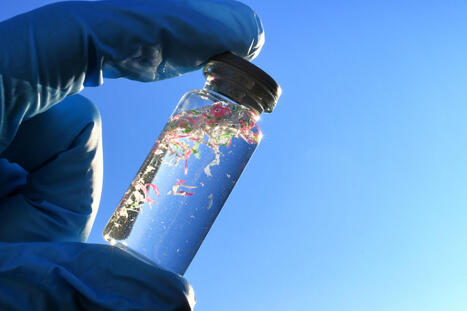
For decades, scientists believed that plastics were some of the safest materials around. Their long chemical chains, companies and researchers believed, wouldn’t react with food, water or — perhaps most importantly — the human body.
Now, a new study in the journal Nature shows just how flawed that assumption was.
The research from scientists at Columbia University shows that when water is exposed to tiny microplastics, it releases highly reactive chemicals. These chemicals, known as reactive oxygen species (ROS), are known to contribute to heart disease, cancer and neurological diseases like Alzheimer’s.
|
|
|
Scooped by
Peter Mellow
November 14, 11:36 PM
|
Cardiovascular risk changes from girlhood through menopause. Here’s what experts want girls and women to know.
|
|
Scooped by
Peter Mellow
November 9, 3:55 PM
|
Music can be a salve for the soul but a new study shines a light on what it may do for the brains of people living with dementia.
|
|
Scooped by
Peter Mellow
November 6, 4:28 PM
|
An intensive diet and exercise program helped younger adults reverse type 2 diabetes in a clinical trial. Here’s what it takes.
|
|
Scooped by
Peter Mellow
November 5, 6:12 PM
|
Pain is chronic when it lasts longer than three months. But by itself, it’s typically not enough to qualify for the National Disability Insurance Scheme.
|
|
Scooped by
Peter Mellow
November 4, 5:54 PM
|
Even people who struggle to find the time and motivation to exercise may see a benefit, one researcher said.
|
|
Scooped by
Peter Mellow
November 3, 4:51 PM
|
High blood pressure and diabetes may partly explain the rise in strokes among younger people documented in a new study. Reducing your risk starts long before symptoms appear.
|
|
Scooped by
Peter Mellow
November 2, 6:26 PM
|
Many treatments are now extending lives but the measure of progress should not end with a scan or a survival curve
|
|
Scooped by
Peter Mellow
October 31, 6:53 PM
|
My mother was a keen swimmer, and she lived with depression. I wonder if she found the same respite in the water that has helped heal me since she passed away
|
|
Scooped by
Peter Mellow
October 29, 5:59 PM
|
Chatbot advice is readily available, is personalised and can be prompted for greater clarity. But it can also lead to serious patient harm.
Contemplating your mortality might sound morbid, but it’s actually a key to happiness.
|
|
Scooped by
Peter Mellow
October 27, 7:56 PM
|
The chatbot helped a woman taper off a lifesaving drug and hide the plan from her doctors.
|
|
Scooped by
Peter Mellow
October 26, 4:58 PM
|
Former New Zealand prime minister will focus on leadership, social cohesion and public health in new role
|
|
Scooped by
Peter Mellow
October 25, 6:06 PM
|
I’ve observed three fundamental components to a good death: ritual, facilitation and remembering.
|


 Scoop.it!