Your new post is loading...

|
Scooped by
TechinBiz
October 9, 2015 11:21 AM
|
Alright. It’s 2015 & we still don’t have the flying cars we all thought would populate the skies. But instead, we have cars which can practically drive themselves.
|
|
Scooped by
TechinBiz
October 4, 2015 7:24 PM
|
TORONTO – Phone passwords and security questions could soon become obsolete as financial institutions race to implement technology that can verify a client’s identity based on the characteristics of their voice.
|
|
Scooped by
TechinBiz
October 4, 2015 6:22 PM
|
By Adele Peters
This article originally appeared on Fast Company and is reprinted with permission.
Electric cars might be sexier. But Ryan Popple, who was an early employee at Tesla, is now convinced that electric buses are more interesting.Slide...
|
|
Scooped by
TechinBiz
October 4, 2015 6:17 PM
|
Battlefield medics and paramedics rely on chemical-infused bandages to help stem blood loss and treat wounds. However, the blood itself is frequently their worst enemy -- it takes those chemicals away from where they're needed.
|
|
Scooped by
TechinBiz
September 21, 2015 4:14 AM
|
Next Biometrics CEO Tore Etholm-Idsøe explains the Active Thermal Principle behind the company's technology and why bigger is better when it comes to fingerprint sensors.
|
|
Scooped by
TechinBiz
September 14, 2015 1:49 PM
|
Researchers have developed an electronic device that you can attach to your surfboard or wear while swimming to help deter sharks. The aim is to harmlessly mess with the animals' electroreceptive system, and studies so far have shown that they can...
|
|
Scooped by
TechinBiz
September 13, 2015 10:34 AM
|
Gadgets of The Future
A Video featuring the top Gadgets of The Future
The Top 5 New Future Technology Smart Laptop Gadgets you should have 2015
|
|
Scooped by
TechinBiz
September 10, 2015 4:58 AM
|
Blind and paralyzed from the waist down, Mark Pollock is fighting to regain some of the physical abilities most people take for granted. By non-invasively stimulating his spine and training his legs using a robotic exoskeleton, Pollock has managed to win back some movement in his legs — and in doing so, became the first paralyzed person to regain this level of control.
|
|
Scooped by
TechinBiz
September 1, 2015 8:55 AM
|
Self Driving Truck to Hit Florida Roads SoonThe concept of self driving vehicles have been getting the spike for quite some time now. After the success of Google self driving car probably the social confidence is also building. There are man...
|
|
Scooped by
TechinBiz
August 31, 2015 6:30 AM
|
Security should be a part of your organization's culture. Data breaches shouldn't be taken lightly; defend against them by instilling a culture of security.
|
|
Scooped by
TechinBiz
August 30, 2015 6:01 PM
|
Do you recall the early days of the Apple TV, when you could expect to pay over $100 to put an Apple-powered media hub in your living room? They might come roaring back.
|
|
Scooped by
TechinBiz
August 24, 2015 6:56 PM
|
Space Robots Using NASA’s Gecko-Inspired Technology could become Reality
|
|
Scooped by
TechinBiz
August 14, 2015 6:50 AM
|
If car travel is going to remain common, perhaps we need to be smarter about how we build and use them.
|
|
|
Scooped by
TechinBiz
October 6, 2015 11:16 AM
|
Futuristic Tech Inventions
A Video featuring five amazing new Futuristic Tech Inventions
that are available today
|
|
Scooped by
TechinBiz
October 4, 2015 6:41 PM
|
A new Microsoft Research project could result in a laptop battery that lasts a lot longer, according to a company blog entry. Right now, the way a laptop battery works is pretty straightforward: You have a big lithium-ion hunk of a battery that...
|
|
Scooped by
TechinBiz
October 4, 2015 6:19 PM
|
Winning market-share in India is one of Amazon's biggest challenges right now. It hit $1 billion in sales there faster than it has in any other geography, but continues to face huge hurdles and growing competition. Amit Agarwal, who leads...
|
|
Scooped by
TechinBiz
October 4, 2015 6:14 PM
|
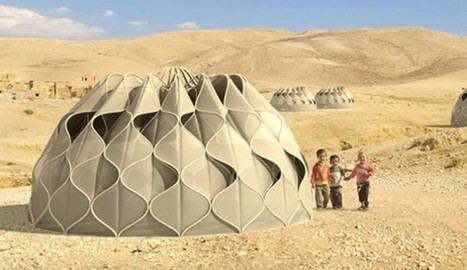
Design student Lionel Taito-Matamua is a problem-solver and an award-winner. The New Zealander who studies design at Wellington’s Victoria University traveled to Samoa recently and made an...
View the entire article via our website.
|
|
Scooped by
TechinBiz
September 18, 2015 11:49 AM
|
Future Technologies
A Video featuring Amazing Future Technologies that will Change our World
|
|
Scooped by
TechinBiz
September 14, 2015 1:30 PM
|
The US defence force announced last week that it has given a paralysed man the ability to 'feel' physical sensations through a prosthetic robotic hand that’s been directly connected to his brain. Having been paralysed for more than a decade due to...
|
|
Scooped by
TechinBiz
September 11, 2015 10:09 AM
|
Future Tech
NASA Unveils Latest Technology Roadmaps for Future
A Video featuring the Future Technology
|
|
Scooped by
TechinBiz
September 1, 2015 7:07 PM
|
Future Gadgets
These gadgets will push VR onto the next level
A Video featuring the Top 5 Future Gadgets
|
|
Scooped by
TechinBiz
September 1, 2015 5:30 AM
|
When people are asked what type of people are part of the green community, most have a stereotypical view of hippies that live off the grid. In reality, it is
|
|
Scooped by
TechinBiz
August 31, 2015 6:17 AM
|
Apple Watch has already captured two thirds of the smart wearables segment
|
|
Scooped by
TechinBiz
August 30, 2015 5:58 PM
|
Researchers in the US have been working with Samsung to develop a new type of rechargeable battery that can be sustained through
|
|
Scooped by
TechinBiz
August 23, 2015 8:50 AM
|
It is highly possible that in the future the world could be powered by photosynthesis from artificial leaves, say researchers from Monash University Melbourne
|



 Scoop.it!