 Your new post is loading...
Individuals don't have to memorize or overthink every vitamin, mineral, or macronutrient. Can having a basic understanding of the role different nutrients play in overall health and daily function help make food decisions easier? Nutrients The Body Needs Nutrients, in general, are substances that provide nourishment for growth and the maintenance of life. There are six categories of nutrients, all of which are necessary to sustain life. Categories - Carbohydrates
- Fats
- Minerals
- Proteins
- Vitamins
- Water
Macronutrients vs. Micronutrients Categorizing nutrients makes remembering easy and allows for comparison and contrast. Nutrients are grouped by size or how they function in the body. There are two groups: micronutrients and macronutrients, with water usually left alone in a group. Carbohydrates, Proteins, and Fats - They are macronutrients because they are large energy nutrients and provide the fuel the body needs to function.
- Fiber is a carbohydrate the body can't digest, so it doesn't provide energy or structure assistance. However, it is necessary for digestive system function. (US National Library of Medicine, 2023)
- Two types are soluble fiber, which dissolves in water, and insoluble fiber, which doesn't.
Vitamins and Minerals - They are called micronutrients because they're smaller.
- They are essential nutrients, but the body only needs little bits.
- Micronutrients are classified by whether they're fat or water-soluble.
- Vitamins A, D, E, and K are fat-soluble.
- B-complex vitamins and C are water-soluble.
Minerals are grouped as major or trace minerals, depending on how much of each is necessary. Nutrients can also be grouped by whether or not they are organic, meaning organic chemistry, not organic farming or food production. Water and minerals are inorganic; the rest are organic because they contain carbon atoms. Importance Nutrients are necessary for proper health and development for the following reasons. Energy Production Carbohydrates, fats, and proteins provide energy (measured in calories) for the body's daily and night biochemical reactions (Academy of Nutrition and Dietetics, 2024). Fat has more calories than carbohydrates or protein; one gram of fat has nine calories, and carbohydrates or protein have four calories per gram. Maintain Body Structures - Fats, proteins, and minerals build and maintain tissues, organs, and other structures, including bones and teeth.
- The body can convert any extra carbohydrates into fat stored in adipose tissue.
- The body can also store carbohydrates as glycogen in the muscles and liver and use them as energy.
- When the tanks are full, the body stores carbohydrates as fat.
Regulate Body Functions - Nutrients assist in body function regulation.
- All regulate body functions such as sweating, temperature, metabolism, blood pressure, thyroid function, and more.
- When all different functions are balanced, the body is in homeostasis.
Phytonutrients Phytonutrients are not included in the major classes but are chemical compounds found in plants that can provide potential health benefits. (Gupta C., & Prakash D. 2014) There are various names they go by, such as flavonoids, phytochemicals, flavones, isoflavones, catechins, and anthocyanidins, and commonly include beta-carotene, lycopene, and resveratrol. (The Foundation for Fresh Produce, 2024) Ongoing studies are investigating the role they play in human health. However, because they typically occur in nutritious foods, it can be challenging to know how much of the benefits come from the regular nutrients or the phytonutrients. Injury Medical Chiropractic and Functional Medicine Clinic A balanced diet looks different for everyone. Learning about how nutrients maintain body health will help when choosing foods and planning meals. Consuming various products like fruits and vegetables, grains, proteins, healthy fats, and sweets and treats in moderation. Injury Medical Chiropractic and Functional Medicine Clinic works with primary healthcare providers and specialists to develop a personalized treatment plan through an integrated approach to treating injuries and chronic pain syndromes, improving flexibility, mobility, and agility programs to relieve pain and help individuals return to optimal function. Our providers use an integrated approach to create personalized care plans for each patient and restore health and function to the body through nutrition and wellness, functional medicine, acupuncture, Electroacupuncture, and sports medicine protocols. If the individual needs other treatment, they will be referred to a clinic or physician best suited for them. Dr. Jimenez has teamed up with top surgeons, clinical specialists, medical researchers, nutritionists, and health coaches to provide the most effective clinical treatments. General Disclaimer * The information herein is not intended to replace a one-on-one relationship with a qualified healthcare professional or licensed physician and is not medical advice. We encourage you to make healthcare decisions based on your research and partnership with a qualified healthcare professional. Our information scope is limited to chiropractic, musculoskeletal, physical medicines, wellness, sensitive health issues, functional medicine articles, topics, and discussions. We provide and present clinical collaboration with specialists from various disciplines. Each specialist is governed by their professional scope of practice and their jurisdiction of licensure. We use functional health & wellness protocols to treat and support care for the injuries or disorders of the musculoskeletal system. Our videos, posts, topics, subjects, and insights cover clinical matters, issues, and topics that relate to and directly or indirectly support our clinical scope of practice.* Our office has reasonably attempted to provide supportive citations and identified the relevant research studies or studies supporting our posts. We provide copies of supporting research studies that are available to regulatory boards and the public upon request. We understand that we cover matters that require an additional explanation of how it may assist in a particular care plan or treatment protocol; therefore, to further discuss the subject matter above, don't hesitate to contact Dr. Alex Jimenez or contact us at 915-850-0900. Dr. Alex Jimenez DC, MSACP, CCST, IFMCP*, CIFM*, ATN* email: coach@elpasofunctionalmedicine.com Licensed in: Texas & New Mexico* References US National Library of Medicine. (2023). Dietary fiber. Retrieved from https://medlineplus.gov/dietaryfiber.html Academy of Nutrition and Dietetics. (2024). Essential Nutrients. https://www.eatright.org/health/essential-nutrients Gupta, C., & Prakash, D. (2014). Phytonutrients as therapeutic agents. Journal of complementary & integrative medicine, 11(3), 151–169. https://doi.org/10.1515/jcim-2013-0021 The Foundation for Fresh Produce. (2024). What Are Phytonutrients? https://fruitsandveggies.org/stories/what-are-phytochemicals/
How is fat turned into energy to be used as fuel for individuals working to improve their health and physical abilities? Fat Into Energy Conversion Fat is an essential component of a diet that fuels physical activity, work, exercise, etc. Its calorie density is the highest of all nutrients, and fat's unlimited storage capacity makes it the body's largest energy reserve. Fat is essential for longer, slower, lower-intensity endurance physical activities and exercises like walking and cycling. What Is Fat? Everything eaten is made up of: Macronutrients - Protein
- Carbohydrates
- Fat
Micronutrients These are converted to energy, helping to fuel all bodily functions. Dietary fat has been blamed for various health problems, but it is an essential nutrient for optimal health. The adipose tissue/stored fat provides cushion and insulation to internal organs, protects nerves, circulates vitamins A, D, E, and K through the body, and is the largest stored energy reserve. Stored body fat is different from dietary fat. Body fat is only stored when more calories are consumed than used from all foods, not just from dietary fats. There is an optimal level of body fat for health and regular physical and athletic activity. Types Researchers and scientists are learning more and more about body fat/adipose tissue and its roles in the body. Two well-known types are white fat and brown fat. - Brown fat helps regulate body temperature. (Richard AJ. et al., 2020)
- White fat is responsible for energy storage and metabolic functions like insulin sensitivity.
- White fat can transition to brown fat under certain cold temperatures. (Rabiee A. 2020)
- Beige fat is another type that scientists are still learning about.
When Fat Is Burned When fat is used as fuel, the fatty acids inside the fat cell are broken down and released into the system as water and carbon dioxide. (MacLean P. S. et al., 2015) The body uses the water for hydration, and the carbon dioxide is exhaled through the lungs. The remaining fat cell shrinks as it is depleted of its fatty acids. The fat into energy conversion also produces heat. Fat for Fuel Fat is the main fuel source for long-duration, low—to moderate-intensity physical activities and exercise like endurance sports. Even during high-intensity activities and training, where carbohydrates are the main fuel source, the body still needs fat to help access the stored carbohydrates or glycogen. Using fat to fuel activity includes three key components which include: Digestion - Fat is slow to digest and convert into a usable form of energy.
- The process can take up to six hours.
Transportation - After the body breaks down the fat, it needs time to transport it to the working muscles before it can be used as energy.
Conversion - Converting stored body fat into energy takes increased oxygen, requiring decreased physical activity and exercise intensity.
This is why timing when and how much fat is consumed is important for its full potential. Eating foods high in fat immediately before or during intense physical work activity or exercise is not recommended. First, the job, chore, or workout will be done before the fat can be used as energy. And second, it can cause uncomfortable gastrointestinal symptoms like nausea, vomiting, and diarrhea. Fat Loss Optimization For individuals trying to alter body fat composition, the most important thing is to adopt a safe and effective physical activity and exercise routine and to eat a balanced diet of nutrient-dense foods that provide adequate amounts of macronutrients, including dietary fat. Macronutrient Low-carbohydrate and high-fat diets, like the ketogenic and Paleo diets, all work on the same premise: Lower carbohydrate intake, high fat intake, and moderate to high protein intake lead to burning body fat as the primary fuel source while engaging in physical activity or exercising. There is some scientific evidence that long-term low-carb/high-fat diets are safe and may help improve metabolic risk factors for chronic disease. Some studies on these diets have shown them to be beneficial for performance in endurance sports, but several months of adaptation to a low-carb/high-fat diet are required for metabolic changes to occur. (Chang C. K., Borer K., and Lin P. J. 2017)) High-Intensity Interval Training High-intensity interval training is an efficient way to convert fat to energy. In a study, overweight individuals were able to convert body fat to energy in half the time using HIIT vs. aerobic activity alone (Zhang H. et al., 2017). HIIT specifically converts visceral fat, typically white adipose tissue, often found in the midsection. (Mittal B. 2019) HIIT also helps increase muscle mass and resting metabolism. (Thyfault J. P. and Bergouignan A. 2020) However, any exercise regimen that helps increase muscle mass provides these beneficial effects. Injury Medical Chiropractic and Functional Medicine Clinic At Injury Medical Chiropractic and Functional Medicine Clinic, we focus on what works for you to relieve pain, restore function, prevent injury, and better the body. Through research methods and total wellness programs, individuals can condition themselves to excel in physical activity or sports through proper fitness and nutrition. Regarding musculoskeletal pain, specialists like chiropractors, acupuncturists, and massage therapists can help mitigate the pain through spinal adjustments that help the body realign itself. They can also work with other medical professionals to integrate a treatment plan to resolve musculoskeletal issues. General Disclaimer * The information herein is not intended to replace a one-on-one relationship with a qualified healthcare professional or licensed physician and is not medical advice. We encourage you to make healthcare decisions based on your research and partnership with a qualified healthcare professional. Our information scope is limited to chiropractic, musculoskeletal, physical medicines, wellness, sensitive health issues, functional medicine articles, topics, and discussions. We provide and present clinical collaboration with specialists from various disciplines. Each specialist is governed by their professional scope of practice and their jurisdiction of licensure. We use functional health & wellness protocols to treat and support care for the injuries or disorders of the musculoskeletal system. Our videos, posts, topics, subjects, and insights cover clinical matters, issues, and topics that relate to and directly or indirectly support our clinical scope of practice.* Our office has reasonably attempted to provide supportive citations and identified the relevant research studies or studies supporting our posts. We provide copies of supporting research studies available to regulatory boards and the public upon request. We understand that we cover matters that require an additional explanation of how it may assist in a particular care plan or treatment protocol; therefore, to further discuss the subject matter above, don't hesitate to contact Dr. Alex Jimenez or contact us at 915-850-0900. Dr. Alex Jimenez DC, MSACP, CCST, IFMCP*, CIFM*, ATN* email: coach@elpasofunctionalmedicine.com Licensed in: Texas & New Mexico* References Richard, A. J., White, U., Elks, C. M., & Stephens, J. M. (2000). Adipose Tissue: Physiology to Metabolic Dysfunction. In K. R. Feingold, B. Anawalt, M. R. Blackman, A. Boyce, G. Chrousos, E. Corpas, W. W. de Herder, K. Dhatariya, K. Dungan, J. Hofland, S. Kalra, G. Kaltsas, N. Kapoor, C. Koch, P. Kopp, M. Korbonits, C. S. Kovacs, W. Kuohung, B. Laferrere, M. Levy, E. A. McGee, R. McLachlan, M. New, J. Purnell, R. Sahay, A. S. Shah, F. Singer, M. A. Sperling, C. A. Stratakis, D. L. Trence, & D. P. Wilson (Eds.), Endotext. https://www.ncbi.nlm.nih.gov/pubmed/32255578 Rabiee A. (2020). Beige Fat Maintenance; Toward a Sustained Metabolic Health. Frontiers in endocrinology, 11, 634. https://doi.org/10.3389/fendo.2020.00634 MacLean, P. S., Higgins, J. A., Giles, E. D., Sherk, V. D., & Jackman, M. R. (2015). The role for adipose tissue in weight regain after weight loss. Obesity reviews: an official journal of the International Association for the Study of Obesity, 16 Suppl 1(Suppl 1), 45–54. https://doi.org/10.1111/obr.12255 Chang, C. K., Borer, K., & Lin, P. J. (2017). Low-Carbohydrate-High-Fat Diet: Can it Help Exercise Performance?. Journal of human kinetics, 56, 81–92. https://doi.org/10.1515/hukin-2017-0025 Zhang, H., Tong, T. K., Qiu, W., Zhang, X., Zhou, S., Liu, Y., & He, Y. (2017). Comparable Effects of High-Intensity Interval Training and Prolonged Continuous Exercise Training on Abdominal Visceral Fat Reduction in Obese Young Women. Journal of diabetes research, 2017, 5071740. https://doi.org/10.1155/2017/5071740 Mittal B. (2019). Subcutaneous adipose tissue & visceral adipose tissue. The Indian journal of medical research, 149(5), 571–573. https://doi.org/10.4103/ijmr.IJMR_1910_18 Thyfault, J. P., & Bergouignan, A. (2020). Exercise and metabolic health: beyond skeletal muscle. Diabetologia, 63(8), 1464–1474. https://doi.org/10.1007/s00125-020-05177-6
Marshmallows and calories can add up when eating more than a single serving. Can marshmallows be consumed in moderation and still be healthy? Marshmallows Many enjoy marshmallows with hot chocolate, sweet potatoes, and s'mores. However, their nutritional value is not the healthiest, as the ingredients typically include water, sugar, corn syrup, gelatin, and sometimes other ingredients for flavor and color. The key ingredient is whipped air, giving marshmallows their signature texture. Nutrition A serving weighs about 28 grams, around four large marshmallows or a half-cup of mini marshmallows. If consumed in their original form, they contain about 80 calories. (United States Department of Agriculture, 2018) Carbohydrates Marshmallows are made of different types of sugar (sucrose and corn syrup), and most of their calories come from carbohydrates. One marshmallow contains a little under 6 grams of carbohydrates, and a single serving provides about 23 grams of carbohydrates, primarily sugar. The glycemic index is estimated to be 62, making it a high-glycemic food. The estimated glycemic load of one marshmallow is 15, which is low. However, the glycemic load takes serving size into account. Because the serving size is small, the glycemic load is lower than expected. Fats - Very little fat, less than 1 gram, is in a single serving.
Protein - Marshmallows are not a recommended source of protein.
- There is less than 1 gram of protein in a single serving.
Micronutrients - There is no significant vitamin or mineral intake by consuming marshmallows.
- A single serving does contain a small amount of phosphorus, around 2.2 milligrams, and potassium, around 1.4 milligrams.
- It also increases sodium intake by 22.4 mg, providing little selenium 0.5 micrograms.
Health Benefits Marshmallows are processed and provide little to no health benefits, but there are ways to include them in a balanced, healthy diet. They are a low-calorie, nearly fat-free food, so for those watching their weight, eating a marshmallow is a quick and easy way to satisfy a sweet tooth. Also, adding marshmallows to certain foods might help increase the intake of healthy vegetables, such as adding marshmallows to sweet potatoes, which are almost always gluten-free. For gluten-intolerant individuals, marshmallows are probably safe to consume. Some brands have also developed vegan marshmallows that use tapioca starch or agar instead of gelatin. Storage Marshmallows have a long shelf life. A bag can last up to six or eight months if not opened. They can last four months or less if the bag is open. Some can be purchased in an airtight tin and stored that way. However, they are most often in a plastic bag. Therefore, they should be placed in an airtight plastic container or sealed tightly after opening. Marshmallows do not need refrigeration, but many cooks freeze them to make them last longer. An unopened bag can be frozen, forming cubes that may stick together. To prevent sticking, dust with powdered sugar and place in an airtight container. When they are thawed, they regain their fluffy texture. Allergies Allergies are rare. However, those allergic to gelatin may want to avoid marshmallows since gelatin is a primary ingredient in almost all prepared and homemade versions.(Caglayan-Sozmen S. et al., 2019) Injury Medical Chiropractic and Functional Medicine Clinic Injury Medical Chiropractic and Functional Medicine Clinic providers use an integrated approach to create customized plans for each patient and restore health and function to the body through nutrition and wellness, chiropractic adjustments, functional medicine, acupuncture, Electroacupuncture, and sports medicine protocols. If other treatment is needed, patients will be referred to a clinic or physician best suited for them. Dr. Jimenez has teamed up with top surgeons, clinical specialists, medical researchers, nutritionists, and health coaches to provide the most effective clinical treatments. General Disclaimer * The information herein is not intended to replace a one-on-one relationship with a qualified healthcare professional or licensed physician and is not medical advice. We encourage you to make healthcare decisions based on your research and partnership with a qualified healthcare professional. Our information scope is limited to chiropractic, musculoskeletal, physical medicines, wellness, sensitive health issues, functional medicine articles, topics, and discussions. We provide and present clinical collaboration with specialists from various disciplines. Each specialist is governed by their professional scope of practice and their jurisdiction of licensure. We use functional health & wellness protocols to treat and support care for the injuries or disorders of the musculoskeletal system. Our videos, posts, topics, subjects, and insights cover clinical matters, issues, and topics that relate to and directly or indirectly support our clinical scope of practice.* Our office has reasonably attempted to provide supportive citations and identified the relevant research studies or studies supporting our posts. We provide copies of supporting research studies that are available to regulatory boards and the public upon request. We understand that we cover matters that require an additional explanation of how it may assist in a particular care plan or treatment protocol; therefore, to further discuss the subject matter above, don't hesitate to contact Dr. Alex Jimenez or contact us at 915-850-0900. Dr. Alex Jimenez DC, MSACP, CCST, IFMCP*, CIFM*, ATN* email: coach@elpasofunctionalmedicine.com Licensed in: Texas & New Mexico* References United States Department of Agriculture. FoodData Central. (2018). Candies, marshmallows. Retrieved from https://fdc.nal.usda.gov/fdc-app.html#/food-details/167995/nutrients Caglayan-Sozmen, S., Santoro, A., Cipriani, F., Mastrorilli, C., Ricci, G., & Caffarelli, C. (2019). Hazardous Medications in Children with Egg, Red Meat, Gelatin, Fish, and Cow's Milk Allergy. Medicina (Kaunas, Lithuania), 55(8), 501. https://doi.org/10.3390/medicina55080501
Can incorporating lemongrass into a diet help individuals manage anxiety, colds, fever, inflammation, and insomnia? Lemongrass Lemongrass, or lemongrass or citronella, is a tall grass-like herb commonly used in Southeast Asian cooking. The lower stalks and bulbs of the plant have a fresh, clean, lemony scent that is sometimes added to marinades, teas, curries, and broths. In addition to its flavoring use, lemongrass's essential oils are used for medicinal purposes, supported by scientific evidence. Benefits Lemongrass has been shown to help with common ailments, such as anxiety, colds, fever, inflammation, and insomnia. It can be eaten, rubbed on the skin, or inhaled as an aromatherapy treatment. When taken orally, it is often used to calm stomach discomfort and other gastrointestinal issues, including cramps and vomiting. (DeFilipps, R. A. et al., 2018) When used as a tea, it protects the stomach lining by treating stomach ailments, indigestion, and gastric ulcers. (Khan, Nida. 2020) Lemongrass or oil is applied to the skin to treat headaches and musculoskeletal pain. As an aromatherapy treatment, the oil extract may be inhaled to treat muscle pain, infections, colds, and flu symptoms. Consumed it can help treat: - Musculoskeletal pain
- Sleeplessness
- Rheumatism
- Cough
- Common cold
- Fever
- Anxiety
- Hypertension
- Diabetes
- Epilepsy
- Cancer prevention
However, a few studies support certain lemongrass benefits. Research has suggested that lemongrass oil added to a hair tonic may reduce dandruff. However, more studies are needed to confirm. (Chaisripipat, W. et al., 2015) Essential Oil Lemongrass essential oil has been studied and has been found to contain significant bioactive compounds that include: - Citral
- Isoneral
- Isogeranial
- Geraniol
- Geranyl acetate
- Citronellal
- Citronellol
- Germacrene-D
- Elemol
These compounds contain antifungal, antibacterial, antiviral, anticancer, and antioxidant properties. (Mukarram, M. et al., 2021) Research also shows that essential oils can be therapeutic agents for treating inflammatory skin conditions and help reduce dandruff because of their antimicrobial and anti-inflammatory properties. They can also inhibit the growth of the fungi associated with causing dandruff. (Khan, Nida. 2020) Nutrition One tablespoon of fresh lemongrass provides around five calories, most from carbohydrates/fiber and protein. (U.S. Department of Agriculture, 2018) It is a source of fiber, carbohydrates, and vitamins A, B, and C, strengthening the body's immune system, repairing tissue damage, and promoting cell division. It also contains: - Magnesium - Necessary for protein synthesis, glycolysis, and muscle activity,
- Selenium - Necessary for cognitive function and fertility.
- Phosphorus - Necessary for DNA/RNA and cell membrane synthesis.
- Zinc for wound healing, growth, and development. (Khan, Nida. 2020)
Minerals include: - Calcium - 3 milligrams
- Potassium - 34 milligrams
- Manganese - 0.2 milligrams
- Magnesium - 2.9 milligrams
- Iron - 0.4 milligrams
I t also provides small amounts of vitamins, including A and C, folate, and niacin. However, lemongrass-flavored oil contains significantly more calories because it usually combines cooking oil with lemongrass extract. Preparation and Storage Lemongrass is becoming easier to find in stores. When choosing lemongrass, look for firm green stalks with healthy-looking bulbs attached. Some stores may sell the stalks with a good portion of the top removed. This is fine, as many recipes require using the bottom of the stalk or the bulb. To use lemongrass in teas, soups, broth, or other liquids, crush the stalks' bottom area to release the aromatic oil. Then, immerse the pieces in the liquid to release the oils. Remove the stalks before eating or drinking the beverage. In other recipes, chopping or mincing the bulb or lower area of the stalks may be necessary before adding to a curry, salad, marinade, or stir-fry. Lemongrass can be wrapped in plastic and refrigerated for two to three weeks or frozen for up to 6 months. Potential Side Effects Lemongrass is safe for most when consumed in typical amounts in food. However, some concerns may arise when using it for medicinal purposes. - Used topically, lemongrass may cause skin irritation.
- Additionally, consuming high amounts of lemongrass may cause dizziness, drowsiness, dry mouth, excess urination, and increased appetite. (Memorial Sloan Kettering Cancer Center, 2022)
- High amounts of essential oil can damage liver and stomach mucous membranes, and excessive tea intake may also affect kidney function. (Memorial Sloan Kettering Cancer Center, 2022)
- It is recommended that pregnant women should avoid lemongrass.
- Additionally, individuals undergoing chemotherapy should avoid lemongrass because it may interfere with the actions of some chemotherapeutic agents.
Injury Medical Chiropractic and Functional Medicine Clinic works with primary healthcare providers and specialists to develop a personalized treatment plan through an integrated approach to treating injuries and chronic pain syndromes, improving flexibility, mobility, and agility programs to relieve pain and help individuals return to optimal function. Our providers use an integrated approach to create customized care programs for each patient and restore health and function to the body through nutrition and wellness, functional medicine, acupuncture, Electroacupuncture, and sports medicine protocols. If the individual needs other treatment, they will be referred to a clinic or physician best suited for them. Dr. Jimenez has teamed up with top surgeons, clinical specialists, medical researchers, nutritionists, and health coaches to provide the most effective clinical treatments. General Disclaimer * The information herein is not intended to replace a one-on-one relationship with a qualified healthcare professional or licensed physician and is not medical advice. We encourage you to make healthcare decisions based on your research and partnership with a qualified healthcare professional. Our information scope is limited to chiropractic, musculoskeletal, physical medicines, wellness, sensitive health issues, functional medicine articles, topics, and discussions. We provide and present clinical collaboration with specialists from various disciplines. Each specialist is governed by their professional scope of practice and their jurisdiction of licensure. We use functional health & wellness protocols to treat and support care for the injuries or disorders of the musculoskeletal system. Our videos, posts, topics, subjects, and insights cover clinical matters, issues, and topics that relate to and directly or indirectly support our clinical scope of practice.* Our office has reasonably attempted to provide supportive citations and identified the relevant research studies or studies supporting our posts. We provide copies of supporting research studies that are available to regulatory boards and the public upon request. We understand that we cover matters that require an additional explanation of how they may assist in a particular care plan or treatment protocol; therefore, to discuss the subject matter above further, don't hesitate to contact Dr. Alex Jimenez or us at 915-850-0900. Dr. Alex Jimenez DC, MSACP, CCST, IFMCP*, CIFM*, ATN* email: coach@elpasofunctionalmedicine.com Licensed in: Texas & New Mexico* References DeFilipps, R. A., & Krupnick, G. A. (2018). The medicinal plants of Myanmar. PhytoKeys, (102), 1–341. https://doi.org/10.3897/phytokeys.102.24380 Khan, Nida. (2020). Therapeutic benefits of lemongrass and tea tree. Annals of Civil and Environmental Engineering. 4. 027-29. 10.29328/journal.acee.1001022. Chaisripipat, W., Lourith, N., & Kanlayavattanakul, M. (2015). Anti-dandruff Hair Tonic Containing Lemongrass (Cymbopogon flexuosus) Oil. Forschende Komplementarmedizin (2006), 22(4), 226–229. https://doi.org/10.1159/000432407 Mukarram, M., Choudhary, S., Khan, M. A., Poltronieri, P., Khan, M. M. A., Ali, J., Kurjak, D., & Shahid, M. (2021). Lemongrass Essential Oil Components with Antimicrobial and Anticancer Activities. Antioxidants (Basel, Switzerland), 11(1), 20. https://doi.org/10.3390/antiox11010020 U.S. Department of Agriculture. (2018). Lemon grass (citronella), raw. Retrieved from https://fdc.nal.usda.gov/fdc-app.html#/food-details/168573/nutrients Memorial Sloan Kettering Cancer Center. (2022). Lemongrass Purported Benefits, Side Effects & More. https://www.mskcc.org/cancer-care/integrative-medicine/herbs/lemongrass
Can knowing the difference between butter and margarine help Individuals looking to improve cholesterol levels? Butter and Margarine Individuals watching their cholesterol levels and switching from butter to margarine may have heard that it may be worse for heart health. What research has to say about the healthiest spread and the butter and margarine debate? History When margarine was developed as a substitute for butter, it was shown to be associated with an increased risk of heart disease because of its saturated fat content. Margarine is made from plant-based oils like canola, palm fruit, and soybeans. Nutritionists and researchers saw it as a healthier alternative. It is lower in saturated fat and has no cholesterol but contains high levels of trans fats, which raise unhealthy LDL cholesterol levels and lower healthy HDL cholesterol levels. (Ginter, E., and Simko, V. 2016) Margarine Trans Fat and Butter Saturated Fat Most of margarine's unsaturated fats undergo hydrogenation, creating harmful trans fats. Trans fat raises unhealthy LDL cholesterol levels more than saturated fat. The trans-fatty acids solidify and maintain margarine consistency at room temperature. Stick margarines, the hardest type, contain the most trans fats and are still sold despite what is known about the damage they can do. (Brouwer, I. A. et al., 2010) Clinical studies showed these trans fats are associated with a 28% increased risk of death from heart disease and a 34% increased risk of death. (de Souza, R. J. et al., 2015) Margarine Types Some softer and liquid margarine products contain less trans fat than stick versions. They are low in saturated fat and high in unsaturated fat. Individuals can determine how much trans fat the margarine has by its softness. Those that are more solid at room temperature contain more trans fats than those in a tub, which are softer. However, some soft options can contain trans fats. If the label has partially hydrogenated oil, it's recommended to avoid it. (Garsetti, M. et al., 2016) Some newer margarines are enriched with plant sterols, which block cholesterol absorption and help lower LDL levels. These are healthy choices if trying to lower LDL. (Ras, R. T. et al., 2014) Butter Butter is primarily made up of saturated fat and cholesterol and comes in a stick and spread. One tablespoon of butter contains around 30 milligrams of cholesterol and 7 grams of saturated fat. The maximum amount allowed daily is 200 milligrams and 10 milligrams, respectively. Both types of fat are linked to rising cholesterol levels and the risk of heart disease. Butter from grass-fed cows is higher in omega-3 fatty acids, essential for heart health, making it far more nutritional than the more widely used butter from conventionally-fed cows. (Hebeisen, D. F. et al., 1993) Other Options Butter or margarine are not the healthiest options. Olive, avocado, and other vegetable-based spreads are the most heart-healthy options. (Yubero-Serrano, E. M. et al., 2019) Use avocado oil as a cooking oil when sautéing or roasting vegetables. Consider substituting applesauce, nut butters, or squash purees in baked goods. Look for soft versions of margarine as a bread spread that contain plant sterols and no hydrogenated oils. Injury Medical Chiropractic and Functional Medicine Clinic uses an integrated approach to create personalized care plans for each patient to restore health and function to the body through Nutrition and Wellness, Functional Medicine, Acupuncture, Electro-Acupuncture, and Sports Medicine protocols. If the individual needs other treatment, they will be referred to a clinic or physician best suited for them. Dr. Jimenez has teamed up with top surgeons, clinical specialists, medical researchers, nutritionists, and health coaches to provide the most effective clinical treatments. General Disclaimer * The information herein is not intended to replace a one-on-one relationship with a qualified healthcare professional or licensed physician and is not medical advice. We encourage you to make healthcare decisions based on your research and partnership with a qualified healthcare professional. Our information scope is limited to chiropractic, musculoskeletal, physical medicines, wellness, sensitive health issues, functional medicine articles, topics, and discussions. We provide and present clinical collaboration with specialists from various disciplines. Each specialist is governed by their professional scope of practice and their jurisdiction of licensure. We use functional health & wellness protocols to treat and support care for the injuries or disorders of the musculoskeletal system. Our videos, posts, topics, subjects, and insights cover clinical matters, issues, and topics that relate to and directly or indirectly support our clinical scope of practice.* Our office has reasonably attempted to provide supportive citations and identified the relevant research studies or studies supporting our posts. We provide copies of supporting research studies available to regulatory boards and the public upon request. We understand that we cover matters that require an additional explanation of how it may assist in a particular care plan or treatment protocol; therefore, to further discuss the subject matter above, please get in touch with Dr. Alex Jimenez or contact us at 915-850-0900. Dr. Alex Jimenez DC, MSACP, CCST, IFMCP*, CIFM*, ATN* email: coach@elpasofunctionalmedicine.com Licensed in: Texas & New Mexico* References Ginter, E., & Simko, V. (2016). New data on harmful effects of trans-fatty acids. Bratislavske lekarske listy, 117(5), 251–253. https://doi.org/10.4149/bll_2016_048 Brouwer, I. A., Wanders, A. J., & Katan, M. B. (2010). Effect of animal and industrial trans fatty acids on HDL and LDL cholesterol levels in humans--a quantitative review. PloS one, 5(3), e9434. https://doi.org/10.1371/journal.pone.0009434 de Souza, R. J., Mente, A., Maroleanu, A., Cozma, A. I., Ha, V., Kishibe, T., Uleryk, E., Budylowski, P., Schünemann, H., Beyene, J., & Anand, S. S. (2015). Intake of saturated and trans unsaturated fatty acids and risk of all cause mortality, cardiovascular disease, and type 2 diabetes: systematic review and meta-analysis of observational studies. BMJ (Clinical research ed.), 351, h3978. https://doi.org/10.1136/bmj.h3978 Garsetti, M., Balentine, D. A., Zock, P. L., Blom, W. A., & Wanders, A. J. (2016). Fat composition of vegetable oil spreads and margarines in the USA in 2013: a national marketplace analysis. International journal of food sciences and nutrition, 67(4), 372–382. https://doi.org/10.3109/09637486.2016.1161012 Ras, R. T., Geleijnse, J. M., & Trautwein, E. A. (2014). LDL-cholesterol-lowering effect of plant sterols and stanols across different dose ranges: a meta-analysis of randomised controlled studies. The British journal of nutrition, 112(2), 214–219. https://doi.org/10.1017/S0007114514000750 Hebeisen, D. F., Hoeflin, F., Reusch, H. P., Junker, E., & Lauterburg, B. H. (1993). Increased concentrations of omega-3 fatty acids in milk and platelet rich plasma of grass-fed cows. International journal for vitamin and nutrition research. Internationale Zeitschrift fur Vitamin- und Ernahrungsforschung. Journal international de vitaminologie et de nutrition, 63(3), 229–233. Yubero-Serrano, E. M., Lopez-Moreno, J., Gomez-Delgado, F., & Lopez-Miranda, J. (2019). Extra virgin olive oil: More than a healthy fat. European journal of clinical nutrition, 72(Suppl 1), 8–17. https://doi.org/10.1038/s41430-018-0304-x
Can knowing the serving size help lower sugar and calories for individuals who enjoy eating dried fruits? Dried Fruits Dried fruits, like cranberries, dates, raisins, and prunes, are great because they last a long time and are healthy sources of fiber, minerals, and vitamins. However, dried fruits contain more sugar and calories per serving because they lose volume when dehydrated, allowing more to be consumed. This is why the serving size matters to ensure one does not overeat. Serving Size Fruits are dried in dehydrators or left in the sun to dehydrate naturally. They are ready once most of the water has disappeared. The loss of water decreases their physical size, which allows individuals to eat more, increasing sugar and calorie intake. For example, around 30 grapes fit in a single measuring cup, but 250 raisins can fill one cup once dehydrated. Nutritional information for fresh and dried fruit. Sugar - Ten grapes have 34 calories and about 7.5 grams of sugar. (FoodData Central. U.S. Department of Agriculture. 2018)
- Thirty raisins have 47 calories and under 10 grams of sugar.
- Grapes' natural sugar content varies, so different types can be subject to nutritional value assessments.
- Some fruits, like cranberries, can be very tart, so sugar or fruit juices are added during drying.
Ways to Use Fresh fruit may be higher in certain vitamins, but mineral and fiber content are retained during drying. Dried fruits are versatile and can be made part of a healthy, balanced diet that can include: Trail Mix - Mix dried fruits, nuts, and seeds.
- Monitor portion size.
Oatmeal - Lightly sweeten oatmeal with a small serving of dried fruits for a hearty and healthy breakfast.
Salads - Toss dark, leafy greens, fresh apple slices, dried cranberries or raisins, and cheeses.
Main Course - Use dried fruit as an ingredient in savory entrees.
Protein Bar Substitutes - Raisins, dried blueberries, apple chips, and dried apricots are convenient and last longer than fresh fruit, making them perfect when protein bars are unavailable.
At Injury Medical Chiropractic and Functional Medicine Clinic, our areas of practice include Wellness & Nutrition, Chronic Pain, Personal Injury, Auto Accident Care, Work Injuries, Back Injury, Low Back Pain, Neck Pain, Migraine Headaches, Sports Injuries, Severe Sciatica, Scoliosis, Complex Herniated Discs, Fibromyalgia, Chronic Pain, Complex Injuries, Stress Management, Functional Medicine Treatments, and in-scope care protocols. We focus on what works for you to achieve improvement goals and create an improved body through research methods and total wellness programs. General Disclaimer * The information herein is not intended to replace a one-on-one relationship with a qualified healthcare professional or licensed physician and is not medical advice. We encourage you to make healthcare decisions based on your research and partnership with a qualified healthcare professional. Our information scope is limited to chiropractic, musculoskeletal, physical medicines, wellness, sensitive health issues, functional medicine articles, topics, and discussions. We provide and present clinical collaboration with specialists from various disciplines. Each specialist is governed by their professional scope of practice and their jurisdiction of licensure. We use functional health & wellness protocols to treat and support care for the injuries or disorders of the musculoskeletal system. Our videos, posts, topics, subjects, and insights cover clinical matters, issues, and topics that relate to and directly or indirectly support our clinical scope of practice.* Our office has reasonably attempted to provide supportive citations and identified the relevant research studies or studies supporting our posts. We provide copies of supporting research studies available to regulatory boards and the public upon request. We understand that we cover matters that require an additional explanation of how they may assist in a particular care plan or treatment protocol; therefore, to discuss the subject matter above further, don't hesitate to contact Dr. Alex Jimenez or us at 915-850-0900. Dr. Alex Jimenez DC, MSACP, CCST, IFMCP*, CIFM*, ATN* email: coach@elpasofunctionalmedicine.com Licensed in: Texas & New Mexico* References FoodData Central. U.S. Department of Agriculture. (2017). Raisins. Retrieved from https://fdc.nal.usda.gov/fdc-app.html#/food-details/530717/nutrients FoodData Central. U.S. Department of Agriculture. (2018). Grapes, American type (slip skin), raw. Retrieved from https://fdc.nal.usda.gov/fdc-app.html#/food-details/174682/nutrients FoodData Central. U.S. Department of Agriculture. (2018). Grapes, red or green (European type, such as Thompson seedles), raw. Retrieved from https://fdc.nal.usda.gov/fdc-app.html#/food-details/174683/nutrients
Can using egg substitutes or replacements be safe for individuals with an egg allergy? Substitutes and Replacements Individuals should not assume either is safe unless they carefully read the label. - Egg substitutes may contain eggs.
- Egg replacement products may be egg-free.
- Look for alternatives labeled vegan or egg-free to ensure there are none.
Substitutes May Contain Eggs Liquid egg substitutes in grocery store dairy aisles are made from eggs. The following all contain eggs and are not safe for individuals with egg allergies: - Generic liquid egg substitutes in cartons
- Egg Beaters
- Powdered egg white products
Replacements Are Safe Alternatives - Special replacement products that do not contain eggs are available.
- They are labeled vegan egg substitutes.
- They are usually sold in powdered form.
- They are useful for baking.
- They cannot be used as a replacement for eggs in foods like a quiche.
Egg-Free Commercial Replacements Always check the ingredients on the label before purchasing a product sold as a substitute or replacement to ensure it is completely free. - These products may also contain soy, dairy, or other food allergens.
- Vegan - contains no animal products, which includes eggs and dairy.
- Vegetarian - may contain eggs as they are not meat but an animal product.
Unaware of Foods With Eggs Stay aware of eggs hidden in other food products, such as cakes, breads, pastries, noodles, crackers, and cereals. - The federal Food Allergen Labeling and Consumer Protection Act requires that all packaged food products that contain eggs as an ingredient must list the word egg on the label. (U.S. Food & Drug Administration. 2022)
Other ingredients that indicate eggs are in the product include: - Albumin
- Globulin
- Lysozyme
- Lecithin
- Livetin
- Vitellin
- Ingredients starting with - ova or ovo.
Allergy Symptoms Symptoms may consist of: (John W. Tan, Preeti Joshi 2014) - Skin reactions - hives, rash, or eczema.
- Allergic conjunctivitis - itchy, red, watery eyes.
- Angioedema - swelling of the lips, tongue, or face.
- Airway symptoms - wheezing, coughing, or a runny nose.
- Gastrointestinal symptoms - nausea, stomach pain, diarrhea, or vomiting.
- Severe reactions - such as anaphylaxis, can cause multiple organ system failure.
- Anaphylaxis is an emergency and requires immediate medical treatment.
General Disclaimer * The information herein is not intended to replace a one-on-one relationship with a qualified healthcare professional or licensed physician and is not medical advice. We encourage you to make healthcare decisions based on your research and partnership with a qualified healthcare professional. Our information scope is limited to chiropractic, musculoskeletal, physical medicines, wellness, sensitive health issues, functional medicine articles, topics, and discussions. We provide and present clinical collaboration with specialists from various disciplines. Each specialist is governed by their professional scope of practice and their jurisdiction of licensure. We use functional health & wellness protocols to treat and support care for the injuries or disorders of the musculoskeletal system. Our videos, posts, topics, subjects, and insights cover clinical matters, issues, and topics that relate to and directly or indirectly support our clinical scope of practice.* Our office has reasonably attempted to provide supportive citations and identified the relevant research studies or studies supporting our posts. We provide copies of supporting research studies that are available to regulatory boards and the public upon request. We understand that we cover matters that require an additional explanation of how it may assist in a particular care plan or treatment protocol; therefore, to further discuss the subject matter above, don't hesitate to get in touch with Dr. Alex Jimenez or contact us at 915-850-0900. Dr. Alex Jimenez DC, MSACP, CCST, IFMCP*, CIFM*, ATN* email: coach@elpasofunctionalmedicine.com Licensed in: Texas & New Mexico* References U.S. Food & Drug Administration. (2022). Food Allergen Labeling and Consumer Protection Act (FALCPA). Retrieved from https://www.fda.gov/food/food-allergensgluten-free-guidance-documents-regulatory-information/food-allergen-labeling-and-consumer-protection-act-2004-falcpa Tan, J. W., & Joshi, P. (2014). Egg allergy: an update. Journal of paediatrics and child health, 50(1), 11–15. https://doi.org/10.1111/jpc.12408
For individuals looking to improve their diet, can knowing the different salt types help in food preparation and health? Salt Types Salt brings out the natural flavor of foods and can be used as a preservative. Salt types come in various colors and textures for cooking, flavor, and health. Some are considered healthier compared to regular table salt, like pink Himalayan salt and different sea salts. Some individuals prefer them because most go through less processing and can have more trace minerals like magnesium and potassium. However, all salts are healthy in moderation, as sodium is a necessary part of a balanced diet. Although essential for the body, sodium can be harmful when too much is consumed. A study examining consumer-grade pink Himalayan sea salts available in Australia determined that to receive the additional health benefits of the minerals from this type of salt, individuals must consume so much that it elevates the amount of sodium in the body to dangerous levels. (Flavia Fayet-Moore et al., 2020) Salt Salt is a mineral made from the combined elements: - Sodium - Na
- Chlorine -Cl
- Together, they form crystallized sodium chloride NaCl.
The majority of salt production comes from evaporated seawater and salt mines. Many salts used in food preparation are iodized. Iodine is added to various refined salt products to help meet nutritional requirements. Iodine intake levels that fall below the recommended values could result in a deficiency and develop goiter. Goiter is associated with hypothyroidism. (Angela M. Leung et al., 2021) Lack of iodine can also have adverse effects on growth and development. (National Institutes of Health Office of Dietary Supplements. 2023) Essential for Health Salt sustains life and optimal bodily function. Sodium and chlorine are important elements that maintain: - Cellular balance
- Circulation
- Blood sugar levels
Sodium is a mineral and an electrolyte. Common electrolytes include potassium, calcium, and bicarbonate. Without adequate sodium levels, the brain cannot send the necessary impulses to the rest of the body to function properly. However, consuming too much salt can cause health issues. - Higher salt intake in individuals who are sensitive to salt can increase blood pressure.
- Doctors usually recommend that individuals with hypertension reduce sodium intake or follow a low-sodium diet.
- Elevated sodium levels also cause water retention - considered a protective response as the body works to regulate serum sodium levels concentration in the blood to maintain balance.
- If levels are too high, a condition known as hypernatremia can develop, which can cause:
- Excessive thirst
- Vomiting
- Infrequent urination
- Diarrhea
- Sodium levels that are too low can lead to hyponatremia, which can cause:
- Fatigue
- Weakness
- Confusion
A blood test will determine whether serum sodium concentration is high, low, or normal. (U.S. National Library of Medicine. MedlinePlus. 2022) Types The average sodium intake by adults is around 3,393mg per day, ranging between 2,000–5,000mg. Guidelines recommend a maximum intake of 2,300mg per day. (U.S. Department of Health and Human Services and U.S. Department of Agriculture. 2020) Whether from unhealthy dietary choices like processed foods or incorrect knowledge of sodium content when cooking, an American Heart Association survey showed that more than half of respondents inaccurately stated that sea salt had a lower sodium content than table salt. (American Heart Association. 2024) Refined - Table Salt Refined/iodized salt is finely granulated and commonly used in cooking. This type is highly refined to remove impurities and eliminate trace minerals often found in specialty salts. Because the salt is finely ground, anti-caking agents are added to ensure the salt doesn't clump. Some table salts also have added sugar and other additives. - Refined table salt is about 97–99% sodium chloride (NaCl).
- Iodine is added to prevent iodine deficiency.
- Individuals trying to reduce sodium intake but meet iodine levels can do so with foods like eggs, dairy products, and fish.
Kosher Kosher salt is coarse and flakey and can add a crunchy texture to dishes and drinks. Pure kosher salt does not contain additives like anti-caking agents and iodine. The size of the salt crystals is ideal for drawing out moisture. - Per teaspoon, kosher salt generally has less sodium than 1 teaspoon of table salt.
- Because it has a coarser grain, less salt fits in the measuring spoon.
Sea Salt Sea salt is produced from evaporated seawater and comes as fine grains or large crystals. Examples include: - Black Sea
- Celtic
- French - fleur de sel
- Hawaiian sea salt
Sea salt can have trace amounts of minerals like iron, potassium, and zinc, which can produce different flavors in cooking but no additional health benefits with normal consumption. Some sea salts may also contain trace amounts of microplastics. However, research indicates these amounts are too low to warrant public health concerns. (Ali Karami et al., 2017) Himalayan Pink Salt Himalayan pink salt is mined in the red salt range in Pakistan, the second-largest salt mine in the world, and in the Andes mountains of Peru. Trace amounts of iron oxide make the salt pink. It is typically used at the end of cooking to add flavor and a crunch. Himalayan salt is popular for its health benefits and mineral properties. However, using Himalayan salt over other types has no known health advantages. Researchers concluded that the potential health benefits provided by the higher nutrient content would be counteracted by the large amount of sodium that would need to be consumed. (Flavia Fayet-Moore et al., 2020) Substitutes Salt substitutes contain some or all sodium and potassium, magnesium, or other minerals. Substitutes can be half sodium chloride and half potassium chloride. Monosodium glutamate/MSG can also be used as an alternative. A study found that substituting salt with MSG is safe and comparable to salt flavor. (Jeremia Halim et al., 2020) Individuals often use substitutes on a sodium-restricted diet but should check with their doctor before using these products, especially if they have kidney conditions. General Disclaimer * The information herein is not intended to replace a one-on-one relationship with a qualified healthcare professional or licensed physician and is not medical advice. We encourage you to make healthcare decisions based on your research and partnership with a qualified healthcare professional. Our information scope is limited to chiropractic, musculoskeletal, physical medicines, wellness, sensitive health issues, functional medicine articles, topics, and discussions. We provide and present clinical collaboration with specialists from various disciplines. Each specialist is governed by their professional scope of practice and their jurisdiction of licensure. We use functional health & wellness protocols to treat and support care for the injuries or disorders of the musculoskeletal system. Our videos, posts, topics, subjects, and insights cover clinical matters, issues, and topics that relate to and directly or indirectly support our clinical scope of practice.* Our office has reasonably attempted to provide supportive citations and identified the relevant research studies or studies supporting our posts. We provide copies of supporting research studies available to regulatory boards and the public upon request. We understand that we cover matters that require an additional explanation of how it may assist in a particular care plan or treatment protocol; therefore, to further discuss the subject matter above, please contact Dr. Alex Jimenez or contact us at 915-850-0900. Dr. Alex Jimenez DC, MSACP, CCST, IFMCP*, CIFM*, ATN* email: coach@elpasofunctionalmedicine.com Licensed in: Texas & New Mexico* References Fayet-Moore, F., Wibisono, C., Carr, P., Duve, E., Petocz, P., Lancaster, G., McMillan, J., Marshall, S., & Blumfield, M. (2020). An Analysis of the Mineral Composition of Pink Salt Available in Australia. Foods (Basel, Switzerland), 9(10), 1490. https://doi.org/10.3390/foods9101490 Leung, A. M., Braverman, L. E., & Pearce, E. N. (2012). History of U.S. iodine fortification and supplementation. Nutrients, 4(11), 1740–1746. https://doi.org/10.3390/nu4111740 National Institutes of Health Office of Dietary Supplements. (2023). Iodine: Fact Sheet for Professionals. Retrieved from https://ods.od.nih.gov/factsheets/Iodine-HealthProfessional/ U.S. National Library of Medicine. MedlinePlus. (2022). Sodium blood test. Retrieved from https://medlineplus.gov/lab-tests/sodium-blood-test/ U.S. Department of Agriculture. FoodData Central. (2020). Salt. Retrieved from https://fdc.nal.usda.gov/fdc-app.html#/food-details/1112305/nutrients U.S. Department of Health and Human Services and U.S. Department of Agriculture. (2020). 2020–2025 Dietary Guidelines for Americans. Retrieved from https://www.dietaryguidelines.gov/sites/default/files/2020-12/Dietary_Guidelines_for_Americans_2020-2025.pdf American Heart Association. (2024). Sea Salt vs. Table Salt (Healthy Living, Issue. https://www.heart.org/en/healthy-living/healthy-eating/eat-smart/sodium/sea-salt-vs-table-salt Karami, A., Golieskardi, A., Keong Choo, C., Larat, V., Galloway, T. S., & Salamatinia, B. (2017). The presence of microplastics in commercial salts from different countries. Scientific reports, 7, 46173. https://doi.org/10.1038/srep46173 Halim, J., Bouzari, A., Felder, D., & Guinard, J. X. (2020). The Salt Flip: Sensory mitigation of salt (and sodium) reduction with monosodium glutamate (MSG) in "Better-for-You" foods. Journal of food science, 85(9), 2902–2914. https://doi.org/10.1111/1750-3841.15354
For individuals looking for a quick healthy snack, can adding sunflower seeds to one's diet provide health benefits? Sunflower Seeds Sunflower seeds are the fruit of the sunflower plant. They have been found to contain antioxidants, vitamins, and minerals, which can help maintain immune system health, heart health, and more. Regularly grabbing a handful as a snack or adding to salads, oatmeal, baked goods, tuna salad, pasta, and vegetable toppings can help increase energy levels, reduce inflammation, and support general body health. Benefits Sunflower seeds are beneficial for various bodily functions and protect against certain chronic health conditions. They can help with the following: (Bartholomew Saanu Adeleke, Olubukola Oluranti Babalola. 2020) (Ancuţa Petraru, Florin Ursachi, Sonia Amariei. 2021) Inflammation - The seed's high vitamin E value, combined with flavonoids and various plant compounds, can help reduce inflammation.
- Research suggests that eating seeds at least five times a week may reduce inflammation and lower the risk of developing certain diseases. (Rui Jiang et al., 2006)
Heart Health - They are high in healthy fats, like polyunsaturated and monounsaturated fats.
- Plant sterols, or the natural compounds in sunflower seeds, are recommended for their cholesterol-lowering properties. (University of Wisconsin Health. 2023)
- Data show sunflower and other seeds consumption may lower rates of heart disease, high blood pressure, and high cholesterol.
Energy - The seeds contain vitamin B, selenium, and protein, which can help energize the body throughout the day.
- These nutrients support blood circulation, oxygen delivery, and food conversion into energy.
Immune System Support - Sunflower seeds contain minerals and nutrients like zinc and selenium that help the body's natural ability to defend against viruses and bacteria.
- These minerals translate into benefits like immune cell maintenance, inflammation reduction, infection protection, and an overall increase in immunity.
Nutrition Individuals don't need to consume a lot of sunflower seeds to gain the nutritional benefits. Inside is a well-rounded mix of healthy fats, antioxidants, and other nutrients. Inside a 1-ounce portion of roasted sunflower seeds/without salt: (U.S. Department of Agriculture. 2018) - Calories - 165
- Carbohydrates - 7 grams
- Fiber - 3 grams
- Sugar - 1 grams
- Protein - 5.5 grams
- Total fat - 14 grams
- Sodium - 1 milligrams
- Iron - 1 milligram
- Vitamin E - 7.5 milligrams
- Zinc - 1.5 milligrams
- Folate - 67 micrograms
Female Health - When it comes to female reproductive health, there are aspects that the seeds may be able to help support.
- The seed's rich amounts of vitamin E, folate, phosphorus, and healthy fats are crucial for fetal development and maternal health.
- In addition, the seeds' phytochemicals can support digestion and the immune system, which can be beneficial during pregnancy. (National Institutes of Health Office of Dietary Supplements. 2021)
Male Health - Sunflower seeds can help males acquire protein for muscle-building.
- As an alternative to meat, these seeds contain a healthy amount of plant-based protein without the additional saturated fat or cholesterol of meat.
- A handful provides this nutrient for those who don't get the daily potassium requirement. (Ancuţa Petraru, Florin Ursachi, Sonia Amariei. 2021)
Shelled Seeds and Salt Intake - Sunflower seeds naturally do not contain high amounts of sodium, but they are often packaged with added salt that can potentially sabotage their nutritional benefits.
- The shells are usually coated in salt for flavor, as much as 70 milligrams for every 1 ounce of seeds.
- High in calories, individuals should consider moderating portions to one-quarter cup and eating the unsalted varieties. (U.S. Department of Agriculture. 2018)
Other Ways To Incorporate Seeds Into Meals Other ways to add sunflower seeds to meals include: - Sprinkling them on chicken or a tuna salad.
- Salad topping.
- Topping for cereal and oatmeal.
- Mixing them into batter for baked goods, like cookies.
- Adding them to homemade or grocery store trail mix.
- Grinding the seeds for a flour coating for meat or fish.
- Sprinkling them into vegetable dishes, casseroles, stir-fries, and pasta.
- Sunflower butter can be an alternative to peanut or other nut butters.
General Disclaimer * The information herein is not intended to replace a one-on-one relationship with a qualified healthcare professional or licensed physician and is not medical advice. We encourage you to make healthcare decisions based on your research and partnership with a qualified healthcare professional. Our information scope is limited to chiropractic, musculoskeletal, physical medicines, wellness, sensitive health issues, functional medicine articles, topics, and discussions. We provide and present clinical collaboration with specialists from various disciplines. Each specialist is governed by their professional scope of practice and their jurisdiction of licensure. We use functional health & wellness protocols to treat and support care for the injuries or disorders of the musculoskeletal system. Our videos, posts, topics, subjects, and insights cover clinical matters, issues, and topics that relate to and directly or indirectly support our clinical scope of practice.* Our office has reasonably attempted to provide supportive citations and identified the relevant research studies or studies supporting our posts. We provide copies of supporting research studies available to regulatory boards and the public upon request. We understand that we cover matters that require an additional explanation of how it may assist in a particular care plan or treatment protocol; therefore, to discuss the subject matter above further, don't hesitate to contact Dr. Alex Jimenez or contact us at 915-850-0900. Dr. Alex Jimenez DC, MSACP, CCST, IFMCP*, CIFM*, ATN* email: coach@elpasofunctionalmedicine.com Licensed in: Texas & New Mexico* References Adeleke, B. S., & Babalola, O. O. (2020). Oilseed crop sunflower (Helianthus annuus) as a source of food: Nutritional and health benefits. Food science & nutrition, 8(9), 4666–4684. https://doi.org/10.1002/fsn3.1783 Petraru, A., Ursachi, F., & Amariei, S. (2021). Nutritional Characteristics Assessment of Sunflower Seeds, Oil and Cake. Perspective of Using Sunflower Oilcakes as a Functional Ingredient. Plants (Basel, Switzerland), 10(11), 2487. https://doi.org/10.3390/plants1011248 Jiang, R., Jacobs, D. R., Jr, Mayer-Davis, E., Szklo, M., Herrington, D., Jenny, N. S., Kronmal, R., & Barr, R. G. (2006). Nut and seed consumption and inflammatory markers in the multi-ethnic study of atherosclerosis. American journal of epidemiology, 163(3), 222–231. https://doi.org/10.1093/aje/kwj033 University of Wisconsin Health. (2023). Health facts for you: Plant stanols and sterols. U.S. Department of Agriculture. (2018). Seeds, sunflower seed kernels, dry roasted, without salt. National Institutes of Health Office of Dietary Supplements. (2021). Vitamin E: Fact Sheet for Health Professionals. U.S. Department of Agriculture. (2018). Seeds, sunflower seed kernels, toasted, with salt added.
For individuals trying to make healthy lifestyle adjustments, can adding protein bars into their diet help achieve health goals? Protein Bar Protein bars provide a quick energy boost between meals that can help curb appetite and avoid filling up on high-fat, sodium-packed snacks for individuals trying to lose weight. They can also increase calorie intake for individuals like athletes trying to increase muscle mass. Protein bars can vary in terms of factors like additives, calories, fat, sugars, and other ingredients. Labels need to be read carefully; otherwise, the bar can be more of a candy bar than a healthy, nutritious mini-meal or snack. It's important to have a sense of how much protein is really needed each day, and the amount varies depending on individual factors. How Much Protein Is Needed Protein is vital to many body functions, but the body can't produce this macronutrient, and it has to come from food. Dietary protein is broken down during digestion, and compounds known as amino acids are formed: - These are the building blocks the body uses to build and maintain muscles and organs.
- It is vital to the production of blood, connective tissue, antibodies, enzymes, and hair. (Marta Lonnie, et al., 2018)
- As protein is necessary for building muscle, athletes or individuals with physically demanding jobs are recommended to eat more.
- The same is true of women who are pregnant or breastfeeding. (Trina V. Stephens, et al., 2015)
- Bodybuilders eat even more protein than the average person to support muscle growth.
Protein Calculator Sources The richest sources of dietary protein include: - Meats
- Poultry
- Fish and shellfish
- Eggs
- Milk and other dairy products
Plant sources include: - Beans
- Legumes
- Nuts
- Seeds
- Whole grains
These are foods that are easy to include in a balanced diet, so eating a variety in ample quantities daily will equal the recommended amount of protein. Recommendations are to stick with those low in saturated fat and processed carbs and rich in nutrients. However, eating too much protein can cause kidney problems. Therefore, individuals who are predisposed to kidney disease are recommended to be careful over-protein intake. (Kamyar Kalantar-Zadeh, Holly M. Kramer, Denis Fouque. 2020) What To Look For Incorporating protein bars into a diet, either as a between-meal snack, as a grab-and-go option when there is no time for a full meal, or as a part of a weight-loss or weight-gain strategy, individuals need to read and understand the ingredients on the different types of bars to choosing the healthiest options. Some general guidelines to consider: Protein Content - For a between-meal or pre-post-workout snack, look for a bar with at least 20 grams of protein.
- Meal replacement bars should have at least 30 grams of protein.
- A less is more approach to these guidelines is recommended, as the body can digest only between 20 and 40 grams of protein in one sitting. (Brad Jon Schoenfeld, Alan Albert Aragon. 2018)
Protein Type - The protein usually comes from dairy or plant sources.
- The most common include eggs, milk, rice, whey, soy, peas, and hemp.
- Individuals with allergies or sensitivities need to choose a bar that is comprised of a type of protein that is safe to eat.
Calories - For a bar to eat between meals, recommendations are those with around 220 to 250 calories.
- A protein bar that substitutes for a full meal can have 300 to 400 calories.
Fat - Ten to 15 grams of total fat and no more than two grams of saturated fat is ideal.
- Steer clear of unhealthy trans fats found in partially hydrogenated oils.
Fiber - Fiber is filling, so the more fiber, the more likely it is to keep hunger satisfied until the next snack or meal.
- It is recommended to choose those that contain more than three to five grams of fiber.
Sugar - Some protein bars have just as much sugar content as candy bars.
- Some have as much as 30 grams of added sugar.
- The ideal amount is around five grams or less.
- Artificial sweeteners like erythritol, sorbitol, and maltitol are not better options as they can cause bloating and gas.
It is recommended to work with a nutritionist to figure out the most effective type so that they can be incorporated into an individual's diet to achieve and maintain health goals. General Disclaimer * The information herein is not intended to replace a one-on-one relationship with a qualified healthcare professional or licensed physician and is not medical advice. We encourage you to make healthcare decisions based on your research and partnership with a qualified healthcare professional. Our information scope is limited to chiropractic, musculoskeletal, physical medicines, wellness, sensitive health issues, functional medicine articles, topics, and discussions. We provide and present clinical collaboration with specialists from various disciplines. Each specialist is governed by their professional scope of practice and their jurisdiction of licensure. We use functional health & wellness protocols to treat and support care for the injuries or disorders of the musculoskeletal system. Our videos, posts, topics, subjects, and insights cover clinical matters, issues, and topics that relate to and directly or indirectly support our clinical scope of practice.* Our office has reasonably attempted to provide supportive citations and identified the relevant research studies or studies supporting our posts. We provide copies of supporting research studies available to regulatory boards and the public upon request. We understand that we cover matters that require an additional explanation of how it may assist in a particular care plan or treatment protocol; therefore, to further discuss the subject matter above, don't hesitate to get in touch with Dr. Alex Jimenez or contact us at 915-850-0900. Dr. Alex Jimenez DC, MSACP, CCST, IFMCP*, CIFM*, ATN* email: coach@elpasofunctionalmedicine.com Licensed in: Texas & New Mexico* References Lonnie, M., Hooker, E., Brunstrom, J. M., Corfe, B. M., Green, M. A., Watson, A. W., Williams, E. A., Stevenson, E. J., Penson, S., & Johnstone, A. M. (2018). Protein for Life: Review of Optimal Protein Intake, Sustainable Dietary Sources and the Effect on Appetite in Ageing Adults. Nutrients, 10(3), 360. https://doi.org/10.3390/nu10030360 Stephens, T. V., Payne, M., Ball, R. O., Pencharz, P. B., & Elango, R. (2015). Protein requirements of healthy pregnant women during early and late gestation are higher than current recommendations. The Journal of nutrition, 145(1), 73–78. https://doi.org/10.3945/jn.114.198622 Arentson-Lantz, E., Clairmont, S., Paddon-Jones, D., Tremblay, A., & Elango, R. (2015). Protein: A nutrient in focus. Applied physiology, nutrition, and metabolism = Physiologie appliquee, nutrition et metabolisme, 40(8), 755–761. https://doi.org/10.1139/apnm-2014-0530 Kalantar-Zadeh, K., Kramer, H. M., & Fouque, D. (2020). High-protein diet is bad for kidney health: unleashing the taboo. Nephrology, dialysis, transplantation : official publication of the European Dialysis and Transplant Association - European Renal Association, 35(1), 1–4. https://doi.org/10.1093/ndt/gfz216 Schoenfeld, B. J., & Aragon, A. A. (2018). How much protein can the body use in a single meal for muscle-building? Implications for daily protein distribution. Journal of the International Society of Sports Nutrition, 15, 10. https://doi.org/10.1186/s12970-018-0215-1
For individuals looking to improve their quality of life, can substituting healthy meal ingredients be a simple step toward better health? Food Substitutions Eating well does not mean having to give up favorite foods. Part of the enjoyment of home cooking is putting one's own style on each dish. Individuals soon discover they prefer healthy food substitutions to the original high-fat, high-sugar, or high-sodium ingredients. Healthy swaps can be introduced gradually to allow the taste buds to adapt. It is possible to reduce: - Calories
- Unhealthy fats
- Sodium
- Refined sugars
Simply making smart swaps that replace some ingredients with more beneficial ones. Ingredients for Healthier Meals Recipes are the sum of their parts. A dish made with multiple ingredients adds its own nutrition for healthy or unhealthy. Ingredients high in calories, saturated fat, added sugars, and/or sodium can make a dish less nutritious. By making strategic food substitutions, individuals can transform a high-calorie, high-fat, sugary dish into something more nutritious. When done regularly this adjustment leads to long-term healthy behavior changes. Making small adjustments leads to improvements in weight management, heart health, and risk of chronic diseases. Substituting Unhealthy Fats and Oils - Instead of baking with butter, try using applesauce, mashed avocados, or mashed bananas.
- These plant-based alternatives don't overload the body with saturated fat.
- Try using half butter and half an alternative to cut calories and fats.
- For cooking, try sautéing, roasting, or pan-frying in olive or avocado oil.
- Both contain healthy monounsaturated fats.
- These oils can be used for dipping bread with dinner or for a quick snack.
- Fresh herbs or a dash of balsamic vinegar can add flavor.
Refined Sugars Enjoying sweets can be healthy, but the objective is to be mindful of how much-refined sugar is consumed. Sweet flavors send signals to the reward centers in the brain, increasing positive associations with sugar. However, eating high amounts of sugar can lead to: Try to control how much sugar goes in. - Consider incrementally scaling back on sugar in baked goods by adding three-fourths or half of the sugar.
- Try using fresh fruit as a natural sweetener.
- Mashed dates add caramel-like flavor without spiking blood sugar like white sugar.
- Maple syrup is another alternative.
- Experiment with options and combinations to keep refined sugars to a minimum.
- For soda or other sweetened beverages, consider going half with sparkling water and soda or juice.
- Sweeten water with fruit by steeping it in an infusion pitcher or bottle.
Sodium Salt is another common excess in an individual diet. Sodium contributes to high rates of elevated blood pressure, heart attack, and stroke. - The CDC offers tips on how reducing sodium can improve health. (Centers for Disease Control and Prevention. 2018)
- An array of other herbs and spices can amplify the flavor of meals.
- Purchase or create various flavor blends.
- For example, cumin, chili powder, oregano, and red pepper flakes can spice up a dish or a blend of thyme, paprika, garlic powder, and onion powder can add savory notes.
- A study found that adding lemon juice to recipes could reduce sodium content and add tanginess. (Sunkist Growers. 2014)
Whole Grains Individuals don’t have to choose brown rice or whole wheat pasta for every meal but try to select whole grains half of the time. Food substitutions that can help achieve the halfway point include: - Popcorn or whole wheat crackers instead of refined flour crackers.
- Whole wheat pizza crust instead of regular crust.
- Substitute brown rice for white in stir-fries or casseroles.
- Oatmeal instead of refined grain cereal.
- Whole wheat pasta for spaghetti and meatballs or other pasta dishes.
- Quinoa as a side dish instead of white rice or couscous.
More whole grains equals more fiber and B vitamins to help sustain energy, prevent blood sugar spikes, and promote digestive health. Eating more whole grains has been linked with a reduced risk of heart disease (Caleigh M Sawicki, et al. 2021) and a lower risk of colon cancer. (Glenn A. Gaesser. 2020) Finding the right combination of each of these substitutions takes time. Go slow and taste often to see how each substitution affects a recipe’s taste and texture. General Disclaimer * The information herein is not intended to replace a one-on-one relationship with a qualified healthcare professional or licensed physician and is not medical advice. We encourage you to make healthcare decisions based on your research and partnership with a qualified healthcare professional. Our information scope is limited to chiropractic, musculoskeletal, physical medicines, wellness, sensitive health issues, functional medicine articles, topics, and discussions. We provide and present clinical collaboration with specialists from various disciplines. Each specialist is governed by their professional scope of practice and their jurisdiction of licensure. We use functional health & wellness protocols to treat and support care for the injuries or disorders of the musculoskeletal system. Our videos, posts, topics, subjects, and insights cover clinical matters, issues, and topics that relate to and directly or indirectly support our clinical scope of practice.* Our office has reasonably attempted to provide supportive citations and identified the relevant research study or studies supporting our posts. We provide copies of supporting research studies available to regulatory boards and the public upon request. We understand that we cover matters that require an additional explanation of how it may assist in a particular care plan or treatment protocol; therefore, to further discuss the subject matter above, please contact Dr. Alex Jimenez or contact us at 915-850-0900. Dr. Alex Jimenez DC, MSACP, CCST, IFMCP*, CIFM*, ATN* email: coach@elpasofunctionalmedicine.com Licensed in: Texas & New Mexico* References Zong, G., Li, Y., Wanders, A. J., Alssema, M., Zock, P. L., Willett, W. C., Hu, F. B., & Sun, Q. (2016). Intake of individual saturated fatty acids and risk of coronary heart disease in US men and women: two prospective longitudinal cohort studies. BMJ (Clinical research ed.), 355, i5796. https://doi.org/10.1136/bmj.i5796 American Heart Association. Saturated fat. Harvard T.H. Chan School of Public Health. Different dietary fat, different risk of mortality. Faruque, S., Tong, J., Lacmanovic, V., Agbonghae, C., Minaya, D. M., & Czaja, K. (2019). The Dose Makes the Poison: Sugar and Obesity in the United States - a Review. Polish journal of food and nutrition sciences, 69(3), 219–233. https://doi.org/10.31883/pjfns/110735 Harvard Health Publishing. The sweet danger of sugar. American Heart Association. How much sugar is too much? Centers for Disease Control and Prevention. How to Reduce Sodium Intake. Sunkist Growers. Sunkist Growers and Chefs from Johnson & Wales University Release New S’alternative® Research. Sawicki, C. M., Jacques, P. F., Lichtenstein, A. H., Rogers, G. T., Ma, J., Saltzman, E., & McKeown, N. M. (2021). Whole- and Refined-Grain Consumption and Longitudinal Changes in Cardiometabolic Risk Factors in the Framingham Offspring Cohort. The Journal of nutrition, 151(9), 2790–2799. https://doi.org/10.1093/jn/nxab177 Gaesser G. A. (2020). Whole Grains, Refined Grains, and Cancer Risk: A Systematic Review of Meta-analyses of Observational Studies. Nutrients, 12(12), 3756. https://doi.org/10.3390/nu12123756
Should individuals increase their intake of black pepper to help with various health issues like fighting inflammation, strengthening the immune system, and improving digestion? Black Pepper One of the most popular spices, black pepper offers anti-inflammatory and pain-reducing effects. Piperine is the compound that gives black pepper its flavor, helps prevent inflammation, (Gorgani Leila, et al., 2016), and helps to increase the absorption of selenium, vitamin B12, and turmeric. (Dudhatra GB, et al., 2012) Piperine has been found to be almost as effective as prednisolone - a common medication for arthritis - in reducing symptoms. - Black pepper has been used in ancient Ayurvedic medicine for thousands of years because of its concentration of beneficial plant compounds. (Johns Hopkins Medicine, 2023)
- Pepper is made by grinding peppercorns, which are dried berries from the vine Piper nigrum.
- The plant is a tall woody plant with small flowers that bloom a yellowish-red color.
- It has a sharp and mildly spicy flavor that goes with all kinds of dishes.
Nutrition The following nutrition is for 1 tablespoon of black pepper. (USDA, FoodData Central) - Calories - 17
- Fat - 0.2g
- Carbohydrates - 4.4g
- Sodium - 1.38mg
- Fiber - 1.8g
- Sugars - 0g
- Protein - 0.7g
- Magnesium - 11.8mg
- Vitamin K - 11.3mg
- Calcium - 30.6mg
- Iron - 0.7mg
- Potassium - 91.7mg
- Black pepper provides vitamin K, necessary for blood clotting, bone metabolism, and regulating blood calcium levels.
- Additional vitamins include C, E, A, and B vitamins, calcium, and potassium. (Platel K, Srinivasan K., et al., 2016)
Benefits Decrease Inflammation Inflammation is the immune system’s response to injury, illness, or any mental or physical stressor, that triggers the body’s healing and repair process. However, long-term inflammation can lead to various health problems and, in individuals that begin to develop arthritis, joint degeneration. Damage to the body’s pain processors can exacerbate pain and other uncomfortable symptoms. - The main active component piperine, has been shown to decrease inflammation. (Kunnumakkara AB, et al., 2018)
- Chronic inflammation can be a cause of diabetes, arthritis, asthma, and heart disease.
- While the anti-inflammatory effects have not been extensively studied in humans, there are several mouse studies that show promising results.
- In one study, treatment for arthritis with piperine resulted in less joint swelling and decreased inflammation markers. (Bang JS, Oh DH, Choi HM, et al., 2009)
Antioxidants - The active compound, piperine is rich in antioxidants, which prevent or delay the free radical damaging effects from exposure to pollution, smoke, and the sun.
- Free radicals are associated with diseases like heart disease and cancer. (Lobo V., et al., 2010)
- In one study, rats with a diet of concentrated black pepper had less free radical damage than a group that did not ingest concentrated black pepper. (Vijayakumar RS, Surya D, Nalini N. 2004)
Brain Function Improvement - Piperine has been shown to decrease symptoms associated with Parkinson's and Alzheimer's and improve brain function. (Ramaswamy Kannappan, et al., 2011)
Studies show piperine increased memory as well as the ability to decrease the production of amyloid plaques, which are damaging proteins associated with Alzheimer's disease. Blood Sugar Control Improvement - Studies suggest that piperine can improve blood sugar and improve insulin sensitivity.
- In one study, individuals with insulin resistance took a piperine supplement for 8 weeks.
- After 8 weeks, improvements were seen in the response to the insulin hormone to remove glucose from the blood (Rondanelli M, et al., 2013)
Improved Nutrient Absorption - Black pepper is considered to have the ability to bind and activate with other foods for improved positive health effects.
- It increases the absorption of certain nutrients such as calcium, turmeric, selenium, and green tea.
- It is often recommended to consume calcium or selenium with a source of black pepper and to ensure any turmeric supplement you take contains black pepper. (Shoba G, et al., 1998)
Storage - Whole peppercorns sealed in a container and stored in a cool, dry place can last up to a year.
- Over time ground black pepper loses its flavor, therefore it is recommended to use within 4 to 6 months.
Allergic Reactions - If you believe you are allergic to black pepper, see a healthcare professional who can perform testing to determine the root cause of symptoms.
- Allergies can present as tingling or itching in the mouth, hives, abdominal pain, and possible nausea and vomiting.
- Symptoms can also include wheezing, congestion, and/or swelling of the lips, tongue, mouth, and throat.
- Black pepper can be substituted with spices like chili powder, cayenne pepper, and allspice.
General Disclaimer * The information herein is not intended to replace a one-on-one relationship with a qualified healthcare professional or licensed physician and is not medical advice. We encourage you to make healthcare decisions based on your research and partnership with a qualified healthcare professional. Our information scope is limited to chiropractic, musculoskeletal, physical medicines, wellness, sensitive health issues, functional medicine articles, topics, and discussions. We provide and present clinical collaboration with specialists from various disciplines. Each specialist is governed by their professional scope of practice and their jurisdiction of licensure. We use functional health & wellness protocols to treat and support care for the injuries or disorders of the musculoskeletal system. Our videos, posts, topics, subjects, and insights cover clinical matters, issues, and topics that relate to and directly or indirectly support our clinical scope of practice.* Our office has reasonably attempted to provide supportive citations and identified the relevant research study or studies supporting our posts. We provide copies of supporting research studies available to regulatory boards and the public upon request. We understand that we cover matters that require an additional explanation of how it may assist in a particular care plan or treatment protocol; therefore, to further discuss the subject matter above, please contact Dr. Alex Jimenez or contact us at 915-850-0900. Dr. Alex Jimenez DC, MSACP, CCST, IFMCP*, CIFM*, ATN* email: coach@elpasofunctionalmedicine.com Licensed in: Texas & New Mexico* References Gorgani, L., Mohammadi, M., Najafpour, G. D., & Nikzad, M. (2017). Piperine-The Bioactive Compound of Black Pepper: From Isolation to Medicinal Formulations. Comprehensive reviews in food science and food safety, 16(1), 124–140. https://doi.org/10.1111/1541-4337.12246 Dudhatra, G. B., Mody, S. K., Awale, M. M., Patel, H. B., Modi, C. M., Kumar, A., Kamani, D. R., & Chauhan, B. N. (2012). A comprehensive review on pharmacotherapeutics of herbal bio-enhancers. TheScientificWorldJournal, 2012, 637953. https://doi.org/10.1100/2012/637953 Johns Hopkins Medicine. Ayurveda, 2023. https://www.hopkinsmedicine.org/health/wellness-and-prevention/ayurveda USDA, FoodData Central. Spices, pepper, black. Platel, K., & Srinivasan, K. (2016). Bioavailability of Micronutrients from Plant Foods: An Update. Critical reviews in food science and nutrition, 56(10), 1608–1619. https://doi.org/10.1080/10408398.2013.781011 Kunnumakkara, A. B., Sailo, B. L., Banik, K., Harsha, C., Prasad, S., Gupta, S. C., Bharti, A. C., & Aggarwal, B. B. (2018). Chronic diseases, inflammation, and spices: how are they linked? Journal of translational medicine, 16(1), 14. https://doi.org/10.1186/s12967-018-1381-2 Bang, J. S., Oh, D. H., Choi, H. M., Sur, B. J., Lim, S. J., Kim, J. Y., Yang, H. I., Yoo, M. C., Hahm, D. H., & Kim, K. S. (2009). Anti-inflammatory and antiarthritic effects of piperine in human interleukin 1beta-stimulated fibroblast-like synoviocytes and in rat arthritis models. Arthritis research & therapy, 11(2), R49. https://doi.org/10.1186/ar2662 Lobo, V., Patil, A., Phatak, A., & Chandra, N. (2010). Free radicals, antioxidants, and functional foods: Impact on human health. Pharmacognosy reviews, 4(8), 118–126. https://doi.org/10.4103/0973-7847.70902 Vijayakumar, R. S., Surya, D., & Nalini, N. (2004). Antioxidant efficacy of black pepper (Piper nigrum L.) and piperine in rats with high-fat diet-induced oxidative stress. Redox report: communications in free radical research, 9(2), 105–110. https://doi.org/10.1179/135100004225004742 Kannappan, R., Gupta, S. C., Kim, J. H., Reuter, S., & Aggarwal, B. B. (2011). Neuroprotection by spice-derived nutraceuticals: you are what you eat! Molecular neurobiology, 44(2), 142–159. https://doi.org/10.1007/s12035-011-8168-2 Rondanelli, M., Opizzi, A., Perna, S., Faliva, M., Solerte, S. B., Fioravanti, M., Klersy, C., Cava, E., Paolini, M., Scavone, L., Ceccarelli, P., Castellaneta, E., Savina, C., & Donini, L. M. (2013). Improvement in insulin resistance and favorable changes in plasma inflammatory adipokines after weight loss associated with two months' consumption of a combination of bioactive food ingredients in overweight subjects. Endocrine, 44(2), 391–401. https://doi.org/10.1007/s12020-012-9863-0 Shoba, G., Joy, D., Joseph, T., Majeed, M., Rajendran, R., & Srinivas, P. S. (1998). Influence of piperine on the pharmacokinetics of curcumin in animals and human volunteers. Planta medica, 64(4), 353–356. https://doi.org/10.1055/s-2006-957450
Watermelon, one of the summer's main fruits, is low in calories and rich in water. It provides an excellent source of vitamins A and C and lycopene and is less acidic than citrus fruits and tomatoes. The whole fruit is edible. The watermelon can be used as frozen chunks for water or seltzer drinks, smoothies, salsas, and salads; the rind can be stir-fried, stewed, or pickled, and the subtle sweetness pairs well with cheese, nuts, and other protein sources. Watermelon Watermelon poses few risks, with research deeming the fruit nontoxic. Side effects from eating too much watermelon can include abdominal discomfort, bloating, and gas.
The fruit does contain sugar, recommending individuals with diabetes should be careful to avoid sugar spikes. Vitamins and Minerals - A fully ripe red watermelon contains higher nutrients than a less ripe watermelon.
- A single serving is a healthy source of vitamins C and A, providing a significant percentage of the daily requirement.
- Vitamin C aids in wound healing and can help increase anti-aging properties and immune system function.
- Vitamin A is important for eye health.
Calories - One cup of diced or balled watermelon contains about 46 calories.
- Wedges around one-sixteenth of the melon, or 286 g, contain approximately 86 calories.
Benefits Watermelon can benefit health in several ways. Fight Dehydration - Watermelon is nearly 92% water, making it a hydrating food choice.
- If it is a struggle to drink water, specifically during the hot summer days, a few servings of watermelon can rehydrate the body.
Reduce Blood Pressure - Watermelon contains antioxidants that research has shown can help reduce or prevent high blood pressure.
- A fully ripe melon contains more lycopene than a tomato.
Reduce Risk of Infections and Cancer Contributes to Weight Loss - A group of overweight adults participated in a study that found the group that ate watermelon instead of low-fat cookies felt fuller.
- The watermelon group also showed reductions in body weight, body mass index, waist-to-hip ratio, and blood pressure.
Reduce Muscle Fatigue - The fruit contains a significant amount of the amino acid citrulline.
- Capsules of concentrated citrulline are sold as nutritional supplements.
- The benefits are not conclusive, but some studies show that supplements could reduce the feeling of fatigue.
General Disclaimer * The information herein is not intended to replace a one-on-one relationship with a qualified healthcare professional or licensed physician and is not medical advice. We encourage you to make healthcare decisions based on your research and partnership with a qualified healthcare professional. Our information scope is limited to chiropractic, musculoskeletal, physical medicines, wellness, sensitive health issues, functional medicine articles, topics, and discussions. We provide and present clinical collaboration with specialists from various disciplines. Each specialist is governed by their professional scope of practice and their jurisdiction of licensure. We use functional health & wellness protocols to treat and support care for the injuries or disorders of the musculoskeletal system. Our videos, posts, topics, subjects, and insights cover clinical matters, issues, and topics that relate to and directly or indirectly support our clinical scope of practice.* Our office has reasonably attempted to provide supportive citations and identified the relevant research study or studies supporting our posts. We provide copies of supporting research studies available to regulatory boards and the public upon request. We understand that we cover matters that require an additional explanation of how it may assist in a particular care plan or treatment protocol; therefore, to further discuss the subject matter above, don't hesitate to get in touch with Dr. Alex Jimenez or contact us at 915-850-0900. Dr. Alex Jimenez DC, MSACP, CCST, IFMCP*, CIFM*, ATN* email: coach@elpasofunctionalmedicine.com Licensed in: Texas & New Mexico* References Bailey, Stephen J et al. "Two weeks of watermelon juice supplementation improves nitric oxide bioavailability but not endurance exercise performance in humans." Nitric oxide: biology and chemistry vol. 59 (2016): 10-20. doi:10.1016/j.niox.2016.06.008 Burton-Freeman, Britt, et al. "Watermelon and L-Citrulline in Cardio-Metabolic Health: Review of the Evidence 2000-2020." Current atherosclerosis reports vol. 23,12 81. 11 Dec. 2021, doi:10.1007/s11883-021-00978-5 Figueroa, Arturo, et al. "Watermelon extract supplementation reduces ankle blood pressure and carotid augmentation index in obese adults with prehypertension or hypertension." American Journal of Hypertension vol. 25,6 (2012): 640-3. doi:10.1038/ajh.2012.20 Glenn, J.M., Gray, M., Wethington, L.N. et al. Acute citrulline malate supplementation improves upper- and lower-body submaximal weightlifting exercise performance in resistance-trained females. Eur J Nutr 56, 775–784 (2017). https://doi.org/10.1007/s00394-015-1124-6 Martínez-Sánchez A., Ramos-Campo D. J., Fernández-Lobato B., Rubio-Arias J. A., Alacid F., & Aguayo E. (2017). Biochemical, physiological, and performance response of a functional watermelon juice enriched in L-citrulline during a half-marathon race. Food & Nutrition Research, 61. Retrieved from https://foodandnutritionresearch.net/index.php/fnr/article/view/1203 Naz, Ambreen, et al. "Watermelon lycopene and allied health claims." EXCLI journal vol. 13 650-60. 3 Jun. 2014 Panche, A N et al. "Flavonoids: an overview." Journal of nutritional science vol. 5 e47. 29 Dec. 2016, doi:10.1017/jns.2016.41 Volino-Souza, Mônica et al. “Current Evidence of Watermelon (Citrullus lanatus) Ingestion on Vascular Health: A Food Science and Technology Perspective.” Nutrients vol. 14,14 2913. 15 Jul. 2022, doi:10.3390/nu14142913
|
Can individuals incorporate ways to increase their vitamin C levels to boost their immune system against cold and flu season? Introduction When it comes to the cold and flu season, the weather gets colder, and the immune system will flare up as numerous pathogens enter the body. Many individuals will begin to notice their bodies aching and deal with congestion and upper respiratory symptoms. This is due to viral infections that compromise the immune system and cause individuals to be sick. However, numerous ways exist to combat cold and flu season while boosting their immune system by increasing their vitamin C levels. Today’s article looks at how the immune system and pain correlate, how healthy nutrition relates to the immune system, and how people can naturally increase their vitamin C levels to fight cold and flu season. We talk with certified associated medical providers who inform our patients about how the immune system can be impacted by various pathogens that cause overlapping risk profiles associated with pain. While asking their associated medical provider intricate questions, we advise patients to incorporate ways to increase their vitamin C intake to boost the immune system and prevent cold and flu season from impacting the body. Dr. Alex Jimenez, D.C., includes this information as an academic service. Disclaimer. The Immune System & Pain How often do you feel so congested that your head is filled with cotton? Do you feel general aches and pains in your muscles that cause you to feel discomfort? Or have you noticed that your energy is lower than usual and is stressing you out? More often than not, many people who have dealt with these situations have often correlated with their immune systems. The immune system has a large network in the body that helps protect the individual from germs, heal the body from any infections and injuries, and develop antibodies to fight off pathogens. Sometimes, when the immune system becomes weak, it can lead to the development of autoimmune. This is because when pathogens compromise the immune system, they can adapt their response to modulate oxidative stress and trigger inflammation by enhancing the protein secretion towards the intra- and extra-cellular pathogens to enhance infections. (Iddir et al., 2020)
Additionally, when the immune system is compromised, it can cause the immune system to overproduce inflammatory cytokines and attack healthy cellular activities, leading to the development of autoimmune conditions and symptoms of musculoskeletal pain. When individuals with weak immune systems are dealing with musculoskeletal pain, some of the biomarkers that can contribute to its development include environmental factors (smoking, physical inactivity, obesity, etc.), chronic inflammation, and vitamin deficiency that can cause individuals to be in constant pain and discomfort. (Djade et al., 2022) Hence, boosting vitamin levels can benefit the immune system and body. General Disclaimer * The information herein is not intended to replace a one-on-one relationship with a qualified health care professional, licensed physician, and is not medical advice. We encourage you to make your own health care decisions based on your research and partnership with a qualified health care professional. Our information scope is limited to chiropractic, musculoskeletal, physical medicines, wellness, sensitive health issues, functional medicine articles, topics, and discussions. We provide and present clinical collaboration with specialists from a wide array of disciplines. Each specialist is governed by their professional scope of practice and their jurisdiction of licensure. We use functional health & wellness protocols to treat and support care for the injuries or disorders of the musculoskeletal system. Our videos, posts, topics, subjects, and insights cover clinical matters, issues, and topics that relate to and support, directly or indirectly, our clinical scope of practice.* Our office has made a reasonable attempt to provide supportive citations and has identified the relevant research study or studies supporting our posts. We provide copies of supporting research studies available to regulatory boards and the public upon request. We understand that we cover matters that require an additional explanation of how it may assist in a particular care plan or treatment protocol; therefore, to further discuss the subject matter above, please feel free to ask Dr. Alex Jimenez or contact us at 915-850-0900. Dr. Alex Jimenez DC, MSACP, CCST, IFMCP*, CIFM*, ATN* email: coach@elpasofunctionalmedicine.com Licensed in: Texas & New Mexico*
Can individuals dealing with pain and inflammation in their bodies can incorporate a ketogenic diet and have beneficial results? Introduction When it comes to a person’s health and wellness journey, many people often wonder where to start making changes in their bodies. Many people begin exercising not only to reduce stress levels in the musculoskeletal system but also to help clear their minds. This is a great cause, as any form of physical activity can help reduce muscle fatigue and weakness and strengthen the extremities and quadrants in the musculoskeletal system. However, even though exercising is part of the health and wellness journey, another component plays a crucial part in the health and wellness journey: eating nutritional foods and dieting. Now, dieting can be scary for some newcomers who are just entering their health and wellness journey, but when people start making small changes to their eating habits, like incorporating more vegetables and fruits in their meals, making more meals at home, and doing portion control to eat enough till they are full can provide beneficial results. These small changes can empower individuals to take control of their health and wellness journey. Dieting and changing eating habits can give useful results for people dealing with chronic issues correlated with environmental factors. In today’s article, we will look at a particular diet known as the ketogenic diet, its beneficial properties, and how to incorporate it to reduce chronic conditions affecting the body. We talk with certified associated medical providers who provide our patients’ information to assess how incorporating the ketogenic diet can help reduce chronic conditions. We also inform patients while asking their associated medical provider intricate questions to formulate customized treatment plans to help with chronic conditions by incorporating the ketogenic diet along with physical activities. Dr. Alex Jimenez, D.C., includes this information as an academic service. Disclaimer. What Is the Ketogenic Diet? Do you often feel extremely thirsty throughout the day, and do you chug at least a couple of gallons of water daily? Do you feel heat or see redness in various locations around your body that seem tender when touched? Or do your joints become stiff in the mornings when you wake up and feel better throughout the entire day? Often, people have a love-hate relationship with food. However, it all depends on what the person is eating and what environmental factors correlate with their food. So, when a person has chronic conditions that cause pain and inflammation in their joints, muscles, and organs, the negative side effects are that the food they consume can induce the inflammatory effects. In contrast, the positive impact of food can help individuals dampen the pain and inflammation in the body. (Fifi & Holton, 2020) Many individuals dealing with inflammation and pain in their bodies can incorporate a ketogenic diet to reduce the inflammatory effects.
Now, what is the ketogenic diet? The ketogenic diet is where carbohydrates are low, and various levels of lean proteins and healthy fats induce ketosis. (McGaugh & Barthel, 2022) This, in turn, helps with alternating the metabolic pathways to induce weight loss, improve health conditions like lipid profile improvements, and reduce hyperglycemia. When environmental factors like obesity, sedentary lifestyles, or physical inactivity can cause chronic issues like lipedema, the body will cause overlapping risk profiles to induce inflammation. When the body is dealing with lipedema, it can cause the body to be in a constant inflammatory state that induces cell damage and cell death through apoptosis. Hence, when a person is going to do a ketogenic diet, it can help reduce the inflammatory effects while alleviating pain symptoms. (Verde et al., 2023) General Disclaimer * The information herein is not intended to replace a one-on-one relationship with a qualified health care professional, licensed physician, and is not medical advice. We encourage you to make your own health care decisions based on your research and partnership with a qualified health care professional. Our information scope is limited to chiropractic, musculoskeletal, physical medicines, wellness, sensitive health issues, functional medicine articles, topics, and discussions. We provide and present clinical collaboration with specialists from a wide array of disciplines. Each specialist is governed by their professional scope of practice and their jurisdiction of licensure. We use functional health & wellness protocols to treat and support care for the injuries or disorders of the musculoskeletal system. Our videos, posts, topics, subjects, and insights cover clinical matters, issues, and topics that relate to and support, directly or indirectly, our clinical scope of practice.* Our office has made a reasonable attempt to provide supportive citations and has identified the relevant research study or studies supporting our posts. We provide copies of supporting research studies available to regulatory boards and the public upon request. We understand that we cover matters that require an additional explanation of how it may assist in a particular care plan or treatment protocol; therefore, to further discuss the subject matter above, please feel free to ask Dr. Alex Jimenez or contact us at 915-850-0900. Dr. Alex Jimenez DC, MSACP, CCST, IFMCP*, CIFM*, ATN* email: coach@elpasofunctionalmedicine.com Licensed in: Texas & New Mexico*
Can eating white rice as a primary carbohydrate source provide quick energy and glycogen replenishment for athletes and bodybuilders who require high volumes of carbohydrates for fuel and muscle recovery? Sports Nutrition White Rice Athletes and bodybuilders often eat white rice to restore mass amounts of glycogen after an intense workout, race, or game. Brown rice is nutritious and recommended for overall health, but athletes and bodybuilders incorporate further nutritional guidelines for added fuel and performance. White rice is a starchy grain used by more than half the world's population because of its versatility, availability, and ability to adapt to various flavors and seasonings. Its chewiness and soft texture add substance to and complement many meals. Bodybuilders Athletes and bodybuilders need macronutrients to fuel extreme training and replenish depleted glycogen stores. Carbohydrate-rich foods like white rice are high on the glycemic index (a score for how foods affect blood sugar and insulin levels) and provide a readily available source of carbohydrates for muscle glycogen synthesis. (Thomas, D. E. et al., 1991) White rice is considered excellent sports nutrition for athletes. (Melin, A. et al., 2016) Although white rice is considered less nutritious than brown rice, athletes and weightlifters consume it as part of their specifically developed nutrition plans. One of the most popular meals is a bowl of white rice combined with grilled chicken breast, providing lean protein. Endurance runners often load up on carbohydrates like white rice before marathons. Strenuous workouts deplete sugar/glycogen in the muscles. Eating the right carbohydrates is important to replenish those stores. Knowing how to improve carbohydrate availability during prolonged exercise is essential for athletes. (Burke, L. M. et al., 2011) Fuel and Muscle Recovery The high glycemic value of white rice provides quick fuel for hard workouts and expedites muscle recovery. It does not have the negative effects of potential gastrointestinal issues, allergy symptoms, or blocking the ability to absorb micronutrients. Brown rice contains phytic acid(located in the grain's bran), an antinutrient that binds to essential minerals like iron, zinc, calcium, and magnesium and prevents the body from absorbing them. The milling process to change brown rice to white removes the phytate. Research is ongoing on degrading phytic acid in brown rice and whole grains, and some studies have found antioxidant benefits in phytate. This could increase the amount of carbohydrates that are safe for athletes. (Liang, J. et al., 2008) Safe Carbohydrate Athletes and bodybuilders with food sensitivity may have issues eating whole grains, as brown rice has more fiber. Extreme exercise requires a surplus of carbohydrates. For prolonged exercise lasting more than two hours, athletes should consume 60 grams per hour of carbohydrates. White rice is considered safe to consume before exercise as it is easy on the stomach and has been shown to meet sports nutrition recommendations. Workouts Rice contains more carbohydrates than potatoes for the same serving size. Parboiled, converted, and instant white rice can be eaten pre- and post-workout meals, ensuring the body is thoroughly fueled for training, competition, and recovery. However, white rice may not be the best option for sedentary individuals. Brown Rice - Brown rice is healthier for bodybuilders who train less than four days per week or have a metabolic disease.
- Brown rice is a nutrient-dense food recommended for everyday active individuals who can tolerate whole grains and is a rich source of fiber and nutrients essential for a well-balanced healthy diet.
Injury Medical Chiropractic and Functional Medicine Clinic Injury Medical Chiropractic and Functional Medicine Clinic works with primary healthcare providers and specialists to develop personalized programs. We focus on what works for you to enhance fitness and improve the body through research methods and total wellness programs. These programs strive to achieve improvement goals, and athletes can condition themselves to excel through proper fitness and nutrition. Our providers use Functional Medicine, Acupuncture, Electro-Acupuncture, and Sports Medicine principles. An integrated approach improves flexibility, mobility, and agility. If further training or treatments are needed, Dr. Jimenez has teamed up with top surgeons, clinical specialists, trainers, medical researchers, and rehabilitation providers. General Disclaimer * The information herein is not intended to replace a one-on-one relationship with a qualified healthcare professional or licensed physician and is not medical advice. We encourage you to make healthcare decisions based on your research and partnership with a qualified healthcare professional. Our information scope is limited to chiropractic, musculoskeletal, physical medicines, wellness, sensitive health issues, functional medicine articles, topics, and discussions. We provide and present clinical collaboration with specialists from various disciplines. Each specialist is governed by their professional scope of practice and their jurisdiction of licensure. We use functional health & wellness protocols to treat and support care for the injuries or disorders of the musculoskeletal system. Our videos, posts, topics, subjects, and insights cover clinical matters, issues, and topics that relate to and directly or indirectly support our clinical scope of practice.* Our office has reasonably attempted to provide supportive citations and identified the relevant research studies or studies supporting our posts. We provide copies of supporting research studies available to regulatory boards and the public upon request. We understand that we cover matters that require an additional explanation of how they may assist in a particular care plan or treatment protocol; therefore, to discuss the subject matter above further, don't hesitate to contact Dr. Alex Jimenez or us at 915-850-0900. Dr. Alex Jimenez DC, MSACP, CCST, IFMCP*, CIFM*, ATN* email: coach@elpasofunctionalmedicine.com Licensed in: Texas & New Mexico* References Thomas, D. E., Brotherhood, J. R., & Brand, J. C. (1991). Carbohydrate feeding before exercise: effect of glycemic index. International journal of sports medicine, 12(2), 180–186. https://doi.org/10.1055/s-2007-1024664 Melin, A., Tornberg, Å. B., Skouby, S., Møller, S. S., Faber, J., Sundgot-Borgen, J., & Sjödin, A. (2016). Low-energy density and high fiber intake are dietary concerns in female endurance athletes. Scandinavian journal of medicine & science in sports, 26(9), 1060–1071. https://doi.org/10.1111/sms.12516 Burke, L. M., Hawley, J. A., Wong, S. H., & Jeukendrup, A. E. (2011). Carbohydrates for training and competition. Journal of sports sciences, 29 Suppl 1, S17–S27. https://doi.org/10.1080/02640414.2011.585473 Liang, J., Han, B. Z., Nout, M. J., & Hamer, R. J. (2008). Effects of soaking, germination and fermentation on phytic acid, total and in vitro soluble zinc in brown rice. Food chemistry, 110(4), 821–828. https://doi.org/10.1016/j.foodchem.2008.02.064
For individuals trying to lose weight or improve their diet, can incorporating more fish help improve overall health? Fish Nutrition The American Heart Association recommends eating at least two servings of fish each week (American Heart Association, 2021). The type of fish chosen makes a difference, as fish nutrition and calories vary. Some can have a higher calorie count but contain healthy fat. Nutrition Comparing fish calories and nutrition data can be tricky. How it is prepared can significantly change its nutritional makeup, and the exact nutrition also varies depending on the variety. As an example, a half portion of a Wild Alaskan Salmon Fillet contains: (U.S. Department of Agriculture. FoodData Central. 2019) - Serving Size 1/2 fillet - 154 grams
- Calories - 280
- Calories from Fat - 113
- Total Fat - 12.5 grams
- Saturated Fat - 1.9 grams
- Polyunsaturated Fat - 5 grams
- Monounsaturated Fat - 4.2 grams
- Cholesterol - 109 milligrams
- Sodium - 86 milligrams
- Potassium - 967.12 milligrams
- Carbohydrates - 0 grams
- Dietary Fiber - 0 grams
- Sugars - 0 grams
- Protein - 39.2 grams
The following guide includes other types of fish based on USDA nutrition data (U.S. Department of Agriculture. FoodData Central). Fish calories and nutrition are listed for a 100-gram or 3.5-ounce serving. Halibut - Raw with skin
- 116 calories
- 3 grams fat
- 0 grams carbohydrate
- 20 grams protein
Tuna - Yellowfin, fresh, raw
- 109 calories
- Less than one gram of fat
- 0 grams carbohydrate
- 24 grams protein
Cod - Atlantic, raw
- 82 calories,
- 0.7 grams fat
- 0 grams carbohydrate
- 18 grams protein
Mahimahi - Raw
- 85 calories
- 0.7 grams fat
- 0 grams carbohydrate
- 18.5 grams protein
Ocean Perch - Atlantic, raw
- 79 calories
- 1.4 grams fat
- 0 grams carbohydrate
- 15 grams protein
Research suggests that fatty fish is the best for weight loss and improved health. Certain types of fish contain an essential fatty acid called omega-3. This polyunsaturated fat provides the body with various health benefits, like reducing the risk of heart disease. Studies show that individuals who eat seafood at least once per week are less likely to die from heart disease. (National Institutes of Health. National Center for Complementary and Integrative Health, 2024) Researchers also believe that omega-3 fatty acids help reduce symptoms of rheumatoid arthritis and improve brain and eye health. Essential omega-3 fatty acids can be taken as a supplement. However, research has not shown that supplements can provide the same benefits as eating omega-3 foods. (Rizos E. C. et al., 2012) Benefits The American Heart Association suggests eating a variety of low-calorie fish that include: (American Heart Association, 2021) Salmon - 3 ounces
- 175 calories
- 10 grams fat
- 1.7 grams of omega-3 fatty acids
Anchovies - 3 ounces
- 111 calories
- 4 grams fat
- 1.7 grams of omega-3 fatty acids
Pacific and Jack Mackerel - 3 ounces
- 134 calories
- 7 grams fat
- 1.6 grams of omega-3 fatty acids
Pacific Black Cod - 3 ounces
- 70 calories
- 1 gram fat
- 1.5 grams of omega-3 fatty acids
Whitefish - 3 ounces
- 115 calories
- 5 grams fat
- 1.5 grams of omega-3 fatty acids
Albacore Tuna - 3 ounces, canned, packed in water
- 109 calories
- 3 grams fat
- 0.7 grams of omega-3 fatty acids
Atlantic Herring - 3 ounces
- 134 calories
- 8 grams of fat
- 1.4 grams of omega-3 fatty acids
Tilapia - 4 ounces
- 145 calories
- 3 grams of fat
- 0.1 grams of omega-3 fatty acids
The way that the fish is prepared can change the calorie count. Baked, grilled, and broiled fish are usually the lowest in calories. Storage and Safety Fish experts suggest that individuals buy the freshest available. What questions should you ask when visiting the local market? When was it caught? The fresher, the better. Fish may remain edible for five days after being caught but may not taste as fresh. How was it stored? How the fish is stored and delivered to the market will impact its taste. Fish should be chilled immediately after catching and kept cold throughout delivery and transport. How does it look and smell? If the fish has a bad odor, it is likely not fresh. Fresh fish should smell like seawater. If buying fillets, look for a moist texture with clean-cut edges. If the fish is whole, look for clear eyes and a firm texture. Where is it from? Buying local fish from sustainable fisheries is recommended but not always possible, depending on where individuals live. There is a Smart Seafood Buying Guide that advises on buying American fish and provides a list of fish with lower mercury levels for health and safety. (Natural Resources Defense Council, 2024) What is the best way to prepare this fish? Sometimes, the fishmonger is the best source for simple and healthy recipes and preparation methods. Use fresh fish within two days, or store in the freezer. When ready to use frozen fish, thaw in the refrigerator and never at room temperature. For individuals who don't like fish taste, there are a few things to help improve the taste. First, try less fishy types. For example, many report that around 100 calories per serving of red snapper tastes less fishy than heavier fish like salmon. Second, try adding fresh herbs and citrus to manage the taste. Injury Medical Chiropractic and Functional Medicine Clinic works with primary healthcare providers and specialists to develop a personalized treatment plan through an integrated approach to treating injuries and chronic pain syndromes, improving flexibility, mobility, and agility programs to relieve pain and help individuals return to optimal function. Our providers use an integrated approach to create personalized care plans for each patient and restore health and function to the body through nutrition and wellness, functional medicine, acupuncture, Electroacupuncture, and sports medicine protocols. If the individual needs other treatment, they will be referred to a clinic or physician best suited for them. Dr. Jimenez has teamed up with top surgeons, clinical specialists, medical researchers, nutritionists, and health coaches to provide the most effective clinical treatments. General Disclaimer * The information herein is not intended to replace a one-on-one relationship with a qualified healthcare professional or licensed physician and is not medical advice. We encourage you to make healthcare decisions based on your research and partnership with a qualified healthcare professional. Our information scope is limited to chiropractic, musculoskeletal, physical medicines, wellness, sensitive health issues, functional medicine articles, topics, and discussions. We provide and present clinical collaboration with specialists from various disciplines. Each specialist is governed by their professional scope of practice and their jurisdiction of licensure. We use functional health & wellness protocols to treat and support care for the injuries or disorders of the musculoskeletal system. Our videos, posts, topics, subjects, and insights cover clinical matters, issues, and topics that relate to and directly or indirectly support our clinical scope of practice.* Our office has reasonably attempted to provide supportive citations and identified the relevant research studies or studies supporting our posts. We provide copies of supporting research studies available to regulatory boards and the public upon request. We understand that we cover matters that require an additional explanation of how it may assist in a particular care plan or treatment protocol; therefore, to further discuss the subject matter above, don't hesitate to contact Dr. Alex Jimenez or contact us at 915-850-0900. Dr. Alex Jimenez DC, MSACP, CCST, IFMCP*, CIFM*, ATN* email: coach@elpasofunctionalmedicine.com Licensed in: Texas & New Mexico* References American Heart Association. (2021). Fish and Omega-3 Fatty Acids. https://www.heart.org/en/healthy-living/healthy-eating/eat-smart/fats/fish-and-omega-3-fatty-acids U.S. Department of Agriculture. FoodData Central. (2019). Fish, salmon, king (chinook), raw (Alaska Native). Retrieved from https://fdc.nal.usda.gov/fdc-app.html#/food-details/168047/nutrients National Institutes of Health. National Center for Complementary and Integrative Health. (2024). 7 things to know about omega-3 fatty acids. Retrieved from https://www.nccih.nih.gov/health/tips/things-to-know-about-omega-fatty-acids Rizos, E. C., Ntzani, E. E., Bika, E., Kostapanos, M. S., & Elisaf, M. S. (2012). Association between omega-3 fatty acid supplementation and risk of major cardiovascular disease events: a systematic review and meta-analysis. JAMA, 308(10), 1024–1033. https://doi.org/10.1001/2012.jama.11374 Natural Resources Defense Council. (2024). The smart seafood buying guide: five ways to ensure the fish you eat is healthy for you and for the environment. https://www.nrdc.org/stories/smart-seafood-buying-guide
Can understanding night cravings help individuals who constantly eat at night plan meals that satisfy and choose nutritious snacks? Eating At Night Snacking after dinner and later in the evening is common and not bad; however, snacking mindfully can help one truly enjoy and savor snacks. Consider some of the reasons why you might be hungry or not completely satisfied after dinner. Improving the nutritional value of nighttime snacks can make late-night hunger work toward meeting nutritional needs. Common reasons include: - Not meeting the right macronutrient balance during dinner.
- Not being completely satisfied with dinner.
- Dehydration.
Macronutrient Profile Getting the right amount of carbohydrates, fat, and protein during dinner is integral to feeling satisfied. Adults need 130g of carbohydrates, 56g of protein, and 3.7L of water daily. The amount of fat required varies, but monounsaturated and polyunsaturated fats are the most healthy fats to consume, helping the body feel satisfied. Several studies show that eating protein during a meal reduces hunger and decreases cravings. (Kohanmoo, A. et al., 2020) Unsatisfying Dinner Another reason individuals eat at night is that they are unsatisfied with dinner. Eating satiating foods can help the mind and body feel full throughout the evening. - Satiety is the sense of satisfaction from food.
- Foods high in fiber and healthy fats are known to help produce satisfaction.
- When the body is full and satisfied, it produces hormones that signal to the brain there is no need to continue eating.
- Try to plan healthy meals that are genuinely exciting to eat.
- Create time to cook and make and eat meals you can genuinely enjoy.
Dehydration Sometimes, when the body is dehydrated, it can have difficulty distinguishing thirst from hunger. As a result, some may eat in reaction to dehydration. This isn't always bad, as some foods, specifically water-rich foods like melon and other fruits, can provide hydration. But sometimes, individuals don't realize they are misreading their body's thirst for hunger, and they reach for any food. They are still dehydrated, so they keep eating. If hunger persists after dinner, drink a glass of water and wait 20 minutes to see if that impacts hunger. Maximize Nutrition Snacking at night is not bad, but it is wise to plan to ensure the body gets the right balance of nutrients. Satisfy Cravings Many crave something sweet after dinner or later on. Eating healthy foods that satisfy cravings will help trigger hormones that tell the body it is done eating. Keep your favorite fruits and vegetables for a quick bite to get some sweetness and fiber. Vegetables like red bell peppers and carrots provide sweetness and crunchiness and can be satisfying. One small red pepper provides 100% of the daily recommended Vitamin C in 20 calories. (U.S. Department of Agriculture. Agricultural Research Service. 2018) Foods that Promote Sleep The foods chosen can affect sleep. Whole grains, walnuts, cherries, and kiwi increase serotonin and decrease the stress hormone cortisol. Complex carbohydrates contain melatonin, a hormone responsible for feeling sleepy. A whole-grain snack is a healthy choice before going to bed. (Nisar, M. et al., 2019) Some research shows that dark chocolate is rich in magnesium and can help promote deep sleep. However, it also contains caffeine, which can inhibit sleep. If dark chocolate is a favorite, eat it early enough in the evening. Alternative Nighttime Routine Some people eat out of boredom at night. To curb this, individuals in this category should change their routines. Here are a few tips to help adjust nighttime habits. Healthy After-Dinner Activities - Go for a quick walk after dinner. 10 to 20 minutes can help, as physical activity signals the shift from dinner to other evening activities.
- It also gives the body a chance to feel the fullness sensation.
- Hobbies and other light meditative activities can help take the mind off eating.
Watch TV Mindfully - Many eat more at night because snacking can go on and on in front of the television.
- Use smart and healthy snacking strategies like portion control.
- Remember to take a drink of water in between snacking.
- Stay active - simple chores or activities while watching TV can help avoid overeating.
Rest and Sleep - Not getting enough sleep has been linked with increased appetite. (Hibi, M. et al., 2017)
- Engage in activities to encourage rest.
- Meditation can help calm down the mind and body.
- Consider going to bed earlier.
Using an integrated approach, Dr. Jimenez's Functional Medicine Team aims to restore health and function to the body through Nutrition and Wellness, Functional Medicine, Acupuncture, Electro-Acupuncture, and Sports Medicine protocols. We focus on what works for the individual through researched methods and total wellness programs. General Disclaimer * The information herein is not intended to replace a one-on-one relationship with a qualified healthcare professional or licensed physician and is not medical advice. We encourage you to make healthcare decisions based on your research and partnership with a qualified healthcare professional. Our information scope is limited to chiropractic, musculoskeletal, physical medicines, wellness, sensitive health issues, functional medicine articles, topics, and discussions. We provide and present clinical collaboration with specialists from various disciplines. Each specialist is governed by their professional scope of practice and their jurisdiction of licensure. We use functional health & wellness protocols to treat and support care for the injuries or disorders of the musculoskeletal system. Our videos, posts, topics, subjects, and insights cover clinical matters, issues, and topics that relate to and directly or indirectly support our clinical scope of practice.* Our office has reasonably attempted to provide supportive citations and identified the relevant research studies or studies supporting our posts. We provide copies of supporting research studies available to regulatory boards and the public upon request. We understand that we cover matters that require an additional explanation of how they may assist in a particular care plan or treatment protocol; therefore, to discuss the subject matter above further, don't hesitate to contact Dr. Alex Jimenez or us at 915-850-0900. Dr. Alex Jimenez DC, MSACP, CCST, IFMCP*, CIFM*, ATN* email: coach@elpasofunctionalmedicine.com Licensed in: Texas & New Mexico* References Kohanmoo, A., Faghih, S., & Akhlaghi, M. (2020). Effect of short- and long-term protein consumption on appetite and appetite-regulating gastrointestinal hormones, a systematic review and meta-analysis of randomized controlled trials. Physiology & behavior, 226, 113123. https://doi.org/10.1016/j.physbeh.2020.113123 U.S. Department of Agriculture. Agricultural Research Service. FoodData Central. (2018). Peppers, sweet, red, raw. Retrieved from https://fdc.nal.usda.gov/fdc-app.html#/food-details/170108/nutrients Nisar, M., Mohammad, R. M., Arshad, A., Hashmi, I., Yousuf, S. M., & Baig, S. (2019). Influence of Dietary Intake on Sleeping Patterns of Medical Students. Cureus, 11(2), e4106. https://doi.org/10.7759/cureus.4106 Hibi, M., Kubota, C., Mizuno, T., Aritake, S., Mitsui, Y., Katashima, M., & Uchida, S. (2017). Effect of shortened sleep on energy expenditure, core body temperature, and appetite: a human randomized crossover trial. Scientific reports, 7, 39640. https://doi.org/10.1038/srep39640
For individuals practicing a low-carbohydrate eating style or want to try an alternative flour, can incorporating almond flour help in their wellness journey? Almond Flour Almond flour and almond meal are gluten-free alternatives to wheat products in certain recipes. They are made by grinding almonds and can be bought prepared or made at home with a food processor or grinder. The flour is higher in protein and lower in starch than other gluten-free flour. Almond Flour and Almond Meal The flour is made with blanched almonds, meaning the skin has been removed. Almond meal is made with whole or blanched almonds. The consistency for both is more like corn meal than wheat flour. They can usually be used interchangeably, although using the blanched flour will produce a more refined, less grainy result. Superfine almond flour is great for baking cakes but is difficult to make at home. It can be found at grocery stores or ordered online. Carbohydrates and Calories A half cup of commercially prepared flour contains about: - The glycemic index of almond flour is less than 1, which means it should have little effect on raising blood glucose levels.
- The high glycemic index of whole wheat flour is 71, and rice flour is 98.
Using Almond Flour It is recommended for making gluten-free quick bread recipes, such as gluten-free: - Muffins
- Pumpkin bread
- Pancakes
- Some cake recipes
Individuals are recommended to start with a recipe already adapted for almond flour and then make their own. A cup of wheat flour weighs around 3 ounces, while a cup of almond flour weighs almost 4 ounces. This will make a significant difference in baked goods. The flour is beneficial for adding nutrients to foods. Almond Meal - Almond meal can be cooked as polenta or grits such as shrimp and grits.
- Cookies can be made gluten-free with almond meal.
- Almond meal biscuits can be made, but pay attention to the recipe.
- Almond meal can be used to bread fish and other fried foods, but it must be taken care of so as not to burn.
- Almond meal is not recommended for breads that require true dough with a developed gluten structure, like wheat flour.
- More eggs are needed when baking with almond meal to provide the structure gluten in flour creates.
Adapting recipes to substitute almond meal for wheat flour can be a challenge that requires plenty of trial and error. Sensitivities Almonds are a tree nut, one of the eight most common food allergies. (Anaphylaxis UK. 2023) While peanuts are not tree nuts, many with peanut allergies can also have an almond allergy. Making Your Own It can be made in a blender or food processor. - Care must be taken not to grind it too long, or it will become almond butter, which can also be used.
- Add a little at a time and pulse until it is ground into meal.
- Store unused flour immediately in the refrigerator or freezer because it will go rancid quickly if left out.
- Almonds are shelf-stable, and almond flour is not, so it is recommended that you grind only what is needed for the recipe.
Store Bought Most health food stores sell almond flour, and more supermarkets are stocking it as it has become a popular gluten-free product. Packaged flour and meal will also go rancid after opening and should be kept in the refrigerator or freezer after opening. General Disclaimer * The information herein is not intended to replace a one-on-one relationship with a qualified healthcare professional or licensed physician and is not medical advice. We encourage you to make healthcare decisions based on your research and partnership with a qualified healthcare professional. Our information scope is limited to chiropractic, musculoskeletal, physical medicines, wellness, sensitive health issues, functional medicine articles, topics, and discussions. We provide and present clinical collaboration with specialists from various disciplines. Each specialist is governed by their professional scope of practice and their jurisdiction of licensure. We use functional health & wellness protocols to treat and support care for the injuries or disorders of the musculoskeletal system. Our videos, posts, topics, subjects, and insights cover clinical matters, issues, and topics that relate to and directly or indirectly support our clinical scope of practice.* Our office has reasonably attempted to provide supportive citations and identified the relevant research studies or studies supporting our posts. We provide copies of supporting research studies available to regulatory boards and the public upon request. We understand that we cover matters that require an additional explanation of how it may assist in a particular care plan or treatment protocol; therefore, to further discuss the subject matter above, don't hesitate to contact Dr. Alex Jimenez or contact us at 915-850-0900. Dr. Alex Jimenez DC, MSACP, CCST, IFMCP*, CIFM*, ATN* email: coach@elpasofunctionalmedicine.com Licensed in: Texas & New Mexico* References USDA FoodData Central. (2019). Almond Flour. Retrieved from https://fdc.nal.usda.gov/fdc-app.html#/food-details/603980/nutrients Anaphylaxis UK. (2023). Allergy Factsheets (Anaphylaxis UK A brighter future for people with serious allergies, Issue. https://www.anaphylaxis.org.uk/factsheets/ Atkinson, F. S., Brand-Miller, J. C., Foster-Powell, K., Buyken, A. E., & Goletzke, J. (2021). International tables of glycemic index and glycemic load values 2021: a systematic review. The American journal of clinical nutrition, 114(5), 1625–1632. https://doi.org/10.1093/ajcn/nqab233
For individuals that have a difficult time getting plenty of fruits and vegetables, can incorporating green powder supplements increase nutritional levels for a balanced diet? Green Powder Supplements Meeting daily nutrient needs through whole, unprocessed foods can't always be met when access is limited or for other reasons. A green powder supplement is a great way to fill in the gaps. Green powder supplements are a daily supplement that helps increase vitamin, mineral, and fiber intake and enhances overall health. Green powders are easy to mix in water with a favorite beverage or smoothie or bake into a recipe. They can help: - Increase energy
- Nourish the immune system
- Improve digestion
- Promote mental clarity
- Contribute to healthy blood sugar levels
- Reduce the risk of chronic disease
- Promote optimal liver and kidney function
What Are They? - Green powder supplements are forms of vitamins, minerals, fiber, antioxidants, phytochemicals, and other bioactive compounds.
- They are derived from fruits, vegetables, herbs, and algae to combine ingredients into a convenient supplement. (Giulia Lorenzoni et al., 2019)
Nutrients Because most green powders comprise a combination of ingredients, the nutrient density is high. Green powder supplements can be considered a vitamin and mineral product. They typically contain: - Vitamins A, C, and K
- Iron
- Magnesium
- Calcium
- Antioxidants
The recommended daily intake of vitamins and minerals can be helpful for individuals with limited access to produce or who want to supplement their diet with additional nutrients. Energy The phytochemicals found in fruits and vegetables have been shown to improve energy levels. Studies on their effects on physical performance and endurance have resulted in positive outcomes. Researchers found that phytonutrients like those in green powders helped to increase energy, improve agility, reduce fatigue perception, improve memory, and decrease recovery time. (Nicolas Monjotin et al., 2022) Digestive Health Green powders are rich in soluble and insoluble fiber, which contribute to feeling full and satisfied after a meal and are important for healthy digestion and regular bowel movements. Eating fiber-rich foods is associated with optimal blood sugar control and improved gut microbiota diversity. These factors are important for maintaining a healthy body weight and decreasing the risk of chronic disease, for example, type 2 diabetes. (Thomas M. Barber et al., 2020) Phytochemicals, including flavonoids, have been shown to have therapeutic effects on gas, bloating, constipation, and diarrhea associated with IBS. Other phytonutrients have been shown to reduce certain symptoms of ulcerative colitis. (Nicolas Monjotin et al., 2022) Immune System Function Supplemental green powder supplements have shown the ability to maintain a healthy immune system and reduce inflammation by their antioxidant content. Green powders containing seaweed or algae are rich in phytochemical and poly-unsaturated fatty acids that have antioxidant properties to reduce inflammation and prevent oxidative damage to cells. (Agnieszka Jaworowska, Aliza Murtaza 2022) A randomized trial found that a fruit, berry, and vegetable powder concentrate blend decreased oxidation and reduced inflammation, attributed to the phytochemicals found in fruits and vegetables.(Manfred Lamprecht et al., 2013) Detoxification The liver and kidneys are the main organs of natural detoxification. The liver helps the body absorb nutrients from consumed foods and removes waste and toxins through the kidneys. (National Library of Medicine. 2016) Plants are packed with antioxidants and phytochemicals that protect the liver and kidneys from free radical damage and oxidative stress. (Yong-Song Guan et al., 2015) The green powder supplements are made from these plants. When drinking green powders, fluid intake naturally increases as a standard serving of green powder is mixed with 8 to 12 ounces of water. Whether mixed, blended, or made into a shake, powdered greens are a convenient and efficient way to get the daily dose of antioxidants, vitamins, minerals, and other nutrients. General Disclaimer * The information herein is not intended to replace a one-on-one relationship with a qualified healthcare professional or licensed physician and is not medical advice. We encourage you to make healthcare decisions based on your research and partnership with a qualified healthcare professional. Our information scope is limited to chiropractic, musculoskeletal, physical medicines, wellness, sensitive health issues, functional medicine articles, topics, and discussions. We provide and present clinical collaboration with specialists from various disciplines. Each specialist is governed by their professional scope of practice and their jurisdiction of licensure. We use functional health & wellness protocols to treat and support care for the injuries or disorders of the musculoskeletal system. Our videos, posts, topics, subjects, and insights cover clinical matters, issues, and topics that relate to and directly or indirectly support our clinical scope of practice.* Our office has reasonably attempted to provide supportive citations and identified the relevant research studies or studies supporting our posts. We provide copies of supporting research studies available to regulatory boards and the public upon request. We understand that we cover matters that require an additional explanation of how it may assist in a particular care plan or treatment protocol; therefore, to further discuss the subject matter above, please contact Dr. Alex Jimenez or contact us at 915-850-0900. Dr. Alex Jimenez DC, MSACP, CCST, IFMCP*, CIFM*, ATN* email: coach@elpasofunctionalmedicine.com Licensed in: Texas & New Mexico* References Lorenzoni, G., Minto, C., Vecchio, M. G., Zec, S., Paolin, I., Lamprecht, M., Mestroni, L., & Gregori, D. (2019). Fruit and Vegetable Concentrate Supplementation and Cardiovascular Health: A Systematic Review from a Public Health Perspective. Journal of Clinical Medicine, 8(11), 1914. https://doi.org/10.3390/jcm8111914 Monjotin, N., Amiot, M. J., Fleurentin, J., Morel, J. M., & Raynal, S. (2022). Clinical Evidence of the Benefits of Phytonutrients in Human Healthcare. Nutrients, 14(9), 1712. https://doi.org/10.3390/nu14091712 Barber, T. M., Kabisch, S., Pfeiffer, A. F. H., & Weickert, M. O. (2020). The Health Benefits of Dietary Fibre. Nutrients, 12(10), 3209. https://doi.org/10.3390/nu12103209 Jaworowska, A., & Murtaza, A. (2022). Seaweed Derived Lipids Are a Potential Anti-Inflammatory Agent: A Review. International journal of environmental research and public health, 20(1), 730. https://doi.org/10.3390/ijerph20010730 Lamprecht, M., Obermayer, G., Steinbauer, K., Cvirn, G., Hofmann, L., Ledinski, G., Greilberger, J. F., & Hallstroem, S. (2013). Supplementation with a juice powder concentrate and exercise decrease oxidation and inflammation, and improve the microcirculation in obese women: randomized controlled trial data. The British journal of nutrition, 110(9), 1685–1695. https://doi.org/10.1017/S0007114513001001 InformedHealth.org [Internet]. Cologne, Germany: Institute for Quality and Efficiency in Health Care (IQWiG); 2006-. How does the liver work? 2009 Sep 17 [Updated 2016 Aug 22]. Available from: https://www.ncbi.nlm.nih.gov/books/NBK279393/ Guan, Y. S., He, Q., & Ahmad Al-Shatouri, M. (2015). Complementary and Alternative Therapies for Liver Diseases 2014. Evidence-based complementary and alternative medicine: eCAM, 2015, 476431. https://doi.org/10.1155/2015/476431
For individuals looking to improve heart health, can consuming prunes help support cardiovascular health? Prunes and Heart Health Prunes, or dried plums, are fiber-rich fruits that are more nutrient-dense than fresh plums and help digestion and bowel movement. (Ellen Lever et al., 2019) New research suggests they could offer more than digestion and constipation relief, according to new studies presented at the American Society for Nutrition. Eating prunes daily can improve cholesterol levels and reduce oxidative stress and inflammation. - Eating five to 10 prunes a day may support heart health.
- Heart health benefits of regular consumption were seen in men.
- In older women, regularly eating prunes had no negative effect on total cholesterol, blood sugar, and insulin levels.
- Another study found that eating 50–100 grams or five to ten prunes daily was associated with reduced heart disease risks. (Mee Young Hong et al., 2021)
- The reductions in cholesterol and inflammation markers were because of improvements in antioxidant levels.
- The conclusion was that prunes can support cardiovascular health.
Prunes and Fresh Plums Although studies have suggested that prunes can support heart health, that doesn’t mean fresh plums or prune juice can offer the same benefits. However, there are not many studies on the benefits of fresh plums or prune juice, but it is possible that they would. However, further research is needed. Fresh plums that have been dried in hot air improve the nutritional value and shelf life of the fruit, which could be the reason the dried version retains more nutrients. (Harjeet Singh Brar et al., 2020) - Individuals may have to eat more plums to acquire the same benefits.
- Eating 5–10 prunes seems to be easier than trying to equal the same amount, or more, of fresh plums.
- But either option is recommended instead of prune juice as whole fruits have more fiber, make the body feel fuller, and are lower in calories.
Benefits For Young Individuals Most of the research has been conducted on postmenopausal women and men over 55, but younger individuals can also benefit from eating prunes. A diet that is rich in fruits and vegetables is considered healthy, so adding prunes to one's diet will add to health benefits. For individuals who don’t like prunes, fruits like apples and berries are also recommended for heart health. However, fruits only make up one part of the diet, and it is important to focus on a balanced diet with vegetables, legumes, and heart-healthy oils. Prunes contain a lot of fiber, so individuals are recommended to add them slowly into their daily routine, as adding too much at once can lead to cramping, bloating, and/or constipation. General Disclaimer * The information herein is not intended to replace a one-on-one relationship with a qualified healthcare professional or licensed physician and is not medical advice. We encourage you to make healthcare decisions based on your research and partnership with a qualified healthcare professional. Our information scope is limited to chiropractic, musculoskeletal, physical medicines, wellness, sensitive health issues, functional medicine articles, topics, and discussions. We provide and present clinical collaboration with specialists from various disciplines. Each specialist is governed by their professional scope of practice and their jurisdiction of licensure. We use functional health & wellness protocols to treat and support care for the injuries or disorders of the musculoskeletal system. Our videos, posts, topics, subjects, and insights cover clinical matters, issues, and topics that relate to and directly or indirectly support our clinical scope of practice.* Our office has reasonably attempted to provide supportive citations and identified the relevant research studies or studies supporting our posts. We provide copies of supporting research studies available to regulatory boards and the public upon request. We understand that we cover matters that require an additional explanation of how it may assist in a particular care plan or treatment protocol; therefore, to discuss the subject matter above further, please contact Dr. Alex Jimenez or contact us at 915-850-0900. Dr. Alex Jimenez DC, MSACP, CCST, IFMCP*, CIFM*, ATN* email: coach@elpasofunctionalmedicine.com Licensed in: Texas & New Mexico* References Lever, E., Scott, S. M., Louis, P., Emery, P. W., & Whelan, K. (2019). The effect of prunes on stool output, gut transit time and gastrointestinal microbiota: A randomised controlled trial. Clinical nutrition (Edinburgh, Scotland), 38(1), 165–173. https://doi.org/10.1016/j.clnu.2018.01.003 Hong, M. Y., Kern, M., Nakamichi-Lee, M., Abbaspour, N., Ahouraei Far, A., & Hooshmand, S. (2021). Dried Plum Consumption Improves Total Cholesterol and Antioxidant Capacity and Reduces Inflammation in Healthy Postmenopausal Women. Journal of medicinal food, 24(11), 1161–1168. https://doi.org/10.1089/jmf.2020.0142 Harjeet Singh Brar, Prabhjot Kaur, Jayasankar Subramanian, Gopu R. Nair & Ashutosh Singh (2020) Effect of Chemical Pretreatment on Drying Kinetics and Physio-chemical Characteristics of Yellow European Plums, International Journal of Fruit Science, 20:sup2, S252-S279, DOI: 10.1080/15538362.2020.1717403
For individuals trying to build muscle but are not seeing results, can knowing factors like what foods to eat, how to work out, and genetics help achieve meaningful muscle gains? Muscle Growth Nutritional Mistakes Muscle growth is an important element of overall fitness and health. Individuals can make nutritional mistakes like not eating enough protein or carbohydrates and not properly hydrating themselves which can prevent them from gaining muscle. Factors that contribute to muscle building, include: - Nutrition
- Genetics
- Training
Individuals who want to increase muscle mass more efficiently can rework these issues to maintain consistency and commitment to exercise and nutrition. Benefits include: - Building muscle helps strengthen bones
- Improves balance
- Decreases the risk of cardiovascular disease and diabetes.
Building muscle enhances strength and speed and can also reduce the risk of injuries or falls as you age. (American College of Sports Medicine. 2017) Factors Experts point out some common mistakes that can hinder muscle growth, like not eating enough protein, not consuming enough calories, overtraining, or practicing improper form and technique. As everybody is different there is no one-size-fits-all approach to building muscle or hypertrophy. These include: Genetics - An individual's genes contribute to how easy or difficult it can be to build muscle.
- Some individuals have a higher proportion of fast-twitch muscle fibers, which increases growth potential.
- The natural distribution of muscle and body fat also varies and can affect the rate and location of muscle growth.
- There are also differences in individual recovery capabilities that can influence the frequency and intensity of training sessions.
Nutrition - Nutrition matters when trying to build muscle. Individuals need to eat enough protein for muscle repair and growth.
- Individuals may need to consume more calories than they burn to create energy stores.
- At the same time, individuals need to consume enough carbohydrates and healthy fats to fuel workouts and recovery.
Training - Gaining muscle requires regular resistance or strength training exercises.
- These exercises cause micro tears in muscle fibers, which then repair and grow back stronger and larger.
- Effective resistance training includes - consistency, intensity, recovery, and progressive overload.
- Progressive overload means gradually increasing the weight, frequency, or number of repetitions in an exercise routine to challenge the muscles.
Muscle Strength for Healthy Aging - Research shows that performing exercises that build muscle mass can slow age-related cognitive decline and decrease the risk of neurodegenerative diseases like Alzheimer’s disease and dementia. (Joseph Michael Northey, et al., 2018)
- Muscle-building exercise can also improve heart health and lower the risk of cardiovascular diseases. (Johns Hopkins Medicine. 2023)
Nutritional Mistakes When trying to gain muscle, challenges can affect progress. Some of the most common mistakes that can delay or set back muscle growth and recommendations include. Not Enough Protein - Eating protein like lean meats, dairy products, and seafood, is crucial for muscle repair and growth.
- Not consuming enough protein makes the body unable to grow muscles, and you’ll see suboptimal improvements.
- Get enough protein from various sources like beef, lamb, chicken, turkey, fish, eggs, dairy, legumes, and plant-based proteins.
- However, there is a limit to how much protein the body can use effectively at one time for muscle protein synthesis.
- It is recommended to distribute protein intake evenly throughout the day, aiming for about 20 to 30 grams of high-quality protein in each meal.
Not Enough Calories - Muscles need calories to grow.
- If the body is in a caloric deficit, the ability to grow muscle is limited.
- Insufficient calorie intake can create energy deficits, making the body use muscle for energy instead of growing.
- To fix this, individuals need to consume more calories than calories burned.
- It can be helpful to track calorie intake with an application to make adjustments as needed.
- Individuals having trouble increasing their calorie intake or there are questions about what the body needs, consult with a registered dietitian or nutritionist.
Not Enough Carbs - Carbohydrates are the body’s main energy source during high-intensity workouts.
- Not consuming enough can lead to decreased performance and slower recovery.
- Recommendations include consuming a variety of whole grains and minimally processed carbohydrates, such as brown rice, potatoes, sweet potatoes, oats, and quinoa.
- For individuals doing regular, moderate-to-intense training, carbohydrate recommendations can range from 3 to 7 grams per kilogram of body weight per day.
- For individuals doing endurance or intense frequency training routines may need to increase this range.
Not Hydrating Enough - Water is necessary for all bodily functions, including muscle contraction and repair.
- Dehydration comes with symptoms like muscle cramps, fatigue, and decreased exercise performance. (Centers for Disease Control and Prevention. 2022)
- For individuals who are not sure how much water they need? Recommendations include using half of an individual's body weight as a starting point to figure out how many ounces to drink per day.
- For example, individuals who weigh 140 pounds can set a baseline hydration goal of 70 ounces of water/8 cups per day which can be adjusted according to activities.
Water Intake Recommendations - The recommended total fluid intake from food and drink varies by age and sex. The general recommendations are around:
- 11.5 cups per day for women
- 15.5 cups for adult men
- For just water, women need around 9 cups of fluid per day, and men need around 13 cups to replace fluids that are lost throughout the day.
- However, the exact amount of water needed to stay properly hydrated also depends on an individual's activity level and overall health. (Academy of Nutrition and Dietetics. 2022)
- To prevent dehydration, sip water consistently throughout the day, especially before, during, and after workouts.
- Foods with a high water content like certain fruits can help achieve daily hydration goals.
Not Enough Healthy Fats - Not consuming enough healthy fats can cause the body to not be able to produce enough hormones that support muscle growth.
- Relying on supplements instead of getting nutrients from whole foods can also lead to nutritional deficiencies and imbalances.
- Eating too many protein bars or shakes can also cause gastrointestinal side effects. (National Capital Poison Center. 2023)
- Recommendations are to add more healthy fats, like avocados, nuts, seeds, fatty fish, and olive oil.
Forgetting Post-Workout Nutrition - After working out, the body is ready to absorb nutrients and start the process of muscle repair and growth.
- The body needs nutrients to activate the recovery post-exercise
- When the body lacks nutrition after a workout it can slow muscle growth and cause fatigue.
- Recommendations are to pack a balance of protein and carbohydrates to refuel right after a workout.
Training Mistakes - Undertraining or performing low-intensity workouts can also slow down muscle growth.
- Individuals who are not overloading their muscles - for example, using weights that are too light - will not break them down so they can grow bigger and stronger.
- A lack of microdamage means muscle growth will be slower.
- Muscle overload also requires rest.
- Recommendations are to take at least one day of rest per week and avoid strength training in the same muscle group two days in a row.
- When creating a lifting plan, be sure to include compound exercises like squats, deadlifts, and bench presses.
- These exercises work with multiple muscle groups and are recommended for building strength and muscle.
- A training routine should include a variety of compound movements, like lunges, split squats, leg presses, pull-downs, upright rows, and push-ups.
- If unsure of which compound exercises to include, consult a personal trainer, physical therapist, or sports chiropractor.
General Disclaimer * The information herein is not intended to replace a one-on-one relationship with a qualified healthcare professional or licensed physician and is not medical advice. We encourage you to make healthcare decisions based on your research and partnership with a qualified healthcare professional. Our information scope is limited to chiropractic, musculoskeletal, physical medicines, wellness, sensitive health issues, functional medicine articles, topics, and discussions. We provide and present clinical collaboration with specialists from various disciplines. Each specialist is governed by their professional scope of practice and their jurisdiction of licensure. We use functional health & wellness protocols to treat and support care for the injuries or disorders of the musculoskeletal system. Our videos, posts, topics, subjects, and insights cover clinical matters, issues, and topics that relate to and directly or indirectly support our clinical scope of practice.* Our office has reasonably attempted to provide supportive citations and identified the relevant research studies or studies supporting our posts. We provide copies of supporting research studies available to regulatory boards and the public upon request. We understand that we cover matters that require an additional explanation of how it may assist in a particular care plan or treatment protocol; therefore, to further discuss the subject matter above, please contact Dr. Alex Jimenez or contact us at 915-850-0900. Dr. Alex Jimenez DC, MSACP, CCST, IFMCP*, CIFM*, ATN* email: coach@elpasofunctionalmedicine.com Licensed in: Texas & New Mexico* References American College of Sports Medicine. (2017). Resistance training and injury prevention. Northey, J. M., Cherbuin, N., Pumpa, K. L., Smee, D. J., & Rattray, B. (2018). Exercise interventions for cognitive function in adults older than 50: a systematic review with meta-analysis. British journal of sports medicine, 52(3), 154–160. https://doi.org/10.1136/bjsports-2016-096587 Johns Hopkins Medicine. (2023). Exercise and the heart. Centers for Disease Control and Prevention. (2022). Water and healthier drinks. Academy of Nutrition and Dietetics. (2022). How much water do you need? National Capital Poison Center. (2023). Do protein bars give you gas?
For individuals looking to maintain wellness or begin their wellness journey like increasing antioxidants, protection against cancer, immune system support and other health benefits, can adding onions be a nutritious way to improve overall health? Onions Onions are nutritious vegetables like garlic, chives, leeks, and shallots. The most common types are red, white, yellow, and Spanish onions. They have antifungal, antibacterial, anti-inflammatory, and other healthful properties. - Whichever way they are prepared they do lose some of their nutritional value when cooked.
- They contain flavonoids, glutathione, selenium compounds, vitamin E, and vitamin C.
- When selecting onions, look for those without blemishes or discoloration, that are firm, and have dry, papery skins.
Benefits They contain phytochemicals - compounds plants produce to fight off harmful bacteria, viruses, and fungi. These phytochemicals provide health benefits when consumed and provide the following properties: (Xin-Xin Zhao, et al., 2021) - Anti-obesity
- Antioxidants
- Antidiabetic
- Anti-inflammatory
- Antimicrobial
- Anticancer
- Protect the cardiovascular, digestive, respiratory, reproductive, and neurological systems.
- Protect against liver disease.
- Support a healthy immune system.
Types and Varieties They belong to the Allium plant genus which includes plants like garlic, leeks, and chives. (Oregon State University. 2022) - They vary in flavor and can be sweet, tangy, and sour.
- Different varieties combined with farming practices contribute to the flavor profile of onions.
- There are many varieties of onions.
- The most common and widely available are red, white, yellow, and Spanish.
- Other types include cipollini, pearl, and Vidalia.
Raw or Cooked They are beneficial whether eaten raw or cooked, cooking them reduces the number of thiosulfinates - compounds that provide antimicrobial, antifungal, and antibiotic properties. - Research shows that onions that are crushed before cooking retain their health benefits. (Holly L. Nicastro, et al., 2015)
- Boiling and frying onions has been shown to cause the most significant loss in nutritious value.
- Other preparation methods that decrease health benefits include sautéing, steaming, and microwaving.
- Baking onions is shown to increase flavonoid levels.
- Consuming dried, powdered onions can also provide nutritious value to foods, especially if the powder is freeze-dried. (Damini Kothari, et al., 2020)
Nutrition Facts Onions can contribute to a healthy diet. The flavonoids, glutathione, selenium compounds, vitamin E, and vitamin C, contribute to the antioxidant properties of the vegetable. (Holly L. Nicastro, et al., 2015) The nutrition information for one medium onion: (U.S. Department of Agriculture. N.D.) - Total calories: 44
- Total fat: 0 grams
- Cholesterol: 0 milligrams
- Carbohydrates: 10 grams
- Dietary fiber: 2 grams
- Total sugars: 5 grams
- Protein: 1 grams
- Calcium: 2 milligrams
- Sodium: 4 milligrams
- Iron: 1 milligrams
- Vitamin D: 0 micrograms
When Selecting Onions can contain pesticide residue, heavy metals, microbial contamination, and nitrate accumulation. Knowing where the onions come from can help ensure there was no incorrect use of pesticides or that the soil they were grown in was not enriched with heavy metals. When possible, purchase from reputable sources with transparent farming practices, like the farmers markets. (Xin-Xin Zhao, et al., 2021) - Onions found in environments that have not been effectively sterilized have an increased risk of growing harmful bacteria.
- To avoid contamination of Escherichia. coli or E. coli, salmonella, and mold, it's safest to purchase whole onions and cut them at home rather than purchasing pre-chopped onions. (Xin-Xin Zhao, et al., 2021)
- Select those that feel firm, have little to no bruises or discolored spots, and have dry papery skin.
- Avoid those that show evidence of mold, like white or black spots on the surface or inside the layers, and those with green shoots, which means the onion is still edible but won't last that long.
General Disclaimer * The information herein is not intended to replace a one-on-one relationship with a qualified healthcare professional or licensed physician and is not medical advice. We encourage you to make healthcare decisions based on your research and partnership with a qualified healthcare professional. Our information scope is limited to chiropractic, musculoskeletal, physical medicines, wellness, sensitive health issues, functional medicine articles, topics, and discussions. We provide and present clinical collaboration with specialists from various disciplines. Each specialist is governed by their professional scope of practice and their jurisdiction of licensure. We use functional health & wellness protocols to treat and support care for the injuries or disorders of the musculoskeletal system. Our videos, posts, topics, subjects, and insights cover clinical matters, issues, and topics that relate to and directly or indirectly support our clinical scope of practice.* Our office has reasonably attempted to provide supportive citations and identified the relevant research study or studies supporting our posts. We provide copies of supporting research studies available to regulatory boards and the public upon request. We understand that we cover matters that require an additional explanation of how it may assist in a particular care plan or treatment protocol; therefore, to further discuss the subject matter above, please contact Dr. Alex Jimenez or contact us at 915-850-0900. Dr. Alex Jimenez DC, MSACP, CCST, IFMCP*, CIFM*, ATN* email: coach@elpasofunctionalmedicine.com Licensed in: Texas & New Mexico* References Zhao, X. X., Lin, F. J., Li, H., Li, H. B., Wu, D. T., Geng, F., Ma, W., Wang, Y., Miao, B. H., & Gan, R. Y. (2021). Recent Advances in Bioactive Compounds, Health Functions, and Safety Concerns of Onion (Allium cepa L.). Frontiers in nutrition, 8, 669805. https://doi.org/10.3389/fnut.2021.669805 Oregon State University. Types of onions and varieties. Nicastro, H. L., Ross, S. A., & Milner, J. A. (2015). Garlic and onions: their cancer prevention properties. Cancer prevention research (Philadelphia, Pa.), 8(3), 181–189. https://doi.org/10.1158/1940-6207.CAPR-14-0172 Kothari, D., Lee, W. D., & Kim, S. K. (2020). Allium Flavonols: Health Benefits, Molecular Targets, and Bioavailability. Antioxidants (Basel, Switzerland), 9(9), 888. https://doi.org/10.3390/antiox9090888 U.S. Department of Agriculture. Onions.
For individuals with peanut allergies, can finding a peanut alternative be as satisfying as a real creamy or crunchy peanut butter sandwich? Peanut Butter Sandwich Alternatives For individuals who are unable to have a peanut butter sandwich due to an allergy, there are healthy satisfying alternatives. Tree nut butter, seed butter, and deli meats can all satisfy sandwich cravings and provide nutrition. Here are a few healthy, nutritious alternatives to try out: Sunflower Seed Butter and Jam, Jelly, or Preserves Ham and Cheese, Grainy Mustard on Rye Bread - Getting ham and cheese from the deli can potentially have cross-contamination with allergens during slicing and packaging.
- Prepackaged and sliced ham and cheese is a safer bet in terms of allergens.
- It is recommended to read the ingredient label for potential allergens, as processing in facilities can have cross-contamination issues. (William J. Sheehan, et al., 2018)
Turkey, Tomato, Lettuce, and Hummus on Whole Grain Bread - The same is true for turkey and is recommended to buy prepackaged and sliced.
- Check the ingredients for possible allergens.
- Hummus is made from chickpeas/garbanzo beans and tahini/ground sesame seeds.
- Hummus comes in a variety of flavors that can be used as a dip or spread.
- Although chick peas' are a member of the legume family, hummus can be tolerated with peanut allergies. (Mathias Cousin, et al., 2017)
- Check with a healthcare provider if unsure.
Pita Pocket with Salad and Hummus - Pita pockets are great with hummus stuffed with vegetables.
- This is a delicious crunchy pocket sandwich loaded with protein, fiber vitamins, and minerals.
Soy Butter and Banana Slices on Whole Wheat Bread - Soy butter is a popular alternative to peanut butter. (Kalyani Gorrepati, et al., 2014)
- Made from soybeans, the butter is full of fiber, protein, and healthy fats.
- The butter can be spread on whole wheat bread and topped with banana slices for breakfast or lunch.
Tahini Sesame Seed Butter On A Roll with Shredded Broccoli and Carrots - Tahini is made from sesame seeds.
- It can be spread on a roll with shredded broccoli and carrots for a healthy crunchy, fiber-rich, protein-filled sandwich.
Almond Butter and Sliced Apples - Try a non-sandwich option for lunch or as a snack.
- This butter is made from almonds, which are tree nuts.
- Almond butter is rich in fiber, vitamin E, and healthy fats.
- Almonds contain the most nutrients per calorie of tree nuts. (Almond Board of California. 2015)
Cashew Butter on an English Muffin with Raisins - This butter is made from cashews, a tree nut, so it is safe for individuals with peanut allergies but not for individuals with nut allergies. (American Academy of Allergy, Asthma and Immunology. 2020)
- Cashew butter on a hot English muffin with raisins on top for a boost of iron is reminiscent of a cinnamon roll.
Pumpkin Seed Butter and Honey Sandwich - Pumpkin butter is made from the orange flesh of the pumpkin.
- Pumpkin seed butter is made by roasting pumpkin seeds and grinding them to a butter consistency.
- The seed butter can be spread on bread and drizzled with some honey on top for a nutritious and delicious snack.
There are tasty healthy peanut butter alternatives that can be mixed, matched, and reinvented into various satisfying sandwiches. Individuals are recommended to consult their healthcare provider or a dietician or nutritionist to find what works for them. General Disclaimer * The information herein is not intended to replace a one-on-one relationship with a qualified healthcare professional or licensed physician and is not medical advice. We encourage you to make healthcare decisions based on your research and partnership with a qualified healthcare professional. Our information scope is limited to chiropractic, musculoskeletal, physical medicines, wellness, sensitive health issues, functional medicine articles, topics, and discussions. We provide and present clinical collaboration with specialists from various disciplines. Each specialist is governed by their professional scope of practice and their jurisdiction of licensure. We use functional health & wellness protocols to treat and support care for the injuries or disorders of the musculoskeletal system. Our videos, posts, topics, subjects, and insights cover clinical matters, issues, and topics that relate to and directly or indirectly support our clinical scope of practice.* Our office has reasonably attempted to provide supportive citations and identified the relevant research study or studies supporting our posts. We provide copies of supporting research studies available to regulatory boards and the public upon request. We understand that we cover matters that require an additional explanation of how it may assist in a particular care plan or treatment protocol; therefore, to further discuss the subject matter above, please contact Dr. Alex Jimenez or contact us at 915-850-0900. Dr. Alex Jimenez DC, MSACP, CCST, IFMCP*, CIFM*, ATN* email: coach@elpasofunctionalmedicine.com Licensed in: Texas & New Mexico* References Lavine, E., & Ben-Shoshan, M. (2015). Allergy to sunflower seed and sunflower butter as a proposed vehicle for sensitization. Allergy, asthma, and clinical immunology: Official Journal of the Canadian Society of Allergy and Clinical Immunology, 11(1), 2. https://doi.org/10.1186/s13223-014-0065-6 U.S. Department of Agriculture: FoodData Central. Seeds, sunflower seed butter, with salt added (Includes foods for USDA's Food Distribution Program). Sheehan, W. J., Taylor, S. L., Phipatanakul, W., & Brough, H. A. (2018). Environmental Food Exposure: What Is the Risk of Clinical Reactivity From Cross-Contact and What Is the Risk of Sensitization. The journal of allergy and clinical immunology. In practice, 6(6), 1825–1832. https://doi.org/10.1016/j.jaip.2018.08.001 Gorrepati, K., Balasubramanian, S., & Chandra, P. (2015). Plant-based butters. Journal of food science and technology, 52(7), 3965–3976. https://doi.org/10.1007/s13197-014-1572-7 Cousin, M., Verdun, S., Seynave, M., Vilain, A. C., Lansiaux, A., Decoster, A., & Sauvage, C. (2017). Phenotypical characterization of peanut-allergic children with differences in cross-allergy to tree nuts and other legumes. Pediatric allergy and immunology: Official publication of the European Society of Pediatric Allergy and Immunology, 28(3), 245–250. https://doi.org/10.1111/pai.12698 Almond Board of California. Nutrient comparison chart for tree nuts. American Academy of Allergy, Asthma and Immunology. Everything you need to know about a tree nut allergy.
The brain and body need macronutrients that include carbohydrates, fats, and protein in the right amounts to energize the body. About half of the calories should come from carbohydrates, 30% from fat, and 20% from protein. Food energy density is the amount of energy, represented by the number of calories, in a specific weight measurement. Food Energy Density Energy density is determined by the proportion of macronutrients - protein, fat, carbohydrates, fiber, and water. - Energy-dense foods are high in calories per serving.
- Foods with large amounts of fiber and water have a lower density.
- Foods high in fat have an increased energy density.
- An example of a high-energy-density food is a donut because of the high-calorie count from the sugar, fat, and small serving size.
- An example of a low-energy-density food is spinach because it only has a few calories in a whole plate of raw spinach leaves.
Energy Dense Foods Energy-dense foods contain a high number of calories/energy per gram. They are typically higher in fat and lower in water. Examples of energy-dense foods include: - Full-fat dairy
- Butter
- Cheese
- Nut butter
- Fatty cuts of meat
- Starchy vegetables
- Thick sauces
- Nuts
- Seeds
Less nutrient-dense foods include: - Sweets
- Deep-fried foods
- French fries
- Pasta
- Crackers
- Chips
Foods like soups and beverages can be either high or low energy density depending on the ingredients. Broth-based soups with vegetables usually have low density while creamed soups are energy-dense. Non-fat milk is less dense than regular milk, and diet soda is less dense than regular soda. Low Energy Dense Foods - Foods with low energy density include high-fiber green and colorful vegetables.
- Foods with low energy density are often nutrient-dense, which means they have plenty of nutrients per serving size.
- Many fruits, berries, and vegetables are low in calories, high in fiber, and packed with vitamins and minerals.
- Foods high in water content like citrus fruits and melons are usually less energy-dense.
- Low-calorie foods often have a low energy density, but not always.
- It's important to read nutrition labels to know how many calories are being provided daily.
Weight Management - Weight management is about watching how many calories are taken in and how many calories are burned.
- Filling up on foods with low energy density will cause the body to feel satisfied while eating fewer high-density calories.
- Plan all meals so they include foods with a low energy density and high in nutrients.
- However, the opposite can happen if individuals eat mostly low-energy-dense foods, will need a larger volume of food to fill up, and as a result, will take in more calories.
- This is not ideal for losing weight, but it could be helpful if trying to gain weight.
- High-energy-dense foods that are nutritious include avocados, nuts, and seeds.
Adjustment Recommendations Add More Fruits and Vegetables To The Plate - At least half of a plate should be covered with low-calorie fruits and vegetables.
- Berries are sweet and delicious and provide antioxidants
- Leave a quarter of the plate for the protein, and the remaining quarter can hold a serving of starchy foods like pasta, potatoes, or rice.
- Eating more fruits and vegetables will partially fill the body leading to eating less high-energy-dense foods.
- Picky eaters should try various recipes, sooner or later, they will discover something they enjoy.
Start With Salad or a Bowl of Clear Broth Soup - Soups and salads will fill the body before the main energy-dense course like pasta, pizza, or another high-calorie food.
- Avoid heavy cream-based salad dressings and creamed soups.
- Water has zero calories and drinking a few glasses can help suppress the hunger until the next meal, or a low-density snack.
General Disclaimer * The information herein is not intended to replace a one-on-one relationship with a qualified healthcare professional or licensed physician and is not medical advice. We encourage you to make healthcare decisions based on your research and partnership with a qualified healthcare professional. Our information scope is limited to chiropractic, musculoskeletal, physical medicines, wellness, sensitive health issues, functional medicine articles, topics, and discussions. We provide and present clinical collaboration with specialists from various disciplines. Each specialist is governed by their professional scope of practice and their jurisdiction of licensure. We use functional health & wellness protocols to treat and support care for the injuries or disorders of the musculoskeletal system. Our videos, posts, topics, subjects, and insights cover clinical matters, issues, and topics that relate to and directly or indirectly support our clinical scope of practice.* Our office has reasonably attempted to provide supportive citations and identified the relevant research study or studies supporting our posts. We provide copies of supporting research studies available to regulatory boards and the public upon request. We understand that we cover matters that require an additional explanation of how it may assist in a particular care plan or treatment protocol; therefore, to further discuss the subject matter above, please contact Dr. Alex Jimenez or contact us at 915-850-0900. Dr. Alex Jimenez DC, MSACP, CCST, IFMCP*, CIFM*, ATN* email: coach@elpasofunctionalmedicine.com Licensed in: Texas & New Mexico* References https://www.cdc.gov/nccdphp/dnpa/nutrition/pdf/r2p_energy_density.pdf Fernandez, Melissa Anne, and André Marette. “Potential Health Benefits of Combining Yogurt and Fruits Based on Their Probiotic and Prebiotic Properties.” Advances in nutrition (Bethesda, Md.) vol. 8,1 155S-164S. 17 Jan. 2017, doi:10.3945/an.115.011114 Horgan, Graham W et al. “Effect of different food groups on energy intake within and between individuals.” European Journal of Nutrition vol. 61,7 (2022): 3559-3570. doi:10.1007/s00394-022-02903-1 Hubbard, Gary P et al. “A systematic review of compliance to oral nutritional supplements.” Clinical nutrition (Edinburgh, Scotland) vol. 31,3 (2012): 293-312. doi:10.1016/j.clnu.2011.11.020 Prentice, A M. “Manipulation of dietary fat and energy density and subsequent effects on substrate flux and food intake.” The American Journal of clinical nutrition vol. 67,3 Suppl (1998): 535S-541S. doi:10.1093/ajcn/67.3.535S Slesser, M. “Energy and food.” Basic life sciences vol. 7 (1976): 171-8. doi:10.1007/978-1-4684-2883-4_15 Specter, S E et al. “Reducing ice cream energy density does not condition decreased acceptance or engender compensation following repeated exposure.” European Journal of clinical nutrition vol. 52,10 (1998): 703-10. doi:10.1038/sj.ejcn.1600627 Westerterp-Plantenga, M S. “Effects of the energy density of daily food intake on long-term energy intake.” Physiology & behavior vol. 81,5 (2004): 765-71. doi:10.1016/j.physbeh.2004.04.030
|


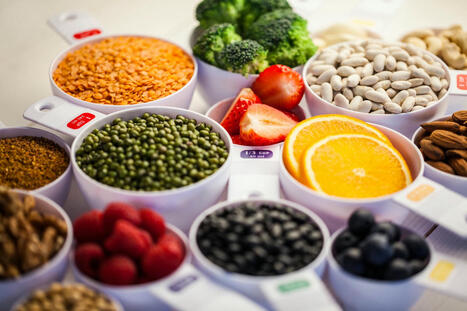








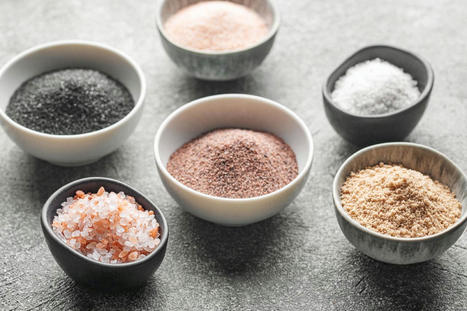


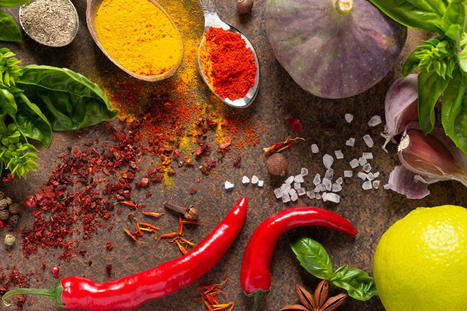


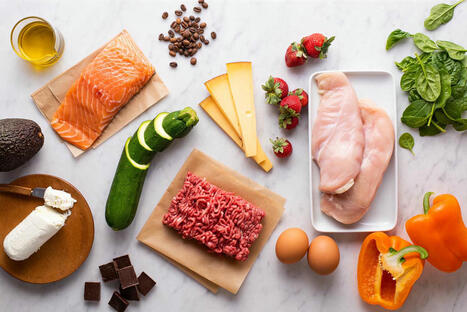


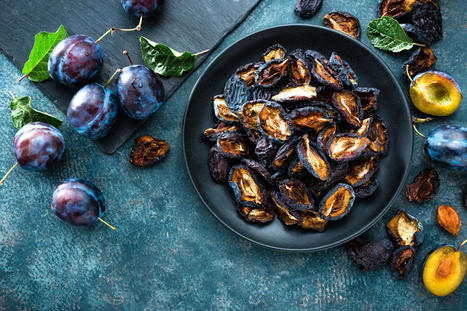


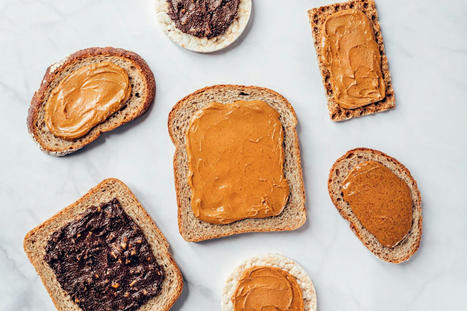






Uncover the importance of your body's growth and vitality. Explore the six categories of nutrients and their functions in sustaining life. For answers to any questions you may have, call Dr. Alex Jimenez at 915-850-0900 or 915-412-6677