 Your new post is loading...
A grocery-store Pariah with potentially disastrous repercussions
Trump appointees to head the Department of Energy and the Environmental Protection Agency to the contrary, the war on science isn’t limited to conservatives. Liberals have their own anti-science biases. Where conservatives often reject science based on their literal interpretation of the Bible or due to an abhorrence of federal regulations, liberals appear to be motivated by a belief that all things natural are good, anything with a chemical name is bad, and everything that profits an industry is really bad (unless that industry makes dietary supplements).
If you don’t believe in the existence of the anti-science left, just walk into a Whole Foods store. At Whole Foods, you can buy products guaranteed to be free of: (1) one of the most important scientific advances in the 20th century (“GMO-free”); (2) a chemical resin that the Food and Drug Administration as well as every other regulatory agency that has weighed in on this subject has declared safe (“BPA-free”); and (3) a component of wheat that causes a disease that affects about 1 percent of the American population (“gluten-free”).
The Gluten-Free Is Probably The Most Destructive
In 1947, Willem-Karel Dicke, a Dutch pediatrician, was studying a mysterious condition of children with symptoms that included diarrhea, anemia, poor appetite, abdominal pain, bloating, and growth failure. Dicke was certain that these children were eating something harmful. He just couldn’t figure out what it was. Then a tragic event gave him the clue that he needed.
At the end of World War II, Holland experienced its hongerwinter (“winter of starvation”); many foods, especially breads, became unavailable. While most people in Holland were starving, children with Dicke’s unusual disease—called celiac disease—thrived. In 1953, at a meeting of pediatricians in New York City, Dicke presented evidence that wheat products were causing an intense autoimmune reaction in the intestine of people with celiac disease, later tracing the problem to one specific nutrient: gluten, the component of bread that gives it an elastic quality.
As described in Alan Levinovitz’s The Gluten Lie: And Other Myths About What You Eat, it didn’t take long for health hucksters to weigh in, warning the public that gluten caused not only celiac disease, but a wide range of other diseases.
In 2011, William Davis, a cardiologist, published Wheat Belly. Davis argued that wheat was a modern-day poison, even though it is no different from the wheat that was harvested 10,000 years ago. In 2013, David Perlmutter, a neurologist, published Grain Brain. Davis and Perlmutter claimed that gluten was causing autism, arthritis, Alzheimer’s disease, chronic headaches, fibromyalgia, chronic fatigue syndrome, depression, epilepsy, excessive moodiness, cancer, heart disease, obesity, and schizophrenia. Wheat Belly and Grain Brain shared several features: both books were enormously popular; both dramatically expanded the market for gluten-free foods; and both contained not a shred of evidence proving that their contentions were correct (assuming that you don’t count testimonials from Jennifer Aniston, Victoria Beckham, Gwyneth Paltrow, Miley Cyrus, and Oprah Winfrey as evidence).
Davis and Perlmutter ignited a firestorm. Now people with diseases not caused by gluten believed that gluten was their problem. Some, who had undiagnosed celiac disease, benefited. (Only about 15 percent of people with celiac disease in the United States know that they have it; many are incorrectly diagnosed with irritable bowel syndrome.) Others, who were now eating diets richer in fruits and vegetables, also benefited. Most people who embraced the gluten-free mantra, however, were doing nothing to promote their health. And they were spending a fortune to do it. A typical basket of gluten-free food costs almost three times more than other food.
Today 20 Million Americans Claim To Be Allergic To Gluten When only about 3 million actually are, you can buy gluten-free hair products, gluten-free food for your pets, and go on gluten-free vacations. In 2014, the global market for gluten-free products totaled $4 billion a year; by 2019, it will be closer to $7 billion.
Although the harm of the gluten-free craze isn’t immediately obvious, it’s there. Imagine trying to avoid all foods containing wheat or related grains, including raviolis, dumplings, couscous, gnocchi, croissants, pita, naan, bagels, corn bread, muffins, doughnuts, pretzels, graham crackers, cakes, cookies, pies, brownies, pancakes, waffles, French toast, crepes, croutons, soy sauce, cream sauces, noodles, and beer as well as other foods that might contain gluten like potato chips, tortilla chips, salad dressings, french fries, meat substitutes, and cheesecake. Apart from trying to find meaning in a life that doesn’t include brownies or beer, staying within the ever-narrowing lines of the gluten-free maze can be a crushing experience.
The most unfortunate outcome of the gluten-free revolution is that demonizing food can lead to food fetishes or food phobias causing bulimia and anorexia, which affect about 2 percent of the United States population. These disorders aren’t trivial. Anorexia and bulimia have a mortality rate of about 4 percent. In fact, more people die every year from eating disorders than from all food allergies combined.
The cure for celiac disease is avoidance of gluten. The cure for gluten mania, on the other hand, remains elusive.
Paul A. Offit, MD is a professor of pediatrics and director of the Vaccine Education Center at the Children’s Hospital of Philadelphia and the author of Pandora’s Lab: Seven Stories of Science Gone Wrong (National Geographic, April 2017).
Gluten-Free Diets May Be Doing More Harm Than Good
Gluten-free #Diets have gained popularity throughout the years. Notable celebrities have gone gluten-free, and this includes Victoria Beckham and Gwyneth Paltrow. Millions of regular people around the world don’t eat foods with gluten.
However, there’s now evidence that suggests that no-gluten diets may increase the risk of cancer. It also enhances the risk of other chronic illnesses. This is because gluten-free foods contain high levels of toxic metals.
Two studies in the United States found that people who ate gluten-free foods had two-times the amount of arsenic in their urine, compared to those who eat foods with gluten. The studies also found that the gluten-free folk had 70 percent more mercury in their blood, as well as high levels of lead and cadmium.
The studies were carried out by #Researchers at the University of Illinois. People between the ages of 6-80 on gluten-free diets were looked at. They tested their urine and blood to come to their conclusion.
Scientists Give Warning
In the report, which was published in the journal Epidemiology, scientists warned that an increased risk of cancer and other chronic diseases might be associated with low-level arsenic and mercury exposure. However, the scientists did say the effects of the exposure from food sources were not certain. As for how contamination can happen, it’s mainly from rice flour, which is used as a substitute for cereals, bread, and pasta. Other Products Gluten Free Linked To: Parents around the world have been warned for awhile now about giving toddlers rice milk instead of cows’ milk. This is because of the dangers associated with it. However, repeatedly consuming gluten-free products have been linked to weight loss, skin lesions, and muscle wasting. It has also been linked to conditions such as diabetes and high-blood pressure.
Gluten can cause issues for certain people. Those with celiac disease or gluten sensitivity may experience issues if they consume gluten. The same goes for those who have a wheat allergy.
Your diet plays a crucial role in your mental well being and physical health, as they are intricately connected. Have you ever thought about everyday spices
Vitamin C is naturally produced in a majority of living organisms, with the exception of guinea pigs, primates and humans. Even dogs and cats can produce their own vitamin C from the food they’ve ingested which is then metabolized into glucose. Most animals and plants are capable of synthesizing their own vitamin C through a biochemical pathway which is dependent on 4 different types of enzymes that function to convert glucose to vitamin C. In mammals, the glucose is extracted from stored sugar, known as glycogen. The transformation into vitamin C is produced in the liver. Humans, on the other hand, need to consume vitamin C rich food sources to make up for what the body can’t produce on its own, otherwise, people may be at risk of developing severe health complications. In fact, glucose and vitamin C share a connection between the body’s immunity and overall cellular health. Consuming the proper levels of vitamin C is ultimately essential. The following 5 key points can help individuals effectively increase their vitamin C intake levels.
As we get older, body water content decreases, the risk for dehydration increases, and the consequences become more serious. Dehydration has been associated with increased mortality rates among hospitalized older adults and can precipitate emergency hospitalization and increase the risk of repeated stays in hospital. Dehydration is a frequent cause of hospitalization of older adults and one of the ten most frequent diagnoses responsible for hospitalization in the United-States. Evidence suggests high dehydration rates of elderly patients within hospitals and other health care institutions. Dehydration has also been associated with various morbidities, such as impaired cognition or acute confusion, falling or constipation. The cost associated with dehydration may be very high: a study conducted in 1999 in the United States evaluated the avoidable costs of hospitalizations due to dehydration at $1.14 billion. Why are the elderly more susceptible to dehydration?
The amount of body water decreases by approximately 15% (about 6 L) between the ages of 20 and 80. With this decrease, the body becomes more susceptible to dehydration from the loss of a small amount of body water.
Moreover, the elderly often experience diminished thirst sensation which leads to a reduced fluid consumption. Also as a consequence of aging, the kidneys have a reduced ability to concentrate urine and retain water during water deprivation. In addition, aging kidneys are less able to conserve or excrete sodium.
Insufficient fluid intakes can also be the result of limitations such as reduced swallowing capacity, decreased mobility, or comprehension and communication disorders. Disease-related factors, such as incontinence can increase water losses. Dehydration may also be caused by warm temperature, inadequate staffing in institutions, or use of laxatives or diuretics.
Eating right and staying fit are important no matter what your age. As we get older our bodies have different needs, so certain nutrients become especially important for good health. Older adults need more calcium and vitamin D, for example, to help maintain bone health. Have three servings of vitamin D-fortified low-fat or fat-free milk or yogurt each day. Other calcium-rich foods include fortified cereals and fruit juices, dark green leafy vegetables and canned fish with soft bones. If you take a calcium supplement or multivitamin, choose one that contains vitamin D. Also, many people older than 50 do not get enough vitamin B12. Fortified cereal, lean meat and some fish and seafood are sources of vitamin B12. Ask your doctor or a registered dietitian nutritionist if you need a vitamin B12 supplement. Ultimately, foods that are low in saturated fats and trans fat help reduce your risk of heart disease. Most of the fats you eat should be polyunsaturated and monounsaturated fats. Check the Nutrition Facts panel on food labels for total fat and saturated fat.
Finding ways to improve your own diet is challenging, but getting someone else to change theirs can be even tougher. Learn what nutrients are most important for seniors and how you can help them adopt healthier eating habits. As people age, their diets may need to change, especially if their diets are not well-balanced. Generally, doctors will recommend a well-balanced diet for older adults, meaning that they should eat a variety of fruits, vegetables, proteins and whole grains to maintain and improve overall health. According to Ruth Frechman, registered dietitian and spokesperson for the American Dietetic Association, in addition to eating a healthful variety of foods, there are specific things a caregiver can incorporate into their their loved one's diet to boost his or her health. Making dietary changes can be difficult for anybody. It can be especially difficult for older adults, though, because people get stuck in habits. If your loved one needs to make dietary changes to increase their health and well-being, there are specific things that you, the caregiver, can do to help with the change. Frechman recommends several important areas in which caregivers can help seniors achieve these nutritional changes.
Fibromyalgia, a chronic disease that causes pain and swelling in more than a dozen points all over the body, affects as many as 5 million people. Because doctors are still unsure of the cause of fibromyalgia, treatment can be frustrating (and often a process of trial and error). “Fibromyalgia symptoms are only about 30% amenable to current pharmaceutical strategies on the market,” says Kathleen Holton, PhD, MPH, lead author of Potential Dietary Links in Central Sensitization in Fibromyalgia. That’s why many patients are taking matters into their own hands and experimenting with alternative treatments, including dietary changes. Forty-two percent of fibro patients reported that symptoms worsened after eating certain foods, and though much of the research is in its preliminary phases, there’s some evidence that simple diet tweaks may ease fibro pain. Read on to get 5 food rules for fibromyalgia patients (just be sure to consult your doctor before drastically changing your diet).
There’s a variety of foods that can help provide the body with the necessary amount of energy to perform well and the timing of each meal is also important towards the effect of energy levels during exercise. An individual should eat a meal predominantly consisting of complex carbohydrates approximately 3 to 6 hours before a workout. Carbohydrates contain glucose, which is the body’s main source of energy for muscles during physical activities. Because carbohydrates are easy to digest, they can actually help the body use fat during exercise. Whole grains, brown rice, couscous, millet, quinoa, and bulgur are examples of complex carbohydrates and these can supply lasting energy to the body. When it comes to protein and fat, these are not the body’s substantial energy provider but adding them to your diet can supply enough fuel for endurance exercises like running and long-distance biking. Adding lean sources of protein and healthy fats to the same pre-workout meal 3 to 6 hours before exercise provides a richer, more balanced meal. Flank steak, salmon, chicken breasts, lean ground turkey, and tuna are examples of lean protein sources. Canola oil, walnuts, almonds, olive oil, and flaxseed oil are examples of healthy fats to also include. Eating a balanced meal made up of carbohydrates, lean proteins, and healthy fats is essential towards providing the body with the necessary nutrition it needs to be able to perform to its fullest capabilities. But, pre-workout hydration is equally as important as pre-workout nutrition. Dehydration can often lead to fatigue and loss of coordination. Individuals who participate in strenuous physical activity or exercise should be drinking from 16 to 24 oz. of water an hour before workouts and drink 8 oz. of water every 15 minutes during exercise. Our body depends on the energy we provide it with to function fully and effectively throughout the day. The type of food we eat and the amount of water we consume are important for maintaining a healthy lifestyle.
|
Peripheral neuropathy is a medical condition where nerve damage or dysfunction occurs, triggering common symptoms such as tingling or burning sensations or numbness in the hands and feet. The source of the neuropathy can often be difficult to diagnose but some of the factors which can contribute to the development of the condition include: vitamin deficiencies, traumatic injuries, diabetes, chemotherapy, alcoholism, infections, kidney disease, tumors and exposure to poisons. Although these are some of the most frequently reported factors responsible for the development of the condition, many of the common foods people eat on a daily basis and in large quantities can actually worsen peripheral neuropathy. The following are various of the foods which can aggravate nerve damage and dysfunction as well as increase the painful symptoms of neuropathy.
Used in your morning cup of coffee or tea, added into pastries, cakes and cookies, even sprinkled over your breakfast cereal and oatmeal, sugar is that sweet, short-chain, soluble carbohydrate which is most commonly found in most of the foods we consume today. Sugar is also hidden in many of the favorite treats we eat on a daily basis, such as fruit juices, sodas, candies, ice cream and almost all processed foods, including popular condiments like ketchup. Although it's common for people to regularly ingest sugar in every meal, how much sugar is acceptable to consume? More importantly, can excessive sugar cause negative side effects to your health? What is the exact function of sugar in the body? These are only several of the fundamental questions we must ask ourselves before we continue to eat foods with high amounts of sugar.
A healthy eating plan should include at least five servings of fruits and vegetables every day. Learn easy ways to include the right amount of produce in your diet. Seniors are better than younger people at making their servings of fruits and vegetables part of their diet, but that's still not saying much. According to a review published in August 2013 in the journal Maturitas, only 21 to 37 percent of men and 29 to 45 percent of women ages 65 and older eat five or more daily servings of fruits and vegetables, which is the minimum amount recommended for good nutrition. Eating plenty of fruits and vegetables is especially important as you get older, because the nutrients and fiber in these foods can help reduce high blood pressure, lower your risk of heart disease, stroke, and certain cancers, stave off eye and digestive problems — and simply satisfy your hunger. Before you try to eat an entire bunch of bananas or a bushel of apples, know this: One serving of fruit or vegetables equals half a cup, or about the amount you could hold in a cupped hand. Nutrition experts used to recommend five servings of fruits and vegetables per day, but that’s probably not enough, according to the Centers for Disease Control and Prevention (CDC). Individual needs are different, so depending on age, gender, and level of physical activity, you’ll require between 5 and 13 servings of fruit and vegetables each day.
As the body ages, changes in the gastrointestinal tract occur, reducing the absorption of nutrients and slowing down intestinal motility. As a result, malabsorption, nutrient deficiency and constipation are relatively common health problems that affect elderly people of both genders. A high-fiber diet helps to stimulate intestinal motility and prevent constipation. There is also evidence dietary fiber helps to lower cholesterol levels and regulate blood glucose levels. Ask your doctor about the benefits of adding more fiber to your diet. Dietary fiber is common in plant foods such as fruits, vegetable and legumes. Although dietary fiber cannot be digested or absorbed, it still contributes to health in a variety of ways. Dietary fiber comes in two types: soluble and insoluble fiber. Soluble fiber dissolves in water and becomes gel-like, causing it to stick to bile, toxins and other debris and drag them from your body. Insoluble fiber attracts water like a sponge and acts to clean your intestines, increase intestinal motility and stimulate regular bowel movements. Constipation is more common in the elderly due to reduced intestinal peristalsis or rhythmic contractions, inactive lifestyles and diets low in fiber.
Fish oil is one of the most popular dietary supplements in the U.S. because of the perceived cardiovascular benefits of the omega-3 it contains. However, scientific findings on its effectiveness have been conflicting. New research in Physiological Reports supports the claims for seniors, reporting that taking omega-3 fish oil supplements every day can improve the cardiovascular health of healthy seniors after 12 weeks of use. Risk of cardiovascular disease increases with age because the arteries become stiffer. Arterial stiffness affects how blood travels through them and ultimately how strongly the heart needs to pump. The most commonly used measures of arterial stiffness are pulse wave velocity (PWV) and augmentation index. When the heart ejects blood into the blood vessels, pressure increases, creating a bulge in the vessel. PWV is the speed at which the bulge ripples through the arteries. When the pressure pulse hits a fork in the arteries, part of the pressure pulse bounces back towards the heart and combines with the new pulse coming out of the heart. How much the reflected pulse enhances the new one is called augmentation index. High PWV and high augmentation index values reflect stiffer arteries.
Feeling aches and pains in your body may be due to Fibromyalgia and the good news is there are natural remedies to reduce them. For a disease with no known cause, fibromyalgia sure affects a lot of people, at least 5 million in the U.S. alone. That’s about an estimated 2–4% of the population! Now, what’s strange about fibromyalgia is that it seems to affect more women than men, as 9 out of 10 people who reportedly suffer from fibromyalgia are female. Since the leading symptom of fibromyalgia seems to be muscle and body pain, scientists and doctors have tried to treat the symptoms with conventional drugs including NSAIDs (non-steroid anti-inflammatory drugs), pain killers and antidepressants. However, these methods of treatment don’t seem to work very well. Furthermore, taking different combinations of drugs can result in a real problem, especially when you want to slow down or stop the medication. In many cases, some of these pain relievers can be quite addicting, and have some serious side effects.
Chiropractic care not only focuses on the musculoskeletal system, a chiropractor will also focus on helping an individual maintain an overall healthy and balanced life. An individual’s immune system will function to it’s fullest capacity if any subluxations, or spinal misalignments, are corrected. Along with chiropractic treatment, following a proper nutrition can help boost the performance of the immune system. By combining spinal adjustments with a balanced diet, individuals can achieve a stronger, healthier immune system to defend the body of any unwanted contaminants throughout everyday activities. Applying the following nutritional tips into your regular lifestyle is a good way to improve your body’s immunity. Foremost, in taking a proper amount of vitamin D is essential towards improving and maintaining a healthy immune system. Vitamin D is well-known for helping the body absorb calcium, helping to strengthen the bones and teeth. Vitamin D can also offer protection against numerous varieties of illnesses and chronic diseases such as cancer. Then, eating plenty of vegetables as a part of your regular diet can ultimately increase the body’s immune system. Vegetables, such as cauliflower, cabbage, broccoli, and Brussel sprouts, are known to produce chemicals within the body that boost the body’s immunity as well as prevent the growth of cancer cells. Aside from including certain nutritional foods and supplements into your diet, eliminating the consumption of particular products can also help improve immunity. For example, reducing or completely avoiding the consumption of alcohol can help maintain a healthy immune system. According to research, alcohol can cause immunodeficiency which can make an individual more susceptible to a variety of diseases.
Eating junk food may not be as bad as we think for people with heart problems, a study says. A study conducted with more than 15,000 people with coronary heart disease from 39 different countries found that following a Mediterranean diet reduced the risk of heart attack and stroke, but also prevented the Western diet of refined sugars and deep-fried foods from increasing this risk. In other words, according to the research, a Mediterranean-style diet consisting of fruits, vegetables, fish, legumes and unrefined foods, had a protective effect when eating junk food.
|


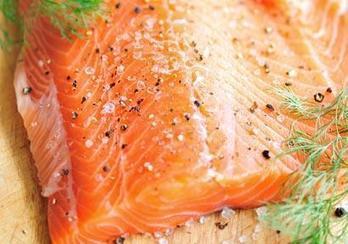












The Gluten-free diet has been linked to weight loss, skin lesions & muscle wasting. 3 million people actually are allergic. For Answers to any questions you may have please call Dr. Jimenez at 915-850-0900