

Lincoln County's mobile crisis team is fundamentally transforming how the community responds to mental health emergencies by bringing crisis intervention services directly to people in their communities rather than limiting


|
Scooped by
American Institute Health Care Professionals
onto Crisis Intervention Counseling August 20, 2:44 PM
|
 Scoop.it!
Lincoln County's mobile crisis team is fundamentally transforming how the community responds to mental health emergencies by bringing crisis intervention services directly to people in their communities rather than limiting

 Your new post is loading...
 Your new post is loading...
Your new post is loading...
Scoop.it!

Mental health crises are becoming an increasingly common part of law enforcement work, and officers are now receiving specialized training to handle those moments with care.
American Institute Health Care Professionals's insight:
Behind the badge: How crisis intervention training is changing the way police handle mental health calls
Handling mental health crisis Please also review AIHCP's Crisis Intervention program
Scoop.it!

A new poll from the University of Michigan shows that nearly a third of older adults are unaware of the 988 Suicide & Crisis Lifeline.
American Institute Health Care Professionals's insight:
Older adults face high suicide risk, but many don't know of 988: Poll
Suicide risk increase Please also review AIHCP's Crisis Intervention program
Scoop.it!

From
www

Oak Park continues to move toward an alternate response model for responding to emergency mental health calls and other non-criminal calls to 911.
American Institute Health Care Professionals's insight:
Oak Park asks finance committee to find permanent funding for alternative police response model
Better responses to mental crisis Please also review AIHCP's Crisis Intervention Program
Scoop.it!

Concerns around the overuse of policing to address mental health concerns have fueled growing recognition of the need for alternatives to traditional law enforcement responses to mental health crises. This has given rise to the implementation of interdisciplinary response models, including police-only responses and the widespread adoption of Crisis Intervention Team (CIT) Training, as well as co-responder models and mobile crisis response. However, the body of research on the effectiveness of these models is still emerging. Researchers and scholars have conventionally centered law enforcement in much of this work, whether aiming to understand how police address crises or comparing non-police or co-response models to police-led responses. Limitations in data availability, standardized language, measurement, and operational definitions—combined with a lack of clarity around partnerships—make it difficult to understand which models are being implemented and how they function across communities. Addressing these limitations may expose an opportunity to shift away from police as the default and to consider possibilities for crisis systems in which mental health support is provided without routine law enforcement involvement.
American Institute Health Care Professionals's insight:
Reframing Mental Health Crisis Response: Building Evidence Without Law Enforcement at the Core | Community Mental Health Journal | Springer Nature Link Crisis Intervention and response Please also review AIHCP's Crisis Intervention Program
Scoop.it!

In this CME article, explore a 4-stage framework that detects suicide risk without ideation disclosure, guiding clinicians to spot crisis signs and act fast.
American Institute Health Care Professionals's insight:
Narrative Crisis Model: A Suggested Redefinition of the Clinical Understanding of Suicidal Mental Process | Psychiatric Times
Preventing suicide Please also review AIHCP's Crisis Intervention program
Scoop.it!
This can result in: Unnecessary arrest and use of force; Missed opportunities to connect individuals with needed treatment; and Inefficient use of scarce…
American Institute Health Care Professionals's insight:
Alternative Crisis Response
Better crisis response Please also review AIHCP's Crisis Intervention Program
Scoop.it!
From
www
Experts wish more people spotted the signs earlier: feeling overwhelmed, not feeling “like yourself,” shifts in sleep, behavior and mood.
American Institute Health Care Professionals's insight:
Spot signs of mental health crises
Spotting mental health crisis Please also review AIHCP's Crisis Intervention program
Scoop.it!

Mental health professionals say what constitutes a crisis varies from person to person, but there are some key signals that could indicate someone is struggling, and they can be subtle at first.
American Institute Health Care Professionals's insight:
How to spot and help someone in a mental health crisis - Health - Life & Style
Helping others in crisis Please also review AIHCP's Crisis Intervention Program
Scoop.it!

"My crisis might not be your crisis, but what we do know is that — however people define crisis — there is a change in how they're feeling, a change in how they're behaving," said Dr. Theresa Miskimen Rivera, president of the American Psychiatric Association.
American Institute Health Care Professionals's insight:
How to spot and help someone in a mental health crisis
Spotting crisis Please also review AIHCP's Crisis intervention Program
Scoop.it!

After violent winds claimed a woman’s home in Cambodia, Samaritan’s Purse built her a better one and introduced her to the living hope of Jesus Christ.
American Institute Health Care Professionals's insight:
Salvation Comes in Wake of a Storm
Crisis and hope Please also review AIHCP's Crisis Intervention Program
Scoop.it!
From
news
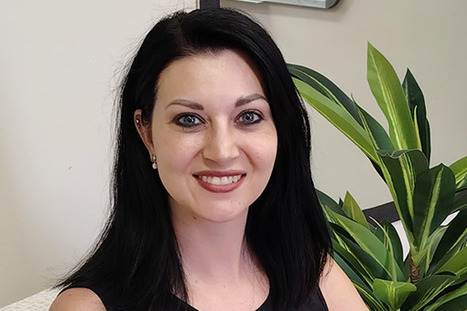
Dr Monique de Klerk is a senior counselling psychologist at the NWU's Centre for Health and Human Performance (CHHP)
American Institute Health Care Professionals's insight:
Crisis, trauma and how they affect you differently
Crisis and trauma Please also review AIHCP's Crisis Intervention Program as well as its Trauma Informed Care Program
Scoop.it!

From
www
GOSHEN — Public mental health crises that are successfully diffused by first responders often aren’t the ones that you hear about. For Leah Garboden, a training program for police officers an
American Institute Health Care Professionals's insight:
First responders complete crisis intervention training
The importance of crisis intervention training Please also review AIHCP's Crisis Intervention Program
Scoop.it!

If we're to reach Martin Seligman's vision of 51 percent of the world flourishing by 2051, that 51 percent must include our nation's law enforcement officers.
American Institute Health Care Professionals's insight:
What Positive Psychology Can Offer Law Enforcement
Better law enforcement ideals Please also review AIHCP's Crisis Intervention Program
|
Scoop.it!
Lincoln County's mobile crisis team is fundamentally transforming how the community responds to mental health emergencies by bringing crisis intervention services directly to people in their communities rather than limiting
American Institute Health Care Professionals's insight:
Mobile Crisis Team supports community, lightens load for hospitals, law enforcement | News | newportnewstimes.com
Mobile crisis teams Please also review AIHCP's Crisis Intervention Program
Scoop.it!

Discover how New York is scaling Mental Health First Aid, building mental health literacy and creating change through community partnerships.
American Institute Health Care Professionals's insight:
How New York Is Expanding Mental Health First Aid
Expanding mental first aid Please also review AIHCP's Crisis Intervention Program
Scoop.it!

From
www
Kids Helpline says a growing number of Australian young people are requiring immediate emergency help, with a concerning trend around crisis interventions.
American Institute Health Care Professionals's insight:
Kids Helpline crisis interventions again on the rise, sparking concern about return to COVID-era levels - ABC News
Crisis Please also review AIHCP's Crisis Intervention Program
Scoop.it!
AP – Experts wish more people spotted the signs earlier: feeling overwhelmed, not feeling “like yourself,” shifts in sleep, behaviour and mood. The United States (US) has a mental health problem, data from the US Centers for Disease Control and Prevention show. More young people, especially girls, are reporting poor mental health. And while the […]
American Institute Health Care Professionals's insight:
Helping others with mental health issues Please also review AIHCP's Crisis Intervention Program
Scoop.it!

Sending South Carolina police officers to a five-day crisis intervention course can be a drain on agencies’ manpower. But proponents say it’s worth the temporary hit to staffing and logistics,
American Institute Health Care Professionals's insight:
SC cops say special mental health training “saves lives”
Training the police for crisis situations Please also review AIHCP's Crisis Intervention Program
Scoop.it!

The Engage element of YSPI Zero Suicide Provider Tools focuses on how we can intervene and manage suicide risk in clinical care settings. Engage focuses on suicide care pathways, safety planning, and more.
American Institute Health Care Professionals's insight:
Engage: Suicide Care Management Plan | University of Michigan Health
Preventing suicide Please also review AIHCP's Crisis Intervention Program
Scoop.it!

Join us at the MHFA Summit to learn about Mental Health First Aid and the critical role of fidelity in delivering impactful training.
American Institute Health Care Professionals's insight:
Mental Health Substance Abuse Challenges and Early Intervention
Mental health challenges Please also review AIHCP's Crisis Intervention program
Scoop.it!
Objective:The Behavioral Health Emergency Assistance Response Division (B-HEARD) program is
American Institute Health Care Professionals's insight:
An EMS-Based Crisis Response Model for Mental Health–Related EMS Calls: A Quasi-Experimental Study
Crisis model responses please also review AIHCP's Crisis Intervention Program
Scoop.it!

Global network of volunteers supports millions in moments of need, delivering critical, real-time mental health support
American Institute Health Care Professionals's insight:
Crisis Text Line Recognizes Volunteers Powering Lifesaving Conversations Worldwide
Crisis work Please also review AIHCP's Crisis Intervention program
Scoop.it!
American Institute Health Care Professionals's insight:
The Present — and Future — of Alternatives to Police –
Crisis training and police Please also review AIHCP's Crisis Intervention Program
Scoop.it!

A six-circle framework for saving lives, strengthening communities, and shaping a healthier world
American Institute Health Care Professionals's insight:
Suicide prevention as social change: From crisis to global impact | Columns
Suicide prevention Please also review AIHCP's Crisis Intervention Program
Scoop.it!

Having a loved one die by suicide or attempt suicide can be an isolating experience, but a person doesn’t have to be alone.
American Institute Health Care Professionals's insight:
Finding Help Following Suicide or an Attempt
Crisis Intervention Please also review AIHCP's Crisis Intervention Program
|







Mobile Crisis Team supports community, lightens load for hospitals, law enforcement | News | newportnewstimes.com
Mobile crisis teams
Please also review AIHCP's Crisis Intervention Program