 Your new post is loading...
In the last two weeks, the Invisible Wounds Project says there have been at least three former or current first responders who have died by suicide in the region. The nonprofit, which supports first responder mental health, says in the last year it’s more than doubled the amount of suicide crisis response interventions.
Over the past decade or so—but especially since the start of the COVID-19 pandemic—states have worked to develop and expand behavioral health crisis response systems. Because people experiencing a behavioral health crisis require urgent intervention and support, states need resources and tools to ensure people receive appropriate care.
Global Suicide Prevention Centers Market Study 2025 2032 From Our Industry HTF Market Intelligence The Global Suicide Prevention Centers Market Study provides a comprehensive analysis spanning 140 pages covering market scope mental health service infrastructure technological advancements healthcare delivery model
Weightmans specialises in crisis response and the regulatory risk that may present in the conduct of everyday operations.
Municipalities all across the country are making innovative investments in community safety departments—and it’s starting to pay off.
ON September 10, the world observes World Suicide Prevention Day, but suicide prevention should begin long before someone reaches an emergency department, crisis line or moment of immediate danger. The 2024 to 2026 theme, ‘Changing the Narrative on Suicide’, calls for conversations often avoided because of stigma and discomfort. Prevention cannot depend only on whetherRead More
Mental health crises are becoming an increasingly common part of law enforcement work, and officers are now receiving specialized training to handle those moments with care.
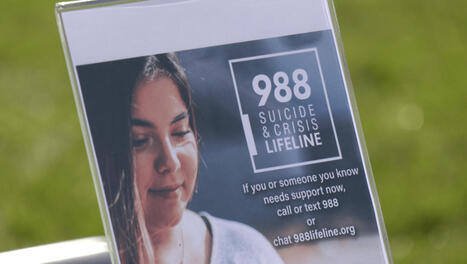
A new poll from the University of Michigan shows that nearly a third of older adults are unaware of the 988 Suicide & Crisis Lifeline.
Oak Park continues to move toward an alternate response model for responding to emergency mental health calls and other non-criminal calls to 911.
Concerns around the overuse of policing to address mental health concerns have fueled growing recognition of the need for alternatives to traditional law enforcement responses to mental health crises. This has given rise to the implementation of interdisciplinary response models, including police-only responses and the widespread adoption of Crisis Intervention Team (CIT) Training, as well as co-responder models and mobile crisis response. However, the body of research on the effectiveness of these models is still emerging. Researchers and scholars have conventionally centered law enforcement in much of this work, whether aiming to understand how police address crises or comparing non-police or co-response models to police-led responses. Limitations in data availability, standardized language, measurement, and operational definitions—combined with a lack of clarity around partnerships—make it difficult to understand which models are being implemented and how they function across communities. Addressing these limitations may expose an opportunity to shift away from police as the default and to consider possibilities for crisis systems in which mental health support is provided without routine law enforcement involvement.
In this CME article, explore a 4-stage framework that detects suicide risk without ideation disclosure, guiding clinicians to spot crisis signs and act fast.
This can result in: Unnecessary arrest and use of force; Missed opportunities to connect individuals with needed treatment; and Inefficient use of scarce…
Experts wish more people spotted the signs earlier: feeling overwhelmed, not feeling “like yourself,” shifts in sleep, behavior and mood.
|
Local and national resources are available for individuals experiencing a mental health crisis and those supporting them.
The deadly shooting of a 30-year-old Army veteran by Palm Beach County sheriff's deputies near Boca Raton is raising familiar questions about how law enforcement officers respond to armed people experiencing a mental health crisis.
A growing number of police calls involving people with mental health issues has resulted in the formation of a mental health response team.
San Diego-based Park Mental Health Treatment Center educates community on subtle signs that shouldn’t be ignore
When East Mississippi residents have a mental health crisis, law enforcement with special crisis intervention training are called on to help deescalate the situation and connect them with the help […]
Plus, changes are coming to Newswire
Lincoln County's mobile crisis team is fundamentally transforming how the community responds to mental health emergencies by bringing crisis intervention services directly to people in their communities rather than limiting
Discover how New York is scaling Mental Health First Aid, building mental health literacy and creating change through community partnerships.
Kids Helpline says a growing number of Australian young people are requiring immediate emergency help, with a concerning trend around crisis interventions.
AP – Experts wish more people spotted the signs earlier: feeling overwhelmed, not feeling “like yourself,” shifts in sleep, behaviour and mood. The United States (US) has a mental health problem, data from the US Centers for Disease Control and Prevention show. More young people, especially girls, are reporting poor mental health. And while the […]
Sending South Carolina police officers to a five-day crisis intervention course can be a drain on agencies’ manpower. But proponents say it’s worth the temporary hit to staffing and logistics,
The Engage element of YSPI Zero Suicide Provider Tools focuses on how we can intervene and manage suicide risk in clinical care settings. Engage focuses on suicide care pathways, safety planning, and more.
|


 Scoop.it!


















Alternative Crisis Response
Better crisis response
Please also review AIHCP's Crisis Intervention Program