


 Your new post is loading...


From
ht
"Ironically, the biggest obstacle preventing MOOC students from forming relationships is the feature most relied on to encourage them. "










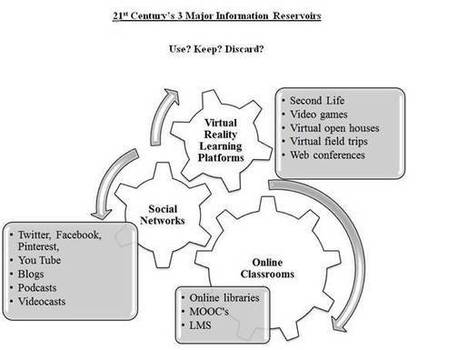







Question: How do teachers overcome student feeling of isolation? According to Christina Blanch and others, forums are not designed for 2500 students. Blanch, a doctoral student at Bal State University (IN) says she created a Facebook page for her course. Small groups set up Goodreads and Reddit. Other ideas were to create Twitter hashtags to send in questions or comments for an invited experts. Sychronous meetings were tried. "An undergraduate tutor from the Duke writing center worked with a MOOC student while thousands of students around the world watched live. The intent was to model how to give feedback so students would be more likely to engage deeply with one another's work."