Your new post is loading...

|
Scooped by
ulcriv
July 23, 3:47 PM
|
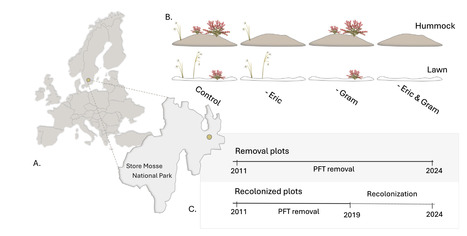
To preserve the heterogenic and diverse nature of peatland ecosystems, a well-functioning plant community is imperative. In intact peat bogs, such communities consist of a balanced mix of peat mosses and vascular plants across a hydrological gradient. Vascular plants compete with peat mosses – the ecosystem builders in ombrotrophic peatlands – for resources such as nutrients and light, but also provide structure for peat mosses to grow. In contrast, peat mosses create an adverse environment in which only certain plant species can find a niche. In light of the competition–facilitation gradient between peatland plants, the role of vascular plants as facilitators for peatland microhabitat formation is mainly overlooked. Using a long-term vascular plant removal experiment in Store Mosse National Park, Sweden, this study assesses the role of the functional type composition of the vascular plant community as a mechanical structure to support the peat moss (Sphagnum) carpet. Our data highlights the importance of vascular plant functional type diversity in facilitating the structure of the Sphagnum carpet. Ericoids are crucial for the maintenance of hummocks. Moreover, recolonization of ericoids after removal of vascular plants enabled the recovery of the Sphagnum carpet in this microtopography. Graminoids provide at most ’co-facilitation’ of the structural support to the Sphagnum carpet. These results show that the composition of the vascular plant community determines how strongly they can contribute to structural support and indicate that restoration of the vascular plant community can be used as a tool to restore peat moss microtopographies, leading to a heterogenic and diverse peatland plant community.
|
|
Scooped by
ulcriv
July 23, 3:32 PM
|
Peatlands store significant amounts of carbon, which is released as greenhouse gases when peatlands are degraded. Restoration and rewetting can help prevent these emissions, while continuous monitoring is critical for evaluating their success. Using satellite-derived observations of essential climate variables, we conducted the first large-scale assessment of how peatland restoration influences land surface temperature (LST), albedo, and vegetation across 72 sites in North America and Europe. Our findings indicated that before restoration, degraded peatlands had a commonly lower daytime LST and albedo but higher nighttime LST, leaf area index (LAI), and fraction of absorbed photosynthetically active radiation (FPAR) compared to intact sites. The largest restoration-induced absolute values of monthly changes reached +3.18 °C (daytime LST), −1.22 °C (nighttime LST), −2.54 (LAI), −0.29 (FPAR), and −0.16 (albedo). While restored peatlands tended to align more closely with intact sites a decade after restoration began, the probability of this alignment varied depending on the climate variables. Restored peatlands became more similar than different to intact sites in nighttime LST and albedo after a post-restoration decade, with high similarity projected within five decades. Peatland restoration modifies local and regional climate and should be included in future climate projections.
|
|
Scooped by
ulcriv
July 2, 5:12 PM
|
Abstract CONTEXT Worldwide, the livestock sector was found to be an important contributor to climate change, resource use, health, and pollution issues. In the Global North, the growing interest in alternative food networks and short supply chains has reached the livestock sector, within which we find an increasing number of farms raising multi-species herds on pasture and marketing their products directly to the end consumer. OBJECTIVE The objective of this study was to assess the economic performance and environmental impacts of multispecies pastured livestock farms using direct marketing, a farm model that can be considered novel and alternative when compared to large-scale specialized livestock operations. METHOD From a sample of 15 multispecies pastured livestock farms using direct marketing in Québec, we conducted a principal component analysis according to farm structure, economic and environmental indicators. We subsequently divided the farms in three groups using hierarchical clustering and compared them through an analysis of variance. RESULTS AND CONCLUSIONS Farms grouped in the Intensive cluster had a high animal load and high proportion of monogastric animals to which they fed purchased grain feed. This reliance on imported feed had negative economic and environmental impacts. Farms in the Extensive cluster supplemented a traditional cow-calf farming model with purchased weaners for seasonal finishing, thus presenting low animal densities and low environmental impacts. Other animal species were added to the herd to serve their direct-marketing clients, making for overall strong economic performances. Some farms in the Thrifty cluster produced crops, which helped lower their environmental impacts through manure cycling and economically diversify their activities. These farms had better resource optimization strategies and added value to their products though some level of processing on the farm. SIGNIFICANCE While all farms dedicated a certain amount of land to pasture or forage production, multispecies pastured livestock systems using direct marketing in Québec are not fully integrated crop-livestock systems. Farms with crop production activities, even when unrelated to their livestock operation, appeared to benefit from some level of integration between their crop and livestock productions in the form of a reduction of their environmental impacts through nutrient cycling by manure disposal on pasture. Farms with a higher animal density and higher proportion of monogastric animals fed purchased grain feed ran the risk of both causing negative environmental impacts and reducing their economic performances.
|
|
Scooped by
ulcriv
June 30, 5:51 PM
|
Agroecology is increasingly used to study the evolution of farms and food systems, in which livestock plays a significant part. While large-scale specialized livestock farms are sometimes criticized for their contribution to climate change and nutrient cycle disruption, interest in alternative practices such as raising multiple species, integrating crop and livestock, relying on pasture, and marketing through short supply chains is growing. Through a narrative review, we aimed to determine if the scientific literature allowed for an evaluation of the agroecological contribution of alternative livestock farming practices. Taking advantage of ruminants’ capacity to digest human-inedible plant material such as hay and pasture on marginal land reduces the competition between livestock feed and human food for arable land. Taking advantage of monogastric animals’ capacity to digest food waste or byproducts limits the need for grain feed. Pasturing spreads manure directly on the field and allows for the expression of natural animal behavior. Animals raised on alternative livestock farms, however, grow slower and live longer than those raised on large specialized farms. This causes them to consume more feed and to emit more greenhouse gases per unit of meat produced. Direct or short supply chain marketing fosters geographical and relational proximity, but alternative livestock farms’ contribution to the social equity and responsibility principles of agroecology are not well documented. Policy aimed at promoting practices currently in place on alternative livestock farms is compatible with agroecology but has to be envisioned in parallel with a reduction in animal consumption in order to balance nutrient and carbon cycles.
|
|
Scooped by
ulcriv
June 30, 5:45 PM
|
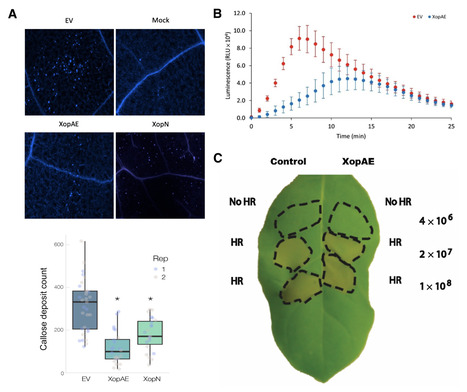
Pathogenic bacteria use Type 3 effector proteins to manipulate host defenses and alter metabolism to favor their survival and spread. The non-model bacterial pathogen Xanthomonas phaseoli pv. manihotis (Xpm) causes devastating disease in cassava. The molecular role of Type 3 effector proteins from Xpm in causing disease is largely unknown. Here, we report that the XopAE effector from Xpm suppresses plant defense responses. Our results show that XopAE is a suppressor of basal defenses such as callose deposition and the production of reactive oxygen species. XopAE targets a small heat shock protein (Mep23-1 cochaperone) in cassava and its homolog Atp23-1 in Arabidopsis. XopAE localizes to the nucleus and in scattered points throughout the cell border, whereas Mep23-1 shows a nucleocytoplasmic localization. Upon interaction, XopAE hijacks Mep23-1 to the scattered points throughout the cell border, and they also interact in the nucleus. Our results indicate that the interaction between XopAE and Mep23-1 is essential for suppressing basal plant defense. This study is one of the first to address the molecular mechanisms deployed by Xpm to cause disease in cassava, a non-model crop plant.
|
|
Scooped by
ulcriv
June 30, 5:31 PM
|
The novel HIV-1 drugs GS-CA1 and the recently approved lenacapavir (GS-6207) target the viral structural protein capsid (CA). However, their multiple mechanisms of action have not been fully characterized. Here, we investigated the effects of GS-CA1 on the early stages of HIV-1 infection, specifically the steps involving the nuclear envelope, in comparison to the antiviral cytokine IFN-β. Mass spectrometry data indicated that nuclear envelope proteins were only modestly affected by either GS-CA1 treatment or HIV-1 infection, but combining the two had a more significant impact, altering the levels of many proteins including proteasomal components. GS-CA1 induced a small but clear accumulation of HIV-1 capsid cores at nuclear pores, as seen by microscopy, whereas IFN-β caused a strong accumulation of HIV-1 cores at the nuclear envelope but not specifically at nuclear pores. These observations are consistent with GS-CA1 inhibiting the nuclear translocation of HIV-1 capsid cores through nuclear pores.
|
|
Scooped by
ulcriv
June 30, 5:06 PM
|
Abstract Aims. Perennial forages in rotation with annual crops can improve agricultural resilience by increasing soil organic carbon. However, how nitrogen (N) sources interact with rotation diversity to influence soil nitrous oxide (N2O) emissions is not well understood. Methods During three snow-free seasons, N2O emissions, crop yields, and ancillary variables were measured at three experimental sites with contrasting soil textures (silty clay and sandy loam) in eastern Canada. Using a split-plot design, we compared a corn (Zea mays L.)-soybean (Glycine max [L.] Merr.)-corn rotation and a mixed perennial grass sward receiving N via: i) mineral fertilizer (MIN), ii) liquid dairy manure (LDM), and iii) inclusion of alfalfa (Medicago sativa L.) to the perennial forages with no additional N (LEG). Results When summed across sites over all three years, cumulative N2O emissions were greater for LDM than MIN in annual crops (8.75 ± 1.63 and 5.15 ± 0.96 kg N2O-N ha–1, respectively), but not in perennial grasses (2.95 ± 0.55 and 3.76 ± 0.70 kg N2O-N ha–1, respectively). When comparing N sources within each crop type over the three years, MIN generated greater yields than LDM in annual and perennial crops, but lower yield-scaled N2O emissions than LDM in annual crops only. During forages post-seeding years, area- and yield-scaled N2O emissions induced by LDM and LEG were lower than MIN. Conclusion Our results suggest that for a cool humid climate using LDM or LEG in perennial forages and MIN on annual crops can reduce overall N2O emissions, while generating similar or lower yield-scaled emissions.
|
|
Scooped by
ulcriv
June 26, 5:23 PM
|
Existence of potent in vitro regeneration system is a prerequisite for efficient genetic transformation and functional genomics of crop plants. In this study, two contrasting cultivars differencing in their in vitro regeneration efficiency were identified. Tissue culture friendly cultivar Golden Promise (GP) and tissue culture resistant DWRB91(D91) were selected as contrasting cultivars to investigate the molecular basis of regeneration efficiency through multiomics analysis. Transcriptomics analysis revealed 1487 differentially expressed genes (DEGs), in which 795 DEGs were upregulated and 692 DEGs were downregulated in the GP-D91 transcriptome. Genes encoding proteins localized in chloroplast and involved in ROS generation were upregulated in the embryogenic calli of GP. Moreover, proteome analysis by LC-MS/MS revealed 3062 protein groups and 16,989 peptide groups, out of these 1586 protein groups were differentially expressed proteins (DEPs). Eventually, GC-MS based metabolomics analysis revealed the higher activity of plastids and alterations in key metabolic processes such as sugar metabolism, fatty acid biosynthesis, and secondary metabolism. TEM analysis also revealed differential plastid development. Higher accumulation of sugars, amino acids and metabolites corresponding to lignin biosynthesis were observed in GP as compared to D91. A comprehensive examination of gene expression, protein profiling and metabolite patterns unveiled a significant increase in the genes encompassing various functions, such as ion homeostasis, chlorophyll metabolic process, ROS regulation, and the secondary metabolic pathway.
|
|
Scooped by
ulcriv
November 11, 2024 6:08 PM
|
Little is known regarding the genes, compounds and physiological alternations that take place upon infection of black knot disease. This research aimed to unravel the genetic mechanism responsible for the resistance of Japanese plum (Prunus salicina L.) trees against black knot (Apiosporina morbosa Schwein.) using a Genome-Wide Association Study. Genotyping by Sequencing (GBS) was combined with a phenotyping system to analyze 200 genotypes of mixed origin. Population stratification identified four subpopulations, and the Fixed and Random Model Circulating Probability Unification (FarmCPU) algorithm was used for this analysis. Nineteen single nucleotide polymorphisms (SNPs) significantly associated with black knot disease resistance were discovered across five chromosomes. Linkage disequilibrium analysis identified 55 genes near these SNPs, with eight genes related to plant defense, immunity, and biotic stress response. One SNP mutation was found in the 5′ untranslated region of a gene regulating the first enzyme in phenylpropanoid biosynthesis. The results provide valuable insights into the genetic mechanisms behind BLACK KNOT disease resistance in Japanese plum and identifies potential markers for use in molecular breeding.
|
|
Scooped by
ulcriv
November 11, 2024 5:06 PM
|
Earthen construction is considered as an ecological construction offering many advantages in terms of adaptation to climate change and reduction of CO2 emissions from buildings. The choice of a building material implies a suitable construction technique and an appropriate architecture according to the environmental conditions. The objective of this work is to study the thermal performance of two cob materials, a material traditionally composed of clay, water and wheat fibres through numerical simulations. Two walls designed with clay and four other walls designed with cob (with 3 or 6% fibres) are studied in view of their application in modern wood-frame structures. To this end, the one-dimensional transient heat equation through single-layer walls of 15 cm and 25 cm thickness is solved using the finite element discretization scheme. The thermal properties used for the numerical simulation are experimental data obtained from samples fabricated in a laboratory. The simulations are performed using climate data from Montreal (Canada), Reno (USA) and Djibouti (Africa). The results of the wall simulation are evaluated according to the influence of local meteorological conditions on the interior surface temperature for each type of wall.
|
|
Scooped by
ulcriv
November 11, 2024 4:56 PM
|
Plasmodiophora brassicae is an obligate biotroph that causes clubroot disease in cruciferous plants, including canola and Arabidopsis. In contrast to most known bacterial, oomycete and fungal pathogens that colonize at the host apoplastic space, the protist P. brassicae establishes an intracellular colonization within various types of root cells and secretes a plethora of effector proteins to distinct cellular compartments favourable for survival and growth of the pathogen during pathogenesis. Identification and functional characterization of P. brassicae effectors has been hampered by the limited understanding of this unique pathosystem. Here, we report a P. brassicae effector, PbPE23, containing a Ser/Thr kinase domain, that induces necrosis after heterologous expression by leaf infiltration in both host and non-host plants. While PbPE23 is an active kinase, the kinase activity itself is not required for triggering the necrosis in plants. PbPE23 shows a nucleocytoplasmic localization in Nicotiana benthamiana and its N-terminal 25TPdPAQKQ32 sequence, resembling the contiguous hydrophilic TPAP motif and Q-rich region in many Nep1-like proteins (NLPs) from plant-associated microbes, is required for the induction of necrosis. Further, transcript profiling of PbPE23 reveals its high expression at the transition stages from primary to secondary infection, suggesting its potential involvement in the development of clubroot disease.
|
|
Scooped by
ulcriv
November 11, 2024 3:20 PM
|
Earth harbours an extraordinary plant phenotypic diversity1 that is at risk from ongoing global changes2,3. However, it remains unknown how increasing aridity and livestock grazing pressure—two major drivers of global change4–6—shape the trait covariation that underlies plant phenotypic diversity1,7. Here we assessed how covariation among 20 chemical and morphological traits responds to aridity and grazing pressure within global drylands. Our analysis involved 133,769 trait measurements spanning 1,347 observations of 301 perennial plant species surveyed across 326 plots from 6 continents. Crossing an aridity threshold of approximately 0.7 (close to the transition between semi-arid and arid zones) led to an unexpected 88% increase in trait diversity. This threshold appeared in the presence of grazers, and moved toward lower aridity levels with increasing grazing pressure. Moreover, 57% of observed trait diversity occurred only in the most arid and grazed drylands, highlighting the phenotypic uniqueness of these extreme environments. Our work indicates that drylands act as a global reservoir of plant phenotypic diversity and challenge the pervasive view that harsh environmental conditions reduce plant trait diversity8–10. They also highlight that many alternative strategies may enable plants to cope with increases in environmental stress induced by climate change and land-use intensification. Analysis of 20 chemical and morphological plant traits at diverse sites across 6 continents shows that the transition from semi-arid to arid zones is associated with an unexpected 88% increase in trait diversity.
|
|
Scooped by
ulcriv
November 11, 2024 2:48 PM
|
The quality and sensory attributes of juices are influenced by their natural microbiota and the microorganisms found on filtration membranes. This study aimed to assess the influence of natural microbiota and specific contaminants, including Candida krusei, Rhodotorula mucilaginosa, Debaryomyces prosopidis, Ralstonia insidiosa, and Lactiplantibacillus paraplantarum, isolated from cranberry juice and its associated industrial filtration membranes, on the characteristics of cranberry juice. Their growth kinetics and impacts on total phenols, total anthocyanins, total proanthocyanins, total organic acids, pH, titratable acidity, and volatile compounds were assessed. During the 42 h fermentation period, Candida krusei and Ralstonia insidiosa exhibited significant growth, increasing by 1-log and 3-log, respectively. The natural microbiota led to a 7% and 6% reduction in anthocyanins and proanthocyanidins, while Candida krusei and Rhodotorula mucilaginosa caused losses of 10% and 7% in proanthocyanidins, respectively. Organic acid content remained stable, except for an 8% decrease caused by Ralstonia insidiosa. Volatile compounds underwent significant increases, particularly in green (703%), winey (100%), mushroom (306%), and fusel (2678%) notes. These findings underscore the rapid impact of microorganisms from natural microbiota and filtration membranes on cranberry juice characteristics, highlighting the importance for beverage industries to prioritize customer safety and satisfaction.
|
|
|
Scooped by
ulcriv
July 23, 3:37 PM
|
Pathogenic bacteria use Type 3 effector proteins to manipulate host defenses and alter metabolism to favor their survival and spread. The non-model bacterial pathogen Xanthomonas phaseoli pv. manihotis (Xpm) causes devastating disease in cassava. The molecular role of Type 3 effector proteins from Xpm in causing disease is largely unknown. Here, we report that the XopAE effector from Xpm suppresses plant defense responses. Our results show that XopAE is a suppressor of basal defenses such as callose deposition and the production of reactive oxygen species. XopAE targets a small heat shock protein (Mep23-1 cochaperone) in cassava and its homolog Atp23-1 in Arabidopsis. XopAE localizes to the nucleus and in scattered points throughout the cell border, whereas Mep23-1 shows a nucleocytoplasmic localization. Upon interaction, XopAE hijacks Mep23-1 to the scattered points throughout the cell border, and they also interact in the nucleus. Our results indicate that the interaction between XopAE and Mep23-1 is essential for suppressing basal plant defense. This study is one of the first to address the molecular mechanisms deployed by Xpm to cause disease in cassava, a non-model crop plant.
|
|
Scooped by
ulcriv
July 23, 3:29 PM
|
It has long been suggested that soil compaction indices should be monitored as part of a routine soil management program. Moreover, in addition to properties related to storage of gases and fluid within a bulk volume (i.e., bulk density [BD] and air porosity [θa]), some authors have suggested that properties linked to fluid and gas exchanges such as gas diffusion and hydraulic conductivity should be used to assess the physical health of soils. Given the risk of severe compaction due to the increasing size of farm equipment and the lack of long rotation in cash crop production, data on soil storage and exchange properties need to be collected. The objective of this study was to assess the physical soil health of the top 30 cm of 18 southern Quebec corn fields using a set of indicators. The data were also used to determine crop response to nitrogen fertilization. The results showed that over 93% of the corn fields had a relative gas diffusivity (Ds/Do) below the 0.03 threshold at both 15- and 30-cm depth, suggesting substantial crop growth limitations. They also showed that around 40% of the soils had subsurface drainage problems linked to a low saturated hydraulic conductivity (49% at 15 cm and 47% at 30 cm lower than 0.001 cm s−1). The levels of relative gas diffusivity were low, not only limiting crop growth but also likely reducing nitrogen efficiency through increasing risk of denitrification. Moreover, the results suggest that in some fields, high yields can be achieved with as little as 60 and up to 215 kg of nitrogen per hectare, and that slow-draining soils will have a very poor response to N fertilization, leading to lower net revenues and nitrogen losses. Overall, the findings suggest that appropriate soil conservation and water management practices based on soil physical health criteria like relative gas diffusivity and hydraulic conductivity must be implemented to maintain or improve soil productivity and health in the face of climate change.
|
|
Scooped by
ulcriv
July 2, 4:44 PM
|
The study of microbial communities of the plant phyllosphere in remote locations using DNA-based approaches is limited by the challenges associated with their preservation in the field and during transportation. Freezing is a common DNA preservation strategy, but it may be unsuitable for leaf samples, or inaccessible in some locations. Other methods such as desiccation, ethanol or commercial preservatives are potential alternative DNA preservation methods for ambient temperature storage. In this study, we assessed the efficacy of desiccation (with silica gel packs), and of three preservation solutions (95% ethanol, RNAlater, LifeGuard) for the preservation of epiphytic phyllosphere communities of Populus tremuloides and Picea glauca at ambient indoor temperature (21 °C) for up to three weeks. We assessed effects on DNA concentration and quality and used metabarcoding to detect changes in bacterial and fungal communities between treatments over time. A secondary study was conducted on leaves of Populus grandidentata to further test the ability of the desiccation treatment to resolve differences between sampling sites. Silica gel packs were identified as effective ambient temperature preservative of phyllosphere bacterial and fungal communities. There were some changes in the communities compared to immediate extraction due to this treatment, but these changes did not affect the ability to distinguish tree species and sampling locations. Overall, our study supports the use of silica gel pack short term preservation at ambient temperature for phyllosphere samples intended for DNA-based microbial community analyses.
|
|
Scooped by
ulcriv
June 30, 5:48 PM
|
The development of building envelope systems with low carbon footprint materials and improved hygrothermal properties is still in progress. For geosourced materials, one of the main objectives is to achieve optimal hygrothermal efficiency. Cob, a material made of clay, plant fibres, and water, stands out for its low carbon footprint and ease of application on timber-framed building structures. The main goal of this study is to assess the hygrothermal performance of eight heavy cob wall systems in eight cities in African, European, and American climates. An extensive laboratory characterization is carried out to measure the hygrothermal properties of each material. The thermal conductivity obtained after the measurements is 0.75 W/m.K and 0.87 W/m.K for red and beige clay samples, respectively, 0.52 W/m.K for the cob with 3 % fibres, and 0.2 W/m.K for the cob with 6 % fibres samples, and the porosity rates are 21, 20, 37, and 45 for the clay and cob samples, respectively. The hygrothermal simulation showed that the interior temperature of the walls made of cob with 6 % fibres and a thickness of 25 cm remained stable, regardless of external climate variations. Applying beige clay plasters to the exterior and interior surfaces of cob walls or timber structures improved thermal performance in terms of heating or cooling energy demand but also increased the walls’ moisture absorption. This increased moisture enhances the risk of mold growth within the wall structure. When used as infill materials in timber structures, the simulated composite systems generally exhibit good hygrothermal performance. However, in cold climate zones with high precipitation and heavily clouded skies, the walls may be exposed to risks of mold development. To prevent mold in these walls, install a rain screen or an air/vapor barrier membrane between the plaster and cob. This helps manage moisture and ensures proper wall drying.
|
|
Scooped by
ulcriv
June 30, 5:40 PM
|
Background To align with climate goals, greenhouse gas (GHG) emissions from agriculture must be reduced significantly. Cultivated peatlands are an important source of such emissions. One proposed measure is to convert arable fields on peatlands to grassland, as the Intergovernmental Panel on Climate Change (IPCC) default emission factors (EF) for organic soils are lower from grasslands. Yet, these EFs are based on limited data with high variability and comparisons are difficult due to differences in climate, soil properties, and crop management. This systematic review synthesizes available evidence on the effects of converting cropland to grassland on GHG emissions from peat and organic-rich soils in temperate and boreal climates using data from comparable fields. Methods Literature was searched using five bibliographic databases, four archives or search engines for grey literature, and Google Scholar. Eligibility screening was performed in two steps on (1) title/abstract, with consistency among reviewers assessed by double-screening 896 articles, and (2) full text screened by two reviewers. Eligible articles were critically appraised independently by at least two reviewers. Disagreements were reconciled through discussions. Data and key metadata are presented in narrative synthesis tables, including risk of bias assessments. Meta-analyses comparing grasslands with croplands were performed using raw mean difference as the effect size. Review findings A total of 10,352 unique articles were retrieved through the literature searches, and 18 articles including 29 studies were considered relevant to answer the review question. After critical appraisal, it was concluded that two articles reported the same data, so a total of 28 studies, comprising 34 comparisons were included in the systematic review. Most of the included studies were conducted in the Nordic countries and Germany, one in Belarus and one in Canada. A meta-analysis was conducted on 24 studies pairing cropland and grassland sites. No significant differences in carbon dioxide (CO2) or methane (CH4) emissions were found. Emissions of nitrous oxide (N2O) from grasslands were found to be 7.55 kg ha−1 y−1 lower than from cropland, however the sensitivity analysis showed that the difference was not robust, making it uncertain whether conversion from cropland to grassland has a significant effect on N2O emissions from organic soils. The difference was also smaller when root crops were excluded from the comparator group. Further, net ecosystem exchange (NEE) of CO2 and net ecosystem carbon balance (NECB) were higher in grasslands compared to croplands in cases where the grasslands were fertilized. Conclusions This systematic review underlines the ambiguity of GHG emissions from peatlands and their relationship to land use. Our understanding of the factors influencing emissions from these soils remains incomplete, and the specific impact of land use on emissions is still unclear. CO2 emissions represent a major part of the climate impact of cultivated peat soils, so the data analyzed allow to draw the conclusion that a conversion from arable to grassland would not lead to large benefits in terms of GHG emissions, especially if root crops are not part of the arable crop rotation, or the grassland is fertilized.
|
|
Scooped by
ulcriv
June 30, 5:25 PM
|
Land use change threatens global biodiversity and compromises ecosystem functions, including pollination and food production. Reduced taxonomic α-diversity is often reported under land use change, yet the impacts could be different at larger spatial scales (i.e., γ-diversity), either due to reduced β-diversity amplifying diversity loss or increased β-diversity dampening diversity loss. Additionally, studies often focus on taxonomic diversity, while other important biodiversity components, including phylogenetic diversity, can exhibit differential responses. Here, we evaluated how agricultural and urban land use alters the taxonomic and phylogenetic α-, β-, and γ-diversity of an important pollinator taxon—bees. Using a multicontinental dataset of 3117 bee assemblages from 157 studies, we found that taxonomic α-diversity was reduced by 16%–18% in both agricultural and urban habitats relative to natural habitats. Phylogenetic α-diversity was decreased by 11%–12% in agricultural and urban habitats. Compared with natural habitats, taxonomic and phylogenetic β-diversity increased by 11% and 6% in urban habitats, respectively, but exhibited no systematic change in agricultural habitats. We detected a 22% decline in taxonomic γ-diversity and a 17% decline in phylogenetic γ-diversity in agricultural habitats, but γ-diversity of urban habitats was not significantly different from natural habitats. These findings highlight the threat of agricultural expansions to large-scale bee diversity due to systematic γ-diversity decline. In addition, while both urbanization and agriculture lead to consistent declines in α-diversity, their impacts on β- or γ-diversity vary, highlighting the need to study the effects of land use change at multiple scales.
|
|
Scooped by
ulcriv
June 30, 4:36 PM
|
Abstract Questions: How does the type of swamp, that is, riverine vs palustrine, shapeunderstorey and overstorey plant communities? Beyond swamp type, how dospatial, topographic, soil and landscape characteristics determine the taxonomic andfunctional structure of swamp communities?Location: Southern Québec, Canada.Methods: We sampled riverine and palustrine swamp plant communities in twowatersheds within two ecoregions with contrasting land use. At the site scale (n = 56),we analyzed differences between riverine and palustrine swamps in plant richnessand cover, species composition, and mean and dispersion values for ecological andmorphological traits. At the plot scale (n = 213), we assessed the relative influence ofa set of environmental parameters on species richness and cover, as well as on traitvalues using mixed models and on species composition using redundancy analysis.Results: Species composition and the mean value of traits varied significantly betweenthe two types of swamps. While riverine swamps hosted more non-native speciesand were composed of more mesophilic species, shorter in height and with dominantresource acquisition strategies, palustrine swamps sheltered more non-vascular taxaand tall hygrophilous vascular species with more conservative resource strategies. Thesurrounding landscape and local microtopography within swamps had a significanteffect on plant community structure. Species diversity and trait dispersion increasedfrom agricultural-dominated to forest-dominated landscapes, and from homogeneousto heterogeneous substrates.Conclusions: Habitats provided by riverine and palustrine swamps are complementaryfor wetland biodiversity. Our results underline the need to develop conservationplans to protect a wide variety of freshwater swamp types; for example, managementactions that maintain or promote heterogeneous topographic forms at the site scale,and continuity of forest cover at the landscape scale.
|
|
Scooped by
ulcriv
November 11, 2024 6:13 PM
|
Cyclamen mite is a pest of strawberry that is difficult to control due to its small size and preference for inhabiting concealed spaces in new plant growth. Steam treatment of transplants effectively reduces some strawberry pathogens and may be a valuable tool against cyclamen mite. Strawberry transplants (“Jewel” and “Annapolis”) that were artificially infested with cyclamen mite were steam-treated at 44°C for 1 h or at 48°C for 0.5 h. Both treatments reduced cyclamen mite numbers by > 99% compared to the control, and 44°C for 1 h had no negative effects on plant survival, growth or yield. In a second, similar, field experiment, transplants (“Jewel”) were categorized by crown size as small (6–8 mm) and large (10–13 mm) and steam-treated at 44°C for 1 or 4 h. Steam treatments reduced cyclamen mite numbers by 92–93% compared to the control, but in the 4 h treatment, survival of small crowns was 40%. Steam treatment of strawberry transplants at 44°C for 1 h is an effective tool and may reduce reliance on miticides for cyclamen mite control. Additional research is needed to determine the optimal steam treatment protocols for cyclamen mite control and to understand the effect of the steam treatment on strawberry transplants with different crown sizes.
|
|
Scooped by
ulcriv
November 11, 2024 5:12 PM
|
Multi-criteria decision-making (MCDM) methods provide a framework for addressing sustainable forest management challenges, especially under climate change. This study offers a systematic review of MCDM applications in forest management from January 2010 to March 2024. Descriptive statistics were employed to analyze trends in MCDM use and geographic distribution. Thematic content analysis investigated the appearance of MCDM indicators supplemented by Natural Language Processing (NLP). Factorial Correspondence Analysis (FCA) explored correlations between models and publication outlets. We systematically searched Web of Science (WoS), Scopus, Google Scholar, Semantic Scholar, CrossRef, and OpenAlex using terms such as ‘MCDM’, ‘forest management’, and ‘decision support’. We found that the Analytical Hierarchy Process (AHP) and the Technique for Order of Preference by Similarity to Ideal Solution (TOPSIS) were the most commonly used methods, followed by the Preference Ranking Organization Method for Enrichment Evaluation (PROMETHEE), the Analytic Network Process (ANP), GIS, and Goal Programming (GP). Adoption varied across regions, with advanced models such as AHP and GIS less frequently used in developing countries due to technological constraints. These findings highlight emerging trends and gaps in MCDM application, particularly for argan forests, emphasizing the need for context-specific frameworks to support sustainable management in the face of climate change.
|
|
Scooped by
ulcriv
November 11, 2024 5:01 PM
|
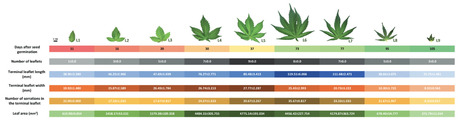
Understanding the molecular mechanisms governing leaf morphogenesis and phase transition in Cannabis sativa is critical for optimizing its growth, development and yield. In this study, we conducted a comparative transcriptomic analysis to investigate the gene expression patterns associated with leaf development and the transition from vegetative to reproductive phases in cannabis plants. Following germination, cannabis plants display a distinct leaf developmental pattern. While the specific number of leaflets varies among cultivars, here we focused on the White Widow cultivar as a model. It showed an increase in the number of serrated leaflets from one (L1) to nine (L5) in a node-specific manner. Subsequently, the number of leaflets decreased from eight (L6) to three (L9). The transition from vegetative to reproductive phases, marked by the appearance of solitary flowers and a shift from opposite to alternate leaf phyllotaxy, occurred at node 7 and node 12, respectively. Analysis of gene expression revealed 1358 differentially expressed genes, with 1,182 genes showing differential expression across all leaves. Notably, several genes involved in leaf morphogenesis (e.g. YAB, AGO5, and TCP4) were found to be upregulated in compound leaves (L2) compared to simple leaves (L1), implying a role in leaflet formation and overall leaf morphology. Furthermore, several genes associated with phase transition and flowering (e.g. SPLs, ELFs, SOC1, and CEN-Like) exhibited specific expression patterns during the transition from vegetative to reproductive phases. These findings provide valuable insights into the genetic regulation of leaf morphogenesis and phase transition in cannabis.
|
|
Scooped by
ulcriv
November 11, 2024 3:36 PM
|
Replicons, derived from RNA viruses, are genetic constructs retaining essential viral enzyme genes while lacking key structural protein genes. Upon introduction into cells, the genes carried by the replicon RNA are expressed, and the RNA self-replicates, yet viral particle production does not take place. Typically, RNA replicons are transcribed in vitro and are then electroporated in cells. However, it would be advantageous for the replicon to be generated in cells following DNA transfection instead of RNA. In this study, a bacterial artificial chromosome (BAC) DNA encoding a SARS-CoV-2 replicon under control of a T7 promoter was transfected into HEK293T cells engineered to functionally express the T7 RNA polymerase (T7 RNAP). Upon transfection of the BAC DNA, we observed low, but reproducible expression of reporter proteins GFP and luciferase carried by this replicon. Expression of the reporter proteins required linearization of the BAC DNA prior to transfection. Moreover, expression occurred independently of T7 RNAP. Gene expression was also insensitive to remdesivir treatment, suggesting that it did not involve self-replication of replicon RNA. Similar results were obtained in highly SARS-CoV-2 infection-permissive Calu-3 cells. Strikingly, prior expression of the SARS-CoV-2 N protein boosted expression from transfected SARS-CoV-2 RNA replicon but not from the replicon BAC DNA. In conclusion, transfection of a large DNA encoding a coronaviral replicon led to reproducible replicon gene expression through an unidentified mechanism. These findings highlight a novel pathway toward replicon gene expression from transfected replicon cDNA, offering valuable insights for the development of methods for DNA-based RNA replicon applications.
|
|
Scooped by
ulcriv
November 11, 2024 3:18 PM
|
Soybean is a crucial crop for the Brazilian economy, but it faces challenges from the biotrophic fungus Phakopsora pachyrhizi, which causes Asian Soybean Rust (ASR). In this study, we aimed to identify SNPs associated with resistance within the Rpp1 locus, which is effective against Brazilian ASR populations. We employed GWAS and re-sequencing analyzes to pinpoint SNP markers capable of differentiating between soybean accessions harboring the Rpp1, Rpp1-b and other alternative alleles in the Rpp1 locus and from susceptible soybean cultivars. Seven SNP markers were found to be associated with ASR resistance through GWAS, with three of them defining haplotypes that efficiently distinguished the accessions based on their ASR resistance and source of the Rpp gene. These haplotypes were subsequently validated using a bi-parental population and a diverse set of Rpp sources, demonstrating that the GWAS markers co-segregate with ASR resistance. We then examined the presence of these haplotypes in a diverse set of soybean genomes worldwide, finding a few new potential sources of Rpp1/Rpp1-b. Further genomic sequence analysis revealed nucleotide differences within the genes present in the Rpp1 locus, including the ULP1-NBS-LRR genes, which are potential R gene candidates. These results provide valuable insights into ASR resistance in soybean, thus helping the development of resistant soybean varieties through genetic breeding programs.
|