


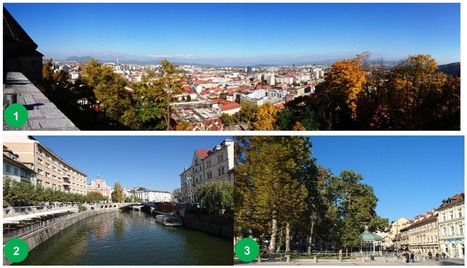

The modern compact city is identified as a high-density and mixed-use pattern. Its features are believed to contribute to a form of functional urban design that supports sustainability and, restresses, the importance of ecosystem services. Urban green space (UGS) plays a vital role in the design and impact on how compact cities have developed and triggered a scientific discord on the amount of greenery individuals require and to what extent contemporary approaches address the question. Research points to at least 9 m2 of green space per individual with an ideal UGS value of 50 m2 per capita. An examination on the perception, use, quality, accessibility and health risks of urban green and blue spaces is explored, alongside the availability of novel UGS and greenery-related approaches that investigate compact city design and planning for health and wellbeing. The amount of ‘green’ and relating UGS availability in cities indicates vital knowledge modern compact cities must consider.


 Your new post is loading...











Un article de Alessio Russo et Giuseppe T. Cirella
Les espaces verts urbains (ESU) jouent un rôle vital dans la conception et l'impact sur la manière dont les villes compactes se sont développées et ont déclenché une discorde scientifique sur la quantité d'espaces verts dont les individus ont besoin et dans quelle mesure les approches contemporaines répondent à la question.