 Your new post is loading...
The most common form of pain is the headache. Whether dealing with a mild, dull ache, severe throbbing, or painful tension along the scalp and neck, headaches can disrupt and get in the way of everyday life. Over-the-counter pain medications can offer temporary relief, but they don’t get to the root and solve the cause. Chiropractic is a safe and effective treatment option that will bring head pain relief and treat what is causing the headache/s. Triggers Individuals engage in more sedentary activities, and more hours spent in one fixed position combined with poor posture can increase joint irritation and muscle tension in the neck, upper back, and scalp. Headaches can have a variety of causes or triggers. These can include: - Stress is the most common trigger
- Muscle tension
- Insomnia
- Environmental stimuli - noises, lights, smells
- Dehydration
- Weather changes
- Foods
- Blood sugar changes
- Excessive exercise
Most Common Types There are two main categories: primary and secondary headaches. Primary headaches Primary headaches are when the headache itself is the main problem and is not a symptom of underlying diseases or conditions. These include: Secondary headaches These are related to medical condition/s like: - Sinus congestion
- Medication overuse
- Infection
- High blood pressure
- Trauma
- Head injury
- Diseased blood vessels in the brain
- Tumor
Frequency Headache pain comes from interacting signals in the brain, blood vessels, and nerves. A mechanism activates specific nerves that affect the muscles and blood vessels, sending pain signals back to the brain. If any of the following is occurring it is recommended to contact a doctor, headache specialist, or chiropractor. - Three or more headaches a week.
- Headaches that get worse or don't go away.
- Having to take a pain reliever every day or almost every day.
- Need more than 2-3 doses of over-the-counter medications a week to relieve symptoms.
- Headaches triggered by strenuous activity, hard work/exertion, bending, coughing.
- Recent changes in headache symptoms.
- Family history of headaches.
Clinical Description To get to the root a doctor will ask: - What time of day/night the headache usually occurs?
- How long does the headache last?
- Where the pain is located?
- Type of pain - throbbing, comes and goes, dull aching, one-sided, etc.
- Does the headache come on suddenly without warning or slowly progress?
- Are there other symptoms like weakness, nausea, sensitivity to light or noise, decreased appetite, changes in attitude or behavior?
Chiropractic A chiropractor will assess, diagnose, conduct a physical examination to determine the cause and develop a personalized treatment plan to alleviate the pain and help to manage and prevent headaches. Treatment approaches include: - A combination of chiropractic manipulative therapy.
- Activate trigger points to release tension and allow for optimal nerve and blood circulation.
- Active and passive exercises.
- Massage.
- Health coaching.
Water Most of the body is made up of water with the percentage of body composition that is water changing based on individual functional needs. Essential functions of water include: - Help to build/repair almost every cell in the body.
- Regulating body temperature through sweating and respiration.
- Energy from carbohydrates and proteins is transported by water through the blood.
- Assists in the removal of metabolic waste through urination.
- Acts as a shock absorber to protect the brain and spinal cord.
- Creates saliva/fluids to lubricate the joints.
The amount of water in the body depends on various factors that include: The most common water comes from lean body mass. This includes blood, organs, and muscle. Major body organs’ water content: - Lungs – 83%
- Muscles and kidneys – 79%
- Brain and heart – 73%
- Skin – 64%
- Bones – 31%
General Disclaimer * The information herein is not intended to replace a one-on-one relationship with a qualified health care professional, licensed physician, and is not medical advice. We encourage you to make your own health care decisions based on your research and partnership with a qualified health care professional. Our information scope is limited to chiropractic, musculoskeletal, physical medicines, wellness, sensitive health issues, functional medicine articles, topics, and discussions. We provide and present clinical collaboration with specialists from a wide array of disciplines. Each specialist is governed by their professional scope of practice and their jurisdiction of licensure. We use functional health & wellness protocols to treat and support care for the injuries or disorders of the musculoskeletal system. Our videos, posts, topics, subjects, and insights cover clinical matters, issues, and topics that relate to and support, directly or indirectly, our clinical scope of practice.* Our office has made a reasonable attempt to provide supportive citations and has identified the relevant research study or studies supporting our posts. We provide copies of supporting research studies available to regulatory boards and the public upon request. We understand that we cover matters that require an additional explanation of how it may assist in a particular care plan or treatment protocol; therefore, to further discuss the subject matter above, please feel free to ask Dr. Alex Jimenez or contact us at 915-850-0900. Dr. Alex Jimenez DC, MSACP, CCST, IFMCP*, CIFM*, ATN* email: coach@elpasofunctionalmedicine.com Licensed in: Texas & New Mexico* References Bryans, Roland et al. “Evidence-based guidelines for the chiropractic treatment of adults with headache.” Journal of manipulative and physiological therapeutics vol. 34,5 (2011): 274-89. doi:10.1016/j.jmpt.2011.04.008 Tyagi, Alok. “New daily persistent headache.” Annals of Indian Academy of Neurology vol. 15,Suppl 1 (2012): S62-5. doi:10.4103/0972-2327.100011
The heart never stops working. The efficiency of the heart and how it operates depends on various factors related to individual health. High blood pressure management can include chiropractic treatment for proper spinal alignment. This promotes improved nervous system function, regulation, and optimal blood flow throughout the body. High blood pressure is also known as hypertension, often it has no symptoms, and if left untreated, it could lead to heart conditions like heart disease and stroke. Blood pressure is the force the heart exerts on the arteries each time it contracts and relaxes. It is measured with a blood pressure cuff or monitor. - Normal is around 120/80 mmHg
- A blood pressure reading of 130/90 mmHg or more, is categorized as high blood pressure.
High blood pressure Any type of heart condition can place added strain on the body and can lead to poor quality of life, disease, and be fatal. When the body's ability to pump the proper amount of blood gets compromised the body suffers from a lack of oxygenated blood. These issues can go undiagnosed for years. Often high blood pressure does not get associated with any specific symptoms other than general poor health. When left untreated, high blood pressure can lead to issues like: - Heart attack
- Stroke
- Kidney disease
- Dementia
Prevention and regular monitoring are crucial for staying on top of any potential heart issues. Heart conditions Different heart conditions can cause pain in the chest, upper back, and shoulder(s): - Angina is when the heart muscle does not get enough blood causing chest pain.
- A heart attack occurs when there is reduced or complete loss of blood supply from the blockage of an artery.
- Pericarditis is the inflammation of the thin layers that surround the heart.
Heart conditions are commonly associated with chest pain but remember that chest pain is not always present or severe. Pain-related to the heart can also be felt in other areas, like the shoulder or upper back. Risk factors Risk factors associated with high blood pressure include: - An unhealthy diet high full of processed foods, sugar, and salt
- Age
- Sedentary lifestyle
- Stress
- Genetics
- Metabolic disease/s like:
- Obesity
- Kidney disease
- Diabetes
The most common treatment for high blood pressure is medication. However, this does not address the root cause of the issue in relation to individual lifestyle and underlying imbalances of the body that include the spine. Lifestyle Lifestyle adjustments should be the first line of defense for managing, and reversing heart health issues. High blood pressure management includes: - Focus on nutrition
- Exercise
- Stress management
Chiropractic Chiropractic is a specialized approach that focuses on identifying and addressing the root cause of musculoskeletal health issues and optimized organ function through restored impaired nerve function. Spinal misalignment can cause nerve signals to be impaired/damaged that can affect the heart and overall health. A chiropractic physician can help reduce the strain on the body’s functions by restoring nerve function/energy/blood flow with spinal adjustments that bring the body back into proper alignment. One primary cause of high blood pressure is over-activation of the autonomic nervous system, which regulates the stress response. When spinal alignment is achieved, there is improved regulation to prevent unnecessary spikes in stress affecting body homeostasis and organ function. Chiropractic can help an individual achieve the best possible heart health. Once the diagnosis is found, an effective customized treatment plan will be developed. Dr. Alex Jimenez’s Blog Post Disclaimer The scope of our information is limited to chiropractic, musculoskeletal, physical medicines, wellness, and sensitive health issues and/or functional medicine articles, topics, and discussions. We use functional health & wellness protocols to treat and support care for injuries or disorders of the musculoskeletal system. Our posts, topics, subjects, and insights cover clinical matters, issues, and topics that relate and support directly or indirectly our clinical scope of practice.* Our office has made a reasonable attempt to provide supportive citations and has identified the relevant research study or studies supporting our posts. We also make copies of supporting research studies available to the board and or the public upon request. We understand that we cover matters that require an additional explanation as to how it may assist in a particular care plan or treatment protocol; therefore, to further discuss the subject matter above, please feel free to ask Dr. Alex Jimenez or contact us at 915-850-0900. The provider(s) Licensed in Texas& New Mexico* References Win, Ni Ni et al. “Effects of Upper and Lower Cervical Spinal Manipulative Therapy on Blood Pressure and Heart Rate Variability in Volunteers and Patients With Neck Pain: A Randomized Controlled, Cross-Over, Preliminary Study.” Journal of chiropractic medicine vol. 14,1 (2015): 1-9. doi:10.1016/j.jcm.2014.12.005
Arachnoiditis arach·noid·itis (ə- rak-nȯid-ˈīt-əs) is a condition that is characterized by stinging, burning pain and neurological problems. A common symptom is chronic and persistent low back pain, lower limb pain. It is inflammation of the arachnoid lining. This is one of three linings that surround the brain and spinal cord. This inflammation causes: - Constant irritation
- Scarring
- Binding of nerve roots
- Binding blood vessels
In the intradural space 3 meninges or protective membranes that surround the brain and spinal cord. - Dura mater
- Arachnoid
- Pia Mater
Symptoms of Arachnoiditis Predominant symptoms are chronic pain in the: - Low back
- Lower limbs
- In severe cases the entire body
Other symptoms can include: - Leg tingling, numbness, and weakness
- Weird sensations like the feeling of insects crawling on the skin or water running down the leg
- Shooting pain like an electric shock sensation
- Muscle cramps, spasms, and twitching
- The bladder, bowel, and possible sexual dysfunction
Progression of the disease can make symptoms more severe and possibly permanent. The pain is constant and incurable, which makes the disorder very debilitating. Those with arachnoiditis usually cannot work and have a disability. Causes Three main causes of arachnoiditis are: Trauma/surgery Arachnoiditis has been recognized as a rare complication of spinal surgery usually after multiple or complex surgeries. It can also be caused by trauma to the spine. Similar causes include: - Multiple lumbar punctures
- Advanced spinal stenosis
- Chronic degenerative disc disease
Chemical Myelograms have come under scrutiny as being a possible cause of the condition. A myelogram is a test where a radiographic contrast dye is injected into the area around the spinal cord and nerves. The dye becomes visible on: Used by physicians to diagnose spinal conditions. Now there is a concern that repeated exposure to some of these dyes may cause arachnoiditis. There is also a concern of the preservatives found in epidural steroid injections, that they may cause the condition, especially if the steroid medicine accidentally enters the cerebral spinal fluid. Infection The disorder can also be caused by certain infections that affect the spine like: - Viral and fungal meningitis
- Tuberculosis
Treatment Currently, there is no cure for arachnoiditis. Therefore, treatment is aimed at pain relief and is similar to how other chronic pain conditions are treated. Examples include: - Spinal cord stimulation: is one of the best treatment options. Spinal cord stimulation runs on a device that transmits electrical signals to the spinal cord for relief.
- Lidocaine intravenous infusions: Lidocaine is a powerful anti-inflammatory.
- Ketamine infusions: Ketamine is an anesthetic, that also helps with pain relief.
- Low-dose naltrexone is an anti-inflammatory for chronic pain management.
- Pain medications like:
- NSAIDs
- Corticosteroids either taken orally or injected
- Anti-spasm drugs
- Anti-convulsants for burning pain
- Physical therapy based on a doctor's recommendation like:
- Hydrotherapy
- Chiropractic
- Massage
- Hot/cold therapy
Surgery is not recommended because it causes more scar tissue to develop and makes the irritated spine susceptible to more trauma. Living with the Arachnoiditis - This condition can be extremely disabling.
- Living with chronic pain is not an easy thing to do.
- It affects the body and also causes mental stress.
- People with the condition are encouraged to join support groups or find therapeutic outlets for stress.
- Treatment plans are focused on pain relief and keeping a high quality of life.
- Research is ongoing to find a cure.
Patients with chronic pain discuss how their symptoms have affected their overall health and wellness. With chiropractic care, patients describe how Dr. Jimenez, a doctor of chiropractic or chiropractor in El Paso, Texas, has helped them recover their original quality of life. Chiropractic care is an alternative treatment option that focuses on the diagnosis, treatment, and prevention of a variety of health issues, including chronic pain and personal injuries. Patients highly recommend Dr. Jimenez and his staff as the non-surgical choice for auto accident injuries and slip-and-fall accidents.
Doctor of Chiropractic, Dr. Alexander Jimenez breaks down how pinched nerves cause back and neck pain.
You hear people say it a lot:
“I have a pinched nerve, and wow, it hurts.”
But what exactly is a pinched nerve? How does it cause back pain or neck pain? What are the symptoms of a pinched nerve—beyond pain? And most importantly, what can you do about a pinched nerve? Learn the basics of pinched nerves here.
Pinched Nerves: A Common Cause of Back & Neck Pain
What Is A Nerve?
Nerves are your body’s messengers. They transport signals to and from your brain—messages like “Move this toe” or “Ouch, that cactus needle really is sharp.” You have a central nervous system, which is made up of your brain and spinal cord. You also have a peripheral nervous system, which is the system of nerves that branches off the brain and spinal cord.
What Do Nerves Look Like?
If it helps, think of nerves like a garden hose (except they aren’t green). They have an outside membrane that transports those electrical messages. Inside nerves, there’s a fluid that nourishes and replenishes the outer membrane.
You’re Getting on My Nerves
When a nerve gets pinched, the messages and the nourishing fluid don’t flow quite as well as they should (still helpful to think of a garden hose here). A pinched nerve can start sending the “Ow, pain” message to the brain, and it can also have trouble communicating clear messages, possibly leading to weakness, numbness, or tingling.
What Can Pinch a Nerve?
As a nerve exits the spinal canal, it can be pinched by a herniated disc or a bone spur. Bone spurs, also known as osteophytes, are bony bumps that can develop on a spinal joint over time. They can push into the spinal nerve, as you can see in this illustration (red = pain generator, of course).
What Does a Pinched Nerve Feel Like?
A pinched nerve mostly feels like pain. If you have a pinched nerve in your low back, it can cause pain to travel (or radiate, in doctor-speak) down your leg. You may also know that as sciatica. A pinched nerve in the neck can create pain that shoots down your arm. Other symptoms of pinched nerves include muscle spasms, burning, tingling, and a hot/cold sensation.
Now the Good Stuff: Pinched Nerve Treatments
Pinched nerve treatments fall into two categories: what you can do at home (self-care) and what your doctor may prescribe for you.
Pinched Nerve Self-care #1: Heat and Ice
Heat and ice can work wonders on a pinched nerve. Switch between 20 minutes of heat and 20 minutes of ice—and remember that you shouldn’t put the heat and ice packs directly on your skin.
Pinched Nerve Self-care #2: Get a Massage
The muscles around a pinched nerve can become tight, so having a professional massage therapist work the painful area can bring pain relief. You may also consider a handheld massager.
Pinched Nerve Self-care #3: Take a Walk
Let’s say it’s your low back—a pinched nerve in your low back—that’s hurting you. A nice, easy stroll is a good way to stay active and address your pain. Gone are the days of extended bed rest for back pain: doctors now are more likely to recommend you exercise and stretch to help relieve your pain.
When Should You Call a Doctor?
If you try the self-care thing and yet your pinched nerve pain persists, you should consider calling the doctor. If you’ve been in pain for more than a couple of days, schedule an appointment. You should also call the doctor if you experience a very sudden onset of weakness, or if you experience profound numbness. Losing bowel and/or bladder control is also a good reason to call the doctor.
How a Doctor Treats a Pinched Nerve
The doctor will try to diagnose the cause of your pinched nerve, and then the doctor will be able to develop a treatment plan. That plan may include prescription pain medications, physical therapy, or cortisone injections. But keep this in mind: the treatment plan will be specifically tailored for you, and it’s in your best interest to follow it closely.
|
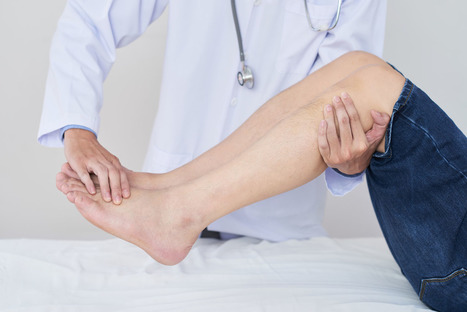
Most individuals have heard of a pinched nerve or experienced a pinched nerve/s. This happens when the tissues, muscles, bone, or cartilage in/around the spine compress a nerve or nerve root. Radiculopathy is the radiating/spreading pain, tingling, numbness, and weakness that an individual experiences from a compressed nerve/nerve root in the spine. Pinched nerves left untreated can cause permanent damage known as neuropathy and contribute to chronic pain conditions. Radiculopathy Causes Radiculopathy can happen anywhere along the spine. The neck, middle back, and especially the low back. Depending on the location of the irritation the results are burning pain, numbness, and tingling that can spread out to the neck, arms, hands, legs, and feet. Each of the vertebrae consists of a hollow space called the spinal canal. This allows the spinal cord to pass through. Spinal stenosis is a general term when the spinal canal becomes narrowed and crowded with all the nerves. This can cause radiculopathy if the nerve roots that branch off the spinal cord are compressed. Other causes of stenosis and nerve compression can include: - Bone spurs often caused by osteoarthritis
- Inflammation of tendons or ligaments
- Thickening of the ligaments in the spine, known as ossification
- In rare cases, a mass on the spinal column could cause radiculopathy
Types of Radiculopathy - Cervical radiculopathy involves the nerves that come from the neck
- Sacral and Lumbar radiculopathy involves the nerves that exit from the lower back
- Sciatica is when nerve roots of the sciatic nerve become compressed
Risk Factors Acute injuries, chronic conditions, and lifestyle habits can increase the risk of developing radiculopathy. Injury/s that result in a pinched nerve and osteoarthritis of the spine/spondylosis are the two most common risk factors. Individuals with jobs that involve heavy manual labor have an increased risk. This is because this type of work puts individuals at a higher risk of spinal injuries. Other risk factors include: - Being overweight
- Pregnant
- Family history of disc disease
- Smoking
- Men have a slightly higher risk than women
- Sedentary lifestyle
Diagnosing and Treatment Individuals experiencing radiculopathy symptoms are recommended to consult a doctor or doctor of chiropractic. They will perform a physical examination to determine if there is nerve compression. Physical and neurological tests will be performed to check the body's reflexes and muscle strength. This is followed by imaging studies like: - X-rays
- Magnetic resonance imaging MRI
- Computed tomography CT scan
A doctor will perform a nerve conduction study to determine where the pain originates from and if the injury is muscular or neurological. For most cases, radiculopathy can be healed with physical therapy and time. Non-surgical treatment is the most common and usually includes: - Rest
- Chiropractic treatment/spinal alignment
- Physical therapy
- Health coaching for lifestyle adjustments
- Activity modification
- Nutritional assistance for weight loss, bone health, anti-inflammatory diet
If non-surgical treatment does not help, surgery could be the next step, this includes: Discectomy This surgery removes all or portions of a herniated disc. Foraminotomy This surgery widens the space where the nerves exit the spine known as the foramina. Spinal Fusion This surgery fuses segments of the vertebrae together to stabilize the spine. The condition has shown to result in favorable outcomes, both non-surgical treatments and for those that require surgery. Around 88% will improve within four weeks of non-surgical management. Do not hesitate to consult a doctor or chiropractor if radiculopathy symptoms are presenting. Never Too Late To Start Lifting Adults are recommended to engage in resistance training or some type of weight training at least twice a week. There are misconceptions that weight training has an age limit. This is absolutely not true. An individual does not have to be young to reap the benefits. These can be: - Dumbbells
- Bodyweight exercises
- Bands
- Machines
Individuals don’t have to train at a high intensity. Both men and women can benefit from lifting weights. For older adults interested in increasing energy and decreasing body fat, look to resistance training. Resistance training in older adults: - Increases power
- Reduces the difficulty of performing everyday tasks
- Enhances energy expenditure
- Improves body composition
- Increases participation in physical activity
Remember that it is never too late to start lifting. Disclaimer The information herein is not intended to replace a one-on-one relationship with a qualified health care professional, licensed physician, and is not medical advice. We encourage you to make your own health care decisions based on your research and partnership with a qualified health care professional. Our information scope is limited to chiropractic, musculoskeletal, physical medicines, wellness, sensitive health issues, functional medicine articles, topics, and discussions. We provide and present clinical collaboration with specialists from a wide array of disciplines. Each specialist is governed by their professional scope of practice and their jurisdiction of licensure. We use functional health & wellness protocols to treat and support care for the musculoskeletal system’s injuries or disorders. Our videos, posts, topics, subjects, and insights cover clinical matters, issues, and topics that relate to and support, directly or indirectly, our clinical scope of practice.* Our office has made a reasonable attempt to provide supportive citations and has identified the relevant research study or studies supporting our posts. We provide copies of supporting research studies available to regulatory boards and the public upon request. We understand that we cover matters that require an additional explanation of how it may assist in a particular care plan or treatment protocol; therefore, to further discuss the subject matter above, please feel free to ask Dr. Alex Jimenez or contact us at 915-850-0900. Dr. Alex Jimenez DC, MSACP, CCST, IFMCP, CIFM, CTG*
email: coach@elpasofunctionalmedicine.com
phone: 915-850-0900
Licensed in Texas & New Mexico References “Physical examination for lumbar radiculopathy due to disc herniation in patients with low-back pain.” Cochrane Library: Cochrane Reviews, London, UK. February 2010. https://pubmed.ncbi.nlm.nih.gov/20166095/ “Pinched Nerve.” Mayo Clinic, Cleveland, OH. https://www.mayoclinic.org/diseases-conditions/pinched-nerve/symptoms-causes/syc-20354746 “Radiculopathy.” Johns Hopkins Medicine, Baltimore, MD. https://www.hopkinsmedicine.org/health/conditions-and-diseases/radiculopathy “Radiculopathy (Nerve Root Disorder).” Penn Medicine, Philadelphia, PA. https://www.pennmedicine.org/for-patients-and-visitors/patient-information/conditions-treated-a-to-z/radiculopathy
Q: Dr. Jimenez, I have a question about degenerative disc disease, and that is can it cause nerve pain in the feet? El Paso, TX. A: Yes in certain cases, degenerative disc disease (DDD) can cause nerve problems with the feet. Degenerative disc disease, specifically of the lower spine, can cause nerve pain to radiate and spread into the feet from the spine. Degenerative disc disease Is a spine condition that's caused by everyday wear and tear of the spine can lead to significant loss of disc height. A disc can also herniate and push on the nerves that flow into the feet, and cause: The wear and tear of the spine combined with a herniated disc can pinch the nerves that go to the feet. There is a condition known as foraminal spinal stenosis when the spinal foramen or the small opening between the bones of the spine begins to narrow and tighten so the nerves get compressed and do not allow signals and chemicals to flow properly. This could explain the pain or other symptoms in the foot. DDD can cause nerve problems in the feet, back and chronic back pain is the most common symptom of degenerative disc disease. Common degenerative disc disease symptoms The pain increases when: - Sit down for a long time
- Bending
- Lifting
- Twisting
The pain decreases with: - Walking
- Running
- Lying down
- Continually changing body positions
It's important to remember that nerve issues with the feet are not always caused by spinal conditions, this could include - Infections like discitis
- Injuries like a spinal fracture
Treatment Depending on how severe the nerve problem is, there are a number of treatment options. These range from: - Chiropractic care
- Physical therapy
- Over-the-counter medication
Talk to a doctor or a chiropractor about the right treatment option for foot nerve pain. Whether it is caused by degenerative disc disease or some other condition. Does degenerative disc disease go away Degenerative disc disease symptoms can be managed by making small lifestyle changes. Healthy diet Begin with: - Fruits
- Vegetables
- Whole grains
- Fish
- Lean meats
- Beans
- Healthy fats like fish and olive oil
These can help maintain a healthy weight, as being overweight puts extra pressure on the spine that leads to increased back pain. Consult with a registered dietitian or health coach to discuss the best foods for your diet. Exercise - A training regimen that incorporates aerobic, strength and flexibility exercises that can help manage degenerative disc symptoms.
- A personal trainer or sports chiropractor that has experience rehabilitating patients with spine conditions. They can teach exercises that can help relieve pain and other symptoms.
Physical/Chiropractic Chiropractic or physical therapy can offer stretches and exercises to improve: - Strength
- Flexibility
- Range of motion
- They can develop a custom physical therapy program
Regular chiropractic and physical therapy can help restore proper body mechanics, proper posture, as well as, avoiding positions that cause pain. Surgery Surgery is considered a last resort or if the condition is progressing and getting worse. If surgery is needed, your doctor will discuss the best treatment option for your condition.
Chiropractor Near Me: Due to his previous back injury history, George Lara suffered a recent back injury which he was unfortunately unable to recover from through traditional treatment. That's when the VA recommended him to seek chiropractic care with Dr. Alex Jimenez, ultimately changing his quality of life. George Lara had degenerative disc disease, or DDD, and sciatic nerve pain before receiving treatment with Dr. Alex Jimenez. George Lara describes how much his life has improved with chiropractic care and he's grateful of the services and care he received. George Lara recommends Dr. Alex Jimenez as the non-surgical choice for back pain, among other spine health issues. Chiropractic care is a means to diagnose and treat health problems that affect the nerves, muscles, bones, and joints of the body. A healthcare provider who supplies chiropractic care is known as a chiropractor. Adjustment of the spine, known as manipulation, is the basis of care. Chiropractors also use other kinds of treatments. Your physician will ask about your goals for your health history and therapy. It's important to inform your physician about any physical problems you may have which make it difficult for you to do particular things. We are blessed to present to you El Paso’s Premier Wellness & Injury Care Clinic. Our services are specialized and focused on injuries and the complete recovery process. Our areas of practice include: Wellness & Nutrition, Chronic Pain, Personal Injury, Auto Accident Care, Work Injuries, Back Injury, Low Back Pain, Neck Pain, Migraine Headaches, Sport Injuries, Severe Sciatica, Scoliosis, Complex Herniated Discs, Fibromyalgia, Chronic Pain, Stress Management, and Complex Injuries. As El Paso’s Chiropractic Rehabilitation Clinic & Integrated Medicine Center, we passionately are focused treating patients after frustrating injuries and chronic pain syndromes. We focus on improving your ability through flexibility, mobility and agility programs tailored for all age groups and disabilities. If you have enjoyed this video and/or we have helped you in any way please feel free to subscribe and share us. Thank You & God Bless. Dr. Alex Jimenez DC, C.C.S.T Facebook Clinical Page: https://www.facebook.com/dralexjimenez/ Facebook Sports Page: https://www.facebook.com/pushasrx/ Facebook Injuries Page: https://www.facebook.com/elpasochiropractor/ Facebook Neuropathy Page: https://www.facebook.com/ElPasoNeuropathyCenter/ Facebook Fitness Center Page: https://www.facebook.com/PUSHftinessathletictraining/ Yelp: El Paso Rehabilitation Center: http://goo.gl/pwY2n2 Yelp: El Paso Clinical Center: Treatment: https://goo.gl/r2QPuZ Clinical Testimonies: https://www.dralexjimenez.com/category/testimonies/ Information: LinkedIn: https://www.linkedin.com/in/dralexjimenez Clinical Site: https://www.dralexjimenez.com Injury Site: https://personalinjurydoctorgroup.com Sports Injury Site: https://chiropracticscientist.com Back Injury Site: https://www.elpasobackclinic.com Rehabilitation Center: https://www.pushasrx.com Fitness & Nutrition: http://www.push4fitness.com/team/ Pinterest: https://www.pinterest.com/dralexjimenez/ Twitter: https://twitter.com/dralexjimenez Twitter: https://twitter.com/crossfitdoctor
|










The most common form of pain is the headache. Chiropractic is a safe and effective treatment option that will bring head pain relief. For answers to any questions, you may have, please call Dr. Jimenez at 915-850-0900 or 915-412-6677