Chiropractic + Wellness
148.6K views | +1 today
Chiropractic + Wellness
We specialize in treating severe spinal disabilities. Primarily Focused on Sciatica, Neck-Back Pain, Whiplash, Headaches, Knee Injuries, Sports Injuries, Dizziness, Poor Sleep, Arthritis. We use advanced, and proven therapies focused on optimal mobility, health, fitness, and structural conditioning. We use Patient-Focused Diet Plans, Specialized Chiropractic Techniques, Mobility-Agility Training, Cross-Fit Protocols, and The PUSH Functional Fitness System to treat patients suffering from various injuries and health problems. Contact Information: 915-850-0900  www.dralexjimenez.com Book Appointment Today: https://bit.ly/Book-Online-Appointment
Your new post is loading...
Scooped by Dr. Alex Jimenez DC, APRN, FNP, IFMCP, CFMP
August 22, 2016 4:52 PM
Scoop.it!

How to Ease Myofascial Pain Syndrome

How to Ease Myofascial Pain Syndrome | Chiropractic + Wellness | Scoop.it

The fascia is a layer of connective tissue that supports the framework of the spine and musculoskeletal system. This tissue surrounds the muscles, allowing them to move smoothly against each other. The fascia helps prevent muscles from adhering into one another. However, with direct trauma from an injury, chronic postural stress or overuse of the muscles, myofascial trigger points and myofascial adhesions may develop, commonly known as myofascial pain syndrome.

Myofascial pain syndrome, often referred to as trigger joints, is a chronic pain disorder and it is the most frequent cause of undiagnosed or misdiagnosed aches and pains, especially for neck pain, back pain and recurrent headaches. In individuals experiencing the painful disorder, any pressure applied on these sensitive points in the muscles can cause symptoms of pain in unrelated areas of the body, medically known as referred pain. Myofascial pain syndrome can also cause symptoms similar to chest pain or sciatica.

While a majority of individuals have experienced muscle tension pain at some point in their lifetime, the pain and discomfort associated with myofascial pain syndrome can be persistent and may worsen over time.


Dr. Alex Jimenez DC, APRN, FNP, IFMCP, CFMP's insight:

The human spine consists of many bones, joints and other complex tissues, including a broad structure of interwoven and layered muscles. The muscles surrounding the spine are essential towards the body’s overall stability. However, with direct trauma from an injury, chronic postural stress or overuse of the muscles, myofascial trigger points and myofascial adhesions may develop, commonly known as myofascial pain syndrome. For more information, please feel free to ask Dr. Jimenez or contact us at (915) 850-0900. 

No comment yet.
Scooped by Dr. Alex Jimenez DC, APRN, FNP, IFMCP, CFMP
May 4, 2016 1:30 PM
Scoop.it!

Pulled Hamstring Muscle

Pulled Hamstring Muscle | Chiropractic + Wellness | Scoop.it

The hamstring muscles are the large group of muscles found on the posterior side of the thigh, extending from the bottom of the pelvis to the back of the shin bone. This set of tendons are essential towards the body’s functions to extend the hip joints and bend the knee joints. The hamstring is used during multiple sporting activities and everyday activities alike but, when you experience a pulled hamstring muscle, its symptoms can affect the body’s movements.

There are different types of hamstring injuries and depending on the severity, symptoms can be categorized into three different grades, each varying from each other.

Dr. Alex Jimenez DC, APRN, FNP, IFMCP, CFMP's insight:

Warming-up the hamstring muscles before performing a high impact sport is very important. This group of tendons is majorly used during running or jumping but if the muscles are overexerted, a hamstring tear may occur. Hamstring injury doesn't only result from a sport, regular everyday activities where the muscles are stretched beyond their limit can also affect the health of the hamstrings.

No comment yet.
Scooped by Dr. Alex Jimenez DC, APRN, FNP, IFMCP, CFMP
May 25, 2016 3:51 PM
Scoop.it!

Muscle Spasms on the Back

Muscle Spasms on the Back | Chiropractic + Wellness | Scoop.it

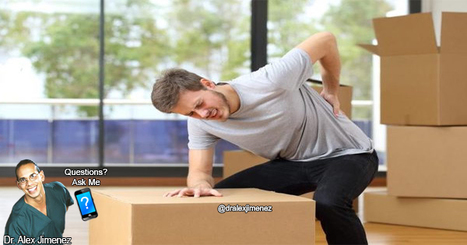
Back pain is one of the most common debilitating symptoms affecting a majority of individuals. A greater number of people though will often overlook the possible source of their pain and continue throughout their regular lifestyles, postponing medical attention when their symptoms lessen. But, what happens when one day, you bend over to pick up a small object and you can’t stand up? Back pain or spasms are usually a sign of spine complications that, if left untreated, can ultimately alter your lifestyle.

Back spams are a sudden and involuntary contraction, or tightening of a muscle in the back as a result of strain, overuse, weakness, or muscle pain relating to an injury or condition. While the most appropriate action would be to seek immediate medical attention, back spams can be temporarily relieved using ice therapy. Also, after experiencing a back spasm, make sure to keep moving. With back pain or other symptoms, an individual’s natural response is to lay down and avoid movement but, in fact, resting and immobilizing the body after a back spasm will only cause the surrounding muscles to spasm and tighten further. Then, it’s time to seek medical attention. A chiropractor can diagnose the underlying cause of your back pain and follow with an appropriate treatment procedure depending on the individual’s level of injury or grade of condition. While the back spasm that brought you to seek medical attention came on suddenly, the problem that caused your symptoms generally developed gradually over time. Receiving chiropractic treatment for any spine complications is crucial in order to avoid a back issue that could drastically affect your quality of life. 

Dr. Alex Jimenez DC, APRN, FNP, IFMCP, CFMP's insight:

Back spasms can cause debilitating pain and other symptoms that can impair an individual's lifestyle. When experiencing these type of symptoms, its crucial to seek medical attention to treat any possible injury or underlying condition that could be causing the back complications. For more information, please feel free to ask Dr. Jimenez or contact us at (915) 850-0900.


By Dr. Alex Jimenez
Contact Us

No comment yet.