


The media noted a trend of doctors connecting with patients through social media and texting as early as 2012. Doctors can respond to simple questions their patients send via email or text, and even analyze images of a surgical site in the healing process that a patient sends.
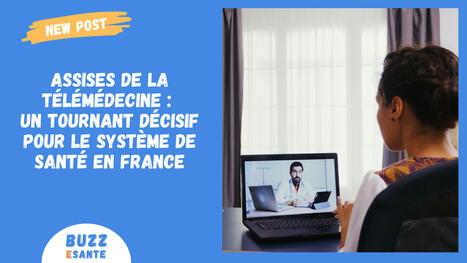
Connecting with patients virtually has lots of benefits: less travel time for patients, reduced costs, a more consistent relationship with a primary care provider even at considerable distance.
But even though we are now well into 2014, there are still no official guidelines or rules from a medical communications institution detailing how doctors should go about texting with patients. As with many other areas of medicine, a lack of guidelines leads to confusion and underuse of texting, especially among older doctors who earned their degrees before so many technological options were available.
The American Medical Association acknowledges benefits in using social media, but also warns doctors to protect patient privacy and “maintain appropriate boundaries” with patients. Doctors report being unsure how to phrase their messages and how to modulate their tones.
Texting well requires technique
Texting has its own language and style, and length restrictions come into play as well, which can add to the confusion. What might have been a five-minute conversation in the office needs to be distilled down into a line or two via text.
This is a new phenomenon and there’s no roadmap, but a few best practices have emerged. Patient surveys have helped. A new online survey designed to gauge patient preferences has yet to be published but was presented at the mHealth Summit in Washington D.C. in December.
Frederick Muench, a clinical psychologist at Columbia University Medical Center, designed the survey and directed another study in a similar vein earlier this year.
Both batches of results indicated that 98 percent of patients were potentially interested in using text messaging as a part of their continuing care strategy.
Saving everyone time
This type of “telemedicine” is increasingly popular, and could not only help patients connect to doctors quicker, but could save the healthcare system money in the long run by preventing unnecessary doctor’s visits; if a question can be answered in a one line text without a face to face meeting, so much the better.
“These tools are embedded in my work day,” said Natasha Burgert, a pediatrician in Kansas City. “This is something I do in between checkups. It’s much easier for me to shoot you an email and show you a blog post than it is to phone you back. That’s what old-school physicians are going to be doing, spending an hour at the end of the day” returning patients’ phone calls, she said.
As for best practices, here’s what else Muench found:
1. Patients prefer statements, not questions.
2. Complete sentences are best.
3. They generally don’t like for doctors to use “text-ese,” like “LOL” or “wat.”
4. Surprisingly, they do like positive emoticons.
5. Also, make sure grammar is correct.
Some of these may seem counterintuitive, like no to texting lingo but yes to emotes, but one central message does emerge. Texting is a casual form of communication, but the patient-provider relationship is still professional. Condensing but preserving what you would tell them in a face-to-face meeting should honor the subject matter.
Via Plus91


 Your new post is loading...





















Hope Williams Insight:
Clunn, Nick. "Doctors should text. Here's how." (2014).page. Print
http://techpageone.dell.com/industries2/healthcare/doctors-text-heres/#.Uv7xUvm6aM8
In this article it explains that having to conversation through a text instead of coming to the doctors would be more convenient for people. Survey proved that patients would like to text about questions that may concern them instead of coming in- wasting gas or the doctors time. This method would save so much time for the doctors as well as the patients. This method haven't been in use, but is soon to be in effect real soon. Doctors also agreed that texting instead of setting up appointments that's only at least 5 to 10 minutes would save huge time. This method was also presented to Washington D.C. in December. Texting questions or sending pictures would save the hassle and confusion. Also connecting with patients virtually is wonderful with all the benefits that comes along with it.