Your new post is loading...
2011
AGRICULTURE MINISTERS DECLARATION OCTOBER 2011
Joint Declaration of the Second Meeting of BRICS Ministers of Agriculture and Agrarian Development Chengdu, China, October 30, 2011
1. In the spirit of the “Sanya Declaration” of the Third BRICS Leaders Meeting, we, the Ministers of Agriculture and Agrarian Development of the Federative Republic of Brazil, the Russian Federation, the Republic of India, the People’s Republic of China and the Republic of South Africa met in Chengdu of China for the Second Meeting of BRICS Ministers of Agriculture and Agrarian Development on October 30, 2011. Having adopted the theme of “Making Joint Efforts for World Food Security”, the Meeting pointed out direction of cooperation through in-depth discussion on issues of common interests and concerns.
2. BRICS countries have actively implemented the Moscow Declaration signed at the First Meeting of BRIC Ministers of Agriculture and Agrarian Development in 2010, conducted pragmatic cooperation, and adopted tangible measures to boost domestic agricultural productivity, which has played a positive role in promoting food security and maintaining economic stability. BRICS countries have become an important force to deal with financial crisis and promote global economic recovery.
3. BRICS countries represent 43% of world population and 18% of global trade, commanding significant global influence. We are committed to enhancing the coordination and communication with international and regional organizations, including G20, FAO, WFP, OIE, CGIAR, etc, with the goal of concerted views of the international community on food security, climate change, environmental protection, trade promotion and other hot topics in the field of global food and agriculture, and continuing to make joint efforts for world food security.
4. Agriculture is a strategic sector with a close bearing on social stability. As emerging economies, we fully understand the concerns of African countries over food security, and sympathize with their afflictions in this respect, particularly the sufferings of the Horn of Africa from the most serious draught and food deficit in the past 6 decades. We actively support the global endeavor to combat hunger, and call on the international community to make all efforts to further enhance aid, and support the United Nations in playing a coordinating role in preventing further deterioration of the crisis, especially through the FAO’s Committee on World Food Security (CSF). Meanwhile, we are committed to making best efforts to help African countries improve their food production capacity so as to enhance food security, particularly among smallholder farmers, through technical cooperation, policy dialogue, agricultural technology demonstration and transfer, personnel training, agricultural infrastructure construction and food aid, among others.
5. We reiterate that the cooperation between BRICS countries is inclusive by nature. We will actively enhance the coordination and cooperation with other countries in the field of agriculture jointly striving for the reduction of poverty-stricken population with a view to realizing the UN MDGs and promoting world stability, prosperity and development.
6. We focused our discussion on priority areas of future agricultural cooperation and effective ways to assist other developing countries to achieve food security. We hold the view that, despite differences among BRICS countries and varied characteristics of our agricultural sectors, there are complementarities among us. Therefore, the enhancement of agricultural cooperation among BRICS countries is of great significance for ensuring global food security and sustainable agricultural development, eradicating poverty and achieving the UN MDGs.
7. In recent years, the international market of agricultural products has been mainly affected by natural disasters, use of food for production of biofuel, speculations and price transmission. As a result, the price of agricultural products fluctuated violently at a high level. The tight supply-demand relation has posed grave threats to food security and socialstability of some developing countries, especially the low-income, food-deficit countries. We reiterate our commitment to carry out closer cooperation on food security within BRICS, and will further explore ways to provide more accurate long-term market forecast for food producers and purchasers to reduce excessive speculative activities. We also call for developed countries to phase out trade-distorting subsidies and barriers.
8. We believe that stable and robust agricultural development of the BRICS countries is of great significance to world food security. We are committed to developing agriculture actively, strengthening coordination and cooperation, as well as helping other developing countries to improve food productivity while ensuring domestic food security and generation of income and jobs in rural areas, paying particular attention to smallholder farmers, women and youth, so as to make joint efforts to improve world food security.
9. We reiterate that we will strengthen capacity building for food security and, in particular, improve food access for the most vulnerable population. Therefore, we are committed to increasing comprehensive food productivity of farmers including smallholders by relying on scientific research and technology transfer, creating favorable environment for investment and sustainable utilization of agricultural resources, and promoting agricultural products trade to improve food access.
10. As an important source of energy for human beings, bio-energy is environment-friendly and renewable in nature. We agree to develop bio-energy while ensuring food security by giving consideration to the factors of energy demand, environmental protection and sustainable development. We take note of FAO’s analytical framework of Bioenergy and Food Security (BEFS), as one of the instruments that may play a role in assisting the development of national bio-energy policy compatible with the national strategies of poverty reduction, rural development, local energy and food security. We acknowledge the importance of R&D on advanced new processes for the production of bio-fuels and the use of new, non-food and other plant raw materials for bio-fuel production as well as energy efficiency.
11. Sustainable agriculture reduces the chemical input by using renewable resources and it protects resources, improves environment and enhances food production and quality while promoting development. We will advance sustainable agriculture in an effort to achieve the sustainable use of natural resources, land, water resources, and bio-diversity in particular.
12. Climate change is exerting increasing impact on eco-system, agriculture, water resource, social and economic development, as well as people’s livelihood. We share common concerns over the negative impact of climate change on agriculture, in particular, over the damage to agricultural production by extreme weather events. We note that agriculture faces triple challenges simultaneously in achieving food security, adapting to climate change and reducing greenhouse gas emission, which requires a sustainable way to promote resources utilization efficiency, improve productivity and enhance adaptability of agricultural systems, especially for small-holder farmers. Therefore, we should cooperate in research, development and application of technologies that can adapt to climate change while increasing agricultural production.
13. We recognize the significance and role of bio-mass energy for socio-economic development in rural areas and mitigation of effects of climate change globally. We, therefore, will unleash each others’ advantages and strengthen cooperation in utilization of waste to develop bio-mass energy, e.g., biogas, so as to promote a virtuous ecological cycle, alleviate the damage to forest, reduce soil erosion, improve soil fertility through proper use of fertilizer and preserve bio-diversity.
14. We reiterate that the international community should promptly establish effective technology transfer and dissemination mechanism, facilitate technology sharing, and ensure that the developing countries can afford environment friendly technologies in accordance with principle of common but differentiated responsibilities. We emphasize climate change should be addressed under the framework of sustainable agricultural development.
15. As big agricultural countries, all BRICS countries enjoy a long history and abundant achievements in traditional agricultural techniques. The application of advanced agricultural technologies exemplified by the “green revolution” has substantially driven up food production and led to profound changes in agricultural sector across the world. With the increasingly complicated international agricultural and food situations and climate changes nowadays, it requires the application of modern agricultural technologies to ensure food security across the world. We undertake to intensify the exchange and cooperation in areas including advanced technologies, equipments and technical human resources with social inclusion, to improve the overall agricultural technology capacity of countries.
16. We undertake to learn and introduce advanced technologies from each other and work jointly for agricultural technology innovations. We will intensify our efforts in developing high-quality, high-yield and stress-resistant crops, boost water-saving, farmland protection and clean production, and promote environment-friendly and resource-saving agriculture, stressing the importance of both modern and traditional agriculture for sustainability.
17. We fully recognize the significant role of biotechnology in bolstering sustainable agriculture and food processing industry. When properly combined with other technologies and the traditional knowledge in food and agricultural production, biotechnology can greatly contribute to meeting the demand of the ever growing and urbanized population. Therefore, we shall strengthen exchange and cooperation in the biotechnology sector.
18. We agree to carry out agricultural human resources exchanges in a variety of forms, including establishing research and development centers and joint laboratories, creating cooperation platforms, implementing joint research projects, organizing exchange visits and adopting joint post-graduate programs, through which strengths of every member in agricultural research will be put into best use to facilitate technical exchange and develop human resources that excel in modern agricultural technologies, contributing to technology advances and agricultural development across the world.
19. To strengthen our dialogue and exchange in key areas of agricultural research and technologies, we agree to establish the “BRICS Strategic Alliance for Agricultural Research and Technology Cooperation”, which will pool our efforts in addressing major challenges faced by the world in agricultural technologies. The Alliance will receive guidance and support from the agricultural ministries of the countries.
20. Driven by the growing population, excessive volatility of food prices in short terms and climate change, among other factors, food security will demonstrate an increasingly complex picture. We recognize that the sharing of timely and accurate data on agricultural products supply and demand as well as on population growth is an effective approach to addressing food price volatility and mitigating global food security problems. We encourage the sharing of information concerning common problems faced by BRICS countries in agricultural development; the establishment of information sharing mechanism to exchange basic agricultural data on a regular basis; the construction of an agricultural information and digital agriculture platform; and the gradual enrichment and improvement of the food security information system based on transparent principles.
21. We agree to share information on, inter alia, price and output of agricultural products, and constantly improve the reliability, accuracy, timeliness and comparability of the data on production and consumption of agricultural products.
22. We are deeply convinced that cooperation in agricultural trade and investment serves as a vital channel for win-win outcome and common development. We undertake to boost business investment and trade cooperation by means of, inter alia, exhibition and forum on trade and investment, encourage and support the participation of enterprises in economic and trade promotion events organized by BRICS countries.
23. We are of the view that regulated cooperation can improve not only efficiency but also effectiveness. Therefore, we approved the Working Procedures for Agricultural Cooperation Working Group of BRICS Countries to establish a regulated agricultural cooperation mechanism.
24. For a closer BRICS agricultural cooperation with more clearly defined targets and higher effectiveness, we adopted the Action Plan 2012-2016 for Agricultural Cooperation of BRICS Countries, which identified five priority areas and direction of cooperation Each area will be coordinated by one country respectively.
25. The Federative Republic of Brazil, the Russian Federation, the People’s Republic of China, the Republic of South Africa gratefully support the Republic of India to host the next meeting of the BRICS Ministers of Agriculture and Agrarian Development.
26. All parties celebrated the success of the 2nd Meeting of the BRICS Ministers of Agriculture and Agrarian Development, and the other four parties expressed gratitude to China and highly appreciated its efforts for hosting this meeting.
BRICS Finance Ministers Communiqué
BRICS FINANCE MINISTERS’ COMMUNIQUÉ WASHINGTON, SEPTEMBER 22, 2011
We, the BRICS Finance Ministers and Central Bank Governors, met on September 22, 2011 in Washington DC, USA, amid growing concern regarding the state of the global economy.
While BRICS countries recovered quickly from the 2008-09 global financial crisis, some of us have been subject to inflationary pressures and growth prospects of all our countries have been dampened by global market instability. In advanced countries, the build up of sovereign debt and concerns regarding medium to long-term plans of fiscal adjustment are creating an uncertain environment for global growth. Also, excessive liquidity from aggressive policy actions taken by central banks to stabilize their domestic economies has been spilling over into emerging market economies, fostering excessive volatility in capital flows and commodity prices.
The immediate problem at hand is to get growth back on track in developed countries. In this context we welcome the recent fiscal package announced by USA as well as the decisions taken by Euro area countries to address financial tensions, notably by making the EFSF flexible. It is critical for advanced economies to adopt responsible macroeconomic and financial policies, avoid creating excessive global liquidity and undertake structural reforms to lift growth create jobs and reduce imbalances.
The current situation requires decisive actions. We are taking necessary steps to secure economic growth, maintain financial stability and contain inflation. We are also determined to speed up structural reform to sustain strong growth which would advance development and poverty reduction at home and benefit global growth and rebalancing. The contribution of BRICS countries and other emerging market economies to global growth is rising and will increase further. However, global rebalancing will take time and its impact may not be felt sufficiently in the short-term. We will also work to intensify trade and investment flows among our countries to build upon our synergies.
The BRICS are open to consider, if necessary, providing support through the IMF or other International Financial Institutions in order to address the present challenges to global financial stability, depending on individual country circumstances.
We are concerned with the slow pace of quota and governance reforms in the IMF. The implementation of the 2010 reform is lagging. We must also move ahead with the comprehensive review of the quota formula by January 2013 and the completion of the next review of quotas by January 2014. This is needed to increase the legitimacy and effectiveness of the Fund. We reiterate our support for measures to protect the voice and representation of the IMF’s poorest members. We call on the IMF to make its surveillance framework more integrated and even handed.
Multilateral Development Banks (MDBs) are considered by developing countries as important partners in helping them meet their long term development finance needs. In the current global economic environment, the MDBs need to mobilize more resources to increase their assistance to low income and other developing countries including finding ways of expanding their lending capacity, so that development finance is not neglected.
In the face of a slowdown of global economic growth, it is necessary to maintain international policy co-operation and co-ordination. We remain committed to work with the international community, including making contributions to the G20 Cannes Action Plan consistent with national policy frameworks to ensure strong, sustainable and balanced growth. In this context, we shall work together in searching for a coordinated solution to the current challenges as we did in 2008-09.
First Meeting of Finance Ministers
BRAZIL, RUSSIA, INDIA AND CHINA FIRST MEETING OF BRIC FINANCE MINISTERS JOINT COMMUNIQUÉ
1. We, the Finance Ministers of Brazil, Russia, India and China held our first meeting in São Paulo, Brazil, on the eve of the Meeting of Finance Ministers and Central Bank Governors of the G-20. We reflected on the main causes of the current financial crisis, its latest developments, future scenarios, as well as BRIC experiences and policy responses. We also discussed possible options to overcome the present situation and to avoid recurrence of similar events. On a longer term perspective, we exchanged views on the reform of international financial institutions and global governance. We also discussed proposals put foward by the countries on reforming the global financial archicteture. We welcomed the initiative to convene a summit of G-20 leaders on financial markets and the world economy on 15 November 2008, in Washington D.C.
2. We supported the decisive and unprecedented initiatives taken to curb the current crisis and stressed the importance of internationally coordinated responses to protect the global financial system, the international economy and world levels of income and employment. We committed ourselves to continue to undertake all necessary steps to lessen the impact of the recent turmoil on economic activity, aiming to preserve medium and long-term growth. We also stressed the importance of consolidating recent gains in social inclusion and poverty reduction. To that extent and to put the world economy back on a track of growth and stability, the adoption of countercyclical policies is essential.
3. We recognized that the crisis revealed weakness in risk management, regulation and supervision in the financial sectors of some advanced economies. Therefore we call for reform of regulatory and supervisory frameworks, as well as clearer rules and transparency.
4. We recognized that the crisis has to some extent affected all of our countries. We stress however, that BRIC countries have shown significant resilience. The full consequences of the present turbulence, its duration and impact, nonetheless, remain to be determined. We therefore stress the importance of maintaining strict vigilance in order that all necessary actions be undertaken in a timely and coordinated manner to prevent further contagion.
5. One of the most deleterious aspects of the current crisis is the freeze in private credit markets. There is an urgent need to find mechanisms, including through multilateral cooperation, to restore the real economy´s access to credit, stimulate demand and to resume capital flows critical for sustainable growth and development, including ongoing infrastructure investment.
6. We welcomed the expansion and diversification of trade and investment flows among developing countries, which contribute to economic growth and also create new dynamic economic poles. We support all necessary steps to conclude a pro-development Doha Round and stress the importance of preventing protecionism particularly in face of the current financial turmoil. We urge all countries and the international financial institutions to take necessary measures to minimize the negative impacts of the crisis on low-income countries.
7. We called for the reform of multilateral institutions in order that they reflect the structural changes in the world economy and the increasingly central role that emerging markets now play. We agreed that international bodies should review their structures, rules and instruments in respect of aspects like representation, legitimacy and effectiveness and also to strengthen their capacity in addressing global issues. Reform of the International Monetary Fund and of the World Bank Group should move forward and be guided towards more equitable voice and participation balance between advanced and developing countries. The Financial Stability Forum must immediately broaden its membership to include a significant representation of emerging economies.
8. We agreed to hold our next meeting in Washington D.C, prior to the IMF and World Bank Spring Meetings. On thatoccasion we will carry on with our discussions about the global economic outlook, actions taken to overcome present challenges on both the national and international spheres, as well as other relevant issues.
São Paulo, 7 November 2008.
FOREIGN MINISTERS’ MEETING
Joint Communiqué of the Meeting of Celso Amorim, Minister of Foreign Relations of Brazil, Sergei Lavrov, Minister of Foreign Affairs of the Russian Federation, Pranab Mukherjee, Minister of External Affairs of the Republic of India, and Yang Jechi, Minister of Foreign Affairs of the People’s Republic of China
16-05-2008
The Foreign Ministers of Brazil, Russia, India and China (BRIC) held their meeting in Yekaterinburg (Russia) on May 16, 2008.
1. They emphasized the prospects of the BRIC dialogue based on mutual trust and respect, common interests, coincidence or similarity of approaches toward the pressing problems of global development.
2. The Ministers agreed that building a more democratic international system founded on the rule of law and multilateral diplomacy is an imperative of our time. They reaffirmed the commitment of the BRICs to work together and with other states in order to strengthen international security and stability, ensure equal opportunities for development to all countries.
3. The Ministers reiterated that today’s world order should be based on the rule of international law and the strengthening of multilateralism with the United Nations playing the central role. They reaffirmed the need for a comprehensive reform of the UN with a view to make it more efficient so that it can deal with the current global challenges more effectively. The Ministers of Russia and China reiterated that their countries attach importance to the status of India and Brazil in international affairs, and understand and support India’s and Brazil’s aspirations to play a greater role in the United Nations.
4. The Ministers noted that sustainable development of global economy in the long-term as well as finding solutions to the acute global problems of our time, such as poverty, hunger and diseases are only possible if due account is taken of the interests of all nations and within a just global economic system. Among other issues they discussed the current global food crisis. The Foreign Ministers of Russia, India and China welcomed the initiative of Brazil to organize a meeting of economy and/or finance ministers of the BRIC countries to discuss global economic and financial issues.
5. The Ministers expressed their strong commitment to multilateral diplomacy in dealing with common challenges to international security. They reiterated their support for political and diplomatic efforts to peacefully resolve disputes in international relations. A cooperative approach to international security is required that takes into account the concerns of all and addresses them in a spirit of dialogue and understanding. The Ministers emphasized that disarmament and non-proliferation are mutually reinforcing. They also agreed on the need for multilateral efforts to prevent an arms race in outer space.
6. The Ministers unequivocally condemned terrorism in all its forms and manifestations, committed for whatever purposes. They reiterated their perception that terrorism constitutes one of the most serious threats to international peace and security and that the international community should take the necessary steps to enhance cooperation to prevent and combat terrorism. They particularly highlighted the UN cooperation framework and the need for all member states to implement international conventions of the United Nations and UN Security Council resolutions on fighting terrorism.
The Ministers emphasized the importance of the implementation of the UN Global Counter-Terrorism Strategy in all its aspects and expressed their opinion that all member states should make concerted efforts towards expeditious finalization of a Comprehensive Convention on International Terrorism at the UN.
7. The Ministers noted a close interconnection between energy security, socio-economic development and environmental protection. They reaffirmed their commitment to the multilateral efforts aimed at reaching an optimum balance of interests between producers, transit states and consumers of energy resources. In this respect the parties emphasized the need for supporting programmes to increase access to energy, energy efficiency as well as the development and use of new and renewable sources of energy, including biofuels, compatible with sustainable development.
8. The Ministers spoke in favour of strengthening international cooperation to address climate change in the context of the UN Framework Convention on Climate Change and its Kyoto Protocol. They expressed their desire to work closely together in order to carry out the Bali commitments.
9. The Ministers spoke in favour of intensifying the dialogue to achieve the internationally agreed development goals, primarily the Millennium Development Goals, on the basis of global partnership. They support international efforts to combat hunger and poverty.
10. The Ministers noted that the South-South cooperation is an important element of international efforts in the field of development. It was emphasized that the South-South cooperation does not replace but rather complements the traditional forms of development assistance.
11. The Ministers looked forward to continued cooperation between the Group of Eight and its traditional dialogue partners.
12. The Foreign Ministers of Brazil, Russia and India reaffirmed their countries’ support for the 2008 Beijing Olympic Games.
13. The Ministers reached an understanding to hold the next BRIC ministerial meeting on the margins of the 63rd session of the UN General Assembly, in New York, in September 2008. The next standalone BRIC Ministerial will be hosted by India.
About BRICS
ORIGIN AND EVOLUTION OF BRICS [BRAZIL, RUSSIA, INDIA, CHINA AND SOUTH AFRICA]
The BRIC [Brazil, Russia, India and China] idea was first conceived in 2001 by Goldman Sachs as part of an economic modeling exercise to forecast global economic trends over the next half century; the acronym BRIC was first used in 2001 by Goldman Sachs in their Global Economics Paper No. 66, “The World Needs Better Economic BRICs”.
EXPANSION OF BRIC INTO BRICS
BRIC Foreign Ministers at their meeting in New York on 21st September 2010 agreed that South Africa may be invited to join BRIC. Accordingly, South Africa was invite to attend the 3rd BRICS Summit in Sanya on 14 April 2011.
BRIC(S) SUMMITS
Four Summits have been held so far; the first in Yekaterinburg, Russia, on June 16, 2009; second in Brasilia on 15 April 2010, the third in Sanya, China on 14 April 2011 and the fourth in New Delhi, India on 29 March 2012. BRICS Leaders have also met on the sidelines of other multilateral meetings.
OTHER BRICS MEETINGS / FORUMS
FOREIGN MINISTERS
Foreign Ministers of BRICS have been meeting regularly in New York on the sidelines of UNGA since their first meeting in September 2006. The last meeting was hosted by India in New York on 23 September 2011.
A standalone meeting of BRIC Foreign Ministers was held in Yekaterinburg, Russia on 16 May 2008. A Joint Communiqué was issued at the Meeting.
FINANCE/ECONOMIC MINISTERS
The first meeting of BRICS Economic/Finance Ministers was held in November 2008 in Sao Paolo, Brazil for consultations in the wake of the global economic and financial crisis. BRICS Economic/Finance Ministers have been meeting regularly on the sidelines of G20 meetings and IMF/WB annual meetings; the last meeting was hosted by India on 22 September 2011 on the sidelines of G20 meetings and IMF / WB annual meetings in Washington DC.
HIGH REPRESENTATIVES ON SECURITY (NATIONAL SECURITY ADVISERS)
Russia hosted a formal meeting of BRIC National Security Advisers (NSAs) in May 2009 to discuss the security implications of the global financial and economic crisis. The second meeting of BRIC NSAs was held in Brasilia in April 2010 followed by the 3rd in Sochi, Russia in October 2010.
AGRICULTURE MINISTERS
Two meetings of BRICS Agriculture Ministers have taken place; the first in Moscow on 26 March 2010 and the second in Chengdu, China on 28 October – 1 November 2011. A Joint Declaration was issued at the meeting in China and Action Plan for 2012-2016 for Agricultural Cooperation among BRICS countries outlining priority areas was adopted. A Working Group on Agriculture has also been set up to deepen cooperation in Agriculture.
TRADE MINISTERS
BRICS Trade Ministers met in in Rio in April 2010 in the run-up to the 2nd BRIC Summit and in Sanya, China on 13 April 2011 on the sidelines of the 3rd Summit. Trade Ministers also met on the sidelines of the 8th WTO Ministerial Conference in Geneva in December 2011. A Meeting of Trade Ministers also took place on 28 March 2012, a day prior to the 4th Summit.
BRICS HEALTH MINISTERS
A meeting of BRICS Health Ministers was held in July 2011 in Beijing to explore areas of cooperation in the health sector.
SCIENCE & TECHNOLOGY SENIOR OFFICIALS
The first meeting of Science & Technology Senior Officials was held on 14-16 September 2011 in Dalian, China.
BRICS COMPETITION CONFERENCES
The first meeting of BRIC Competition Authorities was held in Kazan, Russia on 1 September 2009. The 2nd meeting was hosted by China in Beijing on 20-22 September 2011.
BUSINESS FORUM
Two BRICS Business Forum meetings have taken place; the last in Sanya on the sidelines of the 3rd Summit in April 2011. An MoU identifying Focal Points in BRICS countries for coordinating business activities was signed. Third BRICS Business forum was jointly organized by FICCI, CII and ASSOCHAM on 28 March 2012 in New Delhi.
BRICS DEVELOPMENT BANKS
The first meeting of Development Banks was hosted by Brazil in April 2010. An MoU laying the foundation of BRICS Inter-Bank Cooperation Mechanism was signed at the Meeting. Following up on the MoU, BRICS Development Banks signed a “Framework Agreement on Financial Cooperation within the BRICS Inter-Bank Cooperation Mechanism” at the Sanya Summit. Under the aforementioned Framework Agreement, two agreements were signed by the Development Banks from BRICS during the fourth BRICS Summit- “Master Agreement on Extending Credit Facility in Local Currencies” and “BRICS Multilateral Letter of Credit Confirmation Facility Agreement. The agreement was signed by EXIM Bank from India.
STATISTICAL ORGANIZATIONS
BRICS National Statistical authorities have also had three meetings. The last meeting was held in Beijing in March 2011. BRICS National Statistical Authorities have also brought out a BRICS Statistical Publication; it was first issued at the 2nd Summit in Brasilia in April 2010 and its revised edition after South Africa’s joining of BRICS, was issued at the 3rd Summit in Sanya. A Technical Meeting was hosted by the Ministry of Statistics and Programme Implementation of India in New Delhi on 6-8 February 2012 to revise the Publication. The updated edition of BRICS Statistical Publication was issued at the Fourth Summit.
BRICS JOINT STUDY
Department of Economic Affairs, Ministry of Finance of India has coordinated a Joint BRICS Study on the state of world economy during the next two years and the role of BRICS countries. During the Fourth Summit in New Delhi, the Leaders released “The BRICS Report” focusing on synergies and complementarities between the BRICS economies and highlighting their role as growth drivers of the world economy.
ACADEMIC FORUM/TRACK-II
India hosted the first BRIC Academic Forum in May 2009 as preparatory event to feed into the first BRICS Summit in Yekaterinburg, Russia in June 2009. Brazil hosted the second Academic Forum before the second Summit on 14-15 April, 2010. China hosted the third meeting in Beijing in March 2011. The Fourth BRICS Academic Forum took place in New Delhi on 4-6 March 2012 and came up with many useful recommendations. An MoU was also signed between the coordinating research institutions from BRICS countries during the event.
BRICS FRIENDSHIP CITIES
The first meeting of Mayors of BRICS cities and BRICS Friendship Cities was held in Sanya, China on 1-3 December 2011.
ISSUES ON BRICS AGENDA
The agenda of BRICS meetings has considerably widened over the years to encompass topical global issues such as political developments of relevance like situation in Middle East and North Africa region, Afghanistan, Iran and Syria, institutions of global governance such as UN, IMF, World Bank Group, international terrorism, climate change, food and energy security, MDGs, international economic and financial situation, etc.
FOURTH BRICS SUMMIT – DELHI DECLARATION
March 29, 2012
1. We, the leaders of the Federative Republic of Brazil, the Russian Federation, the Republic of India, the People’s Republic of China and the Republic of South Africa, met in New Delhi, India, on 29 March 2012 at the Fourth BRICS Summit. Our discussions, under the overarching theme, “BRICS Partnership for Global Stability, Security and Prosperity”, were conducted in an atmosphere of cordiality and warmth and inspired by a shared desire to further strengthen our partnership for common development and take our cooperation forward on the basis of openness, solidarity, mutual understanding and trust.
2. We met against the backdrop of developments and changes of contemporary global and regional importance – a faltering global recovery made more complex by the situation in the euro zone; concerns of sustainable development and climate change which take on greater relevance as we approach the UN Conference on Sustainable Development (Rio+20) and the Conference of Parties to the Convention on Biological Diversity being hosted in Brazil and India respectively later this year; the upcoming G20 Summit in Mexico and the recent 8th WTO Ministerial Conference in Geneva; and the developing political scenario in the Middle East and North Africa that we view with increasing concern. Our deliberations today reflected our consensus to remain engaged with the world community as we address these challenges to global well-being and stability in a responsible and constructive manner.
3. BRICS is a platform for dialogue and cooperation amongst countries that represent 43% of the world’s population, for the promotion of peace, security and development in a multi-polar, inter-dependent and increasingly complex, globalizing world. Coming, as we do, from Asia, Africa, Europe and Latin America, the transcontinental dimension of our interaction adds to its value and significance.
4. We envision a future marked by global peace, economic and social progress and enlightened scientific temper. We stand ready to work with others, developed and developing countries together, on the basis of universally recognized norms of international law and multilateral decision making, to deal with the challenges and the opportunities before the world today. Strengthened representation of emerging and developing countries in the institutions of global governance will enhance their effectiveness in achieving this objective.
5. We are concerned over the current global economic situation. While the BRICS recovered relatively quickly from the global crisis, growth prospects worldwide have again got dampened by market instability especially in the euro zone. The build-up of sovereign debt and concerns over medium to long-term fiscal adjustment in advanced countries are creating an uncertain environment for global growth. Further, excessive liquidity from the aggressive policy actions taken by central banks to stabilize their domestic economies have been spilling over into emerging market economies, fostering excessive volatility in capital flows and commodity prices. The immediate priority at hand is to restore market confidence and get global growth back on track. We will work with the international community to ensure international policy coordination to maintain macroeconomic stability conducive to the healthy recovery of the global economy.
6. We believe that it is critical for advanced economies to adopt responsible macroeconomic and financial policies, avoid creating excessive global liquidity and undertake structural reforms to lift growth that create jobs. We draw attention to the risks of large and volatile cross-border capital flows being faced by the emerging economies. We call for further international financial regulatory oversight and reform, strengthening policy coordination and financial regulation and supervision cooperation, and promoting the sound development of global financial markets and banking systems.
7. In this context, we believe that the primary role of the G20 as premier forum for international economic cooperation at this juncture is to facilitate enhanced macroeconomic policy coordination, to enable global economic recovery and secure financial stability, including through an improved international monetary and financial architecture. We approach the next G20 Summit in Mexico with a commitment to work with the Presidency, all members and the international community to achieve positive results, consistent with national policy frameworks, to ensure strong, sustainable and balanced growth.
8. We recognize the importance of the global financial architecture in maintaining the stability and integrity of the global monetary and financial system. We therefore call for a more representative international financial architecture, with an increase in the voice and representation of developing countries and the establishment and improvement of a just international monetary system that can serve the interests of all countries and support the development of emerging and developing economies. Moreover, these economies having experienced broad-based growth are now significant contributors to global recovery.
9. We are however concerned at the slow pace of quota and governance reforms in the IMF. We see an urgent need to implement, as agreed, the 2010 Governance and Quota Reform before the 2012 IMF/World Bank Annual Meeting, as well as the comprehensive review of the quota formula to better reflect economic weights and enhance the voice and representation of emerging market and developing countries by January 2013, followed by the completion of the next general quota review by January 2014. This dynamic process of reform is necessary to ensure the legitimacy and effectiveness of the Fund. We stress that the ongoing effort to increase the lending capacity of the IMF will only be successful if there is confidence that the entire membership of the institution is truly committed to implement the 2010 Reform faithfully. We will work with the international community to ensure that sufficient resources can be mobilized to the IMF in a timely manner as the Fund continues its transition to improve governance and legitimacy. We reiterate our support for measures to protect the voice and representation of the IMF’s poorest members.
10. We call upon the IMF to make its surveillance framework more integrated and even-handed, noting that IMF proposals for a new integrated decision on surveillance would be considered before the IMF Spring Meeting.
11. In the current global economic environment, we recognise that there is a pressing need for enhancing the flow of development finance to emerging and developing countries. We therefore call upon the World Bank to give greater priority to mobilising resources and meeting the needs of development finance while reducing lending costs and adopting innovative lending tools.
12. We welcome the candidatures from developing world for the position of the President of the World Bank. We reiterate that the Heads of IMF and World Bank be selected through an open and merit-based process. Furthermore, the new World Bank leadership must commit to transform the Bank into a multilateral institution that truly reflects the vision of all its members, including the governance structure that reflects current economic and political reality. Moreover, the nature of the Bank must shift from an institution that essentially mediates North-South cooperation to an institution that promotes equal partnership with all countries as a way to deal with development issues and to overcome an outdated donor- recipient dichotomy.
13. We have considered the possibility of setting up a new Development Bank for mobilizing resources for infrastructure and sustainable development projects in BRICS and other emerging economies and developing countries, to supplement the existing efforts of multilateral and regional financial institutions for global growth and development. We direct our Finance Ministers to examine the feasibility and viability of such an initiative, set up a joint working group for further study, and report back to us by the next Summit.
14. Brazil, India, China and South Africa look forward to the Russian Presidency of G20 in 2013 and extend their cooperation.
15. Brazil, India, China and South Africa congratulate the Russian Federation on its accession to the WTO. This makes the WTO more representative and strengthens the rule-based multilateral trading system. We commit to working together to safeguard this system and urge other countries to resist all forms of trade protectionism and disguised restrictions on trade.
16. We will continue our efforts for the successful conclusion of the Doha Round, based on the progress made and in keeping with its mandate. Towards this end, we will explore outcomes in specific areas where progress is possible while preserving the centrality of development and within the overall framework of the single undertaking. We do not support plurilateral initiatives that go against the fundamental principles of transparency, inclusiveness and multilateralism. We believe that such initiatives not only distract members from striving for a collective outcome but also fail to address the development deficit inherited from previous negotiating rounds. Once the ratification process is completed, Russia intends to participate in an active and constructive manner for a balanced outcome of the Doha Round that will help strengthen and develop the multilateral trade system.
17. Considering UNCTAD to be the focal point in the UN system for the treatment of trade and development issues, we intend to invest in improving its traditional activities of consensus-building, technical cooperation and research on issues of economic development and trade. We reiterate our willingness to actively contribute to the achievement of a successful UNCTAD XIII, in April 2012.
18. We agree to build upon our synergies and to work together to intensify trade and investment flows among our countries to advance our respective industrial development and employment objectives.We welcome the outcomes of the second Meeting of BRICS Trade Ministers held in New Delhi on 28 March 2012. We support the regular consultations amongst our Trade Ministers and consider taking suitable measures to facilitate further consolidation of our trade and economic ties. We welcome the conclusion of the Master Agreement on Extending Credit Facility in Local Currency under BRICS Interbank Cooperation Mechanism and the Multilateral Letter of Credit Confirmation Facility Agreement between our EXIM/Development Banks. We believe that these Agreements will serve as useful enabling instruments for enhancing intra-BRICS trade in coming years.
19. We recognize the vital importance that stability, peace and security of the Middle East and North Africa holds for all of us, for the international community, and above all for the countries and their citizens themselves whose lives have been affected by the turbulence that has erupted in the region. We wish to see these countries living in peace and regain stability and prosperity as respected members of the global community.
20. We agree that the period of transformation taking place in the Middle East and North Africa should not be used as a pretext to delay resolution of lasting conflicts but rather it should serve as an incentive to settle them, in particular the Arab-Israeli conflict. Resolution of this and other long-standing regional issues would generally improve the situation in the Middle East and North Africa. Thus we confirm our commitment to achieving comprehensive, just and lasting settlement of the Arab-Israeli conflict on the basis of the universally recognized international legal framework including the relevant UN resolutions, the Madrid principles and the Arab Peace Initiative. We encourage the Quartet to intensify its efforts and call for greater involvement of the UN Security Council in search for a resolution of the Israeli-Palestinian conflict. We also underscore the importance of direct negotiations between the parties to reach final settlement. We call upon Palestinians and Israelis to take constructive measures, rebuild mutual trust and create the right conditions for restarting negotiations, while avoiding unilateral steps, in particular settlement activity in the Occupied Palestinian Territories.
21. We express our deep concern at the current situation in Syria and call for an immediate end to all violence and violations of human rights in that country. Global interests would best be served by dealing with the crisis through peaceful means that encourage broad national dialogues that reflect the legitimate aspirations of all sections of Syrian society and respect Syrian independence, territorial integrity and sovereignty. Our objective is to facilitate a Syrian-led inclusive political process, and we welcome the joint efforts of the United Nations and the Arab League to this end. We encourage the Syrian government and all sections of Syrian society to demonstrate the political will to initiate such a process, which alone can create a new environment for peace. We welcome the appointment of Mr. Kofi Annan as the Joint Special Envoy on the Syrian crisis and the progress made so far, and support him in continuing to play a constructive role in bringing about the political resolution of the crisis.
22. The situation concerning Iran cannot be allowed to escalate into conflict, the disastrous consequences of which will be in no one’s interest. Iran has a crucial role to play for the peaceful development and prosperity of a region of high political and economic relevance, and we look to it to play its part as a responsible member of the global community. We are concerned about the situation that is emerging around Iran’s nuclear issue. We recognize Iran’s right to peaceful uses of nuclear energy consistent with its international obligations, and support resolution of the issues involved through political and diplomatic means and dialogue between the parties concerned, including between the IAEA and Iran and in accordance with the provisions of the relevant UN Security Council Resolutions.
23. Afghanistan needs time, development assistance and cooperation, preferential access to world markets, foreign investment and a clear end-state strategy to attain lasting peace and stability. We support the global community’s commitment to Afghanistan, enunciated at the Bonn International Conference in December 2011, to remain engaged over the transformation decade from 2015-2024. We affirm our commitment to support Afghanistan’s emergence as a peaceful, stable and democratic state, free of terrorism and extremism, and underscore the need for more effective regional and international cooperation for the stabilisation of Afghanistan, including by combating terrorism.
24. We extend support to the efforts aimed at combating illicit traffic in opiates originating in Afghanistan within the framework of the Paris Pact.
25. We reiterate that there can be no justification, whatsoever, for any act of terrorism in any form or manifestation. We reaffirm our determination to strengthen cooperation in countering this menace and believe that the United Nations has a central role in coordinating international action against terrorism, within the framework of the UN Charter and in accordance with principles and norms of international law. We emphasize the need for an early finalization of the draft of the Comprehensive Convention on International Terrorism in the UN General Assembly and its adoption by all Member States to provide a comprehensive legal framework to address this global scourge.
26. We express our strong commitment to multilateral diplomacy with the United Nations playing a central role in dealing with global challenges and threats. In this regard, we reaffirm the need for a comprehensive reform of the UN, including its Security Council, with a view to making it more effective, efficient and representative so that it can deal with today’s global challenges more successfully. China and Russia reiterate the importance they attach to the status of Brazil, India and South Africa in international affairs and support their aspiration to play a greater role in the UN.
27. We recall our close coordination in the Security Council during the year 2011, and underscore our commitment to work together in the UN to continue our cooperation and strengthen multilateral approaches on issues pertaining to global peace and security in the years to come.
28. Accelerating growth and sustainable development, along with food, and energy security, are amongst the most important challenges facing the world today, and central to addressing economic development, eradicating poverty, combating hunger and malnutrition in many developing countries. Creating jobs needed to improve people’s living standards worldwide is critical. Sustainable development is also a key element of our agenda for global recovery and investment for future growth. We owe this responsibility to our future generations.
29. We congratulate South Africa on the successful hosting of the 17th Conference of Parties to the United Nations Framework Convention on Climate Change and the 7th Conference of the Parties serving as the meeting of the Parties to the Kyoto Protocol (COP17/CMP7) in December 2011. We welcome the significant outcomes of the Conference and are ready to work with the international community to implement its decisions in accordance with the principles of equity and common but differentiated responsibilities and respective capabilities.
30. We are fully committed to playing our part in the global fight against climate change and will contribute to the global effort in dealing with climate change issues through sustainable and inclusive growth and not by capping development. We emphasize that developed country Parties to the UNFCCC shall provide enhanced financial, technology and capacity building support for the preparation and implementation of nationally appropriate mitigation actions of developing countries.
31. We believe that the UN Conference on Sustainable Development (Rio+20) is a unique opportunity for the international community to renew its high-level political commitment to supporting the overarching sustainable development framework encompassing inclusive economic growth and development, social progress and environment protection in accordance with the principles and provisions of the Rio Declaration on Environment and Development, including the principle of common but differentiated responsibilities, Agenda 21 and the Johannesburg Plan of Implementation.
32. We consider that sustainable development should be the main paradigm in environmental issues, as well as for economic and social strategies. We acknowledge the relevance and focus of the main themes for the Conference namely, Green Economy in the context of Sustainable Development and Poverty Eradication (GESDPE) as well as Institutional Framework for Sustainable Development (IFSD).
33. China, Russia, India and South Africa look forward to working with Brazil as the host of this important Conference in June, for a successful and practical outcome. Brazil, Russia, China and South Africa also pledge their support to working with India as it hosts the 11th meeting of the Conference of Parties to the Convention on Biological Diversity in October 2012 and look forward to a positive outcome. We will continue our efforts for the implementation of the Convention and its Protocols, with special attention to the Nagoya Protocol on Access to Genetic Resources and the Fair and Equitable Sharing of Benefits Arising from their Utilization, Biodiversity Strategic Plan 2011-2020 and the Resource Mobilization Strategy.
34. We affirm that the concept of a ‘green economy’, still to be defined at Rio+20, must be understood in the larger framework of sustainable development and poverty eradication and is a means to achieve these fundamental and overriding priorities, not an end in itself. National authorities must be given the flexibility and policy space to make their own choices out of a broad menu of options and define their paths towards sustainable development based on the country’s stage of development, national strategies, circumstances and priorities. We resist the introduction of trade and investment barriers in any form on the grounds of developing green economy.
35. The Millennium Development Goals remain a fundamental milestone in the development agenda. To enable developing countries to obtain maximal results in attaining their Millennium Development Goals by the agreed time-line of 2015, we must ensure that growth in these countries is not affected. Any slowdown would have serious consequences for the world economy. Attainment of the MDGs is fundamental to ensuring inclusive, equitable and sustainable global growth and would require continued focus on these goals even beyond 2015, entailing enhanced financing support.
36. We attach the highest importance to economic growth that supports development and stability in Africa, as many of these countries have not yet realised their full economic potential. We will take our cooperation forward to support their efforts to accelerate the diversification and modernisation of their economies. This will be through infrastructure development, knowledge exchange and support for increased access to technology, enhanced capacity building, and investment in human capital, including within the framework of the New Partnership for Africa’s Development (NEPAD).
37. We express our commitment to the alleviation of the humanitarian crisis that still affects millions of people in the Horn of Africa and support international efforts to this end.
38. Excessive volatility in commodity prices, particularly those for food and energy, poses additional risks for the recovery of the world economy. Improved regulation of the derivatives market for commodities is essential to avoid destabilizing impacts on food and energy supplies. We believe that increased energy production capacities and strengthened producer-consumer dialogue are important initiatives that would help in arresting such price volatility.
39. Energy based on fossil fuels will continue to dominate the energy mix for the foreseeable future. We will expand sourcing of clean and renewable energy, and use of energy efficient and alternative technologies, to meet the increasing demand of our economies and our people, and respond to climate concerns as well. In this context, we emphasise that international cooperation in the development of safe nuclear energy for peaceful purposes should proceed under conditions of strict observance of relevant safety standards and requirements concerning design, construction and operation of nuclear power plants. We stress IAEA’s essential role in the joint efforts of the international community towards enhancing nuclear safety standards with a view to increasing public confidence in nuclear energy as a clean, affordable, safe and secure source of energy, vital to meeting global energy demands.
40. We have taken note of the substantive efforts made in taking intra-BRICS cooperation forward in a number of sectors so far. We are convinced that there is a storehouse of knowledge, know-how, capacities and best practices available in our countries that we can share and on which we can build meaningful cooperation for the benefit of our peoples. We have endorsed an Action Plan for the coming year with this objective.
41. We appreciate the outcomes of the Second Meeting of BRICS Ministers of Agriculture and Agrarian Development at Chengdu, China in October 2011. We direct our Ministers to take this process forward with particular focus on the potential of cooperation amongst the BRICS to contribute effectively to global food security and nutrition through improved agriculture production and productivity, transparency in markets and reducing excessive volatility in commodity prices, thereby making a difference in the quality of lives of the people particularly in the developing world.
42. Most of BRICS countries face a number of similar public health challenges, including universal access to health services, access to health technologies, including medicines, increasing costs and the growing burden of both communicable and non-communicable diseases. We direct that the BRICS Health Ministers meetings, of which the first was held in Beijing in July 2011, should henceforth be institutionalized in order to address these common challenges in the most cost-effective, equitable and sustainable manner.
43. We have taken note of the meeting of S&T Senior Officials in Dalian, China in September 2011, and, in particular, the growing capacities for research and development and innovation in our countries. We encourage this process both in priority areas of food, pharma, health and energy as well as basic research in the emerging inter-disciplinary fields of nanotechnology, biotechnology, advanced materials science, etc. We encourage flow of knowledge amongst our research institutions through joint projects, workshops and exchanges of young scientists.
44. The challenges of rapid urbanization, faced by all developing societies including our own, are multi-dimensional in nature covering a diversity of inter-linked issues. We direct our respective authorities to coordinate efforts and learn from best practices and technologies available that can make a meaningful difference to our societies. We note with appreciation the first meeting of BRICS Friendship Cities held in Sanya in December 2011 and will take this process forward with an Urbanization and Urban Infrastructure Forum along with the Second BRICS Friendship Cities and Local Governments Cooperation Forum.
45. Given our growing needs for renewable energy resources as well as on energy efficient and environmentally friendly technologies, and our complementary strengths in these areas, we agree to exchange knowledge, know-how, technology and best practices in these areas.
46. It gives us pleasure to release the first ever BRICS Report, coordinated by India, with its special focus on the synergies and complementarities in our economies. We welcome the outcomes of the cooperation among the National Statistical Institutions of BRICS and take note that the updated edition of the BRICS Statistical Publication, released today, serves as a useful reference on BRICS countries.
47. We express our satisfaction at the convening of the III BRICS Business Forum and the II Financial Forum and acknowledge their role in stimulating trade relations among our countries. In this context, we welcome the setting up of BRICS Exchange Alliance, a joint initiative by related BRICS securities exchanges.
48. We encourage expanding the channels of communication, exchanges and people-to-people contact amongst the BRICS, including in the areas of youth, education, culture, tourism and sports.
49. Brazil, Russia, China and South Africa extend their warm appreciation and sincere gratitude to the Government and the people of India for hosting the Fourth BRICS Summit in New Delhi.
50. Brazil, Russia, India and China thank South Africa for its offer to host the Fifth BRICS Summit in 2013 and pledge their full support.
DELHI ACTION PLAN
1. Meeting of BRICS Foreign Ministers on sidelines of UNGA.
2. Meetings of Finance Ministers and Central Bank Governors on sidelines of G20 meetings/other multilateral (WB/IMF) meetings.
3. Meeting of financial and fiscal authorities on the sidelines of WB/IMF meetings as well as stand-alone meetings, as required.
4. Meetings of BRICS Trade Ministers on the margins of multilateral events, or stand-alone meetings, as required.
5. The Third Meeting of BRICS Ministers of Agriculture, preceded by a preparatory meeting of experts on agro-products and food security issues and the second Meeting of Agriculture Expert Working Group.
6. Meeting of BRICS High Representatives responsible for national security.
7. The Second BRICS Senior Officials’ Meeting on S&T.
8. The First meeting of the BRICS Urbanisation Forum and the second BRICS Friendship Cities and Local Governments Cooperation Forum in 2012 in India.
9. The Second Meeting of BRICS Health Ministers.
10. Mid-term meeting of Sous-Sherpas and Sherpas.
11. Mid-term meeting of CGETI (Contact Group on Economic and Trade Issues).
12. The Third Meeting of BRICS Competition Authorities in 2013.
13. Meeting of experts on a new Development Bank.
14. Meeting of financial authorities to follow up on the findings of the BRICS Report.
15. Consultations amongst BRICS Permanent Missions in New York, Vienna and Geneva, as required.
16. Consultative meeting of BRICS Senior Officials on the margins of relevant environment and climate related international fora, as necessary.
17. New Areas of Cooperation to explore:
Multilateral energy cooperation within BRICS framework.
A general academic evaluation and future long-term strategy for BRICS.
BRICS Youth Policy Dialogue.
Cooperation in Population related issues.
New Delhi
March 29, 2012
JOINT STATEMENT OF THE BRIC COUNTRIES LEADERS JUNE 16, 2009 YEKATERINBURG, RUSSIA
We, the leaders of the Federative Republic of Brazil, the Russian Federation, the Republic of India and the People’s Republic of China, have discussed the current situation in global economy and other pressing issues of global development, and also prospects for further strengthening collaboration within the BRIC, at our meeting in Ekaterinburg on 16 June, 2009.
WE HAVE ARRIVED AT THE FOLLOWING CONCLUSIONS:
1. We stress the central role played by the G20 Summits in dealing with the financial crisis. They have fostered cooperation, policy coordination and political dialogue regarding international economic and financial matters.
2. We call upon all states and relevant international bodies to act vigorously to implement the decisions adopted at the G20 Summit in London on 2 April, 2009. We shall cooperate closely among ourselves and with other partners to ensure further progress of collective action at the next G20 Summit to be held in Pittsburgh in September 2009. We look forward to a successful outcome of the United Nations Conference on the World Financial and Economic Crisis and its Impact on Development to be held in New York on 24-26 June 2009.
3. We are committed to advance the reform of international finàncial institutions, so as to reflect changes in the world economy. The emerging and developing economies must have greater voice and representation in international financial institutions, and their heads and senior leadership should be appointed through an open, transparent, and merit-based selection process. We also believe that there is a strong need for a stable, predictable and more diversified international monetary system.
4. We are convinced that a reformed financial and economic architecture should be based, inter alia, on the following principles:
democratic and transparent decision-making and implementation process at the international financial organizations;
solid legal basis;
compatibility of activities of effective national regulatory institutions and international standard-setting bodies;
strengthening of risk management and supervisory practices.
5. We recognize the important role played by international trade and foreign direct investments in the world economic recovery. We call upon all parties to work together to improve the international trade and investment environment. We urge the international community to keep the multilateral trading system stable, curb trade protectionism, and push for comprehensive and balanced results of the WTO’s Doha Development Agenda.
6. The poorest countries have been hit hardest by the financial crisis. The international community needs to step up efforts to provide liquidity for these countries. The international community should also strive to minimize the impact of the crisis on development and ensure the achievement of the Millennium Development Goals. Developed countries should fulfill their commitment of 0.7% of Gross National Income for the Official Development Assistance and make further efforts in increasing assistance, debt relief, market access and technology transfer for developing countries.
7. The implementation of the concept of sustainable development, comprising, inter alia, the Rio Declaration, Agenda for the 21st Century and multilateral environmental agreements, should be a major vector in the change of paradigm of economic development.
8. We stand for strengthening coordination and cooperation among states in the energy field, including amongst producers and consumers of energy and transit states, in an effort to decreasing uncertainty and ensuring stability and sustainability. We support diversification of energy resources and supply, including renewable energy, security of energy transit routes and creation of new energy investments and infrastructure.
9. We support international cooperation in the field of energy efficiency. We stand ready for a constructive dialogue on how to deal with climate change based on the principle of common but differentiated responsibility, given the need to combine measures to protect the climate with steps to fulfill our socio-economic development tasks.
10. We reaffirm to enhance cooperation among our countries in socially vital areas and to strengthen the efforts for the provision of international humanitarian assistance and for the reduction of natural disaster risks. We take note of the statement on global food security issued today as a major contribution of the BRIC countries to the multilateral efforts to set up the sustainable conditions for this goal.
11. We reaffirm to advance cooperation among our countries in science and education with the aim, inter alia, to engage in fundamental research and development of advanced technologies.
12. We underline our support for a more democratic and just multi-polar world order based on the rule of international law, equality, mutual respect, cooperation, coordinated action and collective decision-making of all states. We reiterate our support for political and diplomatic efforts to peacefully resolve disputes in international relations.
13. We strongly condemn terrorism in all its forms and manifestations and reiterate that there can be no justification for any act of terrorism anywhere or for whatever reasons. We note that the draft Comprehensive Convention against International Terrorism is currently under the consideration of the UN General Assembly and call for its urgent adoption.
14. We express our strong commitment to multilateral diplomacy with the United Nations playing the central role in dealing with global challenges and threats. In this respect, we reaffirm the need for a comprehensive reform of the UN with a view to making it more efficient so that it can deal with today’s global challenges more effectively. We reiterate the importance we attach to the status of India and Brazil in international affairs, and understand and support their aspirations to play a greater role in the United Nations.
15. We have agreed upon steps to promote dialogue and cooperation among our countries in an incremental, proactive, pragmatic, open and transparent way. The dialogue and cooperation of the BRIC countries is conducive not only to serving common interests of emerging market economies and developing countries, but also to building a harmonious world of lasting peace and common prosperity.
16. Russia, India and China welcome the kind invitation of Brazil to host the next BRIC summit in 2010.
First BRIC states summit: Discussing ways to deal with the international financial crisis (16.06.2009)
First BRIC summit. Yekaterinburg, June 2009
Cooperation within BRIC
BRIC is a loose group of countries including Brazil, Russia, India and China, the largest economic growth and political influence centres among emerging economies. These countries have a substantial integration potential in their respective regions. The global problems of international terrorism and multinational crime, environmental degradation and climate change, plus food and energy security cannot be effectively solved without the involvement of the BRIC countries.
BRIC partnership is becoming increasingly important amid the global economic and financial downturn, when the four countries should coordinate their efforts with the international community to weather the crisis on global financial markets and reform the world financial system.
Political dialogue within the BRIC format began in New York in September 2006, when their foreign ministers conferred during the 61st UN General Assembly. Since then, the BRIC foreign ministers have met four times, including at a full-scale meeting in Yekaterinburg on May 16, 2008. The joint statement adopted as a result of the latter meeting formulated common approaches to crucial issues on the international agenda.
Ties between the BRIC foreign ministers were completed by the meetings between their finance ministers in Sao Paulo, Brazil, on November 7, 2008 and in London on March 13, 2009. The finance ministers adopted joint statements on their meetings, which reflected common views of global economic problems, including the reasons for and ways to weather the global financial crisis.
At the initiative of Russia, the four leaders had a short meeting on July 9, 2008, during the G8 summit in Japan, to agree on drafting a full-scale BRIC summit.
Official contacts in the BRIC format have been buttressed by interaction between the respective regional authorities and public organisations.
Russia would like the cooperation between the BRIC countries to become a major factor of multilateral diplomacy and to make a substantial contribution to promoting the nascent multipolarity and development of collective leadership by the world’s leading countries.
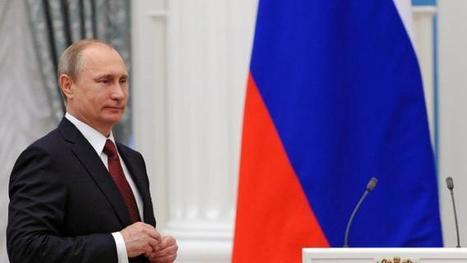
Russian President Vladimir Putin ratified an accord Saturday to set up a $100-billion reserve fund for the so-called BRICS -- the five leading emerging economies that include Russia, China, Brazil, India and South Africa.
Though India has a better investment climate among BRICS nations, its regulatory and tax system-related challenges are impacting immediate investment plans
|
2010
AGRICULTURE MINISTERS DECLARATION MARCH 2010
We, the Ministers of Agriculture of the BRIC countries first met in Moscow (Russian Federation) on March 26th 2010 and agreed on broad contours of quadrilateral cooperation in the agricultural sector with particular attention to family farming, the development of which will not only help long-term interests of the four states but contribute towards global food security.
Reiterating our support to the initiatives taken at international level such as World Food Summit in Rome, we intend to develop effective and comprehensive measures for development of agriculture in BRIC countries through close cooperation and coordination in the field of agriculture and allied activities.
Realizing the need for ensuring food security at the global level and addressing the challenge of ensuring stable and sufficient production of basic food grains, to raise living standard, to provide steady and inclusive development of rural areas, to increase efficiency of small and medium sized agro-industrial units and productivity of family farms, there is a need for more intensive cooperation among BRIC countries through the exchange of experience, coordinated action and implementation of joint projects wherever possible and in the interest of the four countries.
Ensuring food security requires a well-functioning world market and trade system for food and agriculture based on the principles of fairness and non-discrimination. In this regard, it is of paramount importance to accelerate the Doha round of talks at the World Trade Organization (WTO).
In order to realize the broad objectives mentioned above the following areas of cooperation are to be considered as priorities.
Creation of agricultural information base system of the BRIC countries Having a general information based on balances of production and consumption of agricultural products, population growth will facilitate a comprehensive analysis of the condition of food security in the BRIC countries which is considered very important for the solution of problem of food security and help in coordinated approach on formation of national grain reserves taking into account a global picture of food supply.
Development of a general strategy for ensuring access to food for the most vulnerable population 42 % of world’s population is living in BRIC countries. A substantial percentage of this population belongs to vulnerable groups that require State support for ensuring food security. Therefore, development of a strategy by BRIC countries in the area of food security for vulnerable population assumes great importance. Exchange of experience in the area of food producing and public purchasing systems for distribution and food assistance to vulnerable population and victims of natural calamities becomes important and imperative.
Reduction of negative impact of climate change on food security and adaptation of agriculture to climatic changes Of all the sectors of economy the agrarian sector is the most vulnerable to climatic changes. In order to counter this negative impact, there is a need to develop cooperation through comprehensive adaptive measures, including exchange of experience, best practices and public policies. At the same time, we urge the international community to promptly establish effective technology transfer and dissemination mechanism, facilitate technology sharing, and ensure that the developing countries can afford environment friendly technologies in accordance with principle of common but differentiated responsibilities. In this context we call upon the developed countries to offer technical and financial assistance on climate change to developing countries, while developing countries to actively take all measures to promote sustainable growth and make their due contribution to counter climate change.
Enhance agricultural technology cooperation and innovation Advancing agricultural research and technology constitute an important way to ensure food security. BRIC countries are distinct from yet complementary with each other in agricultural research and development. We shall take active measures toestablish stable, long-term, efficient and effective cooperation and exchange mechanism on agricultural research. For implementation of measures collectively agreed we have decided to set up a standing Expert working group, which will meet on regular basis, including through video conference.
The Expert working group will prepare specific proposals and report to BRIC Agricultural Ministers on implementation of issues outlined in this declaration.
The next meeting of the Ministers of Agriculture of the BRIC countries to be organized in 2011.
Minister of Agrarian Development of Brazil
Mr. Guilherme Cassel
Minister of Agriculture of the Russian Federation
Ms. Elena Skrynnik
Minister of Agriculture and Minister of Consumer Affairs, Food & Public Distribution of India
Mr. Sharad Pawar
Minister of Agriculture of the People’s Republic of China
Mr. Han Changfu
Second Meeting of Finance Ministers’
BRICS FINANCE MINISTERS’ JOINT COMMUNIQUÉ, MARCH 2009
1. We, the Finance Ministers and their representatives of Brazil, Russia, India and China held our meeting in Horsham, the United Kingdom, on the eve of the G-20 Finance Ministers and Central Bank Governors Meeting. We reverted once again to the current situation in the global economy and its latest trends, as well as fiscal and monetary policy responses in BRIC countries. We also discussed the forthcoming G20 Leaders’ Summit agenda and the expected outcomes. We consider that the G2O’s position as the focal point to coordinate with global economic and financial challenges and to lead international efforts responding to the current crisis should be consolidated. We exchanged views on the reform of international financial institutions. As a result of our deliberation we deem it necessary to focus the further international efforts in the following areas.
2. We agreed that the stabilization of international financial system through recapitalization, liquidity support and cleaning of bank balance sheets with such governmental action as may be necessary is a priority. These measures are vital to rebuild confidence, maintain and support credit flow to help restore growth.
3. Presently, as many other countries, BRICs are taking measures to promote domestic demand in their national economies and will continue to do so, as necessary. While recognizing the need of such anti-crisis measures we consider it necessary to ensure that they are implemented in such a way that they would not hamper efforts needed to ensure mid-term and long-term macroeconomic sustainability according to the particular conditions of each country.
4. We realize that protectionism is an increasingly real threat to the global economy. We should avoid protectionism of all kinds and not allow it to act as a disruptive force to the global economy. Failure to do so creates risks repeating the mistakes of the past which lead to the Great Depression. World leaders must commit to work towards a prompt and successful conclusion of the Doha round, with an ambitious, comprehensive and balanced result.
5. We stress that major reserve currency issuing economies should step up information sharing and policy coordination and work to ensure that the macroeconomic policy is more balanced, proactive, coordinated and countercyclical with a view to promoting global economic recovery. We also urge developed economies and development institutions to strengthen their support for the hardest hit developing countries to ensure the achievement of the MDGs.
6. As regards the current G20 policy agenda we realize the need to reduce the gap between the global nature of financial markets and the national character of regulation. In this context we call for achieving greater consistency in the regulatory principles that would apply to similar markets and institutions performing similar activities and strengthening cooperation between national regulators. It seems expedient that activities of such regulators should aim to reduce information asymmetries which have grown due to increasing complexity of financial markets. On the whole we share plans to reduce the procyclical character of existing regulatory practices which may induce the behavior of the financial institutions that amplify the magnitude of economic cycles.
7. We consider that all financial activities – especially those of systemic importance – must be subject to adequate regulation and supervision, including institutions which are in the “shadow banking system”. Internationally important financial institutions that are systemically relevant should be effectively supervised. We therefore firmly support the suggestion broadly discussed within the G20 working groups to intensify supervision of hedge funds, and private pools of capital which have made a significant impact on global markets but for a long time had been in a shadow of international regulatory system. Rating agencies should be also subject to adequate regulation and supervision.
8. We note that the crisis has led to a massive withdrawal of private capital in 2009 and this is likely to continue in 2010. It is imperative that multilateral financial institutions should expand their lending to offset the massive decline.
9. We draw our special attention to the reform of international financial institutions. We stand for reviewing the IMF role and mandate so as to adapt it to a new global monetary and financial architecture. We emphasize the importance of a strong commitment to governance reform with a clear timetable and roadmap.
We consider that IMF resources are clearly inadequate and should be very significantly increased through various channels. Borrowing should be a temporary bridge to a permanent quota increase as the Fund is a quota-based institution. Hence we call for the completion of the next general review of quotas by January 2011.
We also call for a substantial SDR allocation.
We deem it necessary to develop new credit facilities that could assist countries facing financial problems. Those new facilities would bear new and more flexible approaches to the issue of conditionality and have a precautionary dimension.
The crisis has demonstrated that the Fund must strengthen its surveillance capability. To achieve this goal, we emphasize the importance of better-focused even-handed surveillance across all IMF members, especially in respect to advanced economies with major international financial centers and large cross-border capital flows.
We call for urgent action with regard to voice and representation in the IMF, in order that they better reflect their real economic weights. In the Fund, a significant realignment of quota should be completed not later than January 2011. This is necessary to enable members more equitable and fuller participation in the Fund’s efforts to play its mandate role. A rebalancing of representation on the Executive Board and DVIFC would lead to a more equitable representation of the membership.
We call for the study of developments in the international monetary system, including the role of reserve currencies. This would help clarify the role of the Fund in the international economy in light of lessons drawn from the crisis.
We also call for the swift activation of the IMF’s new income model, including the speeding up of the process required for the sale of a portion of the Fund’s gold.
10. We also ask for the speeding up of the second phase of voice and representation reform in the World Bank Group, which should be completed by April 2010. This process should ensure they fully reflect changes in the world economy and in this respect developing countries and emerging economies should have greater voice and representation. This process should be also aimed at equitable representation between advanced and emerging/developing countries without dilution of any individual developing members. Moreover, to fulfil a countercyclical role in the present circumstances, the World Bank should raise substantive resources from the global capital markets in order to enhance its lending capacity, including in support to trade finance. It will also need to relax the present single borrower limit and provide new funding for infrastructure projects in low and middle income countries. It also imperative that the next heads of the IMF and the World Bank be selected through open merit-based processes, irrespective of nationality or regional considerations.
11. We welcome the decision to broaden the membership of the Financial Stability Forum (FSF) and invite as new members the G20 countries that are not currently in the FSF. We also welcome the expansion of the Basle Committee on Banking Supervision announced today. The International Accounting Standards Board and other standard setting bodies also need to become more representative, reinforcing the presence of emerging market economies.
12. We had a fruitful discussion on other actual international financial issues and decided to enhance our collaboration, including through greater exchange of information, in light of deepening of the global crisis. We also agreed to hold our next meeting in Istanbul prior to the 2009 Annual IMF and World Bank Meetings.
Sectoral Declaration
Third Meeting of the BRICS Ministers of Agriculture and Agrarian Development, Pretoria, South Africa: 29 October 2013
We, the Ministers of Agriculture and Agrarian Development of the Federative Republic of Brazil, the Russian Federation, the Republic of India, the People’s Republic of China and the Republic of South Africa met in Pretoria, South Africa for the 3rd Meeting of BRICS Ministers of Agriculture and Agrarian Development on October 29, 2013 under the theme: “The negative effect of climate change on world food security”. Our cooperation in the sector of agriculture and agrarian development was characterized by in-depth discussions on common interests and challenges with the view of finding lasting solutions. We therefore;
1. Noted the “eThekwini Declaration” that was adopted at the 5th BRICS Summit held in Durban, South Africa on March 27, 2013, which encourages ongoing agricultural cooperation amongst the BRICS countries.
2. Noted that the BRICS countries are actively implementing the consensus reached during the 2nd Meeting of BRICS Ministers of Agriculture and Agrarian Development that was held in Chengdu, the People’s Republic of China in 2011.
3. Noted that the BRICS countries conducted pragmatic cooperation and adopted tangible measures to boost domestic agricultural productivity, which has played a positive role in contributing to food security and promoting economic stability.
4. Recognised that the BRICS countries are an important grouping to deal with the global food crisis, promote global economic recovery and play an important role in global initiatives on food security.
5. Welcomed and endorsed the outcome and recommendations, as outlined in the Progress Report contained in the Minutes of the 3rd Meeting of BRICS Agriculture Cooperation Working Group held in Pretoria, South Africa on 26–27 August 2013 in preparation of the 3rd BRICS Ministers of Agriculture and Agrarian Development meeting.
6. Welcomed the exploratory discussions aimed at establishing the Basic Agricultural Information Exchange System of BRICS countries, while noting that such a system should not be a duplication of the Agriculture Marketing Information System (AMIS) created under the G20 and administered by the Food and Agriculture Organisation (FAO) of the United Nations.
7. Reaffirmed our support for such a system as a platform for sharing information and called upon our technical experts to continue to work together for the timely development of the system.
8. Acknowledged that climate change is one of the greatest challenges which adversely impacts agriculture and food security in all countries, particularly developing countries. To this effect our experts held a Seminar in South Africa on 23-25 October 2013 on ‘’Agriculture and Climate Change’’.
9. Noted that in addressing food insecurity all efforts must be geared towards enhancing agricultural production and adaptability of agricultural systems to climate change, especially for smallholder farmers.
10. Agreed to cooperate in research, development and application of technologies that enable agriculture to adapt to the effects of climate change.
11. Acknowledged that the internationally agreed development goals, such as the Millennium Development Goals (MDGs), address the needs of developing countries, many of which continue to face developmental challenges, like widespread poverty and inequality.
12. Noted that the volatility in the price and supply of food and other commodities as well as constrained financial resources have compounded the food insecurity for developing countries.
13. Reiterated that individual countries, especially in Africa and other developing countries of the South, cannot achieve the MDGs on their own and therefore the centrality of Goal 8 on Global Partnership for Development to achieve the MDGs should remain at the core of the global development discourse for the United Nations (UN) system.
14. Reiterated our openness to increase engagement and co-operation with other countries, in particular developing countries and relevant international and regional organisations in the field of agriculture.
15. Reaffirmed the expectation of the BRICS Leaders’ meeting held in St Petersburg on 5 September 2013 that the 9th World Trade Organization’s (WTO) Ministerial Conference scheduled for 3–6 December 2013 in Bali, Indonesia will be a stepping stone to the successful and balanced conclusion of the Doha Development Round.
16. Expressed the hope that consensus will be reached on food security, export competition and the key developmental concerns of the poorest and most vulnerable WTO members and would be addressed during the ninth WTO Ministerial meeting. We will therefore cooperate in the work undertaken in the build-up and during the WTO Ministerial meeting.
17. Agreed on sharing information, policies and best practices to address common problems faced by BRICS countries in agricultural development.
18. Resolved that the enhancement of agricultural cooperation among BRICS countries is of great significance for ensuring global food security and agricultural development towards attaining sustainable development, eradicating poverty and achieving the UN MDGs.
19. Reaffirmed our commitment to strengthen areas of cooperation, namely, information exchange, food security, climate change, agricultural innovation and trade and investment and gradually expand the cooperation so as to address the other challenges to food security.
20. Reaffirmed our commitment to assist other developing countries in enhancing agricultural productivity, paying particular attention to smallholder farmers, women and youth to improve world food security.
21. Welcomed the establishment of the “BRICS Strategic Alliance for Agricultural Technology Cooperation”, which will combine our efforts in addressing major challenges in agriculture.
22. Agreed to intensify the exchange and cooperation in areas such as agriculture research and development and capacity building.
23. Noted that cooperation in agricultural trade and investment is vital for mutual development. We recognised the need to increase trade and investment in the agricultural sector through activities such as participation in exhibitions, trade fairs and investment fora.
24. Resolved to forge a stronger partnership for common agriculture and agrarian development and endorsed the 2013/14 Calendar of Events for Agriculture Cooperation Working Group of BRICS.
25. Welcomed the United Nations’ Declaration of 2014 as the International Year of Family Farming (IYFF) and committed to support the common agenda of events.
26. The Russian Federation, the Republic of India, the People’s Republic of China and the Republic of South Africa conveyed their appreciation to the Federative Republic of Brazil for its offer to host the 4th Meeting of the BRICS Ministers of Agriculture and Agrarian Development in 2014 and expressed their full support thereof.
27. Brazil, Russia, India and China expressed their deep appreciation to South Africa for hosting the 3rd BRICS Ministerial meeting.
Done in the English language with five copies, each copy being equally authentic on 29 October 2013.
Minister of Agriculture, Livestock and Food Supply Federative Republic of Brazil:
…………………………………………………………………
Deputy Minister of Agriculture, Russian Federation:
…………………………………………………………………..
Minister of Agriculture, Republic of India:
…………………………………………………………………..
Minister of Agriculture, People’s Republic of China:
…………………………………………………………………..
Minister of Agriculture, Forestry and Fisheries, Republic of South Africa:
Foreign Minister’s Meeting
Media Note on the Meeting of BRICS Foreign Ministers on the margins of the 68th Session of the United Nations General Assembly, New York, 26 September 2013
The BRICS Foreign Ministers met on 26 September 2013 on the margins of the 68th session of the United Nations General Assembly.
The Ministers congratulated the South African Presidency and appreciated the good pace of implementation of the eThekwini Action Plan.
The Ministers exchanged their points of view on the following issues of the United Nations agenda.
SYRIA
The Ministers expressed deep concern about the ongoing violence and the deterioration of the humanitarian situation in Syria. They called upon all parties to commit immediately to a complete cease-fire, to halt violence and to end all violations of human rights and humanitarian law.
Taking note of the Report of the United Nations Secretary-General, the Ministers strongly condemned the use of such weapons by anyone in any circumstances.
The Ministers expressed satisfaction with recent important developments that bring renewed hope for a peaceful resolution to the Syrian conflict. They welcomed the framework agreement for the elimination of Syrian chemical weapons reached by Russia and the United States. They further welcomed, in particular, the decision of the Government of the Syrian Arab Republic to accede to the Chemical Weapons Convention and the commitment of the Syrian authorities to provisionally apply the Convention prior to its entry into force and the delivery of the initial roster. They recognised the key responsibility of the Organisation for the Prohibition of Chemical Weapons (OPCW) in this regard and look forward to the decisions of the OPCW and the Security Council in support to the Framework Agreement.
The Ministers reiterated that there is no military solution to the conflict and that it is time for diplomacy.
They stressed that the elimination of chemical weapons and the political process aimed at resolving the Syrian conflict should be pursued in parallel. They also reiterated their support for the convening of an international conference on the Syrian situation as early as possible. They stressed that only an inclusive political process, led by the Syrians, as recommended in the Action Group on Syria Communiqué issued in 2012 could lead to peace, to the effective protection of civilians and to the realization of the legitimate aspirations of the Syrian society for freedom and prosperity. They expressed their full support to the efforts of the UN-Arab League Representative Lakhdar Brahimi in helping finding a political solution to the crisis.
MIDDLE-EAST PEACE PROCESS
The Ministers welcomed the announcement of the resumption of negotiations between Palestinians and Israelis as an encouraging development. They reaffirmed that the resolution of the Israeli-Palestinian conflict is a prerequisite for building a sustainable and lasting peace in the Middle East region. They expressed their expectation that this renewed effort will lead to a two-state solution with a contiguous and economically viable Palestinian state, existing side by side in peace with Israel, within internationally recognized borders, based on those existing on 4 June 1967, with East Jerusalem as its capital. In recalling the primary responsibility of the UNSC in maintaining international peace and security, they noted the importance that the Quartet reports regularly to the Council about its efforts, which should contribute to concrete progress. They expressed concern about the construction of Israeli settlements in the Occupied Palestinian Territories, which constitutes a violation of international law and is harmful to the peace process.
CYBER SECURITY
The Ministers expressed their concern about the reported practices of unauthorized interception of communications and data from citizens, businesses and members of governments, compromising national sovereignty and individual rights. They reiterated that it is important to contribute to and participate in a peaceful, secure, and open cyberspace and emphasized that security in the use of Information and Communication Technologies (ICTs) through universally accepted norms, standards and practices is of paramount importance.
The Ministers thanked Brazil for the briefing on the plans and preparations for the VI BRICS Summit to be held in 2014.
*******
Enquiries: Mr Clayson Monyela, Spokesperson for the Department of International Relations and Cooperation, 082 884 5974.
ISSUED BY THE DEPARTMENT OF INTERNATIONAL RELATIONS AND COOPERATION
OR Tambo Building
460 Soutpansberg Road
Rietondale
Pretoria
South Africa’s President Jacob Zuma hosted the Fifth BRICS Summit on 27 March 2013 in Durban under the theme: “BRICS and Africa: Partnership for Development, Integration and Industrialisation.” This Summit completed the first cycle of BRICS Summits and was the first time that the Summit was hosted on the African continent. This has specific relevance given that it coincides with the 50th anniversary celebrations of the Organisation of African Unity/African Union (AU).
South Africa’s projected outcomes for the Fifth BRICS Summit were achieved.
The BRICS Leaders agreed to the establishment of a New Development Bank and indicated that the initial capital contribution to the bank should be substantial and sufficient for the bank to be effective in financing infrastructure.
In addition, the Leaders also agreed on the establishment of the contingent reserve arrangement (CRA) with an initial size of US$100 billion. The CRA would help BRICS countries forestall short-term liquidity pressures and further strengthen financial stability. It would also contribute to strengthening the global financial safety net and complement existing international arrangements as an additional line of defence. In this regard, the BRICS Leaders agreed to review progress made in these two initiatives at the next meeting of BRICS Finance Ministers and Central Bank Governors in September 2013.
Another outcome of the Summit was the establishment of the BRICS Think Tanks Council and the BRICS Business Council. The BRICS Think Tanks Council will link respective Think Tanks into a network to develop policy options such as the evaluation and future long-term strategy for BRICS. The BRICS Business Council will bring together business associations from each of the BRICS countries and manage engagement between the business communities on an on-going basis. These two new BRICS structures that were initiated under the South African chairpersonship, that is, the BRICS Think Tanks and the BRICS Business Council, will strengthen intra-BRICS cooperation to develop new paradigms for sustainable and inclusive growth models, as well as new learning and knowledge paradigms to deal with our contemporary growth and development challenges.
Two Agreements were concluded under auspices of the BRICS Interbank Cooperation Mechanism.
The BRICS Multilateral Infrastructure Co-Financing Agreement for Africa paves the way for the establishment of co-financing arrangements for infrastructure projects across the African continent.
The BRICS Multilateral Cooperation and Co-Financing Agreement for Sustainable Development sets out to explore the establishment of bilateral agreements aimed at establishing cooperation and co-financing arrangements, specifically around sustainable development and green economy elements.
The Summit outcome documents known as the eThekwini Declaration and Action Plan were adopted at the conclusion of the Summit.
South Africa assumed the BRICS chairpersonship at the Summit and will be responsible for the implementation of the Action Plan during its tenure. Human rights and gender, were for the first time included in the eThekwini Declaration. Linked hereto, was the welcoming of the appointment of the new Chairperson of the AU Commission as an affirmation of the leadership of women, which is an important pronouncement by BRICS.
Matters that are key priorities in terms of the agenda of the African Union have been strategically repositioned in the eThekwini Declaration in line with the Summit theme. BRICS Leaders reaffirmed their support for sustainable infrastructure development, as well as industrial development, job creation, skills development, food and nutrition security and poverty eradication and sustainable development in Africa.
BRICS Leaders expressed their commitment to Peace and Security on the African continent. The BRICS Leaders furthermore called upon the United Nations (UN) to enhance cooperation with the AU, and its Peace and Security Council, pursuant to UN Security Council resolutions.
Regarding the global economic situation, a strong commitment to foster growth and financial stability was articulated by the BRICS Leaders in order to address unemployment. The Leaders reiterated their position that the reform of the International Monetary Fund should reflect the growing weight of BRICS and other developing countries and that agreement on the quota formula should be completed by January next year. The BRICS Leaders also agreed that the election for the next world Trade Organisation (WTO) Director-General should be a candidate from a developing country.
SANYA DECLARATION
1. We, the Heads of State and Government of the Federative Republic of Brazil, the Russian Federation, the Republic of India, the People’s Republic of China and the Republic of South Africa, met in Sanya, Hainan, China for the BRICS Leaders Meeting on 14 April 2011.
2. The Heads of State and Government of Brazil, Russia, India and China welcome South Africa joining the BRICS and look forward to strengthening dialogue and cooperation with South Africa within the forum.
3. It is the overarching objective and strong shared desire for peace, security, development and cooperation that brought together BRICS countries with a total population of nearly 3 billion from different continents. BRICS aims at contributing significantly to the development of humanity and establishing a more equitable and fair world.
4. The 21st century should be marked by peace, harmony, cooperation and scientific development. Under the theme “Broad Vision, Shared Prosperity”, we conducted candid and in-depth discussions and reached broad consensus on strengthening BRICS cooperation as well as on promoting coordination on international and regional issues of common interest.
5. We affirm that the BRICS and other emerging countries have played an important role in contributing to world peace, security and stability, boosting global economic growth, enhancing multilateralism and promoting greater democracy in international relations.
6. In the economic, financial and development fields, BRICS serves as a major platform for dialogue and cooperation. We are determined to continue strengthening the BRICS partnership for common development and advance BRICS cooperation in a gradual and pragmatic manner, reflecting the principles of openness, solidarity and mutual assistance. We reiterate that such cooperation is inclusive and non-confrontational. We are open to increasing engagement and cooperation with non-BRICS countries, in particular emerging and developing countries, and relevant international and regional organizations.
7. We share the view that the world is undergoing far-reaching, complex and profound changes, marked by the strengthening of multipolarity, economic globalization and increasing interdependence. While facing the evolving global environment and a multitude of global threats and challenges, the international community should join hands to strengthen cooperation for common development. Based on universally recognized norms of international law and in a spirit of mutual respect and collective decision making, global economic governance should be strengthened, democracy in international relations should be promoted, and the voice of emerging and developing countries in international affairs should be enhanced.
8. We express our strong commitment to multilateral diplomacy with the United Nations playing the central role in dealing with global challenges and threats. In this respect, we reaffirm the need for a comprehensive reform of the UN, including its Security Council, with a view to making it more effective, efficient and representative, so that it can deal with today’s global challenges more successfully. China and Russia reiterate the importance they attach to the status of India, Brazil and South Africa in international affairs, and understand and support their aspiration to play a greater role in the UN.
9. We underscore that the concurrent presence of all five BRICS countries in the Security Council during the year of 2011 is a valuable opportunity to work closely together on issues of peace and security, to strengthen multilateral approaches and to facilitate future coordination on issues under UN Security Council consideration. We are deeply concerned with the turbulence in the Middle East , the North African and West African regions and sincerely wish that the countries affected achieve peace, stability, prosperity and progress and enjoy their due standing and dignity in the world according to legitimate aspirations of their peoples. We share the principle that the use of force should be avoided. We maintain that the independence, sovereignty, unity and territorial integrity of each nation should be respected.
10. We wish to continue our cooperation in the UN Security Council on Libya. We are of the view that all the parties should resolve their differences through peaceful means and dialogue in which the UN and regional organizations should as appropriate play their role. We also express support for the African Union High-Level Panel Initiative on Libya.
11. We reiterate our strong condemnation of terrorism in all its forms and manifestations and stress that there can be no justification, whatsoever, for any acts of terrorism. We believe that the United Nations has a central role in coordinating the international action against terrorism within the framework of the UN Charter and in accordance with principles and norms of the international law. In this context, we urge early conclusion of negotiations in the UN General Assembly of the Comprehensive Convention on International Terrorism and its adoption by all Member States. We are determined to strengthen our cooperation in countering this global threat. We express our commitment to cooperate for strengthening international information security. We will pay special attention to combat cybercrime.
12. We note that the world economy is gradually recovering from the financial crisis, but still faces uncertainties. Major economies should continue to enhance coordination of macro-economic policies and work together to achieve strong, sustainable and balanced growth.
13. We are committed to assure that the BRICS countries will continue to enjoy strong and sustained economic growth supported by our increased cooperation in economic, finance and trade matters, which will contribute to the long-term steady, sound and balanced growth of the world economy.
14. We support the Group of Twenty (G20) in playing a bigger role in global economic governance as the premier forum for international economic cooperation. We expect new positive outcomes in the fields of economy, finance, trade and development from the G20 Cannes Summit in 2011. We support the ongoing efforts of G20 members to stabilize international financial markets, achieve strong, sustainable and balanced growth and support the growth and development of the global economy. Russia offers to host the G20 Summit in 2013. Brazil, India, China and South Africa welcome and appreciate Russia’s offer.
15. We call for a quick achievement of the targets for the reform of the International Monetary Fund agreed to at previous G20 Summits and reiterate that the governing structure of the international financial institutions should reflect the changes in the world economy, increasing the voice and representation of emerging economies and developing countries.
16. Recognizing that the international financial crisis has exposed the inadequacies and deficiencies of the existing international monetary and financial system, we support the reform and improvement of the international monetary system, with a broad-based international reserve currency system providing stability and certainty. We welcome the current discussion about the role of the SDR in the existing international monetary system including the composition of SDR’s basket of currencies. We call for more attention to the risks of massive cross-border capital flows now faced by the emerging economies. We call for further international financial regulatory oversight and reform, strengthening policy coordination and financial regulation and supervision cooperation, and promoting the sound development of global financial markets and banking systems.
17. Excessive volatility in commodity prices, particularly those for food and energy, poses new risks for the ongoing recovery of the world economy. We support the international community in strengthening cooperation to ensure stability and strong development of physical market by reducing distortion and further regulate financial market. The international community should work together to increase production capacity, strengthen producer-consumer dialogue to balance supply and demand, and increase support to the developing countries in terms of funding and technologies. The regulation of the derivatives market for commodities should be accordingly strengthened to prevent activities capable of destabilizing markets. We also should address the problem of shortage of reliable and timely information on demand and supply at international, regional and national levels. The BRICS will carry out closer cooperation on food security.
18. We support the development and use of renewable energy resources. We recognize the important role of renewable energy as a means to address climate change. We are convinced of the importance of cooperation and information exchange in the field of development of renewable energy resources.
19. Nuclear energy will continue to be an important element in future energy mix of BRICS countries. International cooperation in the development of safe nuclear energy for peaceful purposes should proceed under conditions of strict observance of relevant safety standards and requirements concerning design, construction and operation of nuclear power plants.
20. Accelerating sustainable growth of developing countries is one of the major challenges for the world. We believe that growth and development are central to addressing poverty and to achieving the MDG goals. Eradication of extreme poverty and hunger is a moral, social, political and economic imperative of humankind and one of the greatest global challenges facing the world today, particularly in Least Developed Countries in Africa and elsewhere.
21. We call on the international community to actively implement the outcome document adopted by the High-level Plenary Meeting of the United Nations General Assembly on the Millennium Development Goals held in September 2010 and achieve the objectives of the MDGs by 2015 as scheduled.
22. Climate change is one of the global threats challenging the livelihood of communities and countries. China, Brazil, Russia and India appreciate and support South Africa’s hosting of UNFCCC COP17/CMP7. We support the Cancun Agreements and are ready to make concerted efforts with the rest of the international community to bring a successful conclusion to the negotiations at the Durban Conference applying the mandate of the Bali Roadmap and in line with the principle of equity and common but differentiated responsibilities. We commit ourselves to work towards a comprehensive, balanced and binding outcome to strengthen the implementation of the United Nations Framework Convention on Climate Change and its Kyoto Protocol. The BRICS will intensify cooperation on the Durban conference. We will enhance our practical cooperation in adapting our economy and society to climate change.
23. Sustainable development, as illustrated by the Rio Declaration on Environment and Development, Agenda 21, the Johannesburg Plan of Implementation and multilateral environmental treaties, should be an important vehicle to advance economic growth. China, Russia, India and South Africa appreciate Brazil as the host of the 2012 UN Conference on Sustainable Development and look forward to working with Brazil to reach new political commitment and achieve positive and practical results in areas of economic growth, social development and environmental protection under the framework of sustainable development. Brazil, Russia, China and South Africa appreciate and support India’s hosting of the eleventh meeting of the Conference of the Parties to the Convention on Biological Diversity. Brazil, China and South Africa also appreciate and support the sixth meeting of the Conference of the Parties serving as the meeting of the Parties to the Cartagena Protocol on Biosafety to be held in October 2012.
24. We underscore our firm commitment to strengthen dialogue and cooperation in the fields of social protection, decent work, gender equality, youth, and public health, including the fight against HIV /AIDS.
25. We support infrastructure development in Africa and its industrialization within framework of the New Partnership for Africa’s Development (NEPAD).
26. We have agreed to continue further expanding and deepening economic, trade and investment cooperation among our countries. We encourage all countries to refrain from resorting to protectionist measures. We welcome the outcomes of the meeting of BRICS Trade Ministers held in Sanya on 13 April 2011. Brazil, China, India and South Africa remain committed and call upon other members to support a strong, open, rule-based multilateral trading system embodied in the World Trade Organization and a successful, comprehensive and balanced conclusion of the Doha Development Round, built on the progress already made and consistent with its development mandate. Brazil, India, China and South Africa extend full support to an early accession of Russia to the World Trade Organization.
27. We reviewed the progress of the BRICS cooperation in various fields and share the view that such cooperation has been enriching and mutually beneficial and that there is a great scope for closer cooperation among the BRICS. We are focused on the consolidation of BRICS cooperation and the further development of its own agenda. We are determined to translate our political vision into concrete actions and endorse the attached Action Plan, which will serve as the foundation for future cooperation. We will review the implementation of the Action Plan during our next Leaders Meeting.
28. We intend to explore cooperation in the sphere of science, technology and innovation, including the peaceful use of space. We congratulate the Russian people and government upon the 50th anniversary of the flight of Yury Gagarin into the space, which ushered in a new era in development of science and technology.
29. We express our confidence in the success of the 2011 Universiade in Shenzhen, the 2013 Universiade in Kazan, the 2014 Youth Olympic Games in Nanjing, the 2014 Winter Olympic and Paralympics Games in Sochi, the FIFA 2014 World Cup in Brazil, the 2016 Olympic and Paralympics Games in Rio de Janeiro and the FIFA 2018 World Cup in Russia.
30. We extend our deepest condolences to the people of Japan with the great loss of life following the disasters that struck the country. We will continue our practical support to Japan in overcoming consequences of these catastrophes.
31. The leaders of Brazil, Russia, India and South Africa extend our warm appreciation to China for hosting the BRICS Leaders Meeting and the Hainan Provincial Government and Sanya Municipal Government and their people for their support to the Meeting.
32. Brazil, Russia, China and South Africa thank India for hosting the BRICS Leaders Meeting in 2012 and offer their full support.
I BRIC SUMMIT – JOINT STATEMENT APRIL 16, 2010 BRASILIA
We, the leaders of the Federative Republic of Brazil, the Russian Federation, the Republic of India and the People’s Republic of China, met in Brasília on 15 April 2010 to discuss major issues of the international agenda as well as concrete steps to move forward the cooperation and coordination within BRIC.
WE HAVE AGREED ON THE FOLLOWING:
COMMON VISION AND GLOBAL GOVERNANCE
1. We share the perception that the world is undergoing major and swift changes that highlight the need for corresponding transformations in global governance in all relevant areas.
2. We underline our support for a multipolar, equitable and democratic world order, based on international law, equality, mutual respect, cooperation, coordinated action and collective decision-making of all States.
3. We stress the central role played by the G-20 in combating the crisis through unprecedented levels of coordinated action. We welcome the fact that the G-20 was confirmed as the premier forum for international economic coordination and cooperation of all its member states. Compared to previous arrangements, the G-20 is broader, more inclusive, diverse, representative and effective. We call upon all its member states to undertake further efforts to implement jointly the decisions adopted at the three G-20 Summits.
We advocate the need for the G-20 to be proactive and formulate a coherent strategy for the post-crisis period. We stand ready to make a joint contribution to this effort.
4. We express our strong commitment to multilateral diplomacy with the United Nations playing the central role in dealing with global challenges and threats. In this respect, we reaffirm the need for a comprehensive reform of the UN, with a view to making it more effective, efficient and representative, so that it can deal with today’s global challenges more effectively. We reiterate the importance we attach to the status of India and Brazil in international affairs, and understand and support their aspirations to play a greater role in the United Nations.
5. We believe the deepened and broadened dialogue and cooperation of the BRIC countries is conducive not only to serving common interests of emerging market economies and developing countries, but also to building a harmonious world of lasting peace and common prosperity. We have agreed upon steps to promote dialogue and cooperation among our countries in an incremental, proactive, pragmatic, open and transparent way.
INTERNATIONAL ECONOMIC AND FINANCIAL ISSUES
6. The world economic situation has improved since our first meeting in June 2009, in Ekaterinburg. We welcome the resumption of economic growth, in which emerging market economies are playing a very important role. However, we recognize that the foundation of world economic recovery is not yet solid, with uncertainties remaining. We call upon all states to strengthen macroeconomic cooperation, jointly secure world economic recovery and achieve a strong, sustainable and balanced growth. We reiterate our determination to make positive efforts in maintaining domestic economic recovery and promoting development in our own countries and worldwide.
7. We underline the importance of maintaining relative stability of major reserve currencies and sustainability of fiscal policies in order to achieve a strong, long-term balanced economic growth.
8. We are convinced that emerging market economies and developing countries have the potential to play an even larger and active role as engines of economic growth and prosperity, while at the same time commit to work together with other countries towards reducing imbalances in global economic development and fostering social inclusion.
9. G-20 members, with a significant contribution from BRIC countries, have greatly increased resources available to the IMF. We support the increase of capital, under the principle of fair burden-sharing, of the International Bank for Reconstruction and Development and of the International Finance Corporation, in addition to more robust, flexible and agile client-driven support for developing economies from multilateral development banks.
10. Despite promising positive signs, much remains to be done. We believe that the world needs today a reformed and more stable financial architecture that will make the global economy less prone and more resilient to future crises, and that there is a greater need for a more stable, predictable and diversified international monetary system.
11. We will strive to achieve an ambitious conclusion to the ongoing and long overdue reforms of the Bretton Woods institutions. The IMF and the World Bank urgently need to address their legitimacy deficits. Reforming these institutions’ governance structures requires first and foremost a substantial shift in voting power in favor of emerging market economies and developing countries to bring their participation in decision making in line with their relative weight in the world economy. We call for the voting power reform of the World Bank to be fulfilled in the upcoming Spring Meetings, and expect the quota reform of the IMF to be concluded by the G-20 Summit in November this year. We do also agree on the need for an open and merit based selection method, irrespective of nationality, for the heading positions of the IMF and the World Bank. Moreover, staff of these institutions needs to better reflect the diversity of their membership. There is a special need to increase participation of developing countries. The international community must deliver a result worthy of the expectations we all share for these institutions within the agreed timeframe or run the risk of seeing them fade into obsolescence.
12. In the interest of promoting international economic stability, we have asked our Finance Ministers and Central Bank Governors to look into regional monetary arrangements and discuss modalities of cooperation between our countries in this area. In order to facilitate trade and investment, we will study feasibilities of monetary cooperation, including local currency trade settlement arrangement between our countries.
13. Recent events have shattered the belief about the self-regulating nature of financial markets. Therefore, there is a pressing need to foster and strengthen cooperation regarding the regulation and supervision of all segments, institutions and instruments of financial markets. We remain committed to improve our own national regulations, to push for the reform of the international financial regulatory system and to work closely with international standard setting bodies, including the Financial Stability Board.
INTERNATIONAL TRADE
14. We stress the importance of the multilateral trading system, embodied in the World Trade Organization, for providing an open, stable, equitable and non discriminatory environment for international trade. In this connection, we commit ourselves and urge all states to resist all forms of trade protectionism and fight disguised restrictions on trade. We concur in the need for a comprehensive and balanced outcome of the Doha Round of multilateral trade talks, in a manner that fulfills its mandate as a “development round”, based on the progress already made, including with regard to modalities. We take note and strongly support Russia’s bid for accession to the WTO.
DEVELOPMENT
15. We reiterate the importance of the UN Millennium Declaration and the need to achieve the Millennium Development Goals (MDGs). We underscore the importance of preventing a potential setback to the efforts of poor countries aimed at achieving MDGs due to the effects of the economic and financial crisis. We should also make sustained efforts to achieve the MDGs by 2015, including through technical cooperation and financial support to poor countries in implementation of development policies and social protection for their populations. We expect the UN MDG Summit, in September 2010, to promote the implementation of MDGs through policy recommendations. We stress that sustainable development models and paths of developing countries should be fully respected and necessary policy space of developing countries should be guaranteed.
16. The poorest countries have been the hardest hit by the economic and financial crisis. The commitments regarding the aid to the developing states, especially those related to the MDGs, should be fulfilled, and there should be no reduction in development assistance. An inclusive process of growth for the world economy is not only a matter of solidarity but also an issue of strategic importance for global political and economic stability.
AGRICULTURE
17. We express our satisfaction with the Meeting of Ministers of Agriculture and Agrarian Development in Moscow, where they discussed ways of promoting quadripartite cooperation, with particular attention to family farming. We are convinced that this will contribute towards global food production and food security. We welcome their decision to create an agricultural information base system of the BRIC countries, to develop a strategy for ensuring access to food for vulnerable population, to reduce the negative impact of climate change on food security, and to enhance agriculture technology cooperation and innovation.
FIGHT AGAINST POVERTY
18. We call upon the international community to make all the necessary efforts to fight poverty, social exclusion and inequality bearing in mind the special needs of developing countries, especially LDCs, small islands and African Countries. We support technical and financial cooperation as means to contribute to the achievement of sustainable social development, with social protection, full employment, and decent work policies and programmes, giving special attention to the most vulnerable groups, such as the poor, women, youth, migrants and persons with disabilities.
ENERGY
19. We recognize that energy is an essential resource for improving the standard of living of our peoples and that access to energy is of paramount importance to economic growth with equity and social inclusion. We will aim to develop cleaner, more affordable and sustainable energy systems, to promote access to energy and energy efficient technologies and practices in all sectors. We will aim to diversify our energy mix by increasing, where appropriate, the contribution of renewable energy sources, and will encourage the cleaner, more efficient use of fossil fuels and other fuels. In this regard, we reiterate our support to the international cooperation in the field of energy efficiency.
20. We recognize the potential of new, emerging, and environmentally friendly technologies for diversifying energy mix and the creation of jobs. In this regard we will encourage, as appropriate, the sustainable development, production and use of biofuels. In accordance with national priorities, we will work together to facilitate the use of renewable energy, through international cooperation and the sharing of experiences on renewable energy, including biofuels technologies and policies.
21. We believe that BRIC member countries can cooperate in training, R&D, Consultancy services and technology transfer, in the energy sector.
CLIMATE CHANGE
22. We acknowledge that climate change is a serious threat which requires strengthened global action. We commit ourselves to promote the 16th Conference of the Parties to the United Nations Framework Convention on Climate Change and the 6th Conference of the Parties serving as the Meeting of the Parties to the Kyoto Protocol, in Mexico, to achieve a comprehensive, balanced and binding result to strengthen the implementation of the Convention and the Protocol. We believe that the Convention and the Protocol provide the framework for international negotiations on climate change. The negotiations in Mexico should be more inclusive, transparent, and should result in outcomes that are fair and effective in addressing the challenge of climate change, while reflecting the principles of the Convention, especially the principle of equity and common but differentiated responsibilities.
TERRORISM
23. We condemn terrorist acts in all forms and manifestations. We note that the fight against international terrorism must be undertaken with due respect to the UN Charter, existing international conventions and protocols, the UN General Assembly and Security Council resolutions relating to international terrorism, and that the prevention of terrorist acts is as important as the repression of terrorism and its financing. In this context, we urge early conclusion of negotiations in the UN General Assembly of the Comprehensive Convention on International Terrorism and its adoption by all Member States.
24. Brazil and China express their sympathy and solidarity with the people and Governments of Russia and India which suffered from recent barbaric terrorist attacks. Terrorism cannot be justified by any reason.
ALLIANCE OF CIVILIZATIONS
25. We affirm the importance of encouraging the dialogue among civilizations, cultures, religions and peoples. In this respect, we support the “Alliance of Civilizations”, a United Nations’ initiative aimed at building bridges, mutual knowledge and understanding around the world. We praise the Brazilian decision to host, in Rio de Janeiro, in May 2010, the 3rd Global Forum and confirm our intention to be present at the event, in appropriate high level.
HAITI
26. We reaffirm our solidarity towards the Haitian people, who have been struggling under dire circumstances since the earthquake of January 12th, and reiterate our commitment to gather efforts with the international community in order to help rebuilding the country, under the guidance of the Haitian government, and according to the priorities established by the Action Plan for National Recovery and Development of Haiti.
COOPERATION
27. We welcome the following sectoral initiatives aimed at strengthening cooperation among our countries:
the first Meeting of Ministers of Agriculture and Agrarian Development;
the Meetings of Ministers of Finance and Governors of Central Banks;
the Meetings of High Representatives for Security Issues;
the I Exchange Program for Magistrates and Judges, of BRIC countries, held in March 2010 in Brazil following the signature in 2009 of the Protocol of Intent among the BRIC countries’ Supreme Courts;
the first Meeting of Development Banks;
the first Meeting of the Heads of the National Statistical Institutions;
the Conference of Competition Authorities;
the first Meeting of Cooperatives;
the first Business Forum;
the Conference of think tanks.
28. We also endorse other important manifestations of our desire to deepen our relationship, such as:
the joint publication by our respective national statistical institutions which is going to be released today;
a feasibility study for developing a joint BRIC encyclopedia.
29. We reaffirm our commitment to advance cooperation among BRIC countries in science, culture and sports.
30. We express our confidence in the success of the 2010 World Expo in Shanghai, the 2010 Commonwealth Games in New Delhi, the 2013 World Student Games in Kazan, the 2014 Winter Olympic and Paralympic Games in Sochi, the FIFA 2014 World Cup in Brazil and the 2016 Olympic and Paralympic Games in Rio de Janeiro.
31. We reaffirm the efforts to strengthen our cooperation and assistance for reduction of natural disasters. Russia and India express their condolences and solidarity with the people and Governments of Brazil and China, for the lives lost in the mudslide in Rio de Janeiro, Brazil, and in the earthquake in Yushu, China.
III BRIC SUMMIT
32. Brazil, Russia and India appreciate the offer of China to host the III BRIC Summit in 2011.
33. Russia, India and China express their profound gratitude to the Government and people of Brazil for hosting the II BRIC Summit.
First BRIC summit concludes
Brazil, Russia, India and China ended the first BRIC summit by calling for an increased role in global financial institutions by emerging economies and developing nations.
Brazilian President Luiz Inacio Lula da Silva, Russian President Dmitry Medvedev,Chinese President Hu Jintao and Indian Prime Minister Manmohan Singh, from left, pose for a photo at the first full-fledged summit of Brazil, Russia, India and China, collectively called BRIC, in the Ural Mountains city of Yekaterinburg, Russia
Brazil, Russia, China and India pushed for increased global economic reform
At the conclusion of the first BRIC summit on Tuesday, Brazil, Russia, India and China issued a joint statement calling for increased economic reform.
The four nations, representing emerging economic powers, demanded that developing economies have a "greater voice and representation in international financial institutions, and their heads and senior leadership should be appointed through an open, transparent and merit-based selection process."
"We also believe there is a strong need for a stable, predictable and more diversified international monetary system," the statement continued, delivering a warning against the global domination of the US dollar as the world’s standard reserve currency.
Russian President Dmitry Medvedev had voiced similar sentiments before the summit, saying the current reserve policies "have not managed to perform their functions."
The leaders of Brazil, Russia, India and China, a group collectively called BRIC, attend their first full-fledged summit in Russia
World leaders discussed the need for a larger role for emerging economies
Russia’s chief economic aide, Arkady Dvorkovich, suggested that the International Monetary Fund (IMF) should revise the basket of currencies used to value its financial products to include the Russian ruble and Chinese yuan. At the moment the currencies included are the dollar, euro, yen and sterling.
BRIC origins
The acronym BRIC was coined in 2001 by an analyst for Goldman Sachs who argued that, by 2050, the combined economies of the BRIC nations would eclipse the combined economies of the current richest countries in the world. The investment bank never posited that BRIC would organize itself into an economic bloc, although recently there have been signs that the acronym has come to represent much more than was originally intended.
"The economic crisis is what pushed them together," says Thomas Renard, a research fellow at Egmont Royal Institute for International Relations in Brussels. He notes that, last March, the BRIC nations issued their first joint communiqué during a G20 meeting, calling essentially for a "reform of international financial institutions." Still, he maintains that BRIC is far from being a political entity.
"The term BRIC wrongly implies that they are actually a bloc in any concrete way," Renard says. "They are more of an informal group within the international forums who meet sometimes to exchange their points of view and who, when they reach common agreement, will defend their position. But while they have many things that unite them, there is also a lot that divides them."
Pressing for economic change
Those divisive issues are mainly political in nature which is why most observers correctly predicted that the BRIC summit would focus predominantly on economic issues. Combined, the BRIC countries currently have a 15-percent share of the world economy and a 42-percent share of global currency reserves.
Russian Foreign Minister Sergey Lavrov and President Dmitry Medvedev at the first full-fledged summit of Brazil, Russia, India and China
President Medvedev said the dollar has not fulfilled its function as reserve currency
Their increased economic power was underscored last week when Brazil and Russia joined China in announcing they would shift some $70 billion (50 billion euros) of reserves into multicurrency bonds issued by the International Monetary Fund. The move was interpreted by some as an attempt to topple the dollar; in part because the Russian president said at the time that his proposal to create a new world currency could be discussed at the summit.
But fiscal experts say that BRIC will tread carefully where the dollar is concerned, as triggering a dollar crisis would be akin to shooting themselves in the foot.
"The BRICs are putting the US on notice that there has to be a cutback on spending and that they need to get their house in order," Mark Mobius, emerging markets expert at Templeton Asset Management, told financial news service Bloomberg. "Any attack on the dollar will hurt them. But they want to make sure this kind of mess doesn't happen again."
Clearly though, BRIC is using its new influence to put pressure on the IMF to reshape its voting structure to better reflect the shift in economic power. Brazil, for example, is the world's 10th largest economy, but has just 1.38 percent of the IMF board's votes, compared to 2.09 percent for Belgium, an economy one-third the size.
China as a superpower?
China, too, is well-positioned to become a greater actor on the world stage, despite its past preference for playing a supporting role.
Chinese President Hu Jintao waves while arriving at the BRIC summit in Russia
China has been treated as a de facto economic global power by the US
"China has realized that it might become a global power much faster than it thought," says Renard. "And the US is realizing that now, too. It is treated as a de facto global power by the US, at least with regard to economic matters, with the two countries for all intents and purposes forming a 'G2'."
But while the thought of China as a superpower is perceived by many in the West as a threat, Renard says that it's an unfounded fear.
"The world today is characterized by interdependence," he says. "Even for China, it's not a time to think about individual gains, rather it's about minimizing the damage that we all suffer."
The "rise of the rest"
While Renard is certain that the current trend is from a unipolar world to a multipolar one, he says we're unlikely to witness the emergence of a new superpower to rival the US anytime soon.
"To be a world power, you need more than money," Renard said. "You need military power and soft powers, such as cultural power. And in these respects, the US is still the leader."
Instead, Renard says it's more accurate to talk about bad US policies that have damaged American influence abroad coinciding with the "rise of the rest."
The "rest" not only includes new emerging powers, such as the BRIC nations, but also "non-state actors such as transnational organizations like al Qaeda and supranational institutions like the EU, all of which are increasingly challenging American predominance."
dc/sjt/afp/reuters
Editor: Susan Houlton
Russian President Vladimir Putin has ratified an agreement on the establishment of a $100 billion BRICS pool of currency reserves, according to a document published Saturday on Russia’s official legal information portal.
Though India has a better investment climate among BRICS nations, its regulatory and tax system-related challenges are impacting immediate investment plans, a survey found.
As of 2014, the five BRICS countries represent almost 3 billion people, or approximately 40% of the world population. The five nations have a combined nominal GDP of US$16.039 trillion, equivalent to approximately 20% of the gross world product, and an estimated US$4 trillion in combined foreign reserves.
BRICS is the acronym for an association of five major emerging national economies: Brazil, Russia, India, China and South Africa.[4] The grouping was originally known as "BRIC" before the inclusion of South Africa in 2010. The BRICS members are all developing or newly industrialised countries, but they are distinguished by their large, fast-growing economies and significant influence on regional and global affairs; all five are G-20 members.[5] Since 2010, the BRICS nations have met annually at formal summits. Russia currently holds the chair of the BRICS group, and will host the group's seventh summit in July 2015. As of 2014, the five BRICS countries represent almost 3 billion people, or approximately 40% of the world population. The five nations have a combined nominal GDP of US$16.039 trillion, equivalent to approximately 20% of the gross world product, and an estimated US$4 trillion in combined foreign reserves.[2][6] The BRICS have received both praise and criticism from numerous commentators.[7][8][9]
History
The term "BRICS" was coined in 2001 by then-chairman of Goldman Sachs Asset Management, Jim O'Neill, in his publication Building Better Global Economic BRICs. The foreign ministers of the initial four BRIC states (Brazil, Russia, India, and China) met in New York City in September 2006, beginning a series of high-level meetings. A full-scale diplomatic meeting was held in Yekaterinburg, Russia, on 16 June 2009.
First BRIC summit
The BRIC grouping's first formal summit, also held in Yekaterinburg, commenced on 16 June 2009, with Luiz Inácio Lula da Silva, Dmitry Medvedev, Manmohan Singh, and Hu Jintao, the respective leaders of Brazil, Russia, India and China, all attending. The summit's focus was on means of improving the global economic situation and reforming financial institutions, and discussed how the four countries could better co-operate in the future. There was further discussion of ways that developing countries, such as the BRIC members, could become more involved in global affairs. In the aftermath of the Yekaterinburg summit, the BRIC nations announced the need for a new global reserve currency, which would have to be "diversified, stable and predictable". Although the statement that was released did not directly criticise the perceived "dominance" of the US dollar – something that Russia had criticised in the past – it did spark a fall in the value of the dollar against other major currencies.
Entry of South Africa
In 2010, South Africa began efforts to join the BRIC grouping, and the process for its formal admission began in August of that year. South Africa officially became a member nation on 24 December 2010, after being formally invited by the BRIC countries to join the group. The group was renamed BRICS – with the "S" standing for South Africa – to reflect the group's expanded membership. In April 2011, the President of South Africa, Jacob Zuma, attended the 2011 BRICS summit in Sanya, China, as a full member.
Developments The BRICS Forum, an independent international organisation encouraging commercial, political and cultural cooperation between the BRICS nations, was formed in 2011. In June 2012, the BRICS nations pledged $75 billion to boost the lending power of the International Monetary Fund (IMF). However, this loan was conditional on IMF voting reforms. In late March 2013, during the fifth BRICS summit in Durban, South Africa, the member countries agreed to create a global financial institution which they intended to rival the western-dominated IMF and World Bank. After the summit, the BRICS stated that they planned to finalise the arrangements for this New Development Bank by 2014. However, disputes relating to burden sharing and location have slowed down the agreements.
At the BRICS leaders meeting in St. Petersburg in September 2013, China committed $41 billion towards the pool; Brazil, India and Russia $18 billion each; and South Africa $5 billion. China, holder of the world's largest foreign exchange reserves and who is to contribute the bulk of the currency pool, wants a greater managing role, said one BRICS official. China also wants to be the location of the reserve. "Brazil and India want the initial capital to be shared equally. We know that China wants more," said a Brazilian official. "However, we are still negotiating, there are no tensions arising yet." On 11th October 2013, Russia's Finance Minister Anton Siluanov said that a decision on creating a $100 billion fund designated to steady currency markets would be taken in early 2014. The Brazilian finance minister, Guido Mantega stated that the fund would be created by March 2014. However, by April 2014, the currency reserve pool and development bank had yet to be set up, and the date was rescheduled to 2015. One driver for the BRICS development bank is that the existing institutions primarily benefit extra-BRICS corporations, and the political significance is notable because it allows BRICS member states "to promote their interests abroad... and can highlight the strengthening positions of countries whose opinion is frequently ignored by their developed American and European colleagues."
In March 2014, at a meeting on the margins of the Nuclear Security Summit in The Hague, the BRICS Foreign Ministers issued a communique that "noted with concern, the recent media statement on the forthcoming G20 Summit to be held in Brisbane in November 2014. The custodianship of the G20 belongs to all Member States equally and no one Member State can unilaterally determine its nature and character." In light of the tensions surrounding the 2014 Crimean crisis, the Ministers remarked that "The escalation of hostile language, sanctions and counter-sanctions, and force does not contribute to a sustainable and peaceful solution, according to international law, including the principles and purposes of the United Nations Charter." This was in response to the statement of Australian Foreign Minister Julie Bishop, who had said earlier that Putin might be barred from attending the G20 Summit in Brisbane.
In July 2014, the Governor of the Russian Central Bank, Elvira Nabiullina, claimed that the "BRICS partners the establishment of a system of multilateral swaps that will allow to transfer resources to one or another country, if needed" in an article which concluded that "If the current trend continues, soon the dollar will be abandoned by most of the significant global economies and it will be kicked out of the global trade finance." Over the weekend of 13 July 2014 when the final game of the World Cup was held, and in advance of the BRICS Fortaleza summit, Putin met his homologue Dilma Rouseff to discuss the BRICS development bank, and sign some other bilateral accords on air defense, gas and education.
Rouseff said that the BRICS countries "are among the largest in the world and cannot content themselves in the middle of the 21st century with any kind of dependency." The Fortaleza summit was followed by a BRICS meeting with the UNASUR presidents in Brasilia, where the development bank and the monetary fund were introduced. The development bank will have capital of US$50 billion with each country contributing US$10 billion, while the monetary fund will have US$100 billion at its disposal. On 15 July, the first day of the BRICS 6th summit in Fortaleza, Brazil, the group of emerging economies signed the long-anticipated document to create the US$100 billion BRICS Development Bank and a reserve currency pool worth over another US$100 billion. Documents on cooperation between BRICS export credit agencies and an agreement of cooperation on innovation were also inked. At the end of October 2014, Brazil trimmed down its US government holdings to US$261.7 billion; India, US$77.5 billion; China, US$1.25 trillion; South Africa, US$10.3 billion.
In March 2015, Morgan Stanley stated that India and Indonesia have escaped from 'fragile five', although US maybe increase the interest rate. Previously, in August 2013 Morgan Stanley stated that both countries above together with Brazil, Turkey and South Africa as fragile five due to its vulnerable currencies. But after it, India and Indonesia have reformed its economy with completion 85 percent of necessary adjustments and 65 percent respectively, while Brazil with 15 percent, Turkey with 10 percent and South Africa can be said as nil.
Summits
The grouping has held annual summits since 2009, with member countries taking turns to host. Prior to South Africa's admission, two BRIC summits were held, in 2009 and 2010. The first five-member BRICS summit was held in 2011. The most recent BRICS summit took place in Fortaleza, Brazil, from 14 to 16 July 2014. Date(s)Host countryHost leaderLocationNotes1st16 June 2009 RussiaDmitry MedvedevYekaterinburg (Sevastianov's House)2nd15 April 2010 BrazilLuiz Inácio Lula da SilvaBrasíliaGuests: Jacob Zuma (President of South Africa) and Riyad al-Maliki (Foreign Minister of the Palestinian National Authority)3rd14 April 2011 ChinaHu JintaoSanya (Sheraton Sanya Resort)First summit to include South Africa alongside the original BRIC countries.4th29 March 2012 IndiaManmohan SinghNew Delhi (Taj Mahal Hotel)5th26–27 March 2013 South AfricaJacob ZumaDurban (Durban ICC)6th14–16 July 2014 BrazilDilma RousseffFortaleza (Centro de Eventos do Ceará)[37]
BrasíliaBRICS New Development Bank and reserve currency pool agreements signed.
Guest: Leaders of Union of South American Nations (UNASUR)[38][39]7th2015 RussiaVladimir PutinUfa[40]
Member country
Economic data is sourced from the International Monetary Fund, current as of October 2014, and is given in US dollars.[41]
Potential members
Indonesia, Turkey, Mexico and Germany have been mentioned as candidates for full membership of the BRICS, while Egypt, Argentina, Iran, Nigeria, Syria and most recently Bangladesh have expressed interest in joining BRICS.
Criticism
In 2012, Hu Jintao, who at the time was President of China, described the BRICS countries as defenders and promoters of developing countries and a force for world peace. Some analysts have highlighted potential divisions and weaknesses in the grouping, including significant economic instabilities, disagreements between the members over UN Security Council reform, and India and China's disputes over territorial issues.
Current BRICS leaders See also
|