Your new post is loading...
AnnouncementsExperts on education to meet in St.Petersburg Interaction between civil society and government in the BRICS countries to be discussed in Moscow Accreditation Media: Delegates: St.Petersburg, Russia Moscow, Russia Geneve, Switzerland Ufa, Russia St.Petersburg, Russia Ufa, Russia St.Petersburg, Russia Moscow, Russia Geneve, Switzerland Moscow, Russia Moscow, Russia
Documents
6th BRICS Summit. Fortaleza Declaration and Action Plan. Fortaleza, Brazil, 15 July 2014Download PDF 271 KB 5th BRICS Summit. eThekwini Declaration and Action Plan. Durban, South Africa, 27 March 2013Download PDF 1 MB 4th BRICS Summit. Delhi Declaration and Action Plan. New Delhi, India, 29 March 2012Download PDF 65 KB 3rd BRICS Summit. Sanya Declaration and Action Plan. Sanya, Hainan, China, 14 April 2011Download PDF 36 KB 2nd BRIC Summit. Joint Statement. Brasilia, Brazil, 15 April 2010Download PDF 34 KB 1st BRIC Summit. Joint Statement. Yekaterinburg, Russia, 16 June 2009Download PDF 17 KB
Ministerial Declarations, Joint Statements and Communiqués Agriculture and Agrarian Development I Meeting of BRICs Ministers of Agriculture and Agrarian Development - Moscow, 2010 II Meeting of BRICS Ministers of Agriculture and Agrarian Development - Chengdu, 2011 III Meeting of BRICS Ministers of Agriculture and Agrarian Development - Pretoria, 2013 IV Meeting of BRICS Ministers of Agriculture and Agrarian Development - Brasília, 2015 Action Plan 2012-2016 for Agricultural Cooperation of BRICS Countries - Chengdu, 2011 Education II Meeting of BRICS Ministers of Education - Brasília, 2015 Finance I Meeting of BRIC Finance Ministers - São Paulo, 2008 II Meeting of BRICS Finance Ministers - Horsham, 2009 Joint Communiqué of the Meeting of Finance Ministers in Washington, 2011 Health I Meeting of BRICS Health Ministers - Beijing, 2011 II Meeting of BRICS Health Ministers - New Delhi, 2013 III Meeting of BRICS Health Ministers - Cape Town, 2013 IV Meeting of BRICS Health Ministers - Brasília, 2014 Joint Communiqué of the BRICS Member States on Health on the Sidelines of the 65th WHA - Geneva, 2012 Joint Communiqué of the BRICS Member States on Health on the Sidelines of the 66th WHA - Geneva, 2013 Joint Communiqué of the BRICS Member States on Health on the Sidelines of the 67th WHA - Geneva, 2014 Population Matters I Meeting of BRICS Ministers Responsible for Population Matters - Brasília, 2015. Agenda for cooperation. Science, Technology and Innovation I BRICS Science, Technology and Innovation Ministerial Meeting - Cape Town, 2014 II Meeting of BRICS Ministers of Science, Technology and Innovation - Brasília, 2015. Memorandum of Understanding signed on the II Meeting (in Portuguese, English, Russian, Hindi and Chinese). Trade Statement of the BRICS Ministers responsible for trade on the sidelines of the 8th WTO Ministerial Conference - Geneva, 2011 Ministerial Declaration of the BRICS on the sidelines of the First G20 Meeting of Ministers responsible for trade - Puerto Vallarta, 2012 Meeting of the BRICS Ministers responsible for trade on the eve of the IV Summit - New Delhi, 2012 Meeting of the BRICS Ministers responsible for trade on the eve of the V Summit - Durban, 2013 Meeting of the BRICS Ministers responsible for trade on the eve of the VI Summit - Fortaleza, 2014 BRICS Perspective on International Investment Agreements - Fortaleza, 2014 BRICS Trade and Investment Facilitation Plan - Fortaleza, 2014
Leaders' Declarations and Action Plans Summit Declarations and Action Plans First Summit - Yekaterinburg, Russia, 2009 - Joint Statement Second Summit - Brasilia, Brazil, 2010 - Joint Statement Third Summit - Sanya, China, 2011 - Sanya Declaration and Action Plan Fourth Summit - New Delhi, India, 2012 - Delhi Declaration and Action Plan Fifth Summit - Durban, South Africa, 2013 - eThekwini Declaration and Action Plan Sixth Summit - Fortaleza, Brazil, 2014 - Fortaleza Declaration and Action Plan Media Notes of Informal Meetings on the G20 Informal Meeting on the sidelines of the G20 Summit in Brisbane, Australia - November, 2014 - Media Note Informal Meeting on the sidelines of the G20 Summit in St. Petersburg, Russia - September, 2013 - Media Note Informal Meeting on the sideines of the G20 Summit in Los Cabos, Mexico - June, 2012 - Media Note
Coordination among Leaders The BRICs Leaders gathered for the first time, informally, at the margins of the G-8 Summit (Hokkaido, 9 July 2008). On that occasion, they requested their Foreign Ministers to organize the I BRICs Summit. Since 2009, the Heads of State (Head of Government in the case of India) have met annually (see Summit Declarations and Plans of Action). The BRICs/BRICS Summits, which have always had the presence of all Leaders, have been the following: - I Summit: Yekaterinburg, 16 June 2009
- II Summit: Brasilia, 15 April 2010
- III Summit: Sanya, 14 April 2011
- IV Summit: New Delhi, 28-29 March 2012
- V Summit: Durban, 27 March 2013
- VI Summit: Fortaleza/Brasília, 15-16 July 2014
Welcoming a Brazilian initiative, the Leaders established the practice to meet at the margins of the Financial G-20 Summits. These meetings have facilitated the coordination among the five countries on the G-20 Agenda, particularly the reform of the Bretton Woods institutions (World Bank and IMF). The first meeting was held during the Cannes Summit, in 2011, when the BRICS discussed possibilities of joint action to mitigate the effects of the financial crisis and to support global economic recovery. The following year, in Los Cabos, the Leaders decided to raise their individual contributions to the IMF (China: US$ 43 billion; Brazil, India and Russia: US$ 10 billion each; and South Africa: US$ 2 billion; totaling US$ 75 billion). Such additional contributions were made contingent on the implementation of the IMF 2010 Quota and Governance Reform. In September 2013, in Saint Petersburg, the BRICS Leaders announced that the initial subscribed capital of the New Development Bank would be of US$ 50 billion, and that the individual commitments of the countries to the Contingent Reserves Arrangement were as follows: China, US$ 41 billion; Brazil, India and Russia, US$ 18 billion each; and South Africa, US$ 5 billion (see press release issued on the occasion). In July 2014, in Fortaleza, the agreements for the creation of the New Development Bank and the Contingent Reserves Arrangement were signed.
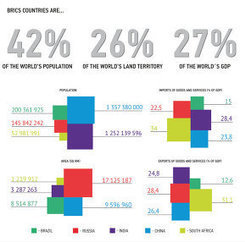
Economic Data and Trade Statistics Together, BRICS represents 26% of the planet's land mass, and is home to 46% of the world's population. Regarding economic growth, BRICs are ahead of the projections made in 2001 (South Africa not included): 18% of the world's GDP, above Goldman Sachs's forecast of 14,2%. According to statistics of the World Trade Organization (WTO), the participation of BRICS in global exports more than doubled between 2001 and 2011, from 8% to 16%. In those eleven years, their total exports have grown more than 500%, while total global exports grew 195% in the same period. Between 2002 and 2012, intra-BRICS trade increased 922%, from US$ 27 to 276 billion, while between 2010-2012, BRICS´ international trade rose 29%, from US$ 4.7 to 6.1 trillion dollars. Information on foreign trade.
Information about BRICS
The acronym "BRICs" was initially formulated in 2001 by economist Jim O'Neill, of Goldman Sachs, in a report on growth prospects for the economies of Brazil, Russia, India and China – which together represented a significant share of the world's production and population.
In 2006, the four countries initiated a regular informal diplomatic coordination, with annual meetings of Foreign Ministers at the margins of the General Debate of the UN General Assembly (UNGA). This successful interaction led to the decision that the dialogue was to be carried out at the level of Heads of State and Government in annual Summits. As of the First Summit, held in Yekaterinburg in 2009, the depth and scope of the dialogue among the Members of BRICs – which became BRICS in 2011 with the inclusion of South Africa – was further enhanced. More than an acronym that identified countries emerging in the international economic order, BRICS became a new and promising political-diplomatic entity, far beyond the original concept tailored for the financial markets.
After the Yekaterinburg Summit, five annual Summits were held (Brasilia, 2010; Sanya, 2011; New Delhi, 2012; Durban, 2013; and Fortaleza, 2014). The leaders of the member countries have been holding at least one annual meeting. In Durban last year, the first cycle of Summits was completed, each member country having hosted a meeting of leaders. In this period, BRICS has evolved in an incremental manner, in areas of consensus amongst its members, strengthening its two main pillars: (i) coordination in multilateral fora, with a focus on economic and political governance; and (ii) cooperation between members.
Regarding the first pillar, the efforts towards reforming the structures of global governance, especially in the economic and financial fields – Financial G-20, International Monetary Fund, World Bank – receive a special emphasis, as well the reform of political institutions, such as the United Nations.
Intra-BRICS cooperation has also been gaining density: a broad agenda has been developed, comprising areas such as finance, agriculture, economy and trade, combating transnational crime, science and technology, health, education, corporate and academic dialogue and security, among others.
In that context, the financial sector receives a special focus as a new front of cooperation. At its 6th Summit, the BRICS established the New Development Bank, aimed at financing infrastructure and sustainable development projects in the BRICS and other developing countries. The new institution will count initially with a subscribed capital of US$ 50 billion.
Likewise, the BRICS also concluded the agreement that creates the Contingent Reserves Arrangement (CRA), a fund with an initial sum of US$ 100 billion, which the BRICS countries will be able to use to forestall short-term liquidity pressures. One of the objectives of the CRA is to contribute to international financial stability, by providing an additional line of defense to the BRICS.
The establishment of the Bank and the CRA conveyed a strong message on the willingness of BRICS members to deepen and consolidate their partnership in the economic-financial area.
The Fortaleza Summit launched a new cycle for the BRICS. Brazil will follow up on the initiative, aiming at incrementally increasing existing cooperation. The meeting's particular focus on social inclusion and sustainable development gave visibility to policies implemented by member countries, and to the contribution of the BRICS' economic growth to poverty reduction. The theme "inclusive growth, sustainable solutions" is not only in line with the member countries' social policies, but also highlights the need to tackle challenges in the social, economic and environmental fields, and creates new opportunities for the BRICS in different areas, including the negotiations on the post-2015 development agenda.
For Brazil, BRICS has a special significance: it comprises four of the country's strategic partners, all of which have a strong regional leadership and growing participation in the global economy. Brazil is now in charge of the group's presidency, and will lead the implementation of the Plan of Action to be approved on the occasion. In view of BRICS' informal nature, the role of Secretariat is played by its pro tempore presidency. BRICS is cautiously and incrementally being consolidated, gradually moving forward the institution-building process.
Speeches December 4, 2013 Summary of the Keynote address by Minister Lechesa Tsenoli, Minister of Cooperative Governance and Traditional Affairs (COGTA), Durban, KwaZulu-Natal, South Africa at the Joint Opening Plenary: 2nd Urbanisation Forum and 3rd Friendship Cities and Local Government Cooperation Forum, 27 November 2013November 7, 2013 Address by the Minister of International Relations and Cooperation, Ms Maite Nkoana-Mashabane, on the occasion of the BRICS-National Youth Consultative Forum hosted by the Department of International Relations and Cooperation, O.R. Tambo Building, Friday, 01 November 2013- Opening Remarks by the Acting Director General of the Department of International Relations and Cooperation (DIRCO), Adv Yolisa Maya, on the occasion of the BRICS-National Youth Consultative Forum, DIRCO, 01 November 2013
September 12, 2013 Statement by the Deputy Minister of International Relations and Cooperation, Mr Ebrahim Ebrahim, on international developments, 06 September 2013, OR Tambo BuildingApril 4, 2013 Media Statement by the Minister of International Relations and Cooperation, Ms Maite Nkoana-Mashabane, on international relations matters; Thursday, 04 April 2013, DIRCOMarch 28, 2013 Speaking notes for President Jacob Zuma on the occasion of the BRICS breakfast and establishment of the BRICS Business Council, Durban- Plenary session statement by the Honourable President of The Republic of South Africa, His Excellency Jacob Zuma
- Toast Remarks by President JG Zuma at the Gala Dinner in Honour of BRICS Heads of State and Government
March 27, 2013 Plenery Session Statement by the Honourable President of the Republic of South Africa, His Excellency Jacob Zuma- Toast remarks by President JG Zuma at the Gala Dinner in honour of BRICS Heads of State and Government
The BRICS Leaders-Africa Dialogue Forum (Retreat)
President Jacob Zuma hosted the BRICS Leaders-Africa Dialogue Forum on the margins of the Fifth BRICS Summit in Durban on 27 March 2013. The Retreat was held under the theme, “Unlocking Africa’s potential: BRICS and Africa Cooperation on Infrastructure”.
Invited participants included amongst others: the BRICS Heads of State and Government, the Chairperson of the African Union (AU), the Chairperson of the AU Commission, African Leaders representing the eight Regional Economic Communities (RECs), as well as the New Partnership for Africa’s Development (NEPAD Presidential Infrastructure Championing Initiative (PICI).
The overall objective of the Retreat was to offer an opportunity for BRICS and African Leaders to engage on measures to strengthen cooperation between the BRICS countries and the African continent to unlock its potential and promote regional integration through infrastructure development and industrialisation.
The BRICS leaders have undertaken to take their cooperation forward to support Africa’s efforts to accelerate the diversification and modernisation of its economies, through infrastructure development, knowledge exchange and support for increased access to technology, enhanced capacity-building and investment in human capital, within the framework of the AU and NEPAD.
It is clear that BRICS support for the AU and NEPAD is undiminished from the Sanya Summit, through New Delhi, to Durban. This support was enhanced and energised at the Retreat. A path has been forged to further strengthen collaboration between the BRICS countries and the AUC; the NEPAD Planning and Coordinating Agency (NPCA) and the RECs in support of the implementation of projects under the Programme for Infrastructure Development in Africa (PIDA); and the AU/NEPAD PICI and the Regional Infrastructure Development Master Plans.
It is expected that relations between the BRIC countries and African countries and institutions will move from strength to strength, with enhanced cooperation in various priority fields, and the building of a strategic partnership in a concrete manner. In this regard, South Africa will keep the African side informed of developments regarding BRICS and Africa cooperation through the AU Assembly, including proposals in response to the African appeal that such exchanges should be on-going to fully realise the potential of the partnership.
Ministerial Declaration on the Sideline of the 8th world trade organisation (WTO) Ministerial Conference
BRICS TRADE MINISTERS
14.12.2011
We, the Ministers of Brazil, China, India, Russia, and South Africa, have met on 14 December 2011 in Geneva, before the 8th World Trade Organization (WTO) Ministerial Conference.
Following up on our previous meeting held in Sanya, China, on 13 April 2011, we are pleased with the recent establishment of a contact group entrusted with the task of proposing an institutional framework and concrete measures to expand economic cooperation both among BRICS countries and between BRICS countries and all developing countries, within a South-South perspective. We notice that the contact group met for the first time on December 2nd, 2011, in Beijing, China, to further its work.
We also note that India would be hosting the Fourth BRICS Summit in New Delhi on 29 March 2012 and the first substantive meeting of the BRICS trade ministers would also take place on 28 March 2012. This would provide a good opportunity to review the outcomes of the MC8 and to devise a common approach on the way ahead.
We recognise the huge growth potential both in trade flows among developing countries and in cooperation in investments in the coming decades. We believe that the BRICS countries should play a leading role in South-South cooperation. We are accordingly committed to further expanding economic, trade and investment ties among our countries. Deepened and enlarged economic cooperation of the BRICS countries may be conducive not only to serving our shared interests but also to helping promote growth in the global economy. We agree that steps to strengthening economic and trade cooperation among our countries should be taken in an incremental, proactive, and pragmatic manner. We further recall that, in Sanya, we highlighted our commitment to the WTO trade regime and to the Doha Development Agenda (DDA).
In this context, the WTO BRICS countries congratulate Russia, the largest economy outside the multilateral trading system, on the successful conclusion of the accession process to the WTO, and look forward to the forthcoming Ministerial Conference to formally endorse Russia as a new member. This will be a crucial step in making the WTO even more representative and legitimate, further strengthening the multilateral trading system.
We express satisfaction at the completion of the accession processes of three other new WTO members: Montenegro, Samoa, and Vanuatu. We also welcome the approval of a new set of guidelines for the accession of the Least Developed Countries that will contribute to our shared goal of reaching universality in WTO membership.
In this process of buttressing the multilateral trade system, we underscore the pressing need to further develop its rules and structure to address in particular the concerns and interests of developing countries. The WTO must maintain its central role in monitoring the implementation of the multilateral trade disciplines and commitments, including in the key area of dispute settlement. It also serves as a forum for discussion of trade related matters that all members agree to be relevant and pertinent. The negotiating functions of the Organisation must also be preserved and energised.
We attach great importance to the role of the WTO in keeping protectionist forces at bay. Under the present global economic conditions, international trade plays an even more critical role in stimulating economic growth and development. We are in full agreement that all forms of protectionism must be resisted. At the same time, we underscore the need for developing countries to retain and use, when necessary, any existing WTO-consistent policy space. We also underline that trade distorting subsidies granted by developed economies, particularly in agriculture, are one of the most harmful forms of protectionism. These subsidies generate food insecurity and deny the development potential of this key sector in countries that already face formidable challenges to participate in global trade flows.
We are particularly concerned with the existing impasse in the Doha Development Round. Despite these circumstances, we will remain fully engaged in negotiations with a view to concluding the single undertaking within the shortest possible timeframe. We emphasise that negotiations on any component of the DDA must be based on the mandates multilaterally agreed since the launching of the Round in 2001 and on the delicate balance of trade-offs achieved over the last 10 years, which are also reflected in the draft modalities texts of December 2008. We remain willing to conclude the Round on the basis of those draft modalities.
We agree that the DDA negotiating stalemate should not discourage members from seeking results in specific areas where they agree that progress is possible. We will instruct our negotiators to engage effectively and constructively whenever such agreement exists. These efforts must not lose sight, however, of the centrality of development in the Doha mandate. Any early outcomes must deliver first on elements of interest to the poorest among the membership. Issues of interest to the developing and the least developing countries must be at the forefront, without linkages to other areas. The full implementation of the Hong Kong Ministerial Declaration regarding the duty-free-quota-free initiative, as well as topics like cotton and agriculture, must be given priority and constitute an integral part of any early agreements. These efforts must be wholly consistent with the existing mandates and observe the principles of transparency and inclusiveness. In this context, we will not encourage or support plurilateral approaches, or any other negotiating modality that may compromise or weaken the multilateral nature of the negotiations.
We welcome measures taken by our agencies of technical cooperation in areas which are especially relevant to African countries. They complement initiatives undertaken by the WTO and other relevant international organizations. We underline the need to keep pursuing and enhancing aid-for-trade initiatives that benefit our trading partners. The cooperation with the Cotton-4 economies is a landmark in this field and we commit to maintain and intensify it.
The Minister of the Russian Federation recalls that her country is expected to start implementing its commitments in the WTO as of mid-2012. She affirms that, with full WTO membership attained, Russia is going to participate in a constructive and active manner in the DDA negotiations in view of the crucial role that a balanced DDA outcome would have in the strengthening and development of the world trade system.
BRICS Agricultural Action
ACTION PLAN 2012-2016 FOR AGRICULTURAL COOPERATION OF BRICS COUNTRIES
Ministers of Agriculture and Agrarian Development of the BRIC countries met for the first time in Moscow on March 26th 2010 and reached consensus on the following actions for agricultural cooperation under this mechanism: firstly, creation of agricultural information base system; secondly, development of a general strategy for ensuring access to food for the most vulnerable population; thirdly, reduction of negative impact of climate change on food security and adaptation of agriculture to climate change; and fourthly, enhance agricultural technology cooperation and innovation.
To implement the consensus reached at the First Meeting of BRIC Ministers of Agriculture and Agrarian Development, the First Meeting of BRICS Agricultural Cooperation Working Group was held in Beijing, China in August 2011. The meeting unanimously agreed to formulate the present Action Plan on Agricultural Cooperation of the BRICS countries for the period of 2012-2016, approved at the Second Meeting of BRICS Ministers of Agriculture and Agrarian Development. Furthermore, the countries will establish an annual calendar of activities which will take into consideration the principles adopted at the Action Plan.
BRICS countries shall share/arrange/mobilize financial resources to cover the cost of all the cooperation activities below.
I. Creation of basic agricultural information exchange system of BRICS countries (coordinated by China in collaboration with other four countries)
1) Each member country shall make commitment to exchange basic agricultural information on a regular basis;
2) Each member country shall designate an information officer to be responsible for the collection and compilation of the basic agricultural information and its translation into English and disseminate it to other member countries through the focal point of the BRICS Agricultural Cooperation Working Group;
3) Information exchange shall mainly be carried out by way of internet in the form of e-mail, instant messaging, and video conferencing, etc;
4) Information to be exchanged shall include:
a) Agricultural development policies, including agricultural price support policies, rural finance and insurance policies and agricultural management systems;
b) Agricultural trade data and policies;
c) Market prices of major agricultural products;
d) Dynamic information, such as the latest development in agricultural science and technology; and
e) Legislation, policies and management strategies related to fisheries and aquaculture;
5) To create a mechanism of exchange of information on challenges and risk assessment, to assess, in the annual meeting of ACWG, challenges and risks faced by BRICS countries in agriculture and their implication upon global agricultural development;
6) To work out coordination mechanism on Action Plan implementation and agree to prepare regular national reports;
7) The information base should be linked to AMIS created under the G20 in order not to duplicate;
8) Information to be exchanged could be adjusted from time to time on an agreed basis according to needs of all member countries;
9) Information submitted by all members shall only be shared among ministries of agriculture of the BRICS countries;
10) A mechanism for the exchange of information related to agricultural production, consumption and population growth shall be established and discussion and exchange on common issues to agricultural development of the BRICS countries shall be conducted.
II. Development of a general strategy for ensuring access to food for the most vulnerable population (coordinated by Brazil in collaboration with other four countries)
1) To hold seminars to exchange policies and experience of the members in ensuring food security of the most vulnerable populations;
2) Strengthen technological and industrial cooperation on livestock, fisheries, especially in the field of seawater and freshwater aquaculture, to enhance the contribution of fisheries to ensuring national food security;
3) Capacity building and human resource development strategy to ensure food access for the most vulnerable population”;
4) Hold a seminar “Modernization of feeding systems for the most vulnerable population” with focus on national system of food and nutrition security and public food procurement from smallholder farmers;
5) Hold a seminar on sustainable intensification of agricultural production and productivity of smallholder farmers;
6) Creation of a BRICS group in FAO, which would act also within the United Nations World Food Program in order to coordinate initiatives to promote food security, projects in the area of food security and school meals, as well as incentivizing mechanisms for purchasing local food of family agriculture.
III. Reduction of negative impact of climate change on food security and adaptation of agriculture to climate change (coordinated by South Africa in collaboration with other four countries)
1) Jointly conduct R&D on agricultural greenhouse gas emission measurement and climate resilient high-yield agricultural production. Priority shall be given to technology and methodology of agricultural greenhouse gas measurement, integrated farming systems cultivation of new climate resilient high-yielding crop varieties, R&D on managerial technologies for climate resilient high-yield crop and animal production, and technical development for climate resilient high-yield agricultural production. These activities are to be conducted in principle for R&D purposes only;
2) Hold seminars to exchange views on conservation farming, water-saving agriculture, agronomic improvement, agricultural insurance and other technical or policy measures to cope with climate change and promote sustainable agricultural development;
3) Jointly carry out consultation and cooperation on adaptation to climate change in the field of agriculture and share technologies and information related to alternate sources of food, fodder, fiber and energy in climate change prone dry regions;
4) To harmonize activities in using updated technologies for environment protection and monitoring of negative impact of climate;
5) China plans to sponsor an agriculture seminar in 2012 under the theme of the impact of climate change on agricultural production and response measures; South Africa will be hosting COP 17 and Brazil the Rio plus 20 in 2012.
IV. Enhance agricultural technology cooperation and innovation (coordinated by India in collaboration with other four countries)
1) Establish a strategic cooperation alliance on agricultural science and technology among the BRICS countries, and hold an agricultural technological cooperation forum alternately in the five countries every other year, so as to strength dialogues and exchanges, jointly analyze major challenges in the world agricultural technologies, and discuss how to share scientific and technological resources, promote agricultural technological development and improve the efficiency of scientific research in the BRICS countries;
2) Hold a “conference on agricultural and fishery cooperation among the BRICS countries” alternately in the five countries every other year to exchange views on agriculture, fisheries and aquaculture development trend and research priorities, and discuss the cooperation on management, research and industry in the fields of agriculture, fisheries and aquaculture among the five countries;
3) Strengthen cooperation in resources and environment as well as development of biomass energy, crop residue recycling and conduct discussion and exchange on agricultural development and energy exploitation, and protection of resources and environment;
4) Conduct collaborative research on low-carbon fishery technologies, including technological development and collaborative research of energy saving and emission reduction of fishing vessels, carbon sink function of aquaculture and artificial wetland, and recycling aquaculture system;
5) To promote setting up shared views concerning strategic objectives that are desired to be reached by 2016;
6) To create an Innovation Projects Store;
7) To promote cooperation on technologies with the aim of strengthening traditional forms of production for the maintenance of biodiversity;
8) Conduct dialogue and share research on food dietary regimes with the aim of widening food production diversity;
9) To promote cooperation on TEEB (The Economy of Ecosystems and Biodiversity) in order to strengthen environmental conservation in agriculture;
10) To cooperate on sustainable use of water and fertilizers;
11) To hold seminars on policy on adoption of frontier sciences of biotechnology;
12) To exchange germplasm resources (genetic resources) (subject to national laws), conduct study on the breeding of hybrid rice, hybrid maize, wheat, pulses, oil seeds, horticulture and other crops and demonstrate and promote conservation farming, soil improvement technology, balanced fertilization, new fertilizer sources and other yield-promoting technologies to increase the unit yield and improve quality of crops.
V. Trade and investment promotion (coordinated by Russia in collaboration with other four countries)
1) Trade and investment cooperation shall be promoted. The BRICS member countries shall make commitment to promote trade and investment cooperation between agricultural enterprises by organizing exhibitions, trade and investment forums, or other events, and encourage and assist enterprises of respective countries to participate in the economic and trade promotion activities held by the BRICS member countries;
2) To promote market infrastructure by designing and developing supporting facilities;
3) To explore the possibilities of increasing the value of agricultural trade and investment.
Chengdu, China, October 30, 2011
1. In the spirit of the “Sanya Declaration” of the Third BRICS Leaders Meeting, we, the Ministers of Agriculture and Agrarian Development of the Federative Republic of Brazil, the Russian Federation, the Republic of India, the People’s Republic of China and the Republic of South Africa met in Chengdu of China for the Second Meeting of BRICS Ministers of Agriculture and Agrarian Development on October 30, 2011. Having adopted the theme of “Making Joint Efforts for World Food Security”, the Meeting pointed out direction of cooperation through in-depth discussion on issues of common interests and concerns.
2. BRICS countries have actively implemented the Moscow Declaration signed at the First Meeting of BRIC Ministers of Agriculture and Agrarian Development in 2010, conducted pragmatic cooperation, and adopted tangible measures to boost domestic agricultural productivity, which has played a positive role in promoting food security and maintaining economic stability. BRICS countries have become an important force to deal with financial crisis and promote global economic recovery.
3. BRICS countries represent 43% of world population and 18% of global trade, commanding significant global influence. We are committed to enhancing the coordination and communication with international and regional organizations, including G20, FAO, WFP, OIE, CGIAR, etc, with the goal of concerted views of the international community on food security, climate change, environmental protection, trade promotion and other hot topics in the field of global food and agriculture, and continuing to make joint efforts for world food security.
4. Agriculture is a strategic sector with a close bearing on social stability. As emerging economies, we fully understand the concerns of African countries over food security, and sympathize with their afflictions in this respect, particularly the sufferings of the Horn of Africa from the most serious draught and food deficit in the past 6 decades. We actively support the global endeavor to combat hunger, and call on the international community to make all efforts to further enhance aid, and support the United Nations in playing a coordinating role in preventing further deterioration of the crisis, especially through the FAO’s Committee on World Food Security (CSF). Meanwhile, we are committed to making best efforts to help African countries improve their food production capacity so as to enhance food security, particularly among smallholder farmers, through technical cooperation, policy dialogue, agricultural technology demonstration and transfer, personnel training, agricultural infrastructure construction and food aid, among others.
5. We reiterate that the cooperation between BRICS countries is inclusive by nature. We will actively enhance the coordination and cooperation with other countries in the field of agriculture jointly striving for the reduction of poverty-stricken population with a view to realizing the UN MDGs and promoting world stability, prosperity and development.
6. We focused our discussion on priority areas of future agricultural cooperation and effective ways to assist other developing countries to achieve food security. We hold the view that, despite differences among BRICS countries and varied characteristics of our agricultural sectors, there are complementarities among us. Therefore, the enhancement of agricultural cooperation among BRICS countries is of great significance for ensuring global food security and sustainable agricultural development, eradicating poverty and achieving the UN MDGs.
7. In recent years, the international market of agricultural products has been mainly affected by natural disasters, use of food for production of biofuel, speculations and price transmission. As a result, the price of agricultural products fluctuated violently at a high level. The tight supply-demand relation has posed grave threats to food security and social stability of some developing countries, especially the low-income, food-deficit countries. We reiterate our commitment to carry out closer cooperation on food security within BRICS, and will further explore ways to provide more accurate long-term market forecast for food producers and purchasers to reduce excessive speculative activities. We also call for developed countries to phase out trade-distorting subsidies and barriers.
8. We believe that stable and robust agricultural development of the BRICS countries is of great significance to world food security. We are committed to developing agriculture actively, strengthening coordination and cooperation, as well as helping other developing countries to improve food productivity while ensuring domestic food security and generation of income and jobs in rural areas, paying particular attention to smallholder farmers, women and youth, so as to make joint efforts to improve world food security.
9. We reiterate that we will strengthen capacity building for food security and, in particular, improve food access for the most vulnerable population. Therefore, we are committed to increasing comprehensive food productivity of farmers including smallholders by relying on scientific research and technology transfer, creating favorable environment for investment and sustainable utilization of agricultural resources, and promoting agricultural products trade to improve food access.
10. As an important source of energy for human beings, bio-energy is environment-friendly and renewable in nature. We agree to develop bio-energy while ensuring food security by giving consideration to the factors of energy demand, environmental protection and sustainable development. We take note of FAO’s analytical framework of Bioenergy and Food Security (BEFS), as one of the instruments that may play a role in assisting the development of national bio-energy policy compatible with the national strategies of poverty reduction, rural development, local energy and food security. We acknowledge the importance of R&D on advanced new processes for the production of bio-fuels and the use of new, non-food and other plant raw materials for bio-fuel production as well as energy efficiency.
11. Sustainable agriculture reduces the chemical input by using renewable resources and it protects resources, improves environment and enhances food production and quality while promoting development. We will advance sustainable agriculture in an effort to achieve the sustainable use of natural resources, land, water resources, and bio-diversity in particular.
12. Climate change is exerting increasing impact on eco-system, agriculture, water resource, social and economic development, as well as people’s livelihood. We share common concerns over the negative impact of climate change on agriculture, in particular, over the damage to agricultural production by extreme weather events. We note that agriculture faces triple challenges simultaneously in achieving food security, adapting to climate change and reducing greenhouse gas emission, which requires a sustainable way to promote resources utilization efficiency, improve productivity and enhance adaptability of agricultural systems, especially for small-holder farmers. Therefore, we should cooperate in research, development and application of technologies that can adapt to climate change while increasing agricultural production.
13. We recognize the significance and role of bio-mass energy for socio-economic development in rural areas and mitigation of effects of climate change globally. We, therefore, will unleash each others’ advantages and strengthen cooperation in utilization of waste to develop bio-mass energy, e.g., biogas, so as to promote a virtuous ecological cycle, alleviate the damage to forest, reduce soil erosion, improve soil fertility through proper use of fertilizer and preserve bio-diversity.
14. We reiterate that the international community should promptly establish effective technology transfer and dissemination mechanism, facilitate technology sharing, and ensure that the developing countries can afford environment friendly technologies in accordance with principle of common but differentiated responsibilities. We emphasize climate change should be addressed under the framework of sustainable agricultural development.
15. As big agricultural countries, all BRICS countries enjoy a long history and abundant achievements in traditional agricultural techniques. The application of advanced agricultural technologies exemplified by the “green revolution” has substantially driven up food production and led to profound changes in agricultural sector across the world. With the increasingly complicated international agricultural and food situations and climate changes nowadays, it requires the application of modern agricultural technologies to ensure food security across the world. We undertake to intensify the exchange and cooperation in areas including advanced technologies, equipments and technical human resources with social inclusion, to improve the overall agricultural technology capacity of countries.
16. We undertake to learn and introduce advanced technologies from each other and work jointly for agricultural technology innovations. We will intensify our efforts in developing high-quality, high-yield and stress-resistant crops, boost water-saving, farmland protection and clean production, and promote environment-friendly and resource-saving agriculture, stressing the importance of both modern and traditional agriculture for sustainability.
17. We fully recognize the significant role of biotechnology in bolstering sustainable agriculture and food processing industry. When properly combined with other technologies and the traditional knowledge in food and agricultural production, biotechnology can greatly contribute to meeting the demand of the ever growing and urbanized population. Therefore, we shall strengthen exchange and cooperation in the biotechnology sector.
18. We agree to carry out agricultural human resources exchanges in a variety of forms, including establishing research and development centers and joint laboratories, creating cooperation platforms, implementing joint research projects, organizing exchange visits and adopting joint post-graduate programs, through which strengths of every member in agricultural research will be put into best use to facilitate technical exchange and develop human resources that excel in modern agricultural technologies, contributing to technology advances and agricultural development across the world.
19. To strengthen our dialogue and exchange in key areas of agricultural research and technologies, we agree to establish the “BRICS Strategic Alliance for Agricultural Research and Technology Cooperation”, which will pool our efforts in addressing major challenges faced by the world in agricultural technologies. The Alliance will receive guidance and support from the agricultural ministries of the countries.
20. Driven by the growing population, excessive volatility of food prices in short terms and climate change, among other factors, food security will demonstrate an increasingly complex picture. We recognize that the sharing of timely and accurate data on agricultural products supply and demand as well as on population growth is an effective approach to addressing food price volatility and mitigating global food security problems. We encourage the sharing of information concerning common problems faced by BRICS countries in agricultural development; the establishment of information sharing mechanism to exchange basic agricultural data on a regular basis; the construction of an agricultural information and digital agriculture platform; and the gradual enrichment and improvement of the food security information system based on transparent principles.
21. We agree to share information on, inter alia, price and output of agricultural products, and constantly improve the reliability, accuracy, timeliness and comparability of the data on production and consumption of agricultural products.
22. We are deeply convinced that cooperation in agricultural trade and investment serves as a vital channel for win-win outcome and common development. We undertake to boost business investment and trade cooperation by means of, inter alia, exhibition and forum on trade and investment, encourage and support the participation of enterprises in economic and trade promotion events organized by BRICS countries.
23. We are of the view that regulated cooperation can improve not only efficiency but also effectiveness. Therefore, we approved the Working Procedures for Agricultural Cooperation Working Group of BRICS Countries to establish a regulated agricultural cooperation mechanism.
24. For a closer BRICS agricultural cooperation with more clearly defined targets and higher effectiveness, we adopted the Action Plan 2012-2016 for Agricultural Cooperation of BRICS Countries, which identified five priority areas and direction of cooperation Each area will be coordinated by one country respectively.
25. The Federative Republic of Brazil, the Russian Federation, the People’s Republic of China, the Republic of South Africa gratefully support the Republic of India to host the next meeting of the BRICS Ministers of Agriculture and Agrarian Development.
26. All parties celebrated the success of the 2nd Meeting of the BRICS Ministers of Agriculture and Agrarian Development, and the other four parties expressed gratitude to China and highly appreciated its efforts for hosting this meeting.
|
Russia and BRICSConcept of the Russian Federation’s Presidency in BRICS in 2015-2016 About the informal group of states BRICS Previous BRICS summits Ufa – host city of the BRICS and SCO summits About BRICS countries BRICS in numbers Official logos of Russia’s BRICS Presidency and the upcoming Summit
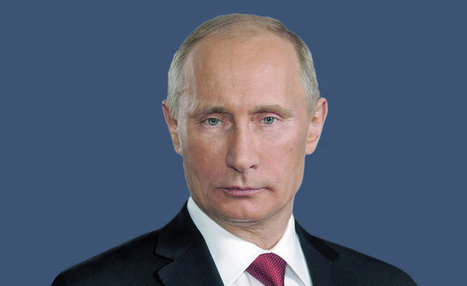
Friends,
Russia is now taking the relay in presiding over the BRICS group, which unites five of the world's largest and most influential countries that are home to nearly half of our planet's population and produce around 30 percent of global GDP. The BRICS group is still young as an organisation, but has already proven its effectiveness. Brazil, Russia, India, China, and South Africa are coordinating their policies on key international issues ever more closely, and are playing an active part in shaping a multipolar world order and developing modern models for the world's financial and trading systems.
The upcoming BRICS Summit in Ufa on 8-9 July coincides with two very symbolic anniversary dates: the 70th anniversary of Victory in the Great Patriotic War and 70 years since the end of World War II. Aware of the past's tragic lessons, the BRICS countries consistently support peaceful settlement of international conflicts and condemn any attempts to use force and pressure or intervene in sovereign countries' internal affairs. Russia's Presidency will focus on putting the BRICS group's possibilities for strengthening global security and stability to most effective use.
At the same time, Russia will also give priority attention to financial and economic cooperation within the BRICS group. In particular, we support the adoption of the BRICS countries' Strategic Economic Partnership and will facilitate the launch of the New Development Bank and the Contingent Reserve Arrangement. Of course, we will also take steps to expand cooperation in the energy sector, mining industry, and in information and communication technology.
We will continue developing humanitarian contacts in education, culture, science and healthcare. During Russia's Presidency, the BRICS Youth Summit and the Global University Summit will take place and we will establish the BRICS Network University. We will examine opportunities for developing inter-parliamentary dialogue, through which lawmakers could take direct part in resolving the tasks before the BRICS group.
The BRICS countries are establishing a joint internet site and a virtual secretariat to inform the public about the group's work.
Overall, Russia's Presidency is committed to taking the BRICS partnership to a new, higher level. I am sure that this is in the interests not only of people in the BRICS countries but all around the world.
Vladimir Putin
Meetings of the Ministers of Foreign Affairs Meeting of the Ministers of Foreign Affairs of the BRICs - Yecaterinburg, May 16, 2008 - Joint Communiqué Meeting of the Ministers of Foreign Affairs of the BRICS on the Sidelines of the Nuclear Security Summit in the Hague, March 24, 2014 - Media Note (issued by South Africa) Press Communiqués of BRICS Foreign Affairs Ministers' Meetings on the sidelines of the United Nations General Assembly New York, September 24, 2009 - Media Note (issued by Brazil) New York, September 22, 2010 - Press Release (issued by Russia) New York, September 23, 2011 - Press Release (issued by Russia) New York, September 26, 2012 - Communiqué New York, September 26, 2013 - Communiqué New York, September 25, 2014 - Communiqué
Recent developments: V Summit (Durban, South Africa, 27 March 2013) Having hosted the latest BRICS Summit, and as pro tempore Chair of the mechanism, South Africa was in charge of coordinating the implementation of the eThekwini Plan of Action. The Durban Summit brought important results, among them: - the agreement to establish a New Development Bank, based on the assessment made by the Ministers of Finance, and approved by the leaders, that the creation of the new institution is feasible and viable (paragraph 9 of the Durban Declaration);
- the understanding that the creation of the Contingent Reserves Arrangement is feasible and desirable, and will contribute to strengthening the global financial safety net, complementing the existing international agreements as an additional line of defense (paragraph 10 of the Durban Declaration);
- the conclusion between National Development Banks of the BRICS, of the multilateral agreements "on cooperation and co-financing for sustainable development” and "on infrastructure co-financing for Africa” (paragraph 12 of the Durban Declaration).
- the establishment of the BRICS Business Council and of the Think Tanks Council.
oordination among Foreign MinistersBRICs/BRICS meetings of Foreign Ministers have been regularly held alongside the UNGA. The first informal meeting took place in 2006. The first formal meeting of Foreign Ministers was held in 2008, in Yekaterinburg. On the occasion, the Ministers issued a Joint Communiqué highlighting the support of China and Russia to the aspirations of Brazil and India to play a more significant role in the United Nations, and reaffirming the need for a broad reform of that organization. Coordination between BRICS members on regional crises takes place in the context of both the annual meetings alongside the UNGA and the preparation of the leaders´ declarations. During the first cycle of Summits, the number of topics with common BRICS positions has gradually increased. The latest meeting of Foreign Ministers alongside the UNGA was held in September 2014.
Main areas and topics of dialogue between the BRICS
Beyond the Summits and meetings of Foreign Ministers, dialogue within BRICS encompasses several instances, including Ministers and senior government officials, businessmen and academics.
Finance and Central Banks
The BRICS Finance Ministers met for the first time in November 2008 in São Paulo, in response to the global economic and financial crisis, following a recommendation made by Brazil at the Yekaterinburg meeting of Foreign Ministers.
A month before the meeting of São Paulo, the collapse of Lehman Brothers had triggered the crisis, which led to the convening of the first of a series of meetings of the G-20 Heads of State and Government. In that context, the BRICS countries would deepen their cooperation on the international economic agenda.
Since then, the Finance Ministers of BRICS meet regularly at the margins of the G- 20 meetings and of the biannual IMF and World Bank meetings, as well as at the margins of BRICS Summits, together with the Governors of Central Banks.
Trade
The Trade Ministers of the BRICS traditionally meet on the eve of the Summits. They also meet at the margins of WTO Ministerial meetings.
The Contact Group for Economic and Trade Issues (CGETI), which reports to the Ministers of Trade, is responsible for proposing institutional framework and concrete measures to expand cooperation on economic and trade issues amongst the BRICS.
Business Forum and Council
Since 2010, on Brazil´s initiative, the BRICS Business Forum meets on the eve of the Summits, aiming at expanding and diversifying trade and mutual investments, including through the identification of new business opportunities. It is the Brazilian intention to include in the Forum the areas of small and medium enterprises and tourism.
In 2013, the BRICS Business Council was established, with a view to making recommendations on issues of trade and investment, among others related to the business environment. The Council consists of five CEOs of companies of each country. The Brazilian representatives are Vale, Weg, Gerdau, Banco do Brasil and Marcopolo (head of the Brazilian chapter). Members of the Council shall submit their recommendations to the leaders at the BRICS Summit.
Financial Forum
Cooperation between BRICS National Development Banks began in 2010, during the Second Summit (Brasilia, 2010). Since then, the Presidents of the National Bank for Economic and Social Development (BNDES), the Vnesheconombank, the Export-Import Bank of India, the China Development Bank Corporation and the Development Bank of Southern Africa have met in parallel with the BRICS Summits. Such meetings are called the BRICS Financial Forum. So far, the BRICS Development Banks have signed eight agreements on financial cooperation.
Academic Forum and Think Tanks Council
Since 2010, the Academic Forum of the BRICS meets annually, prior to the Summits, with the participation of a large number of distinguished professors from the five countries. It constitutes an important instance of civil society participation in the BRICS process. The meetings have provided original brainstorming from the member countries on the challenges and opportunities that they face.
The BRICS Think Tanks Council, established in 2013, consists of the following institutions: Institute of Applied Economic Research (Brazil); National Committee for BRICS Research (Russia); Observer Research Foundation (India) ; China Center for Contemporary World Studies (China) ; and Human Sciences Research Council (South Africa) . The Council is responsible for sharing and disseminating information; research, policy analysis and prospective studies; and capacity-building. Recommendations of both the Forum and the Council shall be addressed to the leaders. Both the Academic Forum and the Think Tanks Council met in Rio de Janeiro in March 2014.
Health
The BRICS Health Ministers meet regularly since 2011, including at the margins of meetings of the World Health Organization (WHO). Besides coordination on issues on the WHO agenda, the group is considering the possibility of establishing a Technological Cooperation Network. One of the goals of this initiative would be to promote the transfer of, and access to, technologies that would allow increased availability and lower prices of medicines in developing countries. Three ministerial communiqués (Beijing, New Delhi and Cape Town) mention the intention to establish the network. The BRICS Framework for the Collaboration in Strategic Health Projects was adopted in 2013.
Science and Technology
After several annual meetings of senior officials held since 2011, the BRICS Ministers of Science and Technology met for the first time in February 2014, in Kleinmond. In the next ministerial meeting, during the Brazilian pro tempore Chairmanship, a memorandum of understanding in the area is expected to be signed, aiming to establish a strategic framework for cooperation on science and technology. The memorandum will foster the promotion of partnerships with other stakeholders in the developing world, based on the experiences and complementarities of the BRICS. The areas of oceanographic and polar research, including the Antarctic continent, are particularly promising.
Security
The BRICS High Representatives Responsible for Security have been meeting since 2009. The latest meeting (Cape Town, December 2013) allowed the exchange of views on cybersecurity, counterterrorism, transportation security, and regional crises. A Working Group on Cybersecurity was established; among other objectives, it will assess developments in the field of cybersecurity in international fora and coordinate a BRICS approach in those instances.
Agriculture
The BRICS Ministers of Agriculture and Agrarian Development met for the first time in 2010, in Moscow. The following year, in Chengdu, the Action Plan 2012-2016 was approved, providing guidance to the cooperation among the five countries in the agricultural field. A Working Group of Agricultural Experts was also established, tasked with preparatory meetings prior to the Ministerial gatherings.
Statistics
Since 2010, the BRICS Joint Statistical Publication is launched annually, on the occasion of the BRICS Summit. Experts from the member countries meet regularly with a view to preparing this document. The 2014 edition of the Joint Statistical Publication was prepared by the Brazilian Institute of Geography and Statistics (IBGE) and was launched during the VI Summit.
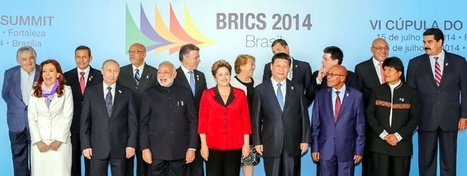
Brazil hosted, on the 14th, 15th, and 16th July 2014, the 6th Summit of Heads of State and of Government of BRICS, held in Fortaleza and Brasília. The Summit adopted the Fortaleza Declaration and Action Plan, the Agreement on the New Development Bank, the Treaty for the Establishment of a BRICS Contingent Reserve Arrangement and agreements among BRICS Development Banks and Export Credit Insurance Agencies (available here)
At its 6th Summit, the BRICS emphasized social inclusion and sustainable development. The debate was oriented by the theme "Inclusive growth: sustainable solutions". The Summit inaugurated the second cycle of BRICS. Each member country has hosted one meeting of Leaders.
The Fortaleza Summit showcased BRICS accomplishments and the discussions leading to the realization of its vast potential. Since its first Summit, in 2009, BRICS has consolidated its position as a positive force for the democratization of international relations and for the enhancement of existing institutions of international governance. It has also forged an impressive partnership carrying out cooperation initiatives in more than 30 areas between its members.
Among other topics, the Leaders discussed the Contingent Reserve Arrangement (CRA) and the New Development Bank (NBD). The CRA is an additional line of defense available to the BRICS countries in scenarios of Balance of Payments' difficulties. The NBD will finance infrastructure and sustainable development projects.
In Brasília, on the 16th, a working session was held between the Leaders of BRICS and the Heads of State and/or Government of South America. The dialogue between BRICS Leaders and their South American counterparts reflects the priority accorded to developing countries in the BRICS outreach strategy.
On the 14th, in Fortaleza, as part of the BRICS Summit, the following meetings were held: Finance Ministers and Central Bank Governors meeting, Trade Ministers meeting, Development Bank Presidents meeting, Business Forum and a session of the Business Council of the BRICS.
The Academic Forum of the BRICS was held in Rio de Janeiro, on the 18th and 19th March 2014; the meeting of the Think Tanks Council was also held in Rio de Janeiro, on the 17th March 2014.
Message from the Director-General, Ambassador J. M. Matjila
Fellow South Africans
Our achieving democracy has yielded us a nation with many wonderful opportunities throughout the world. This is borne out by the fact that so many of our people now travel abroad for a variety of reasons.
The Department of International Relations and Cooperation, through the Chief Directorate: Consular Services, as well as our Diplomatic and Consular representatives abroad provide assistance and support to our people. We will continue to carry out this obligation to the best of our ability. This will be done taking into account available resources, respecting international conventions and in line with our stated foreign policy objectives.
May I also use this opportunity to remind you to respect the laws of the countries in which you work and study and through which you travel.
During the past few years, we have assisted a growing number of our people who have become victims of crime, accidents, illness, death, natural/man-made disasters, civil unrest or whose family and or next-of-kin needed to contact them in emergency. To this end the Chief Directorate: Consular Services has developed unique software termed ROSA (Registration of South Africans Abroad) that allows both individual and group travellers to register, update their profiles and de-register their profiles on-line.
Like all consular data the information supplied to ROSA shall be treated in a confidential manner and not divulged to any outside party without the individual’s express consent.
I encourage you to register on this free, voluntary service.
Travel well!
South Africa in BRICS
SOUTH AFRICA ADDS THE FOLLOWING STRATEGIC VALUE TO BRICS:
South Africa’s comparative advantage within BRICS pertains to the country’s considerable non-energy in situ mineral wealth. In a recent report commissioned by the US-based Citigroup bank, South Africa was ranked as the world’s richest country in terms of its mineral reserves, worth an estimated US$2,5 trillion. South Africa is the world’s largest producer of platinum, chrome, vanadium and manganese, the third-largest gold-miner, and offers highly sophisticated mining-related professional services, contributing significantly to the BRICS resource pool.
South Africa is investing R300 billion (US$35,6 billion) into expanding and improving its railways, ports and fuel pipelines, as a catalyst to help unlock the world’s greatest mineral wealth. Africa will also continue to be buoyed by the exploding global demand for oil, metals, minerals, food and other natural resources. Likewise, the African continent, which is arguably one of the world’s largest unexplored resource basins, has an abundance of riches, including 10% of the world’s oil reserves, 40% of its gold ore and 95% of platinum.
The demand from BRICS countries for these commodities has been a critical source to support growth on the continent.
South Africa’s financial market development and sophistication, also as a source of exceptionally sophisticated professional services and financial expertise, is globally recognised. The World Economic Forum’s 2011/12 Global Competitiveness Index displayed a high level of confidence in South Africa’s financial market development, ranking the country in fourth place globally on this measure.
The regulation of the Johannesburg Stock Exchange was ranked number one in the world, as was the strength of South Africa’s auditing and reporting standards. Additionally, South Africa is ranked second for both the soundness of banks and the efficacy of corporate boards.
South Africa’s excellence in science, technology and innovation is also recognised, e.g. it being awarded the majority stake in hosting the Square Kilometre Array. BRICS countries supported South Africa in obtaining the majority stake.
South Africa’s export structure to BRICS member countries shows significant diversification and the negative trade balance has also narrowed over the last four years, i.e. from R57 billion in 2008 to R22,8 billion in 2011. South Africa’s export trade with the BRIC partners grew from 6,2% of the total in 2005 to 16,8% in 2011, whereas its imports from the BRIC countries represented 13,6% of total imports in 2005 and 20% in 2011. The Minister of Trade and Industry, Dr Rob Davies, has emphasised that in 2011 alone, trade between South Africa and BRICS countries grew by 29%, which is considerable.
South Africa enjoys recognition as a dedicated and committed global and regional player. South Africa’s constructive role in global governance structures as well as its position within organisations of the South, notably the African Union (AU), the Group of G77 (G77) and China and NAM is appreciated by BRICS and other like-minded partners. South Africa is also the only African country represented in the Group of 20 (G20), which has become an important institution on the reform of the financial and economic global governance architecture.
South Africa has always been at the forefront of promoting more inclusive formations and more equitable participation of notably emerging markets and developing economies in the world system and its decision-making structures. This belief stems from our core conviction that Africa has to be repositioned in the global system to assume its rightful place. South Africa, together with other African countries, initiated the dialogue with the Group of 8 (G8) in 2000, which led to the subsequent endorsement of the AU’s New Partnership for Africa’s Development (NEPAD) by the international community at large. At the last BRICS Summit, President Zuma once again strongly articulated this view, also in light of the issue of the World Bank Presidency, where Africa had put forward an exceptionally merit-based candidate.
South Africa’s own unique historic political transformation process to become a constitutional democracy is perceived as a unique contribution to the world. The country has facilitated similar processes for peace elsewhere in the world.
Minister’s Statements on the Sidelines of 1st G20 trade ministers meeting
BRICS TRADE MINISTERS’ STATEMENT PUERTO VALLARTA, MEXICO 19 APRIL 2012
Brazil, Russia, India, China and South Africa welcome the initiative taken by Mexico in hosting the first G20 Trade Ministers’ Meeting and expect it to achieve positive results, contributing to strengthening the multilateral trading system and ensuring strong, sustainable and balanced growth and development.
The BRICS countries take note of the increasing role of global value chains in trade. They note that many sectors, industries and even countries are not participating in global value chains as fully as some others. In order for global value chains to serve as instruments of growth and development, it would be important to develop a deeper understanding of their developmental impact and the conditions under which they can be used to achieve long term socio-economic gains. In addition, attention should be paid to not impose obstacles for the development and effective functioning of global value chains, for protectionist reasons. In this context, it would be useful to have a member-driven process, in the WTO, UNCTAD and other intergovernmental agencies, to examine this issue, including the identification of more accurate statistical methods to assess value addition.
The services sector plays an important role in economic growth and development. Nevertheless, experiences of many countries have shown that in order to benefit from liberalization of services and avoid unintended consequences of premature liberalization, opening services markets should be correctly sequenced, progressive and commensurate with a country’s level of development, strength in particular sectors and regulatory capacity. All countries, particularly developing ones, should be able to benefit from balanced and equitable services liberalisation, by gaining additional market access opportunities in sectors and modes of supply where they have a competitive edge.
Trade Facilitation can have a dynamic effect on competitiveness and economic integration. However, the costs of implementing trade facilitation measures can be a significant challenge for many developing countries, which have to be met through adequate financial and technical assistance. Due attention has also to be paid simultaneously to the development of export-related infrastructure, especially in LDCs, to obtain a win-win result.
Trade finance has an important role in promoting trade through access to affordable credit facilities. Trade cannot flourish without a stable international financial environment, on account of the interconnectedness of the financial markets. This calls for better and more effective regulation of financial markets and supervision of the banking system. Regulatory failures in financial markets can lead to financial crises and in turn adversely affect the availability of trade finance. Excessive liquidity in some countries impacts others as well.
Trade can create growth opportunities and trade reforms can reinforce an effective development strategy, but trade openness by itself is not sufficient to ensure growth, development and social inclusiveness. Other complementary policies are needed for this purpose such as sound macroeconomic management, efficient trade institutions, investments in human capital and infrastructure, adjustment support, and the rule of law. A level playing field, that addresses the current inequities in global trade, is also essential. In particular, trade rules and market opening should apply to all economic sectors, including agriculture, while incorporating special flexibilities and “policy space” for developing countries.
The net employment effects of increased trade may be positive if other country specific factors such as functioning of the labor and product markets, competitiveness of specific sectors and general macroeconomic framework, act in a favourable manner.
Bearing in mind the positive role that trade can play in boosting and sustaining global demand, fostering job creation and increasing the potential for growth and development, we emphasize the need to resist protectionism in all its forms and to promote international trade, while respecting the WTO consistent policy space available to developing countries to pursue their legitimate objectives of growth, development and stability. We encourage the WTO, UNCTAD and other international agencies to complement their on-going monitoring of trade and trade related measures with a deeper analysis of the impacts of these measures on trade flows.
We urge our fellow G20 Trade Ministers to strengthen coordination in promoting a concerted response to current economic uncertainties. “Win-win” trade policies will be central to global recovery. We, therefore, call upon our fellow G-20 Trade Ministers to identify ways to improve the multilateral trading system so that all economies may pursue a sustainable and “development-friendly” integration in global trade, including adjustment strategies for their industries and workforce, as well as the appropriate social and sectoral policies to respond to existing structural vulnerabilities. The conclusion of the Doha Development Round would be a significant step in this direction. The BRICS WTO members will continue their efforts for the successful conclusion of the Doha Round, based on the progress made and in keeping with its mandate, while upholding the principles of transparency, inclusiveness and multilateralism. We encourage all G20 economies to work constructively toward this end in pursuance of the collective decision taken at the 8th WTO Ministerial Conference.
In this context, we also look forward to a successful conclusion of the UNCTAD XIII in Doha which will provide a useful opportunity to highlight the central role of UNCTAD in the area of trade, development and interrelated issues. We reaffirm the need to strengthen UNCTAD’s traditional activities of consensus building, policy dialogue, research, technical cooperation and capacity building, so that it can continue to contribute effectively to its development mandate.
Beijing Declaration
BEIJING, CHINA, JULY 11, 2011
1.Consistent with the mandate of the Sanya Declaration of the BRICS Leaders Meeting, we, the Health Ministers of the Federative Republic of Brazil, the Russian Federation, the Republic of India, the People’s Republic of China and the Republic of South Africa, met in Beijing, China, for the First BRICS Health Ministers’ Meeting on 11 July 2011, to discuss and coordinate positions on issues of common interest as well as to identify areas for cooperation in public health. The BRICS Ministers of Health issued the following Declaration:
2. Public health is an essential element for social and economic development and should be reflected accordingly in national and international policies. The impact of foreign policy on health outcomes is being recognized. We call upon the United Nations General Assembly as well as other major international conferences and fora, to integrate public health into their respective agendas, in order to further promote awareness and contribute to build political consensus and generate broad, sustained and concerted action for public health.
3. The international health architecture comprises an increasing number of international agencies and organizations, each of them playing a significant role, in their respective areas, to promote public health. In this increasingly complex environment, we are determined to strengthen public health at the global level and to improve the leading and coordinating role of the World Health Organization (WHO) in international health cooperation. We acknowledge that challenges related to food security, climate change, environment, trade and other global issues have an impact on public health. We are committed to support and undertake inclusive global public health cooperation projects, including through South-South and triangular cooperation. We support greater coordination and cooperation among international health and development agencies and organizations, so as to optimize the use of resources and to integrate, in a coherent manner, global health policies.
4. In view of the financial challenges and growing demands faced by WHO in the aftermath of the economic crisis, we urge Member States, in particular developed countries, to continue to support the Organization with the required resources for the fulfillment of its mandate. In this context, we support innovative financing mechanisms for health as possible means to mobilize additional resources.
5. We also stress the need and importance of the reform of WHO. We are confident that proposed reform measures which include, among others, focusing on core business, strengthening financing, resource mobilization and strategic communication, strengthening the Organization’s role in global health governance, will lead to the improvement of the Organization’s transparency, efficiency and accountability. We welcome the decision taken by the WHO Executive Board to establish a transparent, Member State driven and inclusive reform process.
6. The strengthening of health systems and health financing in developing countries in all regions must be the central goal of the global health community. In our view, WHO has a major role to play in the promotion of access to medication, technology transfer and capacity-building with a view to bring more equity to the health sector worldwide. Success in health outcomes in one country represents success to many others.
7. Despite our diversity, the BRICS nations face a number of similar public health challenges, including inequitable access to health services and medicines, growing health costs, infectious diseases such as HIV and tuberculosis (TB), while also facing growing rates of non-communicable diseases. The major challenge facing us is how to provide health care to millions of people, in particular among the most vulnerable segments of our populations.
8. We are committed to continue to collaborate in order to advance access to public health services and goods in our own countries and deliver more cost-effective, equitable and sustainable solutions for common health challenges. We are also committed to support other countries in their efforts to promote health for all.
9. With those aims in mind, we reaffirm our commitment to promote BRICS as a forum of coordination, cooperation and consultation on relevant matters related to global public health. Therefore, we agree to institutionalize, on a permanent basis, the dialogue among Ministers of Health, as well as among Permanent Representatives in Geneva, to follow-up and implement the health related outcome of the BRICS summit.
10. In light of the theme of the meeting “Global Health- Access to Medicine”, which aims to promote innovation and access to affordable medicines, vaccines and other health technologies of assured quality, in support of reaching MDGs 4, 5, 6 and 8 and other public health challenges, we have identified the following priority areas:
I. Collaboration to strengthen health systems and overcome barriers to access to affordable, quality, efficacious, safe medical products, vaccines and other health technologies for HIV/AIDS, tuberculosis, viral hepatitis, malaria and other infectious diseases and non-communicable diseases.
II. Collaboration to explore and promote, where feasible, effective transfer of technology to strengthen innovation capacity to benefit public health in developing countries.
III. Collaboration with and support of international organizations, including WHO and UNAIDS, the Global Fund to Fight AIDS, Tuberculosis and Malaria and the GAVI alliance, to increase access to affordable, quality, efficacious and safe medicines, vaccines and other medical products that serve public health needs.
11. We agree to establish and encourage a global health agenda for universal access to affordable medicines and health commodities.
12. To accelerate progress towards universal access to HIV prevention, treatment, care and support, we encourage increased access to new and innovative antiretroviral therapies (ART). We are determined to make efforts to simplify treatment regimens, including for second and third line therapy as the incidence of resistance increases. As far as TB and malaria are concerned, we encourage increased innovation, notably in the development of additional diagnostic tools and treatment for the resistant strains of the diseases. We encourage the access to diagnosis and treatment for viral hepatitis.
13. With the increasing need for the WHO Prequalification of Medicines Programme to ensure quality of HIV, TB and malaria medicines as well as vaccines produced by BRICS countries, we call upon the WHO to facilitate prequalification process, the strengthening of national regulatory authorities and the enhancement of exportability of medical products produced in BRICS countries, especially priority vaccines and medicines for HIV/AIDS, TB and malaria.
14. We commend the Moscow Declaration of the First Global Ministerial Meeting on Healthy Lifestyle and Non-communicable Diseases, support the High-level Meeting of the UN General Assembly on Non- communicable Diseases and commit to collectively explore ways to implement the agreements to be reached by September 2011. We welcome the holding, in Rio de Janeiro, next October, of the World Conference on the Social Determinants of Health.
15. We are committed to the full implementation of agreements reached at the High Level Meeting on HIV/AIDS of the United Nations General Assembly (8-10 June, 2011).
16. We emphasize the importance and the need of technology transfer as a means to empower developing countries and enable them to establish efficient health systems. In this context, we underlined the important role of generic medicines in the realization of the right to health.
17. We acknowledge the need to establish priorities in research and development as well as cooperation among BRICS countries, including between stakeholders from the public and private sector, in order to support the transfer of technologies and innovation in a sustainable way.
18. We recall the important role the BRICS countries have played in the development of the Global Strategy and Plan of Action on Public Health, Innovation and Intellectual Property and reiterate our commitment to support the full implementation of its provisions.
19. We welcome the establishment of innovative mechanisms to promote transfer of and access to key health-related technologies where feasible to enhance the availability of affordable medicines in developing countries.
20. Aiming to ensure access to affordable, safe and effective technologies and to expand health benefits, we will foster cooperation among our countries to make available and improve health technology.
21. We are exploring new opportunities for BRICS countries to support the work of health-related international organizations and to benefit from such collaboration. We reiterate our support to UN agencies and programs in this regard, as well as our commitment to further explore bilateral technical cooperation initiatives with developing countries in partnership with WHO, UNAIDS and other UN agencies, as well as global health programs such as the Global Fund to Fight AIDS, Tuberculosis and Malaria, GAVI alliance and the UNITAID.
22. We are determined to ensure that bilateral and regional trade agreements do not undermine TRIPS flexibilities. We support the TRIPS safeguards and are committed to work together with other developing countries to preserve and promote, to the full, the provisions contained in the Doha Declaration on TRIPS and Public Health and of the Global Strategy and Plan of Action on Public Health, Innovation and Intellectual Property. We also support the full implementation of Human Rights Council Resolution 12/24 on access to medicine in the context of the right of everyone to the enjoyment of the highest attainable standard of physical and mental health. In addition, we support the development of innovative mechanisms of transfer of intellectual property rights for priority technologies, to open avenues for BRICS countries to supply these medicines to low and middle income countries.
23. We agree to establish a technical working group to discuss specific proposals, including the idea of setting up a BRICS network of technological cooperation, taking into account of a possible BRICS Health Ministers’ Meeting in September, 2011, in conjunction with the UN High Level Meeting on Non-communicable Diseases.
|