


A quiet provision buried in the One Big Beautiful Bill Act rewired how much high-income filers actually save from their itemized deductions, and most people in the 37% bracket have no idea their write-offs now cost them more than they think.

 Your new post is loading...
 Scoop.it! A quiet provision buried in the One Big Beautiful Bill Act rewired how much high-income filers actually save from their itemized deductions, and most people in the 37% bracket have no idea their write-offs now cost them more than they think. 
No comment yet.
Sign up to comment
Scoop.it!

From
nypost

Most Americans feel bad spending habits aren't to blame for their debt, a new study finds. Discover why surging everyday costs are pushing budgets into the red—and how to gain control.
Scoop.it!

Headwinds are picking up velocity in the housing market as Valley new home sales continue to drop, mortgage rates climb and prices remain flat.
Scoop.it!

Mortgage rates closed in on 7.6% Tuesday as Treasury yields continued to move higher.
Scoop.it!

Here's your daily brief with today's top real estate auction news and trending stories.
Scoop.it!
|

|
Scooped by
AZ Mountain Lake Realty
September 28, 8:50 AM
|
Scoop.it!

Mortgage giants Fannie Mae and Freddie Mac are tightening their condo financing policies at a time when the market is still weak.
|
|
Scooped by
AZ Mountain Lake Realty
September 28, 8:49 AM
|
Scoop.it!

The Reserve Bank is meeting tomorrow for the sixth time this year, and both financial markets and economists think it is almost certain that it will raise interest rates for the fourth time.
|
|
Scooped by
AZ Mountain Lake Realty
September 28, 8:47 AM
|
Scoop.it!

With mortgage rates peaking at 7.49%, inventory rose to 895,398, new listings were 66,907, and price cuts reached 42.50%.
|
|
Scooped by
AZ Mountain Lake Realty
September 28, 8:45 AM
|
Scoop.it!

Surviving spouses face tough choices on keeping or selling a home, with a two-year window to navigate the financial "widow tax."...
|
|
Scooped by
AZ Mountain Lake Realty
September 28, 8:45 AM
|
Scoop.it!

Daniel Immerwahr reviews “Property Values: The Rise and Fall of the American Homeowner,” by Joshua Specht.
|
|
Scooped by
AZ Mountain Lake Realty
September 28, 8:43 AM
|
Scoop.it!

Expert guides for Arizona home sellers. How to list on MLS, save on commissions, price your home, and sell faster. Written by a local AZ broker with 30 years experience.
|
|
Scooped by
AZ Mountain Lake Realty
September 26, 8:31 AM
|
Scoop.it!

Acres expanded a land and AI platform tracking transfers, permits, platting, and builder entities to improve forward-looking land decisions.
|
|
Scooped by
AZ Mountain Lake Realty
September 30, 6:12 PM
|
Scoop.it!

National housing demand weakened in the latest weekly data, but local markets reveal what the national numbers alone can’t show.
|
|
Scooped by
AZ Mountain Lake Realty
September 29, 3:04 PM
|
Scoop.it!

US mortgage rates now sit above 7%, making it an even tighter environment for Americans — especially younger Americans — to possibly buy and own a home. Today's Market Hang panel consists of Host Turney Duff, Yahoo Finance Senior Reporter Pras Subramanian, SlateStone Wealth partner Kenny Polcari,...
|
|
Scooped by
AZ Mountain Lake Realty
September 28, 10:13 PM
|
Scoop.it!
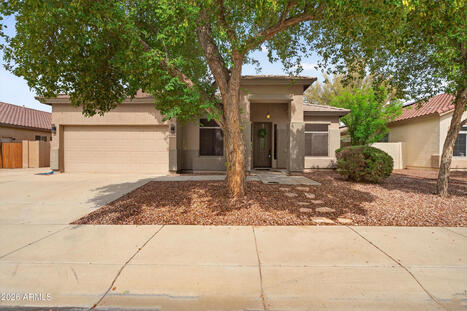
MLS #: 7086153. Welcome home to this updated 3-bedroom, 2-bath home featuring an additional flex room that's perfect for a home office, playroom or den. The bright, open floor plan offers vaulted ceilings, abundant natural light, updated flooring, and a spacious kitchen. Refrigerator is included.
Step outside to a backyard designed for Arizona living, complete with a covered patio, pool (gate is removable), turf, built-in BBQ, fire pit, mature trees, and plenty of space to entertain or relax. The extended driveway and RV gated side area provide even more flexibility.
Seller is offering up to 5% in concessions with an acceptable offer, giving buyers the opportunity to apply funds toward allowable closing costs, rate buy-downs, upgrades, or other permitted expenses.* *Seller concessions are subject to lender/program limits and terms of the purchase contract.
|
|
Scooped by
AZ Mountain Lake Realty
September 28, 9:58 AM
|
Scoop.it!

Here's your daily brief with today's top real estate auction news and trending stories.
|
|
Scooped by
AZ Mountain Lake Realty
September 28, 8:50 AM
|
Scoop.it!

Most experts are tipping an interest rate rate hike on Tuesday and half expect another one before the end of the year.
|
|
Scooped by
AZ Mountain Lake Realty
September 28, 8:48 AM
|
Scoop.it!

Young voters are right that the system is failing them, but they're wrong about which system it is: They've experienced a quasi-socialist economy that fails them at every turn.
|
|
Scooped by
AZ Mountain Lake Realty
September 28, 8:46 AM
|
Scoop.it!

The RBA is at pains to say each time the cash rate is increased to fight inflation that rising costs hurt everyone. What’s not acknowledged is that the pain isn’t proportional. And households aren’t to blame.
|
|
Scooped by
AZ Mountain Lake Realty
September 28, 8:45 AM
|
Scoop.it!

Mortgage rates aren't the only risk from high bond yields. They can squeeze apartment construction, utility investment, and public works.
|
|
Scooped by
AZ Mountain Lake Realty
September 28, 8:45 AM
|
Scoop.it!

Inflation, high interest rates, oil at $105 a barrel, record federal deficits and now Treasury yields at pre-Global Financial Crisis levels.
|
|
Scooped by
AZ Mountain Lake Realty
September 27, 1:45 PM
|
Scoop.it!
Arizona home buyers are looking for ways to make today's mortgage rates more affordable. One option gaining attention is the 3-2-1 mortgage buydown, a financing strategy that temporarily reduces the buyer's mortgage interest rate during the first three years of the loan.
For buyers who want to purchase a home now rather than wait for mortgage rates to fall, a 3-2-1 buydown can provide lower initial monthly payments while keeping the underlying mortgage rate unchanged.
A 3-2-1 mortgage buydown temporarily reduces the interest rate on a mortgage for the first three years.
The basic structure is:
For example, if the mortgage's permanent interest rate were 6.75%, a 3-2-1 buydown could result in an effective payment rate of approximately:
Loan Year Effective Rate Year 1 3.75% Year 2 4.75% Year 3 5.75% Year 4+ 6.75%The actual payment and qualification requirements depend on the loan, lender, property, and borrower's circumstances.
One of the most important questions for buyers is who pays for the temporary interest-rate reduction.
A 3-2-1 buydown generally requires money to be placed into a special account that covers the difference between the reduced payment and the payment based on the full mortgage rate.
Depending on the transaction and loan program, the funds may come from:
In a competitive real estate market, a seller may be willing to provide a seller concession toward a mortgage buydown instead of reducing the home's asking price.
A seller may use a mortgage buydown as an incentive to attract buyers.
For example, instead of reducing a home's price by $20,000, a seller might negotiate a concession that helps the buyer reduce mortgage payments during the first several years.
That can make the property more affordable from the buyer's perspective while allowing the seller to maintain a higher contract price, subject to appraisal, lender rules and applicable limits on concessions.
The best structure depends on the transaction.
Home buyers and sellers sometimes have a choice between a price reduction and a mortgage-rate buydown.
They are not financially identical.
A price reduction lowers the amount borrowed. A temporary buydown primarily reduces the buyer's payment during the initial years of the mortgage.
For buyers who are particularly concerned about the monthly payment during the first few years, a temporary buydown may be worth discussing with the lender.
However, buyers should compare the actual dollar savings from both options rather than assuming one is automatically better.
No.
A 3-2-1 buydown generally does not permanently reduce the mortgage's note rate.
The buyer still has an underlying mortgage rate, and after the temporary buydown period ends, payments are generally based on that permanent rate.
This makes it important for buyers to understand what their payment will be in Year 4 and beyond.
A buyer should be comfortable with the full payment before agreeing to the transaction.
Arizona buyers are dealing with the same affordability challenge facing many markets: home prices and mortgage rates can make monthly payments substantially higher than they were several years ago.
A 3-2-1 buydown can provide a temporary bridge.
For example, a buyer may have a stronger financial position in several years because of:
None of these outcomes is guaranteed, so buyers should make sure the home is affordable based on the permanent mortgage payment—not simply the first-year payment.
The cost depends on the mortgage amount, interest rate and the difference between the temporary payments and the permanent payment.
For a large loan, the cost of the buydown can be substantial.
That cost is normally calculated by the lender and negotiated as part of the purchase transaction.
Don't estimate the cost simply by multiplying the interest-rate reduction by the loan balance. The actual subsidy is based on the difference between the required mortgage payments.
No.
Eligibility and permitted structures depend on the loan program and lender.
Buyers should speak directly with a mortgage professional about whether a 3-2-1 buydown is available for their particular loan and whether seller or builder contributions are permitted.
Loan limits, underwriting requirements, concession limits and other rules can affect the transaction.
Before agreeing to a temporary mortgage buydown, ask the lender:
Getting these answers in writing makes it much easier to compare financing options.
Potentially, yes, depending on the loan program and applicable rules.
This is one reason buyers should discuss financing options with their lender before making an offer.
A buyer might negotiate a purchase price and separately request a seller concession for an eligible closing cost or temporary rate buydown.
The seller, buyer and lender all need to agree to the structure.
This is one of the biggest questions facing today's home buyers.
Waiting for lower rates could eventually provide a better financing environment—but nobody knows exactly when rates will move, how much they will move, or what home prices will do at the same time.
A 3-2-1 buydown is one strategy that may help a buyer manage the initial payment while purchasing a home today.
However, the decision should be based on the buyer's overall financial situation, the home's price, the permanent mortgage payment and the cost of the financing strategy.
A 3-2-1 mortgage buydown can temporarily reduce mortgage payments for the first three years of a home loan.
For an eligible buyer, it may provide an alternative to waiting for mortgage rates to decline or negotiating a lower purchase price.
But the most important number isn't the Year 1 payment.
It's the permanent payment beginning in Year 4.
Before using a 3-2-1 buydown, compare the total cost, seller concessions, purchase price, permanent interest rate and long-term payment with other available financing options.
Mountain Lake Realty provides Arizona real estate services and flat-fee listing options for homeowners who want an alternative to traditional percentage-based listing commissions.
Mountain Lake Realty
602-881-8674
https://azflat.com/
Mortgage programs, interest rates, qualification requirements and allowable seller concessions vary. Buyers should consult a qualified mortgage professional regarding their specific situation. This article is for general informational purposes and is not mortgage or financial advice.






