


Sale temps pour les Mac. Un chercheur en sécurité allemand a découvert une vulnérabilité dans Mac OS X 10.10 qui permet de prendre le contrôle de la machine grâce à une escalade des privilèges utilisateur.

 Your new post is loading...
 Scoop.it! Sale temps pour les Mac. Un chercheur en sécurité allemand a découvert une vulnérabilité dans Mac OS X 10.10 qui permet de prendre le contrôle de la machine grâce à une escalade des privilèges utilisateur. 
No comment yet.
Sign up to comment
Scoop.it!

Durch eine Rechteausweitungslücke kann sich jeder Yosemite-Nutzer zum root erklären. Der Exploit ist so kurz, dass er in einen Tweet passt. Mehr erfahren / Learn more:
Gust MEES's insight:
Durch eine Rechteausweitungslücke kann sich jeder Yosemite-Nutzer zum root erklären. Der Exploit ist so kurz, dass er in einen Tweet passt. Mehr erfahren / Learn more:
Scoop.it!

Researchers at BAE just reported on a Mac bot known as OSX/Agent-ANTU that was allegedly distributed in a novel way. Here are some examples we've seen over the years where the Windows malware "playbook" has been followed, in some cases extremely effectively, on OS X: 2012: Java-based exploit. The Flashback malware was injected onto your Mac via an unpatched Java bug. Flashback was a bot, or zombie, meaning that crooks could remotely send it instructions to help them commit further cybercrime. Estimates suggest that more than 600,000 Macs ended up infected, supposedly including "274 from Cupertino." 2013: Word-based exploit. SophosLabs reported on attackers using an exploitable bug in Microsoft Word for Mac to target Chinese minority groups. If you opened a booby-trapped document, disguised as some sort of political commentary, the crooks got control of your Mac via zombie malware called OSX/Agent-AADL.
Learn more: - http://www.scoop.it/t/apple-mac-ios4-ipad-iphone-and-in-security
Gust MEES's insight:
Researchers at BAE just reported on a Mac bot known as OSX/Agent-ANTU that was allegedly distributed in a novel way. Here are some examples we've seen over the years where the Windows malware "playbook" has been followed, in some cases extremely effectively, on OS X: 2012: Java-based exploit. The Flashback malware was injected onto your Mac via an unpatched Java bug. Flashback was a bot, or zombie, meaning that crooks could remotely send it instructions to help them commit further cybercrime. Estimates suggest that more than 600,000 Macs ended up infected, supposedly including "274 from Cupertino." 2013: Word-based exploit. SophosLabs reported on attackers using an exploitable bug in Microsoft Word for Mac to target Chinese minority groups. If you opened a booby-trapped document, disguised as some sort of political commentary, the crooks got control of your Mac via zombie malware called OSX/Agent-AADL.
So, if you haven't yet crossed the bridge and become a Mac anti-virus user, now would be a good time to give it a go. Learn more: - http://www.scoop.it/t/apple-mac-ios4-ipad-iphone-and-in-security
Scoop.it!

Plusieurs failles de sécurité ont été repérées par des chercheurs universitaires, celles-ci permettant de contourner la sécurité de l’application keychain, des sandbox des programmes ou encore les mesures de sécurité sur l’App Store.La famille Xara Et ce type de failles se retrouve un peu partout : selon les auteurs de l’étude, qui ont testé 200 applications choisies au hasard sur l'App Store, la grande majorité d'entre elles se révèlent vulnérables face à ces failles de sécurité. Si l’exemple de Keychain est le plus parlant, les chercheurs notent que ce type de vulnérabilités peut être utilisé pour accéder à de nombreux services et applications sur iOS et OSX. Au total, les chercheurs estiment que 88,6% des applications proposées sur l’Apple Store seraient vulnérables à ce type d’attaques. En savoir plus / Merhr erfahren / Learn more: - http://www.scoop.it/t/apple-mac-ios4-ipad-iphone-and-in-security/?tag=XARA
Gust MEES's insight:
Plusieurs failles de sécurité ont été repérées par des chercheurs universitaires, celles-ci permettant de contourner la sécurité de l’application keychain, des sandbox des programmes ou encore les mesures de sécurité sur l’App Store.La famille Xara Et ce type de failles se retrouve un peu partout : selon les auteurs de l’étude, qui ont testé 200 applications choisies au hasard sur l'App Store, la grande majorité d'entre elles se révèlent vulnérables face à ces failles de sécurité. Si l’exemple de Keychain est le plus parlant, les chercheurs notent que ce type de vulnérabilités peut être utilisé pour accéder à de nombreux services et applications sur iOS et OSX. Au total, les chercheurs estiment que 88,6% des applications proposées sur l’Apple Store seraient vulnérables à ce type d’attaques. En savoir plus / Merhr erfahren / Learn more: - http://www.scoop.it/t/apple-mac-ios4-ipad-iphone-and-in-security/?tag=XARA
Scoop.it!

There is a vulnerability buried deep in the firmware of many Apple laptops that could allow an attacker to overwrite the machine’s BIOS and install a rootkit, gaining complete control of the Mac. Mehr erfahren/Learn more: - http://www.scoop.it/t/apple-mac-ios4-ipad-iphone-and-in-security - http://www.scoop.it/t/apple-mac-ios4-ipad-iphone-and-in-security/?tag=EFI
Gust MEES's insight:
There is a vulnerability buried deep in the firmware of many Apple laptops that could allow an attacker to overwrite the machine’s BIOS and install a rootkit, gaining complete control of the Mac. Mehr erfahren/Learn more: - http://www.scoop.it/t/apple-mac-ios4-ipad-iphone-and-in-security - http://www.scoop.it/t/apple-mac-ios4-ipad-iphone-and-in-security/?tag=EFI
Scoop.it!

“It means that you can overwrite the contents of your BIOS from userland a rootkit EFI without any other tricks other than a suspend-resume cycle, a kernel extension, flashrom, and root access. Learn more: - http://www.scoop.it/t/apple-mac-ios4-ipad-iphone-and-in-security
Gust MEES's insight:
“It means that you can overwrite the contents of your BIOS from userland a rootkit EFI without any other tricks other than a suspend-resume cycle, a kernel extension, flashrom, and root access. “The bug can be used with a Safari or other remote vector to install an EFI rootkit without physical access [provided] a suspended happens in the current session … you could probably force the suspend and trigger this, all remotely. That’s pretty epic ownage.” Apple has been contacted for comment. Flash locks are removed when machines enter a sleep state for about 30 seconds or more, allowing attackers to update the flashrom contents from userland including EFI binaries. Affected models include the MacBook Pro Retina, and Pro, and MacBook Airs, each running the latest EFI firmware updates. Some of the latest machines are not affected leading Vilaça to think Apple is aware of the vulnerability. “If they (Apple) indeed knew about the bug – because I don’t believe it’s a coincidence not working in latest machines – then they keep their pattern of not patching older versions,” he says. Learn more: - http://www.scoop.it/t/apple-mac-ios4-ipad-iphone-and-in-security - http://www.scoop.it/t/apple-mac-ios4-ipad-iphone-and-in-security/?tag=EFI
Scoop.it!
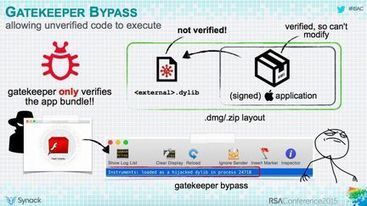
Le mythe vient de s'effondrer : un chercheur en sécurité vient de démontrer combien il était facile de contourner les mécanismes de sécurité mis en place par Apple dans OS X pour polluer le système avec des malwares. Finalement, Apple ne fait pas mieux que les autres fabricants ni même éditeurs de solutions de protection, puisque la conférence a démontré que la plupart des outils de protection pouvaient être contournés. Apple reste toutefois moins sujet aux attaques pour l'instant, mais les choses pourraient changer à l'avenir. En savoir plus / Learn more: - http://www.scoop.it/t/apple-mac-ios4-ipad-iphone-and-in-security
Gust MEES's insight:
Le mythe vient de s'effondrer : un chercheur en sécurité vient de démontrer combien il était facile de contourner les mécanismes de sécurité mis en place par Apple dans OS X pour polluer le système avec des malwares. Finalement, Apple ne fait pas mieux que les autres fabricants ni même éditeurs de solutions de protection, puisque la conférence a démontré que la plupart des outils de protection pouvaient être contournés. Apple reste toutefois moins sujet aux attaques pour l'instant, mais les choses pourraient changer à l'avenir. En savoir plus / Learn more: - http://www.scoop.it/t/apple-mac-ios4-ipad-iphone-and-in-security

Gust MEES's curator insight,
April 27, 2015 8:30 AM
Le mythe vient de s'effondrer : un chercheur en sécurité vient de démontrer combien il était facile de contourner les mécanismes de sécurité mis en place par Apple dans OS X pour polluer le système avec des malwares. Finalement, Apple ne fait pas mieux que les autres fabricants ni même éditeurs de solutions de protection, puisque la conférence a démontré que la plupart des outils de protection pouvaient être contournés. Apple reste toutefois moins sujet aux attaques pour l'instant, mais les choses pourraient changer à l'avenir. En savoir plus / Learn more: - http://www.scoop.it/t/apple-mac-ios4-ipad-iphone-and-in-security
Scoop.it!

Vous vous souvenez de Rootpipe ? Cette vulnérabilité avait été signalée en fin d’année 2014 par un chercheur suédois qui avait découvert un moyen d’élever ses privilèges au niveau root depuis une session utilisateur. Rootpipe était restée une énigme jusqu’alors : Apple avait en effet annoncé que corriger cette vulnérabilité prendrait du temps et Emil Kvarnammar, le chercheur à l’origine de cette découverte, avait accepté d’attendre un patch avant de donner plus de détails. Le correctif était annoncé pour le début de l'année 2015, mais il aura fallu attendre encore un peu, Apple invoquant d'importants changements nécessaires afin de rectifier le tir. En savoir plus / Learn more: - http://www.scoop.it/t/apple-mac-ios4-ipad-iphone-and-in-security/?tag=RootPipe
Gust MEES's insight:
Vous vous souvenez de Rootpipe ? Cette vulnérabilité avait été signalée en fin d’année 2014 par un chercheur suédois qui avait découvert un moyen d’élever ses privilèges au niveau root depuis une session utilisateur. Rootpipe était restée une énigme jusqu’alors : Apple avait en effet annoncé que corriger cette vulnérabilité prendrait du temps et Emil Kvarnammar, le chercheur à l’origine de cette découverte, avait accepté d’attendre un patch avant de donner plus de détails. Le correctif était annoncé pour le début de l'année 2015, mais il aura fallu attendre encore un peu, Apple invoquant d'importants changements nécessaires afin de rectifier le tir. En savoir plus / Learn more: - http://www.scoop.it/t/apple-mac-ios4-ipad-iphone-and-in-security/?tag=RootPipe
Scoop.it!

Apple fixes a large number of vulnerabilities with security updates for OS X, iOS, Apple TV and Safari Learn more: - http://www.scoop.it/t/apple-mac-ios4-ipad-iphone-and-in-security
Gust MEES's insight:
Apple fixes a large number of vulnerabilities with security updates for OS X, iOS, Apple TV and Safari Learn more: - http://www.scoop.it/t/apple-mac-ios4-ipad-iphone-and-in-security
Scoop.it!
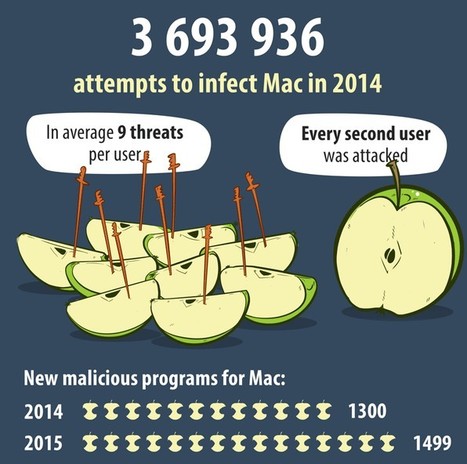
Im Jahr 2014 blockierten die Lösungen von Kaspersky Lab insgesamt 3.693.936 Infektionsversuche unter Mac OS X. Die Experten von Kaspersky Lab entdeckten 1.499 neue Schadprogramme für Mac OS X, das sind 200 Schädlinge weniger als im entsprechenden Vorjahreszeitraum. ===> Jeder zweite Anwender von Apple-Produkten war einem Angriff ausgesetzt. <=== Im Laufe des Jahres war jeder Mac-OS-X-User durchschnittlich neunmal mit einer Cyberbedrohung für sein Betriebssystem konfrontiert. Learn more: - http://www.scoop.it/t/apple-mac-ios4-ipad-iphone-and-in-security
Gust MEES's insight:
Im Jahr 2014 blockierten die Lösungen von Kaspersky Lab insgesamt 3.693.936 Infektionsversuche unter Mac OS X. Die Experten von Kaspersky Lab entdeckten 1.499 neue Schadprogramme für Mac OS X, das sind 200 Schädlinge weniger als im entsprechenden Vorjahreszeitraum. ===> Jeder zweite Anwender von Apple-Produkten war einem Angriff ausgesetzt. <=== Im Laufe des Jahres war jeder Mac-OS-X-User durchschnittlich neunmal mit einer Cyberbedrohung für sein Betriebssystem konfrontiert. Learn more: - http://www.scoop.it/t/apple-mac-ios4-ipad-iphone-and-in-security
Gust MEES's curator insight,
December 10, 2014 1:26 PM
Im Jahr 2014 blockierten die Lösungen von Kaspersky Lab insgesamt 3.693.936 Infektionsversuche unter Mac OS X. Die Experten von Kaspersky Lab entdeckten 1.499 neue Schadprogramme für Mac OS X, das sind 200 Schädlinge weniger als im entsprechenden Vorjahreszeitraum. ===> Jeder zweite Anwender von Apple-Produkten war einem Angriff ausgesetzt. <=== Im Laufe des Jahres war jeder Mac-OS-X-User durchschnittlich neunmal mit einer Cyberbedrohung für sein Betriebssystem konfrontiert. Learn more: - http://www.scoop.it/t/apple-mac-ios4-ipad-iphone-and-in-security
Scoop.it!

SymantecTV : Are Mac Users safe from Malware? Not as much as you might think. Symantec's Security Expert Kevin Haley breaks down the Mac's invincibility myth. Learn why Malware authors are targeting unsuspecting Mac users and why you should be protected. Learn more: - http://www.scoop.it/t/apple-mac-ios4-ipad-iphone-and-in-security
Gust MEES's insight:
SymantecTV : Are Mac Users safe from Malware? Not as much as you might think. Symantec's Security Expert Kevin Haley breaks down the Mac's invincibility myth. Learn why Malware authors are targeting unsuspecting Mac users and why you should be protected. Learn more: - http://www.scoop.it/t/apple-mac-ios4-ipad-iphone-and-in-security
Scoop.it!

New malware targeting Mac machines, opening backdoors on them and roping them into a botnet currently numbering around 17,000 zombies has be... Learn more: - http://www.scoop.it/t/apple-mac-ios4-ipad-iphone-and-in-security
Gust MEES's insight:
New malware targeting Mac machines, opening backdoors on them and roping them into a botnet currently numbering around 17,000 zombies has be... Learn more: - http://www.scoop.it/t/apple-mac-ios4-ipad-iphone-and-in-security
Scoop.it!

Security researchers believe that they have uncovered a new botnet, which has recruited thousands of Mac computers. According to their report, the sophisticated malware – which they have dubbed Mac.BackDoor.iWorm – has infected more than 17,000 computers running OS X. Computers that have been hijacked could have information stolen from them, further malware planted upon them, or be used to spread more malware or launch spam campaigns and denial-of-service attacks. Learn more: - http://www.scoop.it/t/apple-mac-ios4-ipad-iphone-and-in-security
Gust MEES's insight:
Security researchers believe that they have uncovered a new botnet, which has recruited thousands of Mac computers. According to their report, the sophisticated malware – which they have dubbed Mac.BackDoor.iWorm – has infected more than 17,000 computers running OS X. Computers that have been hijacked could have information stolen from them, further malware planted upon them, or be used to spread more malware or launch spam campaigns and denial-of-service attacks. Learn more: - http://www.scoop.it/t/apple-mac-ios4-ipad-iphone-and-in-security
|
Scoop.it!

From
www

Le chercheur en sécurité Stefan Esser a mis le doigt sur une nouvelle faille de sécurité touchant OS X Yosemite. Exploitée comme il convient, elle donne aux malandrins un accès root au Mac, autorisant ainsi toutes les fantaisies les plus dangereuses, notamment l’injection de fichiers infectés et autres joyeusetés. En savoir plus / Mehr erfahren / Learn more:
Gust MEES's insight:
Le chercheur en sécurité Stefan Esser a mis le doigt sur une nouvelle faille de sécurité touchant OS X Yosemite. Exploitée comme il convient, elle donne aux malandrins un accès root au Mac, autorisant ainsi toutes les fantaisies les plus dangereuses, notamment l’injection de fichiers infectés et autres joyeusetés. En savoir plus / Mehr erfahren / Learn more:
Scoop.it!

Le Mac a-t-il un problème de sécurité ? On est en droit de se poser la question alors que les découvertes de failles se multiplient et qu'Apple n'y répond pas toujours promptement. Nous avons interrogé deux spécialistes. Vincent Bénony est le développeur de Hopper, un logiciel de rétro-ingénierie largement utilisé par les chercheurs de sécurité sur Mac (lire notre interview sur Hopper). Pedro Vilaça, alias fG!, est un chercheur qui analyse et met à mal la sécurité d'OS X (voir son blog). MacGeneration : Plusieurs failles de sécurité majeures ont été révélées au cours de ces derniers mois (rootpipe, Thunderstrike, XARA...). Avec toutes ces découvertes, on a l'impression que le Mac est plus vulnérable qu'avant. Est-ce seulement une impression ou est-ce bien le cas ? Vincent Bénony : Je pense surtout que l’information est beaucoup plus relayée qu’avant, et comme il y a de plus en plus de monde sur Mac, forcément, ça fait plus de bruit… Les systèmes sont développés en fonction des connaissances du moment, et il est difficile d’anticiper les problèmes. Plus un système sera utilisé, plus il aura de chances d’être étudié par des chercheurs, et plus ils remonteront des problèmes. En plus, il est difficile de mutualiser avec ce qui se fait pour Windows, car la philosophie des deux OS est très différente. L’architecture de Linux est plus proche de celle d’OS X, mais les pratiques des utilisateurs sont très différentes, et les problématiques de sécurité qui en découlent aussi.
Gust MEES's insight:
Le Mac a-t-il un problème de sécurité ? On est en droit de se poser la question alors que les découvertes de failles se multiplient et qu'Apple n'y répond pas toujours promptement. Nous avons interrogé deux spécialistes. Vincent Bénony est le développeur de Hopper, un logiciel de rétro-ingénierie largement utilisé par les chercheurs de sécurité sur Mac (lire notre interview sur Hopper). Pedro Vilaça, alias fG!, est un chercheur qui analyse et met à mal la sécurité d'OS X (voir son blog). MacGeneration : Plusieurs failles de sécurité majeures ont été révélées au cours de ces derniers mois (rootpipe, Thunderstrike, XARA...). Avec toutes ces découvertes, on a l'impression que le Mac est plus vulnérable qu'avant. Est-ce seulement une impression ou est-ce bien le cas ? Vincent Bénony : Je pense surtout que l’information est beaucoup plus relayée qu’avant, et comme il y a de plus en plus de monde sur Mac, forcément, ça fait plus de bruit… Les systèmes sont développés en fonction des connaissances du moment, et il est difficile d’anticiper les problèmes. Plus un système sera utilisé, plus il aura de chances d’être étudié par des chercheurs, et plus ils remonteront des problèmes. En plus, il est difficile de mutualiser avec ce qui se fait pour Windows, car la philosophie des deux OS est très différente. L’architecture de Linux est plus proche de celle d’OS X, mais les pratiques des utilisateurs sont très différentes, et les problématiques de sécurité qui en découlent aussi.
Scoop.it!
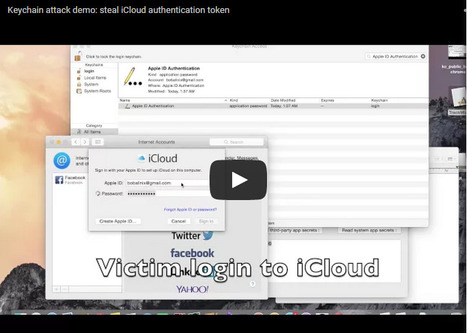
It’s become almost axiomatic that Apple devices and the apps on them are more secure than the competition. But researchers continue to blow up that notion and today a group of academics have ripped apart the securityprotections in Mac OS X and iOS to show it’s not only possible to create malware and get it onto the App Store, but it’s also feasible to launch “devastating” attacks using rogue software to steal the most sensitive personal data around, from iCloud passwords and Evernote notes to dodgy selfies and more. The attacks, known as unauthorized cross-app resource access or XARA, expose design flaws that allow a bad app to access critical pieces of data in other apps. As a result, Apple has struggled to fix the issues, according to apaper released today from Indiana University Bloomington, Peking University and the Georgia Institute of Technology. En savoir plus / Merhr erfahren / Learn more: - http://www.scoop.it/t/apple-mac-ios4-ipad-iphone-and-in-security/?tag=XARA
Gust MEES's insight:
It’s become almost axiomatic that Apple devices and the apps on them are more secure than the competition. But researchers continue to blow up that notion and today a group of academics have ripped apart the securityprotections in Mac OS X and iOS to show it’s not only possible to create malware and get it onto the App Store, but it’s also feasible to launch “devastating” attacks using rogue software to steal the most sensitive personal data around, from iCloud passwords and Evernote notes to dodgy selfies and more. The attacks, known as unauthorized cross-app resource access or XARA, expose design flaws that allow a bad app to access critical pieces of data in other apps. As a result, Apple has struggled to fix the issues, according to apaper released today from Indiana University Bloomington, Peking University and the Georgia Institute of Technology. En savoir plus / Merhr erfahren / Learn more: - http://www.scoop.it/t/apple-mac-ios4-ipad-iphone-and-in-security/?tag=XARA
Scoop.it!

Learn more: .
Gust MEES's insight:
Note that all the attack apps were successfully released by the Apple Stores. So, the security threats are indeed realistic." Learn more:
Scoop.it!

Ein Sicherheitsexperte hat eine schwere Sicherheitslücke im Ruhemodus der Macs entdeckt. Learn more: - http://www.scoop.it/t/apple-mac-ios4-ipad-iphone-and-in-security - http://www.scoop.it/t/apple-mac-ios4-ipad-iphone-and-in-security/?tag=EFI
Gust MEES's insight:
Ein Sicherheitsexperte hat eine schwere Sicherheitslücke im Ruhemodus der Macs entdeckt. Learn more: - http://www.scoop.it/t/apple-mac-ios4-ipad-iphone-and-in-security - http://www.scoop.it/t/apple-mac-ios4-ipad-iphone-and-in-security/?tag=EFI
Scoop.it!
From
www
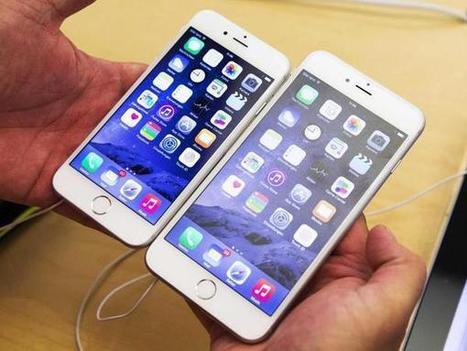
Das neue Sicherheitssystem "Rootless" soll einem Bericht zufolge den Zugriff auf bestimmte Dateien in iOS 9 sowie Mac OS X 10.11 verhindern – selbst für Nutzer mit Admin-Rechten.
Gust MEES's insight:
Das neue Sicherheitssystem "Rootless" soll einem Bericht zufolge den Zugriff auf bestimmte Dateien in iOS 9 sowie Mac OS X 10.11 verhindern – selbst für Nutzer mit Admin-Rechten. Mit iOS 9 und Mac OS X 10.11 führt Apple größere neue Sicherheitsfunktionen ein, wie 9to5Mac unter Berufung auf informierte Kreise berichtet: Das auf Kernel-Ebene angelegte Schutzsystem "Rootless" solle künftig den Zugriff auf bestimmte geschützte Dateien generell verhindern – auch für Nutzer mit den Rechten eines Administrators. Die Funktion sei unter anderem als zusätzlicher Schutz vor Malware gedacht, sie bedeute aber auch einen "schweren Schlag" gegen die Jailbreak-Community, heißt es dort. In Mac OS X lässt sich diese Rootless-Funktion möglicherweise deaktivieren, merkt 9to5Mac an – auch der gewohnte Zugriff auf das Dateisystem über den Finder soll weiterhin möglich sein.
Scoop.it!
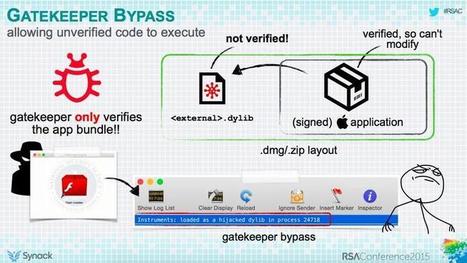
Security tools baked into Macs designed to protect users from malicious content can be easily bypassed, according to one security researcher. Learn more: - http://www.scoop.it/t/apple-mac-ios4-ipad-iphone-and-in-security
Gust MEES's insight:
Security tools baked into Macs designed to protect users from malicious content can be easily bypassed, according to one security researcher. Learn more: - http://www.scoop.it/t/apple-mac-ios4-ipad-iphone-and-in-security
Scoop.it!
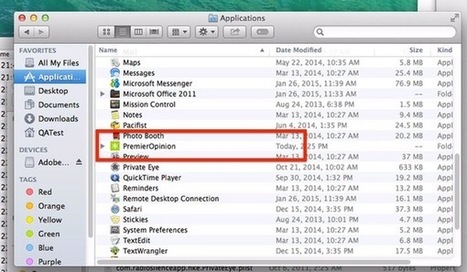
Almost five years ago, Intego security researchers warned about the OSX/OpinionSpy spyware infecting Mac computers, downloaded during the installation of innocent-sounding applications and screensavers distributed via well-known sites such as MacUpdate and VersionTracker. Learn more: - http://www.scoop.it/t/apple-mac-ios4-ipad-iphone-and-in-security
Gust MEES's insight:
Almost five years ago, Intego security researchers warned about the OSX/OpinionSpy spyware infecting Mac computers, downloaded during the installation of innocent-sounding applications and screensavers distributed via well-known sites such as MacUpdate and VersionTracker. Learn more: - http://www.scoop.it/t/apple-mac-ios4-ipad-iphone-and-in-security
Scoop.it!
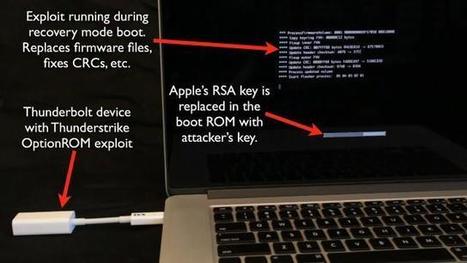
A security researcher has discovered a way to infect Macs with malware virtually undetectable, that 'can't be removed,' and which can be installed using a modified Apple gigabit Ethernet Thunderbolt adapter. Learn more: - http://www.scoop.it/t/apple-mac-ios4-ipad-iphone-and-in-security
Gust MEES's insight:
A security researcher has discovered a way to infect Macs with malware virtually undetectable, that 'can't be removed,' and which can be installed using a modified Apple gigabit Ethernet Thunderbolt adapter. Learn more: - http://www.scoop.it/t/apple-mac-ios4-ipad-iphone-and-in-security
Scoop.it!
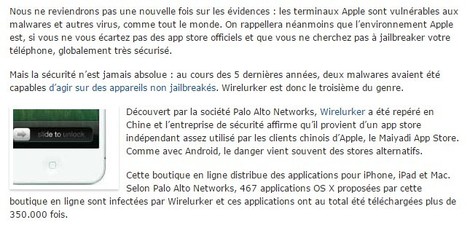
Pour l’instant, plus de peur que de mal Learn more: - http://www.scoop.it/t/apple-mac-ios4-ipad-iphone-and-in-security - http://www.scoop.it/t/apple-mac-ios4-ipad-iphone-and-in-security?q=wirelurker
Gust MEES's insight:
Pour l’instant, plus de peur que de mal Learn more: - http://www.scoop.it/t/apple-mac-ios4-ipad-iphone-and-in-security - http://www.scoop.it/t/apple-mac-ios4-ipad-iphone-and-in-security?q=wirelurker
Scoop.it!
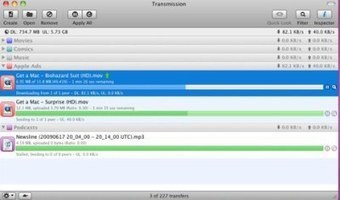
iWorm infiziert tausende Macs Learn more: - http://www.scoop.it/t/apple-mac-ios4-ipad-iphone-and-in-security
Gust MEES's insight:
iWorm infiziert tausende Macs Learn more: - http://www.scoop.it/t/apple-mac-ios4-ipad-iphone-and-in-security
Scoop.it!

Un logiciel malveillant aurait contaminé environ 17 000 Mac. Selon l'éditeur d'applications de sécurité Dr.Web qui est à l'origine de la découverte, Mac.BackDoor.iWorm crée une porte dérobée qui permet ensuite de prendre le contrôle de la machine à distance. Ce type de malware sert notamment à faire des ordinateurs infectés des botnets (ou machines zombies) utilisés pour mener des campagnes de spam ou des attaques DDoS. Learn more: - http://www.scoop.it/t/apple-mac-ios4-ipad-iphone-and-in-security
Gust MEES's insight:
Un logiciel malveillant aurait contaminé environ 17 000 Mac. Selon l'éditeur d'applications de sécurité Dr.Web qui est à l'origine de la découverte, Mac.BackDoor.iWorm crée une porte dérobée qui permet ensuite de prendre le contrôle de la machine à distance. Ce type de malware sert notamment à faire des ordinateurs infectés des botnets (ou machines zombies) utilisés pour mener des campagnes de spam ou des attaques DDoS. Learn more: - http://www.scoop.it/t/apple-mac-ios4-ipad-iphone-and-in-security
|





Sale temps pour les Mac. Un chercheur en sécurité allemand a découvert une vulnérabilité dans Mac OS X 10.10 qui permet de prendre le contrôle de la machine grâce à une escalade des privilèges utilisateur.