Your new post is loading...

|
Scooped by
Gilbert C FAURE
October 30, 2018 3:18 PM
|
<b><i>Background:</i></b> Allergic sensitisation towards cashew nut often happens without a clear history of eating cashew nut.IgE cross-reactivity between cashew and pistachio nut is well described;...
|
|
Scooped by
Gilbert C FAURE
October 16, 2018 1:52 AM
|
Allergen-specific immunotherapy (ASIT) has the potential to modify allergic diseases, and it is also considered a potential therapy for allergic asthma. House dust mite (HDM) allergens, a common source of airborne allergen in human diseases, have been developed as an immunotherapy for patients with allergic asthma via the subcutaneous and sublingual routes. Oral immunotherapy with repeated allergen ingestion is emerging as another potential modality of ASIT. The aim of this study was to evaluate the therapeutic efficacy of the oral ingestion of HDM extracts in a murine model of allergic asthma. BABL/c mice were sensitized twice by intraperitoneal injection of HDM extracts and Al(OH)3 on day 1 and day 8. Then, the mice received challenge to induce airway inflammation by intratracheal instillation of HDM extracts on days 29–31. The treatment group received immunotherapy with oral HDM extracts ingestion before the challenge. All the mice were sacrificed on day 32 for bronchoalveolar inflammatory cytokines, mediastinal lymph node T cells, lung histology, and serum HDM-specific immunoglobulins analyses. Upon HDM sensitization and following challenge, a robust Th2 cell response and eosinophilic airway inflammation were observed in mice of the positive control group. The mice treated with HDM extracts ingestion had decreased eosinophilic airway inflammation, suppressed HDM-specific Th2 cell responses in the mediastinal lymph nodes, and attenuated serum HDM-specific IgE levels. Oral immunotherapy with HDM extracts ingestion was demonstrated to have a partial therapeutic effect in the murine model of allergic asthma. This study may serve as the basis for the further development of oral immunotherapy with HDM extracts in allergic asthma.
|
|
Scooped by
Gilbert C FAURE
October 4, 2018 8:14 AM
|
Back to listingNews Scientists develop a new test to safely and accurately diagnose peanut allergies 3 May 2018 MRC scientists have developed a new laboratory test to diagnose peanut allergy. The test has 98% specificity and, unlike current options, it doesn’t run the risk of false-positives or causing allergic reactions such as anaphylactic shock. The simple blood test is five times more cost-efficient compared to the oral food challenge (OFC) – the standard food allergy test – and could be adapted to test for other food allergies. Peanut allergies are among the most common food allergies in children*. Currently, doctors diagnose peanut allergy using a skin-prick test or specific IgE test but this may result in over-diagnosis or false-positives and it cannot differentiate between sensitivity and true food allergy. When skin-prick and IgE test results are unclear, allergists rely on an OFC, which consists of feeding peanut in incrementally larger doses to a patient in a highly-controlled setting in hospital to confirm allergy to the food. While the test is the gold-standard for diagnosing food allergies, there is risk of causing severe allergic reactions. Now, the researchers have developed a safer, accurate blood test in the lab. The new test, called the mast activation test (MAT), could act as a second line tool when skin-prick test results are inconclusive and before referring children and their families to specialists for an OFC, according to researchers from the MRC & Asthma UK Centre in Allergic Mechanisms of Asthma. Their new study was published in the Journal of Allergy and Clinical Immunology. Dr Alexandra Santos, an MRC Clinician Scientist at King’s College London, paediatric allergist and study lead author, said: “The current tests are not ideal. If we relied on them alone, we’d be over diagnosing food allergies – only 22% of school-aged children in the UK with a positive test to peanuts are actually allergic when they’re fed the food in a monitored setting.” Dr Santos continued: “The new test is specific in confirming the diagnosis so when it’s positive, we can be very sure it means allergy. We would reduce by two-thirds the number of expensive, stressful oral food challenges conducted, as well as saving children from experiencing allergic reactions.” Food allergy symptoms are triggered when allergens interact with an antibody called immunoglobulin E (or IgE). The food allergens activate IgE antibodies, triggering symptoms such as skin reactions, itching or constricting of the mouth, throat and airways, and digestive problems (such as stomach cramps, nausea or vomiting). The current skin-prick test and IgE test, which have been in use for decades, measure the presence of IgE antibodies. The new test focuses on mast cells, which play a crucial role in triggering allergic reactions. Mast cells activate by recognising the IgE in plasma and, in allergic patients, produce biomarkers associated with allergic reactions, which can be detected in the lab. Using blood samples from 174 children participating in allergy testing – 73 peanut allergic and 101 peanut-tolerant – the scientists added peanut protein to mast cells to screen for IgE-mediated activation. The MAT accurately identified peanut allergy with 98 specificity. (Specificity is a statistical measure in determining efficacy for diagnosis. The MAT test rarely gives positive results in non-allergic patients.) The researchers also found the test reflected the severity of peanut allergy – patients with more severe reactions have a higher number of activated mast cells. The MAT test is five times cheaper to conduct than the OFC, which requires an allergist and specialist nurses on hand to monitor for adverse reactions and provide medical support if symptoms arise. Dr Santos said: “We are adapting this test to other foods, such as milk, eggs, sesame and tree nuts. This test will be useful as we are seeing more and more children who have never been exposed to these foods because they have severe eczema or have siblings with allergies. Parents are often afraid to feed them a food that is known to cause allergic reactions.” The researchers believe the MAT test may have other uses, for example, in the food industry to detect the presence of allergens in products. Pharmaceutical companies could use it to monitor patients’ allergic response to drugs being evaluated during clinical trials. The scientists plan to transition the biomarker test out of the laboratory and into a clinical setting. They will be testing blood samples from patients with suspected allergies to further validate its utility. 5 to 8% of UK children have a food allergy with up to one in 55 children having a peanut allergy, according to Food Standards Agency estimates. Current UK guidelines recommend avoiding giving your child peanuts and foods containing peanuts before the age of six months. Other countries, such as Canada and the United States, have updated their recommendations – a move that is in the works in the UK. The researchers say updated guidelines may result in a rise in requests for peanut allergy diagnosing. This paper is available on Europe PMC. Categories Categories: Research Health categories: Blood, Inflammatory, Respiratory, Generic Strategic objectives: Lifestyles affecting health, Environment and health, Securing impact from medical research, Aim: Picking research that delivers, Aim: Research to people, Aim: Supporting scientists Locations: London Type: News article
|
|
Scooped by
Gilbert C FAURE
September 18, 2018 12:01 PM
|
Welcome To 5 Strands® Affordable Testing 5 Strands® Affordable Testing provides a simple HAIR analysis test that measures food and environmental substances that cause non-IgE mediated reactions, known as INTOLERANCES. Reactions have a delayed onset with symptoms appearing several hours or days after ingestion or exposure and lasting a longer period of time. Common symptoms include eczema, bloating, diarrhea, constipation, and in more severe cases, pain, inflammation or weight problems. Our simple, non-invasive testing can quickly identify if your body is intolerant to over 650 food and environmental items. We can also test for metal/minerals and nutritional deficiencies. Our list of items tested is the most comprehensive of any test on the U.S. market today. This screening tool can help you make the dietary, environmental and lifestyle changes necessary to allow your symptoms to improve. 5 Strands® Affordable Testing scans your hair sample (10-15 strands) using bio -resonance technology and provides an extensive, easy-to-understand report. You can expect to receive your results within 5 – 7 days after the sample arrives at the processing center. Be aware that IgE (Immunoglobulin E) allergies, which are caused by the body’s immune system, are NOT measured by 5 Strands® Affordable Testing. This type of reaction, which represents only 2% of all allergic reactions, occurs within minutes of ingestion or exposure. Common symptoms range from hives, rash and swelling of the lips or face to swelling of the throat, wheezing, sudden shortness of breath and other potentially life-threatening reactions. IgE-mediated allergies are diagnosed through a blood test or skin prick test by healthcare professionals.
|
|
Scooped by
Gilbert C FAURE
August 21, 2018 6:36 AM
|
Immunoglobulin E (IgE)-mediated food allergy is a major issue that affects 2–10% of infants. Here the authors study the epigenetic regulation of the naive CD4+ T cell activation response among children with IgE-mediated food allergy finding epigenetic dysregulation in the early stages of signal transduction through the T cell receptor complex.
|
|
Scooped by
Gilbert C FAURE
June 24, 2018 5:12 AM
|
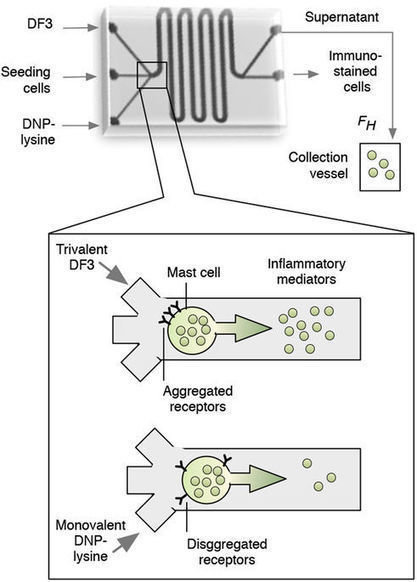
Immediate hypersensitivity reactions are induced by the interaction of allergens with specific IgE antibodies bound FcεRI to mast cells and basophils. W...
Background The overlapping grass and olive pollen seasons in Spain and the phenomenon of cross‐reactivity can make it difficult to determine the true causative agent of seasonal allergic rhinitis when only skin prick tests with whole extracts are used. The aim of the GRAMOLE study was to determine sensitization patterns to the major grass and olive pollen allergens detected using specific recombinant IgE and to explore how this knowledge affected physicians’ choice of allergen‐specific immunotherapy. Methods Epidemiological, observational, multicenter, cross‐sectional study. Results from children under 18 years of age diagnosed with seasonal allergic rhinitis by positive skin prick tests to olive and grass pollen were analyzed. Specific IgE to Phl p 1+5, Ole e 1, and Phl p 7+12 was determined. Investigators specified the optimal composition of allergen immunotherapy before and after knowing the results of the molecular diagnosis. Results A total of 281 patients with a mean age of 13.4 years were included. Double sensitization to both major allergens was found in vitro in 76% of children for an IgE cutoff point of 0.35 kU/L. When the molecular diagnosis results were known, specialists changed the composition of the prescribed immunotherapy in 52.87% of cases. Conclusions Double sensitization to grass and olive pollen is common in Spain and also occurs in the pediatric population. Molecular diagnosis using specific IgE may help improve immunotherapy selection in polysensitized patients.
Via Krishan Maggon
|
|
Scooped by
Gilbert C FAURE
May 7, 2018 11:05 AM
|
Allergen immunotherapy (AIT) is the only modality that can modify immune responses to allergen exposure, but therapeutic coverage is low. One strategy to improve AIT safety and efficacy is the use of new or improved adjuvants. This study investigates immune responses produced by microcrystalline tyrosine (MCT)–based vaccines as compared with conventional aluminum hydroxide (alum). Wild-type, immune-signaling–deficient, and TCR-transgenic mice were treated with different Ags (e.g., OVA and cat dander Fel d 1), plus MCT or alum as depot adjuvants. Specific Ab responses in serum were measured by ELISA, whereas cytokine secretion was measured both in culture supernatants by ELISA or by flow cytometry of spleen cells. Upon initiation of AIT in allergic mice, body temperature and further clinical signs were used as indicators for anaphylaxis. Overall, MCT and alum induced comparable B and T cell responses, which were independent of TLR signaling. Alum induced stronger IgE and IL-4 secretion than MCT. MCT and alum induced caspase-dependent IL-1β secretion in human monocytes in vitro, but inflammasome activation had no functional effect on inflammatory and Ab responses measured in vivo. In sensitized mice, AIT with MCT-adjuvanted allergens caused fewer anaphylactic reactions compared with alum-adjuvanted allergens. As depot adjuvants, MCT and alum are comparably effective in strength and mechanism of Ag-specific IgG induction and induction of T cell responses. The biocompatible and biodegradable MCT seems therefore a suitable alternative adjuvant to alum-based vaccines and AIT.
|
|
Scooped by
Gilbert C FAURE
January 19, 2018 6:47 AM
|
The discovery of an exclusive local production of IgE antibodies dates back to the 1970s, but only recently the pathophysiology of such phenomenon was deeply investigated, leading to the concept of local allergic rhinitis (LAR). Currently, LAR is defined by the occurrence, in patients with symptoms clearly suggesting allergic rhinitis but with negative results to common allergy testing, of allergen specific IgE in the nasal mucosa. Most studies investigating LAR were based on the development of rhinitis symptoms following nasal provocation test (NPT) with the suspected allergens, but such test may be performed by a number of options, none of them being as yet acknowledged and recommended in consensus document. On the other hand, also the mere detection of IgE in the nasal mucosa indicates, as for IgE measurement in blood or other tissues, allergic sensitization but cannot give the certainty of clinical allergy. Therefore, the combination of IgE detection in nasal mucosa and a positive result of NPT should be used to diagnose LAR. Recent data on the use for in vitro testing of molecular allergy diagnostics in place of whole allergen extracts suggest that this method could improve the sensitivity and specificity of laboratory tests, and an appraisal of the basophil activation test as a third level technique, to be implemented when the results of local IgE testing and NPT are uncertain, is currently ongoing.

|
Suggested by
LIGHTING
November 30, 2017 5:16 AM
|
<b><i>Background:</i></b> Shrimp sensitization is common in the general population, but the presence of symptoms is only moderately related to sensitization. A point still at i
|
|
Scooped by
Gilbert C FAURE
November 21, 2017 9:28 AM
|
The role of maternal immune responses in tolerance induction is poorly understood. To study whether maternal allergen sensitization affects offspring susceptibility to food allergy, we epicutaneously sensitized female mice with ovalbumin (OVA) followed by epicutaneous sensitization and oral challenge of their offspring with OVA. Maternal OVA sensitization prevented food anaphylaxis, OVA-specific IgE production, and intestinal mast cell expansion in offspring. This protection was mediated by neonatal crystallizable fragment receptor (FcRn)–dependent transfer of maternal IgG and OVA immune complexes (IgG-IC) via breast milk and induction of allergen-specific regulatory T (T reg) cells in offspring. Breastfeeding by OVA-sensitized mothers or maternal supplementation with IgG-IC was sufficient to induce neonatal tolerance. FcRn-dependent antigen presentation by CD11c+ dendritic cells (DCs) in offspring was required for oral tolerance. Human breast milk containing OVA-IgG-IC induced tolerance in humanized FcRn mice. Collectively, we demonstrate that interactions of maternal IgG-IC and offspring FcRn are critical for induction of T reg cell responses and control of food-specific tolerance in neonates.
|
|
Scooped by
Gilbert C FAURE
October 16, 2017 2:15 PM
|
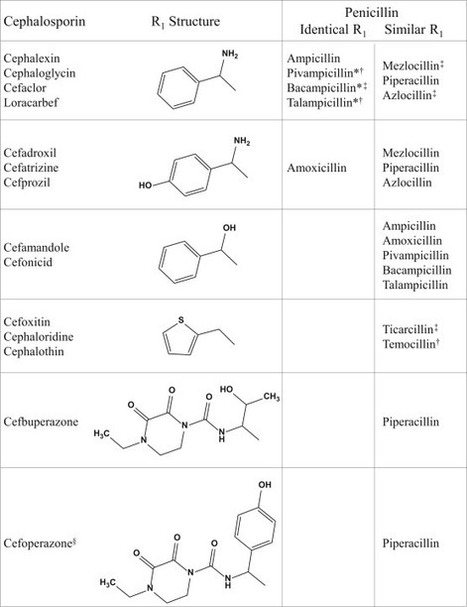
β-Lactam drugs (penicillins, amoxicillin, and cephalosporins) account for 42.6% of
all severe drug-induced anaphylaxis. In this review, we focus on clinically significant
immunologic cross-reactivity in patients with confirmed penicillin allergy to cephalosporins,
and the structural involvement of the R1 and R2 chemical side chains of the cephalosporins
causing IgE-mediated cross-reactivity with penicillin and other cephalosporins. Skin
tests predict IgE-mediated reactions and showed cross-reactivity between penicillins
and early generation cephalosporins that shared side chains, but confirmatory challenge
data are lacking.
Among the monoclonal antibodies (mAbs) developed for severe asthma treatment, three have already been marketed. Omalizumab was the first, more than 10 years ago; today, mepolizumab and reslizumab are also available in the European Union and the US.
Omalizumab blocks free immunoglobulin E (IgE), mepolizumab and reslizumab block an interleukin (IL-5). In the near future, dupilumab and benralizumab are expected to emerge as two new alternatives. Benralizumab blocks the receptor for IL-5 (IL5-Rα) and has a direct cytotoxic effect on eosinophils, and dupilumab blocks the α-unit of the heterodimeric receptor for IL-4 and IL-13 (IL-4Rα); as a result, dupilumab can block both IL-4 and IL-13. The purpose of this manuscript is to present the pathophysiology of some immunological aspects of severe asthma, describe the adaptive and innate immunity arms as well as their interrelations (stressing the subordination of the adaptive arm to the innate arm), outline the pharmacologic effects of these mAbs, clarify the overlapping effects of the different mAbs, and discuss the differences between mAbs based on their target molecules. Based on the data presented, I propose omalizumab for patients with an allergic phenotype regardless of their peripheral eosinophilic count, and anti-IL-5 as an alternative in allergic patients with blood eosinophilia in which omalizumab has failed; anti-IL5 for patients with an eosinophilic phenotype and omalizumab as an alternative in patients in whom anti-IL5 fails and IgE ≥30 IU/mL (compassionate use). Omalizumab is also proposed for patients with severe chronic asthma allergic to seasonal allergens.
Via Krishan Maggon
|
|
|
Rescooped by
Gilbert C FAURE
from Immunology and Biotherapies
October 23, 2018 2:56 AM
|
Ingesting small doses of peanut products guards against allergic reactions—but an undercurrent of anxiety persists.
![Figure][1]
Jacob Kingsley, 12, visits a bakery that was off-limits before he began oral immunotherapy for a peanut allergy.
PHOTO: MADDIE MCGARVEY
Jacob Kingsley was 9 years old when he was handed the poison he'd shunned since before he could walk and told to swallow it as medicine. Obediently, he gulped down a few micrograms of peanut flour—less than 1/1000 of a peanut—diluted in grape Kool-Aid. His mother and a nurse hovered, ready to inject him with epinephrine if an itchy throat and wheezing struck.
Jacob's mother, Jennifer Kingsley, had driven him 2 hours from their home in Columbus to this doctor's office in Cincinnati, Ohio, for the first of dozens of sessions of peanut immunotherapy. Giving Jacob gradually increasing doses of peanuts, she hoped, would desensitize his immune system.
It's a strategy Kingsley hadn't pursued until she reached her breaking point. A year earlier, Jacob had swallowed a handful of popcorn that, unbeknownst to him, was laced with peanut product. He suffered a particularly frightening reaction: two bouts of intense symptoms about 6 hours apart. The incident marked his second peanut-related trip to the emergency room, and Kingsley was terrified that the next encounter could be fatal. “I decided, ‘I can't live like this,’” she says. “I was desperate.”
As Jacob sat through the hourslong appointment in Cincinnati, playing video games and swigging increasing doses of peanut-spiked Kool-Aid, he joined legions of children writing food allergy's next chapter. Today, more than 3000 people worldwide, most of them children, have undergone peanut immunotherapy, with the goal of protecting them if they accidentally encounter the food. Other children are trying immunotherapy for allergies to milk, eggs, and tree nuts. Some, like Jacob, get treatment in allergists' offices, where doctors share protocols informally and in published papers. Other children have enrolled in clinical trials, including those run by two companies racing to introduce a peanut-based capsule or skin patch. Both plan to apply for approval from the Food and Drug Administration (FDA) this year. The agency's blessing would dramatically boost immunotherapy's credibility and reach.
In a field that for decades has had nothing to offer patients beyond avoidance, immunotherapy marks a seismic shift. As it edges closer to mainstream, “There's mixed feelings, with a whole range of enthusiasm,” says Corinne Keet, a pediatric allergist-immunologist at Johns Hopkins Medicine in Baltimore, Maryland. Fear that it might cause harm is mingling with euphoria that children living constrained lives could be set free. Doctors who offer immunotherapy describe families eating in Chinese restaurants for the first time and home-schooled children rejoining their peers.
Like many medical firsts, the therapy is not perfect. “This is version 1.0,” says Brian Vickery, a pediatric allergist-immunologist at Emory University in Atlanta. He has conducted peanut immunotherapy trials and worked for 2 years at Aimmune Therapeutics, headquartered in Brisbane, California, one of the companies whose products are nearing approval. Physicians fret about oral immunotherapy's rigors—treatment must continue indefinitely—and its risks, which include the same allergic reactions it aims to prevent. Last year in Japan, a child suffered brain damage during a trial of immunotherapy for milk allergies.
Meanwhile, physicians on the front lines are navigating hazy science. No one knows exactly how immunotherapy works or who's most likely to be helped or hurt by it. “For me,” Keet says, “it's really not clear for an average child with peanut allergy whether it will make sense to do oral immunotherapy or not.”
LIKE MANY WHO STUDY food allergies, Keet was enticed by their mystery. Animal models are poor. The intensity of allergic reactions varies unpredictably, even in the same person over time. Why one child outgrows an allergy and another doesn't is unknown.
“This was something we didn't cover much in medical school” in the 1990s, says Matthew Greenhawt, a pediatric allergist-immunologist at Children's Hospital Colorado in Denver. Greenhawt's career trajectory tracks with a surge in food allergies, and these days, he can barely keep up with the stream of affected children who visit his hospital. Today, between 1% and 2% of people in the United States, the United Kingdom, and several other countries are allergic to peanuts—a rate that has roughly tripled since the mid-1990s. Other food allergies, such as those to tree nuts, are also on the rise. What's causing the increase is not well understood.
Despite rising caseloads, deaths from food allergies remain rare. Precise numbers are hard to come by, and estimates range from fewer than 10 to more than 150 a year in the United States. But even though an affected child is more likely to be struck by lightning than to die of a food allergy, the risk can feel ever-present. Parents never know when their children will happen upon culprit foods and how they'll be affected if they do. “We live in a complex world—people move food all over the place,” says David Bunning, a businessman whose two sons, now adults, have multiple food allergies. “The impact on children in terms of their confidence to explore their environment can be extreme.” Bunning's family almost never traveled or ate out. At their grandparents' house, the boys were usually confined to one room where food wasn't allowed.
Bunning now chairs the board of directors at Food Allergy Research & Education (FARE), an advocacy group in McLean, Virginia. Families like his, and the doctors who cared for their children, began to agitate for new treatments about a decade ago. Immunotherapy was the obvious candidate: Injections that desensitize the immune system to pollen, grass, pet dander, and bee venom have been around for decades.
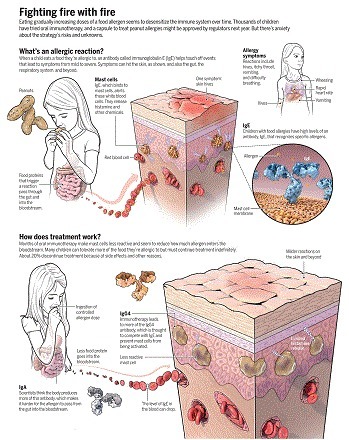
Whether for an allergy to cats or pistachios, immunotherapy aims to disrupt the cells that swing out of control when faced with an allergen. When a child who is allergic to a food eats it, food proteins cross from the digestive tract into the bloodstream. An antibody called immunoglobulin E (IgE), which is bound to white blood cells called mast cells in tissues, recognizes the culprits. IgE activates the mast cells, which release histamine and other chemicals. In the skin, that response can lead to hives; in the respiratory tract, wheezing; and in the gut, vomiting. The most serious symptoms, such as a swollen throat or a reaction throughout the body, mark anaphylaxis, which is what families fear the most. Allergy shots blunt production of IgE, in part, researchers believe, by boosting levels of certain T cells that prompt a cascade of immune changes.
![Figure][1]
Fighting fire with fire
Eating gradually increasing doses of a food allergen seems to desensitize the immune system over time. Thousands of children have tried oral immunotherapy, and a capsule to treat peanut allergies might be approved by regulators next year. But there's anxiety about the strategy's risks and unknowns.
GRAPHIC: C. BICKEL/ SCIENCE
Brief testing decades ago indicated that shots for food allergies weren't safe. So around the mid-2000s, scientists began to feed children the allergen instead. One watershed moment came in 2005, when the National Institutes of Health formed a consortium for food allergy clinical trials. A second was in 2011, when advocates sponsored a symposium at Harvard Medical School in Boston to standardize goals and strategy for the pioneering immunotherapy efforts. About 60 people attended. “The patients were very clear,” says Carla McGuire Davis, a pediatric allergist-immunologist at Texas Children's Hospital in Houston. They didn't care about eating a peanut butter sandwich; they wanted protection if they accidentally encountered one. Trialists set their end dose at a couple of peanuts and pressed ahead.
The results of early clinical trials were promising, says Hugh Sampson, a pediatric allergist-immunologist at the Icahn School of Medicine at Mount Sinai in New York City, who has studied immunotherapy in food allergies for many years. After 6 to 12 months of treatment, he says, about 70% to 80% of patients could handle higher doses of the food than before. Lab data were encouraging, too: Ingesting allergens over time seems to make mast cells less reactive, inhibiting their release of harmful chemicals. The therapy also produces other immunoglobulins: IgG4, which further inhibits mast cell activity, and IgA, which helps keep food allergens from escaping the gut (see graphic, p. 280).
The 2011 conference inspired the founding of the company now called Aimmune, fueled by more than $3.5 million from FARE. A second company, DBV Technologies, based in Montrouge, France, and New York City, expanded a few years later. Aimmune began to develop an oral product, essentially a capsule of powder derived from peanut flour with proteins held to consistent levels. In February, the company announced in a press release the results of a phase III trial involving 496 children and teenagers, with a regimen stepping up every 2 weeks through 11 dose levels. Among the 372 people in the treatment group, about 20% dropped out for various reasons, including side effects. After about a year, 96% of people who completed treatment could consume one peanut with no more than mild symptoms, 84% could tolerate two, and 63% could tolerate at least three.
DBV's skin patch represents a more conservative strategy: It delivers tiny amounts of peanut protein, the equivalent of one peanut over 3 years. Last year, DBV announced that in its phase III trial of almost 400 patients, after a year, those using the patch could, on average, eat three peanuts over the course of several hours before experiencing clinical symptoms such as vomiting or hives; before the trial, the average was just under one peanut. Outcomes varied substantially from person to person.
If one or both products are approved by FDA in the coming months, expectations are high that they'll be welcomed: Aimmune is now worth about $1.5 billion on the U.S. stock exchange. In 2016, FARE sold its share in Aimmune for $47 million.
MEANWHILE, SOME DOCTORS embrace another route: offering peanut immunotherapy in their practices. “I can treat 20 patients with $5.95 of peanut flour,” says Richard L. Wasserman, a pediatric allergist-immunologist in Dallas, Texas.
Wasserman ventured into food allergy immunotherapy 11 years ago. He developed a protocol based partly on published case reports and protocols for allergy shots, and he put IVs into his first five peanut allergy patients in case he had only seconds to rescue them from severe anaphylaxis. “When they all sailed through the first day, we stopped doing IVs,” he says. “But that's a measure of how concerned I was.”
Wasserman has since treated more than 300 children with peanut allergies and more than 400 with other food allergies. Other practitioners are joining in, among them the Cincinnati allergist whom the Kingsley family sought out: Justin Greiwe at Bernstein Allergy Group. Greiwe joined the practice in 2014, straight out of medical training. “It was a little nerve-wracking at the beginning,” he says, because no officially sanctioned oral immunotherapy protocol existed. He took precautionary measures, such as lung testing before every treatment, to help ensure patient safety.
Some clinicians—and executives at the companies developing products—aren't happy about the doctor's office treatments. “That gives a lot of us pause,” says Sampson, who in addition to his academic post is chief scientific officer of DBV. “We're very afraid that if this goes on enough, somebody is going to have an accident or a fatal reaction, and that's really going to change the FDA's viewpoint” about the products in development, he says.
Wasserman agrees about the need for caution. “Not every practicing allergist should be doing oral immunotherapy,” he says. Greiwe suggests the treatment requires a dedicated staff, and he gives every immunotherapy family his cellphone number.
Jacob was one of Greiwe's first immunotherapy patients. His mother remembers Jacob's ears burning—a minor reaction that subsided on its own. “Or he said he hated peanuts and wanted to quit,” she says. Worst was about 6 months in, when Kingsley discovered that for 2 weeks, Jacob had hidden his dose to avoid eating it. That was “the only time we ever felt danger,” she says. Stopping treatment can quickly alter the immune system, says Cecilia Berin, an immunologist at Mount Sinai, because immunotherapy requires constant exposure. When Jacob squirreled away his daily dose, the changes induced in his immune system almost certainly started to fade out, putting him at risk. Greiwe restarted him on a lower dose and, his mother says, “We got through it.”
EVEN CHILDREN WHO faithfully follow instructions face risks. The immune system can react to even subtle pressures, and the list of what can provoke a reaction to treatment is long. Exercising within a couple of hours of the dose can do it; so can a cold, a stomach virus, menstruation, or a hot shower. An asthma attack can trigger a reaction—many children with allergies have asthma as well—and so can stress. “We had a patient who had just played the violin on a stage, came down, and about 15 minutes later … took the dose and had a reaction,” Davis says.
Berin posits that external pressures such as physical activity or illness make the gut more permeable, pushing more of the immunotherapy dose into the bloodstream. But that remains hypothesis. Regardless, it's becoming clear that “there are people who react years down the road to a maintenance dose,” Keet says. For Jacob, such a moment came 9 months in. One evening while watching a movie, he downed his peanut M&M's and later ran outside with his cousins to dance in a rainstorm. He broke out in hives head to toe. Kingsley dialed Greiwe's number, and Jacob got a double dose of an allergy medication.
![Figure][1]
Food allergies are becoming more common, and a handful of foods accounts for the vast majority of allergies. But small doses of the foods can blunt allergic reactions.
PHOTO: SCIENCE PHOTO LIBRARY/SCIENCE SOURCE
The most tragic data point to date is the case in Japan. A child had enrolled in a trial of immunotherapy for milk allergies at the Kanagawa Children's Medical Center in Yokohama. He'd raised what he could ingest from less than 8 milliliters to 135 milliliters—about half a glass of milk. After 3 months on that maintenance dose, he swallowed it and soon complained of pain. Within minutes, he had stopped breathing. His heartbeat was later restored in the emergency room, but he'd gone too long without it and sustained severe brain damage, according to a statement from the hospital's president, Sumimasa Yamashita, in November 2017. Kanagawa Children's Medical Center declined to comment, saying only that the incident remains under investigation.
In its statement, the hospital noted the boy had suffered an asthma attack the day before the catastrophic dose. He also was on a protocol that aimed to rapidly escalate the volume of milk he could drink over less than 3 weeks. But why the child reacted so disastrously to that glass of milk is unknown.
“What people don't understand is this level of protection fluctuates,” says Mimi Tang, a pediatric allergist-immunologist at Murdoch Children's Research Institute in Melbourne, Australia. “It is not guaranteed, nor is it constant.”
One of the few long-term analyses was published in 2013 in The Journal of Allergy and Clinical Immunology . Keet, pediatric allergist-immunologist Robert Wood at Johns Hopkins Medicine, and their colleagues sought out 32 children who'd been in a milk immunotherapy trial. Three to 5 years later, “The results were surprising in a sobering kind of way,” Wood says. Only about a quarter “were doing great … tolerating unlimited quantities of milk without side effects.” Another quarter had abandoned the protocol and returned to strict avoidance. The rest were eating dairy products inconsistently, with intermittent or even frequent allergic reactions. “It's hard to know which comes first, whether they got complacent” about ingesting it “or backed off because [they were] having too many symptoms,” Wood says.
MORE AND MORE families are willing to live with those uncertainties because the alternative is greater anxiety. “We were scared senseless,” says Divya Balachandar, whose daughter Leena Wong, now 7 years old, had her first episode of anaphylaxis at age 4 after being touched by a cashew. Testing revealed Leena also was allergic to sesame, eggs, milk, other tree nuts, and peanuts. Balachandar, a pediatric pulmonologist in New York City, and her husband enrolled Leena in a federally funded oral immunotherapy trial for peanut allergy in 2015. “It made me nervous, really nervous, to put something in my daughter's mouth that she was allergic to,” Balachandar says. She gravitated toward a trial over treatment with a local allergist because, she says, “there were no rules” about how to treat in private practice. By this spring, Leena could eat two spoonfuls of peanut butter—about 25 peanuts—without a problem. She started second grade sitting with her classmates at lunchtime, liberated from a separate nut-free table.
Both companies developing peanut-based treatments say they had more volunteers for their trials than they could accommodate. Private practitioners usually have a waiting list; Greiwe's runs more than 4 months. At Stanford University in Palo Alto, California, which has a large food allergy research program, more than 2000 patients are waitlisted to enroll in the university's clinical trials, says Sharon Chinthrajah, an allergist-immunologist there.
More treatments are on the horizon. In Australia, Tang is working with a company that's testing an approach she pioneered, a combination of a probiotic and oral peanut immunotherapy. The probiotic should tilt the body toward producing the subset of T cells that tolerate the allergen and away from making cells that attack it, she says. Chinthrajah and others are enthusiastic about combining oral immunotherapy with a monoclonal antibody called omalizumab, which is FDA approved to treat allergic asthma. Clinical trials are also gearing up to test other monoclonal antibodies that target molecules involved in allergic inflammation.
Jacob's and Leena's families are eager to see what comes next. Jacob is also allergic to pistachios and cashews, but because he finds those foods easier to avoid than peanuts, the family has rejected immunotherapy that targets them. Leena's family is the opposite. With her older sister and her parents, Leena attends Indian functions regularly, where tree nuts are a common ingredient in sauces. In August, another episode of anaphylaxis landed her in the emergency room: She began to vomit and suffered chest tightness and eye swelling after eating Indian food her parents suspect contained cashews—despite having triple-checked with the restaurant that it did not. “I would love to do tree nuts,” Balachandar says, once immunotherapy “becomes more available and better understood.”
Physicians with deep roots in food allergy immunotherapy hope those new to it tread carefully. Doctors who offer such treatments “have to know the data cold,” including published results and side effects that may crop up, Greenhawt says. Still, he's thrilled that peanut immunotherapy treatments may soon be approved. The other day, talking with a peanut-allergic 4-year-old and his mother, Greenhawt shared what the next year might bring. “I said, ‘I'm going to see you a year from now; hopefully, we will have two products that are approved, and we can talk about which one might be best for you.’” The mother looked startled and delighted, Greenhawt says. “I've never seen somebody smile as brightly as that.”
[1]: pending:yes
Via Krishan Maggon
|
|
Rescooped by
Gilbert C FAURE
from Immunology and Biotherapies
October 11, 2018 3:28 PM
|
1 Background There are limited data on the feasibility, efficacy and safety of high‐dose oral immunotherapy (OIT) in children highly allergic to peanuts. 2 Objective In children highly allergic to peanut, we primarily aimed to determine the feasibility of reaching the maximum maintenance dose (MMD) of 5000 mg peanut protein or, alternatively, a lower individual maintenance dose (IMD), by OIT up‐dosing. Secondarily, we aimed to identify adverse events (AEs) and determine factors associated with reaching a maintenance dose. 3 Methods The TAKE‐AWAY peanut OIT trial enrolled 77 children 5‐15 years old, with a positive oral peanut challenge. Fifty‐seven were randomized to OIT with biweekly dose step‐up until reaching MMD or IMD and 20 to observation only. Demographic and biological characteristics, AEs, medication and protocol deviations were explored for associations with reaching maintenance dose. 4 Results All children had anaphylaxis defined by objective symptoms in minimum two organ systems during baseline challenge. The MMD was reached by 21.1%, while 54.4% reached an IMD of median (minimum, maximum) 2700 (250, 4000) mg peanut protein, whereas 24.5% discontinued OIT. During up‐dosing, 19.4% experienced anaphylaxis. Not reaching the MMD was caused by distaste for peanuts (66.7%), unacceptable AEs (26.7%) and social reasons (6.7%). Increased peanut s‐IgG4/s‐IgE ratio (OR [95% CI]: 1.02 [1.00, 1.04]) was associated with reaching MMD. 5 Conclusion Although 75.5% of children with peanut anaphylaxis reached a maintenance dose of 0.25‐5 g, only 21.1% reached the MMD. Distaste for peanuts and AEs, including high risk of anaphylaxis, limited the feasibility of reaching MMD.
Via Krishan Maggon
|
|
Scooped by
Gilbert C FAURE
September 18, 2018 12:03 PM
|
People with autosomal dominant hyper-immunoglobulin E syndrome (HIES) have recurrent bacterial infections of the skin and lungs. Patients with HIES typically also have eczema, distinct facial features, and a tendency to experience bone fractures. The disease has several other names, including Job’s syndrome, STAT3 deficiency, and Buckley syndrome. HIES is a primary immune deficiency disease (PIDD). For more information on PIDD research and patient care at NIAID, visit the NIAID PIDD site. For further information about HIES, visit the National Library of Medicine, Genetics Home Reference autosomal dominant hyper-IgE syndrome site. What's New Latest News Releases NIAID and Children’s National Partner to Advance Pediatric Clinical Research, September 17, 2018 NIAID Scientists Identify Cause, Possible Treatment for Life-Threatening Gut Condition, June 28, 2017 NIAID Scientists Discover Rare Genetic Susceptibility to Common Cold, June 12, 2017 NIAID Now Blog Video: Understanding Immune Cell Defects in Chediak-Higashi Syndrome, December 15, 2017 56 Years Later, NIAID Scientists Find Gene Behind NIH Distinguished Investigator’s Eponymous Syndrome, October 11, 2017 Causes Most cases of autosomal dominant HIES result from mutations in the gene that encodes a signaling protein called STAT3. This protein is involved in many different activities of the body, explaining why HIES affects facial appearance, bones, lungs, skin, and arteries. NIAID investigators identified the role of STAT3 in autosomal dominant HIES in 2007. Symptoms & Diagnosis People with HIES may have recurrent infections of the skin and lungs. These infections are often caused by the bacterium Staphylococcus aureus but also may be caused by other bacteria and fungi. Furthermore, people with HIES tend to have recurrent bone fractures, unusually flexible joints, and inflamed skin. Baby teeth in people with HIES often do not fall out on their own. A doctor will suspect HIES in a person with eczema, recurrent boils, and pneumonias. Treatment The most effective treatments for HIES are continuous antibiotics and antifungals as needed. Some patients receive antibody replacement therapy. Antiseptic approaches, such as dilute bleach baths, are often helpful to prevent skin infections and improve eczema. Watch an NIAID video on wet-wrap therapy for eczema. Clinical Trials NIAID-supported clinical research seeks to determine the effect of HIES on the immune system, including which immune cells and responses are affected and how these abnormalities translate into patient's symptoms. Read more about selected clinical trials that are seeking volunteers
|
|
Scooped by
Gilbert C FAURE
September 2, 2018 5:08 AM
|
There are two types of IgE-mediated reactions to stinging insects: large local reactions and systemic reactions. Acute management of large local reactions is symptomatic and a patient history of a large local reaction does not indicate need for an epinephrine auto-injector or venom immunotherapy.
|
|
Scooped by
Gilbert C FAURE
August 16, 2018 3:58 PM
|
<b><i>Background:</i></b> The diagnosis of drug hypersensitivity reactions (DHRs) is based both on clinical history and in vivo tests, such as specific IgE and cutaneous tests, when available.<b><i>O...
|
|
Scooped by
Gilbert C FAURE
June 15, 2018 8:04 AM
|
The major sources of allergens in the indoor air include house dust mites, dander derived from domestic animals and rodents, cockroach, and several fungi. Mites are the main cause of allergies in some countries with a warmer climate, but the epidemiological significance of mite and cockroach allergens in Central Europe has not been established yet. We assessed sensitization profiles of allergy patients in a Central European region in regard to sensitization to mites and cockroach. We used molecular diagnosis by means of the microarray ISAC, and we investigated 1766 patients with clinical suspicion to an allergic disorder. 1255 of them were positive to at least one allergen component, and this group was subjected to statistical analysis. The sensitization to at least one mite-specific molecule (Der p 1, 2, Der f 1, 2) was observed relatively frequently in 32.7% of patients. Specific IgE to mite group 2 molecules is almost fully cross-reactive. Group 1 allergens are also cross-reactive, but in some patients, a species-specific response was observed. Relatively high rate of sensitization both to group 1 and 2 allergens in our patients indicates the greater role of co-sensitizations. Isolated sensitizations to molecules derived from glyciphagid mites Lep d 2 and/or Blo t 5 without sensitization to other mite-derived molecules were observed only exceptionally (in 0.6% of cases). True sensitization to at least one cockroach-specific molecule (Bla g 1, 2, 5) was very rare (in 0.6% of cases), and nearly all of them were co-sensitizations with other noncockroach-derived molecules. Sensitization to an inhaled tropomyosin was observed rarely in 2.2% of patients (Der p 10 in 1.9% and Bla g 7 in 1.5%). Co-sensitization of inhaled tropomyosins with the respective mite- or cockroach-specific molecules was observed only in the minority of patients suggesting the different route of sensitization being more frequent. The majority of patients are co-sensitized to several molecules of the respective allergen source. The knowledge of this molecular spectrum of sensitization is important for optimal diagnosis and treatment in respect to allergen content in mite extracts used for diagnostic and therapeutic purposes. In regard to the sensitization patterns of Central European patients, it is necessary to point out the importance of quantifying at least three major mite components Der f 1, Der p 1 and Der f 2 (or Der p 2).
|
|
Scooped by
Gilbert C FAURE
June 4, 2018 5:11 AM
|
Categories Life Science and Biotechnology Development Stage Proof-of-concept, in vitro Market Allergies, Asthma Background Mast cells (MCs) are a type of white blood cell in the immune system. They are produced in the bone marrow and play a key role in the inflammatory process. Additionally, they are the primary driver of allergic reactions, facilitating the degranulation of histamines when bound by an allergen. By selectively inhibiting the MCs, the pivotal initiators of the allergic cascade, allergies should be blocked. Our Innovation We proposed to block specifically MC activity via bound-IgE targeting and activation of CD300a - an inhibitory receptor that we have defined on these cells. For this, we have developed anti-IgE/anti-CD300a bi-specific antibodies (Abs) that we have shown to selectively inhibit MC activation both in vitro and in mice models of allergy. 2 types of recombinant bi-specific Abs were produced and demonstrated in vitro their efficacy in inhibiting MC activation. The Opportunity Allergic diseases (asthma, allergic rhinitis, atopic dermatitis (AD) etc.) affect ~15% of the world population and are on the rise. Today, except for the classical anti-allergic treatments, i.e. corticosteroids, anti-histamines, etc., few new drugs, most of which are monoclonal Abs (mAbs) have been developed. However these new drugs are only partially effective in limited-defined patient populations. None of the approved drugs is designated to block the first and key effectors of all the kinds of allergy, the mast cells (MCs). The drug is first targeted to severe asthma. Current revenues for biologics in severe asthma treatment exceed $ 2 billion annually, with only 10% of patients under treatment. Development Milestones Seeking funding for ongoing research and industrial collaboration to advance to in vivo POC. PATENT STATUS Granted US 8,133,485
|
|
Scooped by
Gilbert C FAURE
January 23, 2018 4:03 AM
|
Food allergy is caused when the body mistakenly makes an antibody (IgE) to 'fight off' a specific food. Find our more about food allergy and food intolerance symptoms, treatment and more now.
|
|
Scooped by
Gilbert C FAURE
December 6, 2017 8:43 AM
|
Allergy. 2017 Sep 27. doi: 10.1111/all.13319. [Epub ahead of print]
|
|
Scooped by
Gilbert C FAURE
November 28, 2017 2:03 PM
|
<b><i>Background:</i></b> Chronic rhinosinusitis with nasal polyposis (CRSwNP) is an inflammatory disease associated with lymphoid aggregates and local IgE production related t
|
|
Scooped by
Gilbert C FAURE
November 14, 2017 1:34 PM
|
|
|
Scooped by
Gilbert C FAURE
October 3, 2017 6:35 AM
|
Antigen-specific immunotherapy (AIT) is a promising therapeutic approach for both cow’s milk allergy (CMA) and peanut allergy (PNA), but needs optimization in terms of efficacy and safety. Compare oral immunotherapy (OIT) and subcutaneous immunotherapy (SCIT) in murine models for CMA and PNA and determine the dose of allergen needed to effectively modify parameters of allergy. Female C3H/HeOuJ mice were sensitized intragastrically (i.g.) to whey or peanut extract with cholera toxin. Mice were treated orally (5 times/week) or subcutaneously (3 times/week) for three consecutive weeks. Hereafter, the acute allergic skin response, anaphylactic shock symptoms and body temperature were measured upon intradermal (i.d.) and intraperitoneal (i.p.) challenge, and mast cell degranulation was measured upon i.g. challenge. Allergen-specific IgE, IgG1 and IgG2a were measured in serum at different time points. Single cell suspensions derived from lymph organs were stimulated with allergen to induce cytokine production and T cell phenotypes were assessed using flow cytometry. Both OIT and SCIT decreased clinically related signs upon challenge in the CMA and PNA model. Interestingly, a rise in allergen-specific IgE was observed during immunotherapy, hereafter, treated mice were protected against the increase in IgE caused by allergen challenge. Allergen-specific IgG1 and IgG2a increased due to both types of AIT. In the CMA model, SCIT and OIT reduced the percentage of activated Th2 cells and increased the percentage of activated Th1 cells in the spleen. OIT increased the percentage of regulatory T cells (Tregs) and activated Th2 cells in the MLN. Th2 cytokines IL-5, IL-13 and IL-10 were reduced after OIT, but not after SCIT. In the PNA model, no differences were observed in percentages of T cell subsets. SCIT induced Th2 cytokines IL-5 and IL-10, whereas OIT had no effect. We have shown clinical protection against allergic manifestations after OIT and SCIT in a CMA and PNA model. Although similar allergen-specific antibody patterns were observed, differences in T cell and cytokine responses were shown. Whether these findings are related to a different mechanism of AIT in CMA and PNA needs to be elucidated.
|


 Scoop.it!