SLIT is effective, tolerable, and convenient for many allergic patients. Still, real-world evidence is scarce and the aim of this study is to assess the patient-reported outcome of treatment with SLIT against grass pollen allergy in a consecutive patient population. The total sample size consisted of 329 patients who were confirmed to be allergic to timothy grass and had been prescribed SLIT were consecutively enrolled in the study and completed a questionnaire online or in hard copy. 207 patients provided their responses to the administered questionnaire. 113 patients reported they had completed the full 3-year treatment period, 49 were still on treatment, and 45 had discontinued treatment prematurely. The betterment of asthma was twice as common among patients who completed compared to discontinued treatment. Younger age and a higher prevalence of reported oral and/or gastrointestinal side effects characterized the group that terminated SLIT. Forgetfulness was the most commonly reported specific reason. The study concluded through its findings that the treatment perseverance resulted in the improved patient-reported outcome. Forgetfulness was the most frequently reported reason for discontinuing SLIT treatment against grass pollen allergy. Reference: https://clinicalmolecularallergy.biomedcentral.com/articles/10.1186/s12948-018-0093-8
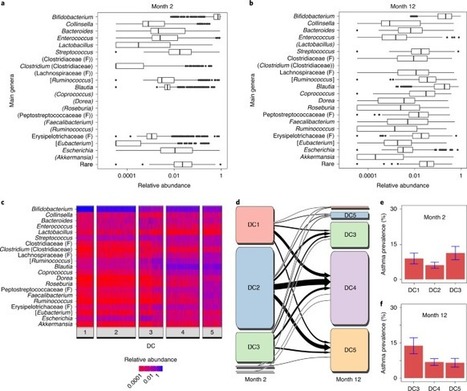
Growing up on a farm is associated with an asthma-protective effect, but the mechanisms underlying this effect are largely unknown. In the Protection against Allergy: Study in Rural Environments (PASTURE) birth cohort, we modeled maturation using 16S rRNA sequence data of the human gut microbiome in infants from 2 to 12 months of age. The estimated microbiome age (EMA) in 12-month-old infants was associated with previous farm exposure (β = 0.27 (0.12–0.43), P = 0.001, n = 618) and reduced risk of asthma at school age (odds ratio (OR) = 0.72 (0.56–0.93), P = 0.011). EMA mediated the protective farm effect by 19%. In a nested case–control sample (n = 138), we found inverse associations of asthma with the measured level of fecal butyrate (OR = 0.28 (0.09–0.91), P = 0.034), bacterial taxa that predict butyrate production (OR = 0.38 (0.17–0.84), P = 0.017) and the relative abundance of the gene encoding butyryl–coenzyme A (CoA):acetate–CoA-transferase, a major enzyme in butyrate metabolism (OR = 0.43 (0.19–0.97), P = 0.042). The gut microbiome may contribute to asthma protection through metabolites, supporting the concept of a gut–lung axis in humans. Growing up in the rich microbial environment of a farm strongly influences the maturation of the gut microbiome in the first year of life, which helps protect against the development of asthma in children.
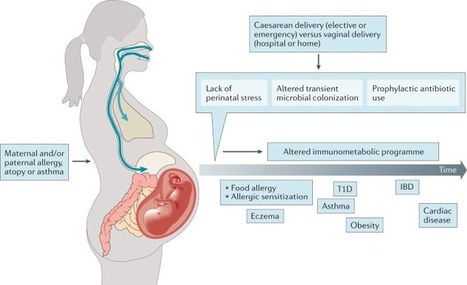
Allergies, including asthma, food allergy and atopic dermatitis, are increasing in prevalence, particularly in westernized countries. Although a detailed mechanistic explanation for this increase is lacking, recent evidence indicates that, in addition to genetic predisposition, lifestyle changes owing to modernization have an important role. Such changes include increased rates of birth by caesarean delivery, increased early use of antibiotics, a westernized diet and the associated development of obesity, and changes in indoor and outdoor lifestyle and activity patterns. Most of these factors directly and indirectly impact the formation of a diverse microbiota, which includes bacterial, viral and fungal components; the microbiota has a leading role in shaping (early) immune responses. This default programme is markedly disturbed under the influence of environmental and lifestyle risk factors. Here, we review the most important allergy risk factors associated with changes in our exposure to the microbial world and the application of this knowledge to allergy prevention strategies. Here, the authors explore how the modern way of life increases the risk of allergy and asthma, in particular by affecting the formation and diversity of the microbiota in early life. Understanding these changes highlights strategies for allergy prevention.
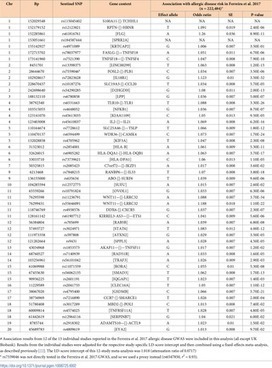
Author summary So far, genetic studies of allergic disease have investigated the presence of the disease rather than the age at which the first allergic symptoms develop. We aimed to identify genetic risk variants associated with the age at which symptoms of allergic disease first develop, considering information from asthma, hay fever and eczema by examining 117,130 genotyped individuals of European ancestry from the UK Biobank study. We identified 50 variants with a significant independent association (P<3x10⁻⁸) with age-of-onset. Forty-five variants had comparable effects on the onset of the three individual diseases and 38 were also associated with allergic disease case-control status in an independent study (n = 222,484). We then performed a multivariate GWAS of age-of-onset and case-control status identified a further 26 associations that were missed by the univariate analyses of age-of-onset or case-control status only. 18 of 76 variants identified represent novel associations for allergic disease. We identified 81 likely target genes of the 76 genetic variants, including ADAM15, FOSL2, TRIM8, BMPR2, CD200R1, PRKCQ, NOD2, SMAD4, ABCA7 and UBE2L3. Our results support the notion that early and late onset allergic disease have partly distinct genetic architectures, potentially explaining known differences in pathophysiology between individuals.
Summary Background Subcutaneous immunotherapy for respiratory allergy has shown a long‐lasting efficacy after its discontinuation, whereas this evidence is still lacking for sublingual immunotherap...
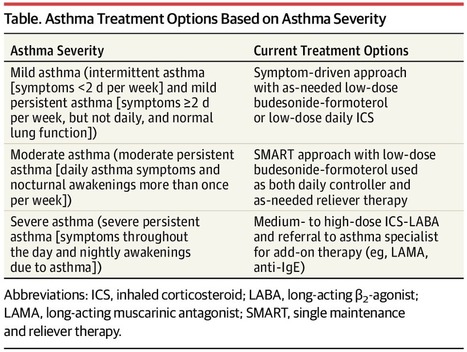
This JAMA Insights Clinical Update reviews recent evidence favoring use of inhaled corticosteroids (ICS)in all patients with asthma, regardless of frequency, and summarizes the SMART (single maintenance and reliever therapy) treatment approach, which uses an inhaler combining ICS and formotero
PubMed comprises more than 30 million citations for biomedical literature from MEDLINE, life science journals, and online books. Citations may include links to full-text content from PubMed Central and publisher web sites.
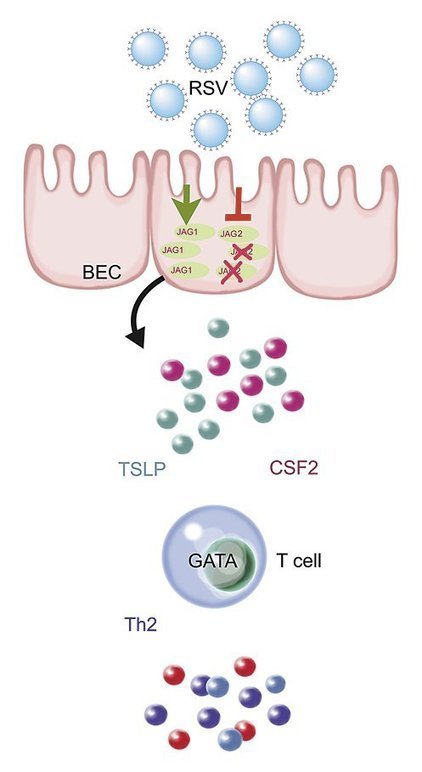
Abstract Background Most studies addressing the association between RSV and recurrent wheezing (RW) and asthma have been conducted in patients at risk for lung morbidity. Data in full‐term infant
Abstract Allergen Immunotherapy (AIT) was introduced in clinical practice on an empirical basis more than 100 years ago. Since the first attempts, AIT was administered subcutaneously. Indeed, other routes of administration were proposed and studied, in particular to improve the safety, but only the sublingual route (SLIT) achieved a credibility based on evidence, and was then accepted as a viable “alternative” option to the subcutaneous route. SLIT was largely used in clinical trials and clinical practice in this last 30 years. Thus, a large amount of data is available, coming from either controlled trials and post‐marketing surveillance studies. It is clear that SLIT is overall effective, but it is also clear that the efficacy is not “class‐related”, as derived from meta‐analyses, but restricted to each specific product. The 30‐year lasting use of SLIT allowed to clarify many clinical aspects, such as efficacy, safety, use in asthma, regimens of administration, optimal doses. In parallel, the mechanisms of action of AIT were elucidated, and new indications were proposed (e.g. food allergy, atopic dermatitis). In addition, the introduction of molecular‐based diagnosis, allowed to better refine the prescription of SLIT, based on specific sensitization profiles.
The present article will describe the origin and evolution of SLIT for respiratory allergy, taking into account the clinical context that suggested this form of treatment, the recently developed aspects, the future perspectives and unmet needs, This is not, therefore, a systematic review, rather a narrative historical description of the past history, and a look forward to the future opportunities.
Over the last decades, an increasing appearance of allergies and atopic disorders, such as asthma, dermatitis, and rhinitis, has been observed.The mechanisms of these disorders remain unclear, and th...
For each of the five biologics the authors shall summarize the known safety profiles and also the potential adverse effects as their usage is extended long term with suggestions for real world studies to help us develop our knowledge base.
Key words: asthma, biologics, safety, omalizumab, mepolizumab, reslizumab, benralizumab, dupilumab, real world evidence
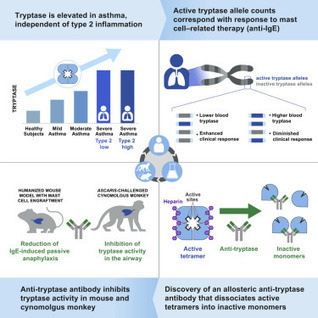
Type 2-low asthma represents a critical unmet need and an opportunity for new drug discovery. Here, Maun et al. demonstrate that increased mast cell tryptase levels are associated with asthma severity independent of type 2 inflammation and that increased active tryptase alleles are associated with decreased clinical responses to anti-IgE treatment. They generated a noncompetitive inhibitory anti-tryptase antibody with in vivo activity in humanized mouse and cynomolgus monkey models as a clinical candidate for severe asthma treatment.
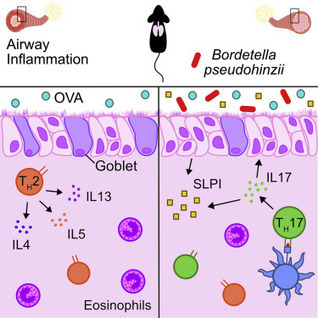
Asthma is known to be modified by airway microbes. Jaeger et al. use a murine-adapted bacterium to show that airway colonization evokes a Th17 response associated with increased SLPI, an antimicrobial peptide, and protection from lung inflammation.
Morning Session Morning Chair: Dr Tom Marrs 09:00 Welcome and Introduction Dr Tom Marrs Consultant in Paediatric Allergy St Thomas' Hospital, London 09:10 Remote managment of eczema and urticaria in primary care Dr Alya Abdul-Wahab Consultant Dermatologist St George's Hospital, London 09:50 How to fix common gastro-intestinal symptoms in children Dr Rakesh Vora Paediatric Gastroenterology Consultant St Thomas' Hospital, London 10:35 << BREAK >> 11:00 How to manage IgE and non-IgE food allergies Dr Tom Marrs Consultant in Paediatric Allergy St Thomas' Hospital, London 11:40 How to recomment avoidance of egg and nuts Rebecca Brocklehurst Paediatric Allergy Dietitian St Thomas' Hospital, London 12:20 << LUNCH >> Afternoon Session Afternoon Chair: Dr Rosy Wells 13:00 Preventing food allergy: what to tell parents Dr Michael Perkin Consultant Allergist and Reader in Clinical Epidemiology St George's Hospital, London 13:30 Priorities to Tell Families Living With Food Allergy Professor Adam Fox Professor in Paediatric Allergy St Thomas' Hospital, London 14:00 QUICK FIRE: Adrenaline auto-injector guide IN PRACTICE: Spare pens in schools Alia Boardman Clinical Nurse Specialst in Paediatric Allergy St George's Hospital, London 14:30 << BREAK >> 15:00 Managing Long-Term Asthma in a Virtual World Dr Richard Iles Paediatric Respirology Consultant St Thomas' Hospital, London 15:40 How to recognise and treat allergic rhinitis Dr Anne Chsitopher Consultant Paediatrician and Allergist St George's Hospital, London 16:10 New inhalers and nasal sprays Katherine Knight Clinical Nurse Specialist in Paediatric Allergy St Thomas' Hospital, London 16:40 Webinar feedback and Close of meeting
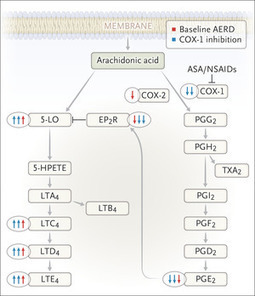
Aspirin-Exacerbated Respiratory Disease About 7% of patients with asthma have mucosal swelling, nasal polyps, and worsening of asthma in response to aspirin and other COX-1 inhibitors. Symptoms may...
Abstract Background Synergistic role of exposure to cats, dogs, and farm animals during infancy on the risk of childhood asthma and allergy remains unknown. Objectives To investigate independent an...
The European Academy of Allergy and Clinical Immunology has developed a clinical practice guideline providing evidence‐based recommendations for the use of house dust mites (HDM) AIT as an add‐on...
Type 2 (T2) inflammation plays a key role in the pathogenesis of asthma. IL-4, IL-5, and IL-13, along with other inflammatory mediators, lead to increased cellular eosinophilic inflammation. It is likely that around half of all patients with asthma have evidence of T2-high inflammation. Sputum and blood eosinophils, exhaled nitric oxide, blood IgE levels, and airway gene expression markers are frequently used biomarkers of T2-high asthma. Individuals with T2-high asthma tend to have several features of increased asthma severity, including reduced lung function and increased rates of asthma exacerbations, and T2-high patients demonstrate distinct pathologic features including increased airway remodeling and alterations in airway mucus production.
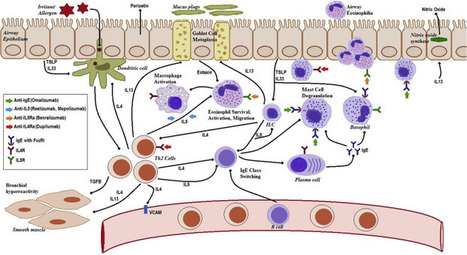
Meeting Summary Asthma is one of the most common chronic diseases, with ≤25% of patients experiencing uncontrolled disease.1Patients with uncontrolled, moderate-to-severe asthma are at increased risk of recurrent exacerbations, accelerated decline in lung function, fixed airway obstruction, and have increased utilisation of health care resources.2,3Furthermore, reduced lung function, as assessed by measures such as forced expiratory volume in 1 second (FEV1), is a strong independent predictor of exacerbations, progressive decline in lung function, and all-cause pulmonary and cardiovascular mortality in patients with asthma.2 Achieving asthma control in these patients is therefore critical. The recognition of distinct inflammatory phenotypes within this population has been instrumental in addressing this need. In these patients, there is robust evidence of the pathogenic role of Th2 cytokines, such as IL-4 and IL-13, in the eosinophilic and allergic inflammatory processes.4This in turn has driven the development of targeted biological therapies, particularly selective targeted monoclonal antibodies such as dupilumab which inhibit the biological effects of both IL-4 and IL-13.5 This article reviews four posters displayed at the European Respiratory Society (ERS) International Congress 2019 that presented results demonstrating the efficacy and safety of dupilumab, an anti-IL-4 receptor human monoclonal antibody, compared to placebo for the treatment of uncontrolled, moderate-to-severe asthma, as measured by a range of outcomes. Background Atypical production of several Th2 cytokines, including IL-4, IL-5, and IL-13, play a central pathogenic role in multiple atopic conditions.6-9Specifically, IL-4 and IL-13 are associated with the pathogenesis of certain types of asthma, including allergic and nonallergic forms.5,6,9-12 IL-4 and IL-13 were historically thought to mediate identical signalling pathways because they share receptor complexes; however, IL-4 and IL-13 elicit distinct allergic hallmarks.IL‑4 is the central mediator of Th2 cell differentiation, isotype class switching (especially to IgE), B cell growth, and eosinophil (EoS) recruitment.12-14IL‑13 has roles in goblet cell hyperplasia induction and smooth muscle contractility.9,15Therefore, IL-4 and IL-13 activate multiple cell types and induce various mediators involved in inflammation, contributing to airflow limitation and increasing the risk of severe exacerbations.11-15Little is currently known regarding the roles of IL-4/IL-13 in IgE and non-IgE-mediated inflammatory pathways, or the effect of inhibiting IL-4/IL-13 in these pathways in asthma. Dupilumab, a fully human anti-IL-4Rαmonoclonal antibody, inhibits signalling of both IL-4 and IL-13 by specifically binding to the IL-4Rαsubunit shared by both receptor complexes.5,10-12This effect is associated with the marked suppression of biomarkers of Type 2 inflammation including total serum IgE, thymus and activation regulated chemokine, eotaxin-3, and fractional exhaled nitric oxide (FeNO).13 Liberty Asthma QUEST Trial The Liberty Asthma QUEST16was a Phase III, randomised, placebo-controlled, parallel-group trial in 1,902 patients with persistent asthma, receiving continuous inhaled corticosteroids (ICS), plus up to two additional controller medications.17Patients with uncontrolled, moderate-to-severe asthma (based on the Global Initiative for Asthma [GINA] 2015 guidelines),18with a history of one or more exacerbations in the previous year and without a minimum requirement for baseline blood EoS count or any other Type 2 biomarkers (FeNO or serum total lgE),19were randomised in a 2:2:1:1 ratio to receive 52 weeks of add-on therapy with subcutaneously administered dupilumab 200 mg or 300 mg every 2 weeks, or matched placebo.5 The co-primary efficacy endpoints included an annualised rate of severe exacerbation events during the 52-week treatmentperiod and absolute change from baseline in pre-bronchodilator (BD) FEV1at Week 12. A secondary endpoint was the percentage change from baseline to Week 12 in pre-BD FEV1.19 This study showed that add-on dupilumab significantly reduced severe asthma exacerbations; improved lung function, asthma control, and quality-of-life measures; and was generally well-tolerated.13 Moreover, treatment effects were greater in patients with elevated Type 2 biomarkers at baseline (blood EoS and FeNO).17,19 Dupilumab Effect on Lung Function in Patients with Uncontrolled, Moderate-to-Severe Asthma with an Allergic Phenotype Professor Mario Castro This post hoc subset analysis of the Liberty Asthma QUEST trial assessed the effect of dupilumab on lung function parameters in patients with uncontrolled, moderate-to-severe asthma with and without evidence of allergic asthma. In this study, allergic asthma was defined as total serum IgE ≥30.00 IU/mL and ≥1.00 perennial aeroallergen-specific IgE ≥0.35 kU/L. The study assessments included the change from baseline in pre-BD FEV1(L), post-BD FEV1(L), pre-BD forced expiratory flow at 25–75% of pulmonary volume (FEF25–75%, L/s), and pre-BD FEV1/forced vital capacity (FVC) ratio (%) during the 52-week treatment period in patients receiving dupilumab 200 mg every 2 weeks, 300 mg every 2 weeks, or matched placebos stratified by evidence of allergic asthma.20 Of the patients, 57% had allergic asthma (n=1,083) with a mean age of 44.40 years, 58.40% were female, and the mean number of severe exacerbations was 1.96. In the nonallergic asthma group, the mean age was 52.70 years, 70.40% were female, and the mean number of severe exacerbations was 2.32.20 This post hoc analysis showed that dupilumab improved pre and post-BD FEV1, pre-BD FEF25-75% (L/s), and FEV1/FVC ratio (%) at Weeks 12 and 52 in patients with uncontrolled, moderate-to-severe asthma with and without evidence of allergic asthma. Dupilumab 200 mg and 300 mg every 2 weeks versus placebo also improved lung function parameters at Week 12 (change from baseline least squares [LS] mean difference pre-BD FEV1:0.13/0.16 L; post-BD FEV1:0.13/0.11 L; FEF25–75%: 0.14/0.22 L/s; FVC: 0.15/0.11 L; FEV1/FVC ratio: 0.56/2.78%; all p<0.05 except dupilumab 200mg, FEV1/FVC ratio [p=0.35]). Sustained or better improvements were observed at Week 52 (all p<0.05).20 The incidence of treatment-emergent adverse events (TEAE) was similar across treatment groups and the most common TEAE reported were viral upper respiratory tract infections (18.2% versus 19.6%), injection-site erythema (13.8% versus 5.5%), upper respiratory tract infection (11.6% versus 13.6%), and bronchitis (11.4% versus 14.0%) in dupilumab versus placebo, respectively.20 Prof Castro concluded that in addition to reducing severe asthma exacerbations and biomarkers of Type 2 inflammation, including total serum IgE,21dupilumab therapy demonstrated rapid and sustained improvement in lung function in uncontrolled, moderate-to-severe asthma patients, with or without evidence of allergic asthma, during the 52-week treatment period. Dupilumab improved both large (pre and post-BD FEV1) and small (pre-BD FEF25-75%)airway function, as well as airway obstruction (pre-BD FEV1 /FVC). The magnitude of improvement was consistent between patients with and without evidence of allergic inflammation and the maximum effect was achieved by Week 12 and sustained to Week 52.20These results are supported by a previous post hoc analysis, in which similar results were observed in QUEST patients with and without evidence of allergic asthma.21 Dupilumab Efficacy in Patients with Uncontrolled, Moderate-to-Severe Asthma by Immunoglobulin E Levels at Baseline Doctor Warner W. Carr This post hoc analysis assessed the effect of dupilumab on severe exacerbations and FEV1, as well as the impact on overall asthma control in patients with uncontrolled, moderate-to-severe asthma as defined by baseline IgE levels. The aim was to investigate whether there was a differential effect on these efficacy measures defined by baseline IgE levels. The study assessments included the annualised rate of severe exacerbations, LS mean change from baseline in pre-BD FEV1(L), and LS mean change from baseline in the 5-item Asthma Control Questionnaire (ACQ-5) score during the 52-week treatment period.22 Patients with uncontrolled, moderate-to-severe asthma were characterised at baseline by IgE level (381 patients had an IgE level <100; 782 patients had ≥100 to <500; 419 patients had ≥500; 313 patients had ≥700; and 212 patients had ≥1,000 IU/mL Figure 1. Baseline demographics and disease characteristics were generally similar across IgE groups.22 Dupilumab 200 mg and 300 mg every 2 weeks versus placebo significantly reduced severe exacerbations in all baseline IgE groups (-38.9 to -67.9%; all p<0.05) and significantly improved pre-BD FEV1at Weeks 24 and 52 in all baseline IgE groups (LS mean difference: 0.11–0.31 L; all p<0.05), except for 300 mg in IgE <100 IU/mL and ≥1,000 IU/mL groups (Figure 2).22 In the overall safety population, the incidence of TEAE was similar across treatment groups. Conjunctivitis was observed in 2.3% versus 3.3% of patients receiving dupilumab versus placebo, respectively.22 Dr Carr concluded that in general, baseline demographics and disease characteristics were balanced between treatment groups across the patient subgroups by total serum IgE levels at baseline. Dupilumab reduced severe asthma exacerbation rates and improved FEV1and asthma control in patients with moderate-to-severe asthma in all IgE subgroups. For exacerbations, these effects reached statistical significance for both dupilumab 200 mg and 300 mg every 2 weeks groups in all IgE subgroups. For FEV1and asthma control, these effects reached statistical significance for patients receiving dupilumab 200 mg every 2 weeks in all IgE subgroups; but for where dupilumab was prescribed 300 mg every 2 weeks dose, not all IgE subgroups reached statistical significance. In conclusion, regardless of atopic status as categorised by baseline IgE levels, dupilumab can reduce severe exacerbations and improve FEV1.22 Dupilumab Efficacy in Type 2 Inflammatory Asthma: Liberty Asthma QUEST Study (Poster OA3807) Professor Ian D. Pavord The new GINA report for difficult-to-treat and severe asthma proposes baseline blood Eos ≥150 cells/µL and/or baseline FeNO ≥20 parts per billion (ppb) as cut-offs to define Type 2 inflammatory asthma.23 This post hoc analysis assessed dupilumab efficacy in patient subgroups defined by the GINA proposed markers for Type 2 asthma, namely in patients with baseline Eos ≥150 cells/µL, FeNO ≥20 ppb, and in other quadrant subgroups. The endpoints assessed included annualised rate of severe exacerbations during the 52-week treatment period and change from baseline in pre-BD FEV1(L) at Week 12.24 Baseline disease characteristics were generally comparable across the subgroups. The mean age was 47.20 years, 59.00% were female, the mean percent predicted pre-BD FEV1was 58.55, the mean exacerbations in the past year was 2.22, and the mean ACQ-5 score was 2.76.24 In patients with baseline Eos ≥150 cells/µL and FeNO ≥20 ppb (n=922), dupilumab 200 mg and 300 mg every 2 weeks versus placebo significantly reduced severe exacerbations by 66% and 63% respectively, and improved FEV1 by 0.26 L and 0.22 L, respectively (all p<0.0001). Similar results were observed at Week 52 and dupilumab efficacy was not significant in the other patient subgroups.24 Overall, the most frequently reported AE in the dupilumab versus placebo group was injection-site reactions.24 Prof Pavord concluded that dupilumab significantly reduced severe exacerbations and improved FEV1in patients with Type 2 inflammatory asthma. Moreover, the effect of dupilumab treatment in reducing exacerbations and improving FEV1was greatest in patients with elevation of both baseline blood EoS count (≥150 cells/µL) and FeNO (≥20 ppb).24 Dupilumab Efficacy in Asthma Patients with FEV160–80% Predicted on Medium-Dose Inhaled Corticosteroids : LIBERTY ASTHMA QUEST Study Professor Alberto Papi This post hoc analysis aimed to assess dupilumab efficacy in patients with moderate asthma defined as asthma with baseline pre-BD FEV160–80% predicted (60–90% in adolescents <18 years), on medium-dose ICS (implying milder asthma than other QUEST patients), and one or more additional controller therapy, without a minimum requirement for baseline blood Eos count or FeNO. The co-primary endpoints were the annualised severe asthma exacerbation rates during the 52-week treatment period and the change from baseline in pre-BD FEV1at Week 12, analysed using negative binomial models and mixed-effects models with repeated measures, respectively. Study assessments included the annualised severe exacerbation rates, LS mean change from baseline in pre-BD FEV1(L), and LS mean change from baseline in the ACQ-5 score during the 52-week treatment period. The medium ICS dose was fluticasone propionate at a total daily dose of 250–500 μg or an equipotent equivalent.25 Twenty-seven percent (517/1,902) of patients had pre-BD FEV160–80% predicted and were on medium-dose ICS at baseline. The mean age was 43.50 years, 61.90% were female, the mean percent predicted pre-BD FEV1was 69.49, the mean exacerbations in the past year was 1.82, and the mean ACQ-5 score was 2.56.25 In these patients, dupilumab 200 mg and 300 mg every 2 weeks versus placebo reduced annualised severe exacerbation rates by 44% and 51%, respectively (p=0.06; p=0.01; Figure 3. Dupilumab 200 mg and 300 mg every 2 weeks versus placebo also improved FEV1at Week 12 with a LS mean difference of 0.11 L/ 0.09 L, respectively (p=0.01/p=0.05).25 Overall, the most frequent adverse event reported in the dupilumab 200 mg and 300 mg groups versus placebo groups were injection-site reactions (15%/18% versus 5%/10%).25 Conclusion Prof Papi concluded that dupilumab demonstrated meaningful reductions in severe exacerbations and significantly improved pre-BD FEV1in the studied patient population. The magnitude of these effects was comparable to those previously seen in the LIBERTY ASTHMA QUEST patients with severe asthma. Numerical improvements in ACQ-5 were observed at all time points, with the trend comparable to results observed in the overall QUEST population and, furthermore, dupilumab was generally well-tolerated.25 Dupilumab is approved in the European Union (EU) for patients >12 years as an add-on maintenance treatment for severe asthma with Type 2 inflammation. This is characterised by raised blood EoS and/or raised FeNO; inadequately controlled with high dose ICS and another medicinal product for maintenance treatment; and in certain patients with asthma, chronic rhinosinusitis with nasal polyps, or atopic dermatitis in a number of countries.17,26-33These four posters presented at the ERS International Congress 2019 demonstrate that dupilumab treatment is relatively well-tolerated and could significantly improve FEV1, symptoms, asthma control, quality of life, and reduce severe exacerbation risk in patients with uncontrolled asthma. This therapy offers an important new option for respiratory clinicians to manage their patients with uncontrolled asthma.
Abstract Objective Asthma is a syndrome that incorporates many immune phenotypes. The immunologic effects of subcutaneous immunotherapy (SCIT) exerts on allergic asthma remain still largely unknown. Here, we investigated the effects of SCIT on cytokine production and peripheral blood levels of lymphocyte subtypes in children with mite-induced moderate and severe allergic asthma.
Methods The study included 60 kids with mite-induced allergic asthma from 5 to 10 years old. All subjects had received antiasthmatic pharmacologic for 3 months at baseline. Half of the children were treated with SCIT combined with pharmacologic treatment named the SCIT group and the other half only with pharmacologic therapy named the no-SCIT group. Total asthma symptom score (TASS) and total medication score (TMS) were recorded. Flow cytometry was used to identify lymphocyte subtypes: type 2 innate lymphocytes (ILC2s), type 1 (Th1) and type 2 (Th2) helper T cells, T helper 17 (Th17) cells, and regulatory T (Treg) cells. ELISA, flow cytometry, and cytometric bead array were used to assess cytokines IL-13, IFN-γ, IL-4, IL-17, and TGF-β, at baseline and 3 and 6 months after study treatment in both groups of patients.
Results Both groups can significantly improve clinical symptoms in children with asthma. SCIT can significantly reduce asthma medication after 6 months of treatment. SCIT induced a significantly higher and progressive reduction in ILC2 percentage and IL-13 levels after 3 and 6 months of treatment compared with baseline and compared with no-SCIT patients. Significant differences were detected in the Th1/Th2 cell ratio and IFN-γ/IL-4 cytokine ratio between groups after 6 months of treatment. Similarly, the Th17/Treg ratio and IL-17/TGF-β ratio in the SCIT group were much lower than those in the no-SCIT group after 3-6 months of treatment.
Conclusion SCIT is a promising option to reduce the percentage of ILC2 and regulate Th1/Th2 and Th17/Treg immune balance in the peripheral blood of children with asthma.
PubMed comprises more than 30 million citations for biomedical literature from MEDLINE, life science journals, and online books. Citations may include links to full-text content from PubMed Central and publisher web sites.
To get content containing either thought or leadership enter:
To get content containing both thought and leadership enter:
To get content containing the expression thought leadership enter:
You can enter several keywords and you can refine them whenever you want. Our suggestion engine uses more signals but entering a few keywords here will rapidly give you great content to curate.


 Your new post is loading...