 Your new post is loading...
Explore the connection between somatovisceral disorders and head injuries. Understand their impact on overall health. Understanding Head Injuries and Their Impact on the Brain-Body Connection Through Somatovisceral Disorders Head injuries can change how your body feels and works in ways that go beyond just bumps or bruises. Imagine a bump on the head leading to stomach troubles, ongoing fatigue, or even trouble focusing during everyday tasks. This happens because of the brain-body connection, in which signals from your brain affect your organs and muscles, and vice versa. When a head injury disrupts this link, it can trigger somatovisceral disorders—conditions where body pain or issues in muscles and skin influence your internal organs. In this article, we’ll explore what these disorders are, how they’re linked to head injuries, and how outside factors like stress or pollution can make things worse. We’ll also look at simple, non-surgical ways to help fix these problems, drawing on real clinical insights from experts like Dr. Alexander Jimenez. This guide is built for anyone dealing with lingering effects from a head injury, whether from a sports hit, a car accident, or a fall. By understanding these connections, you can take steps to feel better without relying on pills or operations. Keywords like “somatovisceral disorders,” “head injury symptoms,” and “brain-body connection” highlight key ideas to help you find more support online. What Are Somatovisceral Disorders? Somatovisceral disorders involve miscommunication between your body’s outer parts—such as muscles, skin, and bones—and your inner organs, including your heart, gut, and lungs. The word “somato” means body or muscle-related, and “visceral” refers to the soft organs inside you. Normally, these systems work together smoothly through nerves that carry messages back and forth. But when something goes wrong, like irritation in your back muscles sending wrong signals to your stomach, it can cause pain, swelling, or other issues in places far from the original problem. Think of it like a faulty wire in a house: a short in one room might make lights flicker in another. These disorders often present as unexplained pain or functions that don’t match the injury site. For example, tight neck muscles from poor posture might lead to digestive upset because nerves in the spine connect those areas. Research shows this occurs through somatovisceral reflexes, in which stress on the body triggers changes in organs (Jänig, 2016). Doctors use terms like somatic symptom disorder (SSD) when these issues involve ongoing worry about physical feelings, blending body signals with emotional stress (American Psychiatric Association, 2013). In everyday life, somatovisceral disorders might feel like chest tightness during anxiety or gut cramps after a long day of tension. They affect millions, often overlapping with conditions like irritable bowel syndrome (IBS) or chronic fatigue. Understanding this helps explain why treating just the surface pain isn’t always enough—you need to fix the whole wiring. Dr. Alexander Jimenez, a chiropractor with over 30 years in non-surgical care, sees this often in his practice. He notes that imbalances in the spine can send mixed signals to organs, leading to widespread discomfort. In his functional medicine approach, he focuses on root causes, such as structural shifts, to restore balance, as shared in his wellness podcasts and clinic resources (Jimenez, 2024a). The Link Between Head Injuries and Somatovisceral Disorders Head injuries, even mild ones like concussions, can shake up the brain-body connection in big ways. A mild traumatic brain injury (mTBI) happens when your head gets jolted, causing the brain to bounce inside the skull. This disrupts nerve pathways linking your brain to your body, leading to somatovisceral issues. Studies show people with mTBI are more likely to develop somatic symptoms and related disorders (SSRD), where body pains feel intense and persistent without a clear cause (Jobin et al., 2025). Why does this happen? The brain controls the autonomic nervous system (ANS), which regulates functions like your heartbeat and digestion without you having to think about it. A head injury can irritate this system, creating reflexes that amplify signals. For instance, post-injury inflammation might make gut nerves overreact, causing nausea or bloating—classic somatovisceral signs. One review found links between mTBI and functional seizures or unexplained pains, suggesting the brain’s wiring gets crossed (Jobin et al., 2025). Another study examined 476 adults after mTBI and found that 15-27% developed SSD six months later. These folks had more pain, fatigue, and emotional distress, with early beliefs about the injury’s severity predicting worse outcomes (Silverberg et al., 2025). It’s like the brain replays the trauma, sending stress signals to the body that linger. In clinical settings, Dr. Jimenez observes this in patients post-accident. He describes cases where whiplash-like head trauma leads to gut issues or irregular heartbeats due to spine-brain miscommunication. His team uses gentle adjustments to calm these reflexes, helping patients regain control (Jimenez, 2024b). This correlation shows head injuries don’t just hurt the head—they ripple through the whole body. General Disclaimer * The information herein is not intended to replace a one-on-one relationship with a qualified healthcare professional or licensed physician and is not medical advice. We encourage you to make healthcare decisions based on your research and partnership with a qualified healthcare professional. Our information scope is limited to chiropractic, musculoskeletal, and physical medicine, as well as wellness, sensitive health issues, and functional medicine articles, topics, and discussions. We provide and present clinical collaboration with specialists from various disciplines. Each specialist is governed by their professional scope of practice and the jurisdiction in which they are licensed to practice. We utilize functional health and wellness protocols to treat and support care for injuries or disorders affecting the musculoskeletal system. Our videos, posts, topics, subjects, and insights cover clinical matters and issues that directly or indirectly support our clinical scope of practice. Our office has made a reasonable attempt to provide supportive citations and identified relevant research studies that support our posts. We provide copies of supporting research studies upon request to regulatory boards and the public. We understand that we cover matters that require an additional explanation of how they may assist in a particular care plan or treatment protocol. To discuss the subject matter above further, please contact Dr. Alex Jimenez or us at 915-50-0900. Dr. Alex Jimenez, DC, MSACP, CCST, IFMCP*, CIFM*, ATN* Email: coach@elpasofunctionalmedicine.com Licensed in: Texas & New Mexico*
Understand how stress can influence traumatic brain injury outcomes. Gain insights on managing stress for better health. Understanding Traumatic Brain Injury: Navigating Stress, Recovery, and Holistic Care Traumatic brain injury, often called TBI, is a serious health issue that affects millions of people around the world. It occurs when a sudden force damages the brain, resulting in a range of physical, emotional, and mental challenges. In this article, we will explore what TBI is, how stress can exacerbate its effects, and the ways it impacts both thinking skills and the entire body. We’ll also examine environmental factors that influence recovery after an injury, how symptoms such as anxiety can disrupt the body’s automatic functions, and how non-surgical treatments, including chiropractic care, can help alleviate stress and promote healing. Drawing on clinical insights from experts like Dr. Alexander Jimenez, DC, APRN, FNP-BC, we’ll explore real-world approaches to managing TBI and related injuries. Whether resulting from a car accident or a sports mishap, understanding these elements can guide a more effective recovery path. TBI is not just a one-time event; it can lead to long-term changes that touch every part of daily life. By focusing on natural, combined therapies, many people find ways to rebuild strength and lower the risks of ongoing problems. This guide aims to break down the science in simple terms, offering hope and practical steps for those affected. As we delve into traumatic brain injury recovery, we’ll highlight key strategies, such as chiropractic care for TBI stress and integrative medicine in El Paso, ensuring readers gain actionable insights for their journey. What Is Traumatic Brain Injury? Traumatic brain injury occurs when an external force disrupts the brain’s normal function. This can be a direct blow to the head, a sharp jolt that shakes the brain inside the skull, or even a penetrating object that breaks through the bone. According to the Centers for Disease Control and Prevention (CDC), TBI is a major cause of death and disability, with about 2.8 million cases reported each year in the United States alone (Faul et al., 2010). These injuries fall into two main types: closed, where the skull stays intact but the brain moves violently, and open, where something pierces the skull. The severity of TBI varies widely. Mild cases, like concussions, might cause short-term confusion or headache, while severe ones can lead to coma or lasting impairments. The brain, protected by the skull and cerebrospinal fluid, remains vulnerable to the forces of rapid acceleration or deceleration, such as those experienced in falls or vehicle crashes. In mild TBI, symptoms often appear right away, but in more serious forms, swelling or bleeding can worsen damage over hours or days. Common Causes and Real-Life Examples Common causes include falls (the leading reason for older adults), motor vehicle accidents (MVAs), sports impacts, and assaults. For instance, in sports like football, repeated mild hits can build up to chronic issues. Consider a young soccer player who heads the ball repeatedly during practice; over time, these subtle jolts contribute to cumulative TBI, leading to headaches and focus problems that sideline their career. Globally, TBI contributes to 69,000 deaths annually, with survivors facing lifelong adjustments (Maas et al., 2022). Another example is a construction worker slipping on a wet scaffold, resulting in a closed head injury that affects balance and quick decision-making on the job site. Early diagnosis using tools like CT scans helps determine the extent, but prevention through the use of helmets and seatbelts remains key. In El Paso, where MVAs are frequent due to busy border traffic, clinics like Dr. Jimenez’s emphasize proactive screening to catch TBIs early, integrating chiropractic assessments to check for related neck strains. The Broader Impact on Daily Life Understanding TBI starts with recognizing its broad reach. It doesn’t just affect the brain; it ripples through the body, influencing everything from balance to mood. For traumatic brain injury recovery, early intervention is crucial—simple steps like rest and monitoring can prevent escalation. As we move forward, we’ll see how stress amplifies these effects, underscoring the need for holistic approaches, such as integrative medicine, in El Paso. How Stress Plays a Role in Traumatic Brain Injury Stress isn’t just a feeling after a TBI—it’s a biological player that can deepen the injury’s harm. When the brain is jolted, it triggers the body’s stress response, releasing hormones such as cortisol and adrenaline. These are helpful in short bursts for fight-or-flight survival, but in TBI, they can fuel a cycle of inflammation and cell damage. Research indicates that post-traumatic brain injury (TBI) stress exacerbates secondary injuries, such as swelling and oxygen shortages in brain tissue. For example, elevated cortisol levels can break down the blood-brain barrier, allowing harmful substances to enter and cause more neuron death (Webster et al., 2017). This isn’t limited to the moment of impact; chronic stress from recovery worries, pain, or life changes keeps the cycle going, affecting heart rate, blood pressure, and immune function. Examples of Stress in Action In the body, stress from TBI manifests as muscle tension, rapid breathing, and digestive upset. Imagine a car accident survivor in El Paso dealing with insurance paperwork; the added worry spikes cortisol, delaying wound healing and intensifying headaches. It overlaps with the autonomic nervous system, which controls automatic processes such as the heartbeat and digestion. When stressed, this system goes into overdrive, leading to irregular rhythms or fatigue. Studies link high stress post-TBI to higher risks of heart issues and weakened immunity, creating “overlapping risk profiles” where one problem feeds another (Bombardier et al., 2010). Clinically, Dr. Alexander Jimenez observes this in patients from El Paso, where MVAs are common. As a chiropractor and nurse practitioner, he notes how initial stress from whiplash not only strains the neck but also spikes cortisol, delaying brain healing. His practice uses functional medicine to map these links, showing how unchecked stress can turn a mild TBI into chronic pain or anxiety (Jimenez, 2024a). By addressing stress early through chiropractic care for TBI stress, the body can shift from survival mode to repair. Tips for Breaking the Stress Cycle To combat this, consider these practical tips drawn from the recent 2025 guidelines: - Practice Deep Breathing: Inhale for 4 counts, hold for 4, exhale for 6—reduces cortisol in minutes.
- Limit Screen Time: Avoid sustained computer use early in recovery to prevent overload (New York State Department of Health, 2025).
- Gradual Activity Return: Start with short walks, building tolerance to lower anxiety.
Stress’s role highlights TBI as a whole-body event. It doesn’t stop at the skull; it influences how we heal, emphasizing the need for holistic strategies in traumatic brain injury recovery. General Disclaimer * The information herein is not intended to replace a one-on-one relationship with a qualified healthcare professional or licensed physician and is not medical advice. We encourage you to make healthcare decisions based on your research and partnership with a qualified healthcare professional. Our information scope is limited to chiropractic, musculoskeletal, and physical medicine, as well as wellness, sensitive health issues, and functional medicine articles, topics, and discussions. We provide and present clinical collaboration with specialists from various disciplines. Each specialist is governed by their professional scope of practice and the jurisdiction in which they are licensed to practice. We utilize functional health and wellness protocols to treat and support care for injuries or disorders affecting the musculoskeletal system. Our videos, posts, topics, subjects, and insights cover clinical matters and issues that directly or indirectly support our clinical scope of practice. Our office has made a reasonable attempt to provide supportive citations and identified relevant research studies that support our posts. We provide copies of supporting research studies upon request to regulatory boards and the public. We understand that we cover matters that require an additional explanation of how they may assist in a particular care plan or treatment protocol. To discuss the subject matter above further, please contact Dr. Alex Jimenez or us at 915-50-0900. Dr. Alex Jimenez, DC, MSACP, CCST, IFMCP*, CIFM*, ATN* Email: coach@elpasofunctionalmedicine.com Licensed in: Texas & New Mexico*
Transform your approach to tinnitus with effective chiropractic care to reduce TBI symptoms for lasting relief and wellness. Traumatic Brain Injury and Hearing Problems: Understanding Tinnitus, Hearing Loss, Vestibular Disorders, and More Traumatic brain injury, or TBI, happens when a sudden hit to the head damages the brain. This can come from falls, car crashes, sports accidents, or other events. Many people with TBI face hearing issues like ringing in the ears, trouble hearing sounds clearly, or sensitivity to noise. These problems can significantly impact daily life, making it difficult to focus or enjoy quiet moments. TBI can also lead to balance problems and dizziness, known as vestibular disorders. In this article, we explore what TBI is, including the detailed mechanisms by which it occurs, the symptoms it causes in hearing and balance, and ways to manage them. We also examine tinnitus, a common ringing sound associated with TBI, and its impact on the body. Drawing on medical studies and expert opinions, this guide provides a clear explanation of these issues in straightforward terms. What Is Traumatic Brain Injury (TBI)? Traumatic brain injury occurs when an outside force harms the brain. This force can be a bump, blow, or jolt to the head. It can also happen if something pierces the skull. TBI ranges from mild, like a concussion, to severe, where someone might lose consciousness for a long time or face lasting damage. The brain is situated inside the skull, protected by cerebrospinal fluid. However, a strong impact can cause the brain to bounce against the inner walls of the skull. This causes bruising, bleeding, or tearing of the brain tissues. In mild cases, symptoms might include headaches, confusion, or dizziness. Severe TBI can lead to coma, memory loss, or changes in personality. TBI is common. Each year, millions of people worldwide experience it (NeuroTucson, n.d.). In the U.S., it’s a leading cause of disability. Causes include falls among older adults, sports-related injuries among young people, and car accidents affecting people of all ages. Military members often face TBI from blasts or combat. Mechanisms of TBI: Primary and Secondary Injuries To better understand TBI, it’s helpful to break down how the damage occurs. There are two main types of injury mechanisms: primary and secondary. Primary injury occurs at the moment of impact. This is the direct damage from the force. There are several ways this can occur. One is a contact injury, where something hits the head, like a baseball bat or the ground in a fall. This can cause skull fractures, cuts on the brain, or bleeding under the skull. Another is acceleration-deceleration injury. Here, the head moves quickly, much like in a whiplash injury from a car crash. The brain shifts inside the skull, stretching and tearing nerve fibers. This is known as diffuse axonal injury, where the brain’s wiring becomes damaged (Chendrasekhar, 2024; Wikipedia, 2024). In blasts, such as those from explosions, pressure waves push through the skull and ear canals, damaging delicate structures. This can rupture eardrums or inner ear parts right away (NeuroTucson, n.d.; Armstrong et al., 2023). Secondary injury follows the primary one and can worsen over hours or days. The brain swells due to inflammation, which reduces blood flow and causes ischemia, where cells don’t receive enough oxygen. Excitotoxicity happens when brain chemicals flood out, overexciting cells and leading to death. Oxidative stress from free radicals can further damage cells. Energy failure occurs as cells can’t produce power, leading to more cell death (Chodobski et al., 2019; Physiopedia, n.d.; Prins et al., 2019). These mechanisms explain why symptoms can worsen after the initial hit. For example, swelling presses on brain areas controlling hearing or balance. Understanding primary and secondary injuries enables doctors to predict and treat problems more effectively. When TBI happens, it doesn’t just affect thinking or movement. It can harm senses like hearing and balance. The ear and brain work together to process sounds and maintain stability. Damage to either can cause problems such as hearing loss, persistent ringing in the ears, or dizziness. Studies show that people with TBI often report these issues, even if the injury seems mild (Harris et al., 2024). The brain’s auditory and vestibular pathways, which carry signals for sound and balance, can be damaged. This leads to symptoms that last weeks, months, or years. Understanding TBI helps explain why changes in hearing and balance occur. Next, we look at how TBI directly causes hearing symptoms. How TBI Causes Symptoms Like Ringing in the Ears, Hearing Loss, and Noise Disturbances TBI can damage parts of the ear or brain involved in hearing. The ear has three main parts: the outer, middle, and inner ear. The outer ear catches sounds. The middle ear amplifies them with tiny bones. The inner ear turns sounds into signals for the brain. A head injury can break these bones, tear the eardrum, or harm the inner ear’s delicate hairs. These hairs sense vibrations. If damaged, they can’t send clear signals, leading to hearing loss. Hearing loss means sounds seem muffled or diminished in volume. It can affect one or both ears. Ringing in the ears, called tinnitus, often follows TBI. This happens when the brain’s hearing centers get confused. Without proper signals from the ear, the brain creates its own sounds, like ringing or buzzing (Cleveland Clinic, n.d.). Studies have linked TBI to higher rates of tinnitus, particularly in veterans (Coco et al., 2024). Noise disturbances, or sensitivity to sounds, come from brain changes. The brain might struggle to filter out noises, making everyday sounds overwhelming. This is called hyperacusis. TBI can injure the auditory nerve or brain areas that process sound, causing this (Theodoroff et al., 2022). In one study, people with head injuries reported louder tinnitus than those without (Vernon et al., 1994). Another study found that TBI exacerbates tinnitus, accompanied by additional headaches and dizziness (Folmer & Griest, 2003). These symptoms typically begin immediately after the injury or may appear later. Blast injuries, common in military settings, worsen this. They create pressure waves that damage the ears and the brain (Clifford et al., 2022). Even non-blast TBIs, like those from falls, cause tinnitus in many cases (Le et al., 2024). TBIs can also cause bleeding or swelling in the brain, pressing on hearing pathways. This disrupts signals, leading to distorted sounds or constant noise. Over time, the brain might adapt, but for many, symptoms persist. These issues aren’t just annoying. They affect sleep, work, and relationships. Recognizing them early helps with treatment. Now, let’s examine how TBI affects overall hearing and cognitive abilities. General Disclaimer * The information herein is not intended to replace a one-on-one relationship with a qualified healthcare professional or licensed physician and is not medical advice. We encourage you to make healthcare decisions based on your research and partnership with a qualified healthcare professional. Our information scope is limited to chiropractic, musculoskeletal, and physical medicine, as well as wellness, sensitive health issues, and functional medicine articles, topics, and discussions. We provide and present clinical collaboration with specialists from various disciplines. Each specialist is governed by their professional scope of practice and the jurisdiction in which they are licensed to practice. We utilize functional health and wellness protocols to treat and support care for injuries or disorders affecting the musculoskeletal system. Our videos, posts, topics, subjects, and insights cover clinical matters and issues that directly or indirectly support our clinical scope of practice. Our office has made a reasonable attempt to provide supportive citations and identified relevant research studies that support our posts. We provide copies of supporting research studies upon request to regulatory boards and the public. We understand that we cover matters that require an additional explanation of how they may assist in a particular care plan or treatment protocol. To discuss the subject matter above further, please contact Dr. Alex Jimenez or us at 915-50-0900. Dr. Alex Jimenez, DC, MSACP, CCST, IFMCP*, CIFM*, ATN* Email: coach@elpasofunctionalmedicine.com Licensed in: Texas & New Mexico*
Gain insight into traumatic brain injury, its impact on health, and the importance of early diagnosis and intervention. Introduction Traumatic brain injury (TBI) is a significant cause of death and disability worldwide. This condition results from an external force impacting the head, which can lead to both immediate and lasting effects on the brain, nervous system, musculoskeletal system, and other vital organs. The growing complexity and prevalence of TBI make it essential for healthcare professionals such as chiropractors and nurse practitioners to understand its mechanisms, symptoms, and the value of an integrative, holistic approach to care. What Is a Traumatic Brain Injury? A traumatic brain injury is any non-congenital, nondegenerative injury to the brain caused by an external physical force. This force can result in temporary or permanent alterations in consciousness, cognitive function, or physical ability. TBIs range from mild (commonly called concussions) to severe injuries that can result in long-term disability or death (Mayo Clinic, 2021). Causes of Traumatic Brain Injury TBI commonly arises from situations where rapid movement, violent jolt, or direct blow to the head or body affects brain tissue. Typical causes include: -
Falls: These are the most frequent cause, particularly in young children and older adults. -
Motor vehicle accidents: Collisions involving cars, bikes, motorcycles, or pedestrians. -
Violence: Assaults, gunshots, domestic violence, or shaken baby syndrome. -
Sports injuries: Activities like football, soccer, hockey, boxing, and skating. -
Military service: Blast injuries from explosions. -
Other incidents: Workplace accidents, recreational injuries, and accidents involving sharp or blunt objects. The degree of damage depends on various factors, including the nature and intensity of the force involved (Mayo Clinic, 2021). Symptoms of Traumatic Brain Injury Symptoms vary based on the injury’s severity and can be physical, sensory, cognitive, emotional, or behavioral. They may develop immediately after injury or take hours, days, or weeks to emerge. Mild TBI (Concussion) Symptoms -
Physical: Headache, nausea, vomiting, fatigue, dizziness, or problems with speech. -
Sensory: Blurred vision, sensitivity to light/noise, ringing in the ears, change in smell or taste. -
Cognitive/mental: Short-term memory issues, slow thinking, confusion, difficulty concentrating, feeling dazed. -
Sleep: Difficulty falling asleep, insomnia, or excessive sleep. -
Behavioral/emotional: Mood swings, depression, irritability, anxiety. Moderate to Severe TBI Symptoms -
Physical: Persistent or worsening headache, seizures, repeated vomiting, loss or fluctuation of consciousness, clear fluid from nose/ears, weakness or numbness, loss of coordination. -
Cognitive/mental: Profound confusion, slurred speech, agitation, combativeness, difficulty awakening from sleep, coma. -
Other signs: Dilated pupils, visual disturbances, facial muscle paralysis, difficulty swallowing, hearing loss. Additional Clinical Signs Uncovered by History and Questioning Chiropractors and nurse practitioners often identify subtle symptoms through detailed patient history and clinical questioning: -
Visual problems -
Balance and coordination issues -
Nausea and digestive complaints -
Sensitivity to light/sound -
Cognitive difficulties: Slower reading, slow information processing, and confusion. -
Emotional changes: Anxiety, depression, irritability. -
Insomnia and disrupted sleep patterns -
Fatigue Uncovering these issues often requires looking beyond obvious trauma to examine recent changes in daily functioning, attention, sleep, or relationships (Mayo Clinic, 2021; Cleveland Clinic, 2024). General Disclaimer * The information herein is not intended to replace a one-on-one relationship with a qualified healthcare professional or licensed physician and is not medical advice. We encourage you to make healthcare decisions based on your research and partnership with a qualified healthcare professional. Our information scope is limited to chiropractic, musculoskeletal, and physical medicine, as well as wellness, sensitive health issues, and functional medicine articles, topics, and discussions. We provide and present clinical collaboration with specialists from various disciplines. Each specialist is governed by their professional scope of practice and the jurisdiction in which they are licensed to practice. We utilize functional health and wellness protocols to treat and support care for injuries or disorders affecting the musculoskeletal system. Our videos, posts, topics, subjects, and insights cover clinical matters and issues that directly or indirectly support our clinical scope of practice. Our office has made a reasonable attempt to provide supportive citations and identified relevant research studies that support our posts. We provide copies of supporting research studies upon request to regulatory boards and the public. We understand that we cover matters that require an additional explanation of how they may assist in a particular care plan or treatment protocol. To discuss the subject matter above further, please contact Dr. Alex Jimenez or us at 915-50-0900. Dr. Alex Jimenez, DC, MSACP, CCST, IFMCP*, CIFM*, ATN* Email: coach@elpasofunctionalmedicine.com Licensed in: Texas & New Mexico*
Headaches often linger long after a car accident because a collision can injure soft tissues, disrupt spinal alignment, and irritate nerves in the neck and upper back. These changes increase muscle guarding, restrict joint motion, reduce healthy blood flow, and heighten the sensitivity of pain pathways. When left untreated, the result can be tension-type headaches, cervicogenic headaches, post-traumatic migraines, and post-concussive headache patterns that disrupt work, sleep, mood, and daily life (Cascade Spine & Injury Center, 2023; North Port Chiropractic, 2025). Cascade Spine and Injury Center+1 Chiropractic care helps by correcting joint dysfunction and alignment problems, relieving soft-tissue tension, and improving nerve communication through gentle adjustments and targeted therapies. This approach is non-invasive, drug-free, and designed to treat the root causes—not just mask symptoms (Brookdale Health, n.d.; Dr. Toth Chiropractic, n.d.; Premier Care Chiropractic, n.d.). brookdalehealth.com+2drtoth.com+2 In El Paso, Dr. Alexander Jimenez—dual-licensed as a chiropractor and board-certified nurse practitioner—coordinates medical and chiropractic care, orders appropriate diagnostic imaging, and documents injuries for both health and legal needs. This “dual-scope” model strengthens diagnosis and streamlines care plans for post-accident headaches and related injuries (Jimenez, 2025a; Jimenez, 2025b; Jimenez, 2025c). El Paso, TX Doctor Of Chiropractic+2El Paso, TX Doctor Of Chiropractic+2 Common Headache Types After a Collision Tension-Type Headaches The sudden forward-backward motion of a crash (whiplash) strains neck muscles and fascia. Trigger points in the upper trapezius, levator scapulae, suboccipitals, and sternocleidomastoids can refer pain to the head, temples, or behind the eyes. Stiff joints and tight muscles reinforce one another, creating a headache cycle that flares with stress, poor posture, or screen time (Brookdale Health, n.d.; Wellness Chiropractic Care, n.d.). brookdalehealth.com+1 Cervicogenic Headaches These headaches start in the cervical spine but are “felt” in the head. Facet joint irritation, ligament sprain, and reduced segmental motion—especially at the upper cervical levels—can sensitize local nerves and produce head pain that worsens with neck movement or sustained positions (North Port Chiropractic, 2025; Dr. Toth Chiropractic, n.d.). northport-chiropractor.com+1 Post-Traumatic Migraines Even a low-speed collision can dysregulate the trigeminovascular system and autonomic balance, triggering migraine-like attacks with throbbing pain, light/sound sensitivity, and nausea—especially when cervical tissues remain inflamed or restricted (My Pinnacle Chiropractic, 2025). Pinnacle Chiropractic Post-Concussive Headaches (When Applicable) If the head strikes a surface or accelerates/decelerates quickly, concussion may occur. Seek emergency evaluation for “red flags” like severe or worsening headache, repeated vomiting, vision changes, confusion, weakness, or loss of consciousness (Cascade Spine & Injury Center, 2023). Chiropractic care is complementary—not a substitute for emergency medical care—when these red flags are present. Cascade Spine and Injury Center Why Headaches Linger: The “Mechanics” Behind the Pain -
Soft-Tissue Microtrauma and Guarding
Strained muscles and ligaments can develop protective guarding. Guarding limits motion, compresses joints, and increases local inflammation—feeding a loop of pain and stiffness that keeps headaches going (Brookdale Health, n.d.; Lutz Chiropractic, 2025). brookdalehealth.com+1 -
Spinal Misalignments and Joint Fixations
Minor misalignments (subluxations) and sticky facet joints reduce normal mechanics. Reduced motion increases pressure on joint surfaces and nearby nerves, provoking headache patterns linked to the upper neck (North Port Chiropractic, 2025; Dr. Toth Chiropractic, n.d.). northport-chiropractor.com+1 -
Nerve Irritation and Autonomic Upset
Inflamed tissues and joint dysfunction can irritate nerve roots and sympathetic fibers, heightening sensitivity to normal stimuli. Restoring alignment and easing muscle tension helps normalize nerve signaling (North Port Chiropractic, 2025; Premier Care Chiropractic, n.d.). northport-chiropractor.com+1 -
Delayed Onset and Chronicity
Symptoms may appear days or weeks after a crash as inflammation evolves and compensations set in. Early evaluation can reduce the risk of chronic pain (Premier Care Chiropractic, 2024). premiercarechiro.com How Chiropractic Care Addresses Root Causes 1) Spinal Adjustments (Manual or Instrument-Assisted) Gentle adjustments help restore segmental motion, reduce facet irritation, and balance cervical alignment. Patients often report relief in headache frequency and intensity as mechanics improve (Dr. Toth Chiropractic, n.d.; North Port Chiropractic, 2025). drtoth.com+1 2) Soft-Tissue Therapy Targeted myofascial release, trigger point therapy, and stretching reduce muscle guarding and deactivate referral patterns that feed headaches. Relaxed tissues also allow adjustments to “hold” better between visits (Brookdale Health, n.d.; Wellness Chiropractic Care, n.d.). brookdalehealth.com+1 3) Cervical Traction and Decompression (As Indicated) Specific traction or decompression strategies (when appropriate) can gently open space, reduce nerve irritation, and improve circulation in the neck—often calming headache triggers tied to facet loading and muscle spasm (Brookdale Health, n.d.). brookdalehealth.com 4) Corrective Exercise and Postural Retraining Rehabilitation restores deep neck flexor endurance, scapular stability, and thoracic mobility to sustain pain-free alignment during daily tasks like driving or desk work (Premier Care Chiropractic, n.d.; Lutz Chiropractic, 2025). premiercarechiro.com+1 5) Education, Self-Care, and Prevention Simple, repeatable home strategies—micro-breaks, chin tucks, gentle mobility, better sleep habits, and ergonomics—reduce flare-ups and support long-term improvement (Cascade Spine & Injury Center, 2023). Cascade Spine and Injury Center Note: If you have new neurological symptoms, escalating headache severity, or concussion red flags, seek immediate medical evaluation before starting or continuing chiropractic care (Cascade Spine & Injury Center, 2023). Cascade Spine and Injury Center What an Integrated Visit Looks Like (El Paso Example) At Synergy Health Solutions in El Paso, Dr. Alexander Jimenez’s team blends chiropractic and nurse-practitioner training to evaluate the full picture: neck mechanics, soft-tissue quality, neurologic status, lifestyle, and—when needed—advanced imaging. This dual-scope approach clarifies whether your headache is primarily cervicogenic, migraine-dominant, post-concussive, or mixed, and then aligns care with both clinical and legal needs after a collision (El Paso Chiropractic, 2025; Jimenez, 2025a; Jimenez, 2025b). Synergy Chiropractic+2El Paso, TX Doctor Of Chiropractic+2 A typical integrated pathway might include: -
History and Red-Flag Screen
Mechanism of injury, immediate and delayed symptoms, medication use, prior headaches, and occupational demands. Red-flag symptoms trigger urgent medical referral (Cascade Spine & Injury Center, 2023). Cascade Spine and Injury Center -
Neuromusculoskeletal Exam -
Cervical/thoracic range of motion, joint end-feel, and segmental pain provocation -
Soft-tissue palpation for trigger points and protective guarding -
Neurologic screen (strength, dermatomes, reflexes, cranial nerve checks as indicated) -
Headache diary education and posture assessment (North Port Chiropractic, 2025; Brookdale Health, n.d.). northport-chiropractor.com+1 -
Advanced Imaging (When Indicated)
If trauma severity, neurological findings, or non-resolution suggest deeper issues, the clinic coordinates X-ray, MRI, or CT to rule out fracture, disc herniation, or other structural causes (Jimenez, 2025c; Jimenez, 2025a). El Paso, TX Doctor Of Chiropractic+1 -
Diagnosis and Care Plan
Clear identification of headache drivers—joint dysfunction, muscle spasm, nerve irritation, post-concussive components—guides a plan that can include adjustments, soft-tissue care, decompression, acupuncture or massage, and progressive rehabilitation (Dr. Toth Chiropractic, n.d.; Brookdale Health, n.d.; Premier Care Chiropractic, n.d.). drtoth.com+2brookdalehealth.com+2 -
Documentation and Legal Coordination
For personal-injury cases, detailed chart notes, imaging reports, and functional progress measures are shared with attorneys and insurers. This helps align necessary care with claims and protects patients from gaps in treatment (Jimenez, 2025a). El Paso, TX Doctor Of Chiropractic The Role of Timing: Why Early Care Matters Symptoms sometimes appear late; don’t wait for headaches to “go away on their own.” Early, conservative care reduces the risk of chronic pain and helps restore normal movement patterns before compensations harden (Premier Care Chiropractic, 2024; Premier Care Chiropractic, n.d.). premiercarechiro.com+1 Many clinics encourage evaluation within the first 1–2 weeks after a crash—especially if you notice neck stiffness, reduced motion, headaches, or dizziness (Premier Care Chiropractic, n.d.; Dr. Toth Chiropractic, 2025). premiercarechiro.com+1 Complementary Therapies That Support Headache Relief -
Massage Therapy & Myofascial Release: Frees restricted tissues and improves circulation to calm tension-type and cervicogenic headaches (Brookdale Health, n.d.). brookdalehealth.com -
Acupuncture: Can modulate pain pathways and reduce muscle guarding when used alongside chiropractic care (Accident Care Chiropractic, 2022). Accident Care Chiropractic -
Heat/Cold Strategies: Ease spasm and reduce acute inflammation during early recovery (Cascade Spine & Injury Center, 2023). Cascade Spine and Injury Center -
Ergonomics & Driving Posture: Headrest height, seat angle, and screen setup influence cervical load and headache triggers (Cascade Spine & Injury Center, 2023). Cascade Spine and Injury Center -
Lifestyle and Functional Nutrition: In integrated clinics, nurse practitioners may address sleep, hydration, and nutrition patterns that influence inflammation and headache thresholds (Jimenez, 2025d; Jimenez, 2025e). El Paso, TX Doctor Of Chiropractic+1 What to Expect from a Course of Care Phase 1: Pain Relief and Motion Restoration Frequent visits may be needed early to reduce pain, restore motion, and interrupt the headache cycle. Soft-tissue therapy and gentle adjustments aim for steady symptom reduction (North Port Chiropractic, n.d.). northport-chiropractor.com Phase 2: Correction and Stabilization As pain improves, care shifts to corrective exercises that strengthen deep neck flexors, stabilize the shoulder girdle, and mobilize the thoracic spine to support healthy cervical mechanics (Premier Care Chiropractic, n.d.). premiercarechiro.com Phase 3: Performance and Prevention Return-to-work and return-to-sport plans emphasize posture endurance and task-specific mechanics. Education helps you spot early signs of muscle guarding or joint restriction to prevent relapse (Jimenez, 2025f). El Paso, TX Doctor Of Chiropractic Dr. Alexander Jimenez’s Clinical Observations (El Paso) From Dr. Jimenez’s writing and public posts, several consistent insights shape his clinic’s approach to post-accident headaches: -
Dual-Scope Advantage
Being both a chiropractor and a board-certified nurse practitioner allows him to correlate biomechanical findings (joint restrictions, muscle tone, posture) with medical drivers (sleep disruption, autonomic stress, metabolic inflammation). This yields a clearer diagnosis and a personalized plan (Jimenez, 2025a; 2025b; 2025d). El Paso, TX Doctor Of Chiropractic+2El Paso, TX Doctor Of Chiropractic+2 -
Advanced Neuromusculoskeletal Imaging When Needed
He integrates imaging to clarify the presence of disc involvement, foraminal narrowing, or subtle ligament injuries that can perpetuate headaches. Imaging is used judiciously and paired with functional testing (Jimenez, 2025c; 2025g). El Paso, TX Doctor Of Chiropractic+1 -
Layered Treatment, Not One-Size-Fits-All
Plans may combine adjustments, decompression, manual therapy, acupuncture or massage, and graded exercises—progressing from symptom relief to stability and performance (Jimenez, 2025f; 2025a). El Paso, TX Doctor Of Chiropractic+1 -
Documentation and Legal Readiness
The clinic routinely coordinates with attorneys and insurers, preparing thorough records—helpful for patients navigating claims related to motor-vehicle accidents (Jimenez, 2025a). El Paso, TX Doctor Of Chiropractic -
Community-Specific Care
His El Paso team emphasizes return-to-work and return-to-activity goals that match the region’s workforce and sports culture, using performance-based rehab and realistic home strategies (El Paso Chiropractic, 2025; Jimenez, 2025f). Synergy Chiropractic+1 Sample Integrated Plan for Post-Accident Headaches Note: The following is a general example; your plan should be individualized based on exam findings and medical history. -
Weeks 0–2 (Acute/Subacute) -
Gentle cervical/thoracic adjustments (tolerance-based) -
Soft-tissue release to suboccipitals, SCM, scalenes, upper trapezius -
Light cervical traction or decompression as appropriate -
Diaphragmatic breathing and micro-breaks; heat/ice for symptom control -
Red-flag monitoring; ER/neurology referral as indicated (Cascade Spine & Injury Center, 2023; Brookdale Health, n.d.). Cascade Spine and Injury Center+1 -
Weeks 2–6 (Corrective) -
Progress cervical stabilization (deep neck flexor work), thoracic mobility drills -
Scapular strengthening and posture retraining for desk/driving tasks -
Reassess range, headache frequency, and disability scores; adjust plan (Premier Care Chiropractic, n.d.; Lutz Chiropractic, 2025). premiercarechiro.com+1 -
Weeks 6–12 (Stability/Performance) -
Maintain adjustment frequency as needed -
Advance strength and endurance; introduce sport- or job-specific tasks -
Education for relapse prevention; finalize home program (Jimenez, 2025f). El Paso, TX Doctor Of Chiropractic Practical Tips You Can Use Today -
Support Your Neck During Screen Time: Keep screens at eye level and take 1–2 minute breaks every 20–30 minutes to reset posture and breathe. -
Hydrate and Sleep: Dehydration and poor sleep increase headache intensity; aim for steady water intake and consistent sleep routines (Jimenez, 2025e). El Paso, TX Doctor Of Chiropractic -
Gentle Mobility, Not Aggressive Stretching: Slow, pain-free range-of-motion drills help more than aggressive end-range stretches early on (Cascade Spine & Injury Center, 2023). Cascade Spine and Injury Center -
Use Heat Before Movement, Ice After Overuse: Soften tight tissues before exercises; cool inflamed areas after activity spikes (Brookdale Health, n.d.). brookdalehealth.com -
Get Checked Early: Don’t wait for chronicity; early assessment improves outcomes (Premier Care Chiropractic, 2024). premiercarechiro.com Local Insight: El Paso Headache Relief After MVAs El Paso patients frequently report neck stiffness, dizziness, and persistent headaches following collisions. Dr. Jimenez’s team provides a structured, evidence-informed pathway—assessment, imaging when indicated, gentle adjustments, decompression, and rehab—to help restore comfort and function. The clinic also prepares the medical and legal documentation that patients often need after motor-vehicle injuries (El Paso Chiropractic, 2025; Jimenez, 2025a). Synergy Chiropractic+1 When to Seek Immediate Medical Care Call emergency services or go to the ER if you have any of the following after a car crash: -
Severe or worsening headache -
Loss of consciousness, confusion, or memory loss -
Repeated vomiting or seizures -
Weakness, numbness, vision or speech changes -
Neck tenderness with suspected fracture After medical clearance, consider integrative chiropractic care to resolve the musculoskeletal drivers that keep headaches going (Cascade Spine & Injury Center, 2023). Cascade Spine and Injury Center Key Takeaway Headaches linger after car accidents because soft-tissue injuries, spinal misalignments, and nerve irritation disrupt normal mechanics and increase pain sensitivity. Chiropractic care helps by restoring joint motion and alignment, deactivating muscle trigger points, improving blood flow and nerve function, and retraining posture and movement. In El Paso, an integrated clinic like Dr. Alexander Jimenez’s—combining chiropractor and nurse-practitioner expertise—adds medical coordination, advanced diagnostics, and strong documentation, so you can recover better and navigate the practical realities after a crash (El Paso Chiropractic, 2025; Jimenez, 2025a; North Port Chiropractic, 2025). Synergy Chiropractic+2El Paso, TX Doctor Of Chiropractic+2 Recovering from Car Accidents in El Paso, TX: What You Need to Know References Accident Care Chiropractic. (2022, December 1). Headaches after car accident: How chiropractic care can help. Accident Care Chiropractic Brookdale Health. (n.d.). Auto injury treatment for headaches. brookdalehealth.com Brookdale Health. (n.d.). How chiropractors treat neck pain after a car accident. brookdalehealth.com Brookdale Health. (n.d.). How can chiropractic adjustments relieve tension headaches from accidents?. brookdalehealth.com Cascade Spine & Injury Center. (2023, August 28). Navigating the road of headaches after a car accident. Cascade Spine and Injury Center Dr. Toth Chiropractic. (n.d.). Headaches after a car accident. drtoth.com Dr. Toth Chiropractic. (2025, March 21). How long should you see a chiropractor after a car accident?. drtoth.com El Paso Chiropractic / Synergy Health Solutions. (2025, October 2). Car accident headaches and whiplash: Chiropractic care in El Paso. Synergy Chiropractic El Paso Chiropractic / Synergy Health Solutions. (2025). Headaches after car accidents: Chiropractic in El Paso. Synergy Chiropractic Jimenez, A. (2025a). Safe chiropractic care in El Paso: What to expect. El Paso, TX Doctor Of Chiropractic Jimenez, A. (2025b). Chiropractic and integrative care for drivers in El Paso. El Paso, TX Doctor Of Chiropractic Jimenez, A. (2025c). Chiropractic emotional stress treatment and integrative care. El Paso, TX Doctor Of Chiropractic Jimenez, A. (2025d). Physical therapy for the recovery of a MVA in El Paso. El Paso, TX Doctor Of Chiropractic Jimenez, A. (2025e). Healthy mobility food and chiropractic: El Paso wellness. El Paso, TX Doctor Of Chiropractic Jimenez, A. (2025f). Chiropractic performance-based therapy for injury rehab. El Paso, TX Doctor Of Chiropractic Jimenez, A. (2025g). Integrative healing: Hidden injuries after accidents. El Paso, TX Doctor Of Chiropractic Lutz Chiropractic. (2025, September 8). From fender bender to full recovery: How chiropractic care helps after car accidents. lutzchiro.com My Pinnacle Chiropractic. (2025, August 29). Should I go to a chiropractor after a car accident?. Pinnacle Chiropractic North Port Chiropractic. (2025, February 3). How chiropractic care can help relieve headaches after an auto accident. northport-chiropractor.com Premier Care Chiropractic. (n.d.). Chiropractic treatment for headaches. premiercarechiro.com Premier Care Chiropractic. (2024, October 7). Can a minor car accident cause injury?. premiercarechiro.com Wellness Chiropractic Care. (n.d.). Headaches FAQs. wellnesschiropracticcare.com General Disclaimer * The information herein is not intended to replace a one-on-one relationship with a qualified healthcare professional or licensed physician and is not medical advice. We encourage you to make healthcare decisions based on your research and partnership with a qualified healthcare professional. Our information scope is limited to chiropractic, musculoskeletal, and physical medicine, as well as wellness, sensitive health issues, and functional medicine articles, topics, and discussions. We provide and present clinical collaboration with specialists from various disciplines. Each specialist is governed by their professional scope of practice and the jurisdiction in which they are licensed to practice. We utilize functional health and wellness protocols to treat and support care for injuries or disorders affecting the musculoskeletal system. Our videos, posts, topics, subjects, and insights cover clinical matters and issues that directly or indirectly support our clinical scope of practice. Our office has made a reasonable attempt to provide supportive citations and identified relevant research studies that support our posts. We provide copies of supporting research studies upon request to regulatory boards and the public. We understand that we cover matters that require an additional explanation of how they may assist in a particular care plan or treatment protocol. To discuss the subject matter above further, please contact Dr. Alex Jimenez or us at 915-50-0900. Dr. Alex Jimenez, DC, MSACP, CCST, IFMCP*, CIFM*, ATN* Email: coach@elpasofunctionalmedicine.com Licensed in: Texas & New Mexico*
Learn how sciatica associated with a herniated disc can occur after an auto accident and the treatments available for relief. Introduction Sciatica pain, often triggered by herniated discs following an auto accident, can significantly disrupt daily life, causing discomfort and limiting mobility. This condition, characterized by radiating pain, numbness, or weakness along the sciatic nerve, is a common outcome of spinal injuries sustained in car crashes. Fortunately, nonsurgical treatments like chiropractic care, targeted exercises, massage therapy, acupuncture, and integrative medicine offer effective solutions to alleviate pain, promote healing, and prevent long-term complications. Drawing on clinical insights from Dr. Alexander Jimenez, DC, APRN, FNP-BC, a leading chiropractor in El Paso, Texas, and supported by peer-reviewed research, this comprehensive guide explores the causes, risk factors, and treatment options for sciatica associated with herniated discs. It also emphasizes the importance of clear patient communication and holistic approaches to support the body’s natural healing and recovery processes. Understanding Herniated Discs and Sciatica What Is a Herniated Disc? The spine is a complex structure composed of vertebrae, muscles, ligaments, and intervertebral discs, which serve as cushions between the vertebrae. Each disc consists of a tough outer layer called the annulus fibrosus and a gel-like inner core known as the nucleus pulposus (Nedresky et al., 2025). A herniated disc occurs when the nucleus pulposus protrudes through a tear in the annulus fibrosus, typically due to trauma, such as an automobile accident. This protrusion can compress nearby nerves, leading to pain, numbness, or weakness in the back, legs, or arms, depending on the location of the herniation (Stretanski et al., 2025). Auto accidents are a leading cause of spinal injuries, contributing to over 40% of spinal complications each year (Jimenez, 2016). The sudden, high-impact forces from a collision can strain or rupture the spinal discs, resulting in herniation and subsequent nerve irritation. What Is Sciatica? Sciatica is not a standalone medical condition, but rather a set of symptoms caused by the irritation or compression of the sciatic nerve, the largest nerve in the body, which is formed by nerve roots from L4 to S3 (Davis et al., 2025). Sciatica is characterized by radiating pain that travels from the lower back through the buttocks and down one or both legs. Additional symptoms may include numbness, tingling, or weakness, which can range from mild to severe and are often exacerbated by movements such as bending, twisting, or coughing. A common cause of sciatica is a herniated disc in the lumbar spine, particularly at the L4-L5 or L5-S1 levels, where the disc material compresses the sciatic nerve roots (Blamoutier, 2019). Auto accidents can precipitate this condition by causing acute trauma to the spine, leading to disc herniation and nerve irritation. Causes of Herniated Discs and Sciatica in Auto Accidents How Auto Accidents Lead to Herniated Discs The spine is designed to support the body’s weight and facilitate movement, but it is not built to withstand the intense forces of an auto accident. The sudden jolt from a collision can cause various injuries to the spine, including: - Whiplash: The rapid back-and-forth motion of the neck and upper spine during a crash can strain the cervical and thoracic discs, potentially leading to herniation.
- Direct Trauma: The force of impact can rupture the annulus fibrosus, allowing the nucleus pulposus to protrude and compress nearby nerves.
- Facet Joint Damage: The facet joints, which connect the vertebrae, can be injured, contributing to spinal instability and increasing the risk of disc herniation (Jimenez, 2016).
These injuries disrupt the spine’s structural integrity, making herniated discs a common outcome of auto accidents, particularly in rear-end or high-speed collisions. General Disclaimer * The information herein is not intended to replace a one-on-one relationship with a qualified health care professional, licensed physician, and is not medical advice. We encourage you to make your own health care decisions based on your research and partnership with a qualified health care professional. Our information scope is limited to chiropractic, musculoskeletal, physical medicines, wellness, sensitive health issues, functional medicine articles, topics, and discussions. We provide and present clinical collaboration with specialists from a wide array of disciplines. Each specialist is governed by their professional scope of practice and their jurisdiction of licensure. We use functional health & wellness protocols to treat and support care for the injuries or disorders of the musculoskeletal system. Our videos, posts, topics, subjects, and insights cover clinical matters, issues, and topics that relate to and support, directly or indirectly, our clinical scope of practice.* Our office has made a reasonable attempt to provide supportive citations and has identified the relevant research study or studies supporting our posts. We provide copies of supporting research studies available to regulatory boards and the public upon request. We understand that we cover matters that require an additional explanation of how it may assist in a particular care plan or treatment protocol; therefore, to further discuss the subject matter above, please feel free to ask Dr. Alex Jimenez or contact us at 915-850-0900. Dr. Alex Jimenez DC, MSACP, CCST, IFMCP*, CIFM*, ATN* email: coach@elpasofunctionalmedicine.com Licensed in: Texas & New Mexico*
Discover how the Schroth method of chiropractic care for scoliosis can enhance your well-being and support spine alignment. Chiropractic Care and the Schroth Method: A Comprehensive Guide to Managing Scoliosis Scoliosis can feel like your spine has taken a detour on its way to keeping you upright, throwing in a few unexpected curves just for fun. If you’ve ever caught a glimpse of your X-ray and thought, “Who invited this zigzag to the party?” you’re not alone. Affecting roughly 2–3% of the population, scoliosis is a condition in which the spine curves sideways in an “S” or “C” shape, often leading to pain, discomfort, and a range of other issues. But don’t worry—there’s hope! Chiropractic care, combined with the innovative Schroth Method, provides a non-invasive, evidence-based approach to managing scoliosis, alleviating pain, and enhancing your quality of life. In El Paso, Texas, Dr. Alexander Jimenez, DC, APRN, FNP-BC, is a renowned expert in the fields of chiropractic care and personal injury recovery, utilizing his expertise to help patients achieve greater well-being. In this 5,000+ word guide, we’ll dive deep into scoliosis, its effects on your body, and how Dr. Jimenez’s integrative approach—blending chiropractic adjustments with the Schroth Method—can help you navigate this twisty condition. We’ll sprinkle in a bit of humor to keep things light, because who says learning about your spine can’t be a little fun? Understanding Scoliosis: When Your Spine Gets Creative Picture your spine as the backbone (pun totally intended!) of your body’s structure—a straight, sturdy column that keeps you standing tall and moving smoothly. Now imagine it deciding to channel its inner artist, curving sideways like it’s auditioning for a modern dance troupe. That’s scoliosis, a condition where the spine develops an abnormal lateral curvature, often accompanied by rotation. It’s not just a cosmetic quirk; scoliosis can cause pain, mobility issues, and even affect your internal organs. It affects approximately 2–3% of the population, most commonly in adolescents, but also sometimes in adults (El Paso Back Clinic, n.d.). Scoliosis comes in a few different types, each with its own backstory: - Idiopathic Scoliosis: The most common type, accounting for about 80% of cases. It’s like a plot twist with no explanation—doctors aren’t entirely sure why it happens. It often appears during adolescence (ages 10–18) but can also occur in younger children or infants.
- Congenital Scoliosis: This occurs when the spine forms incorrectly before birth, like a design flaw in the body’s blueprint.
- Neuromuscular Scoliosis: Linked to conditions like cerebral palsy or muscular dystrophy, where weak muscles or nerves let the spine go rogue.
- Degenerative Scoliosis: Common in older adults, where aging discs and joints cause the spine to curve like a tree bending in the wind.
- Syndromic Scoliosis: Tied to syndromes like Marfan syndrome, adding an extra layer of complexity to the mix.
Symptoms can be subtle, such as uneven shoulders or a slightly off-kilter walk, or more intense, including chronic back pain, numbness, or breathing difficulties in severe cases. If your spine is staging its own interpretive dance, it’s time to call in the pros, like Dr. Alexander Jimenez at El Paso Back Clinic, who uses advanced diagnostics and personalized care to get things back in line. References: The Spine: Your Body’s MVP Before we get into how scoliosis throws a wrench in the works, let’s give a round of applause to your spine—the unsung hero of your musculoskeletal system. It’s like the body’s Swiss Army knife: a support structure, nerve highway, and mobility maestro all in one. Made up of 33 vertebrae stacked like a tower of Lego bricks, the spine is divided into five regions, each with a starring role in keeping you moving, standing, and maybe even attempting that viral dance move you saw online. General Disclaimer * The information herein is not intended to replace a one-on-one relationship with a qualified health care professional, licensed physician, and is not medical advice. We encourage you to make your own health care decisions based on your research and partnership with a qualified health care professional. Our information scope is limited to chiropractic, musculoskeletal, physical medicines, wellness, sensitive health issues, functional medicine articles, topics, and discussions. We provide and present clinical collaboration with specialists from a wide array of disciplines. Each specialist is governed by their professional scope of practice and their jurisdiction of licensure. We use functional health & wellness protocols to treat and support care for the injuries or disorders of the musculoskeletal system. Our videos, posts, topics, subjects, and insights cover clinical matters, issues, and topics that relate to and support, directly or indirectly, our clinical scope of practice.* Our office has made a reasonable attempt to provide supportive citations and has identified the relevant research study or studies supporting our posts. We provide copies of supporting research studies available to regulatory boards and the public upon request. We understand that we cover matters that require an additional explanation of how it may assist in a particular care plan or treatment protocol; therefore, to further discuss the subject matter above, please feel free to ask Dr. Alex Jimenez or contact us at 915-850-0900. Dr. Alex Jimenez DC, MSACP, CCST, IFMCP*, CIFM*, ATN* email: coach@elpasofunctionalmedicine.com Licensed in: Texas & New Mexico*
Introduction: The Overlap Between MVA and Workplace Injuries Motor vehicle accidents (MVAs) and workplace injuries are two of the most common causes of musculoskeletal damage. While they may appear unrelated, these events often overlap in a way that can significantly impact recovery. A person injured in a car accident may return to work with lingering pain or stiffness that makes them more susceptible to further injury. Similarly, someone who suffers a workplace injury may have underlying issues from a past MVA that worsen their condition. This connection exists because both types of injuries commonly involve the spine, joints, muscles, and nerves. Even minor auto collisions can cause soft tissue damage, misalignments, and nerve irritation that change how the body moves and functions. Over time, these imbalances can place stress on other areas, leading to chronic pain and reduced performance in work tasks. Chiropractic and integrative care bridge this gap by treating the root causes of pain, not just the symptoms. Through spinal adjustments, rehabilitation exercises, massage therapy, acupuncture, and lifestyle changes, these treatments restore balance and promote natural healing. By addressing both accident-related and work-related injuries simultaneously, patients can recover more completely and return to work safely (Accident & Injury Chiropractic, n.d.). The Hidden Damage of Motor Vehicle Accidents MVAs are unique because even low-speed collisions can cause significant injuries that don’t always appear immediately. This “hidden damage” often involves microtears in muscles and ligaments, joint misalignments, and nerve irritation. While some injuries heal on their own, others can cause long-term problems—especially if the person returns to work too soon or without proper rehabilitation. Common post-MVA injuries include: -
Whiplash: Rapid back-and-forth neck movement that damages muscles, ligaments, and discs. -
Back Injuries: Herniated discs, muscle strains, or spinal misalignments that impair mobility. -
Nerve Compression: Pain, tingling, or numbness radiating into the arms or legs. -
Soft Tissue Damage: Swelling, inflammation, and scar tissue formation that restricts movement. Without targeted treatment, these injuries can cause chronic stiffness, headaches, or limited range of motion. Over time, the body compensates for the injured area by overusing other muscles, which can lead to new pain in previously healthy areas (Dr. Malone, n.d.). How MVA Injuries Worsen Workplace Conditions Returning to work after an MVA without complete recovery can set the stage for ongoing discomfort and injury. For example: -
Desk Jobs: Prolonged sitting can increase neck and upper back tension for someone with untreated whiplash. -
Manual Labor: Heavy lifting can worsen lower back pain if core muscles are weakened from a prior injury. -
Repetitive Tasks: Assembly line or typing work can aggravate shoulder and arm pain caused by nerve compression. Dr. Alexander Jimenez, DC, APRN, FNP-BC, explains that patients often overlook how past MVAs influence their work performance. A patient might believe their shoulder pain is from lifting boxes, but in reality, it stems from lingering misalignment and muscle imbalance caused by a car accident years earlier. This connection means treatment must address both the original injury and its workplace aggravations (Premiere Chiropractic, n.d.). Dr. Alexander Jimenez’s Dual-Scope Approach to Injury Recovery What sets Dr. Jimenez apart is his dual licensure as both a chiropractor and a nurse practitioner. This allows him to provide an advanced, integrated level of care that many providers cannot. His dual-scope approach includes: -
Medical Diagnosis and Imaging – Ordering X-rays, MRIs, and CT scans to accurately identify injuries. -
Chiropractic Adjustments – Correcting spinal misalignments that interfere with nerve function. -
Functional Medicine – Addressing systemic factors like inflammation, nutrition, and stress that affect healing. -
Legal-Medical Documentation – Preparing detailed injury reports that meet the requirements for personal injury cases. By combining medical and chiropractic expertise, Dr. Jimenez can identify how a single event, like an MVA, can set off a chain reaction of biomechanical and functional problems that appear in workplace settings (Jimenez, n.d.). Chiropractic Adjustments: Restoring Alignment and Reducing Pain After an MVA, spinal joints can become restricted, causing uneven movement and nerve irritation. Chiropractic adjustments gently restore these joints to their proper position, allowing for: -
Reduced Pain: Less nerve irritation and muscle tension. -
Improved Range of Motion: Easier movement for job tasks. -
Better Posture: Less strain on muscles during repetitive or prolonged work activities. These improvements are critical for preventing reinjury in physically demanding jobs and for reducing long-term disability (Denver Chiropractic, n.d.). Rehabilitation Exercises and Functional Training for Recovery While adjustments address joint mobility, exercises rebuild strength and stability. Dr. Jimenez incorporates: -
Core Stabilization: To protect the spine during lifting or twisting at work. -
Flexibility Training: Stretching to counteract stiffness from scar tissue. -
Balance Work: Preventing falls and improving coordination for physical jobs. These exercises are tailored to each patient’s work demands, ensuring they can return to duty with reduced risk of recurrence (Dallas Accident & Injury Rehab, n.d.). Massage Therapy to Support Musculoskeletal Recovery Massage therapy complements chiropractic care by targeting soft tissues directly. It: -
Breaks down scar tissue that restricts movement. -
Improves circulation for faster healing. -
Reduces muscle tension from repetitive strain. This is particularly valuable for workers who perform repetitive motions or heavy lifting, as it can help maintain flexibility and reduce the risk of reinjury (Sante PDX, n.d.). Acupuncture and Integrative Therapies for Pain and Healing Acupuncture offers an additional layer of support by stimulating the body’s healing responses, improving blood flow, and reducing inflammation. Integrative treatment plans may also include: -
Nutritional Support: Reducing inflammation through diet. -
Ergonomic Coaching: Improving workplace setup to prevent strain. -
Stress Management: Helping the nervous system recover from trauma. These holistic approaches ensure that recovery addresses the whole person, not just the injured area (Silverman Care, n.d.). Legal-Medical Integration in Personal Injury Cases For those with legal claims, documentation is as important as treatment. Dr. Jimenez’s experience in legal-medical reporting ensures: -
Detailed Injury Histories – Showing how past MVAs contribute to current workplace symptoms. -
Accurate Prognoses – Helping attorneys demonstrate long-term impact. -
Clear Treatment Plans – Supporting both recovery and legal outcomes. This dual focus ensures patients don’t just get better physically but are also protected legally (Function First Indy, n.d.). Conclusion: Restoring Health, Preventing Future Injury MVA injuries can silently set the stage for future workplace injuries by weakening muscles, altering posture, and reducing joint stability. By combining chiropractic care, rehabilitation, massage therapy, acupuncture, and integrative medicine, patients can address the root causes of pain and restore full function. Dr. Alexander Jimenez’s unique dual-scope approach ensures that patients not only receive comprehensive clinical care but also have the legal-medical support needed in personal injury cases. This integrated method allows for a safer return to work, reduced risk of reinjury, and improved overall quality of life. The Non-Surgical Solution "Chiropractic Care" | El Paso, Tx References Accident & Injury Chiropractic. (n.d.). Preventing workplace injuries: The role of chiropractic care. Dallas Accident & Injury Rehab. (n.d.). How chiropractic care supports work injury recovery. Denver Chiropractic. (n.d.). 9 ways chiropractic care can speed up healing for car accident back injuries. Dr. Malone. (n.d.). The essential role of chiropractic care after an auto accident. Function First Indy. (n.d.). Finding relief and recovery: How chiropractic care can help personal injury. Jimenez, A. (n.d.). Dr. Alex Jimenez DC, APRN, FNP-BC. Premiere Chiropractic. (n.d.). Auto accidents and work injuries. Sante PDX. (n.d.). Massage helps you recover from MVA injuries. Silverman Care. (n.d.). Holistic healing for car accident injuries with chiropractic care. General Disclaimer * The information herein is not intended to replace a one-on-one relationship with a qualified healthcare professional or licensed physician and is not medical advice. We encourage you to make healthcare decisions based on your research and partnership with a qualified healthcare professional. Our information scope is limited to chiropractic, musculoskeletal, and physical medicine, as well as wellness, sensitive health issues, and functional medicine articles, topics, and discussions. We provide and present clinical collaboration with specialists from various disciplines. Each specialist is governed by their professional scope of practice and the jurisdiction in which they are licensed to practice. We utilize functional health and wellness protocols to treat and support care for injuries or disorders affecting the musculoskeletal system. Our videos, posts, topics, subjects, and insights cover clinical matters and issues that relate to and directly or indirectly support our clinical scope of practice. Our office has made a reasonable attempt to provide supportive citations and identified relevant research studies that support our posts. We provide copies of supporting research studies upon request to regulatory boards and the public. We understand that we cover matters that require an additional explanation of how they may assist in a particular care plan or treatment protocol. To discuss the subject matter above further, please contact Dr. Alex Jimenez or us at 915-50-0900. Dr. Alex Jimenez, DC, MSACP, CCST, IFMCP*, CIFM*, ATN* Email: coach@elpasofunctionalmedicine.com Licensed in: Texas & New Mexico*
Learn what to do after an auto accident and recover from WAD. Stay informed about your rights and the steps to take immediately. Introduction Buckle up, folks, because we’re about to take a wild ride through the world of whiplash-associated disorders (WAD) and cervical spine injuries caused by motor vehicle accidents (MVAs)! If you’ve ever been rear-ended at a stoplight or had your neck do the cha-cha after a fender bender, you know this isn’t just a minor oopsie—it’s a serious medical issue that can leave you feeling like you’ve been through a blender. In this article, we’ll dive into the clinical rationale behind why WAD and cervical spine injuries are so closely tied to MVAs. We’ll explore how these injuries develop, their impact on your body, and the best ways to recover while keeping your neck and spine in tip-top shape. Plus, we’ll spotlight Dr. Alexander Jimenez, a rockstar chiropractor and nurse practitioner in El Paso, Texas, who’s helping personal injury victims get back on their feet with advanced diagnostics and a knack for bridging the gap between medical care and legal needs. So, let’s hit the gas and get started! What Are Whiplash-Associated Disorders (WAD)? Picture this: you’re cruising along, singing to your favorite tune, when—BAM!—someone rear-ends you. Your head snaps back and forth like a bobblehead on a bumpy road. That, my friends, is the classic setup for a whiplash injury, which can lead to a range of symptoms collectively known as whiplash-associated disorders (WAD). According to the Quebec Task Force, WAD encompasses a variety of neck-related symptoms following an acceleration-deceleration injury, most commonly from MVAs (Spitzer et al., 1995). These symptoms can include neck pain, stiffness, headaches, dizziness, and even cognitive issues like trouble concentrating—yep, it’s like your brain’s GPS goes on the fritz! WAD is classified into grades based on severity, ranging from Grade 0 (no symptoms) to Grade 4 (severe injuries like fractures or dislocations). Most cases fall into Grades 1–3, which involve neck pain, reduced range of motion, and sometimes neurological symptoms like numbness or weakness (Sterling, 2004). The tricky part? These injuries often don’t show up on standard X-rays or MRIs right away, making them a bit like the ninja of injuries—sneaky and hard to pin down. Why MVAs Cause WAD So, why does a car crash turn your neck into a cranky, achy mess? It’s all about physics—Newton’s laws are not your friend in a collision. When your car gets hit, your body gets pushed forward, but your head lags behind for a split second before whipping forward and back. This rapid hyperextension and hyperflexion of the cervical spine (the seven vertebrae in your neck) stretches and strains muscles, ligaments, and nerves beyond their normal limits (Bogduk & Yoganandan, 2001). It’s like pulling a rubber band too far—things get stretched, and sometimes, they don’t snap back quite right. The cervical spine is especially vulnerable because it’s the most mobile part of your spine, designed to let you turn your head to check your blind spots or nod along to a good song. But that mobility comes at a cost: it’s prone to injury when sudden forces are applied, especially in rear-end collisions, which account for about 90% of whiplash cases (Kullgren et al., 2000). Even low-speed crashes (think 10–15 mph) can generate enough force to cause WAD, proving that you don’t need a Hollywood-style crash to end up in pain. References - Bogduk, N., & Yoganandan, N. (2001). Biomechanics of the cervical spine, part 3: Minor injuries. Clinical Biomechanics, 16(4), 267–275. doi.org/10.1016/S0268-0033(00)00094-7
- Kullgren, A., Krafft, M., Nygren, A., & Tingvall, C. (2000). Neck injuries in frontal impacts: Influence of crash pulse characteristics on injury risk. Accident Analysis & Prevention, 32(2), 197–205. doi.org/10.1016/S0001-4575(99)00107-7
- Spitzer, W. O., Skovron, M. L., Salmi, L. R., Cassidy, J. D., Duranceau, J., Suissa, S., & Zeiss, E. (1995). Scientific monograph of the Quebec Task Force on whiplash-associated disorders: Redefining “whiplash” and its management. Spine, 20(8S), 1S–73S.
- Sterling, M. (2004). A proposed new classification system for whiplash-associated disorders—Implications for assessment and management. Manual Therapy, 9(2), 60–70. doi.org/10.1016/j.math.2003.11.006
The Cervical Spine: Your Neck’s Superhero Structure Let’s give a shout-out to the cervical spine, the unsung hero of your neck. Made up of seven vertebrae (C1–C7), this flexible column supports your head (which weighs about as much as a bowling ball—10–12 pounds!) and lets you move it in all directions. It’s like the ultimate swivel chair, but with bones, muscles, and ligaments working together to keep things stable. The vertebrae are cushioned by intervertebral discs, which act like shock absorbers, while ligaments and muscles provide support and movement. In an MVA, the cervical spine takes a beating. The rapid back-and-forth motion can cause: - Muscle and ligament strains: The soft tissues get overstretched or torn, leading to pain and stiffness.
- Facet joint injuries: These small joints between vertebrae can get jammed or inflamed, causing sharp pain.
- Disc injuries: The discs can bulge or herniate, pressing on nerves and causing radiating pain or numbness.
- Nerve irritation: The spinal nerves in the neck can get pinched or inflamed, leading to symptoms like tingling or weakness in the arms.
These injuries are the building blocks of WAD, and they can range from mild (a few days of soreness) to chronic (pain that sticks around like an unwanted guest). The tricky part is that symptoms may not show up right away—sometimes it takes hours or days for the pain to crash the party (Jimenez, 2016). References How WAD Affects Your Life Imagine waking up with a neck so stiff you can barely turn your head to check your phone. Or getting headaches that make you feel like your skull is hosting a rock concert. That’s the reality for many people with WAD. Beyond the physical pain, WAD can mess with your daily life in ways you might not expect: - Work woes: If your job involves sitting at a desk, driving, or lifting, neck pain can make it tough to get through the day. Studies show that WAD is a leading cause of work-related disability (Peolsson et al., 2021).
- Mental health struggles: Chronic pain can lead to anxiety, depression, or even post-traumatic stress disorder (PTSD), especially if the crash was traumatic (Kuch et al., 1996).
- Social shutdown: When you’re in pain, going out with friends or playing with your kids can feel like climbing Mount Everest.
And let’s not forget the financial hit. Medical bills, lost wages, and insurance battles can add up faster than a speeding ticket. That’s where personal injury cases come in, especially in a place like El Paso, where experts like Dr. Alexander Jimenez help victims navigate the medical and legal maze. References - Kuch, K., Cox, B. J., & Evans, J. R. J. (1996). Posttraumatic stress disorder and motor vehicle accidents: A multidisciplinary overview. Canadian Journal of Psychiatry, 41(7), 429–434. doi.org/10.1177/070674379604100704
- Peolsson, A., Hermansen, A., Peterson, G., & Strid, E. N. (2021). Return to work a bumpy road: A qualitative study on experiences of work ability and work situation in individuals with chronic whiplash-associated disorders. BMC Public Health, 21(785), 1–11. doi.org/10.1186/s12889-021-10794-2
Dr. Alexander Jimenez: El Paso’s Personal Injury Superhero Enter Dr. Alexander Jimenez, DC, APRN, FNP-BC—a chiropractor and board-certified family nurse practitioner who’s like the Avengers of personal injury care in El Paso. With over 25 years of experience, Dr. Jimenez combines the best of chiropractic care and medical expertise to help MVA victims recover and reclaim their lives. His clinic, Injury Medical & Chiropractic Clinic, is a one-stop shop for advanced diagnostics, personalized treatments, and legal support (Jimenez, 2024). What makes Dr. Jimenez stand out? His dual-scope approach—think of it as having a Swiss Army knife for healthcare. As a chiropractor, he’s a pro at fixing spinal misalignments and relieving pain through non-invasive techniques like spinal adjustments and manual therapy. As a nurse practitioner, he can dive deeper into systemic issues, using advanced diagnostics to uncover hidden injuries and create comprehensive treatment plans. This combo lets him tackle both the biomechanical (bones and muscles) and physiological (nerves and organs) sides of WAD. General Disclaimer * The information herein is not intended to replace a one-on-one relationship with a qualified health care professional, licensed physician, and is not medical advice. We encourage you to make your own health care decisions based on your research and partnership with a qualified health care professional. Our information scope is limited to chiropractic, musculoskeletal, physical medicines, wellness, sensitive health issues, functional medicine articles, topics, and discussions. We provide and present clinical collaboration with specialists from a wide array of disciplines. Each specialist is governed by their professional scope of practice and their jurisdiction of licensure. We use functional health & wellness protocols to treat and support care for the injuries or disorders of the musculoskeletal system. Our videos, posts, topics, subjects, and insights cover clinical matters, issues, and topics that relate to and support, directly or indirectly, our clinical scope of practice.* Our office has made a reasonable attempt to provide supportive citations and has identified the relevant research study or studies supporting our posts. We provide copies of supporting research studies available to regulatory boards and the public upon request. We understand that we cover matters that require an additional explanation of how it may assist in a particular care plan or treatment protocol; therefore, to further discuss the subject matter above, please feel free to ask Dr. Alex Jimenez or contact us at 915-850-0900. Dr. Alex Jimenez DC, MSACP, CCST, IFMCP*, CIFM*, ATN* email: coach@elpasofunctionalmedicine.com Licensed in: Texas & New Mexico*
Increase awareness about texting and motor vehicle accidents and their consequences for drivers and pedestrians alike. Introduction Picture this: you’re cruising down the highway, your phone buzzing with a new text. You glance down to reply, thinking, “It’ll just take a second.” But in that moment, the car in front of you stops, and before you know it, you’re in a fender-bender. Your neck feels stiff, and the pain lingers for days. This scenario is all too common, highlighting the dangers of distracted driving, particularly texting while driving. Not only can it lead to motor vehicle accidents (MVAs), but it can also cause serious injuries like whiplash, which may result in chronic neck pain. In this comprehensive guide, we’ll explore why texting while driving is so risky, how it leads to whiplash injuries, and why these injuries can become a long-term problem. We’ll also spotlight the work of Dr. Alexander Jimenez, DC, APRN, FNP-BC, a leading practitioner in El Paso, Texas, who helps accident victims recover through advanced medical care and legal support. With a touch of humor to keep things light, we’ll conclude with a serious reminder about the importance of safe driving and seeking proper medical care. Let’s dive in! Section 1: The Dangers of Distraction Driving Why Texting While Driving is a Recipe for Disaster Texting while driving is one of the most dangerous things you can do behind the wheel. The National Highway Traffic Safety Administration (NHTSA) reports that in 2023, distracted driving caused 3,275 deaths in the U.S., with texting being a leading culprit (NHTSA, 2023). Why is texting so bad? It’s a triple threat: - Visual Distraction: Your eyes are off the road while you read or type.
- Manual Distraction: Your hands are off the wheel as you hold the phone.
- Cognitive Distraction: Your mind is focused on the text, not the road.
Sending or reading a text takes about 5 seconds. At 55 mph, that’s like driving the length of a football field blindfolded (NHTSA, 2023). The Centers for Disease Control and Prevention (CDC) adds that in 2019, distracted driving led to over 3,100 deaths and 424,000 injuries, with about 1 in 5 fatalities involving pedestrians or cyclists (CDC, 2024). The Broader Impact Distraction driving doesn’t just affect the driver. It puts passengers, pedestrians, and other motorists at risk. The National Safety Council estimates that 1.6 million crashes occur annually due to cell phone use, with 660,000 drivers using phones at any given moment (Edgar Snyder, 2024). Teens are particularly vulnerable, with vehicle collisions being a leading cause of death for 15- to 20-year-olds (California DMV, 2020). Humor Break Imagine texting your friend about that hilarious cat video, only to realize the car in front of you has come to a stop. Suddenly, you’re not laughing anymore—you’re dealing with a sore neck and a crumpled bumper. Maybe it’s time to let the cat video wait until you’re parked! References Section 2: What is Whiplash and How Does It Occur? Defining Whiplash Whiplash is a neck injury caused by a sudden, forceful movement of the head, typically forward and backward or side to side. This motion strains or tears the muscles, ligaments, discs, and nerves in the neck, leading to pain and discomfort (Mayo Clinic, 2024). It’s most commonly associated with rear-end car accidents, which are often triggered by distracted driving. How It Happens When a distracted driver, such as one texting, fails to stop in time, they may rear-end the vehicle in front of them. This sudden impact causes the head to snap, overstretching the neck’s soft tissues. According to Rush University Medical Center, whiplash can occur at speeds as low as 5-10 mph, and its severity often depends on factors such as seatbelt use and headrest positioning (Rush University Medical Center, n.d.). Symptoms of Whiplash Symptoms may include: - Neck pain and stiffness
- Headaches
- Dizziness
- Shoulder or arm pain
- Reduced range of motion
These symptoms can take hours or days to appear, making it tricky to diagnose without medical evaluation (Healthline, 2023). In some cases, cognitive symptoms such as irritability or difficulty concentrating may also occur, potentially indicating a poorer prognosis (Wikipedia, 2003). The Distraction Driving Connection Texting while driving delays reaction times, increasing the likelihood of rear-end collisions. The Governors Highway Safety Association notes that phone use is one of the most common distractions, with over 326,000 drivers holding phones during daylight hours (GHSA, n.d.). These collisions are a primary cause of whiplash, making distraction driving a key contributor. General Disclaimer * The information herein is not intended to replace a one-on-one relationship with a qualified health care professional, licensed physician, and is not medical advice. We encourage you to make your own health care decisions based on your research and partnership with a qualified health care professional. Our information scope is limited to chiropractic, musculoskeletal, physical medicines, wellness, sensitive health issues, functional medicine articles, topics, and discussions. We provide and present clinical collaboration with specialists from a wide array of disciplines. Each specialist is governed by their professional scope of practice and their jurisdiction of licensure. We use functional health & wellness protocols to treat and support care for the injuries or disorders of the musculoskeletal system. Our videos, posts, topics, subjects, and insights cover clinical matters, issues, and topics that relate to and support, directly or indirectly, our clinical scope of practice.* Our office has made a reasonable attempt to provide supportive citations and has identified the relevant research study or studies supporting our posts. We provide copies of supporting research studies available to regulatory boards and the public upon request. We understand that we cover matters that require an additional explanation of how it may assist in a particular care plan or treatment protocol; therefore, to further discuss the subject matter above, please feel free to ask Dr. Alex Jimenez or contact us at 915-850-0900. Dr. Alex Jimenez DC, MSACP, CCST, IFMCP*, CIFM*, ATN* email: coach@elpasofunctionalmedicine.com Licensed in: Texas & New Mexico*
Find out about auto injuries affecting the rotator cuffs. Understand symptoms, treatment options, and tips for managing your recovery. Shoulder Pain and Injuries in Motor Vehicle Accidents: A Comprehensive Guide Introduction Shoulder pain is a frequent complaint following motor vehicle accidents (MVAs), often resulting from the intense forces experienced during a crash. Research suggests that nearly 2 million people in the United States seek medical attention annually for rotator cuff complications, many of which are linked to traumatic events like MVAs (May & Garmel, 2025). Understanding why shoulder injuries, particularly rotator cuff tears, are so common in these accidents is essential for both victims and healthcare providers. This blog post explores the clinical rationale behind these injuries, their impact on the rotator cuff, and the critical role of expert care, such as that provided by Dr. Alexander Jimenez in El Paso, Texas. We’ll also discuss the importance of personal injury cases and how proper medical documentation can make a significant difference. Picture this: you’re driving along, minding your own business, when suddenly you hear the screech of tires. Your body, in a moment of pure instinct, decides your shoulders are the best airbags available. Spoiler alert: they’re not. This reflex to brace for impact often leads to the very injuries we’re discussing here—a grim reminder that our bodies aren’t always as clever as we’d hope in a crisis. References May, T., & Garmel, G. M. (2025). Rotator Cuff Injury. In StatPearls. www.ncbi.nlm.nih.gov/pubmed/31613444 Jimenez, A. (2016, August 1). Rotator cuff tears resulting from auto accidents. El Paso Chiropractor Blog. www.elpasochiropractorblog.com/2016/08/rotator-cuff-tears-resulting-from-auto.html Understanding the Rotator Cuff The rotator cuff consists of four muscles—supraspinatus, infraspinatus, teres minor, and subscapularis—and their tendons that work together to stabilize the shoulder joint. These structures form a “cuff” around the head of the humerus (the upper arm bone), securing it within the shallow socket of the scapula (the shoulder blade). This design allows for an impressive range of motion, enabling you to lift, rotate, and reach overhead with ease. However, this flexibility comes at a cost: the rotator cuff’s complex structure makes it prone to injury, especially during sudden, forceful movements, such as those in an MVA (Fukuta et al., 2010). Think of the rotator cuff as the shoulder’s overworked stage crew, holding everything together while the arm performs its starring role. When an accident throws a wrench into the production—say, a high-speed collision—it’s the rotator cuff that often takes the hit, leaving you with a painful and dysfunctional shoulder. References
Fukuta, S., Jackson, J., & Bytomski, J. R. (2010). Prevalence and risk factors of a rotator cuff tear in the general population. Journal of Shoulder and Elbow Surgery, 19(1), 116–120. doi.org/10.1016/j.jse.2009.04.006 General Disclaimer * The information herein is not intended to replace a one-on-one relationship with a qualified health care professional, licensed physician, and is not medical advice. We encourage you to make your own health care decisions based on your research and partnership with a qualified health care professional. Our information scope is limited to chiropractic, musculoskeletal, physical medicines, wellness, sensitive health issues, functional medicine articles, topics, and discussions. We provide and present clinical collaboration with specialists from a wide array of disciplines. Each specialist is governed by their professional scope of practice and their jurisdiction of licensure. We use functional health & wellness protocols to treat and support care for the injuries or disorders of the musculoskeletal system. Our videos, posts, topics, subjects, and insights cover clinical matters, issues, and topics that relate to and support, directly or indirectly, our clinical scope of practice.* Our office has made a reasonable attempt to provide supportive citations and has identified the relevant research study or studies supporting our posts. We provide copies of supporting research studies available to regulatory boards and the public upon request. We understand that we cover matters that require an additional explanation of how it may assist in a particular care plan or treatment protocol; therefore, to further discuss the subject matter above, please feel free to ask Dr. Alex Jimenez or contact us at 915-850-0900. Dr. Alex Jimenez DC, MSACP, CCST, IFMCP*, CIFM*, ATN* email: coach@elpasofunctionalmedicine.com Licensed in: Texas & New Mexico*
Explore spinal prevention auto injury strategies to safeguard yourself and reduce the risk of serious harm in accidents. Reducing Auto Injuries: The Clinical Rationale and Importance of Seatbelts Introduction Motor vehicle accidents (MVAs) are a major public health concern, claiming countless lives and causing millions of injuries each year in the United States. From minor bruises to severe spinal injuries, the consequences of MVAs can be life-altering. Among the most common injuries are those affecting the neck, particularly whiplash, which can lead to chronic cervical pain and a range of debilitating symptoms. Fortunately, one simple action—wearing a seatbelt—can dramatically reduce the risk of serious injury or death. In this comprehensive guide, we’ll explore the clinical reasons behind preventing auto injuries, with a focus on the critical role of seatbelts. We’ll also examine how these injuries contribute to cervical pain and related symptoms, drawing on insights from medical research and the expertise of Dr. Alexander Jimenez, a distinguished chiropractor and functional medicine practitioner in El Paso, Texas. With a touch of humor inspired by Herman Munster from The Munsters, we’ll keep the tone engaging while emphasizing the seriousness of auto safety. By the end, you’ll understand why buckling up and seeking expert care are essential steps to staying safe on the road. Section 1: Understanding Auto Injuries and Their Consequences What Are Auto Injuries? Auto injuries refer to physical traumas sustained during motor vehicle accidents, ranging from minor soft tissue damage to severe fractures or neurological impairments. The neck and spine are particularly vulnerable due to the forces involved in crashes, such as sudden stops or impacts. One of the most common injuries is whiplash, a neck sprain or strain caused by rapid back-and-forth head movement, often seen in rear-end collisions. Whiplash symptoms include neck pain, stiffness, headaches (often starting at the base of the skull), dizziness, fatigue, and occasionally neurological issues such as tingling or numbness in the arms (Mayo Clinic Whiplash). These symptoms may not appear immediately, sometimes taking days or weeks to manifest, which can delay diagnosis and treatment. Other auto injuries include herniated discs, spinal fractures, and dislocations, which can lead to chronic pain or disability if not properly managed. The cervical spine, comprising seven vertebrae in the neck, is particularly susceptible due to its mobility and lack of protection during a crash (Sterling Medical Group). Prevalence and Impact The scale of auto injuries is staggering. In 2022, the National Highway Traffic Safety Administration (NHTSA) reported over 42,000 traffic fatalities in the U.S., with millions more sustaining non-fatal injuries (NHTSA Traffic Safety). Neck injuries, particularly whiplash, are among the most reported, with over 80,000 car crashes annually causing neck-related injuries (Integrity Spine & Orthopedics). These injuries not only cause physical pain but also emotional and financial burdens, including medical costs and lost wages. Long-Term Consequences If untreated, auto injuries like whiplash can lead to chronic pain, reduced mobility, and even psychological effects like depression or difficulty concentrating. Factors such as severe initial pain, limited range of motion, or pre-existing conditions can worsen outcomes (Mayo Clinic Whiplash). Early intervention by specialists, such as chiropractors or orthopedic experts, is critical to preventing long-term complications. References General Disclaimer * The information herein is not intended to replace a one-on-one relationship with a qualified health care professional, licensed physician, and is not medical advice. We encourage you to make your own health care decisions based on your research and partnership with a qualified health care professional. Our information scope is limited to chiropractic, musculoskeletal, physical medicines, wellness, sensitive health issues, functional medicine articles, topics, and discussions. We provide and present clinical collaboration with specialists from a wide array of disciplines. Each specialist is governed by their professional scope of practice and their jurisdiction of licensure. We use functional health & wellness protocols to treat and support care for the injuries or disorders of the musculoskeletal system. Our videos, posts, topics, subjects, and insights cover clinical matters, issues, and topics that relate to and support, directly or indirectly, our clinical scope of practice.* Our office has made a reasonable attempt to provide supportive citations and has identified the relevant research study or studies supporting our posts. We provide copies of supporting research studies available to regulatory boards and the public upon request. We understand that we cover matters that require an additional explanation of how it may assist in a particular care plan or treatment protocol; therefore, to further discuss the subject matter above, please feel free to ask Dr. Alex Jimenez or contact us at 915-850-0900. Dr. Alex Jimenez DC, MSACP, CCST, IFMCP*, CIFM*, ATN* email: coach@elpasofunctionalmedicine.com Licensed in: Texas & New Mexico*
Discover how auto injuries contribute to TMJ disorders. Discover information on symptoms, treatment options, and prevention strategies. Introduction Imagine cruising down the road, humming to your favorite tune, when—bam!—you’re rear-ended. Your neck aches, your head throbs, and a few weeks later, your jaw starts clicking like an old typewriter. You might think, “What’s going on? I didn’t even hit my face!” Welcome to the sneaky world of temporomandibular joint (TMJ) disorders, a common but often overlooked consequence of motor vehicle accidents (MVAs). In this blog post, we’ll unravel the mystery of how MVAs can lead to TMJ disorders and neck pain, explore the clinical reasons behind this connection, and highlight nonsurgical treatments. We’ll also spotlight Dr. Alexander Jimenez, a leading chiropractor in El Paso, whose expertise in personal injury cases makes him a go-to for MVA victims. So, buckle up—let’s dive in, with a nod to Herman Munster’s creaky neck for a bit of levity! What is a TMJ Disorder? The temporomandibular joint (TMJ) is the hinge connecting your jaw to your skull, enabling you to talk, chew, and yawn. When it’s working smoothly, you barely notice it. But when it’s not, it can turn everyday activities into a pain in the… jaw. Symptoms of TMJ Disorders - Jaw Pain or Tenderness: Often worse in the morning or after chewing.
- Difficulty Chewing: Discomfort or pain while eating.
- Ear Pain: A dull ache or fullness around the ear.
- Restricted Jaw Movement: Trouble opening or closing the mouth fully.
- Clicking or popping: Sounds that occur when moving the jaw, sometimes accompanied by pain.
TMJ disorders can stem from arthritis, teeth grinding, or direct jaw injuries. However, trauma from MVAs, particularly whiplash, is a significant but underrecognized cause (Johns Hopkins Medicine). References General Disclaimer * The information herein is not intended to replace a one-on-one relationship with a qualified health care professional, licensed physician, and is not medical advice. We encourage you to make your own health care decisions based on your research and partnership with a qualified health care professional. Our information scope is limited to chiropractic, musculoskeletal, physical medicines, wellness, sensitive health issues, functional medicine articles, topics, and discussions. We provide and present clinical collaboration with specialists from a wide array of disciplines. Each specialist is governed by their professional scope of practice and their jurisdiction of licensure. We use functional health & wellness protocols to treat and support care for the injuries or disorders of the musculoskeletal system. Our videos, posts, topics, subjects, and insights cover clinical matters, issues, and topics that relate to and support, directly or indirectly, our clinical scope of practice.* Our office has made a reasonable attempt to provide supportive citations and has identified the relevant research study or studies supporting our posts. We provide copies of supporting research studies available to regulatory boards and the public upon request. We understand that we cover matters that require an additional explanation of how it may assist in a particular care plan or treatment protocol; therefore, to further discuss the subject matter above, please feel free to ask Dr. Alex Jimenez or contact us at 915-850-0900. Dr. Alex Jimenez DC, MSACP, CCST, IFMCP*, CIFM*, ATN* email: coach@elpasofunctionalmedicine.com Licensed in: Texas & New Mexico*
|
Explore how TBI recovery through sleep plays a crucial role in the healing process and supports cognitive function. Why Sleep Is the Most Important Part of Healing After a Traumatic Brain Injury (TBI) Healing from a traumatic brain injury (TBI) takes time and the right support. One of the biggest helpers in this process is something simple: good sleep. When the brain gets hurt from a fall, car crash, sports hit, or other event, sleep becomes even more important than usual. During deep sleep, the brain cleans itself, fixes damaged areas, and builds new connections. Without enough quality sleep, recovery slows, symptoms worsen, and daily life becomes harder. This article explains why sleep matters so much for TBI recovery. It also covers how factors around us can disrupt sleep, how brain disorders can create overlapping problems like headaches and fatigue, and how poor sleep harms the body and muscles. Finally, it shares safe, non-surgical ways to fix sleep issues and a simple bedtime routine anyone can try. Why Sleep Is Vital for TBI Recovery The brain needs sleep to heal itself after an injury. When we sleep, especially during the deep stages of slow-wave sleep, the brain undergoes important repair work. One key process is the glymphatic system, which acts like a cleaning crew. It flushes out waste products and harmful proteins that accumulate throughout the day. After a TBI, these wastes can include things linked to long-term problems, such as tau proteins or amyloid-beta (Piantino et al., 2022). Studies show that people with TBI who get better sleep in the early days after injury often have stronger memory, better thinking skills, and improved executive function years later. For example, less broken sleep, more slow-wave sleep, and certain brain wave patterns called sleep spindles during hospital stays predict good long-term results (Sanchez et al., 2022). On the other hand, poor sleep immediately after the injury is associated with slower healing and more ongoing issues (Sandsmark et al., 2017). Sleep also helps control brain swelling and inflammation. TBI can cause neuroinflammation that can last for months or years. Good sleep lowers this inflammation and supports the body’s natural balance (Zielinski et al., 2022). In military veterans with TBI, sleep-wake problems often continue long-term, making full recovery harder (Landvater et al., 2024). Even mild TBI, like a concussion, disrupts sleep in 30% to 70% of cases. Common issues include trouble falling asleep, frequent waking, or feeling sleepy all day. These problems can start soon after the injury or appear later. Poor sleep blocks the brain from performing its nightly repair work, leading to longer recovery times (Aoun et al., 2019; Cognitive FX, n.d.). In short, sleep is not just rest — it is active medicine for a hurt brain. Prioritizing it gives the best chance at getting back to normal life. How Environmental Factors Affect Sleep After TBI The world around us plays a big role in how well we sleep, especially when the brain is trying to heal from TBI. Noise, light, temperature, and even stress from daily life can interrupt the body’s natural sleep signals. Bright lights from phones, TVs, or street lamps block melatonin, the hormone that tells the body it is time to sleep. After TBI, the brain already struggles to produce enough melatonin due to damage to areas such as the hypothalamus (Aoun et al., 2019). Blue light at night makes this worse and fragments sleep. Loud sounds or sudden noises trigger the release of stress hormones, such as cortisol. This keeps the nervous system in “fight or flight” mode instead of “rest and digest.” For someone with TBI, even small noises can cause awakenings because the brain becomes extra sensitive (Poulsen et al., 2021). Room temperature matters too. The body sleeps best in a cool space around 60-67°F (15-19°C). If it is too hot or cold, sleep becomes shallow and less restorative. Other factors include caffeine, alcohol, heavy meals close to bed, and irregular schedules. These disrupt circadian rhythms — the internal clock that controls sleep and wake times. After TBI, this clock often gets thrown off, making it harder to fall asleep at the right time (Piantino et al., 2022). Poor air quality or allergens can cause breathing issues, leading to conditions like sleep apnea, which is already more common after TBI. All these things add up and stop the brain from getting the deep, uninterrupted sleep it needs to clear toxins and rebuild. General Disclaimer * The information herein is not intended to replace a one-on-one relationship with a qualified healthcare professional or licensed physician and is not medical advice. We encourage you to make healthcare decisions based on your research and partnership with a qualified healthcare professional. Our information scope is limited to chiropractic, musculoskeletal, and physical medicine, as well as wellness, sensitive health issues, and functional medicine articles, topics, and discussions. We provide and present clinical collaboration with specialists from various disciplines. Each specialist is governed by their professional scope of practice and the jurisdiction in which they are licensed to practice. We utilize functional health and wellness protocols to treat and support care for injuries or disorders affecting the musculoskeletal system. Our videos, posts, topics, subjects, and insights cover clinical matters and issues that directly or indirectly support our clinical scope of practice. Our office has made a reasonable attempt to provide supportive citations and identified relevant research studies that support our posts. We provide copies of supporting research studies upon request to regulatory boards and the public. We understand that we cover matters that require an additional explanation of how they may assist in a particular care plan or treatment protocol. To discuss the subject matter above further, please contact Dr. Alex Jimenez or us at 915-50-0900. Dr. Alex Jimenez, DC, MSACP, CCST, IFMCP*, CIFM*, ATN* Email: coach@elpasofunctionalmedicine.com Licensed in: Texas & New Mexico*
Explore how chiropractic care can help alleviate migraines and head injuries for better health and relief. Understanding Traumatic Brain Injury (TBI): Headaches, Migraines, and Paths to Relief Traumatic brain injury (TBI) happens when a sudden blow or jolt to the head damages the brain. This can come from falls, car crashes, sports accidents, or other events. TBI changes how the brain works and can lead to many symptoms, including headaches and migraines. These headaches are among the most common problems following a TBI. They can make daily life hard, but there are ways to understand and manage them. Headaches after TBI are called post-traumatic headaches (PTH). They typically start within seven days of the injury or when a person regains consciousness after being unconscious. If the headache lasts less than three months, it is acute. If it persists for an extended period, it is considered persistent or chronic. Many people with mild TBI, like a concussion, get these headaches more often than those with severe TBI. What Is Traumatic Brain Injury? TBI is not just one type of injury. It can be mild, moderate, or severe. Mild TBI, often called a concussion, means a short change in brain function, like feeling dazed or losing consciousness for less than 30 minutes. Moderate or severe TBI can cause longer unconsciousness, memory loss, or visible brain damage on scans. The brain is injured in two ways during a TBI. First, the direct impact causes bruising or bleeding. Second, the brain shakes inside the skull, stretching or tearing nerve fibers. This is called diffuse axonal injury. These changes release chemicals that inflame the brain and disrupt normal signals. Common causes include motor vehicle accidents (MVAs), falls, sports injuries, work accidents, and assaults. Anyone can get TBI, but it is more common in young adults, older people, and men. How TBI Causes Headaches and Migraines Headaches after TBI happen because the injury affects pain pathways in the brain and neck. When the head gets hit, it can strain neck muscles and joints. This is common in whiplash from car crashes. Neck problems send pain signals to the head. Inside the brain, TBI causes swelling and changes in blood flow. Chemicals like glutamate build up, exciting nerves too much. This leads to cortical spreading depression, a wave of activity that triggers migraine-like pain. The trigeminal nerve, which senses pain in the face and head, becomes overactive. Inflammation plays a big role. After TBI, the brain releases cytokines that increase pain sensitivity. This is why post-traumatic headaches often feel like migraines or tension headaches. Migraines linked to TBI are called post-traumatic migraines. They share the same brain changes as regular migraines but start after an injury. People with a family history of migraines are more likely to get them after TBI. Chiropractic Care for Healing After Trauma- Video Types of Headaches and Migraines After TBI Post-traumatic headaches come in different forms. The most common types are: - Migraine-like headaches: These cause throbbing pain, often on one side. They are accompanied by nausea, vomiting, sensitivity to light (photophobia), sound (phonophobia), or odors. Movement makes them worse. Some individuals experience an aura, characterized by seeing flashing lights before the pain begins.
- Tension-type headaches: These feel like a tight band around the head. The pain is dull and pressing. They often start in the neck and spread forward.
- Cervicogenic headaches: Pain begins in the neck from injured joints or muscles. Turning the head or maintaining poor posture can exacerbate it.
- Cluster-like headaches: Rare, but very intense pain around one eye. The eye may water or redden.
- Mixed or other types: Many people have overlapping symptoms, like migraine features with tension pain.
Over 50% of post-traumatic headaches act like migraines. They can change over time, starting as one type and becoming another. General Disclaimer * The information herein is not intended to replace a one-on-one relationship with a qualified healthcare professional or licensed physician and is not medical advice. We encourage you to make healthcare decisions based on your research and partnership with a qualified healthcare professional. Our information scope is limited to chiropractic, musculoskeletal, and physical medicine, as well as wellness, sensitive health issues, and functional medicine articles, topics, and discussions. We provide and present clinical collaboration with specialists from various disciplines. Each specialist is governed by their professional scope of practice and the jurisdiction in which they are licensed to practice. We utilize functional health and wellness protocols to treat and support care for injuries or disorders affecting the musculoskeletal system. Our videos, posts, topics, subjects, and insights cover clinical matters and issues that directly or indirectly support our clinical scope of practice. Our office has made a reasonable attempt to provide supportive citations and identified relevant research studies that support our posts. We provide copies of supporting research studies upon request to regulatory boards and the public. We understand that we cover matters that require an additional explanation of how they may assist in a particular care plan or treatment protocol. To discuss the subject matter above further, please contact Dr. Alex Jimenez or us at 915-50-0900. Dr. Alex Jimenez, DC, MSACP, CCST, IFMCP*, CIFM*, ATN* Email: coach@elpasofunctionalmedicine.com Licensed in: Texas & New Mexico*
Cognitive impairment after traumatic brain injury can be significant. Find out what to expect and how to cope effectively. Introduction Traumatic brain injury (TBI) changes lives in an instant. A fall, car crash, or sports hit can shake the brain inside the skull. This leads to cognitive impairment—trouble with thinking, memory, and focus. Many people struggle for years after. But hope exists. An integrative approach blends chiropractic care with nurse practitioner oversight. It targets the brain-body connection to ease symptoms and boost recovery. This article explores the basics of TBI, its effects on cognition, and how the brain is linked to the body. It covers causes, symptoms, and impacts on muscles, nerves, and organs. Discover how experts identify hidden signs through a patient’s medical history. Discover a comprehensive plan that includes spinal adjustments, soft tissue work, and targeted exercises. Nurse practitioners provide medical support for brain health, emotional well-being, and metabolic health. Clinical insights from Dr. Alexander Jimenez, DC, APRN, FNP-BC, show real-world success. What Is Traumatic Brain Injury? Traumatic brain injury happens when a sudden force hits the head. The brain slams against the hard walls of the skull. This causes bruising, bleeding, or swelling (Maas et al., 2017). TBIs are split into mild, moderate, and severe based on the loss of consciousness time and symptoms. Mild TBI, or concussion, is common. Over 3 million cases occur yearly in the U.S. (Centers for Disease Control and Prevention [CDC], 2023). Moderate and severe TBIs bring longer comas and lasting damage. All types can impair cognition. Cognition refers to mental processes such as attention, memory, reasoning, and problem-solving. In TBI, these falter. Brain cells die or lose connections. Inflammation spreads. Blood flow drops. This disrupts normal thought (Silverberg et al., 2022). Dr. Alexander Jimenez notes in his clinical work that even mild TBIs often hide deeper issues. Patients report “brain fog” months later. His observations at clinics in El Paso indicate that 70% of TBI cases also involve neck and spine problems (Jimenez, 2024a). How TBI Causes Cognitive Impairment The brain floats in fluid inside the skull. A hit makes it twist and bounce. Axons—nerve fibers—stretch and tear. This is diffuse axonal injury (DAI). It blocks signals between brain areas (Smith et al., 2013). Key brain regions suffer: Brain Area Function TBI Effect Frontal Lobe Planning, decisions Poor judgment, impulsivity Temporal Lobe Memory, language Forgetting events, word loss Parietal Lobe Spatial awareness Trouble navigating spaces Hippocampus New memories Can’t form recent memories Swelling adds pressure. It squeezes healthy tissue. Without quick care, permanent scars form. Cognitive tests show scores drop 20-50% post-TBI (Emery et al., 2016). Chronic effects include post-concussion syndrome (PCS). Up to 30% of mild TBI patients face it. Symptoms last over three months (Bryant, 2019). The Brain-Body Connection The brain and body work as a single unit. The central nervous system (CNS) includes the brain and spinal cord. The peripheral nervous system (PNS) carries signals to muscles, organs, and skin. Key links: - Autonomic Nervous System (ANS): Controls heart rate, breathing, and digestion. TBI disrupts it, causing irregular beats or fatigue.
- Spinal Cord: Acts as a highway. Neck injuries from TBI (whiplash) block signals.
- Vagus Nerve: Connects the brain to the gut, heart, and lungs. Damage leads to poor immunity and mood swings.
Functions they provide: System Brain Role Body Role Musculoskeletal Motor planning Muscle strength, balance Neurological Sensory processing Reflexes, coordination Vital Organs Hormone signals Heart pump, lung oxygen TBI breaks this chain. Misaligned spine from impact pinches nerves. This weakens muscles and organs. Chiropractic care realigns the spine to restore normal flow (Haldeman, 2015). Dr. Jimenez observes that TBI patients often have upper cervical spine shifts. These mimic brain symptoms but improve with adjustments (Jimenez, 2024b) General Disclaimer * The information herein is not intended to replace a one-on-one relationship with a qualified healthcare professional or licensed physician and is not medical advice. We encourage you to make healthcare decisions based on your research and partnership with a qualified healthcare professional. Our information scope is limited to chiropractic, musculoskeletal, and physical medicine, as well as wellness, sensitive health issues, and functional medicine articles, topics, and discussions. We provide and present clinical collaboration with specialists from various disciplines. Each specialist is governed by their professional scope of practice and the jurisdiction in which they are licensed to practice. We utilize functional health and wellness protocols to treat and support care for injuries or disorders affecting the musculoskeletal system. Our videos, posts, topics, subjects, and insights cover clinical matters and issues that directly or indirectly support our clinical scope of practice. Our office has made a reasonable attempt to provide supportive citations and identified relevant research studies that support our posts. We provide copies of supporting research studies upon request to regulatory boards and the public. We understand that we cover matters that require an additional explanation of how they may assist in a particular care plan or treatment protocol. To discuss the subject matter above further, please contact Dr. Alex Jimenez or us at 915-50-0900. Dr. Alex Jimenez, DC, MSACP, CCST, IFMCP*, CIFM*, ATN* Email: coach@elpasofunctionalmedicine.com Licensed in: Texas & New Mexico*
Many traumatic brain injuries (TBIs)—especially mild TBIs and concussions—do not look dramatic. There is no cast, no stitches, and often no visible bruise. Instead, hidden TBIs manifest as subtle changes in how a person thinks, feels, sleeps, and senses the world. These changes can be easy to miss in a quick visit, which is why careful history-taking, step-by-step questioning, and integrative care matter. In real practice, a chiropractor and a nurse practitioner can work together to spot these patterns early and build a plan that supports the brain, spine, and whole person (Mayo Clinic, 2024; Hanscom AFB, 2017). Mayo Clinic+1 This article explains how hidden symptoms often appear, why they are missed, and how an integrative approach—combining chiropractic care with nurse practitioner oversight—can help manage TBI recovery. You will also learn specific elements of care, such as spinal adjustments, soft-tissue therapies, vestibular and balance work, and lifestyle strategies guided by medical monitoring. Clinical observations from Dr. Alexander Jimenez, DC, APRN, FNP-BC—whose work blends chiropractic and nurse-practitioner practice in El Paso—illustrate how dual-scope providers can coordinate diagnostics, rehabilitation, and follow-up (Jimenez, n.d.; Jimenez, 2025a). LinkedIn+1 What “Hidden” TBI Looks Like in Daily Life A hidden TBI rarely presents with a single dramatic symptom. Instead, people report a cluster of subtle changes: -
Cognitive changes: trouble focusing, slower processing, word-finding issues, memory slips (BrainLine, 2017). BrainLine -
Emotional and behavioral shifts: irritability, mood swings, anxiety, or depression that “came out of nowhere” after a bump to the head or a whiplash injury (Hanscom AFB, 2017; BrainLine, 2017). Hanscom Air Force Base+1 -
Sensory changes: altered taste or smell, ringing in the ears, light or noise sensitivity, blurred vision, or “tired eyes” (Fisher Stark, 2021; BrainLine, 2017). Fisher Stark P.A.+1 -
Headaches and fatigue: recurring or worsening headaches, deep tiredness, and a “foggy” feeling (Mayo Clinic—Concussion, 2024; BrainLine, 2017). Mayo Clinic+1 -
Sleep disturbances: trouble falling asleep, sleeping far more or far less than usual, or feeling unrefreshed (BrainLine, 2017). BrainLine -
Balance and coordination issues: dizziness, vertigo, unsteadiness, or motion sensitivity that complicates daily tasks (BrainLine, 2017; BrainLine—Physical Symptoms, 2017). BrainLine+1 These symptoms can fluctuate and may appear days or weeks after the event. Many people assume the signs are due to stress, lack of sleep, or “just getting older,” which delays care (Mayo Clinic, 2024). Mayo Clinic Why Hidden TBIs Are Missed Hidden TBI symptoms are often mild at first, overlap with musculoskeletal pain after a crash, and can wax and wane. Patients may downplay symptoms to “tough it out.” Others are unaware that changes in taste or smell or new light sensitivity can be red flags after a head or neck injury (Fisher Stark, 2021; Mayo Clinic, 2024). Fisher Stark P.A.+1 Another challenge: after a motor-vehicle crash or sports injury, the neck and upper spine often take a hit. Cervical dysfunction can worsen headaches, balance issues, and brain fog, which makes it harder to see the brain and body as one system (Northwest Florida Physicians Group, 2025; Denver Chiropractic, 2018). northwestfloridaphysiciansgroup.com+1 How Clinicians Uncover Hidden TBI: Careful History + Focused Questions A detailed intake can reveal patterns that a quick screen misses. Chiropractors and nurse practitioners can work together to ask: -
Event details: What happened, how fast, what direction was the force, any whiplash, helmet use, or loss of consciousness? -
Immediate and delayed symptoms: Headache, dizziness, nausea, disorientation, or confusion in the hours and days after (Mayo Clinic—Concussion, 2024). Mayo Clinic -
Cognitive and emotional clues: New irritability, low frustration tolerance, or anxiety since the event (Hanscom AFB, 2017). Hanscom Air Force Base -
Sensory changes: New noise or light sensitivity, ringing in the ears, blurred vision, or changes in taste/smell (BrainLine, 2017; Fisher Stark, 2021). BrainLine+1 -
Function and sleep: Problems with balance, eye tracking, screen tolerance, or sleep timing (BrainLine—Physical Symptoms, 2017). BrainLine -
Red flags: Persistent vomiting, worsening headache, seizures, focal weakness, or profound confusion—these require urgent medical evaluation (Mayo Clinic, 2024). Mayo Clinic This step-by-step questioning helps distinguish neck-driven from brain-driven symptoms and pinpoint when both are involved. The Integrative Model: Chiropractic + Nurse Practitioner Oversight Why integrate? TBI recovery often benefits from a team. Chiropractic focuses on the spine, joints, soft tissues, and the nervous system’s sensory-motor integration. Nurse practitioners provide medical oversight, order or interpret imaging and labs when appropriate, manage medications and comorbidities, and coordinate referrals. Together, they can address physical imbalances, cognitive and emotional needs, and metabolic factors that influence brain healing (Figueiredo et al., 2024; Riva et al., 2010). MDPI+1 Recent clinical and policy activity also highlights collaboration. A 2024 National Academies TBI forum emphasized advances in diagnostics and the need for coordinated care pathways across settings (National Academies Forum on TBI, 2024). Collaborative-care approaches are being tested to reduce pain interference and improve outcomes after TBI (Hoffman et al., 2024). National Academies Press+1 Dr. Alexander Jimenez’s dual-scope model (chiropractic + nurse practitioner) mirrors this approach by combining spinal care, soft-tissue rehabilitation, exercise therapy, nutrition, and medical case management with advanced diagnostics when indicated (Jimenez, n.d.; Jimenez, 2025a; A4M profile, n.d.). El Paso, TX Doctor Of Chiropractic+2El Paso, TX Doctor Of Chiropractic+2 Core Elements of an Integrative Plan 1) Detailed Assessment and Monitoring -
Neurologic and cervical evaluation: posture, range of motion, segmental mobility, cervical stabilization, smooth pursuit and saccadic eye movements, vestibular function, and balance testing. -
Symptom tracking: simple scales for headache, sleep, mood, and brain fog. -
Medical oversight: nurse practitioner monitoring for red flags, post-traumatic seizures or risk factors, sleep disorders, mood changes, and metabolic issues (Mayo Clinic, 2024; Verywell Health, n.d.). Mayo Clinic+1 2) Chiropractic Interventions (Individualized) -
Spinal adjustments and mobilization: to improve cervical mechanics and reduce nociceptive drive contributing to headaches and dizziness, especially after whiplash (Reis, 2022; Denver Chiropractic, 2018). Chiropractic Economics+1 -
Soft-tissue therapies: to address myofascial tenderness and tone that can aggravate symptoms and limit movement (Reis, 2022). Chiropractic Economics -
Sensorimotor drills: gentle vestibular and oculomotor exercises, balance progressions, and cervical proprioception work tailored to tolerance (BrainLine—Physical Symptoms, 2017; NeuroChiro, n.d.). BrainLine+1 -
Chiropractic neurology concepts: targeted sensory input and graded activation to support neuroplasticity (HML Functional Care, 2025). HML Functional Care Note: Manual therapy for TBI is an evolving field; 2025 scoping work is mapping the literature, underscoring the need for individualized, cautious application within collaborative care (Delion et al., 2025). PMC 3) Nurse Practitioner Medical Management -
Sleep health: screening and treatment of insomnia or hypersomnia, since sleep drives recovery (Mayo Clinic—Concussion, 2024). Mayo Clinic -
Mood support: rapid referral for counseling; consideration of pharmacologic support when appropriate; monitoring for depression, anxiety, and irritability (Hanscom AFB, 2017). Hanscom Air Force Base -
Metabolic and inflammatory factors: nutrition and lab-guided supplementation when clinically indicated (Jimenez, 2025a). El Paso, TX Doctor Of Chiropractic -
Care coordination: referral to neuro-optometry, physical therapy, or behavioral health as needed (Hoffman et al., 2024). PMC 4) Education and Pacing -
Graded return to activity: increase screen time, work, and exercise in small steps; watch for symptom spikes. -
Trigger management: sunglasses or blue-light filters, noise control, and rest breaks. -
Family involvement: educating caregivers improves adherence and safety (Figueiredo et al., 2024). MDPI How Chiropractic Care Can Complement TBI Recovery While chiropractic is not a standalone treatment for TBI, it can be a strong adjunct that focuses on neuromusculoskeletal drivers of symptoms: -
Cervical realignment and mobility may reduce headache frequency and neck-related dizziness, and improve balance when appropriate techniques are used (Northwest Florida Physicians Group, 2025; Reis, 2022). northwestfloridaphysiciansgroup.com+1 -
Soft-tissue and gentle mobilization can decrease pain and improve range of motion, supporting the safe reintroduction of activity (Reis, 2022). Chiropractic Economics -
Targeted exercises (vestibular/oculomotor) can support the brain’s recovery by improving sensory integration and postural control (BrainLine—Physical Symptoms, 2017; NeuroChiro, n.d.). BrainLine+1 -
Whole-team framing: Many clinics explicitly position chiropractic as part of a broader, medically supervised plan for TBI (Northwest Florida Physicians Group, 2025; Calibration Chiropractic, 2024). northwestfloridaphysiciansgroup.com+1 How a Nurse Practitioner Adds Safety and Scope Nurse practitioners (NPs) play a key role in TBI care: -
Neuromonitoring and surveillance to detect subtle neurologic changes and prevent secondary injury. -
Therapeutic guidance, including medications when needed. -
Family education and coordination across services.
These responsibilities are highlighted in a 2024 scoping review of nursing interventions for TBI (Figueiredo et al., 2024). MDPI NPs also help decide when to order advanced imaging or lab work and when to refer to neurology, neuro-ophthalmology, or behavioral health—supporting a safe, timely, and comprehensive plan (Mayo Clinic, 2024; Hoffman et al., 2024). Mayo Clinic+1 Putting It Together: What an Integrative Visit May Look Like -
Intake & Screening
You complete a structured history that covers the event, immediate symptoms, and delayed changes in cognition, mood, sleep, and senses. Red flags are checked first (Mayo Clinic, 2024). Mayo Clinic -
Exam
The chiropractor evaluates posture, cervical motion, soft-tissue tone, and segmental function. Simple vestibular and eye-movement screens are performed, along with balance tests. The nurse practitioner reviews vitals, medications, mood risk, sleep, and any seizure risk factors (Verywell Health, n.d.). Verywell Health -
Plan
You receive a graded plan: gentle spinal work only as tolerated, soft-tissue therapy, and targeted drills like gaze stabilization or balance progressions. The NP sets sleep goals, provides headache management strategies, and plans follow-up. If needed, you get referrals for specialized therapy. -
Education
You learn to track symptoms, avoid over-stimulation, and progress activity safely. Family members are given “support scripts” to help them know what to expect and how to help (Figueiredo et al., 2024). MDPI -
Re-evaluation
Progress checks adjust the plan to reduce flare-ups and build capacity over time. Special Considerations After Whiplash or Crash Whiplash can “hide in plain sight,” producing headaches, neck stiffness, brain fog, and sleep changes that overlap with TBI signs. Addressing cervical mechanics while pacing cognitive and sensory load is essential (Reis, 2022; Denver Chiropractic, 2018). Chiropractic Economics+1 Some clinics describe additional potential effects, like changes in cerebrospinal fluid flow or prefrontal processing; while these concepts appear in practice narratives, they should be applied cautiously and within a monitored, patient-specific plan (Apex Chiropractic, 2022; Pinnacle Health Chiropractic, 2025; Delion et al., 2025). Apex Chiropractic+2pinnaclehealthchiro.com+2 Timelines and Expectations Recovery timelines vary. Many people improve within weeks, but a meaningful minority experience symptoms for months (Mayo Clinic—Concussion, 2024; Gozt et al., 2021). Older adults and those with prior cognitive conditions may recover more slowly and follow different trajectories (Albrecht et al., 2024). Hidden symptoms are real; pacing and consistent follow-up help reduce setbacks. Mayo Clinic+2BMJ Open+2 When to Seek Urgent Care Call emergency services or go to urgent care now if you notice: worsening headache, repeated vomiting, seizures, limb weakness, trouble speaking, or loss of consciousness. These are red flags and need immediate medical evaluation (Mayo Clinic, 2024). Mayo Clinic Dr. Alexander Jimenez’s Clinical Perspective (Dual-Scope Care) In El Paso, Dr. Alexander Jimenez integrates chiropractic and nurse-practitioner practice to coordinate spine care, exercise therapy, nutrition, and medical oversight in personal-injury and sports contexts. His model emphasizes a careful exam, advanced diagnostics when indicated, and collaboration across disciplines—reflecting current calls for coordinated, evidence-informed TBI care (Jimenez, n.d.; Jimenez, 2025a; National Academies Forum on TBI, 2024). El Paso, TX Doctor Of Chiropractic+2El Paso, TX Doctor Of Chiropractic+2 He also highlights gut-brain links and whole-person rehabilitation—which can matter for patients dealing with inflammation, sleep disruption, or mood shifts after TBI—while staying within a safety-first, medically monitored plan (Jimenez, 2022). El Paso, TX Doctor Of Chiropractic Practical Home Strategies (With Clinician Guidance) -
Sleep first: Aim for consistent bed/wake times; protect sleep with dark, cool rooms and limited screens before bed (Mayo Clinic—Concussion, 2024). Mayo Clinic -
Light movement: Short, frequent walks if tolerated; stop before symptoms spike. -
Brain breaks: Use timers to cap screen time; 20–30-minute work blocks with rest breaks. -
Reduce sensory load: Sunglasses outdoors, noise-reducing headphones in busy places. -
Hydration and nutrition: Regular meals with adequate protein, colorful produce, and anti-inflammatory choices, as guided by your provider (Jimenez, 2025a). El Paso, TX Doctor Of Chiropractic -
Follow the plan: Do home exercises exactly as prescribed; report flares promptly. Key Takeaways -
Hidden TBIs are common and often show up as subtle cognitive, emotional, sensory, sleep, and balance changes (BrainLine, 2017; Fisher Stark, 2021; Mayo Clinic, 2024). BrainLine+2Fisher Stark P.A.+2 -
Chiropractors and nurse practitioners can uncover these patterns through careful history and targeted testing, then co-create a safe, progressive plan (Figueiredo et al., 2024; Riva et al., 2010). MDPI+1 -
An integrative approach helps manage TBIs by aligning spinal mechanics, soft-tissue health, and sensorimotor rehab with medical oversight of sleep, mood, and metabolic health (Northwest Florida Physicians Group, 2025; Hoffman et al., 2024). northwestfloridaphysiciansgroup.com+1 -
Safety comes first: know the red flags and seek urgent care when needed (Mayo Clinic, 2024). Mayo Clinic Final Word Hidden TBIs are common and easy to miss. If you or someone close to you notices new problems with concentration, mood, sleep, balance, or senses after a hit to the head or a whiplash event, do not ignore them. An integrative team—combining chiropractic care for neuromusculoskeletal drivers with nurse practitioner medical oversight—can uncover patterns, protect safety, and guide recovery with a step-by-step plan. Seek urgent care for any red flags, and make sure your providers communicate clearly with each other throughout your care (Mayo Clinic, 2024; Figueiredo et al., 2024). Mayo Clinic+1 Don't Ignore your Post-Accident Pain | El Paso, Tx References -
Albrecht, J. S., et al. (2024). Trajectories of recovery following traumatic brain injury among older adults. PubMed. PubMed -
BrainLine. (2017). Symptoms of traumatic brain injury (TBI). BrainLine -
BrainLine. (2017). TBI 101: Physical symptoms. BrainLine -
Calibration Chiropractic + Functional Health. (2024). Chiropractic care for brain injuries. calibrationmansfield.com -
Delion, T., et al. (2025). Exploring the use of manual therapy in the management of traumatic brain injury: A scoping review. Chiropractic & Manual Therapies. PMC -
Denver Chiropractic. (2018). Mild traumatic brain injury: Can a chiropractor help? Denver Integrated Spine Center -
Figueiredo, R., Castro, C., & Fernandes, J. B. (2024). Nursing interventions to prevent secondary injury in critically ill patients with traumatic brain injury: A scoping review. Journal of Clinical Medicine, 13(8), 2396. MDPI -
Fisher Stark, P.A. (2021). Hidden signs of a serious head injury (traumatic brain injury). Fisher Stark P.A. -
Fisher Stark, P.A. (2024). Traumatic brain injuries: Causes and hidden dangers. Fisher Stark P.A. -
Gozt, A. K., et al. (2021). Predicting outcome following mild traumatic brain injury. BMJ Open. BMJ Open -
Hanscom Air Force Base (U.S. Air Force). (2017). TBI recognition critical to treating invisible wounds. Hanscom Air Force Base -
Hoffman, J. M., et al. (2024). Collaborative care for chronic pain after traumatic brain injury. JAMA Network/PubMed Central. PMC -
HML Functional Care. (2025). How chiropractic neurology supports brain healing. HML Functional Care -
Jimenez, A. (n.d.). El Paso, TX doctor of chiropractic. dralexjimenez.com. El Paso, TX Doctor Of Chiropractic -
Jimenez, A. (2025a). Why choose Dr. Jimenez and clinical team. dralexjimenez.com. El Paso, TX Doctor Of Chiropractic -
Jimenez, A. (2022). Traumatic brain injuries & gut issues. dralexjimenez.com. El Paso, TX Doctor Of Chiropractic -
Mayo Clinic. (2024). Concussion—Symptoms and causes. Mayo Clinic -
Mayo Clinic. (n.d.). Traumatic brain injury—Symptoms & causes. Mayo Clinic -
Mayo Clinic. (n.d.). Traumatic brain injury—Diagnosis & treatment. Mayo Clinic -
National Academies Forum on Traumatic Brain Injury. (2024). Examples of technical innovation for TBI prevention, diagnosis, and care. National Academies Press -
NeuroChiro. (n.d.). Traumatic brain injury—Services from a chiropractic neurologist. NeuroChiro -
Northwest Florida Physicians Group. (2025). Using chiropractic care to treat traumatic brain injuries. northwestfloridaphysiciansgroup.com -
Riva, J. J., et al. (2010). Chiropractors and collaborative care: An overview from a case report. PubMed Central. PMC -
Verywell Health. (n.d.). Why seizures happen after head trauma. Verywell Health -
Apex Chiropractic. (2022). 3 benefits of chiropractic care following a traumatic brain injury. Apex Chiropractic -
Pinnacle Health Chiropractic. (2025). Six ways chiropractic care supports healing after TBI. pinnaclehealthchiro.com Additional contextual sources consulted: NWHSU article announcement on chiropractic and TBI integration (2022) and general Denver-area educational pages on concussion and hidden musculoskeletal contributors (NWHSU, 2022; Denver Colorado Chiropractic, n.d.). Northwestern Health Sciences University+1 General Disclaimer * The information herein is not intended to replace a one-on-one relationship with a qualified healthcare professional or licensed physician and is not medical advice. We encourage you to make healthcare decisions based on your research and partnership with a qualified healthcare professional. Our information scope is limited to chiropractic, musculoskeletal, and physical medicine, as well as wellness, sensitive health issues, and functional medicine articles, topics, and discussions. We provide and present clinical collaboration with specialists from various disciplines. Each specialist is governed by their professional scope of practice and the jurisdiction in which they are licensed to practice. We utilize functional health and wellness protocols to treat and support care for musculoskeletal injuries or disorders. Our videos, posts, topics, subjects, and insights cover clinical matters and issues that directly or indirectly support our clinical scope of practice. Our office has made a reasonable effort to provide supportive citations and to identify relevant research studies that support our posts. We provide copies of supporting research studies upon request to regulatory boards and the public. We understand that we cover matters that require an additional explanation of how they may assist in a particular care plan or treatment protocol. To discuss the subject matter above further, please contact Dr. Alex Jimenez or us at 915-50-0900. Dr. Alex Jimenez, DC, MSACP, CCST, IFMCP*, CIFM*, ATN* Email: coach@elpasofunctionalmedicine.com Licensed in: Texas & New Mexico*
What is a “weekend warrior”? A weekend warrior is someone who is relatively inactive during the week, then engages in high-intensity sports, yard work, or adventure activities on weekends. This sudden spike in activity increases the risk of injury because muscles, tendons, and joints have not yet adapted to the load (Riverside Health System, 2025). riversideonline.com Good news: research shows that concentrating recommended exercise into one or two days can still deliver many health benefits if you reach the weekly target (about 150 minutes of moderate or 75 minutes of vigorous activity). But compressing workouts can also increase musculoskeletal strain if you skip warm-ups, ramp up too fast, or use poor technique (American Heart Association News, 2024; Weill Cornell Medicine, 2024). www.heart.org+1 Why weekend warriors get hurt Three big reasons explain most weekend injuries: -
Overuse: repeating motions your tissues aren’t ready for (for example, swinging a racquet for hours or downhill running) can inflame tendons and irritate tissues over time (Aligned Orthopedic Partners, 2024; MyShortlister, n.d.). Aligned Orthopedic Partners+1 -
Sudden movements or awkward loads: quick cuts, jumps, heavy lifts, or twisting while fatigued strain ligaments and muscle-tendon units (Weill Cornell Medicine, 2024). Weill Cornell Medicine -
Poor preparation: skipping warm-ups, wearing worn-out shoes, or failing to hydrate increases the chance of cramps, pulls, and joint stress (Riverside Health System, 2025; Appleton Chiropractic Center, n.d.). riversideonline.com+1 The most common weekend-warrior injuries (and what they feel like) Emergency physicians and sports clinicians consistently see the same patterns. Knees, shoulders, and ankles top the list, and sprains and strains are more common than fractures (Weill Cornell Medicine, 2024). Weill Cornell Medicine -
Ankle sprain (ligament injury): sudden twist or roll with swelling and tenderness around the ankle; sometimes bruising. -
Hamstring or calf strain (muscle/tendon injury): a “pull” or sudden pain in the back of the thigh/calf, tightness, and weakness. -
Knee pain or sprain: pain at the inside or outside of the knee (MCL/LCL), or deep joint pain/locking if the meniscus is irritated. -
Achilles tendinopathy: stiffness and pain above the heel, worse with running or jumping; often more rigid first thing in the morning. -
Rotator cuff irritation: shoulder pain with overhead reach or when lying on the affected side. -
Tennis elbow (lateral epicondylitis): outside-elbow pain made worse by gripping or wrist extension—common with paddles/rackets. -
Shin splints: dull, aching pain along the front/inside of the shin after running on hard surfaces (Riverside Health System, 2025). riversideonline.com -
Low back strain: soreness or spasm after heavy yardwork, deadlifts, or twisting/lifting (Riverside Health System, 2025; Appleton Chiropractic Center, n.d.). riversideonline.com+1 Sprain vs. strain, in plain terms
Sprain = ligament (connects bone to bone). Strain = muscle or tendon (connects muscle to bone). Symptoms overlap, but sprains more often include joint bruising/instability, while strains feel like a pulled muscle with weakness or spasm (general clinical definitions consistent with physical therapy and orthopedic sources). (See also Aligned Orthopedic Partners for mechanism and examples.) Aligned Orthopedic Partners Risk factors you can control -
Big weekly spikes: doing almost nothing for five days, then playing three hours of pickleball or running a 10K creates a sudden load spike. -
Age and prior injury: older tissues and previously injured joints need a slower ramp-up. -
Deconditioning: weak hips, glutes, and core leave knees and backs vulnerable. -
Equipment: Worn shoes and poor-fitting gear can change your mechanics. -
Hydration and sleep: low fluid intake and poor sleep can degrade reaction time and tissue tolerance (Riverside Health System, 2025). riversideonline.com When to seek care right away (red flags) -
“Pop,” immediate swelling, or inability to bear weight (possible significant sprain/tear or fracture). -
Numbness, weakness, or shooting pain (possible nerve involvement). -
Worsening pain, fever, or deformity. -
Head injury or concussion symptoms after a fall or contact. Emergency departments often start with an X-ray to rule out fractures. If there’s no break, you’ll typically get stabilization, pain control, and follow-up for advanced imaging or rehab as needed (Weill Cornell Medicine, 2024). Weill Cornell Medicine First aid and early self-care For many soft-tissue injuries, early protection and simple measures reduce pain and swelling: -
Protection, rest, ice, compression, elevation (PRICE/“RICE”) in the first 24–48 hours can help, followed by gradual motion (Browne, 2016). PubMed -
Ice helps most with acute swelling; heat may help later stiffness—use both safely and stop if pain worsens (Health.com explainer). Health -
Avoid “pushing through sharp pain.” That can convert a minor strain into a major tear. Important: These tips don’t replace medical care. If you’re unsure, consider a clinical exam—especially if pain limits your ability to walk, lift, or reach overhead. How Dr. Alexander Jimenez’s El Paso clinic approaches weekend-warrior injuries Dr. Jimenez is dual-licensed as a chiropractor and a family practice nurse practitioner (FNP-BC). This dual-scope background allows him to combine hands-on musculoskeletal care with medical assessment, imaging pathways, and care coordination for sports, work, personal, and motor vehicle accident (MVA) injuries (Dr. Alex Jimenez site, 2025). El Paso, TX Doctor Of Chiropractic 1) Dual-scope diagnosis and clinical correlation -
Medical history + focused orthopedic exam (range of motion, strength, joint stability, neurological screen). -
Appropriate imaging when indicated: X-ray, MRI, CT, and diagnostic musculoskeletal ultrasound (MSK US) to evaluate bone, cartilage, ligaments, and tendons (Dr. Jimenez, 2025; Weill Cornell ED workflow for initial radiographs). El Paso, TX Doctor Of Chiropractic+1 -
Differential diagnosis that separates sprain/strain from tendon tears, stress fractures, disc injury, or nerve entrapments. 2) Treatment procedures (integrative) -
Chiropractic adjustments to improve joint motion and relieve mechanical stress. -
Targeted therapeutic exercise (progressive loading for tendons, hip-glute strengthening for knees, core work for backs). -
Soft-tissue therapies (manual therapy, instrument-assisted techniques). -
Modalities and bracing/taping when helpful. -
Co-managed care (physical therapy, massage therapy, and acupuncture) to address pain, mobility, and recovery (Dr. Jimenez site). El Paso, TX Doctor Of Chiropractic 3) Advanced imaging and documentation For cases involving work injuries or MVAs, the clinic uses advanced neuromusculoskeletal imaging to document injuries, guide treatment, and, when needed, support legal documentation for claims (Dr. Jimenez site). El Paso, TX Doctor Of Chiropractic+1 4) Return-to-sport and prevention -
Progressive return-to-play plans based on no-pain movement, normal strength, and sport-specific tasks. -
Technique coaching and equipment checks (shoes, racket/paddle grip, bike fit). -
Maintenance care for mobility, posture, and load management (Dr. Jimenez site). El Paso, TX Doctor Of Chiropractic 10 high-impact prevention tips for the weekend warrior -
Spread some movement into your week. Even two 15–20-minute sessions mid-week lowers your weekend risk (Riverside Health System, 2025). riversideonline.com -
Warm up dynamically for 5–10 minutes: brisk walk, leg swings, lunges, arm circles. Cool down with gentle stretching (Riverside; Advanced Center for Orthopedics). riversideonline.com+1 -
Ramp up gradually. Increase time or intensity by no more than ~10% per week to avoid overload (Riverside Health System, 2025). riversideonline.com -
Rotate activities. Alternate high-impact (running, court sports) with low-impact (cycling, rowing) to reduce repetitive stress (Aligned Orthopedic Partners, 2024). Aligned Orthopedic Partners -
Strengthen what protects you: hips/glutes (knee control), calves (Achilles), rotator cuff and scapular muscles (shoulder), core (spine). -
Mind your gear. Replace running shoes every 300–500 miles and use sport-specific footwear (Riverside Health System, 2025). riversideonline.com -
Hydrate and fuel. Start hydrated and eat a balanced meal 1–2 hours before playing (Riverside Health System, 2025). riversideonline.com -
Respect pain signals. Sharp, catching, or spreading pain is a stop sign, not a “work through it” badge. -
Sleep 7–9 hours. Repair hormones and tissue recovery depend on sleep (Riverside Health System, 2025). riversideonline.com -
Meet the weekly activity target—your way. The big health wins come from the total amount of weekly activity, not the exact schedule. Weekend-only can still be healthy when done smartly (AHA News summary of Circulation research, 2024). www.heart.org Injury spotlights: simple roadmaps A) Ankle sprain -
Day 0–2: PRICE/RICE, gentle ankle pumps, compression sleeve. -
Day 3–7: pain-free range of motion (alphabet with toes), begin weight bearing as tolerated. -
Week 2–4: balance drills (single-leg stands), band resistance. -
See a clinician if you can’t bear weight, swelling doesn’t settle, or the ankle feels unstable. (Weill Cornell ED triage uses an X-ray first if a fracture is suspected.) Weill Cornell Medicine B) Achilles tendinopathy -
Avoid sprinting/jumping while painful. -
Start calf eccentrics (slow lowers off a step) when pain allows; progress load gradually. -
Check shoes and training surface; consider using a heel lift temporarily (Aligned Orthopedic Partners, 2024). Aligned Orthopedic Partners C) Rotator cuff/shoulder soreness -
Short rest (not total rest), then scapular setting and external rotation drills. -
Monitor overhead volume; enhance thoracic mobility; evaluate desk posture. D) Low back strain -
After the first 24–48 hours, gentle mobility (pelvic tilts, cat-camel) and hip hinge practice, progress to core endurance (planks) and hip strength. Clinic note (Dr. Jimenez): shoulder, Achilles, and knee injuries often improve faster when joint mechanics and nearby kinetic-chain deficits (hip or foot/ankle) are corrected. Dual-scope care coordinates imaging, hands-on therapy, exercise dosing, and medical management when needed. El Paso, TX Doctor Of Chiropractic+1 Workplace strain can “prime” weekend injuries If your job involves repetitive motions, static postures, or awkward reaches, your tissues may already be irritated before Saturday’s game—raising the risk of weekend flares. Tendonitis and nerve irritation from repetitive or awkward tasks are common in work-related musculoskeletal disorders (MyShortlister, n.d.; NCBI overview). Shortlister+1 Practical fix: micro-breaks, alternate tasks, and basic mobility (30–60 seconds of shoulder rolls, hip extension, or calf pumps every hour). How imaging fits in (and when you need it) You do not need an MRI for every sprain. However, imaging is important when red flags, significant weaknesses, or prolonged disabilities are present. Typical pathway: -
X-ray first if fracture is possible (ED standard). -
Ultrasound (MSK US) for tendons (Achilles, rotator cuff), bursae, and dynamic exams. -
MRI for suspected meniscus/ligament tears, stress fractures, or unresolved shoulder injuries. Dr. Jimenez’s clinic uses X-ray, MRI, CT, and MSK ultrasound when clinically indicated, aligning imaging with your exam and functional goals. Imaging also supports documentation for work or auto-injury claims when needed (Dr. Jimenez site; Weill Cornell on ED imaging first-line). El Paso, TX Doctor Of Chiropractic+1 Legal and medical documentation in injury cases For work injuries or MVAs, thorough records matter. Dr. Jimenez’s team documents mechanism, exam findings, functional limits, imaging results, and response to care, building a clear narrative for insurers and attorneys while focusing on patient recovery (Dr. Jimenez site). El Paso, TX Doctor Of Chiropractic+1 A weekly plan for safer weekends (desk-friendly) Monday–Friday (micro-training): -
2 days x 20–30 minutes: brisk walk, cycling, or body-weight circuits. -
10 minutes most days: mobility (hips/ankles/shoulders) + light core. -
2 mini strength blocks (10–15 minutes): squats/lunges/hip hinges; push/pull; calf raises; band work for rotator cuff. Saturday/Sunday (your sport): -
5–10 minutes of dynamic warm-up, then gradually increase intensity. -
Skill drills first, intensity second. -
Stop on sharp pain. -
Cool down + gentle stretches. -
Hydrate + protein-rich meal for recovery. This plan keeps total weekly activity on target, reducing injury risk while preserving the weekend focus (AHA News, 2024). www.heart.org How chiropractic and integrative medicine help Chiropractic care optimizes joint motion and tissue mechanics; therapeutic exercise builds resilience; massage therapy eases soft-tissue tension and improves blood flow; acupuncture can modulate pain and promote recovery. In Dr. Jimenez’s integrative model, these are combined and progressively dosed with objective checks (pain scale, strength, range, movement quality) so you recover and return to activity safely (Dr. Jimenez's site). El Paso, TX Doctor Of Chiropractic Quick FAQs Q: Is being a weekend warrior “bad”?
A: Not necessarily. Health benefits are tied to total weekly activity, and weekend-only activity can still help if you train smart and avoid overload (AHA News, 2024). www.heart.org Q: What injury is most common?
A: Sprains and strains of the knee, shoulder, and ankle are frequent in ED data (Weill Cornell Medicine, 2024). Weill Cornell Medicine Q: When do I need imaging?
A: Red flags, major weakness, or persistent pain after conservative care may warrant imaging—often X-ray first, then US/MRI as needed (Weill Cornell Medicine; Dr. Jimenez site). Weill Cornell Medicine+1 Q: Can work posture affect my weekend sport?
A: Yes. Repetitive/awkward tasks can irritate tissues and raise your risk of weekend flares (MyShortlister; NCBI). Shortlister+1 Key takeaways -
Injury risk for weekend warriors is highest with sudden load spikes, poor warm-ups, and deconditioning (Riverside; Aligned Orthopedic Partners). riversideonline.com+1 -
Most injuries involve sprains/strains of the knee, shoulder, and ankle (Weill Cornell Medicine). Weill Cornell Medicine -
First steps: PRICE/RICE, don’t push through sharp pain, and seek care for red flags (Browne, 2016). PubMed -
Prevention: move during the week, warm up, progress gradually, and use proper gear (Riverside; Advanced Center for Orthopedics). riversideonline.com+1 -
Integrative care—like Dr. Jimenez’s dual-scope approach—ties together exam, imaging, hands-on care, exercise, and documentation for full recovery and safer return to sport (Dr. Jimenez site). El Paso, TX Doctor Of Chiropractic+1 Final word Being a weekend warrior can be healthy and fun—when you respect your tissues, do your training, and get timely, integrated care when you need it. If something feels off, a dual-scope clinic like Dr. Alexander Jimenez’s in El Paso can connect the dots between diagnosis, imaging, treatment, rehab, and documentation so you can return to your weekends stronger and smarter. El Paso, TX Doctor Of Chiropractic+2El Paso, TX Doctor Of Chiropractic+2 How to Avoid Weekend Warrior Injuries References American Heart Association News. (2024, September 26). ‘Weekend warriors’ may gain same health benefits as people who spread out exercise. https://www.heart.org/en/news/2024/09/26/weekend-warriors-may-gain-same-health-benefits-as-people-who-spread-out-exercise Aligned Orthopedic Partners. (2024, July 23). Musculoskeletal injuries: Causes and treatments. https://alignedortho.com/musculoskeletal-injuries-causes-and-treatments/ Appleton Chiropractic Center. (n.d.). Sports injuries. https://appletonchiro.com/conditions/sports-injuries/ Browne, G. J. (2016). Common sports-related musculoskeletal injuries in children and adolescents. PubMed (Review). https://pubmed.ncbi.nlm.nih.gov/27062629/ Center for Orthopedic Surgery & Sports Medicine. (n.d.). Sports medicine for weekend warriors: Staying active and injury-free. https://www.centerfororthosurgery.com/sports-medicine-for-weekend-warriors-staying-active-and-injury-free/ Get Radiant Life. (2025, May 5). Chiropractic care for weekend warriors. https://getradiantlife.com/chiropractic-care-for-weekend-warriors/ Health.com. (2017). When to use heat or ice on pulled muscles and other injuries. https://www.health.com/condition/chronic-pain/heat-ice-pain Jimenez, A. (2025). El Paso, TX Doctor of Chiropractic (site home). https://dralexjimenez.com/ Jimenez, A. (2025). Chiropractic healing after accidents: How it works. https://dralexjimenez.com/chiropractic-healing-after-accidents-how-it-works/ Jimenez, A. (2025). Auto accident legal support and chiropractic care. https://dralexjimenez.com/auto-accident-legal-support-and-chiropractic-care/ Jimenez, A. (2025). Chiropractic emotional stress treatment and integrative care (Imaging and legal documentation note). https://dralexjimenez.com/chiropractic-emotional-stress-treatment-and-integrative-care/ MyShortlister. (n.d.). The most common work-related musculoskeletal disorders. https://www.myshortlister.com/insights/work-related-musculoskeletal-disorders Riverside Health System. (2025, April 15). Stay in the game: Top 5 tips to avoid common weekend warrior injuries. https://www.riversideonline.com/patients-and-visitors/healthy-you-blog/blog/s/stay-in-the-game-top-5-tips-to-avoid-common-weekend-warrior-injuries Weill Cornell Medicine. (2024, November 7). Sports-related injuries: An emergency medicine doctor’s perspective. https://weillcornell.org/news/sports-related-injuries-an-emergency-medicine-doctor%E2%80%99s-perspective Additional sources: General Disclaimer * The information herein is not intended to replace a one-on-one relationship with a qualified healthcare professional or licensed physician and is not medical advice. We encourage you to make healthcare decisions based on your research and partnership with a qualified healthcare professional. Our information scope is limited to chiropractic, musculoskeletal, and physical medicine, as well as wellness, sensitive health issues, and functional medicine articles, topics, and discussions. We provide and present clinical collaboration with specialists from various disciplines. Each specialist is governed by their professional scope of practice and the jurisdiction in which they are licensed to practice. We utilize functional health and wellness protocols to treat and support care for injuries or disorders affecting the musculoskeletal system. Our videos, posts, topics, subjects, and insights cover clinical matters and issues that relate to and directly or indirectly support our clinical scope of practice. Our office has made a reasonable attempt to provide supportive citations and identified relevant research studies that support our posts. We provide copies of supporting research studies upon request to regulatory boards and the public. We understand that we cover matters that require an additional explanation of how they may assist in a particular care plan or treatment protocol. To discuss the subject matter above further, please contact Dr. Alex Jimenez or us at 915-50-0900. Dr. Alex Jimenez, DC, MSACP, CCST, IFMCP*, CIFM*, ATN* Email: coach@elpasofunctionalmedicine.com Licensed in: Texas & New Mexico*
Find out the benefits of chiropractic care for restoring balance and support to your neck and spine from cervical lordosis. Introduction: The Neck, the Nuisance, and the Road to Recovery Picture this: you’re cruising down the highway, singing along to your favorite tune, when—BAM!—a fender-bender throws a wrench into your day. Suddenly, your neck feels like it’s auditioning for a role in a grumpy cat meme—stiff, sore, and downright uncooperative. If you’ve ever experienced whiplash from a car accident, you know the neck pain struggle is real. But what’s going on in there? Why does your neck feel like it’s staging a protest? And how can chiropractic care, especially from a pro like Dr. Alexander Jimenez in El Paso, help you get back to feeling like your fabulous self? In this comprehensive guide, we’re diving deep into the world of cervical lordosis, whiplash, and the magic of chiropractic care. We’ll explore why your neck might be causing discomfort, how environmental factors contribute to the issue, and why non-surgical treatments, such as those offered by Dr. Jimenez, can be your key to recovery. Plus, we’ll sprinkle in some light humor to keep things fun—because who said learning about spine health can’t come with a chuckle? By the end, you’ll understand the clinical rationale behind chiropractic care, how it tackles whiplash-related cervical lordosis issues, and why Dr. Jimenez is the go-to guy for personal injury cases in El Paso. What Is Cervical Lordosis? The Neck’s Natural Curve Let’s start with the basics: cervical lordosis. No, it’s not the name of a fancy new yoga pose. Cervical lordosis is the natural, C-shaped curve of your neck when viewed from the side. Think of it as your neck’s built-in shock absorber, designed to keep your head balanced atop your spine like a perfectly poised bobblehead (Jimenez, n.d.-a). This curve, with its convexity toward the front and concavity at the back, starts forming when you’re just a tiny human—around 10 months old—and solidifies during childhood and adolescence (Jimenez, n.d.-a). Why Does Cervical Lordosis Matter? This curve isn’t just for show. It’s a biomechanical superstar that: - Stabilizes Your Head: It helps your noggin stay upright without wobbling like a poorly balanced stack of pancakes.
- Distributes Weight: It spreads the weight of your head (about 10–12 pounds, roughly the weight of a bowling ball) evenly across your spine.
- Absorbs Shock: It cushions your neck during everyday movements, from nodding at your boss to headbanging at a concert.
When this curve is in tip-top shape, your neck is happy. But when it flattens or reverses—hello, trouble! This condition, known as loss of cervical lordosis or cervical kyphosis, can turn your neck into a grumpy, achy mess (Jimenez, n.d.-b). Symptoms of Loss of Cervical Lordosis When your neck loses its natural curve, it’s like your spine is throwing a silent tantrum. Symptoms can sneak up slowly or hit you like a rogue shopping cart in a parking lot. Common signs include: - Neck Pain and Stiffness: Your neck might feel like it’s stuck in a permanent “ugh” position.
- Headaches: These can range from mild annoyances to full-blown “I need a dark room and silence” migraines.
- Numbness or Tingling: You might feel pins and needles in your arms or hands, like your nerves are playing a prank.
- Muscle Weakness: Your arms might feel as strong as overcooked spaghetti.
- Reduced Range of Motion: Turning your head feels like trying to rotate a rusty door hinge.
- Cervicogenic Headaches: These are headaches that originate in the neck and spread to the skull, often triggered by poor posture or injury (Page, 2011).
In severe cases, a reversed curve can lead to degenerative changes, such as arthritis in the neck, because the spine is working overtime to compensate (Jimenez, n.d.-b). A 1974 study found that 60% of patients with a reversed cervical curve developed degenerative changes, which is like your neck saying, “I’m done with this nonsense!” (Gore et al., 1974, as cited in Jimenez, n.d.-b). General Disclaimer * The information herein is not intended to replace a one-on-one relationship with a qualified health care professional, licensed physician, and is not medical advice. We encourage you to make your own health care decisions based on your research and partnership with a qualified health care professional. Our information scope is limited to chiropractic, musculoskeletal, physical medicines, wellness, sensitive health issues, functional medicine articles, topics, and discussions. We provide and present clinical collaboration with specialists from a wide array of disciplines. Each specialist is governed by their professional scope of practice and their jurisdiction of licensure. We use functional health & wellness protocols to treat and support care for the injuries or disorders of the musculoskeletal system. Our videos, posts, topics, subjects, and insights cover clinical matters, issues, and topics that relate to and support, directly or indirectly, our clinical scope of practice.* Our office has made a reasonable attempt to provide supportive citations and has identified the relevant research study or studies supporting our posts. We provide copies of supporting research studies available to regulatory boards and the public upon request. We understand that we cover matters that require an additional explanation of how it may assist in a particular care plan or treatment protocol; therefore, to further discuss the subject matter above, please feel free to ask Dr. Alex Jimenez or contact us at 915-850-0900. Dr. Alex Jimenez DC, MSACP, CCST, IFMCP*, CIFM*, ATN* email: coach@elpasofunctionalmedicine.com Licensed in: Texas & New Mexico*
Understanding Hidden Injuries After a Car Accident After a motor vehicle accident (MVA), many people feel “fine” in the first hours or even days. Adrenaline and stress hormones flood the body during a crash, temporarily masking pain and stiffness. This is why hidden injuries, such as whiplash, micro-tears in soft tissues, or spinal misalignments, often go unnoticed at first. Unfortunately, if left untreated, these injuries can progress into long-term pain, reduced mobility, and even chronic musculoskeletal disorders. Chiropractic and integrative care play an essential role in addressing these concerns by detecting issues early and treating them at their root cause rather than only masking symptoms with medications. This approach can prevent complications and help individuals restore both physical and emotional well-being 【Addison Sports Clinic, n.d.】. Reference: Addison Sports Clinic – Chiropractor After an Auto Accident Why Injuries Often Go Undetected When the body undergoes trauma, adrenaline functions as a natural pain reliever. While helpful in emergencies, it often delays the recognition of injuries. For example, whiplash may not cause immediate neck pain but can present days later with stiffness, headaches, and dizziness. Muscle strains, ligament sprains, and small spinal misalignments can worsen over time without proper care. Delaying treatment increases the risk of scar tissue development, inflammation, and nerve irritation. That’s why healthcare providers encourage patients to seek medical evaluation—even if no pain is initially present 【Avon Chiropractic PA, n.d.】. Reference: Avon Chiropractic PA – Car Accident Injuries Early Detection Through Chiropractic and Integrative Assessments One of the strengths of chiropractic and integrative medicine lies in early detection. Chiropractors use physical exams, motion tests, and advanced imaging to uncover problems that may not be visible in standard emergency room evaluations. For instance, digital X-rays, MRI scans, or motion studies can identify spinal misalignments, herniated discs, or nerve compression before they become disabling. Early intervention allows for timely treatment, reducing inflammation and preventing chronic conditions 【Core Wellness Centre, n.d.】. Reference: Core Wellness Centre – Early Intervention Treatment The Role of Chiropractic Adjustments Chiropractic adjustments are a cornerstone therapy for post-accident recovery. They restore spinal alignment, reduce nerve pressure, and improve circulation, allowing the body to heal naturally. Unlike medications that only mask pain, adjustments address the underlying cause of dysfunction. Research and clinical observations show that regular spinal adjustments improve mobility, reduce inflammation, and speed recovery after personal injuries 【Function First Indy, n.d.】. Reference: Function First Indy – Finding Relief and Recovery Supporting Mobility and Flexibility Hidden injuries often reduce mobility over time. Tight muscles, scar tissue, and joint dysfunction make it difficult to perform daily activities. Chiropractic adjustments, combined with corrective exercises and stretching, restore flexibility and prevent long-term stiffness. As patients age, maintaining mobility becomes even more important to prevent degenerative conditions. Chiropractic care supports this goal by ensuring proper alignment and function 【Function First Indy, n.d.】. Reference: Function First Indy – Role of Chiropractic Adjustments in Mobility Emotional and Mental Health After a Car Accident Beyond physical injuries, car accidents often leave emotional scars. Anxiety, sleep problems, and post-traumatic stress can worsen physical pain and delay healing. Integrative care addresses both physical and emotional recovery. Chiropractic treatments relieve pain and tension, while therapies such as massage, acupuncture, and mindfulness strategies reduce stress and improve resilience. This whole-person approach creates a supportive environment for recovery 【Hudak, n.d.】. Reference: Dr. Hudak – Emotional Toll of Car Accidents Comprehensive Integrative Therapies Chiropractic is most effective when combined with other integrative therapies. A typical care plan after a car accident may include: -
Massage Therapy: Reduces muscle tension, promotes circulation, and decreases scar tissue. -
Acupuncture: Balances energy flow, reduces pain, and supports stress relief. -
Targeted Exercise: Builds strength, corrects posture, and prevents re-injury. -
Nutritional Guidance: Supports tissue healing and lowers inflammation. Together, these therapies address both the symptoms and root causes of injury, creating a comprehensive rehabilitation plan 【Pura Vida MN, n.d.】. Reference: Pura Vida MN – Auto Accident Recovery Clinical Insights from Dr. Alexander Jimenez Dr. Alexander Jimenez, DC, APRN, FNP-BC, is a dual-licensed chiropractor and nurse practitioner in El Paso who specializes in treating individuals with work, sports, personal, and motor vehicle injuries. His dual scope allows him to provide both chiropractic adjustments and advanced medical evaluations. Dr. Jimenez emphasizes: -
Dual-Scope Diagnosis: Combining chiropractic analysis with medical assessments to create accurate treatment plans. -
Advanced Imaging: Using MRIs, digital X-rays, and motion studies to uncover hidden injuries. -
Legal-Medical Integration: Supporting personal injury cases with precise documentation, which benefits both patients and attorneys. -
Comprehensive Treatment Protocols: Blending chiropractic adjustments, physical therapy, integrative medicine, and patient education for long-term recovery 【Jimenez, 2025】. This unique combination of skills ensures that patients not only recover physically but also have the necessary documentation and medical support for insurance or legal cases. References: Long-Term Benefits of Early Chiropractic and Integrative Care Patients who seek early chiropractic and integrative care experience benefits such as: -
Faster recovery from whiplash and musculoskeletal injuries -
Reduced reliance on pain medications -
Lower risk of chronic pain and joint degeneration -
Improved posture, balance, and mobility -
Enhanced emotional well-being through holistic support Chiropractic care is safe, effective, and personalized, making it a cornerstone of post-accident rehabilitation 【OC Well Studio, n.d.; Marshall Chiropractic, n.d.】. References: Conclusion Hidden injuries after a car accident can be dangerous if left untreated. While adrenaline may mask pain in the short term, untreated musculoskeletal injuries often lead to long-term complications. Chiropractic and integrative care offer safe, noninvasive, and effective solutions that focus on healing the body naturally. Through spinal adjustments, massage, acupuncture, targeted exercises, and nutritional support, patients can recover faster, reduce inflammation, and prevent chronic pain. Dr. Alexander Jimenez’s dual-scope expertise highlights how chiropractic and integrative medicine provide not only physical recovery but also essential legal-medical support for personal injury cases in El Paso. For individuals recovering from a car accident, seeking chiropractic and integrative care early can make the difference between long-lasting pain and a full, healthy recovery 【Blue Diamond Clinic, n.d.; Dallas Accident & Injury Rehab, n.d.】. Feeling Better Than Ever After a Semi-Truck Accident | El Paso, TX References Addison Sports Clinic. (n.d.). Chiropractor after an auto accident. Addison Sports Clinic. Avon Chiropractic PA. (n.d.). Car accident injuries. Avon Chiropractic PA. Blue Diamond Clinic. (n.d.). 7 reasons to visit a chiropractor for car accident recovery. Blue Diamond Clinic. Core Wellness Centre. (n.d.). Early intervention treatment. Core Wellness Centre. Dallas Accident & Injury Rehab. (n.d.). Mental health and chiropractic care for injury recovery. Dallas Accident & Injury Rehab. Dr. Hudak. (n.d.). The emotional toll of car accidents: Healing and treatment options with chiropractic care. Dr. Hudak Chiropractic. Function First Indy. (n.d.). Finding relief and recovery: How chiropractic care can help personal injury. Function First Chiropractic. Function First Indy. (n.d.). The role of chiropractic adjustments in maintaining mobility as you age. Function First Chiropractic. Jimenez, A. (2025). Dr. Alexander Jimenez – Injury Medical & Chiropractic Clinic PA. Dr. Alex Jimenez. Jimenez, A. (2025). Alexander Jimenez, DC, APRN, FNP-BC – LinkedIn. LinkedIn. Marshall Chiropractic. (n.d.). How chiropractic care helps after a car accident. Marshall Chiropractic. OC Well Studio. (n.d.). Safety of chiropractic care. OC Well Studio. Pura Vida MN. (n.d.). Auto accident recovery. Pura Vida Chiropractic & Wellness. General Disclaimer * The information herein is not intended to replace a one-on-one relationship with a qualified healthcare professional or licensed physician and is not medical advice. We encourage you to make healthcare decisions based on your research and partnership with a qualified healthcare professional. Our information scope is limited to chiropractic, musculoskeletal, and physical medicine, as well as wellness, sensitive health issues, and functional medicine articles, topics, and discussions. We provide and present clinical collaboration with specialists from various disciplines. Each specialist is governed by their professional scope of practice and the jurisdiction in which they are licensed to practice. We utilize functional health and wellness protocols to treat and support care for injuries or disorders affecting the musculoskeletal system. Our videos, posts, topics, subjects, and insights cover clinical matters and issues that relate to and directly or indirectly support our clinical scope of practice. Our office has made a reasonable attempt to provide supportive citations and identified relevant research studies that support our posts. We provide copies of supporting research studies upon request to regulatory boards and the public. We understand that we cover matters that require an additional explanation of how they may assist in a particular care plan or treatment protocol. To discuss the subject matter above further, please contact Dr. Alex Jimenez or us at 915-50-0900. Dr. Alex Jimenez, DC, MSACP, CCST, IFMCP*, CIFM*, ATN* Email: coach@elpasofunctionalmedicine.com Licensed in: Texas & New Mexico*
Introduction: The Serious Impact of Motorcycle Accidents Motorcycle accidents often cause serious injuries because riders have less protection than those in cars. Even with helmets and safety gear, motorcyclists are exposed to strong impacts that can result in head and neck trauma, back injuries, broken bones, road rash, and soft tissue damage. These injuries can cause intense pain and limit movement, making daily life harder. Chiropractic care is a powerful, non-invasive treatment that can help people heal after motorcycle accidents. Chiropractors focus on realigning the spine and treating musculoskeletal issues, which reduces pain, restores movement, and promotes the body’s natural healing processes. This article explains the common injuries from motorcycle accidents, how chiropractic care helps, and the dual-scope approach used by Dr. Alexander Jimenez, DC, APRN, FNP-BC, in El Paso, Texas. Top Dog Law, n.d. Common Injuries From Motorcycle Accidents Motorcycle crashes can cause several types of injuries, including: -
Head and neck injuries: Even with helmets, riders can experience concussions, whiplash, or other trauma to the brain and spine. -
Back and spinal injuries: Damage to vertebrae, discs, or nerves may result in long-term complications. -
Fractures and broken bones: Legs, arms, wrists, and ribs are especially vulnerable. -
Road rash: When skin scrapes against the pavement, it can lead to painful abrasions and infections. -
Soft tissue injuries: These include sprains, muscle tears, ligament strains, and joint damage. Soft tissue and spinal injuries often don’t show up on basic X-rays but can cause chronic problems if left untreated. Winter Park Chiropractic, n.d. Chiropractic Care After a Motorcycle Accident Chiropractors specialize in treating musculoskeletal injuries—the kind most common after motorcycle accidents. Chiropractic care helps in the following ways: -
Spinal adjustments: Realign the spine to relieve nerve pressure and improve mobility. -
Soft tissue therapy: Treat muscle and ligament damage through massage, myofascial release, and targeted stretching. -
Inflammation control: Reduce swelling and tension in the affected areas. -
Range-of-motion exercises: Help restore flexibility and prevent stiffness. -
Non-invasive healing: Avoid surgery or drugs by focusing on the body’s ability to heal itself. These techniques can shorten recovery time, reduce pain, and improve physical function. Cleveland Clinic, n.d. Dr. Alexander Jimenez’s Dual-Scope Expertise in El Paso Dr. Alexander Jimenez is both a chiropractor and a family nurse practitioner (APRN, FNP-BC) based in El Paso. He brings a unique dual-scope approach to treating motorcycle accident injuries. His medical and chiropractic training allows him to: -
Diagnose injuries from both a medical and biomechanical perspective. -
Provide integrative care by combining medical testing with physical therapies. -
Refer patients for advanced diagnostic imaging, such as MRIs or CT scans, when necessary. -
Manage soft tissue damage, spinal misalignment, and nerve injuries through evidence-based care. -
Handle both clinical treatment and the legal-medical paperwork needed in personal injury claims. This dual role gives patients a complete treatment plan that covers everything from diagnosis to documentation. Jimenez, n.d. The Role of Advanced Imaging and Diagnostic Tools One major advantage of working with a dual-scope provider like Dr. Jimenez is access to advanced diagnostic testing. Motorcycle crashes often result in hidden injuries that are hard to spot without imaging. Dr. Jimenez may use: -
MRI scans to detect soft tissue injuries like herniated discs. -
CT scans for detailed bone assessments after fractures. -
X-rays for spinal misalignments or broken bones. -
Neurological testing to evaluate nerve damage. Proper diagnosis helps guide chiropractic adjustments, physical therapy, and personalized care, ensuring better outcomes. Boston Orthopaedic, n.d. Road Rash, Joint Sprains, and Other Treatable Conditions Many motorcycle accident victims suffer from road rash and joint injuries. Although chiropractors don’t treat open wounds, they can help with related conditions such as: -
Scar tissue that limits movement. -
Sprained joints from impact or falls. -
Ligament and tendon strain that weakens mobility. Chiropractic techniques like ultrasound therapy and targeted adjustments can improve circulation, reduce stiffness, and enhance tissue healing. AICA, n.d. Real-World Case Example From Dr. Jimenez Dr. Jimenez treated a patient who suffered multiple injuries after a motorcycle accident, including back pain, shoulder strain, and nerve tingling in the hands. His approach involved: -
Initial assessment using neurological screening and digital motion X-rays. -
Dual diagnosis to confirm spinal misalignment and soft tissue damage. -
Chiropractic adjustments to restore spinal alignment. -
Integrative therapies including muscle stimulation and myofascial release. -
Co-management with imaging specialists to monitor recovery progress. -
Legal documentation for the personal injury case. Within several weeks, the patient regained full function and returned to work. Dr. Alex Jimenez Clinical Observations, n.d. Personalized Care and Recovery Planning Each motorcycle accident case is different. That’s why Dr. Jimenez and his team create personalized recovery plans based on the type of injury, pain level, and diagnostic results. A tailored approach includes: -
A full chiropractic examination -
A review of imaging and injury reports -
An individualized therapy plan -
Periodic reassessments to track progress -
Education on posture, ergonomics, and exercises This model ensures patients not only heal but also build strength and avoid reinjury. Recovery ChiroMed, n.d. Managing Pain and Inflammation Without Drugs Pain from motorcycle crashes can be intense. While painkillers are sometimes used short-term, they don’t fix the root problem. Chiropractic care provides an alternative path by: -
Addressing spinal misalignment, which can cause nerve compression. -
Improving blood flow to promote healing. -
Releasing tension in muscles and connective tissues. -
Encouraging natural endorphin production through movement. These methods reduce the need for opioids and support long-term wellness. Kaurich Chiropractic, n.d. Chiropractic Tools That Support Healing Dr. Jimenez incorporates many non-invasive tools in his treatment plans, such as: -
Intersegmental traction tables to gently stretch and mobilize the spine. -
Electric muscle stimulation (EMS) to reduce pain and spasms. -
Ultrasound therapy to accelerate soft tissue healing. -
Cryotherapy and heat therapy to manage swelling and improve comfort. -
Kinesiology taping to support joints during recovery. These techniques work together to restore the body's balance and function after a motorcycle crash. All Health Chiropractic Ohio, n.d. Preventing Long-Term Complications Motorcycle injuries that seem minor at first can cause long-term issues if left untreated. Common complications include: By restoring alignment, improving function, and monitoring recovery with diagnostic tools, chiropractic care helps prevent these problems and supports lifelong health. Dr. Kal, n.d. Legal-Medical Support in Personal Injury Cases Chiropractors like Dr. Jimenez understand how important accurate records are in personal injury claims. His clinic: -
Prepares clear, detailed injury documentation. -
Provides progress reports for attorneys and insurance companies. -
Offers expert insights into injury causation. -
Supports the legal team with timelines, treatment summaries, and objective findings. This helps protect the patient’s rights and ensures they receive fair compensation for their injuries. Threads, 2024 Conclusion: Healing Naturally After Motorcycle Accidents Motorcycle accidents often result in injuries that require focused and professional care. Chiropractic treatment offers a natural, drug-free way to relieve pain, restore movement, and support recovery. Dr. Alexander Jimenez, with his dual training as a chiropractor and nurse practitioner, provides patients with expert diagnostic skills, effective treatments, and legal-medical documentation—all in one place. By focusing on the whole person and the root causes of pain, chiropractic care can help individuals not only heal but thrive after a motorcycle crash. With personalized plans, advanced imaging, and a deep understanding of musculoskeletal health, patients can return to their lives stronger and more balanced than before. Beyond the Surface: Understanding the Effects of Personal Injury | El Paso, Tx References General Disclaimer * The information herein is not intended to replace a one-on-one relationship with a qualified healthcare professional or licensed physician and is not medical advice. We encourage you to make healthcare decisions based on your research and partnership with a qualified healthcare professional. Our information scope is limited to chiropractic, musculoskeletal, and physical medicine, as well as wellness, sensitive health issues, and functional medicine articles, topics, and discussions. We provide and present clinical collaboration with specialists from various disciplines. Each specialist is governed by their professional scope of practice and the jurisdiction in which they are licensed to practice. We utilize functional health and wellness protocols to treat and support care for injuries or disorders affecting the musculoskeletal system. Our videos, posts, topics, subjects, and insights cover clinical matters and issues that relate to and directly or indirectly support our clinical scope of practice. Our office has made a reasonable attempt to provide supportive citations and identified relevant research studies that support our posts. We provide copies of supporting research studies upon request to regulatory boards and the public. We understand that we cover matters that require an additional explanation of how they may assist in a particular care plan or treatment protocol. To discuss the subject matter above further, please contact Dr. Alex Jimenez or us at 915-50-0900. Dr. Alex Jimenez, DC, MSACP, CCST, IFMCP*, CIFM*, ATN* Email: coach@elpasofunctionalmedicine.com Licensed in: Texas & New Mexico*
Understanding whiplash, cervical collars, and MVAs is crucial for effective recovery from neck injuries after an accident. Introduction: The Whiplash Roller Coaster Imagine you’re cruising down the road, singing along to your favorite tune, when—bam!—someone rear-ends your car. Your body lurches forward, but your head? It’s like it’s stuck in slow motion, snapping back and then forward like a whip. Welcome to the not-so-fun world of whiplash, a neck injury that’s all too common in motor vehicle accidents (MVAs). Whiplash isn’t just a catchy term; it’s a real condition that can leave you with pain, stiffness, and a whole lot of frustration. Whiplash is one of the most frequent injuries from car accidents, accounting for about 83% of neck injuries in MVAs (Healthline, 2023). It’s caused by a sudden, forceful movement of the head, often in rear-end collisions, that causes the soft tissues in the neck to stretch or tear. While it may sound like a minor inconvenience, whiplash can potentially lead to long-term discomfort if not properly treated. In this blog post, we’ll explore why whiplash happens, how it affects your cervical spine, the role of cervical collars, and why Dr. Alexander Jimenez in El Paso, Texas, is a trusted expert for accident victims. Plus, we’ll sprinkle in a bit of humor to keep things light, because who said learning about neck injuries can’t be fun? References The Cervical Spine: Your Neck’s Delicate Balancing Act Your neck, or cervical spine, is like the unsung hero of your body. It’s composed of seven small bones called vertebrae, stacked like a tower of Jenga blocks, which helps protect your spinal cord and allow you to turn your head to check your blind spots. But this flexibility comes with a catch: it makes your neck vulnerable to injury, especially in car accidents. Anatomy of the Cervical Spine The cervical spine includes: - Vertebrae (C1-C7): These bones form the structure of your neck, with joints that allow movement.
- Intervertebral Discs: Cushions between vertebrae that absorb shock.
- Muscles and Ligaments: These soft tissues support the spine and enable motion.
- Nerves: Part of the spinal cord, controlling sensation and movement.
When everything’s working smoothly, your neck is a marvel of engineering. But during an MVA, it’s like throwing a wrench into a finely tuned machine. How MVAs Cause Whiplash Picture this: you’re stopped at a red light when another car slams into you from behind. The impact pushes your car forward, and your body follows, pressed against the seat. But your head, not directly supported, lags, causing your neck to hyperextend (bend backward). Then, as your body rebounds, your head snaps forward, leading to hyperflexion. This rapid back-and-forth motion is what causes whiplash. Johns Hopkins Medicine (2024) defines whiplash as “a serious injury caused by the neck bending forcibly forward and then backward, or vice versa.” This sudden movement can: - Stretch or tear muscles and ligaments.
- Strain or sprain the facet joints (small joints between vertebrae).
- Damage to intervertebral discs, potentially leading to herniation.
- Irritated nerves, causing pain or numbness.
In severe cases, whiplash can even lead to spinal cord compression or fractures, though these are less common (Blue Cross Blue Shield, n.d.). General Disclaimer * The information herein is not intended to replace a one-on-one relationship with a qualified health care professional, licensed physician, and is not medical advice. We encourage you to make your own health care decisions based on your research and partnership with a qualified health care professional. Our information scope is limited to chiropractic, musculoskeletal, physical medicines, wellness, sensitive health issues, functional medicine articles, topics, and discussions. We provide and present clinical collaboration with specialists from a wide array of disciplines. Each specialist is governed by their professional scope of practice and their jurisdiction of licensure. We use functional health & wellness protocols to treat and support care for the injuries or disorders of the musculoskeletal system. Our videos, posts, topics, subjects, and insights cover clinical matters, issues, and topics that relate to and support, directly or indirectly, our clinical scope of practice.* Our office has made a reasonable attempt to provide supportive citations and has identified the relevant research study or studies supporting our posts. We provide copies of supporting research studies available to regulatory boards and the public upon request. We understand that we cover matters that require an additional explanation of how it may assist in a particular care plan or treatment protocol; therefore, to further discuss the subject matter above, please feel free to ask Dr. Alex Jimenez or contact us at 915-850-0900. Dr. Alex Jimenez DC, MSACP, CCST, IFMCP*, CIFM*, ATN* email: coach@elpasofunctionalmedicine.com Licensed in: Texas & New Mexico*
Understanding the connection between auto injuries, whiplash, and weakened ligaments can help in effective treatment. Chronic Neck Pain and Whiplash Injuries from Motor Vehicle Accidents: A Comprehensive Guide Introduction Picture this: you’re driving along, singing to your favorite tune, when—bam!—someone rear-ends you. Your head snaps back and forth like a bobblehead in a windstorm. Ouch! That’s whiplash, and it’s no laughing matter. Whiplash injuries and chronic neck pain are common outcomes of motor vehicle accidents (MVAs), often leaving victims with lingering discomfort and a host of questions. Why does the pain persist? How are these injuries connected to car crashes? And what can be done about it? In this in-depth guide, we’ll explore the clinical reasons behind the link between MVAs, whiplash, and chronic neck pain. We’ll dive into the role of weakened ligaments, the science of whiplash-associated disorders (WAD), and the expertise of Dr. Alexander Jimenez, a renowned chiropractor and nurse practitioner in El Paso, Texas. With a touch of humor to keep things light, we’ll also highlight the importance of personal injury cases and how Dr. Jimenez helps victims navigate the road to recovery. Buckle up—it’s going to be an informative ride! Key Points - Whiplash is common in MVAs: Research suggests whiplash occurs in about 1 per 1,000 people annually in Western countries, often due to rear-end collisions.
- Ligament damage is a key factor: evidence suggests that weakened or torn ligaments, such as the capsular and anterior longitudinal ligaments, contribute to cervical instability and chronic pain.
- Chronic pain affects many: Studies indicate up to 50% of whiplash victims may experience persistent neck pain for months or years.
- Advanced diagnostics are crucial: Standard X-rays may miss soft tissue injuries, but MRI and dynamic imaging can reveal ligament damage.
- Chiropractic care and prolotherapy show promise: These treatments may help stabilize ligaments and reduce pain, though outcomes vary.
- Dr. Alexander Jimenez is a leader; his expertise in diagnostics and personal injury cases supports victims in El Paso, although individual results depend on the specifics of each case.
- Personal injury cases matter: Proper medical documentation is essential for fair compensation, but legal outcomes can be complex and uncertain.
Why Whiplash Happens in MVAs Whiplash occurs when a sudden force, like a car crash, causes your head to whip back and forth, straining the neck’s muscles, ligaments, and tendons (Mayo Clinic, 2024). Rear-end collisions are the most common culprits, as your body moves forward while your head lags, creating a rapid acceleration-deceleration motion. This can stretch or tear soft tissues, resulting in symptoms such as neck pain, stiffness, and headaches. The Link to Chronic Neck Pain While many recover from whiplash within weeks, research suggests that up to half of victims develop chronic neck pain, defined as pain lasting over three months (Wikipedia, 2023). This persistence is often due to ligament damage, which can cause cervical instability and excessive movement of the vertebrae in the neck. This instability may irritate nerves, strain muscles, and accelerate joint degeneration, leading to ongoing discomfort. Dr. Alexander Jimenez’s Role Dr. Alexander Jimenez, a chiropractor and board-certified nurse practitioner with over 30 years of experience, is a trusted expert in El Paso for treating whiplash and chronic neck pain. He utilizes advanced imaging techniques, including MRI and dynamic X-rays, to diagnose injuries and provides treatments such as chiropractic care and prolotherapy. His role in personal injury cases helps victims document injuries for legal claims, though success depends on individual circumstances. Importance of Personal Injury Cases After an MVA, seeking medical care and documenting injuries is vital for both recovery and potential legal claims. Chiropractors, such as Dr. Jimenez, provide detailed records that link injuries to the accident, which can support claims for compensation for medical costs and suffering. However, legal processes are complex, and outcomes vary based on evidence and jurisdiction. Comprehensive Report on Chronic Neck Pain and Whiplash Injuries Understanding Whiplash and Whiplash-Associated Disorders (WAD) Whiplash is a neck injury caused by a rapid, forceful back-and-forth motion of the head, often occurring during MVAs, particularly rear-end collisions (Johns Hopkins Medicine, 2024). This motion, known as cervical acceleration-deceleration, strains or tears the neck’s soft tissues, including muscles, ligaments, and tendons. Whiplash-associated disorders (WAD) encompass a range of symptoms, such as: - Neck pain and stiffness
- Headaches, often starting at the base of the skull
- Dizziness or vertigo
- Tinnitus (ringing in the ears)
- Cognitive difficulties, like trouble concentrating
- Arm pain or numbness
Symptoms may appear immediately or develop hours to days after the injury. While most people recover within weeks, research indicates that 30%–50% of whiplash victims experience chronic symptoms lasting over six months, with 5% facing significant disability (NCBI, n.d.). Prevalence and Impact Whiplash is a significant public health concern. Studies estimate an incidence rate of 0.7–1.8 per 1,000 people annually in Western countries, with variations due to reporting systems and insurance policies (NCBI, n.d.). For example, Saskatchewan experienced a 43% decline in reported whiplash cases after implementing a no-fault insurance system, suggesting that external factors influence reporting (NCBI, n.d.). In the U.S., millions experience whiplash yearly, contributing to substantial healthcare costs and lost productivity. Chronic neck pain, a common outcome of whiplash, affects 30%–50% of the general population at some point, with women over 50 being particularly susceptible (NCBI, n.d.). Conditions linked to chronic neck pain include disc herniation, cervical spondylosis, and WAD, with MVAs being a leading cause. General Disclaimer * The information herein is not intended to replace a one-on-one relationship with a qualified health care professional, licensed physician, and is not medical advice. We encourage you to make your own health care decisions based on your research and partnership with a qualified health care professional. Our information scope is limited to chiropractic, musculoskeletal, physical medicines, wellness, sensitive health issues, functional medicine articles, topics, and discussions. We provide and present clinical collaboration with specialists from a wide array of disciplines. Each specialist is governed by their professional scope of practice and their jurisdiction of licensure. We use functional health & wellness protocols to treat and support care for the injuries or disorders of the musculoskeletal system. Our videos, posts, topics, subjects, and insights cover clinical matters, issues, and topics that relate to and support, directly or indirectly, our clinical scope of practice.* Our office has made a reasonable attempt to provide supportive citations and has identified the relevant research study or studies supporting our posts. We provide copies of supporting research studies available to regulatory boards and the public upon request. We understand that we cover matters that require an additional explanation of how it may assist in a particular care plan or treatment protocol; therefore, to further discuss the subject matter above, please feel free to ask Dr. Alex Jimenez or contact us at 915-850-0900. Dr. Alex Jimenez DC, MSACP, CCST, IFMCP*, CIFM*, ATN* email: coach@elpasofunctionalmedicine.com Licensed in: Texas & New Mexico*
Unlock the healing potential of chiropractic treatment to overcome pain and restore function after a motor vehicle accident. Chiropractic Care After Motor Vehicle Accidents: A Comprehensive Guide Introduction: Surviving the Crash, Embracing the Crack Picture this: you’re driving along, minding your own business, when—bam!—a fender-bender turns your day into a scene from a bad action movie. Your car’s a mess, your neck’s stiff, and you’re wondering if you’ll ever feel normal again. Welcome to the not-so-exclusive club of motor vehicle accident (MVA) survivors. But here’s the good news: chiropractic care might just be your ticket to feeling human again, and maybe even cracking a smile—pun intended. Motor vehicle accidents are more common than we’d like to admit. In the U.S., over 6 million car accidents occur annually, with nearly 3 million people sustaining injuries (National Highway Traffic Safety Administration, 2023). Many of these injuries, like whiplash or back pain, can linger if not addressed properly. That’s where chiropractic care comes in, offering a non-invasive, drug-free approach to healing. In this guide, we’ll explore why chiropractic care is beneficial after an MVA, dive into the clinical rationale, and spotlight Dr. Alexander Jimenez, a leading chiropractor in El Paso, Texas, who’s helping victims get back on track. We’ll also sprinkle in a touch of dark humor—think Wednesday Addams smirking at a spine model—to keep things lively, but rest assured, we’ll end on a serious note. References - National Highway Traffic Safety Administration. (2023). Traffic safety facts. Retrieved from www.nhtsa.gov
Understanding Motor Vehicle Accidents and Common Injuries The Physics of a Crash When two vehicles collide, the forces involved can be brutal, even in low-speed accidents. The sudden acceleration and deceleration can jolt your body, especially your neck and spine, in ways that aren’t immediately obvious. It’s like your body’s playing a high-stakes game of whiplash roulette, and nobody wins without proper care. Common Injuries MVAs often result in musculoskeletal injuries, which affect muscles, ligaments, tendons, and bones. Here are some of the most common: - Whiplash: Caused by the rapid back-and-forth motion of the neck, whiplash can lead to pain, stiffness, headaches, and even dizziness or blurred vision (Whiplash (medicine)).
- Back Pain: The impact can strain or sprain the lower back, sometimes causing herniated discs or sciatica.
- Shoulder and Arm Injuries: The force can cause shoulder dislocation or nerve irritation, leading to numbness or tingling.
- Soft Tissue Damage: Muscles and ligaments can stretch or tear, causing pain that may not be immediately apparent.
Symptoms like these can be sneaky. Adrenaline from the accident can mask pain, making you think you’re fine when you’re not. It’s like ignoring a creaky floorboard in a haunted house—sure, it seems fine now, but you might regret it later. Why Symptoms Delay The delay in symptoms is due to the body’s fight-or-flight response, which floods you with adrenaline and endorphins post-accident. This can mask pain for hours or even days, which is why seeking immediate medical attention is crucial (Metrowest Spine Clinic, 2018). References The Role of Chiropractic Care What Chiropractors Do Chiropractors specialize in the musculoskeletal system, with a particular focus on the spine. They use hands-on techniques, such as spinal adjustments, to realign joints and reduce pressure on nerves. Think of it as giving your spine a stern talking-to, convincing it to get back in line. Benefits After an MVA Chiropractic care offers several benefits for MVA victims: - Pain Relief: Adjustments can help reduce nerve irritation and inflammation, thereby easing pain without the need for medication (Spine Chiropractic, 2019).
- Improved Mobility: By restoring joint function, chiropractic care helps you regain the freedom of movement.
- Faster Recovery: Early intervention can speed up healing and prevent chronic issues (Oviedo Chiropractic, 2024).
- Holistic Approach: Chiropractors often combine adjustments with massage, physical therapy, or exercises for comprehensive care.
General Disclaimer * The information herein is not intended to replace a one-on-one relationship with a qualified health care professional, licensed physician, and is not medical advice. We encourage you to make your own health care decisions based on your research and partnership with a qualified health care professional. Our information scope is limited to chiropractic, musculoskeletal, physical medicines, wellness, sensitive health issues, functional medicine articles, topics, and discussions. We provide and present clinical collaboration with specialists from a wide array of disciplines. Each specialist is governed by their professional scope of practice and their jurisdiction of licensure. We use functional health & wellness protocols to treat and support care for the injuries or disorders of the musculoskeletal system. Our videos, posts, topics, subjects, and insights cover clinical matters, issues, and topics that relate to and support, directly or indirectly, our clinical scope of practice.* Our office has made a reasonable attempt to provide supportive citations and has identified the relevant research study or studies supporting our posts. We provide copies of supporting research studies available to regulatory boards and the public upon request. We understand that we cover matters that require an additional explanation of how it may assist in a particular care plan or treatment protocol; therefore, to further discuss the subject matter above, please feel free to ask Dr. Alex Jimenez or contact us at 915-850-0900. Dr. Alex Jimenez DC, MSACP, CCST, IFMCP*, CIFM*, ATN* email: coach@elpasofunctionalmedicine.com Licensed in: Texas & New Mexico*
Whiplash at work can be daunting. Uncover essential information and strategies to support your healing journey effectively. Whiplash Recovery and Return to Work: A Comprehensive Guide Introduction: Whiplash and Motor Vehicle Accidents Picture this: you’re driving along, singing to your favorite tune, when—BAM!—someone rear-ends you. Your head snaps forward and back like a cartoon character, but there’s nothing funny about the neck pain that follows. This is whiplash, a common injury from motor vehicle accidents (MVAs), especially rear-end collisions. Whiplash occurs when sudden force strains the neck’s muscles, ligaments, and sometimes spine, leading to a range of symptoms that can disrupt daily life, including work. In the United States, about 1 million people suffer whiplash injuries each year, costing society up to $29 billion in medical expenses and lost productivity (Stoner & Gerdle, 2006). While many recover within months, some face chronic symptoms that make returning to work a challenge. This guide explores whiplash, its symptoms, nonsurgical treatments, and why getting back to work is both important and complex, with insights from El Paso’s own Dr. Alexander Jimenez, a leading expert in personal injury care. References - National Institute of Neurological Disorders and Stroke. (n.d.). Whiplash.
- Stoner, Y., & Gerdle, B. (2006). Acute and chronic whiplash disorders—a review. Journal of Rehabilitation Medicine, 38(4), 193-209. doi.org/10.1080/16501970600695035
Whiplash Symptoms: More Than Just a Pain in the Neck Whiplash isn’t just about waking up with a stiff neck—it can feel like your head’s been through a rollercoaster without a seatbelt. Common symptoms include: - Neck Pain and Stiffness: The hallmark of whiplash, often worse with movement.
- Headaches: Frequently starting at the base of the skull.
- Dizziness: Making it hard to focus or stay balanced.
- Shoulder or Arm Pain: Sometimes radiating from the neck.
- Cognitive Issues: Trouble concentrating or remembering things.
- Psychological Distress: Anxiety or depression from ongoing pain.
These symptoms can appear right after an accident or sneak up hours to days later, which is why whiplash is often underestimated (Spitzer et al., 1995). For 5-8% of patients, symptoms become chronic, severely limiting their ability to work (Stoner & Gerdle, 2006). Imagine trying to type at a desk or lift boxes when every head turn feels like a bad idea—that’s the reality for some whiplash sufferers. References - Spitzer, W. O., Skovron, M. L., Salmi, L. R., Cassidy, J. D., Duranceau, J., Suissa, S., & Zeiss, E. (1995). Scientific monograph of the Quebec Task Force on Whiplash-Associated Disorders: redefining “whiplash” and its management. Spine, 20(8 Suppl), 1S-73S. doi.org/10.1097/00007632-199504151-00001
- Stoner, Y., & Gerdle, B. (2006). Acute and chronic whiplash disorders—a review. Journal of Rehabilitation Medicine, 38(4), 193-209. doi.org/10.1080/16501970600695035
General Disclaimer * The information herein is not intended to replace a one-on-one relationship with a qualified health care professional, licensed physician, and is not medical advice. We encourage you to make your own health care decisions based on your research and partnership with a qualified health care professional. Our information scope is limited to chiropractic, musculoskeletal, physical medicines, wellness, sensitive health issues, functional medicine articles, topics, and discussions. We provide and present clinical collaboration with specialists from a wide array of disciplines. Each specialist is governed by their professional scope of practice and their jurisdiction of licensure. We use functional health & wellness protocols to treat and support care for the injuries or disorders of the musculoskeletal system. Our videos, posts, topics, subjects, and insights cover clinical matters, issues, and topics that relate to and support, directly or indirectly, our clinical scope of practice.* Our office has made a reasonable attempt to provide supportive citations and has identified the relevant research study or studies supporting our posts. We provide copies of supporting research studies available to regulatory boards and the public upon request. We understand that we cover matters that require an additional explanation of how it may assist in a particular care plan or treatment protocol; therefore, to further discuss the subject matter above, please feel free to ask Dr. Alex Jimenez or contact us at 915-850-0900. Dr. Alex Jimenez DC, MSACP, CCST, IFMCP*, CIFM*, ATN* email: coach@elpasofunctionalmedicine.com Licensed in: Texas & New Mexico*
|








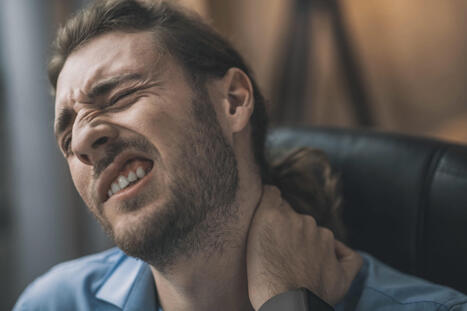
















Cervical spine injuries correlated with auto injuries can lead to severe pain. Understand the risks, symptoms, and recovery strategies today. If you have any questions or concerns, please call Dr. Jimenez at 915-850-0900.