21st Century Learning and Teaching
791.6K views | +9 today
21st Century Learning and Teaching
Related articles to 21st Century Learning and Teaching as also tools...
Curated by Gust MEES
Your new post is loading...

Popular Tags

Current selected tag: 'Learning 2 Learn'. Clear
Scooped by Gust MEES
October 3, 2016 9:26 AM
Scoop.it!

Social Media is the New Normal for Educators | #ModernEDU #ICT

Social Media is the New Normal for Educators | #ModernEDU #ICT | 21st Century Learning and Teaching | Scoop.it
The term “new normal” is the lingo used to describe drastic change in doing something or life after a major event. The change is usually
quick and immediate. It alters one’s approach to something or way of life. In the educational world a slower transition is happening that will create a new normal.  That change agent is social media. Social media has been around for some time but its practical use is relatively new to edu
cators. As I engage more and more educators in the use of social media for educational purposes I hear a lot of the same questions.


Learn more / En savoir plus / Mehr erfahren:


http://www.scoop.it/t/social-media-and-its-influence


Gust MEES's insight:
The term “new normal” is the lingo used to describe drastic change in doing something or life after a major event. The change is usually
quick and immediate. It alters one’s approach to something or way of life. In the educational world a slower transition is happening that will create a new normal.  That change agent is social media. Social media has been around for some time but its practical use is relatively new to edu
cators. As I engage more and more educators in the use of social media for educational purposes I hear a lot of the same questions.


Learn more / En savoir plus / Mehr erfahren:


http://www.scoop.it/t/social-media-and-its-influence


No comment yet.
Scooped by Gust MEES
October 1, 2016 3:18 PM
Scoop.it!

Operating system market share 2016 | #ICT 

Operating system market share 2016 | #ICT  | 21st Century Learning and Teaching | Scoop.it
This report lists the market share of the top operating systems in use, like Windows, Mac, iOS, Android, and Linux.


Learn more / En savoir plus / Mehr erfahren:


http://www.scoop.it/t/apple-mac-ios4-ipad-iphone-and-in-security


http://www.scoop.it/t/securite-pc-et-internet/?tag=Linux


Gust MEES's insight:
This report lists the market share of the top operating systems in use, like Windows, Mac, iOS, Android, and Linux.


Learn more / En savoir plus / Mehr erfahren:


http://www.scoop.it/t/apple-mac-ios4-ipad-iphone-and-in-security


http://www.scoop.it/t/securite-pc-et-internet/?tag=Linux


No comment yet.
Scooped by Gust MEES
October 1, 2016 4:37 AM
Scoop.it!

Teachers' Guide to Using Blogs in Class

Teachers' Guide to Using Blogs in Class | 21st Century Learning and Teaching | Scoop.it
In an earlier post here in Educational Technology and Mobile Learning, we argued that setting up a class virtual space in the cloud is an indispensable task for today's teachers. This space can preferably be a website, a blog, or a wiki or, if possible, all of them. The educational benefits of having such a space for students include:
  • Improve students writing skills through posting and commenting
  • Helps students have a voice 
  • Promote the notion of independent and personalized learning
  • Promote a spirit of collaboration among students
  • Engage parents in the learning taking place in the classroom
  • Connect with students from other schools and exchange with them learning experiences.


Learn more / En savoir plus / Mehr erfahren:


https://gustmees.wordpress.com/2016/09/22/blogs-tips-and-tricks/


Gust MEES's insight:
In an earlier post here in Educational Technology and Mobile Learning, we argued that setting up a class virtual space in the cloud is an indispensable task for today's teachers. This space can preferably be a website, a blog, or a wiki or, if possible, all of them. The educational benefits of having such a space for students include:
  • Improve students writing skills through posting and commenting
  • Helps students have a voice 
  • Promote the notion of independent and personalized learning
  • Promote a spirit of collaboration among students
  • Engage parents in the learning taking place in the classroom
  • Connect with students from other schools and exchange with them learning experiences.


Learn more / En savoir plus / Mehr erfahren:


https://gustmees.wordpress.com/2016/09/22/blogs-tips-and-tricks/


No comment yet.
Scooped by Gust MEES
September 29, 2016 5:49 AM
Scoop.it!

Connecter l’école | L'éducation doit refléter la société qui l’entoure. | #Luxembourg #Digital4EDUcation

Connecter l’école | L'éducation doit refléter la société qui l’entoure. | #Luxembourg #Digital4EDUcation | 21st Century Learning and Teaching | Scoop.it

Makerspaces, app pour les langues ou cours de coding font désormais partie de l’arsenal pédagogique. Laboratoire d’idées adossé au ministère, le Script est une des têtes pensantes de ces chantiers. Doté de missions croissantes, il entame une réorganisation en septembre et étoffe ses équipes.


Sous le slogan «Digital4Education», l’Éducation nationale luxembourgeoise a entrepris de concentrer son approche en matière de nouvelles technologies. Divisée en cinq pôles «digitaux» (Peer, Citizen, Entrepreneur, Worker et Learner), la stratégie publique veut aider ses jeunes ressortissants à se familiariser avec l’outil informatique à toutes les étapes de leur vie.


On y trouve de la sensibilisation à la cybersécurité, des makerspaces où les lycéens sont libres d’expérimenter avec des imprimantes 3D, un accès gratuit à la suite MS Office pour les professeurs,ou encore des salles de cours digitales. Derrière de nombreux concepts d’apprentissage se trouve bien souvent le Script, ou Service de coordination de la recherche et de l’innovation pédagogique et technologique, adossé au ministère de l’Éducation. «Nous devons et nous souhaitons être à l’avant-poste de la révolution numérique», introduit Luc Weis, directeur du Script depuis septembre 2015, lui-même ancien enseignant. «L’éducation ne fonctionne pas en vase clos. Si elle ne peut pas prendre tous les virages technologiques, elle doit refléter la société qui l’entoure.»


Learn more / En savoir plus / Mehr erfahren:


https://gustmees.wordpress.com/2016/04/05/luxembourg-education-interviews-1-the-luxembourg-edu-system/


https://gustmees.wordpress.com/2016/04/05/luxembourg-education-interviews-5-creativity-and-maker-spaces-beecreative/


Gust MEES's insight:

Makerspaces, app pour les langues ou cours de coding font désormais partie de l’arsenal pédagogique. Laboratoire d’idées adossé au ministère, le Script est une des têtes pensantes de ces chantiers. Doté de missions croissantes, il entame une réorganisation en septembre et étoffe ses équipes.


Sous le slogan «Digital4Education», l’Éducation nationale luxembourgeoise a entrepris de concentrer son approche en matière de nouvelles technologies. Divisée en cinq pôles «digitaux» (Peer, Citizen, Entrepreneur, Worker et Learner), la stratégie publique veut aider ses jeunes ressortissants à se familiariser avec l’outil informatique à toutes les étapes de leur vie.


On y trouve de la sensibilisation à la cybersécurité, des makerspaces où les lycéens sont libres d’expérimenter avec des imprimantes 3D, un accès gratuit à la suite MS Office pour les professeurs,ou encore des salles de cours digitales. Derrière de nombreux concepts d’apprentissage se trouve bien souvent le Script, ou Service de coordination de la recherche et de l’innovation pédagogique et technologique, adossé au ministère de l’Éducation. «Nous devons et nous souhaitons être à l’avant-poste de la révolution numérique», introduit Luc Weis, directeur du Script depuis septembre 2015, lui-même ancien enseignant. «L’éducation ne fonctionne pas en vase clos. Si elle ne peut pas prendre tous les virages technologiques, elle doit refléter la société qui l’entoure.»


Learn more / En savoir plus / Mehr erfahren:


https://gustmees.wordpress.com/2016/04/05/luxembourg-education-interviews-1-the-luxembourg-edu-system/


https://gustmees.wordpress.com/2016/04/05/luxembourg-education-interviews-5-creativity-and-maker-spaces-beecreative/


No comment yet.
Scooped by Gust MEES
September 28, 2016 12:46 PM
Scoop.it!

Let's teach for mastery -- not test scores | #LEARNing2LEARN 

Let's teach for mastery -- not test scores | #LEARNing2LEARN  | 21st Century Learning and Teaching | Scoop.it
Would you choose to build a house on top of an unfinished foundation? Of course not. Why, then, do we rush students through education when they haven't always grasped the basics? Yes, it's complicated, but educator Sal Khan shares his plan to turn struggling students into scholars by helping them master concepts at their own pace.


Learn more / En savoir plus / Mehr erfahren:


https://gustmees.wordpress.com/2013/06/13/stop-theoretical-testing-and-test-for-future-skilled-and-educated-workers/


https://gustmees.wordpress.com/2016/03/14/time-the-most-important-factor-neglected-in-education/


Gust MEES's insight:
Would you choose to build a house on top of an unfinished foundation? Of course not. Why, then, do we rush students through education when they haven't always grasped the basics? Yes, it's complicated, but educator Sal Khan shares his plan to turn struggling students into scholars by helping them master concepts at their own pace.


Learn more / En savoir plus / Mehr erfahren:


https://gustmees.wordpress.com/2013/06/13/stop-theoretical-testing-and-test-for-future-skilled-and-educated-workers/


https://gustmees.wordpress.com/2016/03/14/time-the-most-important-factor-neglected-in-education/


No comment yet.
Scooped by Gust MEES
September 28, 2016 7:39 AM
Scoop.it!

12 Rules Of Great Teaching | #Infographic

12 Rules Of Great Teaching | #Infographic | 21st Century Learning and Teaching | Scoop.it

Learn more / En savoir plus / Mehr erfahren:


http://www.scoop.it/t/21st-century-learning-and-teaching/?tag=Rise+of+the+Professional+Educator


Gust MEES's insight:

Learn more / En savoir plus / Mehr erfahren:


http://www.scoop.it/t/21st-century-learning-and-teaching/?tag=Rise+of+the+Professional+Educator


No comment yet.
Scooped by Gust MEES
September 27, 2016 10:47 AM
Scoop.it!

12 Ways to Make Yourself Proud | #Quality #ProfessionalDevelopment #EDUcation 

12 Ways to Make Yourself Proud | #Quality #ProfessionalDevelopment #EDUcation  | 21st Century Learning and Teaching | Scoop.it
Make yourself proud. Give everything 110%. It’s the extra 10% that everyone remembers. Here are 12 things that you can do, today, to make yourself proud.


Learn more / En savoir plus / Mehr erfahren:


https://gustmees.wordpress.com/2015/03/15/professional-development-why-educators-and-teachers-cant-catch-up-that-quickly-and-how-to-change-it/


https://gustmees.wordpress.com/2015/03/28/learning-to-learn-for-my-professional-development-i-did-it-my-way/


http://www.scoop.it/t/21st-century-learning-and-teaching/?tag=Frank+SONNENBERG


Gust MEES's insight:
Make yourself proud. Give everything 110%. It’s the extra 10% that everyone remembers. Here are 12 things that you can do, today, to make yourself proud.


Learn more / En savoir plus / Mehr erfahren:


https://gustmees.wordpress.com/2015/03/15/professional-development-why-educators-and-teachers-cant-catch-up-that-quickly-and-how-to-change-it/


https://gustmees.wordpress.com/2015/03/28/learning-to-learn-for-my-professional-development-i-did-it-my-way/


http://www.scoop.it/t/21st-century-learning-and-teaching/?tag=Frank+SONNENBERG


No comment yet.
Scooped by Gust MEES
September 26, 2016 2:56 PM
Scoop.it!

Paretoprinzip – #Quality #Time 

Paretoprinzip - Wikipedia

Die Verteilung mit 80 und 20 im Pareto-Prinzip führt oftmals zu der falschen Annahme, dass die Summe von 100 für ähnliche Verteilungen zwingend sei. Demzufolge sind in der Verallgemeinerung des Prinzips nur solche Verteilungen möglich, bei denen sich k Prozent des Erfolgs auf (100 − k) Prozent aller Bemühungen zurückführen lassen.

Das Paretoprinzip, benannt nach Vilfredo Pareto (1848–1923), auch Pareto-Effekt, 80-zu-20-Regel, besagt, dass 80 % der Ergebnisse mit 20 % des Gesamtaufwandes erreicht werden. Die verbleibenden 20 % der Ergebnisse benötigen mit 80 % die meiste Arbeit.


Learn more / En savoir plus / Mehr erfahren:


https://gustmees.wordpress.com/2016/03/14/time-the-most-important-factor-neglected-in-education/


Gust MEES's insight:
Das Paretoprinzip, benannt nach Vilfredo Pareto (1848–1923), auch Pareto-Effekt, 80-zu-20-Regel, besagt, dass 80 % der Ergebnisse mit 20 % des Gesamtaufwandes erreicht werden. Die verbleibenden 20 % der Ergebnisse benötigen mit 80 % die meiste Arbeit.


Learn more / En savoir plus / Mehr erfahren:


https://gustmees.wordpress.com/2016/03/14/time-the-most-important-factor-neglected-in-education/


No comment yet.
Scooped by Gust MEES
September 26, 2016 11:32 AM
Scoop.it!

Introducing Design Thinking to Elementary Learners | #Design #LEARNing2LEARN #TEAMWork 

Introducing Design Thinking to Elementary Learners | #Design #LEARNing2LEARN #TEAMWork  | 21st Century Learning and Teaching | Scoop.it
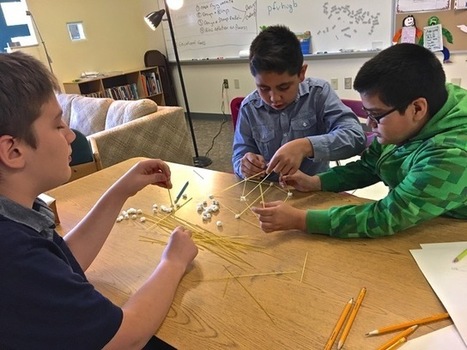
Design thinking is an approach to learning that includes considering real-world problems, research, analysis, conceiving original ideas, lots of experimentation, and sometimes building things by hand. The projects teach students how to make a stable product, use tools, think about the needs of another, solve challenges, overcome setbacks and stay motivated on a long-term problem.…


Learn more / En savoir plus / Mehr erfahren:


http://www.scoop.it/t/21st-century-learning-and-teaching/?tag=Design-Thinking


https://gustmees.wordpress.com/2014/10/03/design-the-learning-of-your-learners-students-ideas/


Gust MEES's insight:
Design thinking is an approach to learning that includes considering real-world problems, research, analysis, conceiving original ideas, lots of experimentation, and sometimes building things by hand. The projects teach students how to make a stable product, use tools, think about the needs of another, solve challenges, overcome setbacks and stay motivated on a long-term problem.…


Learn more / En savoir plus / Mehr erfahren:


http://www.scoop.it/t/21st-century-learning-and-teaching/?tag=Design-Thinking


https://gustmees.wordpress.com/2014/10/03/design-the-learning-of-your-learners-students-ideas/


RESENTICE's curator insight, September 28, 2016 5:38 AM

Le "design thinking" dans l'enseignement 1 er degré

Scooped by Gust MEES
September 25, 2016 12:14 PM
Scoop.it!

Internet Of Things - Why Smart Cities Are The Future | #IoT #IoE

Internet Of Things - Why Smart Cities Are The Future | #IoT #IoE | 21st Century Learning and Teaching | Scoop.it

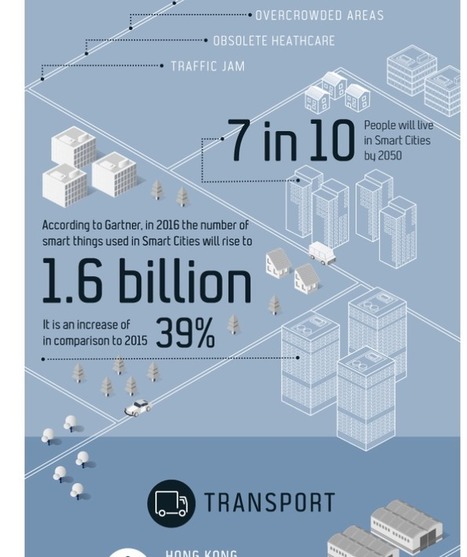
Internet Of Things - Not just transportation will have a facelift, water conservation, green energy, pedestrian safety and real-time...


Learn more / En savoir plus / Mehr erfahren:


http://www.scoop.it/t/21st-century-learning-and-teaching/?tag=Smart+Cities


http://www.scoop.it/t/21st-century-learning-and-teaching/?tag=Internet+of+Things


Gust MEES's insight:

Internet Of Things - Not just transportation will have a facelift, water conservation, green energy, pedestrian safety and real-time...


Learn more / En savoir plus / Mehr erfahren:


http://www.scoop.it/t/21st-century-learning-and-teaching/?tag=Smart+Cities


http://www.scoop.it/t/21st-century-learning-and-teaching/?tag=Internet+of+Things


No comment yet.
Scooped by Gust MEES
September 23, 2016 8:37 AM
Scoop.it!

Datenleck betrifft jeden | #PDF #DataBreaches #CyberSecurity #Passwords

Ein Datenleck bzw. eine Datenpanne (engl. data leak/data breach) ist die unbefugte Veröffentlichung oder Übermittlung von privaten Informationen. Es gibt verschiedene Arten von Datenlecks: • Diebstahl Ihrer IT-Geräte • Datenpannen bei Drittdienstleistern • Handlungen Ihres nahen oder entfernten Umfelds (wie z. B. die Verbreitung von heiklen Inhalten).


Learn more / En savoir plus / Mehr erfahren:


http://www.scoop.it/t/securite-pc-et-internet/?tag=DATA-BREACHES


Gust MEES's insight:

Ein Datenleck bzw. eine Datenpanne (engl. data leak/data breach) ist die unbefugte Veröffentlichung oder Übermittlung von privaten Informationen. Es gibt verschiedene Arten von Datenlecks: • Diebstahl Ihrer IT-Geräte • Datenpannen bei Drittdienstleistern • Handlungen Ihres nahen oder entfernten Umfelds (wie z. B. die Verbreitung von heiklen Inhalten).


Learn more / En savoir plus / Mehr erfahren:


http://www.scoop.it/t/securite-pc-et-internet/?tag=DATA-BREACHES


No comment yet.
Scooped by Gust MEES
September 22, 2016 5:45 PM
Scoop.it!

Entrepreneurs find a helping hand through Erasmus - Business Planet | #EU #Europe #Entrepreneurship

Published on 17 Oct 2014
The Erasmus For Young Entrepreneurs programme has been going for five years. During this time it has enabled nearly 3,000 participants to learn from the experience of others who have set up their own business.

The experience of Stefan Koeppl, co-founder of Indie Campers, is typical of many who have benefited from the scheme.

For several months minibuses from his rental company have been rolling up and down the Portuguese coast serving mainly the many surfers who come to the region…

READ MORE : http://www.euronews.com/2014/10/17/entrepreneurs-find-a-helping-hand-through-erasmus 


Learn more / En savoir plus / Mehr erfahren:


http://www.scoop.it/t/21st-century-learning-and-teaching/?tag=Entrepreneurs


Gust MEES's insight:

Published on 17 Oct 2014
The Erasmus For Young Entrepreneurs programme has been going for five years. During this time it has enabled nearly 3,000 participants to learn from the experience of others who have set up their own business.

The experience of Stefan Koeppl, co-founder of Indie Campers, is typical of many who have benefited from the scheme.

For several months minibuses from his rental company have been rolling up and down the Portuguese coast serving mainly the many surfers who come to the region…

READ MORE : http://www.euronews.com/2014/10/17/entrepreneurs-find-a-helping-hand-through-erasmus


Learn more / En savoir plus / Mehr erfahren:


http://www.scoop.it/t/21st-century-learning-and-teaching/?tag=Entrepreneurs


Scooped by Gust MEES
September 22, 2016 11:27 AM
Scoop.it!

Wie funktioniert das Darknet? | #ICT #IKT #TIC

Wie funktioniert das Darknet? | #ICT #IKT #TIC | 21st Century Learning and Teaching | Scoop.it

Das Darknet ist ein anonymisierter Bereich des Webs - für die Informationsfreiheit geschaffen, aber oft von Kriminellen mißbraucht...


Gust MEES's insight:

Das Darknet ist ein anonymisierter Bereich des Webs - für die Informationsfreiheit geschaffen, aber oft von Kriminellen mißbraucht...


No comment yet.
Scooped by Gust MEES
October 2, 2016 5:29 PM
Scoop.it!

The Virtual Guide to Entrepreneurial Learning | #Entrepreneurs #Entrepreneurship 

The Virtual Guide to Entrepreneurial Learning | #Entrepreneurs #Entrepreneurship  | 21st Century Learning and Teaching | Scoop.it

The Virtual Guide to Entrepreneurial Learning is a practical and useful tool for teachers in primary, secondary and vocational schools that want to mainstream entrepreneurial education in teaching methods and learning processes they set up in classroom every day. The guide contains more than 100 tools and methods to support entrepreneurial teaching and learning, good practices and framework documents from 85 different schools in 10 countries.


Learn more / En savoir plus / Mehr erfahren:


http://www.scoop.it/t/21st-century-learning-and-teaching/?tag=Entrepreneurs


Gust MEES's insight:

The Virtual Guide to Entrepreneurial Learning is a practical and useful tool for teachers in primary, secondary and vocational schools that want to mainstream entrepreneurial education in teaching methods and learning processes they set up in classroom every day. The guide contains more than 100 tools and methods to support entrepreneurial teaching and learning, good practices and framework documents from 85 different schools in 10 countries.


Learn more / En savoir plus / Mehr erfahren:


http://www.scoop.it/t/21st-century-learning-and-teaching/?tag=Entrepreneurs


Jim Lerman's curator insight, October 2, 2016 7:47 PM

The Virtual Guide to Entrepreneurial Learning is a practical and useful tool for teachers in primary, secondary and vocational schools that want to mainstream entrepreneurial education in teaching methods and learning processes they set up in classroom every day. The guide contains more than 100 tools and methods to support entrepreneurial teaching and learning, good practices and framework documents from 85 different schools in 10 countries.


Learn more / En savoir plus / Mehr erfahren:


http://www.scoop.it/t/21st-century-learning-and-teaching/?tag=Entrepreneurs


Scooped by Gust MEES
October 1, 2016 1:38 PM
Scoop.it!

USA verlieren Aufsicht über Adressvergabe im Netz | #ICANN #Internet #EdTech #ICT

USA verlieren Aufsicht über Adressvergabe im Netz | #ICANN #Internet #EdTech #ICT | 21st Century Learning and Teaching | Scoop.it
Das Web ist zwar weltweit - aber seine Anfänge liegen in den USA. Und deshalb hatten die USA bis zuletzt die Aufsicht über eine Kernfunktion: die Zuteilung von Namen und Adressen im Internet. Das ändert sich jetzt aber. Jan Bösche berichtet, warum.


Für das Internet bricht ein neues Zeitalter an. Es geht um das zentrale Telefonbuch, betrieben von der Organisation ICANN. Sie verknüpft Nummern mit Internetadressen und verwaltet die Endungen wie .com oder .org. Bislang machte sie das im Auftrag der US-Regierung, nun ist sie unabhängig.


Die US-Regierung arbeitet seit Jahren daran, ihren Einfluss auf das Internet zu reduzieren. Die Befürworter sagen, wenn sich Unternehmen, Verbände und Vereine um das Internet kümmern, garantiere das am besten seine Freiheit. Der US-Einfluss sei dabei hinderlich gewesen, so Strickling: "Leute, andere Regierungen nutzen diesen Vertrag als Argument: Wenn die USA das macht, wollen wir das auch."


Tim Berners-Lee widersprach Cruz. Er entwickelte das World Wide Web, einen wichtigen Bestandteil des Internet, so wie wir es heute kennen. Berners-Lee ist Brite, das WWW entwickelte er in Genf. Er sagte, dass Internet funktioniere nur, wenn die Welt sich auf einheitliche Standards einige. Und das sei am Besten in der Hand von Freiwilligen, Unternehmen und der Zivilgesellschaft.


Gust MEES's insight:
Das Web ist zwar weltweit - aber seine Anfänge liegen in den USA. Und deshalb hatten die USA bis zuletzt die Aufsicht über eine Kernfunktion: die Zuteilung von Namen und Adressen im Internet. Das ändert sich jetzt aber. Jan Bösche berichtet, warum.


Für das Internet bricht ein neues Zeitalter an. Es geht um das zentrale Telefonbuch, betrieben von der Organisation ICANN. Sie verknüpft Nummern mit Internetadressen und verwaltet die Endungen wie .com oder .org. Bislang machte sie das im Auftrag der US-Regierung, nun ist sie unabhängig.


Die US-Regierung arbeitet seit Jahren daran, ihren Einfluss auf das Internet zu reduzieren. Die Befürworter sagen, wenn sich Unternehmen, Verbände und Vereine um das Internet kümmern, garantiere das am besten seine Freiheit. Der US-Einfluss sei dabei hinderlich gewesen, so Strickling: "Leute, andere Regierungen nutzen diesen Vertrag als Argument: Wenn die USA das macht, wollen wir das auch."


Tim Berners-Lee widersprach Cruz. Er entwickelte das World Wide Web, einen wichtigen Bestandteil des Internet, so wie wir es heute kennen. Berners-Lee ist Brite, das WWW entwickelte er in Genf. Er sagte, dass Internet funktioniere nur, wenn die Welt sich auf einheitliche Standards einige. Und das sei am Besten in der Hand von Freiwilligen, Unternehmen und der Zivilgesellschaft.


No comment yet.
Scooped by Gust MEES
October 1, 2016 4:13 AM
Scoop.it!

Apprendre à apprendre, quelle place pour le numérique ? - Par Michèle Drechsler | #LEARNing2LEARN

Apprendre à apprendre, quelle place pour le numérique ? - Par Michèle Drechsler | #LEARNing2LEARN | 21st Century Learning and Teaching | Scoop.it
Avec le numérique, ne peut-on pas générer ces  « révolutions minuscules » ou ces « petits moments magiques », qui bousculent les certitudes et qui « boostent » la réflexion des élèves comme le disait si bien Jean Pierre Astolfi, et qui permettent aussi une réflexion des enseignants sur les différentes façons d’apprendre?


Ces moments de manipulation via les interfaces numérique et en liaison avec l’apprenant directement concerné, ne sont-ils pas une façon de faire vivre concrètement dans l’action, l’expérience de ce qu’un savoir en construction produit comme surprise et inspiration ? Nous pouvons repenser ici à ce que Louis Legrand appelait une « pédagogie de l’étonnement » et Georges Snyders « la joie à l’école » !  


[Gust MEES] Learn more / En savoir Plus / Mehr erfahren:


https://gustmees.wordpress.com/2014/10/03/design-the-learning-of-your-learners-students-ideas/


https://gustmees.wordpress.com/2015/07/19/learning-path-for-professional-21st-century-learning-by-ict-practice/


Gust MEES's insight:
Avec le numérique, ne peut-on pas générer ces  « révolutions minuscules » ou ces « petits moments magiques », qui bousculent les certitudes et qui « boostent » la réflexion des élèves comme le disait si bien Jean Pierre Astolfi, et qui permettent aussi une réflexion des enseignants sur les différentes façons d’apprendre?


Ces moments de manipulation via les interfaces numérique et en liaison avec l’apprenant directement concerné, ne sont-ils pas une façon de faire vivre concrètement dans l’action, l’expérience de ce qu’un savoir en construction produit comme surprise et inspiration ? Nous pouvons repenser ici à ce que Louis Legrand appelait une « pédagogie de l’étonnement » et Georges Snyders « la joie à l’école » !  


[Gust MEES] Learn more / En savoir Plus / Mehr erfahren:


https://gustmees.wordpress.com/2014/10/03/design-the-learning-of-your-learners-students-ideas/


https://gustmees.wordpress.com/2015/07/19/learning-path-for-professional-21st-century-learning-by-ict-practice/


No comment yet.
Scooped by Gust MEES
September 29, 2016 1:45 AM
Scoop.it!

How to Create the Learning Community Vital to Project-Based Learning’s Success

How to Create the Learning Community Vital to Project-Based Learning’s Success | 21st Century Learning and Teaching | Scoop.it
A COMMUNITY OF LEARNERS

Effective project-based learning is grounded in a strong learning community, one teachers create and must regularly foster. “Project-based learning requires kids to take risks and they aren’t going to take risks if they don’t trust you or each other,” Thomas said. She suggests teachers co-create a social contract with the class at the beginning of the year and make sure it is a living document that can grow and change. Every joke or put-down is a test of the teacher and she should stop everything to revisit the social contract and discuss violations. When kids are resisting a new kind of learning, it’s often because they feel unsafe.

“When we focus on the skills and dispositions at the beginning, the depth of the work is much greater. And [students] internalize the skills much more than when it’s a separate unit because it’s contextualized.”


“A lot of teachers don’t understand how important it is to build a learning community,” Thomas said. One of the best ways to do this is through meaningful work, but it’s also important at times to take a break from academics and just play together. A short game outside can refocus students and build trust and teamwork at the same time.


Learn more / En savoir plus / Mehr erfahren:


http://www.scoop.it/t/21st-century-learning-and-teaching/?tag=PBL


Gust MEES's insight:
A COMMUNITY OF LEARNERS

Effective project-based learning is grounded in a strong learning community, one teachers create and must regularly foster. “Project-based learning requires kids to take risks and they aren’t going to take risks if they don’t trust you or each other,” Thomas said. She suggests teachers co-create a social contract with the class at the beginning of the year and make sure it is a living document that can grow and change. Every joke or put-down is a test of the teacher and she should stop everything to revisit the social contract and discuss violations. When kids are resisting a new kind of learning, it’s often because they feel unsafe.

“When we focus on the skills and dispositions at the beginning, the depth of the work is much greater. And [students] internalize the skills much more than when it’s a separate unit because it’s contextualized.”


“A lot of teachers don’t understand how important it is to build a learning community,” Thomas said. One of the best ways to do this is through meaningful work, but it’s also important at times to take a break from academics and just play together. A short game outside can refocus students and build trust and teamwork at the same time.


Learn more / En savoir plus / Mehr erfahren:


http://www.scoop.it/t/21st-century-learning-and-teaching/?tag=PBL


No comment yet.
Scooped by Gust MEES
September 28, 2016 10:47 AM
Scoop.it!

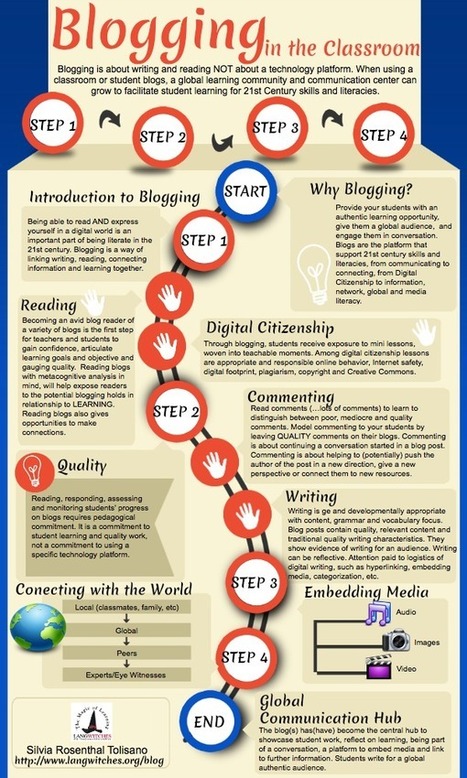
Blogs-Tips and Tricks

Blogs-Tips and Tricks | 21st Century Learning and Teaching | Scoop.it
. . YOU created your blog, WHAT to take care about now!? . SO, you created a blog; hopefully you did read my advice on my previous blog posts. Let us have a look back on those blog posts and finding out WHAT WE can do BETTER to have success in the internet blogging community:…
RESENTICE's curator insight, September 29, 2016 5:08 AM

Des astuces pour utiliser les BLOGS dans la pédagogie

Deanne LaRoche's curator insight, May 28, 2017 9:43 PM

Having only recently for the first time taken up Blogging for an assessment item, I have become aware of its benefits in the classroom.  This diagram shows more ways in which it can be useful than I originally had realised and as such, I have now decided that adding a reflective Blog into my teaching will be of benefit to the students.  The ability to be in connection with others worldwide, will open students up to new possibilities.  I hope also then, that my Blogs and my students Blogs will benefit the wider community also.  I am reminded though that I need to ensure that the online environment that my students are involved in is a safe environment.

Scooped by Gust MEES
September 28, 2016 3:41 AM
Scoop.it!

Kano, The Beautiful DIY Computer, is Getting Camera, Speaker, and Pixel Board Kits | #Maker #MakerED #MakerSpace

Kano, The Beautiful DIY Computer, is Getting Camera, Speaker, and Pixel Board Kits | #Maker #MakerED #MakerSpace | 21st Century Learning and Teaching | Scoop.it
Taken together, the three new kits turn Kano into a modular, hackable multimedia computer system. Individually, they’re perfectly rewarding standalone experiences. All three run on a single board computer that lets them connect to the technology around them via Wi-Fi and Bluetooth. They also come with USB sensors that enable them to pick up on gestures and sounds. Using the browser-based Kano OS, you can code the camera, speaker, and pixel board to perform a virtually unlimited number of commands, from creating a twinkling display that reacts to the volume in the room, to programming your camera to take a photo every morning at sunrise.


Learn more / En savoir plus / Mehr erfahren:


https://gustmees.wordpress.com/2014/08/20/maker-space-a-new-trend-in-education-and-a-big-responsibility/


http://www.scoop.it/t/21st-century-learning-and-teaching/?tag=makerspace


http://www.scoop.it/t/21st-century-tools-for-teaching-people-and-learners/?tag=MakerSpaces


Gust MEES's insight:
Taken together, the three new kits turn Kano into a modular, hackable multimedia computer system. Individually, they’re perfectly rewarding standalone experiences. All three run on a single board computer that lets them connect to the technology around them via Wi-Fi and Bluetooth. They also come with USB sensors that enable them to pick up on gestures and sounds. Using the browser-based Kano OS, you can code the camera, speaker, and pixel board to perform a virtually unlimited number of commands, from creating a twinkling display that reacts to the volume in the room, to programming your camera to take a photo every morning at sunrise.


Learn more / En savoir plus / Mehr erfahren:


https://gustmees.wordpress.com/2014/08/20/maker-space-a-new-trend-in-education-and-a-big-responsibility/


http://www.scoop.it/t/21st-century-learning-and-teaching/?tag=makerspace


http://www.scoop.it/t/21st-century-tools-for-teaching-people-and-learners/?tag=MakerSpaces


No comment yet.
Rescooped by Gust MEES from Digital Delights - Digital Tribes
September 27, 2016 6:18 AM
Scoop.it!

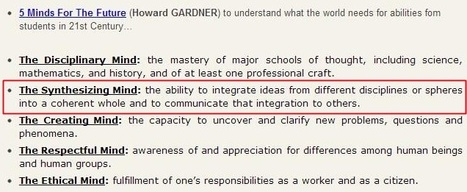
What Quality Education Should Teach You, According to a Harvard Scientist | #SynthesizingMind

What Quality Education Should Teach You, According to a Harvard Scientist | #SynthesizingMind | 21st Century Learning and Teaching | Scoop.it
Educated people should think causally rather than magically


This leads to Deresiewicz’s second goal, “building a self,” which he explicates as follows: “it is only through the act of establishing communication between the mind and the heart, the mind and experience, that you become an individual, a unique being—a soul.” Perhaps I am emblematic of everything that is wrong with elite American education, but I have no idea how to get my students to build a self or become a soul. It isn’t taught in graduate school, and in the hundreds of faculty appointments and promotions I have participated in, we’ve never evaluated a candidate on how well he or she could accomplish it. I submit that if “building a self” is the goal of a university education, you’re going to be reading anguished articles about how the universities are failing at it for a long, long time.


I think we can be more specific. It seems to me that educated people should know something about the 13-billion-year prehistory of our species and the basic laws governing the physical and living world, including our bodies and brains. They should grasp the timeline of human history from the dawn of agriculture to the present. They should be exposed to the diversity of human cultures, and the major systems of belief and value with which they have made sense of their lives. They should know about the formative events in human history, including the blunders we can hope not to repeat. They should understand the principles behind democratic governance and the rule of law. They should know how to appreciate works of fiction and art as sources of aesthetic pleasure and as impetuses to reflect on the human condition.


On top of this knowledge, a liberal education should make certain habits of rationality second nature. Educated people should be able to express complex ideas in clear writing and speech. They should appreciate that objective knowledge is a precious commodity, and know how to distinguish vetted fact from superstition, rumor, and unexamined conventional wisdom. They should know how to reason logically and statistically, avoiding the fallacies and biases to which the untutored human mind is vulnerable. They should think causally rather than magically, and know what it takes to distinguish causation from correlation and coincidence. They should be acutely aware of human fallibility, most notably their own, and appreciate that people who disagree with them are not stupid or evil. Accordingly, they should appreciate the value of trying to change minds by persuasion rather than intimidation or demagoguery.


Learn more / En savoir plus / Mehr erfahren:


https://gustmees.wordpress.com/2015/07/19/learning-path-for-professional-21st-century-learning-by-ict-practice/


Via Ana Cristina Pratas
Gust MEES's insight:
Educated people should think causally rather than magically


This leads to Deresiewicz’s second goal, “building a self,” which he explicates as follows: “it is only through the act of establishing communication between the mind and the heart, the mind and experience, that you become an individual, a unique being—a soul.” Perhaps I am emblematic of everything that is wrong with elite American education, but I have no idea how to get my students to build a self or become a soul. It isn’t taught in graduate school, and in the hundreds of faculty appointments and promotions I have participated in, we’ve never evaluated a candidate on how well he or she could accomplish it. I submit that if “building a self” is the goal of a university education, you’re going to be reading anguished articles about how the universities are failing at it for a long, long time.


I think we can be more specific. It seems to me that educated people should know something about the 13-billion-year prehistory of our species and the basic laws governing the physical and living world, including our bodies and brains. They should grasp the timeline of human history from the dawn of agriculture to the present. They should be exposed to the diversity of human cultures, and the major systems of belief and value with which they have made sense of their lives. They should know about the formative events in human history, including the blunders we can hope not to repeat. They should understand the principles behind democratic governance and the rule of law. They should know how to appreciate works of fiction and art as sources of aesthetic pleasure and as impetuses to reflect on the human condition.


On top of this knowledge, a liberal education should make certain habits of rationality second nature. Educated people should be able to express complex ideas in clear writing and speech. They should appreciate that objective knowledge is a precious commodity, and know how to distinguish vetted fact from superstition, rumor, and unexamined conventional wisdom. They should know how to reason logically and statistically, avoiding the fallacies and biases to which the untutored human mind is vulnerable. They should think causally rather than magically, and know what it takes to distinguish causation from correlation and coincidence. They should be acutely aware of human fallibility, most notably their own, and appreciate that people who disagree with them are not stupid or evil. Accordingly, they should appreciate the value of trying to change minds by persuasion rather than intimidation or demagoguery.


Learn more / En savoir plus / Mehr erfahren:


https://gustmees.wordpress.com/2015/07/19/learning-path-for-professional-21st-century-learning-by-ict-practice/


Scooped by Gust MEES
September 26, 2016 2:37 PM
Scoop.it!

Pareto principle - 80% of problems can be attributed to 20% of causes | #Quality #Time 

Pareto principle - Wikipedia, the free encyclopedia

The Pareto principle (also known as the 80-20 rule, the law of the vital few, and the principle of factor sparsity) states that, for many events, roughly 80% of the effects come from 20% of the causes. Management consultant Joseph M.

In computer science and engineering control theory, such as for electromechanical energy converters, the Pareto principle can be applied to optimization efforts.[11]

For example, Microsoft noted that by fixing the top 20% of the most-reported bugs, 80% of the related errors and crashes in a given system would be eliminated.[12]

In load testing, it is common practice to estimate that 80% of the traffic occurs during 20% of the time.[citation needed]

In software engineering, Lowell Arthur expressed a corollary principle: "20 percent of the code has 80 percent of the errors. Find them, fix them!"[13]

Software frameworks have often been observed to make 80% of use cases easier to implement and 20% of use cases much more difficult to implement.[14]

In the mobile game industry, it has been noted that for free-to-play games, over 50% of the game's profit comes from 0.5% of the players.[15][16]


Learn more / En savoir plus / Mehr erfahren:


https://gustmees.wordpress.com/2016/03/14/time-the-most-important-factor-neglected-in-education/


Gust MEES's insight:

In computer science and engineering control theory, such as for electromechanical energy converters, the Pareto principle can be applied to optimization efforts.[11]

For example, Microsoft noted that by fixing the top 20% of the most-reported bugs, 80% of the related errors and crashes in a given system would be eliminated.[12]

In load testing, it is common practice to estimate that 80% of the traffic occurs during 20% of the time.[citation needed]

In software engineering, Lowell Arthur expressed a corollary principle: "20 percent of the code has 80 percent of the errors. Find them, fix them!"[13]

Software frameworks have often been observed to make 80% of use cases easier to implement and 20% of use cases much more difficult to implement.[14]

In the mobile game industry, it has been noted that for free-to-play games, over 50% of the game's profit comes from 0.5% of the players.[15][16]


Learn more / En savoir plus / Mehr erfahren:


https://gustmees.wordpress.com/2016/03/14/time-the-most-important-factor-neglected-in-education/


No comment yet.
Scooped by Gust MEES
September 25, 2016 12:42 PM
Scoop.it!

VeraCrypt | #Encryption #Privacy #ICT #EdTech

VeraCrypt | #Encryption #Privacy #ICT #EdTech | 21st Century Learning and Teaching | Scoop.it
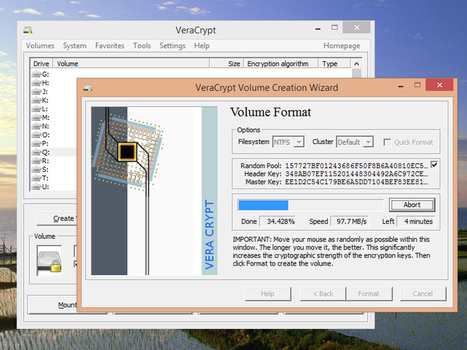
VeraCrypt ist ein neues Verschlüsselungsprogramm, das besser und sicherer sein will, als TrueCrypt.


VeraCrypt
Mit VeraCrypt betritt eine neue Verschlüsselungs-Software den Markt, die verspricht vollkommen sicher zu sein. Sie setzt zwar auf dem laut den eigenen Machern unsicheren TrueCrypt auf, wurde aber an den entscheidenden Stellen verbessert und soll immun gegen Brute-Force-Attacken sein. Verschlüsseln Sie Ihre Daten um gegen Schnüffeleien seitens Regierungen, Privatpersonen oder Konzernen gewappnet zu sein.

Learn more / En savoir plus / Mehr erfahren:


http://www.scoop.it/t/21st-century-learning-and-teaching/?tag=ENCRYPTION


Gust MEES's insight:
VeraCrypt ist ein neues Verschlüsselungsprogramm, das besser und sicherer sein will, als TrueCrypt.


VeraCrypt
Mit VeraCrypt betritt eine neue Verschlüsselungs-Software den Markt, die verspricht vollkommen sicher zu sein. Sie setzt zwar auf dem laut den eigenen Machern unsicheren TrueCrypt auf, wurde aber an den entscheidenden Stellen verbessert und soll immun gegen Brute-Force-Attacken sein. Verschlüsseln Sie Ihre Daten um gegen Schnüffeleien seitens Regierungen, Privatpersonen oder Konzernen gewappnet zu sein.

Learn more / En savoir plus / Mehr erfahren:


http://www.scoop.it/t/21st-century-learning-and-teaching/?tag=ENCRYPTION


No comment yet.
Scooped by Gust MEES
September 23, 2016 4:34 PM
Scoop.it!

Streit um Netzverwaltung: Wer regiert die virtuelle Welt? | #Internet #ICANN #ICT

Streit um Netzverwaltung: Wer regiert die virtuelle Welt? | #Internet #ICANN #ICT | 21st Century Learning and Teaching | Scoop.it
Icann, die zentrale Organisation der Netzverwaltung, soll sich von Amerika lösen – und gerät in den Wahlkampf. Von Wolfgang Kleinwächter


Learn more / En savoir plus / Mehr erfahren:


http://www.scoop.it/t/21st-century-learning-and-teaching/?tag=Internet


Gust MEES's insight:
Icann, die zentrale Organisation der Netzverwaltung, soll sich von Amerika lösen – und gerät in den Wahlkampf. Von Wolfgang Kleinwächter


Learn more / En savoir plus / Mehr erfahren:


http://www.scoop.it/t/21st-century-learning-and-teaching/?tag=Internet


No comment yet.
Scooped by Gust MEES
September 23, 2016 7:48 AM
Scoop.it!

To Advance Education, We Must First Reimagine Society | #LEARNing2LEARN #ModernEDU

To Advance Education, We Must First Reimagine Society | #LEARNing2LEARN #ModernEDU | 21st Century Learning and Teaching | Scoop.it
Why haven't education reform efforts amounted to much? Because they start with the wrong problem, says John Abbott, director of the 21st Century Learning


"Any kid can read a textbook — they don't need a teacher standing over them telling them to do so. They need teachers to inspire them to think about things in a much bigger way than they've done before."


On a practical level, the most powerful lever for change, Abbott says, is people coming together to “rethink the role of community in the learning process,” agreeing how to divide up responsibilities among professional teachers and other community members, and then launching small pilot projects that are true to their new vision. These efforts will build on each other, he says, and large-scale change will follow.


Learn more / En savoir plus / Mehr erfahren:


http://www.scoop.it/t/21st-century-learning-and-teaching/?tag=Sir-Ken-Robinson


Learning To Learn (BETTER Learning) and Coaching by ICT PracTICE (by Gust MEES):


https://gustmees.wordpress.com/2015/11/27/unlearning-the-old-relearning-learning-to-learn-howto/


https://gustmees.wordpress.com/2014/10/03/design-the-learning-of-your-learners-students-ideas/


https://gustmees.wordpress.com/2015/03/04/learning-to-learn-preparation-for-better-learning-how-to/


https://gustmees.wordpress.com/2015/12/27/what-are-the-best-ways-of-teaching-and-learning-ideas-and-reflections/


https://gustmees.wordpress.com/2016/05/19/a-holistic-view-of-what-will-influence-education-in-the-future/


https://gustmees.wordpress.com/2016/02/18/the-new-possibilities-to-learn-and-teach-with-ict/


https://gustmees.wordpress.com/2015/04/13/dos-and-donts-adapting-to-21st-century-education/


https://gustmees.wordpress.com/2015/04/13/dos-and-donts-adapting-to-21st-century-education/


https://gustmees.wordpress.com/2015/07/19/learning-path-for-professional-21st-century-learning-by-ict-practice/


https://gustmees.wordpress.com/2016/07/13/coaching-instead-of-teaching-in-modern-education/


Gust MEES's insight:
Why haven't education reform efforts amounted to much? Because they start with the wrong problem, says John Abbott, director of the 21st Century Learning


"Any kid can read a textbook — they don't need a teacher standing over them telling them to do so. They need teachers to inspire them to think about things in a much bigger way than they've done before."


On a practical level, the most powerful lever for change, Abbott says, is people coming together to “rethink the role of community in the learning process,” agreeing how to divide up responsibilities among professional teachers and other community members, and then launching small pilot projects that are true to their new vision. These efforts will build on each other, he says, and large-scale change will follow.


Learn more / En savoir plus / Mehr erfahren:


http://www.scoop.it/t/21st-century-learning-and-teaching/?tag=Sir-Ken-Robinson


Learning To Learn (BETTER Learning) and Coaching by ICT PracTICE (by Gust MEES):


https://gustmees.wordpress.com/2015/11/27/unlearning-the-old-relearning-learning-to-learn-howto/


https://gustmees.wordpress.com/2014/10/03/design-the-learning-of-your-learners-students-ideas/


https://gustmees.wordpress.com/2015/03/04/learning-to-learn-preparation-for-better-learning-how-to/


https://gustmees.wordpress.com/2015/12/27/what-are-the-best-ways-of-teaching-and-learning-ideas-and-reflections/


https://gustmees.wordpress.com/2016/05/19/a-holistic-view-of-what-will-influence-education-in-the-future/


https://gustmees.wordpress.com/2016/02/18/the-new-possibilities-to-learn-and-teach-with-ict/


https://gustmees.wordpress.com/2015/04/13/dos-and-donts-adapting-to-21st-century-education/


https://gustmees.wordpress.com/2015/04/13/dos-and-donts-adapting-to-21st-century-education/


https://gustmees.wordpress.com/2015/07/19/learning-path-for-professional-21st-century-learning-by-ict-practice/


https://gustmees.wordpress.com/2016/07/13/coaching-instead-of-teaching-in-modern-education/


Scooped by Gust MEES
September 22, 2016 4:13 PM
Scoop.it!

The Most Important Teaching Skill for the Modern Educator to Master | #SynthesizingMind #LEARNing2LEARN 

The Most Important Teaching Skill for the Modern Educator to Master | #SynthesizingMind #LEARNing2LEARN  | 21st Century Learning and Teaching | Scoop.it
Throughout my 10+ year career, I’ve worked on this skill. I continue to work on it in my life outside of teaching. This skill will serve you (and your students) in many aspects of life. It’s certainly indispensable in the field of teaching, where stress abounds. So I’m about to tell you what I feel is the one teaching skill that all teachers need.
That skill is: the ability to turn things around.
That problem student? You need to be able to reach him. That bad day? You’ll need to recover from it and carry on the next. Unit plans not effective? You’ll need to change direction. It begins with your mindset. You start by knowing that failure is an opportunity to turn things around. 


The Art of Turning It Around
Failure is not a label, nor a destiny. It is, however, a ‘not yet’ of a particular skill. ‘Not yet’ means you are capable and will get it eventually.


Learn more / En savoir plus / Mehr erfahren:


https://gustmees.wordpress.com/2014/10/03/design-the-learning-of-your-learners-students-ideas/


https://gustmees.wordpress.com/2015/07/19/learning-path-for-professional-21st-century-learning-by-ict-practice/


https://gustmees.wordpress.com/2016/02/18/the-new-possibilities-to-learn-and-teach-with-ict/


Gust MEES's insight:
Throughout my 10+ year career, I’ve worked on this skill. I continue to work on it in my life outside of teaching. This skill will serve you (and your students) in many aspects of life. It’s certainly indispensable in the field of teaching, where stress abounds. So I’m about to tell you what I feel is the one teaching skill that all teachers need.
That skill is: the ability to turn things around.
That problem student? You need to be able to reach him. That bad day? You’ll need to recover from it and carry on the next. Unit plans not effective? You’ll need to change direction. It begins with your mindset. You start by knowing that failure is an opportunity to turn things around. 


The Art of Turning It Around
Failure is not a label, nor a destiny. It is, however, a ‘not yet’ of a particular skill. ‘Not yet’ means you are capable and will get it eventually.


Learn more / En savoir plus / Mehr erfahren:


https://gustmees.wordpress.com/2014/10/03/design-the-learning-of-your-learners-students-ideas/


https://gustmees.wordpress.com/2015/07/19/learning-path-for-professional-21st-century-learning-by-ict-practice/


https://gustmees.wordpress.com/2016/02/18/the-new-possibilities-to-learn-and-teach-with-ict/


No comment yet.