21st Century Learning and Teaching
791.6K views | +1 today
21st Century Learning and Teaching
Related articles to 21st Century Learning and Teaching as also tools...
Curated by Gust MEES
Your new post is loading...

Popular Tags

Current selected tag: 'Learning 2 Learn'. Clear
Scooped by Gust MEES
January 27, 2018 7:16 PM
Scoop.it!

How Will AI Change Work? Here Are 5 Schools of Thought | #ArtificialIntelligence 

How Will AI Change Work? Here Are 5 Schools of Thought | #ArtificialIntelligence  | 21st Century Learning and Teaching | Scoop.it

The Optimistic Realists


Position: Digitization and intelligent machines can spur productivity gains that match previous technology waves. Productivity will advance rapidly in certain sectors and for high-performing companies. New jobs will be created, but intelligent technologies may exacerbate the trends of the recent past, in which demand rose for both high- and low-skill workers whose jobs could be easily automated, while demand for middle-skill workers fell. With no simple solutions, more research is needed into the true relationship between productivity, employment, and wages to uncover effective responses.

Three Actions for Shaping the Future


Use technology to augment human skills and reinvent operating models.

Take the opportunity to redefine jobs and rethink organizational design. 


Make employees your partners in building the intelligent enterprise. 

The debate over technology and jobs will rage on. Business leaders must follow this debate — and participate in it, too. And much more research is needed to fully understand the implications of intelligent technologies on work. In the meantime, companies that actively seize control of what can be done to prepare will position themselves to thrive in this exciting new era.


Learn more / En savoir plus / Mehr erfahren:


https://www.scoop.it/t/21st-century-learning-and-teaching/?&tag=AI


https://www.scoop.it/t/21st-century-innovative-technologies-and-developments/?&tag=AI


Gust MEES's insight:

The Optimistic Realists


Position: Digitization and intelligent machines can spur productivity gains that match previous technology waves. Productivity will advance rapidly in certain sectors and for high-performing companies. New jobs will be created, but intelligent technologies may exacerbate the trends of the recent past, in which demand rose for both high- and low-skill workers whose jobs could be easily automated, while demand for middle-skill workers fell. With no simple solutions, more research is needed into the true relationship between productivity, employment, and wages to uncover effective responses.

Three Actions for Shaping the Future


Use technology to augment human skills and reinvent operating models.

Take the opportunity to redefine jobs and rethink organizational design. 


Make employees your partners in building the intelligent enterprise. 

The debate over technology and jobs will rage on. Business leaders must follow this debate — and participate in it, too. And much more research is needed to fully understand the implications of intelligent technologies on work. In the meantime, companies that actively seize control of what can be done to prepare will position themselves to thrive in this exciting new era.


Learn more / En savoir plus / Mehr erfahren:


https://www.scoop.it/t/21st-century-learning-and-teaching/?&tag=AI


https://www.scoop.it/t/21st-century-innovative-technologies-and-developments/?&tag=AI


No comment yet.
Scooped by Gust MEES
January 23, 2018 8:23 PM
Scoop.it!

First Steps with the Arduino-UNO R3 | Maker, MakerED, Coding | Super Starter Kit UNO R3 Project | LCD and Sensors Project

First Steps with the Arduino-UNO R3 | Maker, MakerED, Coding | Super Starter Kit UNO R3 Project | LCD and Sensors Project | 21st Century Learning and Teaching | Scoop.it

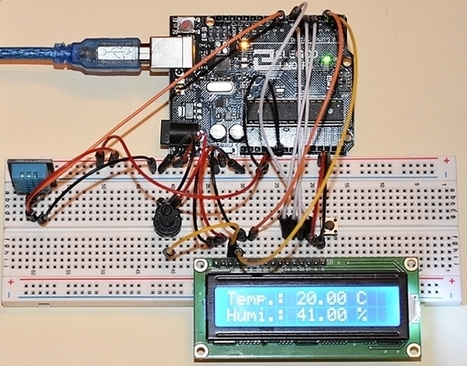
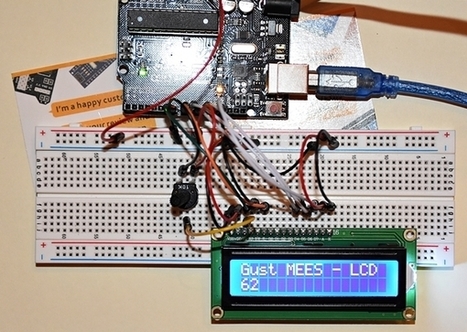
SO, as I got my new Super Starter Kit UNO R3 Project I am playing around a bit with it. In my previous post WE were wiring and testing a LCD-Display and coding to display a bit text on the LCD. That was actually very easy, so lets try out now some “Sensors“, e.g. a Temperature/Humidity Sensor and a Ultrasonic Sensor to measure distances. The measured values of those sensors will get displayed on the LCD-Display.


Learn more / En savoir plus / Mehr erfahren:


https://gustmees.wordpress.com/?s=maker


https://www.scoop.it/t/21st-century-learning-and-teaching/?&tag=ARDUINO


Gust MEES's insight:

SO, as I got my new Super Starter Kit UNO R3 Project I am playing around a bit with it. In my previous post WE were wiring and testing a LCD-Display and coding to display a bit text on the LCD. That was actually very easy, so lets try out now some “Sensors“, e.g. a Temperature/Humidity Sensor and a Ultrasonic Sensor to measure distances. The measured values of those sensors will get displayed on the LCD-Display.


Learn more / En savoir plus / Mehr erfahren:


https://gustmees.wordpress.com/?s=maker


https://www.scoop.it/t/21st-century-learning-and-teaching/?&tag=ARDUINO


Vivalist's curator insight, January 25, 2018 3:13 AM
Temperature and Humidity monitoring
Scooped by Gust MEES
January 21, 2018 11:18 AM
Scoop.it!

Digital Sandbox Experiment Guide | #Arduino #Coding #VisualProgramming #Maker #MakerED #MakerSpaces 

Digital Sandbox Experiment Guide | #Arduino #Coding #VisualProgramming #Maker #MakerED #MakerSpaces  | 21st Century Learning and Teaching | Scoop.it
Welcome to the Digital Sandbox!


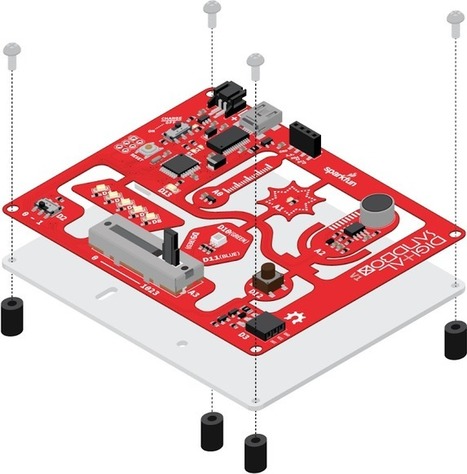
The Digital Sandbox is a learning platform that engages both the software and hardware worlds. It’s powered by a microcontroller that can interact with real-world inputs – like light or temperature sensors – while at the same time controlling LEDs, motors, and other outputs. The Digital Sandbox is equipped with everything, on board, that you will need to complete 13 experiments including controlling an LED, measuring how loud things are, detecting the temperature is, and more.


Learn more / En savoir plus / Mehr erfahren:


https://www.scoop.it/t/21st-century-learning-and-teaching/?&tag=ARDUINO


Gust MEES's insight:
Welcome to the Digital Sandbox!


The Digital Sandbox is a learning platform that engages both the software and hardware worlds. It’s powered by a microcontroller that can interact with real-world inputs – like light or temperature sensors – while at the same time controlling LEDs, motors, and other outputs. The Digital Sandbox is equipped with everything, on board, that you will need to complete 13 experiments including controlling an LED, measuring how loud things are, detecting the temperature is, and more.


Learn more / En savoir plus / Mehr erfahren:


https://www.scoop.it/t/21st-century-learning-and-teaching/?&tag=ARDUINO


No comment yet.
Scooped by Gust MEES
January 20, 2018 12:59 PM
Scoop.it!

Thinking Like a Coach | #ProfessionalDevelopment #Coaching #Feedback #LEARNing2LEARN

Thinking Like a Coach | #ProfessionalDevelopment #Coaching #Feedback #LEARNing2LEARN | 21st Century Learning and Teaching | Scoop.it

Coaches model skills and show athletes how to improve with practice. Feedback on student writing can work the same way.

Coaches teach athletes how to improve. But they don’t simply yell, “Play better defense!” What would that “feedback” really tell the player?

As teachers, we are our students’ coaches in the classroom. Providing vital, quality feedback is essential to helping students improve. Just as a coach has to show players how to box out under the hoop on the basketball court, teachers must model and explain to students how to improve their work.

I still recall sitting in a professor’s office to conference about my writing. He always provided examples of sentences to improve my work, often punching the keys of his typewriter so I could take the examples with me and use them. I often thought to myself, “This is awesome—the guy rewrites my assignment for me and I get an A.” What I didn’t realize was that he was teaching me how to write through meaningful, engaging feedback.


Learn more / En savoir plus / Mehr erfahren:


https://www.scoop.it/t/21st-century-learning-and-teaching/?&tag=feedback


https://gustmees.wordpress.com/?s=coaching


Gust MEES's insight:

Coaches model skills and show athletes how to improve with practice. Feedback on student writing can work the same way.

Coaches teach athletes how to improve. But they don’t simply yell, “Play better defense!” What would that “feedback” really tell the player?

As teachers, we are our students’ coaches in the classroom. Providing vital, quality feedback is essential to helping students improve. Just as a coach has to show players how to box out under the hoop on the basketball court, teachers must model and explain to students how to improve their work.

I still recall sitting in a professor’s office to conference about my writing. He always provided examples of sentences to improve my work, often punching the keys of his typewriter so I could take the examples with me and use them. I often thought to myself, “This is awesome—the guy rewrites my assignment for me and I get an A.” What I didn’t realize was that he was teaching me how to write through meaningful, engaging feedback.


Learn more / En savoir plus / Mehr erfahren:


https://www.scoop.it/t/21st-century-learning-and-teaching/?&tag=feedback


https://gustmees.wordpress.com/?s=coaching


No comment yet.
Scooped by Gust MEES
January 19, 2018 7:43 PM
Scoop.it!

KinderLab Robotics | #KIBO #LEARNingByDoing #LEARNing2LEARN #Kids #STEM

KinderLab Robotics | #KIBO #LEARNingByDoing #LEARNing2LEARN #Kids #STEM | 21st Century Learning and Teaching | Scoop.it
Toys for learning about technology. Playfully!

Play the video above to learn more about KIBO


With KIBO, 4- to 7-year-olds create, design, decorate and bring their own robot to life! KIBO lets kids' imaginations soar - all without requiring screen time on PCs, tablets, or smartphones.


Learn more / En savoir plus / Mehr erfahren:


https://gustmees.wordpress.com/2014/08/24/coding-a-new-trend-in-education-and-a-big-responsibility/


Gust MEES's insight:
Toys for learning about technology. Playfully!

Play the video above to learn more about KIBO


With KIBO, 4- to 7-year-olds create, design, decorate and bring their own robot to life! KIBO lets kids' imaginations soar - all without requiring screen time on PCs, tablets, or smartphones.


Learn more / En savoir plus / Mehr erfahren:


https://gustmees.wordpress.com/2014/08/24/coding-a-new-trend-in-education-and-a-big-responsibility/


No comment yet.
Scooped by Gust MEES
January 15, 2018 4:30 PM
Scoop.it!

21 Stratégies pédagogiques ou technologiques. Être prof au 21e siècle | #ProfessionalDevelopment 

Être prof au 21e siècle 21. 21 Stratégies pédagogiques ou technologiques Thierry KARSENTI, M.A., M.Ed., Ph.D. Titulaire de la Chaire de recherche du Canada sur les technologies en éducation, Université de Montréal @ThierryUdM


http://karsenti.ca/etreprof.pdf 


Learn more / En savoir plus / Mehr erfahren:


https://www.scoop.it/t/21st-century-learning-and-teaching/?tag=Rise+of+the+Professional+Educator


https://www.scoop.it/t/21st-century-learning-and-teaching/?tag=Empathy


https://www.scoop.it/t/21st-century-learning-and-teaching/?tag=Soft+Skills


https://www.scoop.it/t/21st-century-learning-and-teaching/?tag=Growth+Mindset


Gust MEES's insight:

Être prof au 21e siècle 21. 21 Stratégies pédagogiques ou technologiques Thierry KARSENTI, M.A., M.Ed., Ph.D. Titulaire de la Chaire de recherche du Canada sur les technologies en éducation, Université de Montréal @ThierryUdM


http://karsenti.ca/etreprof.pdf 


Learn more / En savoir plus / Mehr erfahren:


https://www.scoop.it/t/21st-century-learning-and-teaching/?tag=Rise+of+the+Professional+Educator


https://www.scoop.it/t/21st-century-learning-and-teaching/?tag=Empathy


https://www.scoop.it/t/21st-century-learning-and-teaching/?tag=Soft+Skills


https://www.scoop.it/t/21st-century-learning-and-teaching/?tag=Growth+Mindset


No comment yet.
Scooped by Gust MEES
January 15, 2018 8:28 AM
Scoop.it!

L'intelligence artificielle, un service comme les autres ? - L'Atelier BNP Paribas | #AI #ArtificialIntelligence

L'intelligence artificielle, un service comme les autres ? - L'Atelier BNP Paribas | #AI #ArtificialIntelligence | 21st Century Learning and Teaching | Scoop.it
Sept ans après la spectaculaire victoire de Watson, le superordinateur d’IBM, au jeu télévisé américain Jeopardy!, le buzz autour de l’intelligence artificielle ne faiblit pas. Cette technologie entraîne aujourd’hui des avancées spectaculaires, assorties de changements radicaux, dans des domaines aussi variés que la médecine, le marketing ou les transports.


« Je peine à me figurer une industrie que l’intelligence artificielle ne va pas, à mon sens, transformer au cours des prochaines années. » affirme ainsi Andrew Ng, professeur en sciences de l’informatique à l’Université de Stanford, qui voit dans l’intelligence artificielle « la nouvelle électricité ».


Un rapport du cabinet de conseil McKinsey paru en juin 2017 prédit que l’intelligence artificielle gonflera l’économie américaine de 126 milliards de dollars d’ici 2025. 


Learn more / En savoir plus / Mehr erfahren:


https://www.scoop.it/t/21st-century-learning-and-teaching/?&tag=AI


https://www.scoop.it/t/21st-century-innovative-technologies-and-developments/?&tag=AI


Gust MEES's insight:
Sept ans après la spectaculaire victoire de Watson, le superordinateur d’IBM, au jeu télévisé américain Jeopardy!, le buzz autour de l’intelligence artificielle ne faiblit pas. Cette technologie entraîne aujourd’hui des avancées spectaculaires, assorties de changements radicaux, dans des domaines aussi variés que la médecine, le marketing ou les transports.


« Je peine à me figurer une industrie que l’intelligence artificielle ne va pas, à mon sens, transformer au cours des prochaines années. » affirme ainsi Andrew Ng, professeur en sciences de l’informatique à l’Université de Stanford, qui voit dans l’intelligence artificielle « la nouvelle électricité ».


Un rapport du cabinet de conseil McKinsey paru en juin 2017 prédit que l’intelligence artificielle gonflera l’économie américaine de 126 milliards de dollars d’ici 2025. 


Learn more / En savoir plus / Mehr erfahren:


https://www.scoop.it/t/21st-century-learning-and-teaching/?&tag=AI


https://www.scoop.it/t/21st-century-innovative-technologies-and-developments/?&tag=AI


No comment yet.
Scooped by Gust MEES
January 14, 2018 6:14 PM
Scoop.it!

Programming Arduino With Visuino | Lots of examples in #Video #Tutorials

Programming Arduino With Visuino | Lots of examples in #Video #Tutorials | 21st Century Learning and Teaching | Scoop.it

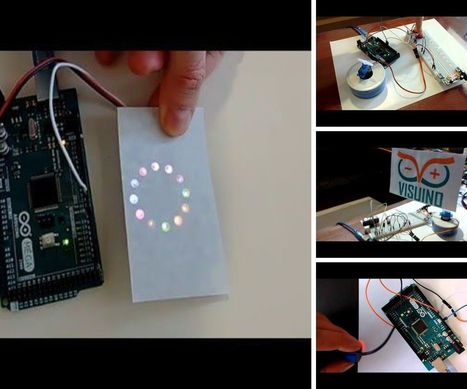
Programming Arduino with Visuino. Lots of examples in Video Tutorials.


Learn more / En savoir plus / Mehr erfahren:


https://www.scoop.it/t/21st-century-learning-and-teaching/?&tag=ARDUINO


Gust MEES's insight:

Programming Arduino with Visuino. Lots of examples in Video Tutorials.


Learn more / En savoir plus / Mehr erfahren:


https://www.scoop.it/t/21st-century-learning-and-teaching/?&tag=ARDUINO


No comment yet.
Scooped by Gust MEES
January 14, 2018 11:15 AM
Scoop.it!

Est-ce que votre développement professionnel est efficace ? | Innovation Education Lab | #ProfessionalDevelopment

Est-ce que votre développement professionnel est efficace ? | Innovation Education Lab | #ProfessionalDevelopment | 21st Century Learning and Teaching | Scoop.it

Est-ce que votre développement professionnel est efficace ?
January 12, 2018

Un développement professionnel soutenu et mobilisateur

•-Est-ce qu’il combine les besoins des personnes et ceux de l’unité éducative ?

•-Est-ce qu’il engage les enseignants et l’équipe de direction ?

•-Est-ce qu’il prend en compte les besoins d’apprentissage des élèves en fonction des classes et des niveaux de scolarité ?

•-Est-ce qu’il est approprié aux différents types d’enseignement et à une dynamique d’innovation ou d’expérimentation ?

•-Est-ce qu’il est adapté à l’apprentissage personnalisé des élèves ?

•-Est-ce qu’il intègre les propositions des enseignants et leur permet de faire des choix ?


Learn more / En savoir plus / Mehr erfahren:


https://gustmees.wordpress.com/?s=professional


Gust MEES's insight:

Est-ce que votre développement professionnel est efficace ?
January 12, 2018

Un développement professionnel soutenu et mobilisateur

•-Est-ce qu’il combine les besoins des personnes et ceux de l’unité éducative ?

•-Est-ce qu’il engage les enseignants et l’équipe de direction ?

•-Est-ce qu’il prend en compte les besoins d’apprentissage des élèves en fonction des classes et des niveaux de scolarité ?

•-Est-ce qu’il est approprié aux différents types d’enseignement et à une dynamique d’innovation ou d’expérimentation ?

•-Est-ce qu’il est adapté à l’apprentissage personnalisé des élèves ?

•-Est-ce qu’il intègre les propositions des enseignants et leur permet de faire des choix ?


Learn more / En savoir plus / Mehr erfahren:


https://gustmees.wordpress.com/?s=professional


No comment yet.
Scooped by Gust MEES
January 11, 2018 10:27 AM
Scoop.it!

IBM Watson: How it Works - YouTube | #MetaDATA #BigData #Curation 


Learn more / En savoir plus / Mehr erfahren:


https://www.scoop.it/t/21st-century-learning-and-teaching/?&tag=Big+Data...



https://www.scoop.it/t/21st-century-learning-and-teaching/?&tag=IBM


Gust MEES's insight:

Learn more / En savoir plus / Mehr erfahren:


https://www.scoop.it/t/21st-century-learning-and-teaching/?&tag=Big+Data...



https://www.scoop.it/t/21st-century-learning-and-teaching/?&tag=IBM


No comment yet.
Rescooped by Gust MEES from Pédagogie universitaire
January 15, 2018 11:27 AM
Scoop.it!

Innovation pédagogique et numérique : bienvenue à l’enseignant multidimensionnel | #ProfessionalDevelopment #ModernEDU #ModernLEARNing #PracTICE 

Innovation pédagogique et numérique : bienvenue à l’enseignant multidimensionnel | #ProfessionalDevelopment #ModernEDU #ModernLEARNing #PracTICE  | 21st Century Learning and Teaching | Scoop.it
Article paru dans le numéro 400 de la revue Le français dans le monde (juillet-août 2015) Auteur : Marc Oddou


Learn more / En savoir plus / Mehr erfahren:


https://www.scoop.it/t/21st-century-learning-and-teaching/?tag=Rise+of+the+Professional+Educator


https://www.scoop.it/t/21st-century-learning-and-teaching/?tag=Empathy


https://www.scoop.it/t/21st-century-learning-and-teaching/?tag=Soft+Skills


https://www.scoop.it/t/21st-century-learning-and-teaching/?tag=Growth+Mindset


Via Gábor Kántor, Cellule Facultaire de Pédagogie Universitaire (UMONS)
Gust MEES's insight:
Article paru dans le numéro 400 de la revue Le français dans le monde (juillet-août 2015) Auteur : Marc Oddou


Learn more / En savoir plus / Mehr erfahren:


https://www.scoop.it/t/21st-century-learning-and-teaching/?tag=Rise+of+the+Professional+Educator


https://www.scoop.it/t/21st-century-learning-and-teaching/?tag=Empathy


https://www.scoop.it/t/21st-century-learning-and-teaching/?tag=Soft+Skills


https://www.scoop.it/t/21st-century-learning-and-teaching/?tag=Growth+Mindset


Scooped by Gust MEES
January 9, 2018 11:14 AM
Scoop.it!

XOD - A visual programming language for microcontrollers | #Arduino #Coding #Maker #MakerED #MakerSpaces

XOD - A visual programming language for microcontrollers | #Arduino #Coding #Maker #MakerED #MakerSpaces | 21st Century Learning and Teaching | Scoop.it

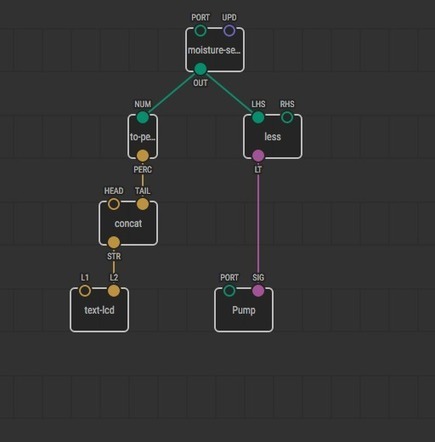
A VISUAL PROGRAMMING LANGUAGE  FOR MICROCONTROLLERS, LIKE CODE, BUT BETTER


Learn more / En savoir plus / Mehr erfahren:


https://www.scoop.it/t/21st-century-learning-and-teaching/?&tag=Coding


Gust MEES's insight:

A VISUAL PROGRAMMING LANGUAGE  FOR MICROCONTROLLERS, LIKE CODE, BUT BETTER


Learn more / En savoir plus / Mehr erfahren:


https://www.scoop.it/t/21st-century-learning-and-teaching/?&tag=Coding


Vivalist's curator insight, January 11, 2018 8:46 AM
Their tagline is "like code, but better" and even though I don't question the importance of learning code in various languages, it is clear that a nodal approach is easing the process of learning and doing some "controls".

Looking forward to using this on a future project in the greenhouse... or building rolbots with the kiddos.

Visuino is another software solution designed to ease the coding of Arduino micro-controllers through a visual interface:
Scooped by Gust MEES
January 7, 2018 11:26 AM
Scoop.it!

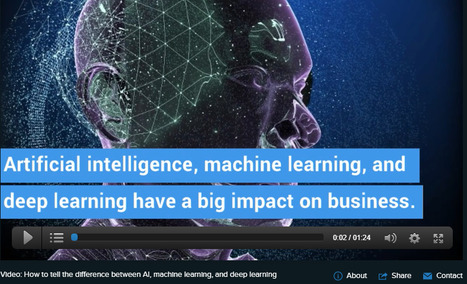
Video: How to tell the difference between AI, machine learning, and deep learning

Video: How to tell the difference between AI, machine learning, and deep learning | 21st Century Learning and Teaching | Scoop.it

Video: How to tell the difference between AI, machine learning, and deep learning.


Learn more / En savoir plus / Mehr erfahren:


https://www.scoop.it/t/21st-century-innovative-technologies-and-developments/?&tag=AI


https://www.scoop.it/t/21st-century-learning-and-teaching/?&tag=AI


Gust MEES's insight:

Video: How to tell the difference between AI, machine learning, and deep learning.


Learn more / En savoir plus / Mehr erfahren:


https://www.scoop.it/t/21st-century-innovative-technologies-and-developments/?&tag=AI


https://www.scoop.it/t/21st-century-learning-and-teaching/?&tag=AI


No comment yet.
Scooped by Gust MEES
January 27, 2018 3:43 PM
Scoop.it!

Artificial Intelligence: Implications for the Future of Education | #ModernEDU #ModernLEARNing #PLN #PKM #AI #Research #STEM

Artificial Intelligence: Implications for the Future of Education | #ModernEDU #ModernLEARNing #PLN #PKM #AI #Research #STEM | 21st Century Learning and Teaching | Scoop.it

So how can AI help?

Communication:  Students and teachers will be able to communicate instantly with one another as well as to connect with other forms of AI around the world. Students instantly paired with peers, helping each student to expand their own personal learning networks, with personalized and more authentic connections that will meet the students’ interests and needs at any given moment. Think of the benefits for being able to converse with AI or a virtual peer, which has been located based on an assessment of student needs and error analyses. Build foreign language skills, talk to someone about school, family, life in a country being studied, possibilities are endless for language learning.


Differentiation: With the availability of AI,  students and teachers will be able to connect with resources they need exactly when they need them. The entire internet of resources accessible within seconds, deliverable to each student saving valuable time for more interaction between teacher and student, and students and students. Through AI, students can have access to one to one tutors, creating more authentic learning experiences by pairing students with an expert or a virtual peer to learn with. Think of the benefits if each student could have instant access to a tutor wherever and whenever they needed one.


Personalization: What better way to offer more personalized learning opportunities for students than to have AI be able to analyze student responses, determine areas of need and interest, and find resources or create new questions to help students to greater understanding of the content. What about the potential for informing the classroom teacher, and working together to create new learning opportunities for students, but in a faster way, that relates directly to the student needs and offers authentic and timely feedback.


Exploration: With the rise of augmented and virtual reality, and the benefits of bringing these into the classroom for students to have a more immersive learning experience and to see places and explore things that otherwise they would not, AI can be a tremendous benefit for this. Through AI, resources could be found instantly based on student responses, or for the entire classroom to experience. Capabilities such as these are not something that will be limited by the time and place of the classroom setting. AI could show students want they want to explore, find ways to bring the content to life instantly.


Assessments: AI could help teachers to assess students and streamline the grading process, with the added benefit of being able to quickly take the data, provide an analysis for teachers, so that time can be saved for more classroom interactions. It can help with student achievement, making sure that each student has the opportunity to learn and grow, benefitting from the faster responses through AI.


Learn more / En savoir plus / Mehr erfahren:


https://www.scoop.it/t/21st-century-learning-and-teaching/?&tag=AI


https://www.scoop.it/t/21st-century-innovative-technologies-and-developments/?&tag=AI


Gust MEES's insight:

So how can AI help?

Communication:  Students and teachers will be able to communicate instantly with one another as well as to connect with other forms of AI around the world. Students instantly paired with peers, helping each student to expand their own personal learning networks, with personalized and more authentic connections that will meet the students’ interests and needs at any given moment. Think of the benefits for being able to converse with AI or a virtual peer, which has been located based on an assessment of student needs and error analyses. Build foreign language skills, talk to someone about school, family, life in a country being studied, possibilities are endless for language learning.


Differentiation: With the availability of AI,  students and teachers will be able to connect with resources they need exactly when they need them. The entire internet of resources accessible within seconds, deliverable to each student saving valuable time for more interaction between teacher and student, and students and students. Through AI, students can have access to one to one tutors, creating more authentic learning experiences by pairing students with an expert or a virtual peer to learn with. Think of the benefits if each student could have instant access to a tutor wherever and whenever they needed one.


Personalization: What better way to offer more personalized learning opportunities for students than to have AI be able to analyze student responses, determine areas of need and interest, and find resources or create new questions to help students to greater understanding of the content. What about the potential for informing the classroom teacher, and working together to create new learning opportunities for students, but in a faster way, that relates directly to the student needs and offers authentic and timely feedback.


Exploration: With the rise of augmented and virtual reality, and the benefits of bringing these into the classroom for students to have a more immersive learning experience and to see places and explore things that otherwise they would not, AI can be a tremendous benefit for this. Through AI, resources could be found instantly based on student responses, or for the entire classroom to experience. Capabilities such as these are not something that will be limited by the time and place of the classroom setting. AI could show students want they want to explore, find ways to bring the content to life instantly.


Assessments: AI could help teachers to assess students and streamline the grading process, with the added benefit of being able to quickly take the data, provide an analysis for teachers, so that time can be saved for more classroom interactions. It can help with student achievement, making sure that each student has the opportunity to learn and grow, benefitting from the faster responses through AI.


Learn more / En savoir plus / Mehr erfahren:


https://www.scoop.it/t/21st-century-learning-and-teaching/?&tag=AI


https://www.scoop.it/t/21st-century-innovative-technologies-and-developments/?&tag=AI


RESENTICE's curator insight, January 29, 2018 11:25 AM

L'intelligence artificielle dans l'éducation pour mieux communiquer, différencier, personnaliser ...

Scooped by Gust MEES
January 22, 2018 5:08 AM
Scoop.it!

Commission Européenne - New measures to boost key competences and digital skills, as well as the European dimension of education

Commission Européenne - New measures to boost key competences and digital skills, as well as the European dimension of education | 21st Century Learning and Teaching | Scoop.it
New measures to boost key competences and digital skills, as well as the European dimension of education
Brussels, 17 January 2018

To follow up on the Gothenburg Summit, the European Commission has today adopted new initiatives to improve key competences and digital skills of European citizens, to promote common values and pupils' awareness of the functioning of the European Union.

The new proposals come only two months after European Heads of State and Government discussed education, training and culture at the Gothenburg Summit in November 2017. They are intended to reduce socio-economic inequalities, whilst sustaining competitiveness in order to build a more united, stronger and more democratic Europe.


The three initiatives proposed by the Commission are:

1. A Council Recommendation on Key Competences for Lifelong Learning: Building on the Recommendation on Key Competences adopted in 2006, this proposal brings forward important updates reflecting the rapid evolution of teaching and learning since then. It aims to improve the development of key competences of people of all ages throughout their lives and to provide guidance to Member States on how to achieve this objective. A particular focus is placed on promoting entrepreneurial drive and innovation-oriented mindsets in order to unlock personal potential, creativity and self-initiative. Moreover, the Commission is recommending steps to foster competences in science, technology, engineering and mathematics (STEM) and motivate more young people to embark on a career in these fields. The proposals made today should also be seen as part of the answer to urgently improve European education systems to face the many challenges highlighted in the latest PISA survey. More generally, the measures will support Member States in better preparing learners for changing labour markets and for active citizenship in more diverse, mobile, digital and global societies.


2. A Digital Education Action Plan that outlines how the EU can help people, educational institutions and education systems better adapt to life and work in an age of rapid digital change by:

  • making better use of digital technology for teaching and learning;

  • developing the digital competences and skills needed for living and working in an age of digital transformation; and

  • improving education through better data analysis and foresight.

Initiatives include supporting schools with high-speed broadband connections, scaling up a new self-assessment tool for schools on the use of technology for teaching and learning (SELFIE) and a public awareness campaign on online safety, media literacy and cyber hygiene.


3. A Council Recommendation on common values, inclusive education and the European dimension of teaching: This initiative proposes ways in which education can help young people understand the importance of and adhere to common values set out in Article 2 of the Treaty of the European Union. It aims at strengthening social cohesion and contributing to fight the rise of populism, xenophobia, divisive nationalism and the spreading of fake news. The proposal also strengthens inclusive education to promote quality education for all pupils as well as the European dimension of teaching, so children also learn about Europe's common heritage and diversity and get a good understanding of the functioning of the EU. To support these aims, the Commission will take steps to increase virtual exchanges among schools, notably through the successful e-Twinning network, and boost school mobility through the Erasmus+ programme.


Learn more / En savoir plus / Mehr erfahren:


https://www.scoop.it/t/21st-century-learning-and-teaching/?&tag=EU


Gust MEES's insight:
New measures to boost key competences and digital skills, as well as the European dimension of education
Brussels, 17 January 2018

To follow up on the Gothenburg Summit, the European Commission has today adopted new initiatives to improve key competences and digital skills of European citizens, to promote common values and pupils' awareness of the functioning of the European Union.

The new proposals come only two months after European Heads of State and Government discussed education, training and culture at the Gothenburg Summit in November 2017. They are intended to reduce socio-economic inequalities, whilst sustaining competitiveness in order to build a more united, stronger and more democratic Europe.


The three initiatives proposed by the Commission are:

1. A Council Recommendation on Key Competences for Lifelong Learning: Building on the Recommendation on Key Competences adopted in 2006, this proposal brings forward important updates reflecting the rapid evolution of teaching and learning since then. It aims to improve the development of key competences of people of all ages throughout their lives and to provide guidance to Member States on how to achieve this objective. A particular focus is placed on promoting entrepreneurial drive and innovation-oriented mindsets in order to unlock personal potential, creativity and self-initiative. Moreover, the Commission is recommending steps to foster competences in science, technology, engineering and mathematics (STEM) and motivate more young people to embark on a career in these fields. The proposals made today should also be seen as part of the answer to urgently improve European education systems to face the many challenges highlighted in the latest PISA survey. More generally, the measures will support Member States in better preparing learners for changing labour markets and for active citizenship in more diverse, mobile, digital and global societies.


2. A Digital Education Action Plan that outlines how the EU can help people, educational institutions and education systems better adapt to life and work in an age of rapid digital change by:

  • making better use of digital technology for teaching and learning;

  • developing the digital competences and skills needed for living and working in an age of digital transformation; and

  • improving education through better data analysis and foresight.

Initiatives include supporting schools with high-speed broadband connections, scaling up a new self-assessment tool for schools on the use of technology for teaching and learning (SELFIE) and a public awareness campaign on online safety, media literacy and cyber hygiene.


3. A Council Recommendation on common values, inclusive education and the European dimension of teaching: This initiative proposes ways in which education can help young people understand the importance of and adhere to common values set out in Article 2 of the Treaty of the European Union. It aims at strengthening social cohesion and contributing to fight the rise of populism, xenophobia, divisive nationalism and the spreading of fake news. The proposal also strengthens inclusive education to promote quality education for all pupils as well as the European dimension of teaching, so children also learn about Europe's common heritage and diversity and get a good understanding of the functioning of the EU. To support these aims, the Commission will take steps to increase virtual exchanges among schools, notably through the successful e-Twinning network, and boost school mobility through the Erasmus+ programme.


Learn more / En savoir plus / Mehr erfahren:


https://www.scoop.it/t/21st-century-learning-and-teaching/?&tag=EU


No comment yet.
Scooped by Gust MEES
January 21, 2018 8:06 AM
Scoop.it!

Alternative Arduino Interfaces | #Coding #ArduBlock #VisualProgramming #Maker #MakerED #MakerSpaces

Alternative Arduino Interfaces | #Coding #ArduBlock #VisualProgramming #Maker #MakerED #MakerSpaces | 21st Century Learning and Teaching | Scoop.it
Overviewing the Options


Arduino is awesome! It’s our go-to electronics education platform, and it’s our top choice for rapid prototyping, but it isn’t for everyone. Maybe it’s the cryptic language, or the Java-based IDE, or maybe it’s just the teal window border – regardless of your reasoning, if you’re trying to escape the Arduino IDE, here are a few alternatives we’d like to share.

The Arduino alternatives covered in this tutorial range from simple, introductory graphical programming to web-based Arduino interfaces for your web browser. Here’s a quick overview of each interface covered, we’ll go into further detail later on:

ArduBlock – A Visual Programming Arduino Extension


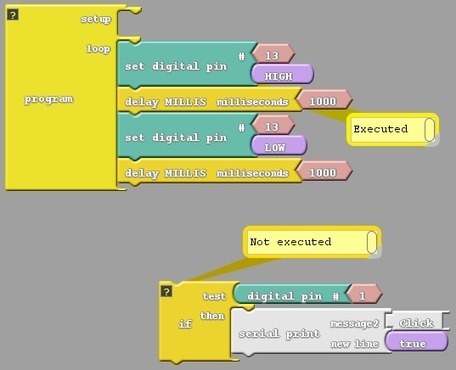
ArduBlock is a graphical programming add-on to the default Arduino IDE. Instead of memorizing cryptic functions, forgetting semicolons, and debugging code, ArduBlock allows you to build your Arduino program by dragging and dropping interlocking blocks.

Learn more / En savoir plus / Mehr erfahren:


https://www.scoop.it/t/21st-century-learning-and-teaching/?&tag=ARDUINO


Gust MEES's insight:
Overviewing the Options


Arduino is awesome! It’s our go-to electronics education platform, and it’s our top choice for rapid prototyping, but it isn’t for everyone. Maybe it’s the cryptic language, or the Java-based IDE, or maybe it’s just the teal window border – regardless of your reasoning, if you’re trying to escape the Arduino IDE, here are a few alternatives we’d like to share.

The Arduino alternatives covered in this tutorial range from simple, introductory graphical programming to web-based Arduino interfaces for your web browser. Here’s a quick overview of each interface covered, we’ll go into further detail later on:

ArduBlock – A Visual Programming Arduino Extension


ArduBlock is a graphical programming add-on to the default Arduino IDE. Instead of memorizing cryptic functions, forgetting semicolons, and debugging code, ArduBlock allows you to build your Arduino program by dragging and dropping interlocking blocks.


Learn more / En savoir plus / Mehr erfahren:


https://www.scoop.it/t/21st-century-learning-and-teaching/?&tag=ARDUINO


Ness Crouch's curator insight, January 23, 2018 3:08 PM

Arduino can be lots of fun! #coding #edtech #visualprogramming #elearning
Scooped by Gust MEES
January 20, 2018 6:13 AM
Scoop.it!

How does SOLE work? A  S.O.L.E. is a classroom based Self Organised Learning

How does SOLE work? A  S.O.L.E. is a classroom based Self Organised Learning | 21st Century Learning and Teaching | Scoop.it

HOW DOES S.O.L.E. WORK?

A  S.O.L.E. is a classroom based Self Organised Learning Environment  adapted to facilitate student inquiry learning via the internet  Each S.O.L.E. session is focused through a question or provocation.

Each S.O.L.E. session adheres to five key Principles Students self organise - groups; computers; movement; learning direction; behaviours; pace of discovery Learning occurs through lots of collaboration & discussion Teachers transfer the power to learn to students.


Children are free to observe what other groups are doing and share information with each other Children present their research to the class at the end of the session .


The Logistics of a S.O.L.E. session are very simple. The classroom is set up with one laptop for every four students in the classroom. At the start of the session students are asked to respond to a single question or provocation. Students are then free to organize their own groups and decide how they will record their responses.


At the end of a research session all students report back their findings. Teachers have very little involvement during the research phase of a SOLE session.

Typically a S.O.L.E. session is structured in the following way
Review & briefly discuss the S.O.L.E. Protocols (3-5 mins)


Setting a learning goal and linking the question to the current classroom focus. Posing of the initial provocation (5 mins)


Collaborative group Enquiry (20-25 minutes)


Preparation for information sharing roles (3-5 minutes)


Sharing collective knowledge (15-20 minutes)


Learn more / En savoir plus / Mehr erfahren:


https://www.scoop.it/t/21st-century-learning-and-teaching/?&tag=Self-Directed+Learning


https://www.scoop.it/t/21st-century-learning-and-teaching/?&tag=Learning+2+Learn


Gust MEES's insight:

HOW DOES S.O.L.E. WORK?

A  S.O.L.E. is a classroom based Self Organised Learning Environment  adapted to facilitate student inquiry learning via the internet  Each S.O.L.E. session is focused through a question or provocation.

Each S.O.L.E. session adheres to five key Principles Students self organise - groups; computers; movement; learning direction; behaviours; pace of discovery Learning occurs through lots of collaboration & discussion Teachers transfer the power to learn to students.


Children are free to observe what other groups are doing and share information with each other Children present their research to the class at the end of the session .


The Logistics of a S.O.L.E. session are very simple. The classroom is set up with one laptop for every four students in the classroom. At the start of the session students are asked to respond to a single question or provocation. Students are then free to organize their own groups and decide how they will record their responses.


At the end of a research session all students report back their findings. Teachers have very little involvement during the research phase of a SOLE session.

Typically a S.O.L.E. session is structured in the following way
Review & briefly discuss the S.O.L.E. Protocols (3-5 mins)


Setting a learning goal and linking the question to the current classroom focus. Posing of the initial provocation (5 mins)


Collaborative group Enquiry (20-25 minutes)


Preparation for information sharing roles (3-5 minutes)


Sharing collective knowledge (15-20 minutes)


Learn more / En savoir plus / Mehr erfahren:


https://www.scoop.it/t/21st-century-learning-and-teaching/?&tag=Self-Directed+Learning


https://www.scoop.it/t/21st-century-learning-and-teaching/?&tag=Learning+2+Learn


No comment yet.
Scooped by Gust MEES
January 19, 2018 12:34 PM
Scoop.it!

First Steps with the Arduino-UNO R3 | Maker, MakerED, Coding | Super Starter Kit UNO R3 Project | #LEARNingByDoing #Creativity #PracTICE 

First Steps with the Arduino-UNO R3 | Maker, MakerED, Coding | Super Starter Kit UNO R3 Project | #LEARNingByDoing #Creativity #PracTICE  | 21st Century Learning and Teaching | Scoop.it

Super Starter Kit UNO R3 Project From Elegoo. In one of my previous blog posts I used Arduino-UNO Starter Kit, which I ordered at Conrad (English version) and I wasn't really impressed by the manual, it didn't satisfy to my expectations and needs. SO, I was looking around to find some distributors for a BETTER version...…


Learn more / En savoir plus / Mehr erfahren:


https://gustmees.wordpress.com/?s=arduino


Gust MEES's insight:

Super Starter Kit UNO R3 Project From Elegoo. In one of my previous blog posts I used Arduino-UNO Starter Kit, which I ordered at Conrad (English version) and I wasn't really impressed by the manual, it didn't satisfy to my expectations and needs. SO, I was looking around to find some distributors for a BETTER version...…


Learn more / En savoir plus / Mehr erfahren:


https://gustmees.wordpress.com/?s=arduino


No comment yet.
Scooped by Gust MEES
January 15, 2018 9:13 AM
Scoop.it!

The EduBlocks Project | #Coding #Python #RaspBerryPi #LEARNingByDoing 

The EduBlocks Project | #Coding #Python #RaspBerryPi #LEARNingByDoing  | 21st Century Learning and Teaching | Scoop.it
Build Python 3 Code


EduBlocks is an easy way to learn the Python 3 syntax. It states the actual python code on the blocks.


Learn more / En savoir plus / Mehr erfahren:


https://www.scoop.it/t/21st-century-learning-and-teaching/?&tag=Coding


https://www.scoop.it/t/21st-century-learning-and-teaching/?&tag=Raspberry+Pi


Gust MEES's insight:
Build Python 3 Code


EduBlocks is an easy way to learn the Python 3 syntax. It states the actual python code on the blocks.


Learn more / En savoir plus / Mehr erfahren:


https://www.scoop.it/t/21st-century-learning-and-teaching/?&tag=Coding


https://www.scoop.it/t/21st-century-learning-and-teaching/?&tag=Raspberry+Pi


demiunique's comment, January 18, 2018 4:58 AM
nice
Rescooped by Gust MEES from Notebook or My Personal Learning Network
January 15, 2018 7:51 AM
Scoop.it!

L'Intelligence collective, nouveau moteur de l'innovation ? - L'Atelier BNP Paribas

L'Intelligence collective, nouveau moteur de l'innovation ? - L'Atelier BNP Paribas | 21st Century Learning and Teaching | Scoop.it

Depuis quelques années, de nouveaux lieux collaboratifs misent sur l'intelligence collective pour faire surgir l'innovation en mettant en commun le talent des entrepreneurs, des chercheurs, des innovateurs et des artistes. Auraient-ils trouvé la formule gagnante ?


Learn more / En savoir plus / Mehr erfahren:


https://www.scoop.it/t/21st-century-learning-and-teaching/?&tag=Intelligence+collective


Via Gilbert C FAURE
Gust MEES's insight:

Depuis quelques années, de nouveaux lieux collaboratifs misent sur l'intelligence collective pour faire surgir l'innovation en mettant en commun le talent des entrepreneurs, des chercheurs, des innovateurs et des artistes. Auraient-ils trouvé la formule gagnante ?


Learn more / En savoir plus / Mehr erfahren:


https://www.scoop.it/t/21st-century-learning-and-teaching/?&tag=Intelligence+collective


Gilbert C FAURE's curator insight, January 15, 2018 6:42 AM
et la connaissance collective?
Scooped by Gust MEES
January 14, 2018 6:06 PM
Scoop.it!

Visuino - Visual Development for Arduino | #Maker #MakerED #MakerSpaces #Coding

Visuino - Visual Development for Arduino | #Maker #MakerED #MakerSpaces #Coding | 21st Century Learning and Teaching | Scoop.it

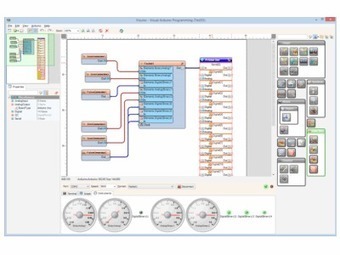
The components found in the Visuino software represent their hardware components and you will easily be able to create and design your programs using drag and drop. No equipment or hardware is needed to run the software in design mode. Once you have completed the design, you can connect Arduino board upload and run it.

For those people who are not strong on writing code then designing, compiling and creating Arduino programs has never been easier! Why waste time on creating code when we have done all the hard work for you already? You have your Arduino board, and great hardware design, see it running in minutes, not hours!

We recommend that you join the Google group to keep up-to-date with all the latest releases.


Learn more / En savoir plus / Mehr erfahren:


https://www.scoop.it/t/21st-century-learning-and-teaching/?&tag=ARDUINO


Gust MEES's insight:

The components found in the Visuino software represent their hardware components and you will easily be able to create and design your programs using drag and drop. No equipment or hardware is needed to run the software in design mode. Once you have completed the design, you can connect Arduino board upload and run it.

For those people who are not strong on writing code then designing, compiling and creating Arduino programs has never been easier! Why waste time on creating code when we have done all the hard work for you already? You have your Arduino board, and great hardware design, see it running in minutes, not hours!

We recommend that you join the Google group to keep up-to-date with all the latest releases.


Learn more / En savoir plus / Mehr erfahren:


https://www.scoop.it/t/21st-century-learning-and-teaching/?&tag=ARDUINO


No comment yet.
Scooped by Gust MEES
January 11, 2018 3:46 PM
Scoop.it!

How Creative Teaching Improves Students’ Executive Function Skills | #Creativity

How Creative Teaching Improves Students’ Executive Function Skills | #Creativity | 21st Century Learning and Teaching | Scoop.it
Synopsis
Teaching creatively, no matter the age group, grade level, or subject matter, not only improves the students’ creativity skills but also enhances their executive function networks.

… To be ready for college, the workforce, and a life in a technological society, students need the ability to gather, comprehend, evaluate, synthesize, and analyze an overwhelming volume of information … Executive Functions plus a strong base of core knowledge are the essential skills for success in today’s world. For students to think critically, collaboratively, and communicate effectively, these must be strengthened.


To adequately prepare for success in careers or higher education, students need guided opportunities to construct strong networks of executive functions. Without this preparation to develop executive functions during the school years, students can fall short. They may lack requirements for higher education and the competitive job market including the skill sets needed for cognitive flexibility, successful communication, collaboration, or creative innovation.


Learn more / En savoir plus / Mehr erfahren:


https://www.scoop.it/t/21st-century-learning-and-teaching/?&tag=Creative-Thinking


Gust MEES's insight:
Synopsis
Teaching creatively, no matter the age group, grade level, or subject matter, not only improves the students’ creativity skills but also enhances their executive function networks.

… To be ready for college, the workforce, and a life in a technological society, students need the ability to gather, comprehend, evaluate, synthesize, and analyze an overwhelming volume of information … Executive Functions plus a strong base of core knowledge are the essential skills for success in today’s world. For students to think critically, collaboratively, and communicate effectively, these must be strengthened.


To adequately prepare for success in careers or higher education, students need guided opportunities to construct strong networks of executive functions. Without this preparation to develop executive functions during the school years, students can fall short. They may lack requirements for higher education and the competitive job market including the skill sets needed for cognitive flexibility, successful communication, collaboration, or creative innovation.


Learn more / En savoir plus / Mehr erfahren:


https://www.scoop.it/t/21st-century-learning-and-teaching/?&tag=Creative-Thinking


Benjamin Boorman's curator insight, January 14, 2018 9:41 PM
Synopsis
Teaching creatively, no matter the age group, grade level, or subject matter, not only improves the students’ creativity skills but also enhances their executive function networks.

… To be ready for college, the workforce, and a life in a technological society, students need the ability to gather, comprehend, evaluate, synthesize, and analyze an overwhelming volume of information … Executive Functions plus a strong base of core knowledge are the essential skills for success in today’s world. For students to think critically, collaboratively, and communicate effectively, these must be strengthened.


To adequately prepare for success in careers or higher education, students need guided opportunities to construct strong networks of executive functions. Without this preparation to develop executive functions during the school years, students can fall short. They may lack requirements for higher education and the competitive job market including the skill sets needed for cognitive flexibility, successful communication, collaboration, or creative innovation.


Learn more / En savoir plus / Mehr erfahren:


https://www.scoop.it/t/21st-century-learning-and-teaching/?&tag=Creative-Thinking


Scooped by Gust MEES
January 10, 2018 11:45 AM
Scoop.it!

Vorsicht bei Facebook - „Tests“! | #SocialMedia #Privacy #BigData #DigitalCitiZENship #LEARNing2LEARN #ICT 

Vorsicht bei Facebook - „Tests“! | #SocialMedia #Privacy #BigData #DigitalCitiZENship #LEARNing2LEARN #ICT  | 21st Century Learning and Teaching | Scoop.it
Manche sind genervt von ihnen, andere können gar nicht genug bekommen – Tests auf Facebook, die das eigene Profil analysieren und dabei Daten sammeln.


Wie soll ich mit solchen Tests umgehen? BEE SECURE rät:

Unzureichende Datenschutzerklärungen, intransparente Informationen und zweifelhafte Geschäftsmodelle bestimmen die „Szene“ dieser Tests. Da diese Tests so gut wie keinen Mehrwert haben, sondern vermutlich sowieso nach dem Zufallsprinzip arbeiten, empfiehlt BEE SECURE, sie zu meiden. Die Risiken, dass die eigenen Daten verkauft oder gar in Fake-Profilen verwendet werden, sind größer als der Nutzen, den diese „lustigen“ Tests bieten.


Learn more / En savoir plus / Mehr erfahren:


https://www.scoop.it/t/21st-century-learning-and-teaching/?&tag=Big+Data...


Gust MEES's insight:
Manche sind genervt von ihnen, andere können gar nicht genug bekommen – Tests auf Facebook, die das eigene Profil analysieren und dabei Daten sammeln.


Wie soll ich mit solchen Tests umgehen? BEE SECURE rät:

Unzureichende Datenschutzerklärungen, intransparente Informationen und zweifelhafte Geschäftsmodelle bestimmen die „Szene“ dieser Tests. Da diese Tests so gut wie keinen Mehrwert haben, sondern vermutlich sowieso nach dem Zufallsprinzip arbeiten, empfiehlt BEE SECURE, sie zu meiden. Die Risiken, dass die eigenen Daten verkauft oder gar in Fake-Profilen verwendet werden, sind größer als der Nutzen, den diese „lustigen“ Tests bieten.


Learn more / En savoir plus / Mehr erfahren:


https://www.scoop.it/t/21st-century-learning-and-teaching/?&tag=Big+Data...


No comment yet.
Scooped by Gust MEES
January 9, 2018 11:35 AM
Scoop.it!

Arduino and Servos: How to Make a Laser Turret with XOD | Fun with electronics! | #Coding #Maker #MakerED #MakerSpaces

Arduino and Servos: How to Make a Laser Turret with XOD | Fun with electronics! | #Coding #Maker #MakerED #MakerSpaces | 21st Century Learning and Teaching | Scoop.it

A tutorial on what servos are, how they work, and how to use them. Then I build a laser turret using a pan-tilt servo kit and an Arduino Uno.


Learn more / En savoir plus / Mehr erfahren:


https://www.scoop.it/t/21st-century-learning-and-teaching/?&tag=Coding


Gust MEES's insight:

A tutorial on what servos are, how they work, and how to use them. Then I build a laser turret using a pan-tilt servo kit and an Arduino Uno.


Learn more / En savoir plus / Mehr erfahren:


https://www.scoop.it/t/21st-century-learning-and-teaching/?&tag=Coding


No comment yet.
Scooped by Gust MEES
January 7, 2018 4:32 PM
Scoop.it!

Guide to Greener Electronics 2017 | Greenpeace USA | #Sustainability

Guide to Greener Electronics 2017 | Greenpeace USA | #Sustainability | 21st Century Learning and Teaching | Scoop.it
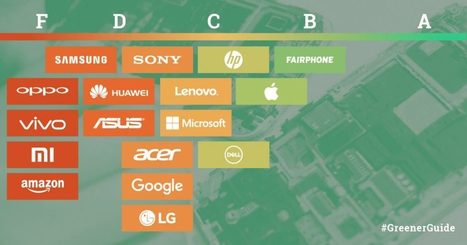
The Guide to Greener Electronics is an analysis of what 17 of the world’s leading consumer electronics companies are doing to address their environmental impacts. Here’s how the companies stack up.


Learn more / En savoir plus / Mehr erfahren:


https://www.scoop.it/t/21st-century-learning-and-teaching/?&tag=Sustainability


Gust MEES's insight:
The Guide to Greener Electronics is an analysis of what 17 of the world’s leading consumer electronics companies are doing to address their environmental impacts. Here’s how the companies stack up.


Learn more / En savoir plus / Mehr erfahren:


https://www.scoop.it/t/21st-century-learning-and-teaching/?&tag=Sustainability


No comment yet.