Covering the last 365 days

Electronics

Electronics on Scoop.it is moving around practical hardware questions: how to build with small boards, how to extend a laptop without breaking the signal path, how radio receivers are changing, and how smart glasses move from prototype optics toward consumer products.

The subject area is fed by 19 curators across 24 topics. The page corpus covers the last 365 days and contains 72 posts, with the latest activity recorded on 2026-08-08. The mix runs from maker projects and SDR hardware to testing standards, repair parts, displays, cameras, phones and AV installation.

What stands out now is the shift from devices as standalone purchases to devices as systems. The strongest selections ask whether a port supports video, whether a dock really powers the laptop, whether a radio design offers usable performance, and whether new wearable hardware can be manufactured and tested at scale.

Key figures

  • 24 topics
  • 19 curators
  • 2647374 views
  • August 8, 2026 last activity

Cross-cutting issues

1

Portable setups promise more workspace, but ports decide the outcome

Display expansion succeeds only when cables, docks, power and host devices are treated as a full signal chain.

Two Monitors, One Image? Check Whether Windows Sees One Display or Two support.microsoft.com

Smart Workstation Upgrade Intelligence brings the most practical version of the problem. A Microsoft support selection is used to separate display-mode settings from the upstream video path, while ScreenExtendersHub items show how a black screen can come from the cable, the port, power, bandwidth or device policy.

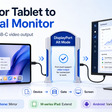
The same topic treats mobile display expansion as a buying-risk issue. The phone and tablet monitor guide starts with device support for video output rather than the cable, and the dock power item warns that advertised Power Delivery can differ from what actually reaches the laptop after peripherals take their share.

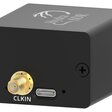
Low cost Software Defined Radio (SDR) Panorama adds the radio-hardware equivalent. HydraSDR is assessed through packaging, clocking, installation and connection details, while Web-888 is framed as a receiver that becomes useful through local network and remote access. In both areas, the connector and host path decide the experience.

The shared lesson is that portable electronics no longer succeed by adding a peripheral. They succeed when the full signal chain is checked before purchase or build.

Further reading

2

Hands-on electronics is useful only when it teaches limits

Maker projects, SDR builds and lab testing point to electronics literacy that includes failure modes, not just successful builds.

Considering an Arduino UNO Q? Watch this first! youtube.com

Raspberry Pi supplies the learning end of the electronics spectrum. The selections point readers toward video-led board work, Arduino decision guides, ARM assembly lessons and hands-on IoT builds. The format is practical: watch, wire, test and repeat.

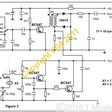
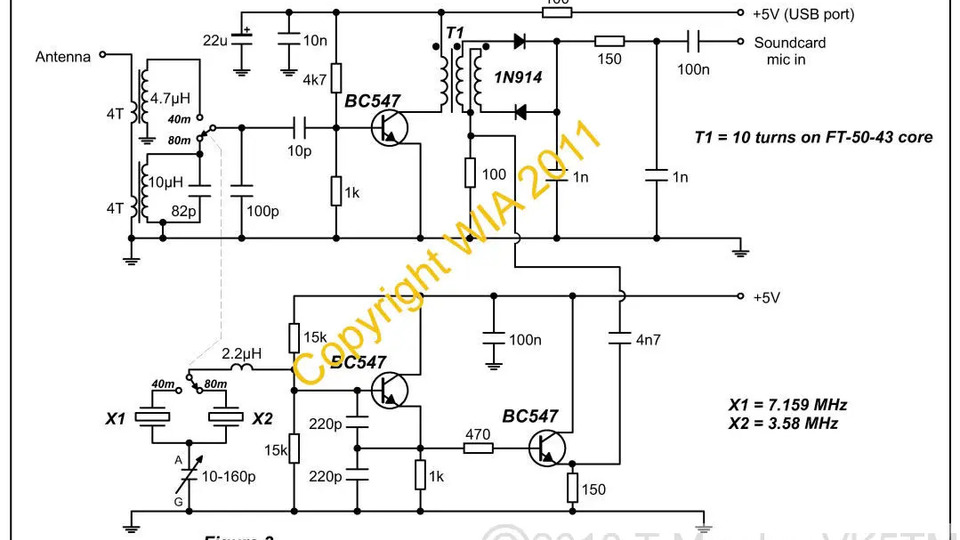
Low cost Software Defined Radio (SDR) Panorama brings a different maker discipline. The VK5TM simple SDR selection values basic components and design trade-offs rather than novelty, showing that a modest receiver can still teach serious radio principles.

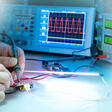
Karandikar Lab adds the boundary between a working project and a reliable product. Its safety and EMC testing posts make clear that electronics must survive electrical stress, interference and use conditions beyond the bench.

Together, these topics show a stronger form of electronics literacy. Building matters, but so does knowing the limits of the circuit, the environment and the standard the hardware must meet.

Further reading

3

Low-cost hardware now competes on depth, not just price

Radio boards, maker computers and smart-glasses optics show a market where cheap access remains important, but performance details set the agenda.

VK5TM Simple SDR vk5tm.com

Low cost Software Defined Radio (SDR) Panorama shows inexpensive access maturing into a discussion about capability. The simple SDR posts keep the entry point open, while HydraSDR and the RX-888 coverage move the emphasis toward architecture, bandwidth, packaging and connection choices.

Raspberry Pi keeps the opposite pressure alive. Weekend project selections show small boards as accessible tools for experimentation, media, sensors and everyday builds. They keep the hardware conversation grounded in what a reader can assemble and adapt.

HMD hot spot shows what happens when consumer hardware depends on difficult components. Posts on Magic Leap waveguides and Google’s grating work make optics visible as a competitive layer, not a background detail.

The tension is not cheap versus premium. It is access versus precision. The more capable the device becomes, the more the discussion shifts from owning hardware to understanding why its internal design matters.

Further reading

4

Smart glasses look consumer-ready, but the hard work is industrial

The smart-glasses race is framed by brand partnerships and AI features, yet the posts keep returning to optics, manufacturing and reliability.

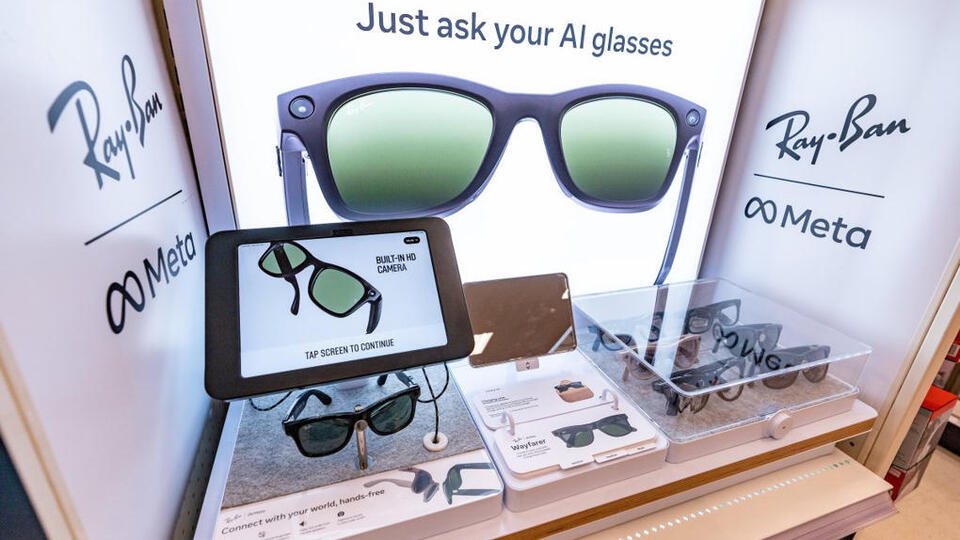
Meta partner EssilorLuxottica to also manufacture smart glasses in Italy heise.de

HMD hot spot follows smart glasses as a consumer-hardware contest. Posts on Meta’s partnership with EssilorLuxottica and a new line of AI glasses frame the category through manufacturing relationships, product lines and the push to make eyewear feel mainstream.

The same topic keeps returning to the hidden layer. Magic Leap waveguides and Google’s grating work point to optical engineering as a core battleground, where image quality and display architecture matter as much as apps or branding.

Karandikar Lab adds the reliability and standards layer that every consumer device eventually faces. ESD testing and UL certification selections remind readers that wearable electronics must meet safety and durability expectations before they can become everyday hardware.

Smart glasses therefore sit between fashion, computing and compliance. The posts make the category look less like a single gadget launch and more like an industrial platform race.

Further reading

Curators to follow

  • F. Thunus

    This curator selects current material on Raspberry Pi, Arduino, browser experiments and hands-on device builds.

  • Christophe Fourtet

    This curator tracks low-cost software-defined radio hardware, from simple receiver designs to commercial devices and production changes.

  • Sara Mautino

    This curator follows head-mounted display and smart-glasses hardware, with attention to manufacturing partners and waveguide optics.

  • Shishir Karandikar

    This curator gathers electronics testing and compliance material, including safety, surge, EMC, ESD and certification themes.

  • ScreenExtendersHub

    This curator focuses on workstation upgrade decisions, especially USB-C display output, docks, power delivery and screen extender fit.

Frequently asked questions

What kind of electronics topics are gathered here?

This page covers consumer and hardware electronics: maker boards, AV installation, equipment testing, workstation displays, SDR radios, head-mounted displays, cameras, mobile news, IoT wearables, phone repair parts, desktop reviews and HDTV reviews. The supplied material spans 24 topics and is fed by 19 curators.

Is this only about consumer gadget news?

No. Gadget and device news are part of it, but the topic list also includes testing labs, repair parts, workstation setup guidance, maker boards, software-defined radio and professional AV installation. The current corpus shows electronics as both a consumer category and a practical hardware field.

Why are USB-C monitors and docks part of electronics coverage?

They are included because modern electronics buying often depends on ports, power and compatibility. The workstation material focuses on USB-C video output, docks, portable monitors and screen extenders, where the wrong cable, host device or power path can make an upgrade fail.

Does this page include Raspberry Pi and Arduino projects?

Yes. The material includes Raspberry Pi, Arduino and related board projects, with video-driven build guides, browser experiments, ARM assembly lessons and IoT hardware. The maker coverage is practical rather than novelty-led, often showing how small boards become useful tools or dedicated appliances.

Are smart glasses and wearables covered here?

Yes. Head-mounted display and wearable topics appear through smart-glasses manufacturing, AI glasses, waveguide optics, IoT wearables and smart fabrics. The recent smart-glasses selections connect consumer brands with optical engineering and the manufacturing work needed to turn prototypes into products.

How current is the electronics material on this page?

The figures for this page cover the last 365 days, with 72 posts in the corpus and last activity on 2026-08-08. That means the page reflects current selections while also drawing from longer-running topics that track cameras, repair parts, desktop hardware and other electronics areas.

Most quoted sources

  • youtube.com 2
  • karandikarlab.blogspot.com 1
  • xda-developers.com 1
  • cnx-software.com 1
  • dropbox.com 1
  • dev.to 1
  • hackaday.com 1
  • howtogeek.com 1
  • notebookcheck.net 1
  • screenextendershub.com 1

This page was written by an AI from the public curation of Scoop.it topics. The posts, topics and curators it cites are real and linked directly.

Updated on August 8, 2026