Year 9 Geography - Sustainable Biomes
2.1K views | +0 today
Follow
 
Scooped by Geography with Mrs Dunn
onto Year 9 Geography - Sustainable Biomes
February 3, 2017 6:05 PM
Scoop.it!

Savanna Grasslands Biome

Savanna Grasslands Biome | Year 9 Geography - Sustainable Biomes | Scoop.it
Geography with Mrs Dunn's insight:

Savanna Biome Research

Step 1:


Let's learn about Savanna biomes around the world!


  • Create a concept map showing the characteristics of a savanna biome. Ask the teacher for a template/guide if you at unsure.
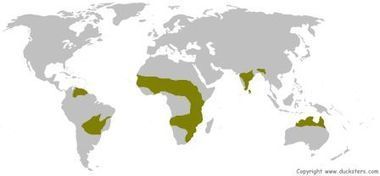
  • Describe the places in which savanna biomes occur around the world.
No comment yet.
Your new post is loading...
Scooped by Geography with Mrs Dunn
March 29, 2017 7:05 PM
Scoop.it!

Projected impact of climate change on agricultural yields — European Environment Agency

Projected impact of climate change on agricultural yields — European Environment Agency | Year 9 Geography - Sustainable Biomes | Scoop.it
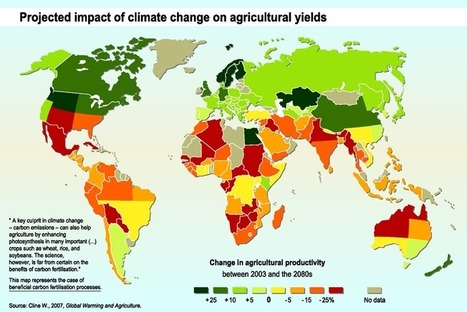
The map shows projected national productivity increase / decrease by 2080 (compared to 2003 levels)
Geography with Mrs Dunn's insight:

Place, space, climate change and food


Refer to your sheet from Thursday's lesson.

  • Complete the following task - plot the nations most at risk from climate change on your blank map.
  • You are to select ONE nation that is experiencing -25% change in agricultural yield and complete the "describe the geography" task.
  • Make a list of at least TEN food sources that will have their yield impacted by climate change. 
No comment yet.
Scooped by Geography with Mrs Dunn
February 3, 2017 9:30 PM
Scoop.it!

PLACE, BIOMES AND THE SAVANNA

PLACE, BIOMES AND THE SAVANNA | Year 9 Geography - Sustainable Biomes | Scoop.it

Geographical Concept - Place

Savanna Biomes

Geography with Mrs Dunn's insight:

PLACE AND BIOMES

THE SAVANNA

• Where is this place?

• What is this place like? Why is it the way it is?

• How is this place connected to other places?

• What types of animals and plants are found in the biome?

• What foods, industrial materials and plants might be grown here?

• What is the climate of the biome like?

No comment yet.
Scooped by Geography with Mrs Dunn
February 3, 2017 6:05 PM
Scoop.it!

Savanna Grasslands Biome

Savanna Grasslands Biome | Year 9 Geography - Sustainable Biomes | Scoop.it
Geography with Mrs Dunn's insight:

Savanna Biome Research

Step 1:


Let's learn about Savanna biomes around the world!


  • Create a concept map showing the characteristics of a savanna biome. Ask the teacher for a template/guide if you at unsure.
  • Describe the places in which savanna biomes occur around the world.
No comment yet.
Scooped by Geography with Mrs Dunn
January 5, 2017 5:07 AM
Scoop.it!

By 2050, the world's population will... - Food and Agriculture Organization of the United Nations (FAO) | Facebook

By 2050, the world's population will... - Food and Agriculture Organization of the United Nations (FAO) | Facebook | Year 9 Geography - Sustainable Biomes | Scoop.it
By 2050, the world's population will likely increase by 35%. To feed that population, crop production will need to double. What can we do to fee
Geography with Mrs Dunn's insight:

How can you save the world from a food shortage?


Question:

What changes would you make in your diet in order to help feed the word?


Solution?

Should we all be eating insects?

https://youtu.be/iM8s1ch5TRw


Watch the video and above and attempt the following tasks:

  • Design a meal made only of insects and plants. Be as creative as you can.
  • Complete an exposition (persuasive writing piece or speech) addressing the following question:

"In order to feed everyone, we should all be eating insects"

No comment yet.
Scooped by Geography with Mrs Dunn
January 5, 2017 1:44 AM
Scoop.it!

Going veggie would cut global food emissions by two thirds and save millions of lives – new study

Going veggie would cut global food emissions by two thirds and save millions of lives – new study | Year 9 Geography - Sustainable Biomes | Scoop.it
Dietary changes make a big difference to both people and planet.
Geography with Mrs Dunn's insight:

Would you go veggie?


Explain what is meant by "going veggie."

Research the concept of your "carbon footprint." Why could it be important to be aware of your own carbon footprint?

Construct a list showing the positive impacts that "going veggie" might have for the world.

Decide if you would take the steps suggested in this article. Make a judgement and justify your answer.


Further reading can be found here:


http://www.sbs.com.au/news/article/2014/05/04/what-if-whole-world-became-vegetarian

No comment yet.
Scooped by Geography with Mrs Dunn
January 5, 2017 1:36 AM
Scoop.it!

Did you know? 45% of all the fruits and... - Food and Agriculture Organization of the United Nations (FAO) | Facebook

Did you know? 45% of all the fruits and... - Food and Agriculture Organization of the United Nations (FAO) | Facebook | Year 9 Geography - Sustainable Biomes | Scoop.it
Did you know? 45% of all the fruits and vegetables produced are wasted! In a world where almost 800 million people are hungry, this is an exces
Geography with Mrs Dunn's insight:

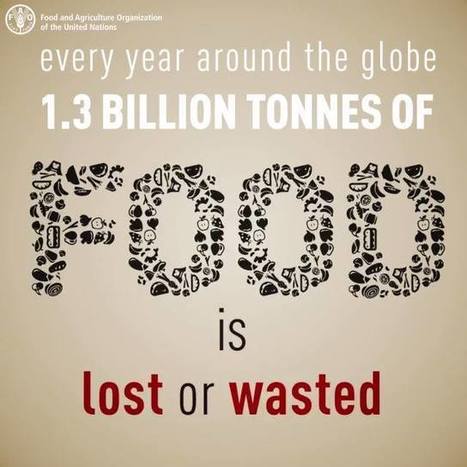
Food waste and loss


How much food is lost or wasted?

What impact does food loss and waste have on:

a) Humans

b) The Environment

Construct a list of ways that people can reduce the amount of food waste and loss across the world. Suggest reasons why this is important.

No comment yet.
Scooped by Geography with Mrs Dunn
January 4, 2017 10:00 PM
Scoop.it!

The power of food | Global Education

The power of food | Global Education | Year 9 Geography - Sustainable Biomes | Scoop.it
Geography with Mrs Dunn's insight:

Global Food Security

No comment yet.
Scooped by Geography with Mrs Dunn
January 4, 2017 9:33 PM
Scoop.it!

Climate change could drive 122m more people into extreme poverty by 2030

Climate change could drive 122m more people into extreme poverty by 2030 | Year 9 Geography - Sustainable Biomes | Scoop.it
UN report warns that without measures to halt and reverse climate change, food production could become impossible in large areas of the world
Geography with Mrs Dunn's insight:

The impact of Climate Change on food production


Explain how climate change could impact food production.

Locate the places that are most likely to be affected by climate change.

Discuss the link between climate change and poverty.

Write a report outlining the connection between climate change, poverty and food production. Use examples in your report.

No comment yet.
Scooped by Geography with Mrs Dunn
March 2, 2017 6:17 PM
Scoop.it!

We've calculated the environmental cost of a loaf of bread – and what to do about it

We've calculated the environmental cost of a loaf of bread – and what to do about it | Year 9 Geography - Sustainable Biomes | Scoop.it
The main source of global warming isn't baking or transport, but fertiliser used to grow wheat.
Geography with Mrs Dunn's insight:

We all love bread, right?


But what is the environmental cost of a loaf of bread?


Read the attached article and complete the following tasks in your workbook:

Interconnections and environment 

  • Make a list of FIVE human actions involved in making bread that causes damage to biomes.
  • Find THREE concepts, in the article, you don't understand and research their meaning. Construct your own definition of each concept in your book.
  • Select one of the technologies mentioned in the article and explain how it could help solve environmental issues caused by the creation of a loaf of bread,
  • Outline at least one action that humans can take to solve the problems caused by making loaves of bread, 
No comment yet.
Scooped by Geography with Mrs Dunn
February 3, 2017 7:01 PM
Scoop.it!

Savanna Explorer - All Regions - Northern Australia

Savanna Explorer - All Regions - Northern Australia | Year 9 Geography - Sustainable Biomes | Scoop.it
Geography with Mrs Dunn's insight:

Savanna Biome Research


Step 2: Time to focus on the Australian Savanna


  • Place:
Describe the location of the Australian savanna.
 
  • Environment:
Find TWO fauna (animals) that live in the Australian Savanna - for each animal you must: create a visual representation and find ONE way each animal adapts to life in the Australian savanna.
Find TWO flora (vegetation) that live in the Australian Savanna - for each plant you must: create a visual representation and find ONE way each plant adapts to life in the Australian savanna.
 
  • Interconnection and space:

Explain the landuse (ways the space is used) patterns of the Australian savanna.

 
You may want to include maps in your work. Hand drawn maps are a great idea! You can also include other visual aids. Be as creative as you wish, in your work!


No comment yet.
Scooped by Geography with Mrs Dunn
January 5, 2017 10:33 PM
Scoop.it!

We tried the bug-filled ice-cream that The Economist says is the future of food -- here's the verdict

We tried the bug-filled ice-cream that The Economist says is the future of food  --  here's the verdict | Year 9 Geography - Sustainable Biomes | Scoop.it
Enjoy your bug-free burgers and cake
Geography with Mrs Dunn's insight:

Would you eat bug-filled ice cream?


Points to consider when reading this article:

  • What does the concept of "food security" mean?
  • What are the suggested reasons given that the world may not be able to feed itself in the future?
  • Why might bugs be a good food for humans to eat in the future?
  • If humans really don't want to eat bugs, but the population will continue to grow, suggest ways the world could deal with a potential food shortage crisis?
  • Most importantly, would you eat the bug ice cream??


Task:

  • You are to prepare a restaurant style dinner that contains ONLY bugs. Be prepared to present your meal to the class.
No comment yet.
Scooped by Geography with Mrs Dunn
January 5, 2017 1:52 AM
Scoop.it!

Soil is a non-renewable resource. It is... - Food and Agriculture Organization of the United Nations (FAO) | Facebook

Soil is a non-renewable resource. It is... - Food and Agriculture Organization of the United Nations (FAO) | Facebook | Year 9 Geography - Sustainable Biomes | Scoop.it
Soil is a non-renewable resource. It is estimated that 95% of our food comes from soil; its preservation is essential for food security an
Geography with Mrs Dunn's insight:

I'm soil; don't treat me like dirt


Describe the characteristics of soil.

Identify the reasons that soil is so important.

Outline how much of our food comes from soil.

Explain what is meant by "sustainable soil."

Recommend ways to use soil sustainably.


Mapping:

Find out where the soils are most fertile.  You may like to compare the places with the most fertile soil to knowledge you already have about areas under threat.


https://www.sciencedaily.com/releases/2016/12/161208143456.htm


Further reading:

https://www.theguardian.com/commentisfree/2015/mar/25/treating-soil-like-dirt-fatal-mistake-human-life

No comment yet.
Scooped by Geography with Mrs Dunn
January 5, 2017 1:40 AM
Scoop.it!

Growing mega-cities will displace vast tracts of farmland by 2030, study says

Growing mega-cities will displace vast tracts of farmland by 2030, study says | Year 9 Geography - Sustainable Biomes | Scoop.it
Cropland losses will have consequences especially for Asia and Africa, which will experience growing food insecurity as cities expand
Geography with Mrs Dunn's insight:

Interconnections - Environment and Space


Explain the link between urbanisation (growth of urban areas) and the production of food?

What are the implications of more land being used for urban development, that would have been used for food production?

Locate the places around the world that will be most impacted by growing urban areas.

Predict what will happen in developing nations if the trend continues.


No comment yet.
Scooped by Geography with Mrs Dunn
January 5, 2017 1:33 AM
Scoop.it!

Two billion people live in the drylands... - Food and Agriculture Organization of the United Nations (FAO) | Facebook

Two billion people live in the drylands... - Food and Agriculture Organization of the United Nations (FAO) | Facebook | Year 9 Geography - Sustainable Biomes | Scoop.it
Two billion people live in the drylands and depend on dryland forests for food, livelihoods, shelter. But every minute we lose 23 hectares of lan
Geography with Mrs Dunn's insight:

Biomes and Food Production


Whose perspective is being delivered in this video?

Interpret what message is being conveyed in this video?

Outline how and why dryland biomes are important to human populations?

Predict what might happen if desertification continues and destroys more dryland biomes.

No comment yet.
Scooped by Geography with Mrs Dunn
January 4, 2017 9:35 PM
Scoop.it!

Major challenges to food production – climate change | Oxfam Australia

Major challenges to food production – climate change | Oxfam Australia | Year 9 Geography - Sustainable Biomes | Scoop.it
There are numerous factors that challenge food production. The climate, topography and soil variations within biomes may be challenging for growing food, but
Geography with Mrs Dunn's insight:

Food production and differences across the world


Can you make a connection between access to food and place/space and environment?

No comment yet.
Scooped by Geography with Mrs Dunn
January 4, 2017 9:27 PM
Scoop.it!

map

map | Year 9 Geography - Sustainable Biomes | Scoop.it
Geography with Mrs Dunn's insight:

Where are the world's biomes?


Use the interactive map to identify where the world's major biomes are located.

No comment yet.