
WW1 teaching resources
2.4K views |
+0 today

Resources for the commemoration of the First World War in 2014-2018. This site provides a range of teaching resources, primary sources, digital content and ideas for how teachers might address this significant historical event in the classroom.
Curated by
Catherine Smyth
 Your new post is loading...
 Scoop.it! 
To document the war to end all wars the State Library of NSW began collecting, from 1918, soldiers' personal stories, including diaries & letters - the war as they actually lived it. This amazing collection is at the heart of our commemoration program.
Catherine Smyth's insight:
This collection of diaries and letters written by soldiers serving in the war is a poignant reminder of the sacrifices they made. 
Scoop.it!

The great war may have been destructive, but it also generated so many startling developments that its influence still resonates today
Catherine Smyth's insight:
The Guardian newspaper article traces the legacy of the First World War.
Scoop.it!
Catherine Smyth's insight:
Anzac Day resources from NITV that pay tribute to the indigenous members of Australia's defence force since 1901.
Scoop.it!
The Memorial exists to help Australians commemorate the sacrifice of those who have served and died in war, and we're also an outstanding historical research...
Catherine Smyth's insight:
View an online collection of First World War films from the Australian War Memorial.
Scoop.it!
"JOE SACCO IS A GENIUS."—Chris Ware From Joe Sacco, "the heir to R. Crumb and Art Spiegelman" (Economist), comes a monumental, wordless depiction of the most…
Scoop.it!
Catherine Smyth's insight:
Embed an indigenous perspective in teaching about Australia's involvement in World War 1. These resources link to the NSW History 7-10 syllabus.
Scoop.it!
Catherine Smyth's insight:
Notes and resources for teaching about Gallipoli.
Scoop.it!
Posts about The First World War written by davemartin46
Catherine Smyth's insight:
Many primary teachers use a range of both fiction and non-fiction texts in their teaching. Use these 6 research-based guidelines (Barton & Levstik, 2005) for selecting historical fiction:
1. Does the book tell a good story? A book must be good literature and good history. 2. Is the story accurate and authentic in its historical detail? Children's fiction deserves the same attention to historical accuracy as nonfiction. 3. Is the language authentic to the times? Completely authentic language is rarely possible in children's historical fiction. Look for the flavour of the times. 4. Is the historical interpretation sound? Avoid romanticised historical fiction. 5. Whose voices are missing? Consider who the participants in an event might have been, and select literature to represent those perspectives. 6. Does the book provide insight and understanding into current issues as well as those in the past? Well-written narratives have relevance for the present.
Scoop.it!
Catherine Smyth's insight:
Words, expressions and terms popularised in 1914-1918.
Scoop.it!

See and hear about the conditions on the Western Front in the First World War.
Catherine Smyth's insight:
A short NZ film showing the conditions on the Western Front during World War 1.
Scoop.it!
Catherine Smyth's insight:
These photographs capture what life was like for those on the home front in London during the First World War.
|
Scoop.it!

Register of War Memorials in New South Wales is a online database listing the names and campaigns of deceased servicemen and women preserved on war memorials throughout the State. Conflicts commemorated include the Boer War (1880-1881), World War 1, World war 2, Korean War, Vietnam War, Gulf War, Malaya Borneo Emergency (1948-1960) and The Sudan (1885)
Scoop.it!
From British pupils focusing on the trenches to Polish students studying the paintings of Otto Dix, history lessons on the war often seem to have little in common
Catherine Smyth's insight:
How educators around the globe are addressing WW1 in their classrooms.
Scoop.it!
Catherine Smyth's insight:
The commemoration of Anzac Day centres around different customs and traditions such as the laying of wreaths, a period of silence and sprigs of rosemary. These are explained on the Australian War Memorial website.
Scoop.it!
The Memorial exists to help Australians commemorate the sacrifice of those who have served and died in war, and we're also an outstanding historical research...
Scoop.it!
Catherine Smyth's insight:
The State Library of NSW holds over 1,100 WWI diaries by soldiers, doctors, nurses, stretcher bearers, journalists and artists from right across Australia and New Zealand.
Scoop.it!
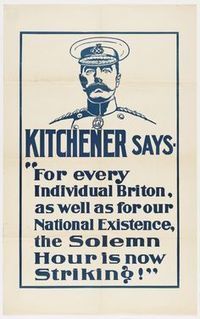
These posters were displayed in public places around Australia encouraging men to enlist. Prints are available from the Library Shop.
Catherine Smyth's insight:
These posters spurred Australians to join the First World War effort.
Scoop.it!
Catherine Smyth's insight:
ANZAC day resources for primary schools.
Scoop.it!

Provides a host of examples and links to support materials for engaging in research about WWI. Examines the significance of WWI of all Australians and the impact on developing Australian identities then and now.
Catherine Smyth's insight:
A pinterest of support materials for teaching about WW1.
Scoop.it!
The Other Anzacs: Nurses at war 1914-1918 By Peter Rees The harrowing and dramatic stories of the Australian and New Zealand nurses who served in the Great War. Via Maree Whiteley

Maree Whiteley's curator insight,
October 2, 2013 11:05 PM
Some powerful images here to discuss with your students...
Scoop.it!
Catherine Smyth's insight:
The teaching resources for teaching about World War 1, on this website from NZ, are organised are three themes: 1) War and Remembrance; 2) Anzac Day and 3) Passchendaele
Scoop.it!

This Focus On presents film as a historical source and considers its advantages as evidence for the past. There are activities to investigate aspects of film as evidence. Access these on a pc or via an interactive whiteboard.
Catherine Smyth's insight:
Clips of original footage from World War 1.
|