

The new list includes popular trends such as 'cat cafe' and dance move 'dabbing'. 'Alt-right' was also added, thanks to the rise of Trump and populist movements across Europe.
Get Started for FREE
Sign up with Facebook Sign up with X
I don't have a Facebook or a X account


|
Scooped by
Charles Tiayon
onto Word News April 6, 2017 6:18 PM
|
 Scoop.it!
The new list includes popular trends such as 'cat cafe' and dance move 'dabbing'. 'Alt-right' was also added, thanks to the rise of Trump and populist movements across Europe.

|
Word News
The World of Words: dictionaries, glossaries, lexicography and terminology Curated by Charles Tiayon |
 Your new post is loading...
|
|
Rescooped by
Charles Tiayon
from Metaglossia: The Translation World
August 19, 2024 9:25 PM
|
Scoop.it!

The updated Duden edition expands with an extensive 151,000 words, covering topics in crisis management, warfare, and culinary arts more extensively than before. Notable additions span from alternative meat options to air defense systems, with a total of 3,000 new terms incorporated. Conversely, 300 existing entries have been removed.
transforming from 'ChatGPT' to 'Climate Glue'
Boasting a whopping 151,000 words, the latest edition of Duden continues to be extensive. The majority of updates stem from crisis, war, and culinary sectors: from "vegetable substitute" to "missile defense system". A staggering 3,000 new phrases have been incorporated - 300 have been eliminated.
Needless to say, it's grown bigger again: The new Duden has expanded by 3,000 words, incorporating phrases like "rooftop solar panel", "Germany Pass", "ChatGPT", "granola", "climate glue", even "Ukraine conflict". "Duden mirrors society's evolvement. These new phrases shed light on significant happenings over the past three to four years," noted lead editor Kathrin Kunkel-Razum. After a four-year hiatus, the renowned German spelling guide, the 29th edition, will be made available on Tuesday.
The printed version features a record 151,000 headwords. According to Kunkel-Razum, the most significant language shifts of the past few years can be attributed to three areas: crisis, war, and cuisine. For instance, "coronavirus pandemic" has been granted a new entry, alongside "antigen rapid test" and "coronavirus denier". Terms like "extreme weather event", "missile defense system", "gas shortage situation", and "relief package" all resonate with crises in different sectors. Altered dietary habits are evident in phrases like "vegetable substitute", "vegetable box", "tahini", or even "contact grill".
In addition to adding new words, the Duden editors also eliminate infrequently used phrases. This edition features the elimination of 300 words, as reported by Kunkel-Razum. Phrases such as "refrigerator" (fridge), "3G phone", and the DDR term "Facharbeiter" (rationalizer) for an employee with rationalization tasks are no longer included.
Unused spelling variants have also been dumped, such as "tuna fish" and "spaghetti". "Eliminating phrases is a tougher task than incorporating them," admits the linguist. Proving a phrase is rarely used is more challenging than doing the opposite. Sometimes, eliminations are retracted. The phrase "shopping cart hack" (jokingly) was absent from the previous Duden but has since made a comeback. "We received complaints about its deletion," Kunkel-Razum explains.
The guide named after Konrad Duden once held supreme authority. The 1996 spelling reform undermined its power. The German Spelling Council, which publishes the "official standard", now holds the final say. Consisting of a rule section and a word list, this council guides reference works like the Duden in everyday application.
According to Kunkel-Razum, the new edition also integrates the spelling revisions approved by the German Spelling Council during its final meeting of the third term in late 2023. Included is the stipulation that a comma should precede an extended infinitive.
The comprehensive nature of linguistic study is evident in the evolution of Duden, with new terms like "ChatGPT" and "climate glue" being incorporated. To keep the guide reflective of contemporary society, less frequently used phrases like "fridge" and "DDR term 'Facharbeiter'" are occasionally removed.
Due to the complexities of language, eliminating infrequently used phrases is a challenging task for linguists, often leading to reconsideration and potential reinstatement of eliminated terms, such as "shopping cart hack."
The new Duden has expanded by 3,000 words, incorporating phrases like "rooftop solar panel", "Germany Pass", "ChatGPT", "granola", "climate glue", even "Ukraine conflict". "Duden mirrors society's evolvement. These new phrases shed light on significant happenings over the past three to four years," noted lead editor Kathrin Kunkel-Razum. After a four-year hiatus, the renowned German spelling guide, the 29th edition, will be made available on Tuesday.
The printed version features a record 151,000 headwords. According to Kunkel-Razum, the most significant language shifts of the past few years can be attributed to three areas: crisis, war, and cuisine. For instance, "coronavirus pandemic" has been granted a new entry, alongside "antigen rapid test" and "coronavirus denier". Terms like "extreme weather event", "missile defense system", "gas shortage situation", and "relief package" all resonate with crises in different sectors. Altered dietary habits are evident in phrases like "vegetable substitute", "vegetable box", "tahini", or even "contact grill".
In addition to adding new words, the Duden editors also eliminate infrequently used phrases. This edition features the elimination of 300 words, as reported by Kunkel-Razum. Phrases such as "refrigerator" (fridge), "3G phone", and the DDR term "Facharbeiter" (rationalizer) for an employee with rationalization tasks are no longer included.
Unused spelling variants have also been dumped, such as "tuna fish" and "spaghetti". "Eliminating phrases is a tougher task than incorporating them," admits the linguist. Proving a phrase is rarely used is more challenging than doing the opposite. Sometimes, eliminations are retracted. The phrase "shopping cart hack" (jokingly) was absent from the previous Duden but has since made a comeback. "We received complaints about its deletion," Kunkel-Razum explains.
The guide named after Konrad Duden once held supreme authority. The 1996 spelling reform undermined its power. The German Spelling Council, which publishes the "official standard", now holds the final say. Consisting of a rule section and a word list, this council guides reference works like the Duden in everyday application.
According to Kunkel-Razum, the new edition also integrates the spelling revisions approved by the German Spelling Council during its final meeting of the third term in late 2023. Included is the stipulation that a comma should precede an extended infinitive.
The comprehensive nature of linguistic study is evident in the evolution of Duden, with new terms like "ChatGPT" and "climate glue" being incorporated. To keep the guide reflective of contemporary society, less frequently used phrases like "fridge" and "DDR term 'Facharbeiter'" are occasionally removed.
Due to the complexities of language, eliminating infrequently used phrases is a challenging task for linguists, often leading to reconsideration and potential reinstatement of eliminated terms, such as "shopping cart hack.""
#metaglossia_mundus: https://aussiedlerbote.de/en/the-dictionary-duden-expands-its-vocabulary-with-3-000-new-entries/

"The updated Duden edition expands with an extensive 151,000 words, covering topics in crisis management, warfare, and culinary arts more extensively than before. Notable additions span from alternative meat options to air defense systems, with a total of 3,000 new terms incorporated. Conversely, 300 existing entries have been removed.
transforming from 'ChatGPT' to 'Climate Glue'
Boasting a whopping 151,000 words, the latest edition of Duden continues to be extensive. The majority of updates stem from crisis, war, and culinary sectors: from "vegetable substitute" to "missile defense system". A staggering 3,000 new phrases have been incorporated - 300 have been eliminated.
Needless to say, it's grown bigger again: The new Duden has expanded by 3,000 words, incorporating phrases like "rooftop solar panel", "Germany Pass", "ChatGPT", "granola", "climate glue", even "Ukraine conflict". "Duden mirrors society's evolvement. These new phrases shed light on significant happenings over the past three to four years," noted lead editor Kathrin Kunkel-Razum. After a four-year hiatus, the renowned German spelling guide, the 29th edition, will be made available on Tuesday.
The printed version features a record 151,000 headwords. According to Kunkel-Razum, the most significant language shifts of the past few years can be attributed to three areas: crisis, war, and cuisine. For instance, "coronavirus pandemic" has been granted a new entry, alongside "antigen rapid test" and "coronavirus denier". Terms like "extreme weather event", "missile defense system", "gas shortage situation", and "relief package" all resonate with crises in different sectors. Altered dietary habits are evident in phrases like "vegetable substitute", "vegetable box", "tahini", or even "contact grill".
In addition to adding new words, the Duden editors also eliminate infrequently used phrases. This edition features the elimination of 300 words, as reported by Kunkel-Razum. Phrases such as "refrigerator" (fridge), "3G phone", and the DDR term "Facharbeiter" (rationalizer) for an employee with rationalization tasks are no longer included.
Unused spelling variants have also been dumped, such as "tuna fish" and "spaghetti". "Eliminating phrases is a tougher task than incorporating them," admits the linguist. Proving a phrase is rarely used is more challenging than doing the opposite. Sometimes, eliminations are retracted. The phrase "shopping cart hack" (jokingly) was absent from the previous Duden but has since made a comeback. "We received complaints about its deletion," Kunkel-Razum explains.
The guide named after Konrad Duden once held supreme authority. The 1996 spelling reform undermined its power. The German Spelling Council, which publishes the "official standard", now holds the final say. Consisting of a rule section and a word list, this council guides reference works like the Duden in everyday application.
According to Kunkel-Razum, the new edition also integrates the spelling revisions approved by the German Spelling Council during its final meeting of the third term in late 2023. Included is the stipulation that a comma should precede an extended infinitive.
The comprehensive nature of linguistic study is evident in the evolution of Duden, with new terms like "ChatGPT" and "climate glue" being incorporated. To keep the guide reflective of contemporary society, less frequently used phrases like "fridge" and "DDR term 'Facharbeiter'" are occasionally removed.
Due to the complexities of language, eliminating infrequently used phrases is a challenging task for linguists, often leading to reconsideration and potential reinstatement of eliminated terms, such as "shopping cart hack.""
#metaglossia_mundus: https://aussiedlerbote.de/en/the-dictionary-duden-expands-its-vocabulary-with-3-000-new-entries/
|
|
Rescooped by
Charles Tiayon
from Metaglossia: The Translation World
August 6, 2024 11:22 PM
|
Scoop.it!
The United Nations Development Programme (UNDP) Cambodia, under its “Climate Promise” project, has published the Climate Dictionary to enhance greater understanding of climate change trends among youths.
The newly published dictionary is now available in Khmer and English. Its authors hope that it will become a tool to assist individuals who may still struggle to comprehend the meaning of climate change.
The Climate Dictionary aims to provide a daily guide to understanding climate change and bridging the gap between complicated scientific language and the general public to make climate concepts approachable and relatable to people of all backgrounds and levels of expertise.
“The concept is driven by the belief that empowering people with knowledge is crucial in fostering action and collective responsibility towards addressing climate change,” said the UNDP’s press release.
“By utilising a creative combination of compelling visuals, concise explanations, and engaging storytelling, The Climate Dictionary effectively communicates complex climate concepts in a user-friendly and visually captivating manner,” it added.
Chou Phanith, an environmental economist, said yesterday that the technical words still remain a big challenge and barrier for people to keep up with and understand the climate change issue.
“Knowledge of climate change’s key terms still remains a big challenge for all related issues, including economic, environmental and climate change,” said Phanith. “Without a dictionary, many of them may not be able to understand the context of climate change.”
He added that the dictionary, with its clear and simple explanations, will serve as a tool for people to deepen their awareness and enhance their involvement in climate change prevention and reduction.
Ream Sreypich Ratana, Secretary General of the Khmer Student Intelligent League Association (KSILA), said that language barriers have held a number of people back from getting involved in combatting climate change.
“I think it plays a role in people hesitating to get involved. They can’t take action when they don’t understand the issues,” she said. “I’ve also noticed that people are not encouraged to take action to reduce climate change, even on a daily basis, such as (reducing) plastic use and so on.”
In addition to publishing its Climate Dictionary, UNDP Cambodia has also called for the involvement of 200 enthusiastic youths to join the upcoming Local Youth Conference (LCOY) Cambodia 2024 to discuss climate change.
LCOY is a critical platform for localising the climate conversation, empowering youth, and integrating their insights into national and global climate strategies, according to UNDP, which provides support to help countries take bold action to reduce their emissions, increase their resilience to climate impacts and support sustainable development priorities.
This support covers a range of key technical areas, including enhancing political will and ownership across society, strengthening targets and aligning with key national policies, assessing costs and investment opportunities, as well as setting up the systems for monitoring and reporting on progress.
"The United Nations Development Programme (UNDP) Cambodia, under its “Climate Promise” project, has published the Climate Dictionary to enhance greater understanding of climate change trends among youths.
The newly published dictionary is now available in Khmer and English. Its authors hope that it will become a tool to assist individuals who may still struggle to comprehend the meaning of climate change.
The Climate Dictionary aims to provide a daily guide to understanding climate change and bridging the gap between complicated scientific language and the general public to make climate concepts approachable and relatable to people of all backgrounds and levels of expertise.
“The concept is driven by the belief that empowering people with knowledge is crucial in fostering action and collective responsibility towards addressing climate change,” said the UNDP’s press release.
“By utilising a creative combination of compelling visuals, concise explanations, and engaging storytelling, The Climate Dictionary effectively communicates complex climate concepts in a user-friendly and visually captivating manner,” it added.
Chou Phanith, an environmental economist, said yesterday that the technical words still remain a big challenge and barrier for people to keep up with and understand the climate change issue.
“Knowledge of climate change’s key terms still remains a big challenge for all related issues, including economic, environmental and climate change,” said Phanith. “Without a dictionary, many of them may not be able to understand the context of climate change.”
He added that the dictionary, with its clear and simple explanations, will serve as a tool for people to deepen their awareness and enhance their involvement in climate change prevention and reduction.
Ream Sreypich Ratana, Secretary General of the Khmer Student Intelligent League Association (KSILA), said that language barriers have held a number of people back from getting involved in combatting climate change.
“I think it plays a role in people hesitating to get involved. They can’t take action when they don’t understand the issues,” she said. “I’ve also noticed that people are not encouraged to take action to reduce climate change, even on a daily basis, such as (reducing) plastic use and so on.”
In addition to publishing its Climate Dictionary, UNDP Cambodia has also called for the involvement of 200 enthusiastic youths to join the upcoming Local Youth Conference (LCOY) Cambodia 2024 to discuss climate change.
LCOY is a critical platform for localising the climate conversation, empowering youth, and integrating their insights into national and global climate strategies, according to UNDP, which provides support to help countries take bold action to reduce their emissions, increase their resilience to climate impacts and support sustainable development priorities.
This support covers a range of key technical areas, including enhancing political will and ownership across society, strengthening targets and aligning with key national policies, assessing costs and investment opportunities, as well as setting up the systems for monitoring and reporting on progress."
#metaglossia_mundus: https://www.khmertimeskh.com/501536499/undp-publishes-climate-dictionary/
"The United Nations Development Programme (UNDP) Cambodia, under its “Climate Promise” project, has published the Climate Dictionary to enhance greater understanding of climate change trends among youths.
The newly published dictionary is now available in Khmer and English. Its authors hope that it will become a tool to assist individuals who may still struggle to comprehend the meaning of climate change.
The Climate Dictionary aims to provide a daily guide to understanding climate change and bridging the gap between complicated scientific language and the general public to make climate concepts approachable and relatable to people of all backgrounds and levels of expertise.
“The concept is driven by the belief that empowering people with knowledge is crucial in fostering action and collective responsibility towards addressing climate change,” said the UNDP’s press release.
“By utilising a creative combination of compelling visuals, concise explanations, and engaging storytelling, The Climate Dictionary effectively communicates complex climate concepts in a user-friendly and visually captivating manner,” it added.
Chou Phanith, an environmental economist, said yesterday that the technical words still remain a big challenge and barrier for people to keep up with and understand the climate change issue.
“Knowledge of climate change’s key terms still remains a big challenge for all related issues, including economic, environmental and climate change,” said Phanith. “Without a dictionary, many of them may not be able to understand the context of climate change.”
He added that the dictionary, with its clear and simple explanations, will serve as a tool for people to deepen their awareness and enhance their involvement in climate change prevention and reduction.
Ream Sreypich Ratana, Secretary General of the Khmer Student Intelligent League Association (KSILA), said that language barriers have held a number of people back from getting involved in combatting climate change.
“I think it plays a role in people hesitating to get involved. They can’t take action when they don’t understand the issues,” she said. “I’ve also noticed that people are not encouraged to take action to reduce climate change, even on a daily basis, such as (reducing) plastic use and so on.”
In addition to publishing its Climate Dictionary, UNDP Cambodia has also called for the involvement of 200 enthusiastic youths to join the upcoming Local Youth Conference (LCOY) Cambodia 2024 to discuss climate change.
LCOY is a critical platform for localising the climate conversation, empowering youth, and integrating their insights into national and global climate strategies, according to UNDP, which provides support to help countries take bold action to reduce their emissions, increase their resilience to climate impacts and support sustainable development priorities.
This support covers a range of key technical areas, including enhancing political will and ownership across society, strengthening targets and aligning with key national policies, assessing costs and investment opportunities, as well as setting up the systems for monitoring and reporting on progress."
#metaglossia_mundus: https://www.khmertimeskh.com/501536499/undp-publishes-climate-dictionary/
|
|
Rescooped by
Charles Tiayon
from Metaglossia: The Translation World
August 2, 2024 12:31 AM
|
Scoop.it!
Exploring the use of terminology in optics and how it shapes public perception – from optometrist and optician, to patient and customer
Optometrist or optician? Patient or customer? OT explores how words shape the public view of the profession
01 August 2024
It is only a few words – a sound bite in an introduction or a title on a business card.
But, for those within the profession, the difference between using the word ‘optician’ and ‘optometrist’ speaks volumes – more than a handful of letters above a shopfront door.
For members of the public, optician arguably remains the more recognisable term. According to Hansard, the term has been used in 25 parliamentary debates since 2019 – with ‘optometrist’ mentioned in a more modest nine debates over the same period.
However, optometrist can be seen as the more aspirational term – a name that the profession is growing into, while still reluctantly responding to optician like a childhood nickname at family gatherings.
OT approached leaders within optics for their views on the words shaping public perception of optometry – and what approach should be taken as the profession evolves.
100% optometrist (if you are an optometrist) and dispensing optician. Firstly, because ‘Optician’ is an unprotected title and secondly because it’s potentially confusing for the public as they can't make the distinction (so we must). Thirdly, we are an international outlier missing our terminology; my first degree was from Cardiff, the first optometry school to use that term when everyone else used ophthalmic optician. Now almost all professional, scientific, research and government communication makes this distinction.
Both; patient when talking clinically because we are a medical optometry practice including diagnosis and treatment options, and customer because we are a business and customer service is at the heart of any business. The NHS almost never talks about ‘patient service’ but we monitor ‘customer service’ as that is how we grow our reputation and patient/customer base. It also allows the public to recognise what and why they come to us.For similar reasons, eye examinations do not have a price; they are ‘fees.’
The global use of ‘optician’ without clarification allows the vital contribution of both professionals to be devalued
Nick Rumney, Senior IP optometrist and director of BBR Optometry
The global use of ‘optician’ without clarification allows the vital contribution of both professionals to be devalued.
For me it really hasn’t. My granddad and dad were ‘ophthalmic opticians’ but I joined an optometry course in 1977 in Cardiff where the head of school was UK and US trained but originally from Lithuania via France. I embraced the international approach and then I did my MSc in Melbourne (also using the term optometry). I then got my Fellowship of the American Academy of Optometry. I have also served as President of the European Academy of Optometry; the term ‘optician’ is largely unknown in Europe.
“Since 2022, in our public perceptions surveys, we have used the term ‘optometrist’ to refer to the individual who carries out the sight test/eye examination. Prior to this, we used ‘optician’ to refer to the individual as we believed the public would better understand this term. However, we changed to ‘optometrist’ due to stakeholder feedback and because we wanted to use accurate terminology.”
“Similar issues around terminology exist in other sectors as well, pharmacy being an example of this where a generation of people refer to them as chemists.
“The sector has a big part to play in how we are spoken about and identified. By way of example, I was talking to a friend who has an independent practice. He was bemoaning that people called it ‘the opticians’ and didn’t see it as a place for healthcare. During the conversation, he realised the sign above the door said optician. In his windows, there wasn’t anything other than point of sale for designer brands and contact lenses. So we all have our part to play.
On a personal level, I don’t mind what they call us, as long as they know we are there for more than checking vision and providing corrective appliances
Paul Morris, Specsavers director of professional advancement
“We at Specsavers used to be called Specsavers Opticians and used to have that above the door. That hasn’t been the case for a decade, partly because we offer audiology services as well, but also because we recognise the term optician was not synonymous with the profession of optometry. There is far more to be done though.
“We all have a role to educate service users and the public about what we do – on a personal level, I don’t mind what they call us, as long as they know we are there for more than checking vision and providing corrective appliances. I think there’s been huge progress made here.
“When it comes to patients or customers, the NHS at many levels refers to patients as customers because they are users of their services. We are happy to refer to them as either – with clinicians having a preference towards patients. Many people wouldn’t consider themselves to be patients either, they consider themselves to be people looking to buy glasses or contact lenses.”
“My first job in the UK was with Vision Express, then my career journey took me to Tesco Opticians and a bit of locum work at various places before I opened up my own practice. At each and every practice, I made sure to correct people when they referred to me as an optician. It was like a life purpose – to change the UK public's description of my job to reflect the actual degree I earned – optometry. I could give up being called Dr Jerome like in the US and settle for just Valarie. But I would not give up the ‘optometrist’ designation.
I had never been referred to as an optician until I moved to the UK from the US
Dr Valarie Jerome, optometrist and owner of Valarie Jerome Optometrists
“I’m so strict about it that it is in my practice manual to call me and other optometrists, an optometrist not an optician. Our in-house dispensing optician is called the optician. And to further my master plan of educating the masses on the word optometrist, I decided to name my practice Valarie Jerome Optometrists. It is still a work in progress as just last week, I heard a man passing by say, ‘It says optometrists... not sure what they do... but it looks like they also sell glasses.”
“There's a big debate on ‘patient’ vs ‘customer.’ For me, coming from a medical optometry background in the US, it will always be ‘patient.’ When I was locuming, before I opened up my own practice, I was completely burnt out. So burnt out, I referred to a patient as a customer and was shocked the words came out my mouth. That was when I knew I needed a change. I decided to either start a dog walking business or my own practice.
“I chose to brave it and open up a private independent optometry practice where my staff and our staff manual bans the word customer as we only have patients. To each their own, but they are my patients first and purchasers of spectacles second.”
I think it is vitally important to have both the optometrist and optician terms, as it differentiates the critically important and independent professions. When I studied at Aston University it was titled as an ophthalmic optics degree and is now a fully integrated optometry MOptom, which is fantastic development.
At Leightons Opticians & Hearing Care, we are very fortunate to always be working alongside GOC registered dispensing opticians and contact lens opticians. Therefore, ‘optician’ is a very important term and role to be both recognised and understood by the public and the term differentiates the roles.
Earlier in my career I would have preferred to use the term patient. Although this is commonly used in healthcare and medical settings, patient may now be more usually referred to someone receiving care or treatment.
Quite rightly, with the requirement of informed consent, 'patients' now have a choice as someone who purchases products and services from a provider. Irrespective, our goal should always be to educate and delight our customers - providing an unrivalled customer care experience.
We need to be very careful in the language, terminology and acronyms that we use. In educating and supporting our customers we must share advice and information in clear, easily understood language. There can be misconceptions or a lack of knowledge even in the differentiation of the terms optometrist and dispensing opticians.
Progression is key and the change from ophthalmic optics to optometry is a welcome one, as is customers being registered as blind and partially sighted to sight impaired and significantly sight impaired, which is more relevant in modern society.
I am also protective on the use of the term eye examination - in marketing however, eye test or sight test is searched far more often. We need to ensure these terms are carefully selected in the right ways for the correct purpose and outcome.
"Exploring the use of terminology in optics and how it shapes public perception – from optometrist and optician, to patient and customer
Optometrist or optician? Patient or customer? OT explores how words shape the public view of the profession
01 August 2024
It is only a few words – a sound bite in an introduction or a title on a business card.
But, for those within the profession, the difference between using the word ‘optician’ and ‘optometrist’ speaks volumes – more than a handful of letters above a shopfront door.
For members of the public, optician arguably remains the more recognisable term. According to Hansard, the term has been used in 25 parliamentary debates since 2019 – with ‘optometrist’ mentioned in a more modest nine debates over the same period.
However, optometrist can be seen as the more aspirational term – a name that the profession is growing into, while still reluctantly responding to optician like a childhood nickname at family gatherings.
OT approached leaders within optics for their views on the words shaping public perception of optometry – and what approach should be taken as the profession evolves.
100% optometrist (if you are an optometrist) and dispensing optician. Firstly, because ‘Optician’ is an unprotected title and secondly because it’s potentially confusing for the public as they can't make the distinction (so we must). Thirdly, we are an international outlier missing our terminology; my first degree was from Cardiff, the first optometry school to use that term when everyone else used ophthalmic optician. Now almost all professional, scientific, research and government communication makes this distinction.
Both; patient when talking clinically because we are a medical optometry practice including diagnosis and treatment options, and customer because we are a business and customer service is at the heart of any business. The NHS almost never talks about ‘patient service’ but we monitor ‘customer service’ as that is how we grow our reputation and patient/customer base. It also allows the public to recognise what and why they come to us.For similar reasons, eye examinations do not have a price; they are ‘fees.’
The global use of ‘optician’ without clarification allows the vital contribution of both professionals to be devalued
Nick Rumney, Senior IP optometrist and director of BBR Optometry
The global use of ‘optician’ without clarification allows the vital contribution of both professionals to be devalued.
For me it really hasn’t. My granddad and dad were ‘ophthalmic opticians’ but I joined an optometry course in 1977 in Cardiff where the head of school was UK and US trained but originally from Lithuania via France. I embraced the international approach and then I did my MSc in Melbourne (also using the term optometry). I then got my Fellowship of the American Academy of Optometry. I have also served as President of the European Academy of Optometry; the term ‘optician’ is largely unknown in Europe.
“Since 2022, in our public perceptions surveys, we have used the term ‘optometrist’ to refer to the individual who carries out the sight test/eye examination. Prior to this, we used ‘optician’ to refer to the individual as we believed the public would better understand this term. However, we changed to ‘optometrist’ due to stakeholder feedback and because we wanted to use accurate terminology.”
“Similar issues around terminology exist in other sectors as well, pharmacy being an example of this where a generation of people refer to them as chemists.
“The sector has a big part to play in how we are spoken about and identified. By way of example, I was talking to a friend who has an independent practice. He was bemoaning that people called it ‘the opticians’ and didn’t see it as a place for healthcare. During the conversation, he realised the sign above the door said optician. In his windows, there wasn’t anything other than point of sale for designer brands and contact lenses. So we all have our part to play.
On a personal level, I don’t mind what they call us, as long as they know we are there for more than checking vision and providing corrective appliances
Paul Morris, Specsavers director of professional advancement
“We at Specsavers used to be called Specsavers Opticians and used to have that above the door. That hasn’t been the case for a decade, partly because we offer audiology services as well, but also because we recognise the term optician was not synonymous with the profession of optometry. There is far more to be done though.
“We all have a role to educate service users and the public about what we do – on a personal level, I don’t mind what they call us, as long as they know we are there for more than checking vision and providing corrective appliances. I think there’s been huge progress made here.
“When it comes to patients or customers, the NHS at many levels refers to patients as customers because they are users of their services. We are happy to refer to them as either – with clinicians having a preference towards patients. Many people wouldn’t consider themselves to be patients either, they consider themselves to be people looking to buy glasses or contact lenses.”
“My first job in the UK was with Vision Express, then my career journey took me to Tesco Opticians and a bit of locum work at various places before I opened up my own practice. At each and every practice, I made sure to correct people when they referred to me as an optician. It was like a life purpose – to change the UK public's description of my job to reflect the actual degree I earned – optometry. I could give up being called Dr Jerome like in the US and settle for just Valarie. But I would not give up the ‘optometrist’ designation.
I had never been referred to as an optician until I moved to the UK from the US
Dr Valarie Jerome, optometrist and owner of Valarie Jerome Optometrists
“I’m so strict about it that it is in my practice manual to call me and other optometrists, an optometrist not an optician. Our in-house dispensing optician is called the optician. And to further my master plan of educating the masses on the word optometrist, I decided to name my practice Valarie Jerome Optometrists. It is still a work in progress as just last week, I heard a man passing by say, ‘It says optometrists... not sure what they do... but it looks like they also sell glasses.”
“There's a big debate on ‘patient’ vs ‘customer.’ For me, coming from a medical optometry background in the US, it will always be ‘patient.’ When I was locuming, before I opened up my own practice, I was completely burnt out. So burnt out, I referred to a patient as a customer and was shocked the words came out my mouth. That was when I knew I needed a change. I decided to either start a dog walking business or my own practice.
“I chose to brave it and open up a private independent optometry practice where my staff and our staff manual bans the word customer as we only have patients. To each their own, but they are my patients first and purchasers of spectacles second.”
I think it is vitally important to have both the optometrist and optician terms, as it differentiates the critically important and independent professions. When I studied at Aston University it was titled as an ophthalmic optics degree and is now a fully integrated optometry MOptom, which is fantastic development.
At Leightons Opticians & Hearing Care, we are very fortunate to always be working alongside GOC registered dispensing opticians and contact lens opticians. Therefore, ‘optician’ is a very important term and role to be both recognised and understood by the public and the term differentiates the roles.
Earlier in my career I would have preferred to use the term patient. Although this is commonly used in healthcare and medical settings, patient may now be more usually referred to someone receiving care or treatment.
Quite rightly, with the requirement of informed consent, 'patients' now have a choice as someone who purchases products and services from a provider. Irrespective, our goal should always be to educate and delight our customers - providing an unrivalled customer care experience.
We need to be very careful in the language, terminology and acronyms that we use. In educating and supporting our customers we must share advice and information in clear, easily understood language. There can be misconceptions or a lack of knowledge even in the differentiation of the terms optometrist and dispensing opticians.
Progression is key and the change from ophthalmic optics to optometry is a welcome one, as is customers being registered as blind and partially sighted to sight impaired and significantly sight impaired, which is more relevant in modern society.
I am also protective on the use of the term eye examination - in marketing however, eye test or sight test is searched far more often. We need to ensure these terms are carefully selected in the right ways for the correct purpose and outcome."
#metaglossia_mundus: https://www.aop.org.uk/ot/industry/high-street/2024/08/01/role-call-exploring-how-terminology-shapes-public-perception-in-optics
"Exploring the use of terminology in optics and how it shapes public perception – from optometrist and optician, to patient and customer
Optometrist or optician? Patient or customer? OT explores how words shape the public view of the profession
01 August 2024
It is only a few words – a sound bite in an introduction or a title on a business card.
But, for those within the profession, the difference between using the word ‘optician’ and ‘optometrist’ speaks volumes – more than a handful of letters above a shopfront door.
For members of the public, optician arguably remains the more recognisable term. According to Hansard, the term has been used in 25 parliamentary debates since 2019 – with ‘optometrist’ mentioned in a more modest nine debates over the same period.
However, optometrist can be seen as the more aspirational term – a name that the profession is growing into, while still reluctantly responding to optician like a childhood nickname at family gatherings.
OT approached leaders within optics for their views on the words shaping public perception of optometry – and what approach should be taken as the profession evolves.
100% optometrist (if you are an optometrist) and dispensing optician. Firstly, because ‘Optician’ is an unprotected title and secondly because it’s potentially confusing for the public as they can't make the distinction (so we must). Thirdly, we are an international outlier missing our terminology; my first degree was from Cardiff, the first optometry school to use that term when everyone else used ophthalmic optician. Now almost all professional, scientific, research and government communication makes this distinction.
Both; patient when talking clinically because we are a medical optometry practice including diagnosis and treatment options, and customer because we are a business and customer service is at the heart of any business. The NHS almost never talks about ‘patient service’ but we monitor ‘customer service’ as that is how we grow our reputation and patient/customer base. It also allows the public to recognise what and why they come to us.For similar reasons, eye examinations do not have a price; they are ‘fees.’
The global use of ‘optician’ without clarification allows the vital contribution of both professionals to be devalued
Nick Rumney, Senior IP optometrist and director of BBR Optometry
The global use of ‘optician’ without clarification allows the vital contribution of both professionals to be devalued.
For me it really hasn’t. My granddad and dad were ‘ophthalmic opticians’ but I joined an optometry course in 1977 in Cardiff where the head of school was UK and US trained but originally from Lithuania via France. I embraced the international approach and then I did my MSc in Melbourne (also using the term optometry). I then got my Fellowship of the American Academy of Optometry. I have also served as President of the European Academy of Optometry; the term ‘optician’ is largely unknown in Europe.
“Since 2022, in our public perceptions surveys, we have used the term ‘optometrist’ to refer to the individual who carries out the sight test/eye examination. Prior to this, we used ‘optician’ to refer to the individual as we believed the public would better understand this term. However, we changed to ‘optometrist’ due to stakeholder feedback and because we wanted to use accurate terminology.”
“Similar issues around terminology exist in other sectors as well, pharmacy being an example of this where a generation of people refer to them as chemists.
“The sector has a big part to play in how we are spoken about and identified. By way of example, I was talking to a friend who has an independent practice. He was bemoaning that people called it ‘the opticians’ and didn’t see it as a place for healthcare. During the conversation, he realised the sign above the door said optician. In his windows, there wasn’t anything other than point of sale for designer brands and contact lenses. So we all have our part to play.
On a personal level, I don’t mind what they call us, as long as they know we are there for more than checking vision and providing corrective appliances
Paul Morris, Specsavers director of professional advancement
“We at Specsavers used to be called Specsavers Opticians and used to have that above the door. That hasn’t been the case for a decade, partly because we offer audiology services as well, but also because we recognise the term optician was not synonymous with the profession of optometry. There is far more to be done though.
“We all have a role to educate service users and the public about what we do – on a personal level, I don’t mind what they call us, as long as they know we are there for more than checking vision and providing corrective appliances. I think there’s been huge progress made here.
“When it comes to patients or customers, the NHS at many levels refers to patients as customers because they are users of their services. We are happy to refer to them as either – with clinicians having a preference towards patients. Many people wouldn’t consider themselves to be patients either, they consider themselves to be people looking to buy glasses or contact lenses.”
“My first job in the UK was with Vision Express, then my career journey took me to Tesco Opticians and a bit of locum work at various places before I opened up my own practice. At each and every practice, I made sure to correct people when they referred to me as an optician. It was like a life purpose – to change the UK public's description of my job to reflect the actual degree I earned – optometry. I could give up being called Dr Jerome like in the US and settle for just Valarie. But I would not give up the ‘optometrist’ designation.
I had never been referred to as an optician until I moved to the UK from the US
Dr Valarie Jerome, optometrist and owner of Valarie Jerome Optometrists
“I’m so strict about it that it is in my practice manual to call me and other optometrists, an optometrist not an optician. Our in-house dispensing optician is called the optician. And to further my master plan of educating the masses on the word optometrist, I decided to name my practice Valarie Jerome Optometrists. It is still a work in progress as just last week, I heard a man passing by say, ‘It says optometrists... not sure what they do... but it looks like they also sell glasses.”
“There's a big debate on ‘patient’ vs ‘customer.’ For me, coming from a medical optometry background in the US, it will always be ‘patient.’ When I was locuming, before I opened up my own practice, I was completely burnt out. So burnt out, I referred to a patient as a customer and was shocked the words came out my mouth. That was when I knew I needed a change. I decided to either start a dog walking business or my own practice.
“I chose to brave it and open up a private independent optometry practice where my staff and our staff manual bans the word customer as we only have patients. To each their own, but they are my patients first and purchasers of spectacles second.”
I think it is vitally important to have both the optometrist and optician terms, as it differentiates the critically important and independent professions. When I studied at Aston University it was titled as an ophthalmic optics degree and is now a fully integrated optometry MOptom, which is fantastic development.
At Leightons Opticians & Hearing Care, we are very fortunate to always be working alongside GOC registered dispensing opticians and contact lens opticians. Therefore, ‘optician’ is a very important term and role to be both recognised and understood by the public and the term differentiates the roles.
Earlier in my career I would have preferred to use the term patient. Although this is commonly used in healthcare and medical settings, patient may now be more usually referred to someone receiving care or treatment.
Quite rightly, with the requirement of informed consent, 'patients' now have a choice as someone who purchases products and services from a provider. Irrespective, our goal should always be to educate and delight our customers - providing an unrivalled customer care experience.
We need to be very careful in the language, terminology and acronyms that we use. In educating and supporting our customers we must share advice and information in clear, easily understood language. There can be misconceptions or a lack of knowledge even in the differentiation of the terms optometrist and dispensing opticians.
Progression is key and the change from ophthalmic optics to optometry is a welcome one, as is customers being registered as blind and partially sighted to sight impaired and significantly sight impaired, which is more relevant in modern society.
I am also protective on the use of the term eye examination - in marketing however, eye test or sight test is searched far more often. We need to ensure these terms are carefully selected in the right ways for the correct purpose and outcome."
#metaglossia_mundus: https://www.aop.org.uk/ot/industry/high-street/2024/08/01/role-call-exploring-how-terminology-shapes-public-perception-in-optics
|
|
Rescooped by
Charles Tiayon
from Metaglossia: The Translation World
July 25, 2024 11:27 PM
|
Scoop.it!

The wait is nearly over and the start of the 2024 Paris Olympics is just officially a day away. In India, cricket might be the “religion” but when it comes to the season of Olympics, it’s a different atmosphere altogether with fans across the country and the globe backing their favourite and biggest sporting stars.
There will be 32 sporting disciplines that will take place in Paris and some other parts of France across the next two weeks. While for some it can be challenging to catch up with events happening simultaneously, others who are relatively new to following the Olympics or do not follow the sport much can have a difficult time understanding the game.
But fret not. We have made up a glossary of important terminology that could come in handy for anyone keen on following the Paris Olympics. Let’s take a quick look at some of them here:
Heats: Heats is a term that is used in track and field, swimming, rowing, and canoeing events. Heats is nothing but the first round of a race. Due to the limited number of athletes who can race at a time, athletes are divided into groups across multiple heats to determine who progresses to the next round. The heats are followed by semi-finals and final.
Repechage: Repechage is a term that is commonly used in wrestling. However, wrestling is not the only sport where the term repechage is used. It’s used in some track events as well as well as in rowing events. The word comes from the French term ‘repecher’, which can roughly be translated into ‘to rescue’.
If a wrestler suffers defeat to an opponent who qualifies for the gold medal bout, the losing wrestler qualifies for the repechage round to remain in contention for a bronze medal. As for the number of repechage rounds an athlete will have to fight to win bronze, it will be based on the round in which they lost their first match. For example, if the wrestler suffered a loss in the semi-final then he or she will directly play the bronze medal bout. If he or she loses in the quarter-finals, then the athlete has to fight two bouts, and so on.
PC: Hockey fans might be familiar with this term. PC in hockey stands for penalty corners. Harmanpreet Singh is usually someone who takes penalty corners for India in men’s hockey. A penalty corner usually takes place when the defending side commits a foul inside the penalty area. The penalty area is also called a “D”.
In a penalty corner, the attacker stands at the backline, with a minimum 10 metres distance away from the goalpost. No other player is allowed within five metres of the attacker, who is also called the pusher. Once the umpire’s whistle is sounded, the pusher has to hit the ball towards his teammates, who will be waiting at the edge of the penalty circle.
Harmanpreet is usually India’s designated dragflicker, and once one of his teammates manages to trap the ball, Harmanpreet will aim to find the back of the net. Defenders, who wear protection, have their task cut out around this time given that they charge towards the attacker in a bid to save the goal. Penalty corners usually make the difference in a match and can even create defining moments in the contest.
RSC: RSC is an abbreviation for Referee Stops Contest. As the name suggests, it’s completely the referee’s decision when he stops a contest in boxing. If the referee feels that a boxer, who is on the verge of defeat and has taken a heavy toll on his body, cannot proceed further, then the referee immediately ends the bout, declaring a comprehensive victory for the winner. This is similar to technical knockout (TKO) in pro boxing.
Dressage: Dressage is a term used in equestrian events. The horse and its rider are needed to complete a series of movements that are pre-determined within a standard route. The judges then analyse the equestrian riders based on the obstacles surpassed as well as the accuracy. Proper coordination between the horse and the rider, as well as agility and technique, are important aspects of dressage. Anush Agarwalla is the lone Indian taking part in equestrian at the Pars Olympics.
Ippon: Tulika Mann will be India’s only athlete taking part in judo. Should she pin her opponent for 20 seconds, force her opponent into submission via a joint loke or a choke, or even throw her opponent on the back, then that bout immediately concludes and Tulika will emerge victorious with a 10-0 win. This is called a victory by ippon. This is something that is also used in karate and jujitsu, but among the three forms of Japanese martial arts, only Judo features at the Olympics.
Velodrome: Velodrome is the term that is used to define an indoor cycling track that is used for track cycling competitions.
BMX Track: BMX stands for Bicycle Motocross, and a BMX track is specially designed for BMX racing, with obstacles, jumps, and banked turns in place.
Mountain bike course: Mountain bike races are held on a trail system which like BMX racing includes several obstacles and terrains in place.
Synchronised swimming pools: Synchronised swimming events are held in these pools with speakers underwater and different kinds of depths.
Fencing hall: A designated room to hold fencing events that includes fencing strips and other equipments for competitions.
Equestrian Center: This is a venue for all equestrian events, which are, dressage, show jumping and eventing.
"Paris Olympics 2024: Most important terminologies and their meanings which will make you sound like an expert
The wait is nearly over and the start of the 2024 Paris Olympics is just officially a day away. In India, cricket might be the “religion” but when it comes to the season of Olympics, it’s a different atmosphere altogether with fans across the country and the globe backing their favourite and biggest sporting stars.
There will be 32 sporting disciplines that will take place in Paris and some other parts of France across the next two weeks. While for some it can be challenging to catch up with events happening simultaneously, others who are relatively new to following the Olympics or do not follow the sport much can have a difficult time understanding the game.
But fret not. We have made up a glossary of important terminology that could come in handy for anyone keen on following the Paris Olympics. Let’s take a quick look at some of them here:
Heats: Heats is a term that is used in track and field, swimming, rowing, and canoeing events. Heats is nothing but the first round of a race. Due to the limited number of athletes who can race at a time, athletes are divided into groups across multiple heats to determine who progresses to the next round. The heats are followed by semi-finals and final.
Repechage: Repechage is a term that is commonly used in wrestling. However, wrestling is not the only sport where the term repechage is used. It’s used in some track events as well as well as in rowing events. The word comes from the French term ‘repecher’, which can roughly be translated into ‘to rescue’.
If a wrestler suffers defeat to an opponent who qualifies for the gold medal bout, the losing wrestler qualifies for the repechage round to remain in contention for a bronze medal. As for the number of repechage rounds an athlete will have to fight to win bronze, it will be based on the round in which they lost their first match. For example, if the wrestler suffered a loss in the semi-final then he or she will directly play the bronze medal bout. If he or she loses in the quarter-finals, then the athlete has to fight two bouts, and so on.
PC: Hockey fans might be familiar with this term. PC in hockey stands for penalty corners. Harmanpreet Singh is usually someone who takes penalty corners for India in men’s hockey. A penalty corner usually takes place when the defending side commits a foul inside the penalty area. The penalty area is also called a “D”.
In a penalty corner, the attacker stands at the backline, with a minimum 10 metres distance away from the goalpost. No other player is allowed within five metres of the attacker, who is also called the pusher. Once the umpire’s whistle is sounded, the pusher has to hit the ball towards his teammates, who will be waiting at the edge of the penalty circle.
Harmanpreet is usually India’s designated dragflicker, and once one of his teammates manages to trap the ball, Harmanpreet will aim to find the back of the net. Defenders, who wear protection, have their task cut out around this time given that they charge towards the attacker in a bid to save the goal. Penalty corners usually make the difference in a match and can even create defining moments in the contest.
RSC: RSC is an abbreviation for Referee Stops Contest. As the name suggests, it’s completely the referee’s decision when he stops a contest in boxing. If the referee feels that a boxer, who is on the verge of defeat and has taken a heavy toll on his body, cannot proceed further, then the referee immediately ends the bout, declaring a comprehensive victory for the winner. This is similar to technical knockout (TKO) in pro boxing.
Dressage: Dressage is a term used in equestrian events. The horse and its rider are needed to complete a series of movements that are pre-determined within a standard route. The judges then analyse the equestrian riders based on the obstacles surpassed as well as the accuracy. Proper coordination between the horse and the rider, as well as agility and technique, are important aspects of dressage. Anush Agarwalla is the lone Indian taking part in equestrian at the Pars Olympics.
Ippon: Tulika Mann will be India’s only athlete taking part in judo. Should she pin her opponent for 20 seconds, force her opponent into submission via a joint loke or a choke, or even throw her opponent on the back, then that bout immediately concludes and Tulika will emerge victorious with a 10-0 win. This is called a victory by ippon. This is something that is also used in karate and jujitsu, but among the three forms of Japanese martial arts, only Judo features at the Olympics.
Velodrome: Velodrome is the term that is used to define an indoor cycling track that is used for track cycling competitions.
BMX Track: BMX stands for Bicycle Motocross, and a BMX track is specially designed for BMX racing, with obstacles, jumps, and banked turns in place.
Mountain bike course: Mountain bike races are held on a trail system which like BMX racing includes several obstacles and terrains in place.
Synchronised swimming pools: Synchronised swimming events are held in these pools with speakers underwater and different kinds of depths.
Fencing hall: A designated room to hold fencing events that includes fencing strips and other equipments for competitions.
Equestrian Center: This is a venue for all equestrian events, which are, dressage, show jumping and eventing."
#metaglossia_mundus: https://www.firstpost.com/sports/olympics-2024-repechage-heats-pc-dresage-ippon-most-important-terminology-paris-games-13796693.html#google_vignette
"Paris Olympics 2024: Most important terminologies and their meanings which will make you sound like an expert
The wait is nearly over and the start of the 2024 Paris Olympics is just officially a day away. In India, cricket might be the “religion” but when it comes to the season of Olympics, it’s a different atmosphere altogether with fans across the country and the globe backing their favourite and biggest sporting stars.
There will be 32 sporting disciplines that will take place in Paris and some other parts of France across the next two weeks. While for some it can be challenging to catch up with events happening simultaneously, others who are relatively new to following the Olympics or do not follow the sport much can have a difficult time understanding the game.
But fret not. We have made up a glossary of important terminology that could come in handy for anyone keen on following the Paris Olympics. Let’s take a quick look at some of them here:
Heats: Heats is a term that is used in track and field, swimming, rowing, and canoeing events. Heats is nothing but the first round of a race. Due to the limited number of athletes who can race at a time, athletes are divided into groups across multiple heats to determine who progresses to the next round. The heats are followed by semi-finals and final.
Repechage: Repechage is a term that is commonly used in wrestling. However, wrestling is not the only sport where the term repechage is used. It’s used in some track events as well as well as in rowing events. The word comes from the French term ‘repecher’, which can roughly be translated into ‘to rescue’.
If a wrestler suffers defeat to an opponent who qualifies for the gold medal bout, the losing wrestler qualifies for the repechage round to remain in contention for a bronze medal. As for the number of repechage rounds an athlete will have to fight to win bronze, it will be based on the round in which they lost their first match. For example, if the wrestler suffered a loss in the semi-final then he or she will directly play the bronze medal bout. If he or she loses in the quarter-finals, then the athlete has to fight two bouts, and so on.
PC: Hockey fans might be familiar with this term. PC in hockey stands for penalty corners. Harmanpreet Singh is usually someone who takes penalty corners for India in men’s hockey. A penalty corner usually takes place when the defending side commits a foul inside the penalty area. The penalty area is also called a “D”.
In a penalty corner, the attacker stands at the backline, with a minimum 10 metres distance away from the goalpost. No other player is allowed within five metres of the attacker, who is also called the pusher. Once the umpire’s whistle is sounded, the pusher has to hit the ball towards his teammates, who will be waiting at the edge of the penalty circle.
Harmanpreet is usually India’s designated dragflicker, and once one of his teammates manages to trap the ball, Harmanpreet will aim to find the back of the net. Defenders, who wear protection, have their task cut out around this time given that they charge towards the attacker in a bid to save the goal. Penalty corners usually make the difference in a match and can even create defining moments in the contest.
RSC: RSC is an abbreviation for Referee Stops Contest. As the name suggests, it’s completely the referee’s decision when he stops a contest in boxing. If the referee feels that a boxer, who is on the verge of defeat and has taken a heavy toll on his body, cannot proceed further, then the referee immediately ends the bout, declaring a comprehensive victory for the winner. This is similar to technical knockout (TKO) in pro boxing.
Dressage: Dressage is a term used in equestrian events. The horse and its rider are needed to complete a series of movements that are pre-determined within a standard route. The judges then analyse the equestrian riders based on the obstacles surpassed as well as the accuracy. Proper coordination between the horse and the rider, as well as agility and technique, are important aspects of dressage. Anush Agarwalla is the lone Indian taking part in equestrian at the Pars Olympics.
Ippon: Tulika Mann will be India’s only athlete taking part in judo. Should she pin her opponent for 20 seconds, force her opponent into submission via a joint loke or a choke, or even throw her opponent on the back, then that bout immediately concludes and Tulika will emerge victorious with a 10-0 win. This is called a victory by ippon. This is something that is also used in karate and jujitsu, but among the three forms of Japanese martial arts, only Judo features at the Olympics.
Velodrome: Velodrome is the term that is used to define an indoor cycling track that is used for track cycling competitions.
BMX Track: BMX stands for Bicycle Motocross, and a BMX track is specially designed for BMX racing, with obstacles, jumps, and banked turns in place.
Mountain bike course: Mountain bike races are held on a trail system which like BMX racing includes several obstacles and terrains in place.
Synchronised swimming pools: Synchronised swimming events are held in these pools with speakers underwater and different kinds of depths.
Fencing hall: A designated room to hold fencing events that includes fencing strips and other equipments for competitions.
Equestrian Center: This is a venue for all equestrian events, which are, dressage, show jumping and eventing."
#metaglossia_mundus: https://www.firstpost.com/sports/olympics-2024-repechage-heats-pc-dresage-ippon-most-important-terminology-paris-games-13796693.html#google_vignette
|
|
Rescooped by
Charles Tiayon
from Metaglossia: The Translation World
June 1, 2024 12:44 AM
|
Scoop.it!
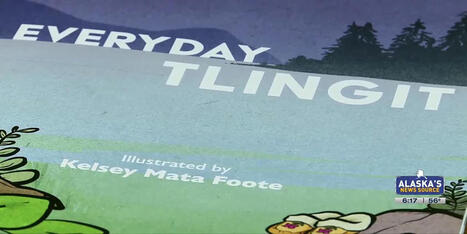
Sealaska Heritage Institute has published a trilogy of illustrated dictionaries in Tlingit, Haida, and Tsimshian languages in efforts to help preserve some of Alaska's native languages.
"Sealaska Heritage Institute has published a trilogy of illustrated dictionaries in Tlingit, Haida, and Tsimshian languages in efforts to help preserve some of Alaska's native languages."
#metaglossia_mundus
"Sealaska Heritage Institute has published a trilogy of illustrated dictionaries in Tlingit, Haida, and Tsimshian languages in efforts to help preserve some of Alaska's native languages."
#metaglossia_mundus
"Sealaska Heritage Institute has published a trilogy of illustrated dictionaries in Tlingit, Haida, and Tsimshian languages in efforts to help preserve some of Alaska's native languages."
#metaglossia_mundus
|
|
Rescooped by
Charles Tiayon
from Metaglossia: The Translation World
May 10, 2024 9:48 PM
|
Scoop.it!

The official spelling and grammar dictionary of the Bulgarian language has been launched online for the first time, thanks to the BERON platform developed by the Bulgarian Academy of Science (BAS). Published periodically by the Bulgarian Language Institute at the Bulgarian Academy of Sciences, this dictionary establishes norms in Bulgarian language usage and is regarded as the authority on proper speech and spelling.
Introduced at the Bulgarian Academy of Sciences (BAS), the BERON platform falls under the Ministry of Education's domain. The timing of its unveiling was deliberate, being the day following Europe Day and preceding May 11, the feast day of Cyril and Methodius in the old calendar.
BERON offers users the ability to both hear and see word characteristics. For instance, for each verb, users can access conjugations, forms across different verb tenses, and other relevant features. With approximately 2,400,000 forms, the platform serves as a comprehensive reference for spelling, grammar, legal language, and information on homonyms and doublets. It provides free, reliable access to information on the Bulgarian literary language, including a "Question of the Day" section, addressing inquiries frequently received by the Language Reference and Consultation Service of the Institute of the Bulgarian Language.
Prof. Dr. Ruska Stancheva spearheaded the creation of the BERON project, naming it in honor of Dr. Peter Beron. The acronym BERON stands for "Bulgarian Language Resources Online" (Български езикови ресурси онлайн). Prof. Stancheva highlighted the importance of Beron's primer in shaping the Bulgarian literary language's rules, emphasizing the platform's aim to disseminate knowledge and assist people in their daily lives.
The pronunciation of words on the platform is provided by actress Gergana Stoyanova, and a mobile version of the dictionary is also available.
"May 10, 2024, Friday // 16:00
The official spelling and grammar dictionary of the Bulgarian language has been launched online for the first time, thanks to the BERON platform developed by the Bulgarian Academy of Science (BAS). Published periodically by the Bulgarian Language Institute at the Bulgarian Academy of Sciences, this dictionary establishes norms in Bulgarian language usage and is regarded as the authority on proper speech and spelling.
Introduced at the Bulgarian Academy of Sciences (BAS), the BERON platform falls under the Ministry of Education's domain. The timing of its unveiling was deliberate, being the day following Europe Day and preceding May 11, the feast day of Cyril and Methodius in the old calendar.
BERON offers users the ability to both hear and see word characteristics. For instance, for each verb, users can access conjugations, forms across different verb tenses, and other relevant features. With approximately 2,400,000 forms, the platform serves as a comprehensive reference for spelling, grammar, legal language, and information on homonyms and doublets. It provides free, reliable access to information on the Bulgarian literary language, including a "Question of the Day" section, addressing inquiries frequently received by the Language Reference and Consultation Service of the Institute of the Bulgarian Language.
Prof. Dr. Ruska Stancheva spearheaded the creation of the BERON project, naming it in honor of Dr. Peter Beron. The acronym BERON stands for "Bulgarian Language Resources Online" (Български езикови ресурси онлайн). Prof. Stancheva highlighted the importance of Beron's primer in shaping the Bulgarian literary language's rules, emphasizing the platform's aim to disseminate knowledge and assist people in their daily lives.
The pronunciation of words on the platform is provided by actress Gergana Stoyanova, and a mobile version of the dictionary is also available."
#metaglossia_mundus: https://www.novinite.com/articles/226022/Inaugural+Online+Edition%3A+Bulgarian+Language+Dictionary+Unveiled
"May 10, 2024, Friday // 16:00
The official spelling and grammar dictionary of the Bulgarian language has been launched online for the first time, thanks to the BERON platform developed by the Bulgarian Academy of Science (BAS). Published periodically by the Bulgarian Language Institute at the Bulgarian Academy of Sciences, this dictionary establishes norms in Bulgarian language usage and is regarded as the authority on proper speech and spelling.
Introduced at the Bulgarian Academy of Sciences (BAS), the BERON platform falls under the Ministry of Education's domain. The timing of its unveiling was deliberate, being the day following Europe Day and preceding May 11, the feast day of Cyril and Methodius in the old calendar.
BERON offers users the ability to both hear and see word characteristics. For instance, for each verb, users can access conjugations, forms across different verb tenses, and other relevant features. With approximately 2,400,000 forms, the platform serves as a comprehensive reference for spelling, grammar, legal language, and information on homonyms and doublets. It provides free, reliable access to information on the Bulgarian literary language, including a "Question of the Day" section, addressing inquiries frequently received by the Language Reference and Consultation Service of the Institute of the Bulgarian Language.
Prof. Dr. Ruska Stancheva spearheaded the creation of the BERON project, naming it in honor of Dr. Peter Beron. The acronym BERON stands for "Bulgarian Language Resources Online" (Български езикови ресурси онлайн). Prof. Stancheva highlighted the importance of Beron's primer in shaping the Bulgarian literary language's rules, emphasizing the platform's aim to disseminate knowledge and assist people in their daily lives.
The pronunciation of words on the platform is provided by actress Gergana Stoyanova, and a mobile version of the dictionary is also available."
#metaglossia_mundus: https://www.novinite.com/articles/226022/Inaugural+Online+Edition%3A+Bulgarian+Language+Dictionary+Unveiled
"May 10, 2024, Friday // 16:00
The official spelling and grammar dictionary of the Bulgarian language has been launched online for the first time, thanks to the BERON platform developed by the Bulgarian Academy of Science (BAS). Published periodically by the Bulgarian Language Institute at the Bulgarian Academy of Sciences, this dictionary establishes norms in Bulgarian language usage and is regarded as the authority on proper speech and spelling.
Introduced at the Bulgarian Academy of Sciences (BAS), the BERON platform falls under the Ministry of Education's domain. The timing of its unveiling was deliberate, being the day following Europe Day and preceding May 11, the feast day of Cyril and Methodius in the old calendar.
BERON offers users the ability to both hear and see word characteristics. For instance, for each verb, users can access conjugations, forms across different verb tenses, and other relevant features. With approximately 2,400,000 forms, the platform serves as a comprehensive reference for spelling, grammar, legal language, and information on homonyms and doublets. It provides free, reliable access to information on the Bulgarian literary language, including a "Question of the Day" section, addressing inquiries frequently received by the Language Reference and Consultation Service of the Institute of the Bulgarian Language.
Prof. Dr. Ruska Stancheva spearheaded the creation of the BERON project, naming it in honor of Dr. Peter Beron. The acronym BERON stands for "Bulgarian Language Resources Online" (Български езикови ресурси онлайн). Prof. Stancheva highlighted the importance of Beron's primer in shaping the Bulgarian literary language's rules, emphasizing the platform's aim to disseminate knowledge and assist people in their daily lives.
The pronunciation of words on the platform is provided by actress Gergana Stoyanova, and a mobile version of the dictionary is also available."
#metaglossia_mundus: https://www.novinite.com/articles/226022/Inaugural+Online+Edition%3A+Bulgarian+Language+Dictionary+Unveiled
|
|
Rescooped by
Charles Tiayon
from Metaglossia: The Translation World
April 28, 2024 12:24 AM
|
Scoop.it!
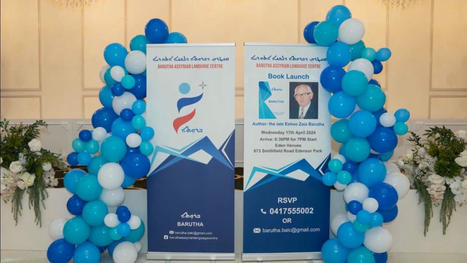
The launch of the dictionary book of Esho Barutha
He always asked me to buy him a red pen, he loved to write in red ink, but he had great Assyrian handwriting.Edwina Barutha
It took me three years to finish editing this dictionaryHirmis Joudo
Hirmis Joudo
"The launch of the dictionary book of Esho Barutha
The Barutha English-Syriac Dictionary stands as a testament to the unwavering dedication of Ishu Barutha, who initiated its creation in the 1970s to address the linguistic needs of the Assyrian community across the globe
He always asked me to buy him a red pen, he loved to write in red ink, but he had great Assyrian handwriting.Edwina Barutha
It took me three years to finish editing this dictionaryHirmis Joudo
Hirmis Joudo
"The launch of the dictionary book of Esho Barutha
The Barutha English-Syriac Dictionary stands as a testament to the unwavering dedication of Ishu Barutha, who initiated its creation in the 1970s to address the linguistic needs of the Assyrian community across the globe
He always asked me to buy him a red pen, he loved to write in red ink, but he had great Assyrian handwriting.Edwina Barutha
It took me three years to finish editing this dictionaryHirmis Joudo
Hirmis Joudo
"The launch of the dictionary book of Esho Barutha
The Barutha English-Syriac Dictionary stands as a testament to the unwavering dedication of Ishu Barutha, who initiated its creation in the 1970s to address the linguistic needs of the Assyrian community across the globe
He always asked me to buy him a red pen, he loved to write in red ink, but he had great Assyrian handwriting.Edwina Barutha
It took me three years to finish editing this dictionaryHirmis Joudo
Hirmis Joudo
|
|
Rescooped by
Charles Tiayon
from Metaglossia: The Translation World
April 28, 2024 12:17 AM
|
Scoop.it!

A new Tamil e-dictionary app that includes some 50,000 words could also be used by students for their examinations in the future.
A new Tamil e-dictionary app that includes some 50,000 words could also be used by students for their examinations in the future.
Inspired by the handy dictionary devices used in Malay and Chinese exams, the new “The Agaram” Tamil e-dictionary app was conceptualised and tailored to the needs of Tamil-speaking students in Singapore.
Unveiled on April 21 at the Umar Pulavar Tamil Language Centre, the app marks a significant stride in bridging the gap between traditional learning and digital innovation, ensuring Tamil’s accessibility and relevance to modern learners, said Mr Shahul Hameed, business development manager of Cosmic Consultancy, the company that launched the app.
With support from the Lee Kuan Yew Fund for Bilingualism, a team led by local poet S. Thinnappan helped developed the app in a collaborative effort which included contributions from various academics.
The team ensured the app’s effectiveness in nurturing linguistic proficiency among students, said Mr Hameed, adding that “the Agaram e-Dictionary is more than just a linguistic tool, it’s a gateway to empowerment”.
Discussions are underway with the Singapore Examinations and Assessment Board to integrate the app into formal education systems, Mr Hameed noted.
The app comprises some 50,000 Tamil words used in the Singaporean context, with its English translations, accurate audio pronunciation guides and grammatical contexts. Along with visual aids, the app also shows examples of how to use a word in a sentence.
Mr Anbarasu Rajendran, CEO of the Singapore Indian Development Association, who was the guest of honour at the unveiling event, said he appreciated the efforts of the team and highlighted the importance of Tamil language learning and the app’s potential to enrich students’ language skills.
Aishwarya, a student at Crescent Girls School, said: “While writing an essay, we tend to think of words in English. Tamil is an extensive language with 247 letters, it is difficult to find a synonym of a word in a big dictionary. By typing the English word in this app, the synonym appears quickly.”
Rather than worrying about words, students can now focus on developing creativity and imagination, she added.
Mr Hameed revealed plans to enhance the app’s functionality by incorporating features such as the thesaurus and lexicons.
Accessible via www.minagaram.com, the Agaram e-dictionary app is also available on the Apple app store. It will be available for Android users on Google Play Store in the future.
"A new Tamil e-dictionary app that includes some 50,000 words could also be used by students for their examinations in the future.
A new Tamil e-dictionary app that includes some 50,000 words could also be used by students for their examinations in the future.
Inspired by the handy dictionary devices used in Malay and Chinese exams, the new “The Agaram” Tamil e-dictionary app was conceptualised and tailored to the needs of Tamil-speaking students in Singapore.
Unveiled on April 21 at the Umar Pulavar Tamil Language Centre, the app marks a significant stride in bridging the gap between traditional learning and digital innovation, ensuring Tamil’s accessibility and relevance to modern learners, said Mr Shahul Hameed, business development manager of Cosmic Consultancy, the company that launched the app.
With support from the Lee Kuan Yew Fund for Bilingualism, a team led by local poet S. Thinnappan helped developed the app in a collaborative effort which included contributions from various academics.
The team ensured the app’s effectiveness in nurturing linguistic proficiency among students, said Mr Hameed, adding that “the Agaram e-Dictionary is more than just a linguistic tool, it’s a gateway to empowerment”.
Discussions are underway with the Singapore Examinations and Assessment Board to integrate the app into formal education systems, Mr Hameed noted.
The app comprises some 50,000 Tamil words used in the Singaporean context, with its English translations, accurate audio pronunciation guides and grammatical contexts. Along with visual aids, the app also shows examples of how to use a word in a sentence.
Mr Anbarasu Rajendran, CEO of the Singapore Indian Development Association, who was the guest of honour at the unveiling event, said he appreciated the efforts of the team and highlighted the importance of Tamil language learning and the app’s potential to enrich students’ language skills.
Aishwarya, a student at Crescent Girls School, said: “While writing an essay, we tend to think of words in English. Tamil is an extensive language with 247 letters, it is difficult to find a synonym of a word in a big dictionary. By typing the English word in this app, the synonym appears quickly.”
Rather than worrying about words, students can now focus on developing creativity and imagination, she added.
Mr Hameed revealed plans to enhance the app’s functionality by incorporating features such as the thesaurus and lexicons.
Accessible via www.minagaram.com, the Agaram e-dictionary app is also available on the Apple app store. It will be available for Android users on Google Play Store in the future.
"A new Tamil e-dictionary app that includes some 50,000 words could also be used by students for their examinations in the future.
A new Tamil e-dictionary app that includes some 50,000 words could also be used by students for their examinations in the future.
Inspired by the handy dictionary devices used in Malay and Chinese exams, the new “The Agaram” Tamil e-dictionary app was conceptualised and tailored to the needs of Tamil-speaking students in Singapore.
Unveiled on April 21 at the Umar Pulavar Tamil Language Centre, the app marks a significant stride in bridging the gap between traditional learning and digital innovation, ensuring Tamil’s accessibility and relevance to modern learners, said Mr Shahul Hameed, business development manager of Cosmic Consultancy, the company that launched the app.
With support from the Lee Kuan Yew Fund for Bilingualism, a team led by local poet S. Thinnappan helped developed the app in a collaborative effort which included contributions from various academics.
The team ensured the app’s effectiveness in nurturing linguistic proficiency among students, said Mr Hameed, adding that “the Agaram e-Dictionary is more than just a linguistic tool, it’s a gateway to empowerment”.
Discussions are underway with the Singapore Examinations and Assessment Board to integrate the app into formal education systems, Mr Hameed noted.
The app comprises some 50,000 Tamil words used in the Singaporean context, with its English translations, accurate audio pronunciation guides and grammatical contexts. Along with visual aids, the app also shows examples of how to use a word in a sentence.
Mr Anbarasu Rajendran, CEO of the Singapore Indian Development Association, who was the guest of honour at the unveiling event, said he appreciated the efforts of the team and highlighted the importance of Tamil language learning and the app’s potential to enrich students’ language skills.
Aishwarya, a student at Crescent Girls School, said: “While writing an essay, we tend to think of words in English. Tamil is an extensive language with 247 letters, it is difficult to find a synonym of a word in a big dictionary. By typing the English word in this app, the synonym appears quickly.”
Rather than worrying about words, students can now focus on developing creativity and imagination, she added.
Mr Hameed revealed plans to enhance the app’s functionality by incorporating features such as the thesaurus and lexicons.
Accessible via www.minagaram.com, the Agaram e-dictionary app is also available on the Apple app store. It will be available for Android users on Google Play Store in the future.
"A new Tamil e-dictionary app that includes some 50,000 words could also be used by students for their examinations in the future.
A new Tamil e-dictionary app that includes some 50,000 words could also be used by students for their examinations in the future.
Inspired by the handy dictionary devices used in Malay and Chinese exams, the new “The Agaram” Tamil e-dictionary app was conceptualised and tailored to the needs of Tamil-speaking students in Singapore.
Unveiled on April 21 at the Umar Pulavar Tamil Language Centre, the app marks a significant stride in bridging the gap between traditional learning and digital innovation, ensuring Tamil’s accessibility and relevance to modern learners, said Mr Shahul Hameed, business development manager of Cosmic Consultancy, the company that launched the app.
With support from the Lee Kuan Yew Fund for Bilingualism, a team led by local poet S. Thinnappan helped developed the app in a collaborative effort which included contributions from various academics.
The team ensured the app’s effectiveness in nurturing linguistic proficiency among students, said Mr Hameed, adding that “the Agaram e-Dictionary is more than just a linguistic tool, it’s a gateway to empowerment”.
Discussions are underway with the Singapore Examinations and Assessment Board to integrate the app into formal education systems, Mr Hameed noted.
The app comprises some 50,000 Tamil words used in the Singaporean context, with its English translations, accurate audio pronunciation guides and grammatical contexts. Along with visual aids, the app also shows examples of how to use a word in a sentence.
Mr Anbarasu Rajendran, CEO of the Singapore Indian Development Association, who was the guest of honour at the unveiling event, said he appreciated the efforts of the team and highlighted the importance of Tamil language learning and the app’s potential to enrich students’ language skills.
Aishwarya, a student at Crescent Girls School, said: “While writing an essay, we tend to think of words in English. Tamil is an extensive language with 247 letters, it is difficult to find a synonym of a word in a big dictionary. By typing the English word in this app, the synonym appears quickly.”
Rather than worrying about words, students can now focus on developing creativity and imagination, she added.
Mr Hameed revealed plans to enhance the app’s functionality by incorporating features such as the thesaurus and lexicons.
Accessible via www.minagaram.com, the Agaram e-dictionary app is also available on the Apple app store. It will be available for Android users on Google Play Store in the future.
|
|
Rescooped by
Charles Tiayon
from Metaglossia: The Translation World
April 28, 2024 12:13 AM
|
Scoop.it!
By Mohammed Balu, GNA
Tumu, (UWR), March 21, GNA – Professor Issah Samuel Alhassan, the Dean of the Faculty of Ghanaian Language Education at the College of Education, Winneba has urged parents to make it prestigious for their children to embrace and speak the local language.
“We must make accessible linguistic input in the language of their identity,” he said.
Professor Alhassan said language was the bridge that connected people to their past and paved the way for the future.
He was addressing the launch of the third edition of the Sisaali English Dictionary at Tumu.
It was organised by the Sissala Literacy Development (SILAP) in collaboration with the Ghana Institute of Linguistics, Literacy and Bible Translation (GILLBT).
It was attended by Directors of Education, representatives of the Members of Parliament, the Sissala East Assembly, chiefs and the public.
He said Language carried the essence of a people, their values, beliefs, and traditions, and the medium through which people expressed their deepest thoughts, emotions and aspirations.
“The Sissali language is not merely a means of communication; it is the embodiment of our collective identity, a testament to the resilience and ingenuity of our ancestors,” he said.
He explained that for a group to abandon their language for any other prestigious language would be providing the enemy with a knife to cut the Sissala throat.
“The launch of this dictionary is a salient move towards the preservation of the identity of the people, as dictionaries by themselves do not only present users with a list of words but it is a source of information on the socio-economic artefacts of the people to learn providing meaning of words, phrases, contextual meaning and the right pronunciation,” he explained further.
He advised all to pass it on to future generations as a sacred trust by celebrating the beauty and power of the language, saying, “It is the lifeblood of the identity, the thread that binds together the people.”
He challenged all to work in diverse ways by investing in and deliberately transmitting the language in all sacred forms to children and grandchildren who are the forebears of the Sissali tribe.
Kuoro Richard Babini Kanton, the Paramount Chief of the Tumu Traditional Council, promised to support the learning of Sisaali language development at the tertiary level and urged every parent to buy a book each for their ward.
Mr Moses Luri, a lecturer, at the University College of Education, who led the discussion on “The Teaching and Learning of Sisaali in the Basic Schools: Prospects and the way Forward,” congratulated the key stakeholders for the tremendous efforts made to write the Dictionary.
Mr Luri called on the government to make the study of Ghanaian language a compulsory subject and not an elective, saying, “I still disagree with the current situation, where Ghana Education Service (GES) has directed Regional and District Directors of Education to make Ghanaian language an elective but not mandatory.
“If only one subject must be taught in our Ghanaian schools, then it must be the Ghanaian language, it makes you a Ghanaian apart from all the above arguments,” he stressed.
He called for efforts to be made in the short term to seek approval from GES- National Curriculum Accreditation Authority (NACCA) for the teaching, learning and examination of Sisaali at all levels of Education in the Sissala communities.
The unveiling of the book was done by Professor Abdul-Mumin Selanwiah Salifu, the Principal of the Tumu College of Education.
An initial sale of the Dictionary yielded GH¢3200.
GNA
"By Mohammed Balu, GNA
Tumu, (UWR), March 21, GNA – Professor Issah Samuel Alhassan, the Dean of the Faculty of Ghanaian Language Education at the College of Education, Winneba has urged parents to make it prestigious for their children to embrace and speak the local language.
“We must make accessible linguistic input in the language of their identity,” he said.
Professor Alhassan said language was the bridge that connected people to their past and paved the way for the future.
He was addressing the launch of the third edition of the Sisaali English Dictionary at Tumu.
It was organised by the Sissala Literacy Development (SILAP) in collaboration with the Ghana Institute of Linguistics, Literacy and Bible Translation (GILLBT).
It was attended by Directors of Education, representatives of the Members of Parliament, the Sissala East Assembly, chiefs and the public.
He said Language carried the essence of a people, their values, beliefs, and traditions, and the medium through which people expressed their deepest thoughts, emotions and aspirations.
“The Sissali language is not merely a means of communication; it is the embodiment of our collective identity, a testament to the resilience and ingenuity of our ancestors,” he said.
He explained that for a group to abandon their language for any other prestigious language would be providing the enemy with a knife to cut the Sissala throat.
“The launch of this dictionary is a salient move towards the preservation of the identity of the people, as dictionaries by themselves do not only present users with a list of words but it is a source of information on the socio-economic artefacts of the people to learn providing meaning of words, phrases, contextual meaning and the right pronunciation,” he explained further.
He advised all to pass it on to future generations as a sacred trust by celebrating the beauty and power of the language, saying, “It is the lifeblood of the identity, the thread that binds together the people.”
He challenged all to work in diverse ways by investing in and deliberately transmitting the language in all sacred forms to children and grandchildren who are the forebears of the Sissali tribe.
Kuoro Richard Babini Kanton, the Paramount Chief of the Tumu Traditional Council, promised to support the learning of Sisaali language development at the tertiary level and urged every parent to buy a book each for their ward.
Mr Moses Luri, a lecturer, at the University College of Education, who led the discussion on “The Teaching and Learning of Sisaali in the Basic Schools: Prospects and the way Forward,” congratulated the key stakeholders for the tremendous efforts made to write the Dictionary.
Mr Luri called on the government to make the study of Ghanaian language a compulsory subject and not an elective, saying, “I still disagree with the current situation, where Ghana Education Service (GES) has directed Regional and District Directors of Education to make Ghanaian language an elective but not mandatory.
“If only one subject must be taught in our Ghanaian schools, then it must be the Ghanaian language, it makes you a Ghanaian apart from all the above arguments,” he stressed.
He called for efforts to be made in the short term to seek approval from GES- National Curriculum Accreditation Authority (NACCA) for the teaching, learning and examination of Sisaali at all levels of Education in the Sissala communities.
The unveiling of the book was done by Professor Abdul-Mumin Selanwiah Salifu, the Principal of the Tumu College of Education.
An initial sale of the Dictionary yielded GH¢3200.
GNA"
#metaglossia_mundus
"By Mohammed Balu, GNA
Tumu, (UWR), March 21, GNA – Professor Issah Samuel Alhassan, the Dean of the Faculty of Ghanaian Language Education at the College of Education, Winneba has urged parents to make it prestigious for their children to embrace and speak the local language.
“We must make accessible linguistic input in the language of their identity,” he said.
Professor Alhassan said language was the bridge that connected people to their past and paved the way for the future.
He was addressing the launch of the third edition of the Sisaali English Dictionary at Tumu.
It was organised by the Sissala Literacy Development (SILAP) in collaboration with the Ghana Institute of Linguistics, Literacy and Bible Translation (GILLBT).
It was attended by Directors of Education, representatives of the Members of Parliament, the Sissala East Assembly, chiefs and the public.
He said Language carried the essence of a people, their values, beliefs, and traditions, and the medium through which people expressed their deepest thoughts, emotions and aspirations.
“The Sissali language is not merely a means of communication; it is the embodiment of our collective identity, a testament to the resilience and ingenuity of our ancestors,” he said.
He explained that for a group to abandon their language for any other prestigious language would be providing the enemy with a knife to cut the Sissala throat.
“The launch of this dictionary is a salient move towards the preservation of the identity of the people, as dictionaries by themselves do not only present users with a list of words but it is a source of information on the socio-economic artefacts of the people to learn providing meaning of words, phrases, contextual meaning and the right pronunciation,” he explained further.
He advised all to pass it on to future generations as a sacred trust by celebrating the beauty and power of the language, saying, “It is the lifeblood of the identity, the thread that binds together the people.”
He challenged all to work in diverse ways by investing in and deliberately transmitting the language in all sacred forms to children and grandchildren who are the forebears of the Sissali tribe.
Kuoro Richard Babini Kanton, the Paramount Chief of the Tumu Traditional Council, promised to support the learning of Sisaali language development at the tertiary level and urged every parent to buy a book each for their ward.
Mr Moses Luri, a lecturer, at the University College of Education, who led the discussion on “The Teaching and Learning of Sisaali in the Basic Schools: Prospects and the way Forward,” congratulated the key stakeholders for the tremendous efforts made to write the Dictionary.
Mr Luri called on the government to make the study of Ghanaian language a compulsory subject and not an elective, saying, “I still disagree with the current situation, where Ghana Education Service (GES) has directed Regional and District Directors of Education to make Ghanaian language an elective but not mandatory.
“If only one subject must be taught in our Ghanaian schools, then it must be the Ghanaian language, it makes you a Ghanaian apart from all the above arguments,” he stressed.
He called for efforts to be made in the short term to seek approval from GES- National Curriculum Accreditation Authority (NACCA) for the teaching, learning and examination of Sisaali at all levels of Education in the Sissala communities.
The unveiling of the book was done by Professor Abdul-Mumin Selanwiah Salifu, the Principal of the Tumu College of Education.
An initial sale of the Dictionary yielded GH¢3200.
GNA"
#metaglossia_mundus
"By Mohammed Balu, GNA
Tumu, (UWR), March 21, GNA – Professor Issah Samuel Alhassan, the Dean of the Faculty of Ghanaian Language Education at the College of Education, Winneba has urged parents to make it prestigious for their children to embrace and speak the local language.
“We must make accessible linguistic input in the language of their identity,” he said.
Professor Alhassan said language was the bridge that connected people to their past and paved the way for the future.
He was addressing the launch of the third edition of the Sisaali English Dictionary at Tumu.
It was organised by the Sissala Literacy Development (SILAP) in collaboration with the Ghana Institute of Linguistics, Literacy and Bible Translation (GILLBT).
It was attended by Directors of Education, representatives of the Members of Parliament, the Sissala East Assembly, chiefs and the public.
He said Language carried the essence of a people, their values, beliefs, and traditions, and the medium through which people expressed their deepest thoughts, emotions and aspirations.
“The Sissali language is not merely a means of communication; it is the embodiment of our collective identity, a testament to the resilience and ingenuity of our ancestors,” he said.
He explained that for a group to abandon their language for any other prestigious language would be providing the enemy with a knife to cut the Sissala throat.
“The launch of this dictionary is a salient move towards the preservation of the identity of the people, as dictionaries by themselves do not only present users with a list of words but it is a source of information on the socio-economic artefacts of the people to learn providing meaning of words, phrases, contextual meaning and the right pronunciation,” he explained further.
He advised all to pass it on to future generations as a sacred trust by celebrating the beauty and power of the language, saying, “It is the lifeblood of the identity, the thread that binds together the people.”
He challenged all to work in diverse ways by investing in and deliberately transmitting the language in all sacred forms to children and grandchildren who are the forebears of the Sissali tribe.
Kuoro Richard Babini Kanton, the Paramount Chief of the Tumu Traditional Council, promised to support the learning of Sisaali language development at the tertiary level and urged every parent to buy a book each for their ward.
Mr Moses Luri, a lecturer, at the University College of Education, who led the discussion on “The Teaching and Learning of Sisaali in the Basic Schools: Prospects and the way Forward,” congratulated the key stakeholders for the tremendous efforts made to write the Dictionary.
Mr Luri called on the government to make the study of Ghanaian language a compulsory subject and not an elective, saying, “I still disagree with the current situation, where Ghana Education Service (GES) has directed Regional and District Directors of Education to make Ghanaian language an elective but not mandatory.
“If only one subject must be taught in our Ghanaian schools, then it must be the Ghanaian language, it makes you a Ghanaian apart from all the above arguments,” he stressed.
He called for efforts to be made in the short term to seek approval from GES- National Curriculum Accreditation Authority (NACCA) for the teaching, learning and examination of Sisaali at all levels of Education in the Sissala communities.
The unveiling of the book was done by Professor Abdul-Mumin Selanwiah Salifu, the Principal of the Tumu College of Education.
An initial sale of the Dictionary yielded GH¢3200.
GNA"
#metaglossia_mundus
|
|
Rescooped by
Charles Tiayon
from Metaglossia: The Translation World
April 25, 2024 4:59 PM
|
Scoop.it!
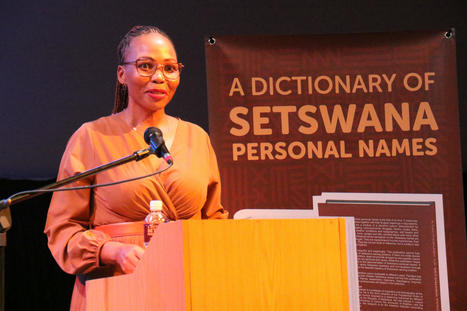

Two University of Botswana (UB) academics, Professor Thapelo Otlogetswe and Dr Goabilwe Ramaeba, have published “A Dictionary of Setswana Personal Names”.
According to Professor Otlogetswe, the publication has captured over 8500 Setswana names, which compares favourably with the Oxford Dictionary of First Names that contains approximately 6000 names.
He observed that in hindsight, individuals may discover that their names were not included in the dictionary. However, he indicated that the criteria used for selection were extensive, drawing from a Setswana names database of over a million names.
In addition, he explained that the selected names were based on frequency, ranging from the most common to the least common names. As a result, the dictionary includes the top 100 common names. Professor Otlogetswe said the dictionary was a valuable resource for anyone fascinated by the cultural nuances and significance embedded within names. This was demonstrated by various speakers' humorous interpretations of different names and their meanings across the diverse cultural spectrum and regions in the country.
Meanwhile when giving words of support and encouragement, Professor Shole Shole, a retired professor from University of South Africa (UNISA) and Northwest University, said the dictionary was a very critical and inspirational contribution to linguistic research. Professor Shole added that the achievement was not only significant for Botswana but also for SADC countries.
He explained that through the dictionary, the authors had introduced Setswana names to the international stage hence paving the way for Setswana names to be used in foreign countries in the near future.
Professor Andy Chebanne, retired Professor of linguistics at UB, described the dictionary as well-structured while noting its ability to evoke memories and history for Batswana. He emphasised that the dictionary should be utilised in dikgotla instead of keeping it hidden away in libraries.
The publication is the culmination of years of research on Setswana personal names at UB and was partly funded by UB’s Office of Research and Development (ORD). This underscores the ability of UB lecturers to produce high-quality research works which aligns with the University’s strategic goal of becoming a research-intensive institution.
"Two University of Botswana (UB) academics, Professor Thapelo Otlogetswe and Dr Goabilwe Ramaeba, have published “A Dictionary of Setswana Personal Names”.
According to Professor Otlogetswe, the publication has captured over 8500 Setswana names, which compares favourably with the Oxford Dictionary of First Names that contains approximately 6000 names.
He observed that in hindsight, individuals may discover that their names were not included in the dictionary. However, he indicated that the criteria used for selection were extensive, drawing from a Setswana names database of over a million names.
In addition, he explained that the selected names were based on frequency, ranging from the most common to the least common names. As a result, the dictionary includes the top 100 common names. Professor Otlogetswe said the dictionary was a valuable resource for anyone fascinated by the cultural nuances and significance embedded within names. This was demonstrated by various speakers' humorous interpretations of different names and their meanings across the diverse cultural spectrum and regions in the country.
Meanwhile when giving words of support and encouragement, Professor Shole Shole, a retired professor from University of South Africa (UNISA) and Northwest University, said the dictionary was a very critical and inspirational contribution to linguistic research. Professor Shole added that the achievement was not only significant for Botswana but also for SADC countries.
He explained that through the dictionary, the authors had introduced Setswana names to the international stage hence paving the way for Setswana names to be used in foreign countries in the near future.
Professor Andy Chebanne, retired Professor of linguistics at UB, described the dictionary as well-structured while noting its ability to evoke memories and history for Batswana. He emphasised that the dictionary should be utilised in dikgotla instead of keeping it hidden away in libraries.
The publication is the culmination of years of research on Setswana personal names at UB and was partly funded by UB’s Office of Research and Development (ORD). This underscores the ability of UB lecturers to produce high-quality research works which aligns with the University’s strategic goal of becoming a research-intensive institution."
"Two University of Botswana (UB) academics, Professor Thapelo Otlogetswe and Dr Goabilwe Ramaeba, have published “A Dictionary of Setswana Personal Names”.
According to Professor Otlogetswe, the publication has captured over 8500 Setswana names, which compares favourably with the Oxford Dictionary of First Names that contains approximately 6000 names.
He observed that in hindsight, individuals may discover that their names were not included in the dictionary. However, he indicated that the criteria used for selection were extensive, drawing from a Setswana names database of over a million names.
In addition, he explained that the selected names were based on frequency, ranging from the most common to the least common names. As a result, the dictionary includes the top 100 common names. Professor Otlogetswe said the dictionary was a valuable resource for anyone fascinated by the cultural nuances and significance embedded within names. This was demonstrated by various speakers' humorous interpretations of different names and their meanings across the diverse cultural spectrum and regions in the country.
Meanwhile when giving words of support and encouragement, Professor Shole Shole, a retired professor from University of South Africa (UNISA) and Northwest University, said the dictionary was a very critical and inspirational contribution to linguistic research. Professor Shole added that the achievement was not only significant for Botswana but also for SADC countries.
He explained that through the dictionary, the authors had introduced Setswana names to the international stage hence paving the way for Setswana names to be used in foreign countries in the near future.
Professor Andy Chebanne, retired Professor of linguistics at UB, described the dictionary as well-structured while noting its ability to evoke memories and history for Batswana. He emphasised that the dictionary should be utilised in dikgotla instead of keeping it hidden away in libraries.
The publication is the culmination of years of research on Setswana personal names at UB and was partly funded by UB’s Office of Research and Development (ORD). This underscores the ability of UB lecturers to produce high-quality research works which aligns with the University’s strategic goal of becoming a research-intensive institution."
|
|
Rescooped by
Charles Tiayon
from Metaglossia: The Translation World
April 24, 2024 12:20 AM
|
Scoop.it!
The first dictionary devoted to historical linguistics, the oldest scholarly branch of the discipline, this book fills a need. Most terms, laws, techniques, and processes that it defines are not listed in existing general or specialized dictionaries of linguistics. These include such tantalizing entries as "cranberry morpheme," "Dante classification," "lower-middle-class crossover," "'only-six' argument," "Northern cities shift," and "upper exit principle." Trask, a prolific author of student dictionaries in linguistics, provides clear definitions, examples, and lively commentary ranging from two lines to about half a page. He defines "pejoration," for example, as "a type of semantic change in which a word comes to denote something more offensive than formerly," and notes that "all of English 'churl,' 'villain' and 'boor' originally meant only 'farm worker,' but all have come to be insults, and much the same is now happening to 'peasant.'" The book includes a brief preface; lists of symbols, abbreviations, and tables; cross-references; and a 30-page bibliography. Although the price may seem high (a paperback edition would be welcome), the book's high quality and uniqueness make this a necessary purchase for all academic and many public libraries. J. M. Alexander; Carnegie Mellon University
The first dictionary devoted to historical linguistics, the oldest scholarly branch of the discipline, this book fills a need. Most terms, laws, techniques, and processes that it defines are not listed in existing general or specialized dictionaries of linguistics. These include such tantalizing entries as "cranberry morpheme," "Dante classification," "lower-middle-class crossover," "'only-six' argument," "Northern cities shift," and "upper exit principle." Trask, a prolific author of student dictionaries in linguistics, provides clear definitions, examples, and lively commentary ranging from two lines to about half a page. He defines "pejoration," for example, as "a type of semantic change in which a word comes to denote something more offensive than formerly," and notes that "all of English 'churl,' 'villain' and 'boor' originally meant only 'farm worker,' but all have come to be insults, and much the same is now happening to 'peasant.'" The book includes a brief preface; lists of symbols, abbreviations, and tables; cross-references; and a 30-page bibliography. Although the price may seem high (a paperback edition would be welcome), the book's high quality and uniqueness make this a necessary purchase for all academic and many public libraries. J. M. Alexander; Carnegie Mellon University
#metaglossia_mundus
The first dictionary devoted to historical linguistics, the oldest scholarly branch of the discipline, this book fills a need. Most terms, laws, techniques, and processes that it defines are not listed in existing general or specialized dictionaries of linguistics. These include such tantalizing entries as "cranberry morpheme," "Dante classification," "lower-middle-class crossover," "'only-six' argument," "Northern cities shift," and "upper exit principle." Trask, a prolific author of student dictionaries in linguistics, provides clear definitions, examples, and lively commentary ranging from two lines to about half a page. He defines "pejoration," for example, as "a type of semantic change in which a word comes to denote something more offensive than formerly," and notes that "all of English 'churl,' 'villain' and 'boor' originally meant only 'farm worker,' but all have come to be insults, and much the same is now happening to 'peasant.'" The book includes a brief preface; lists of symbols, abbreviations, and tables; cross-references; and a 30-page bibliography. Although the price may seem high (a paperback edition would be welcome), the book's high quality and uniqueness make this a necessary purchase for all academic and many public libraries. J. M. Alexander; Carnegie Mellon University
#metaglossia_mundus
|
|
Rescooped by
Charles Tiayon
from Metaglossia: The Translation World
April 22, 2024 12:15 AM
|
Scoop.it!

JUAN COLE04/16/2024
Ann Arbor (Informed Comment) – American humorist and, oddly, horror author, Ambrose Bierce (d. 1913), produced a serial, staccato newspaper column consisting of humorous and sardonic definitions of words, which he later published as a book, The Devil’s Dictionary. (He initially had to entitle it “The Cynic’s Wordbook,” which doesn’t have the same ring, because his pious editors wanted to avoid referring to Mephistopheles.)
Bierce often tweaked the white nationalist Establishment. For instance, consider this entry:
A more concise summation of the genocidal character of white settler colonialism would be hard to discover.
And I rather like this one, skewering pretensions of impartiality:
My homage to Bierce at Informed Comment has been The Ghoul’s Glossary. I did mine as contextual, political satire, and some of the bons mots have faded. But there are a few I’d keep for a book. For instance, this one from 2008:
Or this:
Or speaking of the American attempt to pivot away from the Middle East after causing a spot of bother earlier in the century:
I bring all this up because the intrepid Jeremy Scahill and Ryan Grim at The Intercept have sprung the style guide of the New York Times for talking about Israel and Palestine. If it weren’t so serious, it would be hilarious. It is sort of a Devil’s Dictionary in reverse, which punches down rather than up. It more resembles Bierce’s forays into horror fiction.
So I thought I’d rearrange their fine column as a supplement to the Ghoul’s Glossary.
CARNAGE: When Israelis kill Palestinians this word should be avoided since it conveys more emotion than information. May be used when Palestinians kill Israelis. Example: “One Israeli said that being high on LSD during the Hamas-led attack on Oct. 7 prompted a spiritual revelation that helped him escape the carnage at a desert rave.” NYT, April 12, 2024. May also be used of peoples not under the Palestine Exception. E.g.: “As the war continues with no end in sight, Ukraine’s youngest are in increasing peril, at risk of being dragged toward the carnage of ground combat as they defend their homeland.” NYT, April 11, 2024.
DEADLY VIOLENCE: When Israeli settlers kill innocent Palestinian civilians. E.g.: “Deadly violence against Palestinians by Israeli settlers in the West Bank has also reached record levels,” NYT, Feb. 21, 2024. Contrast to TERRORISM, when Palestinians kill Israeli civilians.
ETHNIC CLEANSING: Large scale removal of a people other than the Palestinians from their homeland. With regard to Palestine (oops, see PALESTINE), it is “another historically charged term: If someone is making such an accusation, we should press for specifics or supply proper context.” May be used for other peoples not under the Palestine Exception. E.g.: “Another Ethnic Cleansing Could Be Underway — and We’re Not Paying Attention: Azerbaijan is blockading the enclave of Nagorno-Karabakh, and people are dying.” NYT, Sept. 2, 2023.
FIGHTERS. This term ordinarily refers to “those who fight,” but cannot be used of Palestinians lest it imply that they are regular soldiers with a state and an army, which they are not and never will be allowed to have. It may be used of non-Palestinian irregulars who are favored by the US government, and who do not fall under the Palestine Exception. E.g. “The fighters who have claimed responsibility for a rare assault just over the Ukrainian border in Russia’s Belgorod region are members of a volunteer unit made up of Russian citizens who have been fighting with Ukraine’s forces against their own country.” NYT, May 25, 2023. Note: Russian renegades who attack Russian targets in Russia from Ukraine are never to be referred to as TERRORISTs, since they are not Palestinian.
GENOCIDE: This is something that is definitely not being committed by Israel in Gaza, though it may be reported that some judges expert in international law make the mystifying charge that Israelis would ever do such a thing. Their charges should be explained away as a form of incomprehensible legal jargon not applicable to the real world. The term may, however, be used of peoples other than the Palestinians, who are not under the Palestine Exception. E.g., re: Rwanda, “one of the last fugitives charged in connection with the 1994 genocide.” NYT, June 7, 2023.
MASSACRE: When Israelis kill Palestinians this term should be avoided since it conveys more emotion than information. It may, however, be used when Palestinians kill Israelis. . Example: “‘It’s a Massacre’: Inside an Israeli Village Raided by Palestinian Fighters.” NYT Oct. 10, 2023.
PALESTINE: A word not to be used “except in very rare cases.” No such place has ever existed nor does it now. “Do not use in datelines, routine text or headlines, except in very rare cases such as when the United Nations General Assembly elevated Palestine to a nonmember observer state, or references to historic Palestine.” That is, other benighted organizations may use the word, but not the NYT in its own voice.
OCCUPIED TERRITORIES: Ordinarily this phrase refers to territories seized in war from another people, which are militarily controlled. However, because of the Palestine Exception, it should not be used of the situation in Palestine (oops, S.V. PALESTINE) “When possible, avoid the term and be specific (e.g. Gaza, the West Bank, etc.) as each has a slightly different status.” The term may be used of other occupied territories [which of course actually all have the same status under the 1949 Geneva Convention] E.g. ” the United States might establish what amounts to a military base in Ukraine or encourage Ukraine to retake the Russian-occupied areas of the Donbass by military force.” NYT, Nov. 24, 2021.
REFUGEE CAMPS: A term be avoided in favor of “refugee centers.” “While termed refugee camps, the refugee centers in Gaza are developed and densely populated neighborhoods dating to the 1948 war. Refer to them as neighborhoods, or areas, and if further context is necessary, explain how they have historically been called refugee camps.” The term may, however, be used for densely-populated, decades-old places for non-Palestinians such as Afghans, who are not under the Palestine Exception. E.g.: “Sarwar selling watches in a camp for Afghan refugees in Karachi.” NYT, Nov. 24, 2023.
SLAUGHTER: When Israelis kill Palestinians it should be avoided since it conveys more emotion than information. May be used when Palestinians kill Israelis. Example: Thomas Friedman: “Israel’s response to the Hamas slaughter.” NYT, October 29, 2023.
TERRORISM: When Palestinian guerrillas kill Israeli civilians. E.G. “It is accurate to use ‘terrorism’ and ‘terrorist’ in describing the attacks of Oct. 7, which included the deliberate targeting of civilians in killings and kidnappings.” When Israeli settlers kill Palestinians, the term of art is in contrast “deadly violence.” E.g.: “Deadly violence against Palestinians by Israeli settlers in the West Bank has also reached record levels,” NYT, Feb. 21, 2024.
"The NYT’s Palestinian-Israeli Lexicon: Special Edition of the Ghoul’s Glossary
JUAN COLE04/16/2024
Ann Arbor (Informed Comment) – American humorist and, oddly, horror author, Ambrose Bierce (d. 1913), produced a serial, staccato newspaper column consisting of humorous and sardonic definitions of words, which he later published as a book, The Devil’s Dictionary. (He initially had to entitle it “The Cynic’s Wordbook,” which doesn’t have the same ring, because his pious editors wanted to avoid referring to Mephistopheles.)
Bierce often tweaked the white nationalist Establishment. For instance, consider this entry:
A more concise summation of the genocidal character of white settler colonialism would be hard to discover.
And I rather like this one, skewering pretensions of impartiality:
My homage to Bierce at Informed Comment has been The Ghoul’s Glossary. I did mine as contextual, political satire, and some of the bons mots have faded. But there are a few I’d keep for a book. For instance, this one from 2008:
Or this:
Or speaking of the American attempt to pivot away from the Middle East after causing a spot of bother earlier in the century:
I bring all this up because the intrepid Jeremy Scahill and Ryan Grim at The Intercept have sprung the style guide of the New York Times for talking about Israel and Palestine. If it weren’t so serious, it would be hilarious. It is sort of a Devil’s Dictionary in reverse, which punches down rather than up. It more resembles Bierce’s forays into horror fiction.
So I thought I’d rearrange their fine column as a supplement to the Ghoul’s Glossary.
CARNAGE: When Israelis kill Palestinians this word should be avoided since it conveys more emotion than information. May be used when Palestinians kill Israelis. Example: “One Israeli said that being high on LSD during the Hamas-led attack on Oct. 7 prompted a spiritual revelation that helped him escape the carnage at a desert rave.” NYT, April 12, 2024. May also be used of peoples not under the Palestine Exception. E.g.: “As the war continues with no end in sight, Ukraine’s youngest are in increasing peril, at risk of being dragged toward the carnage of ground combat as they defend their homeland.” NYT, April 11, 2024.
DEADLY VIOLENCE: When Israeli settlers kill innocent Palestinian civilians. E.g.: “Deadly violence against Palestinians by Israeli settlers in the West Bank has also reached record levels,” NYT, Feb. 21, 2024. Contrast to TERRORISM, when Palestinians kill Israeli civilians.
ETHNIC CLEANSING: Large scale removal of a people other than the Palestinians from their homeland. With regard to Palestine (oops, see PALESTINE), it is “another historically charged term: If someone is making such an accusation, we should press for specifics or supply proper context.” May be used for other peoples not under the Palestine Exception. E.g.: “Another Ethnic Cleansing Could Be Underway — and We’re Not Paying Attention: Azerbaijan is blockading the enclave of Nagorno-Karabakh, and people are dying.” NYT, Sept. 2, 2023.
FIGHTERS. This term ordinarily refers to “those who fight,” but cannot be used of Palestinians lest it imply that they are regular soldiers with a state and an army, which they are not and never will be allowed to have. It may be used of non-Palestinian irregulars who are favored by the US government, and who do not fall under the Palestine Exception. E.g. “The fighters who have claimed responsibility for a rare assault just over the Ukrainian border in Russia’s Belgorod region are members of a volunteer unit made up of Russian citizens who have been fighting with Ukraine’s forces against their own country.” NYT, May 25, 2023. Note: Russian renegades who attack Russian targets in Russia from Ukraine are never to be referred to as TERRORISTs, since they are not Palestinian.
GENOCIDE: This is something that is definitely not being committed by Israel in Gaza, though it may be reported that some judges expert in international law make the mystifying charge that Israelis would ever do such a thing. Their charges should be explained away as a form of incomprehensible legal jargon not applicable to the real world. The term may, however, be used of peoples other than the Palestinians, who are not under the Palestine Exception. E.g., re: Rwanda, “one of the last fugitives charged in connection with the 1994 genocide.” NYT, June 7, 2023.
MASSACRE: When Israelis kill Palestinians this term should be avoided since it conveys more emotion than information. It may, however, be used when Palestinians kill Israelis. . Example: “‘It’s a Massacre’: Inside an Israeli Village Raided by Palestinian Fighters.” NYT Oct. 10, 2023.
PALESTINE: A word not to be used “except in very rare cases.” No such place has ever existed nor does it now. “Do not use in datelines, routine text or headlines, except in very rare cases such as when the United Nations General Assembly elevated Palestine to a nonmember observer state, or references to historic Palestine.” That is, other benighted organizations may use the word, but not the NYT in its own voice.
OCCUPIED TERRITORIES: Ordinarily this phrase refers to territories seized in war from another people, which are militarily controlled. However, because of the Palestine Exception, it should not be used of the situation in Palestine (oops, S.V. PALESTINE) “When possible, avoid the term and be specific (e.g. Gaza, the West Bank, etc.) as each has a slightly different status.” The term may be used of other occupied territories [which of course actually all have the same status under the 1949 Geneva Convention] E.g. ” the United States might establish what amounts to a military base in Ukraine or encourage Ukraine to retake the Russian-occupied areas of the Donbass by military force.” NYT, Nov. 24, 2021.
REFUGEE CAMPS: A term be avoided in favor of “refugee centers.” “While termed refugee camps, the refugee centers in Gaza are developed and densely populated neighborhoods dating to the 1948 war. Refer to them as neighborhoods, or areas, and if further context is necessary, explain how they have historically been called refugee camps.” The term may, however, be used for densely-populated, decades-old places for non-Palestinians such as Afghans, who are not under the Palestine Exception. E.g.: “Sarwar selling watches in a camp for Afghan refugees in Karachi.” NYT, Nov. 24, 2023.
SLAUGHTER: When Israelis kill Palestinians it should be avoided since it conveys more emotion than information. May be used when Palestinians kill Israelis. Example: Thomas Friedman: “Israel’s response to the Hamas slaughter.” NYT, October 29, 2023.
TERRORISM: When Palestinian guerrillas kill Israeli civilians. E.G. “It is accurate to use ‘terrorism’ and ‘terrorist’ in describing the attacks of Oct. 7, which included the deliberate targeting of civilians in killings and kidnappings.” When Israeli settlers kill Palestinians, the term of art is in contrast “deadly violence.” E.g.: “Deadly violence against Palestinians by Israeli settlers in the West Bank has also reached record levels,” NYT, Feb. 21, 2024."
#metaglossia_mundus
"The NYT’s Palestinian-Israeli Lexicon: Special Edition of the Ghoul’s Glossary
JUAN COLE04/16/2024
Ann Arbor (Informed Comment) – American humorist and, oddly, horror author, Ambrose Bierce (d. 1913), produced a serial, staccato newspaper column consisting of humorous and sardonic definitions of words, which he later published as a book, The Devil’s Dictionary. (He initially had to entitle it “The Cynic’s Wordbook,” which doesn’t have the same ring, because his pious editors wanted to avoid referring to Mephistopheles.)
Bierce often tweaked the white nationalist Establishment. For instance, consider this entry:
A more concise summation of the genocidal character of white settler colonialism would be hard to discover.
And I rather like this one, skewering pretensions of impartiality:
My homage to Bierce at Informed Comment has been The Ghoul’s Glossary. I did mine as contextual, political satire, and some of the bons mots have faded. But there are a few I’d keep for a book. For instance, this one from 2008:
Or this:
Or speaking of the American attempt to pivot away from the Middle East after causing a spot of bother earlier in the century:
I bring all this up because the intrepid Jeremy Scahill and Ryan Grim at The Intercept have sprung the style guide of the New York Times for talking about Israel and Palestine. If it weren’t so serious, it would be hilarious. It is sort of a Devil’s Dictionary in reverse, which punches down rather than up. It more resembles Bierce’s forays into horror fiction.
So I thought I’d rearrange their fine column as a supplement to the Ghoul’s Glossary.
CARNAGE: When Israelis kill Palestinians this word should be avoided since it conveys more emotion than information. May be used when Palestinians kill Israelis. Example: “One Israeli said that being high on LSD during the Hamas-led attack on Oct. 7 prompted a spiritual revelation that helped him escape the carnage at a desert rave.” NYT, April 12, 2024. May also be used of peoples not under the Palestine Exception. E.g.: “As the war continues with no end in sight, Ukraine’s youngest are in increasing peril, at risk of being dragged toward the carnage of ground combat as they defend their homeland.” NYT, April 11, 2024.
DEADLY VIOLENCE: When Israeli settlers kill innocent Palestinian civilians. E.g.: “Deadly violence against Palestinians by Israeli settlers in the West Bank has also reached record levels,” NYT, Feb. 21, 2024. Contrast to TERRORISM, when Palestinians kill Israeli civilians.
ETHNIC CLEANSING: Large scale removal of a people other than the Palestinians from their homeland. With regard to Palestine (oops, see PALESTINE), it is “another historically charged term: If someone is making such an accusation, we should press for specifics or supply proper context.” May be used for other peoples not under the Palestine Exception. E.g.: “Another Ethnic Cleansing Could Be Underway — and We’re Not Paying Attention: Azerbaijan is blockading the enclave of Nagorno-Karabakh, and people are dying.” NYT, Sept. 2, 2023.
FIGHTERS. This term ordinarily refers to “those who fight,” but cannot be used of Palestinians lest it imply that they are regular soldiers with a state and an army, which they are not and never will be allowed to have. It may be used of non-Palestinian irregulars who are favored by the US government, and who do not fall under the Palestine Exception. E.g. “The fighters who have claimed responsibility for a rare assault just over the Ukrainian border in Russia’s Belgorod region are members of a volunteer unit made up of Russian citizens who have been fighting with Ukraine’s forces against their own country.” NYT, May 25, 2023. Note: Russian renegades who attack Russian targets in Russia from Ukraine are never to be referred to as TERRORISTs, since they are not Palestinian.
GENOCIDE: This is something that is definitely not being committed by Israel in Gaza, though it may be reported that some judges expert in international law make the mystifying charge that Israelis would ever do such a thing. Their charges should be explained away as a form of incomprehensible legal jargon not applicable to the real world. The term may, however, be used of peoples other than the Palestinians, who are not under the Palestine Exception. E.g., re: Rwanda, “one of the last fugitives charged in connection with the 1994 genocide.” NYT, June 7, 2023.
MASSACRE: When Israelis kill Palestinians this term should be avoided since it conveys more emotion than information. It may, however, be used when Palestinians kill Israelis. . Example: “‘It’s a Massacre’: Inside an Israeli Village Raided by Palestinian Fighters.” NYT Oct. 10, 2023.
PALESTINE: A word not to be used “except in very rare cases.” No such place has ever existed nor does it now. “Do not use in datelines, routine text or headlines, except in very rare cases such as when the United Nations General Assembly elevated Palestine to a nonmember observer state, or references to historic Palestine.” That is, other benighted organizations may use the word, but not the NYT in its own voice.
OCCUPIED TERRITORIES: Ordinarily this phrase refers to territories seized in war from another people, which are militarily controlled. However, because of the Palestine Exception, it should not be used of the situation in Palestine (oops, S.V. PALESTINE) “When possible, avoid the term and be specific (e.g. Gaza, the West Bank, etc.) as each has a slightly different status.” The term may be used of other occupied territories [which of course actually all have the same status under the 1949 Geneva Convention] E.g. ” the United States might establish what amounts to a military base in Ukraine or encourage Ukraine to retake the Russian-occupied areas of the Donbass by military force.” NYT, Nov. 24, 2021.
REFUGEE CAMPS: A term be avoided in favor of “refugee centers.” “While termed refugee camps, the refugee centers in Gaza are developed and densely populated neighborhoods dating to the 1948 war. Refer to them as neighborhoods, or areas, and if further context is necessary, explain how they have historically been called refugee camps.” The term may, however, be used for densely-populated, decades-old places for non-Palestinians such as Afghans, who are not under the Palestine Exception. E.g.: “Sarwar selling watches in a camp for Afghan refugees in Karachi.” NYT, Nov. 24, 2023.
SLAUGHTER: When Israelis kill Palestinians it should be avoided since it conveys more emotion than information. May be used when Palestinians kill Israelis. Example: Thomas Friedman: “Israel’s response to the Hamas slaughter.” NYT, October 29, 2023.
TERRORISM: When Palestinian guerrillas kill Israeli civilians. E.G. “It is accurate to use ‘terrorism’ and ‘terrorist’ in describing the attacks of Oct. 7, which included the deliberate targeting of civilians in killings and kidnappings.” When Israeli settlers kill Palestinians, the term of art is in contrast “deadly violence.” E.g.: “Deadly violence against Palestinians by Israeli settlers in the West Bank has also reached record levels,” NYT, Feb. 21, 2024."
#metaglossia_mundus
|
|
Rescooped by
Charles Tiayon
from Metaglossia: The Translation World
April 21, 2024 11:03 PM
|
Scoop.it!
The word réseaux (‘networks’) associated with dictionaries in the title of a book printed in the first quarter of the twenty-first century might suggest web portals where many digitalised dictionaries of different types are gathered and searchable. But then the title adjusts its focus on the authors of dictionaries in centuries when lexicography was a matter of handwritten cards and physical filing cabinets.
However, digitalisation is involved in any case: the volume originated from the workshop organised in January 2020 within the ANR BASNUM1 project, directed by Geoffrey Williams and designed to digitalise the 1701 edition of Antoine Furetière’s Dictionnaire universel (henceforth DU1701). This edition is a rewriting by Henri Basnage de Beauval of the 1690 edition by Furetière (DU1690). The research—remarkable in quantity and quality—mobilised by the BASNUM project revealed how Basnage’s work, neglected in favour of Furetière’s, actually deserves to be better known. DU1701 also suffered the unfair competition of the Dictionnaire de Trévoux2 and this double vulnus caused Ioana Galleron and Geoffrey Williams to get involved in an operation of restitution patrimoniale (‘heritage restitution’) of Basnage’s role both inside the French (meta)lexicographic landscape and beyond.
"Ioana Galleron and Geoffrey Williams (eds.). 2023. Dictionnaires et réseaux des lexicographes aux XVIIe et XVIIIe siècles. Études réunis par Ioana Galleron et Geoffrey Williams Paris : Honoré Champion Éditeur. 268 pages. ISBN: 978-2-7453-5963-6. Price 45 EUR.
The word réseaux (‘networks’) associated with dictionaries in the title of a book printed in the first quarter of the twenty-first century might suggest web portals where many digitalised dictionaries of different types are gathered and searchable. But then the title adjusts its focus on the authors of dictionaries in centuries when lexicography was a matter of handwritten cards and physical filing cabinets.
However, digitalisation is involved in any case: the volume originated from the workshop organised in January 2020 within the ANR BASNUM1 project, directed by Geoffrey Williams and designed to digitalise the 1701 edition of Antoine Furetière’s Dictionnaire universel (henceforth DU1701). This edition is a rewriting by Henri Basnage de Beauval of the 1690 edition by Furetière (DU1690). The research—remarkable in quantity and quality—mobilised by the BASNUM project revealed how Basnage’s work, neglected in favour of Furetière’s, actually deserves to be better known. DU1701 also suffered the unfair competition of the Dictionnaire de Trévoux2 and this double vulnus caused Ioana Galleron and Geoffrey Williams to get involved in an operation of restitution patrimoniale (‘heritage restitution’) of Basnage’s role both inside the French (meta)lexicographic landscape and beyond."
#metaglossia_mundus
"Ioana Galleron and Geoffrey Williams (eds.). 2023. Dictionnaires et réseaux des lexicographes aux XVIIe et XVIIIe siècles. Études réunis par Ioana Galleron et Geoffrey Williams Paris : Honoré Champion Éditeur. 268 pages. ISBN: 978-2-7453-5963-6. Price 45 EUR.
The word réseaux (‘networks’) associated with dictionaries in the title of a book printed in the first quarter of the twenty-first century might suggest web portals where many digitalised dictionaries of different types are gathered and searchable. But then the title adjusts its focus on the authors of dictionaries in centuries when lexicography was a matter of handwritten cards and physical filing cabinets.
However, digitalisation is involved in any case: the volume originated from the workshop organised in January 2020 within the ANR BASNUM1 project, directed by Geoffrey Williams and designed to digitalise the 1701 edition of Antoine Furetière’s Dictionnaire universel (henceforth DU1701). This edition is a rewriting by Henri Basnage de Beauval of the 1690 edition by Furetière (DU1690). The research—remarkable in quantity and quality—mobilised by the BASNUM project revealed how Basnage’s work, neglected in favour of Furetière’s, actually deserves to be better known. DU1701 also suffered the unfair competition of the Dictionnaire de Trévoux2 and this double vulnus caused Ioana Galleron and Geoffrey Williams to get involved in an operation of restitution patrimoniale (‘heritage restitution’) of Basnage’s role both inside the French (meta)lexicographic landscape and beyond."
#metaglossia_mundus
|
|
Rescooped by
Charles Tiayon
from Metaglossia: The Translation World
April 20, 2024 12:23 AM
|
Scoop.it!
It follows confusion and contestation between scientists during the COVID-19 pandemic because of the “varying terminologies” and “gaps in common understanding”, said the WHO.
These “contributed to challenges in public communication and efforts to curb the transmission of the pathogen”.
However, a number of scientists called out the WHO itself for being slow to acknowledge that SARS-CoV2 could be transmitted in the air.
“Together with a very diverse range of leading public health agencies and experts across multiple disciplines, we are pleased to have been able to address this complex and timely issue and reach a consensus,” said Dr Jeremy Farrar, WHO’s Chief Scientist.
“The agreed terminology for pathogens that transmit through the air will help set a new path for research agendas and implementation of public health interventions to identify, communicate and respond to existing and new pathogens.”
Experts and four major public health agencies – the Africa Centres for Disease Control Prevention, Chinese Center for Disease Control and Prevention, European Centre for Disease Prevention and Control and US Centers for Disease Control and Prevention – were consulted between 2021 and 2023.
Instead of ‘aerosols’ and ‘droplets’, the report uses the new descriptor, ‘infectious respiratory particles’ (IRPs), describing these as existing “on a continuous spectrum of sizes, and no single cut-off points should be applied to distinguish smaller from larger particles”.
This facilitates a “away from the dichotomy of previously used terms: ‘aerosols’ (generally smaller particles) and ‘droplets’ (generally larger particles)”.
These IRPs are transmitted by people infected by a respiratory pathogen “through their mouth or nose by breathing, talking, singing, spitting, coughing or sneezing”.
Under the umbrella of ‘through the air’ transmission, the report advises the use of two descriptors. The first is “airborne transmission or inhalation” for cases when IRPs are expelled into the air and inhaled by another person, who could be at quite a distance from the infected person.
The second is “direct deposition” for cases when IRPs are expelled into the air from an infectious person, and are then directly deposited on the exposed mouth, nose or eyes of another person nearby.
The pathogens covered include those that cause respiratory infections, such as COVID-19, influenza, measles, Middle East respiratory syndrome (MERS), severe acute respiratory syndrome (SARS), and tuberculosis.
"18 April 2024 : Following consultation with public health agencies and experts, the World Health Organization (WHO) publishes a global technical consultation report introducing updated terminology for pathogens that transmit through the air. The pathogens covered include those that cause respiratory infections, e.g. COVID-19, influenza, measles, Middle East respiratory syndrome (MERS), severe acute respiratory syndrome (SARS), and tuberculosis, among others.
The publication, entitled “Global technical consultation report on proposed terminology for pathogens that transmit through the air”, is the result of an extensive, multi-year, collaborative effort and reflects shared agreement on terminology between WHO, experts and four major public health agencies: Africa Centres for Disease Control and Prevention; Chinese Center for Disease Control and Prevention; European Centre for Disease Prevention and Control; and United States Centers for Disease Control and Prevention. This agreement underlines the collective commitment of public health agencies to move forward together on this matter.
The wide-ranging consultation was conducted in multiple steps in 2021-2023 and addressed a lack of common terminology to describe the transmission of pathogens through the air across scientific disciplines. The challenge became particularly evident during the COVID-19 pandemic as experts from various sectors were required to provide scientific and policy guidance. Varying terminologies highlighted gaps in common understanding and contributed to challenges in public communication and efforts to curb the transmission of the pathogen.
“Together with a very diverse range of leading public health agencies and experts across multiple disciplines, we are pleased to have been able to address this complex and timely issue and reach a consensus,” said Dr Jeremy Farrar, WHO Chief Scientist. “The agreed terminology for pathogens that transmit through the air will help set a new path for research agendas and implementation of public health interventions to identify, communicate and respond to existing and new pathogens.”
The extensive consultation resulted in the introduction of the following common descriptors to characterize the transmission of pathogens through the air (under typical circumstances):
The descriptor ‘through the air’ can be used in a general way to characterize an infectious disease where the main mode of transmission involves the pathogen travelling through the air or being suspended in the air. Under the umbrella of ‘through the air transmission’, two descriptors can be used:
1. Airborne transmission or inhalation, for cases when IRPs are expelled into the air and inhaled by another person. Airborne transmission or inhalation can occur at a short or long distance from the infectious person and distance depends on various factors (airflow, humidity, temperature, ventilation etc). IRPs can theoretically enter the body at any point along the human respiratory tract, but preferred sites of entry may be pathogen-specific.
2. Direct deposition, for cases when IRPs are expelled into the air from an infectious person, and are then directly deposited on the exposed mouth, nose or eyes of another person nearby, then entering the human respiratory system and potentially causing infection.
“This global technical consultation process was a concerted effort of many influential and experienced experts,” said Dr Gagandeep Kang, Christian Medical College, Vellore, India who is a Co-Chair of the WHO Technical Working Group. “Reaching consensus on these terminologies bringing stakeholders in an unprecedented way was no small feat. Completing this consultation gives us a new opportunity and starting point to move forward with a better understanding and agreed principles for diseases that transmit through the air,” added Dr Yuguo Li from the University of Hong Kong, Hong Kong SAR (China), who also co-chaired the Technical Working Group.
This consultation was the first phase of global scientific discussions led by WHO. Next steps include further technical and multidisciplinary research and exploration of the wider implementation implications of the updated descriptors. "
#metaglossia_mundus: https://www.who.int/news/item/18-04-2024-leading-health-agencies-outline-updated-terminology-for-pathogens-that-transmit-through-the-air
"Infectious Diseases 19/04/2024 • Kerry Cullinan
It follows confusion and contestation between scientists during the COVID-19 pandemic because of the “varying terminologies” and “gaps in common understanding”, said the WHO.
These “contributed to challenges in public communication and efforts to curb the transmission of the pathogen”.
However, a number of scientists called out the WHO itself for being slow to acknowledge that SARS-CoV2 could be transmitted in the air.
“Together with a very diverse range of leading public health agencies and experts across multiple disciplines, we are pleased to have been able to address this complex and timely issue and reach a consensus,” said Dr Jeremy Farrar, WHO’s Chief Scientist.
“The agreed terminology for pathogens that transmit through the air will help set a new path for research agendas and implementation of public health interventions to identify, communicate and respond to existing and new pathogens.”
Experts and four major public health agencies – the Africa Centres for Disease Control Prevention, Chinese Center for Disease Control and Prevention, European Centre for Disease Prevention and Control and US Centers for Disease Control and Prevention – were consulted between 2021 and 2023.
Instead of ‘aerosols’ and ‘droplets’, the report uses the new descriptor, ‘infectious respiratory particles’ (IRPs), describing these as existing “on a continuous spectrum of sizes, and no single cut-off points should be applied to distinguish smaller from larger particles”.
This facilitates a “away from the dichotomy of previously used terms: ‘aerosols’ (generally smaller particles) and ‘droplets’ (generally larger particles)”.
These IRPs are transmitted by people infected by a respiratory pathogen “through their mouth or nose by breathing, talking, singing, spitting, coughing or sneezing”.
Under the umbrella of ‘through the air’ transmission, the report advises the use of two descriptors. The first is “airborne transmission or inhalation” for cases when IRPs are expelled into the air and inhaled by another person, who could be at quite a distance from the infected person.
The second is “direct deposition” for cases when IRPs are expelled into the air from an infectious person, and are then directly deposited on the exposed mouth, nose or eyes of another person nearby.
The pathogens covered include those that cause respiratory infections, such as COVID-19, influenza, measles, Middle East respiratory syndrome (MERS), severe acute respiratory syndrome (SARS), and tuberculosis."
#metaglossia_mundus: https://healthpolicy-watch.news/new-who-terminology-to-clear-airborne-confusion/
|
|
Rescooped by
Charles Tiayon
from Metaglossia: The Translation World
March 18, 2024 9:14 PM
|
Scoop.it!
NEW YORK – Encyclopaedia Britannica, the education technology company and publisher of books that include the Merriam-Webster dictionary, is seeking a valuation of about US$1 billion (S$1.34 billion) in its initial public offering (IPO), according to people with knowledge of the matter.
The Chicago-based company known for its historic namesake encyclopaedia is working with advisers and may launch the offering as soon as June.
Britannica announced in January that it had filed confidentially for an IPO, according to a press release.
Deliberations are ongoing, and details of the listing such as the valuation and timing could change, the people said, asking not to be identified as the information is private.
An IPO would end Britannica’s quest to go public stretching back at least two years, as first-time share sales entered a subdued period.
The company was weighing an IPO and considering raising private capital ahead of the listing, Bloomberg News reported in 2022.
Founded more than 250 years ago, the Encyclopaedia Britannica is the oldest English-language general encyclopaedia, according to the entry on its website.
The publisher, purchased in 1996 by investor Jacob E. Safra, has pivoted in recent years from print encyclopaedias into digital editions and online learning.
Its subsidiaries include Britannica Education and Melingo AI, an artificial intelligence-powered natural language processing platform used in language learning and dictionaries.
Britannica’s products have over seven billion page views annually and are used by more than 150 million students, the website shows.
Chief executive Jorge Cauz said in an interview in September 2022 the company would have revenue that year approaching US$100 million. BLOOMBERG
"Encyclopaedia Britannica seeking $1.34 billion valuation in IPO: Sources
NEW YORK – Encyclopaedia Britannica, the education technology company and publisher of books that include the Merriam-Webster dictionary, is seeking a valuation of about US$1 billion (S$1.34 billion) in its initial public offering (IPO), according to people with knowledge of the matter.
The Chicago-based company known for its historic namesake encyclopaedia is working with advisers and may launch the offering as soon as June.
Britannica announced in January that it had filed confidentially for an IPO, according to a press release.
Deliberations are ongoing, and details of the listing such as the valuation and timing could change, the people said, asking not to be identified as the information is private.
An IPO would end Britannica’s quest to go public stretching back at least two years, as first-time share sales entered a subdued period.
The company was weighing an IPO and considering raising private capital ahead of the listing, Bloomberg News reported in 2022.
Founded more than 250 years ago, the Encyclopaedia Britannica is the oldest English-language general encyclopaedia, according to the entry on its website.
The publisher, purchased in 1996 by investor Jacob E. Safra, has pivoted in recent years from print encyclopaedias into digital editions and online learning.
Its subsidiaries include Britannica Education and Melingo AI, an artificial intelligence-powered natural language processing platform used in language learning and dictionaries.
Britannica’s products have over seven billion page views annually and are used by more than 150 million students, the website shows.
Chief executive Jorge Cauz said in an interview in September 2022 the company would have revenue that year approaching US$100 million. BLOOMBERG"
#metaglossia_mundus
"Encyclopaedia Britannica seeking $1.34 billion valuation in IPO: Sources
NEW YORK – Encyclopaedia Britannica, the education technology company and publisher of books that include the Merriam-Webster dictionary, is seeking a valuation of about US$1 billion (S$1.34 billion) in its initial public offering (IPO), according to people with knowledge of the matter.
The Chicago-based company known for its historic namesake encyclopaedia is working with advisers and may launch the offering as soon as June.
Britannica announced in January that it had filed confidentially for an IPO, according to a press release.
Deliberations are ongoing, and details of the listing such as the valuation and timing could change, the people said, asking not to be identified as the information is private.
An IPO would end Britannica’s quest to go public stretching back at least two years, as first-time share sales entered a subdued period.
The company was weighing an IPO and considering raising private capital ahead of the listing, Bloomberg News reported in 2022.
Founded more than 250 years ago, the Encyclopaedia Britannica is the oldest English-language general encyclopaedia, according to the entry on its website.
The publisher, purchased in 1996 by investor Jacob E. Safra, has pivoted in recent years from print encyclopaedias into digital editions and online learning.
Its subsidiaries include Britannica Education and Melingo AI, an artificial intelligence-powered natural language processing platform used in language learning and dictionaries.
Britannica’s products have over seven billion page views annually and are used by more than 150 million students, the website shows.
Chief executive Jorge Cauz said in an interview in September 2022 the company would have revenue that year approaching US$100 million. BLOOMBERG"
#metaglossia_mundus
|
|
Rescooped by
Charles Tiayon
from Metaglossia: The Translation World
March 18, 2024 9:06 PM
|
Scoop.it!
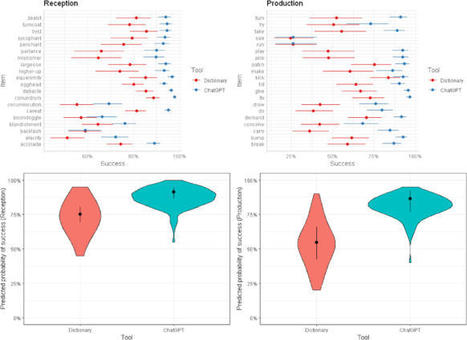
This paper examines the implications of AI and machine translation on traditional lexicography, using three canonical scenarios for dictionary use: text reception, text production, and text translation as test cases. With the advent of high-capacity, AI-driven language models such as OpenAI’s GPT-3 and GPT-4, and the efficacy of machine translation, the utility of conventional dictionaries comes under question. Despite these advancements, the study finds that lexicography remains relevant, especially for less-documented languages where AI falls short, but human lexicographers excel in data-sparse environments. It argues for the importance of lexicography in promoting linguistic diversity and maintaining the integrity of lesser-known languages. Moreover, as AI technologies progress, they present opportunities for lexicographers to expand their methodology and embrace interdisciplinarity. The role of lexicographers is likely to shift towards guiding and refining increasingly automated tools, ensuring ethical linguistic data use, and counteracting AI biases.
"This paper examines the implications of AI and machine translation on traditional lexicography, using three canonical scenarios for dictionary use: text reception, text production, and text translation as test cases. With the advent of high-capacity, AI-driven language models such as OpenAI’s GPT-3 and GPT-4, and the efficacy of machine translation, the utility of conventional dictionaries comes under question. Despite these advancements, the study finds that lexicography remains relevant, especially for less-documented languages where AI falls short, but human lexicographers excel in data-sparse environments. It argues for the importance of lexicography in promoting linguistic diversity and maintaining the integrity of lesser-known languages. Moreover, as AI technologies progress, they present opportunities for lexicographers to expand their methodology and embrace interdisciplinarity. The role of lexicographers is likely to shift towards guiding and refining increasingly automated tools, ensuring ethical linguistic data use, and counteracting AI biases..."
#metaglossia_mundus
"This paper examines the implications of AI and machine translation on traditional lexicography, using three canonical scenarios for dictionary use: text reception, text production, and text translation as test cases. With the advent of high-capacity, AI-driven language models such as OpenAI’s GPT-3 and GPT-4, and the efficacy of machine translation, the utility of conventional dictionaries comes under question. Despite these advancements, the study finds that lexicography remains relevant, especially for less-documented languages where AI falls short, but human lexicographers excel in data-sparse environments. It argues for the importance of lexicography in promoting linguistic diversity and maintaining the integrity of lesser-known languages. Moreover, as AI technologies progress, they present opportunities for lexicographers to expand their methodology and embrace interdisciplinarity. The role of lexicographers is likely to shift towards guiding and refining increasingly automated tools, ensuring ethical linguistic data use, and counteracting AI biases..."
#metaglossia_mundus
|
|
Rescooped by
Charles Tiayon
from Metaglossia: The Translation World
February 4, 2024 10:37 PM
|
Scoop.it!

I recently read about “toska,” a word that is not translatable to other languages because it is inherent in Russian life, humanity and culture.
Can you think of a word in English that can’t fully be translated into another language?
We know that Inuit people have several different words for “snow” because it is prevalent and each word means a different kind of snow; e.g., wet snow, crystalline powder, a fine driving snow, the beginning of a thaw, etc.
Maybe more surprisingly, Scots have even more words for snow.
When we think about the German word “schadenfreude,” we realize there is no such word in English that captures the meaning of “pleasure derived by someone from another person’s misfortune.” We have to explain that feeling (if or when we have it) to convey the meaning to others. We don’t have just one word that captures the essence.
I recently read about “toska,” a Russian word that is not translatable to other languages because it is inherent in Russian life, humanity and culture.
The word refers to many aspects of – well – unhappiness. It is not depression as we might think of it. It is not “fixable” by taking antidepressant drugs and/or going to therapy. Nor is it ennui or sadness.
Toska includes a deep yearning, an empty void, an anchor weighing one down and a melancholy that pervades all.
From what I understand, many Russians feel as though they have inherited a certain sadness from the trials and living conditions throughout millennia. I read a quote from a woman in St. Petersburg who said, “Toska is imprinted in the Russian DNA.”
There is also a pang of anguish associated with the word and perhaps an additional homesickness for refugees.
Compared to the inherent Buddhist truth of suffering, toska is different because there is not the propensity of looking towards a place of tranquility as there is in Buddhism.
I think of my parents who emigrated from Hungary during the Revolution in 1956. A deep sense of loss and grief accompanied their journey, but it wasn’t toska. My parents left everything and everyone they knew behind. Grief and loss would naturally occur in that situation, not toska.
Some might argue that the German word “weltschmerz” (world pain and a feeling of melancholy and world-weariness) might be similar.
One definition for weltschmerz is: “… the feeling experienced by an individual who believes that reality can never satisfy the expectations of the mind, resulting in a mood of weariness or sadness about life arising from the acute awareness of evil and suffering.”
That still doesn’t quite capture toska either, does it? It doesn’t sound like that phenomenon is in one’s DNA or is unique to being from a specific country.
I’m guessing most of us have felt something like weltschmerz before. We are exhausted and distraught about the political wranglings of our era, perhaps even more than ever, with the wars in the Middle East, Ukraine and other parts of the globe.
We also have extreme divisiveness in our country with which to deal, in addition to our own personal problems. Sometimes it just feels like too much.
However, I don’t think we see this as inherent to who we are as nation. People from other cultures to whom I’ve spoken talk about Americans’ rugged individualism, optimism, fearlessness and freshness.
It certainly doesn’t seem that way if we, as individuals, feel despondent or are going through difficult times, but we do acknowledge depression as a valid illness, which we did not in the past. We need to do more to normalize depression, anxiety and other mental challenges, but we have started to do so.
As an immigrant myself, I don’t fully grasp in one word what it means to be American. Is there a word you can think of that captures an inherent part of our culture as toska does for the Russian people? I’m guessing I’m not alone in wanting to know.
"Can you think of a word in English that can’t fully be translated into another language?
We know that Inuit people have several different words for “snow” because it is prevalent and each word means a different kind of snow; e.g., wet snow, crystalline powder, a fine driving snow, the beginning of a thaw, etc.
Maybe more surprisingly, Scots have even more words for snow.
When we think about the German word “schadenfreude,” we realize there is no such word in English that captures the meaning of “pleasure derived by someone from another person’s misfortune.” We have to explain that feeling (if or when we have it) to convey the meaning to others. We don’t have just one word that captures the essence.
I recently read about “toska,” a Russian word that is not translatable to other languages because it is inherent in Russian life, humanity and culture.
The word refers to many aspects of – well – unhappiness. It is not depression as we might think of it. It is not “fixable” by taking antidepressant drugs and/or going to therapy. Nor is it ennui or sadness.
Toska includes a deep yearning, an empty void, an anchor weighing one down and a melancholy that pervades all.
From what I understand, many Russians feel as though they have inherited a certain sadness from the trials and living conditions throughout millennia. I read a quote from a woman in St. Petersburg who said, “Toska is imprinted in the Russian DNA.”
There is also a pang of anguish associated with the word and perhaps an additional homesickness for refugees.
I think of my parents who emigrated from Hungary during the Revolution in 1956. A deep sense of loss and grief accompanied their journey, but it wasn’t toska. My parents left everything and everyone they knew behind. Grief and loss would naturally occur in that situation, not toska.
One definition for weltschmerz is: “… the feeling experienced by an individual who believes that reality can never satisfy the expectations of the mind, resulting in a mood of weariness or sadness about life arising from the acute awareness of evil and suffering.”
That still doesn’t quite capture toska either, does it? It doesn’t sound like that phenomenon is in one’s DNA or is unique to being from a specific country.
I’m guessing most of us have felt something like weltschmerz before. We are exhausted and distraught about the political wranglings of our era, perhaps even more than ever, with the wars in the Middle East, Ukraine and other parts of the globe.
We also have extreme divisiveness in our country with which to deal, in addition to our own personal problems. Sometimes it just feels like too much.
However, I don’t think we see this as inherent to who we are as nation. People from other cultures to whom I’ve spoken talk about Americans’ rugged individualism, optimism, fearlessness and freshness.
It certainly doesn’t seem that way if we, as individuals, feel despondent or are going through difficult times, but we do acknowledge depression as a valid illness, which we did not in the past. We need to do more to normalize depression, anxiety and other mental challenges, but we have started to do so.
"I recently read about “toska,” a word that is not translatable to other languages because it is inherent in Russian life, humanity and culture...
Can you think of a word in English that can’t fully be translated into another language?
We know that Inuit people have several different words for “snow” because it is prevalent and each word means a different kind of snow; e.g., wet snow, crystalline powder, a fine driving snow, the beginning of a thaw, etc.
Maybe more surprisingly, Scots have even more words for snow.
When we think about the German word “schadenfreude,” we realize there is no such word in English that captures the meaning of “pleasure derived by someone from another person’s misfortune.” We have to explain that feeling (if or when we have it) to convey the meaning to others. We don’t have just one word that captures the essence.
I recently read about “toska,” a Russian word that is not translatable to other languages because it is inherent in Russian life, humanity and culture.
The word refers to many aspects of – well – unhappiness. It is not depression as we might think of it. It is not “fixable” by taking antidepressant drugs and/or going to therapy. Nor is it ennui or sadness.
Toska includes a deep yearning, an empty void, an anchor weighing one down and a melancholy that pervades all.
From what I understand, many Russians feel as though they have inherited a certain sadness from the trials and living conditions throughout millennia. I read a quote from a woman in St. Petersburg who said, “Toska is imprinted in the Russian DNA.”
There is also a pang of anguish associated with the word and perhaps an additional homesickness for refugees.
I think of my parents who emigrated from Hungary during the Revolution in 1956. A deep sense of loss and grief accompanied their journey, but it wasn’t toska. My parents left everything and everyone they knew behind. Grief and loss would naturally occur in that situation, not toska.
One definition for weltschmerz is: “… the feeling experienced by an individual who believes that reality can never satisfy the expectations of the mind, resulting in a mood of weariness or sadness about life arising from the acute awareness of evil and suffering.”
That still doesn’t quite capture toska either, does it? It doesn’t sound like that phenomenon is in one’s DNA or is unique to being from a specific country.
I’m guessing most of us have felt something like weltschmerz before. We are exhausted and distraught about the political wranglings of our era, perhaps even more than ever, with the wars in the Middle East, Ukraine and other parts of the globe.
We also have extreme divisiveness in our country with which to deal, in addition to our own personal problems. Sometimes it just feels like too much.
However, I don’t think we see this as inherent to who we are as nation. People from other cultures to whom I’ve spoken talk about Americans’ rugged individualism, optimism, fearlessness and freshness.
It certainly doesn’t seem that way if we, as individuals, feel despondent or are going through difficult times, but we do acknowledge depression as a valid illness, which we did not in the past. We need to do more to normalize depression, anxiety and other mental challenges, but we have started to do so.
|
|
Rescooped by
Charles Tiayon
from Metaglossia: The Translation World
February 3, 2024 10:02 PM
|
Scoop.it!

By Dheeraj Bengrut, Yogesh Joshi
Feb 04, 2024 07:18 AM IST
The Sanskrit Dictionary initiative, a project spanning 76 years and 35 volumes, aims to create a comprehensive dictionary of Sanskrit to English.
PUNE
Prasad Joshi, professor and general editor of Sanskrit Dictionary Project, at work with a researcher at the Department of Sanskrit and Lexicography, Deccan College, Pune. (Rahul Raut/ ht photo)
Prasad Joshi, professor and general editor of Sanskrit Dictionary Project, at work with a researcher at the Department of Sanskrit and Lexicography, Deccan College, Pune. (Rahul Raut/ ht photo)
The Sanskrit Dictionary initiative is an expansive project that bears testimony to the perseverance and scholastic dedication of intellectuals over 76 years. This linguistic odyssey traces its roots to the year following India’s liberation from British rule.
Catch the complete coverage of Budget 2024 only on HT. Explore now!
The project which was incubated at the Deccan College Post Graduate and Research Institute, in Pune, garnered support from the central government, finding an ally in the Central Sanskrit University (CSU), Delhi, last month. A memorandum of understanding (MOU) was signed between the two institutes with a focus on resource exchange to fortify the project, coupled with collaborative efforts in running Sanskrit courses.
Prof Shrinivasa Varakhedi, vice-chancellor, CSU, said the institute has not been able to pick up enough projects due to funds constraints. “We have resumed working on fresh projects with support of education ministry. A year ago, work on the Sanskrit Dictionary project was brought to my notice. Apart from giving funds we will also collaborate on human resources,” he said.
Project review
The encyclopedic dictionary of Sanskrit to English, spans 2.2 million vocables and a staggering 10 million references, across 35 volumes, published through 6056 pages so far.
According to Ganesh Devy, a language expert best known for his work on People’s Linguistic Survey of India, the project is unique because it is trying to exhaust the complete range of Sanskrit language. “This dictionary can be used to know real history about ancient times, and the Indian subcontinent’s relations with central and west Asia. More importantly, we will be able to interpret various ancient learnings in an appropriate way,” said Devy.
The project’s initiation dates back to 1948. It was conceived and planned by SM Katre, former professor of Indo-European Philology and director of the Deccan college. The object was to render Sanskrit language into English. He embarked on the mission after participating in the Wilson Philological lectures, in UK, when he discovered that dictionaries existed for other languages but none for Sanskrit.
Spanning more than three generations of lexicographers, the dictionary project has become a legacy, with editors passing on the torch. The institute claims that the Sanskrit Dictionary surpasses the famed Oxford English Dictionary (OED) in magnitude, which has 0.5 million entries, 3.5 million quotations covering a span of 1000 years of the language.
In his book ‘The Wonder That Was India,’ noted professor, historian, author and an Indologist Arthur Llewellyn Basham asserted that this “dictionary, upon completion, would stand as the greatest work of Sanskrit Lexicography ever witnessed worldwide”. Basham, who passed away in 1986, taught luminaries such as Romila Thapar and Ram Sharan Sharma.
“There are Greek and Latin dictionaries. But none exist for Sanskrit covering the history and timespan of that language – by history we mean the first piece of literature available, either oral or written. For Sanskrit, the Rigveda is the first available text evidence of the language,” said Prasad Joshi, Deccan College professor, and general editor of Sanskrit Dictionary Project since 2017.
Play with words
The dictionary focuses on how words and their forms have changed over time, and how their meaning has evolved. They are analysed logically and linked to various nuances and shades together. The encyclopedic nature of the dictionary provides information on the form of vocables as a guide, the part of the speech of the word to which it belongs, accent, etymology, derivation and the development in Indo-Aryan era.
It was no easy task.
“After identifying words, we collect their references. The scholars study the context and meaning before finalising the entries. It is checked, re-checked and edited, before it is sent for publishing,” said Joshi. It draws inspiration from a primary corpus of approximately 1500 Sanskrit treatises, spanning 1400 BC to 1850 AD.
Retired professor Jayashree Sathe, who was the general editor of the project between 2010 to 2017, said, “We faced serious challenges when I came onboard, as research scholars appointed for posts created by the central government retired, leaving us with a paltry support staff. When I started the work in 1985 there were around 38 to 40 research scholars and when I became the editor, we had a team of hardly 13 to 14 people. There was always a fear of the department shutting down due to shortage of manpower.”
She said the fruits of labour materialized with the release of the first volume in 1976, three years after its editing process began. Given that a team of around 20 linguistic and Sanskrit experts are working on the project, it might take more than a century for it to be complete, she added.
The dictionary has been categorised into 62 branches, such as veda, darśana, epics, dharmaśāstra and ancient lexicons. It also includes literature, poetics, dramaturgy, prosody, anthologies or topics with science as base such as mathematics, architecture, alchemy, agriculture, medicine and veterinary sciences. It also includes words pertaining to music, in-door games, inscriptions, warfare and economics.
Speaking about the way ahead for this project, Joshi said, “The first stage of compiling the data is complete and the second stage of upgradation has started, which is likely to be complete in 10 years. If manpower is increased, the editing process will be expedited we will be able to publish more volumes in one year.”
Meanwhile, recognising the need for digital footprint, CDAC has been enlisted to spearhead the digitization of the works. “We don’t see youths coming to libraries to collect books. So, we will make the dictionary available online for people to access from across the world. In future, we will also create mobile apps,” said Joshi.
The magnitude of data makes it an important tool for various fields such as history, culture, linguistics, philology, computational linguistics, patents etc.
“It is definitive and comprehensive – in that sense it is unique,” said Devy.
ABOUT THE AUTHOR
author-default-90x90
Yogesh Joshi
Yogesh Joshi is Assistant Editor at Hindustan Times. He covers politics, security, development and human rights from Western Maharashtra.
"The Sanskrit Dictionary initiative, a project spanning 76 years and 35 volumes, aims to create a comprehensive dictionary of Sanskrit to English.
....The encyclopedic dictionary of Sanskrit to English, spans 2.2 million vocables and a staggering 10 million references, across 35 volumes, published through 6056 pages so far...
The project’s initiation dates back to 1948. It was conceived and planned by SM Katre, former professor of Indo-European Philology and director of the Deccan college. The object was to render Sanskrit language into English. He embarked on the mission after participating in the Wilson Philological lectures, in UK, when he discovered that dictionaries existed for other languages but none for Sanskrit.
Spanning more than three generations of lexicographers, the dictionary project has become a legacy, with editors passing on the torch. The institute claims that the Sanskrit Dictionary surpasses the famed Oxford English Dictionary (OED) in magnitude, which has 0.5 million entries, 3.5 million quotations covering a span of 1000 years of the language....
“There are Greek and Latin dictionaries. But none exist for Sanskrit covering the history and timespan of that language – by history we mean the first piece of literature available, either oral or written. For Sanskrit, the Rigveda is the first available text evidence of the language,” said Prasad Joshi, Deccan College professor, and general editor of Sanskrit Dictionary Project since 2017.
Play with words
The dictionary focuses on how words and their forms have changed over time, and how their meaning has evolved. They are analysed logically and linked to various nuances and shades together. The encyclopedic nature of the dictionary provides information on the form of vocables as a guide, the part of the speech of the word to which it belongs, accent, etymology, derivation and the development in Indo-Aryan era.
It was no easy task.
“After identifying words, we collect their references. The scholars study the context and meaning before finalising the entries. It is checked, re-checked and edited, before it is sent for publishing,” said Joshi. It draws inspiration from a primary corpus of approximately 1500 Sanskrit treatises, spanning 1400 BC to 1850 AD...
The dictionary has been categorised into 62 branches, such as veda, darśana, epics, dharmaśāstra and ancient lexicons. It also includes literature, poetics, dramaturgy, prosody, anthologies or topics with science as base such as mathematics, architecture, alchemy, agriculture, medicine and veterinary sciences. It also includes words pertaining to music, in-door games, inscriptions, warfare and economics...."
#metaglossia_mundus: https://www.hindustantimes.com/cities/mumbai-news/tracking-the-construction-of-india-s-longest-linguistic-project-the-sanskrit-dictionary-101706987325106.html
"The Sanskrit Dictionary initiative, a project spanning 76 years and 35 volumes, aims to create a comprehensive dictionary of Sanskrit to English.
Prasad Joshi, professor and general editor of Sanskrit Dictionary Project, at work with a researcher at the Department of Sanskrit and Lexicography, Deccan College, Pune. (Rahul Raut/ ht photo)
Prasad Joshi, professor and general editor of Sanskrit Dictionary Project, at work with a researcher at the Department of Sanskrit and Lexicography, Deccan College, Pune. (Rahul Raut/ ht photo)
The Sanskrit Dictionary initiative is an expansive project that bears testimony to the perseverance and scholastic dedication of intellectuals over 76 years. This linguistic odyssey traces its roots to the year following India’s liberation from British rule.
Catch the complete coverage of Budget 2024 only on HT. Explore now!
The project which was incubated at the Deccan College Post Graduate and Research Institute, in Pune, garnered support from the central government, finding an ally in the Central Sanskrit University (CSU), Delhi, last month. A memorandum of understanding (MOU) was signed between the two institutes with a focus on resource exchange to fortify the project, coupled with collaborative efforts in running Sanskrit courses.
Prof Shrinivasa Varakhedi, vice-chancellor, CSU, said the institute has not been able to pick up enough projects due to funds constraints. “We have resumed working on fresh projects with support of education ministry. A year ago, work on the Sanskrit Dictionary project was brought to my notice. Apart from giving funds we will also collaborate on human resources,” he said.
Project review
The encyclopedic dictionary of Sanskrit to English, spans 2.2 million vocables and a staggering 10 million references, across 35 volumes, published through 6056 pages so far.
According to Ganesh Devy, a language expert best known for his work on People’s Linguistic Survey of India, the project is unique because it is trying to exhaust the complete range of Sanskrit language. “This dictionary can be used to know real history about ancient times, and the Indian subcontinent’s relations with central and west Asia. More importantly, we will be able to interpret various ancient learnings in an appropriate way,” said Devy.
The project’s initiation dates back to 1948. It was conceived and planned by SM Katre, former professor of Indo-European Philology and director of the Deccan college. The object was to render Sanskrit language into English. He embarked on the mission after participating in the Wilson Philological lectures, in UK, when he discovered that dictionaries existed for other languages but none for Sanskrit.
Spanning more than three generations of lexicographers, the dictionary project has become a legacy, with editors passing on the torch. The institute claims that the Sanskrit Dictionary surpasses the famed Oxford English Dictionary (OED) in magnitude, which has 0.5 million entries, 3.5 million quotations covering a span of 1000 years of the language.
In his book ‘The Wonder That Was India,’ noted professor, historian, author and an Indologist Arthur Llewellyn Basham asserted that this “dictionary, upon completion, would stand as the greatest work of Sanskrit Lexicography ever witnessed worldwide”. Basham, who passed away in 1986, taught luminaries such as Romila Thapar and Ram Sharan Sharma.
“There are Greek and Latin dictionaries. But none exist for Sanskrit covering the history and timespan of that language – by history we mean the first piece of literature available, either oral or written. For Sanskrit, the Rigveda is the first available text evidence of the language,” said Prasad Joshi, Deccan College professor, and general editor of Sanskrit Dictionary Project since 2017.
Play with words
The dictionary focuses on how words and their forms have changed over time, and how their meaning has evolved. They are analysed logically and linked to various nuances and shades together. The encyclopedic nature of the dictionary provides information on the form of vocables as a guide, the part of the speech of the word to which it belongs, accent, etymology, derivation and the development in Indo-Aryan era.
It was no easy task.
“After identifying words, we collect their references. The scholars study the context and meaning before finalising the entries. It is checked, re-checked and edited, before it is sent for publishing,” said Joshi. It draws inspiration from a primary corpus of approximately 1500 Sanskrit treatises, spanning 1400 BC to 1850 AD.
Retired professor Jayashree Sathe, who was the general editor of the project between 2010 to 2017, said, “We faced serious challenges when I came onboard, as research scholars appointed for posts created by the central government retired, leaving us with a paltry support staff. When I started the work in 1985 there were around 38 to 40 research scholars and when I became the editor, we had a team of hardly 13 to 14 people. There was always a fear of the department shutting down due to shortage of manpower.”
She said the fruits of labour materialized with the release of the first volume in 1976, three years after its editing process began. Given that a team of around 20 linguistic and Sanskrit experts are working on the project, it might take more than a century for it to be complete, she added.
The dictionary has been categorised into 62 branches, such as veda, darśana, epics, dharmaśāstra and ancient lexicons. It also includes literature, poetics, dramaturgy, prosody, anthologies or topics with science as base such as mathematics, architecture, alchemy, agriculture, medicine and veterinary sciences. It also includes words pertaining to music, in-door games, inscriptions, warfare and economics.
Speaking about the way ahead for this project, Joshi said, “The first stage of compiling the data is complete and the second stage of upgradation has started, which is likely to be complete in 10 years. If manpower is increased, the editing process will be expedited we will be able to publish more volumes in one year.”
Meanwhile, recognising the need for digital footprint, CDAC has been enlisted to spearhead the digitization of the works. “We don’t see youths coming to libraries to collect books. So, we will make the dictionary available online for people to access from across the world. In future, we will also create mobile apps,” said Joshi.
The magnitude of data makes it an important tool for various fields such as history, culture, linguistics, philology, computational linguistics, patents etc.
“It is definitive and comprehensive – in that sense it is unique,” said Devy.
ABOUT THE AUTHOR
author-default-90x90
Yogesh Joshi
Yogesh Joshi is Assistant Editor at Hindustan Times. He covers politics, security, development and human rights from Western Maharashtra."
#metaglossia_mundus: https://www.hindustantimes.com/cities/mumbai-news/tracking-the-construction-of-india-s-longest-linguistic-project-the-sanskrit-dictionary-101706987325106.html
"The Sanskrit Dictionary initiative, a project spanning 76 years and 35 volumes, aims to create a comprehensive dictionary of Sanskrit to English.
....The encyclopedic dictionary of Sanskrit to English, spans 2.2 million vocables and a staggering 10 million references, across 35 volumes, published through 6056 pages so far...
The project’s initiation dates back to 1948. It was conceived and planned by SM Katre, former professor of Indo-European Philology and director of the Deccan college. The object was to render Sanskrit language into English. He embarked on the mission after participating in the Wilson Philological lectures, in UK, when he discovered that dictionaries existed for other languages but none for Sanskrit.
Spanning more than three generations of lexicographers, the dictionary project has become a legacy, with editors passing on the torch. The institute claims that the Sanskrit Dictionary surpasses the famed Oxford English Dictionary (OED) in magnitude, which has 0.5 million entries, 3.5 million quotations covering a span of 1000 years of the language....
“There are Greek and Latin dictionaries. But none exist for Sanskrit covering the history and timespan of that language – by history we mean the first piece of literature available, either oral or written. For Sanskrit, the Rigveda is the first available text evidence of the language,” said Prasad Joshi, Deccan College professor, and general editor of Sanskrit Dictionary Project since 2017.
Play with words
The dictionary focuses on how words and their forms have changed over time, and how their meaning has evolved. They are analysed logically and linked to various nuances and shades together. The encyclopedic nature of the dictionary provides information on the form of vocables as a guide, the part of the speech of the word to which it belongs, accent, etymology, derivation and the development in Indo-Aryan era.
It was no easy task.
“After identifying words, we collect their references. The scholars study the context and meaning before finalising the entries. It is checked, re-checked and edited, before it is sent for publishing,” said Joshi. It draws inspiration from a primary corpus of approximately 1500 Sanskrit treatises, spanning 1400 BC to 1850 AD...
The dictionary has been categorised into 62 branches, such as veda, darśana, epics, dharmaśāstra and ancient lexicons. It also includes literature, poetics, dramaturgy, prosody, anthologies or topics with science as base such as mathematics, architecture, alchemy, agriculture, medicine and veterinary sciences. It also includes words pertaining to music, in-door games, inscriptions, warfare and economics...."
#metaglossia_mundus: https://www.hindustantimes.com/cities/mumbai-news/tracking-the-construction-of-india-s-longest-linguistic-project-the-sanskrit-dictionary-101706987325106.html
|
|
Rescooped by
Charles Tiayon
from Metaglossia: The Translation World
January 31, 2024 7:54 PM
|
Scoop.it!
The number of shares to be sold in the IPO and the price range have not been determined, Britannica said.
Apart from its two iconic publications, the Chicago-based company also offers digital courses and technology for multimedia learning in schools.
The Encyclopaedia Britannica was first published in 1768 in Edinburgh, Scotland and went digital-only more than a decade ago as the internet made its leather-bound reference guides redundant.
Merriam-Webster, first published in the early 19th century, has been one of the most popular reference tools in lexicography.
The company joins a number of firms looking to test investor appetite for new listings, as hopes of a soft landing grow.
Companies sometimes file confidentially for IPOs to keep their financial details private for longer."
#metaglossia_mundus
The number of shares to be sold in the IPO and the price range have not been determined, Britannica said.
Apart from its two iconic publications, the Chicago-based company also offers digital courses and technology for multimedia learning in schools.
The Encyclopaedia Britannica was first published in 1768 in Edinburgh, Scotland and went digital-only more than a decade ago as the internet made its leather-bound reference guides redundant.
Merriam-Webster, first published in the early 19th century, has been one of the most popular reference tools in lexicography.
The company joins a number of firms looking to test investor appetite for new listings, as hopes of a soft landing grow.
Companies sometimes file confidentially for IPOs to keep their financial details private for longer."
#metaglossia_mundus
The number of shares to be sold in the IPO and the price range have not been determined, Britannica said.
Apart from its two iconic publications, the Chicago-based company also offers digital courses and technology for multimedia learning in schools.
The Encyclopaedia Britannica was first published in 1768 in Edinburgh, Scotland and went digital-only more than a decade ago as the internet made its leather-bound reference guides redundant.
Merriam-Webster, first published in the early 19th century, has been one of the most popular reference tools in lexicography.
The company joins a number of firms looking to test investor appetite for new listings, as hopes of a soft landing grow.
Companies sometimes file confidentially for IPOs to keep their financial details private for longer."
#metaglossia_mundus
|
|
Rescooped by
Charles Tiayon
from Metaglossia: The Translation World
January 14, 2024 11:20 PM
|
Scoop.it!
A fresh take on a dictionary of old criminal slang. Author photo: Jack Callaghan.
A dictionary is a snapshot of a time, a place and a culture. Former convict (transported three times including a conviction for forgery) James Hardy Vaux captured the spoken cant of his fellow thieves in the colony of New South Wales mostly for the benefit of judges who couldn’t understand the language used by the accused.
Some words are from Cockney rhyming slang including the use of beef (for stop thief) while others are from Romany, French or other European languages. Stolen words are designed to disguise and soften nefarious deeds in the colony – just as they were used in Cockney rhyming slang.
The modern reader needs a guide to this language. Enter writer and illustrator Simon Barnard who frames Hardy Vaux’s original text with anecdotes and context. The original text has been published before (and can be read as part of the Guttenberg Project) but what Barnard creates is context based on research to find stories behind the words. The result is a lively look at a language that is often humorous though sometimes dark.
The word “rump’d”, for example is defined by Hardy Vaux as ‘flogged or scourged’. Barnard gives us three examples of convicts being “rump’d” including horrible whippings that left their collarbones looking like ‘two ivory Polished horns’. While a doctor attended these floggings, Barnard’s accompanying cartoon for the word shows a convict shattered to pieces.
Then there are words that are time capsules like “barking irons” for guns because to colonists’ ears the sound of a shot was like a dog barking. Another sign of the times was the practice of “snuffing”, which occurred when going into a shop to throw snuff into a shopkeeper’s face then grabbing what you could. It sounds like an obscure kind of crime, but it happened regularly enough that it got its very own word. Barnard digs up the example of a Joseph Behrens who was busted for snuffing to swipe earrings, only to be transported for seven years when he was caught. A sentence not to be sneezed at.
Read: Book review: Storytellers by Leigh Sales
Unsurprisingly for a book about understanding criminals there are a lot of words for theft or violence – including the cartoonish “milling” where an attacker comes at you rolling their arms over like a windmill. The word “fib”, which once meant “to box”, gives other phrases like “fibbing match” (for a boxing match) and the curious “fibbing-gloak” (for a boxer). Unlike “fib’, which has come to mean a lie, some words have stuck closer to their original meaning such as “seedy” and “snitch”, which Hardy Vaux notes here.
What is missing are words from First Nations peoples. By the time Australia’s first dictionary (as the cover proudly claims) was published, the European colony had been established for over 30 years, but no language from our First Peoples appears as part of this slang guide. As a look at a language, this book makes for an entertaining and dippable read ideal for lovers of the vernacular. As a historical document about Australia, however, it is also about what is not said and who is unseen.
James Hardy Vaux’s 1819 Dictionary of Criminal Slang, James Hardy Vaux and Simon Barnard
Publisher: Text Publishing
ISBN: 9781923058033
Format: Paperback
Pages: 320pp
Price: $29.99
Publication: 31 October 2023
"Simon Barnard brings new light to a dictionary from the early days of Australia's colonisation.
A fresh take on a dictionary of old criminal slang. Author photo: Jack Callaghan.
A dictionary is a snapshot of a time, a place and a culture. Former convict (transported three times including a conviction for forgery) James Hardy Vaux captured the spoken cant of his fellow thieves in the colony of New South Wales mostly for the benefit of judges who couldn’t understand the language used by the accused.
Some words are from Cockney rhyming slang including the use of beef (for stop thief) while others are from Romany, French or other European languages. Stolen words are designed to disguise and soften nefarious deeds in the colony – just as they were used in Cockney rhyming slang.
The modern reader needs a guide to this language. Enter writer and illustrator Simon Barnard who frames Hardy Vaux’s original text with anecdotes and context. The original text has been published before (and can be read as part of the Guttenberg Project) but what Barnard creates is context based on research to find stories behind the words. The result is a lively look at a language that is often humorous though sometimes dark.
The word “rump’d”, for example is defined by Hardy Vaux as ‘flogged or scourged’. Barnard gives us three examples of convicts being “rump’d” including horrible whippings that left their collarbones looking like ‘two ivory Polished horns’. While a doctor attended these floggings, Barnard’s accompanying cartoon for the word shows a convict shattered to pieces.
Then there are words that are time capsules like “barking irons” for guns because to colonists’ ears the sound of a shot was like a dog barking. Another sign of the times was the practice of “snuffing”, which occurred when going into a shop to throw snuff into a shopkeeper’s face then grabbing what you could. It sounds like an obscure kind of crime, but it happened regularly enough that it got its very own word. Barnard digs up the example of a Joseph Behrens who was busted for snuffing to swipe earrings, only to be transported for seven years when he was caught. A sentence not to be sneezed at.
Read: Book review: Storytellers by Leigh Sales
Unsurprisingly for a book about understanding criminals there are a lot of words for theft or violence – including the cartoonish “milling” where an attacker comes at you rolling their arms over like a windmill. The word “fib”, which once meant “to box”, gives other phrases like “fibbing match” (for a boxing match) and the curious “fibbing-gloak” (for a boxer). Unlike “fib’, which has come to mean a lie, some words have stuck closer to their original meaning such as “seedy” and “snitch”, which Hardy Vaux notes here.
What is missing are words from First Nations peoples. By the time Australia’s first dictionary (as the cover proudly claims) was published, the European colony had been established for over 30 years, but no language from our First Peoples appears as part of this slang guide. As a look at a language, this book makes for an entertaining and dippable read ideal for lovers of the vernacular. As a historical document about Australia, however, it is also about what is not said and who is unseen.
James Hardy Vaux’s 1819 Dictionary of Criminal Slang, James Hardy Vaux and Simon Barnard
Publisher: Text Publishing
ISBN: 9781923058033
Format: Paperback
Pages: 320pp
Price: $29.99
Publication: 31 October 2023"
#metaglossia_mundus
'
"Simon Barnard brings new light to a dictionary from the early days of Australia's colonisation.
A fresh take on a dictionary of old criminal slang. Author photo: Jack Callaghan.
A dictionary is a snapshot of a time, a place and a culture. Former convict (transported three times including a conviction for forgery) James Hardy Vaux captured the spoken cant of his fellow thieves in the colony of New South Wales mostly for the benefit of judges who couldn’t understand the language used by the accused.
Some words are from Cockney rhyming slang including the use of beef (for stop thief) while others are from Romany, French or other European languages. Stolen words are designed to disguise and soften nefarious deeds in the colony – just as they were used in Cockney rhyming slang.
The modern reader needs a guide to this language. Enter writer and illustrator Simon Barnard who frames Hardy Vaux’s original text with anecdotes and context. The original text has been published before (and can be read as part of the Guttenberg Project) but what Barnard creates is context based on research to find stories behind the words. The result is a lively look at a language that is often humorous though sometimes dark.
The word “rump’d”, for example is defined by Hardy Vaux as ‘flogged or scourged’. Barnard gives us three examples of convicts being “rump’d” including horrible whippings that left their collarbones looking like ‘two ivory Polished horns’. While a doctor attended these floggings, Barnard’s accompanying cartoon for the word shows a convict shattered to pieces.
Then there are words that are time capsules like “barking irons” for guns because to colonists’ ears the sound of a shot was like a dog barking. Another sign of the times was the practice of “snuffing”, which occurred when going into a shop to throw snuff into a shopkeeper’s face then grabbing what you could. It sounds like an obscure kind of crime, but it happened regularly enough that it got its very own word. Barnard digs up the example of a Joseph Behrens who was busted for snuffing to swipe earrings, only to be transported for seven years when he was caught. A sentence not to be sneezed at.
Read: Book review: Storytellers by Leigh Sales
Unsurprisingly for a book about understanding criminals there are a lot of words for theft or violence – including the cartoonish “milling” where an attacker comes at you rolling their arms over like a windmill. The word “fib”, which once meant “to box”, gives other phrases like “fibbing match” (for a boxing match) and the curious “fibbing-gloak” (for a boxer). Unlike “fib’, which has come to mean a lie, some words have stuck closer to their original meaning such as “seedy” and “snitch”, which Hardy Vaux notes here.
What is missing are words from First Nations peoples. By the time Australia’s first dictionary (as the cover proudly claims) was published, the European colony had been established for over 30 years, but no language from our First Peoples appears as part of this slang guide. As a look at a language, this book makes for an entertaining and dippable read ideal for lovers of the vernacular. As a historical document about Australia, however, it is also about what is not said and who is unseen.
James Hardy Vaux’s 1819 Dictionary of Criminal Slang, James Hardy Vaux and Simon Barnard
Publisher: Text Publishing
ISBN: 9781923058033
Format: Paperback
Pages: 320pp
Price: $29.99
Publication: 31 October 2023"
#metaglossia_mundus
'
|
|
Rescooped by
Charles Tiayon
from Metaglossia: The Translation World
December 28, 2023 9:12 PM
|
Scoop.it!
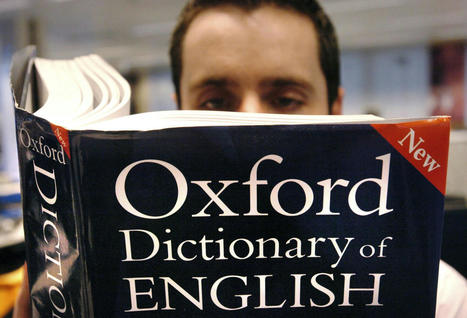
Linguist Ben Zimmer on this year's words of the year which include Rizz, Authentic, and Hallucinate.
Brian Lehrer: It's The Brian Lehrer Show on WNYC. Good morning again, everyone. As we say goodbye to 2023, let's take a look back at some of the words that defined the past year. Each year, multiple dictionaries choose a word of the year. Sometimes these words make us laugh, other times they remind us of particularly painful moments we've collectively experienced, and a fair amount of the time they have us scratching our heads. This year's words are no exception.
Our English language dictionaries have come up with words that will surely take us across a range of emotions. Spoiler alert, one of them that you may not have already heard is cozzie livs. We will define and explain, and maybe we'll have you saying it next time you go shopping, cozzie livs. Stay tuned for details. Joining us now to go over the various words of the year and the cultural events that paved their way is Ben Zimmer, linguist language columnist at the Wall Street Journal and Chair of the New Words Committee of the American Dialect Society. Ben, always great to have you on the show. Welcome back to WNYC.
Ben Zimmer: To be back.
Brian Lehrer: Listeners, you are a part of this. What is your word of the year? 212-433-WNYC. This can come from any category of word of the year. If there's just a word you've been hearing a lot more this year for whatever reason, maybe it's been in the news, maybe it's from your kids because sometimes generational trends really drive language changes. Maybe it's a word that defines something specific to your life or a society-wide observation that you've made.
What's a word of 2023 in your life or in the world as you perceive it? 212-433-WNYC, 212-433-9692, call or text. Is there an official word of the year this year from any of the deciding sources, these dictionaries, we'll go down that list, that you particularly agree with? Maybe there's a previous word of the year, a word of a previous year that you think has remained relevant in '23.
Call or text us with a word of the year according to you, 212-433-WNYC, 212-433-9692, as we talk to Ben Zimmer from the Wall Street Journal and the New Words Committee of the American Dialect Society. Ben, let's go first up to the Cambridge Dictionary and dictionary.com, which have declared the word of the year to be hallucinate. I thought that was the word of the year of like 1967. Why hallucinate?
Ben Zimmer: Yes, there were different hallucinations going on back in the 1960s. Hallucination or the verb hallucinate has had this meaning that we've known for a long time about when our own human perceptions become rather elusory. What we've seen rise in usage of is this word that's been around for a while now being applied to artificial intelligence. Anyone who's fooled around with ChatGPT from OpenAI, barred from Google, or the various other AI interfaces that have become so popular just in the past year or so, will be all too familiar with hallucinations, where you just get stuff that is completely made up.
This synthetic text that's generated by these various chatbots powered by large language models can just generate things that are flat-out wrong. You can ask it to tell me about Brian Lehrer, and it'll just make up details that have nothing to do with the real-life Brian Lehrer. That has been this problem obviously that the companies like OpenAI have been grappling with.
If they really want their AI ventures to succeed, they're going to have to deal with this hallucination problem that is really plaguing just the use of this. In colleges, professors are finding their students using AI by citing sources that do not exist, for instance. Sometimes the hallucinations can just be easily found out just by Googling. Is this actually a real thing? You find out, no, ChatGPT just made that up.
Brian Lehrer: For all the conversation we were having in the last segment and that society has been having, in 2023, in general, of how much AI is going to destroy jobs for human beings, you're telling us that AI often fails. There's a lot of AI fail moments out there, and the word hallucinate is being applied to those.
Ben Zimmer: Yes, absolutely. It points to, again, the limitations that these AI companies currently have with these large language models and being able to generate text that is actually tethered to reality. Sometimes these AI researchers talk about untethered text for this synthetic text that just goes wild and does not have much basis in reality. There are actually AI researchers who don't like that term hallucination or hallucinate because it's just another way that we anthropomorphize artificial intelligence so that we treat it as if it's a human brain having hallucinations.
There are some critics who say, let's stay away from terms like that which lead people to think, oh, this is just like human intelligence when it really is not.
Brian Lehrer: Interesting. On a similar note, the Collins English Language Dictionary, published by Harper Collins in Scotland, I believe, came up with AI as their word of the year. Has the spread of artificial intelligence been that consequential in 2023 to warrant so much representation among the words of the year?
Ben Zimmer: Absolutely. You were just talking about this in your previous segment. I think it's something that has really pervaded so much of just the common discourse in 2023 and beyond about what does this all mean. What is the field of AI as represented by ChatGPT and these other new efforts? What does that pose in terms of promises and challenges? That really dominated the discourse. The words of the year, unsurprisingly, reflect that.
Artificial intelligence has been around, as a term, since the 1950s, but just if you're a dictionary publisher, you would probably be keeping track of all of the lookups that people are making to your online dictionary. Certainly, in 2023, lots of people were looking up AI just to try to understand, well, what does it mean? What does artificial intelligence actually mean in order to understand the issue?
Brian Lehrer: I guess we learned that a word of the year can actually be a two-word phrase, artificial intelligence, or the initials for it. Oppositely, Merriam-Webster chose authentic to be the word of the year, which I think provides an interesting contrast to both hallucinate and AI. What do you make of this choice? Are people using authentic, which, of course, is not a new word in any way, in new ways in 2023?
Ben Zimmer: Yes, that was an interesting choice because I think Merriam-Webster saw that people were reaching out again, like looking it up in the online dictionary to try to understand what is authentic. People have lots of reasons for looking up words in the dictionary. Authentic is a word that we all know, but perhaps there were various stories and conversations that people were engaging in, in 2023 where they were really, again, grappling with issues of authenticity. Again, it has to do with AI, but it also has to do with celebrity culture.
Merriam-Webster pointed to various celebrities like Taylor Swift who have tapped into the idea of the authentic voice or the authentic self. I think that a lot of the tech conversations too, not just artificial intelligence, but deep fake videos and all sorts of things that came up during the writers and actors strike, for instance, about being able to control your own image and how it's used. Then authenticity, just also in terms of various people like Elon Musk making headlines about what it means to be authentic on social media. That's a word that pervaded lots of different stories in 2023.
Brian Lehrer: Here's a listener comment on the word hallucinate being chosen by one of the dictionaries. Listener writes, "Hallucination in this sense is just propaganda or gaslighting. Those are not our sensory misperceptions. They are errors." That's what you were saying. That's why some people object to the use of the word hallucinate with respect to AI because it anthropomorphizes, makes the machines sound more like people when really these are just errors, maybe is a better word, as the listener writes. Now, interestingly, we have one word breaking out as the most cited so far by the number of people calling in and texting so far. I'm going to let Brett in Brooklyn represent first. Brett, you're on WNYC. Hello.
Brett: Hi. Thanks for taking my call. My pick for word of the year might be weaponization because it feels like everything, whether it's good or bad, is being weaponized, as if we're living in a giant street site where any object or idea can be used against anyone else or narratives can be changed about a person just by twisting the facts around for negative consequences. Even food aid has been weaponized, some say. All the good things that are humanitarian have also been called weaponized. That's my word of the year.
Brian Lehrer: That's your word of the year. Brett, thank you. We have a listener on text message who doesn't like that trend. Wish they went a little more into it, but all they wrote was, "One word I wish I never have to hear again is weaponize." Michael in New Rochelle is on that word too. Michael, hi. Do you have anything to add to what Brett was just saying?
Michael: I would say that it primarily comes from the right, and I've seen it creeping into the left's vocabulary as well. I think the main purpose of it is everything Trump. Trump uses that to defend himself, and it's a hollow word similar to-- It really lacks precision. It almost means nothing, but it doesn't mean that all the Republicans I hear just about love to throw it around.
Brian Lehrer: Interesting. Michael, thank you. Ben, have you spent any time considering the word weaponize?
Ben Zimmer: Yes, it's interesting. That's one that pops up from time to time as a kind of buzzword that people notice is getting used. I wrote about it in a Wall Street Journal column back in 2018 back when it seemed to be picking up usage then. The caller mentioned the Trump factor. Sure, we get to hear all of these things about weaponizing the Justice Department or weaponizing the FBI.
It becomes this kind of buzzword on the right, perhaps. It's certainly a very flexible word in terms of it seems like anything can be weaponized these days, treated as a weapon. Regardless of your political point of view, that word can tend to get overused, let's say, but that's often what happens with buzzwords that are in the news. People latch onto them, and that's one that perhaps suffered from overuse in the past year or so.
Brian Lehrer: Here are a few more coming in via text message. Listener writes, my word of the year is they. It gained power and momentum and earned broader acceptance. Their word of the year is they. Someone else writes unhinged, a term used to discredit a person as wildly untethered to reality. It turns up in daily headlines, social posts, and more, unhinged.
Let's see. I'm going to look further into this and see if the person likes it. It signals a growing sense that the world is going crazy. They're hearing the word unhinged more. Someone else, "I just heard this morning on the economic news the word merchification. What happened to merchandising?" Have you heard merchification yet? I have not.
Ben Zimmer: No, that's a new one on me. Those other ones were definitely more familiar. In fact, this suggestion of they is an interesting one because that's one that the American Dialect Society selected as word of the year for 2015. I believe Merriam-Webster ended up doing it a few years later really to point to the ways that singular they, they being used as a singular third-person pronoun, has been on the rise as a way to get beyond the gender binary of he and she.
In fact, the American Dialect Society did selections for word of the decade for the teens, and singular they was selected as the word of the past decade as well, just to show that this very old word in the language, and in fact they has been used as a singular pronoun for many centuries, but there's new attention being put on it.
Style guides like the Associated Press and New York Times now say, yes, singular they is fine to use. In part, it's being driven by this reevaluation just of that gender binary and seeking to transcend that through a pronoun.
Brian Lehrer: Eli in Paris has a word of the year. Hi, Eli. You're on WNYC. Hello from New York.
Eli: Hi. Thank you. I've noticed that people are using more and more words that usually refer to physical space to describe feelings such as, I'm in a safe space, I'm on a journey, I'm in a place of happiness, that sort of thing. That's a trend that I've noticed.
Brian Lehrer: Thank you very much. Space, and it's not new to use space in a psychological or an interpersonal sense, but do you see it being used more indifferently, Ben?
Ben Zimmer: That's an interesting kind of metaphor or metaphorical grounding that people may be drawn to and, as you say, certainly not a new phenomenon, but the more that people talk about, oh, this is my happy place, or talking about safe spaces where it's really not the physical space that you're talking about so much as mapping the physical space onto a mental space, which can be a useful metaphor for thinking about our own emotions and points of view.
Brian Lehrer: By the way, Eli, if you're still there, do they do this sort of thing in France, or is this a US phenomenon that we have dictionaries in the English language coming out with words of the year? Are there French words of the year? I don't know what you do in France, or if you're there long term, but if you speak French, are they having these kinds of segments over there?
Eli: Yes, they are. In fact, we have the Académie Française, which is in charge of publishing the official dictionary and deciding what words can be admitted into the French language. This is a big topic over here.
Brian Lehrer: Do you have one by any chance that you can recall?
Eli: Ooh, that's a tough one. Not off the top of my head, but a big debate now is getting rid of the masculine and the feminine in the name of gender equality.
Brian Lehrer: Right. Thank you. Because every word in French, Ben, I'm going to assume you have this much knowledge, is, or all the nouns I guess, are either masculine or feminine. There's le, the masculine for the, and la, the feminine for the. I don't have any examples off the top of my head, but the nouns at least divide up into feminine and masculine when they have nothing to do with gender.
The word for table and the word for chair would be one or the other, and other things that are not gendered in any sense. Are you familiar with French enough to have a thought on their trying to remove genderization from the French language?
Ben Zimmer: I've seen references to that, and again, coming back to pronouns like we were talking about with singular they, romance languages which may not have official gender-neutral or non-binary pronouns, in such a case then sometimes people will make up a new pronoun, make a neo pronoun in order to have a pronoun that does not refer to gender. I know that in French that there was a pronoun spelled I-E-L, iel, which has been used to refer to non-binary people.
Brian Lehrer: Which would be between-- I know a little bit of French. Il, I-L, which is the masculine, and elle, people know Elle Magazine, that's from a French feminine pronoun. They're trying to come up with ones that are non-gendered there. Have you done any cross-cultural, meaning comparing English with different languages, comparisons regarding what kinds of words break out as words of the year in different languages?
Ben Zimmer: I haven't really looked at that cross-culturally. There are various countries that do their own words of the year. It is interesting to see, whether it's German or Japanese or what have you, what other countries pick. Sometimes it's dictionary publishers in those countries that are doing it much like we see in English. Very often it's grounded in their own cultural discussions. Sometimes we see a kind of English language cultural imperialism, where it's an English lone word that's coming in that people end up choosing, or at least they might translate an English word into their own language in a certain way. That's often something we see.
Brian Lehrer: Joseph in Manhattan wants to comment on one of the official dictionary words of the year. Joseph, you're on WNYC. Hi.
Joseph: Hi, Brian. Thanks so much. I find it interesting and wanted to hear your thoughts about the word rizz. Especially I'd love to hear your thoughts about how you're seeing with social media the ways in which these colloquial terms, these slang terms begin to circulate. If I recall correctly, rizz is something that really became popular online in 2022 with a particular social influencer, and then circulated more widely until it became the Oxford Word of the Year in 2023. I'd love to hear your thoughts about rizz and how it shows the nature of language changing in the age of social media.
Brian Lehrer: Joseph, thank you. For people who don't know, the Oxford Dictionary did put forth rizz, R-I-Z-Z, as their word of the year. Is the context what he says as far as you're concerned, Ben?
Ben Zimmer: Yes, absolutely. It's a great example, as the caller says, of how social media is playing this outsized role now in the generation and circulation of new words and phrases. We did see rizz first bubble up in 2022. There was a particular Twitch streamer named Kai Cenat who started using rizz to refer to this, what you might say is romantic appeal or charm. It's often taken to be a shortening of charisma, a play on that, taking that second syllable of charisma and turning that into rizz. Although, interestingly, the original YouTuber/streamer, Kai Cenat, says that's not where it comes from. He just made it up on the spot, and people just assumed that it came from charisma.
Rizz was actually in 2022 considered by the American Dialect Society, the group that I'm a part of, as word of the year. It didn't win, but I wouldn't be surprised if it gets some new attention just as it did from Oxford this year because, in 2023, that word just really skyrocketed in usage and found all sorts of new ways to be used including being used as a verb. To rizz up, to rizz someone up is to charm someone, to seduce them, to flirt with them. We got that kind of usage. Celebrities, like Tom Holland, were using it.
Oxford chose that in part just to show they're able to actually measure, they're able to quantify this new word coming to the language, and just by looking at a corpus, a selection of texts, from this past year, just seeing that this is a word that comes out of nowhere and just suddenly gets used all over the place, and now it's in dictionaries.
Brian Lehrer: Finally, as promised in the intro, a word of the year that a lot of our American listeners probably have not heard identified as such this year. It comes from the Australian dictionary, macquarie, if I'm saying that right. It's M-A-C-Q-U-A-R-I-E.
Ben Zimmer: The word is?
Brian: Macquarie, is that how you say?
Ben Zimmer: Yes.
Brian Lehrer: Macquarie, and it's really two words. It's cozzie livs, C-O-Z-Z-I-E-L-I-V-S, cozzie livs. While it hasn't gotten the same amount of attention here as the other words, I'm sure a lot of our listeners will be able to relate once they know the definition. Can you define cozzie livs for us non-Aussie folks?
Ben Zimmer: Well, Australians love shortening words, and cozzie livs is a fun way to shorten cost of living. If you're talking about cost of living increases, just call it cozzie livs. That's a fun way to say it. That shows the way that Australians have their own particular spin on language that might be different from here in the US. If I could also, just before we go, put in a plug for the American Dialect Society, if you would like to make your nomination for Word of the Year, please go to americandialect.org, and right at the top you'll see you can click to make your nominations. We'll be selecting our choice next week at our annual meeting. We would love to hear from all the listeners about what their choices are.
Brian Lehrer: Okay. May your cozzie livs be manageable in 2024. Ben Zimmer, linguist, language columnist at the Wall Street Journal, and chair of the New Words Committee of the American Dialect Society. Ben, this is great. Thanks so much. Happy New Year.
Ben Zimmer: Thank you. Happy New Year to you.
Copyright © 2023 New York Public Radio. All rights reserved. Visit our website terms of use at www.wnyc.org for further information.
"Linguist Ben Zimmer on this year's words of the year which include Rizz, Authentic, and Hallucinate.
Brian Lehrer: It's The Brian Lehrer Show on WNYC. Good morning again, everyone. As we say goodbye to 2023, let's take a look back at some of the words that defined the past year. Each year, multiple dictionaries choose a word of the year. Sometimes these words make us laugh, other times they remind us of particularly painful moments we've collectively experienced, and a fair amount of the time they have us scratching our heads. This year's words are no exception.
Our English language dictionaries have come up with words that will surely take us across a range of emotions. Spoiler alert, one of them that you may not have already heard is cozzie livs. We will define and explain, and maybe we'll have you saying it next time you go shopping, cozzie livs. Stay tuned for details. Joining us now to go over the various words of the year and the cultural events that paved their way is Ben Zimmer, linguist language columnist at the Wall Street Journal and Chair of the New Words Committee of the American Dialect Society. Ben, always great to have you on the show. Welcome back to WNYC.
Ben Zimmer: To be back.
Brian Lehrer: Listeners, you are a part of this. What is your word of the year? 212-433-WNYC. This can come from any category of word of the year. If there's just a word you've been hearing a lot more this year for whatever reason, maybe it's been in the news, maybe it's from your kids because sometimes generational trends really drive language changes. Maybe it's a word that defines something specific to your life or a society-wide observation that you've made.
What's a word of 2023 in your life or in the world as you perceive it? 212-433-WNYC, 212-433-9692, call or text. Is there an official word of the year this year from any of the deciding sources, these dictionaries, we'll go down that list, that you particularly agree with? Maybe there's a previous word of the year, a word of a previous year that you think has remained relevant in '23.
Call or text us with a word of the year according to you, 212-433-WNYC, 212-433-9692, as we talk to Ben Zimmer from the Wall Street Journal and the New Words Committee of the American Dialect Society. Ben, let's go first up to the Cambridge Dictionary and dictionary.com, which have declared the word of the year to be hallucinate. I thought that was the word of the year of like 1967. Why hallucinate?
Ben Zimmer: Yes, there were different hallucinations going on back in the 1960s. Hallucination or the verb hallucinate has had this meaning that we've known for a long time about when our own human perceptions become rather elusory. What we've seen rise in usage of is this word that's been around for a while now being applied to artificial intelligence. Anyone who's fooled around with ChatGPT from OpenAI, barred from Google, or the various other AI interfaces that have become so popular just in the past year or so, will be all too familiar with hallucinations, where you just get stuff that is completely made up.
This synthetic text that's generated by these various chatbots powered by large language models can just generate things that are flat-out wrong. You can ask it to tell me about Brian Lehrer, and it'll just make up details that have nothing to do with the real-life Brian Lehrer. That has been this problem obviously that the companies like OpenAI have been grappling with.
If they really want their AI ventures to succeed, they're going to have to deal with this hallucination problem that is really plaguing just the use of this. In colleges, professors are finding their students using AI by citing sources that do not exist, for instance. Sometimes the hallucinations can just be easily found out just by Googling. Is this actually a real thing? You find out, no, ChatGPT just made that up.
Brian Lehrer: For all the conversation we were having in the last segment and that society has been having, in 2023, in general, of how much AI is going to destroy jobs for human beings, you're telling us that AI often fails. There's a lot of AI fail moments out there, and the word hallucinate is being applied to those.
Ben Zimmer: Yes, absolutely. It points to, again, the limitations that these AI companies currently have with these large language models and being able to generate text that is actually tethered to reality. Sometimes these AI researchers talk about untethered text for this synthetic text that just goes wild and does not have much basis in reality. There are actually AI researchers who don't like that term hallucination or hallucinate because it's just another way that we anthropomorphize artificial intelligence so that we treat it as if it's a human brain having hallucinations.
There are some critics who say, let's stay away from terms like that which lead people to think, oh, this is just like human intelligence when it really is not.
Brian Lehrer: Interesting. On a similar note, the Collins English Language Dictionary, published by Harper Collins in Scotland, I believe, came up with AI as their word of the year. Has the spread of artificial intelligence been that consequential in 2023 to warrant so much representation among the words of the year?
Ben Zimmer: Absolutely. You were just talking about this in your previous segment. I think it's something that has really pervaded so much of just the common discourse in 2023 and beyond about what does this all mean. What is the field of AI as represented by ChatGPT and these other new efforts? What does that pose in terms of promises and challenges? That really dominated the discourse. The words of the year, unsurprisingly, reflect that.
Artificial intelligence has been around, as a term, since the 1950s, but just if you're a dictionary publisher, you would probably be keeping track of all of the lookups that people are making to your online dictionary. Certainly, in 2023, lots of people were looking up AI just to try to understand, well, what does it mean? What does artificial intelligence actually mean in order to understand the issue?
Brian Lehrer: I guess we learned that a word of the year can actually be a two-word phrase, artificial intelligence, or the initials for it. Oppositely, Merriam-Webster chose authentic to be the word of the year, which I think provides an interesting contrast to both hallucinate and AI. What do you make of this choice? Are people using authentic, which, of course, is not a new word in any way, in new ways in 2023?
Ben Zimmer: Yes, that was an interesting choice because I think Merriam-Webster saw that people were reaching out again, like looking it up in the online dictionary to try to understand what is authentic. People have lots of reasons for looking up words in the dictionary. Authentic is a word that we all know, but perhaps there were various stories and conversations that people were engaging in, in 2023 where they were really, again, grappling with issues of authenticity. Again, it has to do with AI, but it also has to do with celebrity culture.
Merriam-Webster pointed to various celebrities like Taylor Swift who have tapped into the idea of the authentic voice or the authentic self. I think that a lot of the tech conversations too, not just artificial intelligence, but deep fake videos and all sorts of things that came up during the writers and actors strike, for instance, about being able to control your own image and how it's used. Then authenticity, just also in terms of various people like Elon Musk making headlines about what it means to be authentic on social media. That's a word that pervaded lots of different stories in 2023.
Brian Lehrer: Here's a listener comment on the word hallucinate being chosen by one of the dictionaries. Listener writes, "Hallucination in this sense is just propaganda or gaslighting. Those are not our sensory misperceptions. They are errors." That's what you were saying. That's why some people object to the use of the word hallucinate with respect to AI because it anthropomorphizes, makes the machines sound more like people when really these are just errors, maybe is a better word, as the listener writes. Now, interestingly, we have one word breaking out as the most cited so far by the number of people calling in and texting so far. I'm going to let Brett in Brooklyn represent first. Brett, you're on WNYC. Hello.
Brett: Hi. Thanks for taking my call. My pick for word of the year might be weaponization because it feels like everything, whether it's good or bad, is being weaponized, as if we're living in a giant street site where any object or idea can be used against anyone else or narratives can be changed about a person just by twisting the facts around for negative consequences. Even food aid has been weaponized, some say. All the good things that are humanitarian have also been called weaponized. That's my word of the year.
Brian Lehrer: That's your word of the year. Brett, thank you. We have a listener on text message who doesn't like that trend. Wish they went a little more into it, but all they wrote was, "One word I wish I never have to hear again is weaponize." Michael in New Rochelle is on that word too. Michael, hi. Do you have anything to add to what Brett was just saying?
Michael: I would say that it primarily comes from the right, and I've seen it creeping into the left's vocabulary as well. I think the main purpose of it is everything Trump. Trump uses that to defend himself, and it's a hollow word similar to-- It really lacks precision. It almost means nothing, but it doesn't mean that all the Republicans I hear just about love to throw it around.
Brian Lehrer: Interesting. Michael, thank you. Ben, have you spent any time considering the word weaponize?
Ben Zimmer: Yes, it's interesting. That's one that pops up from time to time as a kind of buzzword that people notice is getting used. I wrote about it in a Wall Street Journal column back in 2018 back when it seemed to be picking up usage then. The caller mentioned the Trump factor. Sure, we get to hear all of these things about weaponizing the Justice Department or weaponizing the FBI.
It becomes this kind of buzzword on the right, perhaps. It's certainly a very flexible word in terms of it seems like anything can be weaponized these days, treated as a weapon. Regardless of your political point of view, that word can tend to get overused, let's say, but that's often what happens with buzzwords that are in the news. People latch onto them, and that's one that perhaps suffered from overuse in the past year or so.
Brian Lehrer: Here are a few more coming in via text message. Listener writes, my word of the year is they. It gained power and momentum and earned broader acceptance. Their word of the year is they. Someone else writes unhinged, a term used to discredit a person as wildly untethered to reality. It turns up in daily headlines, social posts, and more, unhinged.
Let's see. I'm going to look further into this and see if the person likes it. It signals a growing sense that the world is going crazy. They're hearing the word unhinged more. Someone else, "I just heard this morning on the economic news the word merchification. What happened to merchandising?" Have you heard merchification yet? I have not.
Ben Zimmer: No, that's a new one on me. Those other ones were definitely more familiar. In fact, this suggestion of they is an interesting one because that's one that the American Dialect Society selected as word of the year for 2015. I believe Merriam-Webster ended up doing it a few years later really to point to the ways that singular they, they being used as a singular third-person pronoun, has been on the rise as a way to get beyond the gender binary of he and she.
In fact, the American Dialect Society did selections for word of the decade for the teens, and singular they was selected as the word of the past decade as well, just to show that this very old word in the language, and in fact they has been used as a singular pronoun for many centuries, but there's new attention being put on it.
Style guides like the Associated Press and New York Times now say, yes, singular they is fine to use. In part, it's being driven by this reevaluation just of that gender binary and seeking to transcend that through a pronoun.
Brian Lehrer: Eli in Paris has a word of the year. Hi, Eli. You're on WNYC. Hello from New York.
Eli: Hi. Thank you. I've noticed that people are using more and more words that usually refer to physical space to describe feelings such as, I'm in a safe space, I'm on a journey, I'm in a place of happiness, that sort of thing. That's a trend that I've noticed.
Brian Lehrer: Thank you very much. Space, and it's not new to use space in a psychological or an interpersonal sense, but do you see it being used more indifferently, Ben?
Ben Zimmer: That's an interesting kind of metaphor or metaphorical grounding that people may be drawn to and, as you say, certainly not a new phenomenon, but the more that people talk about, oh, this is my happy place, or talking about safe spaces where it's really not the physical space that you're talking about so much as mapping the physical space onto a mental space, which can be a useful metaphor for thinking about our own emotions and points of view.
Brian Lehrer: By the way, Eli, if you're still there, do they do this sort of thing in France, or is this a US phenomenon that we have dictionaries in the English language coming out with words of the year? Are there French words of the year? I don't know what you do in France, or if you're there long term, but if you speak French, are they having these kinds of segments over there?
Eli: Yes, they are. In fact, we have the Académie Française, which is in charge of publishing the official dictionary and deciding what words can be admitted into the French language. This is a big topic over here.
Brian Lehrer: Do you have one by any chance that you can recall?
Eli: Ooh, that's a tough one. Not off the top of my head, but a big debate now is getting rid of the masculine and the feminine in the name of gender equality.
Brian Lehrer: Right. Thank you. Because every word in French, Ben, I'm going to assume you have this much knowledge, is, or all the nouns I guess, are either masculine or feminine. There's le, the masculine for the, and la, the feminine for the. I don't have any examples off the top of my head, but the nouns at least divide up into feminine and masculine when they have nothing to do with gender.
The word for table and the word for chair would be one or the other, and other things that are not gendered in any sense. Are you familiar with French enough to have a thought on their trying to remove genderization from the French language?
Ben Zimmer: I've seen references to that, and again, coming back to pronouns like we were talking about with singular they, romance languages which may not have official gender-neutral or non-binary pronouns, in such a case then sometimes people will make up a new pronoun, make a neo pronoun in order to have a pronoun that does not refer to gender. I know that in French that there was a pronoun spelled I-E-L, iel, which has been used to refer to non-binary people.
Brian Lehrer: Which would be between-- I know a little bit of French. Il, I-L, which is the masculine, and elle, people know Elle Magazine, that's from a French feminine pronoun. They're trying to come up with ones that are non-gendered there. Have you done any cross-cultural, meaning comparing English with different languages, comparisons regarding what kinds of words break out as words of the year in different languages?
Ben Zimmer: I haven't really looked at that cross-culturally. There are various countries that do their own words of the year. It is interesting to see, whether it's German or Japanese or what have you, what other countries pick. Sometimes it's dictionary publishers in those countries that are doing it much like we see in English. Very often it's grounded in their own cultural discussions. Sometimes we see a kind of English language cultural imperialism, where it's an English lone word that's coming in that people end up choosing, or at least they might translate an English word into their own language in a certain way. That's often something we see.
Brian Lehrer: Joseph in Manhattan wants to comment on one of the official dictionary words of the year. Joseph, you're on WNYC. Hi.
Joseph: Hi, Brian. Thanks so much. I find it interesting and wanted to hear your thoughts about the word rizz. Especially I'd love to hear your thoughts about how you're seeing with social media the ways in which these colloquial terms, these slang terms begin to circulate. If I recall correctly, rizz is something that really became popular online in 2022 with a particular social influencer, and then circulated more widely until it became the Oxford Word of the Year in 2023. I'd love to hear your thoughts about rizz and how it shows the nature of language changing in the age of social media.
Brian Lehrer: Joseph, thank you. For people who don't know, the Oxford Dictionary did put forth rizz, R-I-Z-Z, as their word of the year. Is the context what he says as far as you're concerned, Ben?
Ben Zimmer: Yes, absolutely. It's a great example, as the caller says, of how social media is playing this outsized role now in the generation and circulation of new words and phrases. We did see rizz first bubble up in 2022. There was a particular Twitch streamer named Kai Cenat who started using rizz to refer to this, what you might say is romantic appeal or charm. It's often taken to be a shortening of charisma, a play on that, taking that second syllable of charisma and turning that into rizz. Although, interestingly, the original YouTuber/streamer, Kai Cenat, says that's not where it comes from. He just made it up on the spot, and people just assumed that it came from charisma.
Rizz was actually in 2022 considered by the American Dialect Society, the group that I'm a part of, as word of the year. It didn't win, but I wouldn't be surprised if it gets some new attention just as it did from Oxford this year because, in 2023, that word just really skyrocketed in usage and found all sorts of new ways to be used including being used as a verb. To rizz up, to rizz someone up is to charm someone, to seduce them, to flirt with them. We got that kind of usage. Celebrities, like Tom Holland, were using it.
Oxford chose that in part just to show they're able to actually measure, they're able to quantify this new word coming to the language, and just by looking at a corpus, a selection of texts, from this past year, just seeing that this is a word that comes out of nowhere and just suddenly gets used all over the place, and now it's in dictionaries.
Brian Lehrer: Finally, as promised in the intro, a word of the year that a lot of our American listeners probably have not heard identified as such this year. It comes from the Australian dictionary, macquarie, if I'm saying that right. It's M-A-C-Q-U-A-R-I-E.
Ben Zimmer: The word is?
Brian: Macquarie, is that how you say?
Ben Zimmer: Yes.
Brian Lehrer: Macquarie, and it's really two words. It's cozzie livs, C-O-Z-Z-I-E-L-I-V-S, cozzie livs. While it hasn't gotten the same amount of attention here as the other words, I'm sure a lot of our listeners will be able to relate once they know the definition. Can you define cozzie livs for us non-Aussie folks?
Ben Zimmer: Well, Australians love shortening words, and cozzie livs is a fun way to shorten cost of living. If you're talking about cost of living increases, just call it cozzie livs. That's a fun way to say it. That shows the way that Australians have their own particular spin on language that might be different from here in the US. If I could also, just before we go, put in a plug for the American Dialect Society, if you would like to make your nomination for Word of the Year, please go to americandialect.org, and right at the top you'll see you can click to make your nominations. We'll be selecting our choice next week at our annual meeting. We would love to hear from all the listeners about what their choices are.
Brian Lehrer: Okay. May your cozzie livs be manageable in 2024. Ben Zimmer, linguist, language columnist at the Wall Street Journal, and chair of the New Words Committee of the American Dialect Society. Ben, this is great. Thanks so much. Happy New Year.
Ben Zimmer: Thank you. Happy New Year to you.
Copyright © 2023 New York Public Radio. All rights reserved. Visit our website terms of use at www.wnyc.org for further information."
#metaglossia_mundus
"Linguist Ben Zimmer on this year's words of the year which include Rizz, Authentic, and Hallucinate.
Brian Lehrer: It's The Brian Lehrer Show on WNYC. Good morning again, everyone. As we say goodbye to 2023, let's take a look back at some of the words that defined the past year. Each year, multiple dictionaries choose a word of the year. Sometimes these words make us laugh, other times they remind us of particularly painful moments we've collectively experienced, and a fair amount of the time they have us scratching our heads. This year's words are no exception.
Our English language dictionaries have come up with words that will surely take us across a range of emotions. Spoiler alert, one of them that you may not have already heard is cozzie livs. We will define and explain, and maybe we'll have you saying it next time you go shopping, cozzie livs. Stay tuned for details. Joining us now to go over the various words of the year and the cultural events that paved their way is Ben Zimmer, linguist language columnist at the Wall Street Journal and Chair of the New Words Committee of the American Dialect Society. Ben, always great to have you on the show. Welcome back to WNYC.
Ben Zimmer: To be back.
Brian Lehrer: Listeners, you are a part of this. What is your word of the year? 212-433-WNYC. This can come from any category of word of the year. If there's just a word you've been hearing a lot more this year for whatever reason, maybe it's been in the news, maybe it's from your kids because sometimes generational trends really drive language changes. Maybe it's a word that defines something specific to your life or a society-wide observation that you've made.
What's a word of 2023 in your life or in the world as you perceive it? 212-433-WNYC, 212-433-9692, call or text. Is there an official word of the year this year from any of the deciding sources, these dictionaries, we'll go down that list, that you particularly agree with? Maybe there's a previous word of the year, a word of a previous year that you think has remained relevant in '23.
Call or text us with a word of the year according to you, 212-433-WNYC, 212-433-9692, as we talk to Ben Zimmer from the Wall Street Journal and the New Words Committee of the American Dialect Society. Ben, let's go first up to the Cambridge Dictionary and dictionary.com, which have declared the word of the year to be hallucinate. I thought that was the word of the year of like 1967. Why hallucinate?
Ben Zimmer: Yes, there were different hallucinations going on back in the 1960s. Hallucination or the verb hallucinate has had this meaning that we've known for a long time about when our own human perceptions become rather elusory. What we've seen rise in usage of is this word that's been around for a while now being applied to artificial intelligence. Anyone who's fooled around with ChatGPT from OpenAI, barred from Google, or the various other AI interfaces that have become so popular just in the past year or so, will be all too familiar with hallucinations, where you just get stuff that is completely made up.
This synthetic text that's generated by these various chatbots powered by large language models can just generate things that are flat-out wrong. You can ask it to tell me about Brian Lehrer, and it'll just make up details that have nothing to do with the real-life Brian Lehrer. That has been this problem obviously that the companies like OpenAI have been grappling with.
If they really want their AI ventures to succeed, they're going to have to deal with this hallucination problem that is really plaguing just the use of this. In colleges, professors are finding their students using AI by citing sources that do not exist, for instance. Sometimes the hallucinations can just be easily found out just by Googling. Is this actually a real thing? You find out, no, ChatGPT just made that up.
Brian Lehrer: For all the conversation we were having in the last segment and that society has been having, in 2023, in general, of how much AI is going to destroy jobs for human beings, you're telling us that AI often fails. There's a lot of AI fail moments out there, and the word hallucinate is being applied to those.
Ben Zimmer: Yes, absolutely. It points to, again, the limitations that these AI companies currently have with these large language models and being able to generate text that is actually tethered to reality. Sometimes these AI researchers talk about untethered text for this synthetic text that just goes wild and does not have much basis in reality. There are actually AI researchers who don't like that term hallucination or hallucinate because it's just another way that we anthropomorphize artificial intelligence so that we treat it as if it's a human brain having hallucinations.
There are some critics who say, let's stay away from terms like that which lead people to think, oh, this is just like human intelligence when it really is not.
Brian Lehrer: Interesting. On a similar note, the Collins English Language Dictionary, published by Harper Collins in Scotland, I believe, came up with AI as their word of the year. Has the spread of artificial intelligence been that consequential in 2023 to warrant so much representation among the words of the year?
Ben Zimmer: Absolutely. You were just talking about this in your previous segment. I think it's something that has really pervaded so much of just the common discourse in 2023 and beyond about what does this all mean. What is the field of AI as represented by ChatGPT and these other new efforts? What does that pose in terms of promises and challenges? That really dominated the discourse. The words of the year, unsurprisingly, reflect that.
Artificial intelligence has been around, as a term, since the 1950s, but just if you're a dictionary publisher, you would probably be keeping track of all of the lookups that people are making to your online dictionary. Certainly, in 2023, lots of people were looking up AI just to try to understand, well, what does it mean? What does artificial intelligence actually mean in order to understand the issue?
Brian Lehrer: I guess we learned that a word of the year can actually be a two-word phrase, artificial intelligence, or the initials for it. Oppositely, Merriam-Webster chose authentic to be the word of the year, which I think provides an interesting contrast to both hallucinate and AI. What do you make of this choice? Are people using authentic, which, of course, is not a new word in any way, in new ways in 2023?
Ben Zimmer: Yes, that was an interesting choice because I think Merriam-Webster saw that people were reaching out again, like looking it up in the online dictionary to try to understand what is authentic. People have lots of reasons for looking up words in the dictionary. Authentic is a word that we all know, but perhaps there were various stories and conversations that people were engaging in, in 2023 where they were really, again, grappling with issues of authenticity. Again, it has to do with AI, but it also has to do with celebrity culture.
Merriam-Webster pointed to various celebrities like Taylor Swift who have tapped into the idea of the authentic voice or the authentic self. I think that a lot of the tech conversations too, not just artificial intelligence, but deep fake videos and all sorts of things that came up during the writers and actors strike, for instance, about being able to control your own image and how it's used. Then authenticity, just also in terms of various people like Elon Musk making headlines about what it means to be authentic on social media. That's a word that pervaded lots of different stories in 2023.
Brian Lehrer: Here's a listener comment on the word hallucinate being chosen by one of the dictionaries. Listener writes, "Hallucination in this sense is just propaganda or gaslighting. Those are not our sensory misperceptions. They are errors." That's what you were saying. That's why some people object to the use of the word hallucinate with respect to AI because it anthropomorphizes, makes the machines sound more like people when really these are just errors, maybe is a better word, as the listener writes. Now, interestingly, we have one word breaking out as the most cited so far by the number of people calling in and texting so far. I'm going to let Brett in Brooklyn represent first. Brett, you're on WNYC. Hello.
Brett: Hi. Thanks for taking my call. My pick for word of the year might be weaponization because it feels like everything, whether it's good or bad, is being weaponized, as if we're living in a giant street site where any object or idea can be used against anyone else or narratives can be changed about a person just by twisting the facts around for negative consequences. Even food aid has been weaponized, some say. All the good things that are humanitarian have also been called weaponized. That's my word of the year.
Brian Lehrer: That's your word of the year. Brett, thank you. We have a listener on text message who doesn't like that trend. Wish they went a little more into it, but all they wrote was, "One word I wish I never have to hear again is weaponize." Michael in New Rochelle is on that word too. Michael, hi. Do you have anything to add to what Brett was just saying?
Michael: I would say that it primarily comes from the right, and I've seen it creeping into the left's vocabulary as well. I think the main purpose of it is everything Trump. Trump uses that to defend himself, and it's a hollow word similar to-- It really lacks precision. It almost means nothing, but it doesn't mean that all the Republicans I hear just about love to throw it around.
Brian Lehrer: Interesting. Michael, thank you. Ben, have you spent any time considering the word weaponize?
Ben Zimmer: Yes, it's interesting. That's one that pops up from time to time as a kind of buzzword that people notice is getting used. I wrote about it in a Wall Street Journal column back in 2018 back when it seemed to be picking up usage then. The caller mentioned the Trump factor. Sure, we get to hear all of these things about weaponizing the Justice Department or weaponizing the FBI.
It becomes this kind of buzzword on the right, perhaps. It's certainly a very flexible word in terms of it seems like anything can be weaponized these days, treated as a weapon. Regardless of your political point of view, that word can tend to get overused, let's say, but that's often what happens with buzzwords that are in the news. People latch onto them, and that's one that perhaps suffered from overuse in the past year or so.
Brian Lehrer: Here are a few more coming in via text message. Listener writes, my word of the year is they. It gained power and momentum and earned broader acceptance. Their word of the year is they. Someone else writes unhinged, a term used to discredit a person as wildly untethered to reality. It turns up in daily headlines, social posts, and more, unhinged.
Let's see. I'm going to look further into this and see if the person likes it. It signals a growing sense that the world is going crazy. They're hearing the word unhinged more. Someone else, "I just heard this morning on the economic news the word merchification. What happened to merchandising?" Have you heard merchification yet? I have not.
Ben Zimmer: No, that's a new one on me. Those other ones were definitely more familiar. In fact, this suggestion of they is an interesting one because that's one that the American Dialect Society selected as word of the year for 2015. I believe Merriam-Webster ended up doing it a few years later really to point to the ways that singular they, they being used as a singular third-person pronoun, has been on the rise as a way to get beyond the gender binary of he and she.
In fact, the American Dialect Society did selections for word of the decade for the teens, and singular they was selected as the word of the past decade as well, just to show that this very old word in the language, and in fact they has been used as a singular pronoun for many centuries, but there's new attention being put on it.
Style guides like the Associated Press and New York Times now say, yes, singular they is fine to use. In part, it's being driven by this reevaluation just of that gender binary and seeking to transcend that through a pronoun.
Brian Lehrer: Eli in Paris has a word of the year. Hi, Eli. You're on WNYC. Hello from New York.
Eli: Hi. Thank you. I've noticed that people are using more and more words that usually refer to physical space to describe feelings such as, I'm in a safe space, I'm on a journey, I'm in a place of happiness, that sort of thing. That's a trend that I've noticed.
Brian Lehrer: Thank you very much. Space, and it's not new to use space in a psychological or an interpersonal sense, but do you see it being used more indifferently, Ben?
Ben Zimmer: That's an interesting kind of metaphor or metaphorical grounding that people may be drawn to and, as you say, certainly not a new phenomenon, but the more that people talk about, oh, this is my happy place, or talking about safe spaces where it's really not the physical space that you're talking about so much as mapping the physical space onto a mental space, which can be a useful metaphor for thinking about our own emotions and points of view.
Brian Lehrer: By the way, Eli, if you're still there, do they do this sort of thing in France, or is this a US phenomenon that we have dictionaries in the English language coming out with words of the year? Are there French words of the year? I don't know what you do in France, or if you're there long term, but if you speak French, are they having these kinds of segments over there?
Eli: Yes, they are. In fact, we have the Académie Française, which is in charge of publishing the official dictionary and deciding what words can be admitted into the French language. This is a big topic over here.
Brian Lehrer: Do you have one by any chance that you can recall?
Eli: Ooh, that's a tough one. Not off the top of my head, but a big debate now is getting rid of the masculine and the feminine in the name of gender equality.
Brian Lehrer: Right. Thank you. Because every word in French, Ben, I'm going to assume you have this much knowledge, is, or all the nouns I guess, are either masculine or feminine. There's le, the masculine for the, and la, the feminine for the. I don't have any examples off the top of my head, but the nouns at least divide up into feminine and masculine when they have nothing to do with gender.
The word for table and the word for chair would be one or the other, and other things that are not gendered in any sense. Are you familiar with French enough to have a thought on their trying to remove genderization from the French language?
Ben Zimmer: I've seen references to that, and again, coming back to pronouns like we were talking about with singular they, romance languages which may not have official gender-neutral or non-binary pronouns, in such a case then sometimes people will make up a new pronoun, make a neo pronoun in order to have a pronoun that does not refer to gender. I know that in French that there was a pronoun spelled I-E-L, iel, which has been used to refer to non-binary people.
Brian Lehrer: Which would be between-- I know a little bit of French. Il, I-L, which is the masculine, and elle, people know Elle Magazine, that's from a French feminine pronoun. They're trying to come up with ones that are non-gendered there. Have you done any cross-cultural, meaning comparing English with different languages, comparisons regarding what kinds of words break out as words of the year in different languages?
Ben Zimmer: I haven't really looked at that cross-culturally. There are various countries that do their own words of the year. It is interesting to see, whether it's German or Japanese or what have you, what other countries pick. Sometimes it's dictionary publishers in those countries that are doing it much like we see in English. Very often it's grounded in their own cultural discussions. Sometimes we see a kind of English language cultural imperialism, where it's an English lone word that's coming in that people end up choosing, or at least they might translate an English word into their own language in a certain way. That's often something we see.
Brian Lehrer: Joseph in Manhattan wants to comment on one of the official dictionary words of the year. Joseph, you're on WNYC. Hi.
Joseph: Hi, Brian. Thanks so much. I find it interesting and wanted to hear your thoughts about the word rizz. Especially I'd love to hear your thoughts about how you're seeing with social media the ways in which these colloquial terms, these slang terms begin to circulate. If I recall correctly, rizz is something that really became popular online in 2022 with a particular social influencer, and then circulated more widely until it became the Oxford Word of the Year in 2023. I'd love to hear your thoughts about rizz and how it shows the nature of language changing in the age of social media.
Brian Lehrer: Joseph, thank you. For people who don't know, the Oxford Dictionary did put forth rizz, R-I-Z-Z, as their word of the year. Is the context what he says as far as you're concerned, Ben?
Ben Zimmer: Yes, absolutely. It's a great example, as the caller says, of how social media is playing this outsized role now in the generation and circulation of new words and phrases. We did see rizz first bubble up in 2022. There was a particular Twitch streamer named Kai Cenat who started using rizz to refer to this, what you might say is romantic appeal or charm. It's often taken to be a shortening of charisma, a play on that, taking that second syllable of charisma and turning that into rizz. Although, interestingly, the original YouTuber/streamer, Kai Cenat, says that's not where it comes from. He just made it up on the spot, and people just assumed that it came from charisma.
Rizz was actually in 2022 considered by the American Dialect Society, the group that I'm a part of, as word of the year. It didn't win, but I wouldn't be surprised if it gets some new attention just as it did from Oxford this year because, in 2023, that word just really skyrocketed in usage and found all sorts of new ways to be used including being used as a verb. To rizz up, to rizz someone up is to charm someone, to seduce them, to flirt with them. We got that kind of usage. Celebrities, like Tom Holland, were using it.
Oxford chose that in part just to show they're able to actually measure, they're able to quantify this new word coming to the language, and just by looking at a corpus, a selection of texts, from this past year, just seeing that this is a word that comes out of nowhere and just suddenly gets used all over the place, and now it's in dictionaries.
Brian Lehrer: Finally, as promised in the intro, a word of the year that a lot of our American listeners probably have not heard identified as such this year. It comes from the Australian dictionary, macquarie, if I'm saying that right. It's M-A-C-Q-U-A-R-I-E.
Ben Zimmer: The word is?
Brian: Macquarie, is that how you say?
Ben Zimmer: Yes.
Brian Lehrer: Macquarie, and it's really two words. It's cozzie livs, C-O-Z-Z-I-E-L-I-V-S, cozzie livs. While it hasn't gotten the same amount of attention here as the other words, I'm sure a lot of our listeners will be able to relate once they know the definition. Can you define cozzie livs for us non-Aussie folks?
Ben Zimmer: Well, Australians love shortening words, and cozzie livs is a fun way to shorten cost of living. If you're talking about cost of living increases, just call it cozzie livs. That's a fun way to say it. That shows the way that Australians have their own particular spin on language that might be different from here in the US. If I could also, just before we go, put in a plug for the American Dialect Society, if you would like to make your nomination for Word of the Year, please go to americandialect.org, and right at the top you'll see you can click to make your nominations. We'll be selecting our choice next week at our annual meeting. We would love to hear from all the listeners about what their choices are.
Brian Lehrer: Okay. May your cozzie livs be manageable in 2024. Ben Zimmer, linguist, language columnist at the Wall Street Journal, and chair of the New Words Committee of the American Dialect Society. Ben, this is great. Thanks so much. Happy New Year.
Ben Zimmer: Thank you. Happy New Year to you.
Copyright © 2023 New York Public Radio. All rights reserved. Visit our website terms of use at www.wnyc.org for further information."
#metaglossia_mundus
|
|
Rescooped by
Charles Tiayon
from Metaglossia: The Translation World
December 28, 2023 9:09 PM
|
Scoop.it!
La Fundación del Español Urgente (FundéuRAE), promovida por la Real Academia Española y la Agencia EFE, ha escogido polarización como su palabra del año 2023.
El término polarización se ha impuesto al resto de las candidatas debido a su gran presencia en los medios de comunicación y a la evolución de significado que ha experimentado. En los últimos años se ha extendido el uso de esta voz, que está recogida desde 1884 en el diccionario académico, para aludir a situaciones en las que hay dos opiniones o actividades muy definidas y distanciadas (en referencia a los polos), en ocasiones con las ideas implícitas de crispación y confrontación.
Es habitual encontrar en los medios ejemplos que aluden a diversas formas de polarización, a nivel mundial: la polarización de la sociedad, de la política, de la opinión pública, de las posturas en las redes sociales, etc. Y es que tanto el verbo polarizar como su correspondiente sustantivo polarización se utilizan con frecuencia para expresar la idea de división en dos bloques, posiciones u opiniones enfrentadas.
Según el Diccionario de la lengua española, polarizar es, entre otras cosas, ‘orientar en dos direcciones contrapuestas’, y en el Diccionario esencial se ofrece el siguiente ejemplo: La guerra polarizó la sociedad.
Además de su interés lingüístico, el otro motivo para la elección de este término ha sido su elevada presencia en los medios de comunicación durante los últimos meses. Aplicada a la política y al ámbito ideológico, al mundo deportivo, al debate en las plataformas digitales y, en general, a cualquier escenario en el que sea habitual el desacuerdo, la voz polarización se ha extendido a lo largo de 2023.
La palabra en el diccionario
Esta palabra aparece recogida en el diccionario académico desde la edición de 1884 con la misma definición que tiene actualmente: ‘acción y efecto de polarizar o polarizarse’. No obstante, hace más de un siglo, polarización incluía la marca física, que indicaba que era un término restringido al lenguaje de esta ciencia, en relación con los polos.
En 1985, se incorporó un añadido a esa definición, que no se conserva en la edición actual, y que iba dando pistas sobre cómo este término comenzaba a extenderse más allá de la física: «En lenguaje de la economía, proceso por el cual en unas determinadas zonas de un territorio se concentran la mayoría de las industrias». Para la edición del año 2001, polarizar —y, en consecuencia, polarización— se había extendido al lenguaje general tras adquirir el sentido de ‘orientar en dos direcciones contrapuestas’, ya empleado en ámbitos muy diversos.
La ganadora de este año ha sido escogida entre doce candidatas, varias de ellas relacionadas con la tecnología y el medioambiente o las catástrofes naturales: amnistía, ecosilencio, euríbor, FANI, fediverso, fentanilo, guerra, humanitario, macroincendio, seísmo y ultrafalso.
Esta es la undécima ocasión en la que la Fundación escoge su palabra del año. Las anteriores ganadoras fueron escrache (2013), selfi (2014), refugiado (2015), populismo (2016), aporofobia (2017), microplástico (2018), los emojis (2019), confinamiento (2020), vacuna (2021) e inteligencia artificial (2022).
"La Fundación del Español Urgente (FundéuRAE), promovida por la Real Academia Española y la Agencia EFE, ha escogido polarización como su palabra del año 2023.
El término polarización se ha impuesto al resto de las candidatas debido a su gran presencia en los medios de comunicación y a la evolución de significado que ha experimentado. En los últimos años se ha extendido el uso de esta voz, que está recogida desde 1884 en el diccionario académico, para aludir a situaciones en las que hay dos opiniones o actividades muy definidas y distanciadas (en referencia a los polos), en ocasiones con las ideas implícitas de crispación y confrontación.
Es habitual encontrar en los medios ejemplos que aluden a diversas formas de polarización, a nivel mundial: la polarización de la sociedad, de la política, de la opinión pública, de las posturas en las redes sociales, etc. Y es que tanto el verbo polarizar como su correspondiente sustantivo polarización se utilizan con frecuencia para expresar la idea de división en dos bloques, posiciones u opiniones enfrentadas.
Según el Diccionario de la lengua española, polarizar es, entre otras cosas, ‘orientar en dos direcciones contrapuestas’, y en el Diccionario esencial se ofrece el siguiente ejemplo: La guerra polarizó la sociedad.
Además de su interés lingüístico, el otro motivo para la elección de este término ha sido su elevada presencia en los medios de comunicación durante los últimos meses. Aplicada a la política y al ámbito ideológico, al mundo deportivo, al debate en las plataformas digitales y, en general, a cualquier escenario en el que sea habitual el desacuerdo, la voz polarización se ha extendido a lo largo de 2023.
La palabra en el diccionario
Esta palabra aparece recogida en el diccionario académico desde la edición de 1884 con la misma definición que tiene actualmente: ‘acción y efecto de polarizar o polarizarse’. No obstante, hace más de un siglo, polarización incluía la marca física, que indicaba que era un término restringido al lenguaje de esta ciencia, en relación con los polos.
En 1985, se incorporó un añadido a esa definición, que no se conserva en la edición actual, y que iba dando pistas sobre cómo este término comenzaba a extenderse más allá de la física: «En lenguaje de la economía, proceso por el cual en unas determinadas zonas de un territorio se concentran la mayoría de las industrias». Para la edición del año 2001, polarizar —y, en consecuencia, polarización— se había extendido al lenguaje general tras adquirir el sentido de ‘orientar en dos direcciones contrapuestas’, ya empleado en ámbitos muy diversos.
La ganadora de este año ha sido escogida entre doce candidatas, varias de ellas relacionadas con la tecnología y el medioambiente o las catástrofes naturales: amnistía, ecosilencio, euríbor, FANI, fediverso, fentanilo, guerra, humanitario, macroincendio, seísmo y ultrafalso.
Esta es la undécima ocasión en la que la Fundación escoge su palabra del año. Las anteriores ganadoras fueron escrache (2013), selfi (2014), refugiado (2015), populismo (2016), aporofobia (2017), microplástico (2018), los emojis (2019), confinamiento (2020), vacuna (2021) e inteligencia artificial (2022)."
#metaglossia_mundus
"La Fundación del Español Urgente (FundéuRAE), promovida por la Real Academia Española y la Agencia EFE, ha escogido polarización como su palabra del año 2023.
El término polarización se ha impuesto al resto de las candidatas debido a su gran presencia en los medios de comunicación y a la evolución de significado que ha experimentado. En los últimos años se ha extendido el uso de esta voz, que está recogida desde 1884 en el diccionario académico, para aludir a situaciones en las que hay dos opiniones o actividades muy definidas y distanciadas (en referencia a los polos), en ocasiones con las ideas implícitas de crispación y confrontación.
Es habitual encontrar en los medios ejemplos que aluden a diversas formas de polarización, a nivel mundial: la polarización de la sociedad, de la política, de la opinión pública, de las posturas en las redes sociales, etc. Y es que tanto el verbo polarizar como su correspondiente sustantivo polarización se utilizan con frecuencia para expresar la idea de división en dos bloques, posiciones u opiniones enfrentadas.
Según el Diccionario de la lengua española, polarizar es, entre otras cosas, ‘orientar en dos direcciones contrapuestas’, y en el Diccionario esencial se ofrece el siguiente ejemplo: La guerra polarizó la sociedad.
Además de su interés lingüístico, el otro motivo para la elección de este término ha sido su elevada presencia en los medios de comunicación durante los últimos meses. Aplicada a la política y al ámbito ideológico, al mundo deportivo, al debate en las plataformas digitales y, en general, a cualquier escenario en el que sea habitual el desacuerdo, la voz polarización se ha extendido a lo largo de 2023.
La palabra en el diccionario
Esta palabra aparece recogida en el diccionario académico desde la edición de 1884 con la misma definición que tiene actualmente: ‘acción y efecto de polarizar o polarizarse’. No obstante, hace más de un siglo, polarización incluía la marca física, que indicaba que era un término restringido al lenguaje de esta ciencia, en relación con los polos.
En 1985, se incorporó un añadido a esa definición, que no se conserva en la edición actual, y que iba dando pistas sobre cómo este término comenzaba a extenderse más allá de la física: «En lenguaje de la economía, proceso por el cual en unas determinadas zonas de un territorio se concentran la mayoría de las industrias». Para la edición del año 2001, polarizar —y, en consecuencia, polarización— se había extendido al lenguaje general tras adquirir el sentido de ‘orientar en dos direcciones contrapuestas’, ya empleado en ámbitos muy diversos.
La ganadora de este año ha sido escogida entre doce candidatas, varias de ellas relacionadas con la tecnología y el medioambiente o las catástrofes naturales: amnistía, ecosilencio, euríbor, FANI, fediverso, fentanilo, guerra, humanitario, macroincendio, seísmo y ultrafalso.
Esta es la undécima ocasión en la que la Fundación escoge su palabra del año. Las anteriores ganadoras fueron escrache (2013), selfi (2014), refugiado (2015), populismo (2016), aporofobia (2017), microplástico (2018), los emojis (2019), confinamiento (2020), vacuna (2021) e inteligencia artificial (2022)."
#metaglossia_mundus
|
|
Rescooped by
Charles Tiayon
from Metaglossia: The Translation World
December 20, 2023 10:04 PM
|
Scoop.it!
Hanoi (VNA) – The first Arabic-Vietnamese dictionary made its debut at an event to mark World Arabic Language Day (December 18) held by the Saudi Arabian Embassy in Vietnam in Hanoi on December 17.
Representing the embassy at the event, Counselor Hamoud Naif S. Almutairi said Saudi Arabia attaches great importance to preserving and developing the Arabic language, and the country has made significant contributions to enhancing the status of the language, including efforts to have Arabic recognised as one of the six official languages of the UN, and one of the languages used officially in meetings of the UNESCO Executive Board.
As part of the above-mentioned efforts, the embassy has paid attention to popularising the language through collaboration with the embassies of other Arab countries and Vietnamese educational institutions that are currently teaching Arabic, he said.
It has supported the compilation of the dictionary to create the best possible conditions for the relevant teaching and learning activities, thus benefiting not only students and teachers but also Vietnamese people living and working in Arabian countries, the diplomat stressed.
According to the Chairman of the Council of the University of Languages and International Studies (ULIS) - Vietnam National University, Hanoi, Do Tuan Minh, as the first higher education institution in Vietnam to open bachelor's degree programmes in Arabic, ULIS has made significant contributions to the training of human resources in this major over the past 27 years.
The university has made great efforts in the compilation project, aiming to serve Arabic language teaching activities within the institution and provide support for individuals who are interested in learning this language, he said.
As part of events commemorating the World Arabic Language Day, the Saudi Arabia Embassy held an Arabic poetry recitation contest for Vietnamese students studying at ULIS and University of Social Sciences and Humanities (HCMUSSH) - HCMC National University./.
Hanoi (VNA) – The first Arabic-Vietnamese dictionary made its debut at an event to mark World Arabic Language Day (December 18) held by the Saudi Arabian Embassy in Vietnam in Hanoi on December 17.
Representing the embassy at the event, Counselor Hamoud Naif S. Almutairi said Saudi Arabia attaches great importance to preserving and developing the Arabic language, and the country has made significant contributions to enhancing the status of the language, including efforts to have Arabic recognised as one of the six official languages of the UN, and one of the languages used officially in meetings of the UNESCO Executive Board.
As part of the above-mentioned efforts, the embassy has paid attention to popularising the language through collaboration with the embassies of other Arab countries and Vietnamese educational institutions that are currently teaching Arabic, he said.
It has supported the compilation of the dictionary to create the best possible conditions for the relevant teaching and learning activities, thus benefiting not only students and teachers but also Vietnamese people living and working in Arabian countries, the diplomat stressed.
According to the Chairman of the Council of the University of Languages and International Studies (ULIS) - Vietnam National University, Hanoi, Do Tuan Minh, as the first higher education institution in Vietnam to open bachelor's degree programmes in Arabic, ULIS has made significant contributions to the training of human resources in this major over the past 27 years.
The university has made great efforts in the compilation project, aiming to serve Arabic language teaching activities within the institution and provide support for individuals who are interested in learning this language, he said.
As part of events commemorating the World Arabic Language Day, the Saudi Arabia Embassy held an Arabic poetry recitation contest for Vietnamese students studying at ULIS and University of Social Sciences and Humanities (HCMUSSH) - HCMC National University./.
"Hanoi (VNA) – The first Arabic-Vietnamese dictionary made its debut at an event to mark World Arabic Language Day (December 18) held by the Saudi Arabian Embassy in Vietnam in Hanoi on December 17.
Representing the embassy at the event, Counselor Hamoud Naif S. Almutairi said Saudi Arabia attaches great importance to preserving and developing the Arabic language, and the country has made significant contributions to enhancing the status of the language, including efforts to have Arabic recognised as one of the six official languages of the UN, and one of the languages used officially in meetings of the UNESCO Executive Board.
As part of the above-mentioned efforts, the embassy has paid attention to popularising the language through collaboration with the embassies of other Arab countries and Vietnamese educational institutions that are currently teaching Arabic, he said.
It has supported the compilation of the dictionary to create the best possible conditions for the relevant teaching and learning activities, thus benefiting not only students and teachers but also Vietnamese people living and working in Arabian countries, the diplomat stressed.
According to the Chairman of the Council of the University of Languages and International Studies (ULIS) - Vietnam National University, Hanoi, Do Tuan Minh, as the first higher education institution in Vietnam to open bachelor's degree programmes in Arabic, ULIS has made significant contributions to the training of human resources in this major over the past 27 years.
The university has made great efforts in the compilation project, aiming to serve Arabic language teaching activities within the institution and provide support for individuals who are interested in learning this language, he said.
As part of events commemorating the World Arabic Language Day, the Saudi Arabia Embassy held an Arabic poetry recitation contest for Vietnamese students studying at ULIS and University of Social Sciences and Humanities (HCMUSSH) - HCMC National University./. "
#metaglossia_mundus
"Hanoi (VNA) – The first Arabic-Vietnamese dictionary made its debut at an event to mark World Arabic Language Day (December 18) held by the Saudi Arabian Embassy in Vietnam in Hanoi on December 17.
Representing the embassy at the event, Counselor Hamoud Naif S. Almutairi said Saudi Arabia attaches great importance to preserving and developing the Arabic language, and the country has made significant contributions to enhancing the status of the language, including efforts to have Arabic recognised as one of the six official languages of the UN, and one of the languages used officially in meetings of the UNESCO Executive Board.
As part of the above-mentioned efforts, the embassy has paid attention to popularising the language through collaboration with the embassies of other Arab countries and Vietnamese educational institutions that are currently teaching Arabic, he said.
It has supported the compilation of the dictionary to create the best possible conditions for the relevant teaching and learning activities, thus benefiting not only students and teachers but also Vietnamese people living and working in Arabian countries, the diplomat stressed.
According to the Chairman of the Council of the University of Languages and International Studies (ULIS) - Vietnam National University, Hanoi, Do Tuan Minh, as the first higher education institution in Vietnam to open bachelor's degree programmes in Arabic, ULIS has made significant contributions to the training of human resources in this major over the past 27 years.
The university has made great efforts in the compilation project, aiming to serve Arabic language teaching activities within the institution and provide support for individuals who are interested in learning this language, he said.
As part of events commemorating the World Arabic Language Day, the Saudi Arabia Embassy held an Arabic poetry recitation contest for Vietnamese students studying at ULIS and University of Social Sciences and Humanities (HCMUSSH) - HCMC National University./. "
#metaglossia_mundus
|
|
Rescooped by
Charles Tiayon
from Metaglossia: The Translation World
December 20, 2023 8:44 PM
|
Scoop.it!
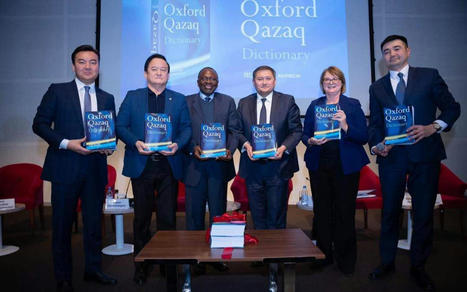
The publication of the dictionary will enable the Kazakh language to enter the Oxford Global Languages platform, the world’s most authoritative dictionary network. The dictionary was compiled by the Qazaq Tili International Community at the instruction of President Kassym-Jomart Tokayev, Kazinform News Agency reports via the Kazakh Ministry of Science and Higher Education.
Acting President of Nazarbayev University Ilesanmi Adesida, Minister of Science and Higher Education of Kazakhstan Sayasat Nurbek, Majilis Deputy Issa Kazybek Zharylkassynuly, British Ambassador to Kazakhstan Kathy Leach, and President of Qazaq Tili International Community Rauan Kenzhekhanuly attended the presentation.
What will be the future of language in the era of digital technologies and how can we preserve the language? As part of the seven-year concept approved by the Ministry, one of important areas is to preserve the language through its systematization in the digital world, since the preservation of the language lies in creation of a unified language corpus, systematically codified on digital and virtual platforms. This dictionary is the contribution to the entry of the Kazakh language to the global language corpus, which unites the vocabulary of 100 most important and basic languages of the world, Sayasat Nurbek said.
Following official approval from the Oxford University Press and developed in accordance with the methodology and technology of Oxford English Dictionary, more than 50 linguists from the Akhmet Baiturssynuly Linguistics Institute were attracted to the compilation of the dictionary. The first edition contains over 60,000 words and spans 1,300 pages, with a circulation of 10,000 copies.
Oxford University Press positions itself as the world's most reliable dictionary publisher. They adhere to very high standards in their work and set the same demands to their partners. A large-scale bilateral work has been carried out. We sent the dictionary for an expert review. Oxford University Press gave its official permission to publish the bilingual dictionary, which was developed with the consideration of the methodology and technology of Oxford English dictionary, Rauan Kenzhekhanuly said.
The dictionary unveils the peculiarities of contemporary vocabulary of the Kazakh and English languages, including trends from modern culture, IT, medicine, economics, finance, and trade. It also contains short guidelines on English and Kazakh grammar, pronunciation, and spelling, as well as examples of business and electronic correspondence in Kazakh.
"The publication of the dictionary will enable the Kazakh language to enter the Oxford Global Languages platform, the world’s most authoritative dictionary network. The dictionary was compiled by the Qazaq Tili International Community at the instruction of President Kassym-Jomart Tokayev, Kazinform News Agency reports via the Kazakh Ministry of Science and Higher Education.
Acting President of Nazarbayev University Ilesanmi Adesida, Minister of Science and Higher Education of Kazakhstan Sayasat Nurbek, Majilis Deputy Issa Kazybek Zharylkassynuly, British Ambassador to Kazakhstan Kathy Leach, and President of Qazaq Tili International Community Rauan Kenzhekhanuly attended the presentation.
What will be the future of language in the era of digital technologies and how can we preserve the language? As part of the seven-year concept approved by the Ministry, one of important areas is to preserve the language through its systematization in the digital world, since the preservation of the language lies in creation of a unified language corpus, systematically codified on digital and virtual platforms. This dictionary is the contribution to the entry of the Kazakh language to the global language corpus, which unites the vocabulary of 100 most important and basic languages of the world, Sayasat Nurbek said.
Following official approval from the Oxford University Press and developed in accordance with the methodology and technology of Oxford English Dictionary, more than 50 linguists from the Akhmet Baiturssynuly Linguistics Institute were attracted to the compilation of the dictionary. The first edition contains over 60,000 words and spans 1,300 pages, with a circulation of 10,000 copies.
Oxford University Press positions itself as the world's most reliable dictionary publisher. They adhere to very high standards in their work and set the same demands to their partners. A large-scale bilateral work has been carried out. We sent the dictionary for an expert review. Oxford University Press gave its official permission to publish the bilingual dictionary, which was developed with the consideration of the methodology and technology of Oxford English dictionary, Rauan Kenzhekhanuly said.
The dictionary unveils the peculiarities of contemporary vocabulary of the Kazakh and English languages, including trends from modern culture, IT, medicine, economics, finance, and trade. It also contains short guidelines on English and Kazakh grammar, pronunciation, and spelling, as well as examples of business and electronic correspondence in Kazakh."
#metaglossia_mundus


https://farmaciadimagrante.com/
https://farmaciadimagrante.com/Prodotto/acquista-mysimba-online/
https://farmaciadimagrante.com/Prodotto/acquista-mounjaro-online/
https://farmaciadimagrante.com/Prodotto/acquista-victoza-online/
https://farmaciadimagrante.com/Prodotto/acquistare-saxenda-6mg-ml-online/
https://farmaciadimagrante.com/Prodotto/acquista-ozempic-online/
https://farmaciadimagrante.com/Prodotto/acquista-wegovy-online/
https://farmaciadimagrante.com/Prodotto/acquista-nembutal-in-polvere-online/
https://farmaciadimagrante.com/Prodotto/acquista-online-nembutal-solution/
https://farmaciadimagrante.com/Prodotto/acquista-ketamina-hcl-500mg-10ml-in-linea/
https://farmaciadimagrante.com/Prodotto/acquistare-fentanyl-in-polvere-online/
https://farmaciadimagrante.com/Prodotto/acquistare-fentanyl-online/
https://farmaciadimagrante.com/Prodotto/acquista-cristallo-mdma-online/
https://farmaciadimagrante.com/Prodotto/acquista-ativan-online/
https://farmaciadimagrante.com/Prodotto/acquista-botox-online/
https://farmaciadimagrante.com/Prodotto/acquista-cerotti-al-fentanil/
https://farmaciadimagrante.com/Prodotto/acquista-codeina-linctus-online/
https://farmaciadimagrante.com/Prodotto/acquista-codeina-online/
https://farmaciadimagrante.com/Prodotto/acquista-demerol-online/
https://farmaciadimagrante.com/Prodotto/acquista-depalgo-online/
https://farmaciadimagrante.com/Prodotto/acquista-diazepam-online/
https://farmaciadimagrante.com/Prodotto/acquista-instanyl-online/
https://farmaciadimagrante.com/Prodotto/acquista-l-ritalin-online/
https://farmaciadimagrante.com/Prodotto/acquista-metadone/
https://farmaciadimagrante.com/Prodotto/acquista-opana-online/
https://farmaciadimagrante.com/Prodotto/acquista-stilnox-online/
https://farmaciadimagrante.com/Prodotto/acquista-suboxone-8mg/
https://farmaciadimagrante.com/Prodotto/acquista-subutex-online/
https://farmaciadimagrante.com/Prodotto/acquista-vicodin-online/
https://farmaciadimagrante.com/Prodotto/acquista-vyvanse-online/
https://farmaciadimagrante.com/Prodotto/acquista-xanax-2mg/
https://farmaciadimagrante.com/Prodotto/acquistare-rohypnol-2mg/
https://farmaciadimagrante.com/Prodotto/acquistare-sibutramina-online/
https://farmaciadimagrante.com/Prodotto/efedrina-hcl-in-polvere/
https://farmaciadimagrante.com/Prodotto/ephedrine-hcl-30mg/
https://farmaciadimagrante.com/Prodotto/sciroppo-di-metadone/
https://farmaciadimagrante.com/Prodotto/tramadolo-hcl-200mg/
https://farmaciadimagrante.com/Prodotto/acquista-adipex-online/
https://farmaciadimagrante.com/Prodotto/acquista-adderall-30mg/
https://farmaciadimagrante.com/Prodotto/acquista-oxycontin-online/
https://farmaciadimagrante.com/Prodotto/acquista-ossicodone-online/
https://farmaciadimagrante.com/Prodotto/acquista-phentermine-online/
https://farmaciadimagrante.com/Prodotto/acquista-ambien/
https://farmaciadimagrante.com/Prodotto/acquista-percocet-online/
https://farmaciadimagrante.com/Prodotto/acquistare-buprenorfina-8mg-2mg/
https://farmaciadimagrante.com/Prodotto/a-215-ossicodone-actavis/
https://farmaciadimagrante.com/Prodotto/acquista-eroina-bianca/
<a href="https://farmaciadimagrante.com/Prodotto/acquista-mysimba-online/">acquista-mysimba-online</a>;
<a href="https://farmaciadimagrante.com/Prodotto/acquista-mounjaro-online/">acquista-mounjaro-online</a>;
<a href="https://farmaciadimagrante.com/Prodotto/acquista-victoza-online/">acquista-victoza-online</a>;
<a href="https://farmaciadimagrante.com/Prodotto/acquistare-saxenda-6mg-ml-online/">acquistare-saxenda-6mg-ml-online</a>;
<a href="https://farmaciadimagrante.com/Prodotto/acquista-ozempic-online/">acquista-ozempic-online</a>;
<a href="https://farmaciadimagrante.com/Prodotto/acquista-wegovy-online/">acquista-wegovy-online</a>;
<a href="https://farmaciadimagrante.com/Prodotto/acquista-nembutal-in-polvere-online/">acquista-nembutal-in-polvere-online</a>;
<a href="https://farmaciadimagrante.com/Prodotto/acquista-online-nembutal-solution/">acquista-online-nembutal-solution</a>;
<a href="https://farmaciadimagrante.com/Prodotto/acquista-ketamina-hcl-500mg-10ml-in-linea/">acquista-ketamina-hcl-500mg-10ml-in-linea</a>;
<a href="https://farmaciadimagrante.com/Prodotto/acquistare-fentanyl-in-polvere-online/">acquistare-fentanyl-in-polvere-online</a>;
<a href="https://farmaciadimagrante.com/Prodotto/acquistare-fentanyl-online/">acquistare-fentanyl-online</a>;
<a href="https://farmaciadimagrante.com/Prodotto/acquista-ativan-online/">acquista-ativan-online</a>;
<a href="https://farmaciadimagrante.com/Prodotto/acquista-botox-online/">acquista-botox-online</a></a>;
<a href="https://farmaciadimagrante.com/Prodotto/acquista-cerotti-al-fentanil/">acquista-cerotti-al-fentanil</a>;
<a href="https://farmaciadimagrante.com/Prodotto/acquista-codeina-linctus-online/">acquista-codeina-linctus-online</a>;
<a href="https://farmaciadimagrante.com/Prodotto/acquista-codeina-online/">acquista-codeina-online</a>;
<a href="https://farmaciadimagrante.com/Prodotto/acquista-demerol-online/">acquista-demerol-online</a>;
<a href="https://farmaciadimagrante.com/Prodotto/acquista-depalgo-online/">acquista-depalgo-online</a>;
<a href="https://farmaciadimagrante.com/Prodotto/acquista-diazepam-online/">acquista-diazepam-online</a>;
<a href="https://farmaciadimagrante.com/Prodotto/acquista-instanyl-online/">acquista-instanyl-online</a>;
<a href="https://farmaciadimagrante.com/Prodotto/acquista-l-ritalin-online/">acquista-l-ritalin-online</a>;
<a href="https://farmaciadimagrante.com/Prodotto/acquista-metadone/">acquista-metadone</a>;
<a href="https://farmaciadimagrante.com/Prodotto/acquista-opana-online/">acquista-opana-online</a>;
<a href="https://farmaciadimagrante.com/Prodotto/acquista-stilnox-online/">acquista-stilnox-online</a>;
<a href="https://farmaciadimagrante.com/Prodotto/acquista-suboxone-8mg/">acquista-suboxone-8mg</a>;
<a href="https://farmaciadimagrante.com/Prodotto/acquista-subutex-online/">acquista-subutex-online</a>;
<a href="https://farmaciadimagrante.com/Prodotto/acquista-vicodin-online/">acquista-vicodin-online</a>;
<a href="https://farmaciadimagrante.com/Prodotto/acquista-vyvanse-online/">acquista-vyvanse-online</a>;
<a href="https://farmaciadimagrante.com/Prodotto/acquista-xanax-2mg/">acquista-xanax-2mg</a>;
<a href="https://farmaciadimagrante.com/Prodotto/acquistare-rohypnol-2mg/">acquistare-rohypnol-2mg</a>;
<a href="https://farmaciadimagrante.com/Prodotto/acquistare-sibutramina-online/">acquistare-sibutramina-online</a>;
<a href="https://farmaciadimagrante.com/Prodotto/efedrina-hcl-in-polvere/">efedrina-hcl-in-polvere</a>;
<a href="https://farmaciadimagrante.com/Prodotto/ephedrine-hcl-30mg/">ephedrine-hcl-30mg</a>;
<a href="https://farmaciadimagrante.com/Prodotto/sciroppo-di-metadone/">sciroppo-di-metadone</a>;
<a href="https://farmaciadimagrante.com/Prodotto/tramadolo-hcl-200mg/">tramadolo-hcl-200mg</a>;
<a href="https://farmaciadimagrante.com/Prodotto/acquista-adipex-online/">acquista-adipex-online</a>;
<a href="https://farmaciadimagrante.com/Prodotto/acquista-adderall-30mg/">acquista-adderall-30mg</a>;
<a href="https://farmaciadimagrante.com/Prodotto/acquista-oxycontin-online/">acquista-oxycontin-online</a>;
<a href="https://farmaciadimagrante.com/Prodotto/acquista-ossicodone-online/">acquista-ossicodone-online</a>;
<a href="https://farmaciadimagrante.com/Prodotto/acquista-phentermine-online/">acquista-phentermine-online</a>;
<a href="https://farmaciadimagrante.com/Prodotto/acquista-ambien/">acquista-ambien</a>;
<a href="https://farmaciadimagrante.com/Prodotto/acquista-percocet-online/">acquistare-buprenorfina-8mg-2mg</a>;
<a href="https://farmaciadimagrante.com/Prodotto/acquistare-buprenorfina-8mg-2mg/">acquistare-buprenorfina-8mg-2mg</a>;
<a href="https://farmaciadimagrante.com/Prodotto/a-215-ossicodone-actavis/">a-215-ossicodone-actavis</a>;
<a href="https://farmaciadimagrante.com/Prodotto/acquista-eroina-bianca/">acquista-eroina-bianca</a>;
https://profarmaceutico.com/
https://profarmaceutico.com/Prodotto/acquista-mounjaro-online/
https://profarmaceutico.com/Prodotto/acquista-victoza-online/
https://profarmaceutico.com/Prodotto/acquistare-saxenda-6mg-ml-online/
https://profarmaceutico.com/Prodotto/acquista-ozempic-online/
https://profarmaceutico.com/Prodotto/acquista-wegovy-online/
https://profarmaceutico.com/Prodotto/acquista-mysimba-online/
https://profarmaceutico.com/Prodotto/acquista-targin-40-mg-online/
https://profarmaceutico.com/Prodotto/acquistare-targin-20-mg-10-mg/
https://profarmaceutico.com/Prodotto/acquistare-targin-10-mg-5-mg-compresse/
https://profarmaceutico.com/Prodotto/acquista-dysport-online/
https://profarmaceutico.com/Prodotto/acquista-neuronox-online/
https://profarmaceutico.com/Prodotto/acquista-bocouture-online/
https://profarmaceutico.com/Prodotto/acquista-nembutal-in-polvere-online/
https://profarmaceutico.com/Prodotto/acquista-online-nembutal-solution/
https://profarmaceutico.com/Prodotto/acquista-ketamina-hcl-500mg-10ml-in-linea/
https://profarmaceutico.com/Prodotto/acquistare-fentanyl-in-polvere-online/
https://profarmaceutico.com/Prodotto/acquistare-fentanyl-online/
https://profarmaceutico.com/Prodotto/acquista-cristallo-mdma-online/
https://profarmaceutico.com/Prodotto/a-215-ossicodone-actavis/
https://profarmaceutico.com/Prodotto/acquista-adderall-30mg/
https://profarmaceutico.com/Prodotto/acquista-adipex-online/
https://profarmaceutico.com/Prodotto/acquista-ossicodone-online/
https://profarmaceutico.com/Prodotto/acquista-oxycontin-online/
https://profarmaceutico.com/Prodotto/acquista-codeina-online/
https://profarmaceutico.com/Prodotto/acquista-adma-online/
https://profarmaceutico.com/Prodotto/acquista-ativan-online/
https://profarmaceutico.com/Prodotto/acquista-botox-online/
https://profarmaceutico.com/Prodotto/acquista-cerotti-al-fentanil/
https://profarmaceutico.com/Prodotto/acquista-codeina-linctus-online/
https://profarmaceutico.com/Prodotto/acquista-demerol-online/
https://profarmaceutico.com/Prodotto/acquista-depalgo-online/
https://profarmaceutico.com/Prodotto/acquista-diazepam-online/
https://profarmaceutico.com/Prodotto/acquistare-idromorfone-online/
https://profarmaceutico.com/Prodotto/acquista-endocet-online/
https://profarmaceutico.com/Prodotto/acquista-eroina-bianca/
https://profarmaceutico.com/Prodotto/acquista-instanyl-online/
https://profarmaceutico.com/Prodotto/acquista-l-ritalin-online/
https://profarmaceutico.com/Prodotto/acquista-metadone/
https://profarmaceutico.com/Prodotto/acquista-opana-online/
https://profarmaceutico.com/Prodotto/acquista-percocet-online/
https://profarmaceutico.com/Prodotto/acquista-phentermine-online/
https://profarmaceutico.com/Prodotto/acquista-stilnox-online/
https://profarmaceutico.com/Prodotto/acquista-suboxone-8mg/
https://profarmaceutico.com/Prodotto/acquista-subutex-online/
https://profarmaceutico.com/Prodotto/acquista-vicodin-online/
https://profarmaceutico.com/Prodotto/acquista-vyvanse-online/
https://profarmaceutico.com/Prodotto/acquista-xanax-2mg/
https://profarmaceutico.com/Prodotto/acquistare-rohypnol-2mg/
https://profarmaceutico.com/Prodotto/acquistare-sibutramina-online/
https://profarmaceutico.com/Prodotto/efedrina-hcl-in-polvere/
https://profarmaceutico.com/Prodotto/ephedrine-hcl-30mg/
https://profarmaceutico.com/Prodotto/sciroppo-di-metadone/
https://profarmaceutico.com/Prodotto/tramadolo-hcl-200mg/
<a href="https://profarmaceutico.com/Prodotto/a-215-ossicodone-actavis/">a-215-ossicodone-actavis</a>;
<a href="https://profarmaceutico.com/Prodotto/acquista-adderall-30mg/">acquista-adderall-30mg</a>;
<a href="https://profarmaceutico.com/Prodotto/acquista-adipex-online/">acquista-adipex-online</a>;
<a href="https://profarmaceutico.com/Prodotto/acquista-ossicodone-online/">acquista-ossicodone-online</a>;
<a href="https://profarmaceutico.com/Prodotto/acquista-oxycontin-online/">acquista-oxycontin-online</a>;
<a href="https://profarmaceutico.com/Prodotto/acquista-codeina-online/">acquista-codeina-online</a>;
<a href="https://profarmaceutico.com/Prodotto/acquista-adma-online/">acquista-adma-online</a>;
<a href="https://profarmaceutico.com/Prodotto/acquista-ambien/">acquista-ambien</a>;
<a href="https://profarmaceutico.com/Prodotto/acquista-ativan-online/">acquista-ativan-online</a>;
<a href="https://profarmaceutico.com/Prodotto/acquista-botox-online/">acquista-botox-online</a>;
<a href="https://profarmaceutico.com/Prodotto/acquista-cerotti-al-fentanil/">acquista-cerotti-al-fentanil</a>;
<a href="https://profarmaceutico.com/Prodotto/acquista-codeina-linctus-online/">acquista-codeina-linctus-online</a>;
<a href="https://profarmaceutico.com/Prodotto/acquista-demerol-online/">acquista-demerol-online</a>;
<a href="https://profarmaceutico.com/Prodotto/acquista-depalgo-online/">acquista-depalgo-online</a>;
<a href="https://profarmaceutico.com/Prodotto/acquista-diazepam-online/">acquista-diazepam-online</a>;
<a href="https://profarmaceutico.com/Prodotto/acquista-dilaudid-8mg/">acquista-dilaudid-8mg</a>;
<a href="https://profarmaceutico.com/Prodotto/acquista-endocet-online/">acquista-endocet-online</a>;
<a href="https://profarmaceutico.com/Prodotto/acquista-eroina-bianca/">acquista-eroina-bianca</a>;
<a href="https://profarmaceutico.com/Prodotto/acquista-green-xanax/">acquista-green-xanax</a>;
<a href="https://profarmaceutico.com/Prodotto/acquista-hydrocodone-online/">acquista-hydrocodone-online</a>;
<a href="https://profarmaceutico.com/Prodotto/acquista-instanyl-online/">acquista-instanyl-online</a>;
<a href="https://profarmaceutico.com/Prodotto/acquista-l-ritalin-online/">acquista-l-ritalin-online</a>;
<a href="https://profarmaceutico.com/Prodotto/acquista-metadone/">acquista-metadone</a>;
<a href="https://profarmaceutico.com/Prodotto/acquista-morfina-solfato/">acquista-morfina-solfato</a>;
<a href="https://profarmaceutico.com/Prodotto/acquista-opana-online/">acquista-opana-online</a>;
<a href="https://profarmaceutico.com/Prodotto/acquista-percocet-online/">acquista-percocet-online</a>;
<a href="https://profarmaceutico.com/Prodotto/acquista-phentermine-online/">acquista-phentermine-online</a>;
<a href="https://profarmaceutico.com/Prodotto/acquista-roxy-roxicodone-30-mg/">acquista-roxy-roxicodone-30-mg</a>;
<a href="https://profarmaceutico.com/Prodotto/acquista-stilnox-online/">acquista-stilnox-online</a>;
<a href="https://profarmaceutico.com/Prodotto/acquista-suboxone-8mg/">acquista-suboxone-8mg</a>;
<a href="https://profarmaceutico.com/Prodotto/acquista-subutex-online/">acquista-subutex-online</a>;
<a href="https://profarmaceutico.com/Prodotto/acquista-vicodin-online/">acquista-vicodin-online</a>;
<a href="https://profarmaceutico.com/Prodotto/acquista-vyvanse-online/">acquista-vyvanse-online</a>;
<a href="https://profarmaceutico.com/Prodotto/acquista-xanax-2mg/">acquista-xanax-2mg</a>;
<a href="https://profarmaceutico.com/Prodotto/acquistare-dapoxetina-online/">acquistare-dapoxetina-online</a>;
<a href="https://profarmaceutico.com/Prodotto/acquistare-rohypnol-2mg/">acquistare-rohypnol-2mg</a>;
<a href="https://profarmaceutico.com/Prodotto/acquistare-sibutramina-online/">acquistare-sibutramina-online</a>;
<a href="https://profarmaceutico.com/Prodotto/efedrina-hcl-in-polvere/">efedrina-hcl-in-polvere</a>;
<a href="https://profarmaceutico.com/Prodotto/ephedrine-hcl-30mg/">ephedrine-hcl-30mg</a>;
<a href="https://profarmaceutico.com/Prodotto/sciroppo-di-metadone/">sciroppo-di-metadone</a>;
<a href="https://profarmaceutico.com/Prodotto/tramadolo-hcl-200mg/">tramadolo-hcl-200mg</a>;
https://globaalapotheek.com/product/koop-adderall-online/
https://globaalapotheek.com/product/efedrine-hcl-poeder-kopen/
https://globaalapotheek.com/product/koop-abstral-fentanyl-sublingual-online/
https://globaalapotheek.com/product/koop-actavis-hoestsiroop-online/
https://globaalapotheek.com/product/koop-adipex-online/
https://globaalapotheek.com/product/koop-ambien-online/
https://globaalapotheek.com/product/koop-ativan-online/
https://globaalapotheek.com/product/koop-botox-online/
https://globaalapotheek.com/product/koop-bromazepam-online/
https://globaalapotheek.com/product/koop-buprenorfine-online/
https://globaalapotheek.com/product/koop-desoxyn-online/
https://globaalapotheek.com/product/koop-dexedrine-online/
https://globaalapotheek.com/product/koop-diamorfine-online/
https://globaalapotheek.com/product/koop-dianabol-online/
https://globaalapotheek.com/product/koop-dysport-online/
https://globaalapotheek.com/product/koop-ecstasy-online/
https://globaalapotheek.com/product/koop-efedrine-hcl-online/
https://globaalapotheek.com/product/koop-endocet-online/
https://globaalapotheek.com/product/koop-fentanyl-citraat-injectie-online/
https://globaalapotheek.com/product/koop-fentanyl-pleisters-actavis/
https://globaalapotheek.com/product/koop-fentanyl-pleisters-mylan/
https://globaalapotheek.com/product/koop-fentanyl-sandoz-5x-100mcg/
https://globaalapotheek.com/product/koop-fentanyl-sandoz-5x-375mcg/
https://globaalapotheek.com/product/koop-focalin-xr-online/
https://globaalapotheek.com/product/koop-furanyl-fentanyl-poeder-online/
https://globaalapotheek.com/product/koop-humatrope-online/
https://globaalapotheek.com/product/koop-hydromorfoon-online/
https://globaalapotheek.com/product/koop-klonopin-online/
https://globaalapotheek.com/product/koop-ksalol-xanax-online/
https://globaalapotheek.com/product/koop-methadon-online/
https://globaalapotheek.com/product/koop-modafinil-online/
https://globaalapotheek.com/product/koop-morfine-sulfaat-200mg-online/
https://globaalapotheek.com/product/koop-morfine-sulfaat-30mg-online/
https://globaalapotheek.com/product/koop-morfine-sulfaat-60mg-online/
https://globaalapotheek.com/product/koop-neurobloc-online/
https://globaalapotheek.com/product/koop-norco-online/
https://globaalapotheek.com/product/koop-oramorph-online/
https://globaalapotheek.com/product/koop-oxycodon-80mg-online/
https://globaalapotheek.com/product/koop-oxycontin-online/
https://globaalapotheek.com/product/koop-oxymorfoon-online/
https://globaalapotheek.com/product/koop-percocet-online/
https://globaalapotheek.com/product/koop-quaalude-online/
https://globaalapotheek.com/product/koop-restoril-30mg-online/
https://globaalapotheek.com/product/koop-ritalin-online/
https://globaalapotheek.com/product/koop-roxicodone-online/
https://globaalapotheek.com/product/koop-soma-online/
https://globaalapotheek.com/product/koop-stilnox-online/
https://globaalapotheek.com/product/koop-suboxone-online/
https://globaalapotheek.com/product/koop-subutex-online/
https://globaalapotheek.com/product/koop-tramadol-online/
https://globaalapotheek.com/product/koop-triazolam-halcion-online/
https://globaalapotheek.com/product/koop-valium-online/
https://globaalapotheek.com/product/koop-vicodin-online/
https://globaalapotheek.com/product/koop-vyvanse-50mg-online/
https://globaalapotheek.com/product/koop-vyvanse-70mg-online/
https://globaalapotheek.com/product/koop-xanax-online/
https://globaalapotheek.com/product/koop-xls-max-online/
https://globaalapotheek.com/product/koop-zaleplon-online/
https://globaalapotheek.com/product/koop-zopiclon-online/
https://globaalapotheek.com/product/morfine-kopen/
https://globaalapotheek.com/product/morfine-injectie-kopen/
https://globaalapotheek.com/product/oxycodon-40mg-kopen-sandoz/
https://globaalapotheek.com/product/oxycodon-80mg-kopen-sandoz/
https://globaalapotheek.com/product/phentermine-online-kopen/
https://globaalapotheek.com/product/vyvanse-kopen/
https://farmaciadimagrante.com/
https://farmaciadimagrante.com/Prodotto/acquista-mysimba-online/
https://farmaciadimagrante.com/Prodotto/acquista-mounjaro-online/
https://farmaciadimagrante.com/Prodotto/acquista-victoza-online/
https://farmaciadimagrante.com/Prodotto/acquistare-saxenda-6mg-ml-online/
https://farmaciadimagrante.com/Prodotto/acquista-ozempic-online/
https://farmaciadimagrante.com/Prodotto/acquista-wegovy-online/
https://farmaciadimagrante.com/Prodotto/acquista-nembutal-in-polvere-online/
https://farmaciadimagrante.com/Prodotto/acquista-online-nembutal-solution/
https://farmaciadimagrante.com/Prodotto/acquista-ketamina-hcl-500mg-10ml-in-linea/
https://farmaciadimagrante.com/Prodotto/acquistare-fentanyl-in-polvere-online/
https://farmaciadimagrante.com/Prodotto/acquistare-fentanyl-online/
https://farmaciadimagrante.com/Prodotto/acquista-cristallo-mdma-online/
https://farmaciadimagrante.com/Prodotto/acquista-ativan-online/
https://farmaciadimagrante.com/Prodotto/acquista-botox-online/
https://farmaciadimagrante.com/Prodotto/acquista-cerotti-al-fentanil/
https://farmaciadimagrante.com/Prodotto/acquista-codeina-linctus-online/
https://farmaciadimagrante.com/Prodotto/acquista-codeina-online/
https://farmaciadimagrante.com/Prodotto/acquista-demerol-online/
https://farmaciadimagrante.com/Prodotto/acquista-depalgo-online/
https://farmaciadimagrante.com/Prodotto/acquista-diazepam-online/
https://farmaciadimagrante.com/Prodotto/acquista-instanyl-online/
https://farmaciadimagrante.com/Prodotto/acquista-l-ritalin-online/
https://farmaciadimagrante.com/Prodotto/acquista-metadone/
https://farmaciadimagrante.com/Prodotto/acquista-opana-online/
https://farmaciadimagrante.com/Prodotto/acquista-stilnox-online/
https://farmaciadimagrante.com/Prodotto/acquista-suboxone-8mg/
https://farmaciadimagrante.com/Prodotto/acquista-subutex-online/
https://farmaciadimagrante.com/Prodotto/acquista-vicodin-online/
https://farmaciadimagrante.com/Prodotto/acquista-vyvanse-online/
https://farmaciadimagrante.com/Prodotto/acquista-xanax-2mg/
https://farmaciadimagrante.com/Prodotto/acquistare-rohypnol-2mg/
https://farmaciadimagrante.com/Prodotto/acquistare-sibutramina-online/
https://farmaciadimagrante.com/Prodotto/efedrina-hcl-in-polvere/
https://farmaciadimagrante.com/Prodotto/ephedrine-hcl-30mg/
https://farmaciadimagrante.com/Prodotto/sciroppo-di-metadone/
https://farmaciadimagrante.com/Prodotto/tramadolo-hcl-200mg/
https://farmaciadimagrante.com/Prodotto/acquista-adipex-online/
https://farmaciadimagrante.com/Prodotto/acquista-adderall-30mg/
https://farmaciadimagrante.com/Prodotto/acquista-oxycontin-online/
https://farmaciadimagrante.com/Prodotto/acquista-ossicodone-online/
https://farmaciadimagrante.com/Prodotto/acquista-phentermine-online/
https://farmaciadimagrante.com/Prodotto/acquista-ambien/
https://farmaciadimagrante.com/Prodotto/acquista-percocet-online/
https://farmaciadimagrante.com/Prodotto/acquistare-buprenorfina-8mg-2mg/
https://farmaciadimagrante.com/Prodotto/a-215-ossicodone-actavis/
https://farmaciadimagrante.com/Prodotto/acquista-eroina-bianca/
<a href="https://farmaciadimagrante.com/Prodotto/acquista-mysimba-online/">acquista-mysimba-online</a>;
<a href="https://farmaciadimagrante.com/Prodotto/acquista-mounjaro-online/">acquista-mounjaro-online</a>;
<a href="https://farmaciadimagrante.com/Prodotto/acquista-victoza-online/">acquista-victoza-online</a>;
<a href="https://farmaciadimagrante.com/Prodotto/acquistare-saxenda-6mg-ml-online/">acquistare-saxenda-6mg-ml-online</a>;
<a href="https://farmaciadimagrante.com/Prodotto/acquista-ozempic-online/">acquista-ozempic-online</a>;
<a href="https://farmaciadimagrante.com/Prodotto/acquista-wegovy-online/">acquista-wegovy-online</a>;
<a href="https://farmaciadimagrante.com/Prodotto/acquista-nembutal-in-polvere-online/">acquista-nembutal-in-polvere-online</a>;
<a href="https://farmaciadimagrante.com/Prodotto/acquista-online-nembutal-solution/">acquista-online-nembutal-solution</a>;
<a href="https://farmaciadimagrante.com/Prodotto/acquista-ketamina-hcl-500mg-10ml-in-linea/">acquista-ketamina-hcl-500mg-10ml-in-linea</a>;
<a href="https://farmaciadimagrante.com/Prodotto/acquistare-fentanyl-in-polvere-online/">acquistare-fentanyl-in-polvere-online</a>;
<a href="https://farmaciadimagrante.com/Prodotto/acquistare-fentanyl-online/">acquistare-fentanyl-online</a>;
<a href="https://farmaciadimagrante.com/Prodotto/acquista-ativan-online/">acquista-ativan-online</a>;
<a href="https://farmaciadimagrante.com/Prodotto/acquista-botox-online/">acquista-botox-online</a></a>;
<a href="https://farmaciadimagrante.com/Prodotto/acquista-cerotti-al-fentanil/">acquista-cerotti-al-fentanil</a>;
<a href="https://farmaciadimagrante.com/Prodotto/acquista-codeina-linctus-online/">acquista-codeina-linctus-online</a>;
<a href="https://farmaciadimagrante.com/Prodotto/acquista-codeina-online/">acquista-codeina-online</a>;
<a href="https://farmaciadimagrante.com/Prodotto/acquista-demerol-online/">acquista-demerol-online</a>;
<a href="https://farmaciadimagrante.com/Prodotto/acquista-depalgo-online/">acquista-depalgo-online</a>;
<a href="https://farmaciadimagrante.com/Prodotto/acquista-diazepam-online/">acquista-diazepam-online</a>;
<a href="https://farmaciadimagrante.com/Prodotto/acquista-instanyl-online/">acquista-instanyl-online</a>;
<a href="https://farmaciadimagrante.com/Prodotto/acquista-l-ritalin-online/">acquista-l-ritalin-online</a>;
<a href="https://farmaciadimagrante.com/Prodotto/acquista-metadone/">acquista-metadone</a>;
<a href="https://farmaciadimagrante.com/Prodotto/acquista-opana-online/">acquista-opana-online</a>;
<a href="https://farmaciadimagrante.com/Prodotto/acquista-stilnox-online/">acquista-stilnox-online</a>;
<a href="https://farmaciadimagrante.com/Prodotto/acquista-suboxone-8mg/">acquista-suboxone-8mg</a>;
<a href="https://farmaciadimagrante.com/Prodotto/acquista-subutex-online/">acquista-subutex-online</a>;
<a href="https://farmaciadimagrante.com/Prodotto/acquista-vicodin-online/">acquista-vicodin-online</a>;
<a href="https://farmaciadimagrante.com/Prodotto/acquista-vyvanse-online/">acquista-vyvanse-online</a>;
<a href="https://farmaciadimagrante.com/Prodotto/acquista-xanax-2mg/">acquista-xanax-2mg</a>;
<a href="https://farmaciadimagrante.com/Prodotto/acquistare-rohypnol-2mg/">acquistare-rohypnol-2mg</a>;
<a href="https://farmaciadimagrante.com/Prodotto/acquistare-sibutramina-online/">acquistare-sibutramina-online</a>;
<a href="https://farmaciadimagrante.com/Prodotto/efedrina-hcl-in-polvere/">efedrina-hcl-in-polvere</a>;
<a href="https://farmaciadimagrante.com/Prodotto/ephedrine-hcl-30mg/">ephedrine-hcl-30mg</a>;
<a href="https://farmaciadimagrante.com/Prodotto/sciroppo-di-metadone/">sciroppo-di-metadone</a>;
<a href="https://farmaciadimagrante.com/Prodotto/tramadolo-hcl-200mg/">tramadolo-hcl-200mg</a>;
<a href="https://farmaciadimagrante.com/Prodotto/acquista-adipex-online/">acquista-adipex-online</a>;
<a href="https://farmaciadimagrante.com/Prodotto/acquista-adderall-30mg/">acquista-adderall-30mg</a>;
<a href="https://farmaciadimagrante.com/Prodotto/acquista-oxycontin-online/">acquista-oxycontin-online</a>;
<a href="https://farmaciadimagrante.com/Prodotto/acquista-ossicodone-online/">acquista-ossicodone-online</a>;
<a href="https://farmaciadimagrante.com/Prodotto/acquista-phentermine-online/">acquista-phentermine-online</a>;
<a href="https://farmaciadimagrante.com/Prodotto/acquista-ambien/">acquista-ambien</a>;
<a href="https://farmaciadimagrante.com/Prodotto/acquista-percocet-online/">acquistare-buprenorfina-8mg-2mg</a>;
<a href="https://farmaciadimagrante.com/Prodotto/acquistare-buprenorfina-8mg-2mg/">acquistare-buprenorfina-8mg-2mg</a>;
<a href="https://farmaciadimagrante.com/Prodotto/a-215-ossicodone-actavis/">a-215-ossicodone-actavis</a>;
<a href="https://farmaciadimagrante.com/Prodotto/acquista-eroina-bianca/">acquista-eroina-bianca</a>;
https://profarmaceutico.com/
https://profarmaceutico.com/Prodotto/acquista-mounjaro-online/
https://profarmaceutico.com/Prodotto/acquista-victoza-online/
https://profarmaceutico.com/Prodotto/acquistare-saxenda-6mg-ml-online/
https://profarmaceutico.com/Prodotto/acquista-ozempic-online/
https://profarmaceutico.com/Prodotto/acquista-wegovy-online/
https://profarmaceutico.com/Prodotto/acquista-mysimba-online/
https://profarmaceutico.com/Prodotto/acquista-targin-40-mg-online/
https://profarmaceutico.com/Prodotto/acquistare-targin-20-mg-10-mg/
https://profarmaceutico.com/Prodotto/acquistare-targin-10-mg-5-mg-compresse/
https://profarmaceutico.com/Prodotto/acquista-dysport-online/
https://profarmaceutico.com/Prodotto/acquista-neuronox-online/
https://profarmaceutico.com/Prodotto/acquista-bocouture-online/
https://profarmaceutico.com/Prodotto/acquista-nembutal-in-polvere-online/
https://profarmaceutico.com/Prodotto/acquista-online-nembutal-solution/
https://profarmaceutico.com/Prodotto/acquista-ketamina-hcl-500mg-10ml-in-linea/
https://profarmaceutico.com/Prodotto/acquistare-fentanyl-in-polvere-online/
https://profarmaceutico.com/Prodotto/acquistare-fentanyl-online/
https://profarmaceutico.com/Prodotto/acquista-cristallo-mdma-online/
https://profarmaceutico.com/Prodotto/a-215-ossicodone-actavis/
https://profarmaceutico.com/Prodotto/acquista-adderall-30mg/
https://profarmaceutico.com/Prodotto/acquista-adipex-online/
https://profarmaceutico.com/Prodotto/acquista-ossicodone-online/
https://profarmaceutico.com/Prodotto/acquista-oxycontin-online/
https://profarmaceutico.com/Prodotto/acquista-codeina-online/
https://profarmaceutico.com/Prodotto/acquista-adma-online/
https://profarmaceutico.com/Prodotto/acquista-ativan-online/
https://profarmaceutico.com/Prodotto/acquista-botox-online/
https://profarmaceutico.com/Prodotto/acquista-cerotti-al-fentanil/
https://profarmaceutico.com/Prodotto/acquista-codeina-linctus-online/
https://profarmaceutico.com/Prodotto/acquista-demerol-online/
https://profarmaceutico.com/Prodotto/acquista-depalgo-online/
https://profarmaceutico.com/Prodotto/acquista-diazepam-online/
https://profarmaceutico.com/Prodotto/acquistare-idromorfone-online/
https://profarmaceutico.com/Prodotto/acquista-endocet-online/
https://profarmaceutico.com/Prodotto/acquista-eroina-bianca/
https://profarmaceutico.com/Prodotto/acquista-instanyl-online/
https://profarmaceutico.com/Prodotto/acquista-l-ritalin-online/
https://profarmaceutico.com/Prodotto/acquista-metadone/
https://profarmaceutico.com/Prodotto/acquista-opana-online/
https://profarmaceutico.com/Prodotto/acquista-percocet-online/
https://profarmaceutico.com/Prodotto/acquista-phentermine-online/
https://profarmaceutico.com/Prodotto/acquista-stilnox-online/
https://profarmaceutico.com/Prodotto/acquista-suboxone-8mg/
https://profarmaceutico.com/Prodotto/acquista-subutex-online/
https://profarmaceutico.com/Prodotto/acquista-vicodin-online/
https://profarmaceutico.com/Prodotto/acquista-vyvanse-online/
https://profarmaceutico.com/Prodotto/acquista-xanax-2mg/
https://profarmaceutico.com/Prodotto/acquistare-rohypnol-2mg/
https://profarmaceutico.com/Prodotto/acquistare-sibutramina-online/
https://profarmaceutico.com/Prodotto/efedrina-hcl-in-polvere/
https://profarmaceutico.com/Prodotto/ephedrine-hcl-30mg/
https://profarmaceutico.com/Prodotto/sciroppo-di-metadone/
https://profarmaceutico.com/Prodotto/tramadolo-hcl-200mg/
<a href="https://profarmaceutico.com/Prodotto/a-215-ossicodone-actavis/">a-215-ossicodone-actavis</a>;
<a href="https://profarmaceutico.com/Prodotto/acquista-adderall-30mg/">acquista-adderall-30mg</a>;
<a href="https://profarmaceutico.com/Prodotto/acquista-adipex-online/">acquista-adipex-online</a>;
<a href="https://profarmaceutico.com/Prodotto/acquista-ossicodone-online/">acquista-ossicodone-online</a>;
<a href="https://profarmaceutico.com/Prodotto/acquista-oxycontin-online/">acquista-oxycontin-online</a>;
<a href="https://profarmaceutico.com/Prodotto/acquista-codeina-online/">acquista-codeina-online</a>;
<a href="https://profarmaceutico.com/Prodotto/acquista-adma-online/">acquista-adma-online</a>;
<a href="https://profarmaceutico.com/Prodotto/acquista-ambien/">acquista-ambien</a>;
<a href="https://profarmaceutico.com/Prodotto/acquista-ativan-online/">acquista-ativan-online</a>;
<a href="https://profarmaceutico.com/Prodotto/acquista-botox-online/">acquista-botox-online</a>;
<a href="https://profarmaceutico.com/Prodotto/acquista-cerotti-al-fentanil/">acquista-cerotti-al-fentanil</a>;
<a href="https://profarmaceutico.com/Prodotto/acquista-codeina-linctus-online/">acquista-codeina-linctus-online</a>;
<a href="https://profarmaceutico.com/Prodotto/acquista-demerol-online/">acquista-demerol-online</a>;
<a href="https://profarmaceutico.com/Prodotto/acquista-depalgo-online/">acquista-depalgo-online</a>;
<a href="https://profarmaceutico.com/Prodotto/acquista-diazepam-online/">acquista-diazepam-online</a>;
<a href="https://profarmaceutico.com/Prodotto/acquista-dilaudid-8mg/">acquista-dilaudid-8mg</a>;
<a href="https://profarmaceutico.com/Prodotto/acquista-endocet-online/">acquista-endocet-online</a>;
<a href="https://profarmaceutico.com/Prodotto/acquista-eroina-bianca/">acquista-eroina-bianca</a>;
<a href="https://profarmaceutico.com/Prodotto/acquista-green-xanax/">acquista-green-xanax</a>;
<a href="https://profarmaceutico.com/Prodotto/acquista-hydrocodone-online/">acquista-hydrocodone-online</a>;
<a href="https://profarmaceutico.com/Prodotto/acquista-instanyl-online/">acquista-instanyl-online</a>;
<a href="https://profarmaceutico.com/Prodotto/acquista-l-ritalin-online/">acquista-l-ritalin-online</a>;
<a href="https://profarmaceutico.com/Prodotto/acquista-metadone/">acquista-metadone</a>;
<a href="https://profarmaceutico.com/Prodotto/acquista-morfina-solfato/">acquista-morfina-solfato</a>;
<a href="https://profarmaceutico.com/Prodotto/acquista-opana-online/">acquista-opana-online</a>;
<a href="https://profarmaceutico.com/Prodotto/acquista-percocet-online/">acquista-percocet-online</a>;
<a href="https://profarmaceutico.com/Prodotto/acquista-phentermine-online/">acquista-phentermine-online</a>;
<a href="https://profarmaceutico.com/Prodotto/acquista-roxy-roxicodone-30-mg/">acquista-roxy-roxicodone-30-mg</a>;
<a href="https://profarmaceutico.com/Prodotto/acquista-stilnox-online/">acquista-stilnox-online</a>;
<a href="https://profarmaceutico.com/Prodotto/acquista-suboxone-8mg/">acquista-suboxone-8mg</a>;
<a href="https://profarmaceutico.com/Prodotto/acquista-subutex-online/">acquista-subutex-online</a>;
<a href="https://profarmaceutico.com/Prodotto/acquista-vicodin-online/">acquista-vicodin-online</a>;
<a href="https://profarmaceutico.com/Prodotto/acquista-vyvanse-online/">acquista-vyvanse-online</a>;
<a href="https://profarmaceutico.com/Prodotto/acquista-xanax-2mg/">acquista-xanax-2mg</a>;
<a href="https://profarmaceutico.com/Prodotto/acquistare-dapoxetina-online/">acquistare-dapoxetina-online</a>;
<a href="https://profarmaceutico.com/Prodotto/acquistare-rohypnol-2mg/">acquistare-rohypnol-2mg</a>;
<a href="https://profarmaceutico.com/Prodotto/acquistare-sibutramina-online/">acquistare-sibutramina-online</a>;
<a href="https://profarmaceutico.com/Prodotto/efedrina-hcl-in-polvere/">efedrina-hcl-in-polvere</a>;
<a href="https://profarmaceutico.com/Prodotto/ephedrine-hcl-30mg/">ephedrine-hcl-30mg</a>;
<a href="https://profarmaceutico.com/Prodotto/sciroppo-di-metadone/">sciroppo-di-metadone</a>;
<a href="https://profarmaceutico.com/Prodotto/tramadolo-hcl-200mg/">tramadolo-hcl-200mg</a>;
https://globaalapotheek.com/product/koop-adderall-online/
https://globaalapotheek.com/product/efedrine-hcl-poeder-kopen/
https://globaalapotheek.com/product/koop-abstral-fentanyl-sublingual-online/
https://globaalapotheek.com/product/koop-actavis-hoestsiroop-online/
https://globaalapotheek.com/product/koop-adipex-online/
https://globaalapotheek.com/product/koop-ambien-online/
https://globaalapotheek.com/product/koop-ativan-online/
https://globaalapotheek.com/product/koop-botox-online/
https://globaalapotheek.com/product/koop-bromazepam-online/
https://globaalapotheek.com/product/koop-buprenorfine-online/
https://globaalapotheek.com/product/koop-desoxyn-online/
https://globaalapotheek.com/product/koop-dexedrine-online/
https://globaalapotheek.com/product/koop-diamorfine-online/
https://globaalapotheek.com/product/koop-dianabol-online/
https://globaalapotheek.com/product/koop-dysport-online/
https://globaalapotheek.com/product/koop-ecstasy-online/
https://globaalapotheek.com/product/koop-efedrine-hcl-online/
https://globaalapotheek.com/product/koop-endocet-online/
https://globaalapotheek.com/product/koop-fentanyl-citraat-injectie-online/
https://globaalapotheek.com/product/koop-fentanyl-pleisters-actavis/
https://globaalapotheek.com/product/koop-fentanyl-pleisters-mylan/
https://globaalapotheek.com/product/koop-fentanyl-sandoz-5x-100mcg/
https://globaalapotheek.com/product/koop-fentanyl-sandoz-5x-375mcg/
https://globaalapotheek.com/product/koop-focalin-xr-online/
https://globaalapotheek.com/product/koop-furanyl-fentanyl-poeder-online/
https://globaalapotheek.com/product/koop-humatrope-online/
https://globaalapotheek.com/product/koop-hydromorfoon-online/
https://globaalapotheek.com/product/koop-klonopin-online/
https://globaalapotheek.com/product/koop-ksalol-xanax-online/
https://globaalapotheek.com/product/koop-methadon-online/
https://globaalapotheek.com/product/koop-modafinil-online/
https://globaalapotheek.com/product/koop-morfine-sulfaat-200mg-online/
https://globaalapotheek.com/product/koop-morfine-sulfaat-30mg-online/
https://globaalapotheek.com/product/koop-morfine-sulfaat-60mg-online/
https://globaalapotheek.com/product/koop-neurobloc-online/
https://globaalapotheek.com/product/koop-norco-online/
https://globaalapotheek.com/product/koop-oramorph-online/
https://globaalapotheek.com/product/koop-oxycodon-80mg-online/
https://globaalapotheek.com/product/koop-oxycontin-online/
https://globaalapotheek.com/product/koop-oxymorfoon-online/
https://globaalapotheek.com/product/koop-percocet-online/
https://globaalapotheek.com/product/koop-quaalude-online/
https://globaalapotheek.com/product/koop-restoril-30mg-online/
https://globaalapotheek.com/product/koop-ritalin-online/
https://globaalapotheek.com/product/koop-roxicodone-online/
https://globaalapotheek.com/product/koop-soma-online/
https://globaalapotheek.com/product/koop-stilnox-online/
https://globaalapotheek.com/product/koop-suboxone-online/
https://globaalapotheek.com/product/koop-subutex-online/
https://globaalapotheek.com/product/koop-tramadol-online/
https://globaalapotheek.com/product/koop-triazolam-halcion-online/
https://globaalapotheek.com/product/koop-valium-online/
https://globaalapotheek.com/product/koop-vicodin-online/
https://globaalapotheek.com/product/koop-vyvanse-50mg-online/
https://globaalapotheek.com/product/koop-vyvanse-70mg-online/
https://globaalapotheek.com/product/koop-xanax-online/
https://globaalapotheek.com/product/koop-xls-max-online/
https://globaalapotheek.com/product/koop-zaleplon-online/
https://globaalapotheek.com/product/koop-zopiclon-online/
https://globaalapotheek.com/product/morfine-kopen/
https://globaalapotheek.com/product/morfine-injectie-kopen/
https://globaalapotheek.com/product/oxycodon-40mg-kopen-sandoz/
https://globaalapotheek.com/product/oxycodon-80mg-kopen-sandoz/
https://globaalapotheek.com/product/phentermine-online-kopen/
https://globaalapotheek.com/product/vyvanse-kopen/
|
|
Rescooped by
Charles Tiayon
from Metaglossia: The Translation World
November 17, 2023 9:33 PM
|
Scoop.it!
After being named the Collins Dictionary word of the year, AI has left an even deeper impact on the Cambridge lexicon.
Artificial intelligence is changing human vocabulary
AI has made another assault on the English language. After taking the title of the Collins Dictionary word of the year, artificial intelligence this week assailed the Cambridge version.
This time, the impact is more subtle — but deeper. The first example emerged from Cambridge’s word of the year for 2023: “hallucinate.”
It’s an old word, but the award is due to a new meaning. In the latest versions of the Cambridge Dictionary, “hallucinate” has an extra definition:
“When an artificial intelligence (= a computer system that has some of the qualities that the human brain has, such as the ability to produce language in a way that seems human) hallucinates, it produces false information.”
Get your ticket NOW for TNW Conference - Super Earlybird is 90% sold out!
Unleash innovation, connect with thousands of tech lovers and shape the future on June 20-21, 2024.
To clarify the concept, the entry also includes two examples:
At TNW Towers, we welcome Cambridge’s intervention. Tech experts may argue that they’re reducing hallucinations, but the problem is far from solved — and the results can be alarming.
ChatGPT, for instance, can spoutdangerous medical advice. Security analysts fear the bot’s hallucinations could also drive malicious code towards software developers.
There are also risks for the Cambridge Dictionary.
“Managing the tendency of generative AI tools to hallucinate will be key to ensuring our users can continue to trust us,” said Wendalyn Nichols, the book’s publishing manager.
“The emergence of a new meaning of hallucinate is a great case in point. It’s human experts tracking and capturing changes in the language that make the Cambridge Dictionary a trustworthy source of information about new words and senses — ones the public-facing AI tools won’t have learned yet.”
The new meaning of hallucinate isn’t the only mark of AI on the Cambridge lexicon.
During 2023, lexicographers have added various definitions related to artificial intelligence, including large language model (or LLM), generative AI (or GenAI), and GPT.
At the tech’s current pace of development, the impact on 2024’s dictionaries could be even deeper.
With the generative AI explosion still booming, perhaps artificial intelligence will simply invent the next word of the year.
"After being named the Collins Dictionary word of the year, AI has left an even deeper impact on the Cambridge lexicon.
Artificial intelligence is changing human vocabulary
AI has made another assault on the English language. After taking the title of the Collins Dictionary word of the year, artificial intelligence this week assailed the Cambridge version.
This time, the impact is more subtle — but deeper. The first example emerged from Cambridge’s word of the year for 2023: “hallucinate.”
It’s an old word, but the award is due to a new meaning. In the latest versions of the Cambridge Dictionary, “hallucinate” has an extra definition:
“When an artificial intelligence (= a computer system that has some of the qualities that the human brain has, such as the ability to produce language in a way that seems human) hallucinates, it produces false information.”
Get your ticket NOW for TNW Conference - Super Earlybird is 90% sold out!
Unleash innovation, connect with thousands of tech lovers and shape the future on June 20-21, 2024.
To clarify the concept, the entry also includes two examples:
At TNW Towers, we welcome Cambridge’s intervention. Tech experts may argue that they’re reducing hallucinations, but the problem is far from solved — and the results can be alarming.
ChatGPT, for instance, can spoutdangerous medical advice. Security analysts fear the bot’s hallucinations could also drive malicious code towards software developers.
There are also risks for the Cambridge Dictionary.
“Managing the tendency of generative AI tools to hallucinate will be key to ensuring our users can continue to trust us,” said Wendalyn Nichols, the book’s publishing manager.
“The emergence of a new meaning of hallucinate is a great case in point. It’s human experts tracking and capturing changes in the language that make the Cambridge Dictionary a trustworthy source of information about new words and senses — ones the public-facing AI tools won’t have learned yet.”
The new meaning of hallucinate isn’t the only mark of AI on the Cambridge lexicon.
During 2023, lexicographers have added various definitions related to artificial intelligence, including large language model (or LLM), generative AI (or GenAI), and GPT.
At the tech’s current pace of development, the impact on 2024’s dictionaries could be even deeper.
With the generative AI explosion still booming, perhaps artificial intelligence will simply invent the next word of the year."
#metaglossia_mundus
"After being named the Collins Dictionary word of the year, AI has left an even deeper impact on the Cambridge lexicon.
Artificial intelligence is changing human vocabulary
AI has made another assault on the English language. After taking the title of the Collins Dictionary word of the year, artificial intelligence this week assailed the Cambridge version.
This time, the impact is more subtle — but deeper. The first example emerged from Cambridge’s word of the year for 2023: “hallucinate.”
It’s an old word, but the award is due to a new meaning. In the latest versions of the Cambridge Dictionary, “hallucinate” has an extra definition:
“When an artificial intelligence (= a computer system that has some of the qualities that the human brain has, such as the ability to produce language in a way that seems human) hallucinates, it produces false information.”
Get your ticket NOW for TNW Conference - Super Earlybird is 90% sold out!
Unleash innovation, connect with thousands of tech lovers and shape the future on June 20-21, 2024.
To clarify the concept, the entry also includes two examples:
At TNW Towers, we welcome Cambridge’s intervention. Tech experts may argue that they’re reducing hallucinations, but the problem is far from solved — and the results can be alarming.
ChatGPT, for instance, can spoutdangerous medical advice. Security analysts fear the bot’s hallucinations could also drive malicious code towards software developers.
There are also risks for the Cambridge Dictionary.
“Managing the tendency of generative AI tools to hallucinate will be key to ensuring our users can continue to trust us,” said Wendalyn Nichols, the book’s publishing manager.
“The emergence of a new meaning of hallucinate is a great case in point. It’s human experts tracking and capturing changes in the language that make the Cambridge Dictionary a trustworthy source of information about new words and senses — ones the public-facing AI tools won’t have learned yet.”
The new meaning of hallucinate isn’t the only mark of AI on the Cambridge lexicon.
During 2023, lexicographers have added various definitions related to artificial intelligence, including large language model (or LLM), generative AI (or GenAI), and GPT.
At the tech’s current pace of development, the impact on 2024’s dictionaries could be even deeper.
With the generative AI explosion still booming, perhaps artificial intelligence will simply invent the next word of the year."
#metaglossia_mundus






