


 Your new post is loading...




Large genes including several CRISPR-Cas modules like gene activators (CRISPRa) require dual adeno-associated viral (AAV) vectors for an efficient in vivo delivery and expression. Current dual AAV vector approaches have important limitations, e.g., low reconstitution efficiency, production of alien proteins, or low flexibility in split site selection. Here, we present a dual AAV vector technology based on reconstitution via mRNA trans-splicing (REVeRT). REVeRT is flexible in split site selection and can efficiently reconstitute different split genes in numerous in vitro models, in human organoids, and in vivo. Furthermore, REVeRT can functionally reconstitute a CRISPRa module targeting genes in various mouse tissues and organs in single or multiplexed approaches upon different routes of administration. Finally, REVeRT enabled the reconstitution of full-length ABCA4 after intravitreal injection in a mouse model of Stargardt disease. Due to its flexibility and efficiency REVeRT harbors great potential for basic research and clinical applications. Large genes require dual adeno-associated viral (AAV) vectors for in vivo delivery/expression, but current methods have limitations. Here the authors develop and functionally evaluate REVeRT, an efficient and flexible dual AAV vector technology based on reconstitution via mRNA trans-splicing.

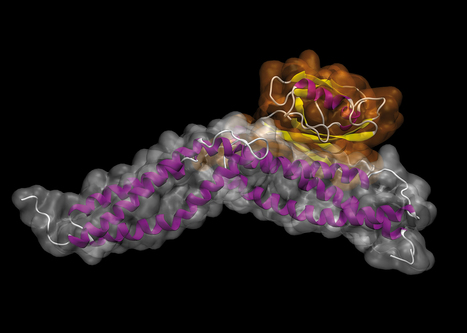





Despite the significant advances made in recent years, there are still a number of obstacles standing in the way of wider application of gene therapies. These include the efficient delivery of genetic material to target cells with minimal side effects using adeno-associated viral (AAV) vectors. AAV carriers have an advantageous safety profile and high gene transfer efficiency, which means they are often used in gene therapy and CRISPR/Cas gene editing. But AAVs have limited DNA uptake capacity and cannot reliably transport larger genes. A team of researchers has developed a new approach to overcome these drawbacks. This new method, dubbed REVeRT (reconstitution via mRNA trans-splicing), also uses the principle of dual AAV vectors. However, unlike previous technologies, it relies on the assembly of gene fragments divided at the transcriptional level. The team has already developed the method for ophthalmological applications in cell cultures, and has successfully evaluated it in animal models under a variety of conditions, for example to treat hereditary macular degeneration by gene therapy.