AGENDA 21 & AGENDA 2030: New Urban Agenda, Decentralisation, Local Governments, Cantons (Welfare State System)
22.1K views | +0 today
 
Scooped by KRII-KROTOASA RESEARCH-INTENSIVE INSTITUTE
onto AGENDA 21 & AGENDA 2030: New Urban Agenda, Decentralisation, Local Governments, Cantons (Welfare State System)
November 30, 2024 11:26 AM

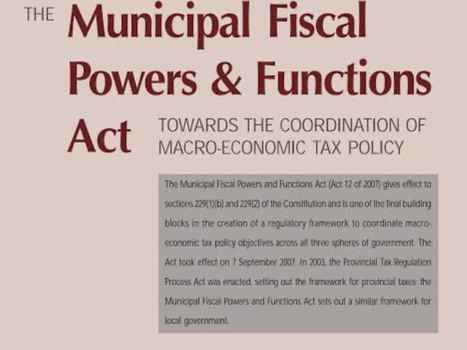
The Municipal Fiscal Powers & Functions Act - TOWARDS THE COORDINATION OF MACRO-ECONOMIC TAX POLICY

The Municipal Fiscal Powers & Functions Act - TOWARDS THE COORDINATION OF MACRO-ECONOMIC TAX POLICY | AGENDA 21 & AGENDA 2030: New Urban Agenda, Decentralisation, Local Governments, Cantons (Welfare State System) | Scoop.it


The Municipal Fiscal Powers and Functions Act (Act 12 of 2007) gives effect to sections 229(1)(b) and 229(2) of the Constitution and is one of the final building blocks in the creation of a regulatory framework to coordinate macro- economic tax policy objectives across all three spheres of government. The Act took effect on 7 September 2007. In 2003, the Provincial Tax Regulation Process Act was enacted, setting out the framework for provincial taxes; the Municipal Fiscal Powers and Functions Act sets out a similar framework for local government.


Purpose of the Act


The Municipal Fiscal Powers and Functions Act (the Act) aims to promote predictability, certainty and transparency in respect of municipal fiscal powers and functions and to ensure that these powers and functions are exercised in a manner that will not materially and unreasonably prejudice national economic policies, economic activities across municipal boundaries, or the national mobility of goods, services, capital or labour.


The Act regulates municipal taxes and surcharges referred to in section 229 of the Constitution, other than property rates (which are regulated by the Municipal Property Rates Act). The Act does not list or identify specific taxes which municipalities may enact. Responsibility for initiating a tax proposal rests with municipalities and organised local government (SALGA); they may propose any tax not prohibited by the Constitution. The Act further provides for the process and procedure necessary for the authorisation of taxes, levies and duties that municipalities may impose under section 229(1)(b) of the Constitution in a way that allows for the evaluation of applications for consistency with national economic policy and other constitutional requirements. It also regulates the exercise by municipalities of their power to impose surcharges on fees for services under section 229(1)(a) by empowering the Minister of Finance to prescribe norms and standards.


Although the importance of surcharges as a funding source to assist municipalities in meeting their expenditure obligations, especially for poverty alleviation and social and economic development, is acknowledged, these surcharges do increase the tax burden on consumers. It is therefore important to regulate the imposition of surcharges to ensure:

  • the reasonableness of the overall tax burden on consumers (who are also subject to provincial and national taxes); and

  • that surcharges on fees for services do not materially and unreasonably prejudice national economic policies, economic activities across municipal boundaries, or the national mobility of goods, services, capital or labour.


KEY POINTS


  • The Municipal Fiscal Powers and Functions Act is one of the final building blocks in the creation of a regulatory framework to coordinate the macro-economic tax policy objectives across all three spheres of government.

  • The Act aims to promote predictability, certainty and transparency in respect of municipal fiscal powers and functions.

  • It seeks to ensure that these powers and functions are exercised in a manner that will not materially and unreasonably prejudice national economic policies and economic activities across municipal boundaries.

  • Municipalities must ensure that any existing taxes and surcharges comply with the requirements of the Act within two years.

  • The Minister of Finance will announce a ong- term replacement for the RSC and JSB levies in the 2008 or 2009 budget.


Who is affected by the Act?


The Act has a direct impact and places various responsibilities on all municipalities. It also has indirect or ad hoc implications for other local government stakeholders, such as SALGA, the Financial and Fiscal Commission and sector departments regulating municipal services, such as the Department of Minerals and Energy, the Department of Water Affairs and Forestry, and the Department of Environmental Affairs and Tourism. For example, the National Electricity Regulator will need to review its current regulatory processes to exclude the surcharge component which currently forms part of the electricity reticulation tariff – that is, the tariff should only regulate the ‘base tariff’, as soon as regulations are issued to prescribe norms and surcharges on electricity reticulation services.


What are the immediate implications for municipalities?


If municipalities are considering the introduction of any new municipal tax, they must comply with the process prescribed in section 5 of the Act. In respect of existing municipal taxes, they must put in place a process to identify all taxes currently levied or imposed, after which they must apply for the continued imposition of the tax in terms of section 12 of the Act. In respect of surcharges, municipalities must ensure that surcharges on municipal services are affordable and reasonable, are set through a transparent process and are disclosed in accordance with section 75A of the Municipal Systems Act. Once the norms and standards for surcharges have been prescribed, municipalities must also comply with them.


When can a new municipal tax be introduced?


A municipality, group of municipalities, SALGA and/or the Minister of Finance (on his/her own accord) may apply for the introduction of a new municipal tax in terms of section 5 of the Act. A municipality may introduce a new municipal tax only after the Minister of Finance has:

  • notified the municipality, group of municipalities or SALGA and the minister responsible for local government, in writing, of his/her approval of the proposed municipal tax; and

  • prescribed regulations regarding the imposition and administration of a municipal tax or taxes. The regulations will, among other things, determine the date from which the municipal tax may be imposed (the commencement date must coincide with the start of a

municipal financial year), the collecting agent of the tax and any limitations placed on it.


What about existing municipal taxes?


All existing municipal taxes will be subjected to a verification process to determine whether they may be continued or should lapse. Municipalities must, by no later than 7 September 2009, apply to the Minister of Finance for the authorisation of any taxes imposed by them prior to the commencement of the Act on 7 September 2007, except for a regional establishment levy or regional services levy imposed under the Regional Services Council Act (Act 109 of 1985) or the KwaZulu and Natal Joint Services Act (Act 84 of 1990). An existing tax will lapse on 6 September 2009 if a municipality fails to apply for its authorisation or six months after the Minister of Finance has notified the municipality that an application is not approved.


What about surcharges?


With regard to surcharges, although municipalities can continue to levy current surcharges on municipal services as


What is a municipal tax?


In general a tax (‘levy’ and ‘duty’ have the same meaning) is a government charge which is not in return for a specific benefit. There is not necessarily a direct relationship between the tax payable and the benefits provided by government. Taxes are taken into general revenue and used for general purposes. The taxpayer receives no specific service in return for the payment of tax, but rather a set of general services such as municipal roads, street lighting and the like. Taxes may be contrasted with fees or user charges. For fees and user charges there is a direct link between the amount paid and the benefit provided.


What is a municipal surcharge?


A surcharge on a municipal service is a charge levied by a municipality in addition to the fee or tariff charged for the provision of the service. A surcharge is thus an indirect tax, as it is a payment in addition to the normal charge. Surcharges generated from trading services, such as water and electricity reticulation, are usually used by municipalities for the funding or subsidising of other essential municipal activities where limited or no charges are levied.

budgeted for, municipalities will have to reassess current practices as and when the regulations are made. In the interim, municipalities have been urged by the Treasury to ensure that surcharges on fees are affordable to all categories of users of all municipal services.


The Minister of Finance may prescribe compulsory national norms and standards for imposing municipal surcharges. The norms and standards may differentiate between different kinds of municipalities, types and levels of municipal services, categories of users, debtors and customers, consumption levels and geographic areas. The norms and standards may also determine:

  • maximum municipal surcharges that may be imposed;

  • the basis and intervals for increasing municipal

    surcharges; and

  • matters that must be assessed and considered by

    municipalities in imposing municipal surcharges on

    fees.
    Municipalities must comply with any norms and standards prescribed by the Minister of Finance when imposing a surcharge on fees for services. Municipalities must, as part of their budget preparation process, annually review any municipal surcharges and comply with the Municipal Systems Act relating to the manner in which fees, charges or tariffs are levied and how a resolution in that respect must be made known. The Minister of Finance may, where practicalities impede strict compliance with norms and standards, or on

application by a municipality, group of municipalities or SALGA, or of his/her own accord, exempt a municipality from complying with any norms and standards for a period and on the conditions determined in that notice.


Replacement of the RSC and JSB levies


Any permanent replacement(s) for the regional services council (RSC) and joint services board (JSB) levies will be dealt with in terms of the Act. Various medium- to long-term options to replace these levies were proposed in a discussion document by the National Treasury in December 2005. Replacement options, as listed in the discussion document and identified through the consultation process, are currently being evaluated in terms of the intergovernmental fiscal and taxation framework as well as the fiscal framework for local government so as to ensure that any replacement option will have limited negative economic impact, provide adequate revenue at acceptable rates and be easy to administer. The intention is for the Minister of Finance to announce long-term replacement options for the RSC and JSB levies as part of the 2008, or possibly 2009, budget.

This is an adapted version of MFPFA Circular No. 1: Introduction to the Municipal Fiscal Powers and Functions Act No. 12 of 2007, issued by the National Treasury. Many thanks to Ms Wendy Fanoe (wendy.fanoe@treasury.gov.za) for her kind assistance in this regard.


No comment yet.
AGENDA 21 & AGENDA 2030: New Urban Agenda, Decentralisation, Local Governments, Cantons (Welfare State System)
INTRODUCTION

The New Urban Agenda was adopted at the United Nations Conference on Housing and Sustainable Urban Development (Habitat III) in Quito, Ecuador, on 20 October 2016 this presents a paradigm shift based on the science of cities and lays out standards and principles for the planning, construction, development, management and improvement of urban areas.

The New Urban Agenda is intended as a resource for these different actors: Local and Regional Governments, Inter-Governmental Organisations, Civil Society Organisation (NGOs, CSOs, CBOs), Business and Industry/Private Sector, Children and Youth, Academia and Research, Professional Associations, Women, Indigenous People, Workers and Trade Unions, Grassroots and Informal Settlements, People with Disabilities, Older Persons, Media, Foundations and Philanthropists, Farmers and all who reside in urban spaces of the world.

The New Urban Agenda highlights linkages between sustainable urbanization and job creation, livelihood opportunities and improved quality of life, and it insists on incorporation of all these sectors in every urban development or renewal policy and strategy. It was endorsed by the United Nations General Assembly at its sixty-eighth plenary meeting of the seventy-first session on 23 December 2016.

The New Urban Agenda represents a "shared vision" (Africa is left behind)for a better and more sustainable future. If well-planned and well-managed, urbanization can be a powerful tool for sustainable development for "both developing" (not true) and developed countries.

1. AGENDA 2030: NEW URBAN AGENDA (NUA) is not AGENDA 2063 - Is AGENDA 2063 a diversion to prevent full participation and oversight by the AU and PAP in all processes of AGENDA 2030? - Is AGENDA 2030 the Re-Colonising AGENDA?

2. DECENTRALISATION - Will National Governments and National Parliaments be useful after Local Government Autonomy and Constitutional Amendments? Will these changes allow foreign Actors in our countries? Are we Africans facilitating Re-Colonisation?

3. Are Local Governments influenced or directed by Local Government Associations, assisted by Foreign Actors to control Agenda 2030? Who are the biggest foreign actors involve in AGENDA 2030?

4. CANTONS (Welfare States System) If Cantons/Local Governments was Economic Transformation for citizens, then why are Switzerland citizens on a Welfare State System. Why Decentralising Africa and who's will benefit?

5. WHY WAS AFRICA TRICKED OUT OF AGENDA 2030 TO ADOPT AGENDA 2063 in 2013? Why was Africa's Parliamentarians not capacitated on all AGENDA 2030 processes while been mandated to make laws and policies for implementation.


Your new post is loading...
Scooped by KRII-KROTOASA RESEARCH-INTENSIVE INSTITUTE
August 26, 11:36 PM

Zimbabwe Agenda 2030: Zim is on a Transformative Journey under President Mnangagwa   

Zimbabwe Agenda 2030: Zim is on a Transformative Journey under President Mnangagwa    | AGENDA 21 & AGENDA 2030: New Urban Agenda, Decentralisation, Local Governments, Cantons (Welfare State System) | Scoop.it

Zimbabwe

No comment yet.
Scooped by KRII-KROTOASA RESEARCH-INTENSIVE INSTITUTE
August 26, 11:30 PM

Zimbabwe Agenda 2030: Political Will drive Agenda 2030 in Zimbabwe

Zimbabwe Agenda 2030: Political Will drive Agenda 2030 in Zimbabwe | AGENDA 21 & AGENDA 2030: New Urban Agenda, Decentralisation, Local Governments, Cantons (Welfare State System) | Scoop.it

 Inclusivity 

No comment yet.
Scooped by KRII-KROTOASA RESEARCH-INTENSIVE INSTITUTE
August 26, 11:24 PM

Zimbabwe Agenda 2030: President Mnangagwa on Landmines Planted by Colonial Forces making land Economically Inactive for Agenda 2030 

Zimbabwe Agenda 2030: President Mnangagwa on Landmines Planted by Colonial Forces making land Economically Inactive for Agenda 2030  | AGENDA 21 & AGENDA 2030: New Urban Agenda, Decentralisation, Local Governments, Cantons (Welfare State System) | Scoop.it

Zimbabwe  

No comment yet.
Scooped by KRII-KROTOASA RESEARCH-INTENSIVE INSTITUTE
August 26, 11:19 PM

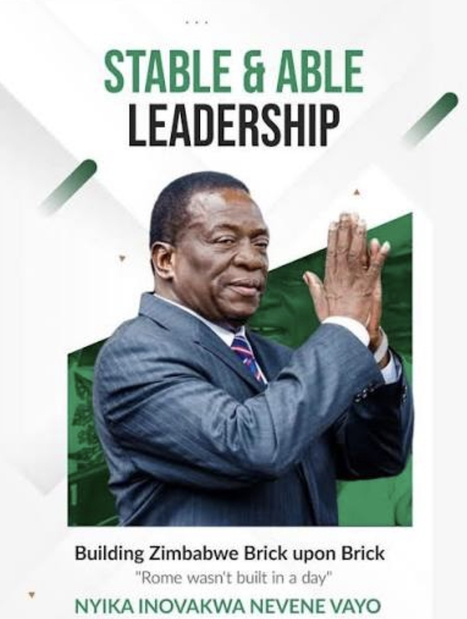
Zimbabwe Agenda 2030: Stable & Able Leadership 

Zimbabwe Agenda 2030: Stable & Able Leadership  | AGENDA 21 & AGENDA 2030: New Urban Agenda, Decentralisation, Local Governments, Cantons (Welfare State System) | Scoop.it

 Zimbabwe Vision 2030 

No comment yet.
Scooped by KRII-KROTOASA RESEARCH-INTENSIVE INSTITUTE
August 26, 11:13 PM

Zimbabwe Agenda 2030: President of Zimbabwe Lead Agenda 2030 

Zimbabwe Agenda 2030: President of Zimbabwe Lead Agenda 2030  | AGENDA 21 & AGENDA 2030: New Urban Agenda, Decentralisation, Local Governments, Cantons (Welfare State System) | Scoop.it

Towards Vision 2030  

No comment yet.
Scooped by KRII-KROTOASA RESEARCH-INTENSIVE INSTITUTE
August 26, 11:09 PM

Zimbabwe Agenda 2030: A President who Cares about Inclusive Development

Zimbabwe Agenda 2030: A President who Cares about Inclusive Development | AGENDA 21 & AGENDA 2030: New Urban Agenda, Decentralisation, Local Governments, Cantons (Welfare State System) | Scoop.it

Vision 2030 

No comment yet.
Scooped by KRII-KROTOASA RESEARCH-INTENSIVE INSTITUTE
August 26, 11:00 PM

Zimbabwe Agenda 2030: Hardworking Leadership

Zimbabwe Agenda 2030: Hardworking Leadership | AGENDA 21 & AGENDA 2030: New Urban Agenda, Decentralisation, Local Governments, Cantons (Welfare State System) | Scoop.it

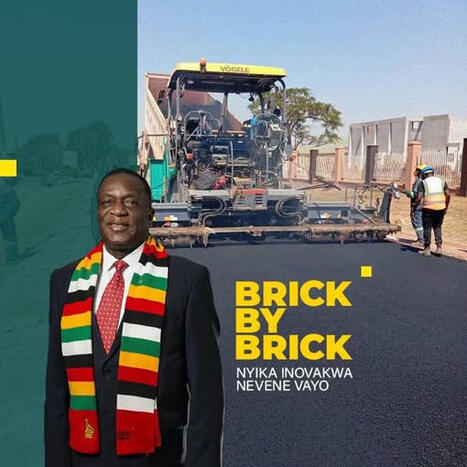
Brick by Brick, We’re Rebuilding Zimbabwe.

From vision to reality - every project, every innovation, every hardworking Zimbabwean is laying the foundation for a stronger, modern, and prosperous nation.

No comment yet.
Scooped by KRII-KROTOASA RESEARCH-INTENSIVE INSTITUTE
August 26, 10:55 PM

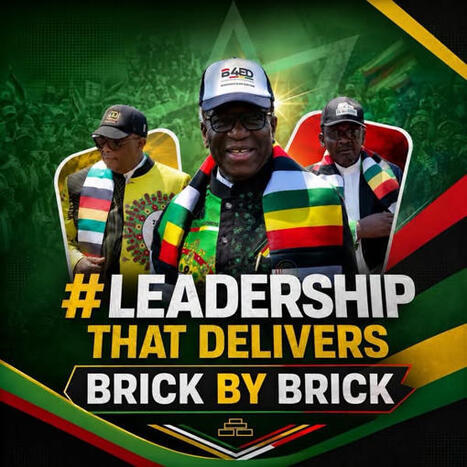
Zimbabwe Agenda 2030: Brick by Brick Leadership

Zimbabwe Agenda 2030: Brick by Brick Leadership | AGENDA 21 & AGENDA 2030: New Urban Agenda, Decentralisation, Local Governments, Cantons (Welfare State System) | Scoop.it
 
Brick by brick, leadership is delivering. The nation’s future is being built with resolve, each achievement adding strength, each step laying the groundwork for lasting progress. President Dr Emmerson Dambudzo Mnangagwa and his Vice Presidents stand as the architects of this journey, shaping a Zimbabwe that is rising with purpose.
#BrickByBrick
No comment yet.
Scooped by KRII-KROTOASA RESEARCH-INTENSIVE INSTITUTE
August 26, 9:49 PM

Zimbabwe Agenda 2030: Brick by Brick

Zimbabwe Agenda 2030: Brick by Brick | AGENDA 21 & AGENDA 2030: New Urban Agenda, Decentralisation, Local Governments, Cantons (Welfare State System) | Scoop.it

Building Zimbabwe

No comment yet.
Scooped by KRII-KROTOASA RESEARCH-INTENSIVE INSTITUTE
August 26, 9:35 PM

Agenda 2030: Great Vision is achieved because what we want is progress and growth of the nation

We are forever focused until the Great Vision is achieved because what we want is progress and growth of the nation👏👏

No comment yet.
Rescooped by KRII-KROTOASA RESEARCH-INTENSIVE INSTITUTE from ALKEBULAN INDIGENOUS
August 26, 9:30 PM

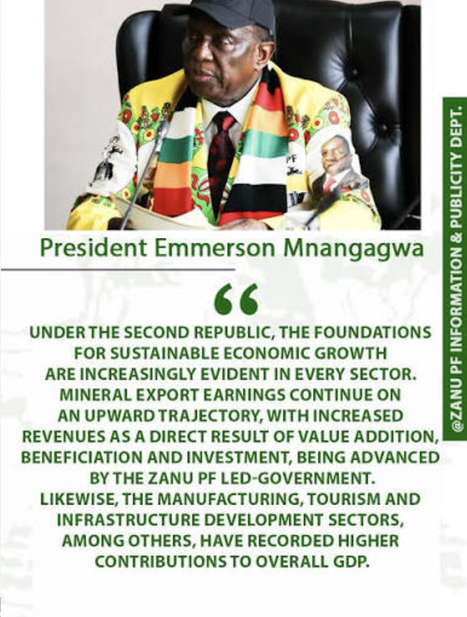
Zimbabwe Agenda 2030: Under the leadership of His Excellency President Emmerson Dambudzo Mangagwa, Zimbabwe continues to build, grow, and transform.


“Under the leadership of His Excellency President Emmerson Dambudzo Mangagwa, Zimbabwe continues to build, grow, and transform.


From infrastructure development, energy, mining, agriculture, and industrialisation, to job creation and investment, the Second Republic is delivering results that matter to every household.
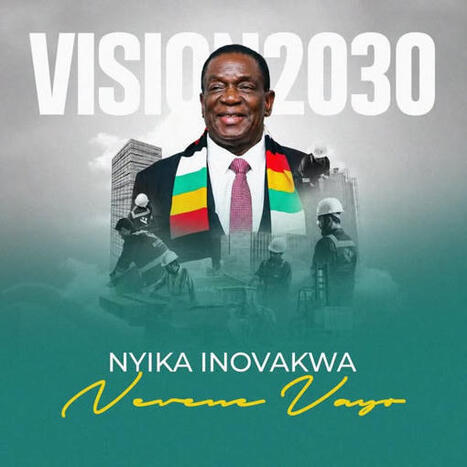
Vision 2030 is not just a slogan - it’s a roadmap to a prosperous, empowered, and middle-income Zimbabwe. Brick by brick, project by project, we are getting there.


#Vision2030 #EDWorks # Building Zimbabwe
#NyikalnovakwaNeveneVayo”

No comment yet.
Scooped by KRII-KROTOASA RESEARCH-INTENSIVE INSTITUTE
April 20, 2025 2:28 AM

Agenda 21 & Agenda 30: World Legislatures Media Control | C-SPAN.org  

Agenda 21 & Agenda 30: World Legislatures Media Control | C-SPAN.org   | AGENDA 21 & AGENDA 2030: New Urban Agenda, Decentralisation, Local Governments, Cantons (Welfare State System) | Scoop.it

All Series American History TV Book TV Washington Journal Congress Executive Supreme Court LOGIN  


Legislatures Around The World  


In 1979, the U.S. cable television industry created C-SPAN in order to put the U.S. House of Representatives on satellite, becoming the first television channel anywhere committed to live, gavel-to-gavel coverage of its national legislature. C-SPAN has since committed itself to assisting other organizations and individuals wanting to bring coverage of their legislatures to television.


View All

 
Alderney State Members No
Antigua and Barbuda Senate House of Representatives No No
Azerbaijan National Council No
British Virgin Islands House of Assembly No
Burkina Faso National Assembly No
Cayman Islands Legislative Assembly No
Central African Republic National Assembly No
Chad National Assembl No
ColombiaSenate Chamber of Representatives Yes No
Comoros Federal Assembly No
Cook Islands Parliament No
Croatia Parliament No
Cuba National Assembly of People's Power No

Democratic Republic of Congo Government No

Djibouti National Assembly of the Republic No
Dominica House of Assembly No
Dominican Republic Senate Chamber of Deputies No No
EEast Timor Parliament No
Egypt Parliament No
Equatorial Guinea House of Representatives No
Eritrea National Assembly No
Ethiopia Federation People's Representatives No

Falkland Islands Legislative Assembly No

Federated States of Micronesia Congress Yes
Gabon Senate National Assembly No No
Haiti Parliament No
Iceland Parliament. No

Macedonia Assembly of the Republic Yes

Malawi Parliament No
Malta Parliament No
Marshall Islands Parliament of the Republic No
Mauritania National Assembly No
Montserrat Legislative Assembly No
Myanmar Parliament No
Qatar. Consultative Assembly  No
Republic of Congo Transitional Council No
Saint Helena. Legislative Council  No
Saint Kitts and Nevis. National Assembly No
Saint Vincent and the Grenadines. House of Assembly  No
Samoa. Legislative Assembly  No
Sao Tome and Principe. Parliament  No
Saudi Arabia. Consultative Council No
Sierra Leone. Parliament  No
Singapore. Parliament No
Solomon Islands. National Parliament  No
Somalia People's Assembly No
Sri Lanka Parliament Yes
Tajikistan. Parliament  No
Tokelau. General Fon No
Tunisia. Chamber of Advisors. Chamber of Deputies  No  No
Turkmenistan. People's Council No
Turks and Caicos  House of Assembly No
Tuvalu. Parliament No
No comment yet.
Scooped by KRII-KROTOASA RESEARCH-INTENSIVE INSTITUTE
April 20, 2025 2:19 AM

AGENDA 21:  C-SPAN.org - Media Global Mission 

AGENDA 21:  C-SPAN.org - Media Global Mission  | AGENDA 21 & AGENDA 2030: New Urban Agenda, Decentralisation, Local Governments, Cantons (Welfare State System) | Scoop.it


C-SPAN is a public service created by the American Cable Television Industry

  • To provide C-SPAN's audience access to the live gavel-to-gavel proceedings of the U.S. House of Representatives and the U.S. Senate, and to other forums where public policy is discussed, debated and decided––all without editing, commentary or analysis and with a balanced presentation of points of view;
  • To provide elected and appointed officials and others who would influence public policy a direct conduit to the audience without filtering or otherwise distorting their points of view;
  • To provide the audience, through the call-in program, direct access to elected officials, other decision makers and journalists on a frequent and open basis;
  • To employ production values that accurately convey the business of government rather than distract from it; and
  • To conduct all other aspects of its operations consistent with these principles.


No comment yet.
Scooped by KRII-KROTOASA RESEARCH-INTENSIVE INSTITUTE
August 26, 11:34 PM

Zimbabwe Agenda 2030: Transforming Zimbabwe 

Zimbabwe Agenda 2030: Transforming Zimbabwe  | AGENDA 21 & AGENDA 2030: New Urban Agenda, Decentralisation, Local Governments, Cantons (Welfare State System) | Scoop.it

Zimbabwe 

No comment yet.
Scooped by KRII-KROTOASA RESEARCH-INTENSIVE INSTITUTE
August 26, 11:28 PM

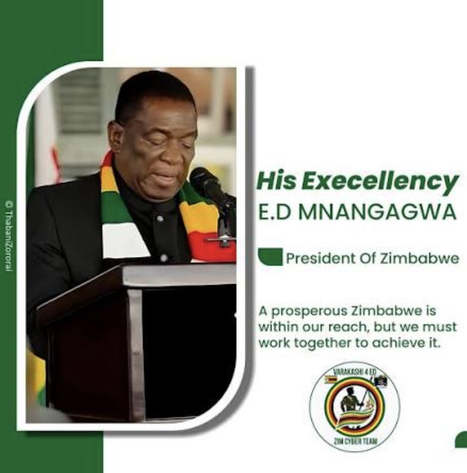
Zimbabwe Agenda 2030: His Excellency E.D Mnangagwa 

Zimbabwe Agenda 2030: His Excellency E.D Mnangagwa  | AGENDA 21 & AGENDA 2030: New Urban Agenda, Decentralisation, Local Governments, Cantons (Welfare State System) | Scoop.it


A prosperous Zimbabwe is within our reach but we must work together to achieve it.

No comment yet.
Scooped by KRII-KROTOASA RESEARCH-INTENSIVE INSTITUTE
August 26, 11:20 PM

Zimbabwe Agenda 2030: President Emmerson Mnangagwa 

Zimbabwe Agenda 2030: President Emmerson Mnangagwa  | AGENDA 21 & AGENDA 2030: New Urban Agenda, Decentralisation, Local Governments, Cantons (Welfare State System) | Scoop.it

Vision 2030 

No comment yet.
Scooped by KRII-KROTOASA RESEARCH-INTENSIVE INSTITUTE
August 26, 11:17 PM

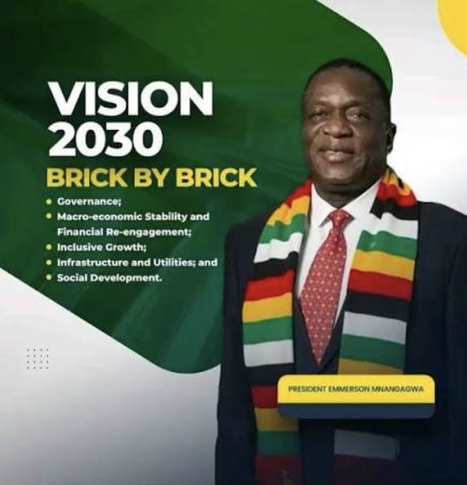
Zimbabwe Agenda 2030: President Highlight Main Priorities of Vision 2030

Zimbabwe Agenda 2030: President Highlight Main Priorities of Vision 2030 | AGENDA 21 & AGENDA 2030: New Urban Agenda, Decentralisation, Local Governments, Cantons (Welfare State System) | Scoop.it


Vision 2030 Priorities


1. Governance

2. Macro-economic Stability and Financial Re-engagement

3. Inclusive Growth

4. Infrastructure and Utilities and 

5. Social Development

No comment yet.
Scooped by KRII-KROTOASA RESEARCH-INTENSIVE INSTITUTE
August 26, 11:11 PM

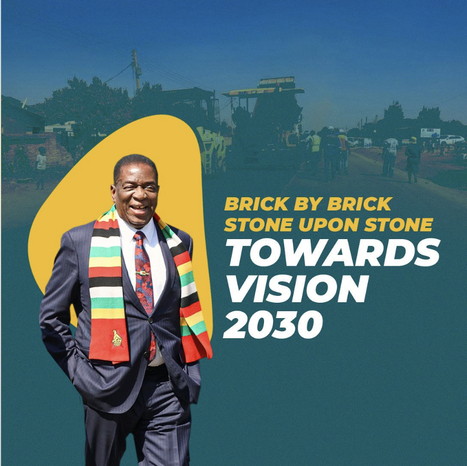
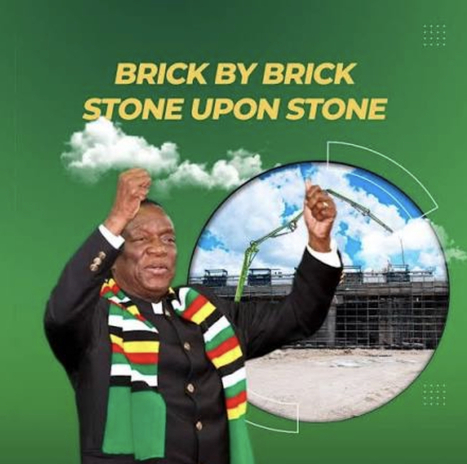
Zimbabwe Agenda 2030: Brick by Brick

Zimbabwe Agenda 2030: Brick by Brick | AGENDA 21 & AGENDA 2030: New Urban Agenda, Decentralisation, Local Governments, Cantons (Welfare State System) | Scoop.it

 Agenda 2030 - Brick by Brick, Stone Upon Stone 

No comment yet.
Scooped by KRII-KROTOASA RESEARCH-INTENSIVE INSTITUTE
August 26, 11:07 PM

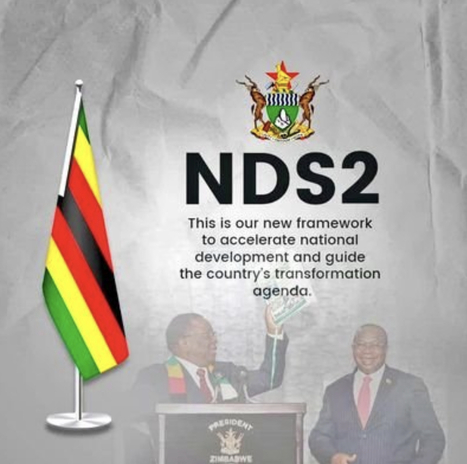
Zimbabwe Agenda 2030: Accelerate National Development and Guide Transformational Agenda

Zimbabwe Agenda 2030: Accelerate National Development and Guide Transformational Agenda | AGENDA 21 & AGENDA 2030: New Urban Agenda, Decentralisation, Local Governments, Cantons (Welfare State System) | Scoop.it


Zimbabwe NDS2:


This is our new framework to accelerate national development and guide the country's transformational agenda

No comment yet.
Scooped by KRII-KROTOASA RESEARCH-INTENSIVE INSTITUTE
August 26, 10:58 PM

Zimbabwe Agenda 2030: Zimbabwe is now ranked number 7

Zimbabwe Agenda 2030: Zimbabwe is now ranked number 7 | AGENDA 21 & AGENDA 2030: New Urban Agenda, Decentralisation, Local Governments, Cantons (Welfare State System) | Scoop.it
 
Zimbabwe is now ranked number 7 in Africa for having the best road infrastructure according to an International Monetary Fund report on road quality and average speed scores.
 
This remarkable achievement is attributed to the Second Republic's Emergency Road Rehabilitation Program (ERRP), which plays a pivotal role in the upgrading and construction of roads, which contribute significantly to the quality of road network across the country.
 
#EDWORKS towards #Vision2030
No comment yet.
Scooped by KRII-KROTOASA RESEARCH-INTENSIVE INSTITUTE
August 26, 9:55 PM

Zimbabwe Agenda 2030: FRIENDS OF RTD GENERAL VP CGDN CHIWENGA | Brick by brick, leadership is delivering

Zimbabwe Agenda 2030: FRIENDS OF RTD GENERAL VP CGDN CHIWENGA | Brick by brick, leadership is delivering | AGENDA 21 & AGENDA 2030: New Urban Agenda, Decentralisation, Local Governments, Cantons (Welfare State System) | Scoop.it
FRIENDS OF RTD GENERAL VP CGDN CHIWENGA
  · 
Tinotenda Chibage Nyamhandu ·t͏r͏n͏s͏S͏d͏p͏o͏e͏o͏7͏c͏9͏a͏A͏m͏f͏ ͏u͏l͏u͏1͏t͏0͏0͏u͏8͏c͏a͏:͏ ͏7͏ ͏8͏m͏s͏a͏9͏i͏f͏0͏g͏4͏h͏A͏ ͏g͏4͏t͏u͏M͏0͏2͏7͏g͏6͏u͏1͏a͏0͏ ·
 
Brick by brick, leadership is delivering. The nation’s future is being built with resolve, each achievement adding strength, each step laying the groundwork for lasting progress. President Dr Emmerson Dambudzo Mnangagwa and his Vice Presidents stand as the architects of this journey, shaping a Zimbabwe that is rising with purpose.
 
#BrickByBrick
No comment yet.
Scooped by KRII-KROTOASA RESEARCH-INTENSIVE INSTITUTE
August 26, 9:40 PM

Zimbabwe Agenda 2030: Moving Towards Vision 2030

No comment yet.
Scooped by KRII-KROTOASA RESEARCH-INTENSIVE INSTITUTE
August 26, 9:32 PM

Agenda 2030: So many modern buildings are rising across Zimbabwe under President ED Mnangagwa’s leadership

So many modern buildings are rising across Zimbabwe under President ED Mnangagwa’s leadership. The country is literally changing before our eyes brick by brick, stone upon stone! 🇿🇼

No comment yet.
Rescooped by KRII-KROTOASA RESEARCH-INTENSIVE INSTITUTE from ALKEBULAN INDIGENOUS
August 26, 9:29 PM

Zimbabwe Agenda 2030: Building Zimbabwe Brick by Brick


Zimbabwe is being built brick by brick - with focus, vision, and unwavering determination.


Under the leadership of President Mnangagwa, we are steadily moving forward. NaBaba Mnangagwa, tinosvika chete.


No comment yet.
Scooped by KRII-KROTOASA RESEARCH-INTENSIVE INSTITUTE
April 20, 2025 2:22 AM

Agenda 21: C-SPAN.org Media History

Agenda 21: C-SPAN.org Media History | AGENDA 21 & AGENDA 2030: New Urban Agenda, Decentralisation, Local Governments, Cantons (Welfare State System) | Scoop.it


C‑SPAN is a public service.


We are a non-profit created in 1979 by a then-new industry called cable television. Today, we remain true to our founding principles, providing gavel-to-gavel coverage of the workings of the U.S. Congress, both the House of Representatives and Senate, without editing, commentary or analysis.


Over the years, we've grown to be so much more than simply one television channel. You can find C‑SPAN on three television channels, online, on radio, in newsletters, through podcasts, on social platforms including X, Instagram , Facebook , TikTok , Threads and YouTube and on a mobile app, C‑SPAN Now. In addition to Congress, we've grown to cover a wide variety of public policy and political events from campaign stops to press briefings and panel discussions to author interviews. In so doing, we promote open and transparent dialogue between the public and their elected and appointed officials – and those campaigning for office.


Underpinning this impartial, balanced coverage is the fact that no government or taxpayer dollars support C‑SPAN, as we continue to be primarily funded as a public service from your cable or satellite provider. We have recently begun to diversify our revenue streams by placing limited advertising on our digital platforms and by taking donations from viewers .

C‑SPAN began with only four employees: Brian Lamb, Jana Dabrowski Fay, Don Houle and Brian Lockman. Those four transmitted the first television feed from the U.S. House of Representatives to C‑SPAN viewers on March 19, 1979, the first day the House allowed television coverage of its floor debates. That televised congressional session began with a one-minute speech by then-Congressman Al Gore and reached just 3 million American homes.


For C‑SPAN founder Brian Lamb the televised House feed was only the beginning. C‑SPAN added what became its signature call-in programs the following year to provide a direct conduit between the public and the nation's political leaders. That direct viewer-to-leader dialogue of current events continues each day on the Washington Journal.

In 1982, the network expanded from eight to 16, and then 24 hours, enabling it to add a wider variety of public affairs programming to viewers while maintaining its commitment to carry the proceedings of the U.S. House.


In 1986, the U.S. Senate voted to televise its debates, and C‑SPAN launched a second channel, C‑SPAN2, to provide unfiltered, gavel-to-gavel access to that body.

When the House and Senate are in session, C‑SPAN voluntarily commits to covering both bodies live and in their entirety - there is no contract with Congress to carry its proceedings.

In 2001, C‑SPAN3 was launched to provide access to additional public affairs events, particularly live coverage of key congressional hearings.

Beginning in 1998, weekends on C‑SPAN2 became Book TV which covers non-fiction book and author events. In 2011, weekends on C‑SPAN3 became American History TV to offer historical lectures, oral histories and special history series. Today, both continue each weekend on C‑SPAN2.


C‑SPAN also extensively covers the president and the executive branch, including regular coverage of the daily White House and Department of State briefings. Coverage of the Supreme Court has been more challenging. Beginning in 1988, with a letter to then-Chief Justice William Rehnquist, C‑SPAN has consistently called for the Supreme Court to allow cameras to cover its approximately 75 hours of annual oral arguments. To date, the court has refused this request, however starting in 2020, they have provided a live audio feed of their oral arguments which we provide to our audience. The network has televised more than 100 oral arguments before federal courts as well as many state supreme courts.

In 1993, C‑SPAN created the C‑SPAN Bus, a 45-foot interactive learning center to travel across the nation visiting schools and community events in partnership with C‑SPAN's cable providers. Bus visitors engage with C‑SPAN representatives and interactive tools to learn about our unique public affairs programming and online resources. In 2021, after 26 years on the road and multiple visits to all 50 states, the C‑SPAN Bus was retired.


In 1997, we added C‑SPAN Radio, available in the Washington, D.C., area and via a mobile app.

In 2010, C‑SPAN launched the Video Library. All C‑SPAN content, since 1987, is archived on our website and is free for public use – now with nearly 300,000 hours of searchable and shareable content - and growing every day.


In 2021, C‑SPAN launched our free mobile app, C‑SPAN Now, featuring the day's biggest political events. Users are able to watch live and on demand videos or the most recent government events on C‑SPAN. In 2023, C‑SPAN launched our connected-TV app, C‑SPAN Select, available in Comcast/Xfinity and Charter/Spectrum service areas.

Our deep multi-platform presence – television, audio, social platforms, mobile and connected-TV apps and our website – makes C‑SPAN the go-to resource for political journalists, Capitol Hill staff, members of Congress and the interested public. In the current media marketplace, there's no other place quite like C‑SPAN, and perhaps none more trusted. C‑SPAN’s highly motivated viewers know they are getting a unique product, one with a special place in the news media.

C‑SPAN is the recipient of dozens of national awards and citations, including three George Foster Peabody Awards: one for institutional excellence in 1993, one in the historical documentary category for its 1999 American Presidents series, and one in 2011 for the C‑SPAN online Video Library.

Forty-five years ago, C‑SPAN first put the U.S. House of Representatives on television, opening a window for viewers to get an unfiltered view of government. While Washington may have changed, we haven't. Our unblinking eye on Congress and public debate continues. The window is still open, giving the world a front-row-seat to democracy – allowing you to make up your own mind.

No comment yet.