AGENDA 21 & AGENDA 2030: New Urban Agenda, Decentralisation, Local Governments, Cantons (Welfare State System)
22.1K views | +6 today
 
Scooped by KRII-KROTOASA RESEARCH-INTENSIVE INSTITUTE
onto AGENDA 21 & AGENDA 2030: New Urban Agenda, Decentralisation, Local Governments, Cantons (Welfare State System)
August 31, 2024 7:42 AM

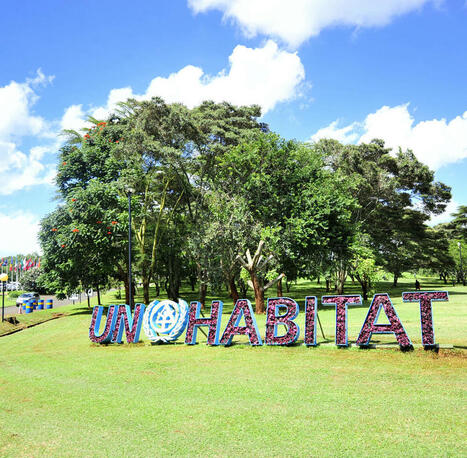
Learn more about us | UN-Habitat

Learn more about us | UN-Habitat | AGENDA 21 & AGENDA 2030: New Urban Agenda, Decentralisation, Local Governments, Cantons (Welfare State System) | Scoop.it
Learn more about us
 
  1. HOME
  2. ABOUT US
  3. LEARN MORE


UN-Habitat is the United Nations programme working towards a better urban future. Its mission is to promote socially and environmentally sustainable human settlements development and the achievement of adequate shelter for all.

Cities are facing unprecedented demographic, environmental, economic, social and spatial challenges. There has been a phenomenal shift towards urbanization, with 6 out of every 10 people in the world expected to reside in urban areas by 2030. Over 90 per cent of this growth will take place in Africa, Asia, Latin America, and the Caribbean. In the absence of effective urban planning, the consequences of this rapid urbanization will be dramatic.

In many places around the world, the effects can already be felt: lack of proper housing and growth of slums, inadequate and outdated infrastructure – be it roads, public transport, water, sanitation, or electricity – escalating poverty and unemployment, safety and crime problems, pollution and health issues, as well as poorly managed natural or man-made disasters and other catastrophes due to the effects of climate change. Mindsets, policies, and approaches towards urbanization need to change in order for the growth of cities and urban areas to be turned into opportunities that will leave nobody behind. UN-Habitat, the United Nations programme for human settlements, is at the helm of that change, assuming a natural leadership and catalytic role in urban matters.

In October 2016, at the UN Conference on Housing and Sustainable Urban Development – Habitat III – member states signed the New Urban Agenda. This is an action-oriented document which sets global standards of achievement in sustainable urban development, rethinking the way we build, manage, and live in cities. Through drawing together cooperation with committed partners, relevant stakeholders, and urban actors, including at all levels of government as well as the private sector, UN-Habitat is applying its technical expertise, normative work and capacity development to implement the New Urban Agenda and Sustainable Development Goal 11 – to make cities inclusive, safe, resilient and sustainable.

Mandated by the UN General Assembly in 1978 to address the issues of urban growth, it is a knowledgeable institution on urban development processes, and understands the aspirations of cities and their residents. For forty years, UN-Habitat has been working in human settlements throughout the world, focusing on building a brighter future for villages, towns, and cities of all sizes. Because of these four decades of extensive experience, from the highest levels of policy to a range of specific technical issues, UN-Habitat has gained a unique and a universally acknowledged expertise in all things urban.

This has placed UN-Habitat in the best position to provide answers and achievable solutions to the current challenges faced by our cities. UN-Habitat is capitalizing on its experience and position to work with partners in order to formulate the urban vision of tomorrow. It works to ensure that cities become inclusive and affordable drivers of economic growth and social development.


Developing a holistic and global approach towards urbanization
 

Cities need to be green and manageable in a sustainable way, as well as future foot print in tune with the environment. Furthermore, cities must ultimately become blooming places for the self-fulfillment of all residents. UN-Habitat has therefore developed a holistic and global approach towards urbanization that embraces much more than just technical considerations. Beyond its traditional core areas — such as city planning, infrastructure development, and participatory slum upgrading — UN-Habitat, today, also focuses on urban legislation and risk management, as well as gender, youth and capacity building for all actors involved in the urbanization process.

UN-Habitat undertakes cutting edge research on urban trends, with the resulting flagship reports being authoritative and highly regarded within the urban development community. Through its global advocacy platforms such as the World Urban Campaign (WUC), and events, such as the World Urban Forum  (WUF), UN-Habitat also establishes think tanks and networks that enable governments, experts, civil society groups, multilateral organizations, private sector, and all other development partners to jointly address present and future urban predicaments.


Worldwide presence
UN-Habitat is active in over 90 countries around the world during 2014 to 2019. UN-Habitat manages this work through its headquarters (the UN-Habitat Secretariat) in Nairobi, Kenya, as well as through four regional offices, one for Latin America and the Caribbean in Rio de Janeiro, Brazil, one for Asia and the Pacific in Fukuoka, Japan, one for the Arab States in Cairo, Egypt, and one for Africa also based in Nairobi, Kenya. UN-Habitat also has several liaison and information offices around the world.

UN-Habitat’s work depends on close partnerships with national and local governments, helping authorities and institutions to identify and address their specific needs. Despite UN-Habitat’s tremendous efforts to prevent uncoordinated human settlement growth and urbanization issues from becoming the world’s next major crisis after climate change, this challenge still requires involvement from all sectors of society. Governments, policy makers, experts, media actors, and members of the public are all vital to addressing the massive urban challenges that we face today, and we encourage everyone to get involved in transforming our shared urban future.


Funding
 

Most of UN-Habitat’s funding comes from voluntary contributions from governmental and intergovernmental donors, while the UN General Assembly provides part of the regular budget. Other UN bodies, local authorities, the private sector, and multilateral organizations provide funds for specific projects (termed “earmarked” or “non-core activities”). These are UN-Habitat’s sources of funding:

  • Regular budget allocations, which are approved by the UN General Assembly, entering the core funding

  • General purpose contributions, which are non-earmarked voluntary contributions from governments to support core funding and the implementation of the approved work programme

  • Special contributions, which are earmarked voluntary contributions from governments and other donors for the implementation of specific activities in the work programme and are consistent with the UN-Habitat mandate

  • Technical cooperation contributions, which are earmarked resources from governments and other donors for the implementation of country-level activities


History, mandate & role in the UN system
 

Although the UN General Assembly had already urged its members before on several occasions to address urbanization issues, it is only in the 1970s that tangible yet timid actions were taken to deal with the rapid and often uncontrolled growth of cities. On 1 January 1975, the UN General Assembly established the United Nations Habitat and Human Settlements Foundation (UNHHSF), the first official UN body dedicated to urbanization. Then under the umbrella of the United Nations Environment Programme (UNEP), its task was to assist national programmes relating to human settlements through the provision of capital and technical assistance, particularly in developing countries. The UNHHSF was only given an initial budget of 4 million US dollars for a total period of four years.

At the time, urbanization and its impacts were less prominent in the UN agenda, mainly because two-thirds of humanity was still rural. The first international UN conference to fully recognize the challenge of urbanization was held in 1976 in Vancouver, Canada. This conference – Habitat I – resulted in the creation, on 19 December 1977, of the precursors of UN-Habitat: the United Nations Commission on Human Settlements – an intergovernmental body – and the United Nations Centre for Human Settlements (commonly referred to as “Habitat”), which served as the executive secretariat of the Commission.

Habitat was then also mandated to manage the UNHHSF funds. From 1978 to 1996, with meagre financial and political support, Habitat struggled to prevent and to ameliorate problems stemming from massive urban growth, particularly in developing countries. In 1996, the United Nations held a second conference on cities – Habitat II – in Istanbul, Turkey to assess two decades of progress since Habitat I in Vancouver and to set fresh goals for the new millennium. Adopted by 171 countries, the political document – dubbed the Habitat Agenda – that came out of this “city summit” contained over 100 commitments and 600 recommendations.
From 1997 to 2002, Habitat – guided by the Habitat Agenda and, later, the United Nations Millennium Declaration in 2000 – underwent a major revitalization, using its experience to identify emerging priorities for sustainable urban development and to make needed adjustments and corrections in its direction and organizational structure. On 1 January 2002, through General Assembly Resolution A/56/206, Habitat’s mandate was strengthened and its status elevated to a fully-fledged programme in the UN system, giving birth to UN-Habitat, the United Nations Human Settlements Programme. Key recommendations and fine tuning of the agenda were now underway, along with new strategies for achieving the urban development and shelter goals and targets for the next 15 years.

In 2015, member states approved the Sustainable Development Goals including a dedicated goal for urban development, SDG11 which calls to “Make cities and human settlements inclusive, safe, resilient and sustainable.” A year later, at the UN Conference on Housing and Sustainable Urban Development – Habitat III – member states signed the New Urban Agenda. This is an action-oriented document which sets global standards of achieving SDG11, rethinking the way we build, manage, and live in cities.


UN-Habitat, the United Nations Human Settlements Programme, is mandated by the UN General Assembly to promote socially and environmentally sustainable towns and cities. It is the focal point for all urbanization and human settlement matters within the UN system. The main documents outlining UN-Habitat’s mandate are the Vancouver Declaration on Human Settlements (Habitat I), the Istanbul Declaration on Human Settlements (Habitat II and the Habitat Agenda), the Declaration on Cities and Other Human Settlements in the New Millennium, and Resolution 56/206. UN-Habitat’s current mandate is also shaped by the United Nations General Assembly resolution 3327 (XXIX), which, in 1975, established the United Nations Habitat and Human Settlements Foundation (UNHHSF).

The mandate was expanded in 1977 through resolution 32/162, which transformed the Committee on Housing, Building, and Planning into the Commission on Human Settlements. This Commission, comprising fifty-eight member countries, was serviced by the Centre for Human Settlements (also known as “Habitat”) that served as the focal point for human settlements actions and the coordination of activities within the United Nations system. Later, in 2002, through resolution 56/206, the UN General Assembly merged the UNHHSF foundation, the Commission on Human Settlements, and Habitat into UN-Habitat, a fully-fledged UN programme managed by its own secretariat and headed by its own Executive Director (who is also a UN Under-Secretary General).

The mandate of UN-Habitat is further derived from other internationally agreed upon development goals, including those established in the United Nations Millennium Declaration (Assembly resolution 55/2) — in particular the target on achieving a significant improvement in the lives of at least 100 million slum-dwellers by the year 2020,* and the target to halve the proportion of people without sustainable access to safe drinking water and basic sanitation by the year 2015.** Through the UN General Assembly resolution 65/1, Member States also committed themselves to continue working towards cities without slums, beyond current targets, by reducing slum populations and improving the lives of slum-dwellers.

This target has already been achieved in 2013, seven years ahead of target. Nevertheless, the overall number of slum dwellers has increased due to more people from the informal settlements losing employment and arriving into slums than those leaving, calling for more efforts and actions than ever to curb this trend. ** From the Plan of Implementation of the World Summit on Sustainable Development


The Istanbul Declaration on Human Settlements (Habitat II) and the Habitat Agenda
In 1996, the UN General Assembly organized the Second United Nations Conference on Human Settlements in Istanbul, Turkey to assess the member nations’ progress made towards tackling urbanization issues since the Vancouver Declaration (Habitat I) 20 years before. During the conference, held from 3 to 14 June 1996, the participating governments acknowledged a global deterioration of shelter and living conditions, already attaining crisis proportions in several countries of the developing world. The urgency of immediate and bold action became clear to all, resulting in the proclamation of the Habitat Agenda, a strategic plan adopted by 171 countries and containing over 100 commitments and 600 recommendations.

Stating that “cities must be places where human beings lead fulfilling lives in dignity, good health, safety, happiness and hope,” it also formulated UN-Habitat’s (then still the Habitat Commission) current main twin goals, namely 1) to ensure adequate shelter for all and 2) to guarantee sound development of human settlements in an urbanizing world. To improve the quality of life within urban areas and human settlements, the Habitat Agenda outlined several focal areas necessary for efficient urban development, such as proper urban planning and access to basic services, infrastructure, and adequate housing. Economic, social, cultural, spiritual, and environmental concerns were also taken into account.

Already advocating decentralized systems, the Habitat Agenda moreover stipulated that financial and institutional capacities of municipalities and local authorities be strengthened, thus creating a streamlined and more enabling environment to solve the problems of rapidly growing cities at the ground level. Furthermore, it was stressed that more responsibilities be taken by the private sector to help address human settlements growth, joining in the efforts of governments and local authorities. Likewise, the UN General Assembly agreed to strengthen the Habitat Commission, both in its mandate and financially in order to help member states achieve the goals and commitments set by the Habitat Agenda.


The Declaration on Cities and Other Human Settlements in the New Millennium
 

On 9 June 2001, the UN General Assembly adopted the Declaration on Cities and Other Human Settlements in the New Millenium. This declaration reaffirmed the fundamentals of the Habitat Agenda and renewed the commitments made during the Habitat II conference in Istanbul. It also noted with great concern that, despite governments’ continued efforts to fulfill their commitments in regards to the Habitat Agenda, the general situation of human settlements was still worsening in many countries. Widespread poverty still remained the core obstacle to sustainable development in numerous places. In addition to working towards the goals set by the Habitat Agenda, it was decided that UN-Habitat would concentrate on more efficient poverty eradication strategies.

This, in turn, required not only renewed political will, but also the mobilization and allocation of new and additional resources at both the national and international levels. The Declaration asked developed countries to enact their commitment (first pledged in 1970 during the UN General Assembly) to contribute 0.7% of their gross national product (GNP) to official development work in general, in addition to looking into solutions to relieve the external debt burden of developing countries. In the Declaration, it was further resolved to empower local authorities, non-governmental organizations, and other Habitat Agenda actors beyond the government level, with the aim of including more partners – many of which were already in possession of valuable and untapped urban knowledge – in the shelter and human settlements development endeavours. Efforts were also directed toward providing urban dwellers with appropriate housing finance, supporting savings mechanisms in the informal sector, and strengthening regulatory and legal frameworks in regards to housing finance.

Furthermore, the declaration advocated popularizing the use of adequate and sustainable building materials and technologies, with the aim of providing low-cost housing and services within the reach of the poor, especially in slums and unplanned settlements. The declaration also reiterated the aim of the “Cities without Slums” initiative to make a significant improvement in the lives of at least 100 million slum dwellers by 2020.


Strengthening UN-Habitat's mandate: Resolution 56/206
In 2002, the UN General Assembly adopted resolution 25/206, strengthening the mandate and status of the Commission on Human Settlements and the status, role, and functions of the United Nations Centre for Human Settlements (Habitat). Effective from 1 January 2002, the resolution transformed the United Nations Centre for Human Settlements into a direct subsidiary organ of the UN General Assembly, the United Nations Human Settlements Programme, to be known as UN-Habitat. Likewise, the Commission on Human Settlements – the intergovernmental decision-making body – then became the Governing Council (GC) of UN-Habitat.

It was decided that the Governing Council would be composed of fifty-eight members, to be elected by the UN’s Economic and Social Council for four-year terms. Sixteen members were to be elected from the African States, thirteen from Asian and Pacific States, six from the Eastern European States, ten from Latin American and Caribbean States, and thirteen from Western European and other States. The resolution also mandated UN-Habitat to manage and oversee the United Nations Habitat and Human Settlements Foundation (UNHHSF), the body receiving funds and distributing financial assistance to urban development programmes. It furthermore placed utmost emphasis on the implementation of the Habitat Agenda, with a particular focus on attaining the goals of adequate shelter for all and sustainable development of human settlements.


No comment yet.
AGENDA 21 & AGENDA 2030: New Urban Agenda, Decentralisation, Local Governments, Cantons (Welfare State System)
INTRODUCTION

The New Urban Agenda was adopted at the United Nations Conference on Housing and Sustainable Urban Development (Habitat III) in Quito, Ecuador, on 20 October 2016 this presents a paradigm shift based on the science of cities and lays out standards and principles for the planning, construction, development, management and improvement of urban areas.

The New Urban Agenda is intended as a resource for these different actors: Local and Regional Governments, Inter-Governmental Organisations, Civil Society Organisation (NGOs, CSOs, CBOs), Business and Industry/Private Sector, Children and Youth, Academia and Research, Professional Associations, Women, Indigenous People, Workers and Trade Unions, Grassroots and Informal Settlements, People with Disabilities, Older Persons, Media, Foundations and Philanthropists, Farmers and all who reside in urban spaces of the world.

The New Urban Agenda highlights linkages between sustainable urbanization and job creation, livelihood opportunities and improved quality of life, and it insists on incorporation of all these sectors in every urban development or renewal policy and strategy. It was endorsed by the United Nations General Assembly at its sixty-eighth plenary meeting of the seventy-first session on 23 December 2016.

The New Urban Agenda represents a "shared vision" (Africa is left behind)for a better and more sustainable future. If well-planned and well-managed, urbanization can be a powerful tool for sustainable development for "both developing" (not true) and developed countries.

1. AGENDA 2030: NEW URBAN AGENDA (NUA) is not AGENDA 2063 - Is AGENDA 2063 a diversion to prevent full participation and oversight by the AU and PAP in all processes of AGENDA 2030? - Is AGENDA 2030 the Re-Colonising AGENDA?

2. DECENTRALISATION - Will National Governments and National Parliaments be useful after Local Government Autonomy and Constitutional Amendments? Will these changes allow foreign Actors in our countries? Are we Africans facilitating Re-Colonisation?

3. Are Local Governments influenced or directed by Local Government Associations, assisted by Foreign Actors to control Agenda 2030? Who are the biggest foreign actors involve in AGENDA 2030?

4. CANTONS (Welfare States System) If Cantons/Local Governments was Economic Transformation for citizens, then why are Switzerland citizens on a Welfare State System. Why Decentralising Africa and who's will benefit?

5. WHY WAS AFRICA TRICKED OUT OF AGENDA 2030 TO ADOPT AGENDA 2063 in 2013? Why was Africa's Parliamentarians not capacitated on all AGENDA 2030 processes while been mandated to make laws and policies for implementation.


Your new post is loading...
Scooped by KRII-KROTOASA RESEARCH-INTENSIVE INSTITUTE
August 26, 11:36 PM

Zimbabwe Agenda 2030: Zim is on a Transformative Journey under President Mnangagwa   

Zimbabwe Agenda 2030: Zim is on a Transformative Journey under President Mnangagwa    | AGENDA 21 & AGENDA 2030: New Urban Agenda, Decentralisation, Local Governments, Cantons (Welfare State System) | Scoop.it

Zimbabwe

No comment yet.
Scooped by KRII-KROTOASA RESEARCH-INTENSIVE INSTITUTE
August 26, 11:30 PM

Zimbabwe Agenda 2030: Political Will drive Agenda 2030 in Zimbabwe

Zimbabwe Agenda 2030: Political Will drive Agenda 2030 in Zimbabwe | AGENDA 21 & AGENDA 2030: New Urban Agenda, Decentralisation, Local Governments, Cantons (Welfare State System) | Scoop.it

 Inclusivity 

No comment yet.
Scooped by KRII-KROTOASA RESEARCH-INTENSIVE INSTITUTE
August 26, 11:24 PM

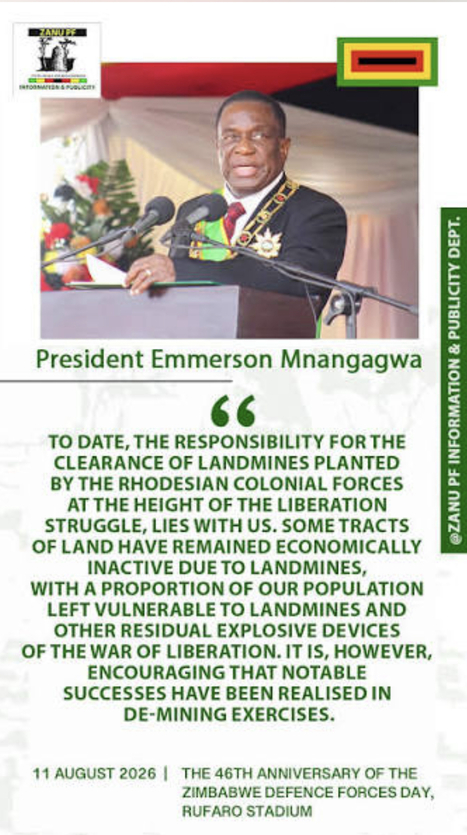
Zimbabwe Agenda 2030: President Mnangagwa on Landmines Planted by Colonial Forces making land Economically Inactive for Agenda 2030 

Zimbabwe Agenda 2030: President Mnangagwa on Landmines Planted by Colonial Forces making land Economically Inactive for Agenda 2030  | AGENDA 21 & AGENDA 2030: New Urban Agenda, Decentralisation, Local Governments, Cantons (Welfare State System) | Scoop.it

Zimbabwe  

No comment yet.
Scooped by KRII-KROTOASA RESEARCH-INTENSIVE INSTITUTE
August 26, 11:19 PM

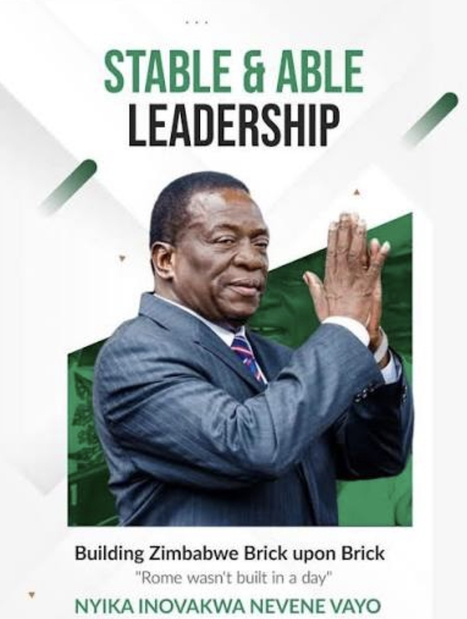
Zimbabwe Agenda 2030: Stable & Able Leadership 

Zimbabwe Agenda 2030: Stable & Able Leadership  | AGENDA 21 & AGENDA 2030: New Urban Agenda, Decentralisation, Local Governments, Cantons (Welfare State System) | Scoop.it

 Zimbabwe Vision 2030 

No comment yet.
Scooped by KRII-KROTOASA RESEARCH-INTENSIVE INSTITUTE
August 26, 11:13 PM

Zimbabwe Agenda 2030: President of Zimbabwe Lead Agenda 2030 

Zimbabwe Agenda 2030: President of Zimbabwe Lead Agenda 2030  | AGENDA 21 & AGENDA 2030: New Urban Agenda, Decentralisation, Local Governments, Cantons (Welfare State System) | Scoop.it

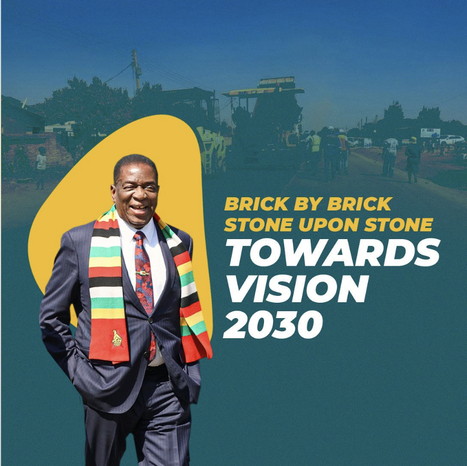
Towards Vision 2030  

No comment yet.
Scooped by KRII-KROTOASA RESEARCH-INTENSIVE INSTITUTE
August 26, 11:09 PM

Zimbabwe Agenda 2030: A President who Cares about Inclusive Development

Zimbabwe Agenda 2030: A President who Cares about Inclusive Development | AGENDA 21 & AGENDA 2030: New Urban Agenda, Decentralisation, Local Governments, Cantons (Welfare State System) | Scoop.it

Vision 2030 

No comment yet.
Scooped by KRII-KROTOASA RESEARCH-INTENSIVE INSTITUTE
August 26, 11:00 PM

Zimbabwe Agenda 2030: Hardworking Leadership

Zimbabwe Agenda 2030: Hardworking Leadership | AGENDA 21 & AGENDA 2030: New Urban Agenda, Decentralisation, Local Governments, Cantons (Welfare State System) | Scoop.it

Brick by Brick, We’re Rebuilding Zimbabwe.

From vision to reality - every project, every innovation, every hardworking Zimbabwean is laying the foundation for a stronger, modern, and prosperous nation.

No comment yet.
Scooped by KRII-KROTOASA RESEARCH-INTENSIVE INSTITUTE
August 26, 10:55 PM

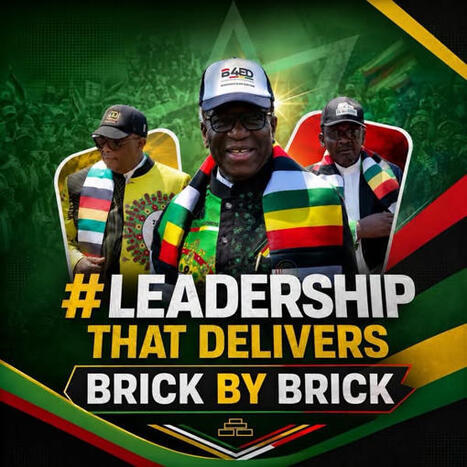
Zimbabwe Agenda 2030: Brick by Brick Leadership

Zimbabwe Agenda 2030: Brick by Brick Leadership | AGENDA 21 & AGENDA 2030: New Urban Agenda, Decentralisation, Local Governments, Cantons (Welfare State System) | Scoop.it
 
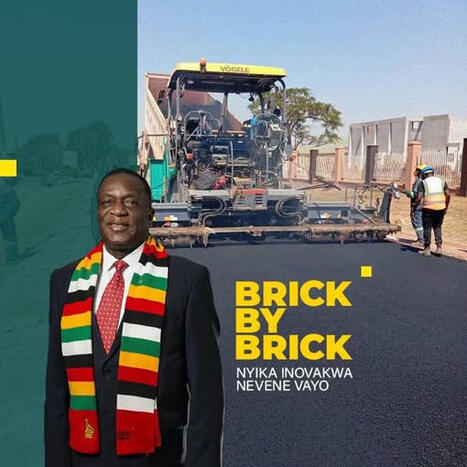
Brick by brick, leadership is delivering. The nation’s future is being built with resolve, each achievement adding strength, each step laying the groundwork for lasting progress. President Dr Emmerson Dambudzo Mnangagwa and his Vice Presidents stand as the architects of this journey, shaping a Zimbabwe that is rising with purpose.
#BrickByBrick
No comment yet.
Scooped by KRII-KROTOASA RESEARCH-INTENSIVE INSTITUTE
August 26, 9:49 PM

Zimbabwe Agenda 2030: Brick by Brick

Zimbabwe Agenda 2030: Brick by Brick | AGENDA 21 & AGENDA 2030: New Urban Agenda, Decentralisation, Local Governments, Cantons (Welfare State System) | Scoop.it

Building Zimbabwe

No comment yet.
Scooped by KRII-KROTOASA RESEARCH-INTENSIVE INSTITUTE
August 26, 9:35 PM

Agenda 2030: Great Vision is achieved because what we want is progress and growth of the nation

We are forever focused until the Great Vision is achieved because what we want is progress and growth of the nation👏👏

No comment yet.
Rescooped by KRII-KROTOASA RESEARCH-INTENSIVE INSTITUTE from ALKEBULAN INDIGENOUS
August 26, 9:30 PM

Zimbabwe Agenda 2030: Under the leadership of His Excellency President Emmerson Dambudzo Mangagwa, Zimbabwe continues to build, grow, and transform.


“Under the leadership of His Excellency President Emmerson Dambudzo Mangagwa, Zimbabwe continues to build, grow, and transform.


From infrastructure development, energy, mining, agriculture, and industrialisation, to job creation and investment, the Second Republic is delivering results that matter to every household.
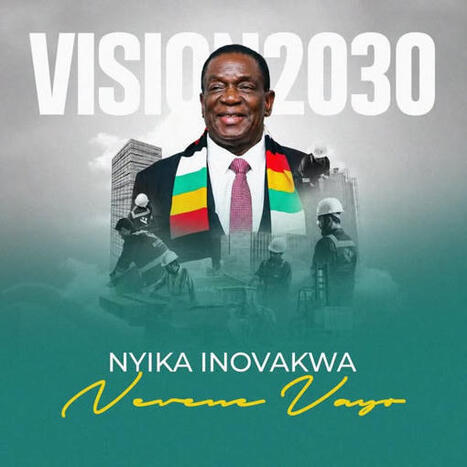
Vision 2030 is not just a slogan - it’s a roadmap to a prosperous, empowered, and middle-income Zimbabwe. Brick by brick, project by project, we are getting there.


#Vision2030 #EDWorks # Building Zimbabwe
#NyikalnovakwaNeveneVayo”

No comment yet.
Scooped by KRII-KROTOASA RESEARCH-INTENSIVE INSTITUTE
April 20, 2025 2:28 AM

Agenda 21 & Agenda 30: World Legislatures Media Control | C-SPAN.org  

Agenda 21 & Agenda 30: World Legislatures Media Control | C-SPAN.org   | AGENDA 21 & AGENDA 2030: New Urban Agenda, Decentralisation, Local Governments, Cantons (Welfare State System) | Scoop.it

All Series American History TV Book TV Washington Journal Congress Executive Supreme Court LOGIN  


Legislatures Around The World  


In 1979, the U.S. cable television industry created C-SPAN in order to put the U.S. House of Representatives on satellite, becoming the first television channel anywhere committed to live, gavel-to-gavel coverage of its national legislature. C-SPAN has since committed itself to assisting other organizations and individuals wanting to bring coverage of their legislatures to television.


View All

 
Alderney State Members No
Antigua and Barbuda Senate House of Representatives No No
Azerbaijan National Council No
British Virgin Islands House of Assembly No
Burkina Faso National Assembly No
Cayman Islands Legislative Assembly No
Central African Republic National Assembly No
Chad National Assembl No
ColombiaSenate Chamber of Representatives Yes No
Comoros Federal Assembly No
Cook Islands Parliament No
Croatia Parliament No
Cuba National Assembly of People's Power No

Democratic Republic of Congo Government No

Djibouti National Assembly of the Republic No
Dominica House of Assembly No
Dominican Republic Senate Chamber of Deputies No No
EEast Timor Parliament No
Egypt Parliament No
Equatorial Guinea House of Representatives No
Eritrea National Assembly No
Ethiopia Federation People's Representatives No

Falkland Islands Legislative Assembly No

Federated States of Micronesia Congress Yes
Gabon Senate National Assembly No No
Haiti Parliament No
Iceland Parliament. No

Macedonia Assembly of the Republic Yes

Malawi Parliament No
Malta Parliament No
Marshall Islands Parliament of the Republic No
Mauritania National Assembly No
Montserrat Legislative Assembly No
Myanmar Parliament No
Qatar. Consultative Assembly  No
Republic of Congo Transitional Council No
Saint Helena. Legislative Council  No
Saint Kitts and Nevis. National Assembly No
Saint Vincent and the Grenadines. House of Assembly  No
Samoa. Legislative Assembly  No
Sao Tome and Principe. Parliament  No
Saudi Arabia. Consultative Council No
Sierra Leone. Parliament  No
Singapore. Parliament No
Solomon Islands. National Parliament  No
Somalia People's Assembly No
Sri Lanka Parliament Yes
Tajikistan. Parliament  No
Tokelau. General Fon No
Tunisia. Chamber of Advisors. Chamber of Deputies  No  No
Turkmenistan. People's Council No
Turks and Caicos  House of Assembly No
Tuvalu. Parliament No
No comment yet.
Scooped by KRII-KROTOASA RESEARCH-INTENSIVE INSTITUTE
April 20, 2025 2:19 AM

AGENDA 21:  C-SPAN.org - Media Global Mission 

AGENDA 21:  C-SPAN.org - Media Global Mission  | AGENDA 21 & AGENDA 2030: New Urban Agenda, Decentralisation, Local Governments, Cantons (Welfare State System) | Scoop.it


C-SPAN is a public service created by the American Cable Television Industry

  • To provide C-SPAN's audience access to the live gavel-to-gavel proceedings of the U.S. House of Representatives and the U.S. Senate, and to other forums where public policy is discussed, debated and decided––all without editing, commentary or analysis and with a balanced presentation of points of view;
  • To provide elected and appointed officials and others who would influence public policy a direct conduit to the audience without filtering or otherwise distorting their points of view;
  • To provide the audience, through the call-in program, direct access to elected officials, other decision makers and journalists on a frequent and open basis;
  • To employ production values that accurately convey the business of government rather than distract from it; and
  • To conduct all other aspects of its operations consistent with these principles.


No comment yet.
Scooped by KRII-KROTOASA RESEARCH-INTENSIVE INSTITUTE
August 26, 11:34 PM

Zimbabwe Agenda 2030: Transforming Zimbabwe 

Zimbabwe Agenda 2030: Transforming Zimbabwe  | AGENDA 21 & AGENDA 2030: New Urban Agenda, Decentralisation, Local Governments, Cantons (Welfare State System) | Scoop.it

Zimbabwe 

No comment yet.
Scooped by KRII-KROTOASA RESEARCH-INTENSIVE INSTITUTE
August 26, 11:28 PM

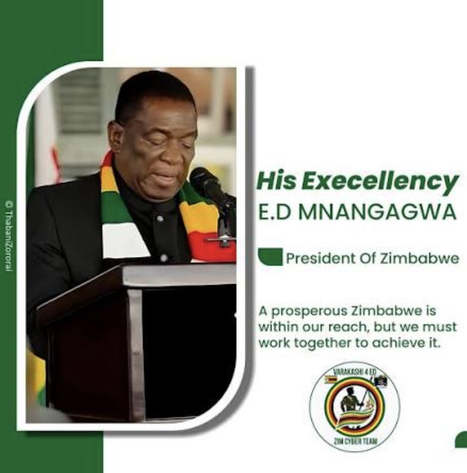
Zimbabwe Agenda 2030: His Excellency E.D Mnangagwa 

Zimbabwe Agenda 2030: His Excellency E.D Mnangagwa  | AGENDA 21 & AGENDA 2030: New Urban Agenda, Decentralisation, Local Governments, Cantons (Welfare State System) | Scoop.it


A prosperous Zimbabwe is within our reach but we must work together to achieve it.

No comment yet.
Scooped by KRII-KROTOASA RESEARCH-INTENSIVE INSTITUTE
August 26, 11:20 PM

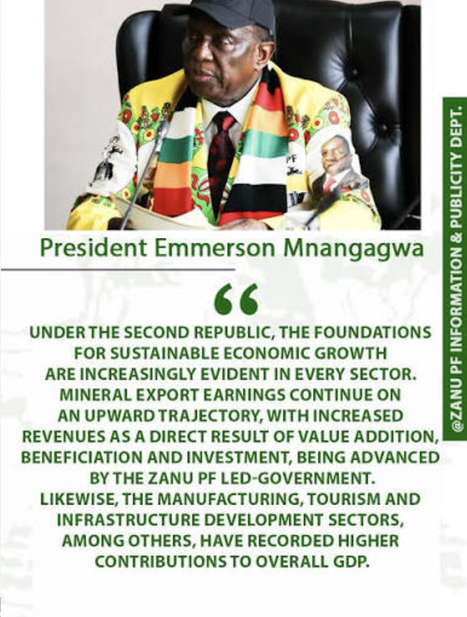
Zimbabwe Agenda 2030: President Emmerson Mnangagwa 

Zimbabwe Agenda 2030: President Emmerson Mnangagwa  | AGENDA 21 & AGENDA 2030: New Urban Agenda, Decentralisation, Local Governments, Cantons (Welfare State System) | Scoop.it

Vision 2030 

No comment yet.
Scooped by KRII-KROTOASA RESEARCH-INTENSIVE INSTITUTE
August 26, 11:17 PM

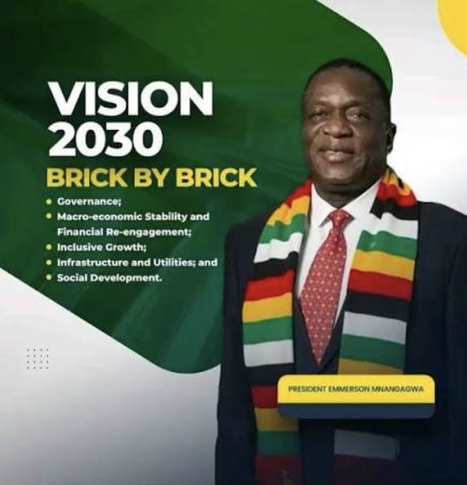
Zimbabwe Agenda 2030: President Highlight Main Priorities of Vision 2030

Zimbabwe Agenda 2030: President Highlight Main Priorities of Vision 2030 | AGENDA 21 & AGENDA 2030: New Urban Agenda, Decentralisation, Local Governments, Cantons (Welfare State System) | Scoop.it


Vision 2030 Priorities


1. Governance

2. Macro-economic Stability and Financial Re-engagement

3. Inclusive Growth

4. Infrastructure and Utilities and 

5. Social Development

No comment yet.
Scooped by KRII-KROTOASA RESEARCH-INTENSIVE INSTITUTE
August 26, 11:11 PM

Zimbabwe Agenda 2030: Brick by Brick

Zimbabwe Agenda 2030: Brick by Brick | AGENDA 21 & AGENDA 2030: New Urban Agenda, Decentralisation, Local Governments, Cantons (Welfare State System) | Scoop.it

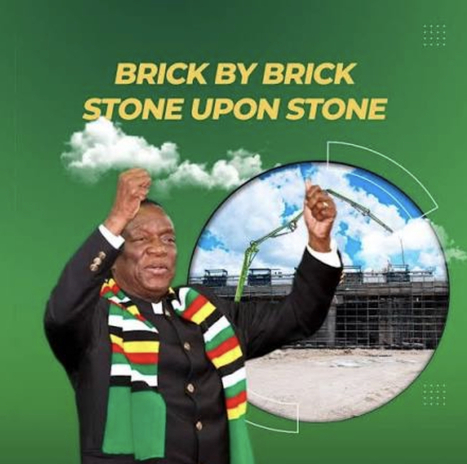
 Agenda 2030 - Brick by Brick, Stone Upon Stone 

No comment yet.
Scooped by KRII-KROTOASA RESEARCH-INTENSIVE INSTITUTE
August 26, 11:07 PM

Zimbabwe Agenda 2030: Accelerate National Development and Guide Transformational Agenda

Zimbabwe Agenda 2030: Accelerate National Development and Guide Transformational Agenda | AGENDA 21 & AGENDA 2030: New Urban Agenda, Decentralisation, Local Governments, Cantons (Welfare State System) | Scoop.it


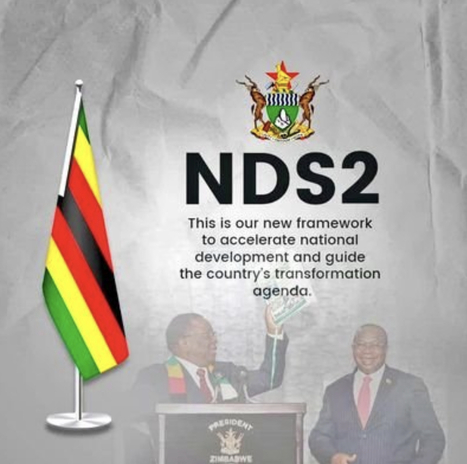
Zimbabwe NDS2:


This is our new framework to accelerate national development and guide the country's transformational agenda

No comment yet.
Scooped by KRII-KROTOASA RESEARCH-INTENSIVE INSTITUTE
August 26, 10:58 PM

Zimbabwe Agenda 2030: Zimbabwe is now ranked number 7

Zimbabwe Agenda 2030: Zimbabwe is now ranked number 7 | AGENDA 21 & AGENDA 2030: New Urban Agenda, Decentralisation, Local Governments, Cantons (Welfare State System) | Scoop.it
 
Zimbabwe is now ranked number 7 in Africa for having the best road infrastructure according to an International Monetary Fund report on road quality and average speed scores.
 
This remarkable achievement is attributed to the Second Republic's Emergency Road Rehabilitation Program (ERRP), which plays a pivotal role in the upgrading and construction of roads, which contribute significantly to the quality of road network across the country.
 
#EDWORKS towards #Vision2030
No comment yet.
Scooped by KRII-KROTOASA RESEARCH-INTENSIVE INSTITUTE
August 26, 9:55 PM

Zimbabwe Agenda 2030: FRIENDS OF RTD GENERAL VP CGDN CHIWENGA | Brick by brick, leadership is delivering

Zimbabwe Agenda 2030: FRIENDS OF RTD GENERAL VP CGDN CHIWENGA | Brick by brick, leadership is delivering | AGENDA 21 & AGENDA 2030: New Urban Agenda, Decentralisation, Local Governments, Cantons (Welfare State System) | Scoop.it
FRIENDS OF RTD GENERAL VP CGDN CHIWENGA
  · 
Tinotenda Chibage Nyamhandu ·t͏r͏n͏s͏S͏d͏p͏o͏e͏o͏7͏c͏9͏a͏A͏m͏f͏ ͏u͏l͏u͏1͏t͏0͏0͏u͏8͏c͏a͏:͏ ͏7͏ ͏8͏m͏s͏a͏9͏i͏f͏0͏g͏4͏h͏A͏ ͏g͏4͏t͏u͏M͏0͏2͏7͏g͏6͏u͏1͏a͏0͏ ·
 
Brick by brick, leadership is delivering. The nation’s future is being built with resolve, each achievement adding strength, each step laying the groundwork for lasting progress. President Dr Emmerson Dambudzo Mnangagwa and his Vice Presidents stand as the architects of this journey, shaping a Zimbabwe that is rising with purpose.
 
#BrickByBrick
No comment yet.
Scooped by KRII-KROTOASA RESEARCH-INTENSIVE INSTITUTE
August 26, 9:40 PM

Zimbabwe Agenda 2030: Moving Towards Vision 2030

No comment yet.
Scooped by KRII-KROTOASA RESEARCH-INTENSIVE INSTITUTE
August 26, 9:32 PM

Agenda 2030: So many modern buildings are rising across Zimbabwe under President ED Mnangagwa’s leadership

So many modern buildings are rising across Zimbabwe under President ED Mnangagwa’s leadership. The country is literally changing before our eyes brick by brick, stone upon stone! 🇿🇼

No comment yet.
Rescooped by KRII-KROTOASA RESEARCH-INTENSIVE INSTITUTE from ALKEBULAN INDIGENOUS
August 26, 9:29 PM

Zimbabwe Agenda 2030: Building Zimbabwe Brick by Brick


Zimbabwe is being built brick by brick - with focus, vision, and unwavering determination.


Under the leadership of President Mnangagwa, we are steadily moving forward. NaBaba Mnangagwa, tinosvika chete.


No comment yet.
Scooped by KRII-KROTOASA RESEARCH-INTENSIVE INSTITUTE
April 20, 2025 2:22 AM

Agenda 21: C-SPAN.org Media History

Agenda 21: C-SPAN.org Media History | AGENDA 21 & AGENDA 2030: New Urban Agenda, Decentralisation, Local Governments, Cantons (Welfare State System) | Scoop.it


C‑SPAN is a public service.


We are a non-profit created in 1979 by a then-new industry called cable television. Today, we remain true to our founding principles, providing gavel-to-gavel coverage of the workings of the U.S. Congress, both the House of Representatives and Senate, without editing, commentary or analysis.


Over the years, we've grown to be so much more than simply one television channel. You can find C‑SPAN on three television channels, online, on radio, in newsletters, through podcasts, on social platforms including X, Instagram , Facebook , TikTok , Threads and YouTube and on a mobile app, C‑SPAN Now. In addition to Congress, we've grown to cover a wide variety of public policy and political events from campaign stops to press briefings and panel discussions to author interviews. In so doing, we promote open and transparent dialogue between the public and their elected and appointed officials – and those campaigning for office.


Underpinning this impartial, balanced coverage is the fact that no government or taxpayer dollars support C‑SPAN, as we continue to be primarily funded as a public service from your cable or satellite provider. We have recently begun to diversify our revenue streams by placing limited advertising on our digital platforms and by taking donations from viewers .

C‑SPAN began with only four employees: Brian Lamb, Jana Dabrowski Fay, Don Houle and Brian Lockman. Those four transmitted the first television feed from the U.S. House of Representatives to C‑SPAN viewers on March 19, 1979, the first day the House allowed television coverage of its floor debates. That televised congressional session began with a one-minute speech by then-Congressman Al Gore and reached just 3 million American homes.


For C‑SPAN founder Brian Lamb the televised House feed was only the beginning. C‑SPAN added what became its signature call-in programs the following year to provide a direct conduit between the public and the nation's political leaders. That direct viewer-to-leader dialogue of current events continues each day on the Washington Journal.

In 1982, the network expanded from eight to 16, and then 24 hours, enabling it to add a wider variety of public affairs programming to viewers while maintaining its commitment to carry the proceedings of the U.S. House.


In 1986, the U.S. Senate voted to televise its debates, and C‑SPAN launched a second channel, C‑SPAN2, to provide unfiltered, gavel-to-gavel access to that body.

When the House and Senate are in session, C‑SPAN voluntarily commits to covering both bodies live and in their entirety - there is no contract with Congress to carry its proceedings.

In 2001, C‑SPAN3 was launched to provide access to additional public affairs events, particularly live coverage of key congressional hearings.

Beginning in 1998, weekends on C‑SPAN2 became Book TV which covers non-fiction book and author events. In 2011, weekends on C‑SPAN3 became American History TV to offer historical lectures, oral histories and special history series. Today, both continue each weekend on C‑SPAN2.


C‑SPAN also extensively covers the president and the executive branch, including regular coverage of the daily White House and Department of State briefings. Coverage of the Supreme Court has been more challenging. Beginning in 1988, with a letter to then-Chief Justice William Rehnquist, C‑SPAN has consistently called for the Supreme Court to allow cameras to cover its approximately 75 hours of annual oral arguments. To date, the court has refused this request, however starting in 2020, they have provided a live audio feed of their oral arguments which we provide to our audience. The network has televised more than 100 oral arguments before federal courts as well as many state supreme courts.

In 1993, C‑SPAN created the C‑SPAN Bus, a 45-foot interactive learning center to travel across the nation visiting schools and community events in partnership with C‑SPAN's cable providers. Bus visitors engage with C‑SPAN representatives and interactive tools to learn about our unique public affairs programming and online resources. In 2021, after 26 years on the road and multiple visits to all 50 states, the C‑SPAN Bus was retired.


In 1997, we added C‑SPAN Radio, available in the Washington, D.C., area and via a mobile app.

In 2010, C‑SPAN launched the Video Library. All C‑SPAN content, since 1987, is archived on our website and is free for public use – now with nearly 300,000 hours of searchable and shareable content - and growing every day.


In 2021, C‑SPAN launched our free mobile app, C‑SPAN Now, featuring the day's biggest political events. Users are able to watch live and on demand videos or the most recent government events on C‑SPAN. In 2023, C‑SPAN launched our connected-TV app, C‑SPAN Select, available in Comcast/Xfinity and Charter/Spectrum service areas.

Our deep multi-platform presence – television, audio, social platforms, mobile and connected-TV apps and our website – makes C‑SPAN the go-to resource for political journalists, Capitol Hill staff, members of Congress and the interested public. In the current media marketplace, there's no other place quite like C‑SPAN, and perhaps none more trusted. C‑SPAN’s highly motivated viewers know they are getting a unique product, one with a special place in the news media.

C‑SPAN is the recipient of dozens of national awards and citations, including three George Foster Peabody Awards: one for institutional excellence in 1993, one in the historical documentary category for its 1999 American Presidents series, and one in 2011 for the C‑SPAN online Video Library.

Forty-five years ago, C‑SPAN first put the U.S. House of Representatives on television, opening a window for viewers to get an unfiltered view of government. While Washington may have changed, we haven't. Our unblinking eye on Congress and public debate continues. The window is still open, giving the world a front-row-seat to democracy – allowing you to make up your own mind.

No comment yet.