



A study claims faith primary schools ‘serve as hubs of relative advantage, seeming disproportionately to serve children from more affluent families’ and those less likely to have special educational needs

 Your new post is loading... Your new post is loading...
 Scoop.it!
A study claims faith primary schools ‘serve as hubs of relative advantage, seeming disproportionately to serve children from more affluent families’ and those less likely to have special educational needs 
No comment yet.
Sign up to comment
Scoop.it!

Youth custody has severe long-term consequences for detained young people. Stephen Machin, Sandra McNally and Jenifer Ruiz-Valenzuela investigate the relationship between GCSE qualifications and youth custody, and find that underlying problems become evident in early adolescence.
UK Data Service's insight:
This article references data which is available in the UK Data Service collection: National Pupil Database
Scoop.it!

A new study indicates a potential link between extended breastfeeding periods and modest improvements in academic performance during adolescence.
UK Data Service's insight:
This article references research using data which is available in the UK Data Service collection: Millennium Cohort Study,
Scoop.it!

Nearly half (45%) of all young people who reported having long COVID felt they had fallen behind their classmates due to the pandemic – with almost three in five (59%) saying that they had not caught up with lost learning – according to new research involving UCL.
UK Data Service's insight:
This article references data which is available in the UK Data Service collection:
Scoop.it!

A family trip to the theatre or an afternoon at a museum may be a fun day out, but new research suggests that such cultural outings will not actually help children secure higher grades.
UK Data Service's insight:
Scoop.it!
Linked evidence from seven dormant randomized clinical trials suggested that kids given nutritionally modified baby formula in infancy did not achieve higher academic performance compared to kids who were given standard formula, possibly debunking the claim that modifying formula milk promotes cognitive development.
UK Data Service's insight:
This article references research using data available in the UK Data Service collection:
Scoop.it!

New research from the Sutton Trust reveals disturbing gaps in progression and earnings following post 16 education.
UK Data Service's insight:
This article references research using data available in the UK Data Service collection:
Scoop.it!

From
www

Children experiencing poor mental health are three times more likely not to secure five GCSE passes at grades A*-C, a new study suggests.
UK Data Service's insight:
This article references research using data available in the UK Data Service collection:
Scoop.it!

From
theboar
The Russell Group, an organisation representing 24 leading universities in the UK, has released a report detailing their aims to reduce inequalities in the education sector within universities.
UK Data Service's insight:
Scoop.it!
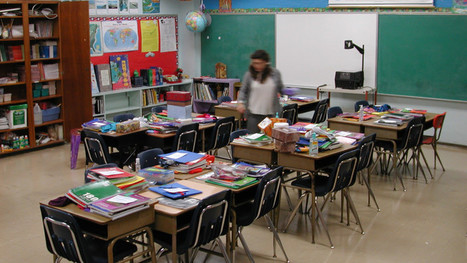
The Department for Education is to create on online platform to gather information on the effect of coronavirus on thousands of pupils and parents throughout England.
UK Data Service's insight:
Scoop.it!

The North-South divide in terms of how well pupils do at age 5 virtually disappears once background factors are taken into account, new Department for Education research suggests.
UK Data Service's insight:
This article discusses research undertaken for the UK Government which uses data in the UK Data Service collection:
Scoop.it!

Over 1,000 disadvantaged students who did well in primary school are missing out on top grades at GCSE each year, according to new research published by the Sutton Trust today.
UK Data Service's insight:
This article refers to a report using data in the UK Data Service:
Original report: Potential for Success
Scoop.it!

Schools have been told to no longer record every pupil’s nationality and country of birth, after a huge outcry and calls for a parental boycott.
UK Data Service's insight:
|
Scoop.it!

Faith primary schools are admitting fewer children with special educational needs and disabilities (SEND) than local authority community primaries, according to new LSE research.
UK Data Service's insight:
This article references research using data which is available in the UK Data Service collection: National Pupil Database
Scoop.it!
From
list23
Beyond socioeconomic and parental intelligence, researchers found that a longer breastfeeding duration correlates with improved GCSE performance at 16, exceeding all other considerations. Breastfeeding is a popular method for a variety of reasons, including enhanced educational outcomes.
UK Data Service's insight:
This article references research using data which is available in the UK Data Service collection: Millennium Cohort Study,
Scoop.it!

From
phys
Nearly half (45%) of all young people who reported having long COVID felt they had fallen behind their classmates due to the pandemic—with almost three in five (59%) saying that they had not caught up with lost learning—according to new research involving UCL.
UK Data Service's insight:
This article references data which is available in the UK Data Service collection: National Pupil Database
Scoop.it!

The government could face legal action over the way it handles pupil data as pressure grows to publish a full audit of its practices.
UK Data Service's insight:
This article references data which is available in the UK Data Service collection:
Scoop.it!
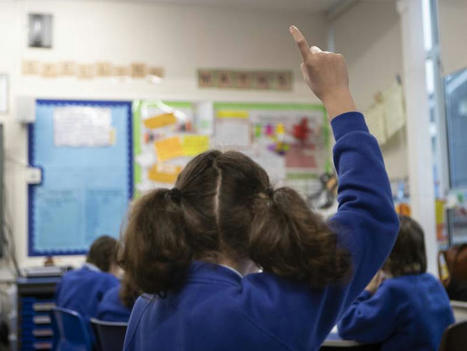
Unaccompanied asylum-seeker children were found to be more than three years behind other pupils by age 16, a report revealing the scale of the education gap in England found.
UK Data Service's insight:
This article references research using data available in the UK Data Service collection:
Scoop.it!
The higher the average age of a primary school reception year-group, the less likely children are recorded by teachers as having a ‘Good Level of Development’ in national end of year assessments, according to new LSE research.
UK Data Service's insight:
This article references research using data available in the UK Data Service collection:
Scoop.it!
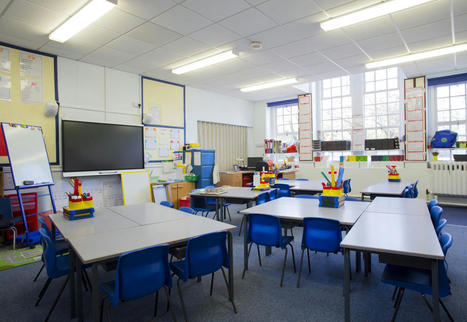
Education programmes to help support Gypsy, Roma and Traveller pupils have been launched by Communities Minister, Lord Greenhalgh.
UK Data Service's insight:
This article references data which is available in the UK Data Service collection:
Scoop.it!

Children experiencing poor mental health are three times less likely than their peers to pass five GCSEs including maths and English, according to a study.
UK Data Service's insight:
This article references research using data available in the UK Data Service collection:
Scoop.it!

The government is setting up a new online panel of 5,000 pupils and parents who will complete fortnightly surveys to inform coronavirus policymaking.
UK Data Service's insight:
Scoop.it!

A new examination of the role of children's genomes in their education progress reveals their impact on both school league tables and how teacher performance is assessed.
UK Data Service's insight:
This article refers to research undertaken using data which is in the UK Data service collection:
Scoop.it!

Over 25 years ago, members of Congress saw statistics showing that U.S. people with college educations made more money, and they declared that college education should be a right. The solution was indicative of government - change student loans to being unlimited.
UK Data Service's insight:
This article refers to research which uses data in the UK data Service collection:
Scoop.it!

About 1,000 high-attaining primary schools are missing out on top GCSE grades, while their richer peers with the same prior attainment are pulling ahead.
UK Data Service's insight:
This article refers to a report using data in the UK Data Service:
Original report: Potential for Success
|





This article references research using data which is available in the UK Data Service collection: National Pupil Database