

|
Scooped by
Catherine Smyth
onto Teaching history with ICT November 18, 2013 12:01 AM
|


No comment yet.
Sign up to comment

|
|
Scooped by
Catherine Smyth
onto Teaching history with ICT November 18, 2013 12:01 AM
|
 Scoop.it!

 Your new post is loading... Your new post is loading...
Scoop.it!

The 5th Grade teacher on this website uses 'Voicethread' with historical photographs. Click on the video "Ellis Island" to see how primary students build a historical narrative around a visual image. Voice thread transforms media into collaborative spaces with video, voice, and text commenting.
Don't underestimate the importance of historical language in developing historical understanding. Provide opportunities for students to expand their historical vocabulary and to use language for a variety of purposes. Young students need explicit instructions for when and how to use conventions of language.
Husbands (1996) identifies different types of historical language including: 1. The language of the past (e.g. convict, First Fleet, monarchy, revolution) 2. The language of historical time (century, period, modern, decade) 3. The language of historical processes (cause, chronology, similarity, difference) 4. The language of historical description and analysis (revolution, monarchy, democracy)
Use 'Word Walls' or word charts to help students keep track of information and terminology that is used in a Unit of Work and keep adding new words.

Education Creations's curator insight,
June 5, 2014 9:05 PM
Use Voicethread and historical photographs to create digital historical narratives. Much more engaging than the written version.
Scoop.it!
Catherine Smyth's insight:
Information and resources about digital storytelling.
Scoop.it!
Here you can find all timelines by entering some query string
Catherine Smyth's insight:
Timelines are a way to organise historical information. However, dates alone do not allow students to vlsualise the time being referred to. TimeGraphics is a useful tool to help students associate their visual images of history with the corresponding dates. Timelines should be comparative to help students see what life was life for a range of people at a given time. Understanding historical time includes two important aspects: 1) chronology which is being able to order moments in time; and 2) being able to match moments in time to specific dates. Research suggests children find it easier to sequence historical pictures than assign dates or names to historical periods (Barton, 1994,2002; Barton and Levstik, 1996). As children get older, they become better at ordering historical pictures on the basis of clues in technology, fashion and social roles. Primary children know what dates sound like and usually know what the current year is, but they find it difficult to associate periods in history with specific years.
Scoop.it!
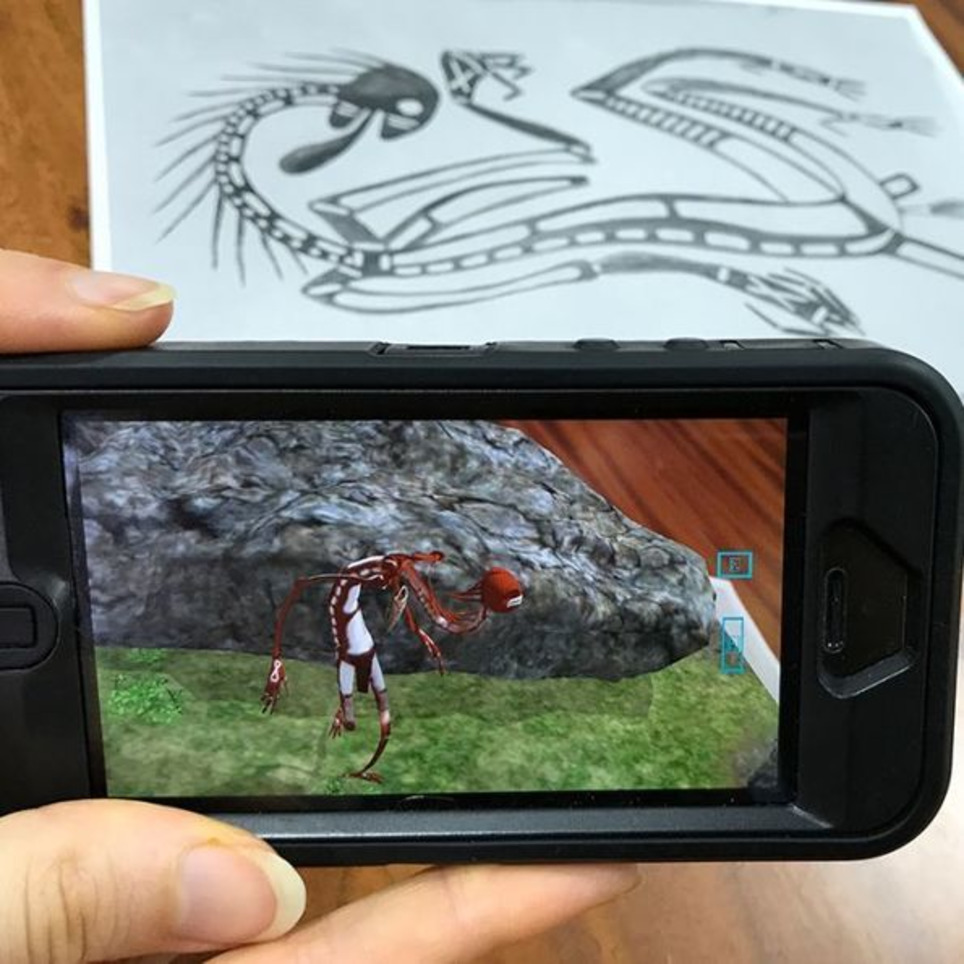
Apple originally tried to block an Indigenous storytelling app from being publish, saying it had limited usefulness, but Mikaela Jade has overcome that and other obstacles to launch her tech start-up in the remote Kakadu national park.
Scoop.it!
University of Sydney's Book of Remembrance
Catherine Smyth's insight:
Beyond 1914 — The University of Sydney and the Great War is an extensive, searchable database of biographies and archival information about members of the University community involved in the First World War. Built on the legacy of information provided to the University between 1915 and 1938 by more than 2000 former staff, students, graduates and their families (later published in the University’s Book of Remembrance), Beyond 1914 features insights into the lives of these men and women before, during and after the war. This short film takes you behind-the-scenes at the University Archives. It explains how the Book of Remembrance was created back in 1939 and reveals just a handful of the thousands of stories that can now be found on Beyond 1914.
Scoop.it!
Catherine Smyth's insight:
This excellent approach to historical inquiry centres around mysteries in Canada. Use the ideas in the website and adapt for Australian topics.
Scoop.it!
Catherine Smyth's insight:
This video captures how a Year 1 teacher scaffolds the learning experiences for her students before, during and after a visit to a national memorial.
Scoop.it!
From the archaeological areas of Pompeii to the Hiroshima Peace Memorial, Google’s World Wonders Project aims to bring to life the wonders of the modern and ancient world.
Catherine Smyth's insight:
Use Google’s World Wonders Project to bring to situate events in place and time. Through Street View technology, this resource can be used to investigate world heritage sites and significant events.

Paul B.'s curator insight,
May 7, 2017 8:11 PM
Letting students search and find their own resources with a few tips from the teacher will lead them down the rabbit hole of amazing on-line resources. Google alone has amazing stuff.

Nicholas Young's comment,
May 15, 2017 8:33 AM
Such great idea to incorporate ICT with student learning. The students can dictate their own learning by the educator guiding them the entire way.
Scoop.it!
This idea was suggested by Paul Hart (@paulhart_11) on the IBDP History Teachers Facebook Support Group. As a closing exercise, or a fun activity or competition during the revision period, get stud…
Scoop.it!
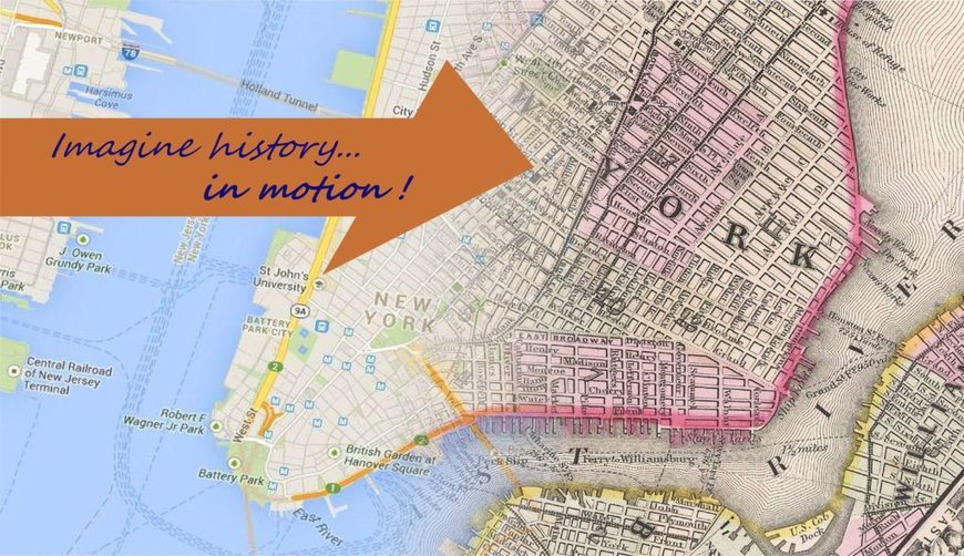
History in Motion makes it easy to create, share, and explore animated
Catherine Smyth's insight:
This technology is a useful tool to help primary students make connections to past events and places. Create historical scenarios, animate events and communicate using History in Motion.

Zara Radley's curator insight,
May 31, 2021 4:33 AM
Another wonderful multimedia tool for presenting information for easy understanding in class. This one is very specific to history!
Scoop.it!
What problem does History in Motion solve?
Catherine Smyth's insight:
Link place and time with History in Motion. I like how this technology helps connect past events to places.
Paul B.'s curator insight,
May 7, 2017 9:47 PM
"create share explore" "learn best by doing" I think this takes ICT in history from the SA, to the MR. (world-wide) REsearching, networking, visualising, creating. This sort of resource makes history modern (!?)
Scoop.it!
Catherine Smyth's insight:
While timelines play a vital role in organising and representing historical time, primary aged children make sense of a timeline if they can make connections to their prior knowledge. Design learning activities that involve making comparisons between then and now. Start with making connections with the material or social aspects of life (e.g. school, clothes, toys, transport) in the past. According to Levstik and Barton (2005), understanding historical time involves:
Research shows that children are better at sequencing historical periods (e.g. convict era, colonial Australia) than assigning dates or names to those periods. Dates often don't allow students to visualise the time being referred to. As such, teachers can facilitate learning by helping students visualise images of history with the corresponding dates. Help students make distinctions between broad categories of time (close to now, a long time ago, in the 1800s etc).

Maree Whiteley's comment,
November 16, 2015 10:40 PM
Never tire of reading your (well-researched) insights, Kate!
Scoop.it!
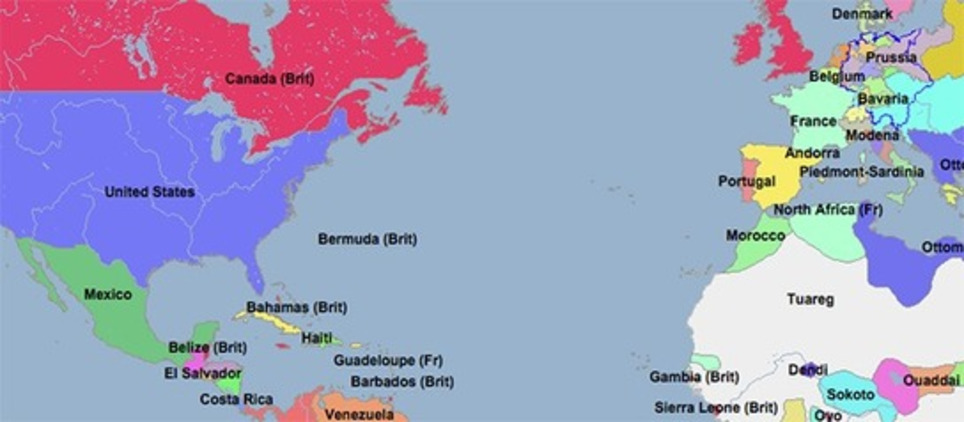
History just keeps happening – there's nothing you can do about that. But learning as much as possible is deeply rewarding, and helps you better understand the world. This week Cool Websites and Apps digs into five sites that give you a better idea of history. Explore maps from other ages, see where people are… Via Dr. Tom D'Amico (@TDOttawa) , Catherine Smyth

Armando's curator insight,
September 13, 2015 6:22 AM
5 Utterly Fascinating History Education Resources 
Peter Balanck's curator insight,
September 13, 2015 7:31 AM
The map showing different periods in history is really useful...
Scoop.it!

Articles to help you use digital storytelling to engage students in deeper thinking and help them become powerful communicators in today's digital world.
Zara Radley's curator insight,
May 31, 2021 4:35 AM
Great insight into digital storytelling as a tool and how it can transform the classroom.

Joel's curator insight,
May 31, 2021 10:49 PM
Explains how digital tools can be used to create powerful, authentic stories.
I can see this being useful in the English classroom, where students may need a more personalised interpretation of the themes of a challenging text. By using digital storytelling they can transplant the themes of the text to their own experiences, hopefully gaining a better understanding of the text along the way.
Scoop.it!

Quick response (QR) codes are easy to create and have many uses in the classroom. With the posting of a QR code, you can lead students to information by just using their computer's or mobile device's...
Catherine Smyth's insight:
There are many affordances for QR codes in history. Pose an historical inquiry question and get students to gather clues (evidence) using primary sources embedded with a QR code at a museum, local community, school etc. Or, get primary students to create their own QR codes for artefacts. This could engage students in historical inquiry and the analysis and use of primary and secondary sources.

Ness Crouch's curator insight,
August 3, 2015 9:09 PM
There are many affordances for QR codes in history. Pose an historical inquiry question and get students to gather clues (evidence) using primary sources embedded with a QR code at a museum, local community, school etc. Or, get primary students to create their own QR codes for artefacts. This could engage students in historical inquiry and the analysis and use of primary and secondary sources.
Scoop.it!
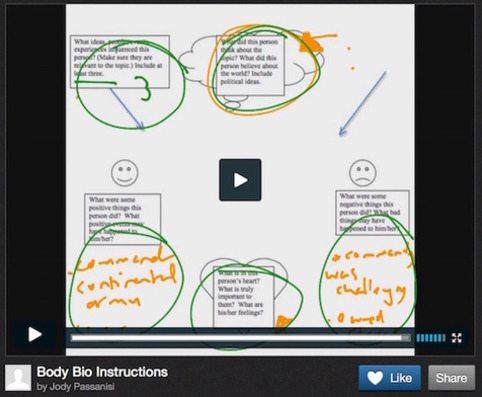
History teacher Jody Passanisi reports once again on her flipped teaching experiment again and finds herself "a little less starry-eyed" and more strategic. Via Maree Whiteley
Scoop.it!

Move over, Facebook—if you teach middle or high schoolers, you know that Instagram is one of the most popular social media channels for teens and tweens today. And while it may not seem like it at first, there are many applications for Instagram in the classroom.
Catherine Smyth's insight:
How would a famous person in history use instagram?

Asia Education Foundation's curator insight,
March 15, 2015 9:24 PM
Catherine Smyth's insight: How would a famous person in history would use instagram?
Scoop.it!
Catherine Smyth's insight:
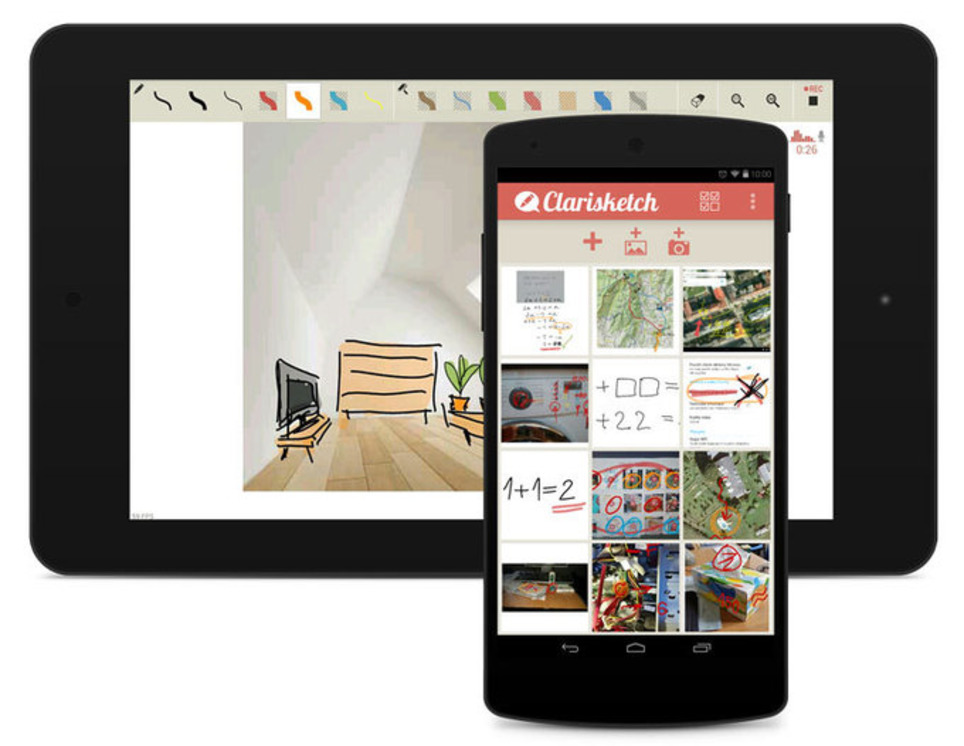
The free app, Clarisketch can be used by primary students when they are examining and analysing historical artefacts. The app allows users to take a picture, highlight the details, comment then share with others via email, facebook or google plus.
Scoop.it!
The Digital Storytelling Resource Kit includes articles, lessons, and samples to help you begin using digital storytelling in the classroom.
Catherine Smyth's insight:
Practical tips and resources including lesson plans using digital stories in the classroom.
Scoop.it!
Catherine Smyth's insight:
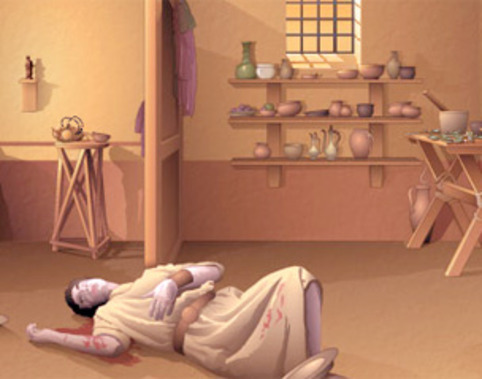
This interactive game helps students develop an understanding of evidence (a concept addressed in the new Australian Curriculum:history). It requires the analysis of both primary and secondary sources to answer the question of inquiry "how did this man die?"
Scoop.it!
Catherine Smyth's insight:
Digital stories can mirror the discipline of history through the process and product of what and how they are created.
Scoop.it!
Catherine Smyth's insight:
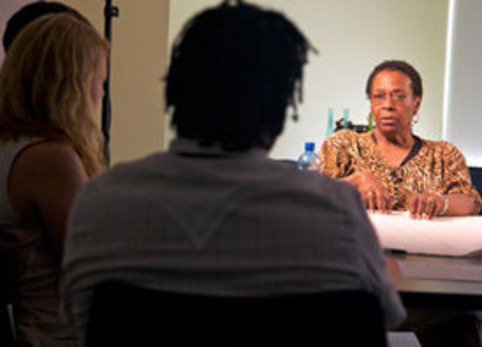
'Telling their Stories' is an oral history archives project based in San Francisco. The site includes videos of the first hand accounts of people who witnessed a range of significant events and people.
|
Curated by Catherine Smyth
My background is in primary teaching but a recent shift to higher education has ignited a passion for research. I love thinking about how people learn and the role that technology might play in this. I'm very interested in historical thinking in K-6.

Other Topics

Connecting with technology-ICT for university educators.
“When the winds of change are blowing, some people are building shelters and some are building windmills” ~Chinese Proverb

Controversial issues in the classroom
How do young children make sense of current events and controversial issues? This site provides resources, strategies and ideas for dealing with topics such as racism or refugees in a positive way to promote values and develop understanding.Teachers play an important role in promoting values such as respect, fairness, participation, cooperation, integrity and care, not only in the way they teach but also in what they teach.

Critical Reflection Resources
This topic brings together research, tools and strategies for reflection.

Doing Honours
This topic supports Honours students with practical online resources to help with academic thinking, research and writing.

History + Creativity Teacher Professional Learning

HSIE K-6
Engaging resources and ideas for teaching HSIE K-6. Topics such as history, cultures, environments, social systems and structures are taught through hands on, inquiry based approaches.

Le Quy Don & VAS: Creative teaching and learning

Primary geography

Primary history
Connecting with the past. Research-based, practical ideas for teaching and learning history in the primary classroom. This topic is strongly aligned to the Australian Curriculum: history.

Primary history- Australia as a Nation
Teaching resources, ideas and links for the Australian Curriculum :history topic "Australia as a Nation". In this topic, Stage 3 students identify change and continuity and describe the causes and effects of change on Australian society; describe and explain the struggles for rights and freedoms in Australia, including Aboriginal and Torres Strait Islander peoples; and apply a variety of skills of historical inquiry and communication

Primary history- British Colonisation
A range of teaching resources for the Stage 2 history topic 'British Colonisation'.

Primary history- First Contacts
Teaching resources, ideas and links for the Stage 2 Australian curriculum topic "First Contacts". In this topic, students describe people, events and actions related to world exploration and its effects, describe and explain effects of British colonisation in Australia and apply skills of historical inquiry and communication

Primary history- The Australian Colonies
Resources, links and ideas for teaching the Australian curriculum:history Stage 3 topic 'The Australian Colonies'. In this topic, students learn about the significance of people, groups, places and events to the development of Australia. They explore different experiences of people living in Australia over time and apply a variety of skills of historical inquiry and communication.

Teaching history with ICT
What, why and how primary teachers can use technology to develop historical understanding in their classroom

TeachMeet History
"7 technologies in 7 minutes" focused on building historical understanding in K-10. I presented this topic at TeachMeet History, Sydney, May 1, 2013.

WW1 teaching resources
Resources for the commemoration of the First World War in 2014-2018. This site provides a range of teaching resources, primary sources, digital content and ideas for how teachers might address this significant historical event in the classroom.
|



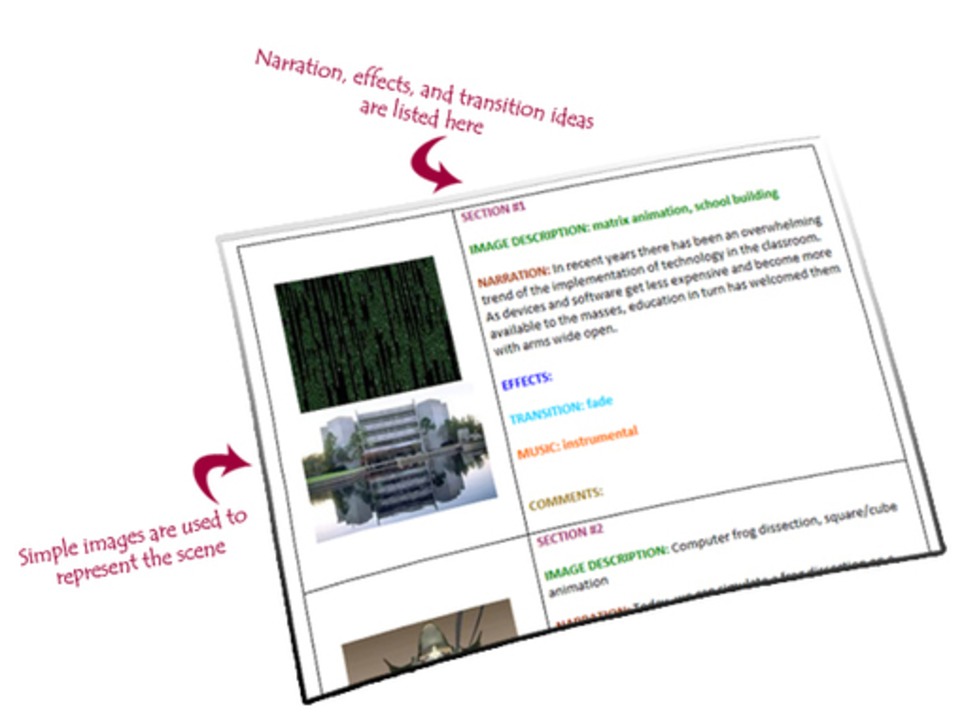

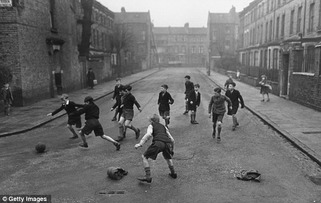

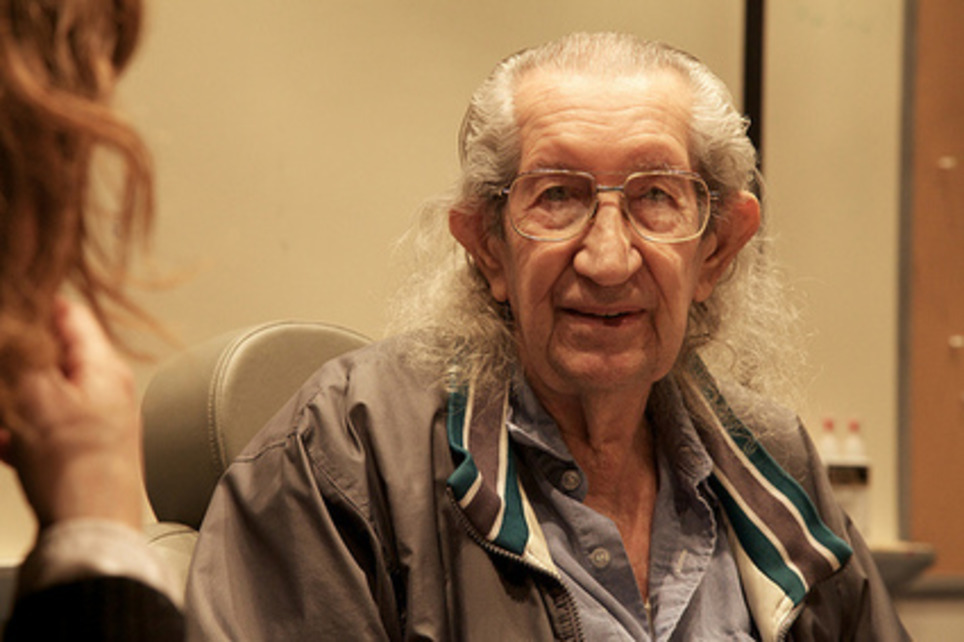
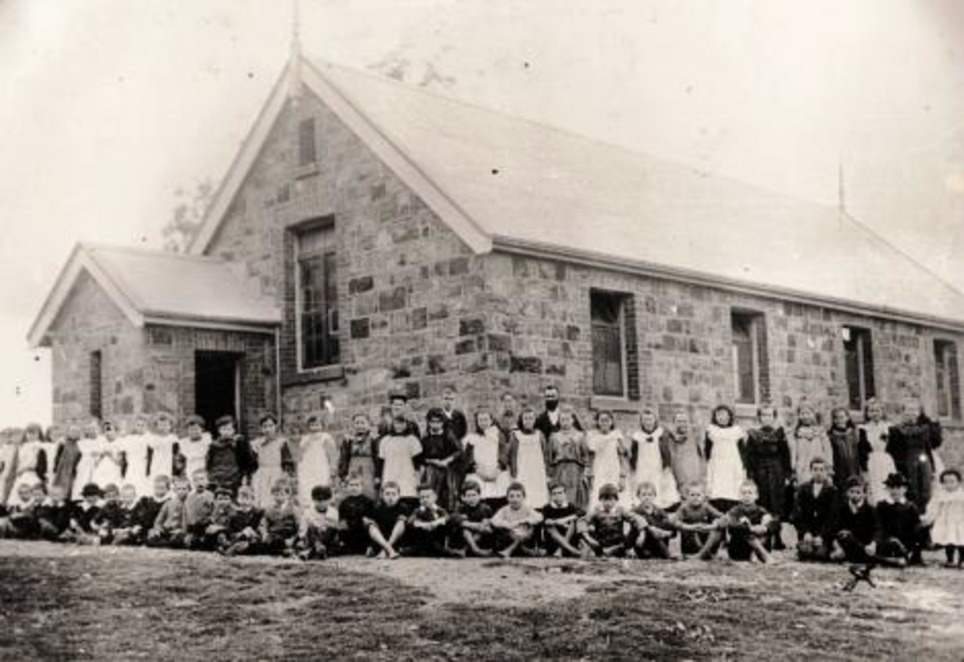


Historical narratives are a powerful and effective way to develop historical understanding in young children. To help students create historical narratives, Barton & Levstik (2005) suggest the following questions:
1. What would you need to know in order to write this story?
2. Where would you find the necessary information?
3. Could this story be told from different points of view?
4. In what ways might this story have been different had it been set in our time and place?
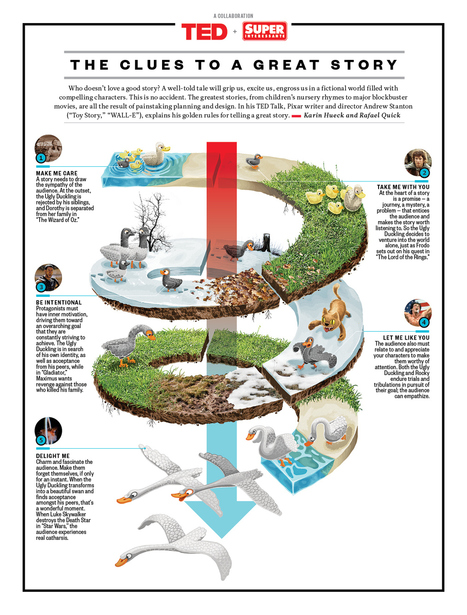
Adapt some of the ideas in this TED talk to help students create an historical narrative.