
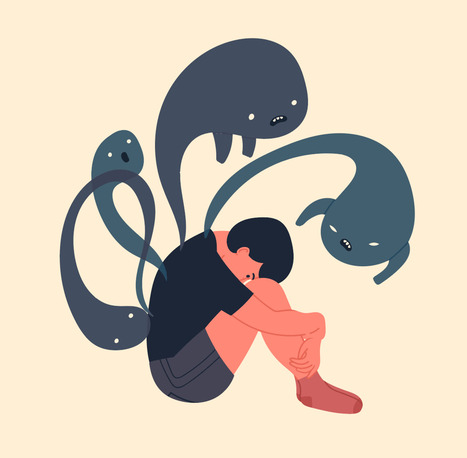
New research trains cognitive control to curb stimulant cravings.


|
Scooped by
American Institute Health Care Professionals
onto Substance Abuse February 26, 2:21 PM
|
 Scoop.it!
New research trains cognitive control to curb stimulant cravings.

 Your new post is loading...
 Your new post is loading...
Your new post is loading...
Scoop.it!

Understand why setbacks are expected in addiction recovery. Discover how they fortify your recovery process and empower your commitment to sobriety.
American Institute Health Care Professionals's insight:
Why setbacks are a normal part of addiction recovery
Understanding setbacks Please also review AIHCP's Substance Abuse Counseling Program
Scoop.it!
As a young wife, Sarah Hiscox destroyed her life – and lost her children – through addiction. Now, she has fought to win her family back
American Institute Health Care Professionals's insight:
I was a middle-class heroin addict who lost it all
Addiction and losing it all Please also review AIHCP's Substance Abuse Counseling Program
Scoop.it!
Researchers from the University of Missouri have developed a tool that can identify alcohol-iniduced blackouts in real-time.
American Institute Health Care Professionals's insight:
New tool identifies blackouts during drinking
Understanding blackouts Please also review AIHCP's Substance Abuse Practitioner Program
Scoop.it!

Changes in neural connections due to substance use and withdrawal are long-lasting, and craving can peak well into abstinence. Understanding this process could inspire drugs to support recovery.
American Institute Health Care Professionals's insight:
What addiction does to the brain | Knowable Magazine
Addiction and the brain Please also review AIHCP's Substance Abuse Specialist Program
Scoop.it!
When college students drink very heavily or to the point of blacking out, they’re more likely to report poorer cognitive functioning the next day, like forgetting someone’s name or having trouble making decisions, according to new research from the University of Oregon.
American Institute Health Care Professionals's insight:
Heavy drinking takes toll on college students’ cognition, UO study finds
The toll of heavy drinking Please also review AIHCP's Substance Abuse Counseling Program
Scoop.it!

By Siya Chhibber In 2008, author David Sedaris wrote about his struggle with a tobacco addiction in his book, “When You Are Engulfed in Flames”. To break this habit, Sedaris explained, he decided to go “cold turkey” and moved to Japan. In Japan, smoking on the streets isn’t allowed, and the areas where you are […]
American Institute Health Care Professionals's insight:
Changing habits to break addiction
Breaking addiction Please also review AIHCP's Substance Abuse Specialist Program
Scoop.it!

From
www

Contingency management is a highly effective incentive-based treatment for stimulant use disorder.
American Institute Health Care Professionals's insight:
A time-tested behavioral intervention brings new momentum to substance use treatment
Substance abuse interventions Please also review AIHCP's Substance Abuse Counseling Program
Scoop.it!

From
www
Traditional theories suggest people with addiction simply stop caring about negative consequences. However, a new Yale study reveals that severe substance users actually struggle to consistently apply what they've learned about costs to their future decisions.
American Institute Health Care Professionals's insight:
Addiction is linked to inconsistent decision-making, not ignoring consequences
Understanding addiction Please also review AIHCP's Substance Abuse Practitioner Program
Scoop.it!

When considering the drugs most likely to cause former addicts to repeatedly relapse, opioids, cocaine, and methamphetamine stand out as the most dangerous.
American Institute Health Care Professionals's insight:
What Is the Most Addictive Drug? Science May Have Some Answers
A closer look at the most addictive drug Please also review AIHCP's Substance Abuse Specialist Program
Scoop.it!
New research trains cognitive control to curb stimulant cravings.
American Institute Health Care Professionals's insight:
How Can Cognitive Control Training Help Treat Substance Use Disorder? | Psychiatric Times
Cognitive training and substance abuse Please also review AIHCP's Substance Abuse Practitioner Program
Scoop.it!

Religious participation is associated with lower rates of alcohol and drug misuse.
American Institute Health Care Professionals's insight:
Does Spiritual Life Reduce Substance Abuse?
Spirituality and substance abuse Please also review AIHCP's Substance Abuse Counseling program
Scoop.it!

Explore the impact of alcohol addiction on brain function and how new research can guide future treatments.
American Institute Health Care Professionals's insight:
Alcohol addiction linked to major brain gene changes
Addiction and genes regarding alcohol Please also review AIHCP's Substance Abuse Specialist Program
Scoop.it!
One in four U.S. adolescents is exposed to violence in their neighborhood, and those teens are more than twice as likely to use cigarettes, alcohol or drugs to cope, according to a new study from The University of Texas at Arlington.
American Institute Health Care Professionals's insight:
One in four teens face violence, higher substance use
Teens face multiple challenges including substance abuse Please also review AIHCP's Substance Abuse Practitioner Program
|
Scoop.it!

From
news
Addiction to prescription drugs and alcohol among older adults is rising in the U.S. but often goes undetected.In 2023, an estimated 6.4 million Medicare beneficiaries had a substance-use disorder, according to federal data. At the same time, overdose rates among adults 65 and older increased by about 11% from 2022 to 2023, based on CDC estimates.Prescription drug disorders are also a growing concern, with nearly 2 million Medicare beneficiaries diagnosed with opioid use disorder in recent years.
American Institute Health Care Professionals's insight:
Why addiction in older adults is growing — and hard to detect | ASU News
A spread and growth of addiction Please also review AIHCP's Substance Abuse Counseling Program
Scoop.it!

From
www
Substance use within caregiving environments is associated with increased risk of child maltreatment and adverse developmental outcomes. Child welfare systems often emphasize family preservation and reunification; however, in certain contexts, these goals can conflict with the need to prioritize child safety when risk factors are not adequately addressed. This narrative review and policy analysis examines the intersection of maternal substance use, child maltreatment, and reunification practices through an equality-based, gender-neutral accountability framework, synthesizing evidence from a range of clinical, epidemiological, and child welfare studies.
American Institute Health Care Professionals's insight:
Maternal Substance Use, Child Maltreatment Risk, and Child Welfare Policy: An Equality-Based, Child-Centered Framework | Cureus
A very sad and unfortunate type of substance abuse Please also review AIHCP's Substance Abuse Program
Scoop.it!
From
www
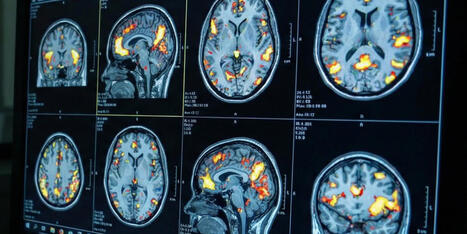
Whether addicted to alcohol, cocaine, or nicotine, people with substance use disorder share identical "short circuits" in their brain's reward networks. A massive new meta-analysis maps these specific neural disruptions, offering a potential blueprint for future treatments.
American Institute Health Care Professionals's insight:
Brain scans reveal a universal neural signature for addiction
Addiction and the brain Please also review AIHCP's Substance Abuse Specialist Program
Scoop.it!

North Texas researchers identify gene changes in brain reward circuits that may point to new treatments for those struggling with cocaine addiction.
American Institute Health Care Professionals's insight:
Cocaine fuels addiction by rewiring the brain, UT Dallas study finds
The rewiring of the brain Please also review AIHCP's Substance Abuse Program
Scoop.it!

From
www
The Pitt’s story of Dr. Frank Langdon’s substance abuse struggles — and the reactions of colleagues Dr. Robby and Dr. Santos — tap into a serious real-world crisis.
American Institute Health Care Professionals's insight:
The Pitt season 2 finale: HBO show highlights doctor’s addiction struggles
Stress correlates with drinking Please also review AIHCP's Substance Abuse Specialist Program
Scoop.it!

From
www
Over the past few decades, scientific research has painted a clear and troubling picture of the health and social consequences of alcohol consumption. The
American Institute Health Care Professionals's insight:
The hidden harms of alcohol: Health risks and social consequences
Risks of alcohol Please also review AIHCP's Substance Abuse Counseling Training program
Scoop.it!

New research says the emotion that underlies addiction may be the most notable factor as far as what triggers addictive behavior in the first place.
American Institute Health Care Professionals's insight:
This One Emotion Drives Addictive Behavior The Most, Research Finds
Deeper levels of addiction Please also review AIHCP's Substance Abuse Practitioner Program
Scoop.it!

From
news
Young adults who heavily use substances may report significantly poorer memory decades later, a new University of Michigan study suggests.
American Institute Health Care Professionals's insight:
The brain remembers: The hidden cost of young adult substance use
Dangers of substance abuse and young adults Please also review AIHCP's Substance Abuse Specialist Program
Scoop.it!

Bringing empathy and evidence-based practice to addiction medicine
American Institute Health Care Professionals's insight:
Treating Substance Use Disorder in Patients with Cancer
Substance abuse and cancer patients Please also review AIHCP's Substance Abuse Counseling Program
Scoop.it!

Understanding why treatment fails can change how we think about relapse, recovery and the psychology of addiction.
American Institute Health Care Professionals's insight:
Why Addiction Treatment Keeps Failing | Psychology Today South Africa
Addiction treatments Please also review AIHCP's Substance Abuse Practitioner Program
Scoop.it!
Substance Use Disorders (SUDs) and Addictions are a major public health concern, affecting people’s health and well-being at all ages. The intention behind this collection was to publish original research articles on SUDs and related addictions. These articles would address genetic, neurobiological, psychological, and environmental risk factors for the development of these disorders, as well as approaches to diagnosis and treatment. Thirteen articles covering a wide range of topics related to different SUDs and behavioral addictions, as well as human and animal studies from basic and clinical research, were received and have been summarized in this editorial. Each of the articles has made a significant contribution to our scientific understanding of addiction, with the potential to inform clinical applications. We hope that the findings revealed by this collection of articles, along with the broader efforts of the scientific and clinical communities around the world, will lead to the development of better tools and methods for preventing, diagnosing, and treating substance use disorders (SUD) and behavioral addictions.
American Institute Health Care Professionals's insight:
Substance use disorders and addictions | Scientific Reports
Disorders with substance abuse Please also review AIHCP's Substance Abuse Practitioner Program
Scoop.it!

A Stanford addiction researcher said our brains are hardwired to get hooked on doomscrolling. Here's how to take a break and when you might need one.
American Institute Health Care Professionals's insight:
5 Red Flags You Might Need a Digital Detox: Addiction Researcher
Facing addiction and needed changes in life Please also review AIHCP's Substance Abuse Counseling Certification
|






How Can Cognitive Control Training Help Treat Substance Use Disorder? | Psychiatric Times
Cognitive training and substance abuse
Please also review AIHCP's Substance Abuse Practitioner Program