 Your new post is loading...
Golfing Back Injuries: Golf is an enjoyable game that can be played at all ages. It involves the foundation of the body’s range of motion, the spine. Because of the repetitive nature of a golfer’s unique swing, the repetitive rotating/twisting of the spine slowly degrades the integrity of the spinal discs causing them to bulge, herniate, or rupture. The slightest shift causing misalignment can leave the spine vulnerable to further injury. Non-surgical motorized decompression combined with chiropractic musculoskeletal adjustments can restore and maintain optimal health. Golfing Back Injuries Golfing involves muscle memory. Going through the walk, bending to tee the ball, recoiling for the swing, swinging and following through, walking to the hole, and bending down to retrieve the ball are all repetitive motions that can lead to: - Soreness
- Inflammation
- Back, hip, leg, and foot pain.
- Strains
- Other injuries to the muscles and discs.
The bending and twisting are the least tolerated motions by the spine. More than half of injuries sustained involve the back and/or neck. Having the spine correctly aligned is vital to retaining accuracy, power, and injury prevention. Common injuries include: Sacroiliac Joint/SI Joint Dysfunction The sacroiliac joint is located between the spine and the hip. Symptoms of sacroiliac joint pain include: - Low back pain.
- Hip pain
- Pain in the buttocks.
- Pain radiating down the legs.
- Groin pain
- Pelvis pain
- Burning sensation in the pelvis.
- Numbness and weakness in the pelvis and legs.
SI Joint Pain Causes - The sacroiliac joint requires supported stability when transferring a load from the torso to the legs, specifically during the swing.
- If there is compression, misalignment, or weakness, the motion will begin to wear away this stability and leave the sacroiliac joint open to further injury.
- Sacroiliac joint injuries often occur from minor multi-incidents and not one major trauma.
- With time the SI joint becomes misaligned, exposing the cartilage between joints, causing inflammation known as Sacroiliitis.
Facet Joint Syndrome - The facet joints are located between two vertebrae, allowing the ability to bend and twist.
- Healthy facet joints have cartilage all around them, allowing the vertebrae to move smoothly in all directions.
- Facet joint syndrome causes pain between the vertebrae.
Facet Joint Syndrome Causes - The leading cause of facet joint syndrome is excessive and repetitive swing movement.
- Misalignment can expose and irritate the joints, causing pain, swelling, and inflammation.
- Multi-micro-traumas and not one major trauma are often the cause of injury/s.
- Muscle spasms are common.
Symptoms - Highly reduced range of motion
- Muscle pain
- Numbness
- Weakness
- Cervical Facet Syndrome affects the neck, shoulders, arms, and hands.
- Lumbar Facet Syndrome affects the buttocks, legs, and feet.
Spinal Decompression Spinal decompression provides relief for golfing back injuries. - Decompression treatment varies from case to case.
- The treatment is computer-controlled to provide gentle and painless decompression.
- The therapist enters the program cycle.
- The decompression table goes through brief moments of pulling and relaxing.
- The spine's bones are stretched slowly and methodically.
- As the vertebrae are separated, a vacuum is formed, pulling the gel-cushion center of the disc back inside, removing the pressure on the spinal nerves and alleviating pain and disability.
- The vacuum also draws oxygen and nutrients into the injured and degenerated discs to optimize healing.
General Disclaimer * The information herein is not intended to replace a one-on-one relationship with a qualified health care professional, or licensed physician, and is not medical advice. We encourage you to make your own healthcare decisions based on your research and partnership with a qualified healthcare professional. Our information scope is limited to chiropractic, musculoskeletal, physical medicines, wellness, sensitive health issues, functional medicine articles, topics, and discussions. We provide and present clinical collaboration with specialists from a wide array of disciplines. Each specialist is governed by their professional scope of practice and their jurisdiction of licensure. We use functional health & wellness protocols to treat and support care for the injuries or disorders of the musculoskeletal system. Our videos, posts, topics, subjects, and insights cover clinical matters, issues, and topics that relate to and support, directly or indirectly, our clinical scope of practice.* Our office has made a reasonable attempt to provide supportive citations and has identified the relevant research study or studies supporting our posts. We provide copies of supporting research studies available to regulatory boards and the public upon request. We understand that we cover matters that require an additional explanation of how it may assist in a particular care plan or treatment protocol; therefore, to further discuss the subject matter above, please feel free to ask Dr. Alex Jimenez or contact us at 915-850-0900. Dr. Alex Jimenez DC, MSACP, CCST, IFMCP*, CIFM*, ATN* email: coach@elpasofunctionalmedicine.com Licensed in: Texas & New Mexico* References Cole, Michael H, and Paul N Grimshaw. “The Biomechanics of the Modern Golf Swing: Implications for Lower Back Injuries.” Sports medicine (Auckland, N.Z.) vol. 46,3 (2016): 339-51. doi:10.1007/s40279-015-0429-1 Dydyk, Alexander M., et al. “Sacroiliac Joint Injury.” StatPearls, StatPearls Publishing, 4 August 2021. Hosea, T M, and C J Gatt Jr. “Back pain in golf.” Clinics in sports medicine vol. 15,1 (1996): 37-53. Lindsay, David M, and Anthony A Vandervoort. “Golf-related low back pain: a review of causative factors and prevention strategies.” Asian journal of sports medicine vol. 5,4 (2014): e24289. doi:10.5812/asjsm.24289 Smith, Jo Armour, et al. “Risk Factors Associated With Low Back Pain in Golfers: A Systematic Review and Meta-analysis.” Sports health vol. 10,6 (2018): 538-546. doi:10.1177/1941738118795425
Chiropractic medicine is used as a standard musculoskeletal injury/strain treatment and for rehabilitation. Chiropractic helps with: - Different types of back pain
- Headaches
- Neck pain
- Shoulder pain
- Arm pain
- Hand pain
- Leg pain
- Foot pain
Spine and nervous system health are essential for a properly functioning body and overall health. There are significant benefits of chiropractic care that can improve an individual's overall quality of life and health. Chiropractic treatment can help: Relieve Stress Stress is natural in life, and it's too much or poor management techniques that can cause pain and or injury. Chiropractic can improve how the body responds to stress. The nervous system is responsible for adapting the body to its environment, especially a stressful environment. Around 90% of the central nervous system travels down and through the spinal column. Spinal vertebral subluxations/misalignments can interfere with proper nerve flow disrupting body functions. Vertebral subluxation decreases the body's ability to adapt to the environment. When this happens, stress can have a high adverse impact on the body's health. An aligned spine along with an optimally operating nervous system helps the body to manage stress easier. Improve Posture Posture shifts affect spinal alignment and nerve function. The most common is Forward Head Posture/FHP. This is where the head shifts forward and down on the shoulders. This affects the natural curve in the neck, causing tension to form in the spinal cord. Improper ergonomics and overuse of electronic devices play a role in FHP. Chiropractic treatment helps and restores proper spinal alignment, significantly improving the body's posture. Elevate Mental Mood Individuals in pain are often in a bad, sad, low mood reflecting their pain level. Balancing the body’s nervous system restores the balance of chemical flow in the body. Conditions like depression and ADHD have shown improvement with regular chiropractic care. Strengthen Immune System Function Spinal misalignment adversely affects the nervous system. The nervous system sends all the necessary information to different areas of the body. If the spine has been compromised, specific sites will not receive the vital signals required to function at full potential. This can affect any or all the systems in the body, especially the immune system. Chiropractic improves nerve flow to the organs of the immune system. Enhance Thorough Sleep Lack of sleep leads to all kinds of health issues. Lack of proper sleep can be from a nervous system that does not shut down, add pain, stress, and nightly symptoms do not allow the body to rest. Optimal spinal alignment relaxes the nervous system decreasing pain. Sleep improves over time, with individuals reporting reduced pain and an increase in health and wellness. Gluten Effects Gluten causes digestive issues/problems for individuals that have celiac disease or autoimmune thyroid disease. Individuals with these conditions that eat gluten foods can present with uncomfortable and painful effects. Symptoms can vary and have different classifications. Classical Celiac Disease - CD Classical celiac disease presents with symptoms that include: - Diarrhea
- Discolored stools
- Constipation
- Abdominal bloating
- Pain
- Weight loss
However, these symptoms are more common in children with CD than adults. In adults, symptoms are more similar to those in non-classical celiac disease. Non-Classical Celiac Disease Non-classical celiac disease symptoms may not present with severe digestive symptoms as in classical CD but suffer from other symptoms. These include: Silent Celiac Disease Silent CD is less visible. There might not be any symptoms, but damage to the intestines is still occurring. General Disclaimer * The information herein is not intended to replace a one-on-one relationship with a qualified health care professional, licensed physician, and is not medical advice. We encourage you to make your own health care decisions based on your research and partnership with a qualified health care professional. Our information scope is limited to chiropractic, musculoskeletal, physical medicines, wellness, sensitive health issues, functional medicine articles, topics, and discussions. We provide and present clinical collaboration with specialists from a wide array of disciplines. Each specialist is governed by their professional scope of practice and their jurisdiction of licensure. We use functional health & wellness protocols to treat and support care for the injuries or disorders of the musculoskeletal system. Our videos, posts, topics, subjects, and insights cover clinical matters, issues, and topics that relate to and support, directly or indirectly, our clinical scope of practice.* Our office has made a reasonable attempt to provide supportive citations and has identified the relevant research study or studies supporting our posts. We provide copies of supporting research studies available to regulatory boards and the public upon request. We understand that we cover matters that require an additional explanation of how it may assist in a particular care plan or treatment protocol; therefore, to further discuss the subject matter above, please feel free to ask Dr. Alex Jimenez or contact us at 915-850-0900. Dr. Alex Jimenez DC, MSACP, CCST, IFMCP*, CIFM*, ATN* email: coach@elpasofunctionalmedicine.com Licensed in: Texas & New Mexico* References Khodakarami, Nima. “Treatment of Patients with Low Back Pain: A Comparison of Physical Therapy and Chiropractic Manipulation.” Healthcare (Basel, Switzerland) vol. 8,1 44. 24 Feb. 2020, doi:10.3390/healthcare8010044 Rubinstein, Sidney M et al. “Benefits and harms of spinal manipulative therapy for the treatment of chronic low back pain: systematic review and meta-analysis of randomized controlled trials.” BMJ (Clinical research ed.) vol. 364 l689. 13 Mar. 2019, doi:10.1136/bmj.l689 Urits, Ivan et al. “A Comprehensive Review of Alternative Therapies for the Management of Chronic Pain Patients: Acupuncture, Tai Chi, Osteopathic Manipulative Medicine, and Chiropractic Care.” Advances in therapy vol. 38,1 (2021): 76-89. doi:10.1007/s12325-020-01554-0
When spinal misalignments happen the body experiences soreness, inability to rotate the neck, or after sitting/standing in one position for too long hip and leg discomfort/pain. This is why spinal alignment is so crucial to healthy living. These examples help to illustrate the delicate balance required in the spine to maintain optimal health, stay pain-free, prevent injury, and the ability to conduct everyday chores/responsibilities without the fear and anxiety of setting off pain symptoms. Understanding how pain is processed Pain is a complex sensation. Neural pain receptors, also known as nociceptors detect harmful stimulation/s in the form of: - Body Temperature changes
- Mechanical forces and pressure on the body
- Chemical changes in the body brought on by inflammation or cell damage
How the signal transmits from the stimulated nerve and how it is perceived depends on the upper levels of neural activity in the body. Specifically, the spinal cord, brainstem, and the brain. Examples of pain perceptions: - Beliefs
- Mood levels
- Stress levels
- General health
- Other sensations the body could be experiencing
- Previous pain generating experiences - auto accident, work injury, etc.
Spinal Misalignments and Balance Pain is essential for alerting the body when engaged in activities, and body positions that can cause damage to the tissues like poor postures, work/sports/personal injuries, inflammatory foods, etc. The nerves' pain pathways can experience overstimulation when the system is overloaded. Excessive stimulation can be brought on by chronic inflammation, mood disorders, and poor health. One overlooked issue with the perception of pain is the health/effectiveness of the actual neural pathways. The nerve's energy is affected by spinal misalignments. Proper nerve health and circulation are crucial for the body to transmit proper pain signals. Spinal misalignments can be brought on by: The longer the pain and discomfort go on the more intense/severe the issues can become. This is when pain and discomfort become chronic leaving individuals feeling hopeless, frustrated. Symptoms The spine does more than provide stability. Any type of spinal misalignments will affect the rest of the body as well. Possible symptoms that the spine is out of alignment includes: - Chronic headaches
- Frequent illnesses
- Fatigue
- Lower back pain
- Neck pain
- Hip pain
- Knee pain
- Numbness/tingling in the hands or feet
- Walking gait abnormalities causing one shoe to wear out quicker than the other
Chiropractic Management Many treatments focus on masking the pain rather than addressing the underlying root cause. This can lead to a chronic pain cycle and dependence on pain medications and invasive treatment. Chiropractic is a science-based approach that focuses on getting to the root issue. Chiropractic utilizes gentle and effective techniques like: - Manipulation
- Exercise regimen
- Stretching regimen
- Body mechanics training
- Health nutritional education
When the body is aligned and the spinal nerves are healthy, an individual's pain perception will be changed for optimal functionality. Body composition goals The first step is to reduce caloric intake by changing/adjusting dietary nutritional habits. Individuals can experiment with various types of diets and regular exercise regimens, and getting into the habit of getting the proper amount of sleep. Depending on an individual's existing muscle mass, gaining Lean Body Mass first could be an option. An individual may be able to lose fat and gain muscle because: - Increased muscle mass will increase the Basal Metabolic Rate/metabolism, and if no extra calories are added body fat can be shed while building muscle.
- Lifting weights can increase Total Daily Energy Expenditure, causing the body to burn more calories.
Circuit training is one option for improving changes in body composition while not affecting changes in overall body weight. This means muscle gain and fat loss is happening at the same time. Dr. Alex Jimenez’s Blog Post Disclaimer The scope of our information is limited to chiropractic, musculoskeletal, physical medicines, wellness, and sensitive health issues and/or functional medicine articles, topics, and discussions. We use functional health & wellness protocols to treat and support care for injuries or disorders of the musculoskeletal system. Our posts, topics, subjects, and insights cover clinical matters, issues, and topics that relate and support directly or indirectly our clinical scope of practice.* Our office has made a reasonable attempt to provide supportive citations and has identified the relevant research study or studies supporting our posts. We also make copies of supporting research studies available to the board and or the public upon request. We understand that we cover matters that require an additional explanation as to how it may assist in a particular care plan or treatment protocol; therefore, to further discuss the subject matter above, please feel free to ask Dr. Alex Jimenez or contact us at 915-850-0900. The provider(s) Licensed in Texas& New Mexico* References Dubinsky RM, Miyasaki J.Assessment: Efficacy of transcutaneous electric nerve stimulation in the treatment of pain in neurologic disorders (an evidence-based review). Report of the Therapeutics and Technology Assessment Subcommittee of the American Academy of Neurology. Neurology. 2010;74:173-176. Shrier I. Does stretching help prevent injuries? Evidence-based Sports Medicine. Williston, VT: BMJ Books; 2002.
|
Whenever stepping out onto a playing field or gym, there is a risk of suffering sports back injuries. Back pulls, strain and sprain injuries are the most common. Low back pain is one of the most prevalent complaints at all levels of competition. 90% of these acute back injuries will heal on their own, usually in about three months. However, sometimes these injuries can be more severe and require professional medical care. Treatment options for different groups of athletes include nonsurgical motorized spinal decompression. Sports Back Injuries Injury mechanisms vary from sport to sport, but there are recommendations regarding spinal decompression treatment for these injuries and return to play. Chiropractic healthcare specialists understand the sport-specific injury patterns and treatment guidelines for athletes following a back injury. Spinal decompression treatments are beneficial and result in higher rates of return to play depending on the specific sport of the injured athlete. A chiropractor will create a personalized spinal decompression treatment plan for the sport-specific context to meet the athlete's short and long-term needs. - An estimated 10–15% of athletes will experience low back pain.
- All types of sports place increased stress on the lumbar spine through physically demanding and repetitive movements/motions.
- The repetitive shifting, bending, twisting, jumping, flexion, extension, and spinal axial loading motions contribute to low back pain even though the athletes are in top shape with increased strength and flexibility.
- Injury patterns demonstrate the increased stresses that athletes place on the lumbar spine.
Common Spine Sports Injuries Cervical Neck Injuries - Stingers are a type of neck injury.
- A stinger is also known as a burner is an injury that happens when the head or neck gets hit to one side, causing the shoulder to be pulled in the opposite direction.
- These injuries manifest as numbness or tingling in the shoulder from stretching or compressing the cervical nerve roots.
Lumbar Lower Back Sprains and Strains - When trying to lift too much weight or using an improper lifting technique when working out with weights.
- Fast running, quick stopping, and shifting can cause the low back and hip muscles to get overly pulled/stretched.
- Staying low to the ground and springing/jumping up can cause abnormal stretching or tearing of the muscle fibers.
Fractures and Injuries to the Supporting Spinal Structures - In sports that involve repetitive extension movements, spinal stress fractures are relatively common.
- Also known as pars fractures or spondylolysis, these happen when there is a crack in the rear portion of the spinal column.
- Excessive and repeated strain to the spinal column area leads to low back pain and injury.
Nonsurgical Spinal Decompression Nonsurgical spinal decompression is motorized traction that is used to relieve compression pressure, restore spinal disc height, and relieve back pain. - Spinal decompression works to gently stretch the spine changing the force and position of the spine.
- The gel-like cushions between the vertebrae are pulled to open up the spacing taking pressure off nerves and other structures.
- This allows bulging or herniated discs to return to their normal position and promotes optimal circulation of blood, water, oxygen, and nutrient-rich fluids into the discs to heal, as well as, injured or diseased spinal nerve roots.
General Disclaimer * The information herein is not intended to replace a one-on-one relationship with a qualified health care professional, or licensed physician, and is not medical advice. We encourage you to make your own healthcare decisions based on your research and partnership with a qualified healthcare professional. Our information scope is limited to chiropractic, musculoskeletal, physical medicines, wellness, sensitive health issues, functional medicine articles, topics, and discussions. We provide and present clinical collaboration with specialists from a wide array of disciplines. Each specialist is governed by their professional scope of practice and their jurisdiction of licensure. We use functional health & wellness protocols to treat and support care for the injuries or disorders of the musculoskeletal system. Our videos, posts, topics, subjects, and insights cover clinical matters, issues, and topics that relate to and support, directly or indirectly, our clinical scope of practice.* Our office has made a reasonable attempt to provide supportive citations and has identified the relevant research study or studies supporting our posts. We provide copies of supporting research studies available to regulatory boards and the public upon request. We understand that we cover matters that require an additional explanation of how it may assist in a particular care plan or treatment protocol; therefore, to further discuss the subject matter above, please feel free to ask Dr. Alex Jimenez or contact us at 915-850-0900. Dr. Alex Jimenez DC, MSACP, CCST, IFMCP*, CIFM*, ATN* email: coach@elpasofunctionalmedicine.com Licensed in: Texas & New Mexico* References Ball, Jacob R et al. “Lumbar Spine Injuries in Sports: Review of the Literature and Current Treatment Recommendations.” Sports medicine - open vol. 5,1 26. 24 Jun. 2019, doi:10.1186/s40798-019-0199-7 Jonasson, Pall et al. “Prevalence of joint-related pain in the extremities and spine in five groups of top athletes.” Knee surgery, sports traumatology, arthroscopy: official journal of the ESSKA vol. 19,9 (2011): 1540-6. doi:10.1007/s00167-011-1539-4 Lawrence, James P et al. “Back pain in athletes.” The Journal of the American Academy of Orthopaedic Surgeons vol. 14,13 (2006): 726-35. doi:10.5435/00124635-200612000-00004 Petering, Ryan C, and Charles Webb. “Treatment options for low back pain in athletes.” Sports health vol. 3,6 (2011): 550-5. doi:10.1177/1941738111416446 Sanchez, Anthony R 2nd et al. “Field-side and prehospital management of the spine-injured athlete.” Current sports medicine reports vol. 4,1 (2005): 50-5. doi:10.1097/01.csmr.0000306072.44520.22
Spinal vertebral compression fractures are a common injury in older individuals brought on from a lowered bone density. Hip and wrist fractures get most of the attention when it comes to osteoporosis. However, spinal fractures happen almost twice as often and affect around 700,000 individuals yearly. This is according to the American Academy of Orthopaedic Surgeons or the AAOS. These types of fractures are also known as: - Fragility fractures
- Vertebral compression fractures
- Osteoporotic compression fractures. These usually happen as a result of thinning and weakening bones caused by osteoporosis.
The Academy of Orthopedic Surgeons notes that changes in the body's musculoskeletal bone structure can go unnoticed for years. This leads to the vertebrae narrowing and flattening, rounding the spine as a result, creating compression. Because of the weakened bone, the pressure, even from everyday low-impact movements like reaching, bending or twisting. There are strategies that can help prevent osteoporosis and osteoporotic compression fractures. More Movement and Physical Activity One prevention strategy that is highly recommended is more movement and physical activity. This does not include occasional gentle movements like taking a break from sitting. Improving the spine's health means using the full range of motion and loading the bones so they can get build strength. This could be walking more, which creates spinal resistance. Also using light weights with high repetitions with five to ten pounds of a load is enough to challenge the spine without generating muscle stress. Individuals think they need to rest more as they get older, but to build and maintain bone density to prevent osteoporotic compression fractures more physical activity is needed. Moving around for 10 to 15 minutes every hour is a good way to start. Incorporating more activity, and focusing on healthy diet changes will help shed excess weight. This will decrease pressure on the spine, reducing the risk of fractures. For individuals with osteoporosis of the spine, it is important to review any exercise plans with a physician or doctor of chiropractic to ensure that they are safe. The wrong types of movement or too much stress on a fragile spine can definitely cause a fracture. Medications and Other Conditions There are medications that can help build bone density, but there are also medications for conditions that can actually cause faster bone density loss. Individuals could be taking a medication that’s good for one issue/condition, but not realize it may be associated with a reduction in bone density. This is why it is important to review prescriptions with a doctor with bone density loss side effects in mind. Medications that can cause bone loss include: - Glucocorticoids
- Aromatase inhibitors for breast cancer
- Androgen deprivation therapy for prostate cancer
- Proton pump inhibitors
- Depo-Provera for contraception
- Anti-seizure drugs like carbamazepine and phenytoin
- Diuretics like furosemide
Also, review any underlying conditions that could affect osteoporosis. As an example, the National Institutes of Health or NIH note that individuals with diabetes, specifically type 1, can have poor bone quality increasing their risk of fractures. Adding Calcium To The Diet An adequate intake of calcium is essential for osteoporosis prevention and helps lower the risk of fragility fractures. A low calcium intake contributes significantly to lower bone density and faster bone loss with age. Vitamin D also helps in bone injury prevention. Treatment Compression fracture/s diagnosis is confirmed through imaging tests like: - X-rays
- Magnetic resonance imaging MRI scan
- Bone scan
- Computed tomography CT scan
Bone density testing with dual-energy x-ray absorptiometry DEXA will determine bone mineral density. If a scan reveals there is a vertebral compression fracture, the most common approach is no treatment. According to the Academy of Orthopedic Surgeons, most individuals with this type of injury improve within three months with a combined rest period and limited pain medication use. Some individuals are recommended to wear braces to restrict movement so the fracture can heal without any added compression or stress. For those that do not respond to non-surgical treatment, minimally invasive surgery could become an option. In both cases, a doctor will suggest similar aforementioned strategies to help strengthen the bones and prevent worsening or creating new issues. Changes in an individual's '30s As an individual enters their 30's and up, new challenges begin to emerge with greater demands at work and home. A few things that can begin to present: - More flab on the middle that gets harder to burn off
- Performance at work, the gym, or on the road slows down or begins to reverse
- Workouts, sporting events, physical activity that the body was able to bounce back from quite easily now take twice as long to recover from
Things start to change when the body enters its 30's. Whether light exercise, playing weekend games, local sports, etc, the key is to just stay active. By paying close attention to nutrition and making minor adjustments, individuals can maintain and improve body composition, stay strong and healthy in their 30s and be ready for the future. Disclaimer The information herein is not intended to replace a one-on-one relationship with a qualified health care professional, licensed physician, and is not medical advice. We encourage you to make your own health care decisions based on your research and partnership with a qualified health care professional. Our information scope is limited to chiropractic, musculoskeletal, physical medicines, wellness, sensitive health issues, functional medicine articles, topics, and discussions. We provide and present clinical collaboration with specialists from a wide array of disciplines. Each specialist is governed by their professional scope of practice and their jurisdiction of licensure. We use functional health & wellness protocols to treat and support care for the musculoskeletal system’s injuries or disorders. Our videos, posts, topics, subjects, and insights cover clinical matters, issues, and topics that relate to and support, directly or indirectly, our clinical scope of practice.* Our office has made a reasonable attempt to provide supportive citations and has identified the relevant research study or studies supporting our posts. We provide copies of supporting research studies available to regulatory boards and the public upon request. We understand that we cover matters that require an additional explanation of how it may assist in a particular care plan or treatment protocol; therefore, to further discuss the subject matter above, please feel free to ask Dr. Alex Jimenez or contact us at 915-850-0900. Dr. Alex Jimenez DC, MSACP, CCST, IFMCP, CIFM, CTG*
email: coach@elpasofunctionalmedicine.com
phone: 915-850-0900
Licensed in Texas & New Mexico References OrthoInfo/spine fracture prevalence: https://orthoinfo.aaos.org/en/diseases--conditions/osteoporosis-and-spinal-fractures Medications that affect bone density: https://osteoporosis.ca/about-the-disease/what-is-osteoporosis/secondary-osteoporosis/medications-that-can-cause-bone-loss-falls-andor-fractures/#:~:text=The%20anti%2Dseizure%20drugs%20carbamazepine,decreased%20intestinal%20absorption%20of%20calcium. NIH: osteoarthritis and diabetes: https://www.bones.nih.gov/health-info/bone/osteoporosis/conditions-behaviors/diabetes
Chronic pain and a healthy spine can require activity modification. This is so an individual can participate in activities in a way to help prevent pain from presenting. This could include: - Avoiding staying in static positions for too long
- Continuous stretches throughout the day
- Planning ahead when participating in physical activities that cause pain
- Dietary adjustments to reduce inflammation and gain strength/flexibility
- Customized exercise program
- Health coaching guide
Activity Modification Chiropractic treatment not only involves correcting spinal alignment but also continuing an individual's health education. The objective is to treat the source, not the symptoms. The goal with activity modification is to change the habit into a positive technique. Rigorous spinal adjustments will only help to a point if the habit continues. Whether there are any underlying conditions or it is an individual's lifestyle, variables like: These are the primary factors when it comes to spinal health. With recurring spinal problem/s, a chiropractor needs to trace back any kinetic behavior that could have contributed to inflammation causing pain symptoms. Recognizing poor kinetic habits and teaching activity modification are core objectives of chiropractic medicine. Identification Poor habits need to be identified. Two common are forward head posture and anterior pelvic tilt. These are signs of bad habits that affect spine health. Misaligned biomechanics can be a first clue in understanding why the individual continues to experience pain. Consistent shifting of the body to not stay in one position for too long is recommended, but when there is recurring pain this is where a chiropractor can show an individual better methods and techniques of shifting to avoid the pain. Poor posture could be traced to sitting at a disproportionate desk with no ergonomic support. And a constant forward head position on the cervical spine, nerves, shoulders, can generate enormous strain. Modification Precision adjustments will alleviate the effects of spinal misalignment. But modifications need to become second nature. Chiropractic modification approaches will correct poor posture and body mechanics. A chiropractor will educate an individual to be mindful of certain movements and reinforce proper positioning. Once an individual is familiar with a healthy way of moving/shifting to restore optimal mechanics, then the individual can learn to engage in other activities with the newfound activity modification tools. This will help break the cycle of chronic spinal misalignments. Positive Change Corrective relief and teaching proactive wellness is the primary role of chiropractic medicine. Activity modification can be an individual's first line of defense for changing poor habits responsible for chronic pain and recurring musculoskeletal problems. Educating individuals on how to preserve spinal adjustments and adopting long-term, healthy habits will promote overall wellness. Dr. Alex Jimenez’s Blog Post Disclaimer The scope of our information is limited to chiropractic, musculoskeletal, physical medicines, wellness, and sensitive health issues and/or functional medicine articles, topics, and discussions. We use functional health & wellness protocols to treat and support care for injuries or disorders of the musculoskeletal system. Our posts, topics, subjects, and insights cover clinical matters, issues, and topics that relate and support directly or indirectly our clinical scope of practice.* Our office has made a reasonable attempt to provide supportive citations and has identified the relevant research study or studies supporting our posts. We also make copies of supporting research studies available to the board and or the public upon request. We understand that we cover matters that require an additional explanation as to how it may assist in a particular care plan or treatment protocol; therefore, to further discuss the subject matter above, please feel free to ask Dr. Alex Jimenez or contact us at 915-850-0900. The provider(s) Licensed in Texas& New Mexico* References Geneen, Louise J et al. “Physical activity and exercise for chronic pain in adults: an overview of Cochrane Reviews.” The Cochrane database of systematic reviews vol. 4,4 CD011279. 24 Apr. 2017, doi:10.1002/14651858.CD011279.pub3
|


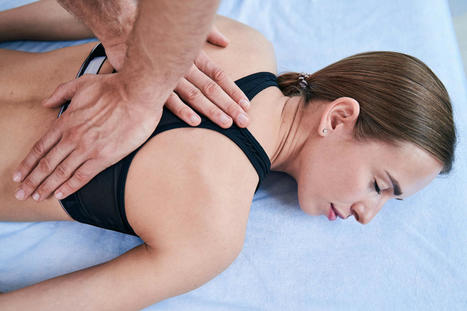
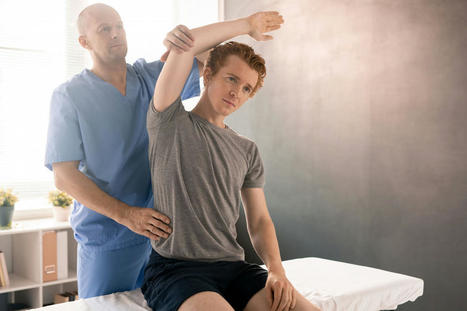









Golfing Back Injuries: Non-surgical motorized spinal decompression and chiropractic adjustments can restore and maintain optimal health. For answers to any questions, you may have, please call Dr. Jimenez at 915-850-0900 or 915-412-6677