 Your new post is loading...

|
Scooped by
Gust MEES
August 31, 2016 7:29 AM
|
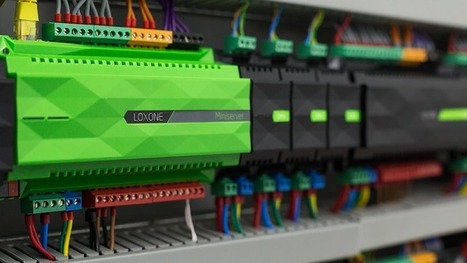
Durch die Vergabe von Standard-Passwörtern und Schwächen im firmeneigenen DDNS-Dienst waren Smart-Home-Systeme von Loxone über das Internet angreifbar. Auf Hinweis von c't dämmte der Hersteller das Problem stark ein; ein Restrisiko besteht aber weiterhin.
Smart-Home-Systeme des österreichischen Herstellers Loxone Electronics waren durch eine Sicherheitslücke leicht angreifbar. Dies berichtet c't in seiner kommenden Ausgabe 19/16, die am kommenden Freitag erscheint. Missbrauchspotenzial ergab sich demnach aus der Kombination aus einem Standard-Login (Benutzer: admin, Passwort: admin) und Schwächen im firmeneigenen DDNS-Dienst.
Besonders heikel ist die Sicherheitslücke, weil die Loxone-Anlagen nicht nur Sensoren und Aktoren aus den Bereichen Beleuchtung, Energie, Heizung und Kühlung, Rolladen und Audiosystemen ansteuern, sondern auch sicherheitskritische Komponenten wie Alarmanlagen, IP-Kameras und Zugangssysteme für Türen und Garagentore. Einem potenziellen Angreifer könnte es dadurch möglich sein, über angeschlossene IP-Kameras zu überprüfen, ob sich im Haus Personen befinden – und danach über das Web-Interface beispielsweise das Garagentor für einen gezielten Einbruch öffnen. Learn more / En savoir plus / Mehr erfahren: http://www.scoop.it/t/securite-pc-et-internet/?tag=Smart+Home https://globaleducationandsocialmedia.wordpress.com/2014/01/21/why-is-it-a-must-to-have-basics-knowledge-of-cyber-security-in-a-connected-technology-world/ http://www.scoop.it/t/securite-pc-et-internet/?tag=SHODAN+Search+Engine http://www.scoop.it/t/21st-century-learning-and-teaching/?tag=Internet+of+Things http://www.scoop.it/t/securite-pc-et-internet/?tag=smart-TV http://www.scoop.it/t/securite-pc-et-internet/?tag=Internet+of+things http://globaleducationandsocialmedia.wordpress.com/2014/01/21/why-is-it-a-must-to-have-basics-knowledge-of-cyber-security-in-a-connected-technology-world/ http://www.scoop.it/t/securite-pc-et-internet/?tag=Cars
|
|
Scooped by
Gust MEES
July 8, 2016 5:37 PM
|
It has been revealed that a previously disclosed serious vulnerability in D-Link IoT devices including baby monitors could affect more than 120 products around the world.
The stack overflow bug can be exploited “with a single command which contains custom assembly code and a string crafted to exercise the overflow,” security firm Senrio claimed last month.
It allows an attacker to set their own password for an affected device, effectively giving them remote access.
“Instead of setting a new password as the exploit, an attacker could just as easily add a new user with administrator access, download firmware or otherwise re-configure this device,” Senrio added.
This would give a hacker virtual carte blanche to spy on internet traffic, install backdoors and more.
According to Security Week, D-Link is still working on a fix for the bug, having determined it affects over 120 of its products, including routers, cameras, modems and more.
That equates to a massive 414,949 devices worldwide potentially at risk – with most of them in the United States. Learn more / En savoir plus / Mehr erfahren: http://www.scoop.it/t/securite-pc-et-internet/?tag=wearables https://globaleducationandsocialmedia.wordpress.com/2014/01/21/why-is-it-a-must-to-have-basics-knowledge-of-cyber-security-in-a-connected-technology-world/ http://www.scoop.it/t/securite-pc-et-internet/?tag=SHODAN+Search+Engine http://www.scoop.it/t/21st-century-learning-and-teaching/?tag=Internet+of+Things http://www.scoop.it/t/securite-pc-et-internet/?tag=smart-TV http://www.scoop.it/t/securite-pc-et-internet/?tag=Internet+of+things http://www.scoop.it/t/securite-pc-et-internet/?tag=Cars
|
|
Scooped by
Gust MEES
June 14, 2016 9:02 AM
|
|
|
Scooped by
Gust MEES
June 1, 2016 10:14 AM
|
|
|
Scooped by
Gust MEES
May 3, 2016 7:13 AM
|
|
|
Scooped by
Gust MEES
April 27, 2016 5:08 PM
|
|
|
Scooped by
Gust MEES
April 9, 2016 2:30 PM
|
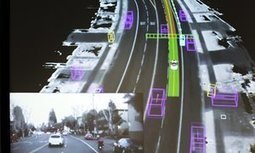
Modern cars contain tens of specialized computers that control everything from infotainment functions to steering and brakes. The pressing need to protect these computers from hackers will likely open up a new market for car-related software security products.
Karamba Security, a start-up based in Ann Arbor, Michigan, is one of the companies that has stepped up to answer this demand. The company's anti-malware technology, unveiled Thursday, is designed to protect externally accessible electronic control units (ECUs) found in connected cars.
These controllers, like those that handle handle telematics, infotainment and on-board diagnostics, can be accessed via Wi-Fi, Bluetooth or even the Internet, so they can serve as entry points for hackers into a car's network. Learn more / En savoir plus / Mehr erfahren: https://globaleducationandsocialmedia.wordpress.com/2014/01/21/why-is-it-a-must-to-have-basics-knowledge-of-cyber-security-in-a-connected-technology-world/ http://www.scoop.it/t/securite-pc-et-internet/?tag=SHODAN+Search+Engine http://www.scoop.it/t/21st-century-learning-and-teaching/?tag=Internet+of+Things http://www.scoop.it/t/securite-pc-et-internet/?tag=smart-TV http://www.scoop.it/t/securite-pc-et-internet/?tag=Internet+of+things http://www.scoop.it/t/securite-pc-et-internet/?tag=Cars
|
|
Scooped by
Gust MEES
March 29, 2016 1:01 PM
|
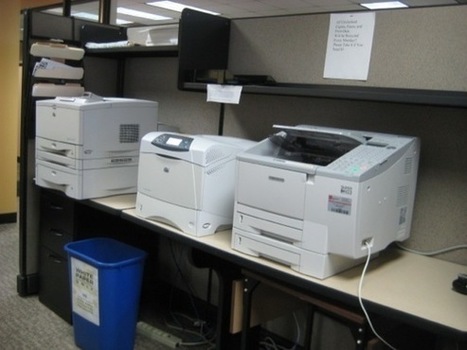
The IT departments at universities around the country just got a wake-up call about their exposed Internet-enabled printers.
Last week, thousands of connected printers, largely at U.S. colleges and universities, began printing out racist, anti-Semitic, and anti-immigrant messages. In all cases, the printers had port 9100 exposed, and turned up in searches using Masscan, a mass IP port scanner. All it took was five lines of code to take them over.
The hacker responsible for the racist printouts was Andrew “Weev” Auernheimer, who detailed the attack in a post on Storify. Speaking to The Security Ledger, Auernheimer said he was trying to demonstrate to his fellow white supremacists the insecurity of Internet of Things devices, and the ease with which someone might carry out an attack on these devices. Learn more / En savoir plus / Mehr erfahren: https://globaleducationandsocialmedia.wordpress.com/2014/01/21/why-is-it-a-must-to-have-basics-knowledge-of-cyber-security-in-a-connected-technology-world/ http://www.scoop.it/t/securite-pc-et-internet/?tag=SHODAN+Search+Engine http://www.scoop.it/t/21st-century-learning-and-teaching/?tag=Internet+of+Things http://www.scoop.it/t/securite-pc-et-internet/?tag=smart-TV http://www.scoop.it/t/securite-pc-et-internet/?tag=Internet+of+things http://globaleducationandsocialmedia.wordpress.com/2014/01/21/why-is-it-a-must-to-have-basics-knowledge-of-cyber-security-in-a-connected-technology-world/
|
|
Scooped by
Gust MEES
March 17, 2016 8:32 AM
|
|
|
Scooped by
Gust MEES
March 14, 2016 9:23 AM
|
|
|
Scooped by
Gust MEES
March 7, 2016 11:27 AM
|
|
|
Scooped by
Gust MEES
March 4, 2016 2:53 PM
|
Unmanaged wearables infiltrating the enterprise
Centrify has announced results from an onsite survey conducted at the RSA Conference 2016 regarding the prevalence of wearables in the enterprise and the growing concern they pose for IT security.
First and foremost, 69 percent of wearable device owners say they forego login credentials, such as PINs, passwords, fingerprint scanners and voice recognition, to access their devices.
56 percent of wearable owners use their devices to access business apps such as Box, Slack, Trello, Dropbox, Salesforce, Google Docs, Microsoft Office or a combination of those.
Perhaps most alarming, despite the lack of login credentials and ready access to corporate data, 42 percent of wearable owners cite identity theft as their top security concern when it comes to their devices.
Lack of IT management and device control comes in second (34 percent) and a general increase in breaches of sensitive work data or information comes in third (22 percent). Learn more / En savoir plus / Mehr erfahren: http://www.scoop.it/t/securite-pc-et-internet/?tag=wearables https://globaleducationandsocialmedia.wordpress.com/2014/01/21/why-is-it-a-must-to-have-basics-knowledge-of-cyber-security-in-a-connected-technology-world/ http://www.scoop.it/t/securite-pc-et-internet/?tag=SHODAN+Search+Engine http://www.scoop.it/t/21st-century-learning-and-teaching/?tag=Internet+of+Things http://www.scoop.it/t/securite-pc-et-internet/?tag=smart-TV http://www.scoop.it/t/securite-pc-et-internet/?tag=Internet+of+things http://globaleducationandsocialmedia.wordpress.com/2014/01/21/why-is-it-a-must-to-have-basics-knowledge-of-cyber-security-in-a-connected-technology-world/ http://www.scoop.it/t/securite-pc-et-internet/?tag=Cars
|
|
Scooped by
Gust MEES
March 1, 2016 5:50 PM
|
|
|
|
Scooped by
Gust MEES
August 11, 2016 8:46 AM
|
Mit einem Arduino und Hardware im Wert von 40 US-Dollar lassen sich fast alle Modelle der VW-Gruppe aus den vergangenen 15 Jahren öffnen - sagen Sicherheitsforscher. Das Unternehmen hat die Lücke eingeräumt. 14 weitere Autohersteller sind betroffen. Eine Gruppe von Sicherheitsforschern will im Laufe der Woche einen Hack vorstellen, mit dem sich die Türen von mehr als 100 Millionen Volkswagen öffnen lassen sollen, wie Wired berichtet. Der Hack basiert auf einer Arduino-Plattform, die benötigte Hardware soll sich für rund 40 US-Dollar einkaufen lassen. Nach Angaben der Forscher sind folgende Modelle betroffen: Audi: A1, Q3, R8, S3, TT, VW: Amarok, New Beetle, Bora, Caddy, Crafter, e-Up, Eos, Fox, Golf 4, Golf 5, Golf 6, Golf Plus, Jetta, Lupo, Passat, Polo, T4, T5, Scirocco, Sharan, Tiguan, Touran, Up, Seat: Alhambra, Altea, Arosa, Cordoba, Ibiza, Leon, MII, Toledo und von Skoda: City Go, Roomster, Fabia 1, Fabia 2, Octavia, SuperB, Yeti. Neben der Schwäche bei Autos der Volkswagen-Gruppe fanden die Forscher auch Probleme mit der Hitag-2-Technologie. Dieser wird von zahlreichen Herstellern eingesetzt. Der Zulieferer NXP sagte Wired, dass das verwendete Hitag-2-Kryptosystem einen alten Algorithmus verwende und das Unternehmen Kunden empfohlen habe, ein Upgrade durchzuführen. Betroffen sind unter anderem die Autobauer Alfa Romeo, Citroën, Dacia, Fiat, Ford, Lancia, Mitsubishi, Nissan, Opel, Peugeot und Renault. Learn more / En savoir plus / Mehr erfahren: http://www.scoop.it/t/securite-pc-et-internet/?tag=Cars
|
|
Scooped by
Gust MEES
June 14, 2016 10:25 AM
|
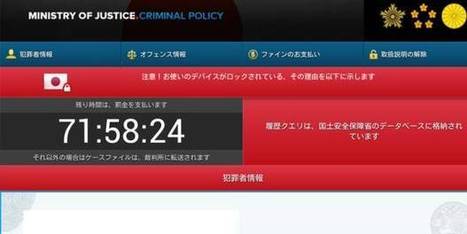
Eine Variante der Ransomware Flocker attackiert auch Android-basierte Smart-TVs und erpresst deren Besitzer.
Die Ransomware Flocker treibt schon seit über einem Jahr ihr Unwesen auf Android-Geräten. Die Bildschirme der befallenen Geräte werden gesperrt und die Besitzer werden zur Zahlung eines Lösegelds erpresst, um wieder den Zugriff auf das Gerät zu erhalten. Seit Mai 2015 haben die Sicherheitsexperten von Trend Micro laut eigenen Angaben über 7.000 Varianten von Flocker gesammelt. Allein seit Mitte April 2016 gab es über 1.200 neue Varianten.
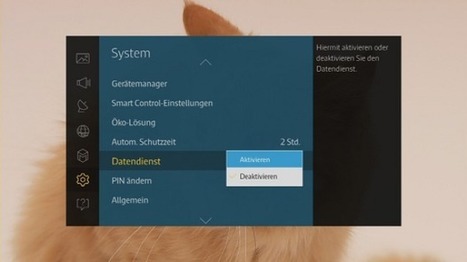
Und eine dieser jüngeren Varianten befällt auch Smart-TVs und erpresst deren Besitzer. Dabei wird der Bildschirm des Smart-TV gesperrt und auf dem Fernseher erscheint ein Warnhinweis, der von einer US Cyber-Polizei oder einer anderen angeblichen Strafverfolgungsbehörde stamme. Dem Smart-TV-Besitzer wird erklärt, er habe gegen Gesetze verstoßen. Die Strafe solle mittels iTunes Geschenkkarten im Wert von 200 US-Dollar beglichen werden. Erst dann erhalte der Nutzer wieder den vollen Zugriff auf den Fernseher. Learn more / En savoir plus / Mehr erfahren: http://www.scoop.it/t/securite-pc-et-internet/?tag=smart-TV http://www.scoop.it/t/securite-pc-et-internet/?tag=Internet+of+things
|
|
Scooped by
Gust MEES
June 14, 2016 8:05 AM
|
|
|
Scooped by
Gust MEES
May 18, 2016 7:59 PM
|
|
|
Scooped by
Gust MEES
May 3, 2016 3:16 AM
|
Is your smart home too smart for its own good?
A home full of connected devices like front-door locks, motion sensors, thermostats and smoke alarms all talking to a central hub and controllable via an app is the promise of smart home platforms like Samsung SmartThings. But all that interconnectivity of high-value home devices is also, apparently, catnip to hackers, potential malefactors and enterprising researchers.
SEE ALSO: Amazon Echo Dot gives you a voice-controlled smart home for only $90
A new University of Michigan security study entitled Security Analysis of Emerging Smart Home Applications demonstrates how Samsung's SmartThings platform may be especially vulnerable to hackers. Written by Earlence Fernandes, Jaeyeon Jung, and Atul Prakash (Fernandes and Prakash are both from the University of Michigan, while Jung is part of Microsoft Research), the paper is being presented this month at the upcoming IEEE Symposium on Security and Privacy.
The researchers targeted SmartThings because it, like other emerging smart home platforms, allows third-party app development and there are already a large number of apps and devices that work with it. https://globaleducationandsocialmedia.wordpress.com/2014/01/21/why-is-it-a-must-to-have-basics-knowledge-of-cyber-security-in-a-connected-technology-world/ http://www.scoop.it/t/securite-pc-et-internet/?tag=Smart+Home http://www.scoop.it/t/securite-pc-et-internet/?tag=SHODAN+Search+Engine http://www.scoop.it/t/21st-century-learning-and-teaching/?tag=Internet+of+Things http://www.scoop.it/t/securite-pc-et-internet/?tag=smart-TV http://www.scoop.it/t/securite-pc-et-internet/?tag=Internet+of+things http://www.scoop.it/t/securite-pc-et-internet/?tag=Cars
|
|
Scooped by
Gust MEES
April 25, 2016 9:35 AM
|
|
|
Scooped by
Gust MEES
March 30, 2016 7:36 PM
|
Remaiten Linux Bot Targets Routers and Potentially Other Embedded (IoT) Devices
A new piece of malware is targeting embedded systems with the mission to compromise and make them part of a botnet, ESET security researchers have discovered.
Dubbed “Remaiten” (Linux/ Remaiten), the new threat combines the capabilities of previously spotted Tsunami (also known as Kaiten) and Gafgyt malware and also brings a series of improvements and new features. According to ESET, three versions of Remaiten have already emerged, while the malware authors call their creation “KTN-Remastered” or “KTN-RM.”
One of the capabilities that Remaiten borrows from Gafgyt is telnet scanning, though Remaiten enjoys a series of improvements, ESET’s Michal Malik explains in a blog post. Both, however, rely on improperly secured devices to successfully infect them.
Gafgyt attempts to connect to random routers via port 23, which it then issues a shell command to download bot executables for multiple architectures and tries to run them. Remaiten, on the other hand, carries downloaders for CPU architectures commonly used in embedded Linux devices, then tries to trigger the device’s platform to drop only the appropriate downloader. Learn more / En savoir plus / Mehr erfahren: http://www.scoop.it/t/securite-pc-et-internet/?tag=Linux http://www.scoop.it/t/securite-pc-et-internet/?tag=Internet+of+things http://www.scoop.it/t/securite-pc-et-internet/?tag=Router
|
|
Scooped by
Gust MEES
March 18, 2016 7:16 PM
|
|
|
Scooped by
Gust MEES
March 17, 2016 8:14 AM
|
|
|
Scooped by
Gust MEES
March 7, 2016 6:42 PM
|
|
|
Scooped by
Gust MEES
March 6, 2016 4:06 PM
|
|
|
Scooped by
Gust MEES
March 3, 2016 11:36 AM
|
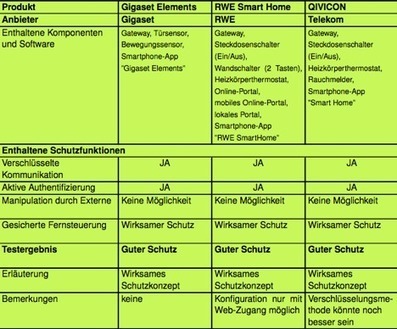
Smart-Home-Technik gehört die Zukunft. Aber der Zugriff auf Heizung, Beleuchtung, Schlösser und mehr birgt auch Risiken, denn alle Komponenten, die Zugang zum heimischen Netz und dadurch vielleicht Zugriff auf das Internet haben, sind potentiell angreifbar. Die Experten von AV-Test haben 7 Smart-Home-Lösungen getestet, mit erschreckenden Ergebnissen. Nur drei sind sicher: Nur drei Smart-Home-Produkte im Test sind sicher. (Großversion mit allen Testergebnissen) Fazit: Nur drei von sieben Sets sind sicher
Ein unsicheres Smart-Home-Kit kann die Hintertür in Ihr heimisches Netzwerk werden. Daher ist es unerlässlich, dass die Produkte ein hohes Maß an Sicherheit bieten. Leider gibt es noch keinen Sicherheits-Standard, wie er bei anderen Netzwerkgeräten, etwa WLAN-Routern vorhanden ist. Nur Telekom Smart Home, RWE SmartHome und Gigaset Elements sind laut AV-Test gut gegen Angreifer geschützt. Die Smart-Home-Systeme tapHome und iComfort hingegen sind gegen Angriffen im eigenen Netz machtlos. Die Starterkits von iConnect und Xavax Max! lassen sich sogar von Angreifern im eigenen Netz und von außen übertölpeln. Learn more / En savoir plus / Mehr erfahren: https://globaleducationandsocialmedia.wordpress.com/2014/01/21/why-is-it-a-must-to-have-basics-knowledge-of-cyber-security-in-a-connected-technology-world/ http://www.scoop.it/t/securite-pc-et-internet/?tag=SHODAN+Search+Engine http://www.scoop.it/t/21st-century-learning-and-teaching/?tag=Internet+of+Things http://www.scoop.it/t/securite-pc-et-internet/?tag=smart-TV http://www.scoop.it/t/securite-pc-et-internet/?tag=Internet+of+things http://globaleducationandsocialmedia.wordpress.com/2014/01/21/why-is-it-a-must-to-have-basics-knowledge-of-cyber-security-in-a-connected-technology-world/ http://www.scoop.it/t/securite-pc-et-internet/?tag=Cars
|

























Learn more / En savoir plus / Mehr erfahren:
http://www.scoop.it/t/securite-pc-et-internet/?tag=Smart+Home
https://globaleducationandsocialmedia.wordpress.com/2014/01/21/why-is-it-a-must-to-have-basics-knowledge-of-cyber-security-in-a-connected-technology-world/
http://www.scoop.it/t/securite-pc-et-internet/?tag=SHODAN+Search+Engine
http://www.scoop.it/t/21st-century-learning-and-teaching/?tag=Internet+of+Things
http://www.scoop.it/t/securite-pc-et-internet/?tag=smart-TV
http://www.scoop.it/t/securite-pc-et-internet/?tag=Internet+of+things
http://globaleducationandsocialmedia.wordpress.com/2014/01/21/why-is-it-a-must-to-have-basics-knowledge-of-cyber-security-in-a-connected-technology-world/
http://www.scoop.it/t/securite-pc-et-internet/?tag=Cars