ICT Security-Sécurité PC et Internet
112.9K views | +1 today
ICT Security-Sécurité PC et Internet
ICT Security + Privacy + Piracy + Data Protection - Censorship - Des cours et infos gratuites sur la"Sécurité PC et Internet" pour usage non-commercial... (FR, EN+DE)...
Curated by Gust MEES
Your new post is loading...
Scooped by Gust MEES
September 9, 2019 4:40 PM
Scoop.it!

Exim Security Flaw Affects Millions Of Email Servers | #CyberSecurity 

Exim Security Flaw Affects Millions Of Email Servers | #CyberSecurity  | ICT Security-Sécurité PC et Internet | Scoop.it

The team behind Exim revealed that a bug in its email server software is currently exposing millions of email servers around the world to potential attacks. Exim is a mail transfer agent (MTA) that runs in the background of email servers. It aids in the sending and receiving of email messages and helps servers act as relays for other users’ emails. All versions of Exim up to and including version 4.92.1 are affected.

The Exim team said in a recent advisory that anyone who is currently running Exim over TLS connections is vulnerable. According to the developers, the bug is unrelated to the TLS libraries (usually a source of similar bugs), so all Exim email servers are impacted, regardless of the TLS library they use.

If the server uses TLS, then an attacker could send a Server Name Identification (SNI) ending in a backslash-null sequence during the initial TLS handshake. This would allow both local or remote attackers to run malicious code with root privileges.


Exim vulnerability lets attackers run commands as root on remote email servers.


Learn more / En savoir plus / Mehr erfahren:


 https://www.scoop.it/topic/securite-pc-et-internet/?&tag=Exim


https://www.scoop.it/topic/securite-pc-et-internet/?&tag=Vulnerabilities


Gust MEES's insight:

The team behind Exim revealed that a bug in its email server software is currently exposing millions of email servers around the world to potential attacks. Exim is a mail transfer agent (MTA) that runs in the background of email servers. It aids in the sending and receiving of email messages and helps servers act as relays for other users’ emails. All versions of Exim up to and including version 4.92.1 are affected.

The Exim team said in a recent advisory that anyone who is currently running Exim over TLS connections is vulnerable. According to the developers, the bug is unrelated to the TLS libraries (usually a source of similar bugs), so all Exim email servers are impacted, regardless of the TLS library they use.

If the server uses TLS, then an attacker could send a Server Name Identification (SNI) ending in a backslash-null sequence during the initial TLS handshake. This would allow both local or remote attackers to run malicious code with root privileges.


Exim vulnerability lets attackers run commands as root on remote email servers.


Learn more / En savoir plus / Mehr erfahren:


 https://www.scoop.it/topic/securite-pc-et-internet/?&tag=Exim


https://www.scoop.it/topic/securite-pc-et-internet/?&tag=Vulnerabilities


No comment yet.
Scooped by Gust MEES
September 6, 2019 4:03 PM
Scoop.it!

Thousands of servers infected with new Lilocked (Lilu) ransomware | #Linux #CyberSecurity #NobodyIsPerfect #Lilocked #Lilu #Ransomware 

Thousands of servers infected with new Lilocked (Lilu) ransomware | #Linux #CyberSecurity #NobodyIsPerfect #Lilocked #Lilu #Ransomware  | ICT Security-Sécurité PC et Internet | Scoop.it

Thousands of web servers have been infected and had their files encrypted by a new strain of ransomware named Lilocked (or Lilu).

Infections have been happening since mid-July, and have intensified in the past two weeks, ZDNet has learned.

Based on current evidence, the Lilocked ransomware appears to target Linux-based systems only.

First reports date to mid-July, after some victims uploaded the Lilocked ransom note/demand on ID Ransomware, a website for identifying the name of the ransomware that infected a victim's system.


Learn more / En savoir plus / Mehr erfahren:


https://www.scoop.it/t/securite-pc-et-internet/?&tag=Linux


https://www.scoop.it/topic/securite-pc-et-internet/?&tag=RANSOMWARE


Gust MEES's insight:

Thousands of web servers have been infected and had their files encrypted by a new strain of ransomware named Lilocked (or Lilu).

Infections have been happening since mid-July, and have intensified in the past two weeks, ZDNet has learned.

Based on current evidence, the Lilocked ransomware appears to target Linux-based systems only.

First reports date to mid-July, after some victims uploaded the Lilocked ransom note/demand on ID Ransomware, a website for identifying the name of the ransomware that infected a victim's system.


Learn more / En savoir plus / Mehr erfahren:


https://www.scoop.it/t/securite-pc-et-internet/?&tag=Linux


https://www.scoop.it/topic/securite-pc-et-internet/?&tag=RANSOMWARE


No comment yet.
Scooped by Gust MEES
August 11, 2019 11:42 AM
Scoop.it!

Unpatched KDE vulnerability disclosed on Twitter | #Linux #CyberSecurity #Vulnerabilities 

Unpatched KDE vulnerability disclosed on Twitter | #Linux #CyberSecurity #Vulnerabilities  | ICT Security-Sécurité PC et Internet | Scoop.it

A security researcher has published proof-of-concept (PoC) code for a vulnerability in the KDE software framework. A fix is not available at the time of writing.

The bug was discovered by Dominik "zer0pwn" Penner and impacts the KDE Frameworks package 5.60.0 and below.

The KDE Frameworks software library is at the base of the KDE desktop environment v4 and v5 (Plasma), currently included with several Linux distributions such as Kubuntu, openSUSE, OpenMandriva, Chakra, KaOS, and others.

HOW THE VULNERABILITY WORKS
The vulnerability occurs because of the way the KDesktopFile class (part of KDE Frameworks) handles .desktop or .directory files.

Penner discovered that he could create malicious .desktop and .directory files that could be used to run malicious code on a user's computer.

When a user opens the KDE file viewer to access the directory where these files are stored, the malicious code contained within the .desktop or .directory files executes without user interaction -- such as running the file.


Learn more / En savoir plus / Mehr erfahren:


https://www.scoop.it/t/securite-pc-et-internet/?&tag=Linux


Gust MEES's insight:

A security researcher has published proof-of-concept (PoC) code for a vulnerability in the KDE software framework. A fix is not available at the time of writing.

The bug was discovered by Dominik "zer0pwn" Penner and impacts the KDE Frameworks package 5.60.0 and below.

The KDE Frameworks software library is at the base of the KDE desktop environment v4 and v5 (Plasma), currently included with several Linux distributions such as Kubuntu, openSUSE, OpenMandriva, Chakra, KaOS, and others.

HOW THE VULNERABILITY WORKS
The vulnerability occurs because of the way the KDesktopFile class (part of KDE Frameworks) handles .desktop or .directory files.

Penner discovered that he could create malicious .desktop and .directory files that could be used to run malicious code on a user's computer.

When a user opens the KDE file viewer to access the directory where these files are stored, the malicious code contained within the .desktop or .directory files executes without user interaction -- such as running the file.


Learn more / En savoir plus / Mehr erfahren:


https://www.scoop.it/t/securite-pc-et-internet/?&tag=Linux


No comment yet.
Scooped by Gust MEES
August 7, 2019 3:52 PM
Scoop.it!

Gravierende Schwachstelle in Server-Technik entdeckt | #CyberSecurity #Servers

Gravierende Schwachstelle in Server-Technik entdeckt | #CyberSecurity #Servers | ICT Security-Sécurité PC et Internet | Scoop.it

Sicherheitsrisiko für Unternehmen und Verbraucher: Bei vielen Servern gibt es eine Sicherheitslücke, über die zum Beispiel Login-Daten abgefischt werden können. Auch Bankkunden könnten betroffen sein.


IT-Sicherheitsexperten haben eine Schwachstelle in oft genutzter Server-Infrastruktur entdeckt, die verdeckte Angriffe auf Unternehmen und Verbraucher erlaubt.


Ein denkbares Szenario sei, dass Hacker Kunden betroffener Banken ausspionieren und deren Bankkonten leerräumen, warnte die Antivirenfirma F-Secure. Hinzu komme, dass die Technik die Aktionen der Hacker unter einigen Umständen nicht protokolliere - so dass danach keine Beweise für einen Angriff vorhanden wären.
Der Anbieter der betroffenen Software veröffentlichte bereits eine Anleitung zur Schließung der Sicherheitslücke. Dafür müssen allerdings Unternehmen, die die Technik einsetzen, jeweils selbst aktiv werden.


F-Secure fand das Problem in einem sogenannten Load Balancer, der die Auslastung in Server-Infrastruktur verteilt. Die Sicherheitslücke stecke direkt in der vom Anbieter F5 Networks verwendeten Programmiersprache.


Angreifer könnten mit Kenntnis der Schwachstelle beliebige Befehle einschleusen und so zum Beispiel auch Login-Daten bei betroffenen Webdiensten abgreifen, betonte F-Secure-Experte Christoffer Jerkeby. "Solange ein Unternehmen keine eingehende technische Prüfung seiner Systeme durchgeführt hat, ist die Wahrscheinlichkeit groß, dass es von der Sicherheitslücke betroffen ist", warnte Jerkeby.


Learn more / En savoir plus / Mehr erfahren:


https://www.scoop.it/topic/securite-pc-et-internet/?&tag=servers


http://www.scoop.it/t/securite-pc-et-internet/

Gust MEES's insight:

Sicherheitsrisiko für Unternehmen und Verbraucher: Bei vielen Servern gibt es eine Sicherheitslücke, über die zum Beispiel Login-Daten abgefischt werden können. Auch Bankkunden könnten betroffen sein.


IT-Sicherheitsexperten haben eine Schwachstelle in oft genutzter Server-Infrastruktur entdeckt, die verdeckte Angriffe auf Unternehmen und Verbraucher erlaubt.


Ein denkbares Szenario sei, dass Hacker Kunden betroffener Banken ausspionieren und deren Bankkonten leerräumen, warnte die Antivirenfirma F-Secure. Hinzu komme, dass die Technik die Aktionen der Hacker unter einigen Umständen nicht protokolliere - so dass danach keine Beweise für einen Angriff vorhanden wären.
Der Anbieter der betroffenen Software veröffentlichte bereits eine Anleitung zur Schließung der Sicherheitslücke. Dafür müssen allerdings Unternehmen, die die Technik einsetzen, jeweils selbst aktiv werden.


F-Secure fand das Problem in einem sogenannten Load Balancer, der die Auslastung in Server-Infrastruktur verteilt. Die Sicherheitslücke stecke direkt in der vom Anbieter F5 Networks verwendeten Programmiersprache.


Angreifer könnten mit Kenntnis der Schwachstelle beliebige Befehle einschleusen und so zum Beispiel auch Login-Daten bei betroffenen Webdiensten abgreifen, betonte F-Secure-Experte Christoffer Jerkeby. "Solange ein Unternehmen keine eingehende technische Prüfung seiner Systeme durchgeführt hat, ist die Wahrscheinlichkeit groß, dass es von der Sicherheitslücke betroffen ist", warnte Jerkeby.


Learn more / En savoir plus / Mehr erfahren:


https://www.scoop.it/topic/securite-pc-et-internet/?&tag=servers


http://www.scoop.it/t/securite-pc-et-internet/


No comment yet.
Scooped by Gust MEES
August 7, 2019 2:48 PM
Scoop.it!

Mutmaßliche russische Hacker nutzen Drucker als Einfallstor | #CyberSecurity 

Mutmaßliche russische Hacker nutzen Drucker als Einfallstor | #CyberSecurity  | ICT Security-Sécurité PC et Internet | Scoop.it

Microsoft-Experten warnen vor einem Hacker-Angriff über Drucker und Internet-Telefone. Eine mutmaßlich russische Gruppe von Cyberkriminellen dringt über die vernetzten Geräte in Firmen-Netze ein und scannt die IT nach weiteren Schwachstellen.
Mutmaßlich russische Hacker nutzen nach Erkenntnissen der IT-Sicherheitsexperten von Microsoft vernetzte Geräte wie Drucker und Internet-Telefon, um in Firmen-Netze einzudringen. Die entdeckten Angriffe seien dadurch begünstigt worden, dass die Geräte mit unveränderten Standard-Passwörtern oder ohne Sicherheits-Update wurden, erklärten die Forscher zur IT-Sicherheitskonferenz Black Hat in Las Vegas. Nachdem die Hacker über die Geräte ins Netzwerk eingedrungen seien, hätten sie es nach weiteren Schwachstellen abscannen können.


Die Microsoft-Experten vermuten hinter den Attacken eine Hacker-Gruppe, die sie Strontium nennen. Sie wird in der Branche dem russischen Militäraufklärungsdienst GRU zugeordnet und ist auch unter den Namen APT28, Fancy Bear und Sofacy bekannt. Dieser Hackergruppe wird unter anderem auch der schwerwiegende Cyberangriff auf die IT-Systeme des Deutschen Bundestages im Jahr 2015 zugeschrieben.


Die Microsoft-Experten warnten, dass die vernetzten Geräte in Firmen-Netzwerken stärker abgesichert werden müssten, weil sie mit zunehmender Ausbreitung zu einem Einfallstor für Hacker werden könnten.


Learn more / En savoir plus / Mehr erfahren: 


https://globaleducationandsocialmedia.wordpress.com/2014/01/21/why-is-it-a-must-to-have-basics-knowledge-of-cyber-security-in-a-connected-technology-world/


http://www.scoop.it/t/securite-pc-et-internet/?tag=SHODAN+Search+Engine


http://www.scoop.it/t/21st-century-learning-and-teaching/?tag=Internet+of+Things


http://www.scoop.it/t/securite-pc-et-internet/?tag=smart-TV


http://www.scoop.it/t/securite-pc-et-internet/?tag=Internet+of+things


https://www.scoop.it/topic/securite-pc-et-internet/?&tag=printer


Gust MEES's insight:

Microsoft-Experten warnen vor einem Hacker-Angriff über Drucker und Internet-Telefone. Eine mutmaßlich russische Gruppe von Cyberkriminellen dringt über die vernetzten Geräte in Firmen-Netze ein und scannt die IT nach weiteren Schwachstellen.
Mutmaßlich russische Hacker nutzen nach Erkenntnissen der IT-Sicherheitsexperten von Microsoft vernetzte Geräte wie Drucker und Internet-Telefon, um in Firmen-Netze einzudringen. Die entdeckten Angriffe seien dadurch begünstigt worden, dass die Geräte mit unveränderten Standard-Passwörtern oder ohne Sicherheits-Update wurden, erklärten die Forscher zur IT-Sicherheitskonferenz Black Hat in Las Vegas. Nachdem die Hacker über die Geräte ins Netzwerk eingedrungen seien, hätten sie es nach weiteren Schwachstellen abscannen können.


Die Microsoft-Experten vermuten hinter den Attacken eine Hacker-Gruppe, die sie Strontium nennen. Sie wird in der Branche dem russischen Militäraufklärungsdienst GRU zugeordnet und ist auch unter den Namen APT28, Fancy Bear und Sofacy bekannt. Dieser Hackergruppe wird unter anderem auch der schwerwiegende Cyberangriff auf die IT-Systeme des Deutschen Bundestages im Jahr 2015 zugeschrieben.


Die Microsoft-Experten warnten, dass die vernetzten Geräte in Firmen-Netzwerken stärker abgesichert werden müssten, weil sie mit zunehmender Ausbreitung zu einem Einfallstor für Hacker werden könnten.


Learn more / En savoir plus / Mehr erfahren: 


https://globaleducationandsocialmedia.wordpress.com/2014/01/21/why-is-it-a-must-to-have-basics-knowledge-of-cyber-security-in-a-connected-technology-world/


http://www.scoop.it/t/securite-pc-et-internet/?tag=SHODAN+Search+Engine


http://www.scoop.it/t/21st-century-learning-and-teaching/?tag=Internet+of+Things


http://www.scoop.it/t/securite-pc-et-internet/?tag=smart-TV


http://www.scoop.it/t/securite-pc-et-internet/?tag=Internet+of+things


https://www.scoop.it/topic/securite-pc-et-internet/?&tag=printer


No comment yet.
Scooped by Gust MEES
July 27, 2019 9:19 AM
Scoop.it!

Medizin: Sicherheitslücken in Beatmungsgeräten | #CyberSecurity #Health

Medizin: Sicherheitslücken in Beatmungsgeräten | #CyberSecurity #Health | ICT Security-Sécurité PC et Internet | Scoop.it

Sicherheitslücken in Beatmungsgeräten


Über das Krankenhausnetzwerk lassen sich Befehle an Anästhesie- und Beatmungsgeräte des Herstellers GE senden. Eine Sicherheitslücke ermöglicht unter anderem, Dosierung und Typ des Narkosemittels zu ändern.

An die Anästhesie- und Beatmungsgeräte Aestiva und Aespire der Firma GE lassen sich unauthentifiziert Befehle schicken, sofern die Geräte an das Krankenhausnetzwerk angeschlossen wurden. Beispielsweise lassen sich Alarme aus der Ferne abschalten oder die Gaszusammensetzung bei der Beatmung ändern. Entdeckt wurde die Lücke von der Sicherheitsfirma Cybermdx. Das Department of Homeland Security (DHS) warnt vor der Sicherheitslücke, der Hersteller GE sieht hingegen keine Gefahr für die Patienten.

Sind die betroffenen Versionen 7100 und 7900 von Aestiva und Aespire über einen Terminal-Server an das Krankenhaus-Netzwerk angeschlossen, können Angreifer Befehle an die Geräte senden.


Zum Einsatz kommt laut Cybermdx ein proprietäres Protokoll, dessen Befehle sich leicht herausfinden lassen. Mit einem dieser Befehle lassen sich die Geräte dazu bringen, eine ältere Version des Protokolls zu verwenden, das aus Gründen der Kompatibilität immer noch vorhanden ist. Eine Authentifizierung, um die Befehle abzusetzen, gibt es nicht.


Learn more / En savoir plus / Mehr erfahren:


https://www.scoop.it/topic/securite-pc-et-internet/?&tag=Medicine


Gust MEES's insight:

Sicherheitslücken in Beatmungsgeräten


Über das Krankenhausnetzwerk lassen sich Befehle an Anästhesie- und Beatmungsgeräte des Herstellers GE senden. Eine Sicherheitslücke ermöglicht unter anderem, Dosierung und Typ des Narkosemittels zu ändern.

An die Anästhesie- und Beatmungsgeräte Aestiva und Aespire der Firma GE lassen sich unauthentifiziert Befehle schicken, sofern die Geräte an das Krankenhausnetzwerk angeschlossen wurden. Beispielsweise lassen sich Alarme aus der Ferne abschalten oder die Gaszusammensetzung bei der Beatmung ändern. Entdeckt wurde die Lücke von der Sicherheitsfirma Cybermdx. Das Department of Homeland Security (DHS) warnt vor der Sicherheitslücke, der Hersteller GE sieht hingegen keine Gefahr für die Patienten.

Sind die betroffenen Versionen 7100 und 7900 von Aestiva und Aespire über einen Terminal-Server an das Krankenhaus-Netzwerk angeschlossen, können Angreifer Befehle an die Geräte senden.


Zum Einsatz kommt laut Cybermdx ein proprietäres Protokoll, dessen Befehle sich leicht herausfinden lassen. Mit einem dieser Befehle lassen sich die Geräte dazu bringen, eine ältere Version des Protokolls zu verwenden, das aus Gründen der Kompatibilität immer noch vorhanden ist. Eine Authentifizierung, um die Befehle abzusetzen, gibt es nicht.


Learn more / En savoir plus / Mehr erfahren:


https://www.scoop.it/topic/securite-pc-et-internet/?&tag=Medicine


No comment yet.
Scooped by Gust MEES
July 20, 2019 11:50 AM
Scoop.it!

Hackers breach FSB contractor, expose Tor deanonymization project and more | #CyberSecurity

Hackers breach FSB contractor, expose Tor deanonymization project and more | #CyberSecurity | ICT Security-Sécurité PC et Internet | Scoop.it

Hackers have breached SyTech, a contractor for FSB, Russia's national intelligence service, from where they stole information about internal projects the company was working on behalf of the agency -- including one for deanonymizing Tor traffic.

The breach took place last weekend, on July 13, when a group of hackers going by the name of 0v1ru$ hacked into SyTech's Active Directory server from where they gained access to the company's entire IT network, including a JIRA instance.

Hackers stole 7.5TB of data from the contractor's network, and they defaced the company's website with a "yoba face," an emoji popular with Russian users that stands for "trolling."

Hackers posted screenshots of the company's servers on Twitter and later shared the stolen data with Digital Revolution, another hacking group who last year breached Quantum, another FSB contractor.

This second hacker group shared the stolen files in greater detail on their Twitter account, on Thursday, July 18, and with Russian journalists afterward.


Learn more / En savoir plus / Mehr erfahren:


https://www.scoop.it/t/securite-pc-et-internet/?&tag=TOR


Gust MEES's insight:

Hackers have breached SyTech, a contractor for FSB, Russia's national intelligence service, from where they stole information about internal projects the company was working on behalf of the agency -- including one for deanonymizing Tor traffic.

The breach took place last weekend, on July 13, when a group of hackers going by the name of 0v1ru$ hacked into SyTech's Active Directory server from where they gained access to the company's entire IT network, including a JIRA instance.

Hackers stole 7.5TB of data from the contractor's network, and they defaced the company's website with a "yoba face," an emoji popular with Russian users that stands for "trolling."

Hackers posted screenshots of the company's servers on Twitter and later shared the stolen data with Digital Revolution, another hacking group who last year breached Quantum, another FSB contractor.

This second hacker group shared the stolen files in greater detail on their Twitter account, on Thursday, July 18, and with Russian journalists afterward.


Learn more / En savoir plus / Mehr erfahren:


https://www.scoop.it/t/securite-pc-et-internet/?&tag=TOR


No comment yet.
Scooped by Gust MEES
July 18, 2019 8:37 AM
Scoop.it!

Bluetooth Flaws Could Allow Global Tracking of Apple, Windows 10 Devices | #CyberSecurity

Bluetooth Flaws Could Allow Global Tracking of Apple, Windows 10 Devices | #CyberSecurity | ICT Security-Sécurité PC et Internet | Scoop.it

Identifying tokens and random addresses, meant to create anonymity, do not change in sync on some devices — opening an attack vector.

Vulnerabilities in the way Bluetooth Low Energy is implemented on devices by manufacturers can open the door to global device tracking for the Windows 10, iOS and macOS devices that incorporate it, according to research from Boston University.

An academic team at BU uncovered the flaws, which exist in the periodically changing, randomized device addressing mechanism that many new-model Bluetooth Low Energy (BLE) devices incorporate to prevent passive tracking. A paper on the issues (PDF) was presented Wednesday at the 19th Privacy Enhancing Technologies Symposium.


Learn more / En savoir plus / Mehr erfahren:


http://www.scoop.it/t/securite-pc-et-internet/?&tag=Bluetooth


Gust MEES's insight:

Identifying tokens and random addresses, meant to create anonymity, do not change in sync on some devices — opening an attack vector.

Vulnerabilities in the way Bluetooth Low Energy is implemented on devices by manufacturers can open the door to global device tracking for the Windows 10, iOS and macOS devices that incorporate it, according to research from Boston University.

An academic team at BU uncovered the flaws, which exist in the periodically changing, randomized device addressing mechanism that many new-model Bluetooth Low Energy (BLE) devices incorporate to prevent passive tracking. A paper on the issues (PDF) was presented Wednesday at the 19th Privacy Enhancing Technologies Symposium.


Learn more / En savoir plus / Mehr erfahren:


http://www.scoop.it/t/securite-pc-et-internet/?&tag=Bluetooth


No comment yet.
Scooped by Gust MEES
July 16, 2019 7:13 AM
Scoop.it!

Hacker Discovers A Simple Way To Hijack Any Instagram Account

Hacker Discovers A Simple Way To Hijack Any Instagram Account | ICT Security-Sécurité PC et Internet | Scoop.it

A professional hacker discovered what he considered a fairly simple way to seize control of any Instagram user's account. Fortunately for the site's 500 million active daily users, he told Instagram exactly how it could be done.


Learn more / En savoir plus / Mehr erfahren:


http://www.scoop.it/t/securite-pc-et-internet/?&tag=Instagram


Gust MEES's insight:

A professional hacker discovered what he considered a fairly simple way to seize control of any Instagram user's account. Fortunately for the site's 500 million active daily users, he told Instagram exactly how it could be done.


Learn more / En savoir plus / Mehr erfahren:


http://www.scoop.it/t/securite-pc-et-internet/?&tag=Instagram


No comment yet.
Scooped by Gust MEES
July 12, 2019 7:02 AM
Scoop.it!

Three quarters of mobile apps have this security vulnerability that could put your personal data at risk | #CyberSecurity #MobileSecurity

Three quarters of mobile apps have this security vulnerability that could put your personal data at risk | #CyberSecurity #MobileSecurity | ICT Security-Sécurité PC et Internet | Scoop.it

Three quarters of mobile applications have vulnerabilities relating to insecure data storage, leaving both Android and Apple iOS users open to cyberattacks that could allow hackers to steal sensitive information.

Managing the influx of Apple devices into the workplace
Insecure data storage is just one of a number of vulnerabilities that a security company's researchers said they have found after conducting security assessments of a number of mobile applications for both iPhones and and Google Android devices.

The findings have been outlined in the Vulnerabilities and Threats in Mobile Applications 2019 report from Positive Technologies.


Learn more / En savoir plus / Mehr erfahren:


https://gustmees.wordpress.com/2014/03/05/often-asked-questions-are-there-cyber-security-dangers-with-apps-and-whats-about-privacy/


https://www.scoop.it/topic/securite-pc-et-internet/?&tag=Apps


Gust MEES's insight:

Three quarters of mobile applications have vulnerabilities relating to insecure data storage, leaving both Android and Apple iOS users open to cyberattacks that could allow hackers to steal sensitive information.

Managing the influx of Apple devices into the workplace
Insecure data storage is just one of a number of vulnerabilities that a security company's researchers said they have found after conducting security assessments of a number of mobile applications for both iPhones and and Google Android devices.

The findings have been outlined in the Vulnerabilities and Threats in Mobile Applications 2019 report from Positive Technologies.


Learn more / En savoir plus / Mehr erfahren:


https://gustmees.wordpress.com/2014/03/05/often-asked-questions-are-there-cyber-security-dangers-with-apps-and-whats-about-privacy/


https://www.scoop.it/topic/securite-pc-et-internet/?&tag=Apps


No comment yet.
Scooped by Gust MEES
June 22, 2019 7:06 AM
Scoop.it!

JPL: Nasa über Raspberry Pi gehackt | #CyberSecurity 

JPL: Nasa über Raspberry Pi gehackt | #CyberSecurity  | ICT Security-Sécurité PC et Internet | Scoop.it

Hacker haben ungefähr 500 MByte an Daten aus dem Netzwerk des Jet Propulsion Laboratory (JPL) der Nasa erbeutet, indem sie einen Raspberry Pi als Einstiegspunkt nutzten. Der Bastelrechner war ohne Autorisierung in das Netzwerk eingebunden und entsprechend nicht ausreichend gesichert.

Der Angriff erfolgte bereits im April 2018 und blieb ein Jahr lang unentdeckt, wie Zdnet unter Berufung auf einen Bericht der Nasa schreibt. Der Zwischenfall ist unter anderem Thema eines Sicherheitsberichtes des Office of Inspector General (OIG) der Nasa, das firmeninterne Untersuchungen durchführt.


Learn more / En savoir plus / Mehr erfahren:


http://www.scoop.it/t/securite-pc-et-internet/?tag=Samy+KAMKAR


http://www.scoop.it/t/securite-pc-et-internet/?tag=Raspberry+PI


Gust MEES's insight:

Hacker haben ungefähr 500 MByte an Daten aus dem Netzwerk des Jet Propulsion Laboratory (JPL) der Nasa erbeutet, indem sie einen Raspberry Pi als Einstiegspunkt nutzten. Der Bastelrechner war ohne Autorisierung in das Netzwerk eingebunden und entsprechend nicht ausreichend gesichert.

Der Angriff erfolgte bereits im April 2018 und blieb ein Jahr lang unentdeckt, wie Zdnet unter Berufung auf einen Bericht der Nasa schreibt. Der Zwischenfall ist unter anderem Thema eines Sicherheitsberichtes des Office of Inspector General (OIG) der Nasa, das firmeninterne Untersuchungen durchführt.


Learn more / En savoir plus / Mehr erfahren:


http://www.scoop.it/t/securite-pc-et-internet/?tag=Samy+KAMKAR


http://www.scoop.it/t/securite-pc-et-internet/?tag=Raspberry+PI


No comment yet.
Scooped by Gust MEES
June 8, 2019 8:02 PM
Scoop.it!

Der Smart-TV, der Sie beobachtet! | Offizieller Blog von Kaspersky | #CyberSecurity #Privacy #Tracking 

Der Smart-TV, der Sie beobachtet! | Offizieller Blog von Kaspersky | #CyberSecurity #Privacy #Tracking  | ICT Security-Sécurité PC et Internet | Scoop.it

Smart-TVs beobachten Sie mehr, als Sie denken. Ein bestimmtes Modell sogar sehr genau, wie ein Entwickler entdeckt hat.


Learn more / En savoir plus / Mehr erfahren:


http://www.scoop.it/t/securite-pc-et-internet/?tag=smart-TV


http://www.scoop.it/t/securite-pc-et-internet/?tag=Internet+of+things


Gust MEES's insight:

Smart-TVs beobachten Sie mehr, als Sie denken. Ein bestimmtes Modell sogar sehr genau, wie ein Entwickler entdeckt hat.


Learn more / En savoir plus / Mehr erfahren:


http://www.scoop.it/t/securite-pc-et-internet/?tag=smart-TV


http://www.scoop.it/t/securite-pc-et-internet/?tag=Internet+of+things


No comment yet.
Scooped by Gust MEES
June 1, 2019 7:29 PM
Scoop.it!

New Linux Malware ‘HiddenWasp’ Borrows from Mirai, Azazel | #CyberSecurity

New Linux Malware ‘HiddenWasp’ Borrows from Mirai, Azazel | #CyberSecurity | ICT Security-Sécurité PC et Internet | Scoop.it

HiddenWasp is unique for Linux-based malware in that it targets systems to remotely control them.

A new strain of malware targeting Linux systems has been identified by researchers. The malware, dubbed HiddenWasp, is believed to be used as part of a second-stage attack against already-compromised systems and is composed of a rootkit, trojan and deployment script.

“The ratio of Linux treats has increased significantly over the years” said Nacho Sanmillan, a security researcher at Intezer Labs who analyzed the malware. “However, the majority of [Linux] malware is either tied to IoT, DDoS bots or cryptominers.”

Sanmillan said what’s unique about HiddenWasp is some of the evasion techniques implemented in the malware and that it contains rootkit used to hide the main trojan implant. “Rootkits are not artifacts commonly seen deploy along simple Linux malware.”

Learn more / En savoir plus / Mehr erfahren:


https://www.scoop.it/t/securite-pc-et-internet/?&tag=Linux


Gust MEES's insight:

HiddenWasp is unique for Linux-based malware in that it targets systems to remotely control them.

A new strain of malware targeting Linux systems has been identified by researchers. The malware, dubbed HiddenWasp, is believed to be used as part of a second-stage attack against already-compromised systems and is composed of a rootkit, trojan and deployment script.

“The ratio of Linux treats has increased significantly over the years” said Nacho Sanmillan, a security researcher at Intezer Labs who analyzed the malware. “However, the majority of [Linux] malware is either tied to IoT, DDoS bots or cryptominers.”

Sanmillan said what’s unique about HiddenWasp is some of the evasion techniques implemented in the malware and that it contains rootkit used to hide the main trojan implant. “Rootkits are not artifacts commonly seen deploy along simple Linux malware.”

Learn more / En savoir plus / Mehr erfahren:


https://www.scoop.it/t/securite-pc-et-internet/?&tag=Linux


No comment yet.
Scooped by Gust MEES
September 9, 2019 4:32 PM
Scoop.it!

Newly discovered cyber-espionage malware abuses Windows BITS service | #CyberSecurity #StealthFalcon #Backdoor

Newly discovered cyber-espionage malware abuses Windows BITS service | #CyberSecurity #StealthFalcon #Backdoor | ICT Security-Sécurité PC et Internet | Scoop.it

Security researchers have found another instance of a malware strain abusing the Windows Background Intelligent Transfer Service (BITS).

The malware appears to be the work of a state-sponsored cyber-espionage group that researchers have been tracking for years under the name of Stealth Falcon.

The first and only report on this hacking group has been published in 2016 by Citizen Lab, a non-profit organization focusing on security and human rights.

According to the Citizen Lab report, the Stealth Falcon group has been in operation since 2012 and was seen targeting United Arab Emirates (UAE) dissidents. Previous tools included a very stealthy backdoor written in PowerShell.


Learn more / En savoir plus / Mehr erfahren:


https://www.scoop.it/t/securite-pc-et-internet/?&tag=Cyberespionage


Gust MEES's insight:

Security researchers have found another instance of a malware strain abusing the Windows Background Intelligent Transfer Service (BITS).

The malware appears to be the work of a state-sponsored cyber-espionage group that researchers have been tracking for years under the name of Stealth Falcon.

The first and only report on this hacking group has been published in 2016 by Citizen Lab, a non-profit organization focusing on security and human rights.

According to the Citizen Lab report, the Stealth Falcon group has been in operation since 2012 and was seen targeting United Arab Emirates (UAE) dissidents. Previous tools included a very stealthy backdoor written in PowerShell.


Learn more / En savoir plus / Mehr erfahren:


https://www.scoop.it/t/securite-pc-et-internet/?&tag=Cyberespionage


No comment yet.
Scooped by Gust MEES
September 6, 2019 3:53 PM
Scoop.it!

Metasploit team releases BlueKeep exploit | #CyberSecurity #Windows 

Metasploit team releases BlueKeep exploit | #CyberSecurity #Windows  | ICT Security-Sécurité PC et Internet | Scoop.it

The developers of the Metasploit penetration testing framework have released today a weaponized exploit for the BlueKeep Windows vulnerability.

While other security researchers have released defanged BlueKeep proof-of-concept code in the past, this exploit is advanced enough to achieve code execution on remote systems, infosec experts who reviewed the Metasploit module have told ZDNet.

WHAT IS BLUEKEEP?


BlueKeep, also known as CVE-2019-0708, is a vulnerability in the Remote Desktop Protocol (RDP) service in older versions of the Windows operating system (Windows XP, Windows 2003, Windows 7, Windows Server 2008, and Windows Server 2008 R2).

Microsoft patched BlueKeep in the May 2019 Patch Tuesday security fixes released on May 14, and warned users to apply the patches as soon as possible.

At the time, to spur users into patching faster, the OS maker described BlueKeep as a "wormable" vulnerability that can self-propagate in a similar manner similar to how the EternalBlue exploit helped the WannaCry ransomware propagate to millions of computers in 2017.


Learn more / En savoir plus / Mehr erfahren:


https://www.scoop.it/topic/securite-pc-et-internet/?&tag=Metasploit


Gust MEES's insight:

The developers of the Metasploit penetration testing framework have released today a weaponized exploit for the BlueKeep Windows vulnerability.

While other security researchers have released defanged BlueKeep proof-of-concept code in the past, this exploit is advanced enough to achieve code execution on remote systems, infosec experts who reviewed the Metasploit module have told ZDNet.

WHAT IS BLUEKEEP?


BlueKeep, also known as CVE-2019-0708, is a vulnerability in the Remote Desktop Protocol (RDP) service in older versions of the Windows operating system (Windows XP, Windows 2003, Windows 7, Windows Server 2008, and Windows Server 2008 R2).

Microsoft patched BlueKeep in the May 2019 Patch Tuesday security fixes released on May 14, and warned users to apply the patches as soon as possible.

At the time, to spur users into patching faster, the OS maker described BlueKeep as a "wormable" vulnerability that can self-propagate in a similar manner similar to how the EternalBlue exploit helped the WannaCry ransomware propagate to millions of computers in 2017.


Learn more / En savoir plus / Mehr erfahren:


https://www.scoop.it/topic/securite-pc-et-internet/?&tag=Metasploit


No comment yet.
Scooped by Gust MEES
August 7, 2019 4:55 PM
Scoop.it!

IBM's Warshipping Attacks Wi-Fi Networks From Afar | #CyberSecurity #IoT

IBM's Warshipping Attacks Wi-Fi Networks From Afar | #CyberSecurity #IoT | ICT Security-Sécurité PC et Internet | Scoop.it

You've heard about wardriving, but what about warshipping? Researchers at IBM X-Force Red have detailed a new tactic that they say can break into victims' Wi-Fi networks from far.

The company calls the technique warshipping, and it is a more efficient evolution of wardriving, a popular technique among hackers seeking access to any wireless network they can find. Whereas wardrivers drive around a wide area with a directional antenna looking for wireless networks to crack, IBM's researchers took a more targeted approach.

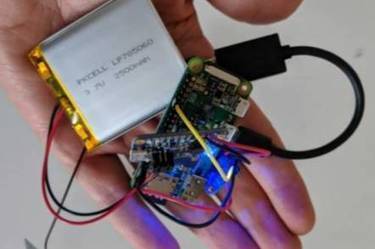
Speaking at Black Hat USA, IBM researchers explained how they used off-the-shelf components costing under $100 to create a single-board computer with Wi-Fi and 3G capability. This enables it to connect to a Wi-Fi network to harvest data locally and then send it to a remote location using its cellular connection. The small device runs on a cell phone battery and easily fits into a small package.

Attackers can then send the device to a company via regular mail, where it will probably languish in a mail room for a while. During this time, it can connect to any Wi-Fi networks it finds in the building and harvest data – typically a hashed network access code. It sends this back to the attacker, who can then use their own resources (or a cloud-based cracking service) to extract the original access code. At this point, they have access to the company's Wi-Fi network.


Learn more / En savoir plus / Mehr erfahren:


https://www.scoop.it/t/securite-pc-et-internet/?&tag=Internet+of+things


https://www.scoop.it/topic/securite-pc-et-internet/?&tag=Warshipping


Gust MEES's insight:

You've heard about wardriving, but what about warshipping? Researchers at IBM X-Force Red have detailed a new tactic that they say can break into victims' Wi-Fi networks from far.

The company calls the technique warshipping, and it is a more efficient evolution of wardriving, a popular technique among hackers seeking access to any wireless network they can find. Whereas wardrivers drive around a wide area with a directional antenna looking for wireless networks to crack, IBM's researchers took a more targeted approach.

Speaking at Black Hat USA, IBM researchers explained how they used off-the-shelf components costing under $100 to create a single-board computer with Wi-Fi and 3G capability. This enables it to connect to a Wi-Fi network to harvest data locally and then send it to a remote location using its cellular connection. The small device runs on a cell phone battery and easily fits into a small package.

Attackers can then send the device to a company via regular mail, where it will probably languish in a mail room for a while. During this time, it can connect to any Wi-Fi networks it finds in the building and harvest data – typically a hashed network access code. It sends this back to the attacker, who can then use their own resources (or a cloud-based cracking service) to extract the original access code. At this point, they have access to the company's Wi-Fi network.


Learn more / En savoir plus / Mehr erfahren:


https://www.scoop.it/t/securite-pc-et-internet/?&tag=Internet+of+things


https://www.scoop.it/topic/securite-pc-et-internet/?&tag=Warshipping


No comment yet.
Scooped by Gust MEES
August 7, 2019 3:01 PM
Scoop.it!

Hack-age delivery! Wardialing, wardriving... Now warshipping: Wi-Fi-spying gizmos may lurk in future parcels | #CyberSecurity #IoT

Hack-age delivery! Wardialing, wardriving... Now warshipping: Wi-Fi-spying gizmos may lurk in future parcels | #CyberSecurity #IoT | ICT Security-Sécurité PC et Internet | Scoop.it

Black Hat IBM's X-Force hacking team have come up with an interesting variation on wardriving – you know, when you cruise a neighborhood scouting for Wi-Fi networks. Well, why not try using the postal service instead, and called it "warshipping," Big Blue's eggheads suggested earlier today.

To demonstrate this approach, the X-Force team built a low-power gizmo consisting of a $100 single-board computer with built-in 3G and Wi-Fi connectivity and GPS. It's smaller than the palm of your hand, and can be hidden in a package sent out for delivery to a target's business or home.

Once it arrives, it can be activated remotely over the internet, or when it detects it is near its destination using GPS. It can be instructed to scan for vulnerable networks to infiltrate – a la the TJX wireless hacking in the mid-2000s – or spoof nearby legit wireless networks to harvest passphrases from those connecting, or get up to other mischief over the air.

Any obtained information can be relayed back to base, over the internet, and it can be commanded to drill further into any networks it is able to break into, installing spyware as it goes. This widget is potentially potent as it passes through a business on its way to someone's desk.


Learn more / En savoir plus / Mehr erfahren:


https://www.scoop.it/t/securite-pc-et-internet/?&tag=Internet+of+things


https://www.scoop.it/topic/securite-pc-et-internet/?&tag=Warshipping


Gust MEES's insight:

Black Hat IBM's X-Force hacking team have come up with an interesting variation on wardriving – you know, when you cruise a neighborhood scouting for Wi-Fi networks. Well, why not try using the postal service instead, and called it "warshipping," Big Blue's eggheads suggested earlier today.

To demonstrate this approach, the X-Force team built a low-power gizmo consisting of a $100 single-board computer with built-in 3G and Wi-Fi connectivity and GPS. It's smaller than the palm of your hand, and can be hidden in a package sent out for delivery to a target's business or home.

Once it arrives, it can be activated remotely over the internet, or when it detects it is near its destination using GPS. It can be instructed to scan for vulnerable networks to infiltrate – a la the TJX wireless hacking in the mid-2000s – or spoof nearby legit wireless networks to harvest passphrases from those connecting, or get up to other mischief over the air.

Any obtained information can be relayed back to base, over the internet, and it can be commanded to drill further into any networks it is able to break into, installing spyware as it goes. This widget is potentially potent as it passes through a business on its way to someone's desk.


Learn more / En savoir plus / Mehr erfahren:


https://www.scoop.it/t/securite-pc-et-internet/?&tag=Internet+of+things


https://www.scoop.it/topic/securite-pc-et-internet/?&tag=Warshipping


No comment yet.
Scooped by Gust MEES
August 7, 2019 2:42 PM
Scoop.it!

Dragonblood: Neue Lücken in WLAN-Verschlüsselung WPA3 könnten WPA3.1 nötig machen | #CyberSecurity #WiFi

Dragonblood: Neue Lücken in WLAN-Verschlüsselung WPA3 könnten WPA3.1 nötig machen | #CyberSecurity #WiFi | ICT Security-Sécurité PC et Internet | Scoop.it

Dragonblood: Neue Lücken in WLAN-Verschlüsselung WPA3 könnten WPA3.1 nötig machen
Während Gerätehersteller fleißig das löchrige WPA3 in Produkte integrieren, sieht es so aus, als ob neue Lücken eine nicht-kompatible Version 3.1 nötig machen.

Das Schlüsselaustausch-Protokoll von WPA3 ist nach der Insekten-Ordnung der Libellen benannt (englisch: dragonfly). (Bild: Pixabay )

Im April hatten die beiden Sicherheitsforscher Mathy Vanhoef und Eyal Ronen ernste Sicherheitslücken in der Passwörtprüfung des neuen WLAN-Sicherheitsstandards WPA3 entdeckt und Dragonblood getauft. Vanhoef war mit der Entdeckung des KRACK-Angriffs auf WPA2 im Jahr 2017 überhaupt erst dafür verantwortlich gewesen, dass die Standardisierungsorganisation Wi-Fi Alliance den WPA3-Standard entwickelt hatte.

Nun sieht es so aus, als könnten durch Vanhoef und Ronen neu veröffentlichte Dragonblood-Lücken dafür sorgen, dass ein WPA3.1 aus der Taufe gehoben werden muss. Diese neue Version des Sicherheits-Standards wäre nicht abwärtskompatibel zu WPA3.


Learn more / En savoir plus / Mehr erfahren:


https://www.scoop.it/t/securite-pc-et-internet/?&tag=WiFi


https://www.scoop.it/topic/securite-pc-et-internet/?&tag=WPA3


https://www.scoop.it/topic/securite-pc-et-internet/?&tag=Dragonblood


Gust MEES's insight:

Dragonblood: Neue Lücken in WLAN-Verschlüsselung WPA3 könnten WPA3.1 nötig machen
Während Gerätehersteller fleißig das löchrige WPA3 in Produkte integrieren, sieht es so aus, als ob neue Lücken eine nicht-kompatible Version 3.1 nötig machen.

Das Schlüsselaustausch-Protokoll von WPA3 ist nach der Insekten-Ordnung der Libellen benannt (englisch: dragonfly). (Bild: Pixabay )

Im April hatten die beiden Sicherheitsforscher Mathy Vanhoef und Eyal Ronen ernste Sicherheitslücken in der Passwörtprüfung des neuen WLAN-Sicherheitsstandards WPA3 entdeckt und Dragonblood getauft. Vanhoef war mit der Entdeckung des KRACK-Angriffs auf WPA2 im Jahr 2017 überhaupt erst dafür verantwortlich gewesen, dass die Standardisierungsorganisation Wi-Fi Alliance den WPA3-Standard entwickelt hatte.

Nun sieht es so aus, als könnten durch Vanhoef und Ronen neu veröffentlichte Dragonblood-Lücken dafür sorgen, dass ein WPA3.1 aus der Taufe gehoben werden muss. Diese neue Version des Sicherheits-Standards wäre nicht abwärtskompatibel zu WPA3.


Learn more / En savoir plus / Mehr erfahren:


https://www.scoop.it/t/securite-pc-et-internet/?&tag=WiFi


https://www.scoop.it/topic/securite-pc-et-internet/?&tag=WPA3


https://www.scoop.it/topic/securite-pc-et-internet/?&tag=Dragonblood


No comment yet.
Scooped by Gust MEES
July 25, 2019 3:17 PM
Scoop.it!

Louisiana governor declares state emergency after local ransomware outbreak | #CyberSecurity #Schools #EDUcation 

Louisiana governor declares state emergency after local ransomware outbreak | #CyberSecurity #Schools #EDUcation  | ICT Security-Sécurité PC et Internet | Scoop.it

Louisiana Governor John Bel Edwards has activated a state-wide state of emergency in response to a wave of ransomware infections that have hit multple school districts.

The ransomware infections took place this week and have impacted the school districts of three North Louisiana parishes -- Sabine, Morehouse, and Ouachita.

IT networks are down at all three school districts, and files have been encrypted and are inaccessible, local media outlets are reporting.


Learn more / En savoir plus / Mehr erfahren:


https://www.scoop.it/t/securite-pc-et-internet/?&tag=RANSOMWARE


Gust MEES's insight:

Louisiana Governor John Bel Edwards has activated a state-wide state of emergency in response to a wave of ransomware infections that have hit multple school districts.

The ransomware infections took place this week and have impacted the school districts of three North Louisiana parishes -- Sabine, Morehouse, and Ouachita.

IT networks are down at all three school districts, and files have been encrypted and are inaccessible, local media outlets are reporting.


Learn more / En savoir plus / Mehr erfahren:


https://www.scoop.it/t/securite-pc-et-internet/?&tag=RANSOMWARE


No comment yet.
Scooped by Gust MEES
July 18, 2019 9:29 AM
Scoop.it!

Bluetooth-Sicherheitslücke: Hacker können Windows-, iOS- und macOS-Geräte tracken | #CyberSecurity #Tracking 

Wie Forscher herausgefunden haben, gibt es ein massives Sicherheitsproblem bei Bluetooth. Geräte sind dadurch von Angreifern leicht zu verfolgen.

Forscher der Boston University haben einen Fehler im Kommunikationsprotokoll von Bluetooth entdeckt, durch den die meisten Geräte von Dritten getrackt werden können und Daten verloren gehen.

In dem Forschungsbericht, der unter dem Namen „Tracking Anonymized Bluetooth Devices“ erschien und von den Forschern Johannes K. Becker und David Starobinski herausgegeben wurde, wird die Sicherheitsanfälligkeit von Bluetooth-Geräten detailliert beschrieben. Betroffen sein können Geräte, die Windows 10, iOS und macOS nutzen, sowie Smartwatches von Apple und Fitbit.


Learn more / En savoir plus / Mehr erfahren:


http://www.scoop.it/t/securite-pc-et-internet/?&tag=Bluetooth


Gust MEES's insight:

Wie Forscher herausgefunden haben, gibt es ein massives Sicherheitsproblem bei Bluetooth. Geräte sind dadurch von Angreifern leicht zu verfolgen.

Forscher der Boston University haben einen Fehler im Kommunikationsprotokoll von Bluetooth entdeckt, durch den die meisten Geräte von Dritten getrackt werden können und Daten verloren gehen.

In dem Forschungsbericht, der unter dem Namen „Tracking Anonymized Bluetooth Devices“ erschien und von den Forschern Johannes K. Becker und David Starobinski herausgegeben wurde, wird die Sicherheitsanfälligkeit von Bluetooth-Geräten detailliert beschrieben. Betroffen sein können Geräte, die Windows 10, iOS und macOS nutzen, sowie Smartwatches von Apple und Fitbit.


Learn more / En savoir plus / Mehr erfahren:


http://www.scoop.it/t/securite-pc-et-internet/?&tag=Bluetooth


No comment yet.
Scooped by Gust MEES
July 18, 2019 6:49 AM
Scoop.it!

Neue Linux-Malware spioniert Desktop-Nutzer aus | #CyberSecurity #EvilGnome

Die neue Linux-Spyware EvilGnome ist speziell für den Angriff auf Desktop-Nutzer ausgelegt. Einmal infiziert überträgt der Schädling Dateien, Screenshots, Audiomitschnitte und mehr von betroffenen Systemen auf die Server der Cyberkriminellen.
Linux gilt gemeinhin als äußerst sicheres Betriebssystem. Im Vergleich zu Windows werden für die Open-Source-Lösung kaum Schadprogramme entwickelt und die wenigen im Umlauf befindlichen Schädlinge sind zumeist auf Linux-Server ausgelegt.


Nun sind die Sicherheitsexperten von Intezer allerdings auf eine Malware gestoßen, die es explizit auf Desktop-Nutzer unter Linux abgesehen hat. Dabei handelt es sich um eine Spyware, die von den Virenforschern EvilGnome getauft wurde und dieser Name ist Programm.


Learn more / En savoir plus / Mehr erfahren:


https://www.scoop.it/t/securite-pc-et-internet/?&tag=Linux


Gust MEES's insight:

Die neue Linux-Spyware EvilGnome ist speziell für den Angriff auf Desktop-Nutzer ausgelegt. Einmal infiziert überträgt der Schädling Dateien, Screenshots, Audiomitschnitte und mehr von betroffenen Systemen auf die Server der Cyberkriminellen.
Linux gilt gemeinhin als äußerst sicheres Betriebssystem. Im Vergleich zu Windows werden für die Open-Source-Lösung kaum Schadprogramme entwickelt und die wenigen im Umlauf befindlichen Schädlinge sind zumeist auf Linux-Server ausgelegt.


Nun sind die Sicherheitsexperten von Intezer allerdings auf eine Malware gestoßen, die es explizit auf Desktop-Nutzer unter Linux abgesehen hat. Dabei handelt es sich um eine Spyware, die von den Virenforschern EvilGnome getauft wurde und dieser Name ist Programm.


Learn more / En savoir plus / Mehr erfahren:


https://www.scoop.it/t/securite-pc-et-internet/?&tag=Linux


No comment yet.
Scooped by Gust MEES
July 15, 2019 8:13 AM
Scoop.it!

German banks to stop using SMS to deliver second authentication/verification factor | #CyberSecurity #MobileSecurity 

German banks to stop using SMS to deliver second authentication/verification factor | #CyberSecurity #MobileSecurity  | ICT Security-Sécurité PC et Internet | Scoop.it

According to German business news outfit Handelsblatt, a number banks – whether private, co-operative or public – have either stopped offering the option or are planning to remove it by the end of the year. Among these are Postbank, Berliner Sparkasse, Consorsbank, and others.

The reasons are mostly due to security and regulation compliance
Since a lot of people do their online banking via their mobile/smart phones, hackers need to compromise only this device to get all the information needed to perform a fraudulent transaction. Users can have also their online banking credentials compromised and be targeted with fake text messages purportedly coming from the bank.

It’s also becoming common for attackers to perform SIM swapping to impersonate the target’s phone and validate the fraudulent transaction. And, finally, there have been instances of criminals exploiting long-known security vulnerabilities in the SS7 protocols to bypass German banks’ two-factor authentication and drain their customers’ bank accounts.


Learn more / En savoir plus / Mehr erfahren:


https://www.scoop.it/t/securite-pc-et-internet/?&tag=Two-factor+authentication


Gust MEES's insight:

According to German business news outfit Handelsblatt, a number banks – whether private, co-operative or public – have either stopped offering the option or are planning to remove it by the end of the year. Among these are Postbank, Berliner Sparkasse, Consorsbank, and others.

The reasons are mostly due to security and regulation compliance
Since a lot of people do their online banking via their mobile/smart phones, hackers need to compromise only this device to get all the information needed to perform a fraudulent transaction. Users can have also their online banking credentials compromised and be targeted with fake text messages purportedly coming from the bank.

It’s also becoming common for attackers to perform SIM swapping to impersonate the target’s phone and validate the fraudulent transaction. And, finally, there have been instances of criminals exploiting long-known security vulnerabilities in the SS7 protocols to bypass German banks’ two-factor authentication and drain their customers’ bank accounts.


Learn more / En savoir plus / Mehr erfahren:


https://www.scoop.it/t/securite-pc-et-internet/?&tag=Two-factor+authentication


No comment yet.
Scooped by Gust MEES
June 28, 2019 8:07 PM
Scoop.it!

FDA Warns Of Dangerous Cybersecurity Hacking Risk With Connected Medical Devices

FDA Warns Of Dangerous Cybersecurity Hacking Risk With Connected Medical Devices | ICT Security-Sécurité PC et Internet | Scoop.it

The U.S. Food and Drug Administration (FDA) warned this week that a number of insulin pumps from Medtronic MiniMed might be at risk of a cybersecurity breach, going as far as to warn patients to switch devices—"Medtronic is recalling affected MiniMed pumps," the FDA said, "and providing alternative insulin pumps to patients."

A full list of affected models can be found with the warning. The affected models cannot be updated and need to be replaced, even though "the FDA is not aware of any reports of patient harm related to these potential cybersecurity risks."


Learn more / En savoir plus / Mehr erfahren:


https://www.scoop.it/t/securite-pc-et-internet/?&tag=Pacemakers+Hacking


https://www.scoop.it/topic/securite-pc-et-internet/?&tag=Medicine


Gust MEES's insight:

The U.S. Food and Drug Administration (FDA) warned this week that a number of insulin pumps from Medtronic MiniMed might be at risk of a cybersecurity breach, going as far as to warn patients to switch devices—"Medtronic is recalling affected MiniMed pumps," the FDA said, "and providing alternative insulin pumps to patients."

A full list of affected models can be found with the warning. The affected models cannot be updated and need to be replaced, even though "the FDA is not aware of any reports of patient harm related to these potential cybersecurity risks."


Learn more / En savoir plus / Mehr erfahren:


https://www.scoop.it/t/securite-pc-et-internet/?&tag=Pacemakers+Hacking


https://www.scoop.it/topic/securite-pc-et-internet/?&tag=Medicine


No comment yet.
Scooped by Gust MEES
June 20, 2019 2:40 PM
Scoop.it!

Three quarters of mobile apps have this security vulnerability which could put your personal data at risk | #CyberSecurity #CyberHygiene #Awareness #MobileSecurity #Vulnerabilities 

Three quarters of mobile applications have vulnerabilities relating to insecure data storage, leaving both Android and Apple iOS users open to cyber attacks which could allow hackers to steal sensitive information.

Insecure data storage is just one of a number of vulnerabilities which a security company's researchers said they have found after conducting security assessments of a number of mobile applications for both iPhones and and Google Android devices.

The findings have been outlined in the Vulnerabilities and Threats in Mobile Applications 2019 report from Positive Technologies.

Insecure data storage is by far the most common vulnerability identified in the tested applications, with 76 percent of those examined found to demonstrate this as a security risk, potentially putting the privacy and security of users at risk.

Just over a third of applications (35 percent) have been found to exhibit vulnerabilities relating to insecure transmission of sensitive data, while researchers found that the same percentage demonstrated issues around incorrect implementation of session expiration.


Learn more / En savoir plus / Mehr erfahren:


https://gustmees.wordpress.com/2014/03/05/often-asked-questions-are-there-cyber-security-dangers-with-apps-and-whats-about-privacy/


https://www.scoop.it/topic/securite-pc-et-internet/?&tag=Apps


Gust MEES's insight:

Three quarters of mobile applications have vulnerabilities relating to insecure data storage, leaving both Android and Apple iOS users open to cyber attacks which could allow hackers to steal sensitive information.

Insecure data storage is just one of a number of vulnerabilities which a security company's researchers said they have found after conducting security assessments of a number of mobile applications for both iPhones and and Google Android devices.

The findings have been outlined in the Vulnerabilities and Threats in Mobile Applications 2019 report from Positive Technologies.

Insecure data storage is by far the most common vulnerability identified in the tested applications, with 76 percent of those examined found to demonstrate this as a security risk, potentially putting the privacy and security of users at risk.

Just over a third of applications (35 percent) have been found to exhibit vulnerabilities relating to insecure transmission of sensitive data, while researchers found that the same percentage demonstrated issues around incorrect implementation of session expiration.


Learn more / En savoir plus / Mehr erfahren:


https://gustmees.wordpress.com/2014/03/05/often-asked-questions-are-there-cyber-security-dangers-with-apps-and-whats-about-privacy/


https://www.scoop.it/topic/securite-pc-et-internet/?&tag=Apps


No comment yet.
Scooped by Gust MEES
June 6, 2019 11:31 AM
Scoop.it!

New RCE vulnerability impacts nearly half of the internet's email servers | #CyberSecurity #Exim

New RCE vulnerability impacts nearly half of the internet's email servers | #CyberSecurity #Exim | ICT Security-Sécurité PC et Internet | Scoop.it

Exim vulnerability lets attackers run commands as root on remote email servers.


Learn more / En savoir plus / Mehr erfahren:


 https://www.scoop.it/topic/securite-pc-et-internet/?&tag=Exim


https://www.scoop.it/topic/securite-pc-et-internet/?&tag=Vulnerabilities


Gust MEES's insight:


Exim vulnerability lets attackers run commands as root on remote email servers.


Learn more / En savoir plus / Mehr erfahren:


 https://www.scoop.it/topic/securite-pc-et-internet/?&tag=Exim


https://www.scoop.it/topic/securite-pc-et-internet/?&tag=Vulnerabilities


No comment yet.