




Two-factor authentication involving SMS, while used by most banks for quite some time, is not unbeatable.

 Your new post is loading...
 Scoop.it! Two-factor authentication involving SMS, while used by most banks for quite some time, is not unbeatable. 
No comment yet.
Sign up to comment
Scoop.it!

A new kind of Android malware can steal online banking credentials and hold a device's files hostage for ransom, delivering a particularly nasty one-two punch. Learn more / En savoir plus / Mehr erfahren: http://www.scoop.it/t/securite-pc-et-internet/?tag=Android http://www.scoop.it/t/securite-pc-et-internet/?tag=RANSOMWARE
Gust MEES's insight:
A new kind of Android malware can steal online banking credentials and hold a device's files hostage for ransom, delivering a particularly nasty one-two punch. Learn more / En savoir plus / Mehr erfahren: http://www.scoop.it/t/securite-pc-et-internet/?tag=Android http://www.scoop.it/t/securite-pc-et-internet/?tag=RANSOMWARE
Scoop.it!

A new malware dubbed Mazar Bot is threatening Android users and has the ability to gain root access to the mobile device and completely wipe it. Learn more / En savoir plus / Mehr erfahren: http://www.scoop.it/t/securite-pc-et-internet/?tag=Botnets
Gust MEES's insight:
A new malware dubbed Mazar Bot is threatening Android users and has the ability to gain root access to the mobile device and completely wipe it. Learn more / En savoir plus / Mehr erfahren: http://www.scoop.it/t/securite-pc-et-internet/?tag=Botnets
Scoop.it!

Handy-Netzwerke sind gar nicht so schwer zu hacken und es ist fast unmöglich, sie zu schützen. Die Telekommunikationsanbieter sind nicht soweit, die Verantwortung zu übernehmen und geben Millionen aus, um ihre Kunden zu schützen.
Gust MEES's insight:
Handy-Netzwerke sind gar nicht so schwer zu hacken und es ist fast unmöglich, sie zu schützen. Die Telekommunikationsanbieter sind nicht soweit, die Verantwortung zu übernehmen und geben Millionen aus, um ihre Kunden zu schützen.
Scoop.it!

Meldungen über neue Android-Angriffe gibt es gefühlt jede Woche. Mal sind nur die Smartphone eines Herstellers betroffen, mal geht es um eigentlich längst veraltete Versionen. Oft sind die Angriffe über die Lücken zudem so kompliziert, das kaum echte Gefahr droht. Jetzt ist aber eine Schwachstelle aufgetaucht, die alles bisher Dagewesene in den Schatten stellt: Sie betrifft nahezu alle Android-Geräte - und verleiht dem Angreifer die volle Kontrolle über das Gerät. Mehr als eine Milliarde Geräte dürften von der Gefahr betroffen sein. Ruft man mit einem der betroffenen Smartphones eine speziell veränderte Webseite auf, kann ein Angreifer jedes Programm installieren, das er möchte - ohne das der Besitzer dazu etwas tun muss oder es auch nur mitbekommt. So lässt sich jedes Android-Smartphone im Hintergrund knacken, der Hacker kann die volle Kontrolle über das Smartphone übernehmen. Schuld ist ein Fehler in Javascript v8, einem Teil von Googles Chrome-Browser. Die betroffene Version ist auf jedem Android-Smartphone installiert, auf dem Apps einigermaßen regelmäßig Updates bekommen - also jedem Smartphone, das zumindest gelegentlich mit dem Internet verbunden wird. Learn more / En savoir plus / Mehr erfahren: http://www.scoop.it/t/securite-pc-et-internet/?tag=Android
Gust MEES's insight:
Meldungen über neue Android-Angriffe gibt es gefühlt jede Woche. Mal sind nur die Smartphone eines Herstellers betroffen, mal geht es um eigentlich längst veraltete Versionen. Oft sind die Angriffe über die Lücken zudem so kompliziert, das kaum echte Gefahr droht. Jetzt ist aber eine Schwachstelle aufgetaucht, die alles bisher Dagewesene in den Schatten stellt: Sie betrifft nahezu alle Android-Geräte - und verleiht dem Angreifer die volle Kontrolle über das Gerät. Mehr als eine Milliarde Geräte dürften von der Gefahr betroffen sein. Ruft man mit einem der betroffenen Smartphones eine speziell veränderte Webseite auf, kann ein Angreifer jedes Programm installieren, das er möchte - ohne das der Besitzer dazu etwas tun muss oder es auch nur mitbekommt. So lässt sich jedes Android-Smartphone im Hintergrund knacken, der Hacker kann die volle Kontrolle über das Smartphone übernehmen. Schuld ist ein Fehler in Javascript v8, einem Teil von Googles Chrome-Browser. Die betroffene Version ist auf jedem Android-Smartphone installiert, auf dem Apps einigermaßen regelmäßig Updates bekommen - also jedem Smartphone, das zumindest gelegentlich mit dem Internet verbunden wird. Learn more / En savoir plus / Mehr erfahren: http://www.scoop.it/t/securite-pc-et-internet/?tag=Android
Scoop.it!

The latest ESET discovery of the first known lock-screen-type Android ransomware that spreads in the wild and sets the phone's PIN lock is examined. Unfortunately, malware writers have stepped up their game, and with the new Android ransom-lockers, detected by ESET as Android/Lockerpin.A, users have no effective way of regaining access to their device without root privileges or without some other form of security management solution installed, apart from a factory reset that would also delete all their data. Moreover, this ransomware also uses a nasty trick to obtain and preserve Device Administrator privileges so as to prevent uninstallation. This is the first case in which we have observed this aggressive method in Android malware.
Gust MEES's insight:
The latest ESET discovery of the first known lock-screen-type Android ransomware that spreads in the wild and sets the phone's PIN lock is examined. Unfortunately, malware writers have stepped up their game, and with the new Android ransom-lockers, detected by ESET as Android/Lockerpin.A, users have no effective way of regaining access to their device without root privileges or without some other form of security management solution installed, apart from a factory reset that would also delete all their data. Moreover, this ransomware also uses a nasty trick to obtain and preserve Device Administrator privileges so as to prevent uninstallation. This is the first case in which we have observed this aggressive method in Android malware.
Scoop.it!

Des chercheurs de Check Point ont identifié de nouvelles vulnérabilités dans les dispositifs Android. Certifi-gate permet à des hackers de prendre le contrôle d'un appareil. Learn more / En savoir plus / Mehr erfahren: http://www.scoop.it/t/securite-pc-et-internet/?tag=Certifi-gate http://www.scoop.it/t/securite-pc-et-internet/?tag=Android
Gust MEES's insight:
Des chercheurs de Check Point ont identifié de nouvelles vulnérabilités dans les dispositifs Android. Certifi-gate permet à des hackers de prendre le contrôle d'un appareil. «Certifi-gate», tel est le nom donné à un vulnérabilité découverte par des chercheurs de Check Point au sein du système d'exploitation Android. Elle permet à des applications pour offrir aux pirates un accès sans restriction à l'appareil et ainsi, selon Check Point, «dérober des données personnelles, localiser les appareils, activer le microphone pour enregistrer des conversations, et plus encore». Learn more / En savoir plus / Mehr erfahren: http://www.scoop.it/t/securite-pc-et-internet/?tag=Certifi-gate http://www.scoop.it/t/securite-pc-et-internet/?tag=Android

michel verstrepen's curator insight,
August 8, 2015 8:04 AM
Des chercheurs de Check Point ont identifié de nouvelles vulnérabilités dans les dispositifs Android. Certifi-gate permet à des hackers de prendre le contrôle d'un appareil. «Certifi-gate», tel est le nom donné à un vulnérabilité découverte par des chercheurs de Check Point au sein du système d'exploitation Android. Elle permet à des applications pour offrir aux pirates un accès sans restriction à l'appareil et ainsi, selon Check Point, «dérober des données personnelles, localiser les appareils, activer le microphone pour enregistrer des conversations, et plus encore». Learn more / En savoir plus / Mehr erfahren: http://www.scoop.it/t/securite-pc-et-internet/?tag=Certifi-gate http://www.scoop.it/t/securite-pc-et-internet/?tag=Android
Scoop.it!

Noch bevor die Sicherheitslücken offiziell auf der Hackerkonferenz vorgestellt wurden kursiert eine Anleitung zum Bau eines Proof-of-Concept im Netz. Ferner soll ein russisches Unternehmen bereits einen Exploit verkaufen. Learn more / En savoir plus / Mehr erfahren: http://www.scoop.it/t/securite-pc-et-internet/?tag=Stagefright
Gust MEES's insight:
Noch bevor die Sicherheitslücken offiziell auf der Hackerkonferenz vorgestellt wurden kursiert eine Anleitung zum Bau eines Proof-of-Concept im Netz. Ferner soll ein russisches Unternehmen bereits einen Exploit verkaufen. Learn more / En savoir plus / Mehr erfahren: http://www.scoop.it/t/securite-pc-et-internet/?tag=Stagefright
Scoop.it!

Es gibt es eine massive Android-Sicherheitslücke, von der wohl 95% aller Smartphones und Tablets mit Android betroffen sein sollen. Dies berichtet Business Insider. Die Lücke wurde von den Sicherheitsforschern von Zimperium zLabs in der Android-Komponente "Stagefright" - "Lampenfieber" - entdeckt. Sie klafft in einer Media-Bibliothek, die von Android verwendet wird, um verbreitete Formate wie etwa PDF-Dateien anzuzeigen. Wie der Vize-Chef von zLabs erläutert, ermögliche schlampig geschriebener Code, dass Angreifer ihren schadhaften Code direkt an Android-Smartphones schicken können. Sie müssen nur die Telefonnummer des Geräts wissen, das sei alles. Besonders fies: Das Opfer kriegt nichts davon mit. Es gibt nicht einen Dialog oder auch nur eine Nachfrage, die der Nutzer bestätigen müsste. Learn more / En savoir plus / Mehr erfahren:
Gust MEES's insight:
Es gibt es eine massive Android-Sicherheitslücke, von der wohl 95% aller Smartphones und Tablets mit Android betroffen sein sollen. Dies berichtet Business Insider. Die Lücke wurde von den Sicherheitsforschern von Zimperium zLabs in der Android-Komponente "Stagefright" - "Lampenfieber" - entdeckt. Sie klafft in einer Media-Bibliothek, die von Android verwendet wird, um verbreitete Formate wie etwa PDF-Dateien anzuzeigen. Wie der Vize-Chef von zLabs erläutert, ermögliche schlampig geschriebener Code, dass Angreifer ihren schadhaften Code direkt an Android-Smartphones schicken können. Sie müssen nur die Telefonnummer des Geräts wissen, das sei alles. Besonders fies: Das Opfer kriegt nichts davon mit. Es gibt nicht einen Dialog oder auch nur eine Nachfrage, die der Nutzer bestätigen müsste. Learn more / En savoir plus / Mehr erfahren:
Scoop.it!

Simplocker ist eine sogenannte Ransomware, die Handydaten verschlüsselt und den Zugriff auf Handydaten sperrt. Der Virus tarnt sich als gefälschte Flashplayer-App. Learn more: - http://www.scoop.it/t/apps-for-any-use-mostly-for-education-and-free/?tag=Simplocker - http://www.scoop.it/t/apps-for-any-use-mostly-for-education-and-free
Gust MEES's insight:
Simplocker ist eine sogenannte Ransomware, die Handydaten verschlüsselt und den Zugriff auf Handydaten sperrt. Der Virus tarnt sich als gefälschte Flashplayer-App. Learn more: - http://www.scoop.it/t/apps-for-any-use-mostly-for-education-and-free/?tag=Simplocker - http://www.scoop.it/t/apps-for-any-use-mostly-for-education-and-free
Scoop.it!

Newly uncovered components of a digital surveillance tool used by more than 60 governments worldwide provide a rare glimpse at the extensive ways law enforcement and intelligence agencies use the tool to surreptitiously record and steal data from mobile phones. The modules, made by the Italian company Hacking Team, were uncovered by researchers working independently…
Gust MEES's insight:
Newly uncovered components of a digital surveillance tool used by more than 60 governments worldwide provide a rare glimpse at the extensive ways law enforcement and intelligence agencies use the tool to surreptitiously record and steal data from mobile phones. The modules, made by the Italian company Hacking Team, were uncovered by researchers working independently…
Scoop.it!
The number of bad bots has grown exponentially in recent years, driving poor internet performance for individuals and the loss of control over connected devices; wholesale theft of online intellectual property, content and data; unnecessarily high bandwidth fees; and compromised websites that are otherwise key to mission-critical functions. In fact, bad bots almost doubled as a percentage of all web traffic over the course of 2013, from 12.25% to 23.6%. And the number of mobile bots is up a staggering 1,000%. Learn more: - https://gustmees.wordpress.com/2012/07/07/bring-your-own-device-advantages-dangers-and-risks/ - http://www.scoop.it/t/securite-pc-et-internet/?tag=Botnet - http://www.scoop.it/t/securite-pc-et-internet/?tag=Mobile+Security
Scoop.it!
Up to 50 million Android devices could be vulnerable to Heartbleed attack. Here's how to check yours
Millions of Android smartphones and tablets are at risk of being attacked via the Heartbleed bug, more than a week after the security vulnerability was first made public. So, the obvious question you should be considering is, are you running Jellybean 4.1.1 on your Android devices? Here’s how you can check:
read more in the article... Learn more:
Gust MEES's insight:
So, the obvious question you should be considering is, are you running Jellybean 4.1.1 on your Android devices? Here’s how you can check:
read more in the article...
|
Scoop.it!

Unsere Experten konnten einen der bislang gefährlichsten Banktrojaner für das Betriebssystem Android identifizieren. Acecard richtet sich gegen fast 50 Android-Apps für Online-Banking und Online-Payment und umgeht zudem die Sicherheitsmaßnahmen von Google Play. Betroffen sind auch Bankkunden in Deutschland und Österreich, aber auch Nutzer von Instant-Messengern wie WhatsApp und Sozialen Netzwerken wie Facebook. Wir empfehlen daher Anwendern, keine zweifelhaften Apps von Google Play oder anderen Quellen herunterzuladen, verdächtige Webseiten und Links zu meiden, sowie alle mobilen Android-Geräte mit einer Schutzlösung wie Kaspersky Internet Security for Android auszurüsten sowie die zugehörigen Antivirus-Datenbanken immer aktuell zu halten. Mehr Informationen zu Acecard bietet der Blog Securelist:https://de.securelist.com/blog/ereignisse/70965/the-evolution-of-acecard Learn more / En savoir plus / Mehr erfahren: http://www.scoop.it/t/securite-pc-et-internet/?tag=Mobile-Security http://www.scoop.it/t/securite-pc-et-internet/?tag=Android
Gust MEES's insight:
Unsere Experten konnten einen der bislang gefährlichsten Banktrojaner für das Betriebssystem Android identifizieren. Acecard richtet sich gegen fast 50 Android-Apps für Online-Banking und Online-Payment und umgeht zudem die Sicherheitsmaßnahmen von Google Play. Betroffen sind auch Bankkunden in Deutschland und Österreich, aber auch Nutzer von Instant-Messengern wie WhatsApp und Sozialen Netzwerken wie Facebook. Wir empfehlen daher Anwendern, keine zweifelhaften Apps von Google Play oder anderen Quellen herunterzuladen, verdächtige Webseiten und Links zu meiden, sowie alle mobilen Android-Geräte mit einer Schutzlösung wie Kaspersky Internet Security for Android auszurüsten sowie die zugehörigen Antivirus-Datenbanken immer aktuell zu halten. Mehr Informationen zu Acecard bietet der Blog Securelist:https://de.securelist.com/blog/ereignisse/70965/the-evolution-of-acecard Learn more / En savoir plus / Mehr erfahren: http://www.scoop.it/t/securite-pc-et-internet/?tag=Mobile-Security http://www.scoop.it/t/securite-pc-et-internet/?tag=Android
Scoop.it!

Researchers at Heimdal Security report public attacks against Android devices using the Mazar bot, which was advertised months ago in a Russian cybercrime forum... Learn more / En savoir plus / Mehr erfahren: http://www.scoop.it/t/securite-pc-et-internet/?tag=Botnets
Gust MEES's insight:
Researchers at Heimdal Security report public attacks against Android devices using the Mazar bot, which was advertised months ago in a Russian cybercrime forum... Learn more / En savoir plus / Mehr erfahren: http://www.scoop.it/t/securite-pc-et-internet/?tag=Botnets
Scoop.it!
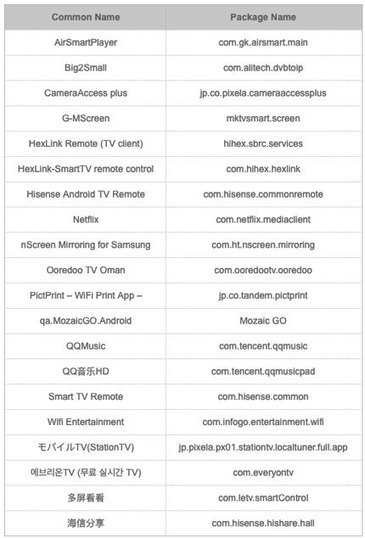
Can you believe that an estimated 6.1 million smart phones, routers, and smart TVs are vulnerable to remote code execution attacks due to security bugs that have been fixed back in 2012? Learn more
Gust MEES's insight:
Can you believe that an estimated 6.1 million smart phones, routers, and smart TVs are vulnerable to remote code execution attacks due to security bugs that have been fixed back in 2012? Learn more
Scoop.it!

Android wird erneut von einer riesigen Sicherheitslücke geplagt. Und Einfallstor des Virus ist niemand geringerer als die Google-Chrome-App. Besucht man in Google Chrome eine manipulierte Webseite, können Angreifer die komplette Kontrolle über das Smartphone übernehmen und das komplette Gerät plattmachen. Learn more / En savoir plus / Mehr erfahren: http://www.scoop.it/t/securite-pc-et-internet/?tag=Android
Scoop.it!

A new, frightening strain of Android malware is so hard to remove that, in some cases, victims might be better off just buying a new device. Learn more: http://www.scoop.it/t/securite-pc-et-internet/?tag=Android
Gust MEES's insight:
A new, frightening strain of Android malware is so hard to remove that, in some cases, victims might be better off just buying a new device. Learn more: http://www.scoop.it/t/securite-pc-et-internet/?tag=Android
Scoop.it!

Sicherheitsforscher haben Schwachstellen in Fernwartungs-Software, wie etwa Teamviewer, auf Android-Geräten gefunden, über die Angreifer Geräte aus der Ferne komplett übernehmen können. Learn more / En savoir plus / Mehr erfahren: http://www.scoop.it/t/securite-pc-et-internet/?tag=Certifi-gate
Gust MEES's insight:
Sicherheitsforscher haben Schwachstellen in Fernwartungs-Software, wie etwa Teamviewer, auf Android-Geräten gefunden, über die Angreifer Geräte aus der Ferne komplett übernehmen können. Learn more / En savoir plus / Mehr erfahren: http://www.scoop.it/t/securite-pc-et-internet/?tag=Certifi-gate http://www.scoop.it/t/securite-pc-et-internet/?tag=Android
Scoop.it!

An official Google blog post has gone on to say that from this week on, Nexus devices will receive over-the-air security updates on a monthly basis. Learn more / En savoir plus / Mehr erfahren: http://www.scoop.it/t/securite-pc-et-internet/?tag=Stagefright
Gust MEES's insight:
Learn more / En savoir plus / Mehr erfahren: http://www.scoop.it/t/securite-pc-et-internet/?tag=Stagefright
Scoop.it!

Si votre fournisseur de smartphone ou de tablette ne patche pas Stagefright de lui même, ce malware basé sur l’envoi de MMS peut être vraiment effrayant. Mais vous pouvez vous en protéger en respectant quelques étapes. Stagefright peut attaquer tout smartphone Android, tablette, ou un autre dispositif fonctionnant sous Android 2.2 ou supérieur. Des approximativement quelque 1 milliard de gadgets Android présents sur le marché, Stagefright pourrait, en théorie, toucher 95% d'entre eux. Joshua J. Drake, le vice-président de Zimperium zLabs qui a découvert Stagefright prétend qu'il est parmi les « pires vulnérabilités Android découverts à ce jour ». Learn more / En savoir plus / Mehr erfahren:
Gust MEES's insight:
Si votre fournisseur de smartphone ou de tablette ne patche pas Stagefright de lui même, ce malware basé sur l’envoi de MMS peut être vraiment effrayant. Mais vous pouvez vous en protéger en respectant quelques étapes. Stagefright peut attaquer tout smartphone Android, tablette, ou un autre dispositif fonctionnant sous Android 2.2 ou supérieur. Des approximativement quelque 1 milliard de gadgets Android présents sur le marché, Stagefright pourrait, en théorie, toucher 95% d'entre eux. Joshua J. Drake, le vice-président de Zimperium zLabs qui a découvert Stagefright prétend qu'il est parmi les « pires vulnérabilités Android découverts à ce jour ». Learn more / En savoir plus / Mehr erfahren:
Scoop.it!

Successfully exploiting the vulnerabilities could allow an attacker to spy on users, or even completely take over the device. Researchers with Zimperium have identified multiple critical remote code execution vulnerabilities in Android's Stagefright code that can be exploited on 95 percent of devices – an estimated 950 million – by simply sending an MMS message. Learn more / En savoir plus / Mehr erfahren:
Gust MEES's insight:
Successfully exploiting the vulnerabilities could allow an attacker to spy on users, or even completely take over the device. Researchers with Zimperium have identified multiple critical remote code execution vulnerabilities in Android's Stagefright code that can be exploited on 95 percent of devices – an estimated 950 million – by simply sending an MMS message. Learn more / En savoir plus / Mehr erfahren:
Scoop.it!

L’iPhone 5S a été mis à mal par une équipe de Corée du Sud, qui a réussi à profiter d'une combinaison de deux bugs dans Safari pour en prendre le contrôle. Le Samsung Galaxy S5 non plus n'a pas réisté aux assauts des hackers. Deux équipes ont profité de failles dans la gestion du protocole NFC pour en prendre le contrôle. le Nexus 5 a lui aussi été piraté via NFC, grâce à une technique étonnante, qui a consisté à forcer un appairage Bluetooth entre deux appareils.
Gust MEES's insight:
L’iPhone 5S a été mis à mal par une équipe de Corée du Sud, qui a réussi à profiter d'une combinaison de deux bugs dans Safari pour en prendre le contrôle. Le Samsung Galaxy S5 non plus n'a pas réisté aux assauts des hackers. Deux équipes ont profité de failles dans la gestion du protocole NFC pour en prendre le contrôle. le Nexus 5 a lui aussi été piraté via NFC, grâce à une technique étonnante, qui a consisté à forcer un appairage Bluetooth entre deux appareils.

Gust MEES's curator insight,
November 15, 2014 4:02 AM
L’iPhone 5S a été mis à mal par une équipe de Corée du Sud, qui a réussi à profiter d'une combinaison de deux bugs dans Safari pour en prendre le contrôle. Le Samsung Galaxy S5 non plus n'a pas réisté aux assauts des hackers. Deux équipes ont profité de failles dans la gestion du protocole NFC pour en prendre le contrôle. le Nexus 5 a lui aussi été piraté via NFC, grâce à une technique étonnante, qui a consisté à forcer un appairage Bluetooth entre deux appareils.
Scoop.it!

The Reveton ransomware gang is selling a version of CryptoLocker that can infect Android devices. The version of the kit that’s being advertised by the Reveton gang has variants for victims in more than 30 countries, including the United States, UK, France, Germany, Australia and Spain.
Gust MEES's insight:
The version of the kit that’s being advertised by the Reveton gang has variants for victims in more than 30 countries, including the United States, UK, France, Germany, Australia and Spain.
Scoop.it!
A critical security vulnerability has been found in Adobe Reader Mobile, the version of the popular PDF Reader developed for the Android operating system, which [...] A critical security vulnerability has been found in Adobe Reader Mobile, the version of the popular PDF Reader developed for the Android operating system, which could lead to remote hackers compromising documents stored on your Android device and its SD memory card. If you were feeling smug that you had managed to avoid the Heartbleed flaw affecting up to 50 million Android users because you’re not running Android 4.1.1 of Jellybean, then perhaps you should wipe that smile off your face.
Gust MEES's insight:
A critical security vulnerability has been found in Adobe Reader Mobile, the version of the popular PDF Reader developed for the Android operating system, which could lead to remote hackers compromising documents stored on your Android device and its SD memory card. If you were feeling smug that you had managed to avoid the Heartbleed flaw affecting up to 50 million Android users because you’re not running Android 4.1.1 of Jellybean, then perhaps you should wipe that smile off your face. .
|





Two-factor authentication involving SMS, while used by most banks for quite some time, is not unbeatable.