 Your new post is loading...

|
Scooped by
Gust MEES
December 21, 2016 8:25 AM
|
Kurz nach dem Anschlag in Berlin bat die Polizei Augenzeugen, Fotos und Videos auf einem speziellen Hinweisportal hochzuladen. Dieses wurde nun lahmgelegt, wie das Bundeskriminalamt der ARD bestätigte. Die Angreifer gingen professionell vor. Von Matthias Deiß. Learn more / En savoir plus / Mehr erfahren: http://www.scoop.it/t/securite-pc-et-internet/?tag=Cyberattacks
|
|
Scooped by
Gust MEES
December 2, 2016 6:54 AM
|
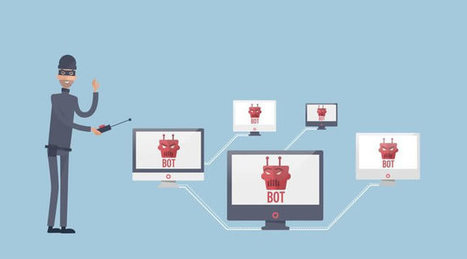
Im -Fachjargon ist mit Bot ein Programm gemeint, das ferngesteuert auf Ihrem PC arbeitet. Von Botnetzen spricht man dann, wenn sehr viele PCs – meist mehrere Tausend – per Fernsteuerung zusammengeschlossen und zu bestimmten Aktionen missbraucht werden. Auch mobile Geräte können Teil eines Botnetzes werden. Was das alles mit Ihnen zu tun hat? Ganz einfach: Es könnte sein, dass genau Ihr Computer, Tablet oder Smartphone Teil eines Botnetzes ist und jetzt ferngesteuert arbeitet – ohne dass Sie davon etwas mitbekommen. Sie sind an dieser Stelle gefordert: Sorgen Sie mit den entsprechenden Schutzmaßnahmen dafür, dass Fremde keine Möglichkeit bekommen, Ihren Rechner in Beschlag zu nehmen und für Angriffe zu missbrauchen. Learn more / En savoir plus / Mehr erfahren: https://globaleducationandsocialmedia.wordpress.com/2014/01/21/why-is-it-a-must-to-have-basics-knowledge-of-cyber-security-in-a-connected-technology-world/
|
|
Scooped by
Gust MEES
November 29, 2016 11:31 AM
|
|
|
Scooped by
Gust MEES
November 29, 2016 9:45 AM
|
|
|
Scooped by
Gust MEES
November 4, 2016 10:17 AM
|
|
|
Scooped by
Gust MEES
October 27, 2016 5:13 PM
|
Are the Days of “Booter” Services Numbered?
It may soon become easier for Internet service providers to anticipate and block certain types of online assaults launched by Web-based attack-for-hire services known as “booter” or “stresser” services, new research released today suggests.
The findings come from researchers in Germany who’ve been studying patterns that emerge when miscreants attempt to mass-scan the entire Internet looking for systems useful for launching these digital sieges — known as “distributed denial-of-service” or DDoS attacks. Learn more / En savoir plus / Mehr erfahren: http://www.scoop.it/t/securite-pc-et-internet/?tag=Internet+of+things
|
|
Scooped by
Gust MEES
October 24, 2016 12:58 PM
|
|
|
Scooped by
Gust MEES
October 17, 2016 10:28 AM
|
|
|
Scooped by
Gust MEES
October 10, 2016 7:49 PM
|
|
|
Scooped by
Gust MEES
October 10, 2016 9:31 AM
|
|
|
Scooped by
Gust MEES
October 3, 2016 1:53 PM
|
|
|
Scooped by
Gust MEES
September 27, 2016 3:22 AM
|
|
|
Scooped by
Gust MEES
September 23, 2016 6:58 PM
|
Thanks, Internet of things
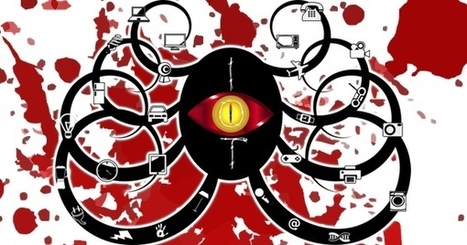
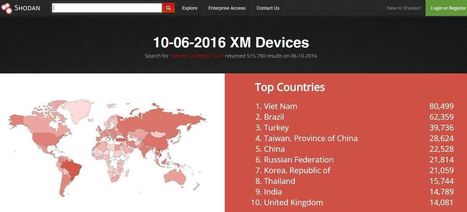
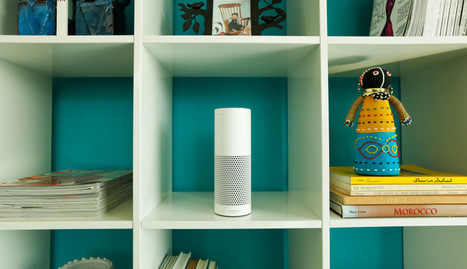
Instead, the attacks against KrebsOnSecurity harness so-called Internet-of-things devices—think home routers, webcams, digital video recorders, and other everyday appliances that have Internet capabilities built into them. Manufacturers design these devices to be as inexpensive and easy-to-use as possible. Consumers often have little technical skill. As a result, the devices frequently come with bug-ridden firmware that never gets updated and easy-to-guess login credentials that never get changed. Their lax security and always-connected status makes the devices easy to remotely commandeer by people who turn them into digital cannons that spray the Internet with shrapnel. On Thursday, security firm Symantec cataloged 11 different families of IoT malware that do just that.
"The current IoT threat landscape shows that it does not require much to exploit an embedded device," Symantec researchers wrote in the report, which was headlined "IoT devices being increasingly used for DDoS attacks." "While we have come across several malware variants exploiting device vulnerabilities—such as Shellshock or the flaw in Ubiquiti routers—the majority of the threats simply take advantage of weak built-in defenses and default password configurations in embedded devices."
The growing supply of IoT malware is creating a tipping point in the denial-of-service domain that's giving relatively unsophisticated actors capabilities that were once reserved only for the most elite of attackers. And that, in turn, represents a threat to the Internet as we know it. Learn more / En savoir plus / Mehr erfahren: http://www.scoop.it/t/securite-pc-et-internet/?tag=Smart+Home https://globaleducationandsocialmedia.wordpress.com/2014/01/21/why-is-it-a-must-to-have-basics-knowledge-of-cyber-security-in-a-connected-technology-world/ http://www.scoop.it/t/securite-pc-et-internet/?tag=SHODAN+Search+Engine http://www.scoop.it/t/21st-century-learning-and-teaching/?tag=Internet+of+Things http://www.scoop.it/t/securite-pc-et-internet/?tag=smart-TV http://www.scoop.it/t/securite-pc-et-internet/?tag=Internet+of+things http://globaleducationandsocialmedia.wordpress.com/2014/01/21/why-is-it-a-must-to-have-basics-knowledge-of-cyber-security-in-a-connected-technology-world/ http://www.scoop.it/t/securite-pc-et-internet/?tag=Cars
|
|
|
Scooped by
Gust MEES
December 20, 2016 3:28 PM
|
Russian hackers are stealing between $3 million to $5 million per day from US brands and media companies in one of the most lucrative botnet operations ever discovered.
On December 20, researchers from White Ops said the scheme, dubbed "Methbot," is a Russian operation set up to watch up to 300 million video-based adverts automatically every day.
These adverts, displayed on legitimate domains owned by companies including the Huffington Post, Economist, Fortune, ESPN, Vogue, CBS Sports, and Fox News, are used to generate additional revenue through advertising sponsors which help keep these businesses afloat.
However, White Ops says Methbot capitalizes on this revenue generation by targeting the most expensive advertising on the web -- such as full-blown video adverts on branded websites -- and is programmed to show signs of "engagement" to fool ad providers into thinking the content is being watched legitimately.
Faked clicks, mouse movements, social network login information, and typical "working hours" are all methods to keep the operation under wraps. Learn more / En savoir plus / Mehr erfahren: http://www.scoop.it/t/securite-pc-et-internet/?tag=cybercrime
|
|
Scooped by
Gust MEES
November 29, 2016 11:43 AM
|
|
|
Scooped by
Gust MEES
November 29, 2016 11:26 AM
|
|
|
Scooped by
Gust MEES
November 7, 2016 7:54 AM
|
|
|
Scooped by
Gust MEES
November 3, 2016 2:05 PM
|
One of the largest distributed denial-of-service attacks happened this week and almost nobody noticed.
Since the cyberattack on Dyn two weeks ago, the internet has been on edge, fearing another massive attack that would throw millions off the face of the web. The attack was said to be upwards of 1.1 Tbps -- more than double the attack a few weeks earlier on security reporter Brian Krebs' website, which was about 620 Gbps in size, said to be one of the largest at the time. The attack was made possible by the Mirai botnet, an open-source botnet that anyone can use, which harnesses the power of insecure Internet of Things devices.
This week, another Mirai botnet, known as Botnet 14, began targeting a small, little-known African country, sending it almost entirely offline each time.
Security researcher Kevin Beaumont, who was one of the first to notice the attacks and wrote about what he found, said that the attack was one of the largest capacity botnets ever seen. Learn more / En savoir plus / Mehr erfahren: http://www.scoop.it/t/securite-pc-et-internet/?tag=Mirai+Botnet http://www.scoop.it/t/securite-pc-et-internet/?tag=wearables https://globaleducationandsocialmedia.wordpress.com/2014/01/21/why-is-it-a-must-to-have-basics-knowledge-of-cyber-security-in-a-connected-technology-world/ http://www.scoop.it/t/securite-pc-et-internet/?tag=SHODAN+Search+Engine http://www.scoop.it/t/21st-century-learning-and-teaching/?tag=Internet+of+Things http://www.scoop.it/t/securite-pc-et-internet/?tag=smart-TV http://www.scoop.it/t/securite-pc-et-internet/?tag=Internet+of+things http://globaleducationandsocialmedia.wordpress.com/2014/01/21/why-is-it-a-must-to-have-basics-knowledge-of-cyber-security-in-a-connected-technology-world/ http://www.scoop.it/t/securite-pc-et-internet/?tag=Cars
|
|
Scooped by
Gust MEES
October 25, 2016 3:48 AM
|
Der Bot im Babyfon24. Oktober 2016 | Am Freitag vergangener Woche waren die Webseiten von Internetriesen wie Amazon, Twitter, PayPal oder Netflix über Stunden nur schwierig zu erreichen. Grund war eine digitale Attacke auf den Internetdienstleister Dyn. Dessen Aufgabe ist, die Domain-Namen wie amazon.com in die dazugehörigen IP-Adressen zu übersetzen. Mit einer sogenannten DDoS-Attacke, also dem massenhaften wiederholten Anfragen des Dienstes, wurde dieser derart überlastet, dass er unter der Last zusammenbrach und in der Folge die Webseiten seiner Kunden nicht erreichbar waren. Derartige Angriffe werden in der Regel mit Hilfe von sogenannten Botnetzen durchgeführt. Diese bestehen üblicherweise aus zahlreichen internetfähigen Geräten wie Computer, Smartphones oder Tablets, die mit Schadsoftware infiziert sind und durch diese - vom Nutzer unbemerkt - fremdgesteuert werden können. Neu an diesem Angriff ist, dass er mit einem Botnetz durchgeführt wurde, das zu großen Teilen aus mit dem Internet verbundenen Haushaltsgeräten (IoT-Geräte) besteht. Das sogenannte Mirai-Botnetz hat dabei auf Grund der großen Anzahl der Geräte eine Bandbreite erreicht, die weit über die bisher bekannter Botnetze hinausgeht. Die Netzwerkkameras, Babyfone oder Kühlschränke, die bereits zum Botnetz gehören, scannen offenbar selbstständig das Internet nach weiteren Geräten, um sie mit Schadsoftware zu infizieren und dem Botnetz hinzuzufügen. Das Mirai-Botnetz wächst also stetig weiter. Learn more / En savoir plus / Mehr erfahren: http://www.scoop.it/t/securite-pc-et-internet/?tag=Internet+of+things
|
|
Scooped by
Gust MEES
October 24, 2016 12:27 PM
|
|
|
Scooped by
Gust MEES
October 14, 2016 10:59 AM
|
|
|
Scooped by
Gust MEES
October 10, 2016 9:54 AM
|
|
|
Scooped by
Gust MEES
October 5, 2016 3:18 PM
|
|
|
Scooped by
Gust MEES
September 29, 2016 7:03 AM
|
|
|
Scooped by
Gust MEES
September 26, 2016 12:47 PM
|
|


























Learn more / En savoir plus / Mehr erfahren:
http://www.scoop.it/t/securite-pc-et-internet/?tag=Cyberattacks